Home Blog Page 327

Pahalgam Terror Attack: Here’s How Congress And Dravidian Stockists Are Whitewashing Islamic Terrorists
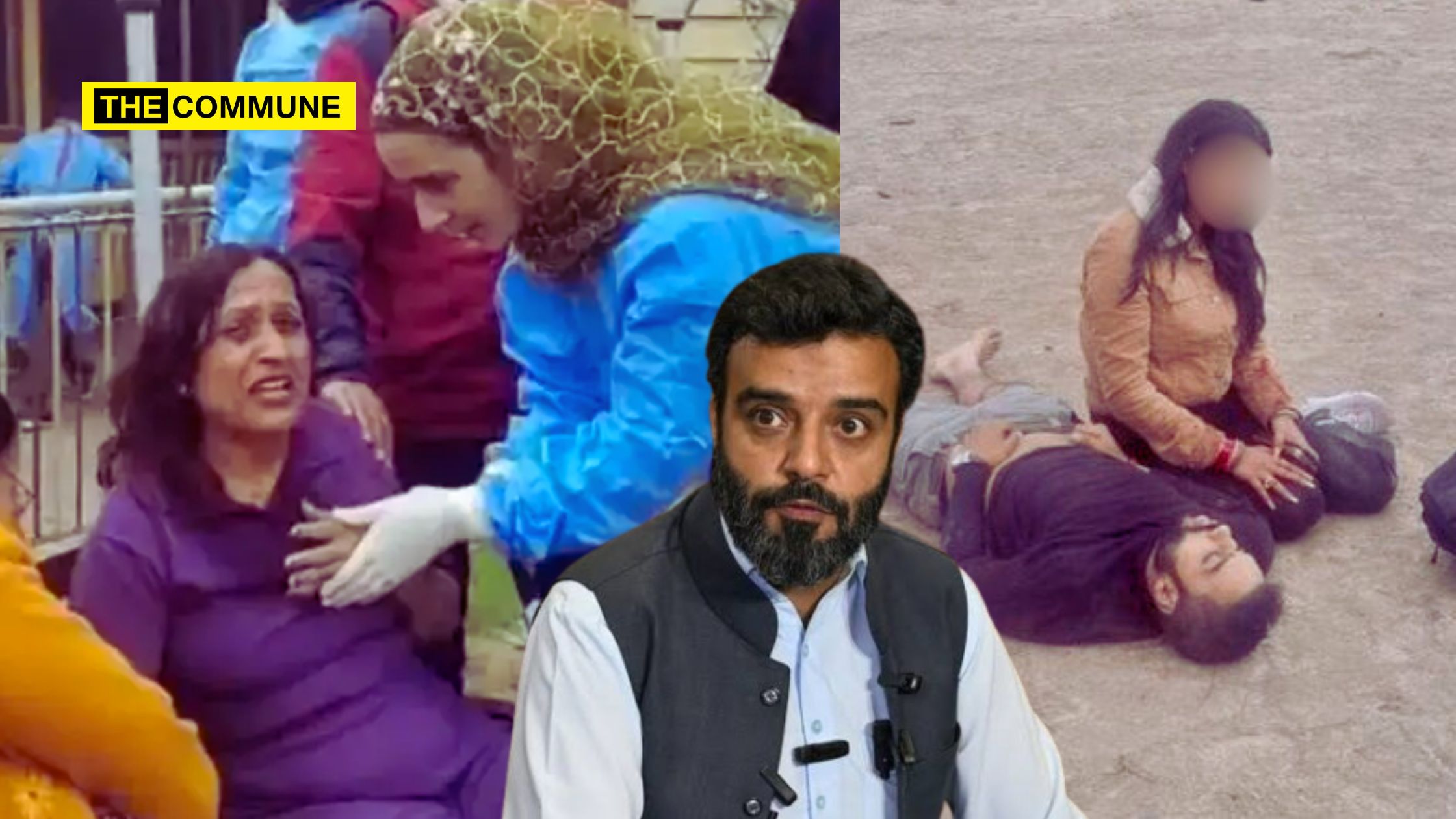
After the gruesome terror attack on Hindu tourists in Pahalgam, Kashmir, where Islamic terrorists openly declared jihad with survivors confirmed that the attackers forced victims to strip to check for circumcision and demanded they recite the kalma. If they failed, they were shot dead on the spot.

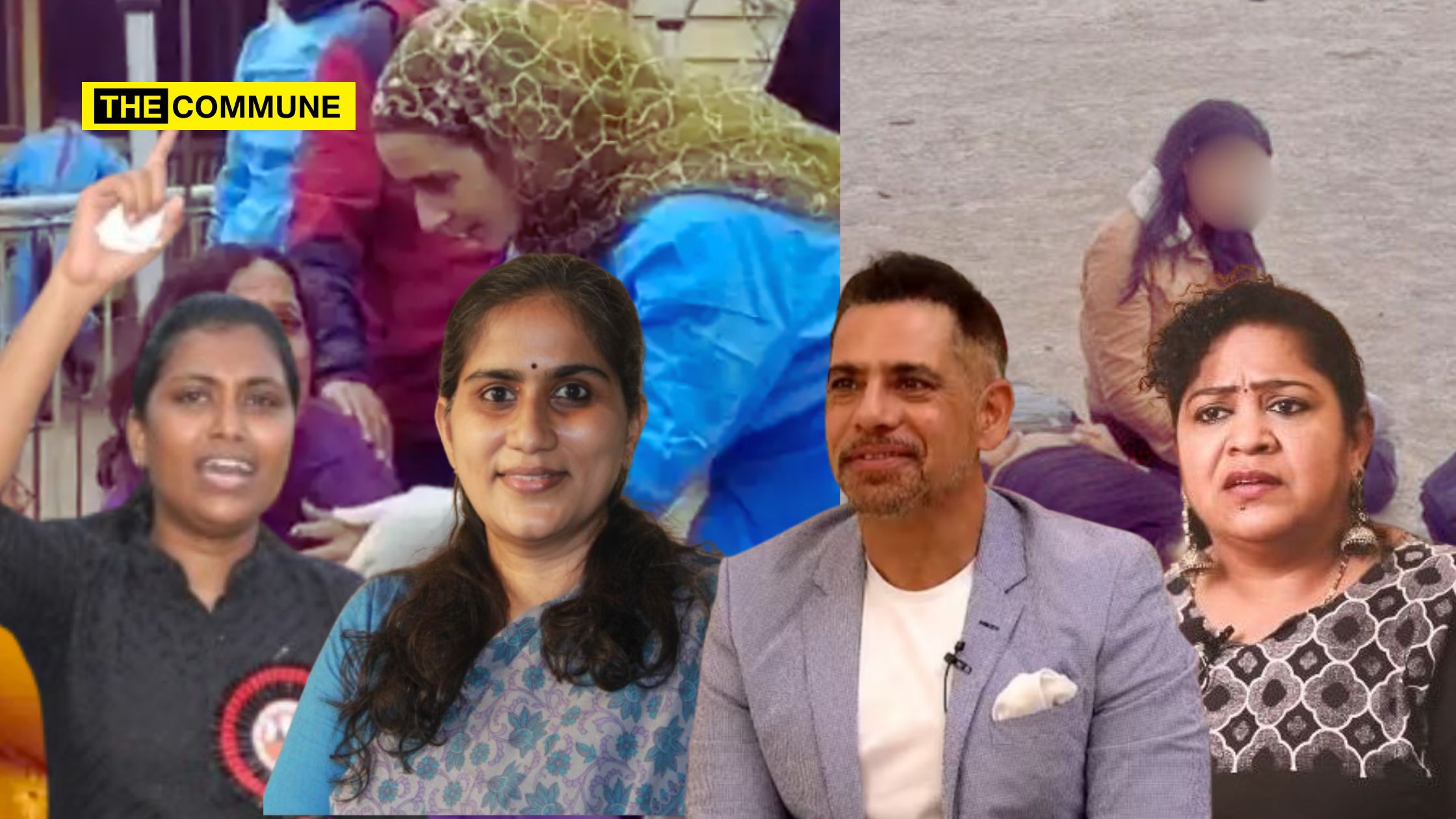
Yet shamelessly, the usual left-leaning, pro-Congress sympathizers and Dravidianist voices in Tamil Nadu are spinning a different narrative. According to them, even calling out these terrorists as “Muslim” is somehow an attack on the Muslim community itself. This level of intellectual dishonesty would be laughable if it weren’t so dangerous.

It is not surprising that Dravidian politics has never shied away from romanticizing terrorists, whether in Kashmir or Palestine, as so-called “freedom fighters.” But now, in their obsession with minority appeasement, they’ve crossed a line. Even as Muslim leaders across the country have condemned the Pahalgam attack without politicizing it, these political simps in Tamil Nadu show no shame. It’s all about vote-bank survival, truth and justice be damned.

Dravidian Stockist Sundaravalli

In a now-deleted post that sparked outrage, Dravidar Kazhagam activist and self-proclaimed Periyarist, Sundaravalli, shamelessly floated a wild conspiracy theory suggesting that the recent terror attack in Pahalgam was orchestrated not by Islamist terrorists, but allegedly by the Indian Army in collusion with the BJP.

In her inflammatory statement, Sundaravalli claimed, “Those who came as tourists and took off their clothes to see if they were Muslims were in military uniforms. This further confirms suspicions about the BJP. Since a non-BJP opposition party is in power there, we also need to see if the BJP is conspiring with the army.”
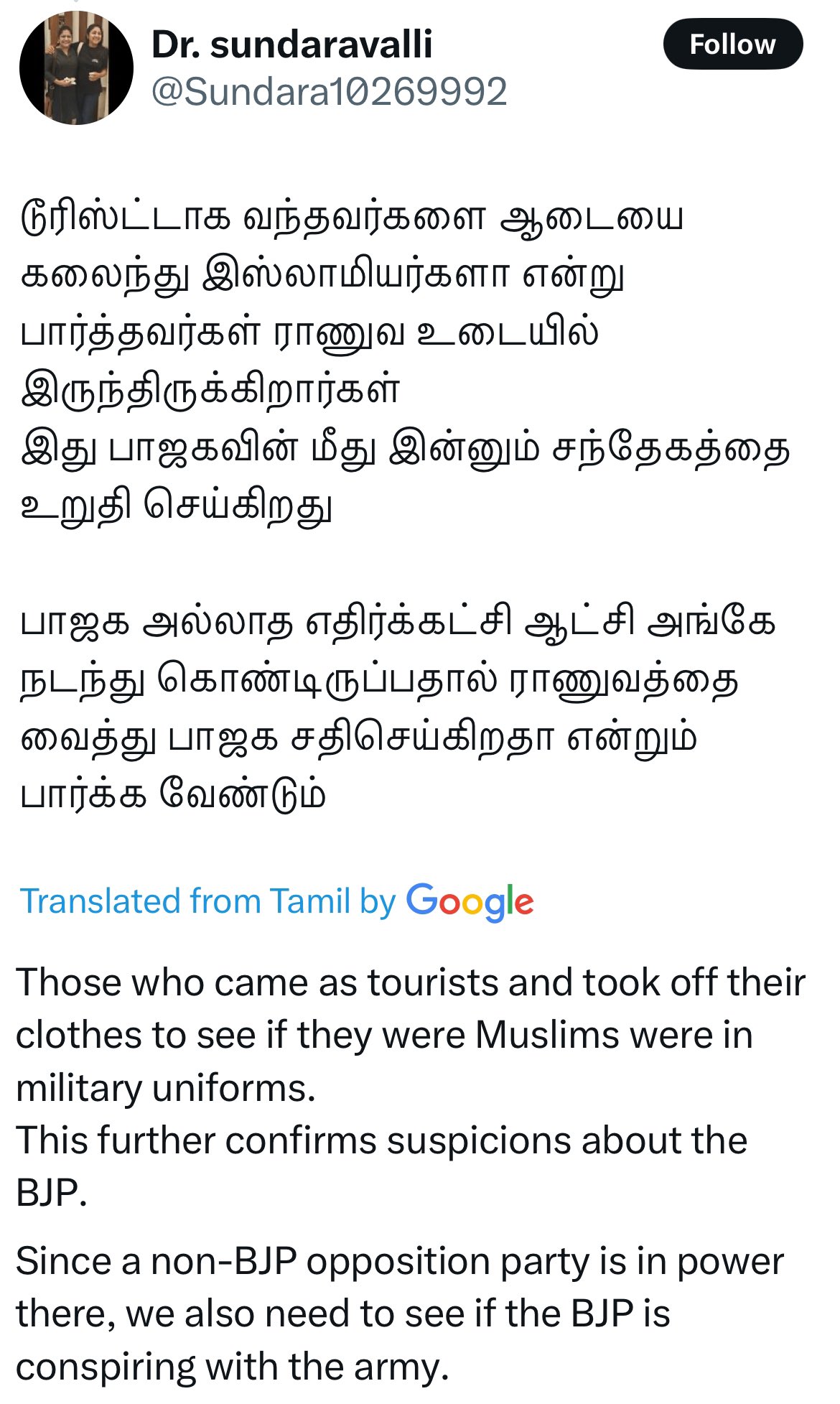
But she didn’t stop there. In another outrageous remark, she alleged, “Those who shot and killed tourists in Kashmir after checking if they were Muslims were dressed in military uniforms, carried guns, and have placed the blame on Muslims. The BJP has done this before, using the army.”

She attached pictures of an Indian Army soldier and the newly married tourist whose husband had been shot dead by the terrorists.
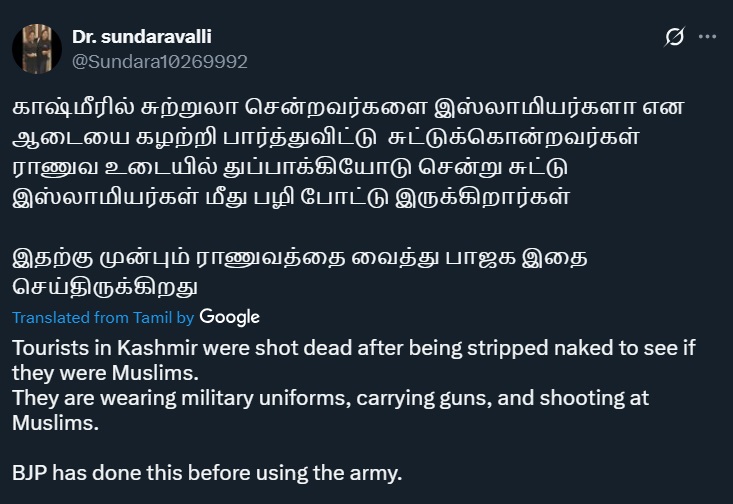
Her baseless accusations not only targeted the ruling government but also cast a disgraceful shadow over the Indian Armed Forces—drawing widespread condemnation from netizens and political observers alike. Many have slammed her comments as reckless, deeply irresponsible, and a blatant attempt to politicize a national tragedy for ideological propaganda.

Dravidian Stockist Mathivadhani

In yet another inflammatory post, Dravidar Kazhagam’s Deputy General Secretary, Mathivadhani, ranted, claiming, “The Sanghis have started to paint a religious picture to hide their defeat. Even before they could write condolence messages to those who suffered the loss, they had already started using religion to incite riots. They are the threat to India!” 

Dravidian Stockist Ashok

Another Dravidianist sympathizer in his post stated, “No matter which regime a terrorist attack takes place in, it is a stain on that regime. But it is only the BJP/Modi government that is inept and corrupt, that is blaming terrorist attacks on local Muslims, spreading and instilling fear in the minds of Hindutva fools that it would be better if they were in power. Think carefully. If terrorist attacks happen during a Congress government, the media will say that Congress should resign. But if attacks happen during a BJP government, the propaganda will be that this is the time for us to support the BJP government and Modi unconditionally. This rogueness is what saves the BJP. In fact, there has never been a government as weak as BJP/Modi in India. No one respects us living under the leadership of this comedian. As long as BJP is in power, there will be no security not only for Muslims but also for Hindus and Christians. “Munuswamy, you who are supposed to provide security, are well protected,” is the dialogue in the movie Beast, and that Munuswamy is Modi. Drive out Modi. India will become stronger. It will rise again. It will gain respect.”

In another post the same Dravidianist ranted, “A government that thinks that terrorist attacks are good for the elections will continue to have terrorist attacks as long as it is in the Union. Very simple logic!”

Lakshmi Ramachandran

Moreover, Lakshmi Ramachandran, General Secretary of the Tamil Nadu Congress and TNCC spokesperson, in a blatant bid to appease the Muslim minority in the state, downplayed the clearly communal nature of the Pahalgam terror attack—where Hindu tourists were deliberately targeted. Instead of acknowledging the religious motive behind the massacre, she framed it merely as a generic act of terrorism by Pakistani militants, insisting it wasn’t a Hindu-Muslim issue. Her remarks drew heavy backlash, with critics slamming her for being tone-deaf and accused her of whitewashing the religious aspect of the assault to serve political interests.

In her post, she wrote, “Attack by Pakistani terrorists on innocent tourists in Pehalgam is extremely disturbing. The way Godi media is reporting the ghastly attack, treading a careful line lest they displease Modi-Shah, is highly irritating. They are making this a Hindu-Muslim issue to please their bosses. They are claiming that the terrorists made sure that the victims were Hindus before shooting them down. Some of the victims are Tamils and Telugus we hear. How the hell will Pakistani terrorists distinguish between a Tamil Muslim and Tamil Hindu? Shame on you Godi media. You have no humanity left in you. INDIANS were killed and the perpetrators should not be spared.” 

Robert Vadra

Above all others mentioned above, the ​Indian entrepreneur and businessman Robert Vadra, husband of Wayanad Congress MP Priyanka Gandhi, has controversially linked the recent terrorist attack in Pahalgam to the promotion of Hindutva by the current government. In a statement that has drawn criticism, Vadra suggested that the attack was a consequence of minorities feeling threatened due to the government’s ideological stance.

Vadra expressed his condolences for the victims of the attack but went on to state, “I feel terrible and my deepest condolences are for the people who have died in this terrorist act…In our country, we see that this government will talk about Hindutva, and the minorities feel uncomfortable and troubled…If you dissect this terrorist act that took place, if they (terrorists) are looking at people’s identity, why are they doing this? Because there’s a divide that has come about in our country with Hindus and Muslims…This will make these kinds of organisations feel that Hindus are making a problem for all the Muslims. Looking at identities and then killing somebody, that’s a message to the PM, because Muslims are feeling weakened. The minorities are feeling weakened…This has to be coming from the top that we feel secure and secular in our country and we will not see this kind of acts happening.”

His remarks have faced strong backlash, with critics accusing him of using the tragedy to push an opportunistic narrative. Instead of unequivocally condemning the heinous act of terror, Vadra appeared to shift blame onto Hindus and Hindu organizations, framing the attack as a reaction to the prevailing political climate rather than acknowledging it as a clear case of targeted violence.

Subscribe to our channels on TelegramWhatsApp, and Instagram and get the best stories of the day delivered to you personally.

Sringeri Seer Sri Vidushekara Bharati Mahaswamiji Condemns Forced Sacred Thread Removal At CET Exam Centre In Shivamogga, Karnataka Deputy CM Vows Protection

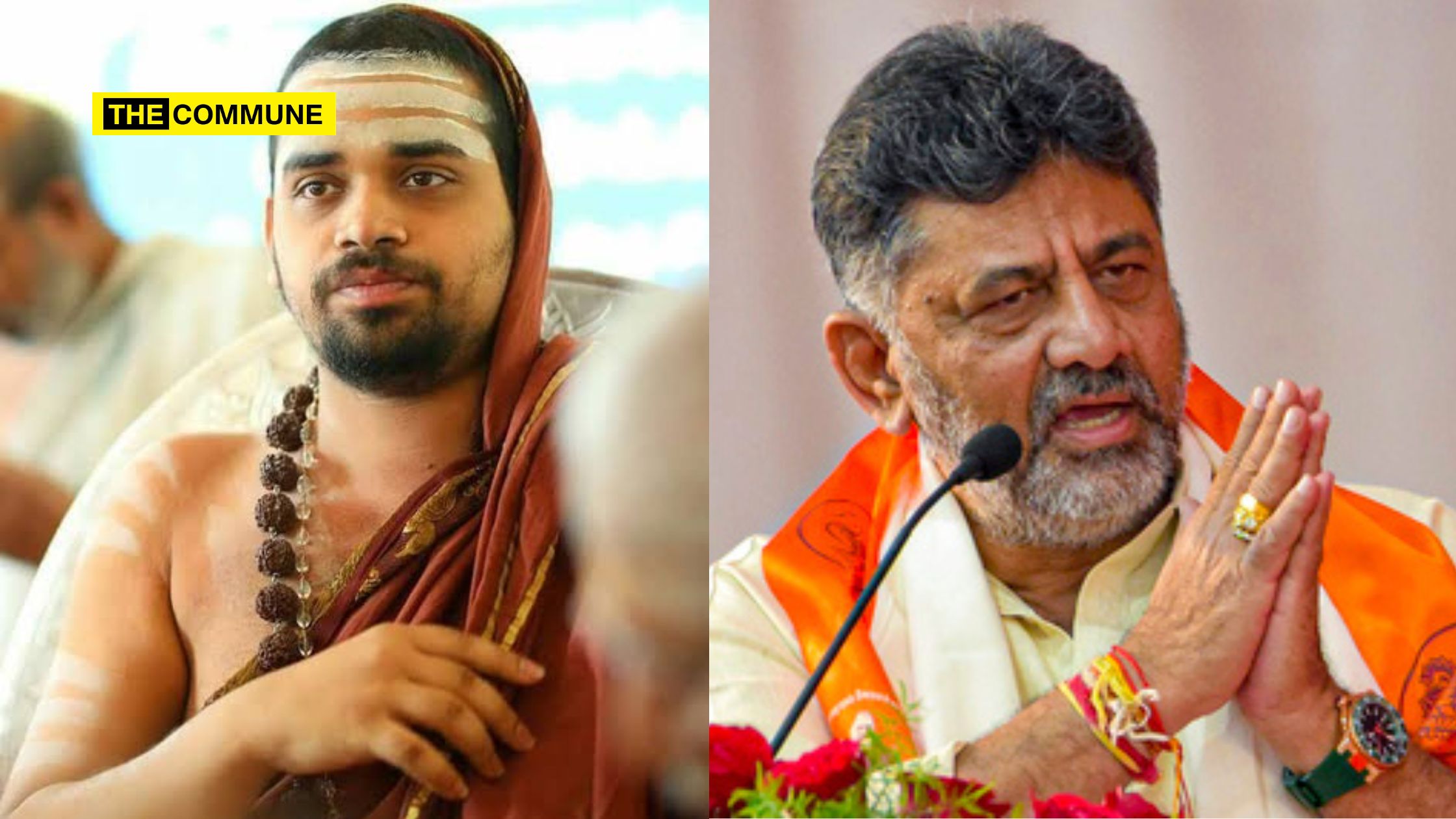
Karnataka Deputy Chief Minister D.K. Shivakumar on Sunday (20 April 2024) reaffirmed the government’s commitment to upholding religious freedom and cultural practices, stating that action will be taken against those responsible for forcing students to remove their janivara (sacred thread) during the recent Common Entrance Test (CET) examinations in Shivamogga.

Speaking at a function organised by the Belthangady Taluk Gowdara Yane Vokkaligara Seva Sangha and Vani Education Institute, Shivakumar said, “The government will not interfere in religious customs and is committed to punishing those involved in incidents that hurt religious sentiments. We will take everyone along, respecting all religious beliefs and practices.”

He emphasized that the cultural traditions of all communities are a national asset and must be preserved. “Every person has their own religious identity. Our government stands with them in protecting that,” he said.

At the same event, the junior seer of Sringeri Sharada Peetham, Sri Vidushekara Bharati Mahaswamiji, addressed the Deputy CM directly, expressing concern over the Shivamogga incident. Swamiji stressed the sanctity of religious symbols like the janivara, saying, “Religion is a principle. God is one, devotion is one, even if names and practices differ. No one chooses the caste or religion they are born into. These are inherited traditions, and they must be respected.”

In a strongly worded message, the seer said it was wrong to force the removal of sacred symbols like the janivara, adding, “Even if someone does wrong, it is not right to target their religion or customs. The government must ensure that such actions are not repeated.”

Responding to the remarks, Shivakumar reiterated that the government has changed and is committed to safeguarding religious rights. “I’m saying this in front of the holy feet of the saints — our government will ensure justice and protection for all faiths,” he said.

(With inputs from The Hindu)

Subscribe to our channels on Telegram, WhatsApp, and Instagram and get the best stories of the day delivered to you personally.
Extra Flights, No Fare Surges – Centre Instructs Airlines After Deadly Pahalgam Terror Attack

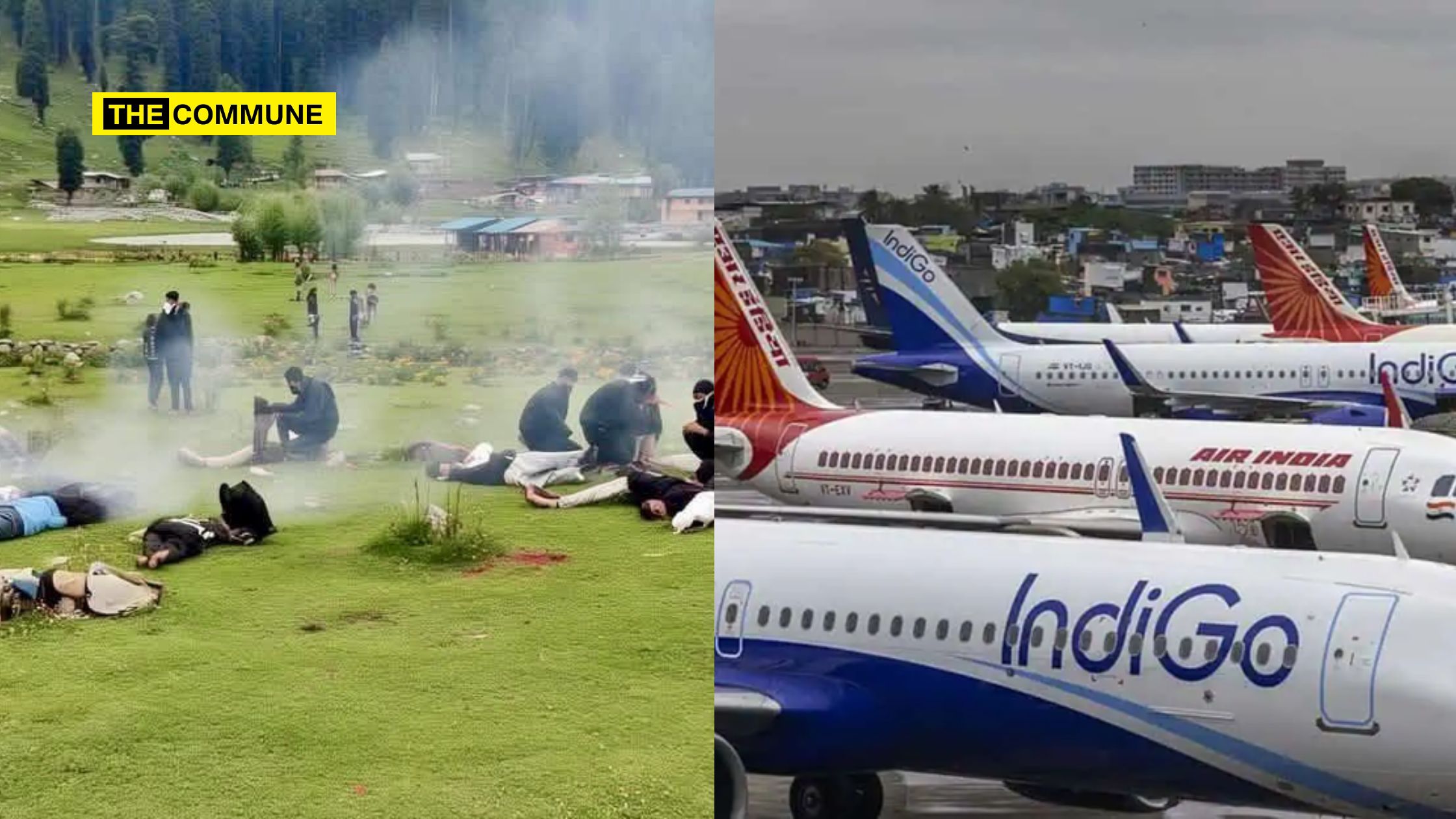
In the aftermath of the horrific terror attack in Pahalgam that claimed the lives of at least 26 Hindu tourists and injured many others, the Ministry of Civil Aviation has stepped in to ensure safe and affordable evacuation and travel from Kashmir. The government has directed airlines to maintain regular fares on the Srinagar route and deploy additional flights to aid in the crisis.

Civil Aviation Minister K. Rammohan Naidu held an emergency meeting with airline executives on Tuesday (22 April 2025) evening, following consultations with Home Minister Amit Shah. In the meeting, the minister instructed airlines not to raise fares and to ease the travel burden on those affected. “Airlines have been advised to keep fares at regular levels and avoid any financial exploitation of passengers in distress,” the ministry said in a statement.

As part of immediate relief measures, four special flights are being operated from Srinagar on Wednesday (23 April 2025) — two each by Air India and IndiGo. These include two flights to Delhi and two to Mumbai. Additional flights have also been placed on standby, should further evacuation become necessary.

Both Air India and IndiGo have announced waivers on rescheduling and cancellation fees for tickets to and from Srinagar booked up to 30 April 2025. IndiGo clarified that this applies to bookings made on or before 22 April 2025. Air India stated that its existing five daily services between Delhi, Mumbai, and Srinagar will continue as scheduled, with extra capacity being added where needed.

“In light of the evolving situation, we are operating two extra flights today, 23 April 2025 — one each to and from Srinagar, connecting with Delhi and Mumbai,” IndiGo announced via social media.

Air India also confirmed its special operations: one flight to Delhi at 11:30 AM and another to Mumbai at 12:00 PM from Srinagar.

Beyond flight arrangements, the Ministry of Civil Aviation has directed airlines to assist in the transportation of the deceased victims’ remains to their respective states. Coordination is being carried out with local authorities and state governments to ensure this process is conducted with urgency and dignity.

The Ministry affirmed it remains on high alert and fully committed to supporting victims, their families, and all impacted passengers in the aftermath of the Valley’s deadliest terror strike since the 2019 Pulwama attack.

The situation continues to be monitored closely by top government officials, including Minister Naidu and Home Minister Shah, who also visited the attack site in Baisaran to assess the ground reality.

(With inputs from CNBC TV18)

Subscribe to our channels on Telegram, WhatsApp, and Instagram and get the best stories of the day delivered to you personally.
Maktoob Media Writer Rationalizes Pahalgam Terror Attack, Parrots National Conference MP’s “Tourism Is Cultural Invasion” Rhetoric

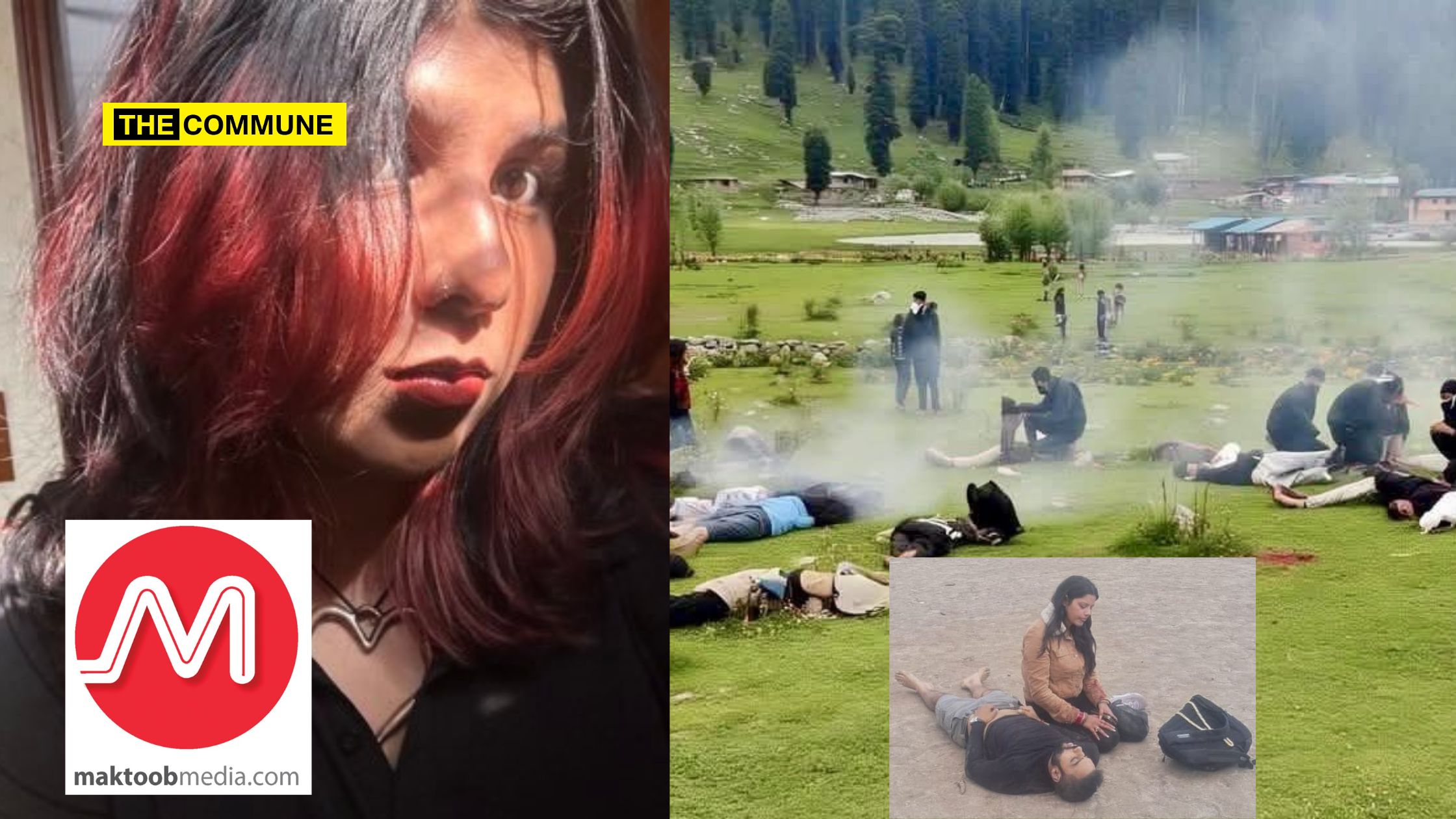
As the country mourns the brutal Pahalgam terror attack that targeted Hindu tourists — a chilling reminder that Islamist separatism still lurks behind Kashmir’s scenic veil — voices like that of Maktoob Media’s Rida Fathima resurface, not to condemn terror, but to rationalize it.

Fathima, who seems to like draping separatist sympathies in academic prose, claimed that “tourism is a colonial ploy in Kashmir” and grotesquely framed tourists as complicit in what she describes as an “occupation,” in response to a news item on the Pahalgam terror attack.

According to her warped logic, the presence of Indian citizens — pilgrims, families, children — in Kashmir justifies the blood spilled by terrorists. She wrote, “Tourism has been one of the oldest ploys of colonial standardisation in Kashmir, every time the figure of the Kashmiri terrorist is constructed to justify the brutal slaughter, violence, rape and routine abduction of kashmiris by hstani occupying forces kunan poshpora, gawkadal, sopore massacre, countless kashmiri lives in exile and beyond the grave, all bypass collective dominant memory, meanwhile the deaths of tourists are eulogised and weaponised to further sanction the ind*an occupation and its brutality — a line of thought that not only strips victims of humanity but sanitizes the motives of the attackers while speaking the separatist language. 

https://twitter.com/AquaTxfanaa/status/1914773624567030117

This is not dissent. It is propaganda.

While the nation unites to grieve and bring justice after the Pahalgam attack, Fathima’s ideological kin choose silence or worse, intellectual justification. Her selective memory invokes Kunan Poshpora and Sopore, but conveniently forgets the Wandhama massacre, the Nadimarg killings, the exodus of Kashmiri Pandits, and the relentless targeting of Hindus — not as combatants, but civilians.

Echoes Sentiments Of National Conference MP

In an interview with a YouTube channel, “Nous Network”, National Conference MP Aga Syed Ruhullah stated“What is happening right now, which they call tourism. In my view it is not tourism. In my view this is a cultural tourism by purpose and design.”

Ruhullah’s past remarks—labeling tourism in Jammu and Kashmir as a “cultural invasion” in the backdrop of the Pahalgam terrorist attack on tourists, especially Hindus, seem to be him downplaying the importance of tourism and issuing veiled threats that eerily echoed the tragic exodus of Kashmiri Pandits in the 1990s.

Maktoob Media & Progapanda Pieces

Fathima, who contributes opinion pieces to Maktoob Media has also written about “Ram Mandir and Hindutva Fascist myth of Decolonisation”. In this piece, she argues that the grand celebration of the Ram Mandir inauguration in Ayodhya symbolizes not decolonization but a deepening of ‘Hindutva fascism’ rooted in historical revisionism, communal violence, and the ‘erasure of Muslim identity’ in India. Drawing parallels with the 1992 Babri Masjid demolition, she highlights how educational institutions, once spaces of critical thought, are now being overrun by majoritarian aggression, with dissent silenced through intimidation. Interstingly, she criticizes the ideological use of archaeology to justify the temple’s construction, claiming that findings from Ayodhya were ‘selectively interpreted and politicized’, often lacking ‘scholarly rigor’.

She challenges the claim that Mughal rule was colonial, pointing to centuries of Indo-Islamic syncretism and mutual cultural exchange, especially through Sufi traditions. She warns against the ‘distortion of history’ to frame Muslim rulers as foreign oppressors while ignoring similar actions by Hindu kings. She also critiques the homogenization of Hindu identity under Hindutva, which masks internal caste violence and marginalization. – How dramatic! Ultimately, she condemns the use of the Ram Mandir as a nationalist project that ‘whitewashes past atrocities’ and legitimizes ongoing oppression.

For someone who writes such divisive propaganda and Maktoob media which seems to exist only to promote such narratives, the agenda of their ilk is very clear.

People like Rida Fathima must understand (will/can they?) that India celebrates tourism in Kashmir not as a colonial project but as a bridge — to bring jobs, hope, and unity to a region bled by decades of conflict. But for those like Fathima, peace is an inconvenient obstacle to a narrative they refuse to abandon.

Terrorists pulled the trigger in Pahalgam. But separatist apologists like Rida Fathima help load the gun — with words, excuses, and silence.

Subscribe to our channels on Telegram, WhatsApp, and Instagram and get the best stories of the day delivered to you personally.
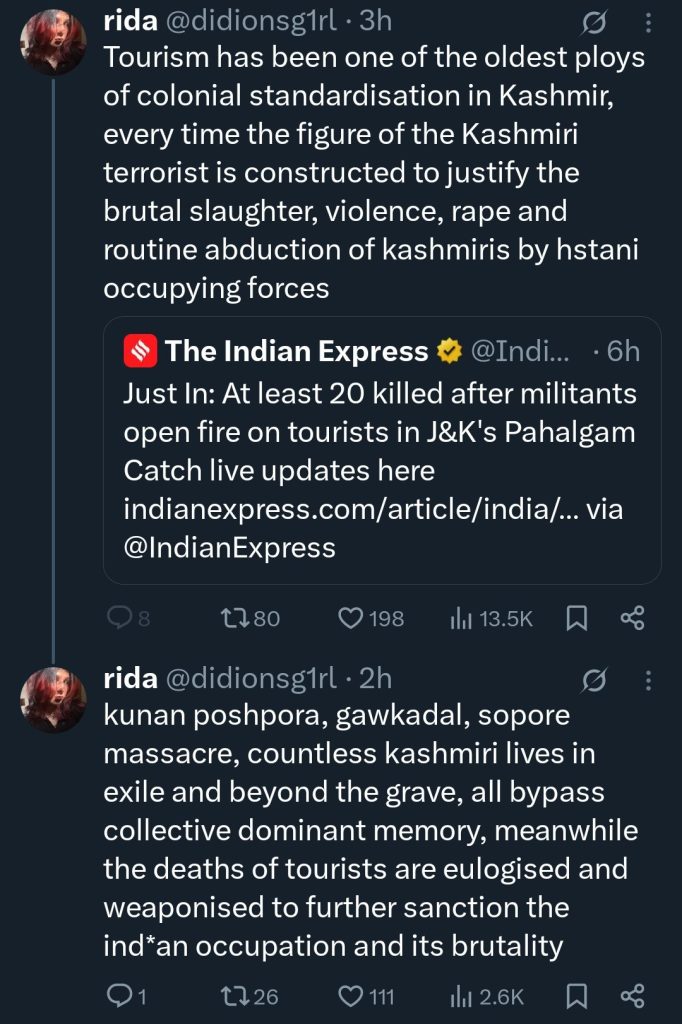
Amid Terror Attack In Pahalgam, Viral Video Shows LeT Terrorist From PoK Vowing ‘Jihad’ And Demographic War In Kashmir

As the nation grapples with the news of the gruesome terror attack on tourists in Pahalgam, Kashmir, videos from Pakistan-occupied Kashmir have started to surface on social media.

In one such video that has since gone viral, at a meeting reportedly at Khaigala in PoK said to have taken place a few days ago (18 April 2025) at the venue of the Akif Haleem (Eliminated LeT terrorist) tribute conference, the speaker is seen echoing the sentiments of Pakistan Army chief Gen Asim Munir who called KashmirIslamabad’s jugular vein“. 

PoK Video

In the video, the speaker says, God willing, we will break all of them and will be united in Jihad. Allah is giving good news via Jihad. In Bangladesh, the loyalists of Hindu Baniya have been buried. Sham Jabbar, today it is the rule of Mujahideen. And what did Jihad give by telling the last incident of Makhbooz-e-Kashmir? What did Mujahideen give? I swear on Allah, when Hindustan and the cow worshippers removed 35A and 370 from Makhbooz-e-Kashmir, you tell me why did they remove it? For demographic change, to wipe out the Muslims. To change the Muslim Shariat into Akaliyat. Through your tanks, cannons, missiles, helicopters, drones, I swear to Allah, you made a big hullabaloo with 10 lakh Army that the Qazi in Srinagar is the son of a martyr. In Poonch Rajouri, you said you will bring the people who say Ram Ram. You said you will bring demographic change. Please pay attention to this, he did it for this. And he launched 52 lakh missileswe are not aware of all this. We do not pay attention to these things. 52 lakh missiles – he put a legal document in their hand and told them, Modi told them go, you have to settle in Srinagar. You have to increase the voice of Ram Ram. Mujahideen-e-Kashmir, Aqab Shaheed, Abdur Rahman Shaheed, Zia Mustafa, and many others accepted this challenge and said,Modi, you did this in a closed court, the papers were yours, the judges were yours, this land belongs to the Mujahids. Just try it. God willing, we will cut your throats with a shower of bullets and keep the honour of those who were martyred. This is the fifth year. Go and investigate. But what did Kashmir give? What did the martyrs give? What did Jihad give? We don’t pay attention. We only talk emotionally. This is the 5th year. I swear to Allah, they couldn’t make a colony or settle. They went to Modi and said that their lives in Kashmir were in danger. And until this danger is over, we are not ready to settle there.”

What Pak Army Chief Said

On 16 April 2025, during the Overseas Pakistanis Convention in Islamabad, Pakistan Army Chief General Asim Munir reiterated Pakistan’s long-standing stance on Kashmir. Emphasizing its significance, he stated, “Our stance is absolutely clear, it was our jugular vein, it will be our jugular vein, we will not forget it. We will not leave our Kashmiri brothers in their heroic struggle.”

Speaking to an audience of Pakistanis living abroad, General Munir described them as the nation’s ambassadors and urged them to remain connected to their roots. He said, “You should definitely tell Pakistan’s story to your children. Our forefathers thought that we were different from the Hindus in every aspect of life. Our religions, our customs, traditions, thoughts, and ambitions are different. That was the foundation of the two-nation theory that was laid.”

In doing so, the Army Chief also defended the ideological basis of Pakistan’s creation—the two-nation theory that led to the Partition in 1947—reinforcing the narrative of cultural and religious divergence from India.

Hamas Leaders On PoK Soil OnKashmir Solidarity Day”

On 5 February 2025—Kashmir Solidarity Day—Pakistan escalated its propaganda by hosting Hamas leaders alongside top Pakistani jihadist commanders in Pakistan-occupied Kashmir (PoK). The rally, titled Kashmir Solidarity and Hamas Operation Al-Aqsa Flood, was attended by Hamas spokespersons Dr. Khaled Qaddoumi, Dr. Naji Zaher, and others, along with Jaish-e-Mohammed figures including Masood Azhar’s brother. This collaboration aimed to position Kashmir and Palestine as shared fronts in a global pan-Islamic jihad against India and Israel. With over 88,000 foreign terrorists reportedly on launchpads, infiltration attempts are expected to rise. Simultaneously, Pakistan faces unrest in PoK, declining local jihadi recruitment, and internal instability marked by inflation and violence. Hamas’s involvement appears intended to revive Islamist mobilization by invoking the ummah narrative.

It is noteworthy that India has firmly rejected talks with Pakistan, demanding it dismantle terror networks and extradite wanted terrorists like Masood Azhar.

What Happened In Pahalgam?

In a horrific act of terror, at least 26 people—mostly tourists—were killed and 17 injured in an attack on Pahalgam’s Baisaran Valley, a popular destination often called “mini Switzerland,” on Tuesday afternoon. Among the victims were 25 Indian nationals and one from Nepal, according to reports.

Videos captured by survivors show a chilling scene—bodies strewn across the meadow and people wailing in desperation. This is the deadliest civilian attack in India since the 2008 Mumbai attacks that claimed over 160 lives.

Prime Minister Narendra Modi, who cut short his Saudi Arabia trip and returned to India early Wednesday, condemned the assault as a “heinous act” and vowed justice: “Those behind this act will not be spared.”

The Resistance Front (TRF), a proxy of the Pakistan-based Lashkar-e-Taiba (LeT), has claimed responsibility via social media, citing anger over the alleged resettlement of over 85,000 “outsiders” in the region—what they called an effort to change the region’s demographic makeup.

While TRF’s statement has circulated online, the Indian government has not yet issued an official confirmation of the group’s involvement.

(With inputs from NDTV)

Subscribe to our channels on Telegram, WhatsApp, and Instagram and get the best stories of the day delivered to you personally.
Maharashtra CM Fadnavis Fact-Checks TN CM Stalin On Marathi Language Claim, Schools Him On NEP

On 22 April 2025, Maharashtra Chief Minister Devendra Fadnavis hit back at Tamil Nadu CM M.K. Stalin’s criticism regarding the implementation of the National Education Policy (NEP), asserting that Stalin should first gain a comprehensive understanding of the policy before questioning the Prime Minister. Fadnavis also questioned Stalin’s reluctance toward promoting multilingual education.

The exchange came in response to a post made by Stalin a day earlier, in which he raised concerns over Fadnavis’ claim that Marathi was the only mandatory third language in Maharashtra under the NEP. Stalin accused Fadnavis of backtracking amid public backlash over the alleged imposition of Hindi, and demanded clarification from the Prime Minister and the Union Education Minister on whether Fadnavis’ position reflected the official stance of the central government.

What Fadnavis Wrote

In a post on his official X account, Stalin wrote, Facing a massive backlash for imposing Hindi as the third language, Maharashtra CM Devendra Fadnavis now claims that only Marathi is compulsory in the state. This is a clear manifestation of his trepidation over the widespread public condemnation against imposition of Hindi on non-Hindi speaking States. Hon’ble PM and Union Education Minister must clarify:

  • Does the Union Government officially endorse his position that no language other than Marathi is compulsory in Maharashtra as the third language under National Education Policy (#NEP)?
  • If so, will the Union government issue a clear directive to all states affirming that the NEP does not require the compulsory teaching of a third language?
  • Will the Union Government release the Rs. 2,152 crore it unjustly withheld for Tamil Nadu on the premise that the state must subscribe to the teaching of a mandatory third language?”

In response, Fadnavis shared a link to the NEP document on X and suggested Stalin study it thoroughly. He emphasized that the NEP does not impose any language but allows flexibility, encouraging students to learn any two Indian languages in addition to English.

“Mr. Stalin,” Fadnavis posted, “Before seeking clarifications from Hon PM Narendra Modi ji, you need a deep understanding of National Education Policy. First you need to study what exactly NEP is ! Here is link for your ref – https://education.gov.in/national-education-policy. NEP never insisted or made compulsion on language choice but only asks to study any 2 Indian languages other than English, out of 3. As far as Maharashtra is concerned, we are open to Hindi, Tamil, Telugu, Kannada, Sanskrit or any language of student’s choice which they wish to study as the third language. Main question is why are you not open to multi-lingualism & have a problem if someone wants to study in Hindi?” 

Subscribe to our channels on TelegramWhatsApp, and Instagram and get the best stories of the day delivered to you personally.

Pahalgam Terror Attack: Survivor Says How Terrorists Cursed Modi And Made Her Father To Recite Islamic Verses Before Shooting Him, But Congress Spokie Lakshmi Says Religion Has Nothing To Do With The Attack

On 22 April 2025, a group of militants turned the idyllic Bisaran Valley near Pahalgam into a graveyard. The attackers, armed and disguised in uniforms resembling local police, opened fire on unsuspecting tourists enjoying a break in the Kashmir hills. But as eyewitness testimonies now reveal, this was not just a random act of terrorism—it was a targeted massacre, and many of the victims were singled out for being Hindu.

A Vacation Turned Nightmare

Asavari Jagdale, a 26-year-old HR professional from Pune, was on vacation with her family when the terrorists struck. Her father, Santosh Jagdale, was asked to come out of the tent and recite an Islamic verse. When he couldn’t, he was shot three times—once in the head, once behind the ear, and again in the back. Her uncle, lying next to her, was also gunned down. The family had no time to react, no protection from the state, and no warning.

The attackers made their intentions clear: they demanded religious identification and targeted those who failed their forced litmus tests. “Even the locals were reciting Islamic verses,” Asavari recounted to PTI, highlighting the horrifying communal screening process the gunmen imposed on their victims.

Survivors and witnesses have since corroborated that the terrorists asked victims to strip to check for circumcision and forced them to recite the kalma—Islamic testimony of faith. Those who failed were shot dead. These chilling methods reveal beyond doubt that this was a religiously motivated massacre, not a random terror incident.

A Massacre Of Hindus

The brutal terror attack left 27-28 civilians dead and several injured. Among the deceased were a majority of Indian tourists, mostly Hindus, from across the country, locals from Jammu and Kashmir and foreign nationals said to be from Nepal and the UAE

The victims included an Intelligence Bureau officer posted in Telangana and a young Navy officer. In one blood-curdling incident, a survivor reported that the attackers spared a woman only so she could “go and tell Modi what happened here.”

The Resistance Front (TRF), a Lashkar-e-Taiba offshoot, claimed responsibility. In a statement, the group blamed the Indian government’s alleged attempts to “change Kashmir’s demography” by settling outsiders, citing this as their justification for the carnage.

The Whitewashing Begins

Yet despite overwhelming evidence and eyewitness accounts confirming religious targeting, some politicians have chosen to obfuscate the truth.

Lakshmi Ramachandran, General Secretary and spokesperson of the Tamil Nadu Congress Committee (TNCC), ignited a firestorm of criticism after downplaying the communal nature of the attack. In a post on X, she framed the massacre solely as an act of terrorism and accused the media of “making this a Hindu-Muslim issue to please their bosses.”

She wrote, “Attack by Pakistani terrorists on innocent tourists in Pehalgam is extremely disturbing. The way Godi media is reporting the ghastly attack, treading a careful line lest they displease Modi-Shah, is highly irritating. They are making this a Hindu-Muslim issue to please their bosses. They are claiming that the terrorists made sure that the victims were Hindus before shooting them down. Some of the victims are Tamils and Telugus we hear. How the hell will Pakistani terrorists distinguish between a Tamil Muslim and Tamil Hindu? Shame on you Godi media. You have no humanity left in you. INDIANS were killed and the perpetrators should not be spared.”

The question she asks was already answered by the testimony of survivors like Asavari and others who described how attackers demanded the kalma and used circumcision as a test of religious identity.

Rather than acknowledging the horror of being hunted for one’s faith, Ramachandran deflected focus onto media coverage and tried to erase the very identity-based targeting that defines this atrocity.

While security forces have launched search operations, and senior leaders have condemned the attack, very few have directly addressed the religious targeting that unfolded. The failure of mainstream political voices to call out this aspect of the massacre raises serious questions: Why the hesitation to state the obvious? Why are victim testimonies being sidelined?

The answer seems to lie in political convenience. It exposes the ideological underpinnings of Islamist terror groups and their intent to drive out non-Muslim populations—a chilling echo of the 1990 Kashmiri Pandit exodus.

What happened in Pahalgam was not just terrorism—it was a targeted communal massacre. The victims were not just random tourists; they were Hindus singled out through deliberate religious screening. Survivors are telling the truth, even if politicians like Lakshmi Ramachandran aren’t ready to hear it.

(With inputs from The Hindu)

Subscribe to our channels on Telegram, WhatsApp, and Instagram and get the best stories of the day delivered to you personally.

Madras High Court Upholds ED Raids On TASMAC, Rejects Allegations Of Political Vendetta

The Madras High Court on Wednesday (23 April 2025) upheld the validity of the Enforcement Directorate’s (ED) raids conducted at the headquarters of the Tamil Nadu State Marketing Corporation (TASMAC) between 6 March and 8 March 2025. The raids were part of an investigation into alleged money laundering involving over ₹1,000 crores.

A Bench comprising Justices SM Subramaniam and K Rajasekar dismissed petitions filed by the Tamil Nadu government and TASMAC, which had challenged the legality of the ED’s actions and accused the central agency of political overreach.

In its verdict, the Court granted the ED full liberty to continue its probe under the Prevention of Money Laundering Act (PMLA), stating that the judiciary cannot become a participant in political disputes.

Whether a court can go and examine if political forces are at play or be a partaker in the political game? Definitely not. That is not the duty of the court of law. Are courts the place to decide this? the Court observed.

The Bench firmly rejected the argument that the ED raids were politically motivated, stating, We can only see the materials before us, the offence committed, irrespective of whether it is party A or B, and apply the law and ensure justice is served.”

It added that questions regarding political motivations are best left to public opinion:The right place to place this submission is before the people of this country… they witness the actions of the people in power and so the best judges to decide the (question of whether it is a matter of politics) is the people of our great nation.”

Addressing concerns about the impact of the raids on TASMAC employees, the Court acknowledged the inconvenience caused but emphasized the larger goal of economic justice.

“The offence of money laundering is a crime against people of nation… employees sent home at odd hours highly disproportionate… (but) search conducted in benefit of nation… a few inconveniences, when equated against (economic justice)… legislations such as PMLA serve this purpose (economic justice) …. the judgment noted.

The ED launched the raids following allegations of widespread financial misconduct within TASMAC, including overpricing of liquor, manipulation of tenders, and bribery. The agency cited over 40 FIRs previously filed by the State or TASMAC itself as the basis for suspicion of money laundering.

Senior Advocates Vikram Chaudhary and Vikas Singh represented TASMAC, while the State was represented by Advocate General PS Raman. The ED’s case was argued by Additional Solicitor General SV Raju, who denied allegations of harassment and insisted the searches were lawful and necessary.

The matter was originally heard by Justices MS Ramesh and N Senthilkumar, who had expressed concern over claims that TASMAC staff were detained for over 60 hours. The Bench later recused itself, prompting the case to be reassigned.

A plea by the State government to transfer the case to the Supreme Court was later withdrawn after the apex court indicated it was not inclined to entertain the request.

(With inputs from Bar and Bench)

Subscribe to our channels on Telegram, WhatsApp, and Instagram and get the best stories of the day delivered to you personally.
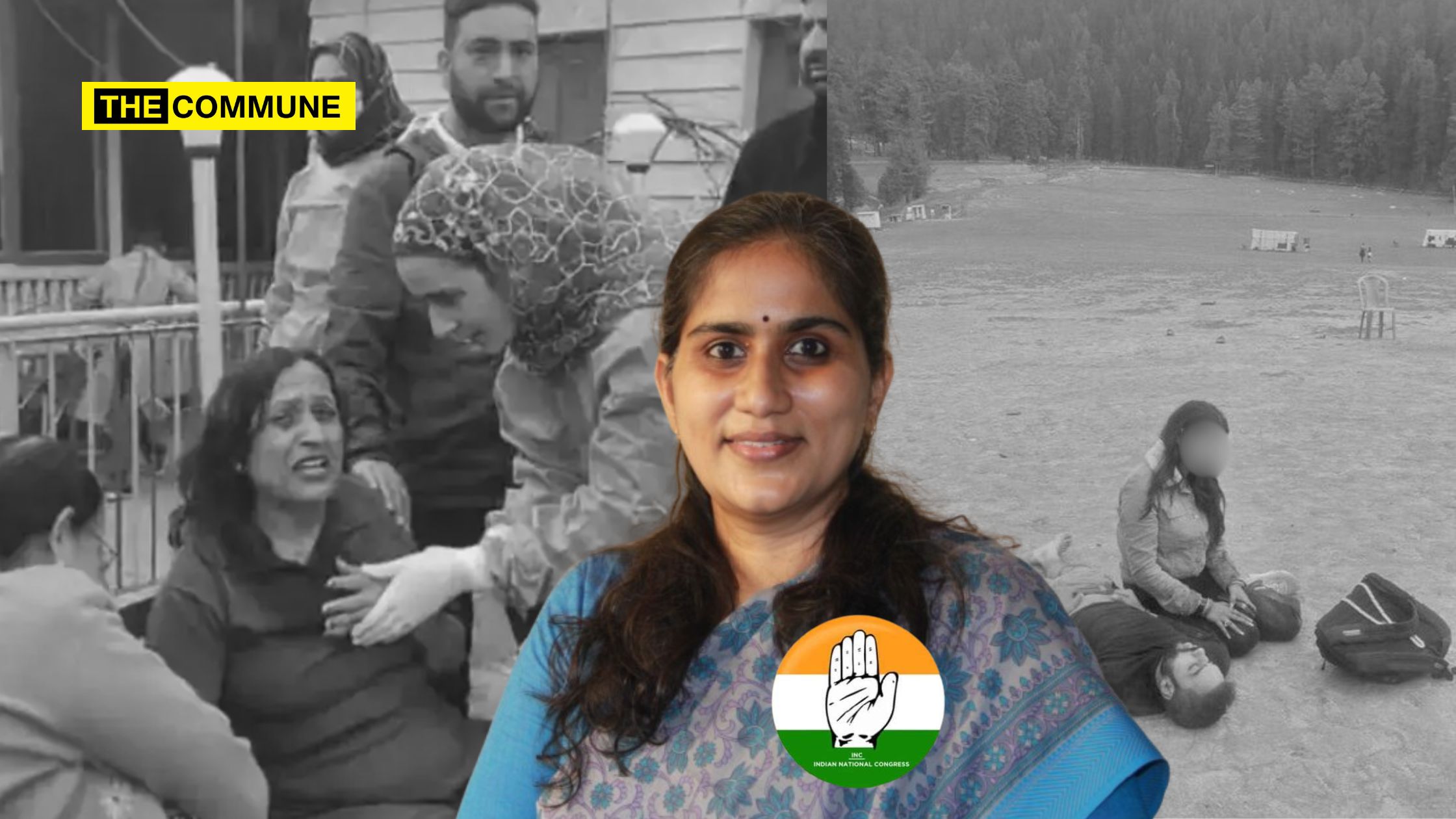
Videos Of National Conference Party MP Aga Syed Ruhullah Calling Tourism In J&K As ‘Cultural Invasion’ Emerges In Light Of Pahalgam Terror Attack On Tourists

National Conference MP Aga Syed Ruhullah is facing intense criticism after condemning the recent horrific terrorist attack in Pahalgam, where Hindu tourists were reportedly targeted based on their religion—despite having previously made controversial remarks describing the growing influx of tourists in Jammu and Kashmir as a “cultural invasion.”

On 22 April 2025, Ruhullah also took to his official X (formerly Twitter) account to condemn the Pahalgam attack, stating, “Strongly condemn the barbaric attack on tourists and locals in Baisaran, Pahalgam. Such acts of mindless violence are an affront to our shared humanity and stain the conscience of our society. Kashmir has always opened its arms to guests. Those who seek to poison this bond only betray the values we hold dear.” 

However, in a previous interview with a YouTube channel, “Nous Network“, National Conference MP Aga Syed Ruhullah stated, “What is happening right now, which they call tourism. In my view it is not tourism. In my view this is a cultural invasion by purpose and design.”

Ruhullah’s past remarks—labeling tourism in Jammu and Kashmir as a “cultural invasion”—along with recent terrorist attack on tourists, have drawn sharp criticism from the BJP. The party’s national IT cell chief, Amit Malviya, strongly rebuked the MP, posting on social media: “Sit down, Ruhullah.” Malviya referenced Ruhullah’s recent interviews, accusing him of downplaying the importance of tourism and issuing veiled threats that eerily echoed the tragic exodus of Kashmiri Pandits in the 1990s.

In yet another interview—this time with Pro-Congress Propaganda Outlet The Wire’s journalist Arfa Khanum Sherwani—National Conference MP Aga Syed Ruhullah Mehdi reignited controversy by firmly reiterating his opposition to the abrogation of Article 370. His unwavering position on the issue has drawn renewed criticism, especially given that many now consider the matter politically settled and largely absent from the national agenda. Critics argue that continuing to raise it only stirs unnecessary debate.

When asked why he persists in challenging the removal of Article 370, Ruhullah defended his position by pointing out that even the Supreme Court, in three separate rulings in the past, had upheld the Article as a permanent feature of the Constitution. “If three judgments weren’t enough to convince the BJP to drop the issue, then a single verdict now isn’t going to make us give up either,” he said.

He further argued that India’s federal framework must be strengthened, advocating for greater autonomy and shared sovereignty among states. According to Ruhullah, political parties committed to a stronger federal structure should unite behind this cause. His discussions, he added, are not confined to Kashmir but extend to like-minded parties across the country—from West Bengal to the southern states, the Northeast, Punjab, and Maharashtra.

Ruhullah criticized the Congress party as well, suggesting that if they come to power and ignore the issue of Article 370, it would reflect political hypocrisy and a betrayal of their foundational values. He accused Congress of hesitating to openly support Muslim issues, saying that to genuinely oppose Hindutva extremism, the party must engage with and advocate for the Muslim community, Dalits, and other marginalized groups. He emphasized that Article 370 was not anti-national and urged the Congress to educate the public accordingly instead of taking a passive stance.

Subscribe to our channels on TelegramWhatsApp, and Instagram and get the best stories of the day delivered to you personally.
The Pahalgam Terror Attack: Why The Supreme Court Can’t Escape Accountability

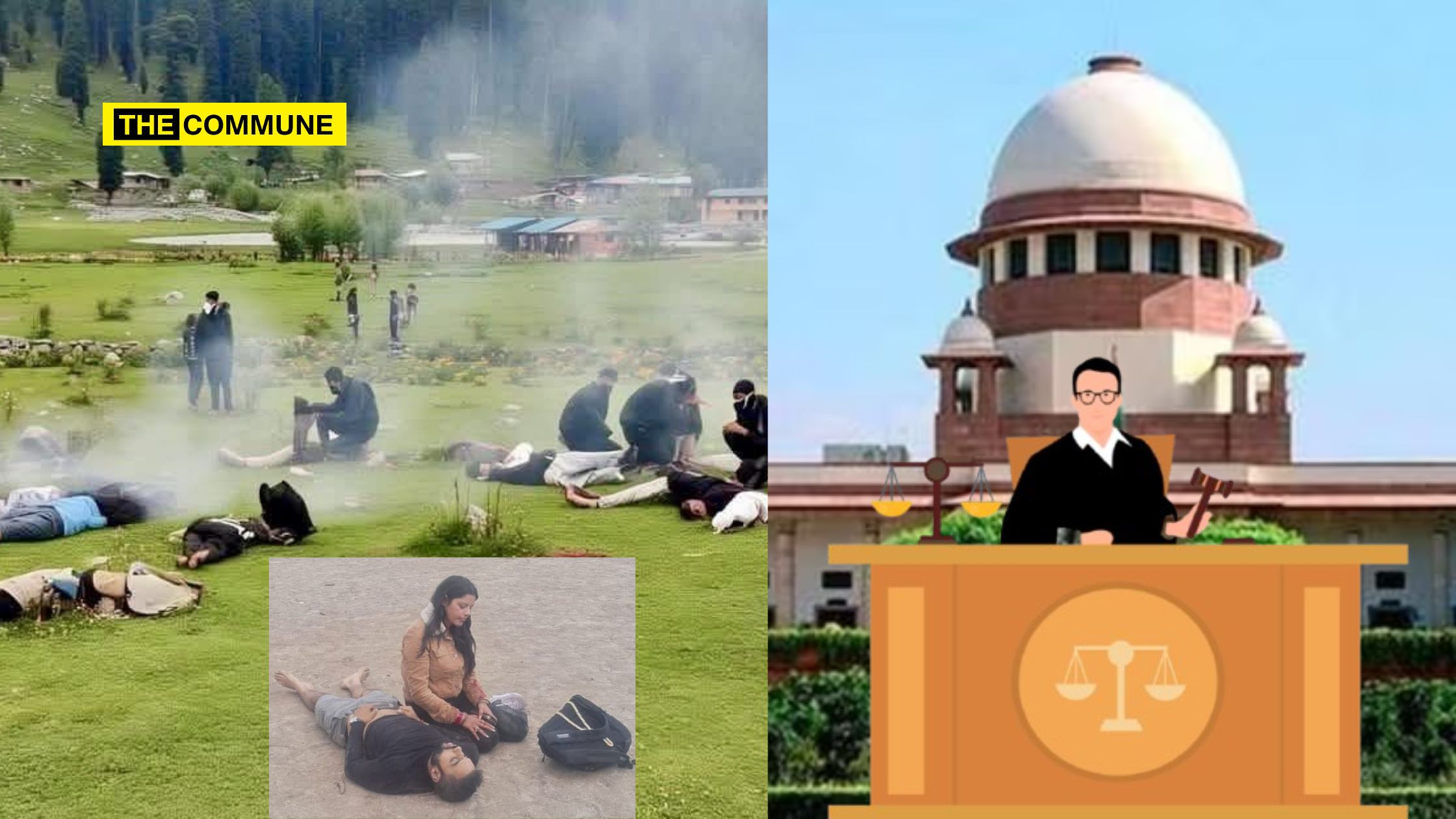
In the wake of the Pahalgam terror attack—where 27 innocent civilians, mostly tourists, were gunned down in cold blood by Islamist terrorists in the remote meadows of Bisaran—serious questions are being raised, not just about the state administration or intelligence failure, but about a judiciary that continues to overstep its mandate in sensitive matters of national security.

The attack, which occurred in the remote village of Bisaran, has shaken the nation. Eyewitness accounts and viral videos reveal the chilling modus operandi of the terrorists: victims were identified by their religion before being executed, often after having their ID cards or even clothes checked to confirm their faith. Among the victims was a man shot dead in front of his wife and child, and according to the widow, the assailant chillingly told her, “Go tell Modi,” before leaving the scene.

While the security lapse and intelligence failures demand accountability, a deeper and far more uncomfortable truth lies at the heart of this tragedy – let us explore how the judiciary is at the centre of all this.

The Judiciary’s Dangerous Symbolism

After the abrogation of Article 370—a move welcomed across the country for finally bringing Kashmir into the national fold—the government had no constitutional compulsion to rush into conducting elections. Yet, under pressure from the judiciary, which was keen to be seen as a “guardian of democracy,” the government was virtually strong-armed into holding elections in the Valley.

The Supreme Court’s decision to entertain petitions questioning the abrogation of Article 370 and to push for early elections in Jammu & Kashmir has had far-reaching implications. Despite the government’s firm stance post-2019 that normalcy and security should precede political rehabilitation, the apex court’s insistence on rushing the political process gave cover to elements that continue to fuel separatism and terror.

By setting artificial deadlines for elections and entertaining legalistic challenges to sovereign legislative decisions like the nullification of Article 370, the court shifted the focus away from security stabilization and allowed political figures with questionable loyalties back into the mainstream. This judicial activism placed the centre under undue pressure to prioritize symbolic democratic exercises over critical on-ground realities.

As a result, political operatives—some with open sympathies for anti-India ideologies—were re-legitimized. This not only emboldened subversive narratives within Kashmir but also confused the counter-terror grid, which relies on consistent policy signals from the highest levels of governance.

Why? What has an election in Kashmir ever truly achieved? Historically, it has only served to rehabilitate known separatists, turncoats, and soft-separatist political dynasties who, once elected, use taxpayer money to fuel anti-national propaganda.

Case in point: Engineer Rashid. A man with pro-Pakistani leanings who should have been behind bars for his seditious views, facing trial under UAPA, was allowed to contest elections, strut across Delhi like a VVIP, and leverage the Indian democratic system to legitimize his politics – All under the watchful eye of a judiciary that often confuses symbolism with security.

Judges do not bear the brunt of bombs. They do not confront Kalashnikovs in alpine forests. Yet, through their rulings, they impose obligations and timelines on elected governments and security agencies, often forcing them to cater to legal niceties over hard realities.

While the courts debated constitutional interpretation, terrorists prepared for their next strike. While PILs flooded courtrooms demanding elections, the security apparatus was diverted to “facilitating democracy” in regions where democracy has been repeatedly weaponized against India itself.

Judiciary Must Be Shown Its Place

The events in Pahalgam are not an aberration. They follow a pattern—Pulwama, Uri, and now this. Each time, terrorists test the limits of our patience, and each time, the Indian response is bogged down by international posturing and internal legal wrangling.

India must face a hard truth: there can be no compromise with Islamist terrorism. No symbolism, no judicial grandstanding, no electoral spectacle can substitute for hard power and clear resolve. Whether it takes a surgical response or a deeper, more permanent recalibration of how we handle Kashmir and Pakistan, the time for half-measures is over.

And the judiciary—respected as it may be—must know its place. National security is not a playground for legal theorizing. The price of such hubris is paid not in judgments, but in lives.

Subscribe to our channels on Telegram, WhatsApp, and Instagram and get the best stories of the day delivered to you personally.