Home Blog Page 323

Mansoor Ali From Trichy Arrested For Peddling False Propaganda Linking BJP To Pahalgam Terror Attack, DMK Supporting YouTuber Senthilvel Had Peddled Similar Claims
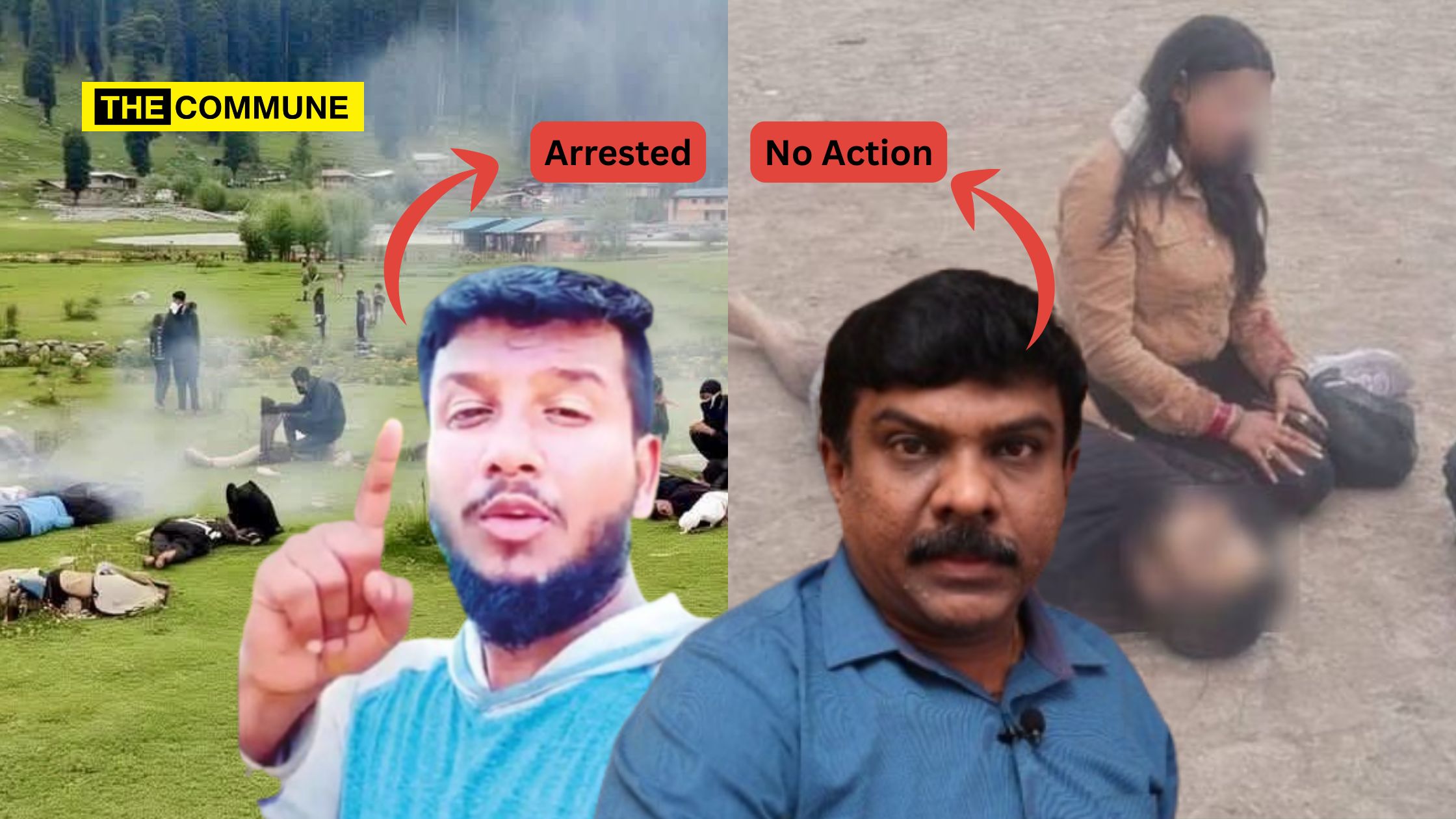
According to police sources, Mansoor Ali, a resident of Jinnah Street in Valluvar Nagar, had posted a video falsely claiming that a Dalit man named Hussain Shah — allegedly affiliated with the BJP IT wing in Jammu and Kashmir — had been arrested for involvement in the recent Pahalgam terror attack and had connections to a banned terrorist organization.

The video, which circulated widely online, was flagged by Head Constable Rajasekar of the Tiruchi Cyber Crime Police. Based on his complaint, a case was registered under various sections of the Bharatiya Nyaya Sanhita (BNS) and the Information Technology (Amendment) Act, 2008.

Police said the content was intended to impersonate an individual by misusing their name and image, while spreading misinformation that could endanger India’s sovereignty, disrupt communal harmony, and incite hatred against the government.

Further investigations revealed that Mansoor Ali was already facing a pending case filed by the Tiruchi Metropolitan Crime Branch for allegedly making derogatory remarks about the Hindu deity Rama and the Rama Setu (Adam’s Bridge) on social media. Authorities noted that he had been residing abroad during the earlier probe, and with his recent arrest, investigations into the previous case will also be resumed.

Mansoor Ali is currently in judicial custody, and police said further legal action would follow based on the findings of the ongoing investigation.

DMK-Supporting Dravidianist YouTuber Also Peddled The Same Claims

While controversial actor and YouTuber Mansoor Ali Khan was arrested for spreading false claims about Talib Hussain Shah’s identity — wrongly labeling him a “Hindu BJP worker” — another figure, DMK-aligned Dravidianist YouTuber Senthil Vel, openly peddled the same propaganda without facing any consequences.

Let me be clear—the Prime Minister, Home Minister, and Defence Minister are directly responsible. They must resign. I’m accusing them that they are weak and going to criticize them even more. I’m not here to bluff anything. I’m going to show the links between terrorists and BJP members, explain in detail who were all arrested.”, he had said.

He actively tried to equate Islamist terror with espionage cases involving Hindus—often Brahmins—revealing a disturbing blend of religious deflection, caste hatred, and political propaganda.

He also misled viewers by citing old or unrelated cases to link BJP with the terror attack. His confused, casteist rant not only failed to hold terrorists accountable but also shamelessly pandered to narratives favorable to Pakistan and hostile to India’s internal unity.

While Mansoor Ali Khan has been arrested for spreading such dangerous misinformation, Senthil Vel has so far evaded action, largely due to his cozy ties with the ruling DMK establishment in Tamil Nadu.

Subscribe to our channels on TelegramWhatsApp, and Instagram and get the best stories of the day delivered to you personally.
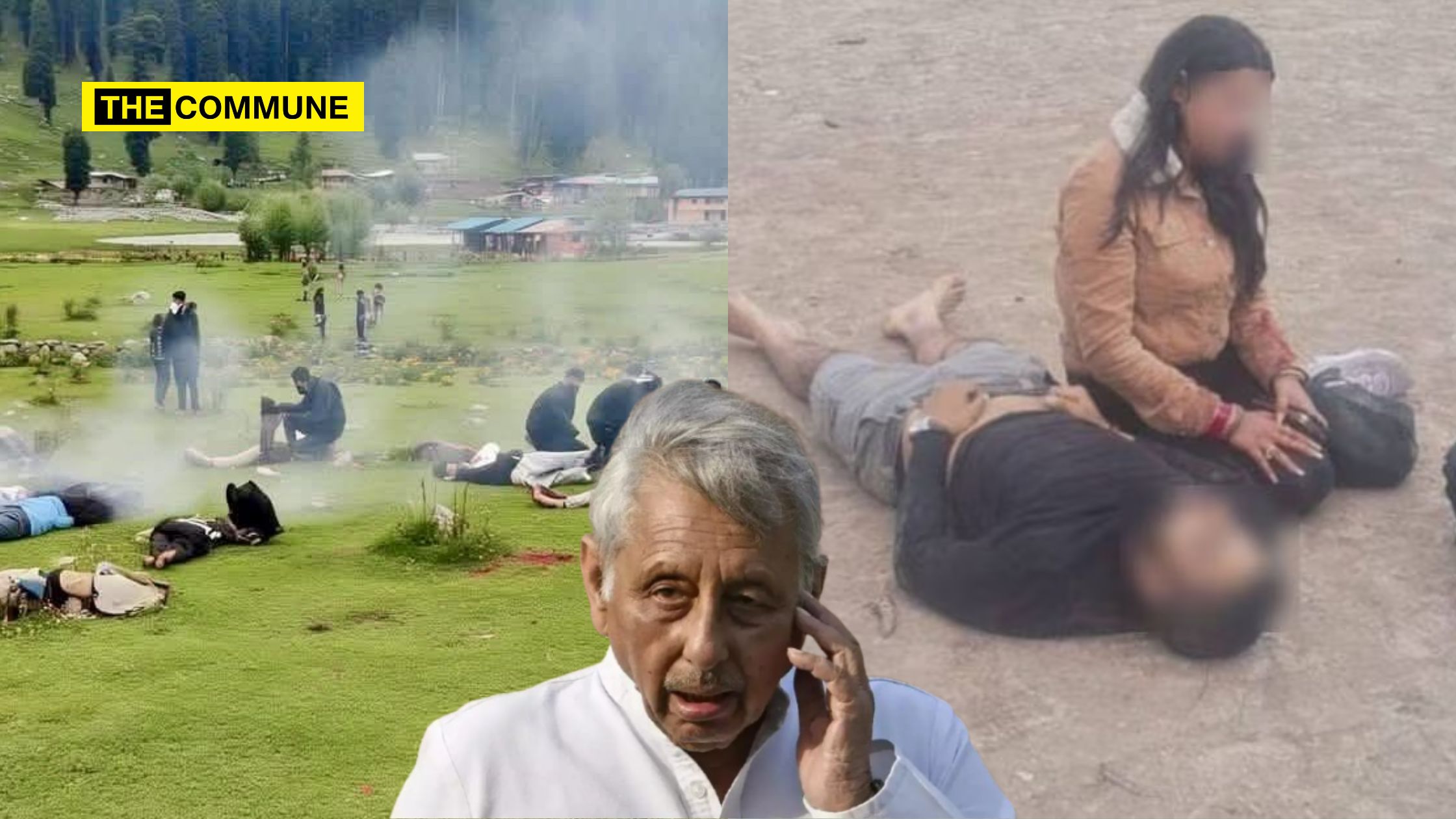
Congress Leader Manishankar Aiyar Fails To Blame Pakistan And Terrorists For Pahalgam Terror Attack, BJP Slams

The Bharatiya Janata Party (BJP) on Sunday strongly criticised senior Congress leader Mani Shankar Aiyar for his remarks linking the recent terror attack in Jammu and Kashmir’s Pahalgam to the “unresolved questions of Partition”.

The BJP accused Aiyar and the Congress party of shielding terrorists and continuing their appeasement politics. Reacting sharply, BJP national general secretary Tarun Chugh said, “Pakistani terrorists have brutally murdered unarmed, innocent civilians. The funeral pyres of the victims have not even cooled, and yet Congress leaders continue to display their affection for Pakistan. This is the height of appeasement.”

“Partition was a catastrophe in India’s history; two million people were killed and 20 million were displaced. The Congress is responsible for that tragedy. Mani Shankar Aiyar’s statement is like rubbing salt into the wounds of the Pahalgam attack victims,” Chugh added.

Aiyar, speaking at an event in Delhi, had said, “Partition happened, and we are still paying the price.”

He questioned whether the Pahalgam terror incident was a reflection of the lingering, unresolved issues born out of India’s division in 1947.

The BJP was quick to seize upon Aiyar’s comments, framing them as yet another example of the Congress party’s unwillingness to call out Pakistan for its support of terrorism. National BJP spokesperson Sandeep Bhandari also took to the social media platform X to lash out at the Congress.

“Good Cop, Bad Cop – Congress’s appeasement continues even on the PahalgamTerrorAttack! After Robert Vadra and Siddaramaiah, now Mani Shankar Aiyar refuses to blame Pakistan and the terrorists! Nothing has changed in Congress since 26/11 – still shielding the terror ecosystem, still showing love for Pakistan,” Bhandari posted.

Earlier in the day, senior Congress leader Rashid Alvi, strongly backing Mani Shankar Aiyar’s remarks, said, “It is absolutely true, the Partition of India was a mistake, and we are still paying the price. If the Partition had not happened, perhaps incidents like Pahalgam and other terrorist attacks might not have occurred. Millions of lives could have been saved.”

On April 22, a deadly terror attack in Pahalgam claimed 26 lives, sparking national outrage and heightening tensions with Pakistan. The Indian government has vowed a strong response and has implemented strict measures.

–IANS

Subscribe to our channels on TelegramWhatsApp, and Instagram and get the best stories of the day delivered to you personally.
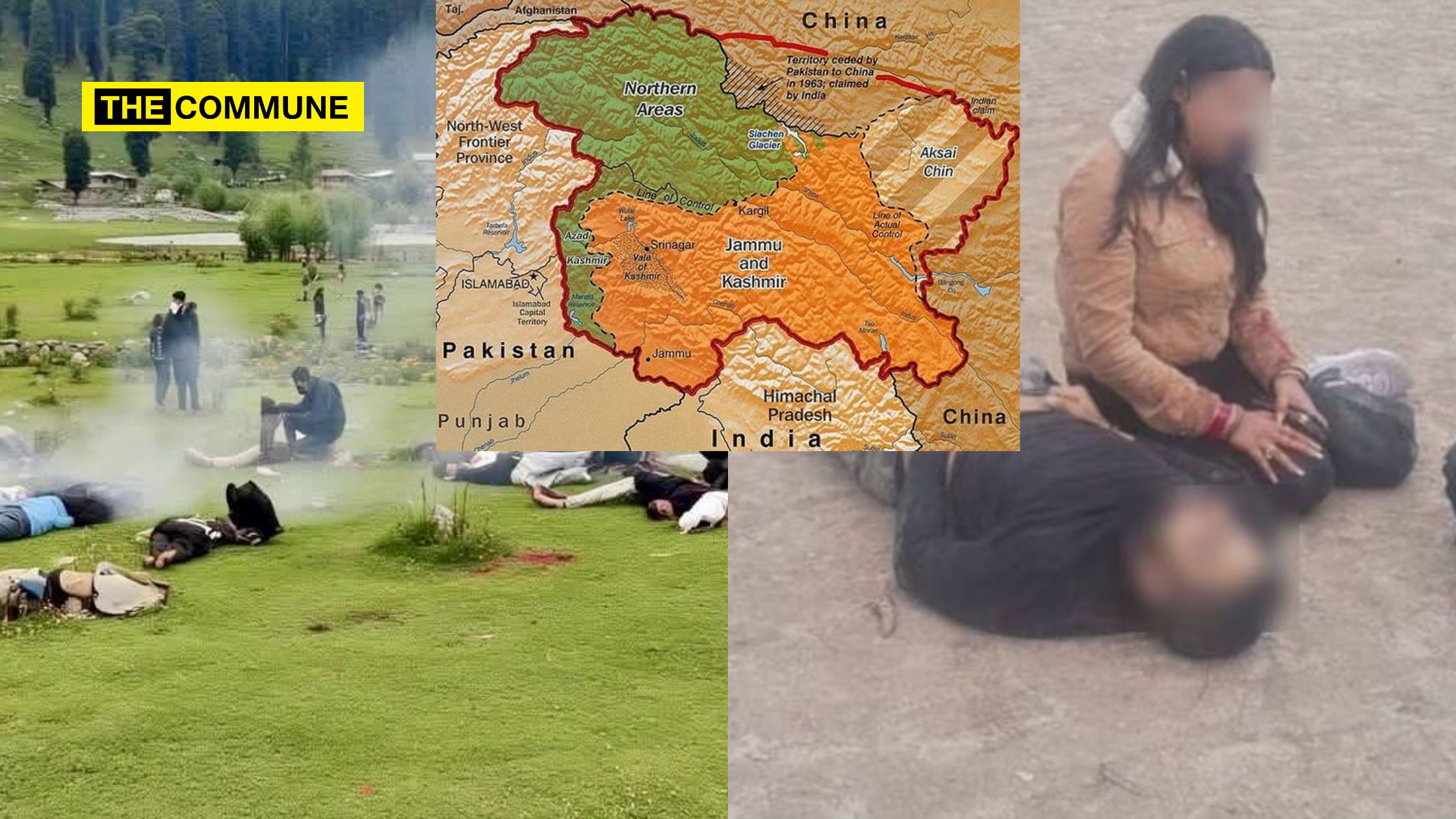
Unmasking Silent Enablers Key To Breaking Pakistan’s Network In Kashmir

The crucial link in the April 22 Pahalgam terror attack is the local support that helped the terrorists, some of them Pakistanis, execute the heinous plan right under the nose of the security forces. An unknown person cannot reach a specific spot with heavily loaded weapons, kill people indiscriminately, and then vanish into thick woods.

The Pahalgam plot deeply involves the locals, as pointed out by the family members of the victims and other tourists. The local connection could be the ponywallas, the shopkeepers, those working in the hotels, those who decided to open the stretch without notifying the authorities, or even the policemen who failed to detect the anomaly.

It could also be an intelligence failure, or if the intel was there, then either deliberate negligence or careless handling of information. In Kashmir, anything can happen, and many times, what is evident is not the real story.

There is always a plot and a subplot. The valley has witnessed lots of plotting since Sheikh Abdullah became the first Prime Minister of J&K after the then-king merged with India in 1947.

However, these plots became far more ruthless with the advent of Pakistan-backed terrorism in the valley. The terrorism was more about Islamisation and not about the so-called freedom or ‘azadi’ movement.

Had it been a genuine struggle for freedom or independence, the ethnic cleansing of Hindus, who were just two per cent of the population, would not have occurred. The plot was to drive them away and usurp their lands, houses, temples, and institutions, and this was successfully achieved. This began in the late 1980s and continues to this day.

Over 35 years later, Hindus remain displaced from their native land, and the few who are still there live in government camps surrounded by heavy security. Had it been just a few terrorists without local support, would this have been possible? The answer is no. Pakistan has used the religious card successfully in keeping the Kashmiris disturbed and has lured many to dance to its tunes.

Almost every Kashmiri Hindu family who was forced out of their home has horror tales to narrate, with the central characters being the locals — the neighbour, the colleague, the friend, the shopkeeper — who colluded with the terrorists in killing, kidnapping, looting, and more.

It is the local radicalised individual who forms the critical link in all the terror-related incidents that have taken place in J&K, including the April 22 Pahalgam attack.

A woman tourist has identified a ponywalla as a suspect in the Pahalgam attack. She had even clicked a picture of this man, who had specifically asked her about her religion.

The woman said the man had taken out a phone hidden in his boots, claiming he was sending 35 people into the valley. According to her, the man mentioned that “plan A has failed” and spoke about guns, which frightened her further.

She said the incident happened on April 20 and that the man did not appear to be part of the ponywalla group when they were ascending toward Baisaran. If true, this raises several questions and points fingers at the other ponywallas, too.

The local link needs to be highlighted for two main reasons: without their help, the perpetrators cannot succeed, and once a terror act occurs, these links often go untraced.

They scarcely come on any security radar and often escape detection. Kashmir has seen extensive violence since the late 1980s, with the maximum suffering borne by Kashmiri Hindus, who ultimately faced ethnic cleansing and became refugees in their own country.

When Kashmiri Pandits were targeted in the late 1980s and 1990s, it was often their own acquaintances who betrayed them — neighbours, subordinates, colleagues, or even friends. Notable figures, such as BJP leader Tika Lal Taploo, Justice Neel Kanth Ganjoo, writer Sarvanand Kaul Premi (and his son), Radio Kashmir Director Lassa Kaul, telecom engineer B.K. Ganjoo and hundreds of others were killed after terrorists were tipped off about their movements.

Girja Tickoo, who was kidnapped, brutally gang-raped for days, and then cut into two pieces with a carpenter’s saw while still alive in June 1990, made one mistake that cost her life: she responded to a call from her colleague asking her to come collect her salary from the school where she worked.

She was kidnapped by five men from her colleague’s home, and no one helped her. B.K. Ganjoo, whose security detail suddenly disappeared one day in March 1990, was killed while hiding inside a drum in his home. His wife had hidden him there, but a Muslim neighbour saw this through an open window and informed the terrorists.

There are thousands of similar examples from Kashmir, where locals have helped terrorists unleash terror. Whether it was the Wandhama massacre, the Nadimarg massacre, or countless other attacks, each had a local link identifying and pointing out the victims. In the April 22 Pahalgam massacre, unsuspecting tourists were led to the spot, and the waiting terrorists attacked before vanishing.

Protests have erupted in the valley against this, but they seem to be more concerned with the business fallout than with the loss of innocent lives. If the locals truly want peace, they must point out the hiding terrorists, whether involved in the Pahalgam attack or elsewhere. The local link is the real and hidden villain of all the terror stories in Jammu and Kashmir.

Till the time they are weaned away, the radicalised local link remains the trophy for Pakistan in its evil ambitions.

Subscribe to our channels on TelegramWhatsApp, and Instagram and get the best stories of the day delivered to you personally.
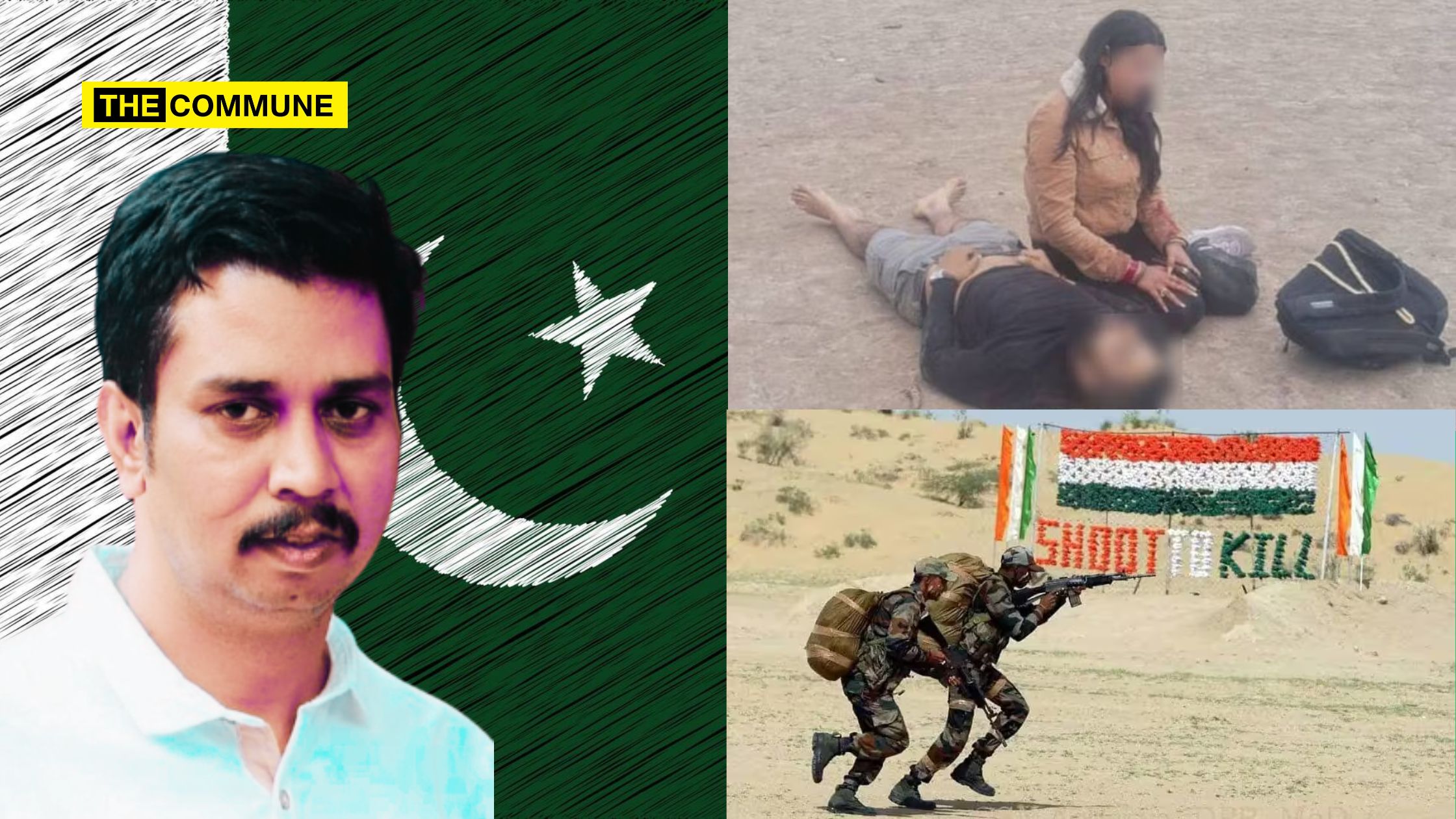
“War Is Inhumane”: Dravidianist Director TJ Gnanavel Simps For Pakistan, Ridicules Govt Of India’s Move To Send Back Pakistani Nationals After Pahalgam Terror Attack

Dravidianist director TJ Gnanavel — who recently made a DMK propaganda film titled “Vettaiyan” starring Rajinikanth — has once again exposed where his loyalties lie. Speaking at the pre-release event of his new film “Tourist Family,” Gnanavel chose to pontificate about how “war is fundamentally inhumane,” virtue-signaling about India sending back Pakistani nationals receiving medical treatment, and peddling propaganda that is suspiciously favourable to Pakistan.

TJ Gnanavel is infamous for peddling prejudice and hate against Brahmins and Vanniyars in his propaganda movie “Jai Bhim” by distorting the actual facts of the real life incident. He also peddled propaganda favourable to the DMK on NEET and glorified British colonialist Macaulay as the harbinger of education in India through his movie Vettaiyan.

While speaking at the pre-release event of the film ‘Tourist Family’, TJ Gnanavel said “In today’s times, war is something that is fundamentally inhumane. It’s happening even now in front of us. We don’t know what impact it will have. From what we’ve seen, heard and read, even in war there are basic morals. You shouldn’t cross that. As someone who has studied Tamil literature, I can say it with conviction. Because when a war comes, you’ve to evacuate children, women, people who are ill, animals. Only after they’ve been evacuated you can declare war. This is what we’ve seen. But today you look. There’s no security in a tourist place. If that is cruel, even more cruel is that a Pakistani child who had come for medical treatment is being told to leave in 48 hours. This tragedy is also coming along. An action is having another reaction.

Not once during his speech did he muster the courage to condemn the savage attack by Islamic terrorists. While lecturing about morality and compassion, he carefully avoided even mentioning, let alone condemning, the monstrous Islamic terrorist attack where non-Muslims (mostly Hindus) were humiliated — stripped to check for circumcision, forced to recite the Kalma at gunpoint, and then brutally gunned down in cold blood.

Instead of standing with the innocent victims, Gnanavel shamelessly tried to whitewash the unspeakable horrors committed by Islamist terrorists and played the victim card for Pakistan — a country that sponsors the very terror that butchered our own. His selective outrage and silence on Islamist savagery are as revealing as his misplaced sympathies.

He is not the only Dravidianist who has whitewashed the Pahalgam terror attack.

Kissflow CEO Suresh Sambandam, a Dravidianist sympathizer who thinks he can become Steve Jobs by wearing a black turtle-neck, chose to criticize Zoho founder Sridhar Vembu instead of condemning the terrorists responsible for the horrific Pahalgam attack.

Anti-National Dravidianist Piyush Manush chose to spew a conspiracy-laced rant, accusing the BJP of orchestrating the attack for political gain. His video statement, posted on 24 April 2025, on his official X account, shamelessly aligned with the usual anti-national narrative, sidestepping the perpetrators and instead targeting the Indian state.

Madan Gowri, who proudly boasts of being the “first Indian YouTuber” to visit Pakistan and return parroting propaganda about how “safe” Hindus are despite overwhelming evidence of forced conversions, kidnappings, and temple desecrations, published a 12-minute video on the brutal murder of 28 civilians—without once naming the Islamic terrorist ideology behind the attack.

Actress and singer Andrea Jeremiah took to Instagram—not to unequivocally condemn the perpetrators—but to deliver a sermon on hate, polarisation, and surveillance.

Subscribe to our channels on TelegramWhatsApp, and Instagram and get the best stories of the day delivered to you personally.

Indian Navy Conducts Anti-Ship Firing Drills, Says Fully Prepared For Combat

Demonstrating its preparedness to take on any challenge by its enemies, the Indian Navy on Sunday successfully carried out an anti-ship missile exercise, and said that it is fully prepared for combat at any time, anywhere and in any manner to safeguard the maritime interests of the country. This missile test was conducted from the Indian Naval ships.

This anti-ship firing drill conducted by the Navy has re-validated the readiness of the platform, systems and personnel for conducting long-range precision offensive strikes. The Navy said that they have carried out several successful anti-ship missile firings to demonstrate the readiness of the personnel. The Navy is reliable and ready to combat any kind of attacks by the enemy in the future as well.

“Indian Navy Ships undertook successful multiple anti-ship firings to revalidate and demonstrate readiness of platforms, systems, and crew for long-range precision offensive strike. Indian Navy stands combat-ready, credible, and future-ready in safeguarding the nation’s maritime interests Anytime Anywhere Anyhow,” said the Indian Navy in a post on its X handle on Sunday.

On April 22, Pakistan-backed terrorists opened fire on tourists in Pahalgam, Jammu and Kashmir, killing 26 people. Among them was Lieutenant Vinay Narwal, a 26-year-old Naval officer from Haryana’s Karnal. He had got married on April 16, and the couple was on their honeymoon in Kashmir. The terrorists killed the tourists after asking about their religion.

Within 48 hours of the terrorist attack in Pahalgam, India conducted an important missile test on Thursday, sending a strong message to its enemies. This missile test was conducted by the Indian Navy on its indigenously built guided missile destroyer, INS Surat, in the Arabian Sea. The Navy had fired a medium-range surface-to-air missile.

According to the Navy, during this time, India’s indigenous missile destroyer INS Surat successfully hit the target in the sea. This Naval destroyer is equipped with the capability to destroy enemy missiles mid-air. Pakistan is deeply agitated and scared by the various punitive measures taken by India against terrorism. This is the reason why the Pakistani Army is repeatedly violating the ceasefire and firing from its posts along the Line of Control in Jammu and Kashmir.

Even on the night of April 26 to 27, the Pakistani Army posts initiated unprovoked small arms fire across the Line of Control in the areas opposite Tutmari Gali and the Rampur Sector, officials said. Indian soldiers have effectively responded to the unprovoked firing by Pakistan with appropriate small arms.

The Indian Army is fully alert and prepared to respond to any nefarious act by Pakistan. The Chief of Army Staff, General Upendra Dwivedi, has held several important meetings in Jammu and Kashmir. Army Chief General Dwivedi has also reviewed the actions taken by the Army so far. At the same time, the Indian Navy has also displayed its preparations strongly.

–IANS

Subscribe to our channels on TelegramWhatsApp, and Instagram and get the best stories of the day delivered to you personally.
Islamo-Leftist Propagandist Mohammed Zubair Comes In Defence Of Kalaburagi Muslim Women Who Tried To Save Pakistani Flag From Getting Defiled

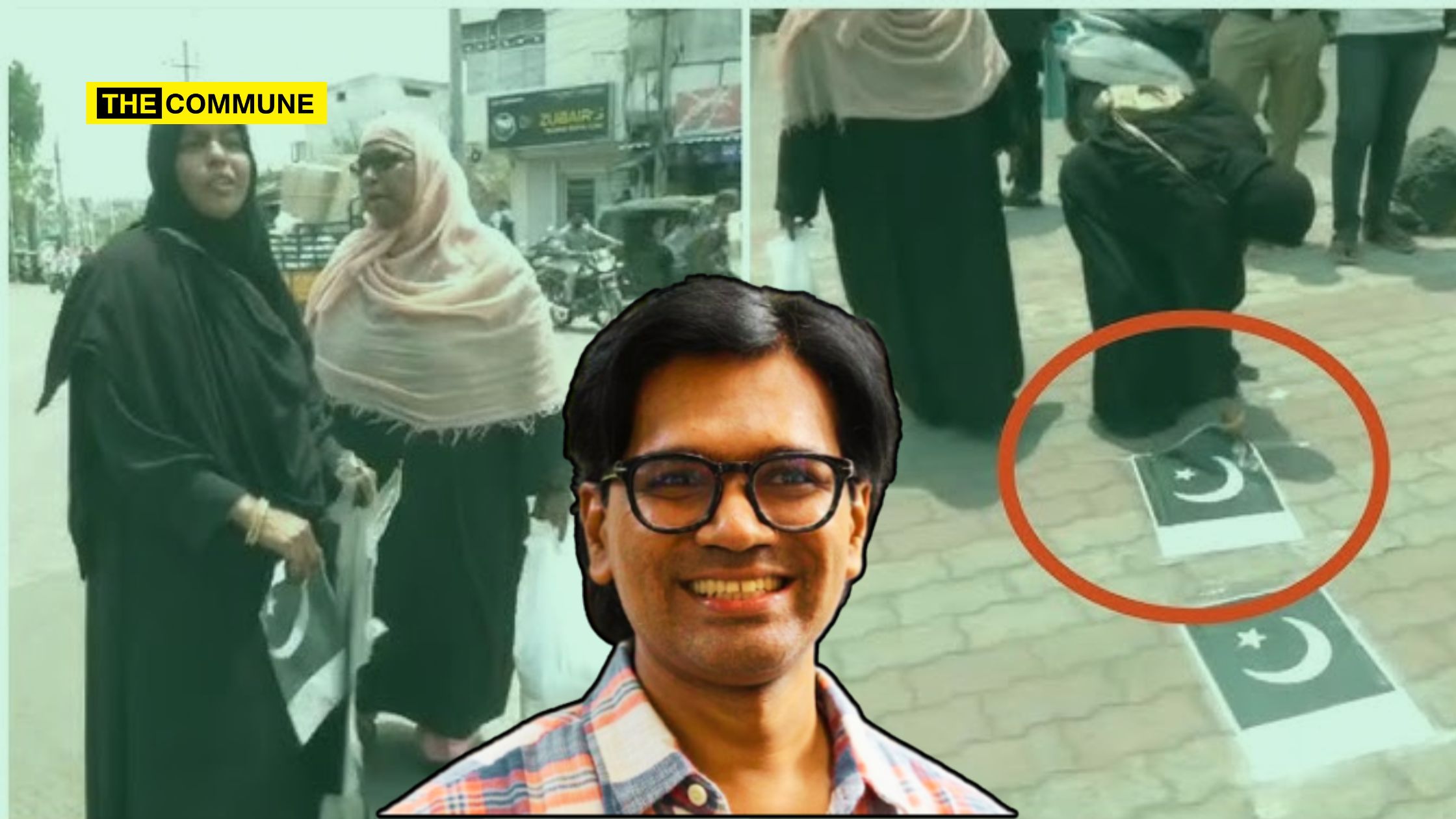
On April 26, 2025, Mohammed Zubair, co-founder of the fact-checking website AltNews, stirred controversy yet again with a post on X defending two Muslim women in Kalaburagi, Karnataka, who were recorded removing Pakistani flags from a road. The flags had been placed there by Bajrang Dal activists as a protest against a recent terrorist attack in Pahalgam, Kashmir, which claimed 26 lives, mostly tourists. Zubair immediately jumped to defend the Pakistan sympathizing women to downplay/whitewash their actions, which has been a pattern throughout his “fact-checking” career.

The Kalaburagi Incident And Zubair’s Defense

The viral video, captured by News18 Kannada, shows two women in burqas removing large stickers of the Pakistani flag from a road in Kalaburagi. Bajrang Dal members had pasted these flags at key junctions in the city to condemn the Pahalgam attack, which India has blamed on Pakistan. The women’s actions sparked widespread outrage on social media, with many interpreting it as an act of solidarity with Pakistan, a country often associated with cross-border terrorism in India.

In his X post, Zubair claimed that the women removed the flags not because they were Pakistani, but because they mistook them for an “Islamic flag.” He wrote, “When local reporters were contacted, they say that the women removed the flags from the road thinking it was an Islamic flag. Not because it was a Pakistani flag. We’ve seen several people, including News channels, News Anchors sharing Islamic flag as Pakistani flag too.”

Zubair’s explanation hinges on the idea that the women were driven by a misunderstanding, not a defense of Pakistan.
This narrative, however, has been met with skepticism and criticism. Many on X questioned the plausibility of the women’s inability to distinguish between the Pakistani flag and an Islamic flag, pointing out that the Pakistani flag has distinct features like a white stripe and a specific design of the crescent moon and star.

Pattern Of Whitewashing

This is not the first time Mohammed Zubair has been accused of whitewashing or downplaying actions by Islamists or Muslim groups. Critics argue that his fact-checking often appears to defend controversial actions by framing them as misunderstandings or by shifting the narrative to avoid implicating the individuals involved.

One notable instance occurred in September 2019, when Zubair addressed a controversy in Kerala where a college had allegedly raised a flag resembling Pakistan’s during a protest. Zubair clarified that the flag in question was not Pakistan’s but the flag of the Muslim Students Federation (MSF), a student wing of the Indian Union Muslim League. He posted, “Don’t be over excited. It’s not Pakistan flag. It’s MSF (Muslim Students Federation) flag.”

While his clarification was factually correct, critics pointed out that the MSF flag’s striking similarity to Pakistan’s flag could still be seen as problematic in the context of a public protest, especially given India’s fraught relationship with Pakistan.
Many felt Zubair’s response downplayed the symbolic implications of the incident.

Another instance that drew significant backlash was in 2022, when Zubair flagged “hate speech” by a Bharatiya Janata Party (BJP) spokesperson, Nupur Sharma, who made remarks about the Prophet Muhammad. Zubair’s reporting led to widespread protests and international attention. It also resulted in his arrest by the Delhi Police on charges of promoting enmity between religious groups. Zubair selectively highlights hate speech by Hindu figures while ignoring similar instances of inflammatory rhetoric by Muslim leaders. For example, around the same time, several Muslim clerics in India made provocative statements calling for violence against those who insulted Islam, but Zubair did not address these with the same vigor, according to his detractors.

Zubair’s History Of Controversy

Zubair’s career as a fact-checker has been marked by both praise and criticism. As a co-founder of AltNews, he has been lauded for exposing misinformation and hate speech, particularly in the context of India’s polarized political landscape. However, his work has also made him a target for right-wing groups, who often label him as biased towards Muslims and accuse him of shielding Islamist actions.

In 2024, Zubair faced legal action after he highlighted a hate speech by Yati Narsinghanand, a controversial Hindu priest known for his Islamophobic rants. Zubair’s post led to protests by Muslims outside the priest’s temple in Uttar Pradesh, which in turn prompted a BJP politician to file a complaint against Zubair. The charges escalated to include accusations of “endangering sovereignty, unity, and integrity of India,” a non-bailable offense. Zubair’s agenda has been to protect Muslim interests at the expense of national unity.

Public Reaction To The Kalaburagi Defense

The Kalaburagi incident has further fueled accusations that Zubair is more interested in defending Muslims than in addressing the broader implications of their actions. Social media reactions to his post were overwhelmingly negative, with users accusing him of creating excuses for what they saw as an unpatriotic act.

BJP leader, Shehzad Poonawalla, mockingly referred to Zubair as “LKFC”, saying, “It is like you saying – you cannot distinguish between a human being and a goat.”

The Larger Context

The Kalaburagi incident comes amid heightened tensions between India and Pakistan following the Pahalgam attack. India canceled visas for Pakistani nationals, and protests erupted in both countries over the escalating diplomatic conflict. In this charged atmosphere, the act of removing Pakistani flags from a road—whether mistaken for an Islamic flag or not—carries significant symbolic weight. For many Indians, it raises questions about national loyalty, especially given Pakistan’s history of alleged involvement in terrorist activities in India.

Subscribe to our channels on TelegramWhatsApp, and Instagram and get the best stories of the day delivered to you personally.
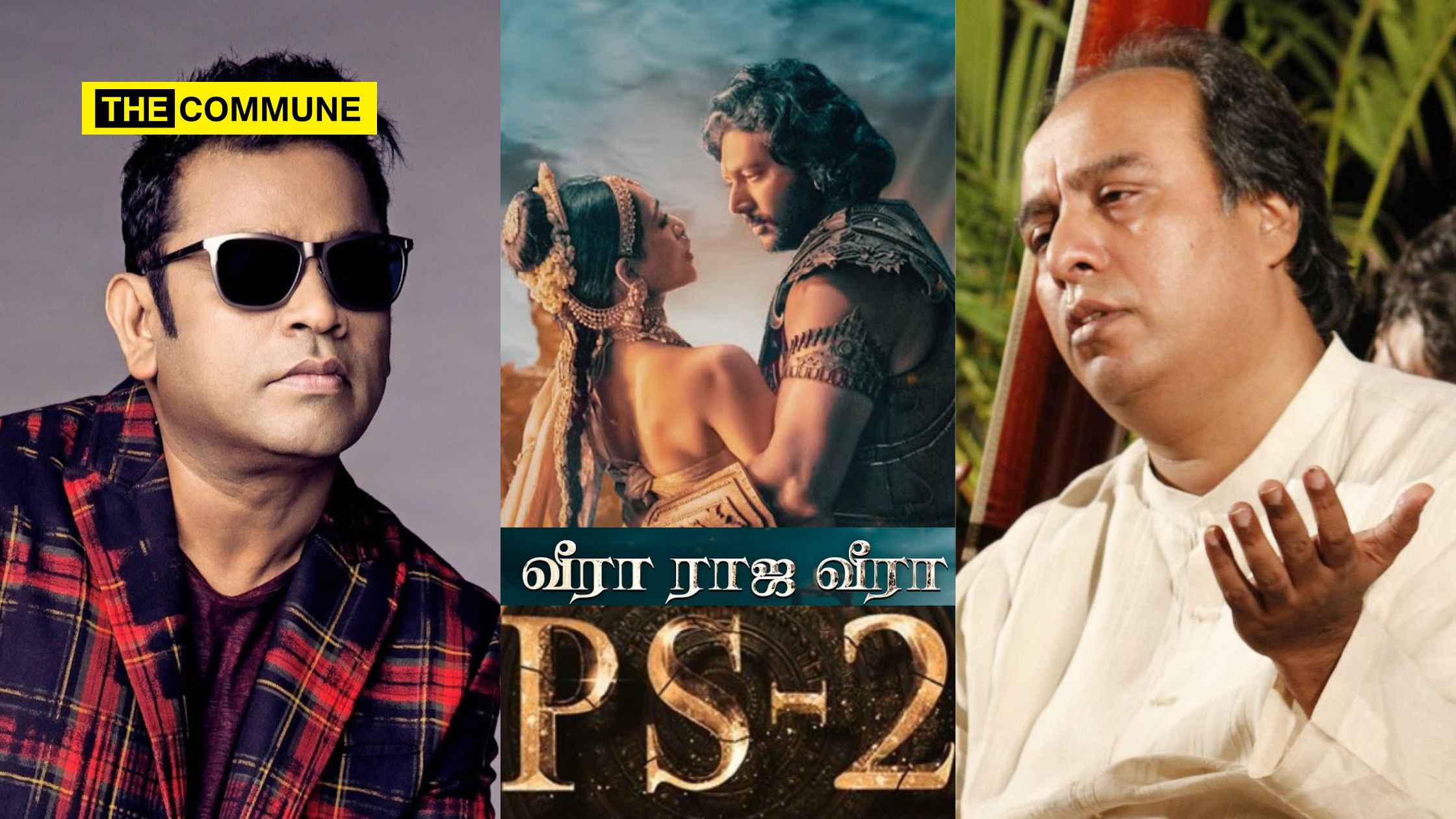
Delhi High Court Orders AR Rahman To Pay ₹2 Crore For Copying Veera Raja Veera Song In Ponniyin Selvan 2

ar rahman veera raja veera ponniyin selvan 2 delhi high court

The Delhi High Court has directed renowned composer A.R. Rahman and the team behind Ponniyin Selvan 2 to deposit ₹2 crore with the court after a copyright infringement complaint involving the Junior Dagar brothers’ classical piece, Shiv Stuti. The legal dispute was initiated after Ustad Wasifuddin Dagar, a distinguished Dhrupad vocalist, accused Rahman of copying a traditional family composition to create the song Veera Raja Veera for the film.

In an interim order dated April 25, Justice Prathiba M Singh observed that, from the perspective of an average listener, Rahman’s composition bore not mere inspiration but substantial identity with the original Shiva Stuti — matching in its melodic structure, emotional tone, and overall auditory impression. The court found this to be a violation of the original creators’ rights and directed the filmmakers to insert a slide crediting Late Ustad N. Faiyazuddin Dagar and Late Ustad Zahiruddin Dagar, known as the Junior Dagar Brothers, across all OTT and online platforms where the film is available. The court further awarded ₹2 lakh towards legal costs to a family member of the late artists.

Ustad Wasifuddin Dagar alleged that Rahman had taken the entire composition without authorization, stating, “He took the entire composition and used it as he pleased.” According to Dagar’s students, efforts were made to contact Rahman, including an email sent to him. Though Rahman and Dagar eventually spoke briefly over the phone — a call that reportedly lasted only around 30 seconds after a three-minute wait — no resolution emerged from the conversation.

Madras Talkies, the production house behind Ponniyin Selvan, responded to the allegations by rejecting the plagiarism claims. Their legal team argued that Veera Raja Veera was not a direct copy of Shiva Stuti but based on a 13th-century composition attributed to Narayana Panditacharya. They dismissed the accusations as a “fishing expedition for monetary gain and publicity,” asserting that Shiva Stuti has been widely performed over time.

Adding to the controversy, Dagar’s students pointed out errors in the crediting process. Initially, the traditional Dhrupad lineage — the Dagarvani tradition — was not acknowledged in the description of the song and was only added approximately ten days later. Even then, the tradition was incorrectly spelled as “Dargavani” instead of “Dagarvani.”

Ustad Wasifuddin Dagar explained that the piece was composed by his father, Ustad Faiyazuddin Dagar, and uncle, Ustad Zahiruddin Dagar, in raga Adana, later known popularly as Shiva Stuti. The Dagar family belongs to the prestigious Dagar gharana, a lineage that traces its musical roots back over 20 generations to the 15th century and is recognized as a cornerstone of Hindustani classical music’s Dhrupad tradition.

Meanwhile, Shivam Bhardwaj, a disciple of Dagar credited in the supporting vocals of Veera Raja Veera, revealed that discussions regarding the song’s origin were already underway prior to the formal complaint. Arman Ali Dehlvi, another student involved in the Hindi version of the song, mentioned that he had suggested the use of raga Adana and demonstrated the traditional composition in Tarana style when Rahman sought ideas for a battle-themed song, to which Rahman reportedly responded positively and agreed to give credit to the Dagarvani tradition — though, as critics argue, the acknowledgment was poorly executed.

Anand, another disciple of Dagar, criticized Rahman’s handling of the situation, stating that while Rahman’s song amassed millions of views and substantial revenue, the original composition was marginalized, reduced to a mere footnote. He remarked, “Rahman excels in using ragas innovatively. So this brazen effort to copy-paste an entire bandish and pass it off as his doing is shocking. He’s just an arranger in this case.”

Initially, Wasifuddin Dagar contemplated creating a video to publicly highlight the similarities between the two pieces. However, he refrained after his family advised caution, warning him of the formidable influence wielded by powerful figures within the South Indian film industry.

(With input from NDTV and The Print)

Subscribe to our channels on TelegramWhatsApp, and Instagram and get the best stories of the day delivered to you personally.
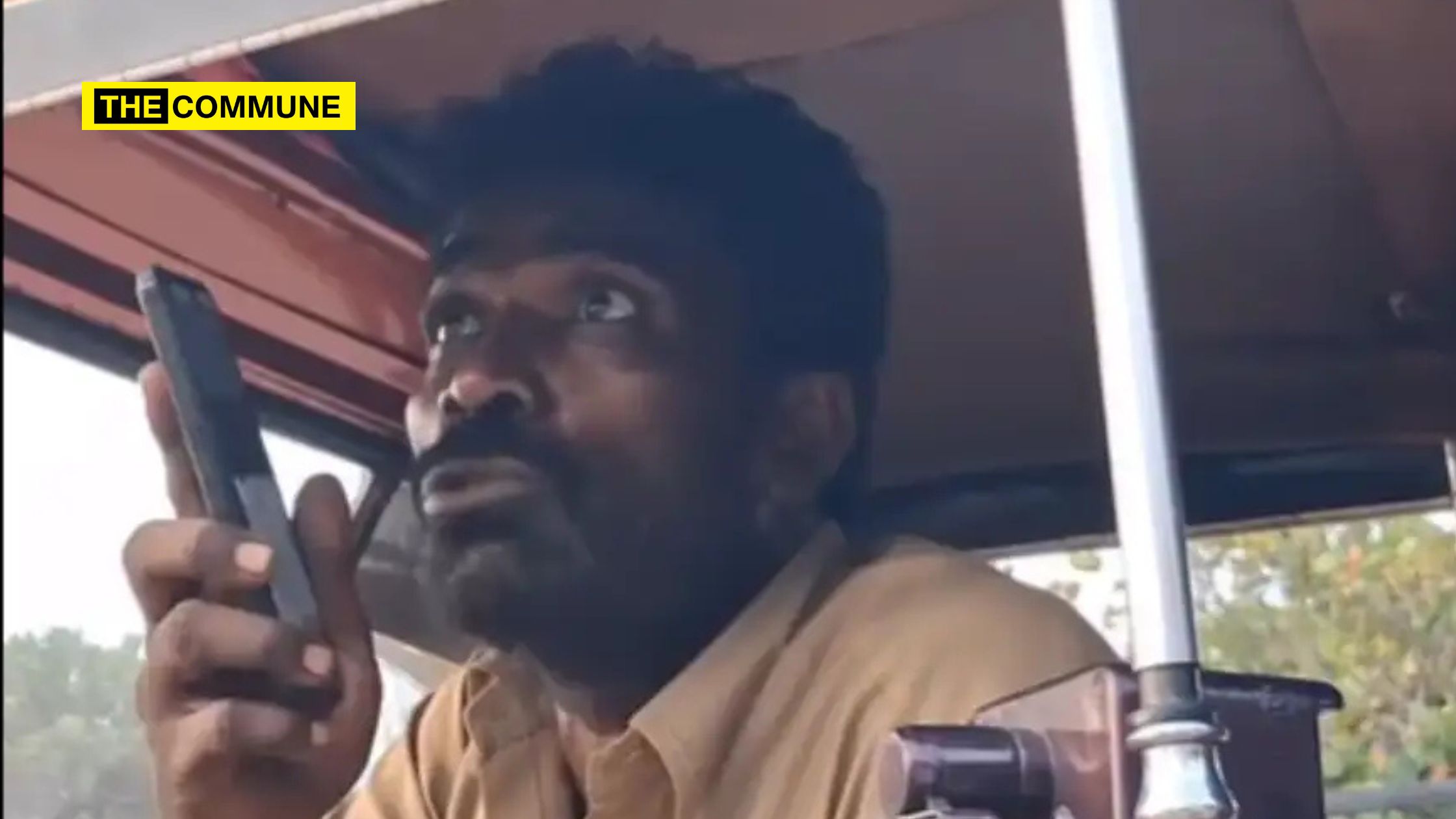
“Chennai Not Safe For Women, I’m Living Proof”: Bangladeshi Student Says After Chennai Auto Driver Abuses And Gives Rape Threat For Not Giving Exact Fare Of ₹163

“Chennai Not Safe For Women, I’m Living Proof”: Bangladeshi Student Says After Chennai Auto Driver Abuses And Gives Rape Threat For Not Giving Exact Fare Of ₹163

On the morning of 26 April 2025, a foreign female student in Chennai was allegedly harassed by an auto-rickshaw driver near Thiruvanmiyur beach. The police have identified the accused as Palpandi, who has since been arrested.

According to the student’s complaint, the driver not only misbehaved with her but also issued rape threats following a dispute over change. In a post that was later deleted from Instagram, the woman shared her distress, stating that she had believed Chennai to be a safe city for women before arriving in India. However, the incident shattered that belief.

The confrontation unfolded during the morning hours, when many walkers and joggers were present in the area but reportedly did not intervene. The student expressed her disappointment, saying, “Today, I feel Chennai is not safe for women… I’m living proof.” She also criticized the apathy of bystanders and questioned the functioning of a system that allows unregistered autos to operate unchecked.

Details of the Incident

Apparently the student had booked the auto through an app which showed a fare of ₹133 but the auto driver demanded that she pay ₹30 extra.

In a video previously posted by the woman, she is seen requesting change from the driver, who responds aggressively, demanding the exact fare. When she tells him not to shout and calls him “stupid,” the situation escalates further.

The driver, enraged, used vulgar language and issued violent threats, saying, “If I get down, I’ll tear your private part. Who are you shouting at? I want my ₹163. Give it to me.” He was repeating the same and at one point, the woman threw the money at him, to which he reacted by spitting and ordering her to pick up the cash and go. He slurred, “P*rambokku, take it and walk away. I’ll slap you with a slipper — I don’t care that you’re a woman.”


Following the incident, the woman filed an online complaint, prompting the police to launch an investigation. Authorities have confirmed that the accused driver, Palpandi, has been taken into custody.

(With inputs From Times Now)

Subscribe to our channels on TelegramWhatsApp, and Instagram and get the best stories of the day delivered to you personally.
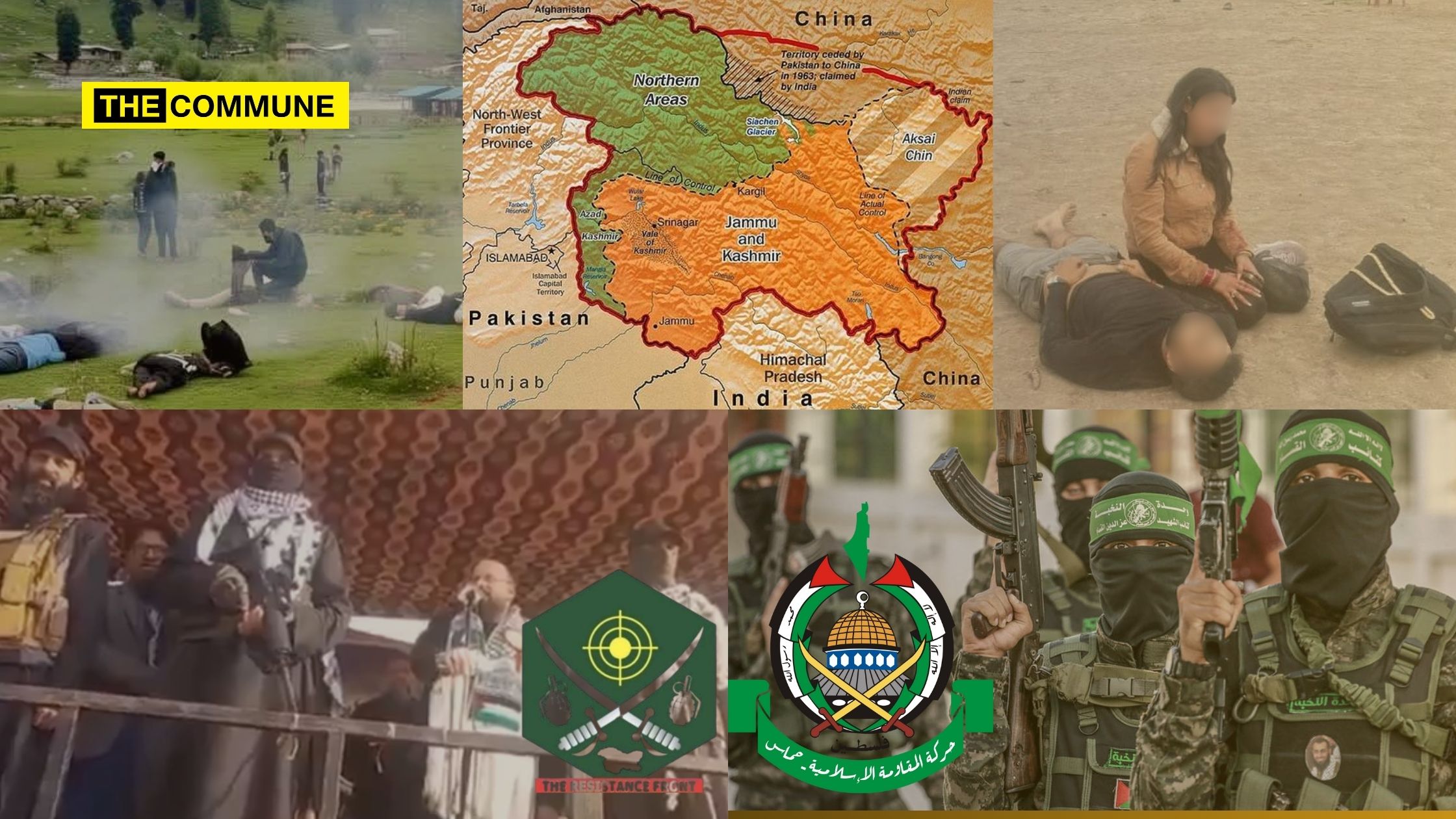
Hamas Links Emerges In Pahalgam Terror Attack, Terrorists Made Visits To PoK Multiple Times

hamas pahalgam terror attack

On 22 April 2025, Pakistani terrorist launched a devastating attack in the Baisaran meadow near Pahalgam, Anantnag district, Jammu and Kashmir, resulting in the deaths of at least 26 individuals. The assault, one of the deadliest in the region since the 2019 Pulwama bombing, was claimed by The Resistance Front (TRF), a Lashkar-e-Taiba (LeT) offshoot.

Between four and six armed militants, disguised in military-style clothing, emerged from a nearby forest and opened fire on a group of tourists enjoying the clear weather after days of rain. Survivors recounted that the attackers initially posed as security personnel, asking victims for their names and religious identity before launching a targeted assault.

Eyewitnesses reported that the militants singled out non-Muslims by demanding that individuals recite the Islamic kalma and checking for circumcision—those who failed were executed. Most of the victims were men. In a chilling account, a gunman reportedly spared a woman, telling her she was being left alive to “tell Prime Minister Modi what happened here.”

Graphic videos circulated online showed blood-soaked victims lying across the meadow, with terrified survivors pleading for help. Emergency responders quickly arrived, transporting the wounded to nearby hospitals, with some critically injured individuals airlifted to a military hospital in Srinagar.

The attack in Pahalgam bore striking similarities to tactics employed by Hamas, raising concerns about the potential involvement of transnational jihadist networks. The operation involved four militants—two Pakistani and two local—who were reportedly trained in Pakistan-occupied Kashmir (PoK), where Hamas has established training modules within LeT and Jaish-e-Mohammed (JeM) camps, supported by Pakistan’s Inter-Services Intelligence (ISI).

On 5 February 2025, Hamas leaders released by Israel visited Pakistan at the invitation of its government and were taken to PoK. A public rally held in Rawalakot featured prominent Hamas figures—Dr. Khalid Qaddoumi, Dr. Naji Zaheer, Mufti Azam, and Bilal Alsallat—sharing the stage with senior leaders of Lashkar-e-Taiba (LeT) and Jaish-e-Mohammed (JeM), including Talha Saif (brother of Masood Azhar), Asghar Khan Kashmiri, and Masood Ilyas. The gathering, named “Kashmir Solidarity and Hamas Operation Al Aqsa Flood,” sought to draw a connection between the struggles in Kashmir and Palestine, urging pan-Islamic unity in opposition to both India and Israel.

Additionally, on 7 October 2024, Hamas leaders were taken to Dhaka by ISI to promote jihadist ideology in India’s northeast. The event was organized by Al Markazul Islami, a group with historical links to al-Qaeda through its founder Mufti Shahidul Islam, who had a long history in Islamist militancy. Attendees included top Hamas leaders and Pakistani Islamist figures.

These developments suggest a coordinated effort to export Hamas-style tactics to the Kashmir region, with support from Pakistan-based jihadist networks. The Pahalgam attack serves as a stark reminder of the evolving threat landscape and the need for heightened vigilance and counterterrorism measures.

Subscribe to our channels on TelegramWhatsApp, and Instagram and get the best stories of the day delivered to you personally.
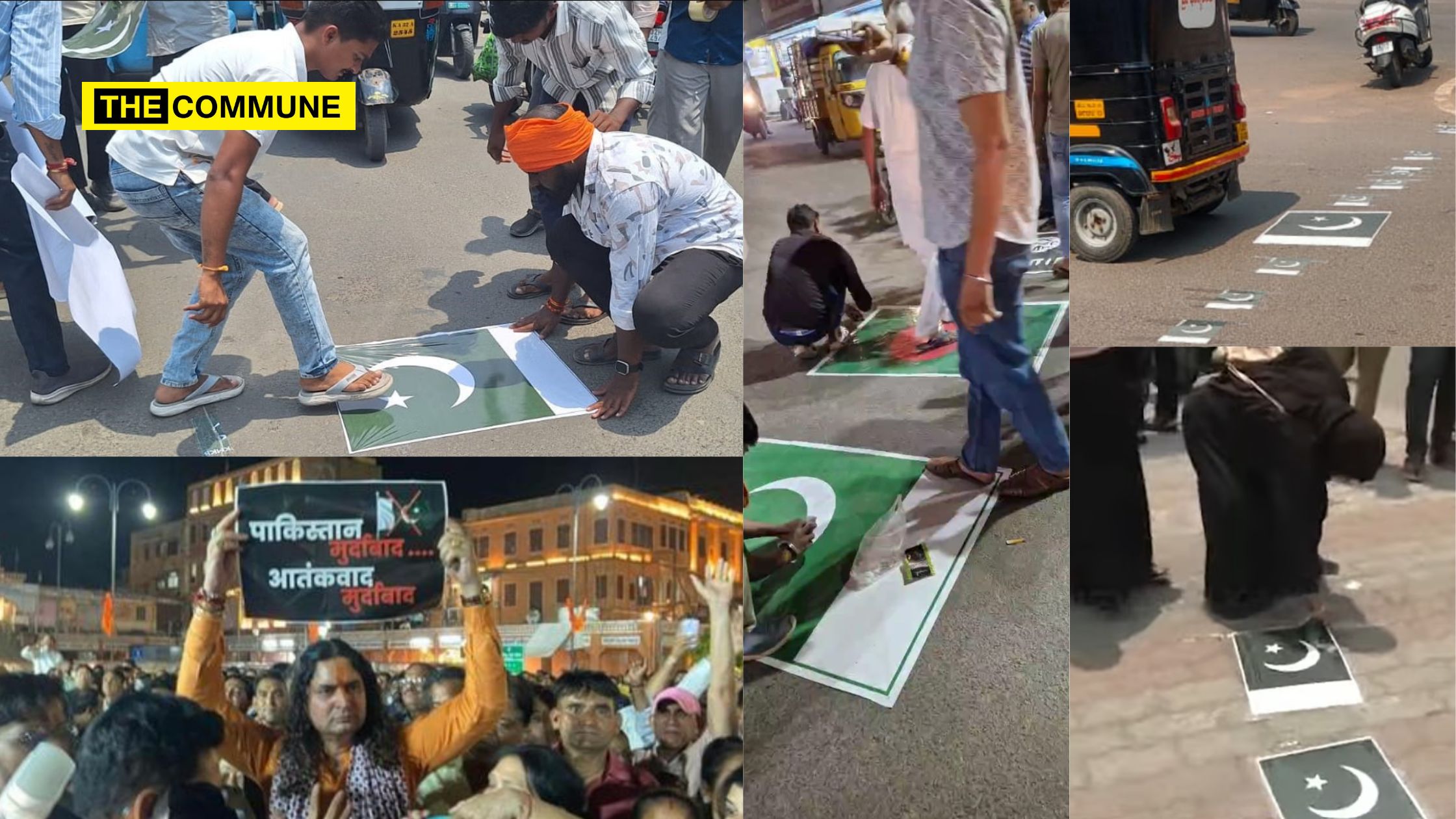
Anti-Terror Protests By Hindu Groups Lead To Arrests In Several States

In the aftermath of the 22 April terror attack in Pahalgam, Jammu and Kashmir—which claimed 26 innocent Hindu lives, citizens and Hindu activists across the country held demonstrations to denounce Pakistan and terrorism. However, protests in several regions, including Karnataka, Rajasthan, Jharkhand, and Odisha, took an unexpected turn as participants faced backlash, detentions, and accusations of hurting religious sentiments.

Protests in Karnataka Lead to Arrests

On 25 April, Hindu groups in Karnataka staged symbolic protests in response to the brutal Pahalgam attack by placing stickers of the Pakistani flag on roads in areas such as Jagat Circle, Aland Naka, Market Chowk, and Sath Gumbaz. The intent was to encourage people to walk over the flags, signaling public outrage against Pakistan’s alleged support for terror activities.

However, the protest sparked controversy when local Muslim residents, including some women who removed the stickers themselves, raised objections and informed the authorities. Shortly after, members of the Bajrang Dal arrived at Jagat Circle and claimed responsibility for the act, explaining it was a peaceful form of protest against the attack.

Karnataka police, led by City Police Commissioner Sharanappa S.D., responded by visiting the locations and removing the flags. Six individuals were taken into preventive custody for questioning and later released. The Congress-led state government’s action has stirred debate on the balance between freedom of expression and communal sensitivity.

BJP MLA Detained In Rajasthan For Anti-Pakistan Slogans

In another incident from Jaipur’s Hawa constituency in Rajasthan, BJP MLA Mahal Balmukundacharya was detained for placing a poster reading “Pakistan Murdabad” (Down with Pakistan) inside a mosque compound during a protest march against the Pahalgam attack.

According to Additional Commissioner of Police (Manak Chowk), Hari Shankar Sharma, the MLA and several BJP workers put up the poster after a protest rally, which led to unrest as members of the local Muslim community gathered in large numbers demanding his immediate arrest. Police forces from five different stations were deployed to control the situation.

Balmukundacharya defended his actions, stating the message was aimed at condemning terrorism and Pakistan, not at targeting any community. He also pointed out that similar posters had been displayed on public pavements as part of the protest. A video showing the MLA and other leaders allegedly placing the poster inside the mosque premises circulated widely on social media, further fueling tensions.

Opposition To Anti-Pakistan Protests Reported In Other States

Similar protests by Hindu activists in other regions—including Sundargarh (Odisha) and parts of West Bengal—also reportedly faced opposition from local Muslim groups. In several cases, activists were allegedly detained by police following complaints, with the Pakistan flag stickers being cited as offensive to community sentiments.

Subscribe to our channels on TelegramWhatsApp, and Instagram and get the best stories of the day delivered to you personally.