Home Blog Page 264

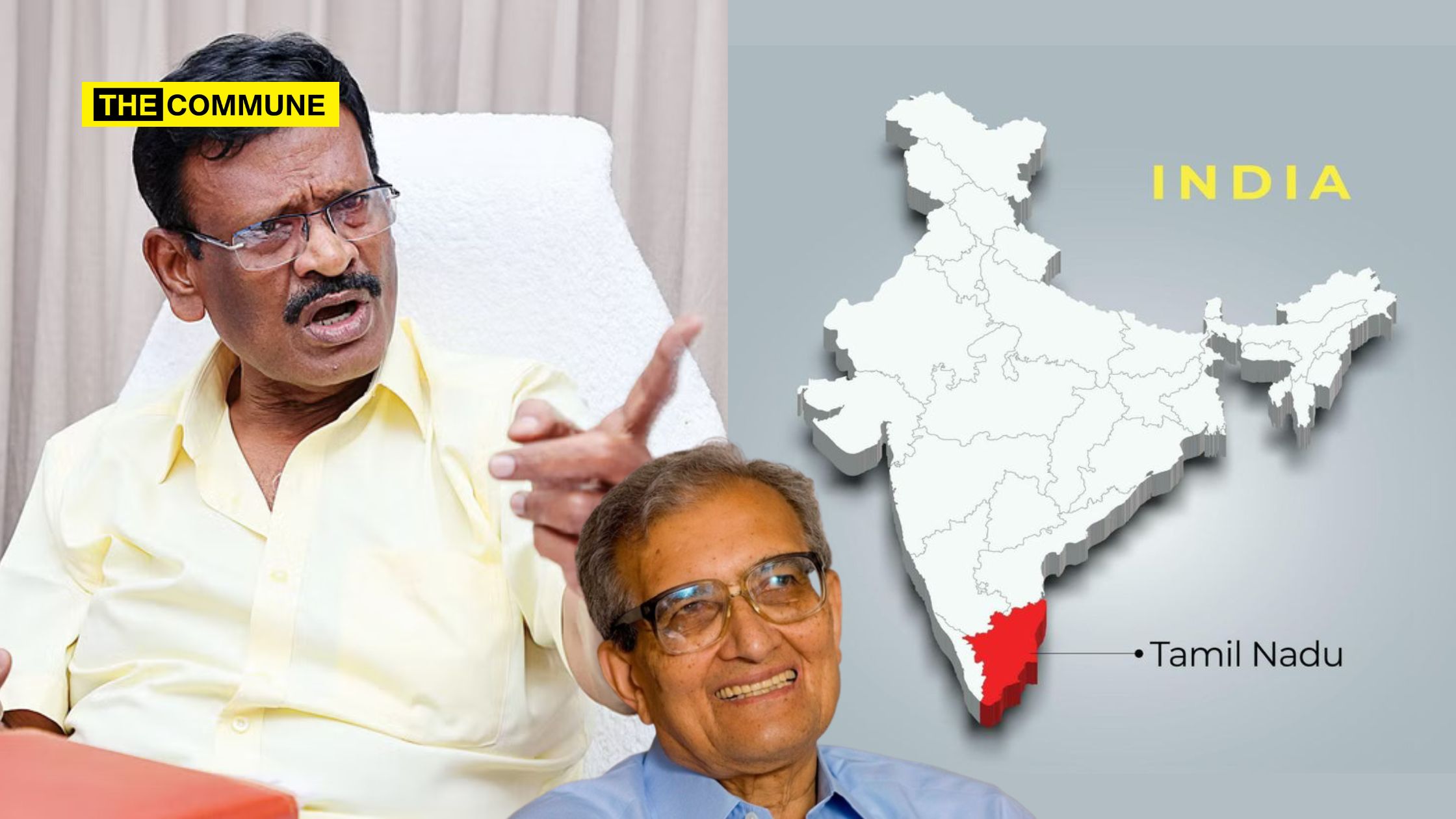
DMK Minister SM Nasar Revives Separatist Rhetoric, Falsely Claims Amartya Sen Said TN Would Be A Global Superpower If It Were A Separate Country

The ruling DMK, whenever it spots an opportunity, seems eager to revive its outdated rhetoric of a “separate Tamil Nadu”—an ideology rooted in separatism that was constitutionally suppressed through the 16th Amendment and officially abandoned by the DMK in 1963. Yet, every now and then, the party appears to dust off this old narrative, using it as a tool to keep the embers of separatist sentiment alive.

In line with this tendency, DMK Minister for Minorities Welfare and Non-Resident Tamils Welfare, SM Nasar, stirred controversy during the launch of a website and the release of a conference report at the 12th World Tamil Economic Conference. The event, held on 16 June 2025, at Hotel Le Royal Meridien, was jointly organized by the World Tamil Economic Institute and the Chennai Development Corporation. In his special address, Nasar claimed, “Amartya Sen said if Tamil Nadu were a separate country, it would become a superpower and rank 18th among global powers.”

He said, “To tell the truth, an economist named Amartya Sen, recognized on the world stage. He is a Bengali, not even a Tamil. This Bengali man born in Shantiniketan. He studied at Oxford University and at Yale University. He has been a professor at two universities. Among students worldwide, he is known as a brilliant student—ranked among the top three. Such a person has also received the Bharat Ratna Award. Even after receiving many awards, he says in a research, “I have prepared research reports for development of many countries. If geographic details of the country is given based on a country’s economic growth, the goods it produces and grows. I would submit a Detailed Project Report (DPR) for 5, 10 and 15 years. I have submitted such reports for many countries, and I have seen with my own eyes the growth they have achieved. In that context, I have seen every state in India. I have studied the economic development of many states—from Kashmir to Kanyakumari.” And when he sees that, he says… He is not a Tamil. If someone like Sambath here said this, we might assume he’s saying it to flatter us because he’s Tamil. But that’s not the case here. The economist Amartya Sen who said, “If Tamil Nadu had been a separate country, it would have ranked as the 18th superpower in the world economically.”

This assertion, however, is a long-standing myth circulated by Dravidianists. The truth is: Amartya Sen never made such a statement. While he has indeed acknowledged Tamil Nadu’s achievements—particularly in public health, education, and innovative governance he never suggested that the state would be a “superpower” if independent.

In his book An Uncertain Glory, co-authored with Jean Drèze, Sen commends Tamil Nadu’s social progress and efficient service delivery, noting that if compared separately from India, Tamil Nadu and Kerala would top the charts among South Asian nations in terms of social indicators. But at no point does he advocate secession or label Tamil Nadu a potential global superpower. The Minister’s statement is a distortion—another example of how separatist narratives are occasionally revived under the guise of cultural or economic discourse.

Subscribe to our channels on TelegramWhatsApp, and Instagram and get the best stories of the day delivered to you personally.

Congress Puts Indians In Danger: Party’s Youth Wing Makes False Claims About Indians Getting Arrested In Iran For Spying For Israel

The Indian National Congress is once again facing political heat after a post from its affiliated youth wing handle, ‘India With Congress’ (@UWCforYouth), caused a stir on social media. The controversial post claimed that “73 Indian nationals have been arrested in Iran on charges of spying for Israel.” It also referred to Israel as a “terrorist state” and used the hashtag #IranIsraelWar—further fueling tensions amid ongoing conflict in the region.

The post quickly attracted backlash, especially from the ruling Bharatiya Janata Party (BJP). Amit Malviya, who heads the BJP’s National Information & Technology Department, slammed the Congress for circulating unverified and inflammatory information on a sensitive diplomatic issue. He shared a screenshot of the now-deleted post, overlayed with the word “FAKE” in red, calling out Congress for irresponsibility.

Amit Malviya said, “Congress Desperation Knows No Limits! In just under 24 hours, the Congress has twice resorted to spreading Fake News from its official platforms.

  • First, they blatantly lied about the caste census.
  • Now, they are peddling misinformation on the sensitive Iran-Israel conflict.

This is what Rahul Gandhi’s weak and directionless leadership has reduced the Congress to — a party led by lazy mandarins with no achievements and zero credibility, entrusted with key responsibilities they clearly don’t deserve. No wonder the Congress is fast slipping into political oblivion. It has earned it.”

What’s The Truth?

Despite the viral claim, there is no verified report of 73 Indians being arrested by Iran for espionage. Iranian authorities recently confirmed the arrest of a few individuals accused of collaborating with Israel’s Mossad, but none of the suspects were identified as Indian nationals.

  • On 15 June, Iran arrested two individuals in Savojbolagh County for suspected ties to Mossad.
  • On 15 June, five others were detained in Yazd for alleged collaboration awith Israeli agencies.
  • On 16 June, Iran executed a man named Esmaeil Fekri, arrested in 2023, for spying for Mossad.
  • Iran’s judiciary also revealed that 28 individuals across 15 espionage cases had been referred to Tehran’s Security Prosecutor. However, their nationalities were not disclosed.

The Congress youth wing’s post appears to have grossly misrepresented these developments, attributing the espionage arrests to Indian citizens without basis.

The episode has once again highlighted the perils of political parties using sensitive global developments for point-scoring without verifying facts. With diplomacy and citizen safety at stake, spreading misinformation risks not just reputational damage, but also international embarrassment and security concerns.

Subscribe to our channels on Telegram, WhatsApp, and Instagram and get the best stories of the day delivered to you personally.

Thoothukudi Villagers Storm Collector’s Office, Demand Sterlite Plant Reopening To Restore Livelihoods

sterlite reopening thoothukudi protest

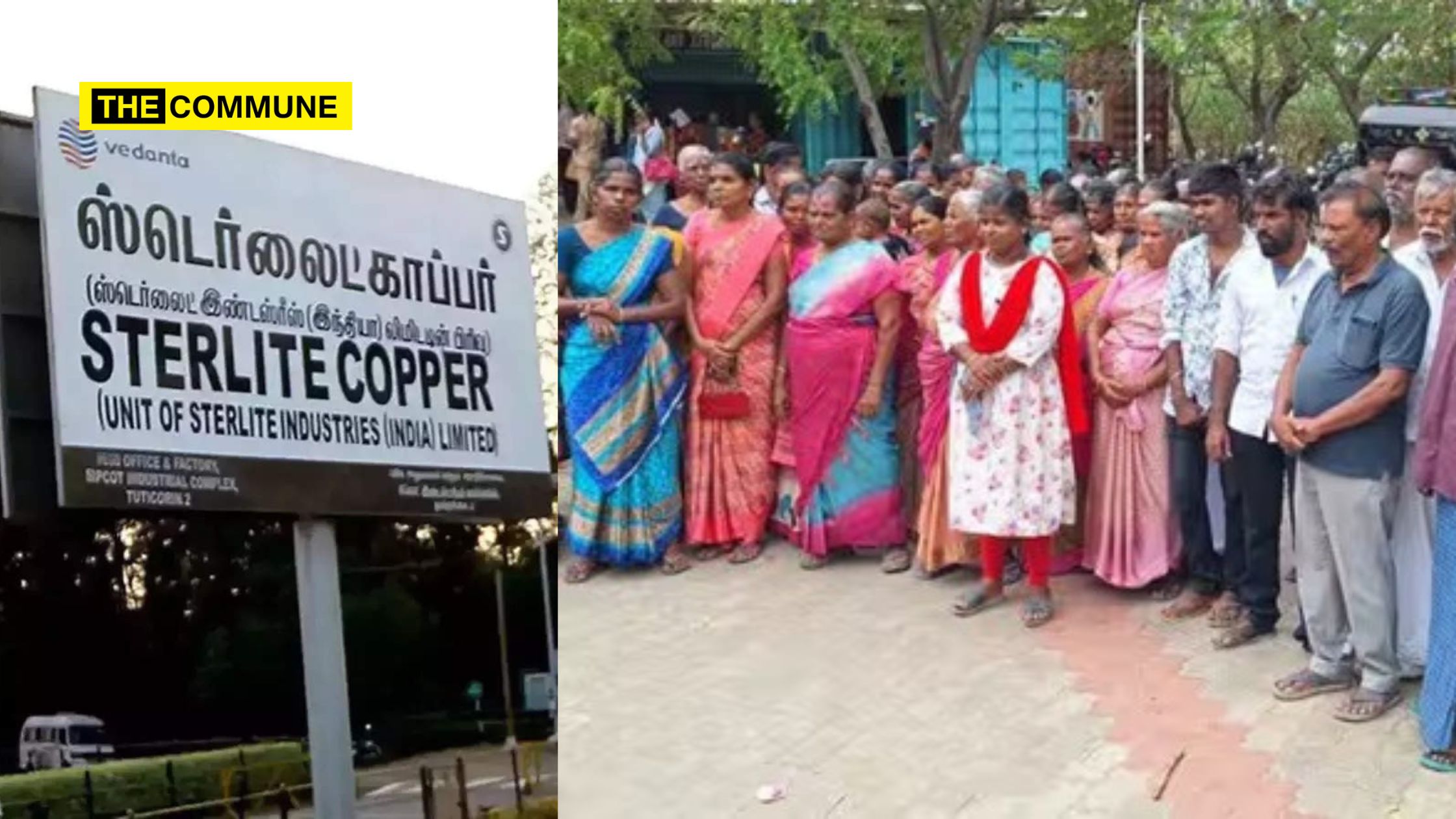
Villagers from South Veerapandiapuram, Saminatham, Pandarambatti, and nearby areas besieged the Thoothukudi District Collector’s Office on 16 June 2025, urging the state government to reopen the closed Sterlite Copper Plant and its associated Thermal Power Station in Thoothukudi.

Hundreds of villagers — many of them previously employed by the copper plant — said their livelihoods have been severely affected by its shutdown. According to the villagers, nearly 300 youths from their community were employed at the plant, but after its closure, many have been forced to work as daily wage laborers with low pay and poor employment prospects.

The petition presented to the Collector stressed that the reopening of the plant would enable locals to find employment matching their education and skills. The villagers also demanded that the government pass a special resolution in the Legislative Assembly to facilitate the reopening, stating that many related industries would create much-needed employment for Thoothukudi’s youth.

The delegation further alleged that while the government had recently cleared other manufacturing companies’ operations in Tamil Nadu, the Sterlite plant remained closed, adding to the financial struggles of the community.

The petition was received by the District Collector’s Office, which is currently experiencing a shortage of officers to handle the growing number of complaints and appeals. The villagers remain hopeful that their livelihoods will be restored if the plant is allowed to restart.

These protests to reopen Sterlite have been going on for quite some time. In December 2024, Indian National Trade Union Congress (INTUC), the age-old workers’ union of Congress, held a protest in Chidambaranagar, calling on the state government to reopen the Sterlite Copper plant in Thoothukudi and to focus on increasing employment opportunities in the region.

In February 2025, following calls from the INTUC, Namakkal Lorry Owners’ Association, and Namakkal Trailer Owners’ Association, the Thoothukudi Contractors’ Association urged for the reopening of the Sterlite Vedanta copper smelting plant, which was shut down in 2018.

In May 2025, representatives from the Thoothukudi People Livelihood Protection Association, along with residents from nearby villages, submitted a formal request to Member of Parliament Kanimozhi, appealing for the reopening of the Sterlite Copper plant.

Subscribe to our channels on TelegramWhatsApp, and Instagram and get the best stories of the day delivered to you personally.

How Nehru Insulted Sardar Vallabhbhai Patel In Death

Sardar Vallabhbhai Patel, one of India’s greatest leaders, is often remembered for his unwavering nationalism and silent yet formidable presence. Known as the Iron Man of India, Patel’s decisive actions united 562 princely states, giving India its territorial integrity after independence. He warned the nation about threats from Kashmir and China, but tragically, his contributions were overshadowed by years of silence and posthumous disrespect that, astonishingly, began even in death, by none other than Nehru.

The Dark Side of Congress’s Legacy

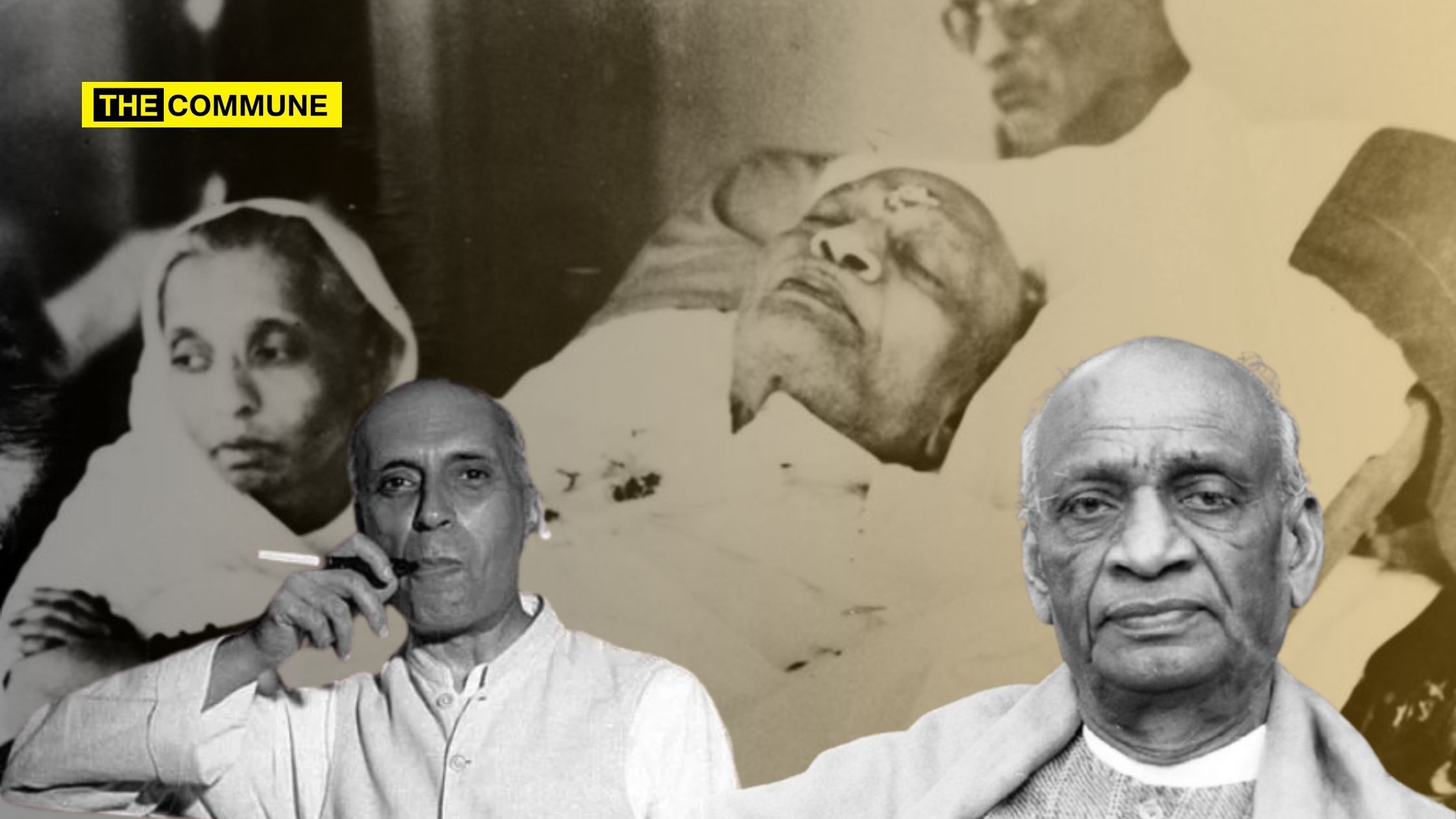
When Sardar Vallabhbhai Patel passed away on 15 December 1950, his death exposed a disturbing side of Indian politics one that Congress, particularly Jawaharlal Nehru, would rather keep buried. Within an hour of Patel’s passing, Nehru, perhaps driven by political rivalry or jealousy, issued a chilling government order with two critical directives:

  1. Immediately withdrew the official car assigned to Sardar Patel.
  2. Any Home Ministry officials attending his funeral in Bombay would have to cover their own travel expenses.

This heartless order was kept hidden from the public by India’s Home Secretary, V.P. Menon, who was deeply disgusted by Nehru’s petty actions. Menon quietly made arrangements for senior officers to attend Patel’s funeral at their own cost. There were no state funeral arrangements, no national mourning—just political spite.

Shunning the ‘Iron Man’ at His Final Moment

But the humiliation didn’t end there. Nehru’s Cabinet sent an official request to President Dr. Rajendra Prasad, asking him not to attend Patel’s funeral. In a shocking move, the Cabinet actively tried to prevent India’s first President from honoring the Iron Man of India. However, Dr. Rajendra Prasad, a man of his own convictions, rejected this advice and chose to attend the funeral. When Nehru learned of this, he acted swiftly sending C. Rajagopalachari with an “official letter of condolence,” bypassing the President entirely.

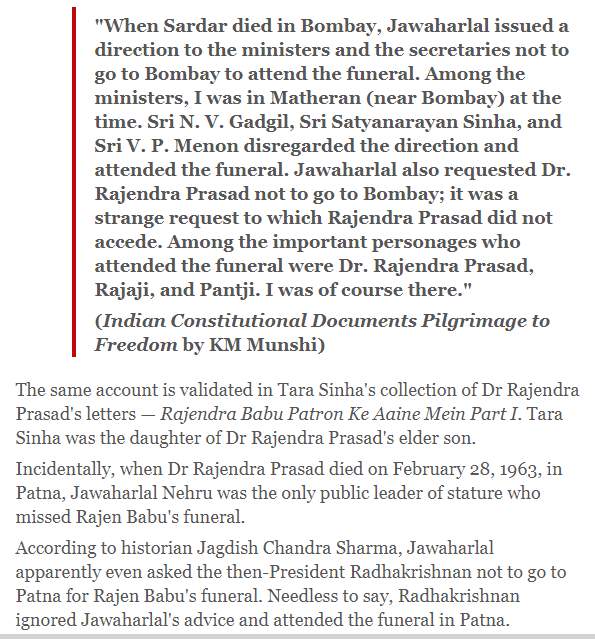
KM Munshi wrote in his Pilgrimage to Freedom, “When Sardar died in Bombay, Jawaharlal issued a direction to the ministers and the secretaries not to go to Bombay to attend the funeral. Among the ministers, I was in Matheran (near Bombay) at the time. Sri N. V. Gadgil, Sri Satyanarayan Sinha, and Sri V. P. Menon disregarded the direction and attended the funeral. Jawaharlal also requested Dr. Rajendra Prasad not to go to Bombay; it was a strange request to which Rajendra Prasad did not accede. Among the important personages who attended the funeral were Dr. Rajendra Prasad, Rajaji, and Pantji. I was of course there.” 

A Mockery of Patel’s Legacy

Even when Congress members and the public rallied for a memorial to honor Patel, Nehru initially opposed the idea. Later, in an act of mockery, Nehru sarcastically suggested that since Patel was a “farmer’s leader,” the government should consider building wells in rural areas in his memory. The memorial proposal never materialized.

Adding insult to injury, Purushottam Das Tandon, a senior Congress leader who had once supported Patel over Nehru for leadership, was later expelled from the party. This wasn’t just political maneuvering—it was personal vengeance.

Today, when Congress leaders invoke Sardar Patel’s name, it’s important to remember the truth of history. These same leaders were the ones who erased his legacy, disrespected him in life and death, and undermined his ideals—all because he was a leader they could never control.

The True Tribute: The Statue of Unity

It took nearly 70 years, and a government with the courage to stand tall, to finally give Sardar Patel the tribute he deserved—the Statue of Unity. This is not just a statue; it is a reminder that Sardar Patel’s contributions to the nation will never be forgotten, even if some tried to bury them.

Let us never forget: Sardar Patel—not as a forgotten plaque on a wall, but as the tallest statue on Earth, standing as a symbol of unity, strength, and integrity.

(This article is based on an X Thread By Manisha Singh)

Subscribe to our channels on Telegram, WhatsApp, and Instagram and get the best stories of the day delivered to you personally.
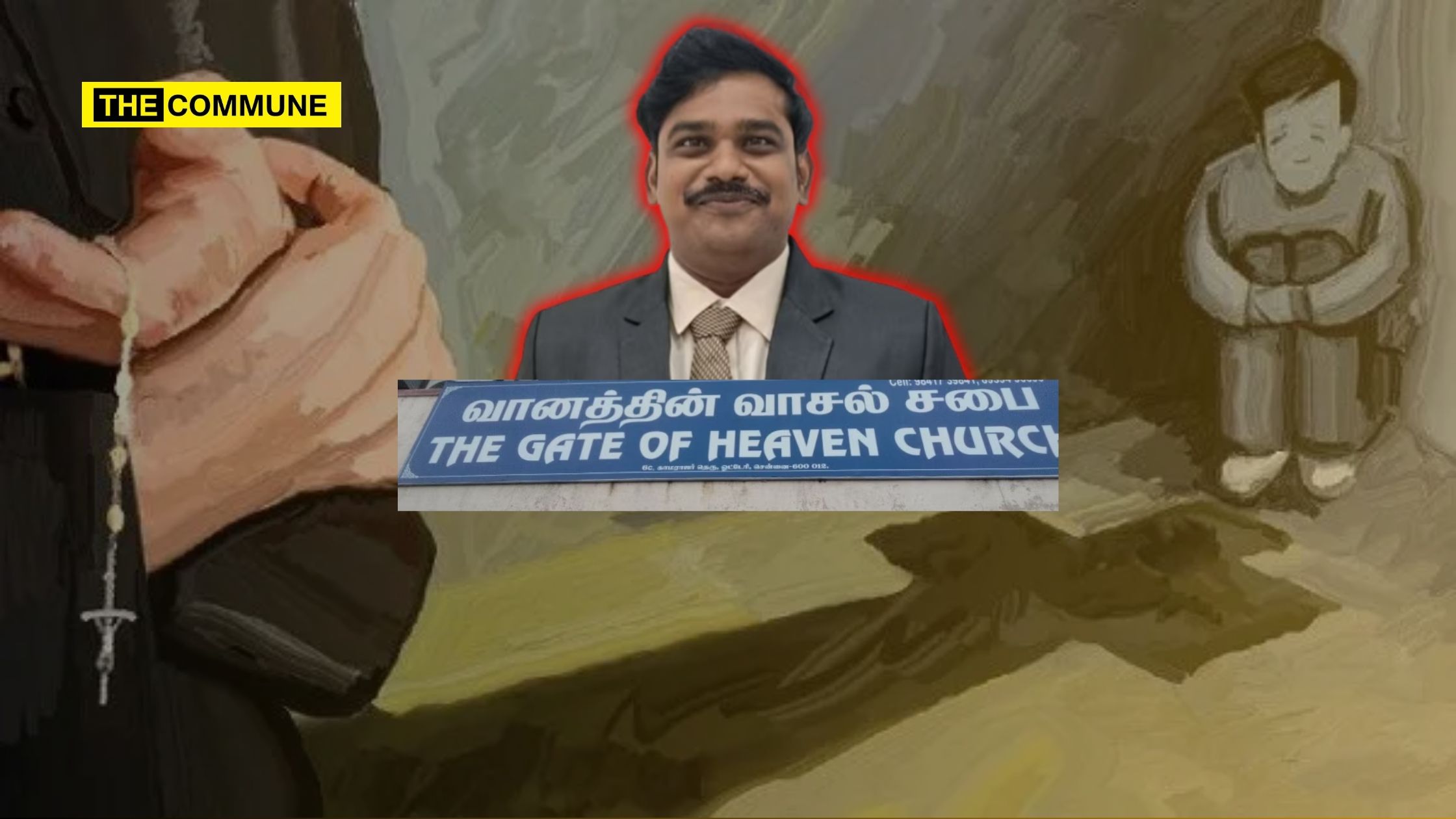
Chennai: Church Worker Yesudas Arrested For Sexually Abusing 3 Minor Boys Over Several Months, Exposed Them To Porn Videos

In a disturbing incident in Chennai’s Ambattur area, a church assistant named Yesudas was apprehended by local authorities under the Protection of Children from Sexual Offences (POCSO) Act for the alleged sexual assault of three minor boys, who are cousins, over a period spanning five months. The accused, employed as an assistant to a Church Father, reportedly exploited his position to engage in illicit activities with the teenage boys, who were regular visitors to the church where he worked.

According to reports, a church named Vaanathin Vasal (Gate of Heavens Church), located in Madhamuppam, Ambattur, attracts over a thousand worshippers every Sunday. The victims — all minor boys from Vyasarpadi in Chennai — regularly attend Sunday prayers alongside their families. The church worker had befriended the kids through messages on WhatsApp.

The case came to public attention when the father of one of the victims, concerned by noticeable changes in his son’s behavior, decided to investigate further. His suspicions led him to discreetly follow his son, only to uncover a shocking scene: his son was accompanying Yesudas to a room at an OYO hotel, a budget hotel chain. Alarmed and distressed, the father approached the Church Father to discuss the matter and seek guidance. However, he was reportedly advised to proceed cautiously and received little actionable support from the church authority, leaving him dissatisfied with the response.

Determined to seek justice, the boy’s father lodged a formal complaint with the Ambattur Police Station. Following a preliminary investigation, law enforcement officials arrested Yesudas and charged him under several provisions of the POCSO Act, including Bharatiya Nyaya Sanhita (BNS) sections 3A, 3D, and 4(1), which specifically address penetrative sexual assault on minors. These charges reflect the severity of the alleged offenses, which carry significant legal consequences under India’s child protection laws.

According to police sources cited by India Today, Yesudas allegedly manipulated the boys by exposing them to pornographic videos as a precursor to the assaults. The investigation revealed that the abuse began with one boy and subsequently extended to his two cousins, drawing them into the cycle of exploitation. Statements provided by the victims to the police corroborated that the assaults took place in hotel rooms booked by the accused. The three boys, all minors, confirmed the incidents of abuse, providing consistent accounts that have strengthened the case against Yesudas.

The Ambattur Police are continuing their investigation to uncover additional details, including whether there are other victims or if the accused had a broader pattern of predatory behavior. As the investigation progresses, the police are likely to examine the role of the church in addressing the initial complaint and whether any lapses contributed to the delay in bringing the matter to light.

Inspector Geetha of the All Women Police Station is currently investigating the case and is making efforts to identify and arrest the suspects.

Subscribe to our channels on TelegramWhatsApp, and Instagram and get the best stories of the day delivered to you personally.

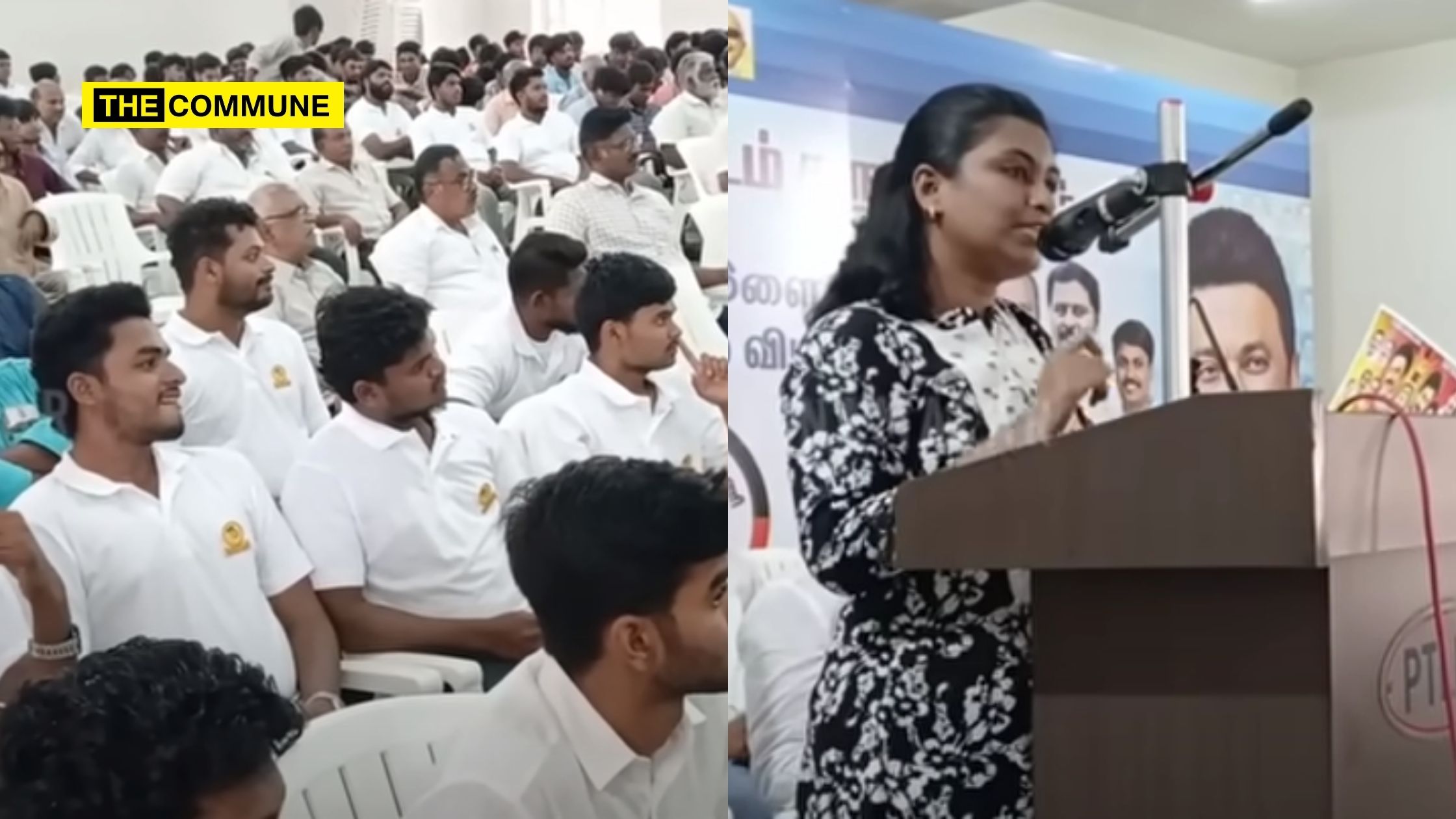
Pollachi School Students Duped Into Attending DMK Youth Wing Event Under Guise of Naan Muthalvan Initiative

The Dravida Munnetra Kazhagam (DMK) allegedly called upon students from Samathur Municipal School in Pollachi to attend a party-related event conducted by the DMK Youth Wing under the guise of a government education program, causing controversy and concern among parents and educators.

The incident came to light after the school’s headmaster Gopalakrishnan received a request from municipal officials to send Plus-1 and Plus-2 students to attend what was described as the Naan Muthalvan career guidance initiative. Students were directed to a local hall where, upon arrival, they reportedly encountered a DMK youth wing seminar titled “Dravidam in All Directions” featuring political recruitment activities and party flag installations. The event saw Dravidianist speaker Mathivathani speaking about how to ensure Dravidianism is spread across.

The Naan Muthalvan scheme is a state government initiative for student career development, making its alleged misuse for political recruitment particularly contentious. With youth demographics being a significant factor in Tamil Nadu politics, such incidents attract heightened scrutiny.

When Gopalakrishnan became aware of the true nature of the event, he promptly turned the students away and sent them back home. Subsequently, several shocked parents called him to inquire about the incident, and their phone conversations with the headmaster have been made public.

In a phone call, Gopalakrishnan explained, “We were told it was a guidance workshop for higher education. I even asked for the names of interested students. But upon arriving, I saw DMK flags and political messages instead. So I turned the children away. This was a big mistake, and we assure it won’t happen again.”

Some parents alleged that their children were used for political purposes without consent, fueling growing resentment. The incident comes amid growing controversy over political interference in educational institutions. The headmaster insisted he was kept in the dark and that he would not allow students to be used in this manner in the future.

Subscribe to our channels on Telegram, WhatsApp, and Instagram and get the best stories of the day delivered to you personally.
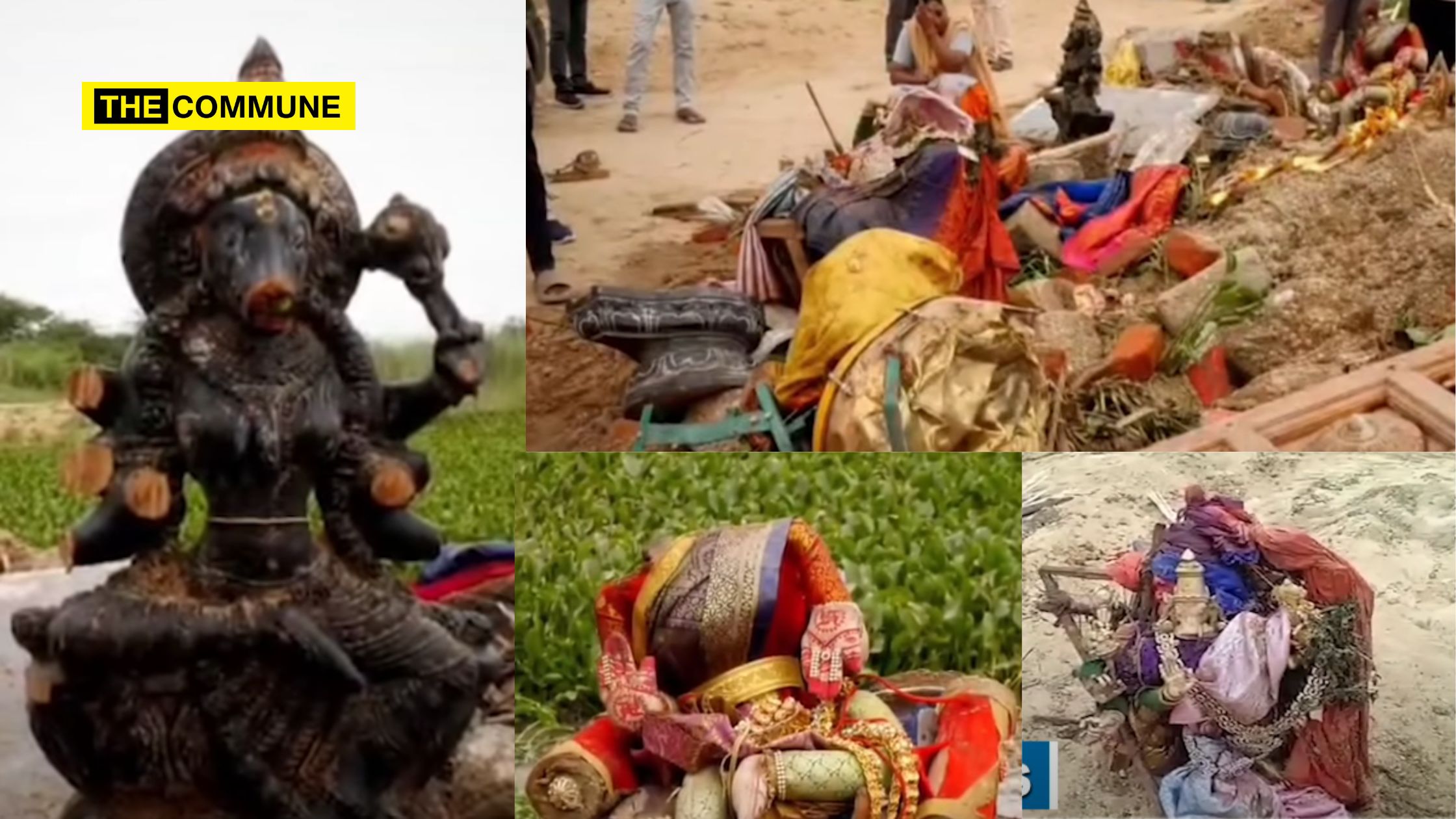
Tiruchanur: Varahi Amman Temple Vandalized In Midnight Attack, Idols Desecrated, Thrown In River

varahi amman temple tiruchanur

In a shocking turn of events, unknown assailants have vandalized the Varahi Amman Temple in Tiruchanur, located in the Tirupati district. The idol of the goddess, along with other sacred statues, was destroyed and thrown into the Swarnamukhi River, causing outrage among the local community. This temple, situated near the famous Padmavathi Temple, has been the subject of an ongoing dispute over its land ownership, which some claim to be theirs. This disagreement appears to have escalated into the temple’s destruction.

The incident took place around midnight on 10 June 2025, when a group of unidentified individuals demolished the temple structure and destroyed the principal idol (Moolavirat) and other statues. The debris was then thrown into the nearby Swarnamukhi River, sparking an uproar in the local community.

For several days now, there has been a legal dispute regarding the ownership of the land on which the temple stands. Reports indicate that two individuals, Mani Reddy and Rami Reddy, have filed a petition in a local court, asserting that the land on which the Varahi Amma Temple stands belongs to them. Despite the case being pending, the duo, along with around 30 unidentified individuals, reportedly attacked the temple on 9 June, vandalizing the premises and manhandling women who tried to intervene. A complaint was filed with the Tiruchanur police, but no action was taken, even though the entire incident was captured on CCTV footage.

Locals believe that the police’s inaction is due to alleged political influence, with the two men purportedly receiving backing from the ruling Telugu Desam Party (TDP).

Emboldened by the lack of a police response, the group of miscreants returned to the temple on the night of 10 June with earthmovers and destroyed the structure. They also desecrated the idols and discarded them into the Swarnamukhi River. Upon learning of the incident, members of the Bajrang Dal and other Hindu organizations arrived at the site, retrieved the damaged idols from the river, and have since demanded strict action against those responsible. They have warned of large-scale protests unless the culprits are apprehended and held accountable for the destruction.

According to reports, it is alleged that TDP leaders paid ₹10 lakh to the miscreants in exchange for their involvement in taking control of the temple land. The vandalism was reportedly spearheaded by TDP leader Kishore Reddy, who is known to be a supporter of Chandragiri MLA Pulivarthi Nani.

Furthermore, locals have raised suspicions that the destruction of the temple is part of a broader scheme to enable illegal sand mining operations by a sand mafia active along the banks of the Swarnamukhi River. The incident has sparked widespread anger among local communities and religious groups, who are demanding immediate intervention and accountability for the attack on the sacred site.

This incident has caused significant outrage among Hindu groups, who are now demanding stringent action against those responsible. On Wednesday, Union Minister Bandi Sanjay visited Tirupati and met with concerned citizens to address the issue. Hindu organizations attempted to lodge complaints with the minister, but police obstructed their efforts. As a result, the groups staged a protest near the local police station, calling for strict action against the culprits.

The desecration of the Varahi Amma Temple has left the local community in shock and has sparked further unrest over the growing tensions surrounding the site. Hindu organizations are adamant that the government take immediate action to ensure the perpetrators are held accountable and that religious harmony is preserved.

(With inputs from Sakshi Post)

Subscribe to our channels on TelegramWhatsApp, and Instagram and get the best stories of the day delivered to you personally.

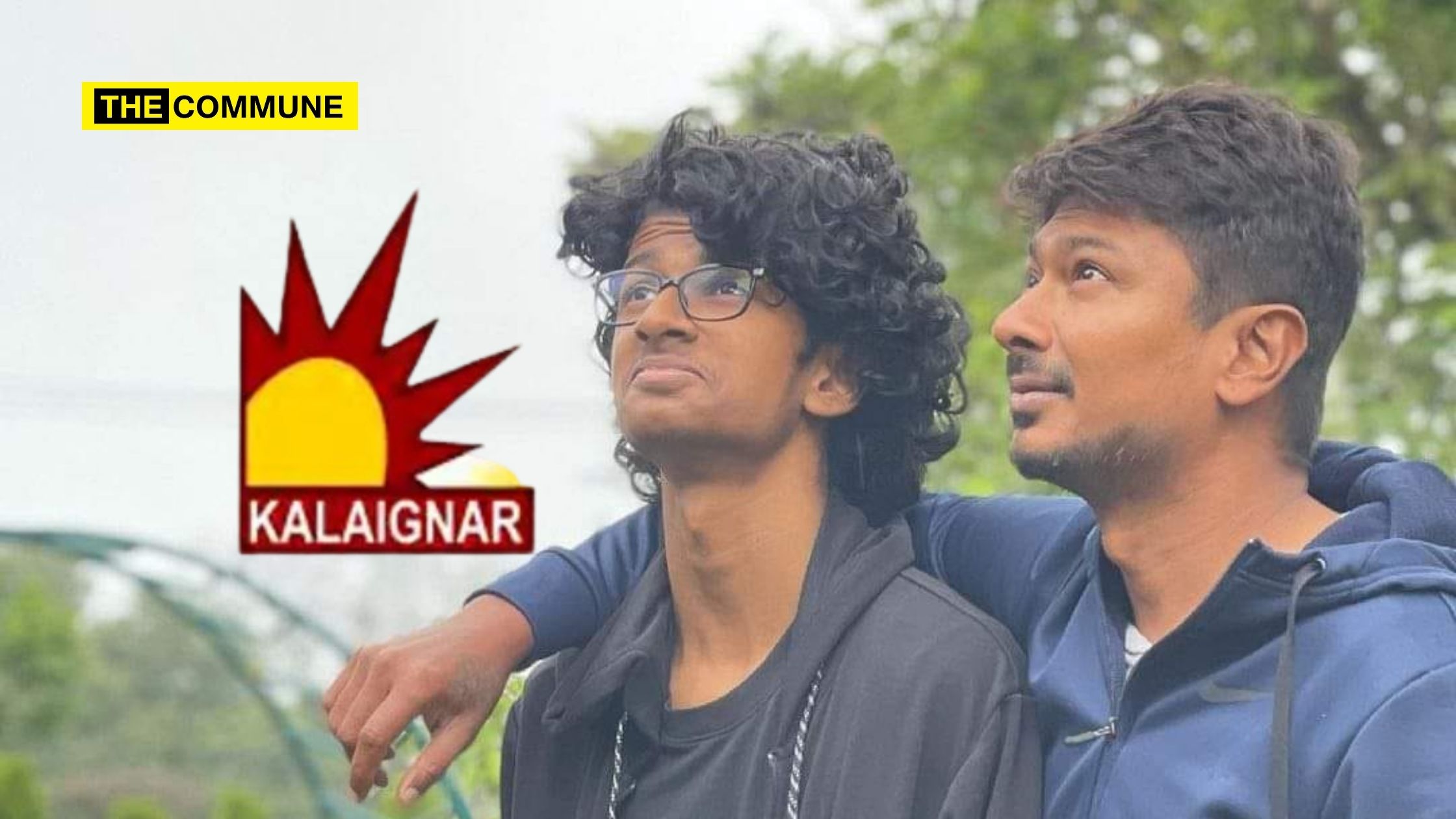
DMK Scion Udhayanidhi Stalin’s Son Inbanidhi Joins DMK Mouthpiece Kalaignar TV’s Management Team

Inbanidhi, the 21-year-old son of Tamil Nadu Deputy Chief Minister Udhayanidhi Stalin and grandson of Chief Minister M.K. Stalin, formally assumed responsibilities in the management team of Kalaignar TV on 3 June 2025 — the birthday of DMK patriarch M. Karunanidhi.

Inbanidhi, who holds a degree in financial management from London, was accompanied by his mother Kiruthiga to the Kalaignar TV office located at the DMK headquarters in Arivalayam.

He was warmly received by Karthikeyan — son of Chief Minister Stalin’s wife Durga’s sister — who currently serves as the company’s Chief Financial Officer. According to DMK officials, Inbanidhi is involved in financial management and regularly consults with key team members.

Dinamalar reports that Inbanidhi is said to work from 11:00 AM until 5:30 PM each day at the television network’s office in Neelankarai, Chennai.

(With inputs from Dinamalar)

Subscribe to our channels on Telegram, WhatsApp, and Instagram and get the best stories of the day delivered to you personally.
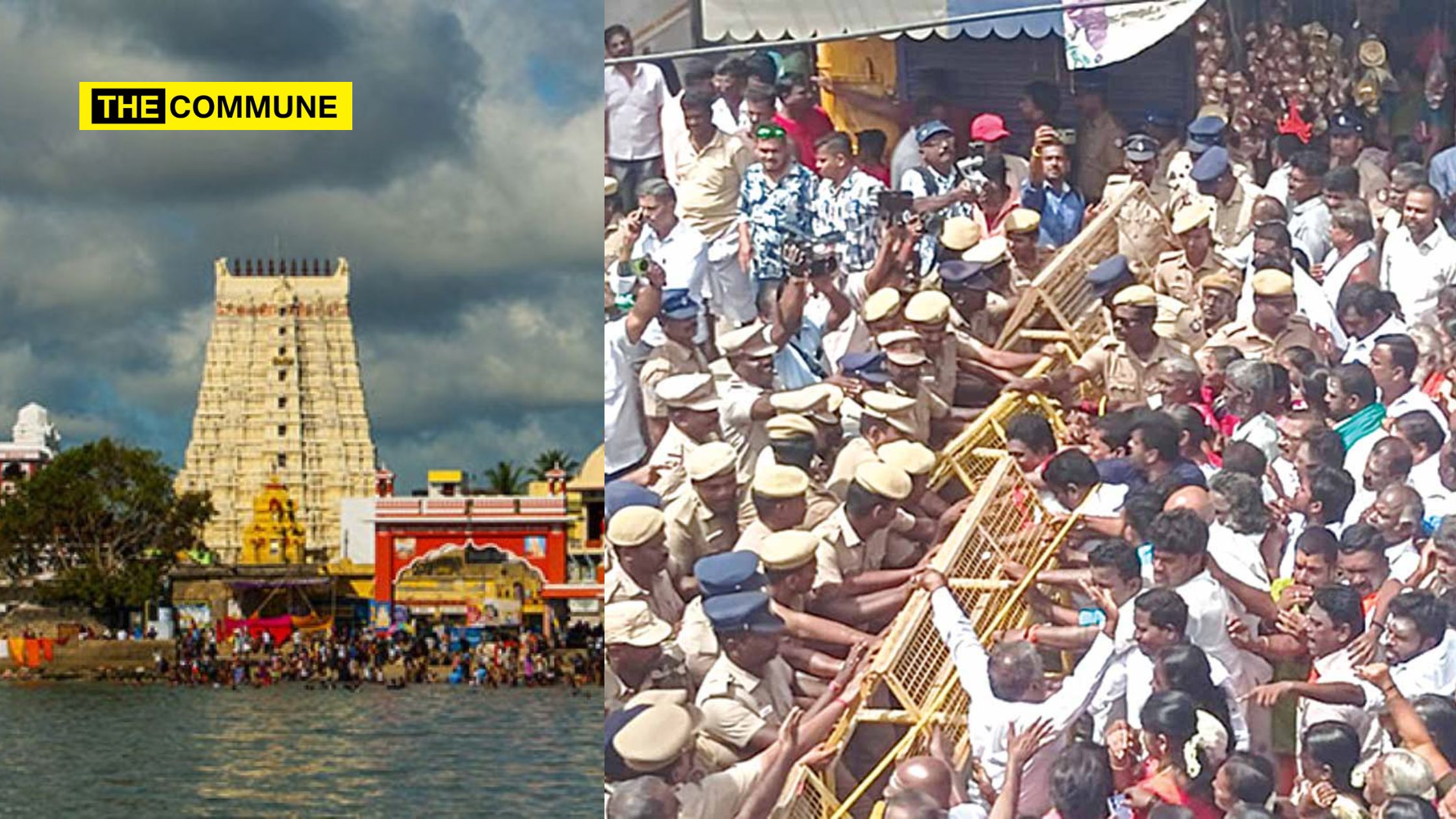
Protests Erupt At Rameswaram Ramanathaswamy Temple Over New Paid Darshan System

rameshwaram ramanathaswamy temple paid darshan protests

Tensions flared at the historic Ramanathaswamy Temple as local residents clashed with authorities over the temple administration’s controversial decision to impose fees of ₹200-500 for accessing traditional worship routes.

The controversy arose after the temple administration set up special barriers along the main path used by locals for darshan (worship) and introduced a fee of ₹200 and ₹500 for entry through these routes. This new policy has forced many locals to abandon their traditional path and pay if they wish to view the deity up close — a move that has triggered significant resentment in the community.

Protesters say they have been following their traditional routines — especially on auspicious occasions like weddings, birthdays, Amavasya, and Pradosham — for generations. The administration’s decision to prohibit their entry through the longstanding path is viewed as unfair and discriminatory.

While the administration maintains that free darshan is still available through a separate path, locals say this disregards their longstanding practices and traditions. After repeated appeals fell on deaf ears, political parties and civic groups also came forward today to support the locals’ cause.

Police intervened to keep the protest from turning aggressive, arresting more than 100 people and strengthening their presence at all four main entrances of the temple. This heavy police deployment aims to ease tensions and avoid further escalation, even as the controversy shows no sign of resolution.

Pilgrims from both nearby villages and other parts of the country continue to arrive to pay their respects, adding urgency to the ongoing dispute over access to their place of worship.

TTV Dhinakaran, General Secretary of AMMK, criticized the DMK-led Tamil Nadu government for imposing a ₹200 fee on locals for darshan at Rameswaram’s Ramanathaswamy Temple. Traditionally, locals used a special path for free darshan, but now they’re forced to pay due to a new policy enforced by the Joint Commissioner of HR&CE. This decision triggered strong opposition from locals alleging violation of their religious rights. Dhinakaran demanded the withdrawal of the fee, stating it unfairly restricts access for locals and disregards longstanding traditions at the historic shrine.

Tiruvannamalai Chaos

Earlier in June 2025, tensions rose at Tiruvannamalai’s Arunachaleshwarar Temple after locals alleged unfair treatment and chaos during darshan. The administration’s new ₹50 paid darshan system, alongside brokers charging up to ₹1,000 and preferential access for devotees from Andhra Pradesh, ignited disquiet among locals. Security was poor, causing scuffles and injuries, while many locals said they hadn’t been able to worship there for years due to long queues and overcrowding. Residents demanded an end to the paid darshan, action against brokers, and equal treatment for all devotees, arguing that the current approach disregarded their traditional rights and disrupted the sanctity of the shrine.

Subscribe to our channels on TelegramWhatsApp, and Instagram and get the best stories of the day delivered to you personally.
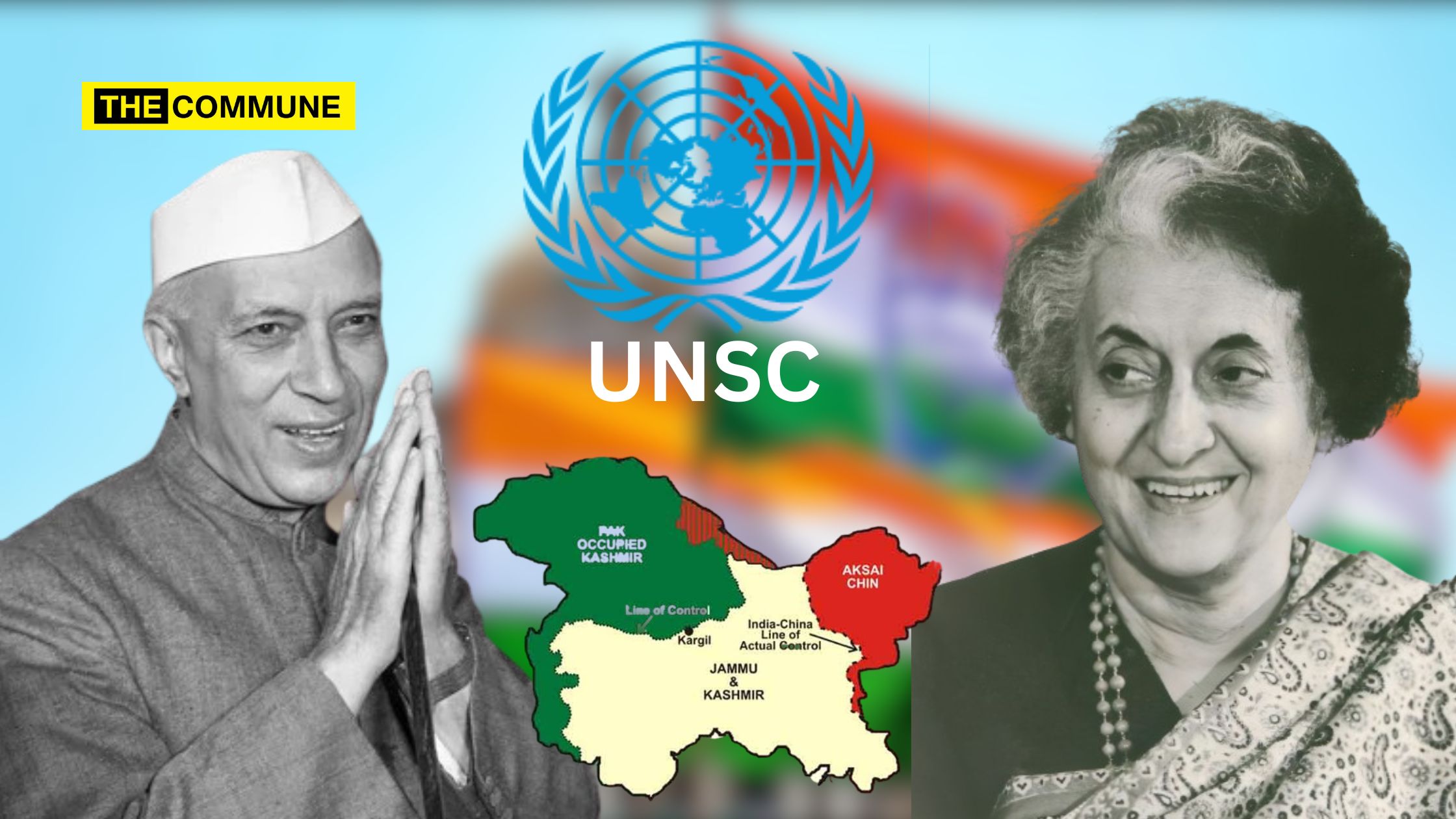
The Surrender Family: A Look At Nehru-Gandhi Surrenders That Shaped Modern India

surrender family nehru-gandhi

Congress scion Rahul Gandhi, recently sparked controversy by echoing Western sentiments and promoting narratives aligned with Pakistan’s viewpoint. During his speech at the launch of his party’s Sangathan Srijan Abhiyan in Bhopal, he made claims regarding Prime Minister Narendra Modi’s dealings with the United States. He suggested that Modi had bowed to pressure from former U.S. President Donald Trump, saying, “Trump made one gesture from there (the U.S.), picked up the phone and said, ‘Modiji, what are you doing? Narendra, surrender.’ And Modiji said, ‘Yes, sir,’ and followed Trump’s instructions.”

However, this assertion was far from the truth. In reality, India’s military might had already incapacitated Pakistan’s military plans before they could even execute their own strike. Pakistan’s Defence Minister himself acknowledged this, stating, “Our armed forces were prepared to act at 4:30 in the morning after Fajr prayers to teach a lesson. But before that hour even arrived, India launched a missile attack using BrahMos.” Despite this clear evidence, Rahul Gandhi opted to ignore the national interest and instead pushed a foreign agenda.

The larger truth is that Congress, particularly the Gandhi family, has a long history of “surrenders,” many of which they conveniently fail to recognize. The following events highlight key moments of surrender in India’s history, involving Rahul Gandhi’s ancestors.

1948: How India Lost A Large Part Of Kashmir To Pakistan Under Nehru

By mid-1947, Maharaja Hari Singh of Kashmir had already made up his mind to accede his state to India. He was simply waiting for the opportune moment to secure the best terms for the accession. However, the events that follow was completely different.

When the Maharaja offered Kashmir’s accession to India unconditionally, Jawaharlal Nehru refused the offer. Nehru insisted that Sheikh Abdullah, who had been imprisoned by the Maharaja, be released and made the Prime Minister of Kashmir before the region could merge with India. This was a non-negotiable condition for the Maharaja, and understandably so. While one could argue that the political climate at the time was challenging, it’s difficult to comprehend why Nehru would turn down such an offer unless there was an underlying political agenda. Some speculate that Lord Mountbatten may have influenced Nehru’s decision, pushing for an unusual demand that seemed to prolong the crisis unnecessarily.

October 1947: Pakistan’s Invasion and the Delay in Action

By October 1947, Pakistani raiders had invaded Kashmir and by the 22nd of the month, they were already nearing the gates of Srinagar. Maharaja Hari Singh, realizing the gravity of the situation, urgently requested military assistance from India. At this critical juncture, Sardar Patel, a key leader, proposed sending the Indian army to defend the region. However, it was Lord Mountbatten—who, despite India’s newfound independence, still held significant sway over decisions—who insisted that the Maharaja first sign the Instrument of Accession.

The delay in sending immediate military aid to Kashmir is hard to overlook when examined in hindsight. Mountbatten’s reluctance to act swiftly seemed to suggest a hidden agenda, one that favored Pakistan’s control over the region. The sequence of events that unfolded is telling:

  • October 24: Srinagar goes into blackout as Pakistani forces advance.
  • October 25: Instead of sending military help, Mountbatten sends a defense delegation to assess the situation.
  • October 26: The delegation reports that Srinagar will be lost if action is not taken immediately. Yet, Mountbatten still insists on signing the Instrument of Accession before any military intervention.

Finally, on 27 October, the Instrument of Accession was signed by the Maharaja, and it was formally accepted by Mountbatten, making Kashmir legally a part of India. However, the fact remains that even after this, Mountbatten delayed deploying the Indian Army, while Nehru—despite being the Prime Minister—was not decisive enough to take action.

Sardar Patel’s Intervention

Field Marshal Sam Manekshaw, who was present during the critical meetings regarding Kashmir’s defense, recalled how Nehru stalled the decision-making process, “As usual, Nehru talked about the United Nations, Russia, Africa, and God almighty, everybody, until Sardar Patel lost his temper. He said, ‘Jawaharlal, do you want Kashmir, or do you want to give it away?’ Nehru replied, ‘Of course, I want Kashmir.’ Then Sardar Patel said, ‘Please give your orders.’ And before Nehru could respond, Patel turned to me and said, ‘You have got your orders.’”

The Ceasefire and Its Aftermath

Despite the Indian Army’s strong position and success in repelling the Pakistani forces, Nehru eventually ordered a ceasefire in 1949, which prevented India from fully reclaiming the region. Thanks to Sardar Patel’s resolve, India retained control over two-thirds of Kashmir. Had Patel been the Prime Minister, it’s likely that the entire region would have been integrated into India, and the tragic displacement of Kashmiri Pandits may have been avoided.

In the end, the reluctance and delay in decisive action—especially by Nehru—led to India’s inability to fully secure Kashmir. The consequences of these decisions still echo today, and the region remains a source of contention. If Sardar Patel had been in charge, history may have taken a very different course.

1950: Nehru Indifference On US Proposal To Replace China With India For UNSC Seat

According to a widely cited report by The Hindu (10 January 2004), former United Nations Under-Secretary-General Shashi Tharoor revealed that Nehru declined an offer from the United States in 1953 to take over China’s seat in the Security Council. Tharoor documented this in his biography Nehru: The Invention of India, stating that Nehru instead suggested the seat be given to the People’s Republic of China, despite its recent Communist takeover. The report stated, Jawaharlal Nehru declined the United States offer to India to take the permanent seat on the United Nations Security Council around 1953 and suggested that it be given to China.”

Further corroboration comes from letters written by Vijayalakshmi Pandit, Nehru’s sister and India’s Ambassador to the United States at the time. During a 1950 meeting with U.S. adviser John Foster Dulles, Pandit was reportedly offered a proposal to have India replace China in the Security Council. Pandit’s correspondence with Nehru relays that he declined, explaining, India, because of many factors, is certainly entitled to a permanent seat in the Security Council, but we are not going in at the cost of China.”

Nehru believed that such a move would provoke Beijing and compromise India’s stance on Asian solidarity. Ironically, twelve years later, China invaded India in 1962.

1955: Soviet Offer To Expand UNSC And Include India

In 1955, a second documented offer was made by the Soviet Union. This time, the proposal was not to replace any country but to expand the UNSC and include India as the sixth permanent member. Soviet Premier Nikolai Bulganin made the offer directly to Nehru.

Nehru once again declined, citing similar reasons. His statement at the time was, We are opposed to pushing ourselves forward to occupy certain positions because that may itself create difficulties… This should not be done till the question of China’s admission and possibly of others is first solved.”

This position was consistent with what scholars refer to as “Nehruvian foreign policy,” which prioritized the idealistic unity of developing nations and respect for multilateral norms over strategic self-interest.

A detailed analysis of this offer is provided by the Wilson Center’s Cold War International History Project, titled Not at the Cost of China: India and the United Nations Security Council, 1950”. The article confirms that Nehru’s primary objection was based on the principle—that the People’s Republic of China should first be admitted to the UN in place of the Chinese Nationalists (Taiwan), and only after resolving that issue should India be considered.

1962: Nehru Losing Aksai Chin To China

The 1962 Indo-China War is a significant chapter in India’s military history, marked by India’s unexpected defeat at the hands of China. The war, which took place from October to November 1962, exposed critical weaknesses in India’s military preparedness, leadership, and strategic planning, leading to a loss of territory and confidence. The defeat was a direct result of a series of decisions made by Jawaharlal Nehru and his government, who, despite having been warned by intelligence agencies and military officials, remained unaware and unprepared for the scale of the Chinese threat. Here’s a detailed look at why India lost the war and how Nehru’s ignorance played a key role in the defeat:

Overconfidence in Non-Violence and a Weak Military Preparedness

Nehru, a champion of non-alignment and peaceful diplomacy, often underestimated the importance of military preparedness. His belief in peaceful coexistence and the post-independence idealism around international diplomacy led him to overlook India’s growing defense needs. After the partition of 1947, India was left with a weakened military, and Nehru focused more on building India’s democratic institutions rather than strengthening its defense forces.

Nehru’s administration did not prioritize modernizing the Indian military, and the country’s defense infrastructure was inadequate. The military lacked modern weaponry, equipment, and logistical support for a full-scale conflict, especially with a formidable neighbor like China. Nehru’s focus on social and economic development, although important, meant that the military’s needs were neglected.

Nehru’s Misjudgment of China’s Intentions

Nehru had a fundamental misjudgment about China’s strategic intentions. Initially, India and China had enjoyed cordial relations, with Nehru even being one of the prominent proponents of the “Hindi-Chini Bhai-Bhai” (Indians and Chinese are brothers) slogan. Nehru believed that India and China could coexist peacefully due to their shared anti-colonial history and similar ideological stances at the time. However, China’s rise as a regional power under Mao Zedong was accompanied by increasingly aggressive territorial claims, especially in areas like Aksai Chin and Arunachal Pradesh.

Nehru’s belief in China’s peaceful intentions blinded him to the military threat China posed. Despite warnings from military leaders, intelligence reports, and border skirmishes with China, Nehru continued to downplay the possibility of a war. He relied too much on diplomacy, believing that China, having gained international recognition and support from the newly established People’s Republic of China (PRC), would not engage in aggressive territorial expansion at India’s expense.

Ignoring Military Advice and Intelligence Warnings

One of the most significant reasons for India’s defeat in 1962 was Nehru’s ignorance of military advice. India’s defense chiefs, including the then Chief of Army Staff, General Kodandera Madappa Cariappa and Lieutenant General B. M. Kaul, repeatedly warned Nehru and his government about the impending threat from China. The Indian military had also reported that China had been building up its forces along the borders. However, Nehru, who had little military experience, did not act on these warnings.

When military officers urged Nehru to strengthen India’s defenses along the Sino-Indian border, he ignored them and maintained his belief that China would not initiate an attack. Nehru was also convinced that China would respect the boundary agreements that had been in place since the British Raj.

Nehru’s Over-Dependence on Diplomacy

Throughout the build-up to the war, Nehru remained hopeful that diplomatic engagement would prevent an armed conflict. He attempted to resolve the border issue with China through talks, while China was preparing for war. Nehru continued to pursue diplomacy even after the border clashes in 1959, which should have served as a warning. Nehru’s ignorance about China’s military preparations and expansionism left India vulnerable to a surprise attack.

China, on the other hand, had already made up its mind to assert its territorial claims, especially in the Aksai Chin region, which it had occupied by 1950 and was building roads to connect Tibet with Xinjiang. India’s appeasement policy failed to recognize China’s growing ambitions, which led to disastrous consequences for India.

Nehru’s belief in India’s political and military superiority over China led to misplaced confidence. The Indian public, the military, and political leaders believed that India’s democratic nature and large population would be sufficient to deter Chinese aggression. The Cultural Revolution in China further led many to underestimate China’s military capability.

Furthermore, Nehru’s domestic political agenda and the associated focus on economic reforms diverted attention from military needs. Nehru’s reluctance to spend on defense during the early 1960s—prioritizing infrastructure, education, and poverty alleviation—made it difficult for India to prepare adequately for the threat China posed.

In October 1962, China launched a full-scale offensive on India’s northeastern border (Arunachal Pradesh) and the Aksai Chin region. Despite being caught off guard, the Indian army initially fought bravely, but the lack of equipment, logistics, and poor strategic planning led to an embarrassing defeat. The war ended with a ceasefire brokered by the United Nations, and India was forced to cede significant territory to China.

Nehru’s role in the defeat was critical. His failure to prepare India militarily, his over-reliance on diplomacy, and his ignorance of intelligence warnings directly contributed to the collapse of India’s defenses. The war also exposed the lack of a coherent strategy to safeguard India’s borders.

1965: Withdrawal From Lahore

In 1965, Indian troops had advanced deep into Lahore, Pakistan, during the conflict. However, after a ceasefire was called, India ordered its forces to pull back. Indira Gandhi, although not the Prime Minister at the time, was a senior cabinet member who endorsed this decision. The military gains were surrendered without any strategic leverage, and a golden opportunity to resolve the Kashmir issue permanently was missed.

1971: The Shimla Agreement

Following India’s victory in the 1971 war and the creation of Bangladesh, Pakistan had surrendered, with 90,000 prisoners of war in Indian custody. Yet, India released these prisoners without securing any resolution on Kashmir, thus squandering a strategic advantage. Indira Gandhi, despite having won the war, made the decision to release the prisoners and engage in the Shimla Agreement, leaving the Kashmir issue unresolved.

Each of these episodes highlights moments in history where significant concessions were made under Congress leadership—whether it was Nehru’s decisions in Kashmir, his refusal of the UNSC seat, or Indira Gandhi’s surrender during the Shimla Agreement. The narrative of “surrender” that Rahul Gandhi’s family conveniently ignores has shaped much of India’s modern history. It was not Narendra Modi or the BJP, but Nehru, Indira Gandhi, and Congress that were behind these decisions.

(This article is based on an X Thread By Anand)

Subscribe to our channels on TelegramWhatsApp, and Instagram and get the best stories of the day delivered to you personally.