Home Blog Page 183

Indian Railways To Quadruple Ticket Booking Capacity To 1 Lakh Per Minute

indian railways

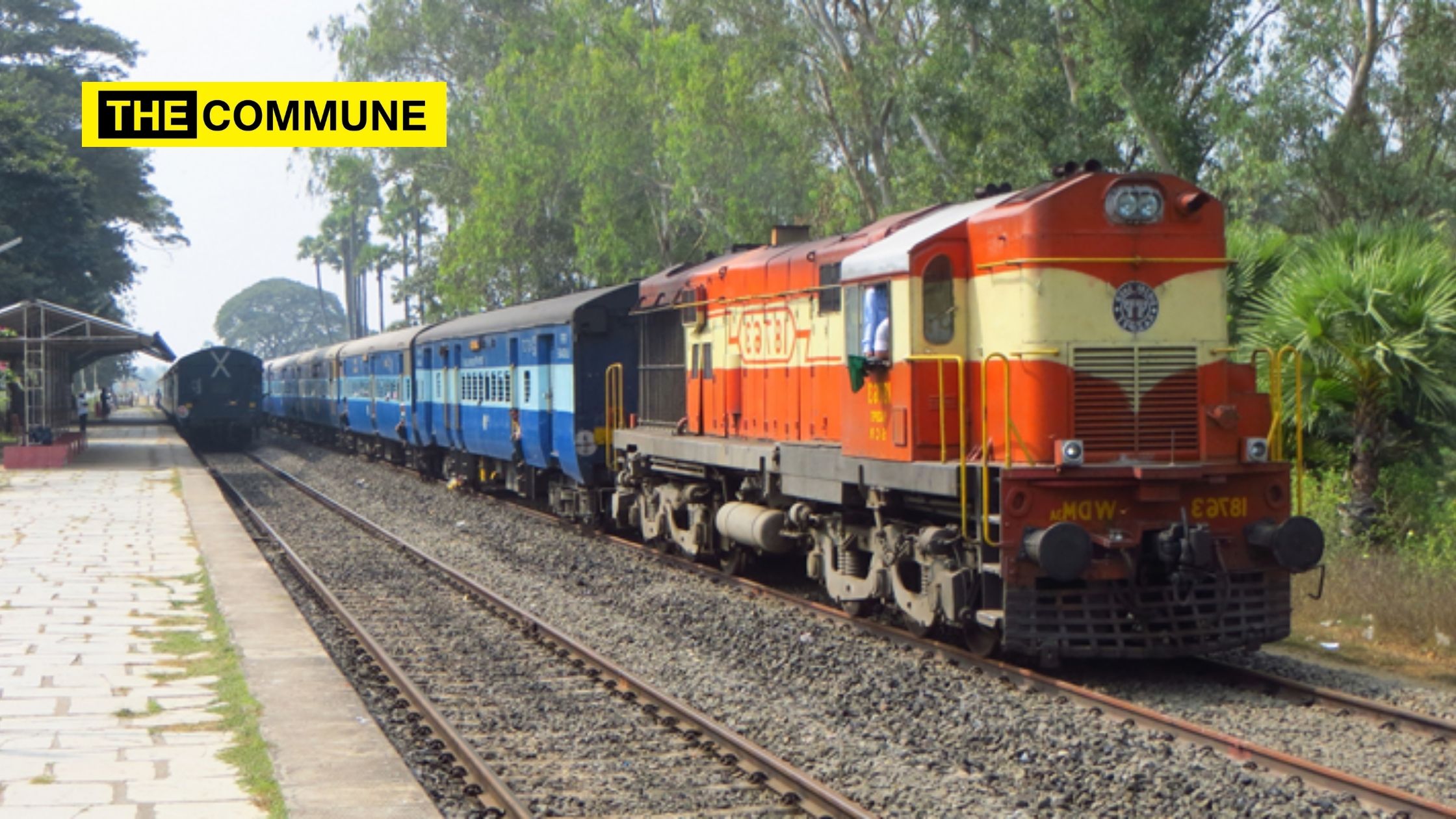
Indian Railways is upgrading the current passenger reservation system to handle over 100,000 tickets per minute from existing 25,000, according to the government.

Indian Railways is undertaking complete revamp of passenger reservation system (PRS) through Centre for Railway Information Systems (CRIS).

The revamp of PRS involves upgradation and replacement of hardware, software, network equipment, security infrastructure and functionalities on new technology with design capable of handling new features.

The current PRS system was deployed in 2010 and runs over Itanium servers and open VMS(Virtual Memory System). The current PRS system requires upgradation from legacy technology systems to latest cloud technology compliant systems, said Union Railways Minister Ashwini Vaishnaw in the Parliament.

Over the years, passenger preferences and aspirations have changed. Modernised PRS aims to address and fulfil enhanced aspirations of passengers.

With effect from November 1, 2024, the Advance Reservation Period (ARP) for booking reserved tickets in trains that previously had a 120-day ARP has been reduced to 60 days, excluding the date of journey.

This change has been made keeping in view the booking trend and also to reduce the cancellations due to unforeseen events, said the minister. Railways has recently launched RailOne App.

This App enables passengers to book reserved as well as unreserved tickets on mobile phone. This, in effect, brings the PRS facility to passenger’s palm.

“Change in Advanced Reservation Period (ARP), based on trend of booking and feedback is a continuous and ongoing exercise. The present PRS can book about 25,000 ticket per minute and new system is designed for more than 4 times this capacity,” according to the minister.

Meanwhile, the percentage of non-AC coaches in trains run by Indian Railways has significantly increased to about 70 per cent, and a special manufacturing programme is being implemented to produce an additional 17,000 non-AC general and sleeper coaches over the next 5 years.

Indian Railways have significantly increased the facilities for passengers demanding general class travel. During the last financial year 2024-25 alone, 1,250 general coaches have been utilised in various long-distance trains.

-IANS

Subscribe to our channels on TelegramWhatsApp, and Instagram and get the best stories of the day delivered to you personally.

Two Soldiers Martyred, Two Injured as J&K’s Longest Anti-Terror Operation Enters Ninth Day

Infiltration Bid Foiled In J&K's Nowshera Sector, Two Terrorists Killed Two Soldiers Martyred, Two Injured as J&K’s Longest Anti-Terror Operation Enters Ninth Day

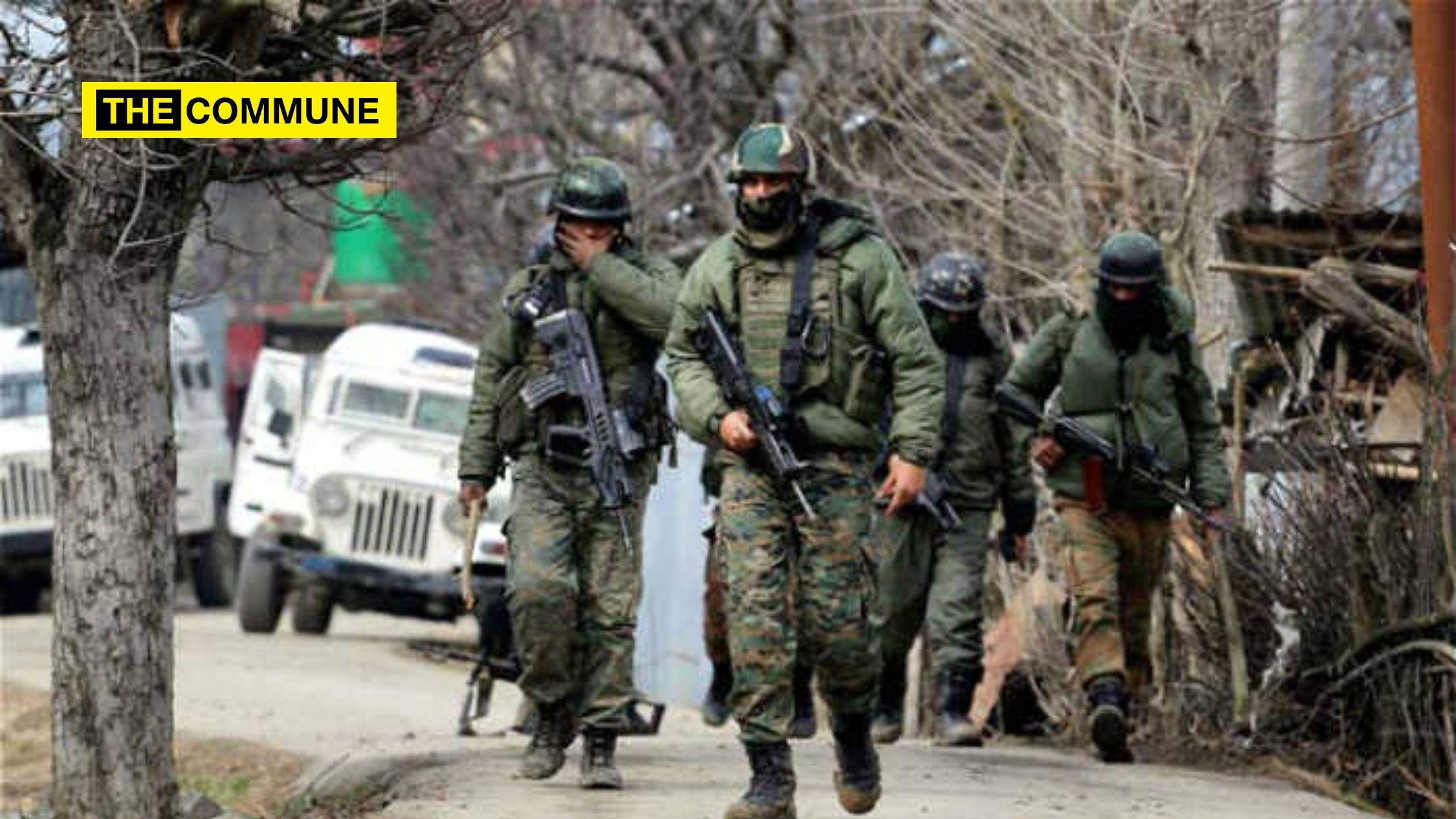
Two Indian Army soldiers were martyred and 2 others injured in the protracted Jammu and Kashmir (J&K) anti-terror operation in the Akhal Devsar forest area of Kulgam district, which entered the 9th day on Saturday. An Army spokesperson said on Saturday,

“Two Army soldiers succumbed, and two others were injured as the exchange of fire between terrorists and security forces continued throughout last night, as the gunfight entered its ninth day in the Akhal forest area of South Kashmir’s Kulgam district.”

Four Army soldiers were injured in an intense exchange of fire between terrorists and security forces late last night. However, two among the four injured armymen succumbed to their injuries. The deceased soldiers have been identified as Constable, Harminder Singh and Lance Naik, Preetpal Singh both from 19 Rashtriya Rifles (RR).

Army’s Srinagar headquartered Chinar Corps said on X, “Chinar Corps honours the supreme sacrifice of the Bravehearts, L/Nk Pritpal Singh and Sep Harminder Singh, in line of duty for the Nation. “Their courage and dedication will forever inspire us. Indian Army expresses deepest condolences and stands in solidarity with the bereaved families.”

Notably, this operation is the longest ongoing operation in the Valley entering its ninth day. On the first night of the gunfight on last Friday, one local terrorist was killed, and four Army soldiers were injured.

Officials said that since this is a vast, dense forest area, the operation may be prolonged. This longest anti-terrorist operation J&K in the last two decades entered its 9th day on Saturday. J&K DGP, Nalin Prabhat has been supervising the operation in close synergy with the Army and the CRPF. He visited the area for the 5th time on Friday. Joint forces, including the Indian Army, CRPF and J&K Police had started CASO (Cordon & Search Operations) in the area on last Friday.

The Army has deployed Rudra helicopters, drones and Para commandos to ensure that the hiding terrorists are unable to escape. Security forces have been carrying out aggressive operations against the terrorists in the hinterland while the Army has been on maximum alert guarding the Line of Control (LoC) in J&K.

The elimination of three hardcore Pakistani terrorists responsible for the April 22 Pahalgam terror attack in which 26 people were killed, is part of the aggressive operations being carried out by the joint forces.

Three hardcore Pakistani terrorists including LeT commander, Suleman Shah and his two associates Abu Hamza and Jibran Bhai responsible for Pahalgam attack were killed on July 28 in the higher reaches of Dachigam national park on the foot of Mahadev Mountain peak in Harwan area of Srinagar. The Army code named this operation as ‘Operation Mahadev’.

After the Pahalgam terror attack, the security forces are carrying out anti-terrorist operations against gun wielding terrorists, their over ground workers and sympathisers. Drug smugglers and drug peddlers are also on the radar of the security forces because it is believed that the funds generated by hawala money racket and drug smuggling are finally used to sustain terrorism in J&K.

The coordinated and Intelligence-backed operations of the joint forces are aimed at dismantling the ecosystem of terrorism in J&K rather than focussing on just the elimination of the gun-wielding terrorists.

-IANS

Subscribe to our channels on TelegramWhatsApp, and Instagram and get the best stories of the day delivered to you personally.

No Engine Failures Since E20 Rollout, Says Petroleum Minister Hardeep Puri

AI Adoption Can Generate ₹33.8 Lakh Cr Worth Economic Value By 2030: Hardeep Puri E20

There has not been a single case of engine failure or breakdown reported since ethanol 20 (E20) became a base fuel over the last 10 months, Hardeep Singh Puri, Minister of Petroleum and Natural Gas, has said.

Citing Brazil’s example, he said the country has run on E27 for years without any issues. Some lobbies with vested interests are actively attempting to create confusion and derail India’s ethanol revolution. However, such efforts will not succeed, he added. The E20 transition is already firmly underway, backed by strong policy support, industry readiness, and public acceptance — and there is no turning back, the minister emphasised on the sidelines of the ‘Pioneer Biofuels 360 Summit’ here.

Elaborating on the benefits of E20, Puri said it results into reduction in greenhouse gas emissions, improves air quality, enhances engine performance, and has already led to over Rs 1.4 lakh crore in foreign exchange savings. He pointed out that 2G ethanol refineries in Panipat and Numaligarh are converting agricultural residues like parali and bamboo into ethanol, providing a win-win solution for clean fuel, pollution control, and farmer income.

He further highlighted the remarkable growth of maize-based ethanol — from 0 per cent in 2021–22 to 42 per cent this year — calling it a transformational shift. Responding to a question on the success of the Ethanol Blended Petrol (EBP) programme, the minister highlighted that ethanol blending gained serious momentum only after 2014, when Prime Minister Narendra Modi assumed office.

In 2014, ethanol blending was merely 1.53 per cent. By 2022, India achieved 10 per cent blending, five months ahead of schedule. The original target of 20 per cent blending (E20) by 2030 was advanced to 2025 and has already been achieved in the current Ethanol Supply Year (ESY).

This success, the minister noted, was made possible through sustained policy reforms such as guaranteed pricing for ethanol, allowing multiple feedstocks, and rapidly expanding distillation capacity across the country.

On the issue of Flex-Fuel Vehicles (FFVs), Puri said that the Indian automobile industry has already demonstrated its capability. Indian OEMs have begun rolling out prototypes for E85-compatible vehicles.

-IANS

Subscribe to our channels on Telegram, WhatsApp, and Instagram and get the best stories of the day delivered to you personally.

Rahul Gandhi’s ‘Vote Theft’ Claims Fall Apart As EC, Ground Reports Debunk Allegations

rahul gandhi vote theft vote chori

Congress leader Rahul Gandhi’s dramatic accusations of voter fraud and “vote theft” against the Election Commission of India (ECI) are facing increasing scrutiny, as multiple claims he presented are now being challenged by verified information and on-ground investigations. Recent developments from Bengaluru and other regions appear to undermine his allegations.

Bengaluru Family Identified as Genuine Voters

One of Gandhi’s assertions involved a supposed case of fraudulent voters a family of three in Bengaluru he claimed were fake based on the absence of their photographs. However, an initial probe by the Election Commission (EC) has verified the family as legitimate voters.

Photos and GPS-verified addresses of the individuals Om Prakash Bagri, Saraswati Devi Bagri, and Mala Bagri have surfaced online. They were photographed holding their voter ID cards at their home on 2nd Main, JCR Layout, Panthur, near Kadubeesanahalli, Bengaluru.

According to EC sources, the reason the Chief Electoral Officer (CEO) of Karnataka asked Gandhi to personally submit an affidavit is due to his prior reluctance to formally stand by his claims. “In earlier instances, his team sent allegations but disavowed them later. This time, we insisted on a signed submission,” said an official.

The EC also addressed Gandhi’s reference to a similar issue in Maharashtra in December 2024. The Commission claims it had responded in detail at the time, and the response is publicly available. Yet, Gandhi continued to assert that no reply was received.

Ironically, on the same day Gandhi questioned the integrity of the Karnataka electoral rolls, the state’s Congress-led government adopted those very rolls as the foundation for its caste census. EC officials noted this contradiction, saying that while the state vouched for the authenticity of the voter data, the Congress leader was simultaneously casting doubts on it.

The Aditya Srivastava Case – No Evidence of Multiple Registrations

Another claim Gandhi made involved a man named Aditya Srivastava, whom he said was registered to vote in three states: Karnataka, Maharashtra, and Uttar Pradesh. He presented Srivastava’s photo and voter ID number during a press conference.

However, scrutiny on the EC website show that Srivastava is only registered in Karnataka. No entries for him were found in the voter rolls of Lucknow (Uttar Pradesh) or Maharashtra.

Gandhi had claimed that Srivastava appeared four times on the rolls twice in Karnataka, once in Maharashtra, and once in Lucknow. But according to EC records, there is currently no such duplication. Earlier this year, the Election Commission stated it had removed multiple duplicate entries from electoral rolls across states, and Srivastava’s case may have been addressed during that process.

Further clarifying the situation, the Uttar Pradesh Election Commission stated that Srivastava is registered only in the Mahadevapura Assembly constituency in Bengaluru Urban, countering Gandhi’s allegations.

Muni Reddy Garden: 80 Voters at One Address

Rahul Gandhi also alleged large-scale voter irregularities in Booth No. 470 of the Mahadevapura Assembly segment, specifically pointing to a tiny house in Muni Reddy Garden that he claimed had 80 people fraudulently registered at the address.

Local investigation confirmed that the house in question barely 10-15 sq ft is currently rented by Dipankar, a delivery worker who moved in recently. Dipankar said he has no voter registration in Bengaluru and doesn’t recognize the names listed at his address.

The property owner, Jayaram Reddy, acknowledged being a BJP supporter and admitted that many tenants had previously registered to vote using that address. While most had moved away, he said some still return during elections to cast their votes.

Reddy admitted he hadn’t informed authorities of the outdated entries but said he would now do so. He confirmed that names of roughly 80 people still appear on the voter list for the property, even though most no longer live there.

Booth Level Officer Munirathna corroborated these findings, explaining that many migrant workers obtain voter IDs using rental agreements and later relocate. Despite moving, their names often remain on the electoral rolls. Though these “shifted” voters have been reported to the Election Commission, deletion of their names is pending due to bureaucratic delays. Some voters also refuse to be removed from the rolls, citing the utility of the ID and their occasional return to vote.

Rahul Gandhi Demands Transparency, Cites ‘Vote Chori’

At a recent press conference in Delhi, Rahul Gandhi doubled down on his accusations, claiming that over one lakh fake votes existed among the 6.5 lakh voters in the Mahadevapura segment. He demanded the Election Commission release 10 years of voter data and surveillance footage, warning that failure to do so would amount to “hiding a crime.”

If you attack the ‘One Man One Vote’ principle, we will confront you,” Gandhi said, as he called for nationwide accountability in electoral processes.

Despite the seriousness of the accusations, the Election Commission insists that due process is being followed and that many of Gandhi’s examples lack substantiated evidence. Officials have asked the Congress leader to submit formal complaints rather than relying on press briefings and public protests.

Rahul Gandhi’s claims of large-scale voter fraud are increasingly being challenged by official data and ground-level investigations. While issues like outdated voter lists and procedural delays do exist, the specific allegations he has made so far, including cases in Bengaluru and alleged duplicate voter registrations, appear to lack credible proof based on current findings.

Subscribe to our channels on TelegramWhatsApp, and Instagram and get the best stories of the day delivered to you personally.

“Depicting Hindu Gods Disrespectfully Cannot Be Justified”: Madras High Court Slams TN Police For Closing Facebook Post Case On Lord Krishna; Orders Probe

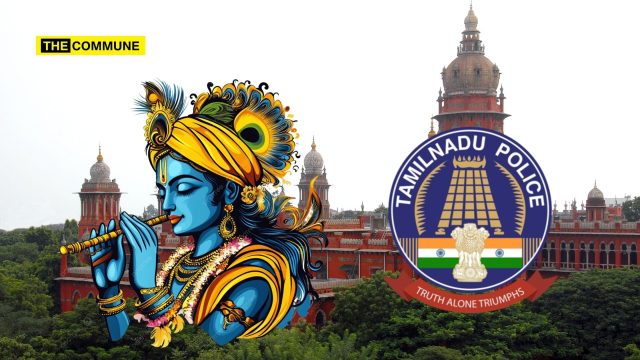
The Madras High Court has criticised the Tamil Nadu Police for “mechanically” closing a criminal case over a Facebook post that carried vulgar captions alongside an image of Lord Krishna stealing clothes from gopis. The Court directed the police to resume the investigation and file a final report within three months.

Justice K Murali Shankar, hearing a revision plea in P Paramasivan v. Inspector of Police, observed that depictions of religious figures must be handled with due sensitivity.

“Depicting Hindu Gods in a disrespectful manner, intentionally hurting the sentiments of millions, cannot be justified. Such actions have the potential to spark enmity, religious outrage, social disorder, and undermine communal harmony. Given the deep-rooted respect for religious symbols and deities, disrespect can lead to social unrest and hurt a large section of society. Therefore, it is crucial to approach such depictions with sensitivity. The Government must ensure that freedom of expression does not translate into hurting religious feelings,” the August 4 ruling stated.

The post, allegedly uploaded from an account belonging to one Sathish Kumar, included two Tamil comments, one of which claimed that Krishna Jayanti celebrated “a man who stole the clothes of bathing women.”

A complaint was filed by P Paramasivan, who alleged that the post was intended to defame Hindu gods and harm the image of Hindu women, besides potentially creating religious enmity. Police registered a case but later filed a negative final report, classifying it as “undetected” after claiming they could not obtain user details from Facebook.

Meta, which owns Facebook, had replied that a Mutual Legal Assistance Treaty (MLAT) request or letter rogatory was required for such data. In March, the trial court accepted the police’s closure report while giving the complainant liberty to file a private complaint.

Challenging the closure, Paramasivan approached the High Court, which found fault with the police’s limited investigation.

“Despite the seriousness of the allegations, the respondent police handled the case casually, halting the investigation and closing it as ‘undetected’. Given these circumstances, this Court finds it necessary to direct the respondent to continue and complete the investigation within a stipulated period,” the judge said.

The Court noted that the Facebook page in question already contained personal details that could have been verified to trace the user.

“The investigation was not pursued diligently, and the final report appears to have been filed mechanically,” it observed.

Justice Shankar also remarked that the Krishna-gopis episode is considered a symbolic tale with varied interpretations, including that it was a test of the gopis’ devotion beyond worldly attachments.

“This story highlights the importance of spiritual pursuit and detachment,” he noted, adding that he was not analysing the story’s significance but found that “the Facebook post in question has clearly exceeded acceptable limits of free speech.”

Advocate S Saravanan appeared for the petitioner, while Government Advocate (criminal side) M Aasha represented the State.

(With inputs from Bar and Bench)

Subscribe to our channels on Telegram, WhatsApp, and Instagram and get the best stories of the day delivered to you personally.
India, UAE Seal 10-Year LNG Deal As HPCL Signs Supply Pact With ADNOC Gas

India, UAE Seal 10-Year LNG Deal As HPCL Signs Supply Pact With ADNOC Gas

India has sourced more liquefied natural gas (LNG) from the United Arab Emirates with public sector oil giant Hindustan Petroleum Corporation Limited (HPCL), signing a 10-year supply agreement with state-owned ADNOC Gas as part of the deepening energy partnership between the two countries. Under the terms of the agreement, ADNOC Gas will supply 500,000 metric tonnes per annum (mtpa) of LNG to HPCL, starting in 2026.

The LNG will be sourced from ADNOC Gas’ Das Island liquefaction facility, which has a production capacity of 6 mtpa and is one of the world’s longest-operating LNG plants, having shipped over 3,500 cargoes globally since its inception in 1977. HPCL will receive LNG at the recently commissioned Chhara LNG Terminal, Gujarat, to meet the demand of its refineries, City Gas Distribution Network and for marketing to downstream customers.

This initiative further enables HPCL to build a diverse portfolio encompassing long and short-term LNG contracts, and also to secure LNG and meet the growing energy demand in the Indian market. This agreement marks ADNOC Gas’ third LNG supply deal with an Indian energy company in the past 12 months, following contracts with Indian Oil Corporation (IOCL) and GAIL India.

The IOCL deal, a 14-year agreement valued between $7 billion and $9 billion, commits ADNOC Gas to supplying up to 1.2 mtpa of LNG, while the GAIL agreement involves 0.52 mtpa over 10 years, also starting in 2026.

Apart from economics, the UAE-India energy partnership reflects a geopolitical statement. The UAE has emerged as a reliable energy partner for India, particularly as global LNG competition intensifies following disruptions like the Russia-Ukraine conflict. India’s growing energy ties with the UAE provide a counterbalance to its reliance on other suppliers and help navigate challenges like potential US tariffs on Indian goods due to its oil imports from Russia.

India, the world’s fourth-largest LNG importer, is aiming to increase the share of natural gas in its primary energy mix from 6.2 per cent to 15 per cent by 2030, driven by industrial expansion, oil refining, and the need for cleaner energy alternatives to coal. The country’s natural gas consumption is projected to triple by 2050, fuelled by growth in sectors like fertilisers, steelmaking, and construction.

However, domestic production cannot keep pace with this rising demand, making long-term import agreements like the one with ADNOC Gas critical for energy security. The deal with HPCL aligns with India’s broader energy strategy under Prime Minister Narendra Modi, who has emphasised diversifying away from coal to reduce carbon emissions. Additionally, the UAE-India Comprehensive Economic Partnership Agreement (CEPA), signed in 2022, facilitates such deals by eliminating a 2.5 per cent import tax on LNG, making UAE gas more competitive in the Indian market.

Non-oil trade between the two nations reached $50.5 billion in the first year after CEPA’s implementation, with ambitions to hit $100 billion by 2030. For ADNOC Gas, this agreement is part of a broader strategy to capture a larger share of the global LNG market, which is expected to grow by 15 per cent over the next decade, driven by demand in Asia.

The company, a subsidiary of the Abu Dhabi National Oil Company (ADNOC), supplies approximately 60 per cent of the UAE’s domestic gas needs and serves customers in over 20 countries. The deal comes at a time when ADNOC is expanding its international presence, including in the US, where it has acquired stakes in LNG and green energy projects.

This global push, coupled with domestic investments like the $13 billion planned for LNG capacity expansion by 2029, underscores ADNOC’s ambition to be a major player in the energy transition.

-IANS

Subscribe to our channels on TelegramWhatsApp, and Instagram and get the best stories of the day delivered to you personally.

Amritsar Women Send ‘Thread of Thanks’ Rakhis To PM Modi For ‘Operation Sindoor’

modi rakhi operation sindoor amritsar

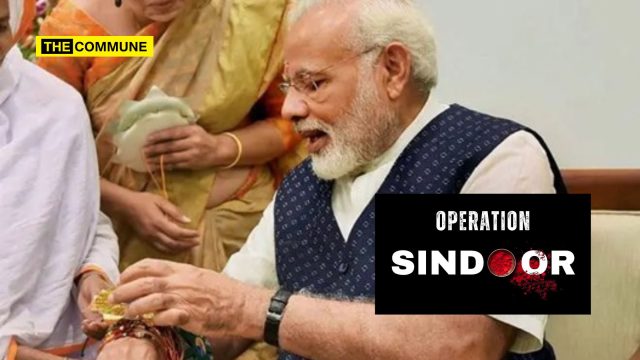
The festival of Raksha Bandhan on Friday was marked by a unique gesture in Amritsar’s Lohri Gate area, where hundreds of women came together to send ‘Rakhis’ to Prime Minister Narendra Modi as a token of gratitude.

The women hailed his leadership and strong stance against Pakistan, particularly referencing ‘Operation Sindoor‘, which they said was a befitting reply to acts of terror. The event, organised with festive fervour from 10 A.M. to 4 P.M., saw women from different walks of life participating. They called their Rakhis a “thread of thanks” — a symbolic gesture celebrating protection of the nation.

BJP National General Secretary Tarun Chugh was present at the occasion and spoke to IANS. He emphasised the emotional significance of the event.

“The women of Amritsar are sending Rakhis to Prime Minister Modi, thanking him for ‘Operation Sindoor’. This is not just a festival; it’s a reflection of the special bond PM Modi shares with the women of the nation,” Chugh said. He added that the gesture was not just about the festival, but a strong message of unity and gratitude.

“The sisters said that Prime Minister Modi gave Pakistan a befitting reply for the killing of innocent civilians. Through decisive actions like the surgical strikes, he showed that India will not tolerate terrorism and will act with strength,” he said.

Chugh further criticised the Aam Aadmi Party (AAP), accusing it of attempting to usurp farmers’ land. He announced that a statewide protest movement would be launched after August 19, under the leadership of Punjab BJP President Ashwani Sharma.

“We will take this fight from village to village to ensure that not even an inch of Punjab’s land is unjustly taken,” he stated. The event in Amritsar came just a day ahead of Raksha Bandhan, which falls on August 9 this year.

Celebrated across India, the festival symbolises the sacred bond between brothers and sisters. On this day, sisters tie a ‘Rakhi’ on their brothers’ wrists, praying for their well-being, while brothers vow to protect their sisters. Falling on the full moon day of the Shravana month in the Hindu calendar, the festival is a cherished tradition that brings families together in joy and unity.

-IANS

Subscribe to our channels on Telegram, WhatsApp, and Instagram and get the best stories of the day delivered to you personally.
July Sees Sharp Rise In Ahmedabad Stray Dog Attacks As Monsoon Hits

stray dogs ahmedabad

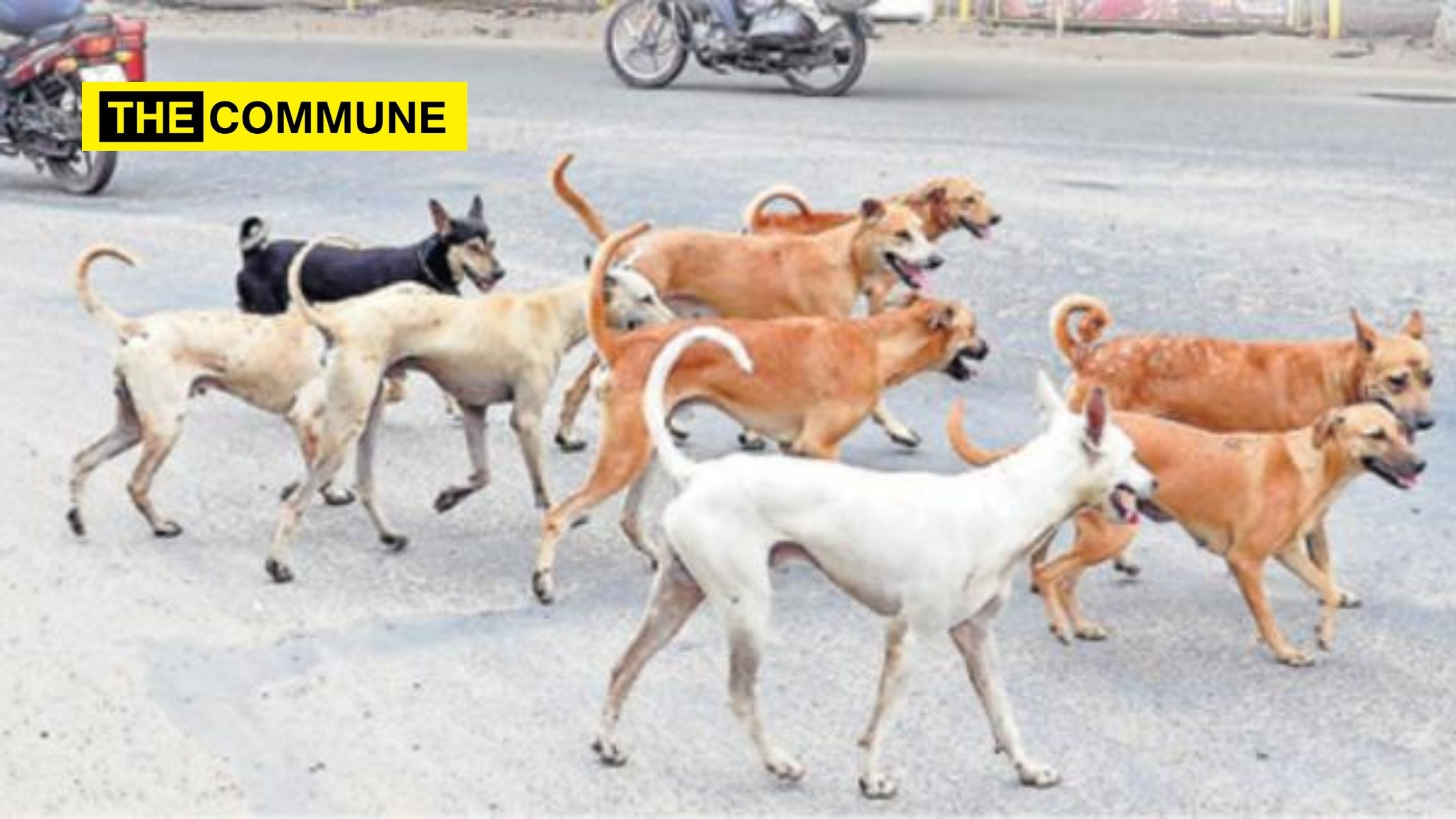
As the monsoon rains lash Ahmedabad, the city is witnessing a parallel surge in complaints related to stray dogs, mirroring the seasonal spike in stray cattle sightings on roads.

In the last four months, the Ahmedabad Municipal Corporation (AMC) has received 3,891 complaints about stray dog attacks. July alone accounted for 1,395 cases, marking a steep rise in incidents.

Citizens commuting on relatively empty roads at night have reported frequent encounters with aggressive dog packs, especially in residential and industrial pockets. The increasing threat has not only sparked concern but also coincided with an alarming number of dog bite incidents.

Sources reveal nearly 5,000 bite cases per month, pushing the total to over 20,000 in just four months. Despite ongoing sterilisation and vaccination drives, civic authorities admit the issue is far from resolved.

According to AMC data, only 2,412 dogs have been sterilised during this period. Here’s how the numbers stack up: Between April and early August, Ahmedabad recorded a fluctuating yet concerning trend in stray dog complaints and sterilisation efforts.

In April, the city received 727 complaints and carried out 549 sterilisations. The number of complaints rose in May to 911, with 572 dogs sterilised. June saw a slight dip, with 573 complaints and 537 sterilisations.

However, July marked the sharpest spike, with 1,395 complaints — the highest in the period — while sterilisation stood at 580. In the first few days of August, 155 complaints were logged, and only 74 dogs were sterilised.

These figures reflect a gap between the volume of complaints and the pace of sterilisation efforts, indicating the growing urgency of the stray dog issue in the city. While the sterilisation drive continues, many believe it is not keeping pace with the rising stray population.

Municipal estimates suggest there are over two lakh stray dogs on Ahmedabad’s streets. In response to this growing menace, the Ahmedabad Municipal Corporation (AMC) has spent more than Rs 9.36 crore over three years on stray dog control measures. The AMC pays Rs 976.50 per dog to contracted organisations for capturing and relocating stray dogs.

According to Shehzadkhan Pathan, the Leader of Opposition in the AMC, the corporation spent Rs 2.30 crore in 2020-21, Rs 2.56 crore in 2021-22, and Rs 4.5 crore in 2022-23 on tackling the issue. Despite the rising expenditure, residents say these efforts have provided little to no relief, as the problem continues to worsen across urban neighbourhoods.

-IANS

Subscribe to our channels on TelegramWhatsApp, and Instagram and get the best stories of the day delivered to you personally.

Udaipur Files: Film On Kanhaiyalal Murder Case Hits Screens After Legal Battle, Heavy Police Presence In Udaipur

The Kanhaiya Lal Tailor Murder udaipur files

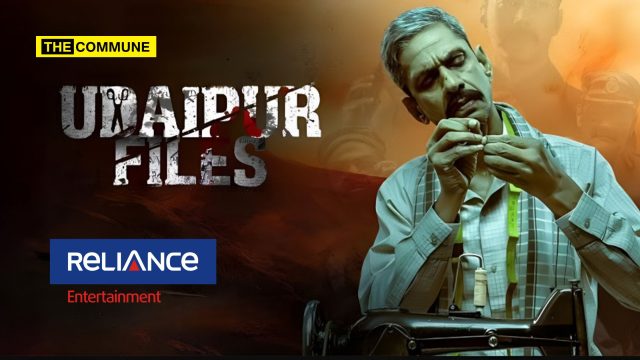
The film ‘Udaipur Files’, based on the Kanhaiyalal murder case, was released on Friday in 4,500 screens across the country, including three in Udaipur — Celebration Mall, Urban Square, and Lake City Mall.

Each venue will host only one show, and police have been deployed in and around the malls to ensure security. Kanhaiyalal’s sons — Yash and Tarun Teli — attended the screening while holding their father’s picture in their hands. Yash stated that the movie portrays the brutal killing of his father by people with a terrorist mindset and urged the public to watch it.

The first show in Udaipur began at Urban Square Mall, followed by screenings at Celebration Mall at 6.05 p.m. and Lake City Mall at 7:35 p.m. The film is directed by Bharat S. Srinate and produced by Amit Jani, featuring Vijay Raaz as Kanhaiyalal, alongside Rajneesh Duggal and Preeti Jhangiani in key roles.

Lecturer Pramod Kumar Bhati, present at the first show, said he had been waiting eagerly for the film’s release and hoped it would strengthen inter-community harmony. Senior police officials, including SP Yogesh Goyal, ASP Umesh Ojha, and Sukher CI Ravindra Singh Charan, earlier inspected the venues. Security checks were intensified, with documents of all viewers being verified before entry.

The movie’s release followed a series of legal hurdles. Initially scheduled for July 11, the release was stalled after religious groups and an accused in the murder case, Mohammad Javed, filed petitions in the Delhi High Court. On July 10, the court imposed an interim stay, directing the central government to review the film under Section 6 of the Cinematograph Act. The Ministry of Information and Broadcasting later cleared the film, rejecting the objections.

On July 25, the Supreme Court allowed the release, but a fresh plea was filed in the Delhi High Court, which then directed the government to decide on its suitability. A review committee approved the release.

Filmmaker Amit Jani announced the date via social media, clarifying that the film’s purpose was to depict the incident, not to target any community. With the controversy settled, Udaipur Files has finally reached audiences, drawing both public attention and a heavy security presence in its opening shows. Udaipur Files is also trending on social media.

One Paras Verma on his X handle says, “Today’s Plan #UdaipurFiles Go with family and watch this film and know how ‘Kanhaiya Lal ji’ was brutally murdered. How the voice of Hindus is suppressed and if the voice is not suppressed, then they are murdered. My ticket is booked, and yours?”

-IANS

Subscribe to our channels on Telegram, WhatsApp, and Instagram and get the best stories of the day delivered to you personally.
Govt Withdraws Income Tax Bill 2025, Revised Version Incorporating Panel Suggestions To Be Tabled Monday

income tax bill 2025

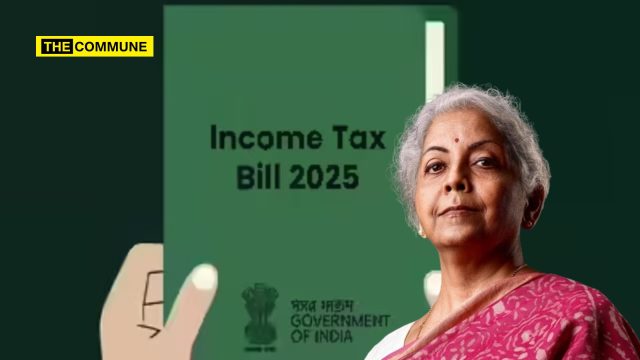
Govt withdraws Income Tax Bill 2025 from Lok Sabha, new version to be tabled on Monday New Delhi, Aug 8 (IANS) The Income Tax Bill, 2025, which was introduced in the Lok Sabha on February 13 to replace the existing Income Tax Act, 1961, has been formally withdrawn, sources said on Friday.

A new version of the Income Tax Bill, incorporating most of the recommendations made by the Select Committee chaired by BJP MP Baijayant Jay Panda, will be introduced in Parliament on Monday, according to people in the know.

To avoid confusion by multiple versions of the Bill and to provide a clear and updated version with all the changes incorporated, the new version of the Income Tax Bill will be introduced for the consideration of the House.

According to Panda, who chaired the Parliamentary Select Committee responsible for reviewing the legislation, the new law, once passed, will simplify India’s decades-old tax structure, cut down legal confusion, and help individual taxpayers and MSMEs avoid unnecessary litigation. “The current Income Tax Act of 1961 has undergone more than 4,000 amendments and contains over 5 lakh words. It has become too complex. The new bill simplifies that by nearly 50 per cent — making it far easier for ordinary taxpayers to read and understand,” Panda told IANS recently. He further stated that the greatest beneficiaries of this simplification would be small business owners and MSMEs who often lack the legal and financial expertise to navigate complicated tax structures.

The new measures will play a significant role in creating a fair and equitable system of direct taxation that ensures no additional burden of direct taxes on the working and middle-class population of the country.

Slabs and rates have been changed across the board to benefit all taxpayers. The new structure substantially reduces the taxes of the middle class and leaves more money in their hands, boosting household consumption, savings and investment, according to the government.

The Finance Act, 2025, has increased the income threshold for claiming a tax rebate under section 87A of the Income Tax Act, 1961 for resident individual taxable under the new tax regime under section 115 BAC of the Act from Rs 7 lakh to Rs 12 lakh, and the maximum rebate amount has been raised from Rs 25,000 to Rs 60,000.

Marginal relief as provided earlier under the new tax regime is also applicable for income marginally higher than Rs 12,00,000, as per the Finance Ministry. The new income tax bill will make filing taxes easier for common citizens and small businesses.

-IANS

Subscribe to our channels on Telegram, WhatsApp, and Instagram and get the best stories of the day delivered to you personally.