Home Blog Page 1814

Kamal Hassan gets slammed by musicians for his remarks on Saint Thyagaraja

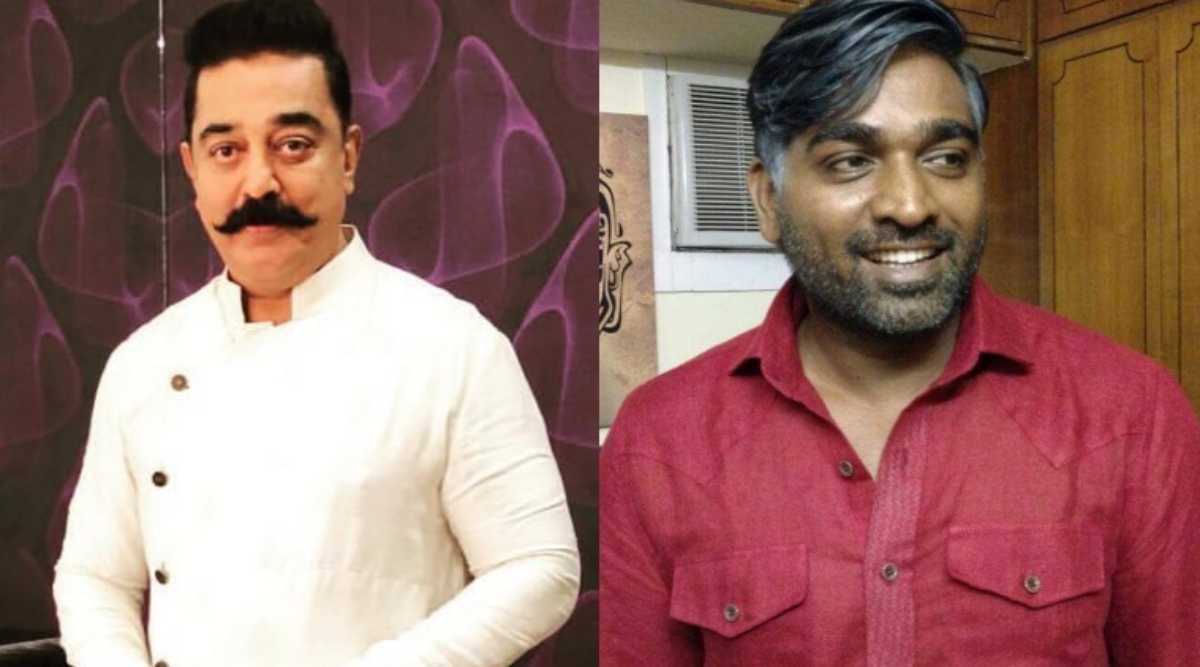
Actor-Politician Kamal Hassan received flak from several Carnatic musicians for his lewd comments on Saint Thyagaraja. Hassan, in a video chat with actor Vijay Sethupathi and a film reviewer while talking about why he did commercial films like Sakalakalaavallavan during his career said that “It wouldn’t have been possible for me to start Rajkamal Film had I not done films like that. This is a business where we sell ticket. I am not here singing songs for Dharma like how Thyaga Iyer did by begging on the streets of Thanjavur”.

This has not gone down well with musicians and other people as Saint Thyagaraja is considered as one of the trinities of Carnatic Music.

Palghat Ramprasad, a well-known vocalist has started a petition condemning and demanding apology from the actor-politician.

“Every Carnatic musician, regardless of how they exhibit their affiliation to the outside world, deep within themselves know that they owe every bit of their basic livelihood and professional success, to Sri Thyagaraja’s contribution to Carnatic Music”, Mr. Ramprasad wrote in the petition. He further added that “The specific reference to Thygarajar and Lord Rama, also suggests the negatively pointed target on a specific religion/caste, which is indeed an insult to the followers of this faith.”

Hasan in his video was referring to “unjuvrithi”, a ritual undertaken by devout Hindus, where they go one house after another to get contributions in the form rice, vegetables, fruits, etc. The practice, however has gone irrelevant now, can be seen practiced on the occasions of ‘Radha Kalyanam’.

Popular singer duo Ranjani-Gayathri, known for their outspoken views tweeted that “Tyagaraja Swami is beyond all this. Wiser not to put spotlight on ignorant opinions of unimportant and unworthy people. Ignoring is best.”

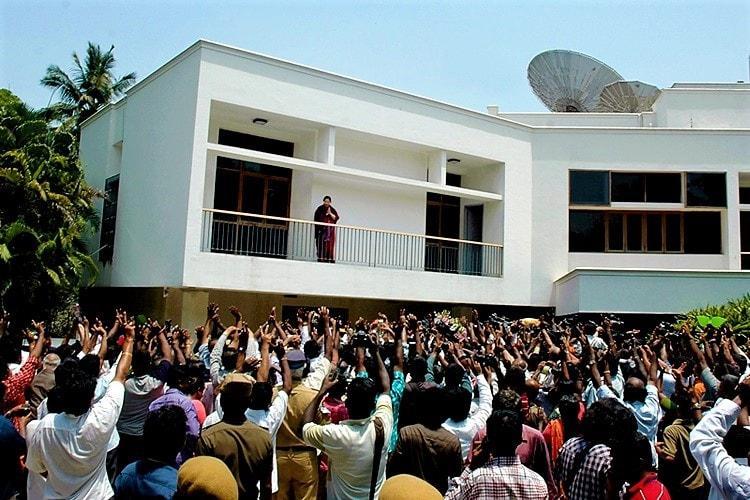
Veda Nilayam all set to become Jaylalithaa’s memorial

The Poes Garden residence of late former Chief Minister of Tamil Nadu J Jayalalithaa, is also set to become the State government’s property if all goes well in the next few months.

Chennai Collector R. Seethalakshmi issued a declaration, that that the acquisition of the property is necessary for ‘public purpose’ by invoking Section 19 of the Right to Fair Compensation and Transparency in Land Acquisition, the Rehabilitation and Resettlement Act of 2013 and Rules 16 of government rules.

The declaration, describing the property as “Veda Illam”, made it clear that upon public hearing and enquiry, the authorities concluded that the memorial project does not involve any relocation or displacement of families.

The property was purchased by Jayalalithaa’s mother Sandhya at a rate of ₹1.32 lakh in July 1967. The former CM’s residence measuring around 24,000 sq. ft was valued at 43.97 crores when it was assessed in 2016, just few months before Jayalalithaa died.

The memorial upon coming into existence will be the second such memorial in Chennai for a former Chief Minister. The other memorial that exists today is on Tirumalai Pillai Road in T. Nagar for the erstwhile celebrated CM of Tamil Nadu K. Kamaraj.

Economics of Alcohol: Spirit Funding the Economic Activities

Alcohol is the anesthesia by which we endure the operation of life – George Bernard Shaw

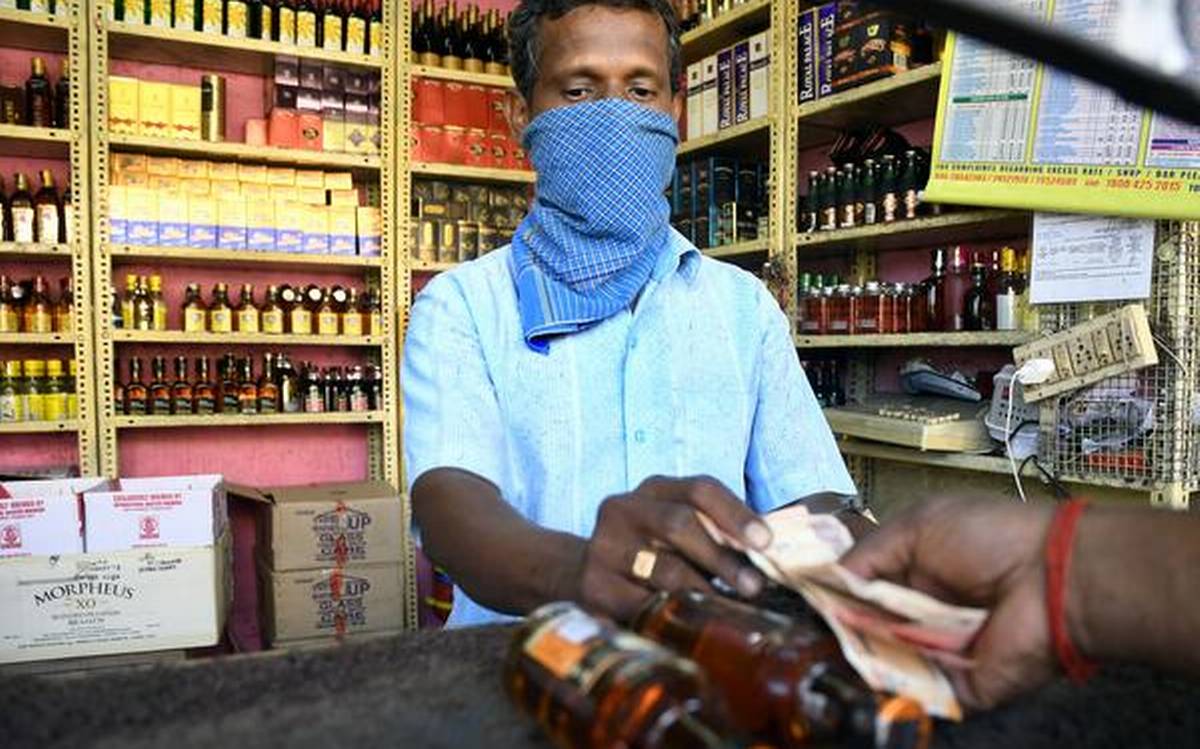
The Tamil Nadu Government has permitted reopening of the TASMAC shops starting from 7th May 2020. As always, this decision, or any decision to increase the TASMAC outlets or its timings, has not gone well with any of the political outfits in the State. We also get to see lots of media channels carrying bytes from the general public on the ill effects of alcohol.

But the key question is – why would the Government still go ahead? When dealing with matters of economics or stagnant economy, it is always ideal to be in the opposition. Let us not delve too much into the “immorality” of the whole exercise, and have a tangible and objective look at the State Government’s move.

The broad summary of the Government’s revenue receipts for the year 2020-21, as per the budgetary documents is as follows – The total revenue for the Tamil Nadu State Government is projected to be Rs.219375 Crores. Out of which the tax revenues are Rs.133530 Crores (61%). Out of this TASMAC contributes to Rs.31000 Crores as Tax Collection (both State Excise Duty and TN Value Added Tax, put together). To put things in perspective – TASMAC contributes to almost 25% of Total Tax Revenue of the State, and is the single biggest contributor to the State Treasury over which the State exercises complete control.

Now consider these numbers – Almost Rs.79000 crores is from GST and Share of State Government in Central Taxes (Income Tax and Corporation Tax), over which the State has no policy control. The State cannot increase or decrease the tax rates or implement any plans for increasing these collections. The sizeable tax collection over which they have any control is the State Excise Duty (levied exclusively on alcohol for human consumption) and the Tamil Nadu Value Added Tax (levied on Petrol, Diesel etc, and alcohol for human consumption).

The projected fiscal deficit i.e. the amount the Government plans to borrow to meet its planned and unplanned expenditure is almost Rs.74,000 Crores. This number would go up if any of the following happens –

  1. State’s own tax revenue goes down
  2. State’s share in the Central Taxes goes down

And presently, both the above are happening, and the State Government has absolutely no other way to increase revenue. What exactly are the options in front of the Government to tide over this crisis?

  1. Increase Revenue – possible only for State Excise Duty and State Value Added Tax
  2. Decrease Expenses – With Salary and Pensions constituting almost Rs.100,000 Crores (this is excluding salaries of State Corporations) and interest payable on “sovereign debt” at Rs.36,000 Crores, the State cannot touch any of these. You don’t pay salary, and it is a political hara-kiri. Non payment of interest dues on time can lead to “Sovereign Default”. No government would want that, as it would affect its ability to raise any further debt. (You may read up on Greece Economic Crisis and India’s Balance of Payment Crisis of the late 80s in this regard. In a nut shell – the last thing any government wants is to be branded as a “Defaulter of Debt”)
  3. Borrow – With almost everyone looking to raise debt, including governments, corporates and small businessmen, the opportunity to raise big ticket loans also looks pretty bleak. Now consider this, with TASMAC earnings, government would be raising Rs.74,000 Crores i.e. almost 25% of its overall expenditure. Without TASMAC, it would be required to raise almost 105,000 Crores (and some more for the Covid-19 related outgoes).

With almost negligible economic activities across the country, and an expected GDP contraction or flat growth, the State will be getting lesser than budgeted GST and much lower amount as share in the Central Taxes. And unless it unleashes certain limbs of its money minting departments i.e. TASMAC in this case, the State Government will have to start looking for alms where there are no donors.

It can be fashionable to say that we don’t need the alcohol money. That would be not just virtue signalling, but economically stupid in these challenging times. And we are not even talking about negative effects of “Withdrawal Syndrome” and the resultant violence and suicidal tendencies. We cannot ignore them since we find the other violence more in line with our “value system”. For a State which has grown from the dark days of bootlegging, going towards prohibition is also going towards bootlegging.

The ideal world is not a world without alcohol, but a world with responsible adults. You only regulate them – such as regulating the number of shops, quantity that a single person can buy, and, strict punishment for drunken driving or public nuisance. You cannot ban them. You don’t ban vehicles on the street to cut-down road accidents.

Opening of TASMAC outlets may appear to be politically incorrect and immoral, in a country where any form of recreation is judged to be on the bottom of the “Value Judgement Scale”. But this is pretty much the “go-to” strategy in these challenging times. Every State follows a modified version of the GB Shaw’s quote – “Alcohol is the fuel by which we sustain the operation of life and economy.”

All you need to know about Hizb terrorist Naikoo

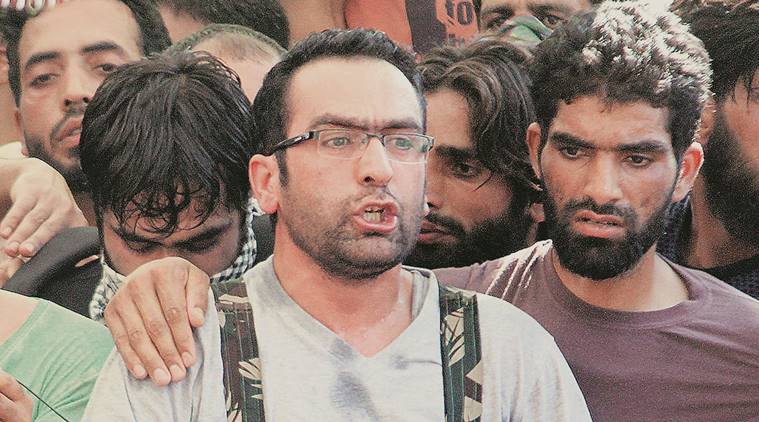
On Wednesday, Riyaz Naikoo, one of the most wanted and top terrorist from the terror group Hizbul Mujahideen, was gunned down in a successful operation by the security forces in the afternoon. The man who was on the run for 8 years was killed along with three other terrorists in south Kashmir. Not many knew about this man until yesterday. Who was Naikoo and what is his story? We get you the details here.

Born to a tailor in Awantipora, Naikoo pursued a degree in mathematics and taught at a local school in Kashmir. He was popular among his village and especially students.  He scored 464 marks out of 600 in his class 12 examinations. In 2012, when he disappeared, his family alleged that he was being harassed by the police. However, contrary to their claim, Naikoo resurfaced as Mohammed Bin Qasim holding a gun in his hand.

A year after the poster-boy of separatists and ‘human rights activists’, Burhan Wani was gunned down in 2016, security forces eliminated his successor Yasin Itoo too in an operation in 2017 in the Shopian region. Horrified, the outfit recruited Naikoo as the chief of its operations who was to overhaul the ranks and organize attacks in Kashmir after Zakir Musa (Zakir Rashid Bhat) switched to Al Qaeda in India Subcontinent (AQIS) who wanted to establish an Islamic Caliphate in India.

Meanwhile, Naikoo managed to keep the flock together and revived the terrorist organization which earned him the trust of Syed Salah-ud-din, the Pakistan based chief. His pro-Pakistan stance and his ability to identify and brainwash young kids and men earned him the recognition. His experience as a math teacher at school and the influence he had over young minds came in handy.  He began uploading photographs of militant recruits on social media. He introduced the practice of gun salute to the terrorists killed at funerals.

He executed a series of attacks on security forces, and resorted to brutal killing of civilians branding them as police informers. Naikoo looted orchard owners and farmers to fund the Hizb. He also resorted to illegal cultivation of opium in South Kashmir.  In 2018, after his tailor father Assadullah Naikoo was kept in detention by the police, he ordered for the kidnapping of the family members of Jammu and Kashmir police. Over a dozen of them were kidnapped and were released only after the release of his father.

While the killing of the Naikoo comes as a serious setback to the terrorist outfit, it is to be remembered that the outfit has a steady supply of radicalized Islamic men to lead the outfit and carry out cowardly attacks.

Not All Is Well With Oil

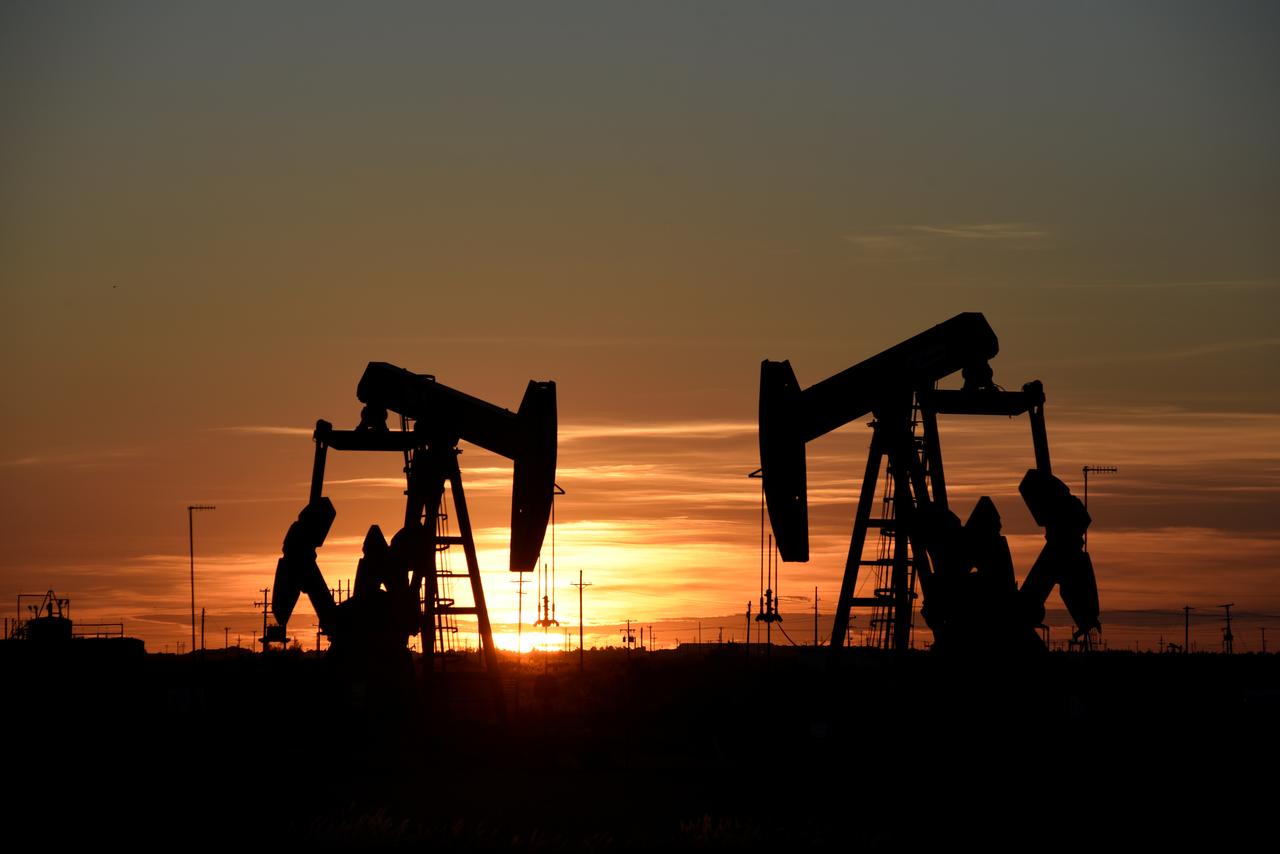
WTI crude oil price, benchmark for oil in America fell from $55 per barrel to -$37 per barrel. Anyone who purchased the contract stood to get both – oil & money. Which means, the person is getting paid to purchase oil! This leads us to a curious question – how fickle is the industry for prices to go negative? Let’s try to break the complexity of the oil industry for our understanding.

Oil – The Black Gold

            Referred to as ‘Black Gold’, crude oil can vary in colour – black to yellow, depending on its hydrocarbon composition. Though crude oil was first discovered and developed during the Industrial Revolution in the 19th century, it was only when the first commercial well at Spindletop, Texas in 1901 was drilled, that modern oil era with large scale production was born. Mobility revolution in the 20th century propelled the oil industry to its zenith. Despite oil’s utility for various products, transportation consumption remains one of the most essential ones.

The Major Players

            Though around 100 countries produce crude oil (unrefined petroleum), 5 countries account for about half the world production currently.

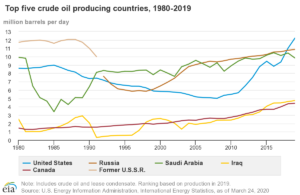
OPEC members (13 countries) produce roughly 40% of the world crude oil. Within OPEC, Saudi Arabia remains the most dominant member, being the largest oil producer. OPEC+, an amalgamation of OPEC and non-OPEC members like Russia, Mexico and Kazakhstan controls over 50% or half of the global oil supplies. Some of the top oil producing nations such as USA, Canada and China are not a part of OPEC. Despite being the largest oil producing country in the world, USA tends to consume most of it domestically. Similarly, most non-OPEC countries consume their produce internally or have to import despite producing oil. These dynamics render the non-OPEC countries ineffective in influencing the global oil prices.

Pricing is dependent on many factors – origin, extraction, transportation methods etc. Based on these factors, buyers and traders of oil need a benchmark to arrive at the value of oil. Through there are over a dozen benchmarks, the three primary ones are – Brent, WTI and Dubai/Oman.

Brent Crude – The most widely used benchmark, Brent is based on oil extracted from British and Norwegian fields in North Sea. Since the production is waterborne, it is easier and cheaper to transport through seas. This serves as a reference to more than 60% of global crude oil sales. It is primarily used in Europe, Africa, the Mediterranean, Australia and some Asian countries.

  • Western Texas Intermediate (WTI) – This refers to the oil extracted from the wells in US and traded at Cushing, Oklahoma. Unlike Brent, which is based on offshore productions and seaborne deliveries, WTI is a market physically based on pipeline connections.
  • Dubai / Oman (Middle East crude) – This benchmark is the average of the price of Dubai / Oman crudes. This is used for pricing of oil coming from Persian Gulf and Middle East.
  • Overall, while Brent remains the reference for 2/3rd of the oil traded around the world, WTI is the dominant benchmark in US and Dubai/Oman remains influential in the Asian markets.

How Are Oil Prices Determined?

Supply and demand – the most basic of economic theories states that if supply goes up – prices tend to come down, if the demand goes up – prices tend to go up. Which leads us to the question – what disrupts the supply and demand thus affecting the pricing? Factors are many, some of them being:

  • Cartels – The Oil world is divided into OPEC+ and non-OPEC+ countries. Founded in 1960’s one of the implicit functions of OPEC was to fix oil prices. They did it by controlling the supply tap. By squeezing the production, they forced the oil prices to rise and enjoyed greater profits. This modus operandi lasted through the 70’s and 80’s. USA, Canada, China and other non-OPEC+ countries tend to balance this skew.
  • Geopolitical turmoil – Much of the crude oil productions regions are situated in countries historically prone to political upheaval. This volatility tends to affect the pricing arbitrarily. Events like the Arab Oil Embargo (1973-74), Iranian Revolution (1970’s), Iran-Iraq war (1980s), Persian Gulf War (1990’s), Asian financial crisis, all have aided in the price fluctuations.
  • Environmental factors – Weather and climate changes tend to have to short but significant impacts. E.g. Hurricanes in Gulf of Mexico could affect the production and refineries in Gulf. As oil supplies from Gulf drop, the prices of the oil from USA may increase.
  • Oil market transactions – Crude oil is traded in futures markets. Futures contracts can be a way to deal and shield from the unpredictability of oil prices. An oil futures contract is a binding agreement which gives the right to purchase oil at a predefined rate on a predefined price in future, irrespective the trading rate on that date.

What Led To The Fall?

Certain geopolitical factors combined with unprecedented lockdown measures in many countries due to Covid-19, led to reduction in global demand thereby affecting the price so much so that oil futures traded in negative.

  1. Bombing of Saudi Aramco (a Saudi Arabian multinational petroleum and natural gas company) halted half its capacity production temporarily in September, 2019.
  2. In January 2020, USA’s targeted killing of Iranian General Qasem Soleimani affected the stock futures and global energy prices. Iran is an energy superpower and contributes to over 5% of world crude oil production. The incident did create some flutter in the oil markets.
  3. Covid-19 pandemic set off a chain of reactions – Oil prices fell sharply owing to decreased demand (mostly in China) prompting OPEC members – Saudi Arabia & Russia to cut back on production to stabilise the prices. Initially agreeing to the cuts, Russia backed out of the agreement. Rapid growth of the US Shale industry and the previous energy sanctions by US on Russia seemed to play in the mind of President Putin. Reduced production by Russia and Saudi Arabia would mean handing over market share to US producers, which the Russians were unwilling to. Following Russia’s backing out, Saudi Arabia launched a price war in April by reducing its official selling price (from $14 to $8) and drastically increased the production.

A truce in OPEC finally led to Saudi Arabia cutting back productions drastically. But the wheels were already set in motion. Despite the oil producers scaling back the production, the global demand of oil had flattened owing to the unprecedented lockdown measures across many countries during the Covid-19 pandemic.
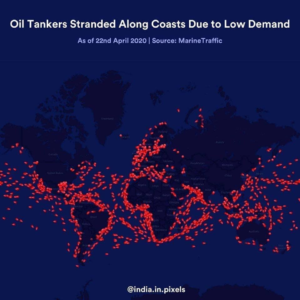
Supply reduced, but demand reduced very drastically, prices fell down, buyers were unable to purchase at low prices as storage capacities were full – in a nutshell, that’s how the oil futures nosedived!

Eventually, Covid-19 outwitted all the complexities of the oil industry and temporarily rendered the 3 major oil producing countries helpless – the USA, Saudi Arabia and Russia!

Indians stranded overseas to be brought back by air and sea

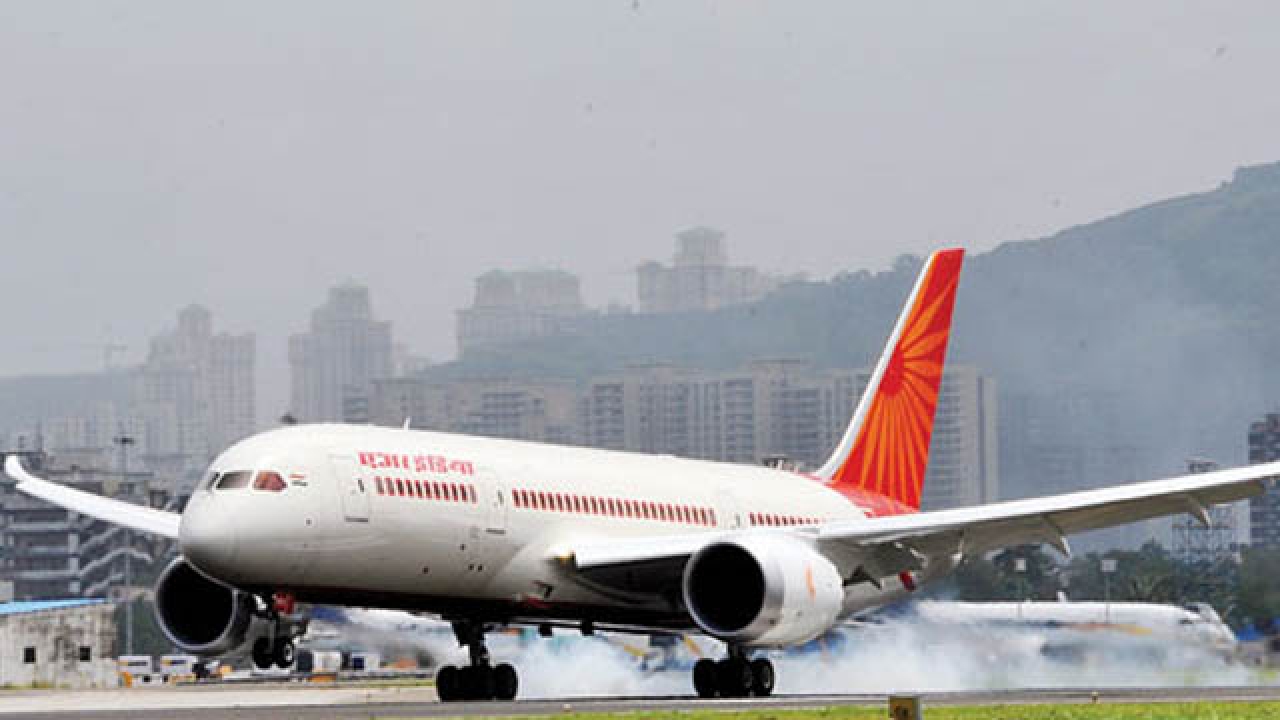
The Indian government announced on Monday that it would begin bringing back Indians stuck abroad due to the coronavirus pandemic from May 7. This entails repatriating lakhs of people stranded across the globe in phases. The colossal task would be made possible by sequestering naval ships and arranging for chartered flights. All evacuees will have to spend 14 days in quarantine upon their return to India.

The Indian consulate in Dubai has been swamped with over two lakh applications from Indians who wish to return home. Two special flights will operate from the UAE to India on Thursday. One flight will operate from Abu Dhabi to Kochi and another from Dubai to Kozhikode. People with medical exigencies, the elderly and the pregnant would be given priority. Expenses regarding tickets and other facilities will have to be borne by the passengers. The cost of the airline tickets is expected to be double the usual cost, especially since safety measures and social distancing norms will have to be followed within the aircraft. More flights will operate on a regular, if not daily, basis to various destinations in India.

The petro-rich Gulf is dependent on the cheap labour provided by a workforce of crores of foreigners, mainly from India, Pakistan, Sri Lanka and Nepal. The UAE is home to an Indian community of more than thirty lakh people, who form roughly 30% of the Emirates’ population.

Flights are also being arranged to evacuate Indians from the US, UK, Bangladesh, Singapore, Malaysia and the Philippines. On average, around 2000 people will be brought back to the country every day for a week.

Earlier on Monday, three Indian Navy ships had set off to Maldives and Dubai to evacuate Indians.

Man held for killing Asiatic Black Bear in Meghalaya

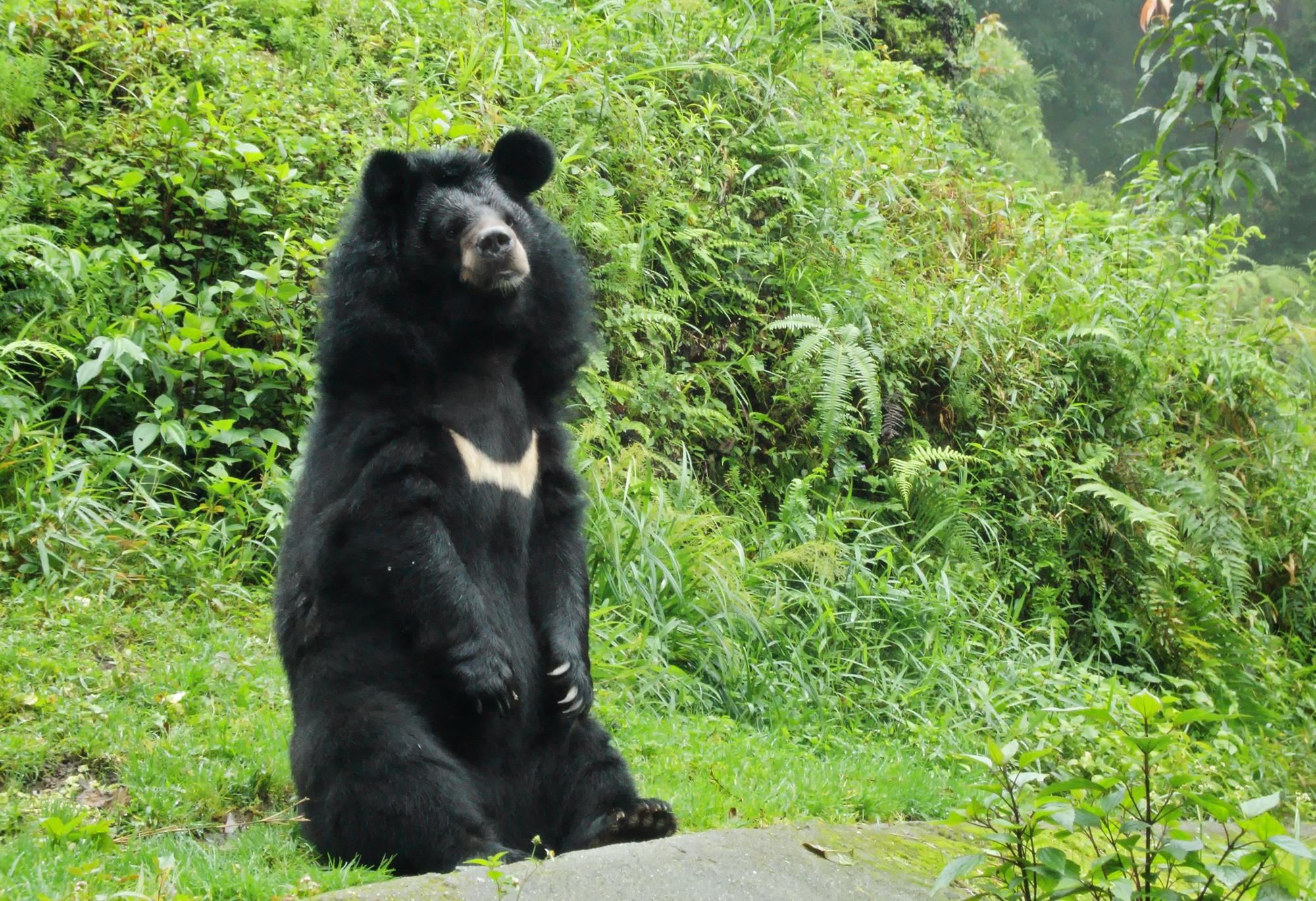
A man involved in the poaching and killing of Asiatic Black Bear also known as the Himalayan Black Bear or Tibetan Black Bear, was arrested following photos that showed four persons skinning the animal went viral on social media.

The bear which was pregnant can be seen lying dead with its tongue out. The pictures led to an outrage on social media. The incident is said to have happened on May 4 at Mawpyrthuh, a remote village in Pynursla sub-division. Forest Minister, Lahkmen Rymbui, who is also the Home Minister said that the police violators would be charged under the Wildlife Protection Act, 1972.

The Tibetan Black Bear is a species listed under Schedule 1 of the Wildlife Protection Act.

A senior wildlife officer said that the department had received information about a number of water bodies being poisoned killing fishes.   He said that such instances were reported from mngot river, Umngi river and other minor rivers across the state.

DMK office bearer and son arrested for selling ganja

Sulochana, DMK’s Women’s Wing Secretary for Chennai West and her son Parameswaran who is the Secretary of the party’s youth wing in Thousand Lights, were arrested by the Teynampet police on Wednesday afternoon.

The Teynampet police got a tipoff that Parameswaran was selling ganja in Teynampet’s Kamarajar street. Along with him, his friend Vignesh was also arrested for selling ganja that too in a zone cordoned off due to COVID-19.

During interrogation, Parameswaran revealed that he and his mother Sulochana were involved in selling ganja secretly in the city. It was found that both had used their political influence to sell ganja and also hold kangaroo courts (kattapanchyatthu) in the city.

2 kilos of ganja packed into small packets were seized. A case has been registered.

Not all heroes wear capes, Mylapore MLA Dr. Nataraj IPS is one such

A popular English proverb “cometh the hour, cometh the man” means “In the face of great need, a champion will rise to the occasion” or colloquially it can be “when the hour comes, the man comes”. Today, it could be related to different world leaders who are putting in all the efforts in the pandemic situation caused by Coronavirus disease (COVID-19).  COVID-19 confined billions of people to their homes in the form of extended lockdowns, with the stock markets crashing, crippling the global supply chains, shutting down several business establishments and industries. For many leaders across the globe, the need for the hour is to take swift action and concerted efforts to contain this pandemic.

Near to our place, we have a quarantine facility for medical doctors and other health care workers who may have had direct contact with a COVID-19 positive patient. Probably some of them could be tested positive when their swab results come. So every time a COVID-19 patient is tested positive it takes a considerable amount of time and effort to sanitize the area and send the patient to the hospital for treatment. I have seen from the television which area needs to be properly disinfected and sanitized which can be done only by the government machinery. A need arose for this situation for the place I stay.

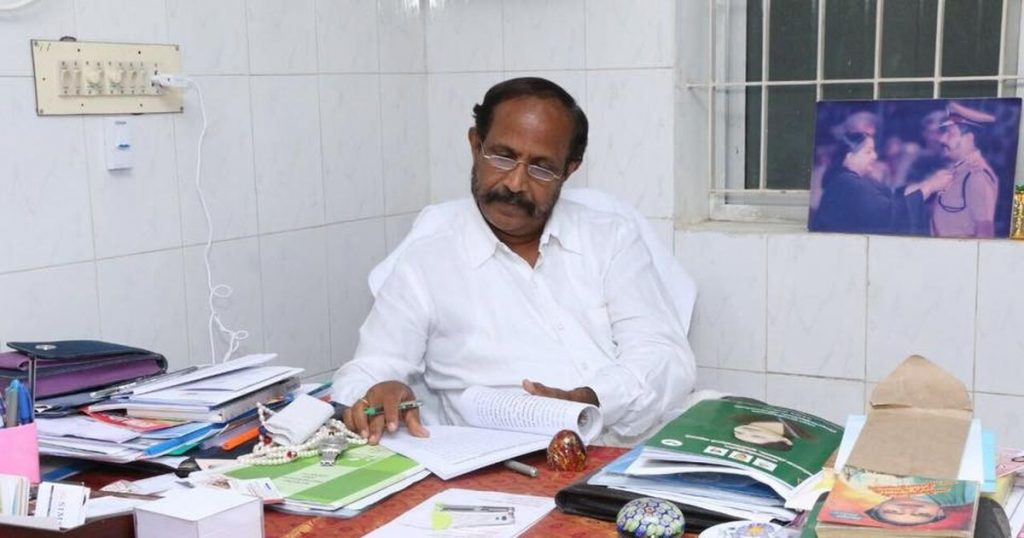
The only option that was available with me was to connect with the local people’s representatives for help. But in these times of crisis, it would be extremely difficult to connect with them. I have had an opportunity to connect with Dr. R Nataraj IPS (Retired), the former Director-General of Police (DGP) and sitting honorable Member of the Tamil Nadu Legislative Assembly where I used to discuss some of the social issues over WhatsApp and had a meeting with him personally a year back. He used to respond to my text messages though I am an ordinary citizen and no way connected to politics or public life.

I happened to send a text message over WhatsApp if something could be done to sanitize the area we live in. A point to be noted is this area does not come under his assembly constituency. He is no way obliged to help us in this regard. Within an hour of my message, I received a reply that he would look into the issue. After some time, his personal assistant (PA) Mr. Radhakrishnan Pattabiraman called me to check where I live and how the issue can be resolved. The gentleman needed certain information related to the ward and divisional details of the place so that he could connect with the concerned government official to sort things out. I collected all the required details that he had asked for and called him again to give them. After an hour he got me the number of the Zonal Health Officer (ZHO) who could help solve the problem.

I spoke to the ZHO over the phone and she said that she will look into the issue. Later in the evening, Dr. Nataraj dropped in a message saying that he has asked the Deputy Commissioner of Chennai City Corporation to look into the matter. Today morning around 10:00 AM I saw the area being sanitized and when I inquired the officer, he said that this was done on the orders of the Deputy Commissioner. Finally, the whole area was sanitized and disinfected so that we could get out without any sense of fear.

I reached out to Dr. Nataraj and his PA to thank them for their efforts for they did a commendable job in helping us. In my opinion, though this was not his responsibility, he went out of his way to help, emphasizing that the society at large is more important than individual self-interest.

I would cite the handling of the 9/11 attacks by the then Ney York Mayor Rudy Giuliani as a prime example of crisis management in the past. A statesman at the times of crisis must be focused on outcomes, and not procedural formalities while ensuring that the government machinery is precisely aligned. A good public leader should instill confidence about getting through tough situations without appearing to be flogging fairy-tales and rosy pictures for personal political benefits. He must act, be bold and at the same time avoid reckless gambles in moments of crisis.

“The ultimate measure of a man is not where he stands in the moments of comfort, but where he stands at times of challenge and controversy- Martin Luther King, Jr.

Poland stares at political crisis amidst pandemic

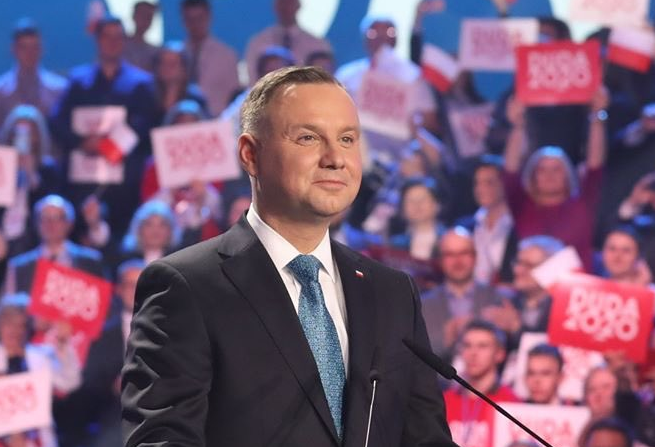
Political crisis looms over Poland as the Polish Senate rejected a government proposal to hold Presidential elections on May 10 through postal ballot due to the coronavirus pandemic. The Prime Minister’s Chief of Staff, Michal Dworczyk, has stated that an early parliamentary election is now inevitable.

In this matter, the final decision rests with the lower house of the Parliament where the ruling Law and Justice (PiS) party has a frail majority. The rejection of the government proposal was an anticipated one. Those in the PiS coalition had objected to the decision of holding the election in May.

While talking to the press, Dworczyk stated that “We hope that there will be enough lawmakers who…will adopt the draft bill. However, one also has to consider options in which the bill is not backed and then we will have to deal with a very serious political crisis,” and that the scenario for an early election was still on the plate.