Home Blog Page 1812

South Korea fears phase two of coronavirus; shuts down all social gatherings for a month

While South Korea basks in praise as to how they tackled the COVID-19 outbreak, 25 new coronavirus cases have been reported in Seoul’s Itaewon, a multicultural locality on Friday.

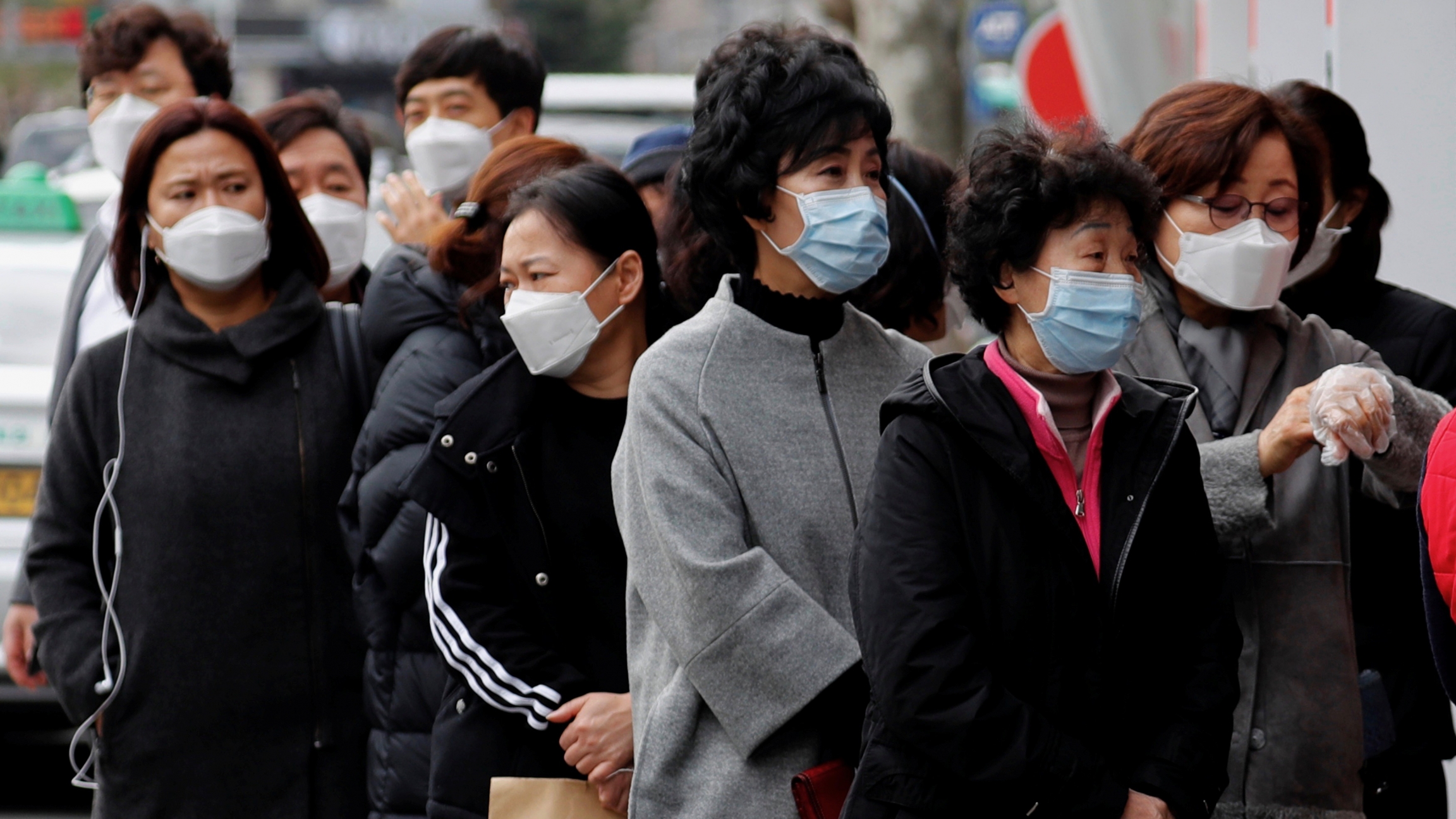
Following this new outbreak, the South Korean government has shut down all of its social gatherings for a month, effective from 8 PM KST. Moreover, all pubs, bars and similar entities have been issued an advisory by the government to voluntarily suspend all business for a month, as reported by Yonhap news, a local South Korean news channel.

The Korea Centre for Disease Control and Prevention reported 14 new cases after a 29 year old had tested positive and has been identified as the first patient in this second wave, with all reported patients being between 19 and 37.

Days after the social distancing was eased on Wednesday, the first case was reported due to an outbreak in a nightclub in which the person is suspected to have not worn the necessary PPE.

The government also plans to tighten precautionary measures, such as making sure that entry logs of visitors are accurately filled, the media stated.

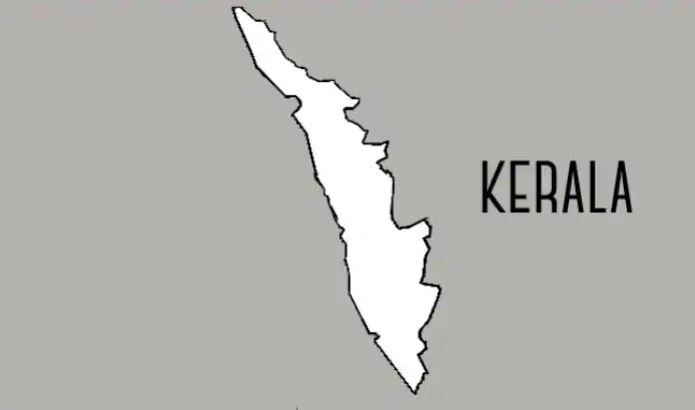
Post-COVID Kerala and Its Economy

That Kerala has been often quoted as a “model state” is a fact. Based on many metrics, many economists and social welfare analysts have often singled out Kerala for its high per capita, the higher literacy rate, their land reforms, higher life expectancy, lower infant mortality etc. In essence, its better social infrastructure has been its key selling point as a “model state”.

Wikipedia has a whole page dedicated to the “Kerala Model”. There is also a segment which reproduces an opinion which says that it is the world’s most sustainable model. This write up seeks to look at how the COVID-19 is a serious threat on the State’s economy, which in turn can cause considerable strain on the social infrastructure of the State, and the “Kerala Model” may not be the same in the periods to come.

When one thinks of Kerala one is reminded of the famous tagline “God’s Own Country”, which it is truly. Filled with natural landscapes which are beautiful and magical, a trip to Kerala will have great takeaways in the form of wonderful memories. The next thing that one is reminded of Kerala is its spices and agricultural exports. Kerala’s share in the national output on many agricultural products is pretty high. For a tiny state (ranking 23rd in terms of Area; and 13th in terms of Population), its economy appears to be pretty solid.

When we look past this information and try to figure out the key drivers of Kerala’s economy, we would find that Kerala’s economy is not driven entirely by domestic economic activities. It has a significant support in the form of foreign remittances.

Kerala contributes to over 10% of overall foreign remittances to India, approximating to $12 billion per annum, which based on today’s exchange rate would be around ₹90000 Crores. One of the principal reasons for the same is that Kerala has the largest migrant population of all the Indian states. Close to 20 lakh Keralites are (almost 6% of Population) are outside India. This is not a small number by any means, considering its population.

Let’s look at some other numbers to get a proper perspective.

  1. Kerala’s Gross State Domestic Product is around INR 7,80,000 Crores. This means that almost 11.5% of its overall economy is dependent on Foreign Remittances.
  2. Kerala is also India’s largest educational loans originator, at around ₹60000 to ₹65000 crores per annum, on an average. This is almost 65% of the overall Foreign Remittances to Kerala. Needless to say, repayment of a substantial portion of these loans could be dependent on the foreign remittances to India.

With the general economy in a turtle mode for over a year, COVID-19 has made things worse. The global economy has come to a virtual standstill. Even the Indian growth story appears to be under serious threat, with economists predicting a flat growth to negative growth for the fiscal 2020-21. This, coupled with the global tendency to give preference to localites over emigrants owing to high rates of unemployment among the native youth, we are going to see lot of migrants across the globe losing their jobs.

The middle-east, which was living almost entirely off oil boom, is looking at a bleaker future. Russia, US and Mexico’s production has made things worse for them. With the supply glut and the oil prices hitting historic lows, their economy will be hit big time. Countries like Saudi has already resorted to increasing the migrant tax or charges. It is unviable for a migrant to have his or her family in middle-east. And this is not restricted to middle east. As highlighted earlier, there is this trend of reverse globalisation that this world is witnessing.

How does all of this affect Kerala?

  1. With such bleak economic opportunities, and lot of entities cutting salaries, a lot of individuals will be having less to spend. The first expenditure anyone would be cutting is “recreation”, which includes tourism. More than any other sector, it is the tourism sector that would be hit massively. Tourism contributes to more than 10% of Kerala’s economy, and was steadily growing.  With people generally paranoid about travel, and tending to spend less on tourism, we can expect serious dip in tourist inflows into the State. That can render lot of people jobless. And this can be disastrous for a State with one fourth of its workforce in the tourism sector.
  2. With salary cuts and job losses becoming the norm across the globe, and more particularly in the middle-east, there would less remittances to Kerala. For a State that is heavily dependent on Foreign Remittances, this would be another major point of concern.
  3. With job cuts in the middle-east or, we may witness increased reverse migration. And this will add to the unemployment in the State. People returning are not always in a position to set up new businesses. Tourism was the main business which lot of overseas returnees used to set up, and with that also looking bleak, we would be witnessing some massive idle human resources in the State, unless there are some drastic policy measures put in place with robust execution, the States inability to absorb and employ them productively will turn out to have a negative impact.
  4. In case of education loans taken, considering the above pointers, we are probably looking at a rather bleak outlook for the repayment of these loans in the medium term. Any decisive recovery of these loans will only add to further difficulty in the State.

Apart from the challenges emerging due to COVID-19, there are other Kerala specific problems which have been on the rise for years. Kerala is among the highest of politically aware State. One can probably find more active political parties in Kerala than any other State. Many of these parties have thrived on protests against the so called “Bourgeoisie”.  Many of the successful Kerala based entrepreneurs do not have any serious business in Kerala. They all tend to operate outside of Kerala. The frequent protests masquerading as political activism has resulted in very few domestic industries which can absorb human resources. Tales of “Nooku-Kooli” still sends shivers down any old timer who thinks of setting up business in the State.

The unfortunate thing about Kerala is that the State is yet to recover fully from the havoc caused by floods last years. Its finances are meagre, as admitted by the Kerala Government itself. Couple of weeks back, Thomas Isaac, the State’s Finance Minister, admitted that Kerala is financially broke and the post-COVID world will not be kind to that State.

Now is the time the Kerala model will be put to test.

WHO confirms Wuhan wet market’s role in virus spread but tells more proof is needed

The now infamous Wuhan wet market, a wholesale wildlife supply market in central China, is confirmed to have played a role in the corona virus spread last year. It is claimed to have either been the source or an “amplifying factor”, as confirmed by the World Health Organization (WHO).

Shortly after the mass outbreak, China imposed a temporary ban on consumption of wildlife as well as the trade of the same, and simultaneously shut down the market in an effort to curb the spread of the deadly virus.

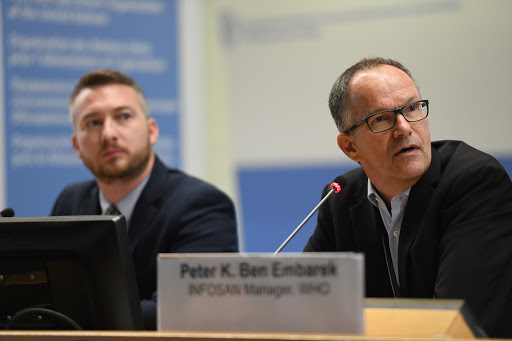
While talking about it, Dr Peter Ben Embarek, a WHO expert on food safety and zoonotic viruses said said “The market played a role in the event, that’s clear. But what role we don’t know, whether it was the source or amplifying setting or just a coincidence that some cases were detected in and around that market”.

Ben Embarek did not address the accusations of Germany or the US secretary of State Mike Pompeo, who had allegedly claimed that there was substantial evidence for infected produce having been sold in the market. He went on to say that it was not clear whether live animals or infected vendors or shoppers brought the virus into the market, at the press meet in Geneva.

Madras HC orders closing of TASMACs until lockdown ends

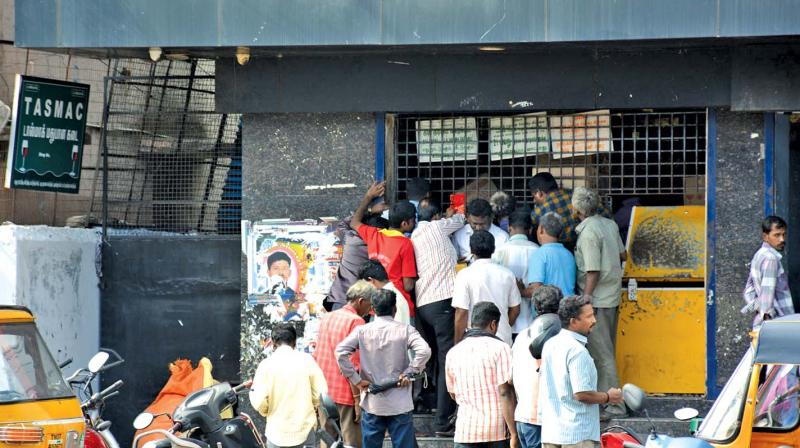
The Madras High Court on Friday, ordered the Tamil Nadu government to close down its liquor outlets until the lockdown is lifted completely.

However, the High Court paved way for online sale and door delivery of liquor.

A special division bench comprising of Justice Vineeth Kothari and Justice Pushpa Sathyanarayana passed an interim order on a batch of pleas moved by various petitioners.

This is the 3rd time the Tamil Nadu government has withdrawn an order issued earlier. On May 5, the government withdrew an order that said that TASMAC outlets across the state would open on May 7. It appended the order to exclude the TASMAC outlets within Chennai. Earlier on May 4, an HR&CE order that mandated temples to donate to CM’s relief fund was withdrawn after the bench comprising of same judges found it legally untenable.

MP Shobha Karandlaje helps TN fishermen stranded in Udupi to return home

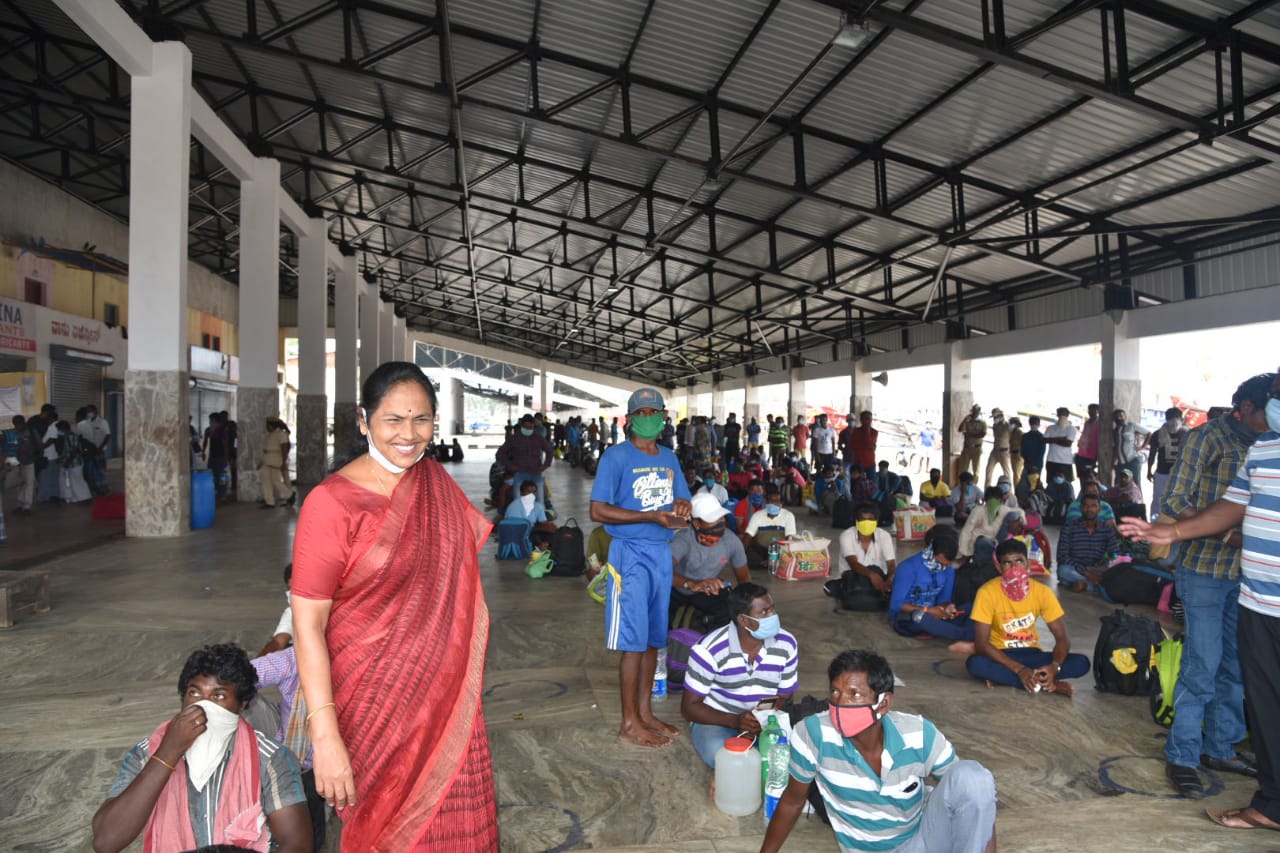
82 fishermen from Ramanathapuram in Tamil Nadu, who had gone to Udupi and got stranded due to the nation-wide lockdown, are set to return home.

3 buses have been arranged by the Karnataka government that will transport them to Ramanathapuram.

BJP MP Shobha Karandlaje, who represents the Udupi Chikmaglur Lok Sabha constituency, oversaw the efforts and sponsored food, water bottles, and other supplies for the journey. She thanked the fishermen for their cooperation.

Member from BJP Tamil Nadu Unit thanked the MP for going out of her way in helping the stranded people from Tamil Nadu.

Along with them, fishermen from Srikakulam, Nellur and other parts of Andhra Pradesh left in 6 busses from Udupi to their respective districts.

Wrestling the Virus by Wrestling with Technology

Looking back at Black Death, the pandemic that struck Italy between 1347-1351 CE and killed nearly 60% of European population, one wonders how people would have managed back then when technology was not so evolved. Digital evolution was alien to the global population of those times. Today, with all the technological advancements ushered in with the digital age, information is now everywhere. The state of being aware of what is happening around the globe is unprecedented. Like it or not, technological evolution and its associated globalization is what has brought the pandemic and is also helping us in fighting against it.

This pandemic has triggered an unprecedented demand for digital health technology solutions that is helping in population screening, tracking the infection, prioritizing the use and allocation of resources, and designing targeted responses. The possibilities that digital technology is offering could lead to a situation where the debates and deliberations among the youths in schools and colleges on topics such as “whether technology is a boon or bane” would soon become obsolete.

The thought of digital technology becoming a bane would soon be away from our mind in light of this pandemic, as the digital technology usage becomes inevitable and unavoidable. If a miniscule portion of the economy is being saved right now, we have to extend our gratitude to the technology that has provided platform to address some of supply-chain issues in the economy.

Modi’s push towards digitization comes in handy

When our Hon’ble Prime Minister Shri Narendra Modi urged the population to embrace digitization, only a few realized its importance and a section of our friends kept criticizing the move unable to take his words of wisdom in letter and spirit. Demonetization and GST were seen as moves of failure.

However, given the fear that COVID-19 might even spread through currency notes, India’s move towards digitization has turned out to be a visionary move. Now, there is a sudden surge towards usage of Google Pay and PayTm. The other money transfer portals like Phonepay and Freecharge have seen a rapid increase and a paradigm shift in their businesses. From super markets to grocery stores and tea stalls, everybody has put a QR code right outside their businesses. Shopkeepers are now happy if someone makes a digital payment. Those who have remained technologically challenged are now showing their involvement and wanting to get accustomed.

However, a robust identification system, widespread and consistent internet access, and trustworthy ways to get money into digital formats would prove to be important for digital payments to thrive. Digital payments may definitely be a back bone and a success story behind India’s vibrant digital economy. COVID-19 would go in history as the factor that pushed people towards use of digital technology.

The COVID-19 crisis has resulted in an immense need for technological support. This in addition might pave way for an effective governmental policy in which the government actively builds partnerships with private technology companies, the digital entrepreneurs of the day, and other international organizations to make use to existing technologies to meet the needs of people and soften the impact of crisis in their lives.

What We Can Learn From China

In China, BeiDou, the country’s own GNSS (Global Navigation Satellite System) constellation, helped track patients and affected places, thus containing the virus, apart from analyzing the pattern of the outbreak. BeiDoU is a satellite-based radio navigation system developed by the China Space Science and Technology Group. With the help of reliable data and precise mapping and imagery, China could build thousands of new makeshift hospitals across the country. Using drones technology, BeiDoU has enabled the use of drones for monitoring crowded public places. Usage of robots to perform thermal monitoring and performing diagnosis in hospitals are also being built at a rapid pace by the Chinese.

Wuchang Hospital in China and Cloud Minds, a manufacturer of Cloud-based robotics systems, are working in collaboration for at making the hospital facility completely smart and digital. The devices in the hospital services are being carried out robots. The initial screening of the patients is done by 5G-enabled thermometers that send instant updates. Also, there are rings and bracelets that are connected to the Cloud Minds platform so that it can monitor all changes in the body.

India too saw such innovations come through individual altruistic efforts. It was heartening to see young talents in our country coming up with innovations to limit contact spreading. States like Tamil Nadu have commissioned digital robots that limit the exposure of doctors and nurses to COVID-19 patients. However, these are efforts of individuals and organization helping the government in its fight against the pandemic. Government of India should build on its PPP (Public Private Partnership) model that provides a platform to nurture such talents and potential.

For now, India can take a leaf out of the Chinese’s book, by adopting technologies that the Chinese have managed to come up with. While apps like Arogya Setu is definitely helping in identifying and tracing the spread, keeping in check the containment zones and creating awareness among the citizens, its usage is restricted to those who have smart phones. We need to bridge the digital divide as technology plays a pivotal role in the present situation. Pragmatic use of satellite navigation system would allow India to overcome its digital divide barrier. Putting to use such a technology will definitely be a path breaking achievement for India.

Going forward, the underlying theme of the technological transformation in post-COVID world will revolve around creating business models that will help us survive in a society with ‘less contact’, a concept that will be etched in the collective memory of our society and would see prominence in the years to come. The continuous use of technology and getting accustomed to its usage would ensure that in the event of another health pandemic, the  “business-as-usual” will become a norm and will never remain disturbed. Artificial Intelligence and Machine Learning will help us move into a “less contact” world.

Aurangabad: Freight train runs over people sleeping on tracks, at least 16 dead

In the early hours of the morning, a freight train mowed down several people who were sleeping on the rail tracks. The accident is known to have occurred at Gadhejalgaon village between Badnapur and Karmad railway stations in Maharashtra’s Aurangabad district. At least 16 people died in the accident and five are believed to have been injured. Three others sleeping away from the tracks escaped unhurt.

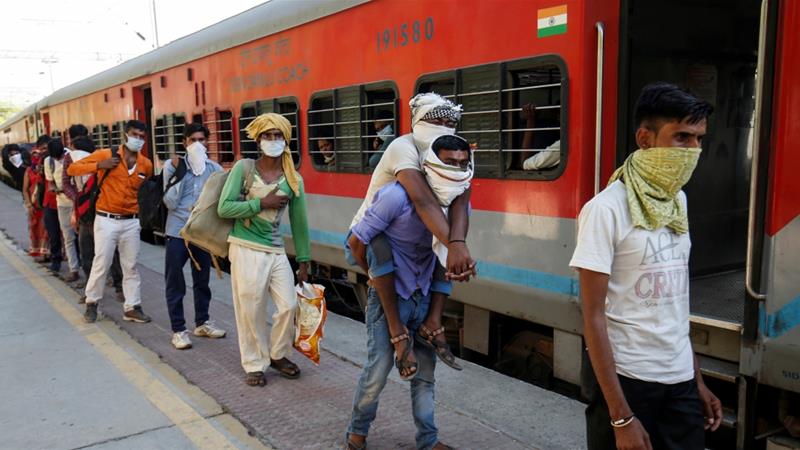
The deceased and the injured were migrant workers employed at a major steel plant in the neighbouring district of Jalna. They were walking from Jalna to Bhusawal to board a Shramik train to Madhya Pradesh.

An inquiry has been ordered under the aegis of the Commissioner of Railway Safety. Madhya Pradesh CM Shivraj Singh Chouhan has announced a compensation of Rs 5 lakh each to the deceased’s kin. The Maharashtra government has announced a similar relief to the families of the deceased.

President Ram Nath Kovind tweeted that he was “saddened beyond words” to learn about the accident and wished the injured a “speedy recovery”. PM Narendra Modi too expressed sorrow over the incident in a tweet and said that Railways Minister Piyush Goyal is monitoring the situation.

A day after Shramik trains were stopped, Karnataka restarts train for stranded migrants

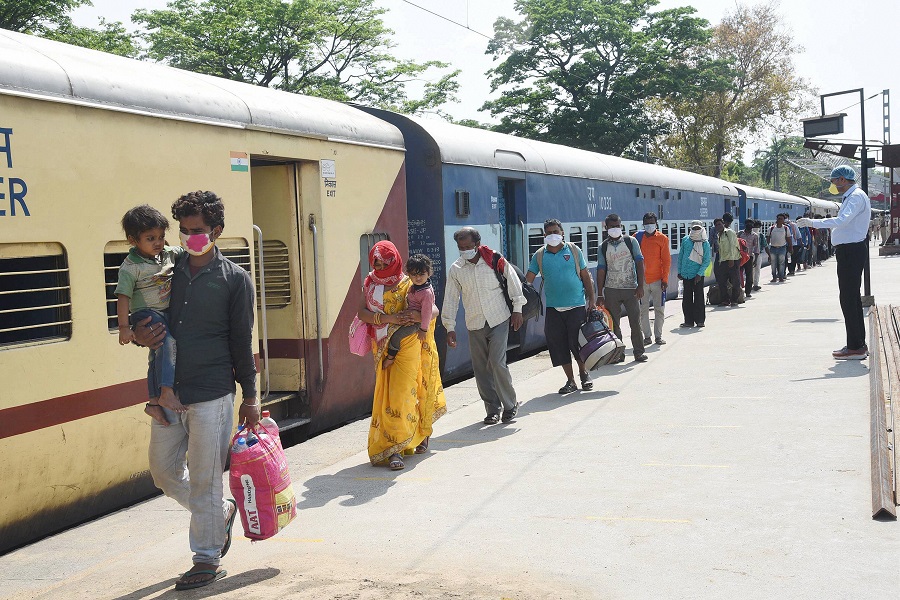
Patna: Migrants from Jaipur arrive by 'Shramik Special' train at Danapur junction, during the nationwide lockdown to curb the spread of coronavirus, in Patna, Saturday, May 02, 2020. (PTI Photo)(PTI02-05-2020_000082A)

After criticisms mounted over its decision to cancel inter-state trains to transport migrant workers, the Karnataka Government on Thursday announced that trains to 9 north Indian states would start from Friday.

The government has written to 9 states that include Bihar, Uttar Pradesh, Jharkhand, Manipur, Tripura, West Bengal, Madhya Pradesh, Rajasthan and Odisha. So far, it has received the consent to receive migrants from only Bihar and Madhya Pradesh. The first train to Bihar will start on leave on Friday. One train a day will be sent to Manipur and Tripura.

It was alleged that the move to cancel trains following the CM’s meeting with builders. Mr. Yediyurappa had tweeted that labourers were being provided with all essential facilities and that construction activity had already started. He mentioned that directions were given to convince the workers to refrain from travelling unnecessarily.

However, Mr. Manivannan, the IAS officer in the labour department, tweeted on May 6 that the decision to cancel the trains for the time being was taken after seeing the migrant labourers rushing railway stations in huge numbers. He said that while the off-take was around 6000 per day, the inflow to stations was 25000, thereby triggering the fear of COVID. He categorically stated that it had nothing to do with builders lobby. He mentioned that the builders association is taking care of around 38000 people on record and action is being taken on small builders who have left them to lurch. He also said that the migrant workers are in no mood to wait for their turn and that it is impossible to shift lakhs on the same day. Most of them camp at the stations and such a gathering could become a COVID-19 red zone, he said.

Fresh protests erupt in Hong Kong, China says it will not sit idly and watch

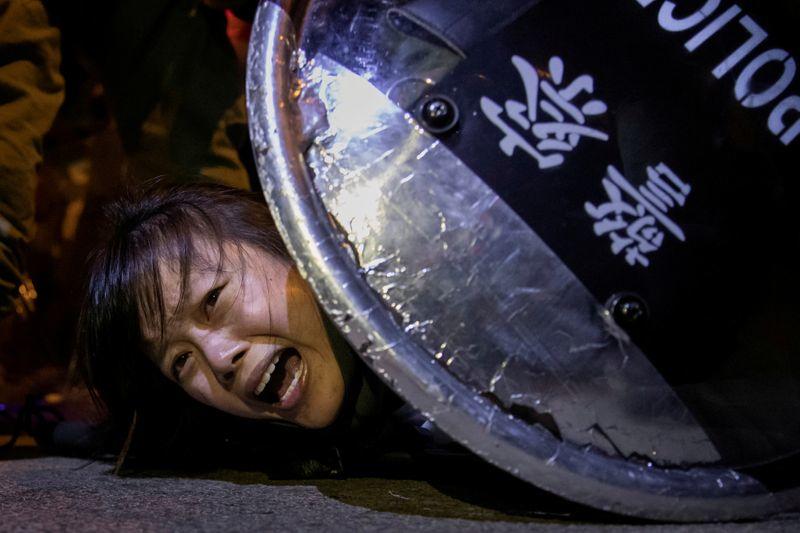
After a largely peaceful public holiday on last Friday, protestors in Hong Kong held demonstrations against China in which the Hong Kong police resorted to using pepper spray to disperse the crowd. As the fear of pandemic wanes away, Hong Kong has started witnessing small demonstrations in recent weeks.

On Wednesday, China warned Hong Kong that it would not tolerate them “stirring up trouble again”.

“We noticed that the black violent forces slowed down a little when faced with the Hong Kong epidemic, but now they are stirring up trouble again.” State Council’s Hong Kong and Macau Affairs, China’s top body overseeing Hong Kong said in a statement.

While China has been upset with the usage of the term “Wuhan Virus” or “Chinese Virus”, the statement referred the made-in-China virus and its ensuing epidemic as “Hong Kong epidemic”.

The body also said that “the central government will not sit idly and watch these insane and wantonly destructive forces” and added that the protestors wanted to “drag Hong Kong off a cliff”.

The semi-autonomous region of Hong Kong saw violent protests that began in June 2019 in response to a bill that allowed extraditions to mainland China. The courts in mainland China are controlled by the Communist Party. The bill was then withdrawn by Hong Kong’s Chief Executive Carrie Lam. However, the protests have gradually gone on to include demands for democracy.

RSS calls for Swadeshi model of development based on self-reliance

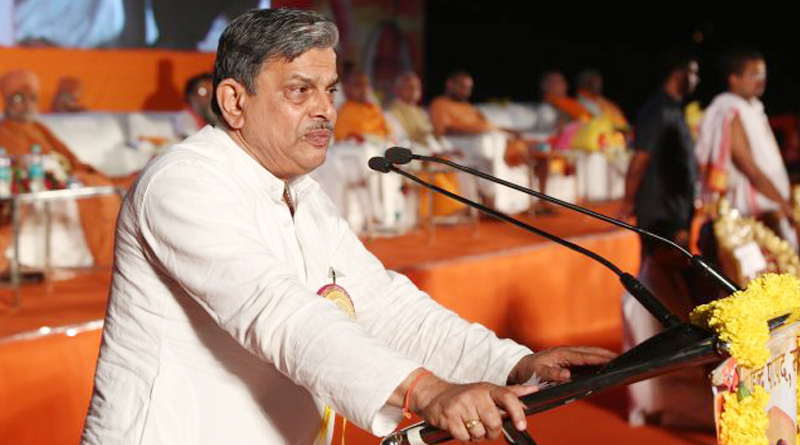
RSS Sah-Sarakaryavaah (joint general secretary) Dattatreya Hosabele on Wednesday, in a video conference with members of the foreign press that included Wall Street Journal, Bloomber, Agence France-Pressem Deutsche Presse-Agentur and ARD (German television), said that India would do well by evolving a swadeshi development model that is based on self-reliance while still maintaining the concept of Vasudhaiva Kutumbakam (the world is one).

“In this indigenous model, local resources, workforce and needs should be integrated to revive the economy by also taking into account environmental consideration.”, he said.

He added that the COVID-19 pandemic had exposed the limits of both global capitalism an global communism development models.

He also said that it was time to write “bright new chapters of the new world as one without any discrimination” and “without creating any ‘otherisation’ or ‘exclusion’.”

He mentioned that a detailed investigation into the origins of COVID-19 should take place and asked the world to come together to avoid such emergencies in the future. He called for new regimes to deal with them by involving responsible individuals, organizations and countries.