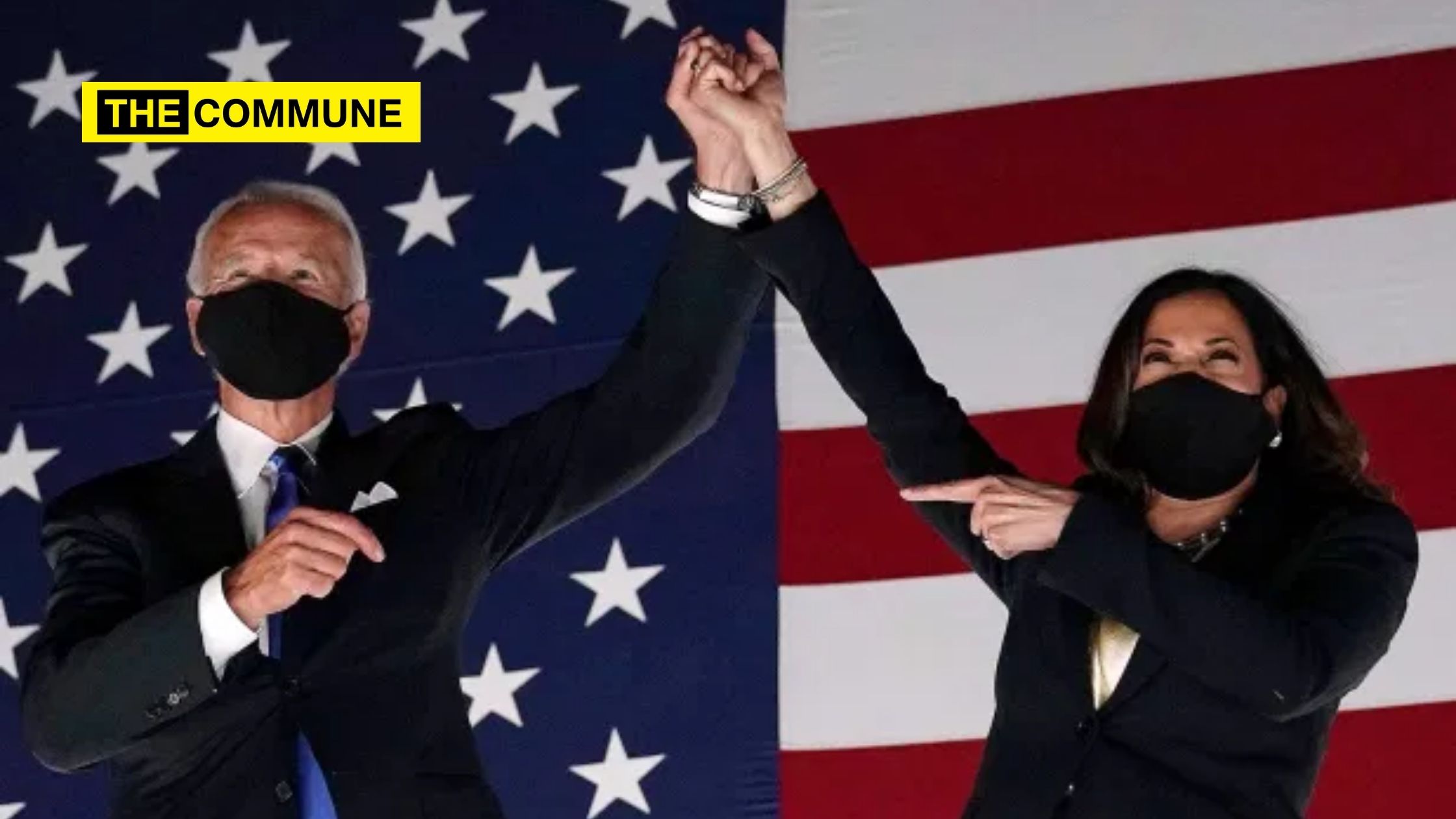
Democrat Presidential candidate Joseph Biden defeated incumbent Republican President Donald Trump to become the 46th President Of The United States of America (POTUS).
Biden was declared as the President elect after he crossed the required 270 electoral college votes.
Following the news people assembled at prominent landmarks including the White House and New York Times Square to celebrate his victory.
His running mate Kamala Harris has become the first woman to enter the White House. She is the first woman of Black and Indian-American descent to serve as Vice President.
President Ram Nath Kovind and Prime Minister Modi congratulated Joe Biden and Kamala Harris on their victory.
My sincere felicitations to Joseph R. Biden on his election as President of the United States of America and @KamalaHarris, as Vice President. I wish @JoeBiden a successful tenure and look forward to working with him to further strengthen India-US relations.
Congratulations @JoeBiden on your spectacular victory! As the VP, your contribution to strengthening Indo-US relations was critical and invaluable. I look forward to working closely together once again to take India-US relations to greater heights. pic.twitter.com/yAOCEcs9bN
Heartiest congratulations @KamalaHarris! Your success is pathbreaking, and a matter of immense pride not just for your chittis, but also for all Indian-Americans. I am confident that the vibrant India-US ties will get even stronger with your support and leadership.
In his speech, at an outdoor rally in his home city of Wilmington, Delaware, Biden said “This is the time to heal in America.”
“Folks, the people of this nation have spoken. They’ve delivered us a clear victory, a convincing victory,” he added.
Acknowledging that the verdict was a pronouncement of America’s divided polity, Biden said that he sought to unify a divided nation.
“I pledge to be a President who seeks not to divide but unify – who doesn’t see Red states and Blue states, only sees the United States,” he said.
Taking into consideration Trump’s supporters, he said “They are not our enemies. They are Americans.”
“Let this era of demonisation in America begin to end here.”
“I sought this office to restore the soul of America, to rebuild the backbone of this nation, the middle class, and to make America respected around the world again,” Biden said.
Calling for the need to work together, Biden said ““If we can decide not to cooperate, then we can decide to cooperate. And I believe this is part of the mandate of the American people, they call on us to cooperate.”
Further, Biden went on to announce his plans as President to contain the pandemic and said that he vowed to name a group top scientists to his coronavirus task force as early as Monday.
“On Monday I will name a group of leading scientists and experts as transition advisors to help take the Biden-Harris plan and convert it into an actual blueprint that will start on January 20, 2021,” he told supporters.
Biden, the 2nd Catholic to be elected President recited a devotional hymn called “On the eagle’s wings”.
Biden also holds the distinction of being the oldest person to hold the office.
Karthikeya Sivasenapathy, a habitual liar was once again caught lying through his teeth when it was revealed that he joined the DMK just a few days back.
News channels belonging to the DMK (Sun News and Kalaignar Seithigal) on November 5 announced that the founder and managing trustee of Senaapathy Kangayam Cattle Research Foundation joined the DMK.
However, Karthikeya Sivasenapathy in September of this year claimed to be a DMK member since 1996 in response to a tweet by Tamil Nadu BJP Vice President K. Annamalai.
Although he is known for eulogizing the most corrupt party of Tamil Nadu – the DMK, he had kept his associations with the DMK clandestine for a long time.
But this is not the first time he has been caught lying.
During the Jallikattu protests, in which Tamil Nadu youngsters had barred all political parties from participating, this man like a fox clandestinely entered the scene hiding about his DMK affiliation and hijacked the protest to spread anti-Modi and anti-AIADMK rhetoric when both these parties had nothing to do with the ban of the sport whatsoever. The Jallikattu protest which started as a student led protest against PETA was hijacked by this man for his own popularity. He portrayed himself as the saviour of Jallikattu and has since then become a prominent face gaining some youngsters as followers on social media.
Recently, he posted about the state of Tamil Nadu’s economy on his twitter page which did not have an iota of truth in it. The post was ditto copied from the tweet of Suresh Sambandam, another DMK apologist. The lies peddled by Karthikeya Sivasenapathy was busted by The Commune in this article.
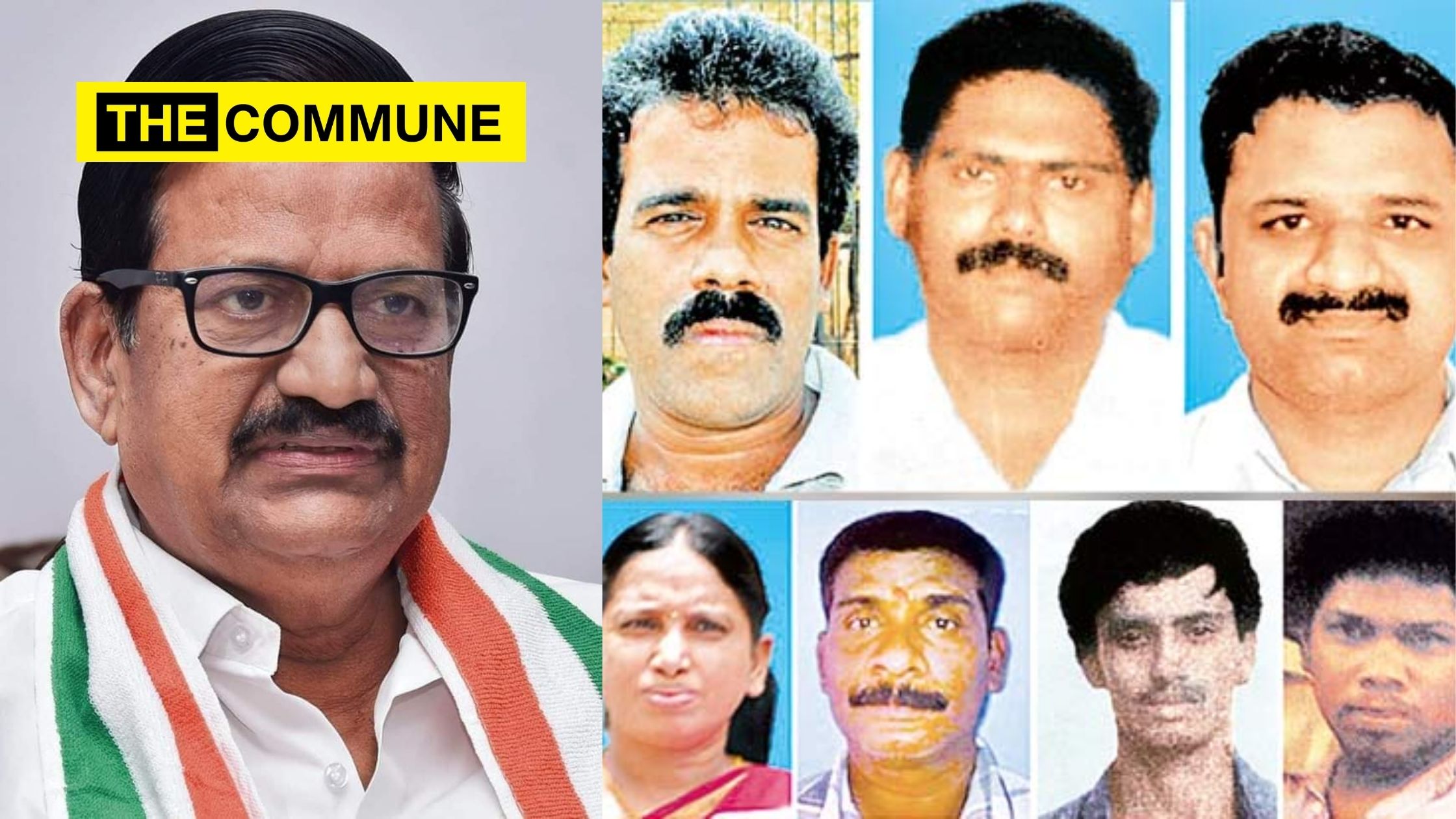
In a series of tweets, Tamil Nadu Congress Committee (TNCC) President K.S. Alagiri opposed the political parties’ demand to release the murderers of former Prime Minister Rajiv Gandhi and said that it is wrong to call perpetrators of a murder as Tamils.
The statement from the TNCC President comes just days after DMK chief MK Stalin urged the Governor to expedite the remission of life sentences of the seven convicts.
Alagiri said that the decision whether to release the seven convicts – AG Perarivalan, Nalini Sriharan, Robert Payas, Sriharan (Murugan), Santhan, Jayakumar, Ravichandran – must be taken by the court, and added that it is appropriate for political parties to demand their release.
“If they are released, there will be a demand for the release of all murderers who are Tamils and who have been in prison for more than 25 years.” Alagiri said in his statement.
He said that those who have committed murders must be seen as murderers and not as Tamils.
The TNCC chief said that it is a matter of pride to call the esteemed Abdul Kalam, Kamaraj, Anna, Kalaignar Karunanidhi, Comrade Jeevanandam, Mathematician Ramanujam as Tamils and not murderers.
“Therefore, it would not be Tamil culture to speak on behalf of the perpetrators of the assassination of the former Prime Minister and the damage done to India.”, the TNCC chief said.
முன்னாள் பிரதமர் ராஜீவ்காந்தி கொலையாளிகளை விடுதலை செய்வதை நீதிமன்றம் தான் முடிவு செய்ய வேண்டும். அவர்களை விடுவித்தால் சிறைச் சாலைகளில் 25 ஆண்டுகளுக்கும் மேலாக இருக்கும் அனைத்து தமிழ் கொலை குற்றவாளிகளையும் விடுதலை செய்ய வேண்டும் என்ற கோரிக்கை எழும்.
On November 5, DMK chief MK Stalin had written to the Governor of Tamil Nadu Banwarilal Purohit to release the convicts as they had already spent 7 decades in jail.
In a show of bipartisanship, BJP leader H. Raja came in support of Alagiri’s statements citing Tamil poet Subramania Bharathiyar.
சரியான கருத்து. பாரதியார் கூட வாழிய செந்தமிழ் வாழ்க நற்றமிழர் என்று தான் பாடினார். வாழ்க தமிழர் என்று பாடவில்லை. ஏனெனில் தீய தமிழர்கள் வாழ்க என்று சொல்வது சரியல்ல. pic.twitter.com/UPvoUsGexc
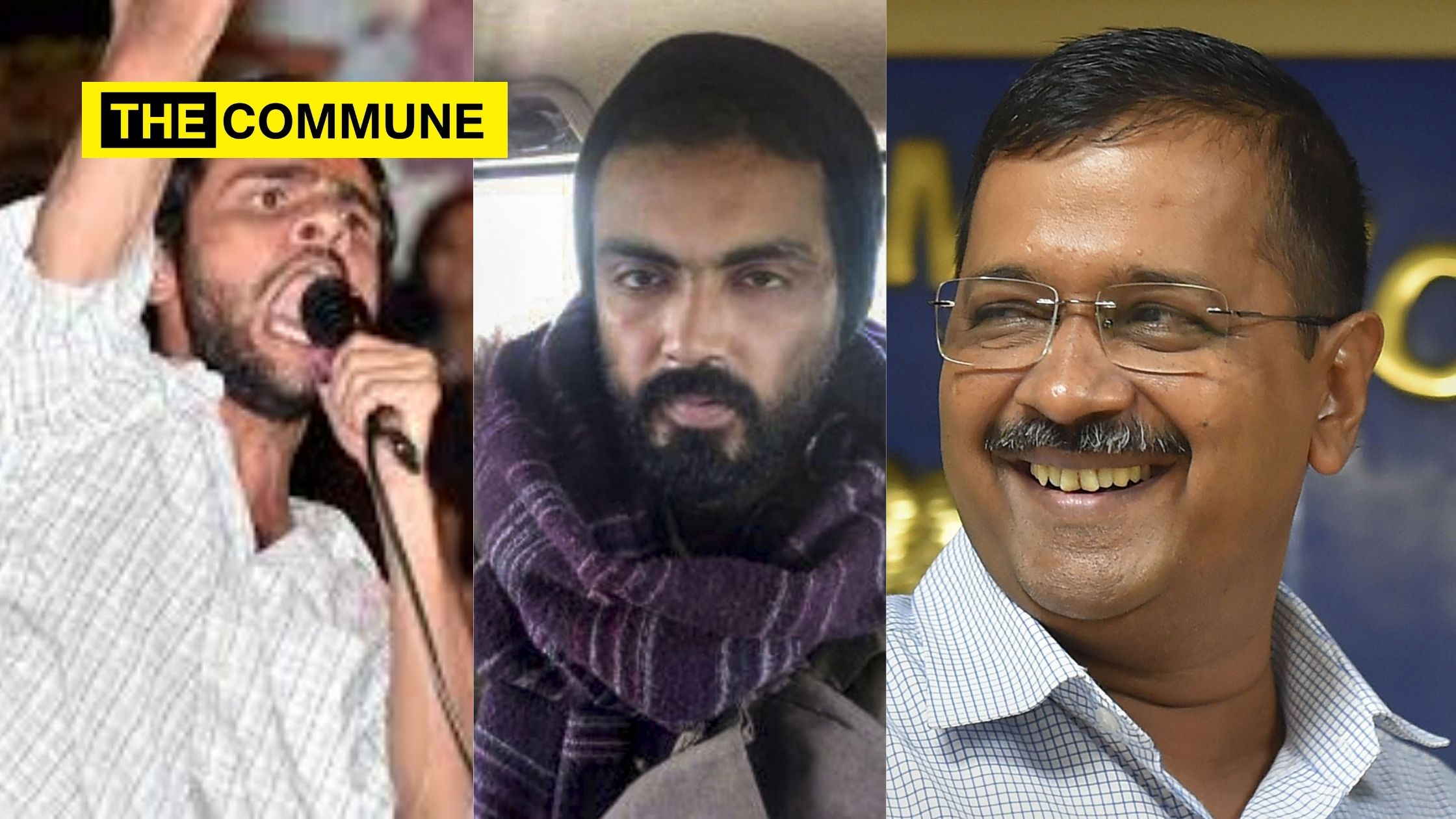
In a dramatic development, the ruling Aam Aadmi Party under the leadership of Delhi’s Chief Minister Arvind Kejriwal gave permission to prosecute former JNU student Umar Khalid and Sharjeel Imam under the Unlawful Activities (Prevention) Act (UAPA) for their involvement in organizing communal violence in northeast Delhi in February.
Reacting to the development, JNU Students’ Union president Aishe Ghosh tweeted, “Mr Kejriwal, each and every betrayal won’t be forgotten.”
After Delhi’s government gave the go-ahead, the AAP said, “Delhi government has not stopped prosecution in any case in the last five years, including those pertaining to AAP MLAs and party leaders,”.
Umar Khalid, Sharjeel Imam and Faizan Khan were booked under the stringent anti-terror Unlawful Activities (Prevention) Act (UAPA) for their involvement in instigating violence and riots.
The Delhi Police has received prosecution sanction from both the Delhi government and the Union Home Ministry.
“We have received prosecution sanction against Umar Khalid, Sharjeel Imam and Khan in connection with a case registered against them under the UAPA. We have received sanctions from both the Delhi government and the Ministry of Home Affairs,” a government official was quoted saying in the Press Trust of India.
The official further added, “To prosecute one under section 13 of the UAPA, we need sanction from the Ministry of Home Affairs, which we have already received. For prosecution under section — 16, 17 and 18 of the UAPA, we have received sanction from the Delhi government,”.
Umar Khalid’s father SQR Ilyas who was once a member of the banned Students’ Islamic Movement of India (SIMI tweeted, “Arvind Kejriwal unveiled.”
Former JNU students leader Shehla Rashid tweeted, “I am happy for my friends in the US. Regardless of the final outcome, they can take solace in the fact that they at least have a real opposition,”.
The Special Cell of the Delhi Police had named in its charge sheet 15 accused under the provisions of stringent UAPA in connection with the violence in parts of northeast Delhi when United States President Donald Trump was on a state visit.
The accused include Pinjra Tod members and JNU students Devangana Kalita and Natasha Narwal, Jamia Millia Islamia student Tanha, Gulfisha Khatoon, former Congress Councillor Ishrat Jahan, Jamia Coordination Committee members Zargar, Meeran Haider, Shafa-Ur-Rehman, suspended AAP Councillor Tahir Hussain, activist Khalid Saifi, Shadab Ahmed, Tasleem Ahmed, Salim Malik, Mohd Salim Khan and Athar Khan.
The communal violence that was orchestrated on February 24, left 53 people dead and around 200 injured.
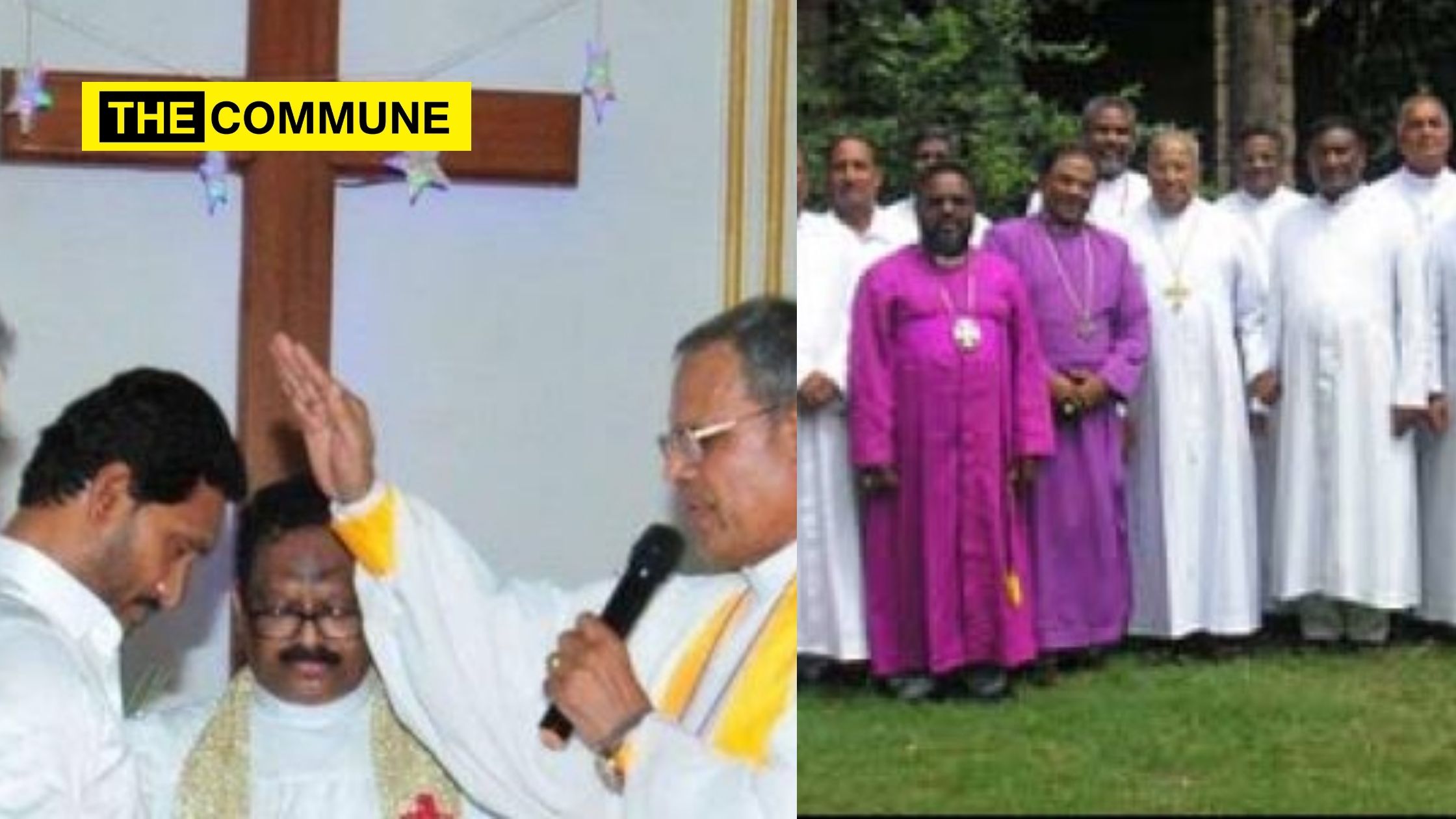
Following the complaint filed by Legal Rights Protection Forum (LRPF), the Union Ministry of Social Justice and Empowerment has issued directions to the Principal Secretary of Andhra Pradesh Social Welfare Department to take action against Christian Pastors who had received ₹5000 through the ‘Disaster Relief Fund’ rolled out by the state government holding Hindu SC/OBC Caste Certificates.
Union Ministry of Social Justice & Empowerment directed Principal Secretary, AP Social Welfare Dept to take action against Christian Pastors who received Rs.5K through 'Disaster Relief Fund' by holding Hindu SC/OBC Caste Certificates. Asked to submit Action Taken Report. https://t.co/RRKjV6R4CGpic.twitter.com/vVdBbSwCMi
The Legal Rights Protection Forum, an NGO working in the area of national security had unearthed a massive fraud happening right under the nose of YSR Jagan Mohan Reddy government in Andhra Pradesh.
Its investigation had revealed that 70% of the 29,841 Christian pastors, who received one-time government honorarium of ₹5,000 through the Disaster Relief Fund, held Scheduled Caste / Other Backward Caste certificates illegally. The SC/OBC certificates are given only to practising Hindus.
An honorarium of ₹5000 was being given to all ‘Religious Service Renders’ that includes Archakas, Imams, Mouzzams and Christian Pastors by the Andhra Pradesh government as relief in view of the Wuhan Virus pandemic and the lockdown.
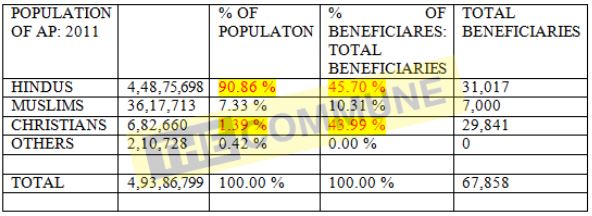
31,017 Archakas, 7000 Imams and Mouzzams, 29,841 Pastors had received ₹5000 honorarium totalling to ₹33.92 crores, an RTI filed earlier by LRPF revealed.
However, it was found that a large percentage of Christians who have been baptised and have undergone Pastor Training courses hold SC/OBC certificates and had obtained ₹5,000 honorarium.
According to Census 2011, 90.86% of Andhra Pradesh’s population are Hindus, 7.33% are Muslims and 1.39% are Christians.
However, the data of the honorarium beneficiaries clearly pointed to an anomaly.
While the official estimates place the Christian population in Andhra Pradesh at 1.39%, 43.99% of the honorarium beneficiaries were found to be Christian Pastors.
LRPF had observed in its findings that a large percentage of Christians who have been baptised and undergone Pastor Training courses held Hindu Caste Certificates and had obtained one-time relief honorarium of ₹5,000.
It is important to note that the Jagan Mohan Reddy government in Andhra Pradesh had announced ₹5000 monthly allowance for Christian pastors in September 2019. However, the state government did not make it mandatory for submitting Christian community certificate which allowed Christians holding Hindu community certificates to apply and benefit.
In light of this, the LRPF had written a letter to National Commission for Scheduled Castes (NCSC) to take action and issue orders to the Andhra Pradesh Government to submit to the Commission the complete list of Christian Pastors who had received ₹5,000 as one-time disaster relief along with religion/community details of all the 29,841 pastors.
It said that there is a serious abuse and defrauding of public exchequer and added that the present government was directly encouraging for the Scheduled Caste community to convert to Christianity through this.
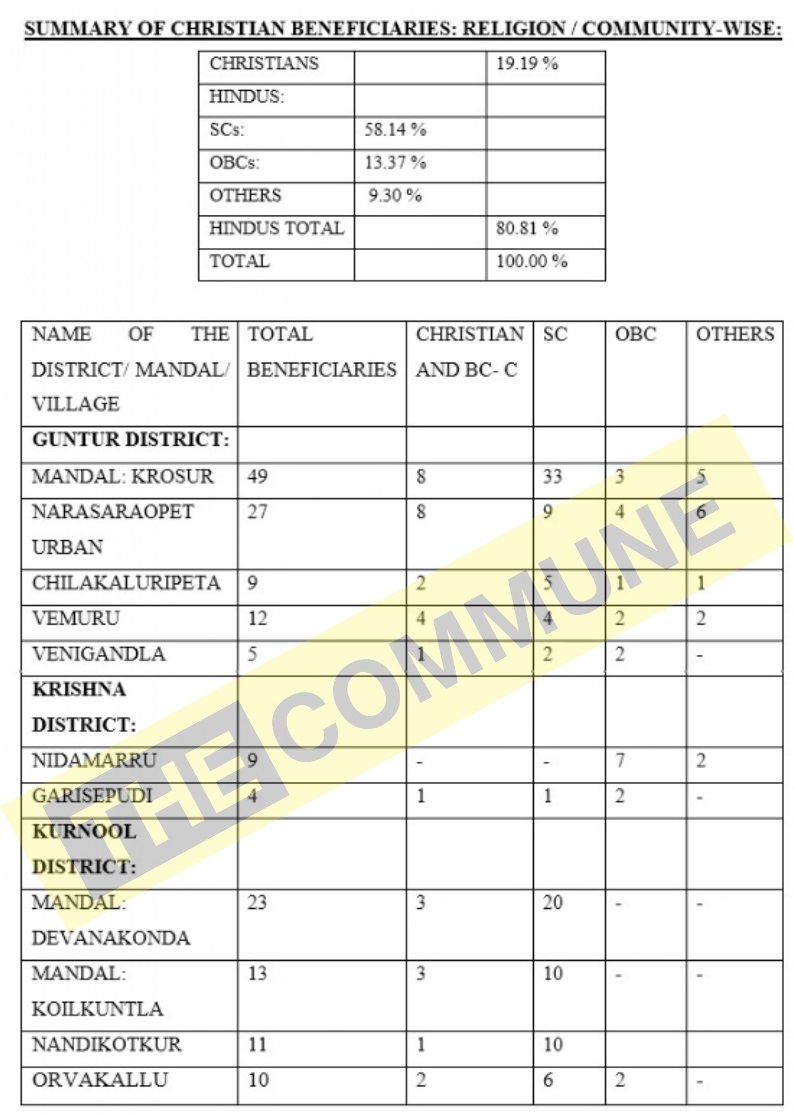
It said that as per its sample data and other relevant data obtained from the RTI, around 58.14 % of Christian pastors are actually holding Hindu-SC community certificates and 13.37%of the Christian pastors are holding Hindu OBC Community certificates.
“On a conservative basis, if we assume that the 70% of the pastors listed above carry Hindu community certificates (sample data reveals 80.81%), the total figure of such pastors come to 20,900. And the amount received by them ₹5000 per head comes to ₹10.45 Crores which is clearly fraudulent misuse of public money.”, urging the NCSC to take appropriate action and weed out converts who have illegally obtained SC/OBC Communities certificate through fraudulent misrepresentation of facts.
The LRPF had mentioned in its complaint that the pastors are holding dual religious identities to utilise the various benefits of the government that are given to Scheduled Caste and Other Backward Communities who corner all the constitutional benefits meant for real Scheduled Caste members.
“When government runs schemes for welfare of SCs/OBCs, they are utilising the Hindu identity and in this case, when a scheme which is intended to benefit Christian pastors was announced, they have utilised their Christian identity.”, it noted in its complaint.
The LRPF had appealed to the NCSC to send a fact-finding mission to Andhra Pradesh to investigate the onslaught of evangelical lobby armed with financial support through FCRA funds through brazen conversion. It noted in its complaint that only 10-15% of Scheduled Caste in Andhra Pradesh are real Hindu Scheduled Castes clinging to their native religion, culture and civilization.
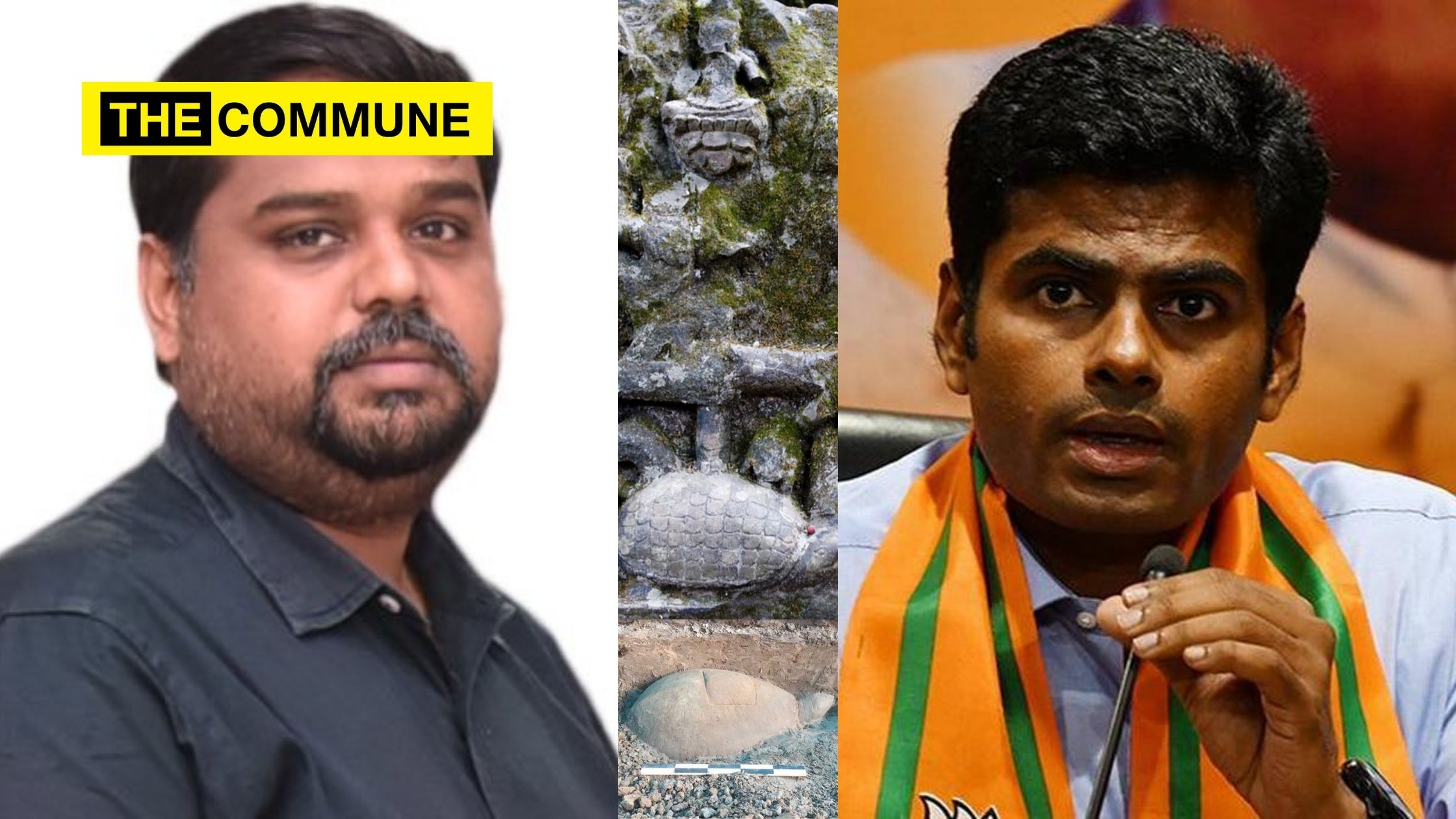
DMK MP from Dharmapuri Dr. Senthilkumar, who is known for getting into trouble because of his own words, once again put himself and his party in an embarrassing situation while trying to mess around with Tamil Nadu BJP Vice President K. Annamalai.
The DMK MP tried to take a dig at the former IPS officer by tweeting about a speech the latter made at a rally.
The BJP leader in a rally while talking about the greatness of Chola empire had said that Rajaraja Chola had used turtles/tortoises to navigate to the South-East Asian nations.
He said “Rajaraja Cholan had gone to Cambodia, Indonesia, Sumatra, Java. One DMK member during a debate with me had said that I was lying and that Rajaraja Cholan did not go anywhere to which I said ‘Sir.. you go to Sumatra, Java.. there are Tamil inscriptions that talks about Rajaraja Cholan having come there’. He asked me how would have Rajaraja Cholan gone when there were no big ships at that time. Let me tell you how he went.. Look at the scientific knowledge of the Tamils.. Turtles always go towards the sea. The Cholas had tied a rope around turtles to navigate their ships.”
Retweeting a tweet of one ‘Stalin Jacob’ who had shared a clip of this statement made by Annamalai, DMK MP Senthilkumar tweeted in Tamil “What a pity to have befallen on the turtle. Poor turtle.”
However, Annamalai came back with scientific evidence about the turtle’s navigation ability and called the DMK MP ‘half-baked’ in everything he does and a ‘self-declared expert in nothing’.
In Cambodia, one can see the similarity in the magnificent sculptures in the Angkor Wat temple and in the thousands of temples art treasures that have accumulated in that country. One of the notable aspect of these temples is that there is a special place given to sea turtles. Many of the sculptures have a depiction of sea turtles in some form.
The sea turtles were given prominence in those days because they knew that turtles were the best guides for sea voyages.
Sea turtles never forget the beach area where they were born. Although they roam all over other parts of the ocean for many years in search of prey, these turtles lay eggs on the same beach where they were born. Recent research has also shown that turtles travel by remembering the ocean currents and the magnetic field of their place of birth. The Cholas had tapped into the ability of sea turtles and used it for their navigation in seas.
For anybody who takes their own history & upbringing so lowly in TN – Reject your own history at your cost. It’s shameful @arivalayam will do anything to rewrite Tamil history.
For them Tamil history started when sycophancy was born. For us it’s many thousand of years back. https://t.co/lkNAPL43fd
The DMK MP responding to Annamalai in a manner that resembles the behaviour of a school kid crying foul having lost in a game, said in his tweet that these are just stories and that the turtle would hang itself to death upon hearing such stories.
However, in a brutal comeback Annamalai said “You have many ‘aamai’ [turtles] inside your party & coalition. We will experiment with them.” and shut the DMK MP down.
You have many ‘aamai’ inside your party & coalition.
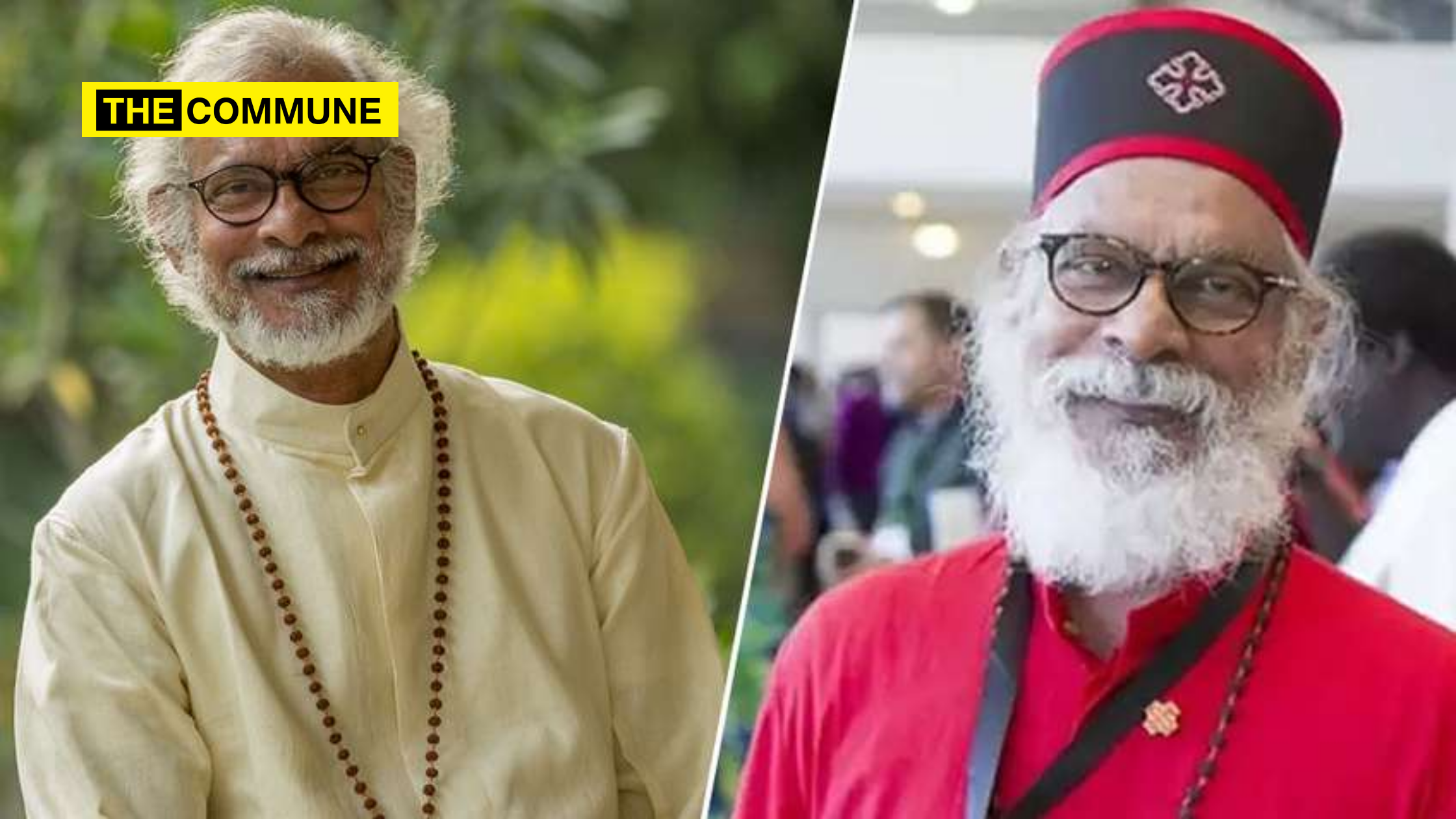
The Income Tax department launched a raid on Kerala’s Believer’s Church citing tax evasion claims. Simultaneous raids at the offices and residences of those associated with evangelist K P Yohannan’s Believers Eastern Church. The raids were carried out at various locations in Kerala’s Kottayam and Pathanamthitta over alleged tax evasion. The raids, that began at 7 AM, are still underway.
The officials seized ₹54 lakh from the boot of a vehicle parked there and also some phones. The officers attributed the surprise raids to some ‘specific inputs’ on tax evasion and unauthorised foreign transactions. The details of the case would be shared at a later stage, they added. The IT Department reported this to be one of the biggest financial scams involving foreign funding.
This Believers Eastern Church is a wing of Gospel For Asia (GFA), a Christian missionary organisation that is “committed to seeing communities transformed through the love of Christ demonstrated in word and deed”.
In 2017, the Ministry of Home Affairs had barred the Believers Church and three other associated NGOs from accepting foreign funds. Apparently the Church received more than ₹1,000 crore in foreign funds over an 18-year span.
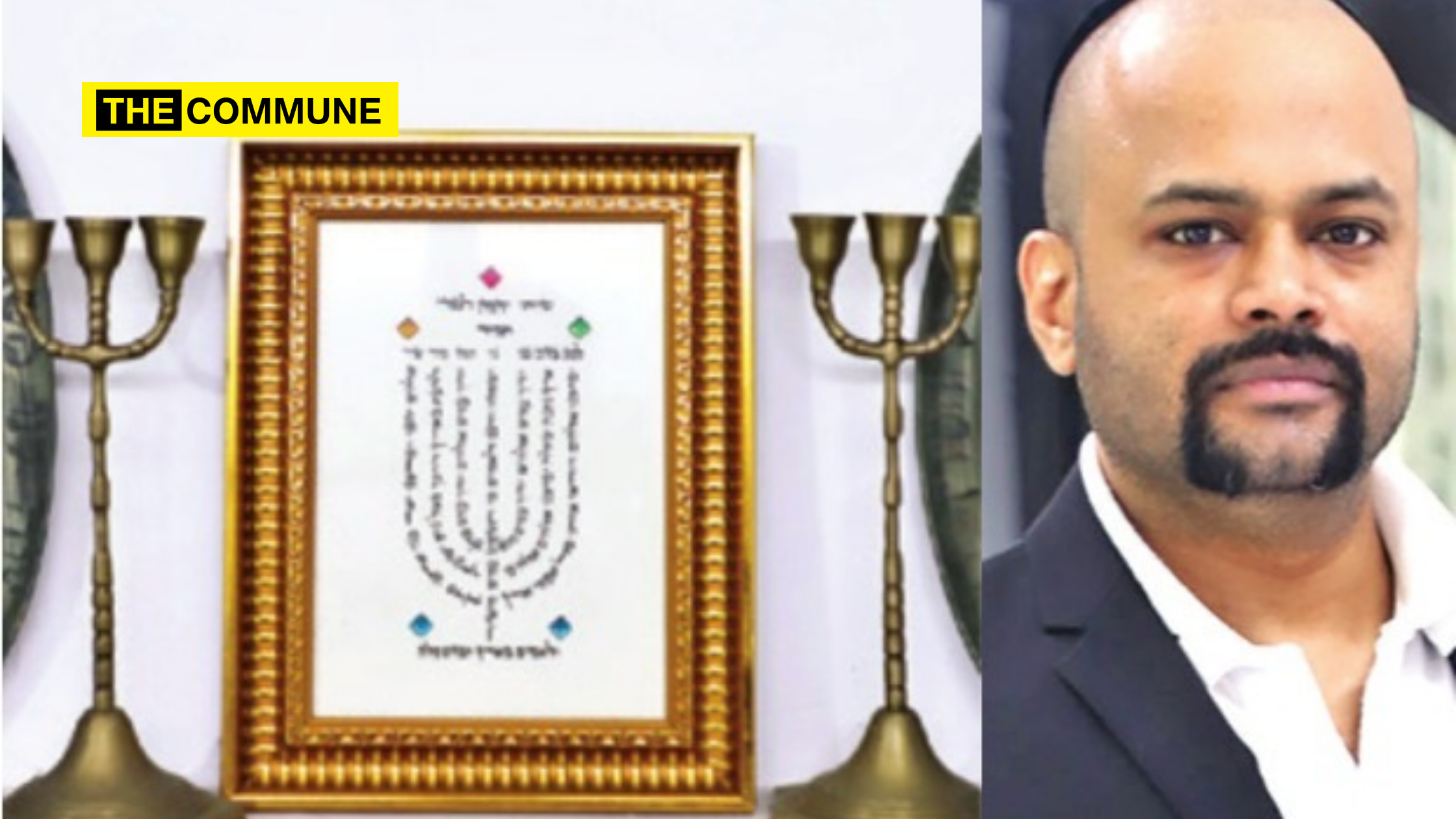
The last ever Jewish family in the state renounced their Indian citizenship on Thursday. After having fled the holocaust in Europe, they had settled in Tamil Nadu. They have now relinquished their citizenship because of a recent attack on them by goons hired by the son of a police officer over a property row.
Davvid Levi, a 42 year old merchant navy engineer, had rented out their property Besant Nagar to the son of an IPS officer and a son of a politician to run a catering unit. However, Levi had asked them to clear the premises following reports of unsavoury incidents. This led to constant threats and culminated in an attack by goons.
A video of the attack had gone viral among the Jewish community who asked him to pack his bags and leave.
He has now taken up German citizenship with his family of nine and is in the final leg of finishing legal formalities to leave.
“Nine of us renounced our Indian passports and took citizenship of other countries. I hope to leave in a month’s time,” said Levi was quoted saying in DT Next. “Annadurai and a few relatives were neighbours. They stayed in the same building when the DMK was formed at 7, Coral Merchant Street. Both the DMK and AIADMK were close to us. My daughters were named by Jayalalithaa madam,” recalled Levi. “My mother Sarah still hopes to return here so she can be laid to rest alongside her ancestors.” Notably, his family was responsible for setting up the biggest synagogue in the city.
There is a famous dialogue from the Kamal Haasan starrer ‘Nayakan’: “Naalu perku nalladhuna, edhuvum thappu illa.”roughly translating to ‘Nothing is bad, if some good happens to people.’
While Kamal has been looking to the atheistic skies for inspiration to ace the next assembly elections, he need not to look any further than his epic quip. It can be the core strategy for his fledgling party Makkal Needhi Maiam (MNM). We’ll explain how.
Although, technically speaking, Maiam is supposed to be centrist, Kamal has never hidden his love for the left. In his many undecipherable thought expositions, he’s openly expressed his admiration for communism. His public courtship of Pinarayi Vijayan is well chronicled. These send very wrong signals to voters who’ve never been enchanted by Marxism.
His bizarre need to appear leftist is highly questionable as the communist parties have decided to ally with the DMK-Congress for the assembly election. And their vote share even during the 2019 parliamentary polls was just 4.7%.
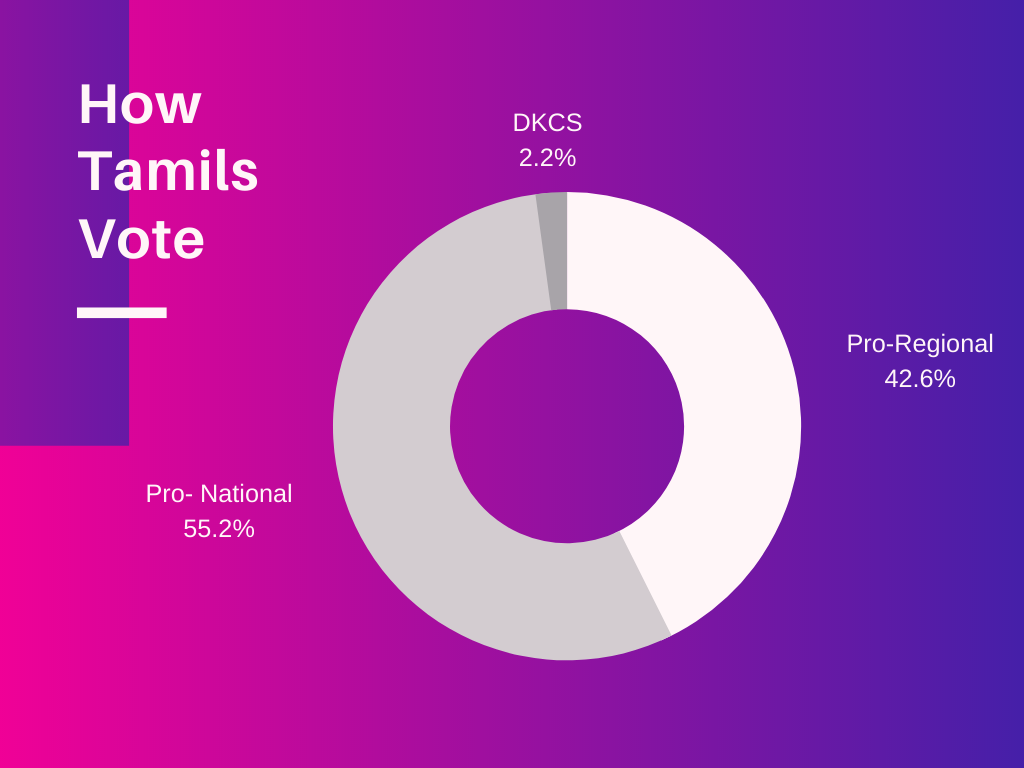
Another overt political signal sent out by Kamal Haasan often is that he’s vying for the same ‘Pro-Regional’ space as DMK/DK/Seeman/VCK and every other outfit barring the national parties in Tamil Nadu. One is stupefied by this stance as the Pro-Regional vote in all elections has never been over 43%. And Maiam took a mere 3.77% slice out of this pie during the 2019 Lok Sabha polls. So, Kamal is basically preaching to the already converted. He cannot expect any more incremental returns from this audience.
Hence, it is pertinent for Kamal to look outside. If Maiam needs to be in the reckoning it needs a complete overhaul of its political strategy. Wearing Kautilya’s hat might help to solve the problem. One of the first approaches outlined by Kautilya to win any war-like situation is ‘Sama’ – the path of alliances. In other words, Kamal needs to become a cobbler par excellence if he wants to trump the ‘kazhagams’. Most cynics think even this is impossible. But everything is possible in politics.
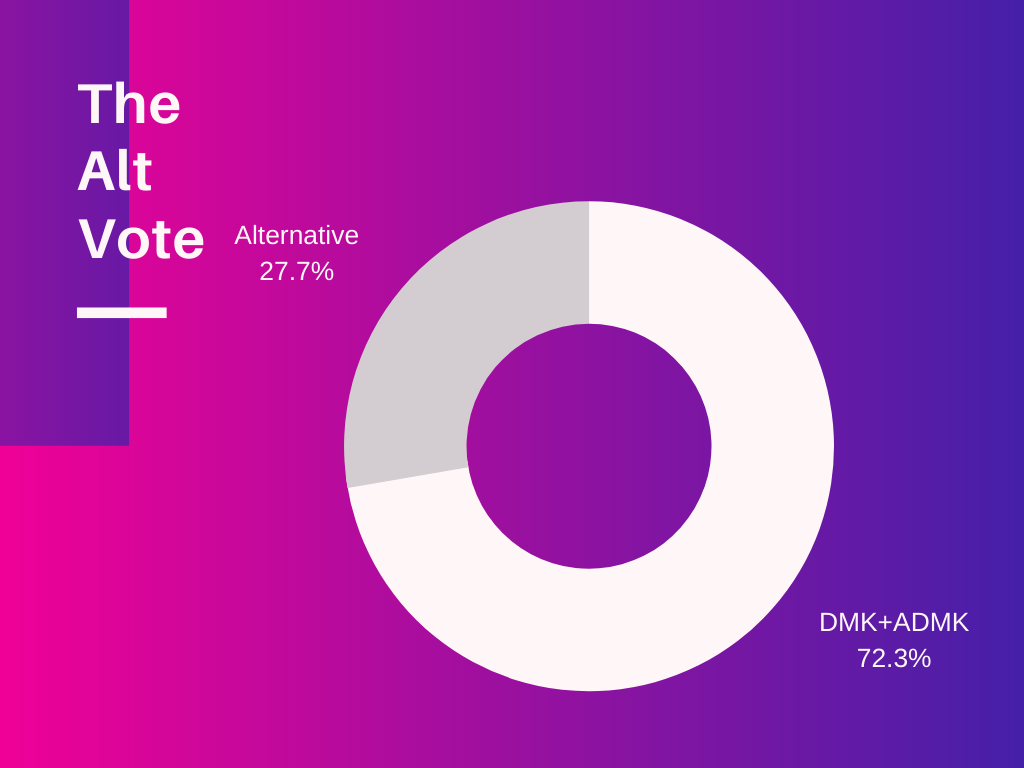
That brings us to the conundrum. How can Kamal square the circle? How does he offer a battle royale to DMK and AIADMK? A clue to this puzzle lies in the chart below.
Culled by studying various assembly polls in Tamil Nadu.
At any point in time, the average Alternate Vote in Tamil Nadu has always been close to 28%. The DMK + AIADMK have notched up an average 72% of the electoral pie. 28% is a salivating number when one compares it with the Maiam vote of 3.77%.
One thing that endeared the ‘Torchlight Party’ was its stance that it will never ally with either the DMK or the AIADMK. Kamal Haasan has been the only political leader to have been openly vocal about being equidistant. Given this context, Maiam has the moral aura to become the nucleus of the ‘alternative movement’.
But how does he go about attracting allies as diverse as PMK and DMDK? Would they even consider talking to him as they have visions of being ‘superior’? This is where Kamal has to take lessons from Kautilya.
‘No More Kazhagams’ has been the pipe dream of every political party other than MGR’s or Karunanidhi’s. No party has been individually been able to breach the Dravidian wall. It is the unsaid desire of parties as diverse as PMK, DMDK, NTK (Seeman’s) and even the BJP. That is the first card he needs to play.
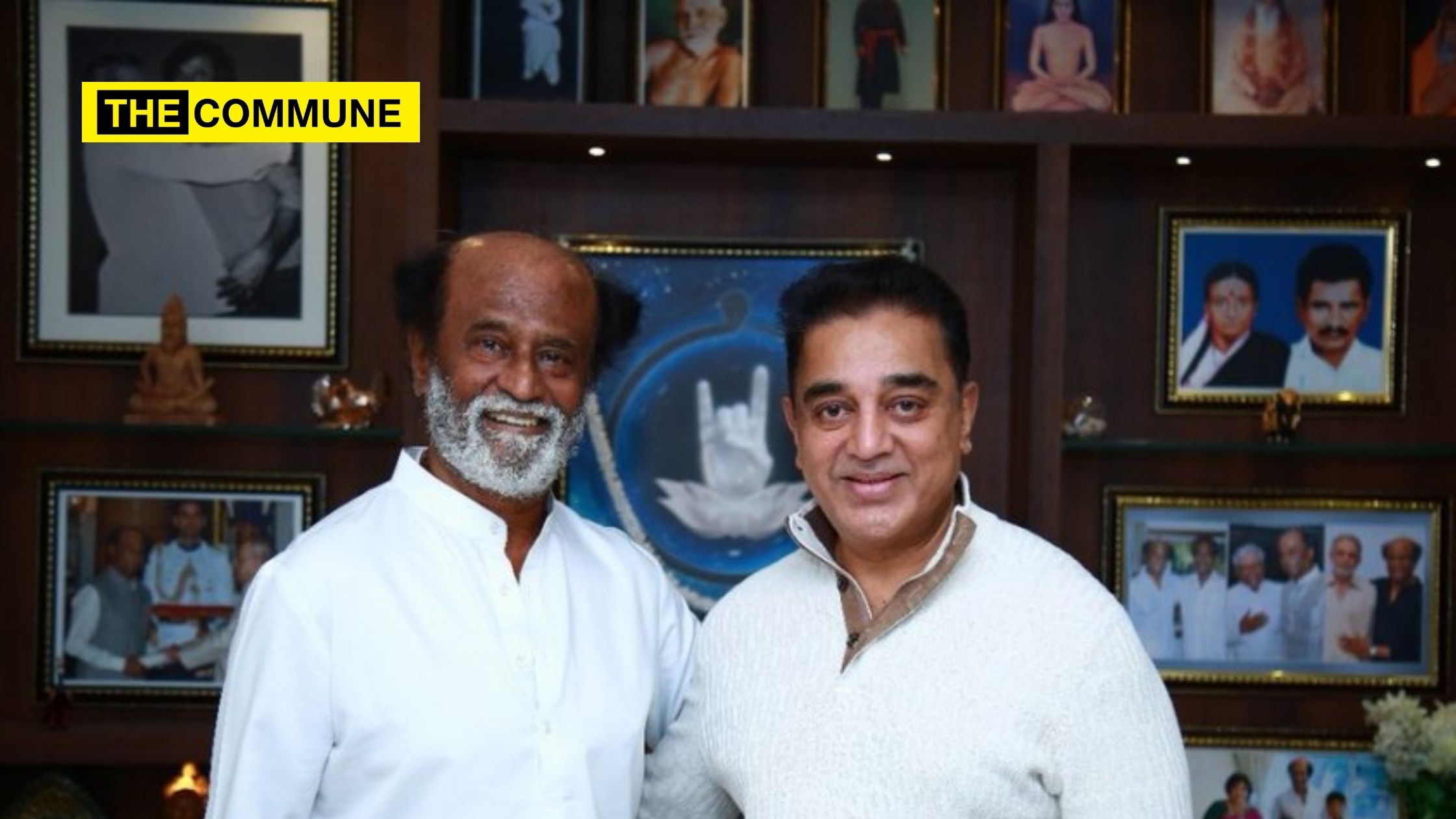
The next big ace is his friendship with Rajinikanth. The superstar has been wanting to enter politics. He got his supporters and well wishers excited with his ‘aanmiga arasiyal’. But his fragile health has thrown a spanner into the works. His doctors have announced that it’s risky for him to hit the road. Hence he has started pussyfooting. This has demoralized his cadre. Rajini is looking for an honourable way out.
Enter Kamal Haasan. He persuades Rajinikanth his friend to float a political party ‘for the sake of Tamil Nadu’. The two announce an alliance on the common ground of ‘Pudhiyadhor Ulagam Seivom’ (let’s build a whole new world). The aim of the alliance would be take Tamil Nadu to the next level by freeing it from the clutches of the Kazhagams. A 5-point program could be put out that clarifies that their alliance is for more jobs, more investment, better education, better health, and better farming. Tamizh pride and other emotive issues can be kept at the back of the burner.
The beauty of the announcement is that it helps both Kamal and Rajini. It’s a win-win in the sense, Rajini gets someone to shoulder the campaign with. Kamal gets the leeway for building a galaxy of new allies. Rajini could do a Biden-style video-based campaign with masked-up appearance at key rallies. Kamal could hit the road and electrify the voter base. An alliance of equals must be the talk. Two Chief Ministers for the Price of One Vote must be the sales pitch.
The alliance would clearly rattle DMK and AIADMK. It is the one unexpected spark that could set off an electoral fire that will rage till the elections. What the coming together will ensure is a magnetic core that will attract a whole new set of allies.
An active Rajinikanth means the BJP will come knocking. And wherever BJP goes, PMK, DMDK and a host of smaller parties will follow. Kamal Haasan can attract the leftist-periyarist-dalit-rational forces. The ‘Makkal Kootani’ as it must be christened will not be rightist or leftist but ‘right of center’ in thinking. Almost akin to Kejriwal’s strategy in Delhi where he never attacks Modi. And is mildly ‘Sanghi‘ but very pro-development. Kamal Haasan must convince himself first that it is possible for him to be ‘right of center’. Otherwise, BJP would not be amenable to the alliance.
Kamal Haasan can take a leaf from Karunanidhi’s book of alliances. Whenever he wants an alliance with an unlikely partner, he will praise the senior most leader for some act. Kamal can take a cue from ‘Nammavar’ where he made another famous quip: “Namma kovil kattradha paththi pesinaalum pesuvom, aana bathroom kattradha pathi pesa maatom”.
Modi has not only ensured the Ram temple he has also been the only reason 110 million new toilets have been built in India. Kamal, being one of the first invitees for the Swacha Bharat movement, can cite this in an interview, to point out how Modi can benefit Tamil Nadu.
In Varumaiyin Nivam Sivappu, Kamal mouths another dialogue: “You’re Tamilian? I’m a Tamil-speaking Indian.”This is the very card that will gladden the hearts of BJP supporters. And this stance will set him apart from the Kazhagams.
The union of the Big Two will have far reaching political ramifications. Many might be tempted to jump ship from AIADMK and DMK. DMK’s setting son Azhagiri might consider joining the alliance. Who knows, Amma Makkal Munntera Kazhagam’s TTV Dinakaran might come running too with his money. Kollywood would unite behind the two Titans. Some young heroes might even join the ‘Makkal Kootani’ movement.
In one stroke, 3.77% can jump to 28%. And closer to the elections, depending on how the alliance is shepherded, it has the possibilities to become bigger and bigger.
That’s how it’s done, Mr. Kamal Haasan. Unnal Mudiyum Thambi.
(Views expressed are the author’s own.)
(This article was originally published by the author in Medium and has been republished with some modifications with permission. Click here to read the original article.)
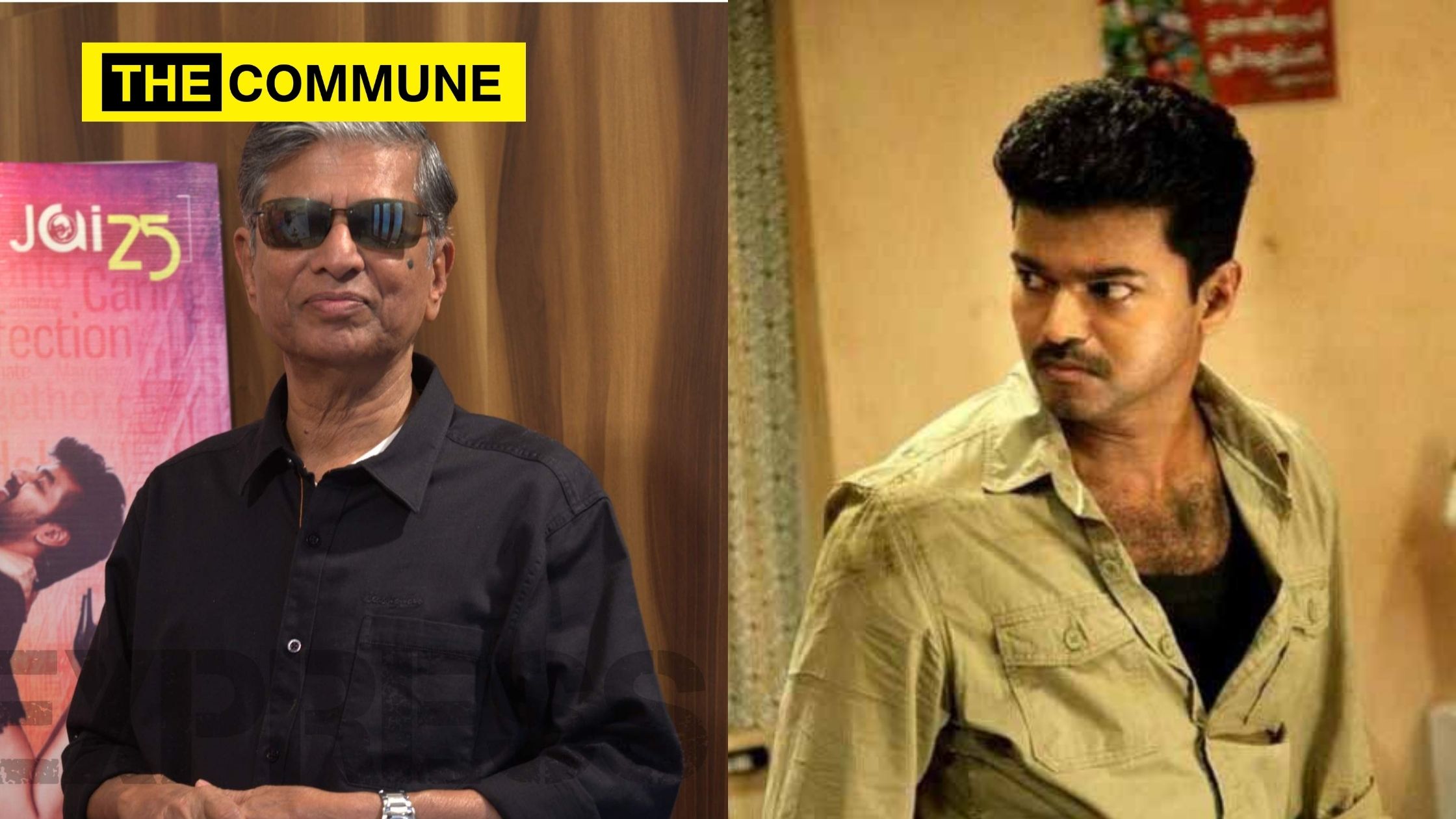
Earlier the Tamil media went into a frenzy after it was reported that Actor Joseph Vijay was entering electoral politics and had registered a political party with the name ‘Agila India Thalapathy Vijay Makkal Iyakkam.
However, the actor’s father has now clarified that it was he who has applied for the registration of a political party with the Election Commission in the name of ‘All India Thalapathy Vijay Makkal Iyakkam’.
He said that it was his own initiative and not Vijay’s political party and remained cryptic about Vijay joining the party. “I can’t comment whether he will enter electoral politics”, he said to the press.
“Many youngsters are doing several good things in Vijay’s name. I want them to have some recognition. Hence the move,” he said.
On the other hand, Vijay has distanced himself from his father’s political venture.
In a press release, the actor stated that he came to know of his father starting a political party through the media.
“I would like to inform my fans that I have no direct or indirect connection to the party started by my father.” adding further that he will not be constrained by the move of his father.
He also urged his followers to not join the party or do party work just because the party has been flouted by his father.
“I would like to let you know that there is no connection between that party, us and our movement.”
He also said that he will take appropriate action against those using his name, image or the name of his social welfare organization “Agila India Thalapathy Vijay Makkal Iyakkam”.
Actor Joseph Vijay has been flexing his political muscle for quite some. He has been resorting to posturing himself akin to former Chief Minister of Tamil Nadu MGR in his movies. He has also been using the stage of his movies’ audio launch to make polticial statements taking a sly dig at the present regime at the State and the Centre.
However, S.A. Chandrasekhar’s move and the following statement from his son indicate that all his not well between Vijay and his family.

DMK member caught lying again, this time about being a DMK member
Karthikeya Sivasenapathy, a habitual liar was once again caught lying through his teeth when it was revealed that he joined the DMK just a few days back.
News channels belonging to the DMK (Sun News and Kalaignar Seithigal) on November 5 announced that the founder and managing trustee of Senaapathy Kangayam Cattle Research Foundation joined the DMK.
However, Karthikeya Sivasenapathy in September of this year claimed to be a DMK member since 1996 in response to a tweet by Tamil Nadu BJP Vice President K. Annamalai.
Although he is known for eulogizing the most corrupt party of Tamil Nadu – the DMK, he had kept his associations with the DMK clandestine for a long time.
But this is not the first time he has been caught lying.
During the Jallikattu protests, in which Tamil Nadu youngsters had barred all political parties from participating, this man like a fox clandestinely entered the scene hiding about his DMK affiliation and hijacked the protest to spread anti-Modi and anti-AIADMK rhetoric when both these parties had nothing to do with the ban of the sport whatsoever. The Jallikattu protest which started as a student led protest against PETA was hijacked by this man for his own popularity. He portrayed himself as the saviour of Jallikattu and has since then become a prominent face gaining some youngsters as followers on social media.
Recently, he posted about the state of Tamil Nadu’s economy on his twitter page which did not have an iota of truth in it. The post was ditto copied from the tweet of Suresh Sambandam, another DMK apologist. The lies peddled by Karthikeya Sivasenapathy was busted by The Commune in this article.