Continuing to expand its product range and make it more attractive, while enabling millions of tribal enterprises access to larger markets, Tribes India has added 46 more new tribal products, mainly in the Forest Fresh and Organic range, into its catalogue this week. TRIFED has added a large number of immunity boosting products, produce in the Forest Fresh and Organics range and tribal arts and handicrafts to its Tribes India range in the last month. All the new products introduced in the past few weeks are available in 125 Tribes India outlets, Tribes India mobile vans and also on online platforms such as the Tribes India E-marketplace (tribesindia.com) and e-tailers.
Speaking on the occasion, Shri Pravir Krishna, Managing Director, TRIFED said, “Tribes India endeavours to impact and transform tribal lives and improve their livelihoods. Go Vocal for Local Go Tribal is the mantra that TRIFED goes by as it works in benefitting tribal communities and improving their livelihoods across the country. Introducing these new products sourced from tribes all over India into the range is yet another step in this direction.
Sourced from different parts of the country, among the products launched today, include healthy tasty cookies in various flavours such as coconut, til, almond, besan and butter, made by Oraon tribes of Jharkhand. 10 products in the organics products range have been sourced from the Malayali tribe in Tamil Nadu. These include organic whole bajra, organic horsegram, organic millet biscuits, organic millet rice varieties, turmeric powder and a herbal soap. From the Khond tribes of Odisha, 5 products have been sourced this week. These include organic agarbattis made from sal resin, organic methi powder pounded by more than 300 tribal women from Odisha, sunthi (dry ginger) powder, dhania powder and panchphutana (tadka / garnish masala). Natural, forest fresh honey direct from the Maria, Mudia and Gond tribes of Chhattisgarh have also been included. This honey is pure and has no added ingredients. Van Tulsi Honey, which has been certified is a highlight of today’s launch. Other products include Desi ghee, turmeric essential oil, and desi rice and sweet potato chips. 6 products were included from the state of Rajasthan. These are essentially herbal products, amla juice, and khajur basket and saunf. From Ahmedabad, 10 Ayurvedic products have been included. These include Amalakki powder, harda powder, rasayan powder, brahmi powder, Ashwagandha powder and Amrutha. All these are immunity boosting, organic produce sourced from various tribes of Gujarat.
Go Vocal for Local Go Tribal is the mantra that TRIFED under Ministry of Tribal Affairs goes by as it works in benefitting the tribal community and their livelihoods across the country. The recently launched Tribes India e-marketplace, India’s largest handicraft and organic products marketplace showcases tribal produce and handicrafts, making them accessible to customers across the country.
Dr. Samir Damare, Principal Scientist and Head Analytical Services Division, at CSIR-NIO, Goa has been selected for the Senior Scientist Award for the year 2020, by the Microbiologists Society, India. The award is presented annually to Microbiologists working in different fields.
Dr. Damare has received this award in recognition of his research in the field of Microbiology ,Extremophiles, Biotechnology & Molecular Biology. The award will be presented during the Annual Meeting of Society.
Microbiologists Society, India was established in March 1996. It has over 30 sub-units all over India and 6 units outside India, and over 70 plus Student Units in different Colleges and Universities across India. The Society has over 528 Life Members.
Dr. Damare has 33 publications in reputed national and international journals. He has successfully guided 3 PhD students and 23 students for Internship, Project Work and Dissertation. At present 4 students are registered for PhD with him at Goa University and AcSIR.
The United Nations (UNCTAD) has declared Invest India- the National Investment Promotion Agency of India- as a winner of the 2020 United Nations Investment Promotion Award. The award ceremony took place on 7th December 2020 at UNCTAD Headquarters in Geneva.
The award recognizes and celebrates the outstanding achievements and best practices of Investment Promotion Agencies (IPAs) across the globe. The evaluation was based on UNCTAD’s assessment of work undertaken by 180 Investment Promotion Agencies.
The COVID-19 pandemic has led to numerous challenges for Investment Promotion Agencies forcing them to shift focus from routine investment promotion and facilitation towards crisis management, notification of government emergency and economic relief measures, provision of crisis support services, and contribution to national COVID-19 business response efforts. All this was being done while agencies had closed offices, moved functions online and asked staff to work from home. In March 2020, UNCTAD constituted a team to monitor the response of IPAs to the pandemic. UNCTAD reported best practices from Investment Promotion Agencies in the IPA Observer publications in April and July 2020. The response of IPAs to the pandemic became the basis for the evaluation of the 2020 United Nations Investment Promotion Award.
UNCTAD highlighted good practices followed by Invest India,such as theBusiness Immunity Platform, Exclusive Investment Forum webinar series, its social media engagement and focus COVID response teams (such as business reconstruction, stakeholder outreach and supplier outreach) created as a response to the pandemic, in its publications. Invest India has also shared long-term strategies and practices being followed for investment promotion, facilitation and retention at UNCTAD’s high-level brainstorming sessions.
This United Nations Investment Promotion Award is the most coveted award for Investment Promotion Agencies. UNCTAD is acentral agency that monitors performance of IPAs and identifies global best practices. Germany, South Korea and Singapore have been some of the past winners of the award.
Mr. Deepak Bagla, MD & CEO, Invest India said, “The award is a testament to the Hon’ble Prime Minister’s vision of making India a preferred investment destination. It bears testimony to his focus on Ease of Living, Ease of Doing Business and creating an Aatmanirbhar Bharat”.
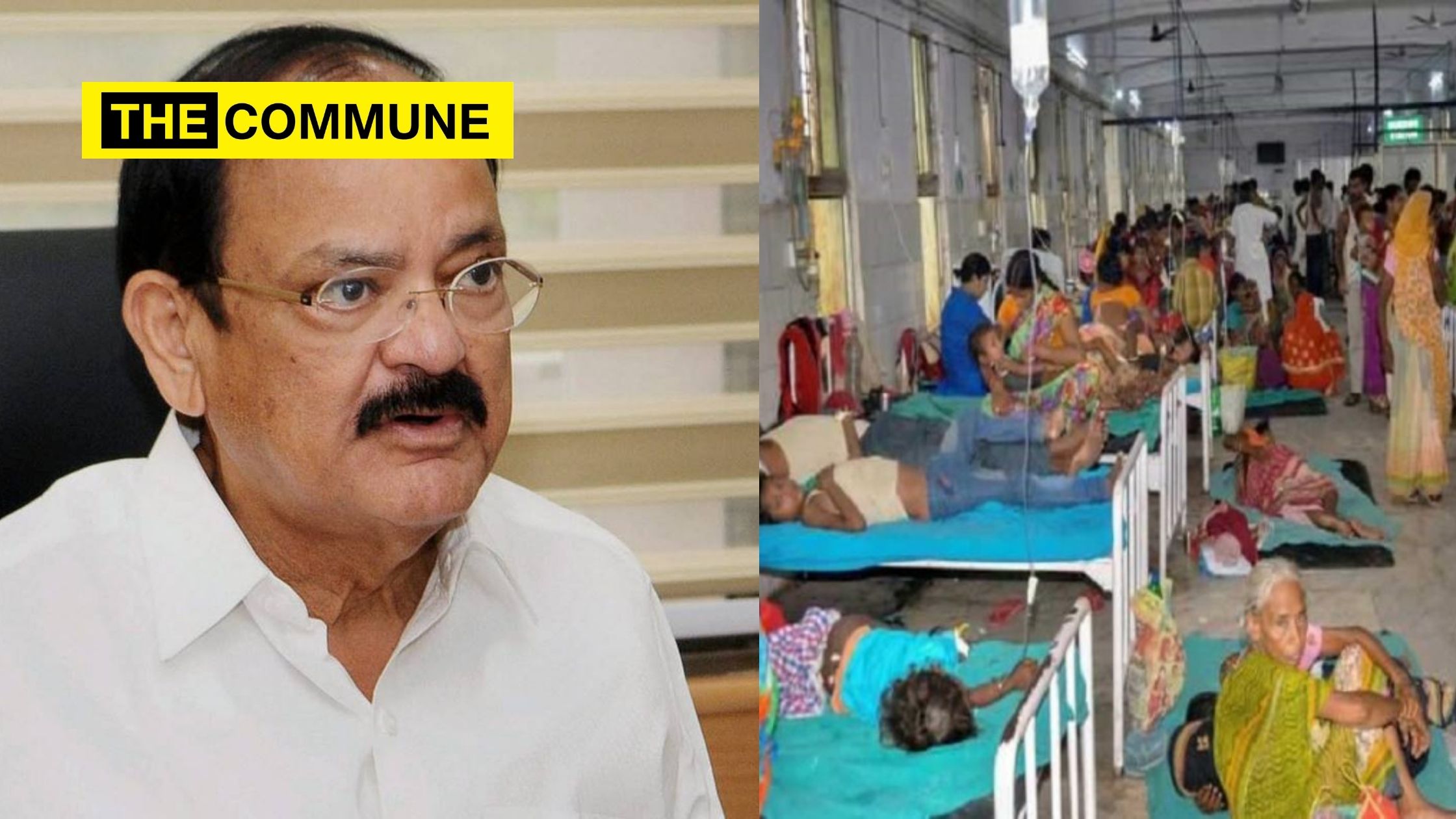
The Centre is rushing a 3-member team of medical experts to Eluru in Andhra Pradesh after Vice President M Venkaiah Naidu today spoke to Union Health Minister Harsh Vardhan after scores of children were hospitalized with an undiagnosed illness in the past few days.
The central team experts who will be visiting are: Dr. Jamshed Nayar, Associate Professor (Emergency Medicine) from AIIMS, Dr. Avinash Deoshtawar, Virologist, NIV PUNE and Dr. Sanket Kulkarni, Dy. Director, PH Expert from NCDC, Delhi
On seeing reports of more than 300 children becoming ill, the Vice President initially spoke to the District Collector for firsthand information. He later spoke to the Director, AIIMS at Mangalagiri and Director, AIIMS Delhi and was informed that blood samples of the children were sent to Delhi.
Subsequently, the Vice President spoke to Minister Harsh Vardhan and asked him to extend all necessary help in diagnosing and providing treatment to the afflicted children. The Minister assured him that all steps would be taken to find out the cause of the illness once the lab reports are received.
The Union Health Minister and the Director of AIIMS assured the Vice President that treatment would be taken up upon diagnosis of the illness on receiving the reports of the blood samples.
The District Collector, Revu Mutyala Raju informed the Vice President that necessary measures were being taken to ascertain the reasons for the illness among the children. He said that a door-to-door survey was being conducted and medical teams from Guntur and Krishna Districts were pressed into service.
The children reportedly suffered from dizziness, fainting spells, headache and vomiting.
The Vice President was also informed that a poison control team from AIIMS had discussed with the Doctors at Eluru regarding the incidence yesterday.
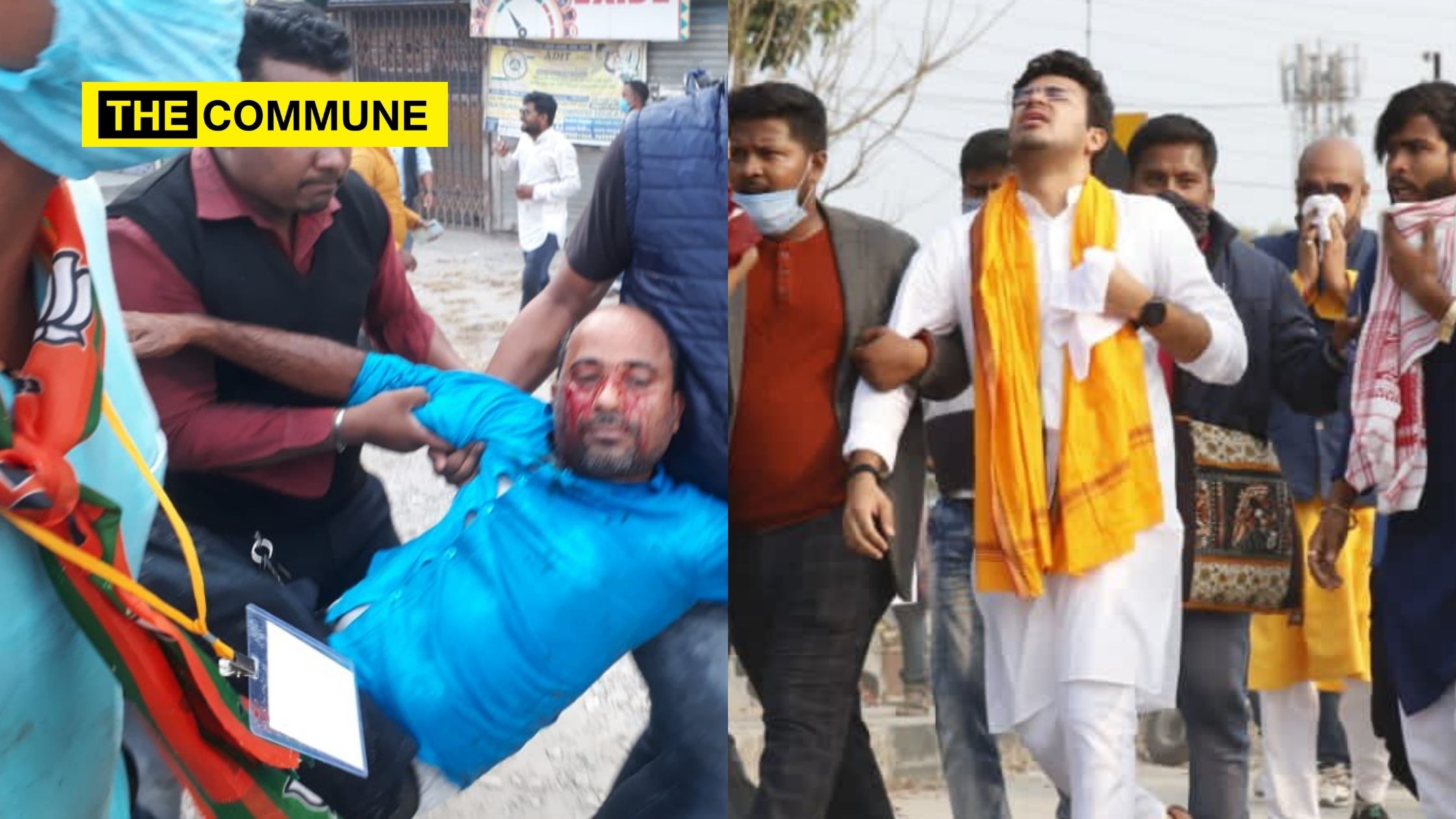
BJP karyakartas protesting against the Mamata Bannerjee led Trinamool Congress government in West Bengal were dealt with a heavy hand with the police unleashing water cannons, tear gas and stones as they moved past the barricades kept at two points near the branch secretariat ‘Uttarkanya’ in Siliguri.
One senior party worker named Ulen Roy (50) of the BJP is said to have succumbed to the splinter injuries caused by country bombs thrown at the crowd.
Dilip Ghosh, President of the BJP’s Bengal unit said that Roy died of injuries sustained during police’s baton charge.
Many BJP activists, including women, fell ill after inhaling tear gas. National President of the Bharatiya Janata Yuva Morcha (BJYM) and Bengaluru South MP Tejasvi Surya was also hurt in the clash.
Taking to social media, Tejasvi Surya said that the land of Swami Vivekananda, Bankim Chandra Chatterjee and Netaji Subash Chandra Bose had turned into a war zone.
Sharing more pictures of the war zone that is WB today.
This was the golden land of Swami Vivekananda, Bankim Chandra, Netaji and countless other patriots.
See what one mercurial dictator has made it today!
The ‘Uttarkanya Abhijan’ called by Bharatiya Janata Yuva Morcha (BJYM), took out two protest marches, against the ruling TMC government for not fulfilling the promises made to the people of north Bengal.
The Pentecostal Christians, an influential evangelical section Christians has decided to field 188 independent candidates in Kottayam district of Kerala in a tactical move to show off their numerical strength.
The evangelical group has decided that it will cover all expenses of the candidates belonging to the Pentecostal group. It is also said to be sponsoring candidates from Aam Aadmi Party (AAP) and the twenty-twenty political outfit based in Kizhakkambalam panchayat.
For decades, evangelical missionaries ran successful conversion program in converting people by offering incentives and are now in a position to use the “Pentecostal Demographic” strength. The Pentecostal group is focusing on Panchayats like Aayarkunnam, Paambaady, and Kottayam Municipality.
According to the Pentecostal group, they don’t expect their candidates will win too many seats, however, they believe they could break votes of established political outfits who will then seek help from them in the upcoming elections.
In many wards and divisions, this particular denomination of Christianity could well decide the winnability of both the Left Democratic Front (LDF) and United Democratic Front (UDF) candidates.
By becoming a kingmaker in the coming elections in Kerala, the Pentecostal group is hoping to get their favourite candidates in local bodies to materialize their agenda of conversion.
The move comes as a reality check to the Hindus in the state who have been losing political relevance due to the power of organized religions of Islam and Christianity.
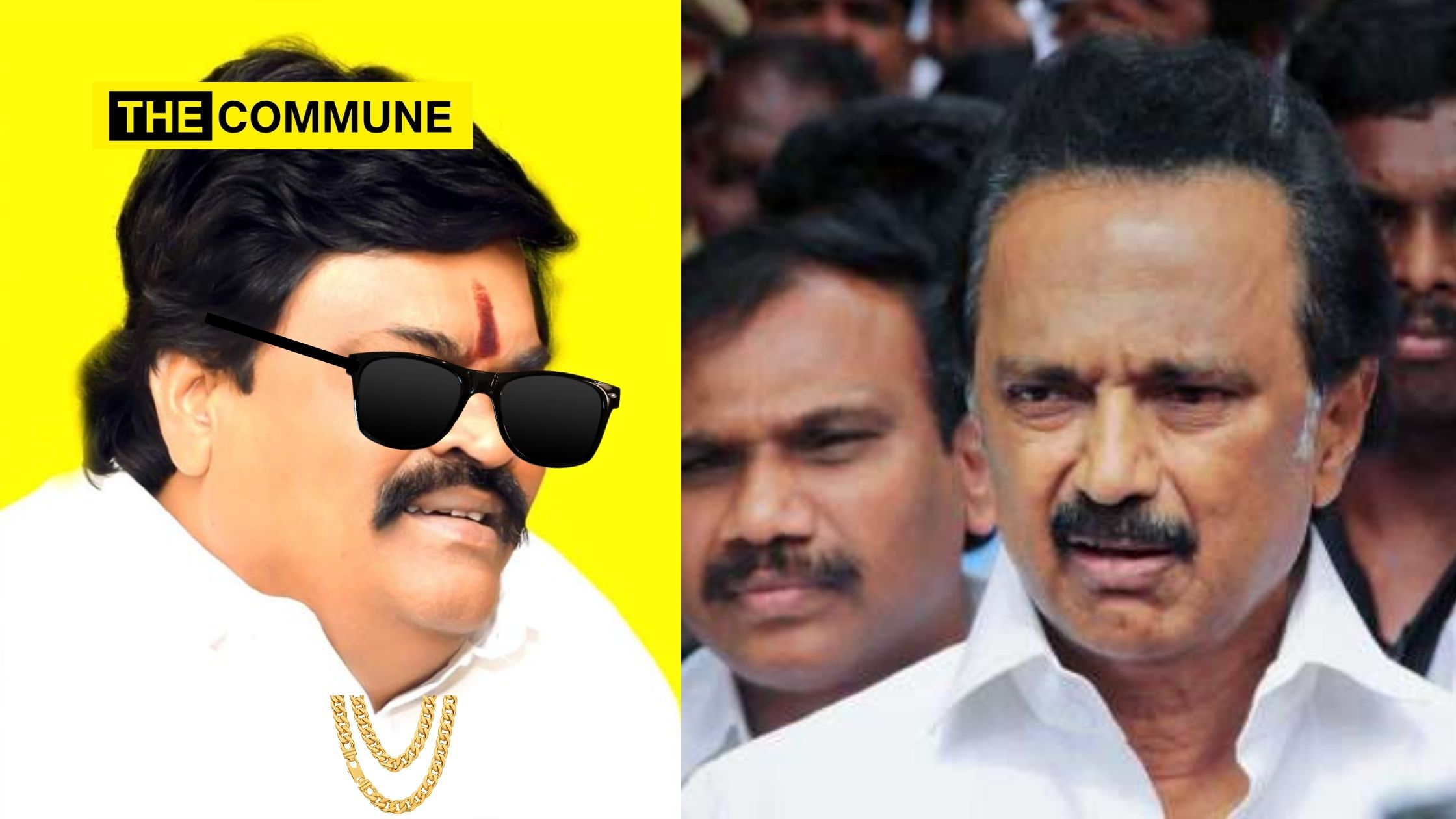
Tamil Nadu Minister for Milk and Dairy Development K.T. Rajenthra Bhalaji lashed out at the DMK and its leaders particularly party chief MK Stalin and DMK’s Deputy General Secretary A. Raja while addressing a press meet on Sunday (December 6).
The Minister’s scathing rebuttal comes in the wake of DMK MP from Nilgiris and 2G spectrum corruption accused A. Raja making unparliamentary remarks on late AIADMK leader J. Jayalalithaa and incumbent Tamil Nadu Chief Minister Edappadi K. Palaniswami.
A. Raja on the occasion of death anniversary of former Chief Minister of Tamil Nadu J. Jayalalithaa (December 5), had made crass and derogatory remarks on the late leader calling her as ‘Aatha’ derogatarily while speaking at a press meet. He had called the her “an unforgivable bandit who abused and murdered the Constitution”
Raja had also used unparliamentary words and called Chief Minister Edappadi K. Palaniswami in singular terms in the last few press meets addressing him. He had said that Mr. Palaniswami became CM by crawling and licking Sasikala’s feet and had said that he does not have any ‘qualities’ to be CM. In one of the press meet, Raja said that CM Palaniswami by commenting on 2G case only spat but also threw feces upon himself.
DMK chief Stalin too had questioned the ‘potency’ of CM Palaniswami while speaking at a rally taken against the farmer empowerment laws.
In light of this, Minister K. T. Rajenthra Bhalaji pulling no punches, lashed out at the DMK and came down heavy on the MK Stalin and A. Raja. He said that he was addressing the press meet to condemn the unparliamentary remarks made by the ‘corruption icon’ and Stalin’s henchman on CM Palaniswami and AIADMK late leader Jayalalithaa.
Here are some of the highlights from his press meet.
1. Regarding 2G corruption
Stalin.. Is he even worthy of being a human? Stalin does not have any merits! All he is looking for is to mock CM Edappadiyaar.
He had gone to Australia to pluck his hair!? He has imported hair and transplanted in his head and has been doing hairdos in these 7 months. What has he done for Tamil Nadu people?
I am asking A. Raja.. What merits do you have to talk about Edappadi Palaniswami? You had come as a labourer and today you are going in a foreign car. You are the kingpin of the corrupt gang. Is it not a fact that ₹1,76,000 crores was swindled by the DMK in the 2G spectrum scam?
Why has Stalin kept A. Raja beside him always? That’s because A. Raja holds all the money that has been swindled! He has only given some amount – ₹300-₹500 crores. He has given ₹200 crores to Stalin. But has been giving excuses like Enforcement Directorate has come, etc to release rest of the money. That is why Stalin has kept him with him.
Why are you calling CM Edappadiyaar for debate? I am coming. Where do you want me to come? Who do you want me to debate with? Stalin or Raja?
Raja was accused and was dragged to court during the Congress regime with whom they were in alliance. You went to jail!
Is A. Raja a honest man? What happened to Sadiq Batcha? You beg for votes from Muslims. Have you answered for Sadiq Batcha’s death? His wife is now stranded in the streets without food. You are not even settling her dues.
You had tortured Sadiq Batcha and drove him to suicide. Anna Nagar Ramesh too committed suicide because of you. You thrive by devastating other people’s families!
If Stalin has any (vekkam, maanam, soodu, soranai)[shame and dignity] left, if A. Raja has any one of these left… It was during the Congress regime when you were in alliance with them that they arrested you and sent you to jail right? They raided your house in Gopalapuram. CBI conducted investigation. Will anyone join hands with the same party who did all this?
2. On Udhayanidhi Stalin
Who the hell is he? K.N. Nehru a senior leader is receiving wishes from him. Thangam Thennarasu is receiving wishes from him. Who is he, Udhayanidhi Stalin? Is he a someone who did hungerstrike like Sankaramlinganar? He is someone who is being brought to the front just because he is the grandson of Kalaignar and son of Stalin! We are not like that. Me, Edappadiyaar, or OPS didn’t come to these positions like him. Nobody in our party came like him. We have all come to this position step by step from the ground!
3. About allegations of Edappadi K. Palaniswami being someone not directly elected as CM
I accept. People had voted for Amma [Jayalalithaa]. People had voted for the AIADMK to make Amma as CM. There is no difference of opinion on that. But after Amma’s death, Edappadi K. Palaniswami was elected by all the MLAs and passed the no-confidence test twice! Nobody can deny that! People reposed faith in Edappadi K. Palaniswami’s government by voting for the AIADMK in Nanguneri and Vikravandi where we campaigned asking for the continuance of good governance of Edappadiyaar and the AIADMK candidates had won with a margin of 40,000 votes. So, Edapaddiyaar is ruling today with people’s wishes and support.
DMK was here [posing the hand at a higher level]. It came down to the level of a frog. After Amma’s death, ADMK was here [posing the hand at a lower level], it has now risen up and is standing like a Jallikattu bull!
4. On Rajini’s political entry being an act of BJP
You people [media] don’t have any job other than talking about the BJP. Is BJP in America? Is it an organization in California? Modi is ruling today by winning the votes of people across the country. Why are you always dragging in BJP? Do you think Rajini can’t think and decide for himself? He has decided after thinking only. Whatever decision he takes, his fans will accept. There will be a crowd waiting coming behind him. Whatever be the case, we are together going to take the case of DMK! We will make them run helter-skelter!
5. ‘Raja-Rani’ jibe
The north Indian’s brain [referring DMK’s political strategist Prashant Kishor of I-PAC] is only working. We know who you are. We will pack you up and send you off. We will bring out the ‘Raja-Rani’ story [referring to DMK A. Raja’s and Thoothukudi MP Kanimozhi]. If you want to talk about us, talk politically, if you talk about Edappadiyaar in singular, not just you.. we will pack all leaders to Delhi who speak ill of Edappadiyaar. Be careful. Mind your words. Talk respectfully. Petiton, request or protest, we don’t care but speak to the CM respectfully.
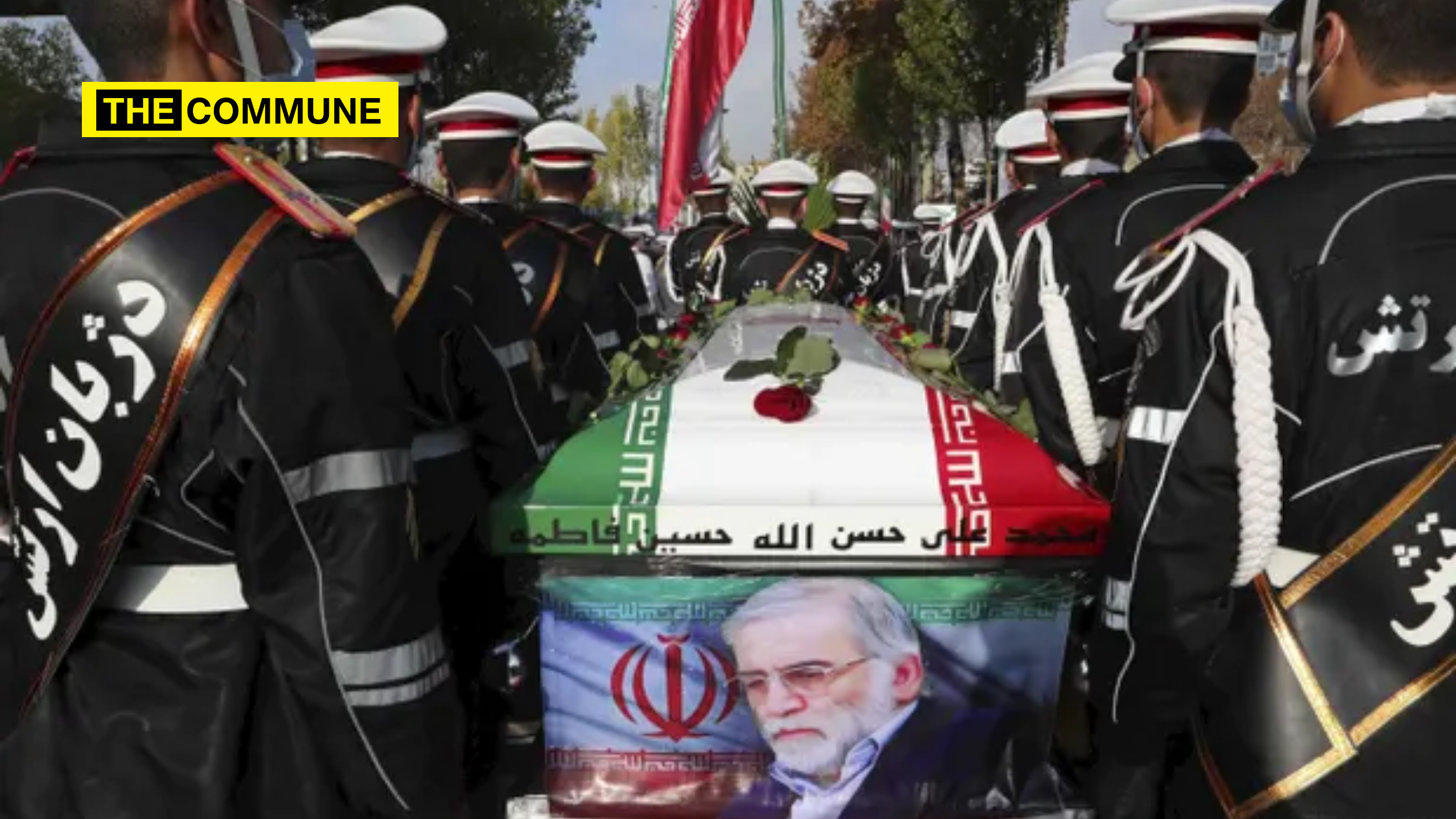
Iran’s Revolutionary Guards told local media on Sunday (December 6) that the assassination of nuclear physicist Mohsen Fakhrizadeh was carried out by a satellite-controlled machine gun with “artificial intelligence”.
Fakhrizadeh was a top nuclear scientist in Iran and was also a was a brigadier general in the Islamic Revolutionary Guard Corps.
Mohsen Fakhrizadeh was killed outside of Iran’s capital Tehran when machine gun “zoomed in” on his face and fired 13 rounds, said rear-admiral Ali Fadavi.
Fadavi told Mehr news agency that the machine gun was mounted on a Nissan pickup and “focused only on martyr Fakhrizadeh’s face in a way that his wife, despite being only 25 centimetres (10 inches) away, was not shot,”.
It was being “controlled online” via a satellite and used an “advanced camera and artificial intelligence” to make the target, he added.
Fadavi said that Fakhrizadeh’s head of security took four bullets “as he threw himself” on the scientist and that there were “no terrorists at the scene”.
Iran has blamed Israel’s Mossad, the secret intelligence agency and the exiled opposition group the People’s Mujahedeen of Iran (MEK) for the assassination.
State-run Press TV had previously said “made in Israel” weapons were found at the scene of the assassination.
This is the second high profile assassination of a senior Iranan leader in recent time after the United States killed Qasem Soleimani the head of Revolutionary Guard Corps.
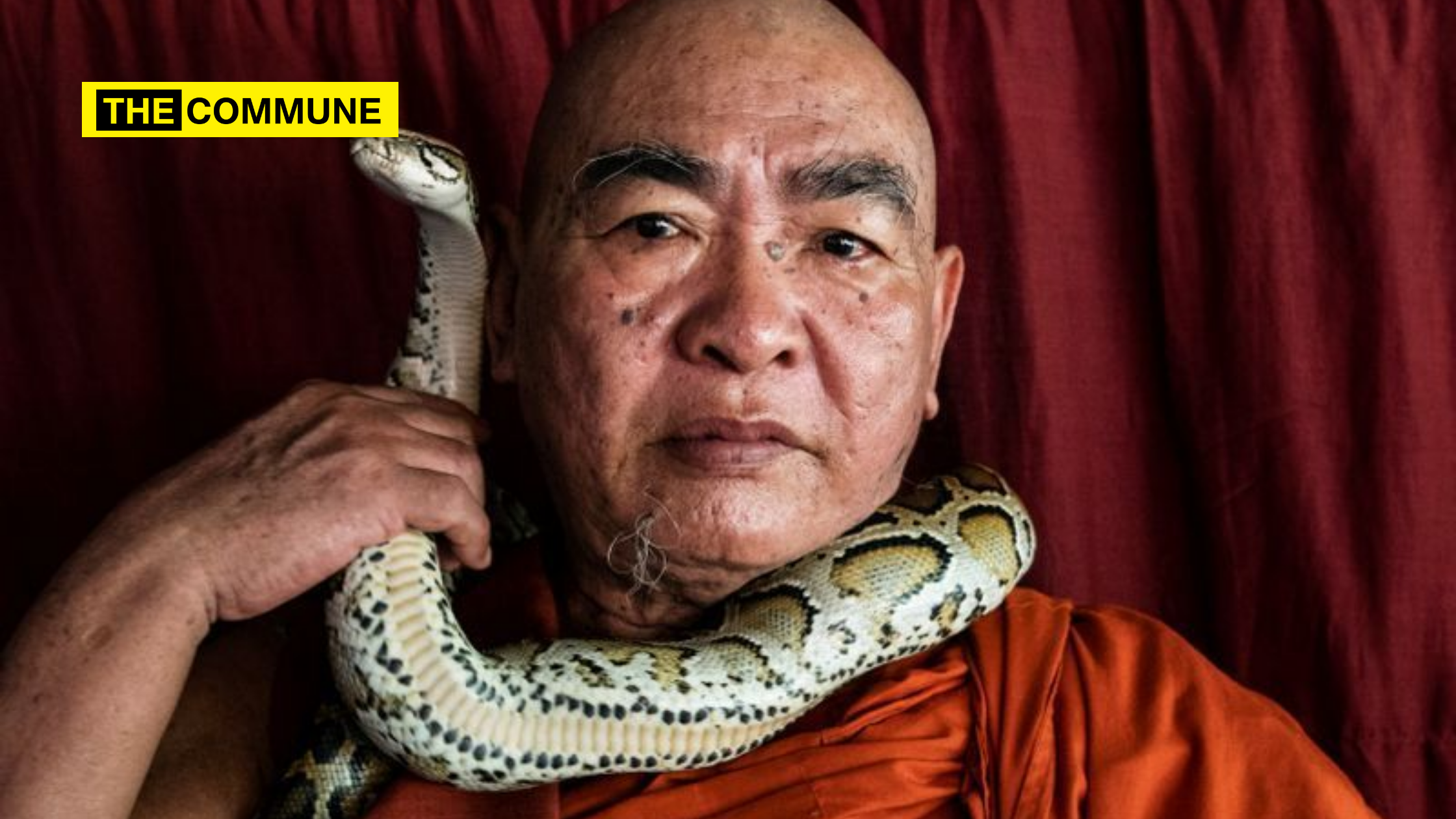
A 69-year-old Buddhist monk named Wilatha has been raising pythons and poisonous cobras and cats at his ashram Seikta Thukha TetOo in Yangon for the past five years. The public, government agencies and firefighters give him the snakes that they catch. Relying on donations of roughly $300 a month needed to feed the snakes, Wilatha only keeps them until he feels they are ready to go back to the wild.
He puts the snakes on his shoulders without any fear of doing so to prevent the killing of snakes and to prevent them from being smuggled into the black market for Chinese traditional remedies.
“Once people catch snakes, they will likely try to find a buyer,” said Wilatha, who also uses his saffron robe to clean the snake, one of the many he looks after and describes the snakes as his children.
“Generally, living in close proximity to people induces stress in snakes,” said Kalyar Platt, a member of the Wildlife Conservation Society, explaining the need to get them back into the forest as soon as possible.
The Southeast Asian country has become a global hub in the illegal wildlife trade with snakes often smuggled to neighbouring countries like China and Thailand, according to conservationists.
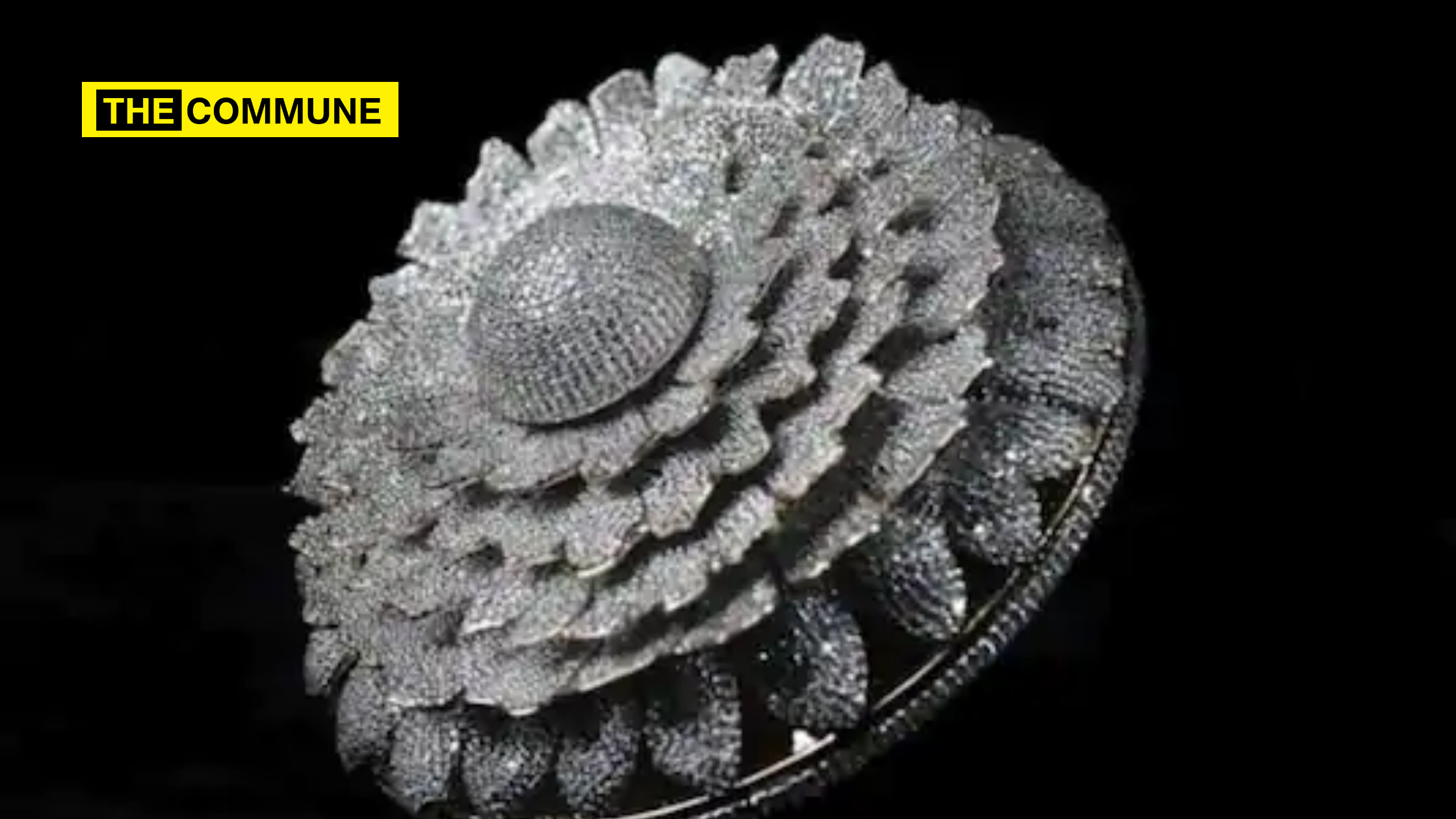
A ring studded with 12,638 small diamonds designed by 25-year-old jewellery designer Harshit Bansal from Meerut in Uttar Pradesh has been featured in the World Guinness Book of Records. The ring, called “The Marigold – The Ring of Prospection” weighs over 165 grams.
“The ring has a comfortable access to wear,” Bansal said while talking about his dream project. He also said that he was not going to sell it and added that the idea of designing the jewellery came up two years ago when he was studying in Surat. “My goal is to design 10,000 diamonds. This form has been brought in to pass and pass through over the years,” Bansal said.
His alumnus’ statement on the ring said that every small petal in the eight-layered flower-like ring is unique. Bansal said many customers approached to buy the ring. But “we are not in the mood to sell it right now,” he said, “it’s invaluable. And it’s a matter of pride for us,” he said.
The previous Guinness record slot spawns from Hyderabad. The ring that was in the record was 7,801 diamonds. Kotti Srikanth, from The Diamond Store by Chandubhai in Hyderabad, curated a ring which he named ‘The Divine — 7801 Brahma Vajra Kamalam’. According to a report by Economic Times, the ring contains 7801 natural diamonds and that got him the world record.