A Japanese store has introduced a robot called Robovie, to ensure that customers follow social distancing norms and other COVID19 guidelines like contact-less interactions.
Robovie, developed by the Advanced Telecommunications Research Institute International in Kyoto, has been running a trial run which began last week at the club shop of Cerezo Osaka, a professional football team, and will run until the end of the month. The developers of this robot have pre-programmed it with a lot of information about the layout of the shop as well as visual and motion sensors which can detect the movement of customers. It is said to detect those who are not wearing and will play a pre-recorded message politely instructing them to wear it.
The robot is now being put to test and its presence across the country will be scaled up by end of November.
The country is preparing to battle the third wave of Wuhan virus infections. The country has confirmed 119,420 cases and 1,908 deaths since the start of the pandemic, according to public broadcaster NHK. The northernmost main island of Hokkaido, a popular tourist destination, has reported more than 200 cases for four days in a row, including a cluster of more than a dozen on the nearby island of Rishiri that local people are blaming on visitors and tourists.
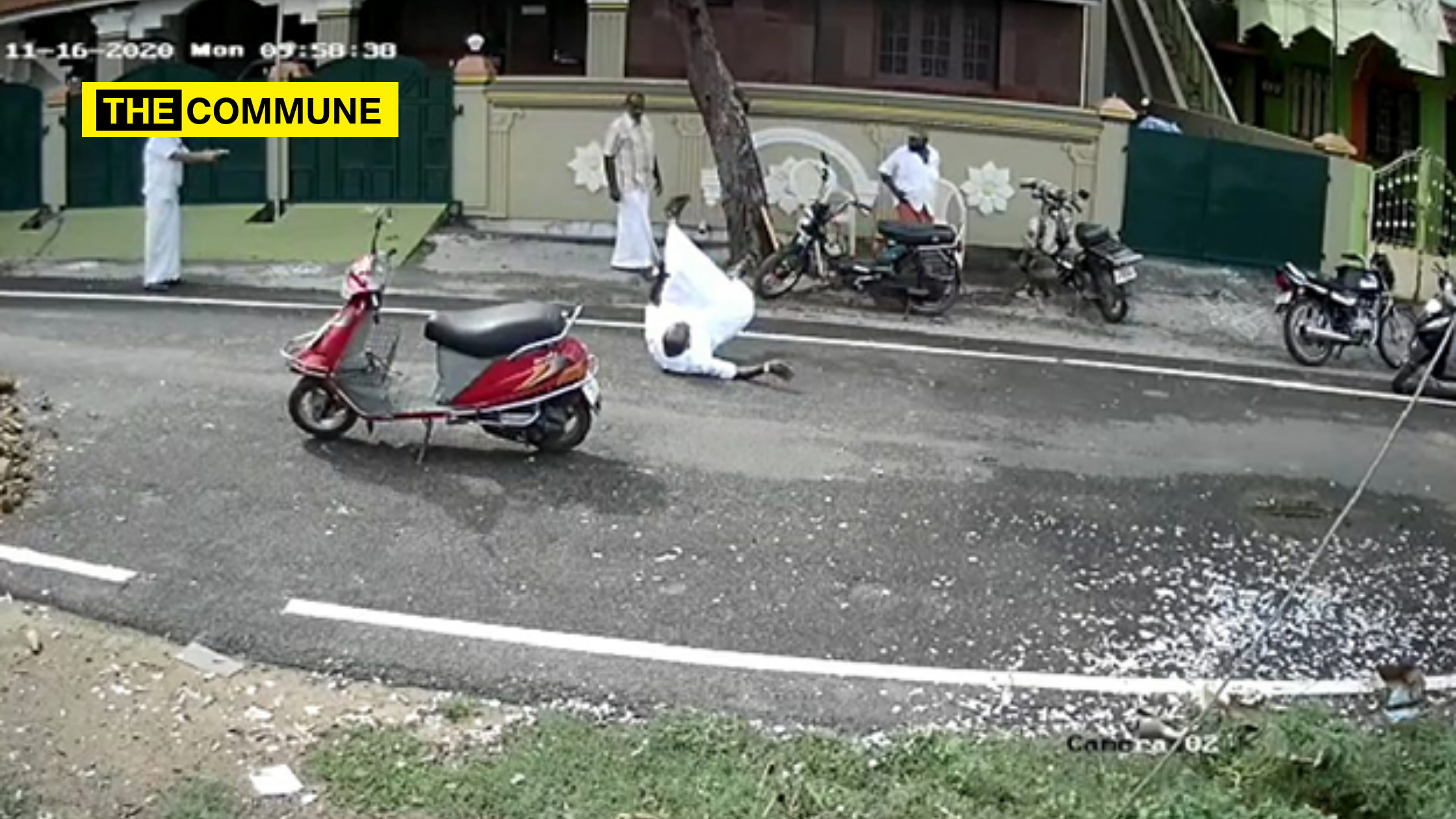
Two persons were injured on Monday morning when a cinema hall owner in Pazhani opened fire at person over a land dispute.
Ilangovan hails from Akkaraipatti village near Palani in Dindigul district. He owns 12 cents of vacant space on Upper Street in Palani. Natarajan, a businessman owning a cinema hall lives near this place.
Natarajan and Ilangovan had been engaged in a land dispute for quite some time. When the case went for a hearing in the court, the verdict was issued in favour of Ilangovan. In this context, Natarajan had argued that Ilangovan should not have entered his land when he went to erect a fence around his property. Upon seeing this, Ilangovan’s cousins Palanisamy and Subramanian got into an argument with Natarajan.
Natarajan had then become enraged and took a hidden pistol and fired at them. Subramanian was shot in the abdomen and Palanichamy in the waist. Ilangovan took the injured to the Palani Government Hospital and informed the police. The police led by Palani DSP Siva rushed to the spot and arrested Natarajan. It was revealed that the handgun in Natarajan’s possession belonged to him and that the gun was licensed.
Following this, Subramanian has been admitted to Madurai Government Hospital for further treatment. Subramanian, who was admitted in a life-threatening condition, is currently undergoing surgery to remove the bullet from his body. Doctors said they would be able to provide complete information about his condition only after the operation. Palani Nagar police have registered a case against Natarajan who was sent to judicial remand after producing him in Nilakkottai court.
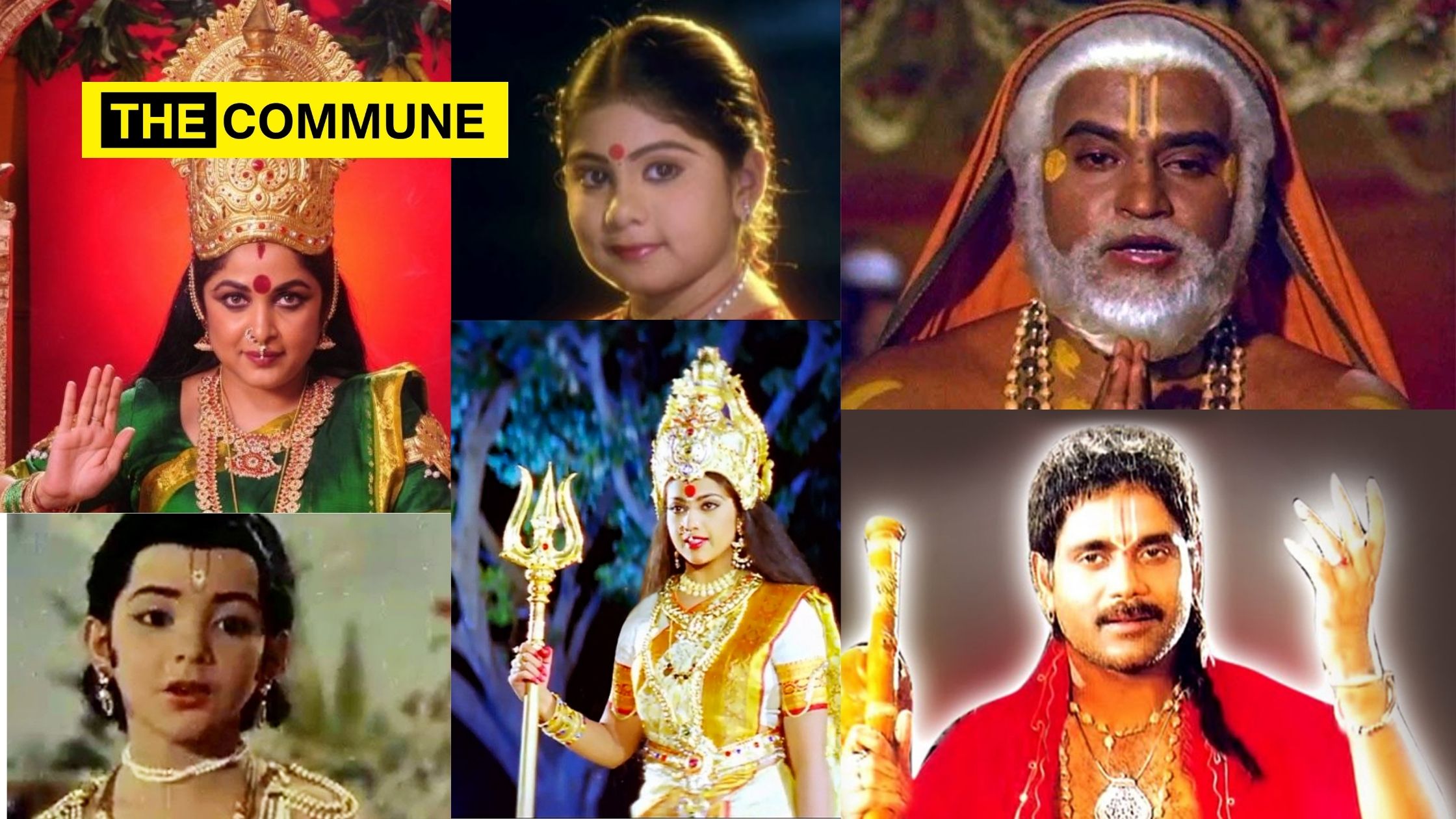
There was a time when Tamil cinema churned out great devotional content that took Hindu mythology and stories to the masses. It was instrumental in putting a face to our favourite gods. Even today, it is hard for any Tamil person to not place Sivaji Ganesan’s face for Lord Sivan. Gone are those days when we had movies like Thiruvilayadal, Saraswathi Sabadham, Kandhan Karunai, Thiruvarutchelvar, etc.
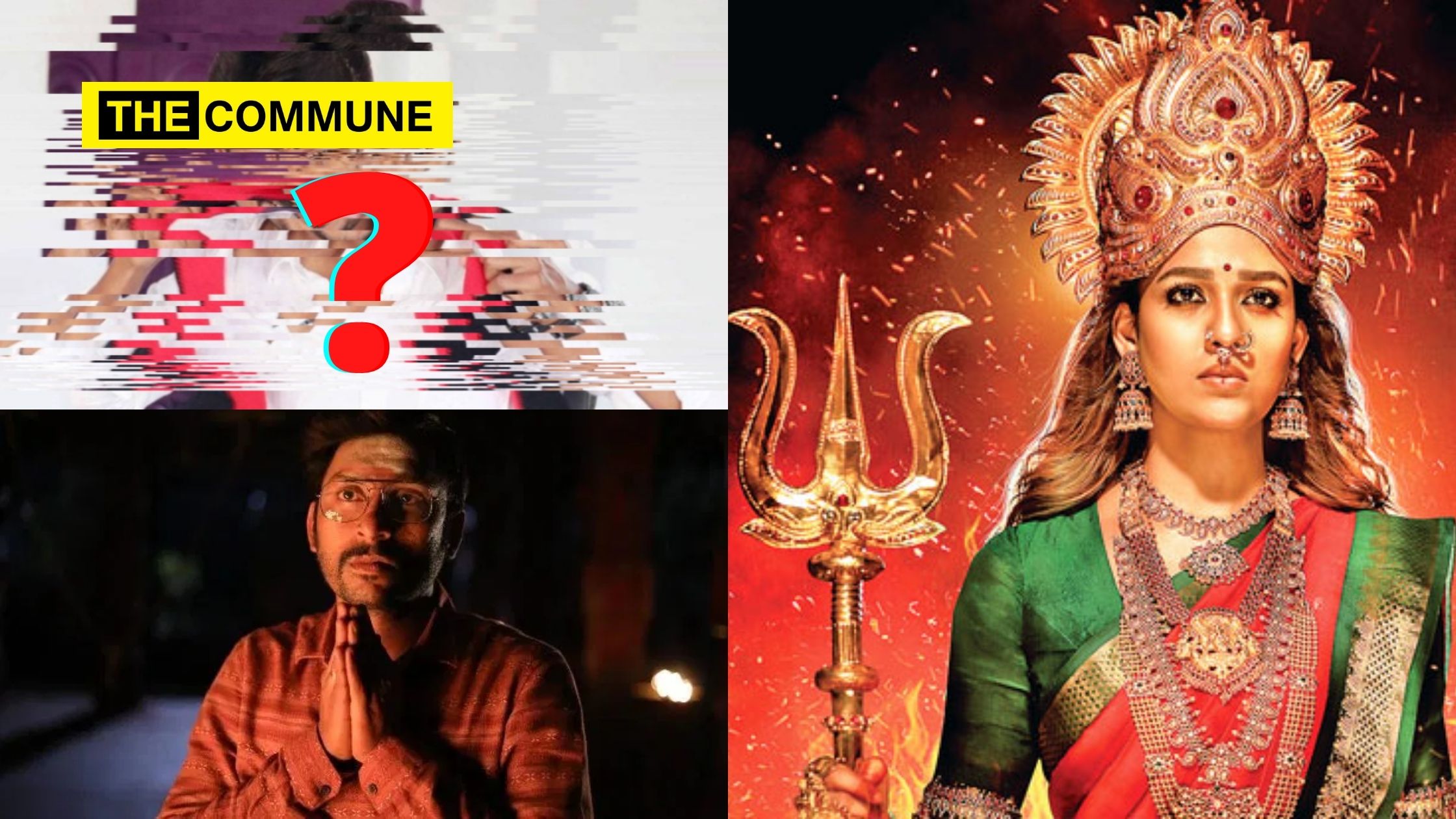
With Mookuthi Amman receicing lukewarm response from the audience, we revisit how Amman movies (or devotional movies as a whole) created a niche for themselves and how they were celebrated back in those days. We also take a look at a few of the best and notable movies in this category/genre.
We do not know how an Amman movie would be received by today’s generation, but we doubt they would never watch them with the same bhaya bhakthi (fear) with which we had watched them in our childhood. It instilled an unexplained fear in us every time Amman (1995) movie was aired on television and how insanely terrorizing was the word Janda by an even more terrorizing anti-God villain. It probably is still scary for a few even now.
We have always wondered and been amazed by the creativity of these Amman movies and how they structure them with some fun moments along with the usual Amman moments. One such movie was the Annai Kaalikambal (2003) where we had the ever stylish Baasha (the elephant) who was a theevira Rajini fan. There is a cute scene involving Baasha trying out the Rajini cigarette action with a cooking log (creatively funny). Also, this was that movie that made a fashion out of an elephant wearing a shirt and a pant, and coolers, and there was even a whole song dedicated to Baasha.
There is this one other movie that was even more creatively cuter, Little John (2001). The movie had a foreign actor (Bentley Mitchum) playing the protagonist, helped by Swamiji (played by AnupamKher). What surprised us all was that the concept of the little John being the only person to climb down the snake’s pit to fetch the nose ring of the Goddess and put it back in its place so that she would regain her power back just before the peak solar eclipse.
We all talk about transformation sequences these days in movies, but how feared we were during the Amman transformation sequences, which had some terrific CGI works. The best one was the Amman movie climax sequence where Soundarya’s blood splashes on the pottu of the Goddess, and that leads it to transform the idol into the Goddess herself. And, who could ever forget that raja thandavam of Ramya Krishnan as the Goddess, an insanely terrific performance that was.
This may all seem to be very weird and funny premises and setups today with movies moving towards “Hollywood” style, but remember, there was a point in our lives where we believed that actresses Ramya Krishnan, Roja and Meena were the real Goddesses, and how Rami Reddy – the Janda guy – was indeed a master of Black Magic. And, we also truly believed that Solar and Lunar eclipses capsulate the power of Amman and how the anti-God people would exploit such times to release their worst demons to wreck havoc. In a funnier sense, these movies created a sense of fear during Eclipses that even our parents and grandparents were not able to create in us.
If we look beyond the Amman movies, there were a lot of devotional movies as well that were heavily received by the audience those days. To name a few, we had the most famous movie Bhaktha Prahaladha (1967). This was probably the most successful movie ever made, and it is a favourite for a lot of people even now, with memorable performances of Prahaladha and Lord Narasimha characters.
There is Sri Raghavendrar (1995), which happened to be the 100th film of Rajinikanth, was celebrated widely for the calmness displayed by the actor for his character, and for the tense moments of Appanacharya (played brilliantly by Delhi Ganesh) rushing to catch a glimpse of his Guru before the mahasamadhi.
And then there is another very famous Nagarjuna movie, Annamayya (1995). It was said that out of utter devotion, people did not even wear footwear to theatres to watch the movie. Such was the effect the movie had on people, and it was claimed to be like a temple inside the movie theatres.
On the financial front, these films were a huge success during its times. It created a huge market and there were even seasons marked for release (say Aadi, Navaratri, etc). People received them with both hands together, worshipping the Gods on screen. If my memory serves right, for the Amman movie, originally made as Ammoru in Telugu, people prayed and some even showed harathi to the Goddess inside the theatre during that final transformation sequence.
We sometimes wonder how such movies would be received in these modern times, not a re-release, but a fresh movie altogether. It is hard to imagine, but it is indeed possible to present such movies to the current set of “impatient” audience. With a different format of storytelling and latest filmmaking techniques, we could actually give such movies a chance of revamping themselves. Film makers can sketch Amman, Sivan or Murugan as modern day superheroes out to save the world from today’s problems of climate change, biowars, nuclear war, etc.
Though Mookuthi Amman resorts to unwarranted virtue signalling, let us hope that it sets of a series of mythological/devotional movies so that the present generation too can experience the bhaya bhakthi moments with a dash of modern ideas and concepts.
The Nayanthara starrer Mookutthi Amman was released on Deebavali (November 14) on Disney-Hotstar OTT platform. The film had garnered some expectations following the release of its trailer which had scenes and dialogues targeting the Abrahmic religions. The trailer also had dialogues like “Naan nonbu kanji kudipen, punidha appathai pusipen, aanal oru podhum Aadi madham ootrum koozhai kudikave maaten” (I will drink the Ramzan porridge, relish the bread [offered at Christian communions] but will never drink the porridge prepared during Aadi month [for Hindu Goddess Amman]), an apparent dig at the brand of secularism practiced by the DK, DMK and VCK parties.
Just a day before its release, a sneak peek from the movie was released in social media by RJ Balaji. The scene showed the ‘jeba koottam’ (prayer meeting) shenanigans of Christian missionaries where Mano Bala playing a pastor indulges in ‘healing’ through CDs.
However, this scene did not find its place in the movie.
The film crew had deleted that scene from the movie the night before its release. Insiders aware of the issue note that Christian organizations had taken objections to the said scene and had approached an ‘actor cum dynast politician’ to remove the scene from the movie. The ‘actor cum dynast politician’ is later said to have contacted the directors of the film RJ Balaji and NJ Saravanan, actress Nayanthara and producer of the film Ishari K. Ganesh and threatened them to remove the scene from the movie.
Following this, the film crew had taken off the scene from the movie while the sneak peak mocking the Christian missionaries is still available on RJ Balaji’s timeline.
மூக்குத்தி அம்மனின் தரிசனம் நாளை காலை முதல் @DisneyplusHSVIP யில்..!!! ❤️❤️❤️ Here’s an exclusive sneak peek 2 from #MookuthiAmman !!! 🎁🎁🎁
Film Distributor, producer and actor JSK Gopi said “Many people are venting their anger against RJ Balaji for removing the scene from the film. As for me, I appreciate the courage of RJ Balaji who has filmed such a scene and left it as a teaser knowing that it would not make it to the final film”.
முக்குத்தி அம்மன் படத்தில் இந்த காட்சி நீக்கப்பட்டு விட்டதால் நிறைய பேர் RJபாலாஜி யை திட்டி வருகிறார்கள்.
என்னை பொறுத்தவரை இப்படி ஒரு காட்சியை படமாக்கி படத்தில் வராது என்று தெரிந்தும் அதை டீசராக விட்ட RJ பாலாஜியின் துணிச்சலை பாராட்டுகிறேன். pic.twitter.com/1tFXBqKx85
A 22 year old woman has filed a petition in the Madurai Bench of the Madras High Court alleging that a man named Darwin is threatening her to live with him based on a fake marriage certificate issued by the District Registrar and Sub-Registrar of Thoohthukudi by taking the help of a Christian priest named Franklin.
The woman had come to know of Darwin when she was in class 12. She is now studying engineering at a private college in Coimbatore. She stated in her petition that Darwin is threatening her to live with him by using a marriage certificate that stated that she and Darwin were married. Through an RTI filed it was revealed that Darwin had got a marriage certificate issued by registering at the Keezhur Sub-Registrar office using fake documents stating that he had got married to the woman on August 8, 2017 at the Lourduammal Church in Thoothukudi.
Darwin had taken the help of a Christian priest named Franklin to get the fake documents ready. Upon inquiry in the Church it was found that no such marriage had taken place on the said date.
The woman has also stated in her petition that she was not even in town on that day as she had gone to Coimbatore give her exams, for which her online admit card stands as proof.
Darwin is said to be harassing her from January of this year using the fake marriage certificate he had got.
She has asked the High Court to issue directions to cancel the marriage certificate given and take action against the accused.
The Madurai Bench of the Madras High Court has directed the Thoothukudi District Registrar, Sub-Registrar of Keezhur, Darwin and the Christian priest Franklin to respond to the issue by November 30.
In the recently concluded Bihar Assembly elections, the Rashtriya Janata Dal (RJD) which was in coalition with the Congress party contested in 142 constituencies and won in 75. However the Congress, which contested in 70 constituencies, won only 19 seats. The RJD has been unable to form the government as the Congress has not won even 25% of the seats it contested.
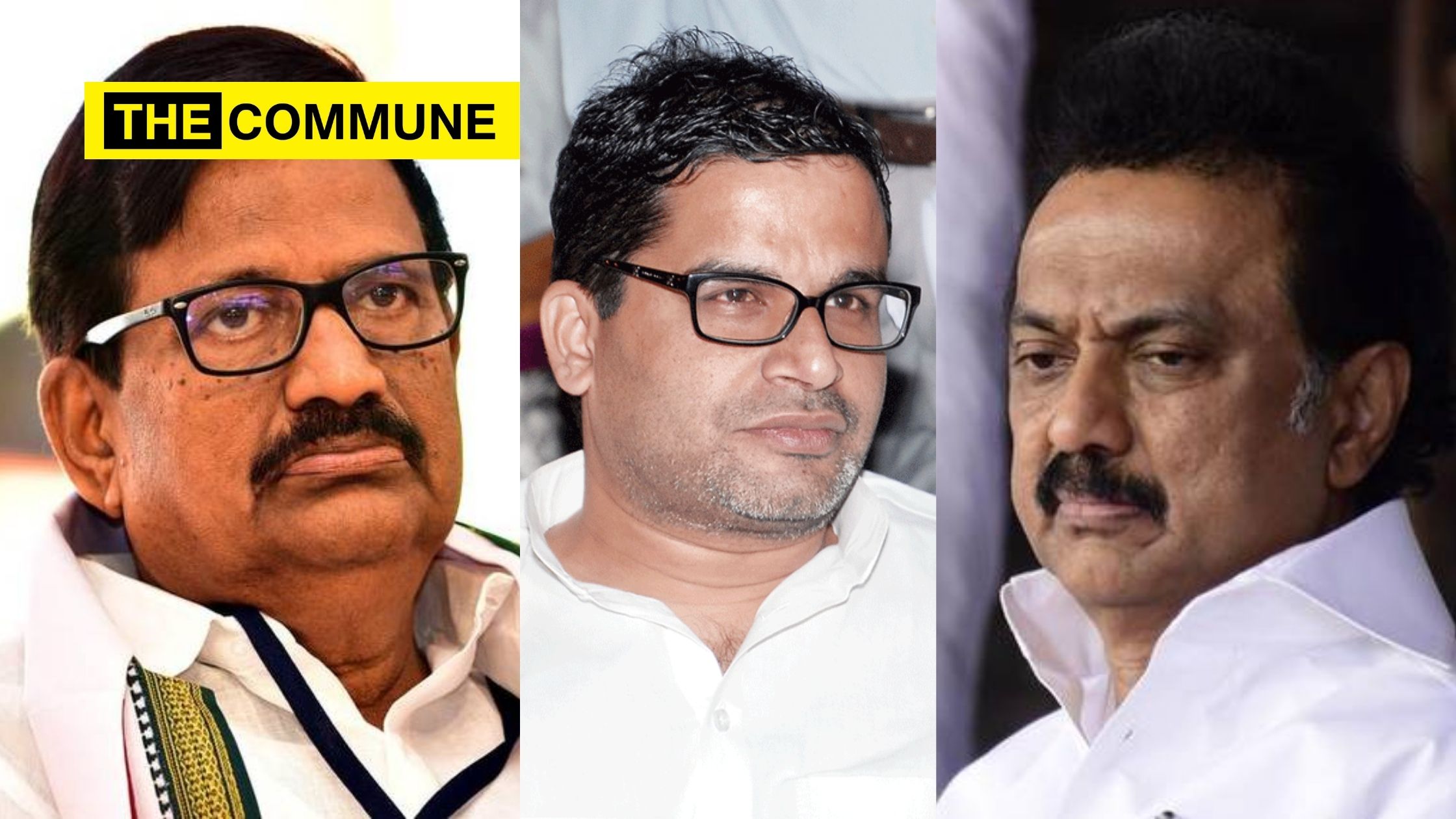
With this inglorious performance put up by Congress in the Bihar Assembly polls and in the by-elections held in various parts of the country, it has got its alliance partner in Tamil Nadu worrying. The DMK leadership is now fearing that it might have to carry a dead weight and a similar situation like that of Bihar could turn up in the 2021 assembly elections in Tamil Nadu if the Congress ends up bargaining more seats.
In the 2016 assembly elections, the DMK contested 173 and won in 89, capturing more than 50% of the seats. The Congress party which contested in 41 constituencies and won just 8 seats managing a poor strike rate. Back then, it was said that the main reason for the defeat of the Congress was the factionalism that existed between the leaders.
Talks have been going around in Congress circles that they plan to get 40 seats for the forthcoming assembly elections. But after looking at the results of Bihar elections, DMK’s political strategist from Bihar, Prashant Kishor and his I-PAC team is said to have asked the DMK to put only 20 seats on the table as offer to the Congress. A few party insiders are of the opinion that the DMK will not hesitate to severe alliance if the Congress demands more seats.
This is has apparently upset the Congress party in Tamil Nadu.
As Hindus across the world celebrate Deebavali today, world leaders including UK Prime Minister Boris Johnson, Canadian Prime Minister Justin Trudeau, and even Pakistan Prime Minister Imran Khan have sent their pleasantries for Deebavali.
But then we have leaders from our own native land belonging to a party that subscribes to the ideals of so called ‘rationalism’ who haven’t even for courtesy sake have sent their wishes for Deebavali.
While one may or may not believe in the ancient epics and history associated with these festivals, it is expected that those who enter public life atleast respect public sentiments and wish them for the festival that is celebrated with great pomp and show.
However, the DMK which views the Hindu people as its lifelong enemy is reluctant to even utter a word wishing them on their festival but leaves no chance to spew hatred against the Hindus.
Their ‘rationalism’ baffles everybody because it is only targeted at the Hindus. The DMK and all its leaders never hesitate to extend Ramzan wishes and shy away from participating in iftar. They will be sending wishes next month for Christmas. They will not extend Deebavali greetings but come election season, they will come begging for votes knocking on the doors of Hindus.
Many must have become tired of this rant about the DMK not wishing for Hindu festivals. But if DMK has the audacity to treat Hindus as second class citizens and yet get away with it, one should should not shy away from calling out its attack on Hindus. If the DMK has not got tired of plundering the people of Tamil Nadu and earning wealth that will suffice generations of different families of Karunanidhi, so should no Hindu get tired of calling out the party for their anti-Hindu tirade.
It is not that Hindus are longing for a wish from MK Stalin. No Hindu is going to have the auspicious oil bath after hearing Stalin’s golden words. No self-respecting Hindu (not the Hindus present in DMK) gives a rat’s foot about his wishes.
But it is because the DMK claims itself to be a party comprising of 90% Hindus that this needs to be told again and again so that if at least an ounce of self-respect is left amongst the Hindus present in DMK, they can realize how they and their community are being taken for a ride.
If not to the larger Hindu community, the DMK leaders at least for the sake of the 90% Hindus present in the party could extend their wishes. But, that would be too much to expect from a party that spews only venom against the Hindus.
A time will come for all this when the silent majority will shun the party and make it kneel down.
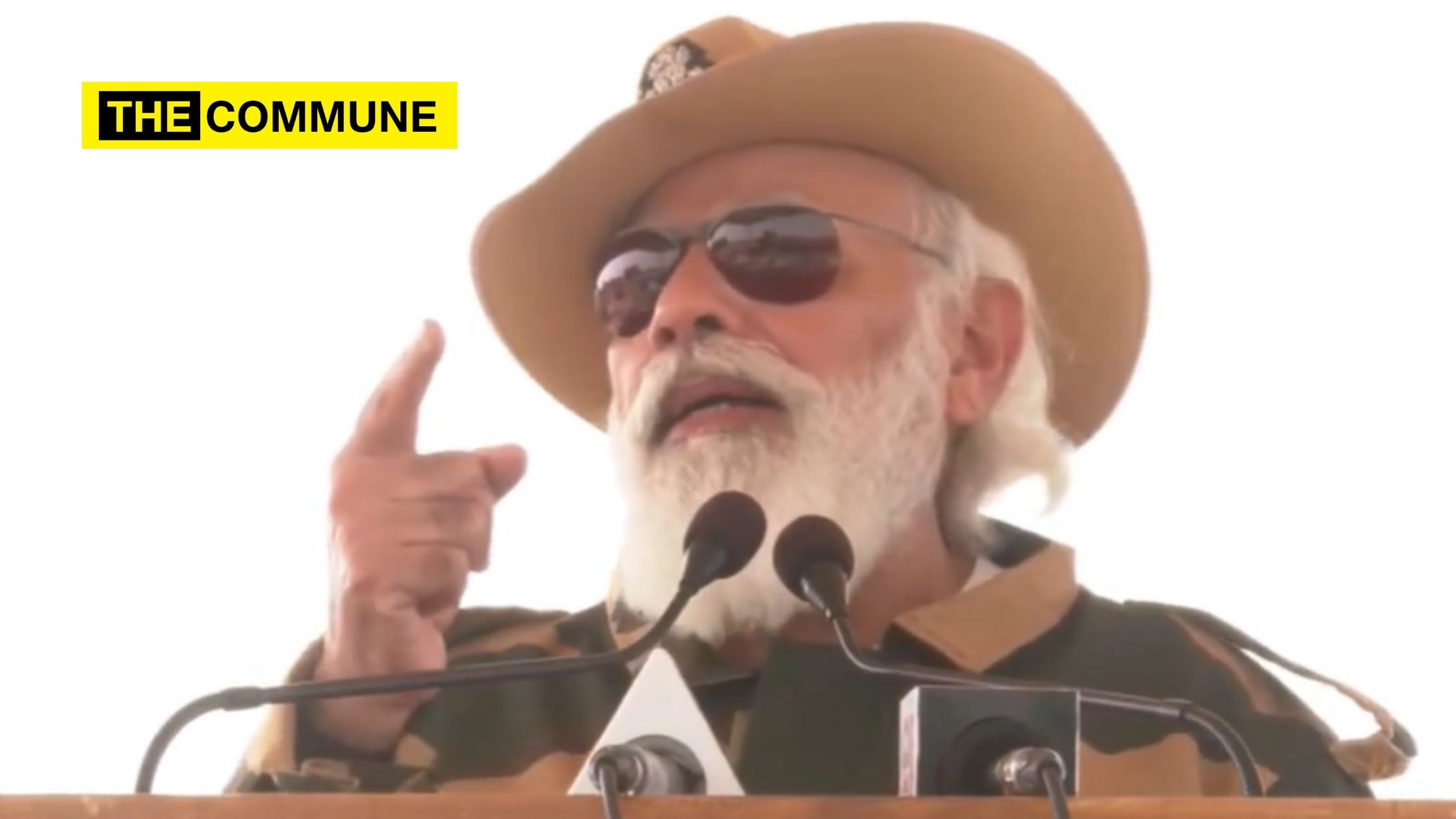
Prime Minister Narendra Modi continuing his tradition of being with the armed forces on the day of Deebavali, met and interacted with the soldiers at Longewala border in Jaisalmer, Rajasthan.
Addressing the soldiers, PM Modi said that India is working rapidly to increase its defence capability and make its defence sector Atmanirbhar.
In a veiled attack on China, Prime Minister Modi said that the entire world was troubled by expansionist forces.
“Today the whole world is troubled by expansionist forces. Expansionism is, in a way, a mental disorder and reflects 18th-century thinking. India is also becoming a strong voice against this thinking,” PM Modi said while addressing the Jawans.
He said that India is becoming a strong voice against this thinking. He added that the world now understands that this nation won’t compromise with its interests, not at any cost. “This repute and stature of India are all due to your strength and valour. India is clearly presenting its opinions on international fora today because you’ve secured the nation,” PM Modi said.
Prime Minister Modi has been celebrating Deebavali every year with soldiers ever since he assumed office in 2014.
“In 2014, I celebrated Diwali at Siachen. Many people were surprised. But you know me, I am always with my own people during festivals. And I have continued with that tradition even this year,” the Prime Minister said.
“Be it the peaks of the Himalayas, the stretch of desert, dense forests or the depths of seas – your valour has always triumphed in every challenge,” said PM.
“My Diwali is complete only when I come amid you. My happiness doubles when I look at the joy on your faces,” he added.
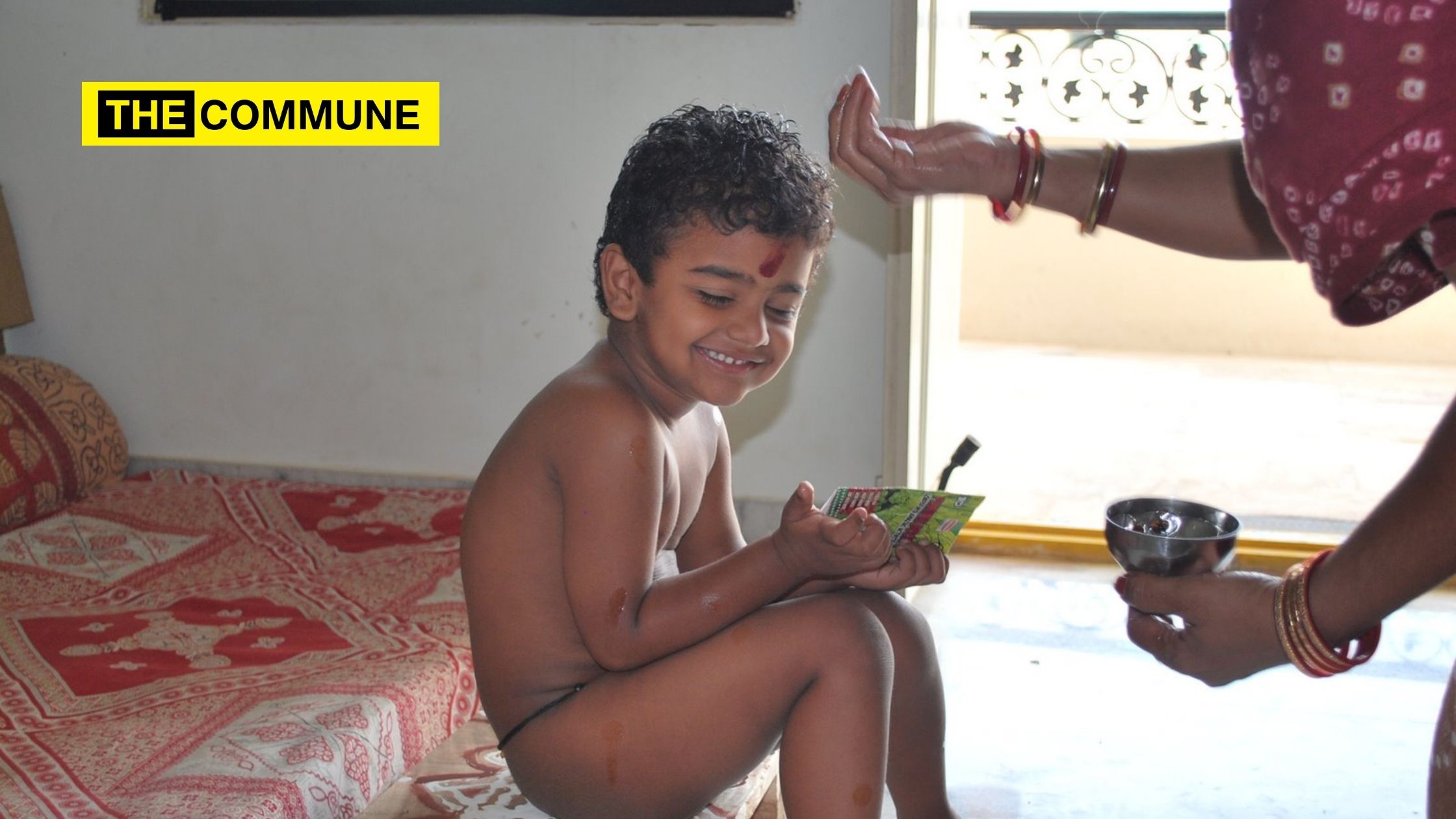
Deebavali in the southern part of the state especially in Tamil Nadu begins with an oil bath before sunrise.
The oil is heated with turmeric, betel leaves, pepper, and carom seeds. It is offered to Goddess Lakshmi (neivedhyam) and the eldest lady of the household puts gingelly oil and massages on the heads of all family members. Then shikakai (a mix of powdered herbs) is used to wash off the oil. This bath on Deebavali day is termed holy because it is considered as sacred as bathing in the river Ganga.
They then wear new clothes, pray, burst firecrackers, enjoy the sweets and savouries prepared, call up friends and relatives to exchange greetings and settle down to watch ‘pattimandram’ helmed by Solomon Papaiyya on Sun TV.
But what is the significance of taking an oil bath on the day of Deebavali? The answer to this is in the Charaka Samhita, the treatise on Ayurveda.
Symbolically oil bath means a new start by eliminating all evil within and outside the body. It is also said that goddess Mahalakshmi is said to be present in sesame plant, thereby making sesame auspicious.
With respect to health and well-being, sesame oil is considered as a body coolant that reduces heat from the body. It is also said to increase blood circulation. Not only does it moisturize the body, but also enables removal of environmental pollutants and toxins from the skin apart from removing dead cells.
Before the oil is applied on the head and body, the feet of all in the family, especially the newly wed couples, are coated with a paste made of turmeric and limestone powder, locally called Chunnambu / Chuna.
When mixed using water, the limestone causes the turmeric to turn red in colour. Lines are drawn around the soles of the feet and ankle with this red paste which then leave behind a coloured pattern on the feet even after washing away.
This is called Nalangu and is associated with auspicious events. Nalam means good, well being. Nalangu is one of the first ritual in the series of wedding rituals, where the paste is applied individually to the bride and the groom in their respective homes and they are made to undergo the ritual oil bath before their wedding day.
But one will be amazed to learn as to why this practice of Nalangu was instituted at all? It is a wonderful way to provide relief to ensure that the person can withstand the standing and running around to be done as part of the ensuing celebrations.
Thus, Naraka Chaturdasi has been an important aspect of the Deebavali festivities throughout India. A mix of limestone and turmeric is used by many even today, as home remedy to treat swelling and pain, especially around joints. What could be a better way to treat tired feet and aching ankles after hectic activity that typically precedes preparation for any festival or celebration?
Deebavali is the that many Indians look forward to. This year it is all the more necessary to keep up the festive spirit and an oil bath is meant to ignite that spirit.
(Excerpts from the book ‘Deepavali’ which is part of the series ‘Autobiography of India’ brought out by Bharath Gyan. For more information, visit www.bharathgyan.com)
India has decided to sell the supersonic BrahMos cruise missile to the Philippines amid border tensions with China due to its aggressive posture along the Line of Actual Control, a report in the Hindustan Times said.
The deal will be signed next year when Indian Prime Minister Narendra Modi meets Philippines President Rodrigo Duterte.
According to the information available, the meeting is likely to take place in February 2021 and the Philippines will become the first country to get this missile system developed as a joint venture between India and Russia.
China for a long time has been very aggressive in the South China Sea and has made claims to territories that compromise the sovereignty of the Philippines and other nations in Southeast Asia like Malaysia and Indonesia.
BrahMos has a range of 290 kilometers, and it has already been inducted by the Indian Army, Navy, and the Air Force in large numbers.
For a long time, India has been working to increase the level of indigenous systems in the BrahMos missile. In the last few months that saw India conduct several missile tests, including the hypersonic missile, the quest to have an indigenous seeker is being worked on to bring down its cost.
India has conducted at least three tests of the BraMos missile over the last two months.
However, what should worry China is that the Philippines will get the missile which has a range of around 500 km that could seriously compromise Peoples Liberation Army Navy (PLAN) warships.
The missiles which the Philippines Army would receive from India will be its first Land Based Missile System Battery, and have been selected after extensive trials.





DMK wants Hindu votes but won’t wish for Deebavali?
As Hindus across the world celebrate Deebavali today, world leaders including UK Prime Minister Boris Johnson, Canadian Prime Minister Justin Trudeau, and even Pakistan Prime Minister Imran Khan have sent their pleasantries for Deebavali.
But then we have leaders from our own native land belonging to a party that subscribes to the ideals of so called ‘rationalism’ who haven’t even for courtesy sake have sent their wishes for Deebavali.
While one may or may not believe in the ancient epics and history associated with these festivals, it is expected that those who enter public life atleast respect public sentiments and wish them for the festival that is celebrated with great pomp and show.
However, the DMK which views the Hindu people as its lifelong enemy is reluctant to even utter a word wishing them on their festival but leaves no chance to spew hatred against the Hindus.
Their ‘rationalism’ baffles everybody because it is only targeted at the Hindus. The DMK and all its leaders never hesitate to extend Ramzan wishes and shy away from participating in iftar. They will be sending wishes next month for Christmas. They will not extend Deebavali greetings but come election season, they will come begging for votes knocking on the doors of Hindus.
Many must have become tired of this rant about the DMK not wishing for Hindu festivals. But if DMK has the audacity to treat Hindus as second class citizens and yet get away with it, one should should not shy away from calling out its attack on Hindus. If the DMK has not got tired of plundering the people of Tamil Nadu and earning wealth that will suffice generations of different families of Karunanidhi, so should no Hindu get tired of calling out the party for their anti-Hindu tirade.
It is not that Hindus are longing for a wish from MK Stalin. No Hindu is going to have the auspicious oil bath after hearing Stalin’s golden words. No self-respecting Hindu (not the Hindus present in DMK) gives a rat’s foot about his wishes.
But it is because the DMK claims itself to be a party comprising of 90% Hindus that this needs to be told again and again so that if at least an ounce of self-respect is left amongst the Hindus present in DMK, they can realize how they and their community are being taken for a ride.
If not to the larger Hindu community, the DMK leaders at least for the sake of the 90% Hindus present in the party could extend their wishes. But, that would be too much to expect from a party that spews only venom against the Hindus.
A time will come for all this when the silent majority will shun the party and make it kneel down.