Home Blog Page 1437

DMK chief MK Stalin lies through his teeth about farmer empowerment laws

In a shocking display of ignorance and (or) deliberate twisting of facts, DMK chief M.K. Stalin during his ‘We Reject ADMK’ Gram Sabha meet organized as part of his campaign trail in Cuddalore, peddled misinformation and outright lies about the recently enacted farmer empowerment laws.

The DMK chief while addressing the public said “The Central Government.. the BJP government has brought in  three agriculture laws. It states that farmers can no longer cultivate crops in their lands. No farmer can sell his produce at a price determined by him. All mandis will be closed. It is all going to go to private corporate companies. It is going to go to Adani group. We can’t get profits from the crop we sow, it will all go to corporate companies.”

All the things said by M.K. Stalin are baseless and blatant lies. It seems like a deliberate attempt to peddle misinformation about the laws among the public to mislead them and gain votes in the upcoming Assembly elections. In fact, the three laws seek to do the exact opposite of what Stalin is peddling.

Here is an explainer busting the lies that are frequently peddled by DMK and its henchmen in the media:

Lie 1:  MSP will be scrapped

Truth: Time and again, the Government of India has clarified that procurement through Minimum Support Price (MSP) will continue and  farmers can sell their produce at MSP rate.

In fact, in the ongoing Kharif Marketing Season (KMS), Government of India continues to procure Kharif crops at MSP rates from farmers as per existing MSP Schemes.

Procurement has been going on smoothly across different states in India that includes Punjab, Haryana, Uttar Pradesh, Madhya Pradesh, Odisha, Kerala and Tamil Nadu to name a few. 462.88 LMT of paddy has been procured up to December 28 registering a 24.90% increase against the corresponding purchase of 370.57 LMT last year.

About 57.47 lakh farmers have already been benefitted from the ongoing procurement operations with MSP value of ₹87391.98 crore.

The Central Government, based on the proposal from the States, approved for the procurement of 51.66 LMT of Pulse and Oilseeds for the 2020 Kharif Marketing Season for the States of Tamil Nadu, Karnataka, Maharashtra, Telangana, Gujarat, Haryana, Uttar Pradesh, Odisha, Rajasthan and Andhra Pradesh under Price Support Scheme(PSS).

Lie 2: Government is conspiring to sell the lands to rich capitalists and industrialists

Truth: The act provides for contract farming between a buyer and farmers. A contract farming agreement between the farmer and the buyer must provide for a conciliation board as well as a conciliation process for settlement of disputes. The board should have a fair representation of the parties to the agreement.  The act proposes to create a three-level dispute settlement mechanism: the conciliation board, Sub-Divisional Magistrate and Appellate Authority. At first, all disputes must be referred to the board for resolution. If it remains unresolved for more than 30 days, parties may approach the Sub-divisional Magistrate for resolution. If the parties are not satisfied with the decision of the sub-divisional magistrate, they will have a right to appeal to an Appellate Authority which will be presided by collector or additional collector. Penalty can be levied by the Magistrate or the Appellate Authority on the party contravening the agreement.

However, sale, lease or mortgage of farmers’ land is totally prohibited and farmers’ land is also protected against any recovery.

Lie 3: Farmers will be disadvantaged in terms of fixing the price

Truth: The farmer will have full power in the contract to fix a sale price of his choice for the produce. They will receive payment within maximum 3 days.

Lie 4: Buyers will exploits farmers

Truth: The price of farming produce should be mentioned in the agreement.  For items where prices are subjected to fluctuations, a guaranteed price for the produce and a clear reference for any additional amount above the guaranteed price must be specified in the agreement. The process of price determination must also be mentioned in the agreement. Thus, this act will encourage farmers to engage with processors, wholesalers, aggregators, large retailers, exporters etc., on a level playing field.

Lie 5: Farmer will be severely hit if there are market fluctuations

Truth: Price will be assured to farmers even before sowing of crops. In case of higher market price, farmers will be entitled to this price over and above the minimum price. It will transfer the risk of market unpredictability from the farmer to the sponsor. Due to prior price determination, farmers will be shielded from the rise and fall of market prices.

If the acts are said to be of benefit to the farmers, why is there opposition to it?

Agricultural produce selling has 3 major stakeholders at play apart from the farmers: commission agents, state mandis and bureaucracy. The local APMC mandis are heavily politicized with the commission agents and middlemen having political influence gulping a major portion of the profit. The existing system leaves the farmer parched with less money. Once these reforms are implemented, those who have been making money at the cost of farmers will stand to lose. The middlemen commission and patronage structure will disappear. It is these middlemen who stand to lose who are against these laws.

DMK in its 2016 election manifesto had promised the same things it is opposing now

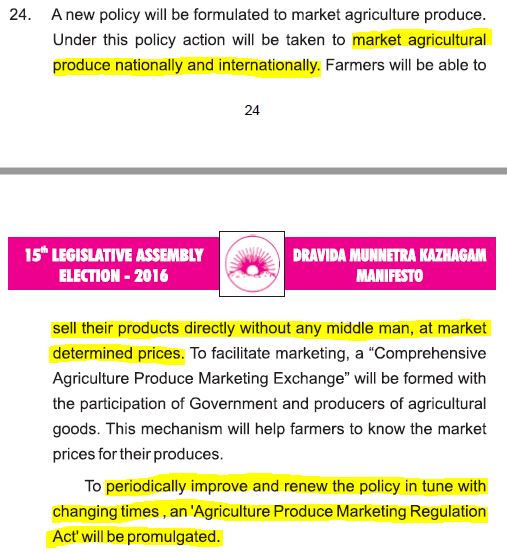
It has been found that the DMK is protesting against the very same things that they promised in their manifesto in 2016.

In its 2016 manifesto for the Assembly Elections, the DMK had promised to formulate a new policy to help farmers market agricultural produce nationally and internationally.

It had stated that it would bring in a policy that will enable farmers to sell their produce directly without the interference of any middlemen at market determined prices.

It had also stated that it would review the Agriculture Produce Marketing Regulation Act with changing times.
This is exactly what the recently enacted farm laws seeks to do. Through the new farm laws, farmers have been empowered by giving them the choice to sell their produce where they get a better price. Those who want to sell in the APMC can continue to do so and those wanting to explore the market have been given the choice to. The middlemen commission and patronage structure will disappear as farmers have the choice to sell directly to anyone at the farm gate.

ADB, India sign $100 million loan agreement to modernise Bengaluru’s power distribution system

The Asian Development Bank (ADB) and the Government of India on 31st December 2020 signed a $100 million loan to modernise and upgrade the power distribution system in Bengaluru city in the state of Karnataka. Besides the $100 million sovereign loan, ADB will provide a $90 million without-sovereign-guarantee loan for the project to the state-owned Bangalore Electricity Supply Company Limited (BESCOM).

The loan will strengthen the capacity of BESCOM in the operation and maintenance of underground cabling, environmental and social safeguards, financial management and commercial financing, stated a press release. In parallel to underground distribution cables, over 2,800 km of fibre optical cables will be installed. Moving about 7,200 km of distribution lines underground is expected to reduce technical and commercial losses by about 30%. The fibre optical cables will be used for smart metering systems, distribution automation system (DAS) in the distribution grid, and other communication networks. The project will install 1,700 automated ring main units adapted with a DAS to monitor and control the distribution line switchgears from the control centre. It is anticipated that the project will enhance the quality and reliability of electricity supply.

The signatories to the Bengaluru Smart Energy Efficient Power Distribution Project were Dr. C. S. Mohapatra, Additional Secretary, Department of Economic Affairs in the Ministry of Finance and Mr. Hoe Yun Jeong, Officer-in-Charge of ADB’s India Resident Mission.

After signing the loan agreement, Dr. Mohapatra stated that conversion of overhead distribution lines into underground cables will help build an energy-efficient distribution network, reduce technical and commercial losses and minimize electricity outage resulting from natural hazards such as cyclones and external disturbances to overhead lines.

Mr. Jeong said that the project demonstrates an innovative financing arrangement, the first of its kind for ADB, by combining sovereign and non-sovereign loans for a state government-owned enterprise. This is intended to significantly reduce the sovereign exposure and help BESCOM move towards a market-based approach for raising funds for capital expenditure.

(Published from PIB)

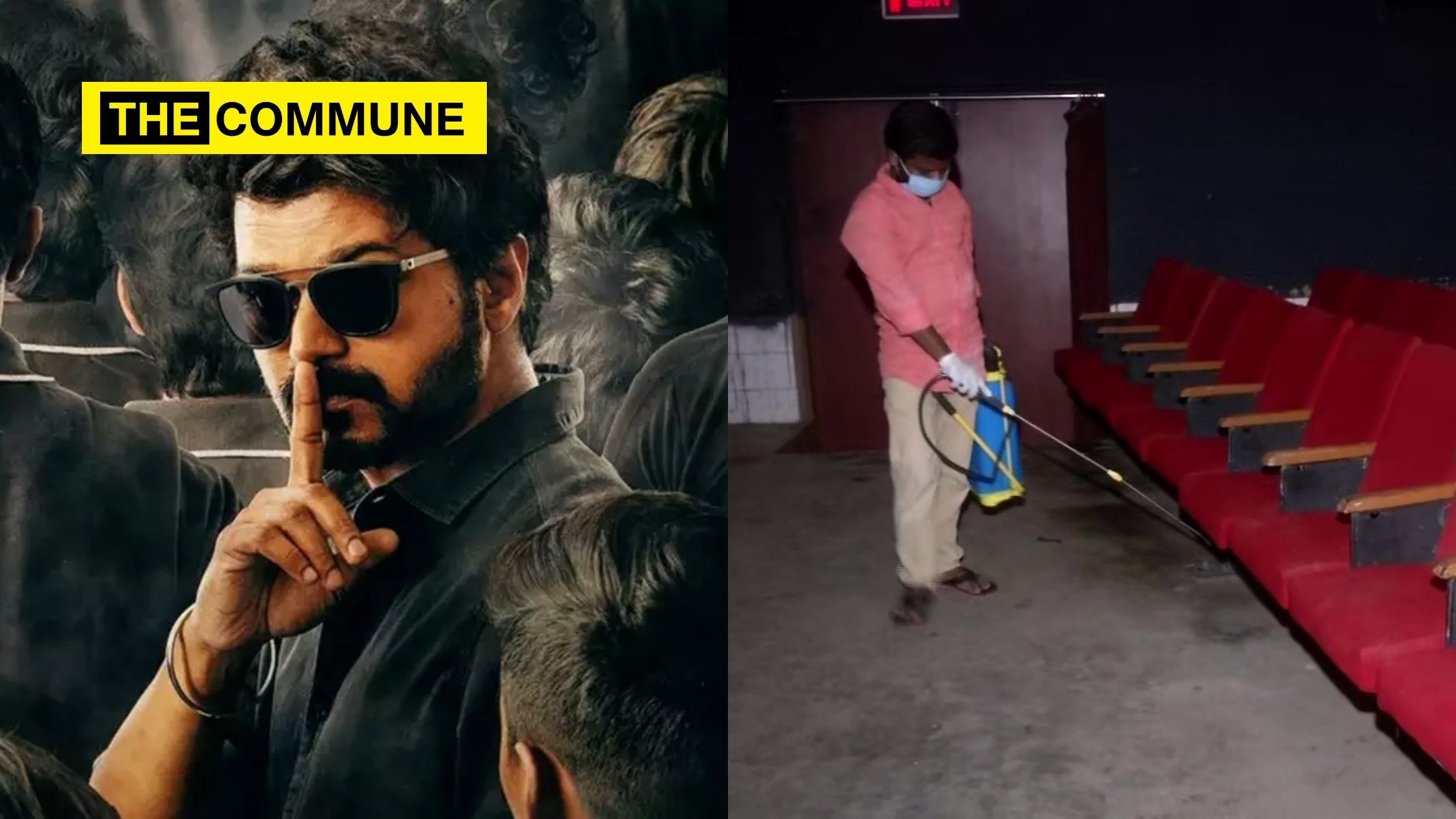
Days after Actor Vijay’s meeting with CM, TN to open theatres at full occupancy from tomorrow

According to a recent press release by the Tamil Nadu government, theatres are to be open in full capacity from the 5th of January. Tamil Nadu became the first state to remove the 50% occupancy rule. All the other states in the country still have the cap. Kerala reopened theatres only last month with a 50% cap and a mandatory COVID protocol to be followed.

“Now, therefore the government hereby permits to increase the seating capacity of cinemas/theatres/multiplexes from existing 50 per cent to 100 per cent by following the Standard Operating Procedure issued already,” said the Tamil Nadu government in its order.

This announcement comes after the recent meeting between actor Vijay and Chief Minister Edappadi K Palaniswami. Notably, Vijay’s new movie Master is slated for release during Pongal. Similarly, Silambarasan’s Eswaran is to be releasing on the 14th of January. Actor Dhanush’s Jagame Thandhiram is also gearing up for release.

Meanwhile, Tamil Nadu on Sunday logged 867 fresh COVID-19 cases and 10 more fatalities, taking the tally to 8,20,712 and the toll to 12,156.


Sculpture dating back 700 years unearthed in Bengaluru

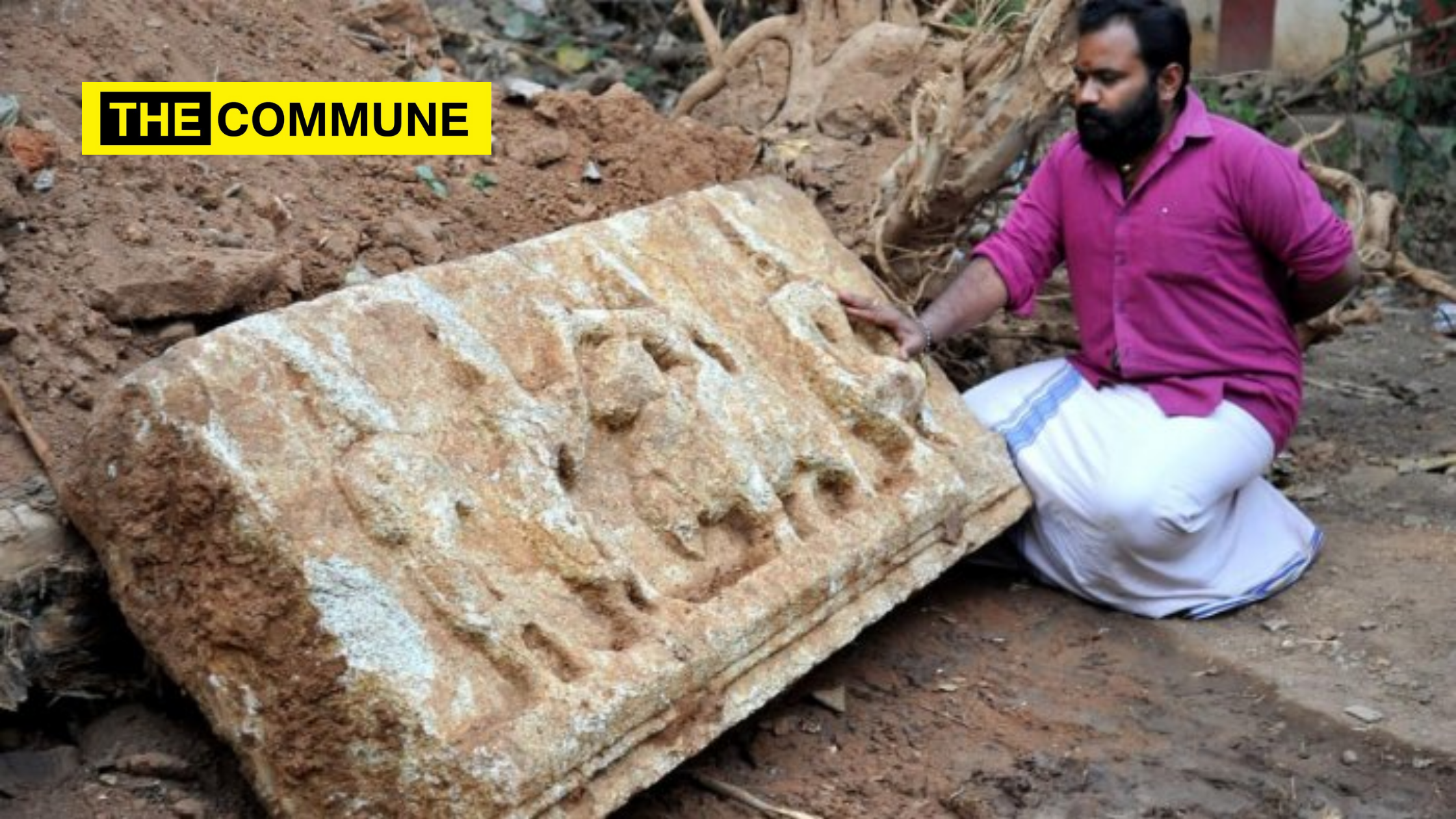
A sculpture depicting Shiva and Parvati seated on Nandi has been unearthed near the ancient Jalakanteshvara Temple in Bengaluru’s Kalasipalya locality. A cannonball has been discovered too, in the same dig site. This has led to hopes of a larger structure being discovered at the site.

Labourers working on the grounds of the Vani Vilas Girls High School and Pre-University College near the Jalakanteshvara Temple discovered the sculpture and the cannonball while carrying out digging work last week.

Gopal Rao, director of the state archeology department, visited the spot with a team to carry out an initial assessment. “We believe the sculpture can be traced back to about 700 years. It looks like a depiction of a tale from Shiva Purana. However, since the sculpture is incomplete, we will conduct further investigation on Monday”, he said. Adding that the cannonball and the sculpture were unrelated, Gopal Rao said that the cannonball fits the pattern of similar findings from the last 10 years, including those discovered at the time of the Bengaluru Metro construction work. “It most likely belongs to Tipu Sultan’s era”, he said.

The cannonball unearthed near Jalakanteshvara Temple in Kalasipalya, Bengaluru

The priest at the Jalakanteshvara Temple, Mohan Dixit, called the findings significant and said that a group of priests has petitioned the Karnataka Religious Endowments and Muzrai Department to conduct larger excavations in the area with the aim of unearthing archaeological and religious structures. According to reports, signs of a ‘kalyani’ or stepwell were also found at the site.

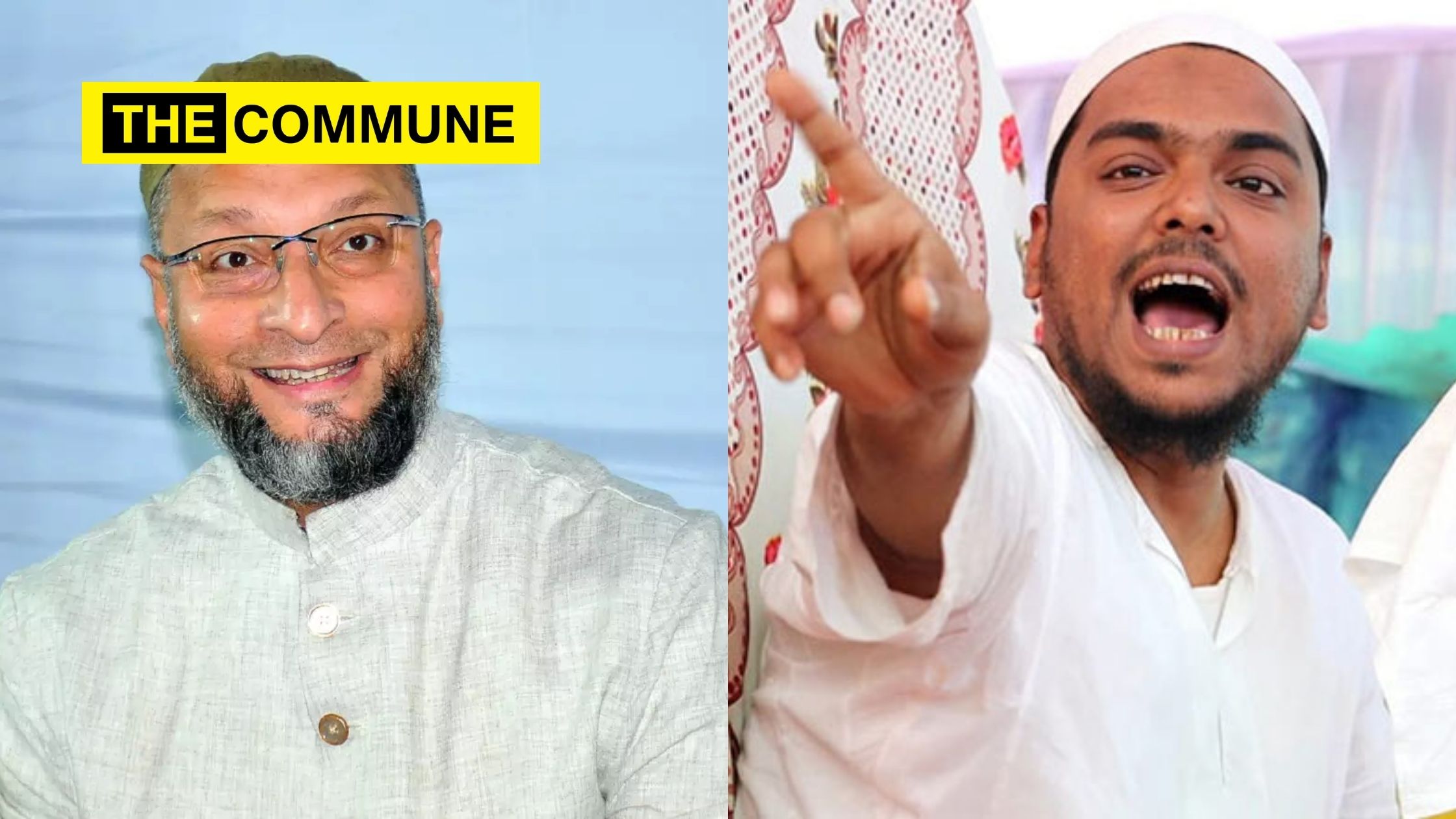
Owaisi forms alliance with radical Islamic preacher Abbas Siddiqui Furfura in West Bengal

As the election in West Bengal draws closer, The All India Majlis-e-Ittehad-ul-Muslimeen (AIMIM) has joined forces, prominent radical Islamic preacher, Abbas Siddiqui Furfura.

AIMIM Amir, Assaduddin Owaisi on Sunday (December 3) arrived at Futura Sharif in Bengal”s Hooghly district and held discussions on for the upcoming assembly polls with Abbas Siddiqui Furfura which is seen by Chief Minister Mamata Banerjee as a ploy to cut the Muslim vote.

Owaisi recently enjoyed electoral success in Bihar and now West Bengal which has over 30 per cent Muslim population is a perfect breeding ground for AIMIM to consolidate in few pockets of the state. 

After meeting Abbas Siddique Furfura, Owaisi said, “Whatever decision Abbas Siddique takes the AIMIM will stand by him,”.

“Owaisi wanted to keep the meeting a secret as we were apprehensive that the TMC government would stop him from exiting the airport. From Kolkata airport, he went straight to Hooghly to meet Abbas Siddiqui. He will leave for Hyderabad in the afternoon,” PTI quoted AIMIM state secretary Zameerul Hassan as saying.

Abbas Siddiqui Furfura belongs to the powerful Siddiqui Furfura Sharif Darbar located in Jangipara in Hooghly district and is known for his fiery speeches and has considerable influence in districts such as Hooghly, Burdwan, Murshidabad and North and South 24 Parganas—which account for 120 of the 294 assembly seats.

Earlier this year, Abbas Siddiqui Furfura courted controversy when a video emerged in which the cleric could be heard saying, “Allah Amar Bharat borshe emon kathin ekta virus dig, ei bharat borshe jano, 10-20-50 koti log more jaye (I pray to Allah that he sends such a deadly virus in India which kills up to 50 crore people)“.

Taking a leaf out of the playbook of left-liberal parties and Islamic Sharia law Abbas Siddiqui Furfura in his campaign promise has announced that he ban liquor ban, a rapist will receive the death sentence and the handing over of Muslim and adivasi properties to the communities.

Mamata Banerjee who won the last two elections thanks to her appeasement politics now finds herself at the political crossroads as there is growing divide between Hindus and Muslims in the state due to her appeasement politics.

Furfura has been very vocal in his criticism of Mamata state government and has publicly said, “There are four crore Muslims in West Bengal. Mamata should not forget that we can always resurrect the Congress or the CPI(M) from their graves as the secular alternative in West Bengal,”.

However, there is a divide in the Muslim votes also, as the 30 per cent of the population, largely follow either of two religious institutions—the Jamiat Ulema-e-Hind an offshoot of Deobandi ideology and Furfura Sharif.

With Owaisi jumping into the complicated politics of West Bengal, Muslims who helped Mamata Banerjee win two elections is now being seen as raison d’etre to her political downfall and the rise of Bharatiya Janata Party (BJP) in the state. 

However, Owaisi’s decision could backfire as there are many Muslim leaders in West Bengal could also see him as a threat. Recently the Muslim wing of the Dravida Munnetra Kazhagam had invited Owaisi which led a serious problem from local Muslim parties who view him as an outsider. 

Local Muslim parties like the Manidhaneya Makkal Katchi, Tamil Nadu Muslim Munnetra Kazagham and other Muslim groups came down heavy on the DMK as they sensed a threat to their local Muslim vote bank from an outsider Muslim which could be the case in West Bengal also. 

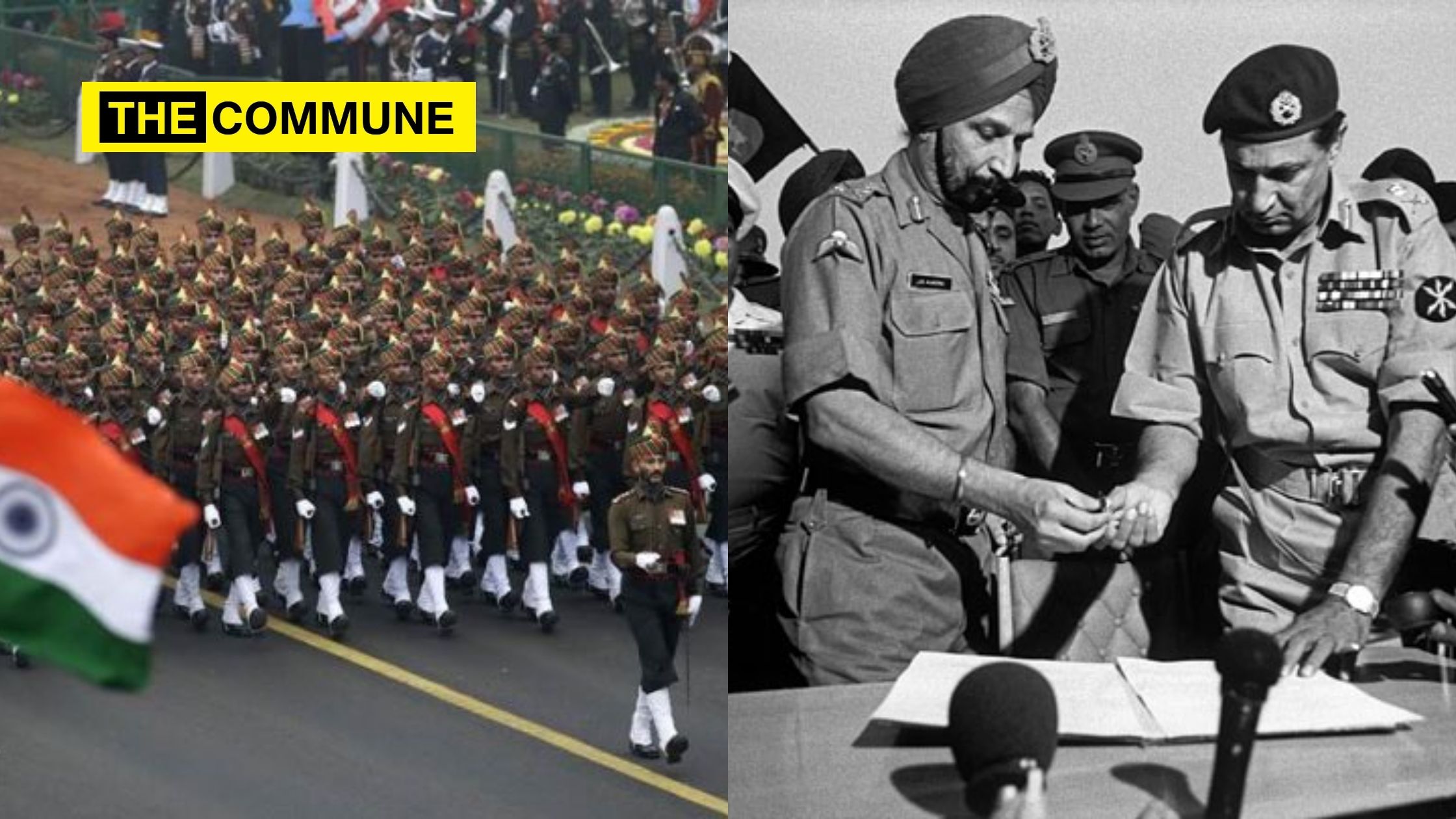
New Delhi: To Mark 50 year victory over Pakistan, Bangladesh Army to participate in Republic Day Parade

To commemorate the 50th year anniversary of victory over Pakistan in the 1971 war, Bangaladesh Army will take part in the Republic Day Parade on 26 January, reports Livemint.

Both nations are going to celebrate 50th year of India’s victory over Pakistan in the 1971 war, which led to the creation of a new nation of Bangladesh.

Military historians are still studying how the Indian Army managed to such huge victory in the shortest and fastest in military history after the end of Second World War.

India, in 1971 helped librate East Pakistan from the clutches of the Punjabi Army of West Pakistan which murdered over 3 million Muslims and Hindus of East Pakistan and raped over two lakh women.

The war also saw the Indian army take 93,000 Pakistani troops as Prisoner of War (POW) as Pakistan Army General Amir Abdullah Khan Niazi signed the instrument of surrender. Niazi is supposedly also related to Pakistan Pakistan Prime Minister Imran Khan Niazi.

In 2021, Republic day celebration, the chief guest is Prime Minister Boris Johnson and it must also be noted that India just approved the Covid vaccine made by Oxford Astrazeneca which is manufactured in India by the Serum Institute. 

2021 is also a milestone for Bangladesh as it will mark 50 years of its existence which has seen this nation develop its economy and now has a better growth rate than Pakistan. 

Odisha Minister accused in murder of BJP leader and his aide; BJP stages protests

Odisha MLA Pratap Jena has been named as an accused in connection with the murder of BJP leader Kulamani Baral. Pratap Jena is the MLA from Odisha’s Mahanga Constituency. He is also a Cabinet Minister with the Odisha state government holding the Panchayati Raj and Drinking Water, Law, Housing and Urban Development portfolios.

On Saturday, Kulamani Baral and his aide Dibyasingh Baral were attacked in the Kurujanga village under Mahanga police station limits in Cuttack district.

They were rushed to the Mahanga Community Health Centre where doctors declared Kulamani Baral as having arrived dead. Subsequently, Dibyasingh Baral was shifted to SCB Medical College and Hospital, where he breathed his last on Sunday while undergoing treatment. Kulamani Baral was the ex-chairman of Mahanga Block and Observer, Salepur Assembly Constituency.

Ramakanta Baral, son of the deceased BJP leader, lodged an FIR against 13 persons in the Mahanga police station, where he has named Pratap Jena as an accused. He has alleged that the attack was carried out on the behest of the minister, as Kulamani Baral and Dibyasingh Baral had raised their voices against corruption.

At a press conference, BJP state general secretary Golak Mohapatra drew parallels between the situations in West Bengal and Odisha. He said that BJP leaders are being murdered in West Bengal for raising their voices against the Mamata Banerjee government, and in Odisha the same is being done to BJP leaders for raising their voices against the Biju Janata Dal (BJD) government. Union Minister Dharmendra Pradhan expressed his shock at the incident and stated that he expected “strict action from the administration”.

However, Pratap Jena has refuted these allegations and has said that there is no place for violence in the land of Lord Jagannath.

On Monday January 4, the BJP held protests across Cuttack, demanding the immediate arrest of the assailants. BJP leaders threatened to intensify their agitation if the culprits weren’t arrested within 48 hours.

Police put on high alert as two more Hindu temples gets vandalized in Andhra

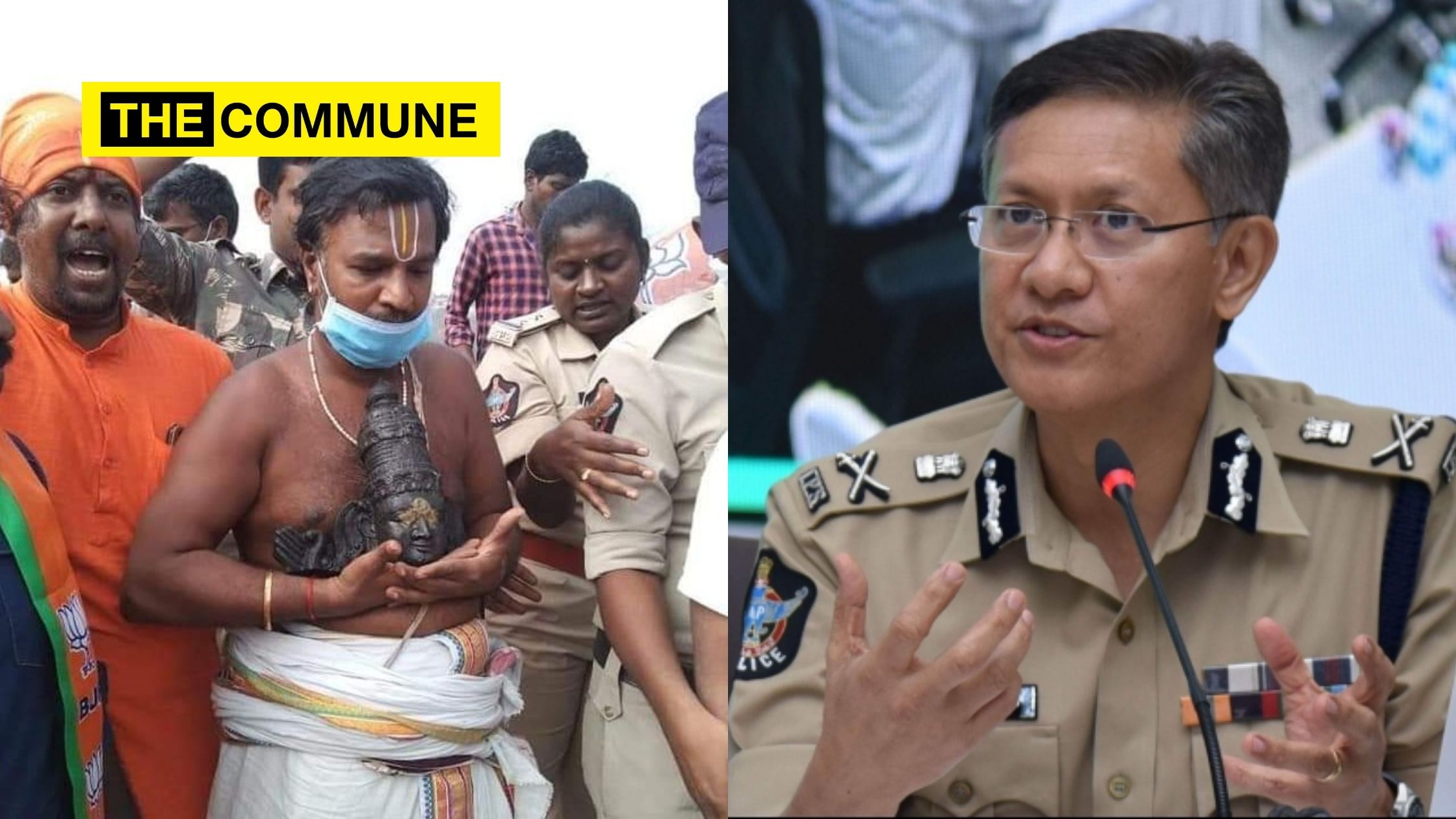
The Andhra Pradesh Director General of Police (DGP), D Gautam Sawang, has sent out an alert across the state following reports of a series of attacks on idols at Hindu temples by unknown miscreants.

As per data released by the Andhra Pradesh DGP, about 228 cases of attacks on temples were registered in 2020. The number was 305 in 2019, 267 in 2018, 318 in 2017, 332 in 2016 and 290 in 2015. 

The alert comes after two more instances of temple idols being attacked that were reported on Sunday (January 3) from Vijayawada because on Saturday (January 2), unidentified people desecrated the idol of Goddess Sita at a temple situated in the Pandit Nehra Bus Station.

As Hindus prepare to start the collection of money via donations to build the Ram Temple in Ayodhya, an idol of the Goddess Sita was found broken at Pandit Nehru Bus Station. In another instance, an idol of Ketu was vandalized at Sivalayam at Vuyyuru in Vijayawada outskirts.  

The clay idol of Sita that was made of clay was found broken in the morning by a priest. But what is most perplexing is that the temple door remained locked and afterwards the police at the Krishna Lanka police station was informed of this incident. 

The Commissioner of Police Bathini Srinivasulu told The New Indian Express that a special team has been formed to examine the CCTV footage to identify the miscreants. The police have booked cases under sections 448, 427, 295 and 153 (a) if the IPC against unknown persons and are looking at CCTV footage.

After the discovery of the desecration of Mata Sita idol, a large number of people associated with the TDP, BJP and VHP gathered at the bus station and protested against the vandalisation of the idol. 

It was reported that an idol of Lord Subrahmanyeswara was vandalised at the Ganesh Temple in the state’s Rajamahendravaram city located in the East Godavari district on 1 January and on 29 December, a 400-year-old idol of Lord Ram was beheaded by unidentified individuals at the Sita Lakshmana Kodandarama temple in Andhra Pradesh’s Ramatheertham.

As of now, DGP Sawang has directed DIGs, Commissioners, Superintendents of Police, Deputy SPs and the Station House Officers (SHOs) to step up vigil at temples across the state. Patrolling by police will also be increased CCTV cameras will be monitored at all places of worship immediately, stated the DGP on Sunday. 

The state’s DGP said that “miscreants are trying to disturb the peace and create a law and order problem in Andhra Pradesh.”

Ever since Jagan Mohan Reddy became the Chief Minister of Andhra Pradesh, the number of attacks on Hindu temples have increased at an alarming rate with no convictions so far. Reddy is also been accused of using the state funds and machinery to promote Christianity and also support evangelicals in their bid to convert Hindus.

All references to ‘Halal’ removed from ‘Red Meat Manual’ of APEDA

halal kerala

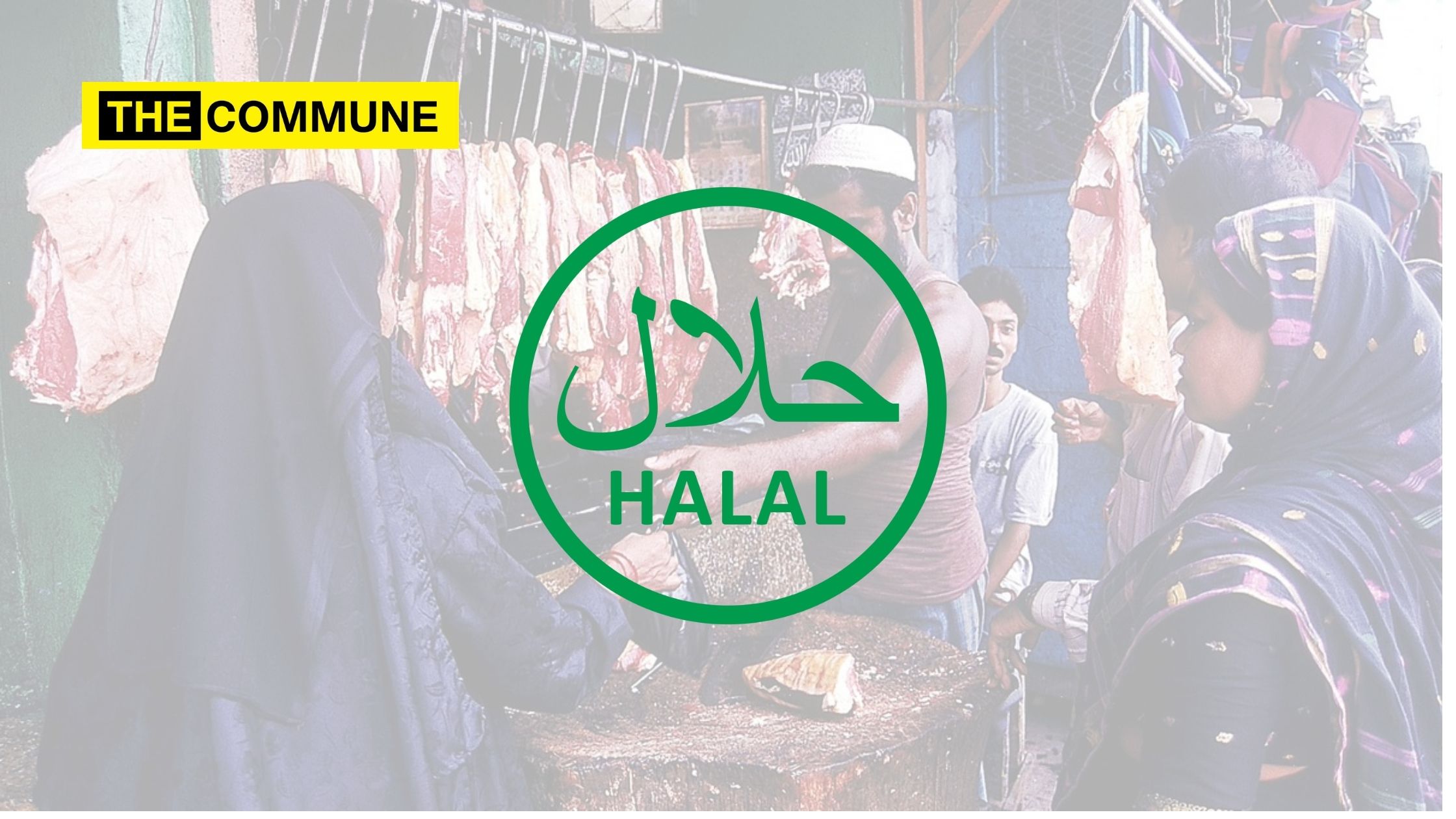
In a significant move, Government of India has removed the word ‘Halal’ from the Red Meat Manual issued by Agricultural and Processed Food Products Export Development Authority (APEDA).

Earlier, it was brought to attention by digital media platform ‘Upword’ that the Red Meat Manual mandates ‘only Halal’ meat to be exported. The manual had problematic references that read “All animals must be slaughtered by Halal method in the presence of holy men approved by the Jamiat Ulema-e-Hind as per Islamic Shariyat, for certification”. There was even a section dedicated for Halal in the old manual.

Soon, APEDA clarified saying that Government of India does not mandate only Halal meat to be exported and that it was the requirement of majority of the importing countries. It added that Halal certification agencies are accredited directly by importing countries in which the government has no role.

However, realizing that the manual did sound like it made ‘Halal’ method of slaughtering mandatory, it has been changed now with the word ‘Halal’ removed from the manual completely. Other words with references to one particular relgion like ‘Islamic’, ‘Shariyat’, ‘Halal’, ‘Ulema’, etc.,  have also been deleted.

The section that read, “The animals are slaughtered by Halal System under the strict vigilance of recognised and registered Islamic body as per the tenets of Islamic Shariyat. The certificate for Halal is issued by the representatives of registered Islamic body under whose supervision, the slaughter is conducted in order to meet the requirement of importing countries” has also been removed.

What this means is that the manual which earlier seemed to mandate ‘Halal’ for export of meat making the industry a hegemony of Muslims now provides the opportunity to create an export market for ‘Jhatka’ meat.

Halal in Arabic means ‘permissible’. In the Halal method of slaughtering, the animal or the bird is killed by cutting through its jugular vein, carotid artery and windpipe that drains out all the blood, leading to the animal/bird’s slow death. Halal certification mandates that the process must be performed only by a Muslim and the name of Allah must be invoked while slaughtering. Any deviation from the mandated process renders the meat ‘haram’ (forbidden).

Halal is seen as imposition of Islamic religious beliefs and practices over non-Muslims. It is also seen as leading to monoculturalism and monopoly as they restrict culinary diversity and keep non-Muslims out of business and employment opportunities.

With the deletion of ‘Halal’ from ‘Red Meat Manual’ of APEDA, the impression that India, a secular country, openly endorsing the religious practice of one particular community has come to an end.


Madhya Pradesh CM to introduce law that lets govt auction off assets belonging to stone-pelters

In a bold move to punish stone-pelters, Madhya Pradesh Chief Minister Shivraj Singh Chouhan has declared that his government is bringing in a stringent law that will allow the government to auction off the assets of stone-pelters to recover the damages, Indian Express reports.

After the Delhi riots of 2019/2020, there have been several cases of stone-pelting by protesters which have caused damages in hundreds of crores to both public and private properties. However, to put an end to this menace, the MP government will penalise the guilty who cause damage to public property or individual.

Chouhan said,  “stone-pelters are enemies of society; whoever they are their properties would be auctioned to compensate losses.”

“Till now, it (stone-pelting) was considered a minor offence but we are bringing a law which will make the offenders pay,” the BJP leader said.

Often during such protests, miscreants target down shops and even homes and in many times they have burned them to ground. The new law will not only punish them by serving a sentence but also ensure that their properties are auctioned off to reimburse the damage caused by them.

Chouhan explained, “If someone voices their issues peacefully then democracy prevails, but no one can be given permission to damage public property…those damaging public property will not only face stringent punishment but will also have to pay for damage to public property,” he said.

Utter Pradesh CM Yogi Adityanath was the first leader to take such action against rioters by starting the process of sealing the properties of those protesters who were involved in creating violence during the anti-Citizenship Amendment Act (CAA) and National Register of Citizens (NRC) protests across the state.

After the Bhumi-Pooja of Ram Mandir in Ayodhya, the Vishwa Hindu Parishad has started a donation drive for the construction of the temple.

However, MP the decision to auction off the assets of stone-pelters came after alleged attacks on rallies promoting a donation drive in Muslim dominated areas in Ujjain, Indore and Mandsaur districts.

In Madhya Pradesh, CM Chouhan’s cabinet has already approved the Freedom to Religion Bill, 2020 or the ubiquitous ‘Love Jihad’ law, with with a provision of ten years imprisonment and a heavy penalty