What is the Annur Industrial Estate project? Why are farmers protesting against it? Why no ‘Godi Media’ of TN is talking about it?
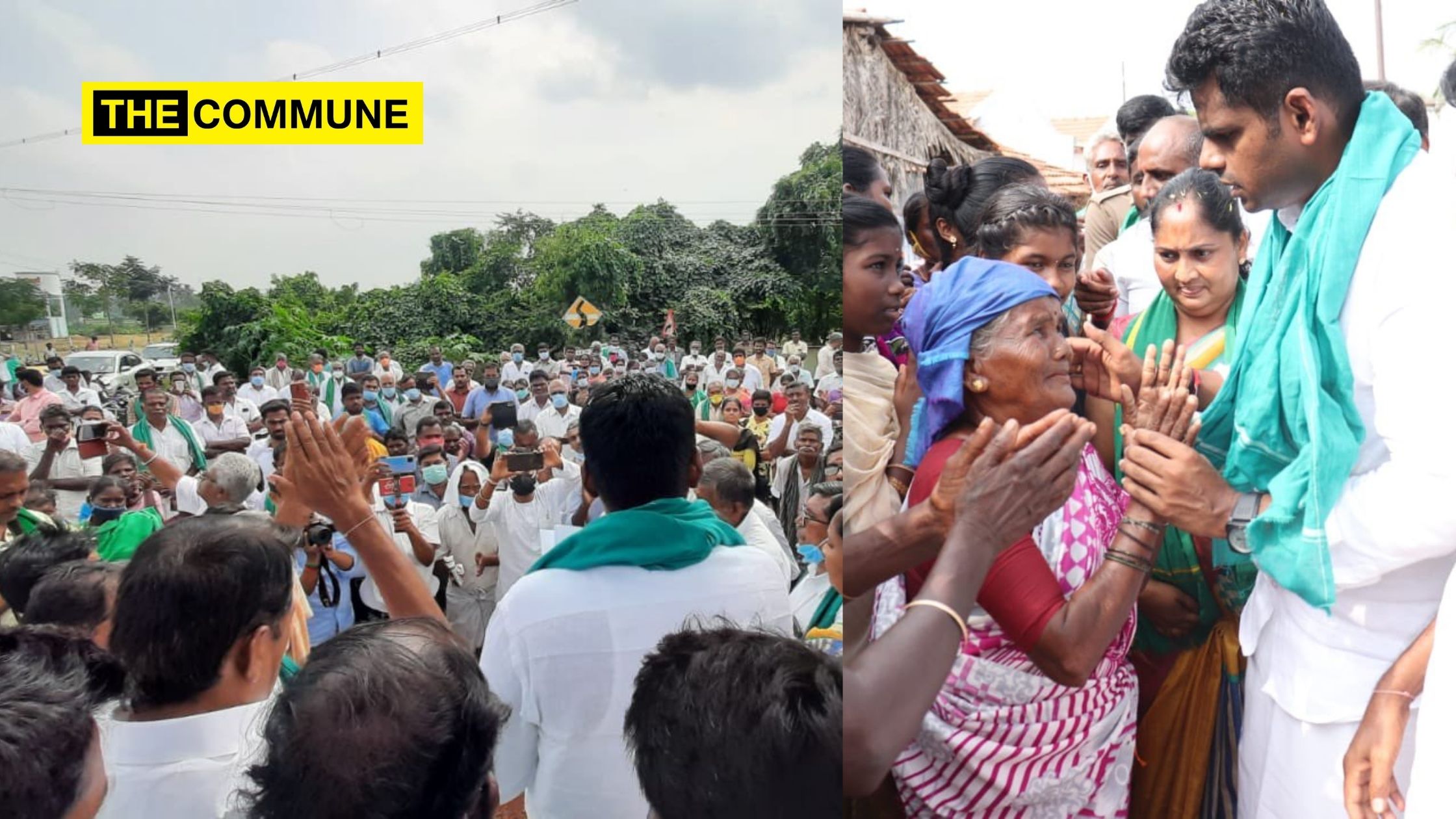
The DMK government in Tamil Nadu has proposed to set up an industrial estate at Annur village in Coimbatore district. The Tamil Nadu Industrial Development Corporation (TIDCO) is set to acquire 3,832 acres of agricultural land in and around the site for this purpose.
However, a circular regarding this announcement was issued to the Coimbatore District Collector by TIDCO without any discussion with the main stakeholders – the farmers.
Why are the farmers protesting against it?
Though the circular claims that these lands are dry lands and are not under cultivation, it has been reported that the area is fertile with abundant groundwater supply. Cash crops like banana, turmeric, mint, jasmine, coconut etc. are being cultivated.
With the implementation of Avinashi-Athikadavu scheme, more than 100 ponds that are located inside the proposed area are expected to get recharged every year by this project. As a result, the farmers are all set to increase cropping cultivation of cash crops like tapiaco, turmeric, etc from 2022 that will help them get more income. This decision by the DMK government to take over these lands (which they claim to be dry lands) has come as a shock to the farmers of the region.
The Costliest Industrial Park
The estimated land price per acre based on the earlier SPMC EMC Cluster Project that was to come up in this region turns out to be ₹20 lakh.
Assuming that the land price has doubled in the last 6 years, the approximate minimum cost per acre will be ₹40 lakhs. For 3832 acres, the Tamil Nadu government must set aside ₹1500 crores just for compensation alone. This does not even include other expenses like construction, labour, operational costs, etc.
In essence, it will become the most costliest project of the state even before its actual development.
Also, the proposed site is situated just 10 kms away from Tamil Nadu’s second largest dam Bhavani Sagar, which irrigates about 2.0 lakh acres in Erode, Tirupur, Salem districts. The site is also in close proximity to the Sathyamangalam Reserve Forest.
Therefore, setting up of the industrial estate here would collapse the entire ecosystem.
The Double-Standards Of DMK And Their Godi Media
This project was not even announced in the Policy Note published by the Tamil Nadu government during the budget session. The Policy Note for the year 2021-22 mentions only about 1000 acres land for the industrial park near Annur.
What is worth noting is that the DMK had promised to stop this industrial park during the rural local body polls in September 2021.
While the DMK and its allies opposed the Chennai-Salem highway which needed 2791 hectares of land over 277 km length, they are now acquiring 1557 acres of land in just a 10 kms radius displacing close to 5000 families.
What is even more worrying is that a 250 acre plot owned by a premier mill is excluded from TIDCO industrial park acquisition.
The farmers who are to be affected by this move have been shocked, as no political party except the BJP has taken up the matter.
In a video, a farmer from the Annur village opens up about the difficulties the farmers of the area will be facing if the agricultural lands are taken away from them. He says, “Even if we’re given 1 crore rupees, we are not ready to give up our lands, and we are very clear about this.” Check out the full video here:
அன்னூர் பகுதி விவசாயி ஒருவர் – அங்கு தமிழக அரசு திட்டமிடும் தொழிற்பேட்டையை எதிர்த்து விவசாயிகளின் சார்பாக கருத்தை பதிவை செய்கிறார் 👇 pic.twitter.com/sBhrUkHS6S
— Selva Kumar (@Selvakumar_IN) December 3, 2021
The Farmers have conducted talks with the district collector and have even approached A Raja, DMK MP from the Nilgiris constituency. But, even he dismissed them without even giving heed to their requests. In a video, we can see him saying, “Go home, think about this once more and let me know again. I will then talk to the Chief Minister.”
மேட்டுப்பாளயத்தில் 3800 ஏக்கர் விவசாய நிலங்களை கையகப்படுத்தி தொழிற்பேட்டை உருவாக்கத் திட்டமிட்டுள்ளது திமுக அரசு.
அத்திக்கடவு அவினாசி திட்டத்தின் மூலமாகப் பயன்பெற்று விடுவோம் என்று நினைத்த விவசாயிகள் தங்கள் நிலங்களை அரசு கையகப்படுத்துமோ என்ற அச்சத்தில் உள்ளனர். pic.twitter.com/7ufvM13NqO
— Krishna Kumar Murugan (@ikkmurugan) November 11, 2021
When DMK was the opposition party, it opposed the Chennai-Salem 8 lane highway project spanning across 277 kms, with a requirement of 2791 acres of land. However, the same government has proposed turning good agricultural land into an Industrial park. AIADMK’s proposition to do such a project was debated and argued left right and center in all media channels. This government’s announcement and plan has not even come out for the past 3 months and not one debate has taken place even after news about the farmer’s protest has come out.
BJP Tamil Nadu President K. Annamalai personally met the farmers whose lands are to be taken by the government announcing that the party will stand with the farmers and will not let the project to commence.
Click here to subscribe to The Commune on Telegram and get the best stories of the day delivered to you personally.