Home Blog Page 1287

Police officer from Dindigul wins hearts by offering food to tribals suffering during lockdown

The second wave of coronavirus disease is spreading in Tamil Nadu. Thus, the Tamil Nadu government has imposed a complete lockdown without any relaxation. This has caused all the shops to close except for certain essential services. As a result, many have been affected without food and have been suffering from unemployment and poverty.

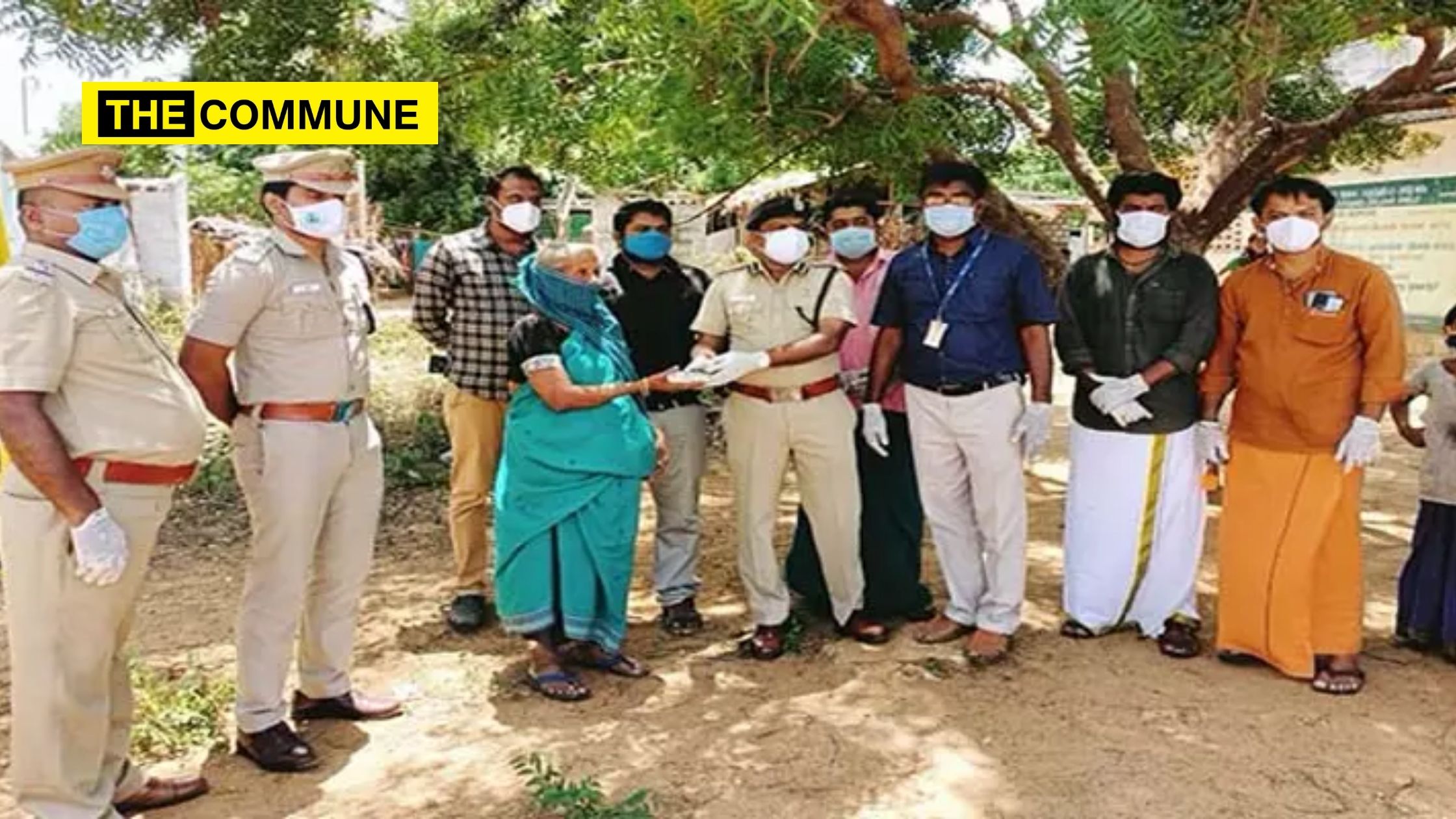
In light of this situation, Dindigul DIG Muthusamy has come forward to distribute food parcels to 500 tribals who were wandering around near Palani without food. This gesture has won him a lot of praise online.

The Dindigul DIG was informed that more than 500 members of the Narikkuvar community living near Palani were suffering without food. Following this, with the help of volunteers, Dindigul DIG Muthusamy prepared about 500 food parcels and distributed them.

Click here to subscribe to The Commune on Telegram and get the best stories of the day delivered to you personally.

Islamist preacher Zakir Naik says camel urine has properties to cure cancer

18 Cases Of Radicalization: How Zakir Naik 'Inspired' Indian Terrorists

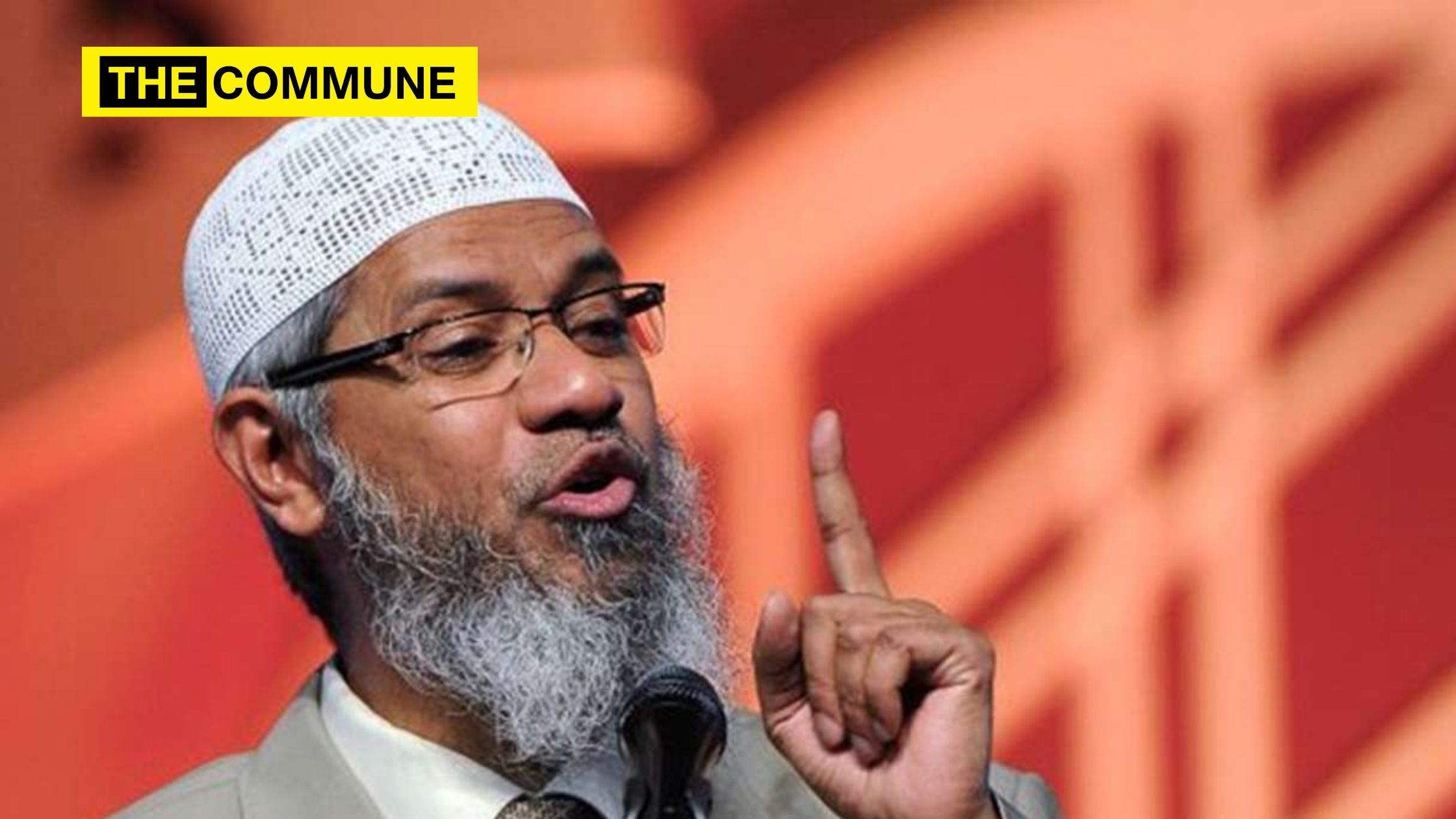
Fugitive puritanical Islamic preacher Zakir Naik has categorically said that he believes drinking camel urine is beneficial because prophet Muhammad said so.

Zakir Naik who now lives in Malaysia and through one of his online sermons said,“Camel urine is pure, can be used to treat diseases, but cannot say the same about cow urine,”.

Zakir Naik who has nearly 5 lakh subscribers in his YouTube channel gave a detailed explanation of the health benefits of camel urine. He regularly uses the ‘gaumutra’ (cow urine) jibe to insult Hindus and believes camel urine is more beneficial to health.

The fugitive cleric was answering questions posed by three believers who wanted to know about the health benefits of camel urine and milk in accordance with Quran. Naik claimed, “There are various researches which confirm that there are various benefits for the human being in drinking camel’s urine.”

To give credence to his claim Naik gave the reference of a Persian physician named Ibn Sina and said, “Amongst all urines, the most beneficial is the urine of the Bedouin camels. Today, after doing laboratory tests, we have come to know that the camel’s urine contains potassium and albuminous proteins. We know it also contains traces of uric acid, sodium as well as creatin.”

He also said camel urine has properties to treat cancer and asked his followers to never question the Quran or Hadiths and said, “You can always do research later. Science is not the criteria to determine whether you should believe in the Hadith or not. If Hadith is authentic, we believe in it irrespective of whether science belives in it or not,”.

Towards the end of his video, Zakir Naik quoted verse 5686 of the Hadith of Sahih-al-Bukhari. It goes as, “The climate of Medina did not suit some people, so the Prophet ordered them to follow his shepherd, i.e. his camels, and drink their milk and urine (as a medicine). So they followed the shepherd that is the camels and drank their milk and urine till their bodies became healthy. Then they killed the shepherd and drove away the camels. When the news reached the Prophet e [sic] sent some people in their pursuit. When they were brought, he cut their hands and feet and their eyes were branded with heated pieces of iron”.

He also said that the foundation for Islam is for perpetual war against non-Muslims and make holy war polytheists, As per Islam Naik said if they refuse to accept Islam, demand Jizya which is a form of tax on non-Muslims (Sahih Muslim 4294).

Click here to subscribe to The Commune on Telegram and get the best stories of the day delivered to you personally.
Indian woman killed in Hamas missile attack conferred honorary citizenship by Israel

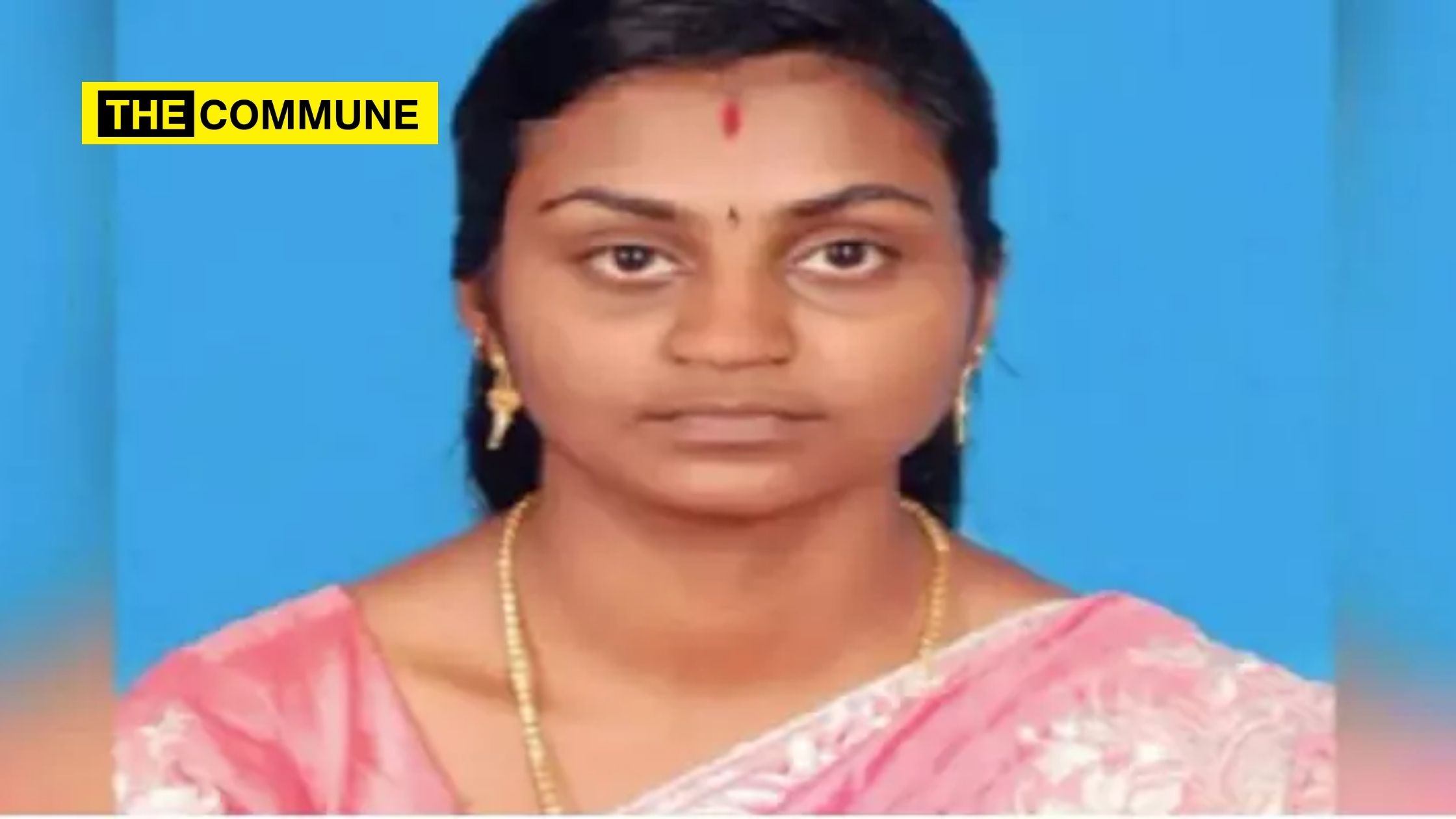
The Israeli government has announced that Soumya Santosh, who was killed in the Hamas missile strike in Israel will be granted an honorary citizenship.

Speaking to reporters in Delhi, Israeli Ambassador Rony Yedidia Clein said that they see her as one of their citizens. Commenting on this, Soumya’s husband Santosh said, “We consider this a great honor for my wife. We have also received information from the embassy officials that our son Adone will be taken care of.”

Honorary citizenship is a status conferred by a city or a government on a foreign or native individual whom it considers to be worthy of the distinction. The honour usually is symbolic and does not imply any change in citizenship or nationality.

Last week, the President of Israel Reuven Rivlin had called up the family of Soumya Santhosh and assured all support

Soumya, from Idukki district in Kerala, was responsible for caring for an elderly woman in Askelan, Israel, near the Gaza border. She was killed in the recent Hamas missile attack.

Soumya has been working in Askelan for the last 7 years and her husband and nine-year-old son are living in Kerala. Soumya was reportedly talking on a video call with her husband and family who were in India at the time of the attack.

Click here to subscribe to The Commune on Telegram and get the best stories of the day delivered to you personally.
Cans of smuggled liquor found buried in plantain orchard in Kumbakonam

A complete lockdown has been declared in Tamil Nadu due to the 2nd wave of coronavirus. With the curfew in effect from Monday, the Tamil Nadu government has given permission to all shops to operate till 9 pm on Sunday. TASMAC liquor stores too continue to be banned from operation.

In light of this, counterfeit liquor is being sold in many areas. In the areas around Kumbakonam, there were complaints that mysterious persons were hoarding bottles of liquor and selling them at extra cost. Liquor is also imported from the state of Pondicherry and stored in Kumbakonam for sale. Police are conducting a serious investigation in this regard.

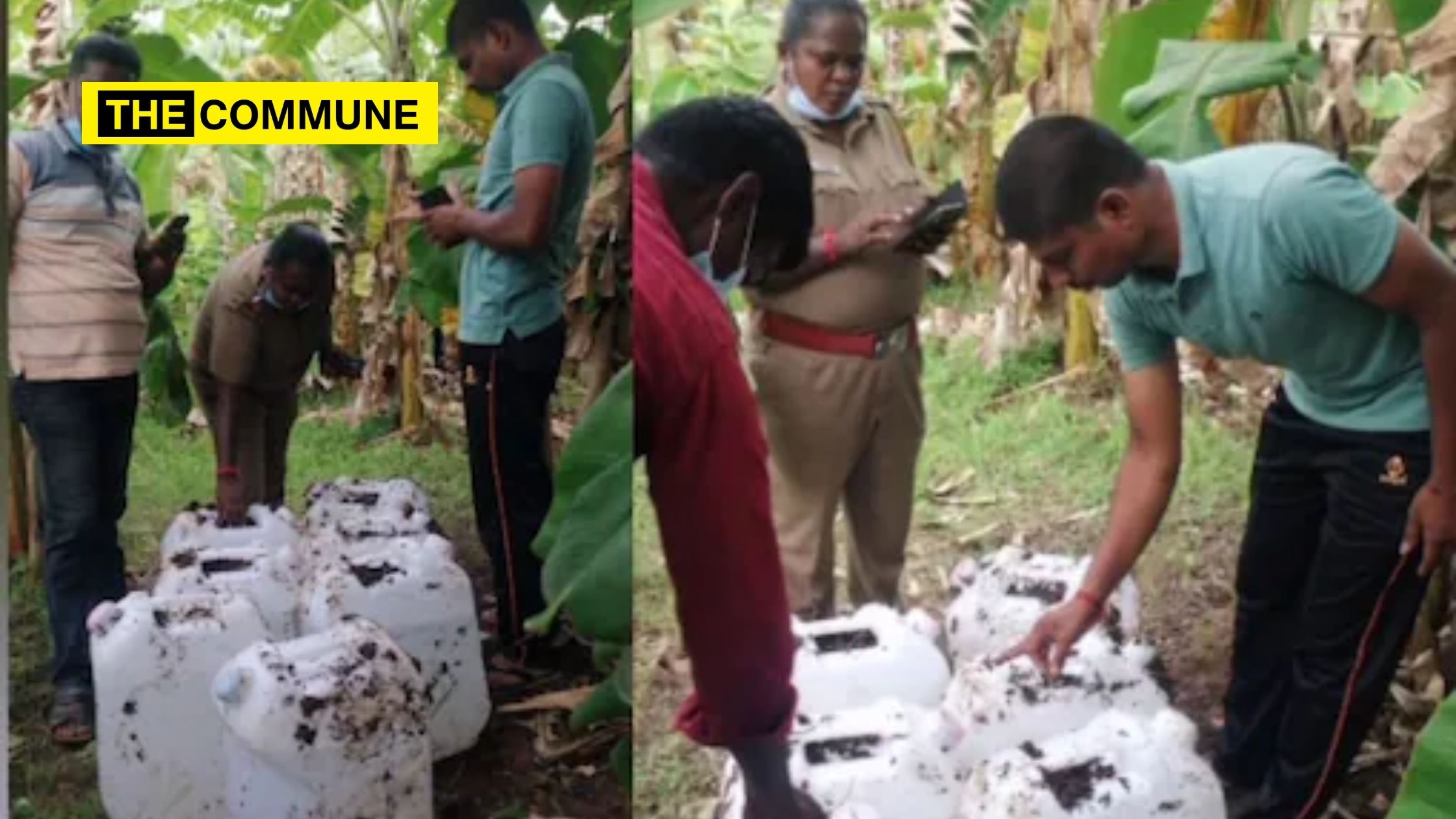
Following this, the Bandanallur police received tipoff that liquor was being stored and sold at the house of Kalingarajan in the Choliyavilagam Marathurai Kamarajapuram Colony near Bandanallur next to Kumbakonam. Bandanallur Police Inspector Santhanamari, Sub-Inspector Mohanraj and Prohibition Division Inspector Singaravel went to the spot and searched Kalingarajan’s house. However there was alcohol found there. The police then raided a plantain orchard near his house belonging to one Ilango. They then discovered cans of alcohol buried underground.

The police dug up and confiscated several cans of illicit liquor stored underground. The value of this is said to be ₹6 lakhs. The Bandanallur police are looking for Kalingarajan who seems to have gone missing.

Click here to subscribe to The Commune on Telegram and get the best stories of the day delivered to you personally.
DMK cadres intimidate panchayat council chairman in Tiruvallur ration shop

An incident in which the DMK cadres intimidated the head of a panchayat council, who was providing corona relief funds to the public, has caused a stir in the village of Pudupakkam near Ponneri in Tiruvallur district.

Vikraman, the chairman of the Arumanthai panchayat, supervised the distribution of ₹ 2,000 at the ration shop as part of the state government’s corona relief funds and urged people to follow the COVID appropriate behaviour.

The DMK cadres, who arrived at the ration shop, argued that COVID relief funds should be provided only by DMK party members and tried to forcibly evict Vikraman.

There was a commotion at the ration shop for some time when the public protested against the unruly action of the DMK cadres.

Following public protests, DMK cadres left the ration shop and distribution of relief funds resumed.

Click here to subscribe to The Commune on Telegram and get the best stories of the day delivered to you personally.

India’s Troubled History with US Companies: Consequences of a Corporate-State Nexus

India US companies

Earlier this month, it was reported that unitholders of the six shut mutual fund schemes of Franklin Templeton Mutual Fund would get ₹2,488.75 crore in the week starting Monday, May 3. This was to be the third tranche of disbursement for the investors after the distribution of ₹9,122 crore across five schemes in February and ₹2,962 crore last month.

A year ago, on 23 April 2020, Franklin Templeton had shut down six debt mutual fund schemes, which had Assets Under Management (AUM) of anywhere between ₹25,000 crore and ₹30,000 crore. A year-long battle between investors, investor-activists and Franklin Templeton saw some money being returned to the unitholders, with cases being heard in the Karnataka High Court and the Supreme Court. While all the money has not yet been paid back to the investors, the mutual fund house has come out virtually unscathed by all this tumult and scandal, with only its reputation taking a small hit. Justice is nowhere to be seen.

In fact, Franklin Templeton – worried about the public criticism and backlash – is using diplomatic channels to pressure the Indian government to go soft on it. It has threatened to pull out of India if it does not get “a just and fair hearing” or is slapped with hefty fines. While it has not even paid back the entire amount to its distressed investors, Franklin Templeton has brazenly said that if “disgorgement of revenue” or any penalty is “too steep”, it will “look bad for India”. It added that “several mutual fund companies have already left the country”.

This is not the first time that US-based globalist companies have threatened India with loss of business or capital, or intimidated the government with potential diplomatic backlash. This enmeshing of private financial institutions, large corporate organisations and big government clearly does not bode well for our country. At least, not without robust and enforceable regulations to prevent any and all kinds of malpractice and malfeasance.

Here are four more instances of when US-based companies threatened India when they made a mess of things, with the country losing not only massive amounts of taxpayer funds, but also scores of lives.

1 – Union Carbide and the Bhopal Gas Tragedy of 1984:

In 1984, Union Carbide benefited from political pusillanimity and collusion to get away with only pathetic, paltry compensations after the disastrous Bhopal Gas Tragedy. The gas leak incident on the night of 2–3 December, 1984 at the Union Carbide India Limited pesticide plant in Bhopal, Madhya Pradesh, resulted in the deaths of 15,000 people and thousands more suffering lifelong ailments.

2 – Citibank and the 1992 Harshad Mehta scam:

Within a few years, India almost defaulted on its foreign exchange obligations and was compelled to open up its economy to the world. The economic liberalisation was a condition of the bailout from the World Bank, and this is when the arm-twisting started. More and more foreign companies were let in as the economy opened.

Foreign banks like Citibank were involved in the 1992 Harshad Mehta scam. Citibank was one among the many major banks that were willingly flouting the regulations at the time, by letting brokers act as fronts. Senior executives at Citibank had even said at the time that “RBI guidelines were just that, guidelines – not the law of the land”. India was then seen as a corrupt and bankrupt nation that was desperate for foreign exchange. Apart from a few senior executives moving out of the country, foreign banks like Citibank got away with small penalties.

3 – The extent of Enron’s corrupt activities in India, from the 1990s till the company’s collapse in 2001:

Enron Corporation’s collapse in 2001 happened at around the same time as the fiasco with the international banks in India, when the fallout of the Harshad Mehta scam was still reverberating in the country. The worldwide disintegration of the energy, commodities and services company shook Wall Street to the core. The company had hidden away its mountainous debts and toxic assets in special purpose vehicles (SPVs) and showed investors profits in its books. With fake holdings and off-the-books accounting practices, Enron managed to fool US regulators for a long time. When Enron filed for bankruptcy, it was extremely embarrassing for the US, to say the least.

But, for almost ten years before the company actually blew up, Enron was here in India, corrupting everybody from police officials to government leaders (allegedly even the union minister for petroleum), influencing public policy and getting a sovereign guarantee on high-risk projects.

In the 1990s, with an astounding barrage of savvy media management and lobbying in the highest echelons both in the United States and India, Enron had signed a sweetheart deal to produce power in Maharashtra though the Dabhol Power Corporation (DPC).  LNG for the project would be imported from Qatar through a 20-year contract with Enron, and the electricity produced would be purchased by the Government of Maharashtra for 20 years.

Enron soon formed the Dabhol Power Corporation (DPC) and set up a 2184 MW power plant in Dabhol, Maharashtra. This was supposed to be the posterchild of India’s economic liberalisation and was the then single largest foreign direct investment in India’s history.

The contract was later cancelled by the Maharashtra government after the project was determined to be unviable and too cost intensive. The price that the Maharashtra state electricity board would have to pay for electricity produced by DPC was more than twenty times what it paid for hydroelectricity.

However, Enron used its links with the United States’ Bush administration to pressure India. Enron’s then chairman had been a large funder of the Bush campaign. Two US Ambassadors to India even had the temerity to lecture the Government of India, threatening that India would lose face and American money.

The cancelled contract was later revived, with the project renegotiated at three times its original price.

After the Enron scandal in 2001, the DPC stopped producing electricity. The plant was later revived in 2005 and was converted to the Ratnagiri Gas and Power Private Limited (RGPPL), a company owned by the Government of India.

4 – Morgan Stanley’s Indian debut in 1994:

Morgan Stanley was the first foreign mutual fund house to make its debut in India. Morgan Stanley tied up with State Bank of India (SBI) in a 50:50 joint venture as an offshore scheme, with SBI named as the major partner.

The venture came apart when SBI officials discovered that Morgan Stanley had given itself veto powers over investment decisions by slipping in a clause into the deal. This clause effectively made Morgan Stanley the major partner in the joint venture. Surprisingly, the clause had not been discovered by lawyers or other representatives of  SBI at the time when the deal was signed. The venture fell apart as relations between the two sides soured.

In 1994, Morgan Stanley debuted in India as a standalone mutual fund house. As this was the first foreign firm offering mutual funds in India and with its managers playing on the ignorance of Indian investors to whip up hype about the scheme, Morgan Stanley’s mutual fund units were being sold at a premium higher than its actual price in grey markets.

While Indian investors were expecting a spectacular performance from the much vaunted American fund house, the performance of its scheme was sadly terrible.

The trumped up and arrogant executives, with the help of a management-broker nexus, had ignored research reports and invested their Indian clients’ hard-earned money in absolute garbage. Despite a desperate revamping of its portfolio, the scheme only gave an abysmal 3% returns in 20 years.

Morgan Stanley lost investor trust and had to sell its Indian business to HDFC Mutual Fund in 2014.

Morgan Stanley is a cautionary tale not only for investors but for the big fund houses as well. Even if Franklin Templeton exits India, it will be Franklin Templeton’s loss and not that of the Indian investor, as the Indian market has an abundance of mutual fund houses today, from Edelweiss to ICICI to SBI to ABSL to Nippon, and many more. The total assets under management (AUM) of the entirety of mutual fund schemes in India has grown 2.5 times in just over years, from ₹13 lakh crore in 2015 to ₹32 lakh crore in February 2021. There is always a bull market somewhere and there truly is a raging bull market in stocks and mutual fund schemes in the country.

Click here to subscribe to The Commune on Telegram and get the best stories of the day delivered to you personally.
DMK Minister blames small traders and vendors for increasing vegetable prices, threatens to take severe action on them

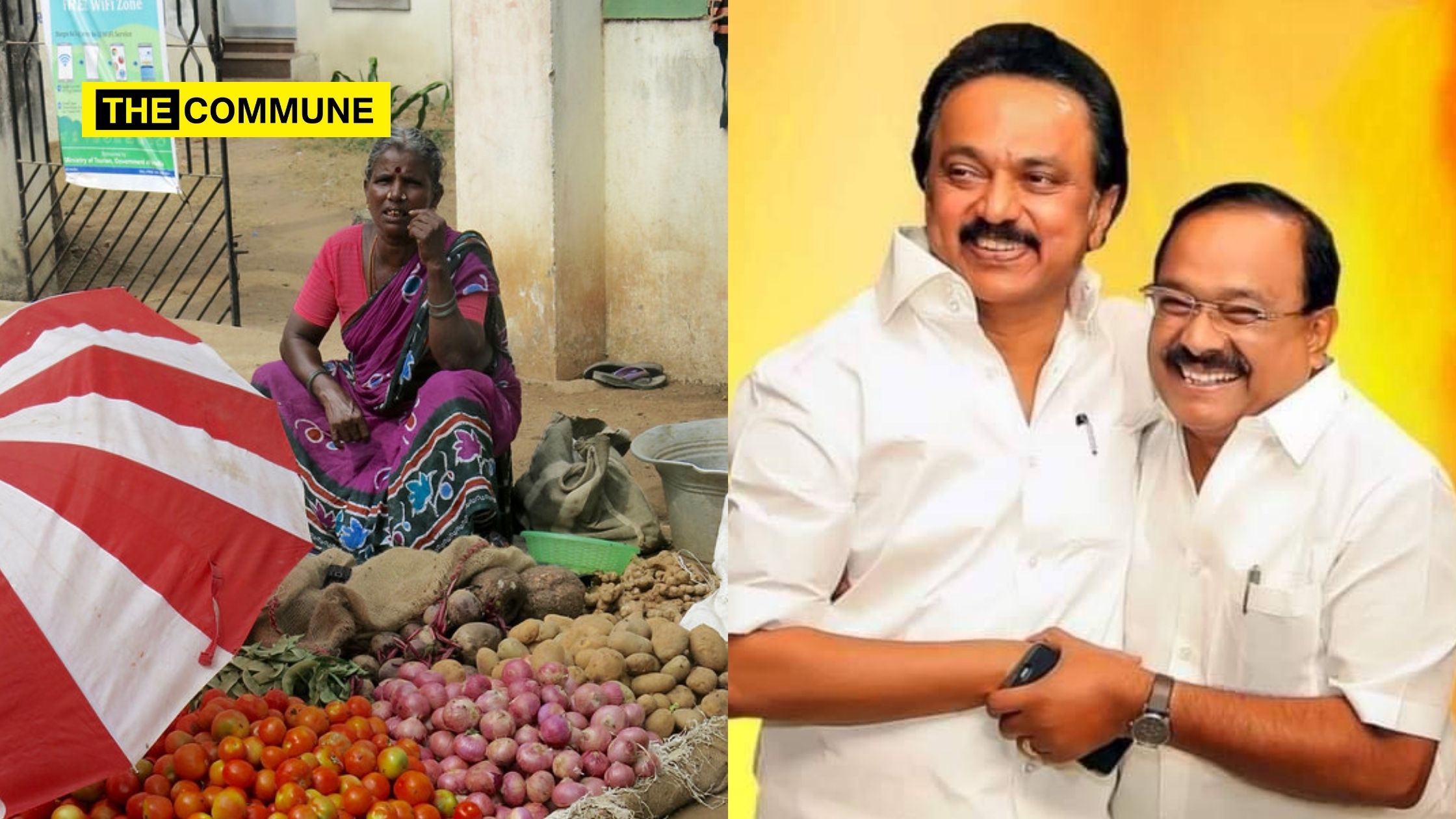
Minister for Food and Civil Supplies Sakkarapani has threatened to take severe action on small traders and vendors for rise in vegetable prices soared as people flocked to markets ahead of the strict lockdown.

The DMK government on Saturday announced that a strict lockdown would be imposed for a week from May 24 in view of the raging second wave of the Wuhan virus pandemic. It had announced that all shops would be allowed to function till 9 PM on Saturday and from 6 AM to 9 PM on Sunday before the state went under complete lockdown.

This announcement had led to panic buying across the state as people flocked to markets to buy essentials. Heavy crowd with scant regard to COVID appropriate behaviour was observed in grocery stores, vegetable markets, fish markets and even clothing stores.

Due to the sudden demand, vegetable prices soared high.  Potato which usually costs ₹20-₹30 was being sold at ₹ 40-50. Beans was being sold at ₹150-₹190 per kilo. Onion which was being sold at just ₹30 per kilo two days ago was being sold at ₹60. In big vegetable shops across the city, the prices were almost four times the usual prices.

In light of this, Minister Sakkarapani has blamed the small traders and vendors for increasing the vegetable prices ‘artificially’ and has threatened to take action on them under Essential Commodities Act.

He said that respective government officials have been asked to inspect and added that the government won’t hesitate in taking severe action against vegetable traders and vendors.

“This is atrocious! They say they want to control corona but announce rules that will only increase the spread of corona. What is the point of making people to flock to markets and panic buy? We have no other option but to increase price when there is a high demand. Why is the government blaming us for their ill-conceived lockdown?”, Murugesan, a small grocery store owner from Vadapalani said.

Another old lady from K.K. Nagar who makes a living by selling vegetables door to door when asked about the Minister’s threat about taking action on small vendors said “Meeting my basic needs is itself a struggle for me every day. Only if I sell vegetables, the stove in my kitchen burns. On one hand, they say they will give ₹4000 but have given only ₹2000 so far. On the other hand, they don’t give any relief for small vendors like me but threaten to take action. I regret voting for them.”

BJP Tamil Nadu Vice President K Annamalai said it is because of the ill-conceived lockdown that people rushed to markets which led to increase in prices. “Though the lockdown is necessary, the ruling DMK government is blaming small time vendors for the rise in prices.”, he said.

Click here to subscribe to The Commune on Telegram and get the best stories of the day delivered to you personally.
Man arrested in robbery case in Chennai has links with terrorist organization Al-Ummah

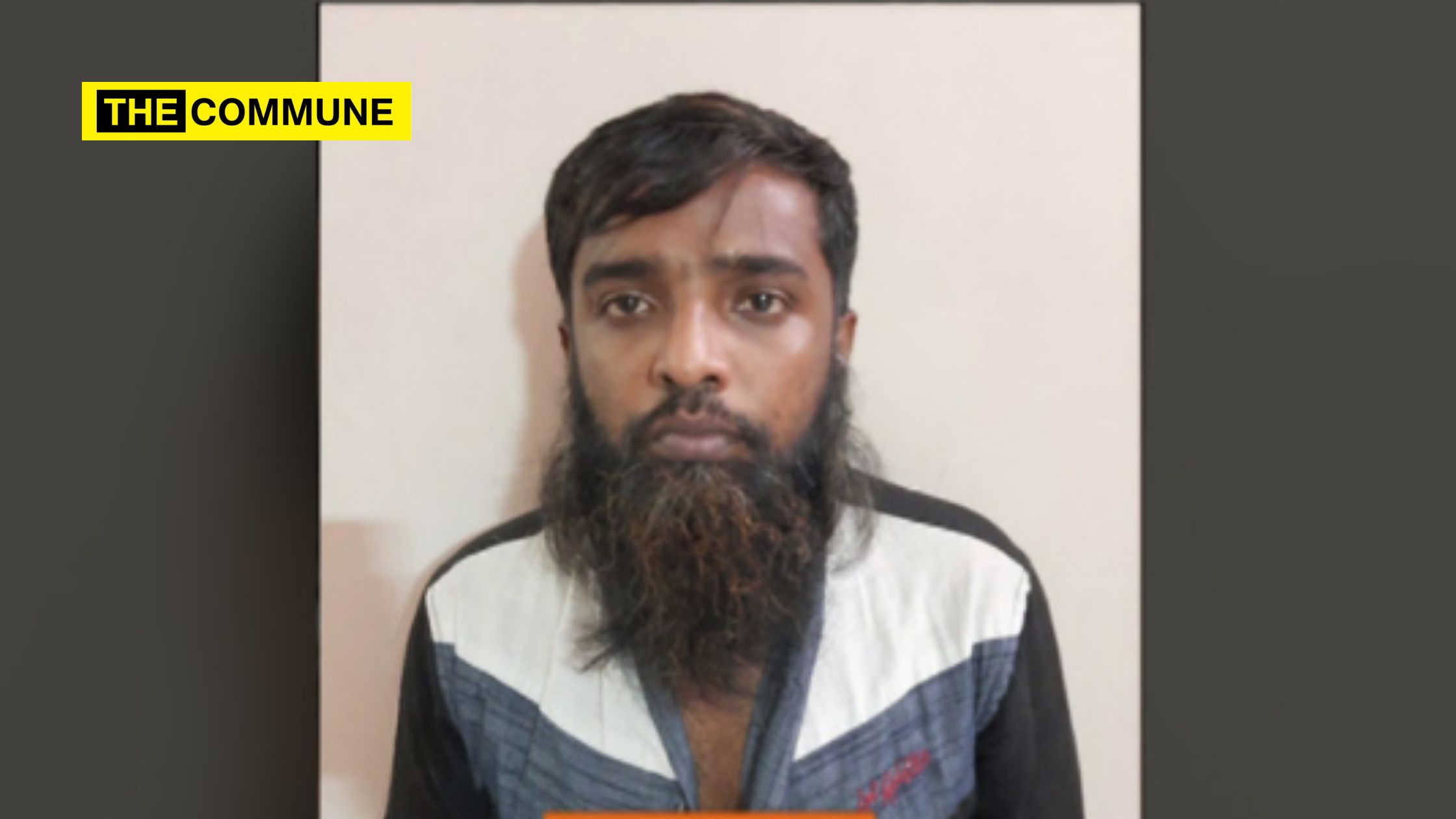
A Muslim man arrested in connection with a robbery in Chennai was found to have links to a terrorist organization Al-Ummah.

On May 5th, two robbers named Rafique and Yaasin snatched ₹7.50 lakh and 282 grams of gold jewelry near Periyamedu police station from a jeweler named Suraj.

The Periamedu police nabbed Yasin with the help of CCTV camera footage a few days ago. Based on his confession, police arrested Rafique from a hideout in Thiruvottiyur. The police team seized 74.6 grams of gold jewels, a car, and a bike from him before he was remanded on Friday.

Upon investigation, Police found Rafique is a terror suspect involved in the 2014 bomb blast at MGR Chennai Central railway station in which a woman software engineer was killed.

According to police, Rafique was a member of Al-Umma, a banned organization, and the National Investigation Agency (NIA) was looking for him in relation to the 2014 blast case. The NIA was informed about his arrest.

Rafique began his criminal career as a fake currency agent in the city, according to a senior police officer, and he had links to fundamentalists in Bengal’s Malda district. Rafique had visited Bangladesh and Pakistan to import the fake currency notes, according to a police officer who had arrested him smuggling fake currency at Kodungaiyur a decade earlier.

However, the arrest of this man has found minimal coverage in Tamil media.

Click here to subscribe to The Commune on Telegram and get the best stories of the day delivered to you personally.
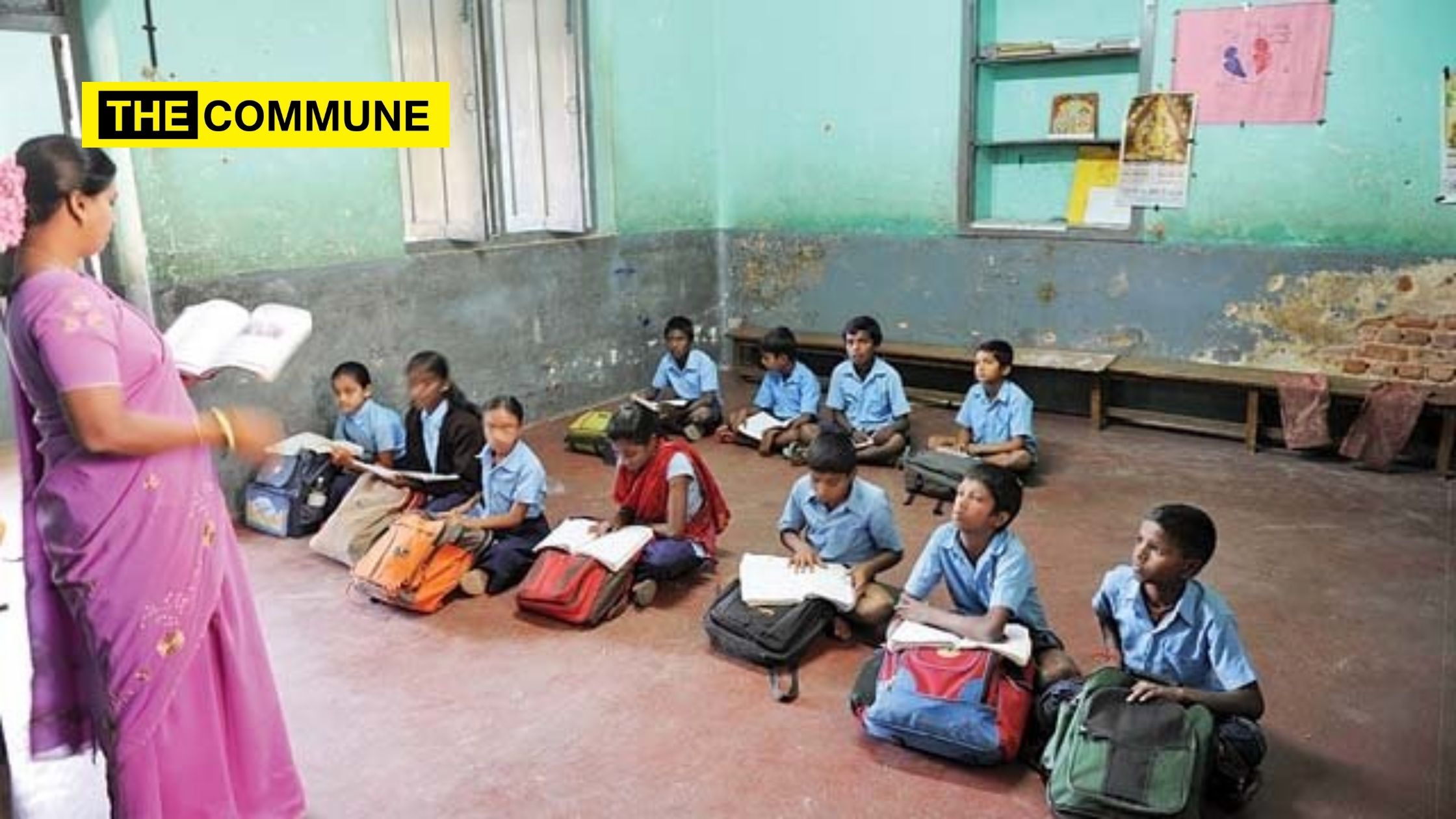
TN govt school teachers enjoy full salary with zilch work during pandemic

Indian society has held the teacher or “guru” in high regard from ancient times. The “guru” finds an important place in ancient scriptures as well. The tradition is so strong that Eklavya did not hesitate once in cutting off his thumb. Such high regard is because India has traditionally been a knowledge dominant society. Even the socio-religious reformers remarked the quintessence of Gurus in one’s life. They strongly asserted that all one knows – universe, soul and thy self can be attributed to Guru and Guru alone. However, it is important to note that the teaching community in Tamil Nadu today is not the same as it was in the past.

It is a known fact that the pandemic has wreaked havoc on the lives of all salaried people. But there is one salaried class that is withdrawing full salary with almost no work during this pandemic. In an attempt to control COVID-19, central government imposed curfew on March 24, 2020. Ever since the curfew was announced the government schools have remained shut. But the government has paid the salary of government school teachers on time until now. Is it fair to pay them their entire salaries without them doing any work? This is a question that any rational thinker would ask.

No one can deny the importance of school teachers in a society’s progress. But how is it fair that these teachers are paid in full without having to work while the whole state of Tamil Nadu is ravaged by a deadly disease and the government is cash-strapped?

Corona frontline warriors are still working on the ground today, unconcerned for their own safety amid the pandemic. Unlike sanitation workers, police officers, doctors, ambulance drivers, and nurses, who work day and night during a pandemic, government school teachers don’t have to sweat day long. Furthermore, as compared to the wages of sanitation workers, nurses, ambulance drivers, and police officers, government school teachers earn a very high salary. A head master of a government elementary school withdraws a monthly pay of more than ₹80,000.

When questioned how they can get paid without working, every government school teacher would tell you that they contributed their one-day salary to the COVID relief fund. However, a fundamental question arises. Is it sufficient to donate one day’s salary when they are paid for a year without working?

Besides that, if the government does not implement the 8th pay commission by the start of the next fiscal year, all of these teachers will become protesters, disrupting normal school operations and demanding pay increases with no regard to the student’s academic performance.

How can we expect teachers to help students who are socially and economically disadvantaged if they have this attitude?

The only solution to this problem is to have yearly appraisals for government school teachers, similar to what we have in private companies, and to relate pay and promotion to appraisal results. The standard of education provided to economically backward students in government schools would also improve. Unfortunately, no ruling party will have the political will to carry out the decision to have teacher evaluations in government schools.

Click here to subscribe to The Commune on Telegram and get the best stories of the day delivered to you personally.
MIT educated TN Fin Min PTR takes public discourse to a new low

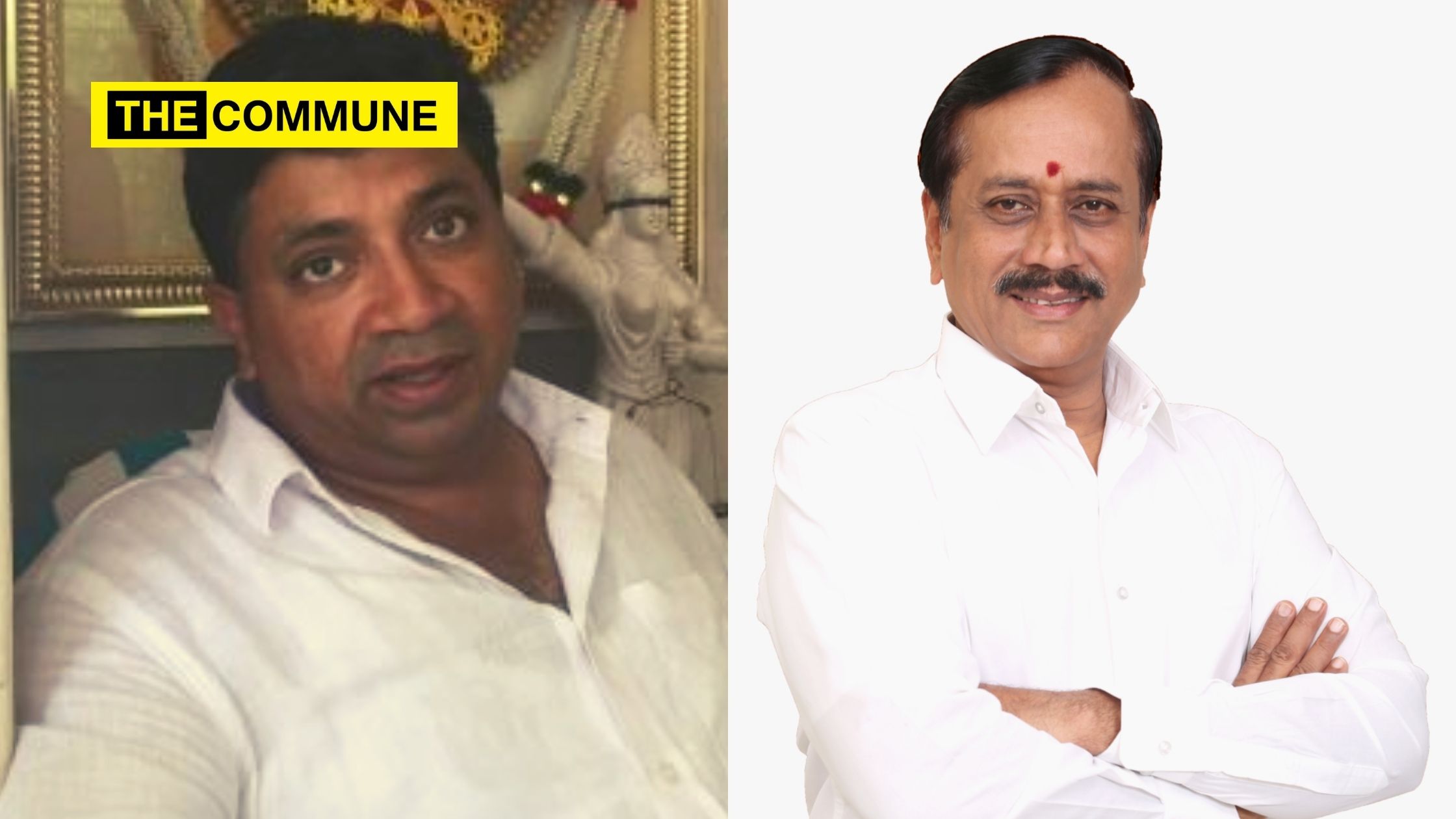
P.T.R. Palanivel Thiagarajan, the Finance Minister of Tamil Nadu who had earlier called Sadhguru Jaggi Vasudev a ‘publicity hound’ and a ‘charlatan’ has now made unparliamentary remarks on BJP leader H. Raja.

Speaking to reporters after, the MIT Sloan School of Management educated Minister said that he would only to people who are qualified and not to rabid barking dogs.

He made the remarks after one of the reporters asked him about his response to BJP leader H. Raja who had in a press meet condemned Palanivel Thiagarajan for his objectionable comments on spiritual guru Jaggi Vasudev. Palnivel Thiagarajan asked reporters to have some standards and ask appropriate questions at appropriate time and that there should be a limit in asking questions.

“I will reply to only those questions or criticism from a qualified person. If you ask me about a barking rabid dog, I can’t answer. I am a Minister of this state. Please.. I can’t answer to barking dogs.”, he said.

The Ministers remarks have come under severe criticism for taking the public discourse to a new low with netizens calling it as unbecoming of a public representative.

BJP Tamil Nadu Vice President K Annamalai pointed out to late DMK patriarch Karunanidhi’s quote which says that the influence of the one who is devoid of arrogance and rage is always respected.

Click here to subscribe to The Commune on Telegram and get the best stories of the day delivered to you personally.