Home Blog Page 1268

The truth about Justice Party that you should know
Looking at the camaraderie between the leaders of Congress and DMK in Tamil Nadu today, one can only laugh at the plight of the Congress party and the levels to which it had been reduced to. Except for the issue of acquitting the killers of Rajiv Gandhi, there seems to be no difference between the Congress and the DMK. The former finds itself shamelessly sucking up to the latter to remain relevant in today’s Tamil Nadu politics.

It should be noted that the Justice Party, the parent organization of the DMK, and the Congress were ideologically opposed at one point, and some senior Justice Party leaders went on a public tirade against Congress leaders. Justice Party leaders made reference to the Congress as a “Brahmin” party, a term they now use to refer to the BJP. Congress also criticized the leaders of the ‘Justice Party’ for their feudal mindset. They referred to the leaders of the ‘Justice Party’ as land-owning, dominant, non-Brahmin caste leaders.

DMK leaders and sympathizers of the party who claim to be flagbearers of social justice often boast how the Justice Party had been born out of struggles for the oppressed. However, a deep look into the history will reveal that the party was born out of hate and personal vendetta.

Justice Party, a party formed by ego-hurt landed wealthy caste leaders

The Tamil Nadu Congress formed the government in Tamil Nadu after securing a landslide majority in the 1937 provincial elections and decimating the Justice Party, which did not emerge after that election. The journey of ‘Justice Party’ from its inception in 1916 to its decimation in 1937 election is worth remembering.

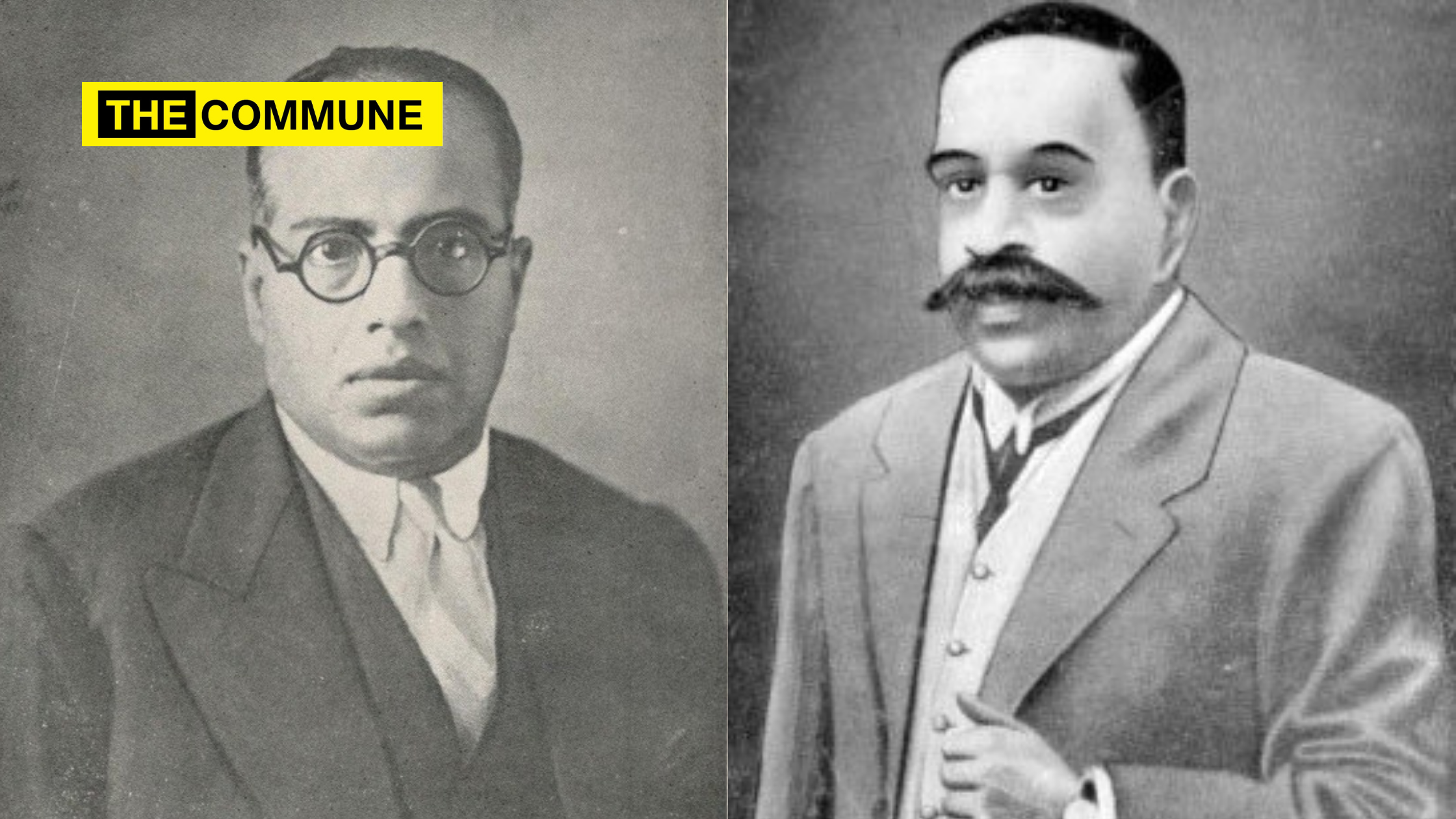
TM Nair and PT Thiyagaraya Chettiar were founding members of the Justice Party. The story of how they started the Justice Party is important to know.

TM Nair was in Congress before starting the Justice Party. He presided over the North Arcot Congress conference at Chittoor in 1907. He was elected to the Madras Corporation in 1904, representing the Thiruvallikkeni constituency, which is dominated by Brahmins. He was elected to the same constituency three times in a row subsequently. However, when he contested for the Imperial Legislative Assembly in the same constituency in 1916, he was defeated. He came to the startling conclusion that the Brahmins who lived there were to blame for his election defeat, and this failure prompted him to start a non-Brahmin party.

PT Thiyagaraya Chettiar  was also a member of Congress before starting the Justice Party along with TM Nair. Thiyagaraya Chettiar once donated more than ₹10,000 to the Kumbabhishekam of the Mylapore Kabaliswarar Temple. When he arrived at the ceremony, he was denied a seat on the stage. There were many brahmins seated on stage, and he felt insulted since no one invited him to be on stage. Thiyagaraya Chettiar, unable to tolerate what he saw as caste arrogance, was driven to start a non-Brahmin party.

TM Nair and Thiyagaraya Chettiar, both affluent and educated, founded the non-Brahmin party because their personal interests were hurt and not for the cause of oppressed people. Both would not have founded Justice Party if TM Nair had won the Imperial election in 1916 and Thiyagaraya Chettiar had been given a seat beside brahmins on stage. They started the party because they felt insulted in front of brahmins and not for the sake of the upliftment of the downtrodden.

Although certain Dalit leaders were linked to EV Ramasamy and the Justice Party, they did not agree with them on all issues. That relationship was in the form of the enemy’s enemy is our friend sort of relationship. Even back then, oppressed community leaders criticized EVR and the Justice Party on a number of issues. This is because the Justice Party’s leaders primarily cared about the upliftment of their own castes and ignored the poor.

The history of leaders like M. Krishnasamy, Veerasamy, L.C. Kurusami, Rao Bahadur Jagannathan, Annai Meenambal Sivaraj, Jyoti Venkitachellam, M.C.Raja, and Diwan Bahadur Rettamalai Srinivasan, who truly battled for the oppressed, was viciously suppressed by Dravidian leaders.

The end of Justice Party:

After boycotting the 1920 election owing to the Non-Cooperation Movement, Congress chose to contest in the 1937 provincial election, raising the aforementioned problems with Madras Presidency voters and labeling Justice Party leaders as British stooges.

The Indian National Congress obtained a majority by winning 159 of 215 seats in the Legislative Assembly. This was the first electoral victory for the Congress in the presidency since elections were first conducted for Madras Legislative Council in 1920. The Justice Party which had ruled the presidency for most of the previous 17 years was voted out of power. The Assembly was constituted in July 1937 and C. Rajagopalachari (Rajaji) became the first Congress Chief Minister of Madras.

The Justice Party was demoralized by its defeat and the Raja of Bobbili temporarily retired from active politics. Many incumbent ministers of the Justice Government were defeated in this election. Chief Minister Raja of Bobbili, Kumararaja of Venkatagiri, P. T. Rajan, A. P. Patro, and the Raja of Ramnad were among the Justice Party leaders who were defeated. The party remained in the political wilderness and eventually came under the control of Periyar EV Ramasamy in 1938 and transformed into the Dravidar Kazhagam in 1944.

Current congress leaders in Tamil Nadu have forgotten this past, and some have even teamed up with state parties to refer to the Indian government as the “Union” government, which is fueling separatism. The sheer rudderless of the Congress has effected the party becoming a stooge of its own nemesis.
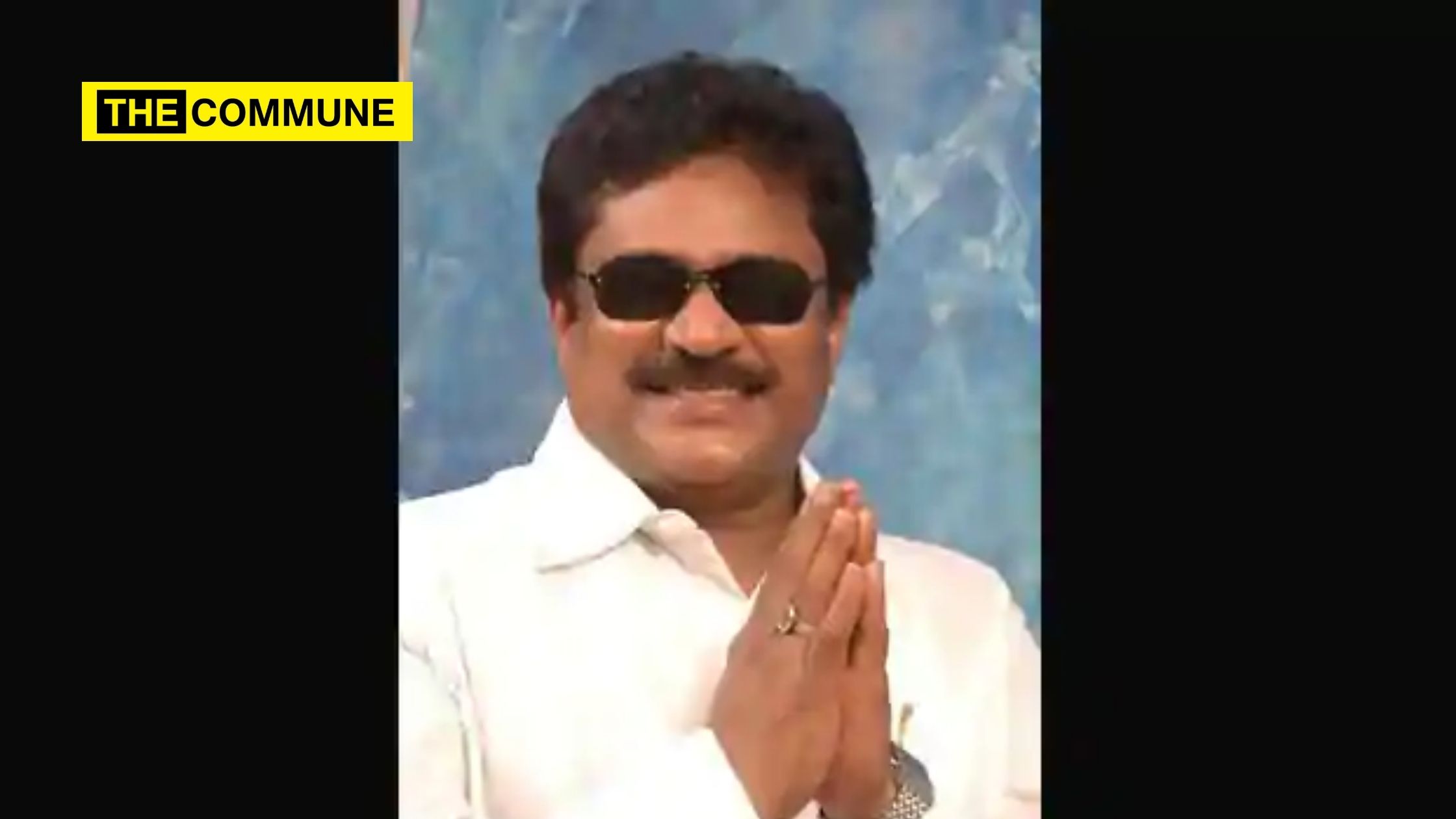
Congress MP Tirunavukkarasu’s comments on TASMAC and tea shop draws flak

The response of Tiruchirapalli Congress MP Thirunavukarasu to a question about the government opening liquor shops while not allowing tea shops to open has attracted controversy.

The Tamil Nadu government announced on Friday that the existing curfew will be extended for another week with more relaxation. Additional relaxations have been granted to 27 non-hotspot districts.

Accordingly, it has been announced that TASMAC and saloon shops will be opened in non-hotspot districts. Following this, the Tamil Nadu government has released guidelines for the operation of TASMAC shops which will be opened tomorrow. However, the government had not give permission to open tea shops. However, after receiving flak, the government has allowed tea shops to open.

In this light, Tiruchirapalli Congress MP Tirunavukkarasu, who was inspecting government hospitals in Maravanur and Manapparai in Tiruchi, told reporters that people who buy liquor from a TASMAC shop will not form a crowd, but those who go to a tea shop will form a crowd and sit for hours.

This interview of Trichy MP went viral on social media, and netizens questioned him about the daily crowds in front of TASMAC outlets during normal operations. His remarks, on the other hand, were well received by liquor drinkers.

Click here to subscribe to The Commune on Telegram and get the best stories of the day delivered to you personally.

Self-styled godman Siva Sankar ‘Baba’ slapped with POCSO Act

A case has been registered under the Prevention of Children from Sexual Offences (POCSO) Act against self-styled god man and founder of Sushil Hari School, Siva Sankar ‘Baba’ in light of the sexual harassment charges levelled against him by girl students who had studied in the school.

Earlier, The Tamil Nadu Commission for Protection of Child Rights (TNCPCR) had issued summons to Siva Sankar ‘Baba’ and the management of Sushi Hari school to inquire about the allegations. However, Siva Sankar ‘Baba’ did not make himself available as the self-styled god man, reported suffered a heart attack and has been admitted to hospital in Dehradun, as claimed by his disciples.

Many students and alumni of the school had accused Siva Shankar ‘Baba’ of manipulating and sexually harassing girl students at the Sushil Hari School. These had come to light after screenshots of Instagram stories started doing the rounds on social media. Based on this, the Kelambakkam Police arrived at the school to inquire about the incident. Three complaints have reportedly been filed based on which a case has been filed under POCSO Act.

Click here to subscribe to The Commune on Telegram and get the best stories of the day delivered to you personally.

DMK cadres try to grab land near Chennai, public thrash and send them running helter-skelter 

Men belonging to the DMK who had tried to sell off poromboke land meant for public use on the outskirts of Chennai were thrashed and sent running by people of the area.

Around 2000 families live in a settlement near Kallu Kuttai which lies next to Taramani, a suburb of Chennai. In 2015, a water tank was erected on a poromboke land for the use of people of the area.

After the DMK came to power in May 2021, a few men from the DMK had been frequenting the place allegedly trying to sell off the poromboke land using fake documents and demanded for the removal of the water tank meant for public use.

When they were confronted by the people a few days back, the DMK cadres identified as Ramesh Manikandan, Rajalingam and Sakthi threatened the people that they would demolish their houses with a JCB. They allegedly gave death threats and made derogatory comments on women who had opposed them saying that the DMK was now in power and that they can do whatever they want.

Irked by the behaviour of the DMK men, the public put up a united front and thrashed DMK men Ramesh Manikandan and Rajalingam and sent them running.

Along with them the DMK circle secretary Venkatesan, treasurer Kathir and advocate Ramesh Mani who were involved in selling off poromboke land to gullible poor people promising to build huts were also beaten up by the public. The police who were informed of the clash arrived at the spot to ease the situation but were of no help.

Based on the complaints of the residents, the Thoraipakkam police have registered a case and are investigating the issue.

(With inputs from News J)

Click here to subscribe to The Commune on Telegram and get the best stories of the day delivered to you personally.

New waste water treatment technology can reduce costs for low and medium scale enterprises

Soon automobile servicing industry, food industry, and other low and medium scale enterprises can have a smart, affordable electric field-assisted membrane separation device at their disposal for oily waste water treatment.

Low-income group users mostly cannot afford the high cost of treatment technologies available for handling oily wastewater generated at their source points. As a result, large amount of untreated oily wastewater is discharged into the aquatic bodies without following the guidelines of the Pollution Control Board.

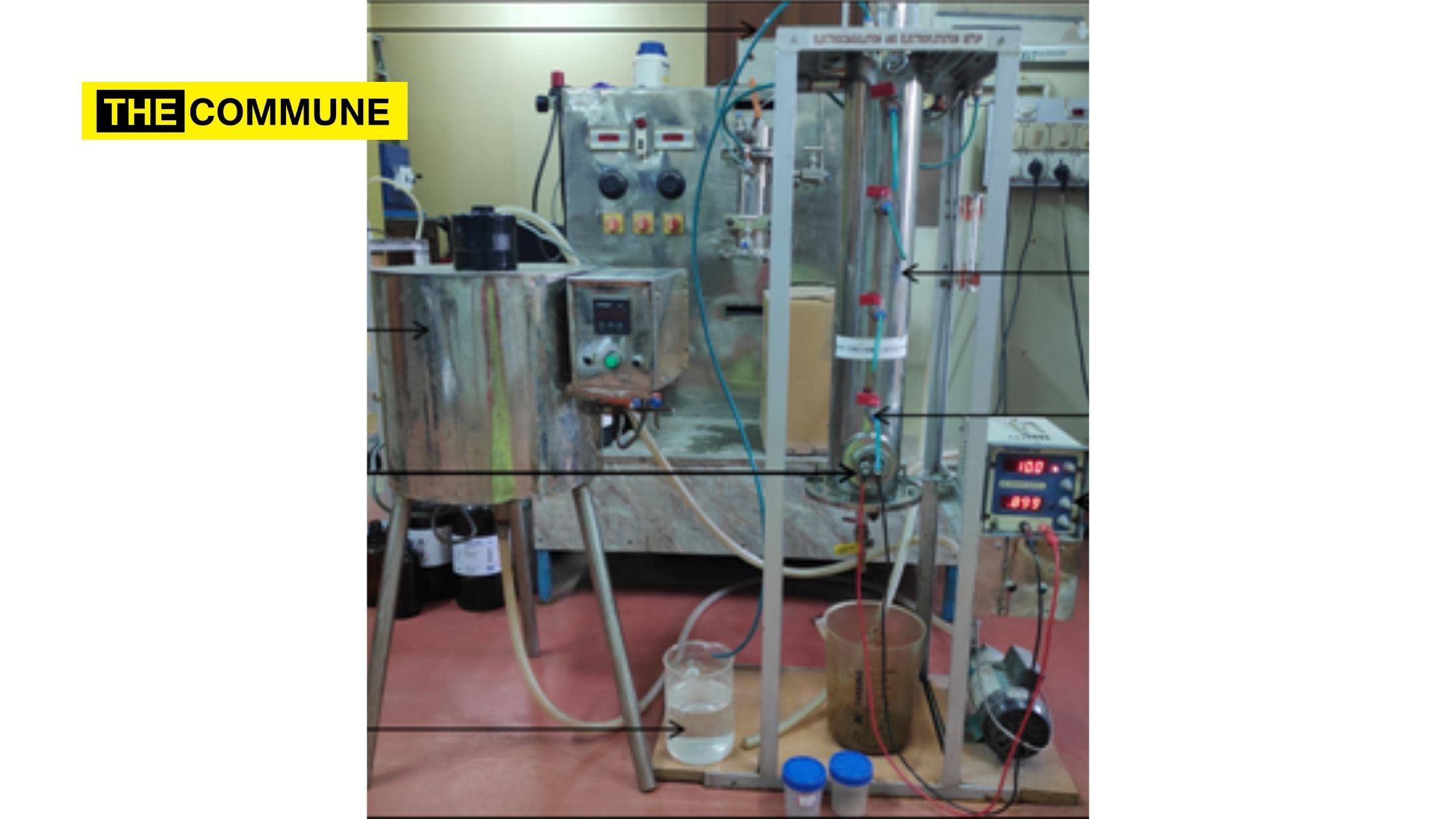
The technology developed by Dr Chiranjib Bhattacharjee, Professor at the Chemical Engineering Department in Jadavpur University, Kolkata, uses a combination of Electrocoagulation and Electroflotation Enhanced Membrane Module (ECEFMM) techniques for waste water treatment.  Electrocoagulationis a waste water treatment technique that uses electrical charge for changing the particle surface charge, allowing suspended matter to form aggregates, and electroflotation is the separation of suspended particles from water using hydrogen and oxygen bubbles generated by passing electricity through water.

In the developed module, electrocoagulation and electrofloatation are adjoined with membrane in a single indigenous setup. The turbulence created because of the hydrogen bubbling through the feed medium or the waste-water resists the deposition of oil over the membrane. The synergistic effect of hydrogen bubbling and rotation of the membrane module creates substantial turbulence within the solution and on membrane surface. On application of electric field during membrane separation, membrane fouling is substantially reduced, and membrane longevity is also enhanced by restricting the membrane ageing for prolonged time period. Thus, it requires less frequent membrane replacement, thereby reducing the maintenance costs to a great extent.

The innovation being an economically feasible wastewater treatment technology (both in terms of capital and recurring investment) for low-scale and medium enterprises, has a good market potential. Moreover, unlike other conventional treatment, it can break the highly stable oil-water emulsion through electric discharge and simultaneously separates oil from water with high efficiency. Besides, by integrating the electrochemical process setup with the membrane module in a single hybrid ECEFMM setup, one process has been eliminated. This significantly lowers the initial capital investment expense along with the additional advantage of reduced installation area requirement.

This technology developed with support from the Advanced Manufacturing Technologies programme of the Department of Science & Technology (DST), Government of India requires minimal manpower and does not need high-end technical adequacy for its operation, thus reducing the operational expense to a large extent. The recovered spent oil after oily wastewater treatment can be further used as an industrial burner oil, furnace oil, mould oil, hydraulic oil and so on. Thus, it creates a huge revenue generation scope for low-income groups by selling this collected spent oil. In a zone of densely concentrated garages, installation of one setup will serve the purpose of wastewater treatment and thereby extend the opportunity towards other low-income group users to control the water pollution level within PCB regulations. It is aligned with the ‘Make in India’ initiative. The validation and testing of the prototype have been successfully accomplished, and the pilot-scale validation and testing is on the verge of completion.

So far, the separation technology running in different sectors for treating such oily waste water involves the installation of an electrolytic cell or DAF followed by membrane unit. However, installing two separate units requires a high footprint area compared to the present unit, where two-unit operations are being assimilated in a single unit, said Dr. Bhattacharjee

This prototype innovation has proceeded towards level 6 of the Technology Readiness Level, and Dr. Chiranjib Bhattacharjee has partnered with Concepts International for industrial collaboration and scale-up of the innovation. He plans to further carry out a field run with the pilot-scale module, networking and field installation, and Commercialization of the equipment through start-up.

(Published from PIB)

Click here to subscribe to The Commune on Telegram and get the best stories of the day delivered to you personally.

Defence Ministry approves policy on archiving, declassification & compilation of war/operations histories

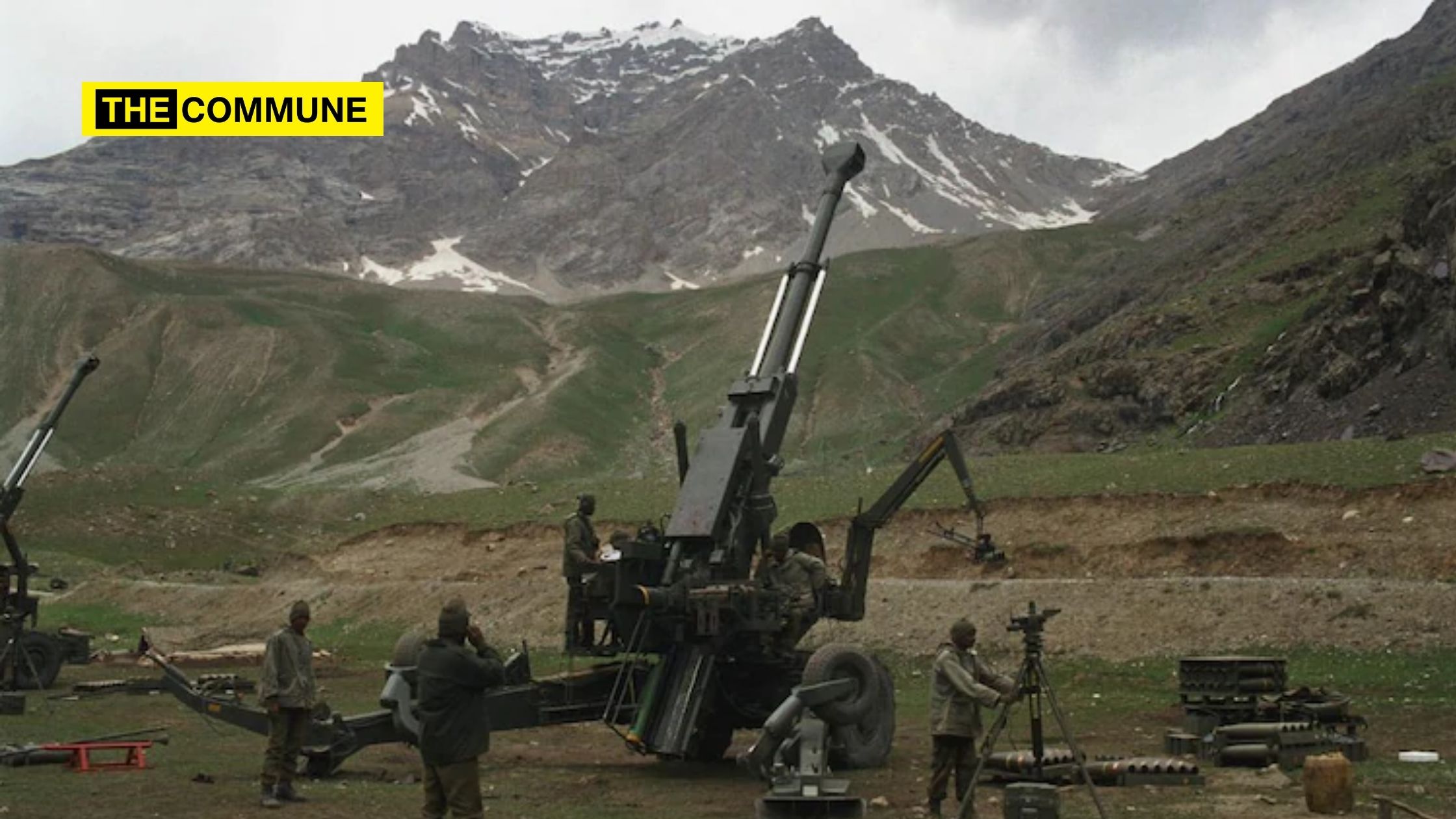
Defence Minister Rajnath Singh has approved the policy on archiving, declassification and compilation/publication of war/operations histories by the Ministry of Defence. The policy envisages that each organisation under the Ministry of Defence such as Services, Integrated Defence Staff, Assam Rifles and Indian Coast Guard, will transfer the records, including war diaries, letters of proceedings & operational record books, etc., to the History Division of Ministry of Defence (MoD) for proper upkeep, archival and writing the histories.

The responsibility for declassification of records rests with the respective organisations as specified in the Public Record Act 1993 and Public Record Rules 1997, as amended from time to time. According to the policy, records should ordinarily be declassified in 25 years. Records older than 25 years should be appraised by archival experts and transferred to the National Archives of India once the war/operations histories have been compiled.

The History Division will be responsible for coordination with various departments while compiling, seeking approval and publishing of war/operations histories. The policy mandates constitution of a committee headed by Joint Secretary, MoD and comprising of representatives of the Services, MEA, MHA and other organisations and prominent military historians (if required), for compilation of war/ operations histories.

The policy also set clear timelines with regard to compilation and publication of war/operations histories. The above-mentioned Committee should be formed within two years of completion of war/operations. Thereafter, collection of records and compilation should be completed in three years and disseminated to all concerned.

The requirement of having war histories written with clear cut policy on declassification of war records was recommended by Kargil Review Committee headed by K Subrahmanyam as well as N N Vohra Committee in order to analyse lessons learnt and prevent future mistakes. Post Kargil War, GoM recommendations on national security also mentioned the desirability of authoritative war history.

Timely publication of war histories would give people accurate account of the events, provide authentic material for academic research and counter the unfounded rumours.

(Published from PIB)

Click here to subscribe to The Commune on Telegram and get the best stories of the day delivered to you personally.

Two temple activists who had complained about corruption in Kanchi Ekambaranathar Temple arrested

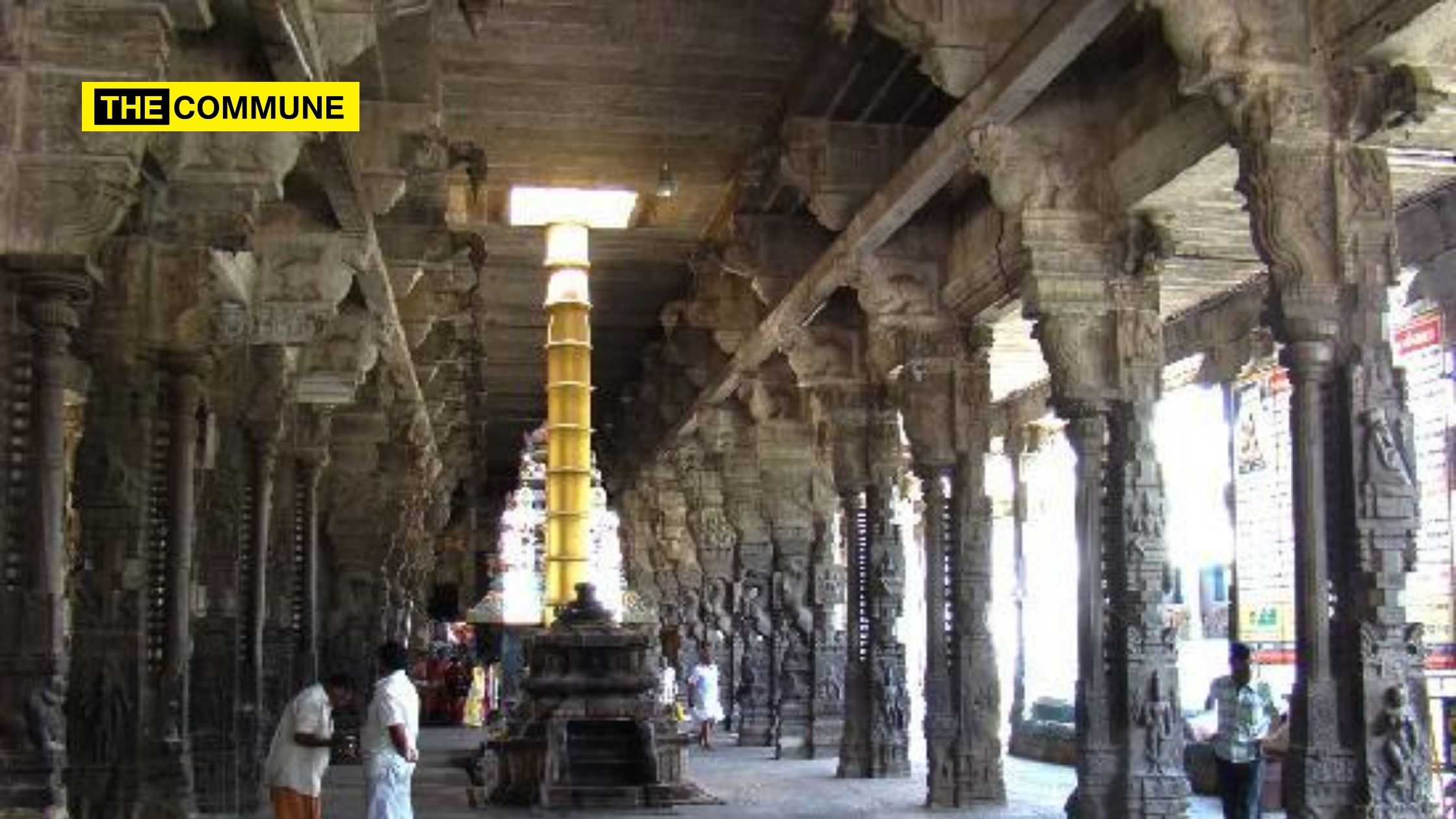
Police have arrested two temple activists – Dinesh Babu and Dilli Babbu – in Kanchipuram for allegedly slandering police and preventing temple staff from working.

The two activists were arrested after they complained about irregularities in the idol sculpting works and thefts happening at the Ekambaranathar Temple in Kanchipuram.

On the fifth of last month, the temple Executive Officer Thiagarajan had registered a complaint with the police that the Dinesh Babu and Dilli Baabu were ‘spreading rumours’ about jewels being stolen from the treasure room and that they two were preventing the temple officials from doing their duty.

Both Dineshbabu and Dillibabu, had raised alarms about irregularities in the making of new idols at the Ekambaranathar temple. They had even complained to the police following which Idol Wing of Tamil Nadu police led by Pon. Manickavel had arrested a few authorities of the temple.

The duo had been consistently red flagging about the various happenings at the temple. The arrest of the two activists have now led to suspicion about silencing of voices exposing corruption in the temple affairs.

(With inputs from The Hindu Tamil)

Click here to subscribe to The Commune on Telegram and get the best stories of the day delivered to you personally.

“What’s in a name?”: BJP Spokesperson Sambit Patra stuns Mahila Congress President who tried to act smart by calling UP CM ‘Ajay Bisht’

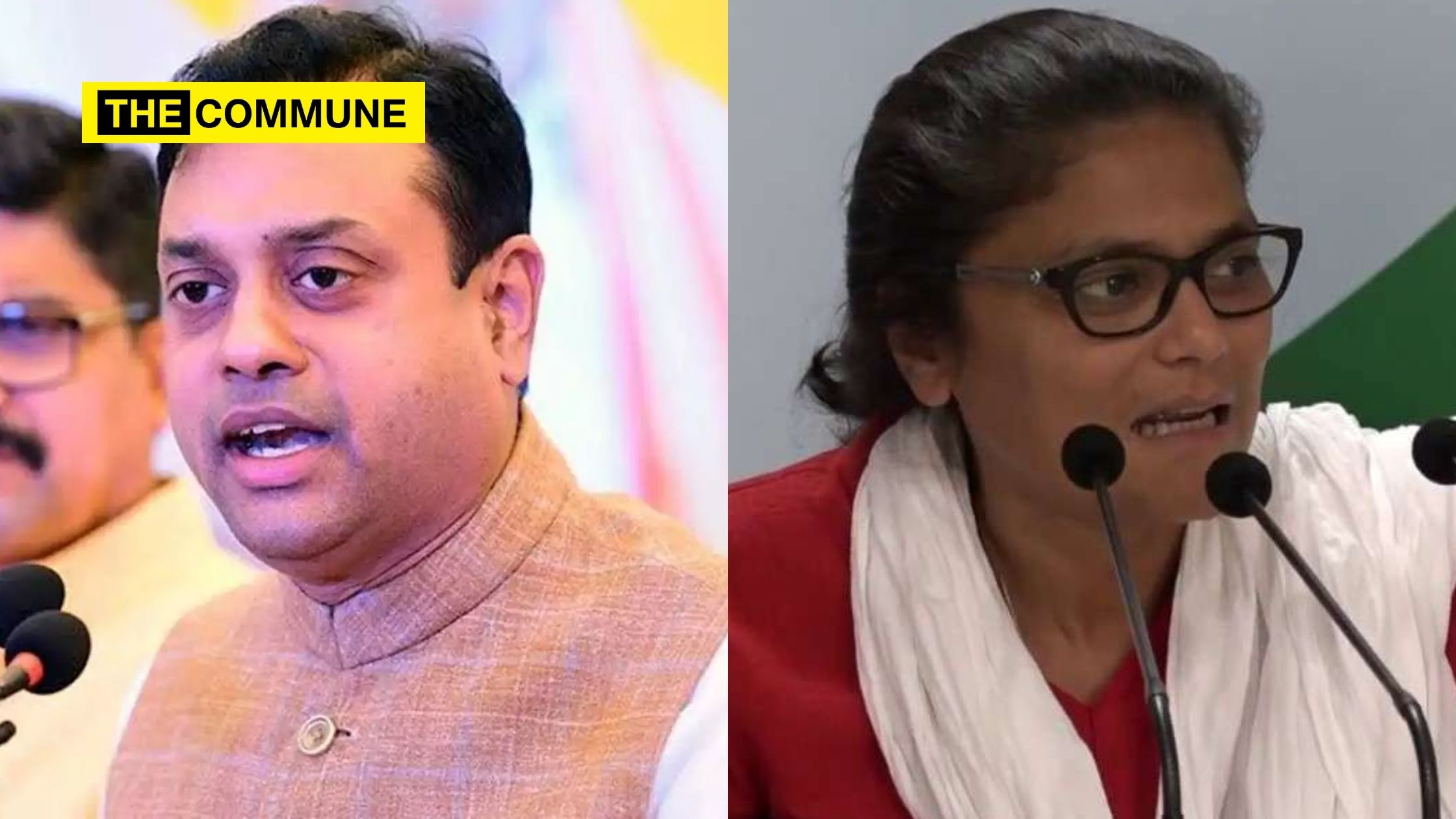
During a television debate on India TV between Bhartia Janata Party (BJP) spokesperson Sambit Patra and national spokesperson of the Congress Sushmita Dev, the latter kept referring to Uttar Pradesh (UP) Chief Minister Ajay Mohan Bisht who took the name Yogi Adityanath after he became Abbot (Mahant) or head priest of the Gorakhnath Math, a Hindu temple in Gorakhpur.

In 2022, UP which is India’s most populous state will go to the polls and the Congress spokesperson was talking about the growing upheaval against the CM and the discontent expressed by BJP MLAs, and alleged that there was a growing rift between Yogi Adityanath and Prime Minister Narendra Modi.

Dev went on to say that Modi had invited the UP CM several times to Delhi which he had refused but kept referring to the UP CM as Ajay Bisht while the BJP spokesperson kept quiet.

However, when the anchor asked why to keep referring to Yogi by his old name, the Congress spokesperson said that Ajay Bisht has never said no to this name and also made it very clear that when the Election Commission banned him the name used was Ajay Bisht.

When the time came for Sambit Patra to respond, he said how the Congress President Antonia Maino aka Sonia Gandhi has any knowledge about the growing discontent within the ranks of the BJP and the rift between Yogi and Modi.

He then went on to say whether ‘Antonia Maino’ was given this by the PM or she ascertained this information from the UP CM. Sambit Patra kept calling Sonia Gandhi by her birth name Antonia Maino.

When the anchor interjected why Patra is also calling Congress President Antonia Maino, Patra gave the same reply given earlier by the Dev who had said what’s in the name given lovingly by one’s parents.

Watch the video here:

Click here to subscribe to The Commune on Telegram and get the best stories of the day delivered to you personally.

Policeman who married his teenage cousin ‘to save family honour’ booked under POCSO Act

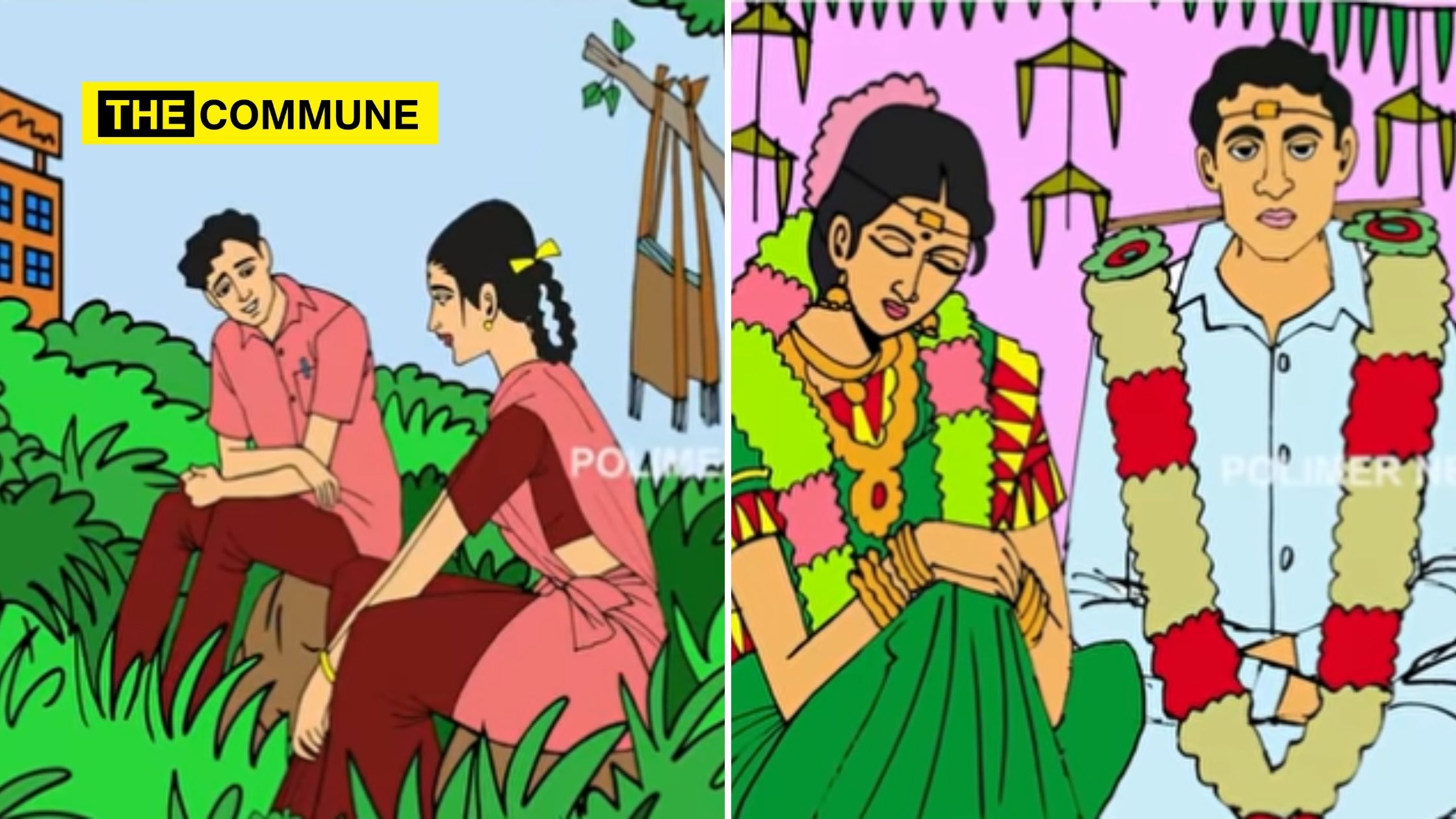
A Chennai policeman has been arrested under the POCSO Act for allegedly marrying a girl who fell in love with her schoolmate near Madurai to ‘save the honour of his family.’

Palanikumar hails from Maikudi village next to Thirumangalam in Madurai district. The 27-year-old joined the police force in 2016. Palanikumar, who had been working in the law and order unit at the Madhavaram Dairy Farm Police Station from the Armed Forces. He was currently driving for the Criminal Investigation Department.

Palanikumar is said to have married his 17-year-old cousin near Samayanallur on the 17th of last month at the behest of his parents. He has been living with his new wife near the Madhavaram police station in Chennai.

District Social Welfare Officer Revathi lodged a complaint at the Madhavaram All Women’s Police Station after she received a complaint from the Child Welfare Organization that Palanikumar had forcibly married the girl and kept her locked up at home. The child marriage, which was held in a hurry to ‘save the family’s honour’, came to light when police inspector Kannaki called policeman Palanikumar for questioning.

Palanikumar’s uncle’s daughter fell in love while going to school. Upon knowing this, her parents and relatives had decided to marry the girl off to Palanikumar, saying that their family’s honour would be affected if she married her boyfriend. Although Palanikumar knew that this was wrong, it was revealed that he had brought his uncle’s daughter to Chennai and married her under the pressure of the family.

Despite being a policeman, the police registered a case against Palanikumar under the POCSO Act for marrying a 17-year-old minor girl, and produced him in court and remanded him in custody. It has been reported that Palanikumar’s wife had informed her boyfriend, who had lodged a complaint with the Children’s Welfare Organization.

Click here to subscribe to The Commune on Telegram and get the best stories of the day delivered to you personally.

“Why vaccinate, God will help us”: says a village in Karnataka as hundreds flock to the mosque

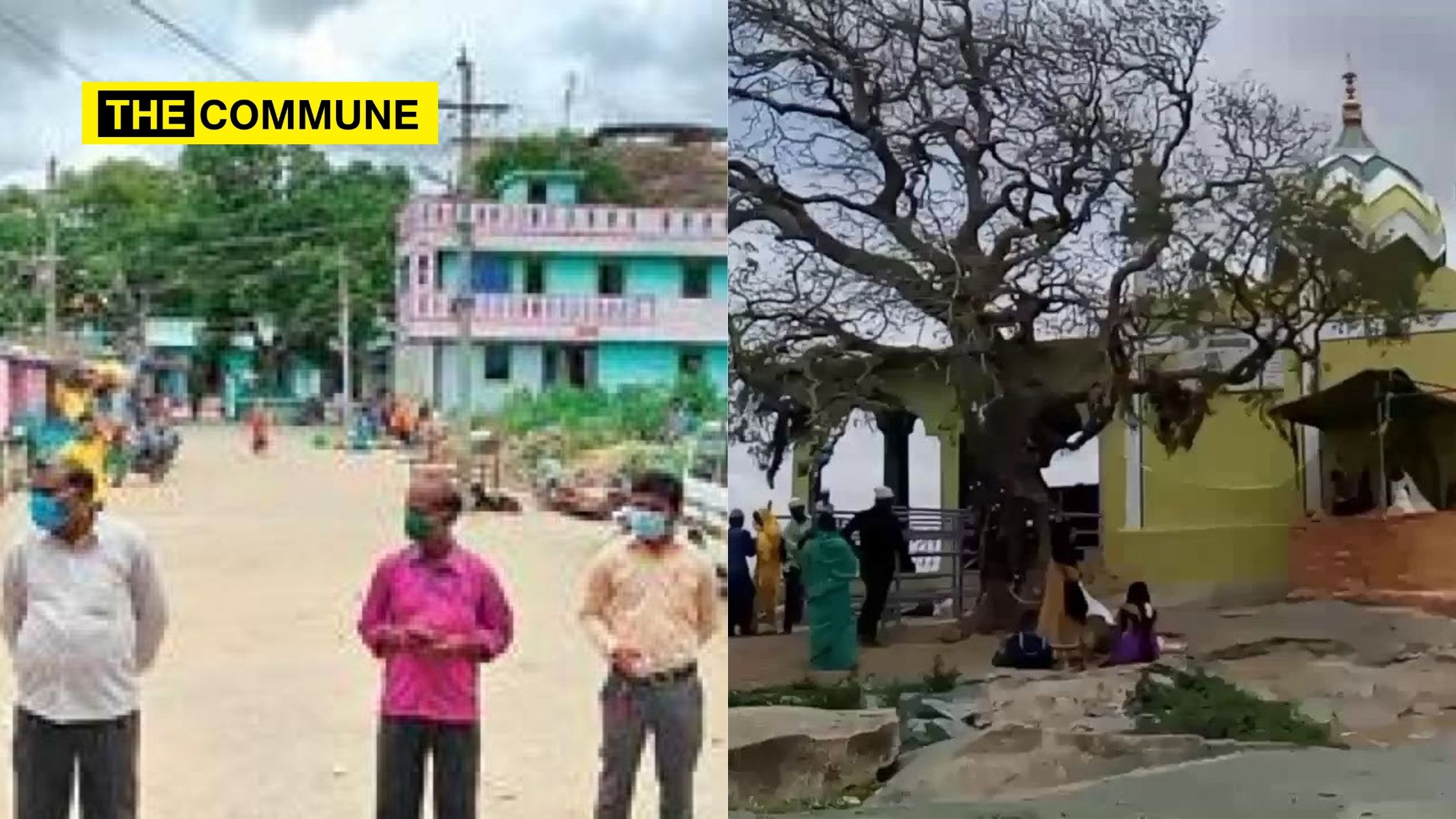
In a village in Karnataka’s Gadag district, more than 80 families are refusing to be vaccinated, leaving health workers struggling to vaccinate them. The people of the village are reluctant to get vaccinated as they believe that the spirit of a monk named Dhawal Malik will protect them from all evils.

It would be a shock to many that there are no doors in anyone’s house in this village. They believe that the Tab Malik Dargah on the hill is protecting them from evil forces.

Health workers reported saying that it was very difficult to force villagers in the village to be vaccinated and that the villagers have been stubborn against getting vaccinated for the past four days despite conducting various awareness programs.

Dr Preet Kona, medical officer at the Mulkand Primary Health Center, said that to avoid further vaccination camp, they had told that they were not feeling well and had to attend the funeral and that they were not worried about COVID-19 as God would protect their village if forced to do so. A few took their first vaccine dose after a lot of persuasion by the authorities. “We will continue to urge the villagers to get vaccinated,” said a doctor working there.

One of the villagers reported that there were no serious health problems in the village and that there were no doors in their houses, but for many years there was not even a single burglary in their village and that they did not face any serious health problems because of the God that they worship. He claimed that their god protected them from all evil.

Click here to subscribe to The Commune on Telegram and get the best stories of the day delivered to you personally.