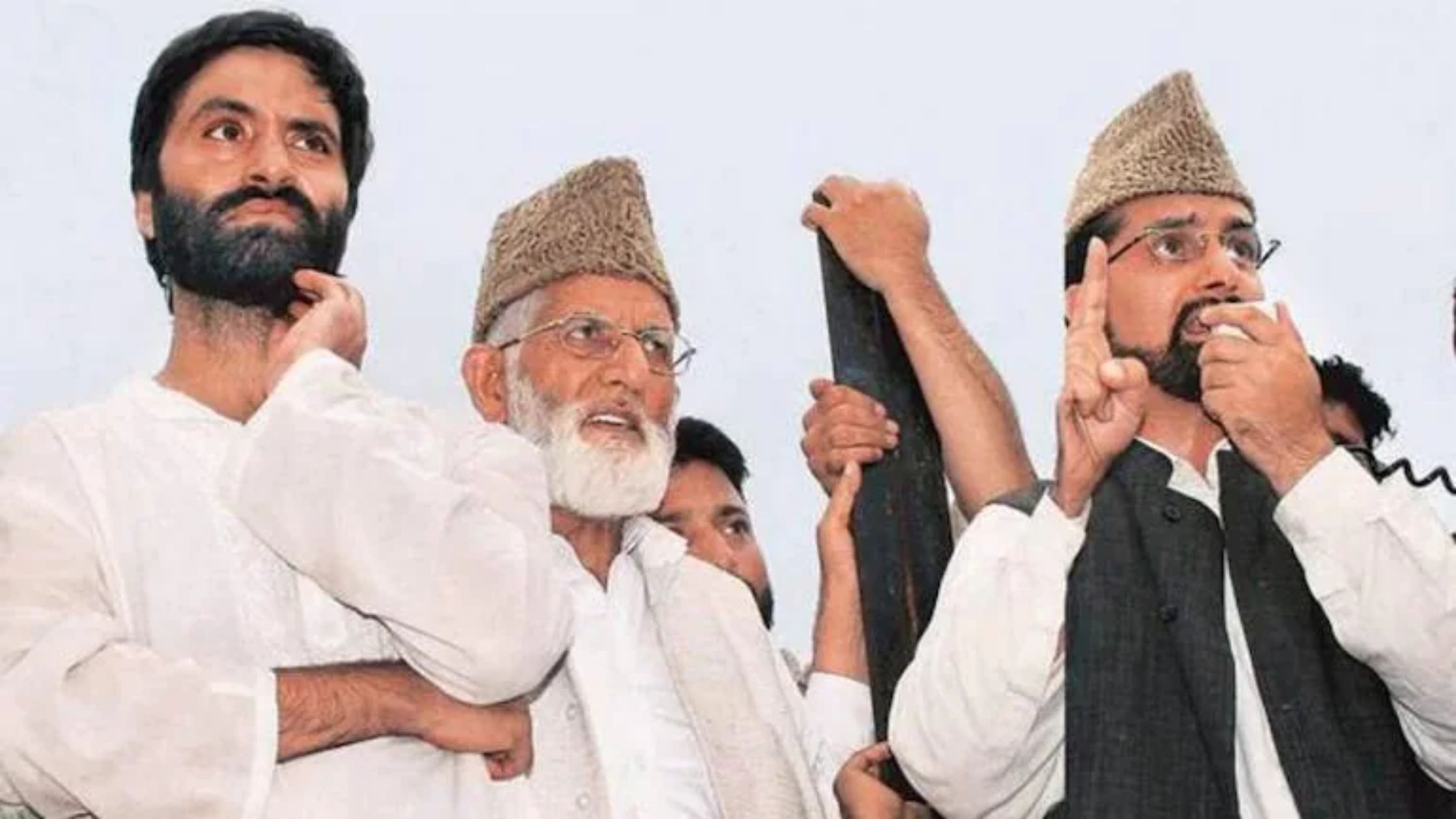
The central government is considering banning both the factions of the All Party Hurriyat Conference under the stringent provisions of the Unlawful Activities Prevention Act (UAPA), reports Indian Express.
If this ban is enforced on Hurriyat which supports Pakistan and the Taliban, it would allow the security agencies to arrest any office bearer for being associated with either of the two factions of Hurriyat, the hardline one, as well as the moderate one which is led by Ashraf Sehrai and Mirwaiz Umar Farooq, respectively.
But more importantly, the ban would allow the agencies to block the flow of funds to the two factions which allows them to run with their agendas.
The call to ban the Hurriyat Conference has been taking traction for a while, but now there is evidence and intelligence provided by the Jammu and Kashmir (J&K) Police and central agencies like the National Investigation Agency (NIA) and the Enforcement Directorate (ED) to make such a decision.
However, the Government is still to take the final call as such decisions can only be taken and approved at the highest level following the arrest of six individuals involved in a Pakistani MBBS seat racket.
The MBBS seats as the probe discovered by the J&K Police found that it was allocated to Hurriyat leaders which were sold, and the money was used to finance terror and secessionist activities.
Click here to subscribe to The Commune on Telegram and get the best stories of the day delivered to you personally.
Rabid Islamic preacher of Pakistan decent Anjem Choudary who was recently released from prison has said that the Taliban must impose “jaziya” also known as “infidel tax” on non-Muslims living in Afghanistan.
Anjem Choudary who is the founding member of Islam4UK that wants Shara law to be imposed in the United Kingdom has been a motivator of jihadi fighters and dozens of terrorist murders have now called on the Taliban to impose a stricter form of Islamic justice, including stoning adulterers, chopping off the hands of thieves and lashing anyone caught drinking alcohol.
Britain's Islamic preacher,Anjem Choudary is urging the Taliban to collect “Jaziya” or “Infidel Tax” from non-Muslims living in Afghanistan, & remove traces of West from Afghanistan
UK too shud start collecting Non-Christian tax from Anjem OR remove his traces from the West
What is even more significant is that Choudary wants the Taliban to change the name of Afghanistan to Islamic State, which is what ISIS called its territory once it declared a caliphate.
“There should be the removal of all borders and an invitation to all Muslims to become citizens of the new Islamic State with the aim to unite the Muslim land of the Indian sub-continent to begin with, to be the precursor of greater unity under the Khilafah (caliphate).”
Choudary was jailed five years ago for supporting the Islamic State terror group and was banned from speaking in public following his release. However, the ban was lifted last month which means he is now free to spew his venom of hate without any fear of being sent back to prison.
Now out of prison and free to express his views, Choudary said, “The penal code or Hudood is the right of Allah to cut the hand off the thief, stone the adulterer, implementing capital punishment upon the apostate and lashing those who drink alcohol (all after due court process and evidence) must be implemented without question and hesitation.”
He also suggested that British and American forces were legitimate targets, urging Taliban fighters to point their guns at ‘occupying forces’ and anyone who ‘stands in the way of implementing the rule of Allah’.
Click here to subscribe to The Commune on Telegram and get the best stories of the day delivered to you personally.
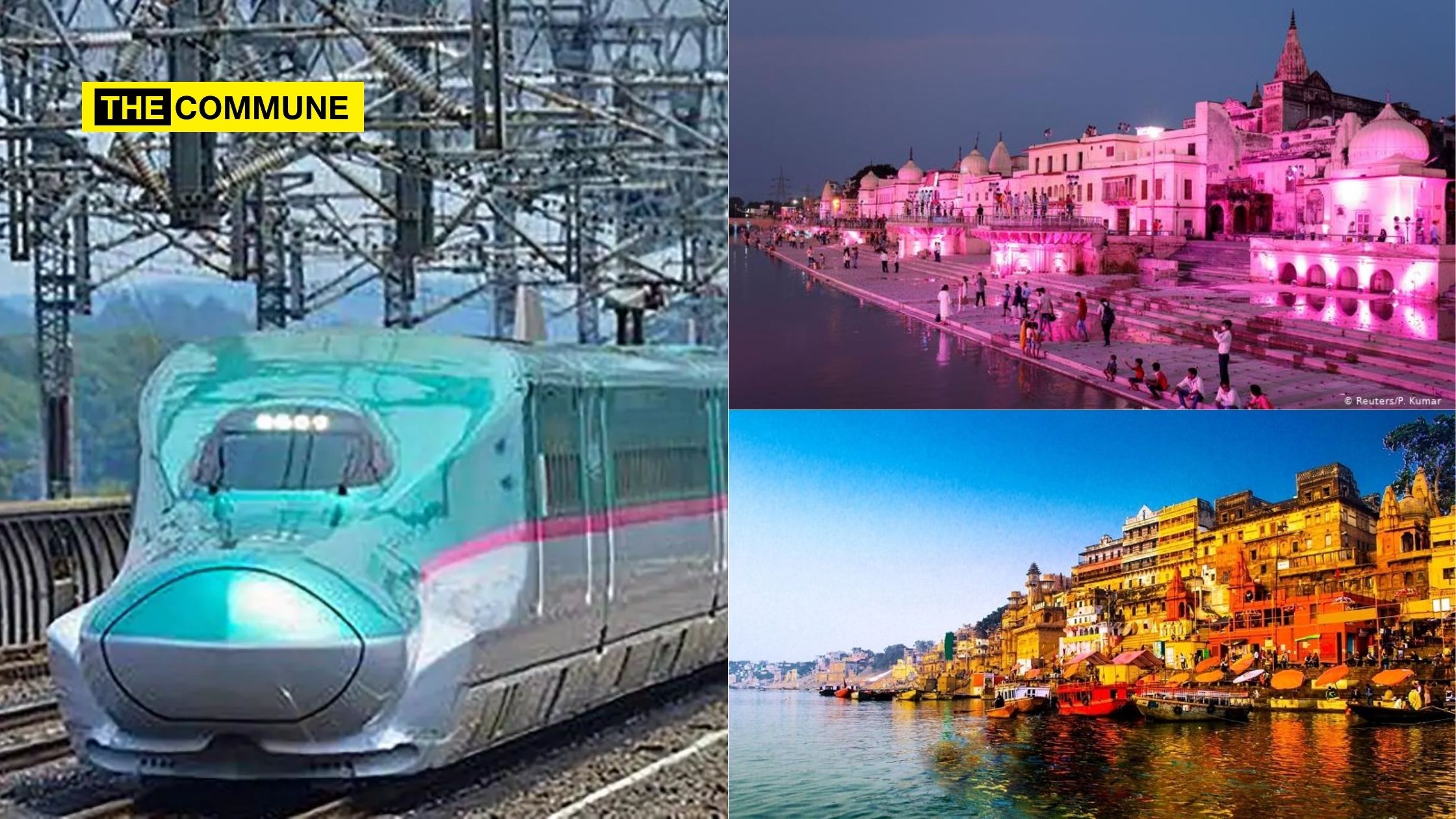
As the work continues unabated in building the Ram Mandir the government has taken another step to put Ayodhya on the world tourist map by announcing a bullet train between Delhi and the temple town which has now been fast-tracked, reports Times Now.
As per the report, the groundwork has already been started and the Central government is planning to connect New Delhi to three major pilgrimage cities in Uttar Pradesh – Varanasi, Prayagraj, and Ayodhya, via high-speed Bullet Train.
As per plans a 130 km railway track will be laid connecting Ayodhya to Lucknow as part of the 941.5 km high-speed railway corridor linking Delhi to Varanasi via Agra-Lucknow-Allahabad and a portion of the high-speed railway corridor may go underground in Lucknow and Agra, the official said.
The distance between Delhi to Ayodhya is 670 km and the trains will travel between the speeds of 320 km/hour to 350 km/hour and will cut the travel time to just three hours between Delhi and the holy city.
Anoop Kumar Agarwal, executive director of National High-Speed Rail Corporation, visited Ayodhya to finalise the site for the railway station and said, “plan to directly connect the city of Lord Ram with the national capital”.
Already an aerial survey has been done and the plan has also been approved by the Centre and according to Agarwal, “National High-Speed Rail Corporation will begin work as soon as we receive a no-objection certificate from the AAI. It will take seven years for completion of the project,”.
Click here to subscribe to The Commune on Telegram and get the best stories of the day delivered to you personally.
The infamous ‘Dismantling Global Hindutva’ conference is yet another instance of the perception and ongoing discourse among Western academics on Hindutva and Hindu traditions.
Scheduled to take place from 10-12 September, the three-day conference is “cosponsored” by more than 60 departments or centres from more than 45 universities. That is some firepower, not only in the academic sense but also in terms of the finances that these universities bring to the table. After all, they are well-funded, elite institutions which receive millions of dollars worth of grants and endowments from wealthy patrons.
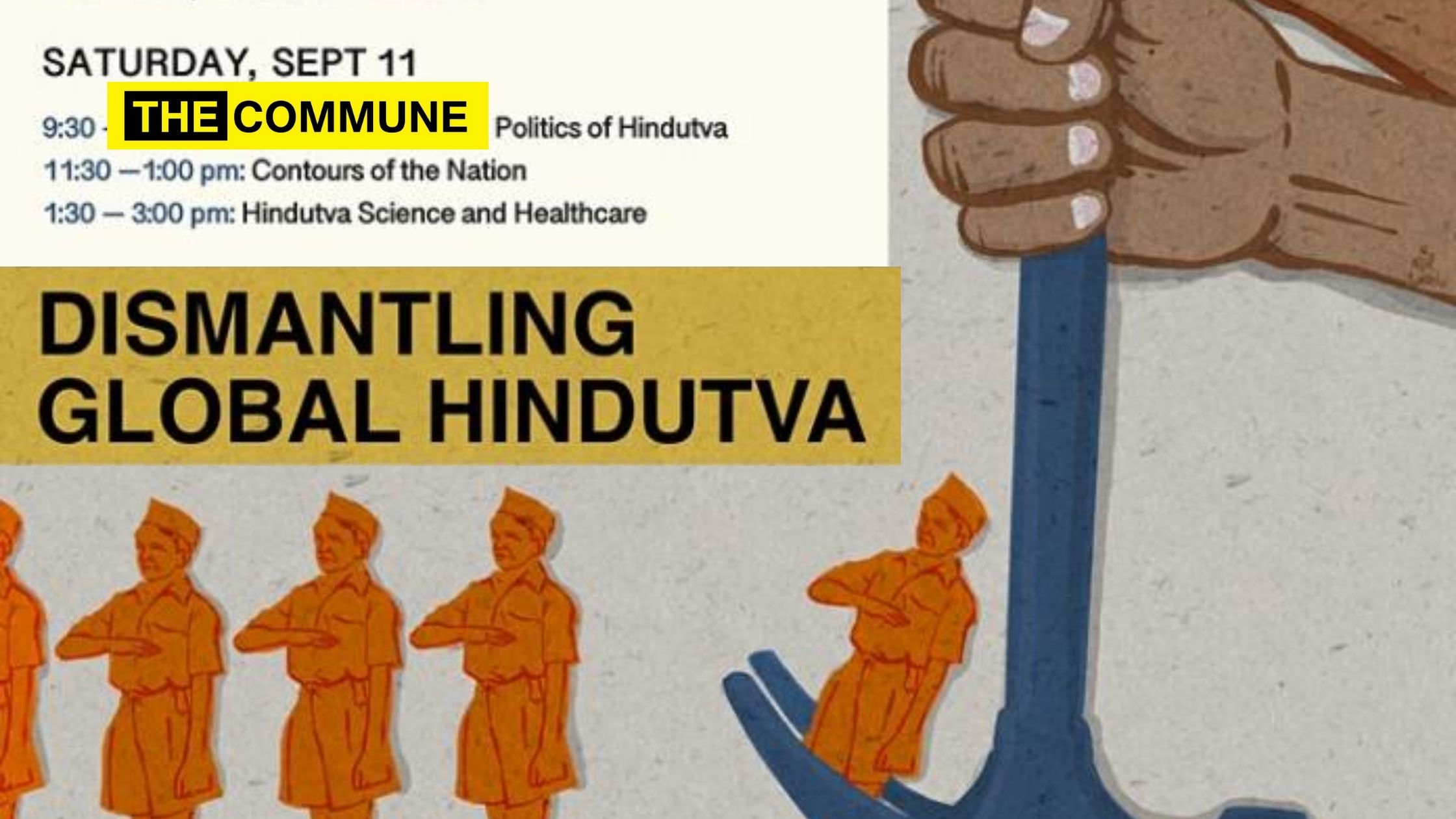
Obviously, the conference – and the imagery in the conference’s poster, which shows a saffron-coloured swayamsevak of the Rashtriya Swayamsevak Sangh (RSS), possibly seen by the conference’s organisers as representative of Hindutva, being ‘dismantled’ or taken apart by the claw-end of a hammer supposedly representing academia – has angered Hindus and their well-wishers around the world.
A poster of the ‘Dismantling Global Hindutva’ event
Why is assertion of one’s culture so bad?
This anger and outrage against the academic discourse has also much to do with the fact that these scholars who seek to ‘dismantle’ Hindutva claim the ideology to be ‘militant’, ‘fundamentalist’, ‘nationalist’, ‘ultra-nationalist’, ‘right-wing’, ‘alt-right’, ‘authoritarian’, ‘fascist’, etc. On the other hand, Hindutva is typically viewed by Hindus themselves as a natural expression of their political aspirations and an assertion of the Hindu cultures and associated traditions.
Hence this attempt at ‘dismantling’ is:
– firstly, a denial and negation of the Hindus’ political aspirations. In other words, this sort of scholarly discourse centered around Hindutva is telling Hindus that their fears of being at the mercies of a tyrannical and intolerant minority in India are unjustified despite historical and contemporary evidence. In addition, it is also telling them that the various obstacles that they face while simply practicing their age-old traditions are grossly exaggerated and are simply non-issues. (Especially the obstacles placed in front of them by the secular state; for example, consider the state enforcing women’s entry in Shani Shingnapur and Sabarimala against ancient traditions, the ban on pashubali in Tripureshwari temple, the ban on firecrackers during the festival of Deepavali, and the state managing and administering Hindu temples)
– secondly, a denigration of their cultures and traditions. Indeed, that is how Hindus view it: that certain Western scholars find some aspects of Hindu cultures and traditions to be problematic and thus are trying to ‘dismantle’ those aspects so that the Hindu traditions can fit in better with academe’s progressive and liberal view of religion and society.
The scholars of course would be quick to retort that they don’t find “Hinduism” to be objectionable, but that their objections are solely directed at Hindutva. “Hinduism” is a beautiful, tolerant and “syncretic” religion, they assure us, and tell us that Hindutva is in fact destroying the religion’s beauty, tolerance and “syncreticism” as Hindutva is an ideology that is ‘militant’, ‘fundamentalist’, ‘nationalist’, ‘ultra-nationalist’, ‘right-wing’, ‘alt-right’, ‘authoritarian’, ‘fascist’, etc. (One often finds terms like ‘brahminical’, ‘brahminism’, ‘casteist’ or ‘casteism’ used in association with not only Hindutva but also Hinduism, but let us leave those aside for now.)
The rhetoric says that Hindutva has changed “Hinduism” and India for the worse. It tells us that Hindutva has altered Hindus, their lives and the society they live in, for the worse.
Thus, those seeking to ‘dismantle’ Hindutva not only seek to uproot it from Indian or global politics (one has to assume that the ‘dismantlers’ believe that Hindutva has a global presence because they wish to ‘dismantle global Hindutva’), but also from “Hinduism” itself. They do this, they tell us, because they want to restore “Hinduism” to its more beautiful, more tolerant, and more “syncretic” nature.
One could very well call their attempts to do all this the “de-Hindutvafication” of India and Hindu traditions.
All this would lead one to believe that according to those academics, there is a clear distinction between Hindutva and “Hinduism”. Because how would you know how to ‘dismantle’ Hindutva, and not “Hinduism”, if you don’t really know what does and does not constitute these two categories?
However, any cursory reading of the peer-reviewed literature put out by most current professors and scholars of “Hinduism” would tell us that “Hinduism” is often conflated with “casteism” or “caste system”, that “Hinduism” is often “contradictory”, the definition of “Hinduism” is constantly “under contestation”.
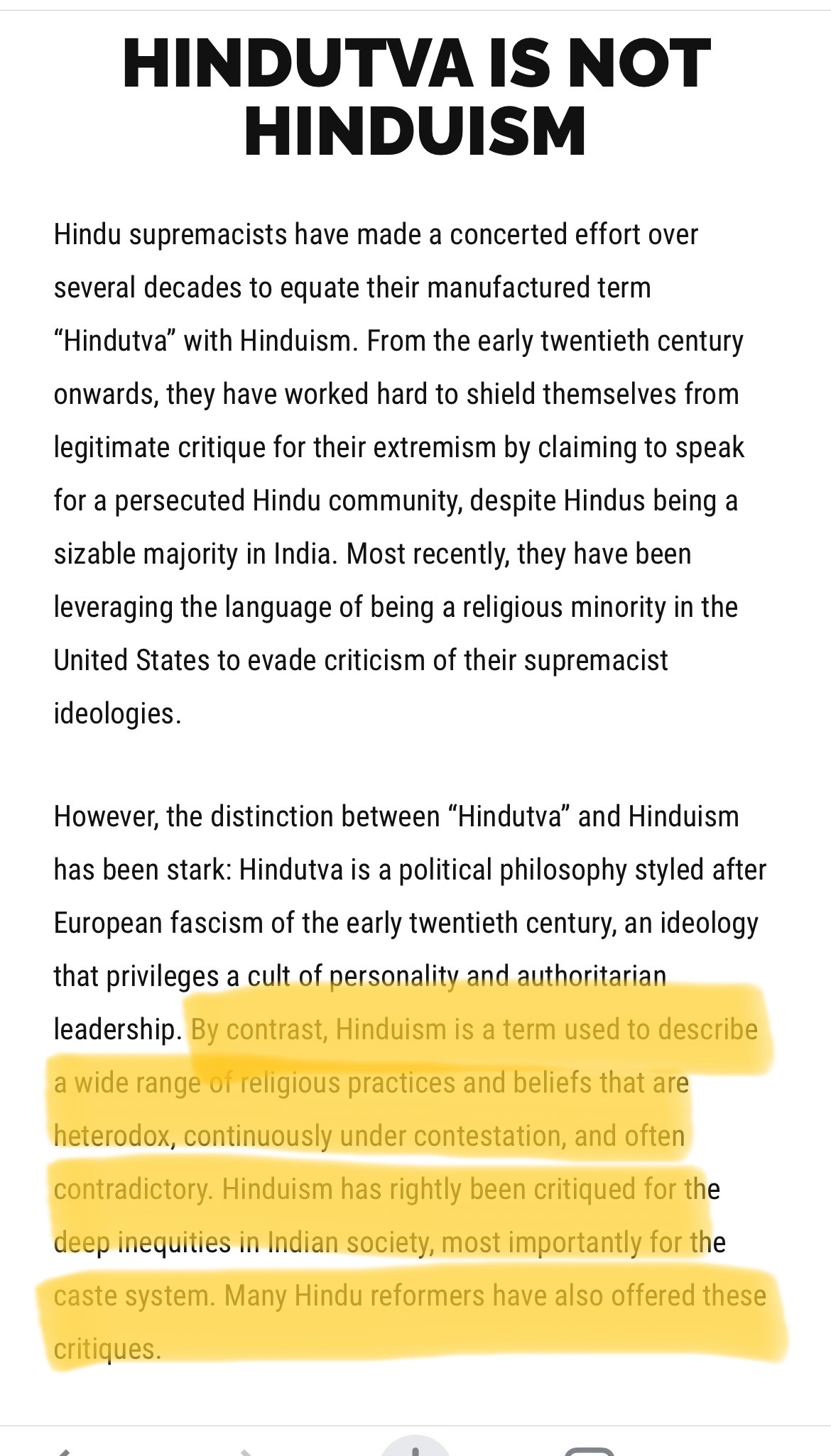
In fact, the aforementioned event’s organisers do tell us the same thing.
“Hindutva Is Not Hinduism”
So, the same scholars who wish to de-Hindutvafy “Hinduism” maintain that there are no clear boundaries or definitions of Hinduism! “Hinduism” now becomes something very arbitrary. The study of “Hinduism” then becomes arbitrary as well, given that the student doesn’t know what exactly he/she is studying. It is then left to the students and professors of “Hinduism” to find their own way (according to their subjective views or biases of course, as there is no objective scholarly consensus on what exactly “Hinduism” is) to study what is to them an arbitrary concept.
Subsequently, any action or thought of a Hindu potentially becomes Hindutva, because there is no clear clarity on the nature or content of “Hinduism”. Sporting a tilak or a bindi, or wearing a saffron shawl, going to the temple and having darshan, adhering to a strict diet, donating money to a gaushala, recitation of a Hindu text at a public function, following a certain practice, doing a ritual – anything and everything which is (rightly or wrongly) seen as a political action can be deemed objectionable and can be termed Hindutva.
The logical extension of this line of thinking would mean that there is something inherent in the Hindu mind that makes it more susceptible to thinking objectionable thoughts and performing objectionable deeds, i.e. Hindutva. Therefore, it becomes necessary to de-Hindutvafy not only “Hinduism”, but also the Hindus themselves. And that is what these self-righteous scholars are up to.
The Why And How of ‘Dismantling’
Let us take a closer look at what may be the motives of the scholars who seek to ‘dismantle’ Hindutva. As mentioned earlier, they tell us that they are doing this because they are worried about the Hindu society and want to help in preserving its tolerant and “syncretic” nature.
While events or initiatives like ‘Dismantling Global Hindutva’ are organic or emergent phenomena, there is little pre-planned coordination between different groups or individuals involved. They work together because they are part of the same organised system.
To be clear, there is no planned conspiracy involved. There is no blueprint or checklist. To put it simply, this is how cultures interact with one another and grapple with understanding one another.
The individuals involved often claim that they feel the need to ‘dismantle’ Hindutva because through their studies, they have come to realise that there is an inherent value in Hindu society and its traditions, and that value needs to be preserved. They are ‘the good guys fighting the (Hindu) Nazis’.
Despite claiming that their study of “Hinduism” has told them that “Hinduism” itself is a very vague descriptor, the experts strangely claim that their vague knowledge of that vague subject gives them special insights. Despite vaguely hinting at their flawed understanding (or non-understanding) of Hindu traditions, they claim superiority over millions of Hindus who practice the traditions in their home and in their communities. And that must surely seem strange, no?
The same experts also identify certain historical or contemporary problems in Hindu society, like ‘Hindu fundamentalism’ or ‘caste discrimination’, and typically trace them to a hypothetical origin-point in history and use their interpretations of Hindu texts to bolster their claims. For instance, the American Indologist Sheldon Pollock theorised that the Ramayana was at the root of ‘Hindu fundamentalism’. One also comes across the oft-repeated claim that the smrti and dharmashastra texts are the root-cause of ‘casteism’.
At the same time, they also assign blame and guilt on all Hindus for problems which – they claim – have origins in Hindu texts and in how Hindus practice “Hinduism”. All Hindus are thus collectively responsible for these problems. As there is no single living individual Hindu that can be blamed for these wrongs because of the academicians’ claim that these problems originated in history and are associated with certain texts or interpretations of those texts, what is assigned is ‘collective blame’.
With that comes the ‘collective guilt’ that is to be borne by all Hindus, because by being Hindus they are all to blame for the problems created by “Hinduism”. Shaken and humiliated, Hindus come to believe – without mounting any possible challenge – that they bear guilt and responsibility.
The amelioration of guilt is through punishment. And if there is ‘collective guilt’, what could be more natural than ‘collective punishment’? Guilt-ridden Hindus would then compete with one another in feats of self-flagellation, all to show that they are not to blame. They would themselves take up the mantle of ‘dismantler’ and proceed forth to decry everything in “Hinduism” as backward, regressive or oppressive.
And that is precisely what is happening.
Readers are encouraged to read the three-part essay Is Hinduism a House Without Walls?. Here is part 1.
All views expressed in this article are strictly personal.
Click here to subscribe to The Commune on Telegram and get the best stories of the day delivered to you personally.
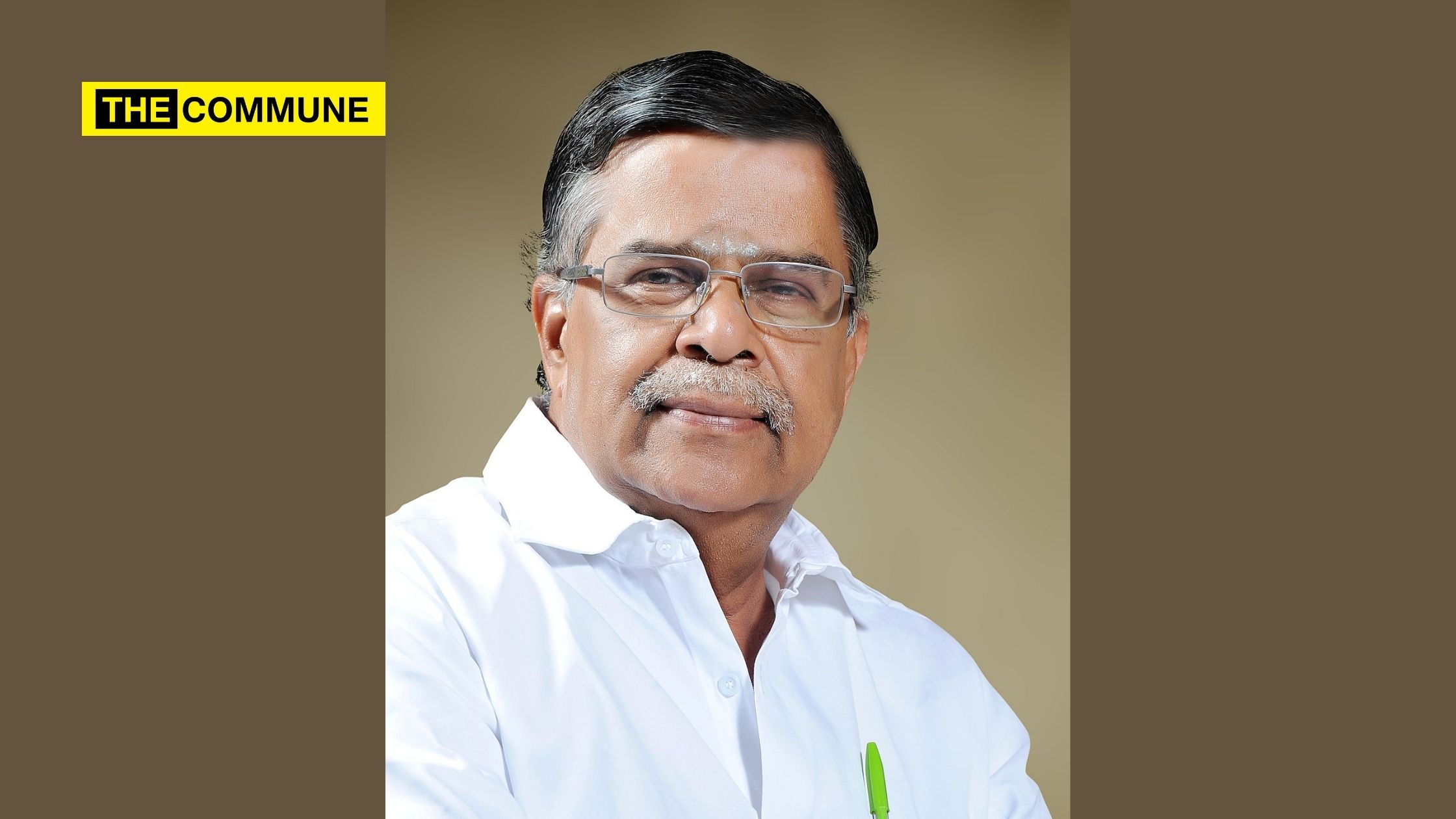
Senior BJP leader from Tamil Nadu La. Ganesan has been appointed as the new governor of the north eastern state of Manipur.
The post of the governor had fallen vacant after Najma Heptulla retired earlier this month.
A communique from the Rashtrapati Bhavan said Ganesan will be the new “Governor of Manipur with effect from the date he assumes charge of his office”.
Heptulla had demitted office on August 10 and on the same day the charge was given to Sikkim Governor Ganga Prasad.
La. Ganesan had earlier served as a member of Rajya Sabha. He is an RSS ideologue and has served the BJP in various capacities. He has served as the National Secretary and then as the Vice President of BJP at the national level before heading the party’s Tamil Nadu unit.
Click here to subscribe to The Commune on Telegram and get the best stories of the day delivered to you personally.
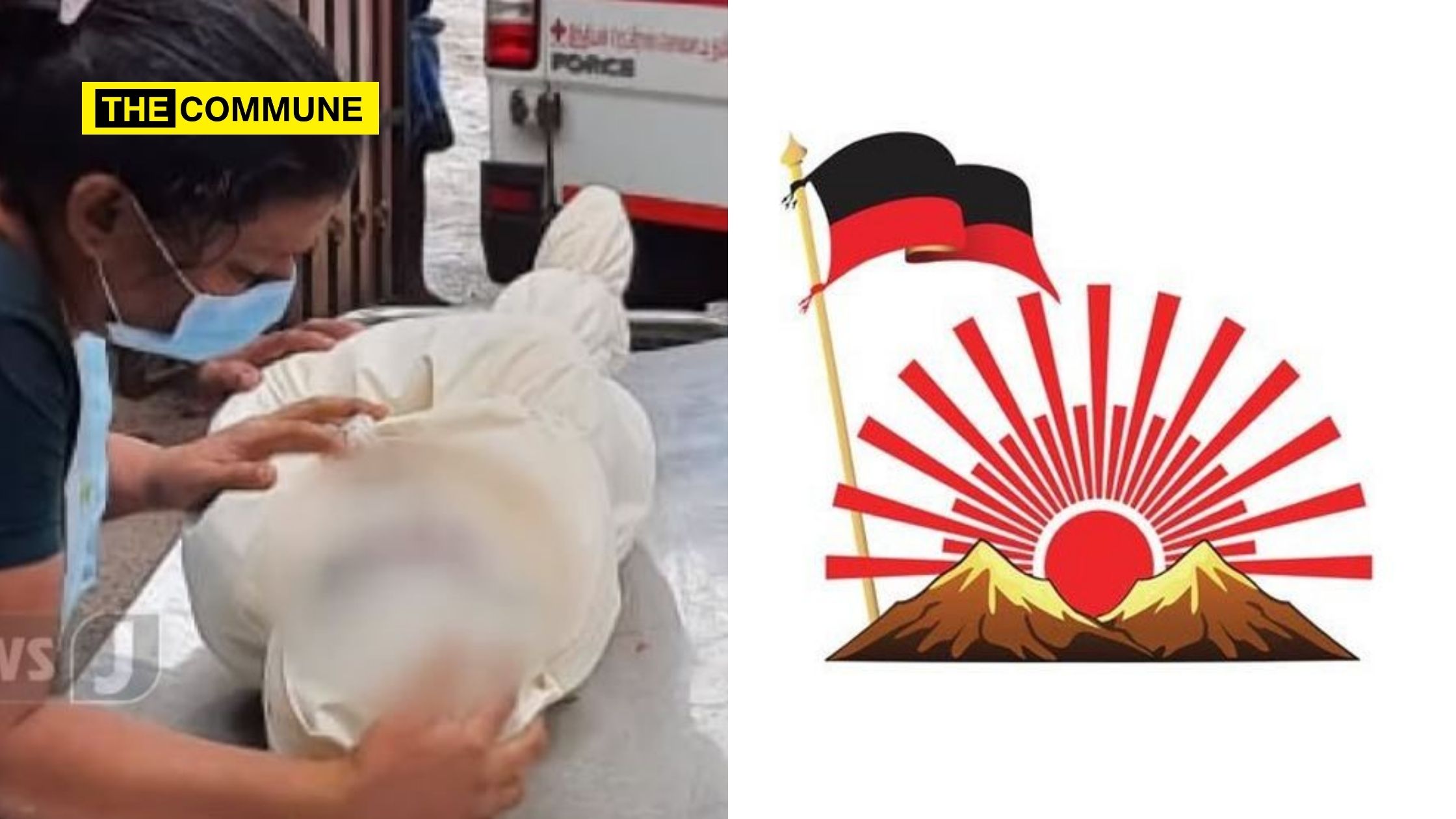
A 13-year-old kid from Vizhupuram died of electrocution while trying to erect a party flag to welcome DMK Minister K. Ponmudy.
DMK Minister for Higher Education K. Ponmudy was to attend a marriage function of a party cadre at a marriage hall in Vizhupuram Mamabazhampattu Salai.
The route leading to the marriage was being decorated with party flags by DMK cadres for welcoming the Minister. One of the DMK men named Ekambaram had involved his 13-year-old child Dinesh also to tie party flags along the route.
As Dinesh was erecting the flag pole, it accidentally touched the live wire electrocuting him. The boy fell at a distance due to the shock and was grievously injured. He was rushed to the Mundiyambakkam Government Hospital but later died.
This has led to a stir on social media with opposition parties and netizens targeting the DMK for making a minor work for the party.
However, the DMK friendly mainstream media in English and Tamil have been silent on the issue.
BJP Tamil Nadu leader SG Suryah pointed out that had such a similar incident happened if some other party was in power, the media would have pounced on the matter and questioned the stoic silence of the media friendly to the ruling establishment in Tamil Nadu.
13 yrs kid Ekambaram from Villupuram, TN electrocuted while working for a #DMK party event. Honestly do not want to politicise this, but couldn’t stop from pointing out how Tamil media & few journalists would’v behaved had it happened in any other party event than DMK. Om Shanti. pic.twitter.com/rY4iqsJEhz
It must be noted that when a similar incident of a hoarding fell due to wind on the road and caused an accident in which a young girl named Subashree died, the entire media went into a frenzy.
Click here to subscribe to The Commune on Telegram and get the best stories of the day delivered to you personally.
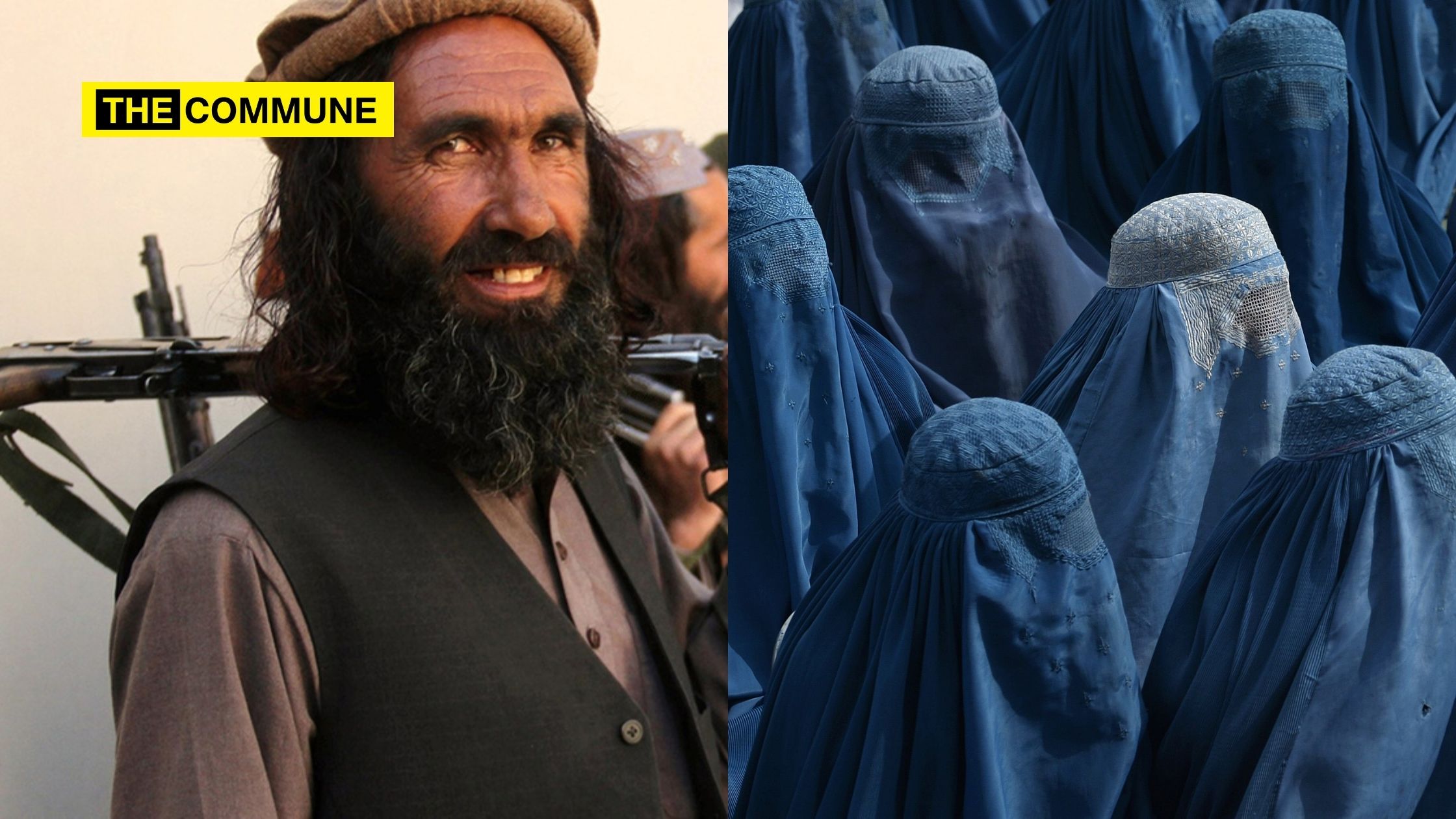
Days after holding a press conference that created a false sense of security, the Taliban in the Herat province have banned co-education in government and private universities, describing it as the “root of all evils in society”.
This is an absolute rollback from the promise that the Taliban made when it said that it will respect women’s rights in Afghanistan. The decision was taken after a meeting between varsity professors, owners of private institutions, and Taliban authorities, reports Khaama Press News Agency on Saturday (August 21).
This is the first ‘fatwa’ or religious edict issued by the Taliban after it over the capital Kabul and technically ended the US’s longest war, which lasted for almost twenty years after the September 11, 2001 terror attacks.
During his first-ever public appearance of Zabihullah Mujahid, the Taliban’s longtime spokesman who wanted to assuage concerns of people and had promised the Taliban would honour women’s rights within the norms of Islamic law, in an effort to portray a more moderate stance.
Taliban representative and the new Head of Higher Education in Afghanistan, Mullah Farid made it very clear when held a three-hour meeting with university professors and owners of private educational institutions and that there is no alternative and co-education must end.
From now on virtuous female lecturers would only be allowed to teach female students but not male which brings to an end two decades of progress where boys and girls mixed system of co-education in all universities and institutes helped change mindsets of people for an entire generation.
Click here to subscribe to The Commune on Telegram and get the best stories of the day delivered to you personally.
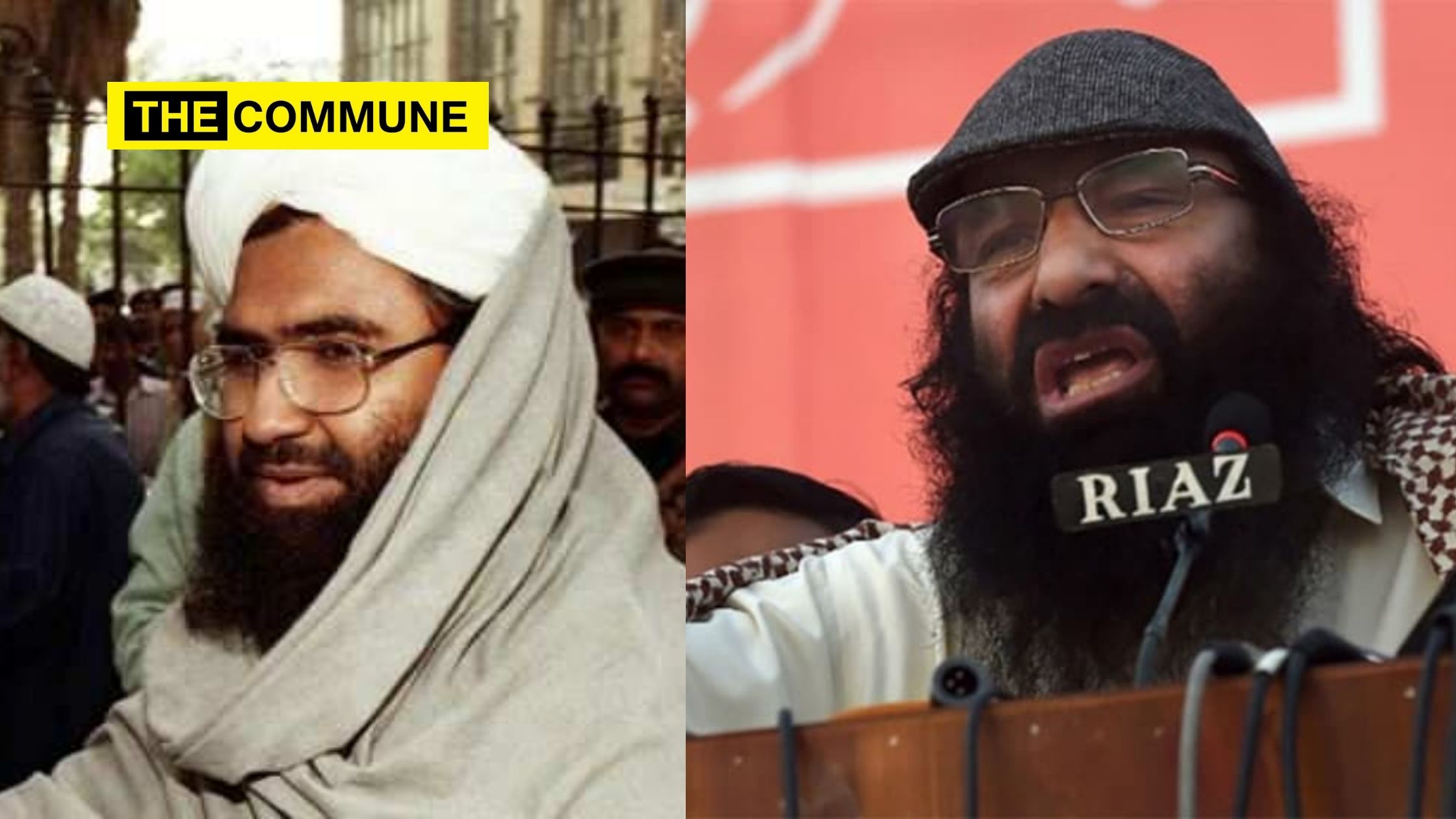
In an anticipated development, the chief of Hizbul Mujahideen, Syed Salahuddin, posted a celebratory statement online on the Taliban gains in Afghanistan in the wake of the US withdrawal.
“I pray to Allah that he strengthens the Islamic Emirate of Afghanistan so that they may support Kashmiris against India”, Salahuddin said.
Also congratulating the Taliban is Jaish-e-Muhammad (JeM) chief, Maulana Masood Azhar, who expressed happiness over the Taliban’s “victory” which collapsed the “US-backed Afghanistan government”. It must be noted that many JeM fighters fought alongside the Taliban and are now expecting rewards in the form of land and other spoils of war.
Syed Salahuddin, who is an Indian Kashmiri whose real name is Syed Mohammed Yusuf Shah, released an audio message threatening India. In the message, he called on the Taliban jihadists for assistance in spreading terrorism in Jammu and Kashmir.
In his celebratory statement, Salahuddin said, “I pray to Allah that he strengthens the Islamic Emirate of Afghanistan so that they may support Kashmiris against India.”
Meanwhile, JeM chief Maulana Masood Azhar wrote an article “Manzil ki Taraf” (Towards the Destination) on August 16, where he thanked Allah for the success of the “Mujahideen” in Afghanistan.
The Taliban also received a congratulatory message from Al-Qaeda’s Yemeni branch over their takeover of Afghanistan and vowed to continue its own military campaigns.
Experts now believe that under the Taliban’s rule Afghanistan could again become a breeding ground for international Islamic Jihad and threaten the security of many nations.
Click here to subscribe to The Commune on Telegram and get the best stories of the day delivered to you personally.
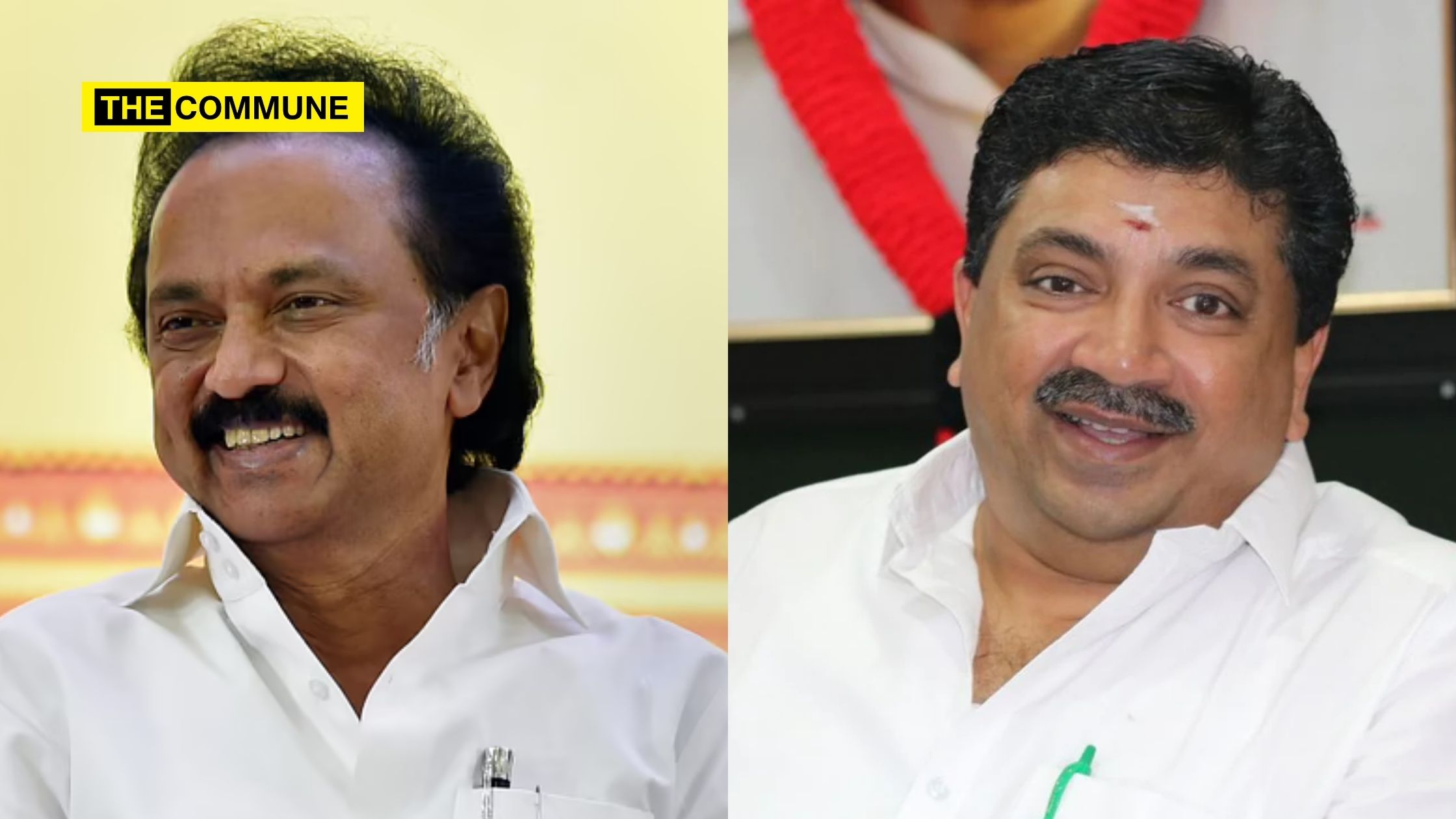
Tamil Nadu Finance Minister PTR Palanivel Thiagarajan told the Assembly that a decision could not be taken on the implementation of the old pension scheme as the state’s financial situation was dire adding that the government will go bankrupt if it gives everything away for free to everyone.
Replying to the General Discussion in the Assembly on the Revised Budget for the 2021-22 fiscal year the ‘MIT educated’ Finance Minister said:
“Following the principles of the Dravidian movement, the Chief Minister has said, ‘Everything for everyone’. I would like to change it a little in accordance with social and economic justice. Not everyone can be provided everything for free. Doing so would cause the government to go bankrupt. The rule of the last 10 years has been based on the principle that whoever can take anything how much ever they want for granted. This is contrary to our opinion. This needs to change.”
He said that in today’s situation, many of the powers for the state are not vested in the states and therefore there was a need to build better management with the powers the state has.
Tamil Nadu government employees were earlier paid a monthly pension of 50 per cent of their final salary along with various incentives after retirement. The pension scheme was modified by the previous AIADMK government made the scheme inapplicable to those who joined the service after April 1, 2003 and brought in a new pension scheme instead.
Now, 10% of the salary is taken as provident fund and an equal amount is deposited by the government. The total amount including these two amounts will be paid to the employees when the employees retire. This is also known as a contributory pension plan. If this is paid as a lump sum, it will be difficult to manage for the state and will end up being used by their heirs.
Government employees have demanded that the state goes back to the old practice of giving pension monthly. The DMK, which took up the issue, promised to implement the old pension scheme before coming to power. It has now come to power and the budget has also been tabled. But the DMK government has not made any announcement about the old pension scheme. This has led to frustration among government employees.
In light of this the Finance Minister has said “Many things cannot be decided immediately. The financial situation in Tamil Nadu is frightening. The financial situation is the reason for the inability to implement the old pension scheme. The old pension scheme will be brought back after the financial situation is right. ”
This is not the only promise that the DMK has failed to fulfilled. The DMK had campaigned across the state that it would cancel NEET exam for medical admissions the day Stalin swears in as Chief Minister. It also promised to decrease petrol and diesel prices by 5 and 4 rupees respectively. The DMK finds itself backtracking on its own promises.
Click here to subscribe to The Commune on Telegram and get the best stories of the day delivered to you personally.
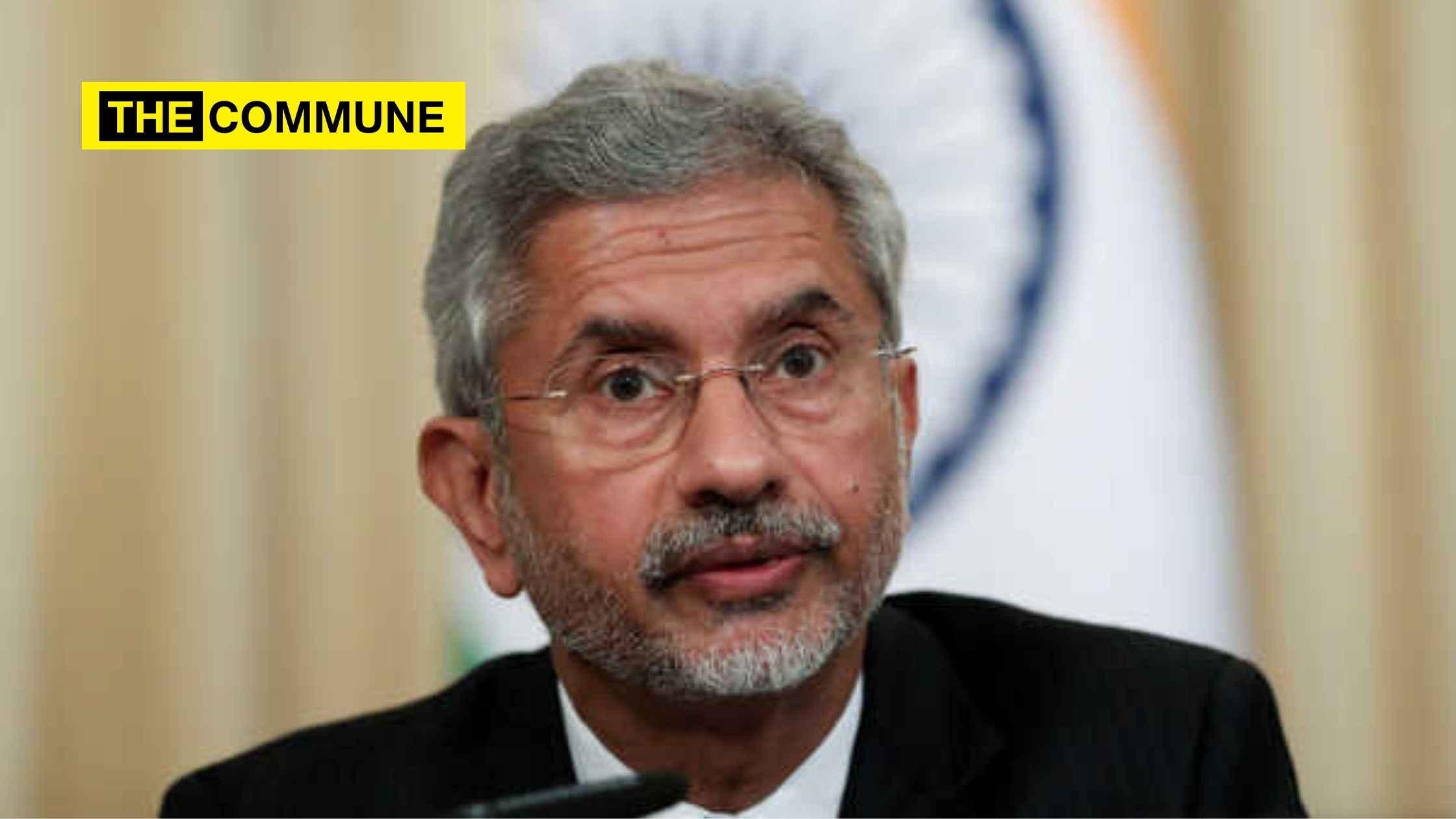
India’s foreign minister S Jaishankar on Thursday (19 August) while speaking at the United Nations Security Council meet said, “countries should not place blocks and holds without any reason on requests to designate terrorists and said that there should be no justification of terrorism,”.
Jaishankar also took a dig at China at the UNSC as it had on occasion bailed out Islamic terror groups in Pakistan like Jaish-e-Mohammed chief Masood Azhar under the Security Council’s Sanctions Committee
S Jaishankar further added, “The international community holds a collective view that terrorism in all its forms and manifestations must be condemned. There cannot be any exception or any justification for any act of terrorism, regardless of motivations behind such acts. Threats to International Peace and Security caused by Terrorist Acts’.
Expressing solidarity with the victims of terrorism around the globe, Jaishankar said,” We must never compromise with this evil” the world must “summon the political will: don’t justify terrorism, don’t glorify terrorists; No double standards. Terrorists are terrorists; distinctions are made only at our own peril; Don’t place blocks and holds on listing requests without any reason,” he said, referring to them as ‘cardinal principles’.
“I call on this Council to collectively build on these principles. It is also important therefore to end the stalemate preventing the adoption of a Comprehensive Convention on International Terrorism, which India has championed for so long,” Jaishankar said.
Click here to subscribe to The Commune on Telegram and get the best stories of the day delivered to you personally.