Home Blog Page 118

Rapper Vedan Arrested In Rape Case On False Promise Of Marriage

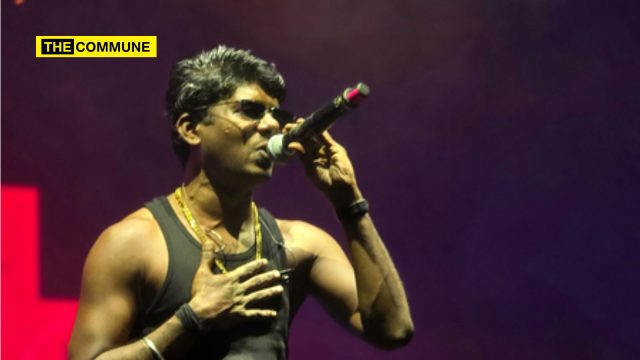
Malayalam rapper Hiran Das Murali, popularly known as Vedan, was arrested on 10 September in a rape case. Since he has already secured anticipatory bail from the Kerala High Court, the arrest was only a formality, and after completing the due process of law, Vedan will walk out of the police station in the evening.

He secured anticipatory bail in a case alleging rape on the false promise of marriage. On August 27, the Kerala High Court granted him conditional bail and instructed him to present himself before the probe team for two days, starting Tuesday. He was let off on Tuesday after being questioned for five hours and was asked to appear again on Wednesday. It was during the questioning on Wednesday that his arrest was recorded. After recording the arrest, the police will take him for the customary medical checkup, and then, after bringing him back to the police station, he will be released. The case was filed by a doctor who alleged that Vedan befriended her through Instagram in 2021, and their relationship grew over time.

She claimed that he promised to marry her and, under that assurance, engaged in physical relations on several occasions in Kozhikode, Kochi, and other places between 2021 and 2023. The complaint also stated that the two briefly lived together and that she provided him financial support, including funds for his debut album and travel expenses. Appearing through counsel, the complainant opposed the bail plea, contending that Vedan had similarly deceived other young women. However, the court noted that each case must be treated independently.

Vedan’s counsel then argued that the relationship was consensual, initiated after the complainant approached him as a fan, and that the complaint was the result of personal differences. The police had earlier issued a lookout notice for Vedan, fearing he might attempt to leave the country, as he had been absconding since the case surfaced. Incidentally, after this case was registered, similar allegations from other women were also made, but the Court, while granting bail, clarified that allegations of other crimes against him were not under consideration in that particular petition. Early this week, a local court here granted him anticipatory bail in a similar case filed by another woman

-IANS

Subscribe to our channels on TelegramWhatsApp, and Instagram and get the best stories of the day delivered to you personally

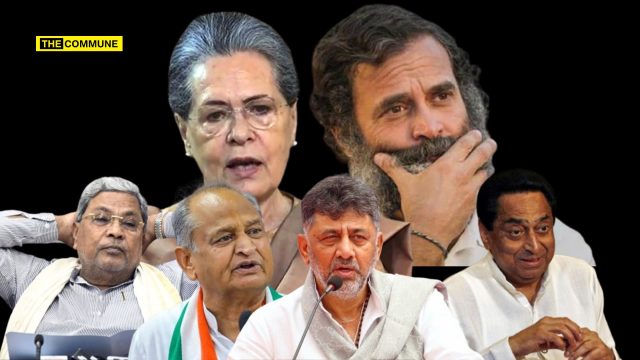
A Pattern Of Pardons: 14 Instances Of Case Withdrawals By Congress Governments (2010-2025)

congress case withdrawal court hubballi

A comprehensive analysis has identified a consistent pattern spanning fifteen years where Congress-led state governments have moved to withdraw a significant number of criminal cases. These cases, often of a serious nature, were filed against a wide spectrum of individuals, including the party’s own leaders and workers, activists from organizations like the PFI and SDPI, those accused of Naxal-related activities, and individuals charged with forced religious conversions.

This report details 14 specific incidents from 2010 to 2025, raising critical questions about the use of executive power for political expediency, the undermining of law enforcement agencies, and the potential compromise of national security and communal harmony. The actions, frequently justified as “reviewing politically motivated cases,” have sparked intense debate over the ethical and legal implications of mass case withdrawals.

#1 Sept 2025: Karnataka Withdraws 60 Cases, Including for DK Shivakumar’s Aides

On 4 September 2025, the Siddaramaiah-led Karnataka cabinet approved the withdrawal of 60 criminal cases. Notably, 11 of these were related to supporters of Deputy Chief Minister DK Shivakumar, stemming from protests during his 2019 ED arrest and the Chittapur clash. The list also included cases against DK Suresh’s supporters from a 2012 protest, the 2023 stone-pelting at former CM Yediyurappa’s residence in Shivamogga, and communal fights in Haveri, signaling a broad sweep of politically convenient dismissals.

#2 May 2025: Court Strikes Down Karnataka’s Bid to Drop 43 Cases, Including Hubballi Riots

On 15 October 2024, the Karnataka government ordered the withdrawal of 43 criminal cases registered between 2008-2023. This list included the serious 2022 Hubballi riots case, which involved charges under stringent laws like the UAPA. However, in a significant judicial intervention on May 30, 2025, the Karnataka High Court struck down the government’s order, preventing the quashing of these serious charges and upholding the integrity of the judicial process.

#3 Mar 2025: Karnataka Scraps CID Probe into Gold Smuggling Case Involving Actress

In a move that raised eyebrows, the Karnataka government on 13 March 2025, withdrew a CID probe into a gold smuggling case. The investigation was initiated to determine if police officers misused protocols to assist actress Ranya Rao, who was arrested at Kempegowda International Airport for smuggling 14.2 kg of gold. By scrapping the CID enquiry, the government halted a probe that could have exposed deeper malfeasance within the system.

#4 Oct 2024: Hubballi Riot Cases Against AIMIM Leaders Withdrawn

The Congress government in Karnataka, on October 11, 2024, withdrew cases against AIMIM leader Mohammed Arif and 138 others accused in the 2022 Hubballi riots. The accused faced serious charges including rioting, attempted murder, and attacking police officers during violent protests outside the Old Hubballi Police Station. This withdrawal was perceived by critics as a move to appease a specific voter base.

#5 Sept 2024: Karnataka Shields Deputy CM, Withdraws CBI Consent in DA Case

In a direct intervention to protect its leadership, the Karnataka government on 18 September 2024, withdrew general consent for the Central Bureau of Investigation (CBI) to probe Deputy Chief Minister DK Shivakumar in a disproportionate assets case. This action effectively shielded him from a central agency investigation, a tactic often employed by state governments to block probes against influential figures.

#6 Aug 2023: Karnataka Cabinet Drops COVID Violation Cases Against Its Top Leadership

On 10 August 2023, the Karnataka cabinet decided to withdraw nine criminal cases filed against Chief Minister Siddaramaiah, Deputy CM DK Shivakumar, and other Congress leaders for violating COVID-19 norms during the 2022 Mekedatu Padayatra. The withdrawal, initiated by the Chief Whip and endorsed by the cabinet, was widely criticized as a blatant example of the government absolving its own top brass of legal accountability.

#7 June 2021: Chhattisgarh Withdraws 718 Cases, Including 124 Naxal-Related Ones

The Congress government in Chhattisgarh, on 4 June 2021, undertook a massive case withdrawal, cancelling 718 criminal cases in the Maoist-affected Bastar region. A committee headed by a retired Supreme Court Justice recommended the move, which included 124 Naxal-related cases. While framed as a confidence-building measure for tribals, security experts expressed concern over dropping cases related to insurgency.

#8 June 2019: MP Government’s Plan to Drop 50,000 Cases Against Congress Workers

Soon after coming to power, the Kamal Nath-led Madhya Pradesh cabinet decided on 26 June 2019, to withdraw a staggering 50,000 criminal cases filed against Congress workers and leaders over the previous 15 years. District committees were formed to review these cases, a move the opposition BJP decried as a blatant misuse of power to provide blanket immunity to party cadres.

#9 Jan 2019: MP Government Drops Forced Conversion Cases

On 22 January 2019, the Madhya Pradesh government announced its decision to withdraw cases related to forced religious conversions that had been filed against members of the Christian community and individuals involved in related protests. This decision sparked controversy, with critics arguing it undermined laws aimed at preventing coercive conversion practices.

#10 Jan 2019: Rajasthan Promises to Drop All Cases Against Youth Congress Workers

Rajasthan’s Minister of State and Youth Congress President, Ashok Chandna, declared on 4 January 2019, that all cases filed against Youth Congress workers during protests against the previous BJP government would be withdrawn. He assured workers that these “politically motivated” cases would be scrapped, ensuring they faced no legal consequences for their actions during demonstrations.

#11 Jan 2019: MP to Withdraw Cases from Bharat Bandh After Mayawati’s Ultimatum

Bowing to pressure from ally BSP, the Madhya Pradesh government on 1 January 2019, announced the withdrawal of cases filed against Dalit activists and political workers during the widespread violence of the 2018 ‘Bharat Bandh’. The decision came after BSP chief Mayawati threatened to withdraw support from the Congress government if action was not taken.

#12 Jan 2019: Rajasthan Follows Suit, Reviews Bharat Bandh Cases

Mirroring its counterpart in MP, the Rajasthan government led by Ashok Gehlot also announced on 1 January 2019, that it would review and withdraw cases filed against political workers and Dalit activists during the April 2018 Bharat Bandh. This decision was also a direct response to the ultimatum issued by BSP leader Mayawati.

#13 2013-2018: Karnataka Withdraws 176 Cases Against PFI-SDPI Activists

During Siddaramaiah’s previous term as Chief Minister (2013-2018), his government withdrew 176 criminal cases against nearly 1,600 activists of the Popular Front of India (PFI) and its political wing, the Social Democratic Party of India (SDPI). These cases, related to communal clashes and violations of prohibitory orders in places like Shivamogga, Mysuru, and Hassan, were dropped, a move that attracted significant criticism given the organizations’ controversial profiles.

#14 Dec 2010: Andhra Withdraws Cases Against Telangana Protesters

On 28 December 2010, the Congress government in Andhra Pradesh announced the withdrawal of all criminal cases against pro and anti-Telangana protesters, predominantly students, filed between 2009-2010. The decision was a direct result of an indefinite hunger strike undertaken by 11 Congress MPs from the Telangana region, highlighting the use of case withdrawals as a tool to manage political agitation and pacify internal party factions.

Subscribe to our channels on Telegram, WhatsApp, and Instagram and get the best stories of the day delivered to you personally.

Vayuputra: Chandoo Mondeti Announces 3D Hanuman Epic Set For Dussehra 2026

Director Chandoo Mondeti’s upcoming epic devotional animation film has been titled ‘Vayuputra’, its makers announced on 10 September. The makers also disclosed on the occasion that the much-awaited epic 3D spectacle would hit screens for Dussehra 2026.

Director Chandoo Mondeti took to his social media timelines to share the first look posters of the film. He wrote, “VAYUPUTRA – Not just a film, but a scared spectacle! Destined to tell this tale, soul of our HISTORY, pages of our ITIHASAS! childhood dream !!” He then went on to say, “Thanks to Lord SriRam..Lord Hanuman .. Sage Valmiki ..my Family. Thanks to #ChinnaBabu garu , @nagavamsi19, @sitharaentertainments , @fortune4cinemas ,#srikarastudios #JaiSriRam…#JaiHanuman.”

Rooted deeply in Indian history, Vayuputra will seek to narrate the tale of an immortal legend – the eternal warrior whose strength and devotion transcend time. Sources say it will also be a story of the devotion that moved mountains, capturing Hanuman’s unwavering faith that shaped and inspired generations. Directed by Chandoo Mondeti and produced by Suryadevara Naga Vamsi and Sai Soujanya, the film promises a breathtaking fusion of history, devotion and modern spectacle.

The grand 3D Animation cinematic experience will seek to bring the timeless tale of Lord Hanuman to theatres worldwide for Dussehra 2026. The film is to be released in Telugu, Hindi, Tamil, Malayalam and Kannada. The makers also released the first look poster of the film on the occasion. The powerful announcement poster of Hanuman standing tall on a hill, watching Lanka burn perfectly encapsulates the epic scale and spiritual depth the project aims to deliver. The makers claim that Vayuputra will not just be a movie but a sacred spectacle, where temples will meet theatres, inviting audiences to experience devotion like never before.

Sources close to the unit claim that Vayuputra is poised to become a cinematic milestone, a celebration of faith, valour and destiny. They further add that with Chandoo Mondeti’s visionary storytelling and Naga Vamsi’s production expertise, Vayuputra is set to redefine Indian cinema, blending heartfelt narrative with stunning 3D Animation visuals that immerse viewers in the world of one of India’s most revered cultural icons.

-IANS

Subscribe to our channels on TelegramWhatsApp, and Instagram and get the best stories of the day delivered to you personally

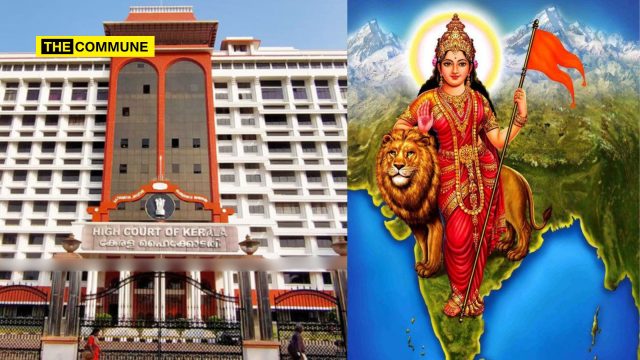
Kerala HC Upholds Suspension Of University Registrar Over Bharat Mata Portrait Row

kerala high court bharat mata religious figure law and order

The Kerala High Court on 10 September declined to reinstate Kerala University Registrar KS Anil Kumar, who was suspended after he cancelled a seminar featuring Governor Rajendra V. Arlekar over the display of a Bharat Mata portrait with a saffron flag.

The court announced the order while hearing Kumar’s plea against his suspension. Justice TR Ravi held that the challenge to his suspension could not be sustained and rejected Kumar’s plea. However, the Court directed the University’s Vice-Chancellor to convene a Syndicate meeting to decide whether the suspension should continue.

Soon after the verdict came, the Left majority Syndicate decided to approach the Vice-Chancellor on Thursday, requesting him to convene a meeting of the Syndicate. “Challenge against suspension fails. Prayers regarding the same are rejected. Writ petition is disposed of (by) directing the Vice-Chancellor to convene a meeting of the Syndicate to consider whether suspension should be continued,” the Court said.

The controversy dates back to 2 July, when Kumar issued a cancellation notice for an event at the University Senate Hall after a Bharat Mata portrait with a saffron flag was displayed on stage. The event was attended by Kerala Governor Arlekar, who is also the University Chancellor. The notice, issued while the Governor was already on stage, was seen as a mark of disrespect and prompted Kumar’s suspension. Though the University Syndicate resolved to revoke the suspension on 6 July, the Vice-Chancellor refused to approve the resolution and issued subsequent orders stating that the Registrar would continue to remain under suspension.

The VC also barred him from entering the campus or handling official files. Kumar challenged these actions, alleging abuse of power and overreach by the Vice-Chancellor. During earlier hearings, Justice Ravi had remarked that the ongoing standoff between the Registrar and the VC resembled a “cat and mouse game”. On Wednesday, the Court refrained from intervening directly in the matter but emphasised that the University Syndicate must take a clear decision on the continuation of suspension. The case is emblematic of the larger tussle between the State government and the Governor over the use of the Bharat Mata portrait with a saffron flag at official events, which ministers have opposed, citing its religious symbolism.

-IANS

Subscribe to our channels on TelegramWhatsApp, and Instagram and get the best stories of the day delivered to you personally

The Secularization Of A Sacred Hindu Festival: 11 Instances Reshaping Onam’s Identity (1920-2025)

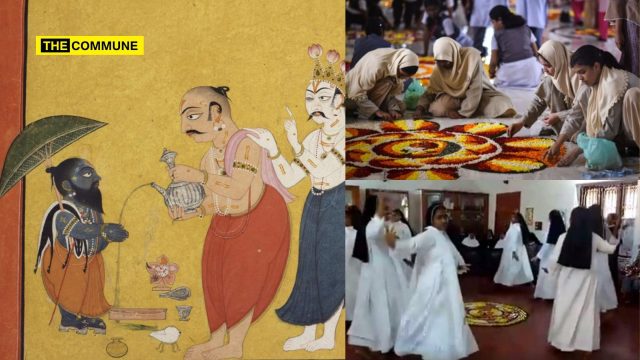
Onam, Kerala’s premier harvest festival, is deeply rooted in Hindu tradition, commemorating the annual homecoming of the benevolent Asura King Mahabali, a story central to the Vamana avatar of Lord Vishnu.

Onam is celebrated in the Malayalam month of Chingam (August–September), lasting ten days, with Thiruvonam being the most important day. The dates shift annually according to the Malayalam lunar calendar. Celebrations include floral carpets (pookkalam), traditional feasts (onasadya), snake boat races, dances, temple rituals, and cultural programs across Kerala and among Malayalee communities worldwide. Since 1961, Onam has been officially recognised as the state festival of Kerala, celebrated not only in India but also across the Gulf countries, the US, UK, Singapore, and other diaspora hubs.

Why Onam is Celebrated

The festival commemorates the annual homecoming of King Mahabali, the legendary Asura ruler of Kerala. Known for his just and prosperous reign, Mahabali was sent to Patallok by Lord Vishnu in his Vamana avatar but granted the boon of visiting his people once every year. This divine reunion is celebrated as Onam, symbolising prosperity, equality, and joy.

Historical References

Historical sources confirm Onam’s roots as a Hindu festival dedicated to Bhagwan Vishnu. A 9th-century Chera copper-plate of King Sthanu Ravi records annadana (food offerings) during Onam. The festival is described in Sangam poetry and in the Malabar Manual (17th century), as well as in Francis Day’s writings, all of which highlight Vishnu’s annual visit to his devotee Mahabali. References also extend back to Pandyan king Nedunchelian’s Thiruvonam celebrations (1850–1800 BCE).

The “Secular” Narrative

In modern times, however, Onam has increasingly been projected as a secular celebration. While Hindu itihasa and astronomical references place Mahabali’s reign as far back as 11,160 BCE, and even Church records acknowledge Onam’s Hindu roots, certain narratives now reinterpret the story. These portrayals often cast Mahabali as a victim and Vamana as a deceiver, framing the festival as a tale of caste conflict rather than a sacred story of devotion, dharma, and divine grace.

This report details 11 key incidents from 1920 to 2025 that highlight this deliberate shift in narrative, moving the festival from the sacred confines of temples and homes into the public, secular sphere as a symbol of state identity and communal harmony, often at the expense of its original religious significance.

#1 1961: State Recognition as a Public Festival

In a pivotal move, the Kerala government led by Chief Minister Pattom Thanu Pillai formally declared Onam the official state festival in 1961. This decision institutionalized Onam, moving its celebrations beyond Hindu households and temples into the state-sponsored, civic realm. The government began organizing and funding official events, framing Onam not just as a religious observance but as a public holiday and a celebration of Kerala’s identity, setting the stage for its secular portrayal.

#2 1980s: Tourism-Led “Onam Week” Cultural Showcase

During the 1980s, Kerala Tourism aggressively promoted Onam as a major tourist attraction. It initiated week-long “Onam Week” celebrations in the state capital, Thiruvananthapuram, featuring multiple stages for folk, classical, theater, and popular arts. This transformed the festival into a broad cultural spectacle, emphasizing performing arts and public festivities over its religious core and marketing it as a secular cultural showcase for a global audience.

#3 2009: Government Magazine Declares It “Pure Secular”

The Kerala state government’s own monthly magazine, Kerala Calling, explicitly described Onam as a “pure secular” festival in its August 2009 issue. This official publication asserted that the festival reflects Kerala’s identity and is celebrated by people “irrespective of religion and caste.” This represented a clear top-down effort to dissociate Onam from its Hindu origins and re-brand it as a pan-Keralite secular event.

#4 2014: Muslim Community Leader Promotes Secular Onam

Hussain Bappu, a Chennai-based Malayali Muslim, became known for actively promoting Onam as a secular festival. Every year, he organizes a grand Onasadya (feast) at his home, inviting people from non-Malayali and non-Hindu communities. Bappu frames the festival as an occasion for communal harmony and a celebration of Kerala’s cultural heritage, consciously separating it from its religious narrative to make it inclusive.

#5 2016: Muslim Educational Society’s Dravidian Narrative

In 2016, the Muslim Educational Society (MES) actively promoted Onam celebrations across its campuses, countering voices that labeled it “un-Islamic.” The MES strategically reframed Onam not as a Hindu festival but as a “Dravidian harvest celebration.” This narrative positioned the festival as part of a shared regional, pre-religious cultural heritage, making it acceptable for participation across communities.

#6 2016: Backlash Against Amit Shah’s “Vamana Jayanti” Greeting

A political controversy erupted in 2016 when BJP President Amit Shah greeted people on “Vamana Jayanti,” depicting Lord Vamana placing his foot on King Mahabali, without mentioning Onam. The post faced massive backlash in Kerala from the public and political leaders, who accused the BJP of attempting to “Hinduise” the festival and impose a divisive narrative, reinforcing the strong public preference for its secular identity.

#7 2017: Shashi Tharoor Highlights Christian Nuns Celebrating

Congress leader Shashi Tharoor amplified Onam’s secular image in 2017 by sharing a viral video of Christian nuns performing the Thiruvathirakali dance around a Pookalam (flower carpet). His social media post, which garnered thousands of shares, presented this as emblematic of Kerala’s unique culture of oneness and communal harmony, using interfaith participation to underscore the festival’s secular character.

#8 2019: Madrasas and Mosques Promote Communal Harmony

In Malappuram in 2019, institutions like the Noorul Islam Madrasa and Huda Masjid actively participated in Onam celebrations. Children from a school associated with the madrasa laid Pookalams and sang songs, while the mosque donated clothes to 50 poor Hindu families. These acts were widely reported as exemplary gestures of communal harmony, further cementing the festival’s secular and inclusive public image.

#9 2024: Syro-Malabar Church Declares Onam “Cultural”

In a significant statement in 2024, the Syro-Malabar Church issued an official note clarifying that Christians should view Onam as a cultural, not religious, festival. It encouraged participation in feasts and decorations as expressions of cultural pride rather than religious ritual. This doctrinal guidance from a major Christian denomination provided a theological basis for the community’s widespread celebration of the Hindu-rooted festival.

#10 2025: CM Vijayan Aligns Onam with “Nava Kerala” Vision

Kerala Chief Minister Pinarayi Vijayan, inaugurating the state’s official 2025 Onam celebrations, explicitly framed the festival as a symbol of the state’s “unity, communal harmony, and fraternal and inclusive mindset.” He aligned Onam with his government’s “Nava Kerala” (New Kerala) vision, leveraging the festival’s secular narrative to promote a political agenda of state identity and progress.

#11 1920-1940: Early Socio-Political Reinterpretation

The foundational shift began in the early 20th century when social reformers and communist leaders reinterpreted the myth. They recast King Mahabali as a symbol of egalitarianism, primitive communism, and a just low-caste ruler betrayed by Brahminical cunning (represented by Vamana). This detachment from its Hindu theological roots by figures like E.M.S. Namboodiripad allowed Onam to be embraced as a secular symbol of social justice and equality.

Subscribe to our channels on Telegram, WhatsApp, and Instagram and get the best stories of the day delivered to you personally.
Missionary Influence In Classrooms: 20 Shocking Cases of Forced Conversion In Indian Schools And Hostels (2021–2025)

Proselytisation haryana madhya pradesh children attempting to convert christianity sultanpur forced conversion missionary

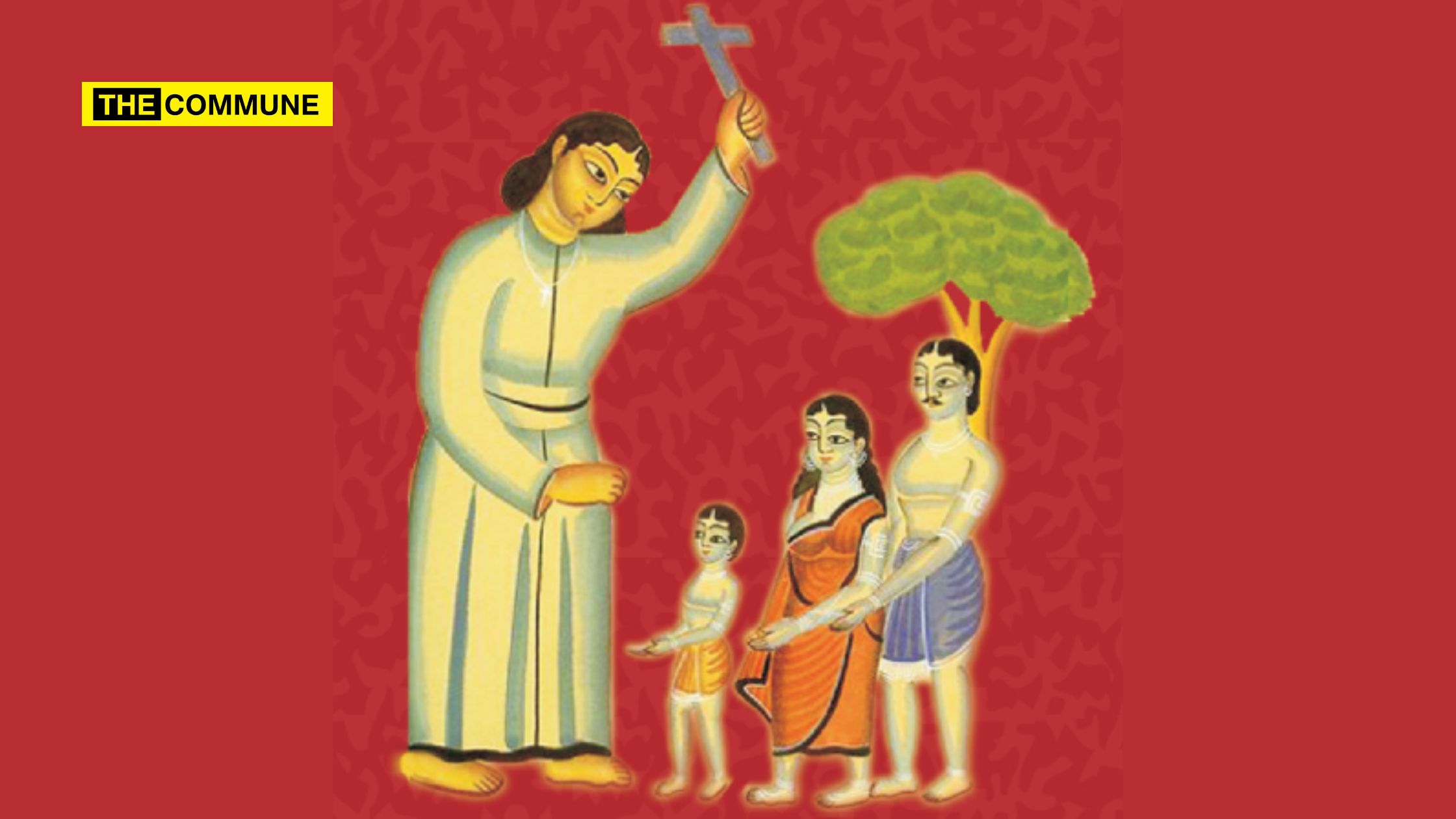
Between 2021 and 2025, a series of disturbing cases across India highlighted the misuse of educational spaces by evangelical forces to target poor, tribal, and underprivileged children for religious conversion. Reports from Rajasthan, Madhya Pradesh, Chhattisgarh, Tamil Nadu, and other states revealed a pattern of coercion, inducements, and misuse of hostels and classrooms. Investigations by police, child rights bodies, and education departments have brought several cases to light. Below is a compilation of 20 incidents that underline the scale and seriousness of this issue.

#1 Rajasthan Hostel Forces Children Into Conversion

On 3 September 2025, Rajasthan Police raided a Christian missionary hostel in Alwar, uncovering systematic religious conversion activities allegedly run by the Chennai-based Friends Missionary Prayer Band (FMPB). Two men, Amrit Singh and Sonu Raisikh, were arrested for indoctrinating 50 children from Sikh, Rajput, and Scheduled Caste families. Investigators found Bibles, digital material, and testimonies showing children were taught to reject their faiths and accept Christianity. Parents confirmed being lured with promises of education. Amrit, previously arrested in Sikar for similar offences, is accused of running a wider network. An FIR has been filed, and a state-level probe is underway.

#2 Headmaster Accused of Promoting Christianity in Chhattisgarh

On 4 June 2025, locals in Telai Dhar, Batai, Chhattisgarh, complained that a missionary-run primary and secondary school operating on government land for nearly 50 years was conducting Sunday church services inside its premises. Headmaster Shanilal Tigga was accused of supporting these activities, which villagers said violated rules and disturbed the educational atmosphere. The Block Education Officer confirmed an inquiry would be conducted. Critics argue that the misuse of government land for religious promotion raises serious concerns about transparency and accountability in mission-run schools.

#3 Douglas Memorial in Bilaspur Under Fire

On 23 April 2025, Douglas Memorial Christian Missionary Institution in Takhatpur, Bilaspur, Chhattisgarh, faced complaints for allegedly luring poor tribal children into conversion under the guise of free education and accommodation. Locals claimed that instead of focusing on academics, the institution promoted Christian teachings and groomed students to later act as pastors. A formal complaint was filed with the Chief Minister and Bilaspur Collector, prompting authorities to open an investigation.

#4 Nursing Student Pressured by Principal in Jashpur

On 9 April 2025, a final-year nursing student at Holy Cross Nursing College in Kunkuri, Jashpur Nagar, Chhattisgarh, accused Principal Sister Vincy Joseph of pressuring her to adopt Christianity. The student reported harassment, threats of expulsion from the hostel, and being barred from exams for resisting. Police registered an FIR under the Bharatiya Nyaya Sanhita and Chhattisgarh Freedom of Religion Act.

#5 Tribal Children Coerced in Madhya Pradesh Hostel

On 29 March 2025, officials discovered that 48 Gond tribal children housed in a residential facility in Mandla, Madhya Pradesh, were being indoctrinated into Christianity by an NGO named “Sign for India.” The State Child Rights Commission found discrepancies in records, children were listed as Hindus in official documents but marked as Christians in hostel registers. Shockingly, CCTV cameras were discovered in the girls’ bathrooms, raising privacy and safety concerns. Many children expressed aspirations to become pastors instead of professionals. Authorities opened inquiries into the hostel’s management and suspected funding sources.

#6 Religious Indoctrination at Jashpur Mission School

On 19 March 2025, villagers in Kunkuri, Jashpur Nagar, Chhattisgarh, accused a local mission school of conducting Bible classes disguised as “moral science” sessions. Parents alleged their children were discouraged from celebrating Hindu festivals and pressured to attend church. Locals complained that the school, funded partly by foreign charities, deliberately targeted Adivasi children with free meals and uniforms. Officials confirmed they were reviewing the school’s curriculum and operations.

#7 “Jesus Will Cure You”: Nun’s Conversion Attempt in TN Hospital

On 1 March 2025, a controversy erupted at Tirunelveli Government Medical College Hospital in Tamil Nadu. A Christian nun was reported to have entered the fracture ward, prayed over patients, and attempted to convert them by claiming “Jesus will cure your illness.” The Hindu Munnani organization accused priests and nuns of regularly visiting hospital wards to preach and pressure vulnerable patients into conversion, blurring the lines between healthcare and proselytization.

#8 Tribal Girls Flee Khargone Hostel Over Conversion Pressure

Fifteen minor girls fled the Ajja Girls Hostel in Chirwa, Khargone, on 27 January 2025, alleging forced religious conversion and abuse. They accused warden Rita Khatte of physical and mental harassment, compelling them to read the Bible, attend Christian prayers, and perform household chores. An inspection by the Block Education Officer led to the seizure of religious books. The warden was subsequently removed from her position and replaced pending a detailed inquiry.

#9 Unauthorized Prayers at Govt-Leased Hostel in Andhra Pradesh

On 4 February 2025, a government-leased BC Residential Hostel in Kovvur, Andhra Pradesh, was found to be conducting unauthorized Christian prayer sessions for over 55 Backward Class students from grades 3 to 10. The activities allegedly violated constitutional provisions prohibiting forced religious instruction in government-aided institutions. The Legal Rights Protection Forum filed a complaint with the National Commission for Protection of Child Rights.

#10 Anganwadi Worker Teaches Christian Lessons to Toddlers

A viral video from 8 January 2025, showed an Anganwadi worker in Patkura village, Surguja, Chhattisgarh, teaching Christian religious lessons to toddlers during mealtime. The worker was seen reciting passages of Christian faith, which the children were made to repeat. The incident at the government-supported child development center triggered widespread outrage and prompted an official inquiry into the worker’s conduct.

#11 UP School Prayer Assembly Used for Conversion

An English Medium School in Chhatauna, Uttar Pradesh, became the center of controversy on 15 December 2024. The principal and staff were accused of distributing religious texts and encouraging poor families and children to participate in Christian-style prayer sessions aimed at conversion. The prayer session was stopped on the spot, and an FIR was filed against the institution after a memorandum was submitted to the Sub-Divisional Magistrate.

#12 Gujarat School Couple Accused of Forcing Conversion

On 29 November 2024, a viral video from Navsari, Gujarat, showed Kamal Naskar and his wife Sarita, associated with Seventh Day English Medium School, leading children in a Christian prayer. The children were allegedly made to take an oath renouncing Hindu deities and declaring Jesus as the only God. Hindu organizations filed a complaint with the Navsari District Police Chief, demanding an FIR for forced religious conversion.

#13 Betul Coaching Centre Front for Conversion Activities

On 16 September 2024, a coaching centre in Hamalapur, Betul, was exposed as a front for religious conversion. Pastor Rajo Thomas and two women, Jyoti and Pooja Gohe, were accused of brainwashing dozens of minor children and poor tribal community members into accepting Christianity under the promise of a better life. An FIR was registered against the accused under the Madhya Pradesh Freedom of Religion Act.

#14 Ratlam School Stormed in Protest Over Conversion Claims

St. Peter’s Higher Secondary Institution in Jaora, Ratlam, was stormed by ABVP members on 27 July 2024, who chanted “Stop Conversions.” They alleged the school was promoting Christian religious propaganda through imagery and teachings. The protesters replaced Christian-themed images with pictures of Bharat Mata and Goddess Saraswati and performed an aarti on the campus in a two-hour-long demonstration.

#15 Damoh School Caught in Foreign-Funded Conversion Scheme

A raid on 18 February 2024, by the MP Child Rights Commission on Good Shepherd Institution in Patharia, Damoh, uncovered a forced conversion scheme. Four Hindu children were recorded as Christians in official documents, and Bibles were seized. Parents reported their children were mocked for their faith and secretly taken to church. The institution was linked to the Operation Mercy India Foundation, which runs 126 centers across India.

#16 Bhopal Shelter Director Arrested in German Funding Probe

The director of a children’s home in Bhopal, Anil Mathew, was arrested on 8 January 2024, after girls reported being forced to immerse Hindu idols, stop worshipping their deities, and adopt Christianity. They were given Christian books, forced into daily prayers, and told facilities were provided by “Lord Jesus.” Police are investigating foreign funding from Germany linked to the institution.

#17 Jhabua Mission School Trained Tribal Girls as Nuns

On 23 July 2023, the MP Child Rights Commission discovered three minor tribal girls at a Jhabua mission school being trained to become nuns in a building called Jyoti Bhavan. The girls were brought from Rajasthan. The commission also found evidence of forced conversion attempts, illegal fee collection, foreign funding, and illegal possession of a firearm. An FIR was recommended.

#18 Chennai School Hostel Accused of Forcing Christianity

On 6 September 2022, an unregistered girls’ hostel at CSI Monahan School in Royapettah, Chennai, was found forcing girls from poor families to follow Christianity during a surprise inspection. Some students also reported abuse by the hostel warden. Police filed an FIR against the hostel management under the Juvenile Justice Act.

#19 TN School Teachers Accused of Pressuring Students to Convert

On 14 June 2022, parents in Keezha Kuthapanchan Village, Tenkasi, refused to send their children to a government-aided school, accusing several teachers of pressuring around 165 students to abandon their religion and caste and embrace Christianity. Over 75 parents staged a sit-in at the Block Education Office, leading the Tamil Nadu Education Department to launch an official probe.

#20 Raisen Hostel Influenced Students for Conversion

A surprise inspection by the NCPCR on 8 November 2021, at the Sisters of Jesus Girls Hostel in Intkheri, Raisen, found that 19 poor students were being influenced for religious conversion. Bibles were found in dormitories, and the hostel was unregistered. The managing Catholic nuns denied wrongdoing, claiming they only supported poor girls and that registration was pending.

Subscribe to our channels on TelegramWhatsApp, and Instagram and get the best stories of the day delivered to you personally.

Kurukshetra: Netflix Brings Epic Mythology To Life With India’s First Animated Mahabharata Series

Netflix, on 10 September, took to social media to announce its foray into Indian animated mythology with the upcoming series “Kurukshetra.” The new show promises a visually immersive retelling of the Mahabharata that captures the epic’s emotional depth and moral complexity.

Announcing the same on Instagram, the OTT streaming giant shared a video and wrote, “Shankhnaad ke sath arambh hoga dharm aur adharm ka mahayudh Watch Kurukshetra, out 10 October, only on Netflix.” Speaking about the mythological series, Tanya Bami, Series Head, Netflix India, shared, “Kurukshetra is the first mythological anime from Netflix India and a truly novel take on the Mahabharata. It brings together everything that we look for in great storytelling. The Mahabharat has always been more than an epic; it’s a mirror to our choices and dilemmas, as relevant today as it was centuries ago. With its distinctive storytelling lens, layered characters, and a moving background score, this series reimagines a story we’ve all grown up with in a way that speaks to today’s generation. It’s an invitation for newer audiences to discover its timeless themes through a format that feels fresh, contemporary, and compelling.” Creator Anu Sikka added, “The battle of Kurukshetra is unforgettable and timeless — it is a collision of duty, destiny, and moral choices. Through this animated series, we explore the 18 days of Kurukshetra with its distinct perspectives, blending eternally timeless wisdom with the power of visual storytelling. We’re honoured to bring this layered narrative to life on Netflix, making this epic story accessible to Indian and global audiences in a visually stunning rich new format.”

Conceived and brought to life by Anu Sikka, “Kurukshetra” is a Tipping Point production, with Alok Jain, Anu Sikka, and Ajit Andhare serving as producers. The series is written and directed by Ujaan Ganguly, while legendary poet and lyricist Gulzar contributes as the official lyricist. The series presents the Mahabharata through the eyes of 18 key warriors, exploring their internal conflicts, personal vendettas, and the heavy toll of a war that turns brother against brother. The show is set to release in two parts, each comprising nine episodes. “Kurukshetra” will premiere on 10 October on Netflix.

-IANS

Subscribe to our channels on TelegramWhatsApp, and Instagram and get the best stories of the day delivered to you personally

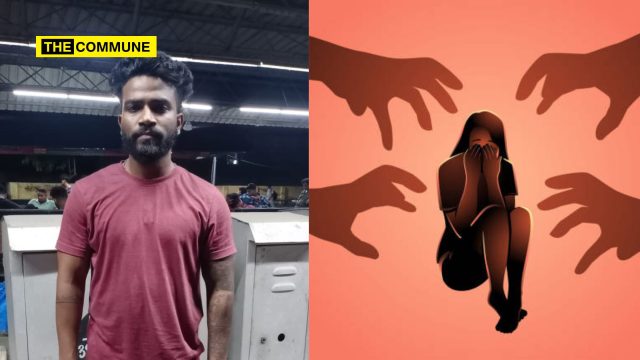
Haridevpur Gang-Rape: Key Accused Arrested By Kolkata Police, Co-Accused On The Run

Chandan Malik, the main accused in the Haridevpur gang-rape case, has been arrested. Kolkata Police nabbed him from Burdwan railway station early on Wednesday morning. The second accused Debanshu Basak alias Deep is absconding. Chandan Malik will be produced in Alipore court on Wednesday where the police will seek his custody.

According to police, the accused planned to flee to another state by taking a train. Both the accused had been hiding since the complaint was filed with Haridevpur Police Station in Kolkata. Despite searches at various places in the city, police could not find them.

Finally, on receiving information from a confidential source, the police conducted a raid on Tuesday night and arrested Chandan from Burdwan station in the wee hours of Wednesday. “We have arrested the main accused. Search is on for the other accused in the case. Investigation is on,” said a senior officer of Kolkata Police.

On Saturday night, a young woman from the Haridevpur area accused two acquaintances of gang-raping her during her birthday party. According to officials, the alleged incident took place on Friday, but a formal complaint was lodged late on Saturday night at the Haridevpur Police Station. Based on the complaint, the police registered an FIR under relevant sections and started a search for the accused persons.

As per the complaint, several months ago, the 20-year-old was introduced to a man named Chandan Mallick. The man introduced himself as the head of a large Durga Puja committee in south Kolkata. Through him, the young woman was introduced to another young man named Deep. The two of them promised to get the young woman involved in the puja committee. It is learnt that they used to talk frequently with the young woman. According to police sources, one of the accused on Friday called the young woman to celebrate her birthday and took her to the house of the other accused. There, she was gang-raped. The victim went home and narrated the entire incident to family members, who then took her to the police station to lodge a complaint on Saturday.

-IANS

Subscribe to our channels on TelegramWhatsApp, and Instagram and get the best stories of the day delivered to you personally

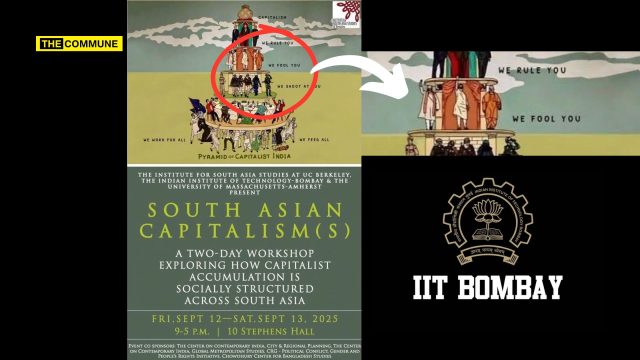
Taxpayer-Funded IIT Bombay Co-Sponsors Berkeley’s ‘South Asian Capitalism’ Event; Poster Featuring PM Modi, Amit Shah, Yogi Says “We Fool You”

iit bombay university of berkeley south asian capitalism pm modi yogi amit shah

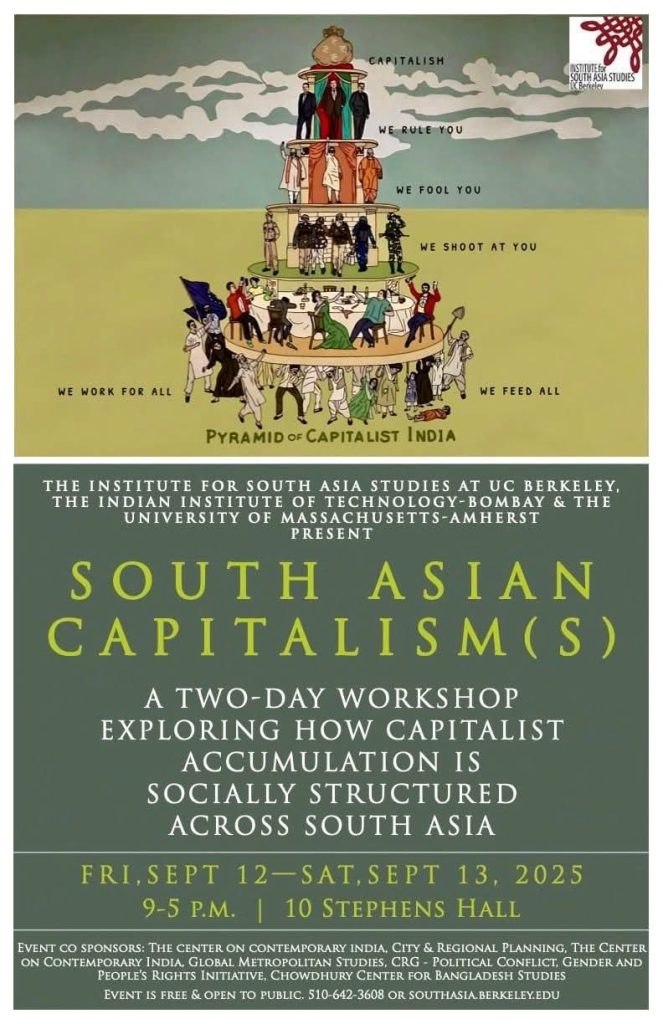
The Indian Institute of Technology Bombay (IIT-B) is facing sharp criticism after its name appeared as a co-sponsor of a controversial academic workshop titled “South Asian Capitalism(s)”, scheduled for September 12–13, 2025, at UC Berkeley.

The poster for the event, jointly presented by UC Berkeley’s Institute for South Asia Studies, the University of Massachusetts-Amherst, and IIT Bombay, has sparked outrage for its provocative design.

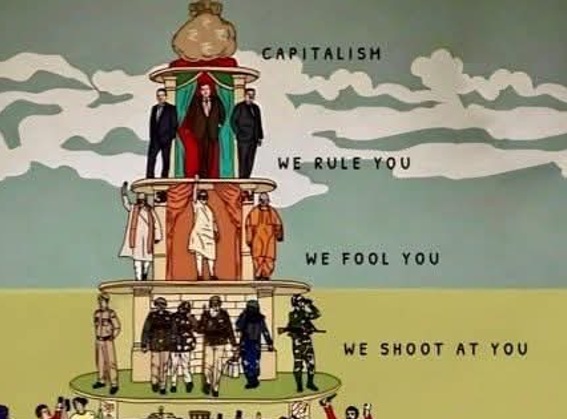
It prominently displays images of Prime Minister Narendra Modi, Union Home Minister Amit Shah, and Uttar Pradesh Chief Minister Yogi Adityanath, with the caption: “WE FOOL YOU.” Notably, the only religious figure depicted is a Hindu monk in saffron robes raising questions about selective targeting.

The workshop is promoted as an exploration of “how capitalist accumulation is socially structured across South Asia,” but the poster includes slogans such as “WE RULE YOU, WE FOOL YOU, WE SHOOT AT YOU” and a pyramid graphic titled “Capitalist India.”

The 3 figures in the We Rule You category seem to be aimed at the punching bags of the leftists – Ambani, Adani.

They also blame the Army in the poster by portraying them under “We Shoot At You”.

Critics allege that the event agenda is designed to push a partisan ideological line, focusing heavily on caste and community dynamics. Observers have also pointed out that IIT Bombay previously co-hosted a conference on political economy with similar undertones, leading to concerns that the institution is increasingly providing academic cover to what some describe as “deep state” narratives against India’s political leadership and business communities.

Questions are now being directed at Union Education Minister Dharmendra Pradhan, with calls for the ministry to explain why a premier taxpayer-funded institute is endorsing what many view as a politically loaded foreign event.

IIT Bombay has not yet issued a public statement clarifying its role in the sponsorship.

Subscribe to our channels on Telegram, WhatsApp, and Instagram and get the best stories of the day delivered to you personally.

India Tightens Border Security Amid Unrest in Nepal

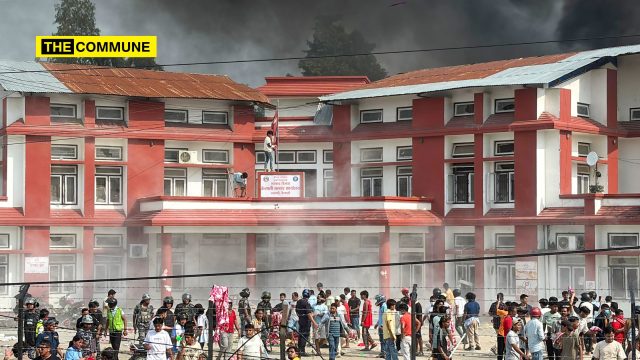
Security has been beefed up along the Indo-Nepal border following violent protests and political turmoil in the neighbouring country’s capital Kathmandu. A large number of SSB jawans have been deployed across the border, with joint patrolling by district police and security forces on sensitive stretches.

Movement across the border has been restricted, and several check posts have been set on fire by protesters on the Nepal side. As a result, thousands of people are stranded on either side of the international boundary. Araria SP Anjani Kumar has directed all police stations and outposts in border areas to remain on high alert, closely monitor developments across the border, and report to district headquarters immediately.

Nepal is witnessing widespread unrest driven by public anger against social media ban, corruption and nepotism. The student-led Gen Z protests in Nepal, which began in response to a government ban on social media, expanded into a larger campaign. The situation escalated further after Prime Minister K.P. Sharma Oli resigned and protesters set fire to the Supreme Court, the Parliament and other government buildings and official residences. The Nepali Army has assumed responsibility for maintaining law and order, as the security institution announced a nationwide curfew on Wednesday, effective until Thursday morning.

With the civilian authorities completely in a mess during Wednesday’s Gen Z protests, during which several government buildings and private properties were vandalised and torched, the Nepal Army announced on Wednesday night that it was taking the initiative for law and order in the country. Citing the need to safeguard law and order, the security officials said the prohibitory order imposed on Wednesday would remain in effect nationwide until 6 A.M. the next day. Once seen as one of South Asia’s politically stable nations, Nepal is now facing an unprecedented crisis. T

he instability in Kathmandu follows a worrying regional trend, as India has already witnessed the ripple effects of uprisings in Sri Lanka and Bangladesh in recent years. Nepal holds a unique significance for India — not only as a close cultural and historical ally but also as a strategic trading partner. In FY 2024–25, bilateral trade touched $8.5 billion, with India exporting goods worth $7.33 billion to it, while Nepal exported around $1.2 billion to India, nearly 16 per cent of its GDP. India mainly exports petroleum, vehicles, machinery, medicines, food items, and textiles, while Nepal sends agricultural produce, handicrafts, leather, and some industrial goods across the border.

Several cross-border infrastructure projects are underway, including upgrades to roads, railways, and air links, aimed at further boosting trade and connectivity. Despite the crisis in Nepal, India is working to preserve stability in the bilateral relationship. Efforts are being made to ease trade barriers, strengthen investment flows, and keep supply chains intact. New Delhi has also intensified diplomatic outreach, signaling its commitment to supporting Nepal through this difficult phase. Analysts believe that once stability returns to Nepal, the economic partnership between the two nations will deepen further, offering growth opportunities and contributing to broader regional stability in South Asia.

-IANS

Subscribe to our channels on TelegramWhatsApp, and Instagram and get the best stories of the day delivered to you personally