Home Blog Page 108

“Who Would Find Out That A Religious Conversion Was Deceitful Or Not?” CJI Gavai Questions Scope Of Anti-Conversion Laws
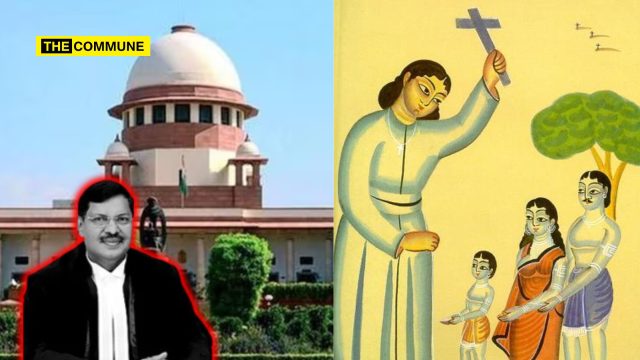
supreme court anti-conversion laws deceit br gavai

The Supreme Court on Tuesday (16 September 2025) asked a petitioner seeking a complete ban on “deceitful” religious conversions who exactly gets to decide if an interfaith marriage is a fraud or not.

Chief Justice of India BR Gavai agreed with senior advocate C.U. Singh, appearing for an NGO challenging the validity of increasingly stringent anti-religious conversion laws across 10 States, that the court’s role was to examine the constitutionality of laws, and not to make them.

Petitioner-advocate Ashwini Upadhyay argued that while one has the right to propagate religion under Article 25 of the Constitution, the right does not extend to conversion through fraud or force.

Highlighting the risk posed to the freedom of conscience enshrined in the Constitution, Chief Justice Gavai asked, “but who would find out that a religious conversion was deceitful or not?”

Singh, appearing in the case along with senior advocate Indira Jaising and advocate Vrinda Grover, submitted that States including Uttar Pradesh, Himachal Pradesh, Madhya Pradesh, Uttarakhand, Gujarat, Chhattisgarh, Haryana, Jharkhand, and Karnataka had enacted copycat ‘Freedom of Religion’ Acts, with Rajasthan recently following suit. “The batch of laws are characterised as Freedom of Religion Acts, but they contain everything but freedom. They are virtually anti-conversion laws,” he said.

He sought a stay on these laws, arguing that they were becoming increasingly stringent as courts granted bail and relief to persons accused and arrested under them. The bench scheduled the matter after six weeks to consider the question of staying the implementation of the Acts.

Singh pointed out that recent amendments empowered third parties to file criminal complaints against couples who entered into interfaith marriages. He said punishments under these laws included a “minimum 20-year sentence or a maximum of life imprisonment,” with bail conditions comparable to the Unlawful Activities (Prevention) Act. “For anybody who marries inter-faith, bail becomes impossible. These are Constitutional challenges… It is not just marriages but any normal church observances or festivals, mobs may come…” he argued.

Additional Solicitor General K.M. Nataraj opposed the plea, questioning the timing. He noted that the matter was being taken up after three years, “and suddenly they [the petitioners] are asking for stay?”

In 2023, while hearing the case, the Supreme Court had refused to refer the issue of “forcible conversion” as a separate offence under the Indian Penal Code to the Law Commission of India. The government had also opposed the locus standi of the NGO, Citizens for Justice and Peace, represented by Singh, to challenge these laws in the apex court.

Singh argued that the legislation amounted to undue interference in a person’s right to choose faith and life partner. He said each State law was used as a “building block” by another to frame an even more “virulent” law. The petitions maintain that such laws have a “chilling effect” on the right to profess and propagate religion under Article 25 of the Constitution.

(With inputs from The Hindu)

Subscribe to our channels on Telegram, WhatsApp, and Instagram and get the best stories of the day delivered to you personally.
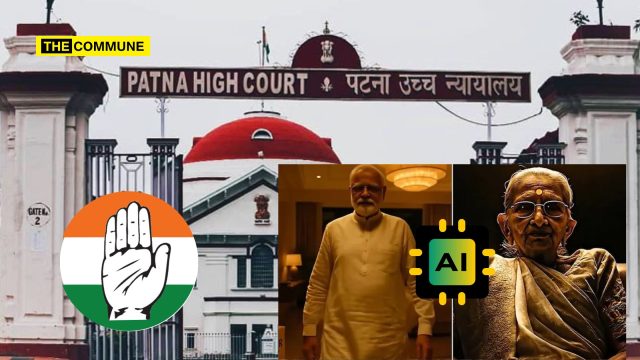
Patna High Court Orders Removal Of Congress’ AI-Generated Video Featuring PM Modi & His Late Mother

Patna High Court Orders Removal Of AI-Generated Congress Video Featuring PM Modi & His Late Mother

The Patna High Court on Wednesday (17 September 2025) directed the removal of an AI-generated video posted by the Bihar Congress that featured Prime Minister Narendra Modi and his late mother Heeraben Modi from all social media platforms.

The Court instructed intermediaries to stop circulation of the video, if still being shared, citing various Supreme Court judgments such as “KS Puttaswamy”, “NALSA Foundation”, and “Subramanian Swamy”, which held that the right to privacy and dignity formed part of the fundamental rights of a person.

“To avoid further damages, if any, respondents 6-8 are hereby directed not to circulate the subject video clipping from here afterwards until further orders to be passed by this Court,” the bench ordered. Respondents 6 to 8 in the case are Meta Platforms, Google India (YouTube), and X (Twitter) India.

A bench comprising Acting Chief Justice PB Bajanthri and Justice Alok Kumar Sinha passed the order while hearing a Public Interest Litigation filed by Vivekanand Singh, who sought the removal of the video.

The Court also issued notices to the Union Government, the Bihar Government, the Bihar Pradesh Congress Committee, the Election Commission of India, and Congress leader Rahul Gandhi.

The controversial video depicted Prime Minister Modi dreaming of his late mother, who appears in the clip to reprimand him for his policies. The petitioner argued that the video was “disgusting, disgraceful, distasteful and dishonouring” as it infringed upon the dignity of the Prime Minister’s late mother. He further submitted that the video had been posted with the knowledge of Rahul Gandhi.

Senior Advocate Santosh Kumar, appearing for the petitioner, pointed out that the video coincided with the sacred period of pitru paksh when the Prime Minister was performing rituals for his late mother. He said the clip showed the Prime Minister’s mother chiding him over policies such as demonetisation.

In this regard, he emphasized that the demonetisation policy had already been upheld by the Supreme Court. “Worst kind of calumny is inflicted upon the Prime Minister,” he submitted.

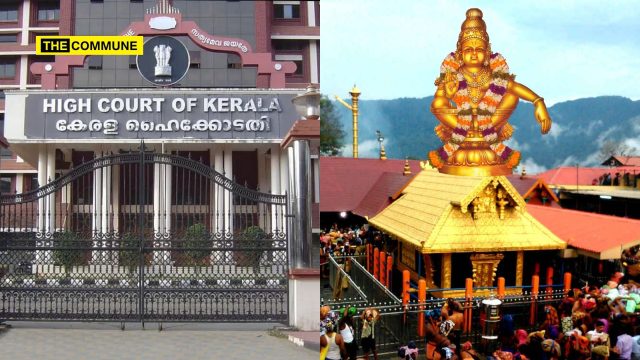
“Strange And Worrying”: Kerala High Court Orders Probe Into Missing 4 Kg Gold From Sabarimala Sanctum

sabarimala gold

The Kerala High Court has raised serious concerns over discrepancies in the weight of gold plates used in the sanctum (Sannidhanam) of the Sabarimala temple and ordered a detailed probe into what it termed a “strange and worrying” matter.

During a hearing on Wednesday, the court questioned how the plates, which weighed 42 kg when taken in 2019 for gold plating work, showed a shortage of four kg on being returned. Referring to official mahazar records, the bench noted that the discrepancy had been documented even during the one-and-a-half months the plates were kept in custody in 2019.

Expressing dismay over the lapse, the court remarked: “When the plates were brought back and reinstalled at the Sannidhanam, why was the weight not checked again? If it were petrol, one could expect a reduction. But isn’t this gold?”

The High Court directed the Devaswom Vigilance to carry out a thorough investigation and submit a report within three weeks, while instructing the Travancore Devaswom Board to cooperate fully with the probe. It also ordered verification of whether the pedestals of the Dwarapalaka (guardian deity) sculptures and spare structures are secured in the strong room. “The sanctity and trust associated with temple management cannot be compromised. Transparency and accountability are paramount,” the court observed.

The Sabarimala gold plating project, undertaken to preserve and embellish the sanctum, has already faced scrutiny over its cost and implementation. The latest revelations have raised further questions about monitoring mechanisms for safeguarding temple wealth. Located in Kerala’s Pathanamthitta district, the hill shrine of Sabarimala, perched at 3,000 feet in the Western Ghats, is one of India’s most revered pilgrimage destinations. It attracts millions of devotees annually, with tradition requiring a 41-day penance before a barefoot ascent from the banks of the Pampa River. Sabarimala temple is dedicated to Lord Ayyappa, believed to be the son of Lord Shiva and Mohini (Vishnu’s incarnation). The legend says Ayyappa meditated here after defeating the demoness ‘Mahishi’.

-IANS

Subscribe to our channels on TelegramWhatsApp, and Instagram and get the best stories of the day delivered to you personally.
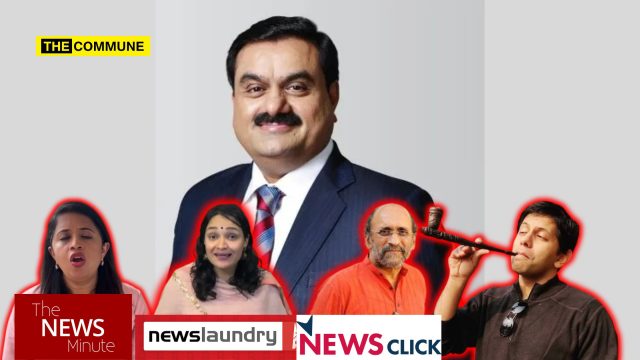
Leftist Media Outrage Suffer Meltdown After Court Asks To Takedown Hitjob Content On Adani

Leftist Media Outrage Over Adani Takedown Is Pure Hypocrisy

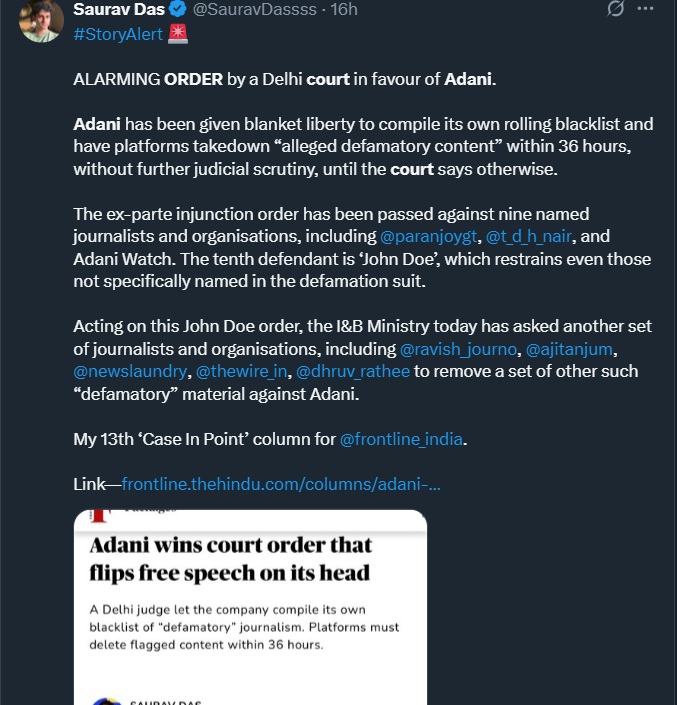
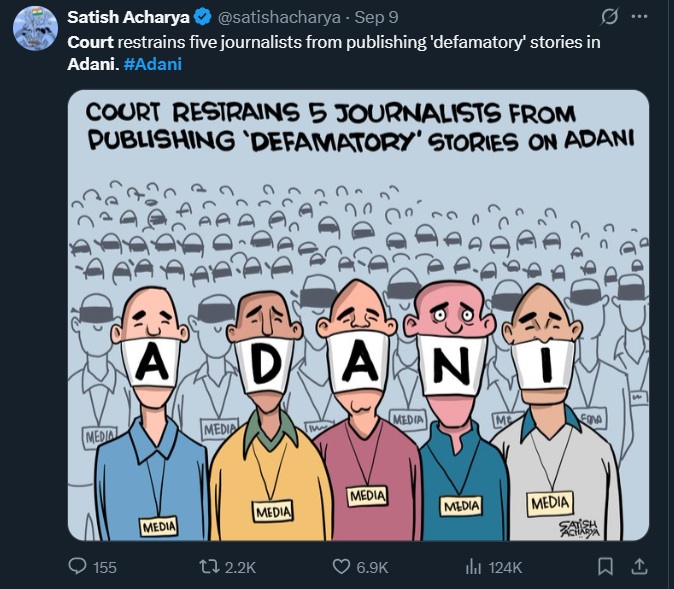
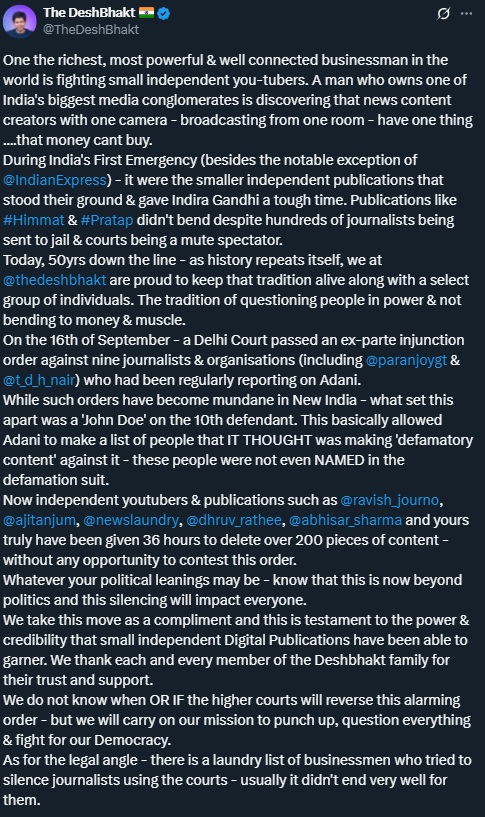
The leftist portals in India have been crying and whining since the news broke that the GoI was implementing the ex-parte court order on Adani defamation case.

The Ministry of Information and Broadcasting’s recent directive to remove defamatory content targeting Adani Enterprises is simply the government acting as an administrative arm of the court.

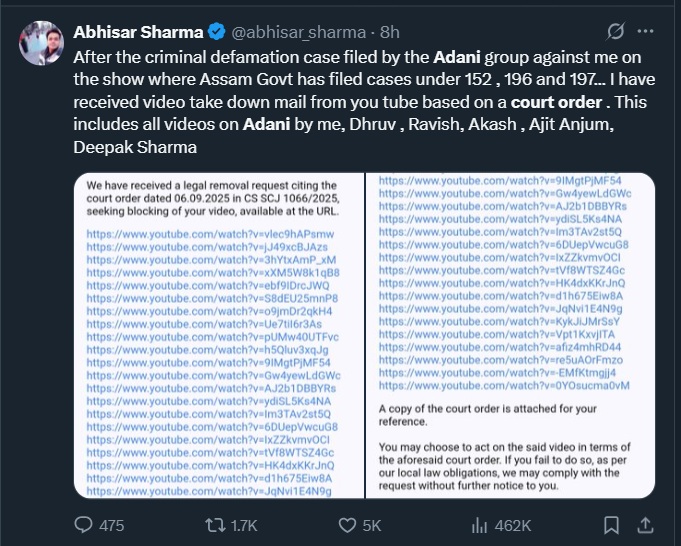
Following the 6 September 2025 ex-parte interim injunction from the Rohini Court, media houses, journalists, and creators, including News Minute, Newslaundry, and others were legally bound to comply.

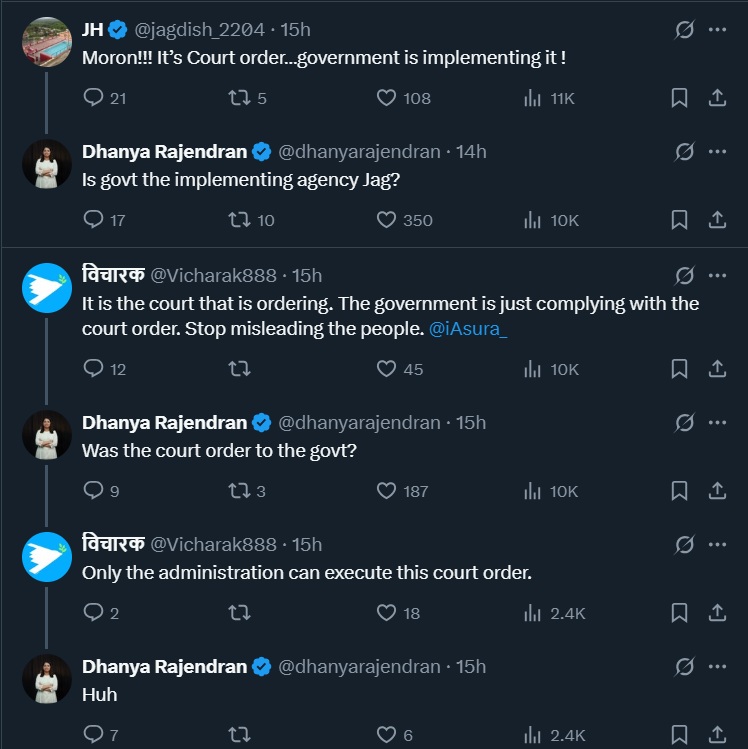
These left-leaning outlets tried to spin the Ministry of Information and Broadcasting’s takedown notices as “government overreach” or “pre-empting the judicial process.” Dhanya Rajendran and colleagues claimed that the Ministry was silencing journalists critical of Adani. Yet, a simple look at the facts exposes this as disingenuous posturing.

The MIB is not inventing law; it is enforcing a legitimate judicial order. Yet, left-leaning outlets and ‘journalists’ have turned this into a spectacle, claiming censorship and “preempting justice.”

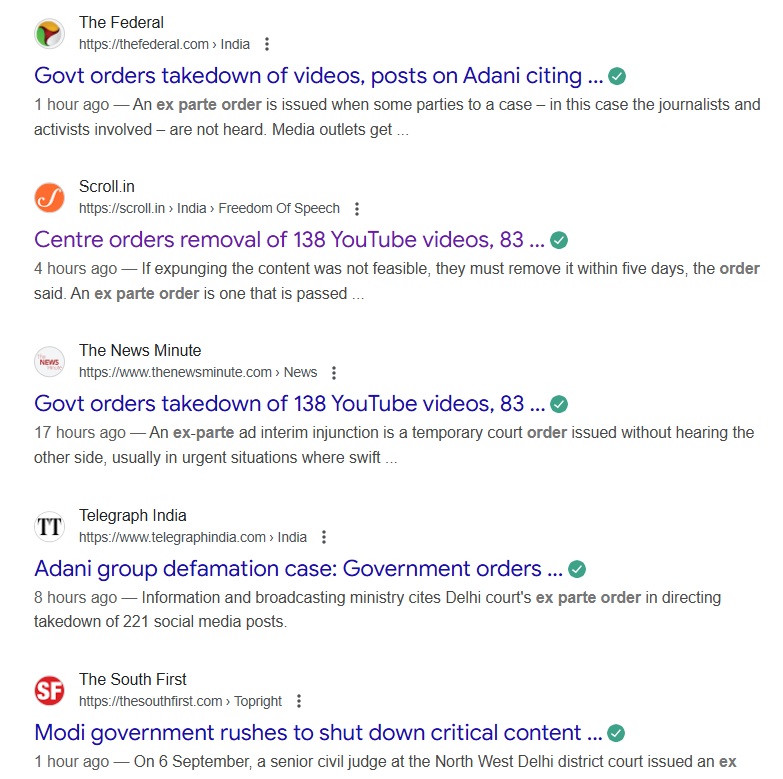
Look at their reportage:

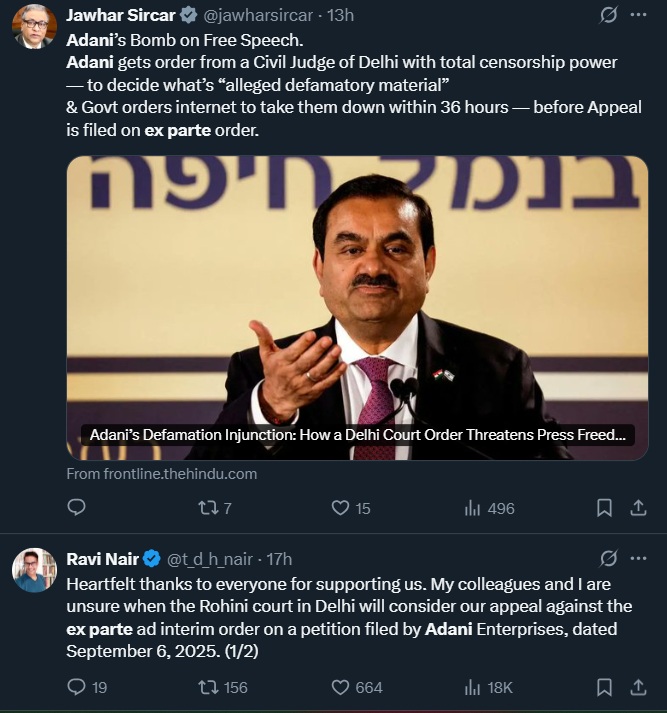
Here’s some whining too.

This is disingenuous. The court found prima facie that unverified content was damaging the reputation of a company critical to India’s infrastructure, energy projects, and international investment confidence. Ignoring court orders and calling for “free speech” while disseminating potentially defamatory material is a blatant abuse of privilege.

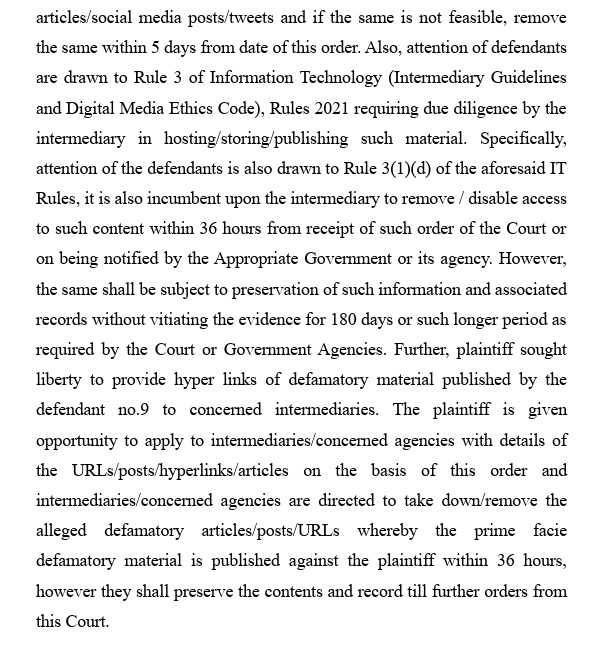
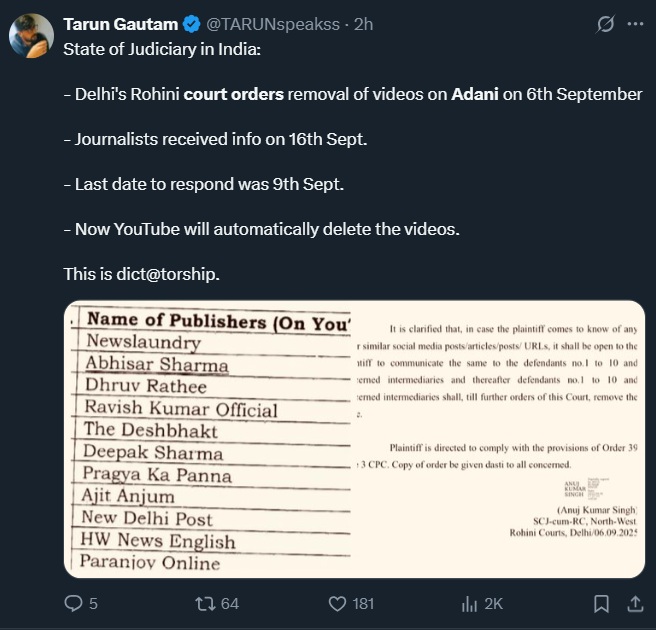
The reality is straightforward. On 6 September 2025, the Delhi Rohini Court issued an ex parte interim injunction in Adani Enterprises Ltd vs Paranjoy Guha Thakurta & Ors., directing the removal of “incorrect, unverified, and prima facie defamatory” material. The court gave the publishers five days to comply. When they failed to act, the Ministry issued notices on 16 September 2025 to enforce the order.

This is not political interference; it is mandatory execution of a judicial directive. The Ministry’s action ensures compliance with the law, not suppression of legitimate reporting. Leftist commentators conveniently ignore that the court explicitly distinguished between defamatory content and fair, substantiated reporting, which remains fully protected.

Court Order

Adani Enterprises had demonstrated before the court that repeated false reporting had caused billions in investor losses, project delays, and reputational harm, and that some defendants were aligned with anti-India interests disrupting key infrastructure and energy projects. The judiciary found a prima facie case and acted accordingly.

This is also not the first time Adani has been targeted by these so-called journalists; since 2017, there have been multiple defamation suits filed against baseless claims. Yet, News Minute and their allies continue to portray themselves as martyrs, ignoring the harm their content inflicts on investors, employees, and national economic interests.

Let’s be clear: court orders are not suggestions, and the rule of law cannot be held hostage to performative outrage. Complaining that the government is “preempting justice” while actively flouting a judicial order is hypocrisy. Those who refuse to distinguish between fair reporting and defamatory attacks cannot credibly claim moral high ground. The implementation of this court order is law, not political vendetta, and anyone who continues to frame it otherwise is willfully misleading the public.

Compliance is simple: remove unverified, defamatory content, continue fair reporting, and stop crying foul. Democracy thrives not on sensationalism but on accountability. Those unwilling to accept this simple principle should reconsider whether they are journalists or just self-styled agitators.

It is important to note that ex parte takedown orders are neither unprecedented nor partisan. Court once also restrained India Today from publishing defamatory content – In July 2024, the Delhi High Court granted an ad-interim injunction pertaining to defamatory posts against an acquitted businessman, directing removal of defamatory content from platforms including those associated with India Today Group. The court recognized the “right to be forgotten” and privacy rights, ordering the removal or masking of defamatory posts or judgments to protect the individual’s dignity from perpetual stigma. This demonstrates that the legal mechanism being used in the Adani case is standard judicial procedure, not a politically motivated attack on the media.

Subscribe to our channels on TelegramWhatsApp, and Instagram and get the best stories of the day delivered to you personally.
Mysuru City Corporation Issues Notice For New Dargah Construction At Madhwachar Road, Sparks Political Firestorm Amid Land Record Disputes

mysuru dargah

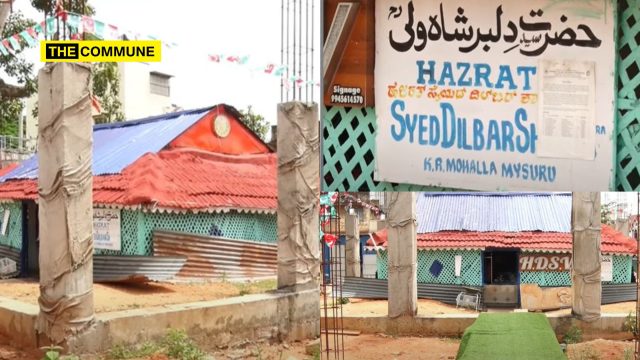
A fresh controversy has emerged in Karnataka following a public notice, reportedly issued by the Mysuru City Corporation (MCC), inviting objections regarding the proposed construction of a dargah at Gaadi Chowka on Madhwachar Road. The notification, dated 8 September 2025, has stirred political tensions, as it appears to contradict a 2009 Karnataka government directive that prohibits the construction of any new religious structures.

Krishnaraja MLA T.S. Srivatsa has accused the MCC Commissioner of acting in haste by publishing a public notice aimed at facilitating the construction of the dargah, located near the 101 Ganapathy Temple in Agrahara. He claimed the decision was taken without consulting local representatives and violated standard procedures.

Speaking to the press after inspecting the site, Srivatsa was joined by several BJP leaders, including former MLA and city BJP president L. Nagendra, former mayor Shivakumar, former ZAK chairman Shivakumar, ex-corporators Sowmya Umesh and M.U. Subbaiah, BJP constituency president Gopalraj Urs, BJP Yuva Morcha city president Rakesh Gowda, and other officials.

“Public Notification Lacked Transparency,” Alleges MLA

Srivatsa criticized the MCC for issuing the notification without adequate public visibility. He pointed out that no signboard was displayed at the site to inform the public, which is a required step under normal procedure. Instead, the notification was published discreetly in a local newspaper, possibly to avoid attention during the ongoing Dasara festival preparations.

He also alleged that the MCC had issued a khata (property document) for the site, despite it remaining vacant for six decades.

Disputed Land and Gazette Records

Referring to land records, Srivatsa noted that a 1965 government gazette lists approximately 1.5 acres (around 4,500 sq ft) as Waqf property, attributed to a person named Mohammed Ghouse from Mohammedvadi Road in K.R. Mohalla. However, Srivatsa argued that there is no official record or geographic identification of “Mohammedvadi Road” or even “Madhwachar Road” in the gazette, raising questions about the legitimacy of the claim.

He further alleged that construction activities began on 15 March 2025, without obtaining the necessary approvals from the MCC. After complaints were lodged with both the Corporation and local police, the process of issuing the khata was allegedly expedited.

Discrepancies in Revenue Records

Srivatsa also flagged discrepancies in the land’s revenue records. Although the site covers 4,500 square feet, revenue was reportedly calculated for only 700 square feet. He recalled a 2002 civil case where an individual claimed ownership of the land, but the court had declared it as Waqf property. The High Court later upheld this verdict, although a title suit is currently pending. It remains unclear whether the case is now before a division bench of the High Court or has reached the Supreme Court.

Amidst the growing controversy, the secretary of the institution behind the dargah construction has reportedly filed a case against MCC officials in a city court. The matter is expected to be heard on 20 September.

MLA Srivatsa concluded by stating that the manner in which the MCC Commissioner handled the issue has created public distrust and raised serious concerns over procedural fairness and transparency.

(With Inputs From State Of Mysore)

Subscribe to our channels on TelegramWhatsApp, and Instagram and get the best stories of the day delivered to you personally.
Over 3.6 Lakh Dog Bites Reported In Tamil Nadu In 2025; Rabies Deaths Rise

rabies dog bite tamil nadu

Health authorities in Tamil Nadu have raised alarm over the sharp rise in dog bite incidents across the state and cautioned that failing to complete the rabies vaccination schedule significantly raises the risk of contracting the deadly virus.

Official records reveal a concerning trend, in 2021, Tamil Nadu saw 3,19,432 dog bite cases resulting in 19 deaths due to rabies. The situation worsened in 2022 with 3,64,435 cases and 28 deaths. By 2023, the number of reported dog bites had climbed to 4,41,804, with 18 fatalities. In the current year alone (2025), over 3.6 lakh people have been bitten, and 22 rabies-related deaths have been reported so far, according to the Department of Public Health and Disease Prevention.

Medical professionals explained that rabies is a viral infection transmitted through the saliva of infected animals, most commonly through bites. The virus attacks the central nervous system, particularly the brain. Symptoms typically appear within three weeks to three months after exposure and include hydrophobia (fear of water), light sensitivity, breathlessness, sensitivity to wind, and memory issues.

Doctors emphasize the importance of quick response following a dog bite. “The first step is to wash the affected area thoroughly with soap and water for at least 15 minutes. Immediate medical attention and vaccination must follow,” advised Dr. Aysha Shaheen, Director and Superintendent at Royapettah Government Hospital, and Dr. Bhaskaran, Superintendent of Kilpauk Medical College, during an interview.

Anti-Rabies Vaccines (ARV) are available at government medical college hospitals and primary health centers throughout Tamil Nadu. Physicians warn that completing the entire vaccine schedule is crucial for protection. “Skipping doses can leave you vulnerable to the infection,” said Dr. Shaheen.

She also highlighted a recent case from Royapettah Government Hospital. A patient named Nasruddin, who received only the initial dose of the rabies vaccine, failed to return for the remaining doses and tragically died from rabies on 12 September. “There is no cure once symptoms begin. Rabies ultimately results in respiratory failure,” she warned.

Public health officials are urging the public to remain vigilant, follow medical advice after any dog bite, and ensure full completion of the vaccination course to avoid preventable deaths.

(With inputs from ETV Bharat)

Subscribe to our channels on TelegramWhatsApp, and Instagram and get the best stories of the day delivered to you personally.
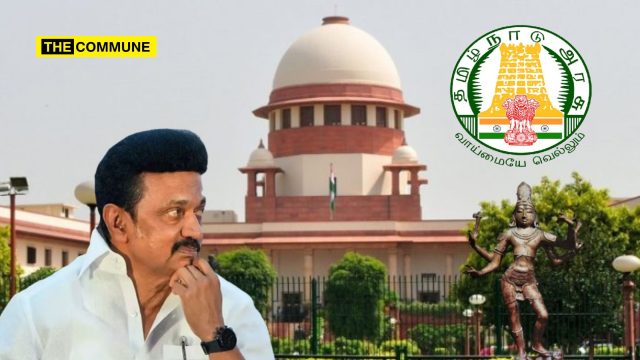
“Were The Documents Destroyed On Directive?” Supreme Court Justice Nagarathna Raps TN Govt Over 41 Missing Idol Theft Records

supreme court nagarathna missing idols tn govt

On 16 September 2025, the Supreme Court questioned the Tamil Nadu government over the disappearance of 41 important files connected to idol theft investigations, emphasizing that safeguarding cultural heritage is a fundamental responsibility of the State.

Justice R. Mahadevan, sitting on a Bench led by Justice B.V. Nagarathna, expressed concern, stating that ever since the initial petitions were submitted to the Madras High Court, it was made clear that 376 idols had been stolen. Authorities were provided with details indicating that many of these stolen idols were located in foreign museums. However, after these reports were handed over, 41 related files mysteriously vanished. “What happened to those files? Why are they missing?” Justice Mahadevan asked senior advocate Sanjay Hegde, representing the State along with lawyer Sabarish Subramanium.

In response, Hegde informed the court that some of the missing documents had been reconstructed. But this did not satisfy the Bench. Justice Mahadevan further questioned whether any First Information Reports (FIRs) had been filed over the missing documents, warning, “If necessary, we will summon the Chief Secretary. The State must take cultural preservation seriously.”

Justice Nagarathna also raised sharp concerns, demanding full transparency about the files’ disappearance. “Did 38 police stations coincidentally experience fires that destroyed these documents? Or was there a directive to destroy them?” she asked pointedly.

The hearing stemmed from a petition filed by advocate Elephant Rajendran, who called for an impartial investigation into the missing records. Rajendran alleged that the files involved cases concerning the theft of ancient idols, valuable artefacts, temple jewelry, and other cultural assets. He claimed their disappearance was the result of a deep-rooted conspiracy involving senior police officials, government bureaucrats, and an organized idol-smuggling network.

In response to these claims, Hegde told the court that 11 FIRs had been registered in connection with the case, and that some of the stolen idols had been recovered.

Rajendran’s petition also referenced a 2019 observation by the Madras High Court, which noted, “Tamil Nadu is renowned for its grand temples and rich cultural legacy. Many of its consecrated idols are of immense historical and spiritual significance, some dating back 1,500 to 2,000 years.”

(With inputs from The Hindu)

Subscribe to our channels on TelegramWhatsApp, and Instagram and get the best stories of the day delivered to you personally.
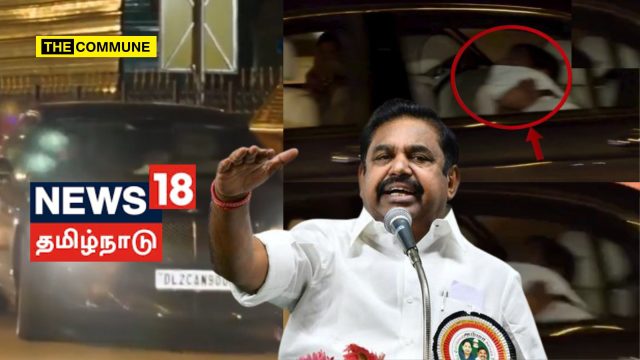
“Karunanidhi TV Workshop?” AIADMK Slams Dravidianist Media For Peddling DMK’s Propaganda Over EPS’ Meeting With Amit Shah

aiadmk dmk karunanidhi

The AIADMK IT wing came down heavily on the Dravidianist media for launching a biased campaign against the party, particularly with the elections approaching. They accused certain media outlets of taking sides with the ruling DMK government to target and tarnish the parties reputation.

On 16 September 2025, the AIADMK IT wing released a statement that read, “Is this really your reporting, dear media? What car did Honourable Revolutionary Tamilian @EPSTamilNadu, go in? What color handkerchief did he wipe his face with? He will wipe his face, he’ll even blow his nose… that’s all human nature. Is this what you were watching, standing with a camera at the Home Minister’s doorstep? And by the way, Honourable Edappadiyar met the Indian Home Minister not the Pakistani minister, right? Looking at them publishing news in this manner, and on top of that, struggling to set a narrative by posting 3 videos, it seems like all these people came from the Karunanidhi TV workshop!! (P.S.: Is there an extra allowance for posting the same video 3 times?)”

This statement was a response to a series of videos shared by News18 Tamil Nadu, which were seen as an attempt to weaken the party and favor the DMK ahead of the elections.

Here are the videos they criticized:

In a recent move, News 18 Tamil Nadu also attempted to create a political narrative by airing selectively edited speech of Tamil Nadu’s political leaders. These videos focused on opposition leaders, not to highlight their positions, but to protect certain parties’ interests, especially as both the AIADMK and PMK are dealing with internal issues, while portraying the DMK alliance as unified and strong. The clips concluded with Deputy Chief Minister Udhayanidhi Stalin appealing to women for their votes, framing the DMK’s victory as assured. Rather than offering political commentary, this edited video appeared more like a PR campaign for the DMK.

In this context, the AIADMK accused the media of not only distorting the facts but also engaging in political manipulation to boost the ruling party’s chances in the upcoming elections.

Subscribe to our channels on TelegramWhatsApp, and Instagram and get the best stories of the day delivered to you personally.
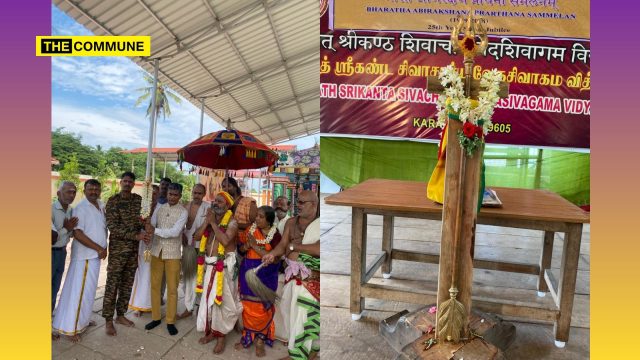
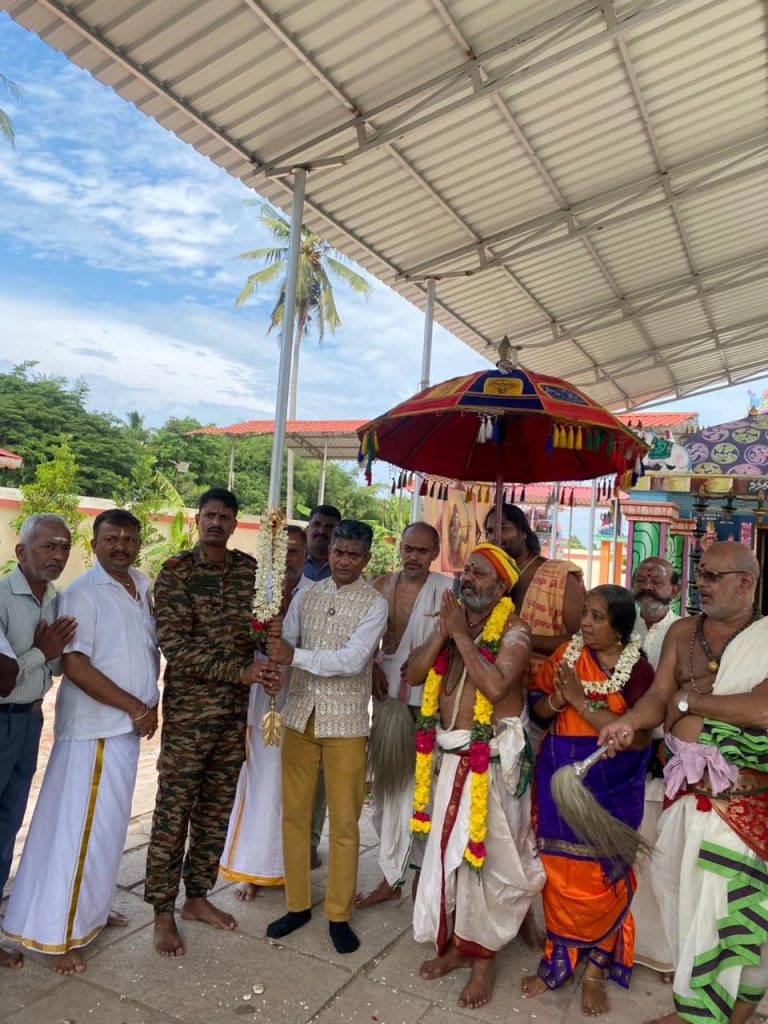
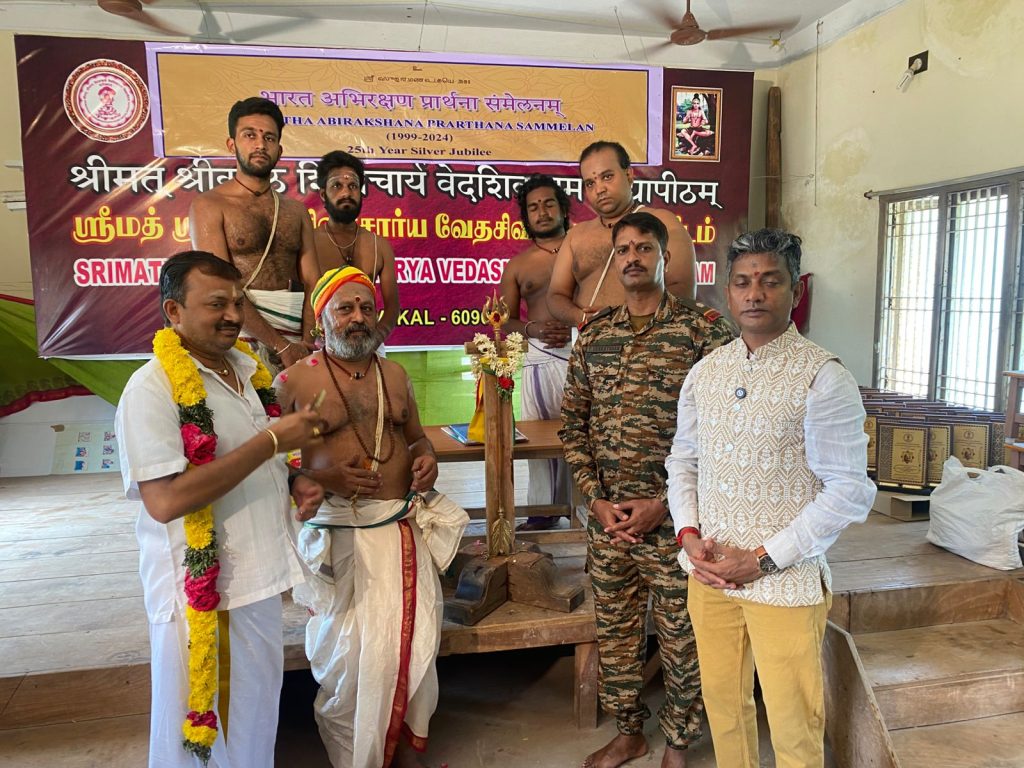
Prarthana Sammelan’s Silver Jubilee – Quarter Of A Century Dedicated To Prayers For The Soldiers Protecting Bharat

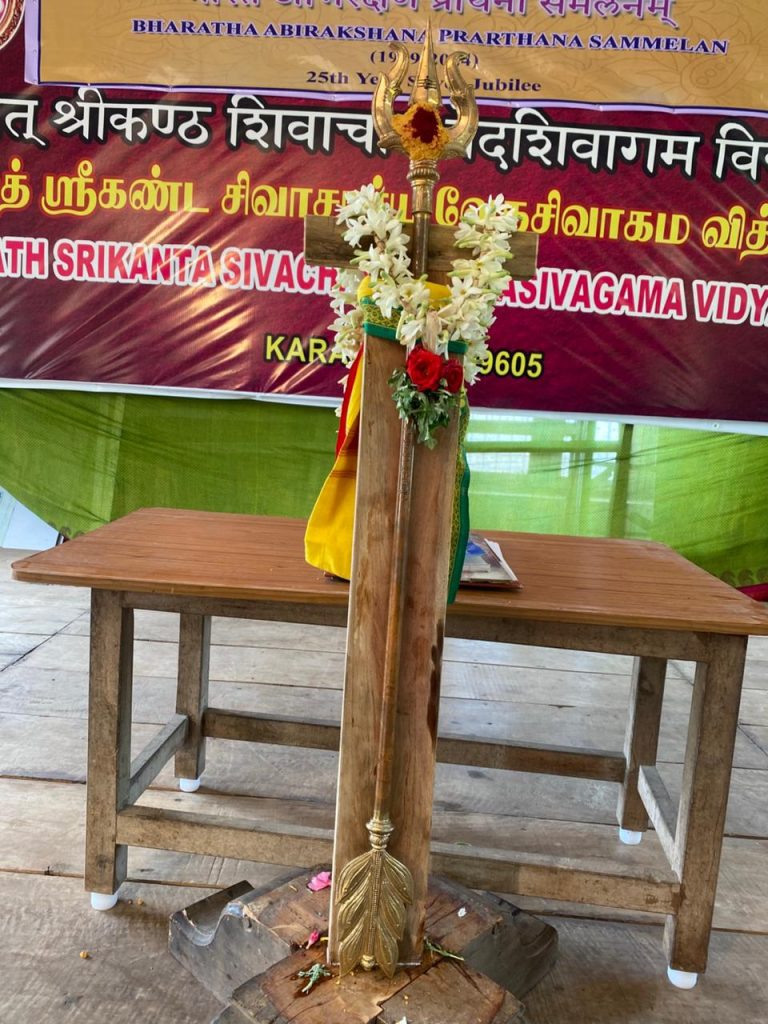
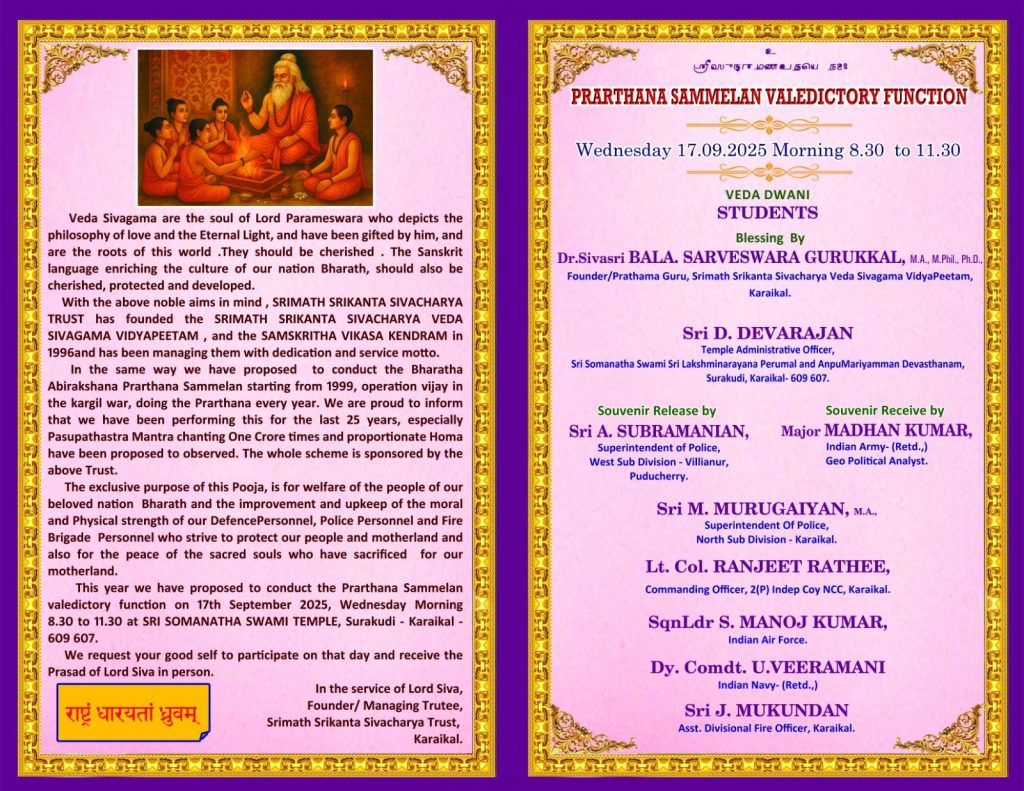
The Srimath Srikantha Sivacharya Trust marks the 25th anniversary of the Bharatha Abirakshana Prarthana Sammelan, an annual prayer gathering first initiated during the 1999 Kargil War (Operation Vijay). The silver jubilee valedictory function was held on Wednesday, 17 September 2025, at Sri Somanatha Swami Temple, Surakudi, Karalkal.

The event, which has been conducted annually since the Kargil conflict, is dedicated to the welfare of the Indian people, the strength and protection of Defence, Police and Fire Brigade personnel, and the peace of martyrs who sacrificed their lives for the motherland.

What Is Bharat Aprakshana Prarthana Sammelan?

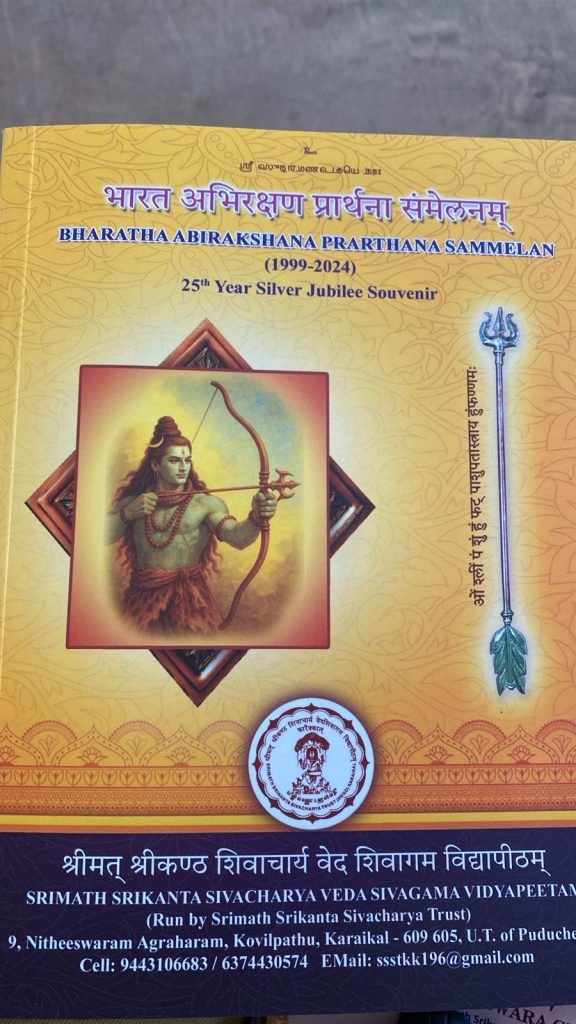
The Bharat Aprakshana Prarthana Sammelan is a spiritual initiative dedicated to the protection and prosperity of India (Bharat) and its defenders. Organized by the Srimath Srikanta Shivacharya Veda Shivagama Vidhyapeetam, its core practice involves the chanting of the Pasupatastra mantra, one crore time, and performing one lakh homams (fire rituals). This event, which has been held annually for 25 years since the Kargil War, prays for the welfare, moral strength, and physical fortitude of the nation’s military, police, and emergency service personnel.

Drawing inspiration from epics where divine weapons like the Pasupatastra, received by Arjuna brought victory, the Sammelan believes that spiritual strength complements physical bravery. The rituals seek blessings from Goddess Veera Lakshmi and aim to ensure both victory and peace for the souls of fallen heroes, embodying a deep, devotional support for the nation and its protectors.

Rituals and Vedic Chants

This year’s program included a special chanting of the Pasupathastra Mantra one crore times along with a Homa, highlighting the trust’s continued effort to safeguard and propagate the traditions of Veda Sivagama, described as the soul of Lord Parameswara and the roots of this world.

The Veda Dwani Students performed invocatory recitations, followed by blessings from Dr. Sivasri Bala Sarveswara Gurukkal, Founder and Prathama Guru of Srimath Srikantha Sivacharya Veda Sivagama VidyaPeetam, Karalkal; Sri D. Devarajan, Temple Administrative Officer, Sri Somaratha Swami Sri Lakshminarayana Perumal and Anpukkariyamman Devasthanam, Surakudi.

Souvenir Release

A commemorative souvenir was released by Sri A. Subramanian, Major Madhan Kumar, Superintendent of Police, West Sub Division, Villianur, Puducherry.

Copies were received by dignitaries including Retired army officer, Major Madhan Kumar, Superintendent of Police, North Sub Division, Karalkal – M. Murugaiyan, Commanding Officer, 2(P) Independent Coy NCC, Karalkal – Lt. Col. Ranjeet Rathee,
Squadron Leader S. Manoj Kumar, Indian Air Force, Retired Indian Navy Deputy Commandant U. Veeramani, Assistant Divisional Fire Officer, Karalkal, J. Mukundan.

Speaking ahead of the event, the organisers said the annual Sammelan reflects the Trust’s vision to cherish, protect, and develop Vedic traditions and Sanskrit learning while dedicating prayers for India’s unity, safety, and the strength of its armed forces.

Subscribe to our channels on TelegramWhatsApp, and Instagram and get the best stories of the day delivered to you personally.
Chhattisgarh: “We Have Decided To Lay Down Arms”: CPI (Maoist) Announces Month-Long Ceasefire, Call For Talks With Centre

Left-Wing Extremism Saw Significant Decline In 2024 As India Set Sights On Eradication By 2026 chhattisgarh maoist ceasefire

In a dramatic development, the outlawed Communist Party of India (Maoist) has declared a temporary suspension of its armed struggle for a month and expressed readiness to engage in conditional peace talks with the central government.

The Maoists, in their statement, appealed to the government to convey its decision on the issue through the internet and government news channels. The press note also included a Facebook and email ID for senior cadres lodged in jails across the country to share their views.

Speaking to TOI, Chhattisgarh Deputy Chief Minister and Home Minister Vijay Sharma said the authenticity of the letter needed to be verified. He pointed out that it was the first time a Maoist note carried a picture of the spokesperson, had a different writing style, and even mentioned an email ID. Sharma described the use of the term “ceasefire” as highly objectionable, stating there was no war that required such a term. He added that in a democracy there could not be “conditional” talks and noted that Maoists had once again put forward conditions as in the past. He said that after verifying the press note, the government would deliberate internally before making a decision.

Sharma further underlined that although the ceasefire letter was dated August 15, Maoists had since then killed villagers and planted IEDs that injured security personnel. He reiterated that the best option for Maoists would be to surrender, avail themselves of the rehabilitation policy, and contribute to nation-building even by participating in political life if they so wished.

Last year, Minister Sharma had initiated an appeal for peace talks in an exclusive interview with TOI, inviting the Maoists to a dialogue through a platform of their choice, whether by video call, personal meeting, or phone conversation.

The latest Maoist statement, issued by central committee spokesperson ‘Abhay’ and dated 15 August 2025, carried a clarification that its release was delayed due to certain reasons. It was circulated on Tuesday in the insurgency-hit Bastar region of Chhattisgarh. While in April this year the Maoists had spoken of a ceasefire and peace talks under conducive conditions, this marks the first time the outfit has formally declared a ceasefire at the national level.

The two-page statement signed by Abhay said the organisation would now focus on “mass struggles” to address the problems of India’s oppressed sections instead of continuing armed confrontation. The Maoists claimed that since late March 2025 they had been making “serious and sincere efforts” to initiate peace talks. On 10 May 2025, then general secretary Basavaraju who was killed later that month in an encounter in Bastar, had proposed a one-month ceasefire to enable senior leaders to deliberate on laying down arms.

However, the note said the government had not responded positively and instead intensified “encirclement and elimination” operations launched since January 2024, with thousands of armed police deployed in Maoist strongholds.

The Maoists cited the deadly encounter in Chhattisgarh’s Marh region on 21 May 2025, in which Basavaraju, along with 28 central committee members and security staff, was killed. They said the present peace initiative was a continuation of the process begun by their slain leader.

Declaring their changed stance, the Maoists said they would now align “shoulder to shoulder with all political parties and protesting organisations” on public issues. “We have decided to lay down arms and declare a temporary ceasefire,” the release stated, adding that the party was prepared to hold talks with the Union Home Minister or his designated representatives.

The CPI (Maoist) explained that its decision was influenced by changing national and global conditions, along with repeated appeals by top government leaders, including Prime Minister Narendra Modi and Home Minister Amit Shah, urging them to join the mainstream.

Conditions for Dialogue

The Maoists asked the government to formally announce a one-month ceasefire and suspend combing operations so that they could consult cadres across different states and those imprisoned. They also said they were ready for preliminary discussions with the government through a video call.

The statement requested that any official announcements on peace talks be broadcast via government radio and television channels so that cadres in remote forested areas without internet access could be informed.

Appeals to the Public

The Maoists appealed to labourers, Dalits, Adivasis, women, minorities, intellectuals, human rights defenders, writers, artists, and peace committees to appreciate the “very difficult circumstances” behind their decision and extend support to the peace process.

“We hope you will wholeheartedly cooperate in taking this process forward and help transform blood-soaked forests into forests of peace,” the statement read. They also shared an email address and a Facebook ID for sympathisers, supporters, and organisations to send their views.

The Maoist outfit has occasionally expressed readiness for talks in the past, in Andhra Pradesh in 2004 and West Bengal in 2010, but those efforts collapsed amid violence, conditions, and mistrust.

Bastar Range Inspector General of Police P. Sundarraj told TOI that they had taken note of the press release issued in the name of the CPI (Maoist) Central Committee. He said the authenticity of the document was being verified and its contents carefully examined. He added that any decision on engaging or opening dialogue with the Maoists rested with the government, which would take an appropriate call after due consideration of the situation.

(With inputs from Times of India)

Subscribe to our channels on Telegram, WhatsApp, and Instagram and get the best stories of the day delivered to you personally.