Home Blog Page 1015

Will Mining Baron Reddy’s New Political Vehicle Be Able To Mine Votes In Karnataka?
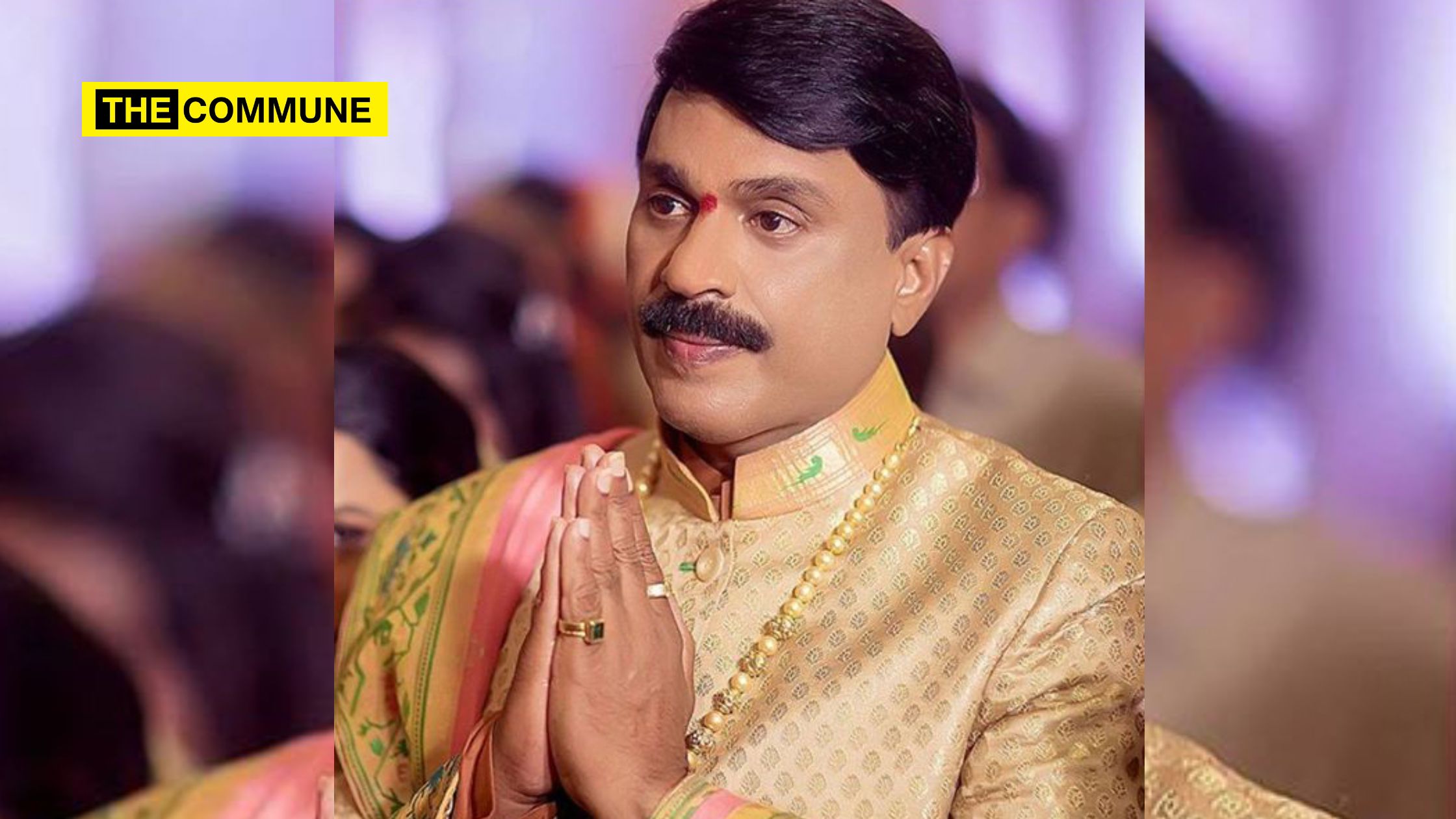
Gali Janardhana Reddy, infamous for the massive mining scam in Karnataka’s Bellari district on the Andhra-Karnataka border, floats his own party, just in time for Karnataka’s state elections scheduled to be held in less than six months.

Gali Janardhan Reddy’s new party, Kalyana Rajya Pragati Paksha (KRPP) claiming to stand for the state’s development, plans to go it alone in the upcoming 2023 Karnataka state elections. Reddy is not allowed to contest from Ballari per instructions from the Court, based on the cases registered against him by the CBI.

However, he plans to contest from the Gangavathi assembly constituency in Koppal district. At the announcement of his new party a few days ago, Reddy stated that the party’s logo and the flag which are yet to be revealed, would be shared in the next 2 weeks.

Reddy with an unsavory track record of being the culprit of one of India’s biggest mining scams, announced that he was against “divisive politics in the name of religion and caste” and stated that he would like to emulate the philosophy of the revered Kannada poet-philosopher-saint, Basavanna (a 12th century social reformer) who preached social and gender equality and a resurgence in the Shaivite bhakti tradition. He is considered to be the patron guru of the Lingayat/Veerashaiva community, estimated to be around 16% of Karnataka’s population.

A Brief Account Of The Man And His Mining Scam

The story of the Bellary scam is incomplete without the story of the Bellari Reddy brothers. Born to a police constable, the three brothers – Gali Janardhana Reddy, Gali Somashekhara Reddy, and Gali Karunakara Reddy, hail from a middle class background. Their first stint with business started with a small chit fund business named Ennoble India Pvt. Ltd., in 1989. They operated in the states of Karnataka, Andhra Pradesh, and Tamil Nadu. It wound up in 1998 followed by cases of fraud and cheating, equivalent to ₹200 crore ($332,280). Soon, they sensed an opportunity in iron ore mining and the rest is history. They ventured into iron ore mining, at the peak of its demand with a mere investment of ₹50 lakh ($83,070) and grew to be the mining magnates of Bellary.

A remote district of Karnataka, Bellary became a famous hub for iron ore extraction during the Beijing Olympics in 2005-06. Mining activities in Bellary were carried out by the state government. However, the rising demand gave private players a chance to be a part of the mining industry. The huge demand for iron led to excessive mining- Bellari once green and fertile, turned into a barren land, devoid of agriculture and with shrinking ecosystems.

The top private players of mining in Bellary were the Reddy brothers, who ensured their monopoly in the sector by excercising their influence with the state government and threatening or eliminating any social or business opposition to their large scale illegal activities. They misused their powers to an extent where they were able get away with erasing government installed signs of the Karnataka – Andhra Pradesh border.

At the time of Janardhan Reddy’s arrest by the CBI in 2011, the Supreme Court had appointed the CEC to look into the illegal mining scandal at Bellary after a record number of complaints from civilians, environmental groups, community leaders and political parties. The CEC report revealed that Janardhana Reddy and his brother Karunakara Reddy, had been mining in areas demarcated as forest areas since 2004 and that they had extracted an exorbitant, unsustainable, environmentally damaging amount of minerals than they were permitted to. A study by the Supreme Court revealed that close to 8.9 sq km of forest cover has been depleted in Bellary between 2000 and 2011 on account of the excessive mining. The Reddy brothers also had the audacity to remove government installed state-boundary demarcation signs such as pillars.

G Janardhana Reddy had been arrested for flouting mining laws through his Andhra Pradesh-based corporation, Obulapuram Mining Company (OMC). The Supreme Court also instructed the investigating agencies to look for irregularities in the Reddy’s Karnataka-based mining corporation, Associated Mining Company (AMC). The court suspected illegal mining in this company as well, because the company had drawn 1 million tons of iron ore from just 10 hectares of the leased area for mining.

In an already sensational scandal of an enormous size for blatant economic, financial, environmental and human resources related crimes, several other complaints were filed against the infamous Bellari Reddy brothers, besides the principal case of illegal mining. The Reddy brothers had invested ₹2,000 crore (US $3.32 billion) in an integrated steel plant, Brahmani Steels, for which the then Chief Minister of Andhra Pradesh,YS Rajasekhara Reddy of the Congress party, had sanctioned a large amount of government land. YSR Reddy had also sanctioned ₹3,115.64 acres of land to the Reddy brothers, to set up an airport just 50 km away from an already existing airport! The Comptroller and Auditor General (CAG) pointed out several irregularities in the sanctioning of the land, besides the fact that it was illegal for private players to set up an airport without prior permission from the Central Government. YSR’s death weakened ‘Reddy links’, although YS Jagan mohan Reddy, YSR Reddy’s son and current A.P chief minister, was later caught by the CBI, with huge amounts of money transferred to him by the Reddy brothers based on their partnership. Current news is indicative of a relationship between Janardhan Reddy and Jagan Reddy that has stayed strong through the years of CBI inquiries and arrests for both of them. Both are currently out on bail.

Will Reddy Be Able To Mine Votes?

The BJP state unit is assessing a possibility of the impact of Reddy’s new party with regards to its own vote share in Bellari and Koppal districts, despite the fact that Janardhan Reddy’s brothers have thus far chosen to remain with the BJP.

Union Minister and BJP senior leader, Pralhad Joshi remarked that no regional party had yet been successful on its own, in the state of Karnataka. Regional parties in the state have had to hitherto rely on political partnerships and coalition politics – a good example being that of the Janata Dal Secular party (JDS). The state’s current  Congress president, DK Shivakumar was quick to congratulate Janardhana Reddy. Janata Dal Secular (JDS) leader, HD Kumaraswamy said that the former minister’s move was an anticipated one.

The 2023 Karnataka Legislative Assembly election is scheduled to be held in Karnataka before May 2023 to elect all 224 members of the Karnataka Legislative Assembly. Galli Janardhana Reddy of the infamous Karnataka mining scam, fishes for a new avenue to siphon illegally amassed wealth- floats new political party. Reddy was previously a member of the state’s BJP unit and the Minister for Tourism and Infrastructure Development in the BJP-led Karnataka government from 2008 to 2011. He is being probed by the Central Bureau of Investigation (CBI) for illegal extraction of iron ore on the Andhra-Karnataka border and several money laundering schemes utilizing huge amounts of black money, amassed through the illegal sale of the country’s natural resources.

Among the most prominent of the money laundering charges being investigated by the CBI, was his “quid pro quo” type of arrangement with the then united Andhra Pradesh’s CM, YS Rajasekhara Reddy of the Congress party. The CBI probed Janardhan’s political and financial links with A.P’s Congress party members, specifically YS Rajasekhara Reddy, the father of the current A.P Chief Minister, YS Jagan Reddy, leader of the YSR Congress Party (YSRCP). Janardhan Reddy is said to have “invested” in shell companies registered in Jagan Mohan Reddy’s name. Incidentally, Andhra CM Jagan Reddy is also under CBI Investigation for money laundering! Jagan Reddy is a CM currently on bail from a large number of cases for criminal conspiracy and money laundering. In a strange case of cross border political and financial opportunism, Janardhana Reddy had aligned himself to the Congress in Andhra Pradesh and the BJP in Karnataka! The BJP later distanced itself from the tainted member who is still under the CBI scanner for illegal mining and money laundering. From the looks of it, Janardhana Reddy continues to have a friend in the current Andhra Pradesh Chief Minister, YS Jagan Reddy of the YSR Congress party (YSRCP), a party that Jagan Reddy floated in 2011 as a result of disagreements with the A.P unit of the Congress party, after his father’s untimely death in 2009.

Galli Janardhana Reddy is of Telugu origin, as is the case with significant numbers of Telugu-origin people in several border districts of Karnataka, sharing a border with the Telugu states of Andhra Pradesh and Telangana. G Janardhan Reddy’s brothers, G Karunakara Reddy and G Somashekar Reddy are currently BJP MLAs from the Harapanahalli and Bellary Assembly constituencies, respectively.

In light of Janardhan Reddy’s recently announced political plans for Karnataka, it is note worthy that in July of this year, Galli Janardhana Reddy had asked for permission to restart mining on the Andhra side of the border. The current YS Jagan Reddy government in Andhra Pradesh had announced that it had no objections to the resumption of mining in Andhra.

In March 2010, the Supreme Court had directed a halt to all mining activity in Andhra’s Anantapur district until the mining leases were demarcated on the ground after its Central Empowered Committee (CEC) reported rampant encroachment and recommended that companies guilty of mining outside lease areas be allowed to resume mining and made to pay exemplary penalty.

The apparent shift in Andhra Pradesh state’s stand under the leadership of one of Janardhan Reddy’s “business associates”, has raised eyebrows and riled a number of officials who had painstakingly investigated the various angles of a massive case and helped turn the tide against the Reddy brothers during 2009-2010.

With regards to the question of his electoral impact, only time will tell if Janardhan Reddy’s new vehicle will be able to mine votes.
NIA Arrests Two More Terror Suspects In Coimbatore Blast Case, 11 Arrested So Far

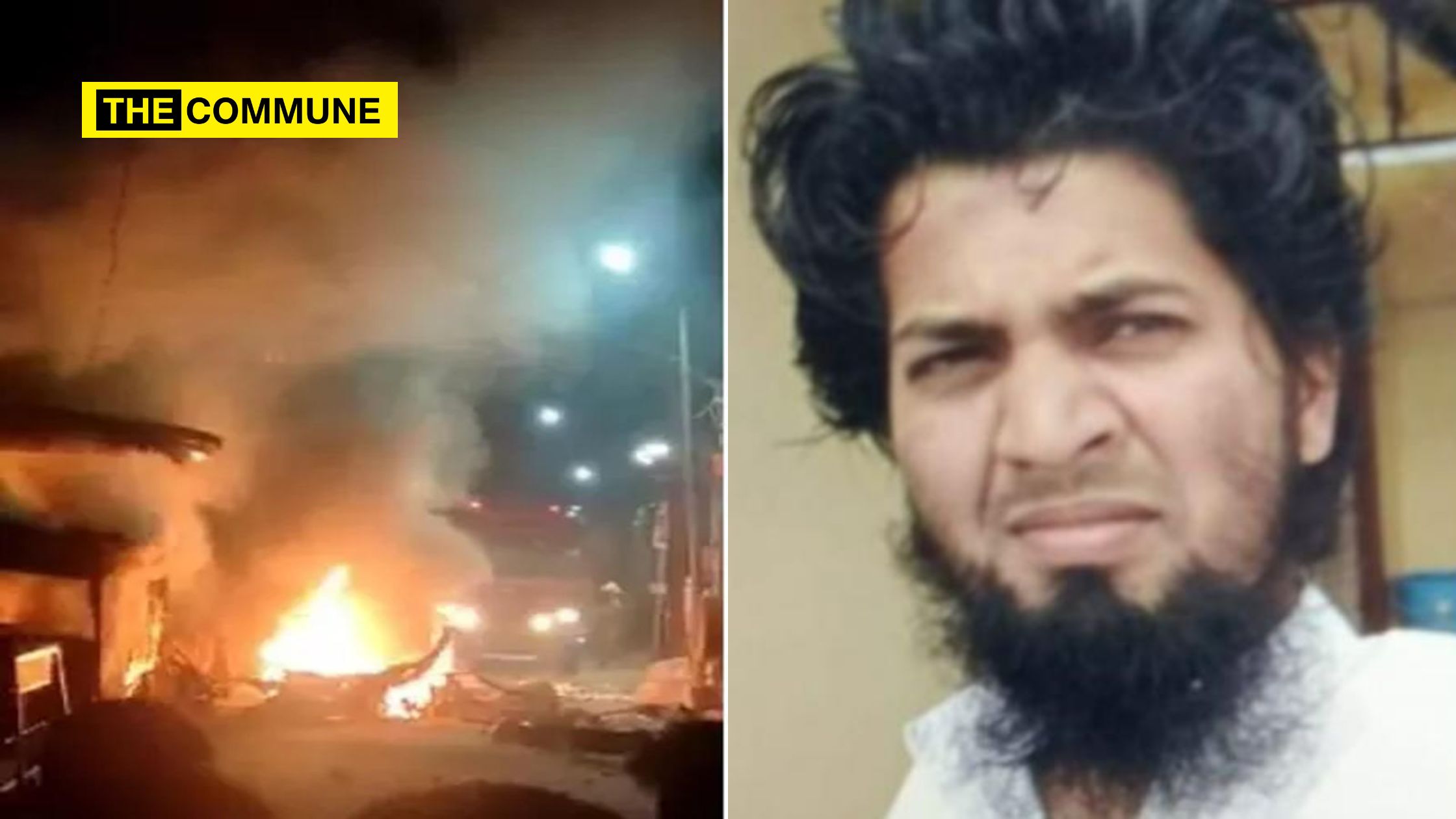
The National Investigation Agency (NIA) on Wednesday (28 December 2022) arrested two more persons involved in the Coimbatore Blast taking the number of arrested persons to 11.

The arrested terror suspects have been identified as Sheikh Hidayathullah and Sanofar Ali. Investigations have revealed that in Februrary 2022, the accused had met near Asanoor and Kadambur region located deep inside the Sathyamangalam forests where they entered into a criminal conspiracy and hatched a terror plot.

The meetings were led Umar Farook who was arrested earlier. Along with Mohammed Azharudin, Sheikh Hidayatullah and Sanofar Ali, Jamesha Mubeen who was killed in the blast had also participated in these meetings where they planned to conduct terror attacks.

BJP Tamil Nadu President K. Annamalai called out the laxity in the DMK Government’s approach to the case which had been trivializing the incident as a ‘gas cylinder blast’.

He pointed out that the NIA has categorically stated it to be a ISIS-linked suicide bombing incident.

An LPG cylinder burst inside a Maruti 800 car in Coimbatore at around 4.30 am on Sunday (23 October 2022), causing the vehicle to explode. The explosion was initially believed to be an accident but a thorough investigation into the incident, revealed that the cylinder explosion was a terrorist attack committed by Islamic terrorists during the Diwali festival.

Click here to subscribe to The Commune on Telegram and get the best stories of the day delivered to you personally.

The Kapu Question

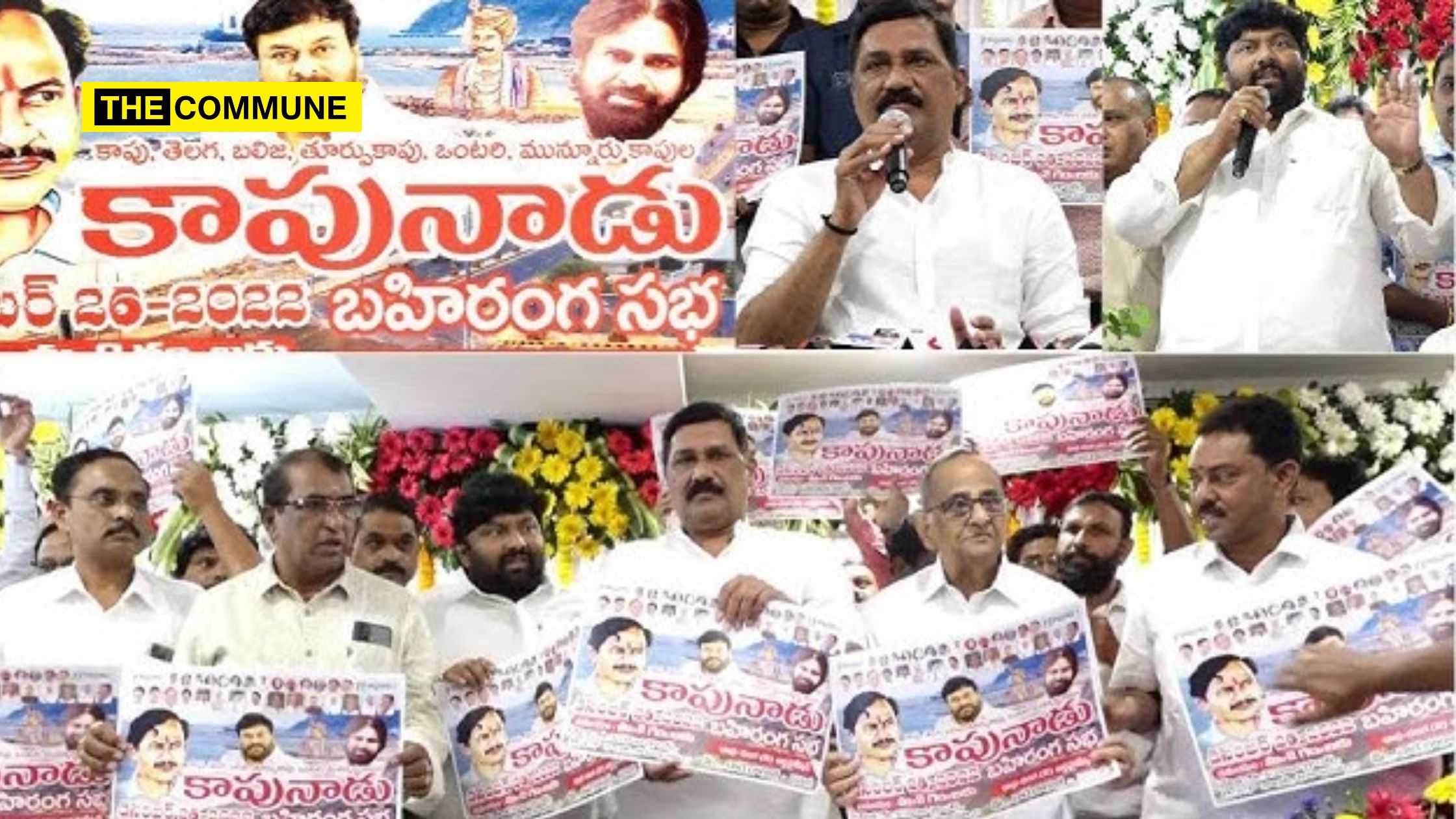
The Radha Ranga Rayal Association (RRR) organised a “Kapu Nadu” meeting in in Vishakapatnam on Monday (26 December 2022) to mark the 34th death anniversary of Vangaveeti Mohana Ranga, a prominent “Kapu” community leader in the 1980s.

The last “Kapu Nadu” meeting of significance and strength was organised in 1988 by Mohana Ranga, to whose memory the Dec 26th meeting was dedicated, shortly before he was murdered by his political rivals in Vijayawada.

The meeting’s stated mission was to bring together the various regional sub-sects within the larger Kapu caste in the two Telugu states for the purpose of political unity.

Who Are The Kapus?

Kapu refers to a social grouping of agriculturists found primarily in the southern Indian states of Andhra Pradesh and Telangana. Kapus are primarily an agrarian community, forming a heterogeneous peasant caste with several sub-sects based on regional distinctions.

They are classified as a Forward Caste in Andhra Pradesh, where they are the dominant community in the districts of East Godavari and West Godavari. They are distinct from three other Kapu communities that were present in the state prior to its bifurcation with the creation of Telangana in 2014. The Munnuru Kapu are found primarily in Telangana, the Turpu Kapu in the areas of Srikakulam, Vizianagaram and Visakhapatnam, and the Balija in Rayalaseema. The first two (Munnuru Kapu of A.P,Telangana and the Turpu Kapu of northern coastal areas of A.P) these are classified as Other Backward Classes (OBC).

The Kapus of the coastal districts are distinct from the Munnur Kapus of Telangana. While the former are fairly prosperous, the political emergence of the latter, who are part of the OBC category, is a recent phenomenon.

Kapus In The Reservation Scheme Of Things

The official government classifications rarely distinguished between the Kapu sub-castes. All Kapus were classified as forming a backward caste in 1915 by the British government of the Madras Presidency, which remained in force even after the formation of Andhra Pradesh until 1956. In that year, the government of Andhra Pradesh removed Kapus from the list of backward castes. Even though various governments have since made efforts to include them again, the efforts have not been successful. In 1968, the Anantha Raman Commission set up by the Andhra Pradesh government recognised Munnuru Kapus and Turpu Kapus as Backward Classes, but not the Kapus as a whole. The Mandal Commission set up by the Government of India in the 1980s recommended that Kapus be included among the Other Backward Classes (OBC). But the state governments were entrusted with finalising the list of castes for the OBC category. The state commission headed by N. K. Muralidhar Rao did not recommend any change to the status of the other Kapu castes.

In early 2016, the Kapus of the residual Andhra Pradesh state launched an agitation demanding the OBC status, leading to violent protests.

At thd end of his first term as Chief Minister of the bifurcated Andhra Pradesh, TDP’s Chandrababu Naidu had approved of a 5% reservation for Andhra’s Kapu community within the permissible 10% EWS quota for the economically weaker sections. The YSRCP party currently in power is yet to implement this reservation and now comes under more pressure to include a quota for the Kapus under the Supreme Court sanctioned EWS quota for economically backward classes.

The Politics Around Kapus

Aside from addressing the issue of political unity before the next Telangana state elections (latter half of 2023) and Andhra state elections (first half of 2024), the community’s leaders reminded political parties of their long standing demand for reservations within the existing quotas for the backward classes or the implementation of an existing proposition of a 5% reservation for the Kapus, within the EWS (economically weaker sections) quota.

Official data suggests that the Kapus comprise about 21% of the State’s population. Their actual numbers are claimed to be around 27%. Many in political circles agree to a figure of 25% across all the sub-sects of the Kapu community – a significant electoral number that political parties cannot afford to ignore.

Almost all political parties in both Telugu states rely in part, on the support of the Kapu sub-sects. Earlier attempts to consolidate the community had failed to bring about a consolidation of the Kapu vote for political purposes. All political parties have hitherto managed to either woo them into their fold and ranks or were able to successfully split the large Kapu vote bank on various grounds (regional affiliations, cultural or religious divisions etc).

In early December, the newly founded association ‘Radha Ranga Rayal’ had announced a “Kapu Nadu” meeting in Visakhapatnam on December 26, 2022. Kapu community leaders from all political parties in Andhra Pradesh and Telangana had been invited.

The 26th December Kapu Nadu event is politically significant as it was organized by TDP MLA and a prominent Kapu leader, Ganta Srinivasa Rao. The former Minister was quick to add, “As of now, there is no political agenda in holding the Kapu Nadu in Visakhapatnam”. This statement comes amid rumors that the leader may be re-considering his political options ahead of the next state elections.

Popular actor-turned politician K. Chiranjeevi, a Kapu leader, tried the politically unite the community in 2009 with the launch of his Praja Rajyam Party (PRP). His party secured only 18 seats and to the disappointment of many in the community, the actor chose to merge his party with the then Congress party of undivided Andhra Pradesh.

In 2014, Chiranjeevi’s younger brother and Tollywood actor, Pawan Kalyan launched the Jana Sena Party (JSP) in the aftermath of the bifurcation of the larger Telugu state into Andhra Pradesh and Telangana. His party contested in the 2019 elections but did not do well electorally. While Chiranjeevi does not currently appear to harbour political ambitions, Pawan Kalyan continues to hold rallies in the residual Andhra Pradesh state and appear to be in favourable terms with both the principal opposition parties in Andhra – TDP and the BJP.

After the meeting, Gade Balaji, the RRR organization’s president and one of the organizers of the Dec 26 ‘Kapu Nadu’ meeting, expressed disappointment that many Kapu leaders from other political parties had played it safe and not attended the meeting which was “of, by and for” the community. In the same breath, he praised the JSP party leader, Pawan Kalyan for encouraging them and supporting their goal of uniting the community.

At the meeting, former TDP minister and Kapu leader, Mudragada Padmanabham urged Chief Minister YS Jagan Reddy to implement a BC reservation to the Kapu community in the State. In an open letter to the Chief Minister on Monday, Mudragada stated that he had written the letter, on the basis of the verdict given by the Supreme Court for Economically Weaker Section (EWS) reservations as well as the current Union Minister of State for Social Justice and Empowerment, Pratima Bhoumik’s statement in Parliament recently that the State governments are free to implement the EWS reservation as per the Constitution 103 and 105 Amendment Acts.

“I appeal to you to focus on providing a BC reservation to the Kapus. I am not asking for a share in the quota of others, I ask only that you provide space for us in what remains… ” the veteran leader stated emotionally.

The Kapu Question

Should a socially powerful but economically weak group get reservations?

The Kapus claim they are deprived and backward, but those opposing the Kapu community’s demands say they are not socially deprived and have never experienced caste discrimination, although many of them in current times, may be economically weak. The recent positive verdict of the Supreme Court with regards to reservations for the economically weaker sections of society (EWS), may just be the weapon that the Kapus needed.

The Supreme Court had made it clear that there should not be any caste-based reservations in the EWS category. Back in 2019 towards the end of the TDP’s first term in government, CM Chandrababu Naidu had agreed to a 5% reservation to the Kapus out of the EWC quota of 10%. When the YSRCP government came to power in 2019, the proposed reservation failed to be implemented due to legal objections based on caste and BC category status.

With the provisions of the amended Socially and Economically Backward Classes (SEBCs), it will now be possible for the current YSRCP government to implement the 5% quota in the EWS category, as proposed by the previous TDP regime.

Click here to subscribe to The Commune on Telegram and get the best stories of the day delivered to you personally.

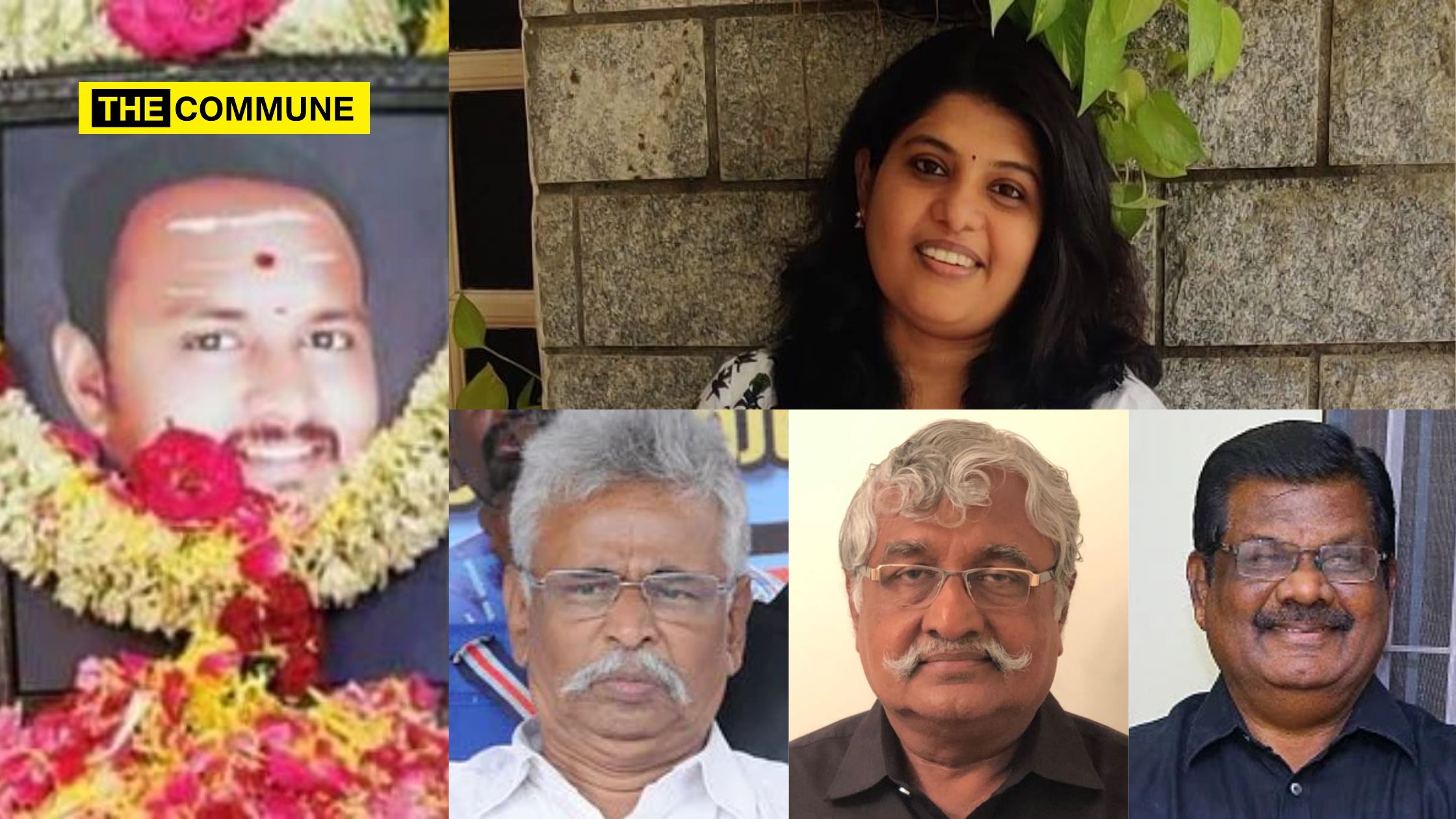
Illegal Affairs, Extortion, Harassment: Dravidian Stockist Woman ‘Writer’ With Close Links To ‘Periyarists’ Accused Of Abetting Suicide Of Young Man

In a shocking turn of events in the suicide of a 30-year-old Coimbatore man, alarming phone recordings were recently released, in which he cites several political figures and social organization leaders as the reason for his death because they had an affair with his wife. The phone recordings made before his death revealed the true and disgusting real faces of some of Dravidian Stockists who masquerade as ‘rationalists’ an ‘women rights champions’.

The Issue

Rathinaseelan alias Siva, a resident of Thennampalayam near Sulur in the Coimbatore district, committed suicide on 21 September 2022. Initially, police reported it as a suicide due to a family quarrel.

The case took an unexpected turn after Siva’s audio and video recordings made before his death came to light. Siva’s parents filed a complaint with the Coimbatore District Superintendent of Police, backed by video and audio evidence, alleging that his son’s wife, Viji Palanichamy, was responsible for his son’s suicide. Police began an investigation into the case after receiving the complaint, which revealed shocking details.

According to the complaint filed by Siva’s parents, Vijay Palanichamy, who was already married, married their son again without divorcing her first husband and mentally tormented him to the point of suicide. They also told that their son has mentioned the names of Viji Palanichamy, her family and her friends are the reason for his suicide. Siva’s parents have handed over 43 audios in this regard to Coimbatore District Police Department.

According to Siva’s mother her son and Viji met on Instagram as they shared a common interest in poetry. She later came to stayed at Siva’s house, claiming that she had no one to care for her after having surgery. They got married as both fell in love with each other.

Siva’s mother in an interview to Junior Vikatan had said that two women of college-going age had come to their house when Viji was there. While Viji introduced those girls as her sister’s daughters, it was later found that the two of them were Viji’s own daughters, Siva’s mother reveals.

It should be noted that Viji Palanichamy, a writer and executive producer for a private television channel, married Siva despite being eight years elder to him. Siva discovered her illegal affair after accidentally using her phone. She continued her illegal affairs with political figures even after her marriage in order to live a lavish lifestyle.

“She has been constantly asking for money and torturing my son since they married. My son committed suicide as a result of her torment.”, Siva’s mother was quoted saying in a report.

She further said, “We received these audios only a few days after my son died. We didn’t know what to do, so we filed a complaint with the police department through film lyricist poet Thamarai. We need justice for our son’s death.”

In one of the leaked audios, Siva stated that his wife Viji Palanichamy had an affair with a relative of AIADMK MLA SP Velumani, despite saying that the said person is like a brother to her. He also stated that Viji Palanichamy had an affair with Devendra Bhoobathy, a Group-I cadre officer, who assisted her in publishing her books.

He also claimed that Viji was having an affair with political figures such as Suba Veerapandian, general secretary of Dravidar Iyakka Tamilar Peravai, Dravidar Viduthalai Kazhagam (DVK) leader Kolathur Mani, Tamil Desiya Viduthalai Iyakkam general secretary Thiyagu, and Vetriselvan of VCK.

Siva stated that he was committing suicide because Viji Palanichamy continued her affair after the marriage despite his repeated warnings to end it.

Apparently, Siva meticulously documented every detail of his relationship with Viji, from the beginning to the end, including her infidelity and other sexual relationships. There are photographs and videos are also included which has now been submitted as evidence with the complaint to the Coimbatore Police. The family is awaiting the start of an investigation by the police.

Who Is Viji Palanichamy?

Viji Palanichamy who identifies herself as a ‘writer’ Vijis Palanichamy is a name familiar among literary circles of the Dravidian Stockists. She writes screenplays for Tamil television serials and has written for some of the famous one like Star Vijay’s Pandian Stores. According to information revealed by Tamil lyricist Thamarai, Vijis Palanichamy is currently working with Colours TV.

From her Facebook profile, it become amply clear that she is the typical Dravidian Stockist and an ardent supporter of the DMK.

Viji Palanichamy has close ties with Dravidian Stockist political leaders like Suba Veerapandian, Kolathur Mani, VCK’s Thol. Thirumavalavan, etc.

Thamizhachi Author who is also known as France Thamizhachi has brought to light the close links shared by Viji Palanichamy with some of the prominent Dravidian Stockist political leaders.

According to France Thamizhachi, when Viji Palanichami had eloped with lyricist Thamarai’s husband ‘Comrade’ Thiyagu, they were brought to MDMK leader Vaiko’s home for talks where Kolathur Mani ruled that Thiyagu should stay with Thamarai and Viji under the ‘protection’ of Kolathur Mani. Viji was housed in Kolathur Mani’s DVK office in Mylapore, Chennai.

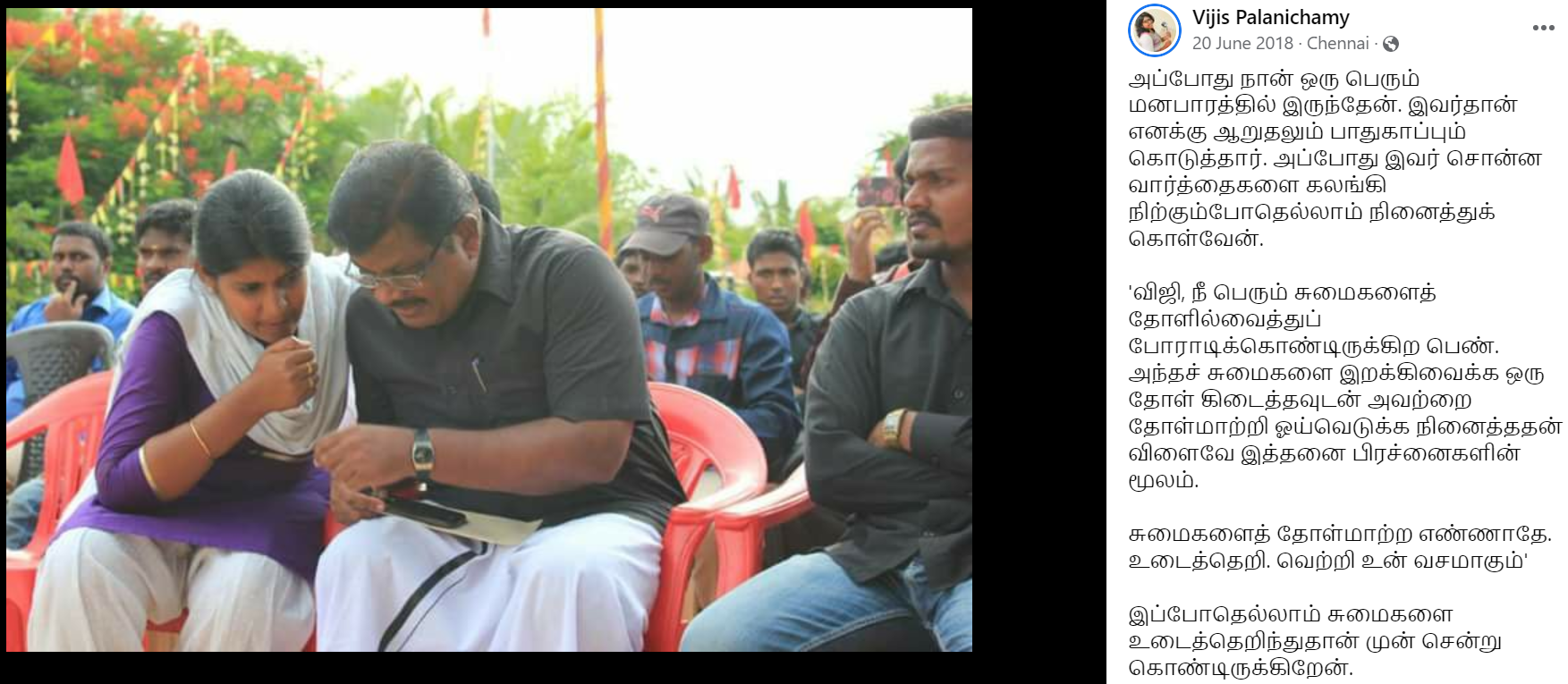
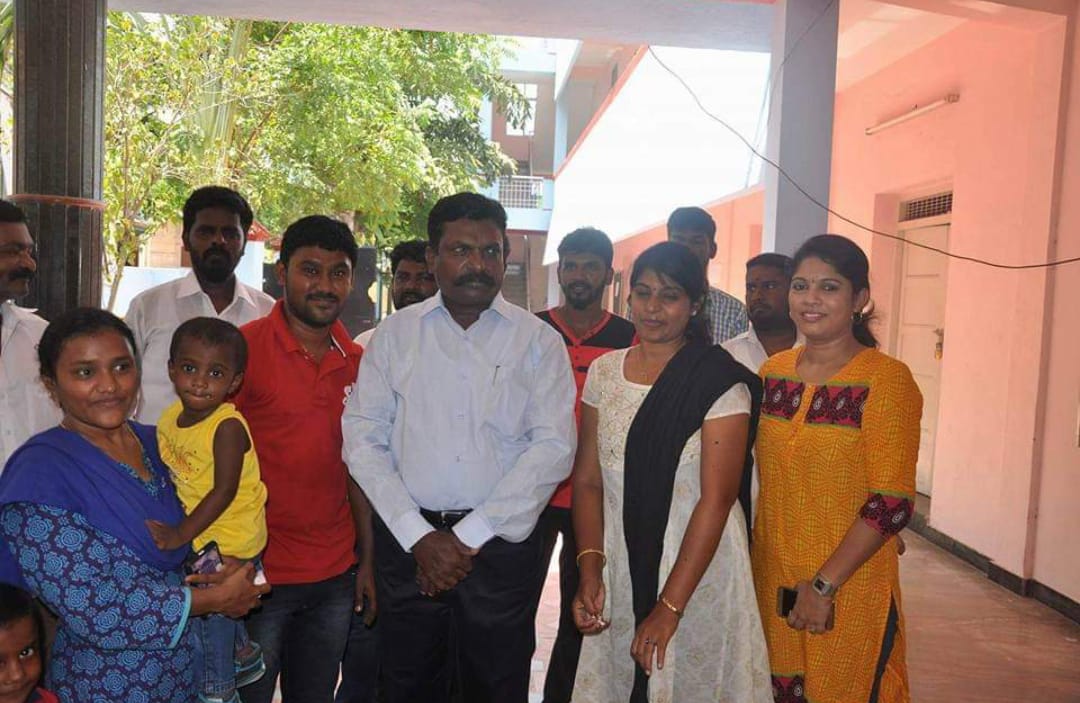
In the above picture, Viji Palanichamy can be seen with Kolathur Mani. After her association with Kolathur Mani, Viji’s political contacts widened with Thirumavalavan, Suba Veerapandian, etc.

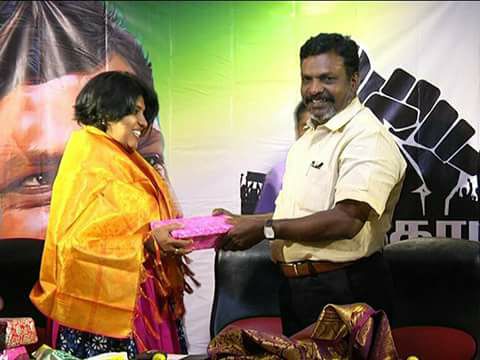
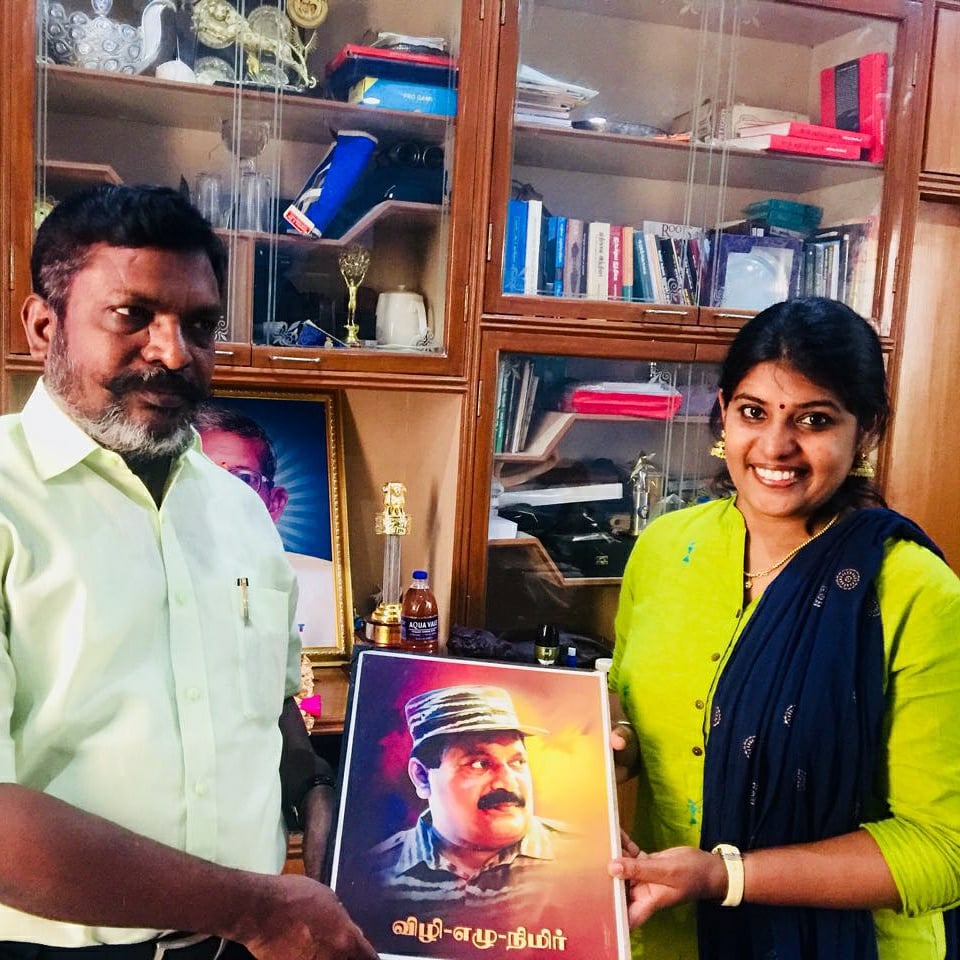
She has been spotted with VCK’s Thol. Thirumavalavan multiple times.

Vijis Palanichamy with VCK head Thirumavalavan

Thirumavalavan had even come to attend her birthday function once.

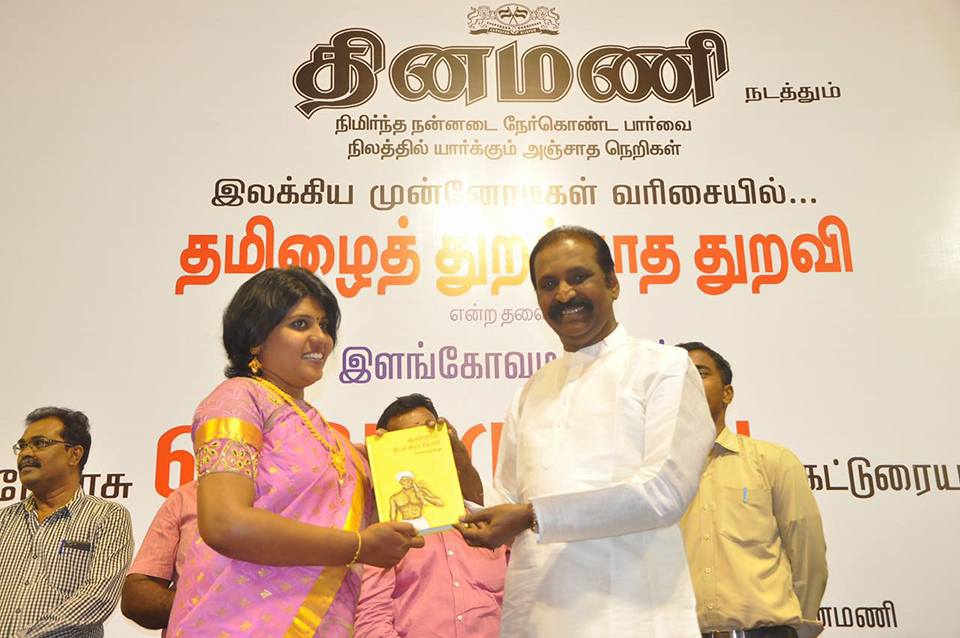
Viji has also been spotted with lyricist Vairamuthu who has been accused of sexual harassment by singer Chinmayi.

Viji also has pictures of her with Tamil film director Pa. Ranjith, Senthilvel of Tamil Kelvi YouTube channel and such Dravidian Stockists.

Her social media profile gives hint at the political clout that Viji Palanichamy has.

Thamarai, Viji And Thiyagu

Lyricist Thamarai, who has been posting information about this incident on her Facebook page from time to time, has stated that it is a case of Viji Palanichamy doing a “drama/fake marriage” with Coimbatore Siva and inciting him to commit suicide.

Thamarai is of the opinion that Viji Palanichamy should be punished for committing massive trust fraud, extorting money, threatening the young man with political connections, and forcing him to commit suicide.

Thamarai has been vocal about the matter because the accused, Viji Palanichamy, had an affair with her ex-husband Thiyagu (Tamil Desiya Viduthalai Iyakkam general secretary).

Thamarai in her Facebook post said: “Nobody knows what Thiyagu and Viji did from 2011 to 2013. It is the responsibility of people like me who are directly affected to bring this to light! Some who see and read this may be warned not to fall prey to dangerous people wearing the ‘mask of innocence,’ such as Thiyagu and Vijayalakshmi (Viji). In the meantime, several influential people told me that I shouldn’t be writing this, I have to leave, and called what I do as ‘character assassination’. How can I character assassinate a characterless man?”

She further continued “They continue their shady business by giving Thiyagu the identity of a ‘revolutionary’, and Vijayalakshmi a ‘media personality’ with a ‘progressive’ stamp on both of them. They do this to collect money from others, and stupid Tamils continue to give money to these people believing in their ‘rationalist’ and ‘progressive’ claims.

“Young men and women have no idea who these people are and become entangled in the mess. Some people recover, while others suffer irreversible losses. The maximum loss is the life of the likes of Shiva! How can a simple family put up with this? This scam must be stopped. I’ll tell you what I know in bits and pieces. Before I go any further, I’d like to clarify a few points. The accusation that is being repeatedly made against me is that I am Thiyagu’s second wife, that I am not married, and that I have separated Thiyagu from his first wife. I am Thiyagu’s second wife, but not an improper wife. We are both legally married and legally registered. Before I met Thiyagu, Thiyagu and Latha were separated. I am the only legitimate wife of Thiyagu! (There is no pride in this, it is disgusting.)”, Thamarai wrote in her Facebook post.

According to Thamarai, Thiyagu eloped from home in 2012 due to his infatuation with Vijayalakshmi. The following year, he returned home. Even after returning home in 2012, the relationship between Thiyagu and Viji continued. Halfway through 2013, the relationship broke up.

“Vijayalakshmi arrived at my house with her sister Anita and claimed that Thiyagu was sexually harassing her, refused to release her, and agreed to escape from Thiyagu if I helped her!”, Thamarai wrote.

Thiyagu, according to Thamarai, staged a political fasting drama in 2013 to conceal his personal issues related to Viji Palanichamy. She also stated that Thiyagu eloped again in 2014, but with a different woman, without naming the woman.

Thamarai went on to say that she took to the streets in 2015 to protest Thiyagu’s serial abuses and to shatter his rationalist image, which he was hiding behind. I requested a private investigation as his affairs with other women were too obscene to discuss in public, Thamarai stated.

Lyricist Thamarai also said that there is a threat to her life from Thiyagu. She did, however, add that the evidence Thiyagu is afraid of is in safe hands and will be revealed when necessary.

Viji Palanichamy Claims She Is Innocent

In a lengthy Facebook post, Viji Palanichamy refuted the allegations of Thamarai saying that the latter is seeking to gain publicity through the issue. Viji claimed that Rathinaseelan was under heavy debt and living in a rented house when she married him. She said that Rathinaseelan did not share about his family and debt problems since she was a new member in the family.

“Many do not even know Rathinaseelan has a drinking habit. Within 10 days of marriage, Rathinaseelan hit me till I bled and tortured me which his parents and the house owner knows very well.”, she claimed in her Facebook post.

She further claimed that she did not proceed with filing a complaint with the police because of the pleas from Rathinaseelan’s mother.

“Even after the violent incident, I decided to let bygone be bygones and live with him. As Rathinaseelan’s activities were unacceptable to me, I deceide to move out four days after that fight.”, Viji claimed.

Is Viji Palanichamy Connected To The Lulu Group?

Earlier The Commune had reported on the massive sex racket named ‘Lulu Group’ aka ‘Women Stress Buster (WSB)’, a Facebook group that allegedly targets young married women to have illicit sexual relations with men.

According to Thamizhachi, this group has been openly endorsed by ‘Comrade’ Sundaravalli, the rabid Periyarist known for her abusive speeches, and ‘Periyar’ Saravanan, a member of Kolathur Mani’s Dravidian outfit Dravidar Viduthalai Kazhagam. Suba Veera Pandian too has been extending tacit support to this group.

France Thamizhachi had filed a complaint with the National Commission for Women about this group saying that many politicians who identify themselves as ‘Periyarists’ and ‘progressives’ prey on the women of WSB group by slowly developing relationships with these women.

The women also enter into sexual relations with other vulnerable men and later threaten and extort money from them by blackmailing.

France Thamizhachi in a tweet had said that Viji Palanichamy needs to be given police protection as many big politician names are involved in this scandal. Calling Suba Veerapandian a ‘criminal’, she alleged that he was the one who tampered with the evidence during the Lulu Group scandal and tried to shift the blame on her.

She has questioned why the entire focus is being given on Viji Palanichamy when several top rung politicians are involved in the case.

Despite the issue making news, with some prominent Tamil mainstream media like Thanthi TV, News 18 Tamil Nadu, Junior Vikatan, Nakheeran, News Tamil 24×7, reporting about it, it hasn’t garnered much attention, probably because of the involvement of Dravidian Stockists closer to the ruling regime.  suicide.

Click here to subscribe to The Commune on Telegram and get the best stories of the day delivered to you personally.

Now Even Smaller Stations Will Become Swanky, Railway Min Launches Amrit Bhart Scheme For Station Modernization

indian railways

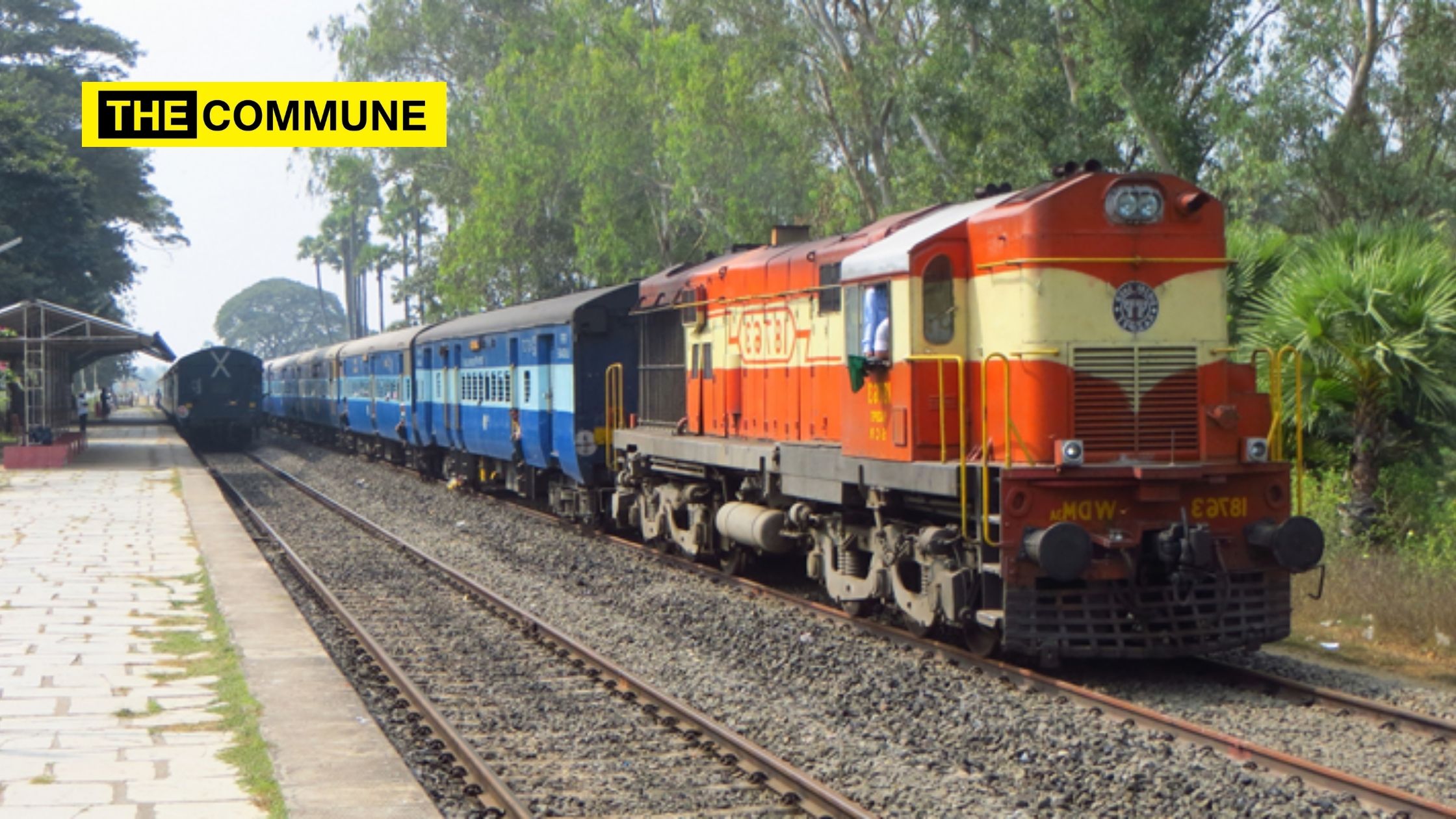
Ministry of Railways has formulated a new policy for modernization of stations named “Amrit Bharat Station” scheme. Amrit Bharat Station scheme envisages development of stations on a continuous basis with a long term vision. It is based on Master Planning for long term and implementation of the elements of Master Plan as per the needs and patronage of the station.

The scheme aims at preparation of Master Plans of the Railway stations and implementation of the Master Plan in phases to enhance the facilities.

The scheme shall cater for introduction of new amenities as well as upgradation and replacement of existing amenities

Attempts shall be made to club different grades/types of waiting halls and provide good cafeteria/retail facilities as far as possible. Suitable low level partitions may be done in waiting halls.

Under the scheme, high level platforms(760-840 mill meter) shall be provided at all categories of stations. Station approaches shall be improved to ensure smooth access by widening of roads, removal of unwanted structures, properly designed signages, dedicated pedestrian pathways, well planned parking areas, improved lighting etc, according to the details furnished by the Ministry.

Scale of amenities and facilities to be provided shall be finalized based on the broad guiding principles, footfall at the station, stakeholder consultations including users, different departments and local authorities and with approval of DRM.

(Published from PIB)

Click here to subscribe to The Commune on Telegram and get the best stories of the day delivered to you personally.

India, ADB Sign $125 Million Loan To Improve Urban Services In Tamil Nadu

The Government of India and Asian Development Bank (ADB) today signed a $125 million loan to develop climate-resilient sewage collection and treatment, and drainage and water supply systems in three cities in the state of Tamil Nadu.

The signatories to the tranche 3 loan for Tamil Nadu Urban Flagship Investment Program were Rajat Kumar Mishra, Additional Secretary, Department of Economic Affairs in the Ministry of Finance who signed for the Government of India, and Hoe Yun Jeong, Officer-in-Charge of ADBs India Resident Mission who signed for ADB.

The financing is the third and the last tranche of the $500 million multi-tranche financing facility (MFF) for the Program approved by ADB in 2018 to build priority water supply, sewerage, and drainage infrastructure in strategic industrial corridors across 10 cities in the state. The tranche 3 loan covers Coimbatore, Madurai, and Thoothukudi.

After signing the loan agreement, Mr Mishra said that the ADB financing will help ensure universal access to basic water and sanitation services and improve resilience against floods in the project target areas which are also the industrial hubs of Tamil Nadu.

Through this project, ADB continues to support developing and improving urban services in the state by deploying new approaches such as build and operate modality, automatic meters for bulk water users, and real-time monitoring through supervisory control and data acquisition systems,” said Mr. Jeong. ADBs urban investments are aligned to support strategic industrial corridor development in Tamil Nadu.”

The financing will support the development of two sewage treatment plants in Coimbatore with 529 kilometers (km) of sewage collection pipelines, install 14 pump and lift stations and build 14 km of sewage pumping mains. In Thoothukudi, climate-resilient stormwater drainage system will be developed.

In Madurai, the project will support the commissioning of 813 km of new water supply distribution pipelines that will connect 163,958 households to 115 newly established district metered area with smart water features to reduce nonrevenue water. In Coimbatore and Madurai, two all-female self-help groups will be trained on the benefits of household connection to sewage collection system, water conservation, sanitation, and health and hygiene.

(Published from PIB)

Click here to subscribe to The Commune on Telegram and get the best stories of the day delivered to you personally.

There’s A Political Churn Happening Below The Vindhyas

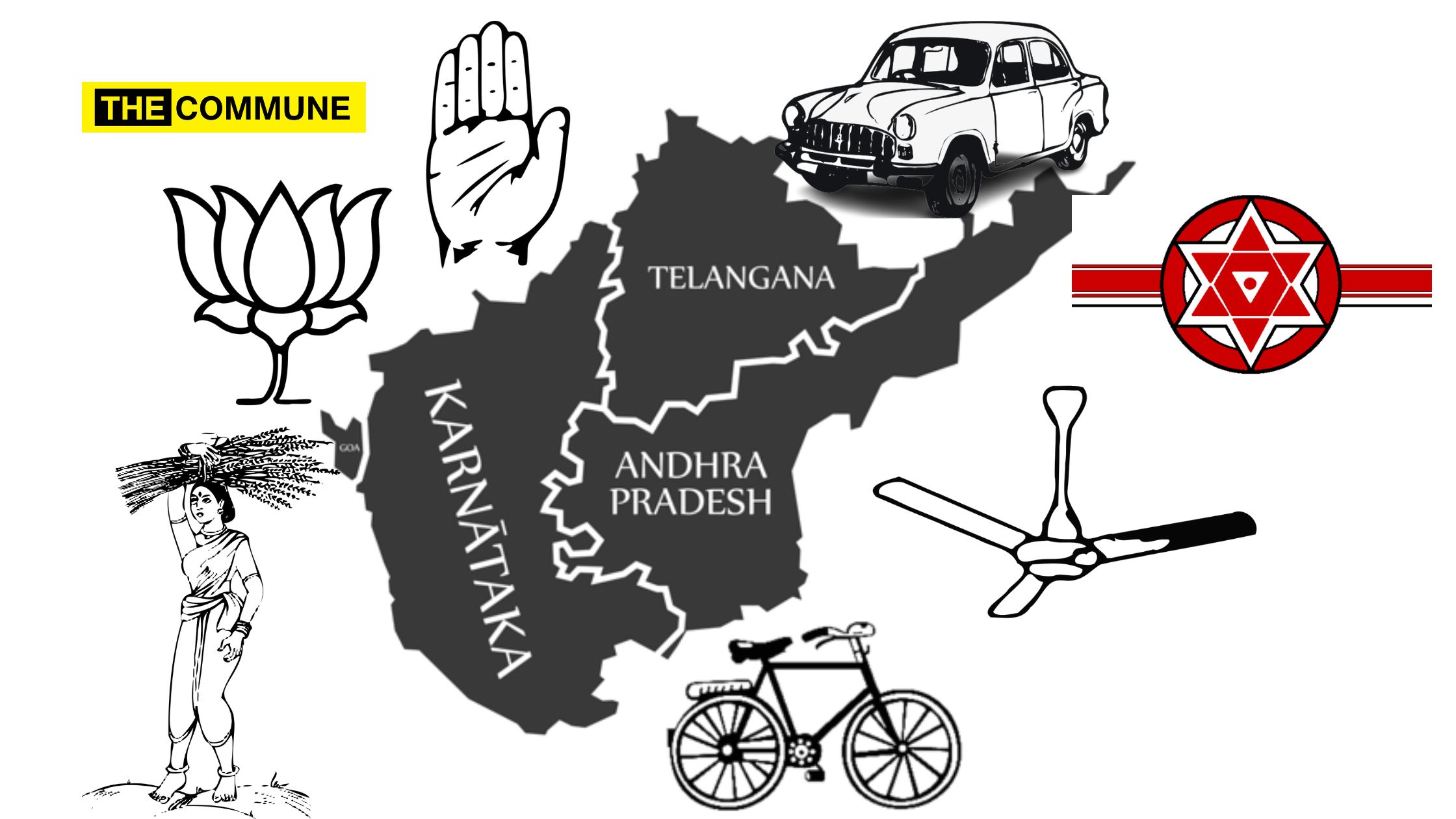
December has been a month of hectic political maneuvering, propositioning and alliance-building in the three South Indian states of Karnataka, Telangana (upcoming state elections in 2023) and Andhra Pradesh (polling scheduled for early 2024).

The world of politics by its very nature, is one of opportunism where hawkish eyes are always on the lookout for wounded egos, just-in-time partnerships and strategic need-based allegiances. Many of the on and off political partnerships across the Indian political landscape and a large number of fair-weather political friendships of the opportunistic variety, have ceased to surprise us.

An element of mild surprise is back in the news with the recent declaration of partnership between two political outfits across state borders in South India. Karnataka’s Janata Dal Secular (JDS) and Telangana’s Bharath Rashtra Samiti (BRS, formally TRS) are said to be forging a cross-border partnership ahead of Karnataka state elections, scheduled to be held before May 2023 and Telangana stste elections scheduled to be held before December 2023. JDS leader, Kumaraswamy and BRS leader, K Chandrasekhar Rao have made public announcements of a political agreement between the two parties.

Next summer’s state elections are crucial to the relevance of Karnataka’s JDS party, a regional party, fighting to win against the ruling BJP party and the opposirion Congress party, both of which are larger national parties.

The challenges experienced by regional parties are different to those faced by national parties in terms of manpower, financial resources, technology, access to national level subject-matter-experts (sme’s) and clout with elected leaders, across the nation. Telangana’s BRS party aspiring to grow into a national party, is at present still a regional one, facing similar challenges as the JDS.

What’s Cooking In Karnataka?

Karnataka has a number of districts on its border with Andhra and Telangana, with significant numbers of Telugu speaking people, whose votes carry enough weight to make a difference between winning and losing in the border districts. In the past, the JDS has been known to seek help from the Andhra-Telangana based Telugu Desam Party (TDP), with which it has historically had good ties. In fact, it was widely believed that JDS founder, H.D Deve Gowda became India’s 11th Prime Minister, with the support of the TDP founder, Telugu actor and politician N.T Rama Rao. Deve Gowda’s tenure as Prime Minister of the country (1 June 1996 to 21 April 1997) lasted less than one year but understandly brought him honour in his home state and helped him float his own political party, shortly after.

The Janata Dal Secular (JDS) was formed in July 1999 as a breakaway faction of the Janata Dal party. It is led by former prime minister, H D Deve Gowda and his family. It has a political presence mainly in Karnataka and is registered as a state party in two other states, Kerala and Arunachal Pradesh. The JDS has had a less than an ideal record with its coalition politics. It was a partner in the Karnataka coalition government of 2004, first with the Congress and later with the BJP, both of which witnessed distrust and lack of cooperation leading to an eventual collapse of both partnerships. It went into a coalition arrangement again with the Congress party in 2018 but lasted less than two years in governance. Will it do better with an alliance of a non-Karnataka party? It would be interesting to see if Telangana’s BRS party will truly be able to make a diffrrence in the electoral hopes of Karnataka’s JDS party in the upcoming 2023 state polls. Both the BJP and the Congress have personnel-related issues within their respective parties, that are best resolved well before the mid 2023 elections. The JDS is looking to cash in on unhappy “rebel” leaders of both parties.

The seven districts in Karnataka with a significant Telugu speaking population are Bidar, Yadgir, Raichur, Vijayanagar, Ballari, Kalburgi and Koppal which cover 41 Assembly constituencies. These areas were a part of the erstwhile Hyderabad State till 1948. The residents of these districts speak Telugu as well as some Urdu and Hindi.

It is these districts that the JDS hopes to swing the Telugu vote in its favour, with the help of the BRS party. Sources state that the BRS party has shown interest in fielding candidates for the 41 assembly constituencies, spread over the seven border districts with the Telugu speaking population. The JDS-BRS tie up in Karnataka’s Telugu border districts, hopes to win over the large farmer base there, by highlighting agricultural schemes put in place by the BRS party in Telangana.

The Undercurrents In Telangana

In the mean while, on its home turf, Telangana’s ruling BRS party is getting ready to take on heavy competition from the state’s BJP, which has gotten stronger since the last state elections. It is also closely watching two other recent developments of significance – 1) The much rumored in-fighting of the Telangana Congress party, which finally went public with twelve of its members quitting the party recently, 2) Even before the high drama within the ailing Congress party had the chance to subside, the state unit of the Telugu Desam Party (TDP) announced its plans for a “massive” revival in Telangana.

The Telangana state’s Congress unit has been expressing dissent for a while now. The clash of egos and disagreements is between the two main factions within the party – the old guard/ Congress veterans and the newer members of the party consisting of the state’s ex-TDP members (most of the members had defected to the Congress or the BRS, when the TDP’s focus shifted to Andhra Pradesh after the united Andhra state’s bifurcation in 2014). The current president of the state’s party is Revanth Reddy, who is of the latter category, a popular ex-TDP leader who, in the TDP’s hey day, was reputed to have had a good rapport with the TDP leader, Chandrababu Naidu.

Sensing the vulnerabilities of the state’s Congress party, a struggling BRS party fighting anti-incumbancy and a fast growing BJP presence in Telangana, the TDP recently held a show of strength at a well attended rally in Telangana’s Khammam district, where party leader Chandrababu Naidu, announced a revival of his party which had previously enjoyed a solid presence in the state. A fourth party, new to the state and still trying to take off, is the YSRTP party headed by YS Sharmila, who is the sister of the current Andhra Chief Minister, YS Jagan Mohan Reddy.

Amid the still unfolding tapestry of a uncertain political landscape, parties continue to trade alliances even as party members continue to swap parties! The plot thickens in Karnataka, Telangana and Andhra Pradesh with leaders desperately wanting to keep their political fortunes intact in the next state elections.

Andhra Parties Pulling Up The Sock

In neighboring Andhra Pradesh which shares borders with Telangana, Karnataka and Tamil Nadu, the political heat is just as intense and palpable with a heated war of words as well as actions, among the major contenders- the incumbent YSRCP party led by Jagan Reddy, the TDP party led by Chandrababu Naidu, the JSP party led by Pawan Kalyan and the state’s BJP party struggling to make inroads in Andhra, despite a past alliance with the previous TDP regime and a current informal understanding of sorts with the incumbent YSRCP dispensation.

Andhra’s state elections are scheduled to be held in the first half of 2024. It is widely rumored that the BJP wants to try testing the waters with the JSP party but is playing it cautiously as the larger, older, more experienced TDP party is said to be on good terms with the relatively new JSP. The TDP and JSP together make a strong opposition to counter the YSRCP, hence it’s important for the BJP to make a well calculated move for the state’s 2024 elections.

In yet another twist to the classic “Tale of Two States” saga, underscoring an affirmation of the inter-dependencies and connections between the two Telugu states, the TDP’s posturing in trying to revive its fortunes in Telangana, speaks of possibly enticing the BJP in lending it covert support in both Andhra and Telangana, for the current benefit and future growth of both parties, as a unified anti-Congress opposition in both states. With the TDP and JSP not being averse to each other, both vowing to fight the YSRCP and both parties warming up to the BJP, where does the AP state BJP unit see itself, considering that it is also not on bad terms with the YSRCP?

It’s an ironic case of too much choice for the BJP in Andhra. Its Telangana scenario is simpler – the BJP will most likely fight the state elections on its own with the possibility of teaming up with a second party, post the elections…based on electoral results. As for the Congress party, it seems to have lost its core base in both Andhra and Telangana. 2023 promises to be an electrifying, game changing year in all three of these states going to the polls within the next 12-18 months.

Click here to subscribe to The Commune on Telegram and get the best stories of the day delivered to you personally.

Dravidian Model Of Fascism: DMK Govt Arrests AMMK Cadre For Meme Targetting Udhayanidhi’s Sports Ministry

Tamil Nadu Police arrested an AMMK functionary for a meme targeting Chief Minister’s son Udhayanidhi Stalin’s Sports Ministry, in what appears to be a blatant abuse of power by the ruling DMK government.

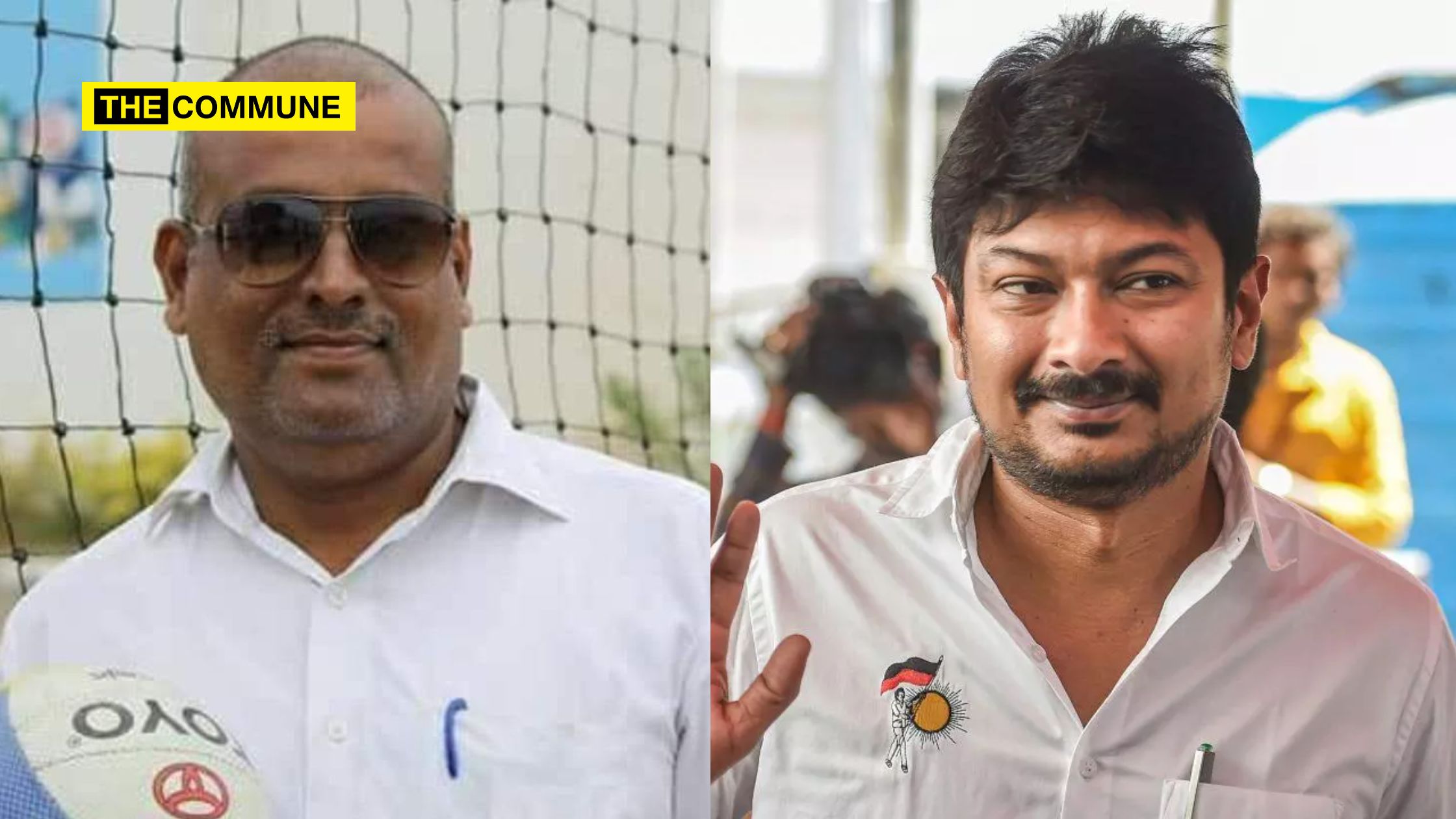
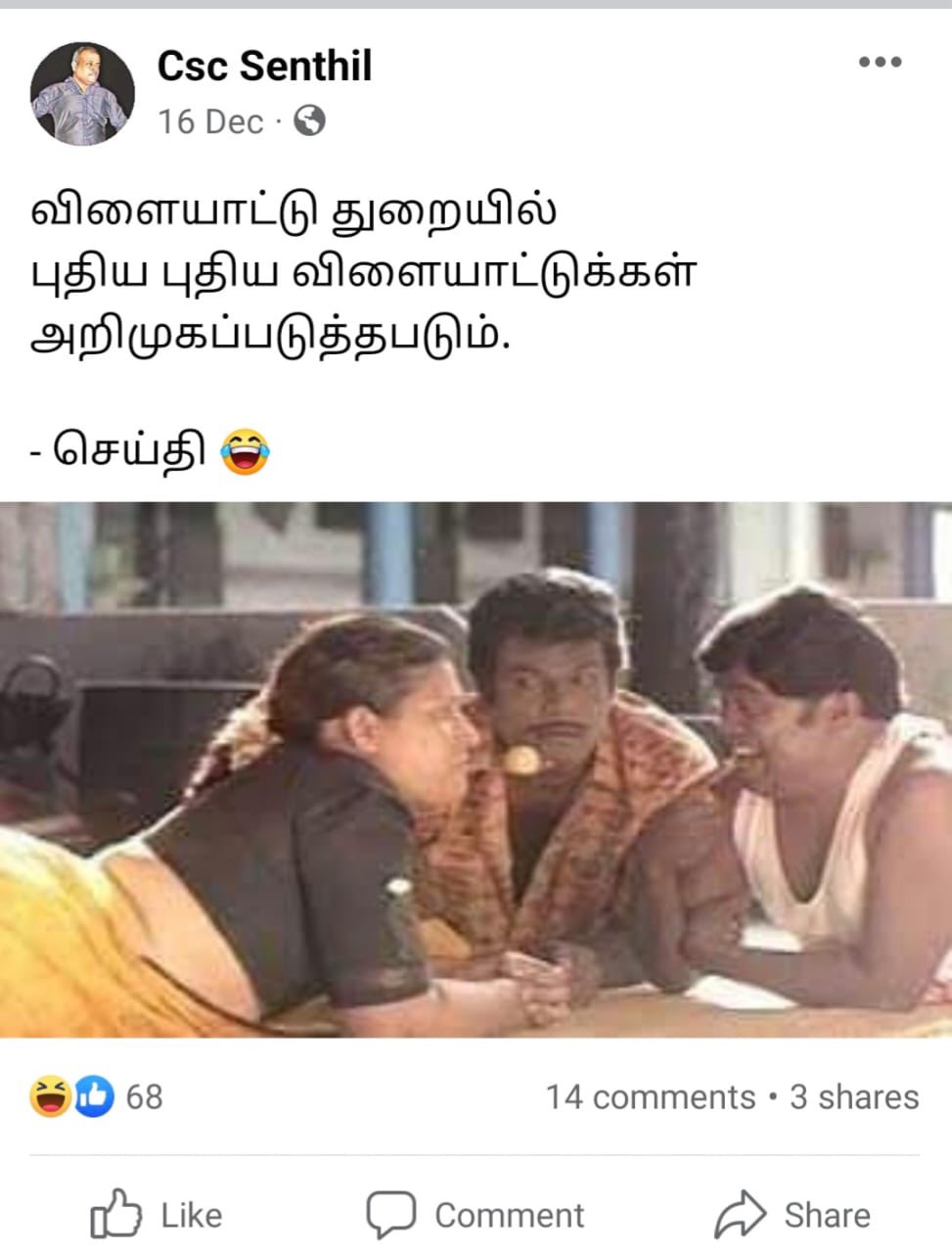
Csc Senthil, Secretary of TTV Dinakaran’s Amma Makkal Munnetra Kazhagam’s (AMMK) Nagapattinam district environment protection and awareness wing, was arrested by Tamil Nadu police for posting a meme that took a jibe on Tamil Nadu sports ministry headed by Udhayanidhi Stalin.

The AMMK functionary had shared a screenshot from the film ‘Gentleman,’ in which actor Senthil introduces games like “coupling”, “spooling”, etc, stating that the new Tamil Nadu sports ministry will be introducing such new games.


Instead of taking it in their stride, the DMK government has arrested the AMMK functionary for the harmless meme.

TTV Dhinakaran, general secretary of the AMMK, has condemned the DMK government’s arrest of his cadre for a Facebook post. In his Twitter handle, TTV Dhinakaran said,” Nagapattinam District Corporation Environmental Protection and Awareness wing Secretary Mr. CSC Senthilkumaran has been arrested in a false case by the autocratic DMK regime. I urge that he be released immediately. Only those who allow freedom of expression can become leaders in a democracy. Ministers like Udhayanidhi should understand this. Such retaliatory measures are not acceptable.”

AMMK cadres and members of the public expressed their displeasure at the arrest of an AMMK party official by the DMK government for a Facebook meme and demanded the release of the functionary. AMMK cadres are trending a Twitter hash tag #செந்திலை_விடுதலைசெய், demanding his release.

Click here to subscribe to The Commune on Telegram and get the best stories of the day delivered to you personally.

TNM Tries To Whitewash Keezhvenmani Sins Of EVR And DMK

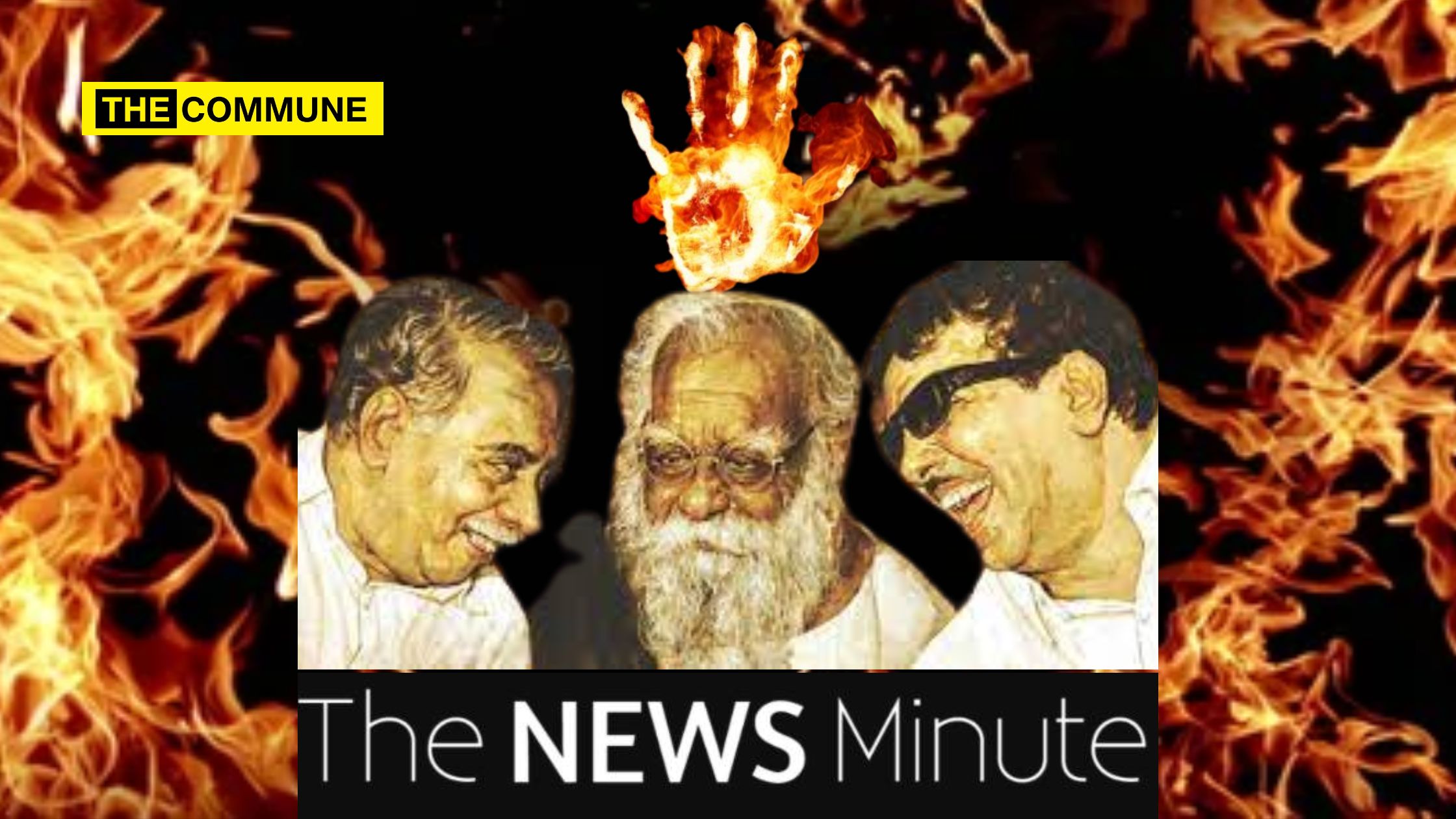
On 24 December 2022, The News Minute (TNM), which is popularly perceived as the unofficial mouthpiece of Dravida Munnetra Kazhagam (DMK), published an article titled, “‘Keezhvenmani changed me’: 96-yr-old TN activist recalls a brutal massacre of Dalits.”

There is nothing wrong with describing the ordeals endured by Dalits under the Pannaiyars (Zamindars) during the Keezhvenmani incident, as the next day, 25 December 25 2022, marks the anniversary of the gruesome incidents in Nagapattinam district in which 44 Dalits were burned alive by the Pannaiyars.

However, the date of publication of the article as well as the content within the article require careful consideration.

The date of TNM’s Keezhvenmani article coincided with the death anniversary of EV Ramasamy Naicker, a rabid anti-Brahmin and anti-Hindu bigot known for his hate speeches and for his controversial stance on the Keezhvenmani issue, indirectly supporting the perpetrators.

The TNM article, published on the eve of the Keezhvenmani massacre, can be seen as an attempt to whitewash EVR’s role in trivialising the massacre.

Even now, there is much controversy surrounding the Keezhvenmani massacre, with many accusing EVR of implicitly supporting Gopala Krishna Naidu, the main perpetrator of the massacre, because both EVR and Gopalakrishna Naidu were from the same caste.

Dravidar Kazhagam and other EVR supporters’ main defence justifying his stance in Keezhvenmani issue is that EVR was old and sick and hence he did not talk anything about the issue when it happened.

However, the real reason is that EVR avoided commenting on the matter because the perpetrator, Gopalakrishna Naidu, is of his own caste.

It should be noted that he was always anti-Brahmin and never pro-Dalits. Contrary to EVR supporters’ claims that he was ill during the Keezhvenmani massacre, history records that he spoke at a public meeting in Sembanur Kovil on January 12, 1968, just a few days after the massacre.

He not only trivialised the Dalit massacre, but he also blamed the massacre on Communists who fought for the Dalits.

EVR stated during the public meeting after the massacre, “The Communists were responsible for the Nagai Taluk massacre (referring to Keezhvenmani). They were responsible for the deaths of 42 people.”

Blaming the Communists and asking Dalits to live within their means rather than protest for pay raises, EVR said, “Without telling you how the workers should live with what they have, the Communist comrades are trying to create riots and revolutions in Tamil Nadu and overthrow this regime.”

This was seen as an attempt to save the then DMK government led by Annadurai, a man of the Mudaliar caste who was perceived to be pro-Zamindars.

Though the accused, Gopalakrishna Naidu, was sentenced to ten years in prison in lower courts, he was acquitted of all charges by the Madras High Court in 1975, during Karunanidhi’s tenure as Chief Minister of Tamil Nadu.

It was told that he was acquitted of all charges as the DMK government failed to present its case properly in court.

This Dalit massacre in Keezhvenmani is a perfect example of then-Chief Minister Annadurai’s inefficiency in enforcing state law and order.

It’s not that then-CM Annadurai was unaware of the rising tension in Keezhvemani prior to the massacre.

In his book “Venmani Thee,” author Ko Veeraiyan stated that he wrote a letter to then-CM Annadurai on 12 December 1968, a few days before the massacre, stating that a group under the Paddy Procurement Association led by Gopalakrishna Naidu had planned to burn Keezhvenmani requesting that then-CM Annadurai take immediate action. The author mentioned that no action was taken despite the assurance given by CM Annadurai.

The author of the TNM article, Nithya Pandian, stated in her article that Mirasdars in Thanjavur practised “Saanipaalum Savukkadiyum” (forcibly making them drink cow dung mixed in water and flogging with whips).

This begs the logical question, who was the Chief Minister at the time of those practice, and what was he doing to put an end to “Saanipaalum Savukkadiyum”? The answer is that the DMK, which ruled Tamil Nadu at the time and even now, is always pro-Mirasdars.

This attitude of the DMK leader behaving like a Mirasdar can still be seen today. Palanivel Thiagarajan, Finance Minister in the DMK government, is a classic example of having Mirasdar attitude, boasting about his ancestors’ social background and dismissing anyone who questions him by asking, “What is your qualification to question me?”

The TNM article also subtly injects anti-Hindu venom. The author cited a conversation between Karunanidhi and NGO founder Krishnammal in which Krishnammal requests land for Dalits.

Karunanidhi had apparently asked Krishnammal, “From where will we get the land?” to which Krishnammal allegedly replied,” if government can allot 1,000 acres of land to Thiruvarur temple to make Aval Payasam (Poha desert) for the presiding lord, why not for Dalits.”

First of all there is no information available as to when government alloted 1000 acres to Thiruvarur temple. Secondly, this conversation seems to be woven out of thin air as there is no credible evidence of this conversation in public domain.

This alleged conversation may or may not have happened. But, what is the necessity to share an incident involving a temple snub? It seems as a clever ploy to shift focus away from the actual perpetrators of Keezhvenmani massacre.

The alleged journalist of TNM also mentions a conversation between Karunanidhi and the NGO Krishnammal, ” The meeting resulted in government support for the cause she espoused. LAFTI was registered in 1981.”

Reading these sentences, one gets the impression that LAFTI was registered in 1981 as a result of a meeting with Karunanidhi. But it was MGR who was the Chief Minister of Tamil Nadu in 1981.

Hence, every unsuspecting TNM subscriber who is paying money to read these distortions must ask the following questions:

1. Why is there no mention of EVR trivializing the Keezhvenmani massacre?

2. Why is there no mention of the regime under which the Massacre happened?

3. Why is Karunanidhi being portrayed as the saviour here? Why not leave out Karunanidhi’s part in the article like she skipped the other political figures involved?

These questions arise because the author blamed Jayalalitha for the growth of ‘right wing groups in Tamil Nadu’ in her previous article titled “The systematic attack on Christians in Tamil Nadu’s Hindutva laboratory,” when the reality is that the only two communal tensions between Hindus and Muslims in the Kongu region occurred during Karunanidhi’s regime in 1997 and 1998.

The DMK and Dravidar Kazhagam have been trying hard to rewrite the history of the Keezhvenmani incident, claiming that EVR and Dravidar Kazhagam were with Dalits during the massacre. Director Vetrimaran, a known DMK supporter, in his movie ‘Asuran’, a movie based on Keezhvenmani incident, attempted to project that members of the Dravidar Kazhagam were with the Dalits during the massacre, when the truth is quite different.

The DK and DMK are trying hard to hide their sins from the past by rewriting history.

To summarise, discussing the Keezhvenmani massacre without mentioning Annadurai, under whose regime the massacre occurred, EVR, who accused the victims, and Karunanidhi, under whose regime the perpetrator of the Keezhvenmani massacre was released, is nothing but attempt to absolve EVR and the DMK of its past sins.

Once again, TNM has proved that it is infact TN’s Murasoli.

Click here to subscribe to The Commune on Telegram and get the best stories of the day delivered to you personally.

TN HR&CE Dept Uses Hundial Money To Buy Toiletware For Joint Commissioner Office

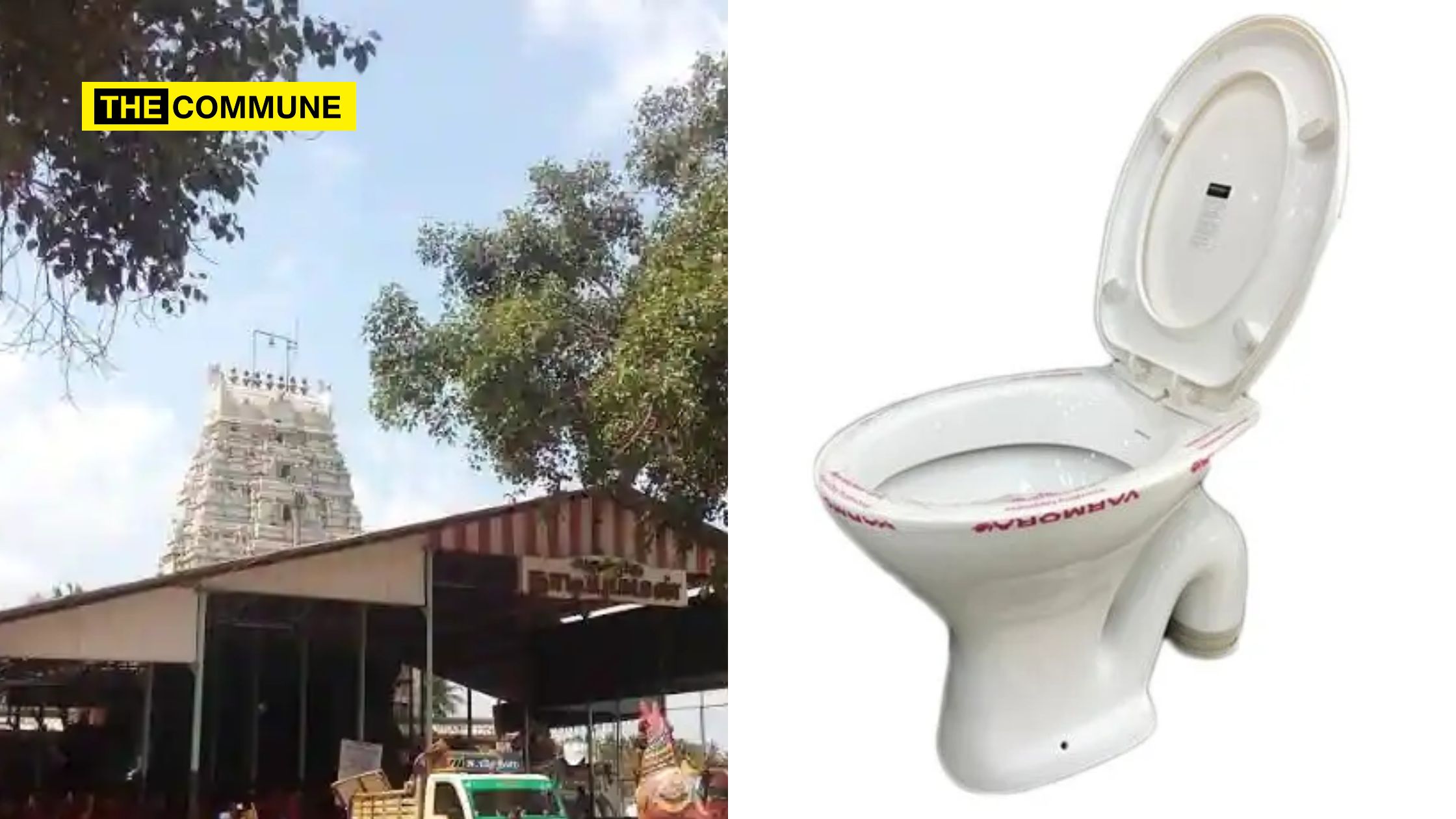
A shocking information has come to light wherein the money offered as donations by devotees in hundial has been used to buy toiletwares by the Tamil Nadu Hindu Religious & Charitable Endowments (HR&CE) Department.

Arulmigu Nadiamman Temple is a famous Amman (Shakti) temple located in Pattukottai town of Thanjavur district. The consecration ceremony for the centuries old temple was recently held in January 2022.

Temple Activist TR Ramesh posted on social media about the misuse of money given by devotees alleging that the money has been used to buy toiletwares.

A receipt dated 6 September 2017 shows ₹12,400 being spent on repair works for Thanjavur HR&CE Joint Commissioner office.

The description in the bill submitted to the Joint Commissioner of HR&CE Department, Thanjavur, says that the ₹12,400 has been spent for “Supply and fixing European water faucet of parryware make glazed special type with attached flush tank and fixing C.P tap, health faucet with seat cover, after dismantling the existing worn out EWC. The rate is inclusive of labour.”

Nadiamman Temple

The Nadiamman Temple boasts of a rich history. Once when a Maratha king of Thanjavur was hunting in the forest, he chased an animal which went and hid in a bush When the king told his men to search the bush, they saw an idol of Pitariamman dripping with blood. The shocked king immediately took out the idol, cleaned it, called the priests of the Shiva temple of ​​Pattukottai fort. He ordered to build and consecrate a temple on the spot where the idol was found.

Then the king decreed that one Chinnan Chettiar should be given the responsibility of building and managing the temple. At first only the moolavar (black stone statue) of Pitariyamman which was found in the forest was worshipped. Later, due to Chettiar’s efforts, a Panchaloha idol of was made and worshiped. Eventually this goddess got the name Nadiamman.

Click here to subscribe to The Commune on Telegram and get the best stories of the day delivered to you personally.