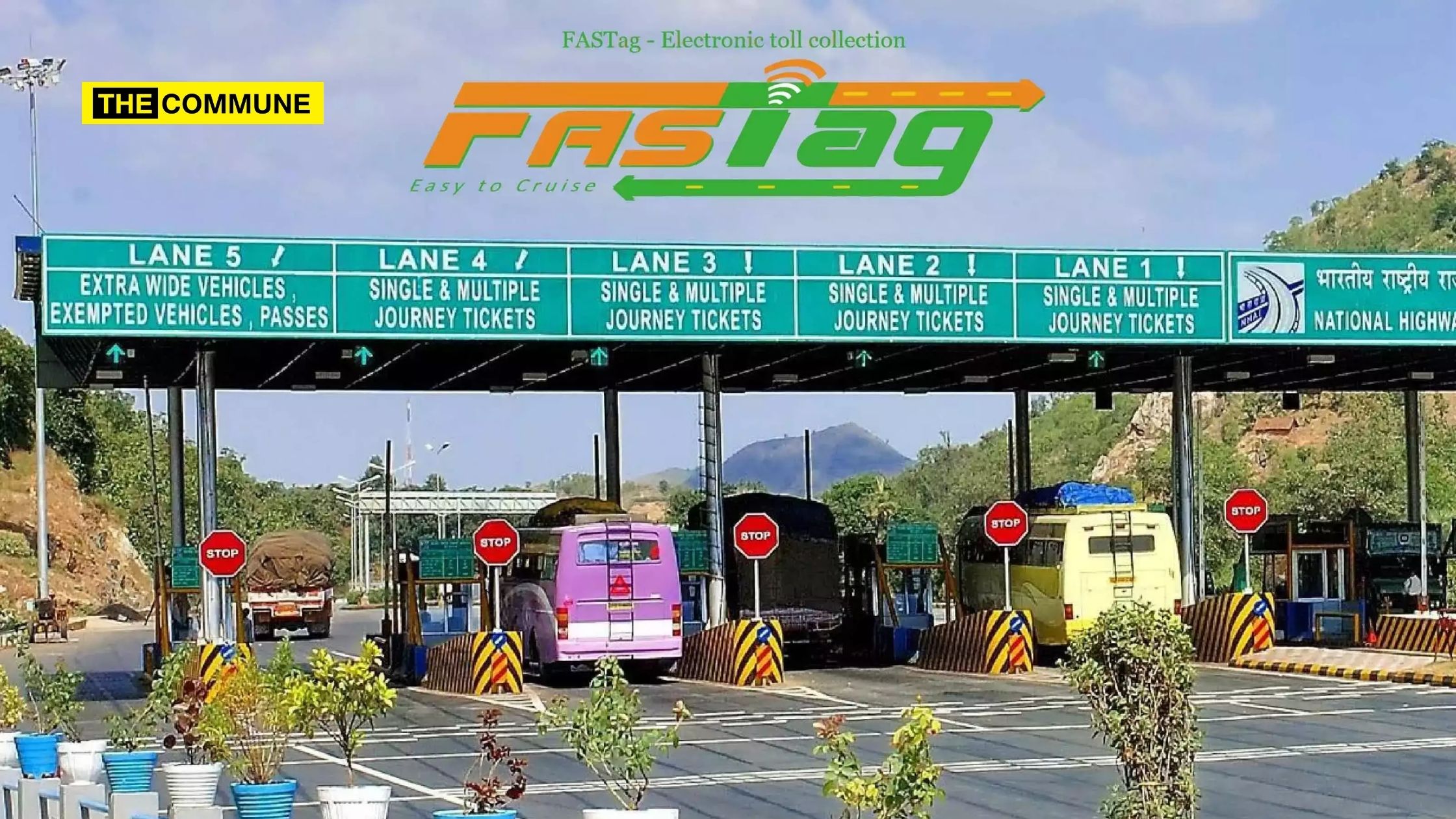
New FASTag rules, imposing extra penalties on users with low balance, delayed payments or blacklisted tags, will come into force from Monday (17 February 2025).
The National Payments Corporation of India (NPCI) and the Ministry of Road Transport and Highways have issued some key changes to the FASTag ecosystem, aiming to streamline toll payments, reduce disputes and curb frauds.
Starting February 17, new FASTag rules will affect users who delay payments or have blacklisted tags.
If a FASTag has been inactive for more than 60 minutes before the vehicle crosses the toll and remains inactive up to 10 minutes after passing, the transaction will be declined.
The system will reject such payments with “error code 176”. This rule is set to be implemented from February 17.
Apart from this, there are also changes in terms of the Chargeback process and cooling period as well as transaction rejection rules to streamline toll payments and reduce disputes.
According to new guidelines, FASTag users may incur additional charges if their toll transactions are processed beyond 15 minutes from the time the vehicle passes the toll reader.
According to updated National Electronic Toll Collection (NETC) guidelines, if a transaction is delayed and the user’s FASTag account has insufficient balance, the toll operator will be held responsible.
However, if the amount is deducted, users can dispute the charge, but only after a mandatory 15-day cooling period. Users can ensure sufficient balance in the FASTag wallet before travelling, monitor transaction times to check for delays in deduction, and stay informed about FASTag status to prevent rejections due to inactivity.
As per the NPCI circular published on January 28, the FASTag balance validation will follow a stricter schedule. Previously, users could recharge their FASTag at the toll booth and still pass through. Because of this, users must verify their FASTag status well in advance.
According to latest NPCI data, FASTag transactions grew by 6 per cent in December last year to 382 million, against 359 million in November. The value also increased by 9 per cent to Rs 6,642 crore in December against Rs 6,070 crore in November.
So, to put it in a nutshell:
a) Blacklisted FASTags: If a FASTag is blacklisted when the vehicle arrives at a toll booth, the toll payment will not be processed. Additionally, payments will be declined if the tag was blacklisted at least 10 minutes before being scanned.
b) Grace Period: Users will have a 70-minute window to resolve their FASTag status before passing through toll plazas.
c) Impact of Blacklisting: Vehicles with a blacklisted FASTag at the toll will be required to pay double the toll fee. However, if the tag is recharged within 10 minutes of scanning, users can apply for a penalty refund.
d) Transaction Delays: If a toll payment is processed more than 15 minutes after a vehicle crosses the toll reader, users may be subject to additional charges.
e) Chargeback Policy: Banks can initiate chargeback claims for incorrect deductions due to blacklisted or insufficient balance FASTags only after a mandatory 15-day cooling period.
The new FASTag rules could create confusion, especially among users who are not fully aware of the changes. Here’s why:
-
Strict Inactivity Rule – If a FASTag remains inactive for over an hour before crossing a toll and up to 10 minutes after, the transaction will be declined. Many users might not realize this and face unnecessary toll refusals.
-
New Penalties & Delays – Additional charges for delayed transactions (beyond 15 minutes) might frustrate users, especially if delays are due to technical issues rather than their fault.
-
Cooling Period for Disputes – Users must wait 15 days before raising a dispute if an incorrect amount is deducted. This could lead to dissatisfaction, as they have to wait to resolve issues.
-
No Last-Minute Recharges – Previously, users could recharge at the toll booth itself, but now, balance validation is stricter. Those unaware of this might get stuck at toll gates.
-
Error Codes & Rejections – The introduction of error codes like “176” for declined transactions adds another layer of complexity that could confuse non-tech-savvy users.
While these rules aim to improve efficiency and reduce fraud, poor communication and lack of awareness could lead to frustration among users. A strong awareness campaign is needed to prevent chaos at toll booths starting February 17.
Subscribe to our channels on Telegram, WhatsApp, and Instagram and get the best stories of the day delivered to you personally.