


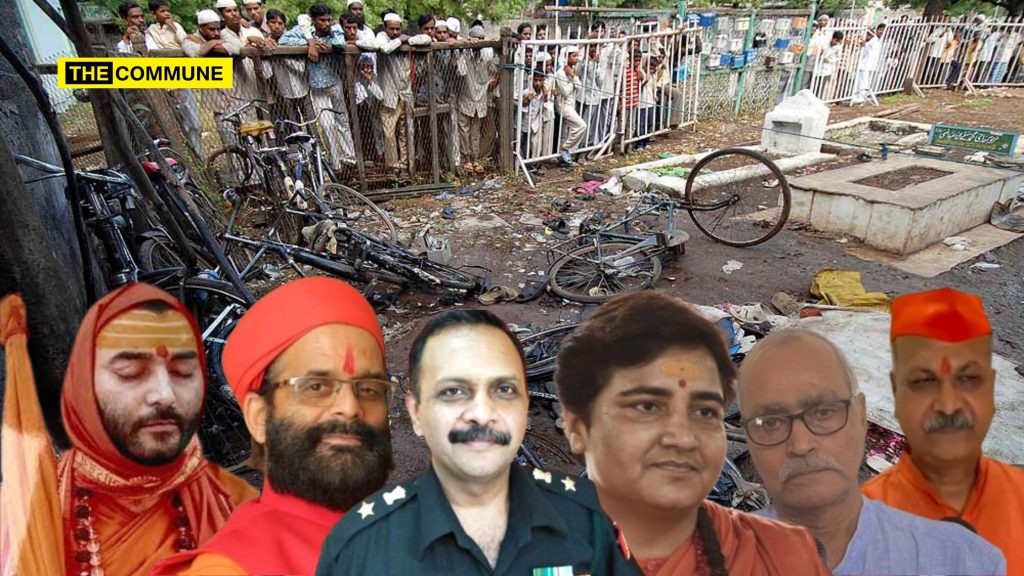
The Malegaon blast case stands as a stark reminder of how easily an entire community, over a billion Hindus was branded with the label of “terrorist” in their own country, based on nothing more than a scooter no longer owned by Sadhvi Pragya Singh Thakur. There was no concrete evidence, no weapon trail, just a convenient narrative to build upon.
People often reminisce about the so-called “social harmony before 2014.” But what kind of harmony are we talking about when a government found it politically acceptable to paint Hindus as terrorists, just to push the notion that terrorism has no religion?
Between 2006 and 2007, India witnessed a series of deadly Islamist terror attacks. With national security in question and elections looming, the UPA government was under pressure. Instead of addressing the root causes or strengthening counterterrorism efforts, they desperately looked for narrative control and so the term “saffron terror” was born.
The absurdity of this campaign became even more obvious after the 26/11 Mumbai attacks. Ajmal Kasab was captured alive, with video evidence and eyewitness testimony. And yet, in 2010, Congress leader Digvijaya Singh endorsed a book that claimed the attacks were an “RSS conspiracy.” Despite all the irrefutable evidence, the government’s sympathizers continued pushing the “Hindu terror” narrative. What does that tell you about their priorities?
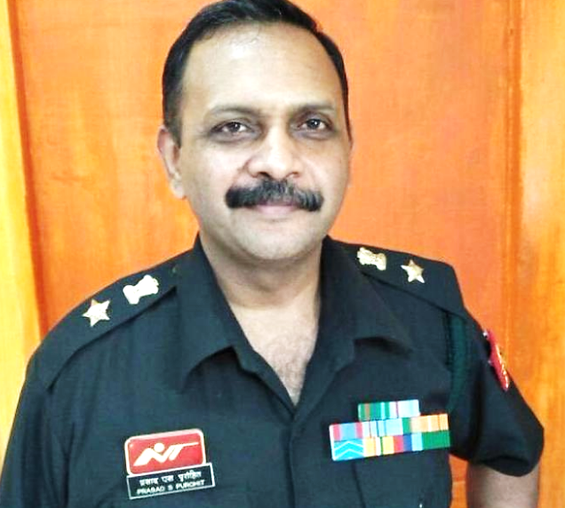
Lt. Col. Purohit: A Patriot Framed
A decorated Army Intelligence officer, Lt. Col. Shrikant Purohit had infiltrated the organization Abhinav Bharat as part of his official duty. His mission was known to his superiors. Yet, he was falsely accused of supplying explosives for the Malegaon blast. Over 17 years later, no evidence has ever emerged linking him to RDX, arms, or any form of violence. Still, he spent nearly 9 years behind bars, unconvicted and vilified. His crime? Having once met Sadhvi Pragya. When finally granted bail, all he said was, “Thank you for giving me the opportunity to serve the country again.”
Speaking to media persons, Lt Colonel Purohit said, “I am extremely grateful to the country and those who stood by us. I am grateful to the judiciary for understanding the case and delivering justice to all of us. During the fight, the Armed forces stood by me. I have no words to express my gratitude to all of them.”

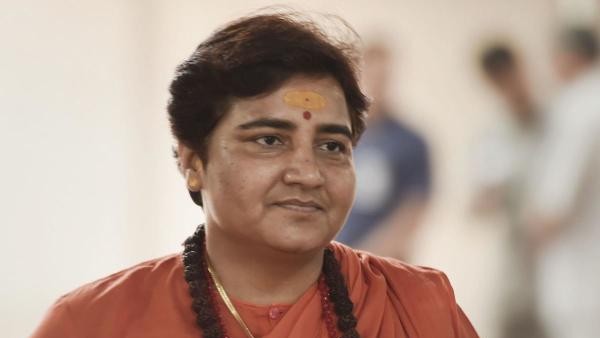
Sadhvi Pragya: Persecuted For Saffron
Sadhvi Pragya Singh Thakur, often portrayed as the face of “saffron terror,” was arrested in 2008. Her only alleged link to the blast? A scooter she had sold years prior. At the time of her arrest, she was battling breast cancer. What followed was third-degree custodial torture that left her bedridden and unable to walk images from court appearances show her being carried on a stretcher.
Despite no solid evidence, she was held in jail for nine years without conviction. Her saffron robes, tilak, and rudraksha beads became symbols targeted by those desperate to push the narrative that Hinduism could produce terrorists too.

The Others Silenced In The Name Of Balance
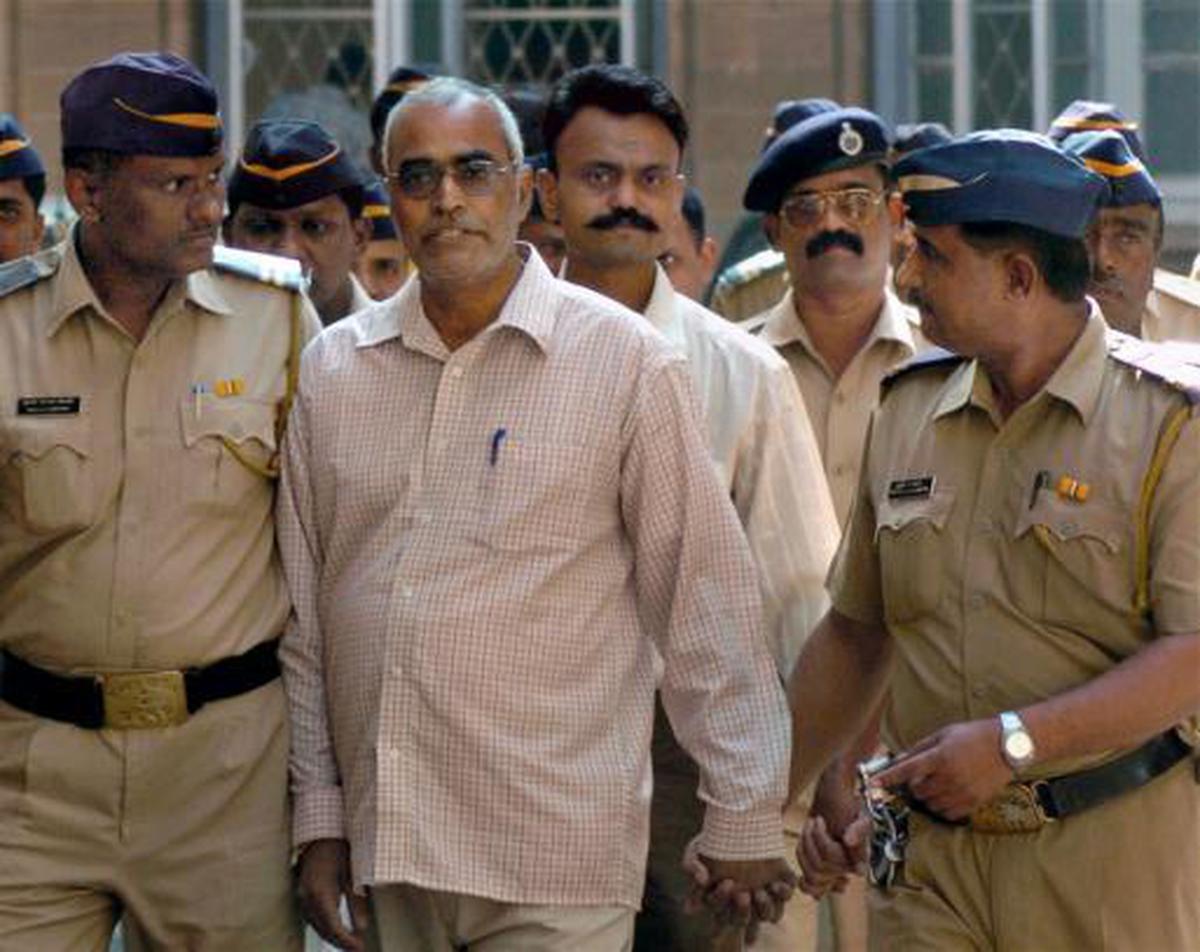
Major Ramesh Upadhyay
A former Indian Army officer, Upadhyay was accused of helping arrange meetings of Abhinav Bharat. He was arrested not for planting bombs or handling RDX but solely on the basis of alleged presence in ideological meetings. There was no material evidence—no weapons, explosives, or communication records—tying him to the actual bombing. His prolonged incarceration was based on unverified statements and ideological assumptions.

Sameer Kulkarni
A Bhopal-based RSS volunteer, Kulkarni was arrested in late 2008 and accused of being part of Abhinav Bharat’s planning meetings. There was no physical or forensic evidence against him—only statements from “hostile” witnesses who later retracted or claimed coercion. Kulkarni said he was beaten in custody and falsely implicated to strengthen the saffron terror theory. NIA later noted contradictions and inconsistencies in the ATS charge sheet.
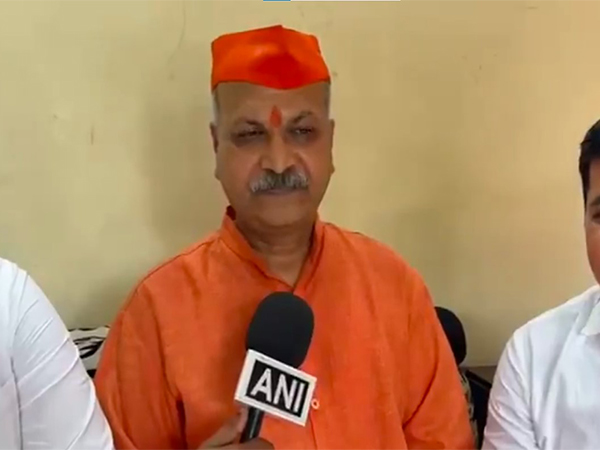

Ajay Rahirkar
The treasurer of Abhinav Bharat, Rahirkar was arrested on accusations that he managed funds used to procure explosives. However, there was no bank trail, seizure, or testimony that proved any financial link to the Malegaon blast. His name was included to frame the case as an organized conspiracy, despite the absence of direct involvement or criminal record.
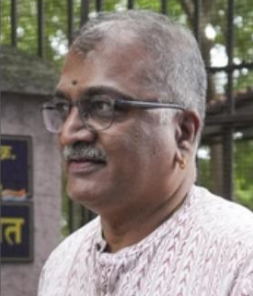

Sudhakar Chaturvedi
A close associate of Purohit, Chaturvedi was accused of providing logistical support. He spent several years in jail based on weak witness statements and fabricated seizure reports (including allegations of planted evidence). He alleged ATS forced him to name senior RSS leaders and invent links to Sangh Parivar ideologues. NIA found no independent proof of his role
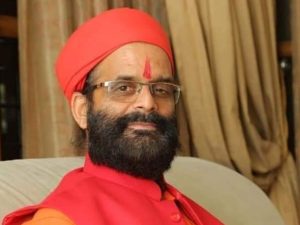

Swami Dayanand Pandey (Sudhakar Dwivedi)
Dayanand Pandey, also known as Swami Amrutanand Dev Tirth, was arrested as a supposed spiritual motivator of the group. He initially confessed to his role in the 2008 Malegaon blast, reportedly admitting to conspiring with key accused like Sadhvi Pragya and Lt Col Purohit. However, he later recanted the confession, alleging that it was extracted under severe custodial torture, including electric shocks, forced beef consumption, and humiliation of his religious identity. Audio recordings presented as evidence were later dismissed due to lack of authentication. His inclusion helped fuel the “Hindu terror” narrative, despite the lack of verifiable involvement in any terror act.
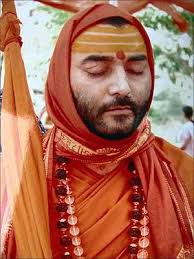

A Narrative, Not Justice
All these individuals, soldiers, saints, activists were caught in the web of balancing the narrative, to suggest that terrorism exists across religions. But the cost of that balancing act was years of wrongful imprisonment, humiliation, and destruction of reputations.
When people glorify the social fabric of pre-2014 India, they conveniently forget that it was woven with political deceit a time when religion was manipulated to craft a false sense of balance in the fight against terror.
What they called ‘saffron terror’ was less about justice and more about optics. And those who suffered suffered not because of what they did, but because of who they were.
(This article is based on an X Thread By Aaraadhya Saxena)
Subscribe to our channels on Telegram, WhatsApp, and Instagram and get the best stories of the day delivered to you personally.