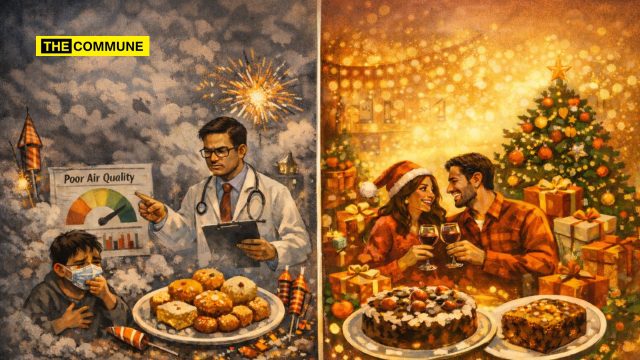
Deepavali is repeatedly framed through health warnings, pollution concerns, guilt, restrictions, and narratives of public harm, with media coverage frequently highlighting the risks associated with sweets, firecrackers, air quality, and calls for moderation. In contrast, Christmas coverage remains largely celebratory and uncritical, focusing on food, joy, spirituality, lifestyle features, and festive greetings, without comparable scrutiny of health effects, environmental impact, or excessive spending.
An article published by the Times of India on 24 December 2025, described plum cake and Black Forest pastry as “healthier” Christmas treats, while portraying Deepavali sweets as unhealthy and adulterated.
In this report, we document 18 such instances between 2015 and 2025, pointing to a consistent pattern in which media organisations, corporate entities, and political leaders are said to apply different standards when portraying Deepavali and Christmas.
Media Portrayal
Instance 1
In December 2025, the Times of India published an article portraying plum cake and Black Forest pastry as comparatively “healthier” Christmas treats.
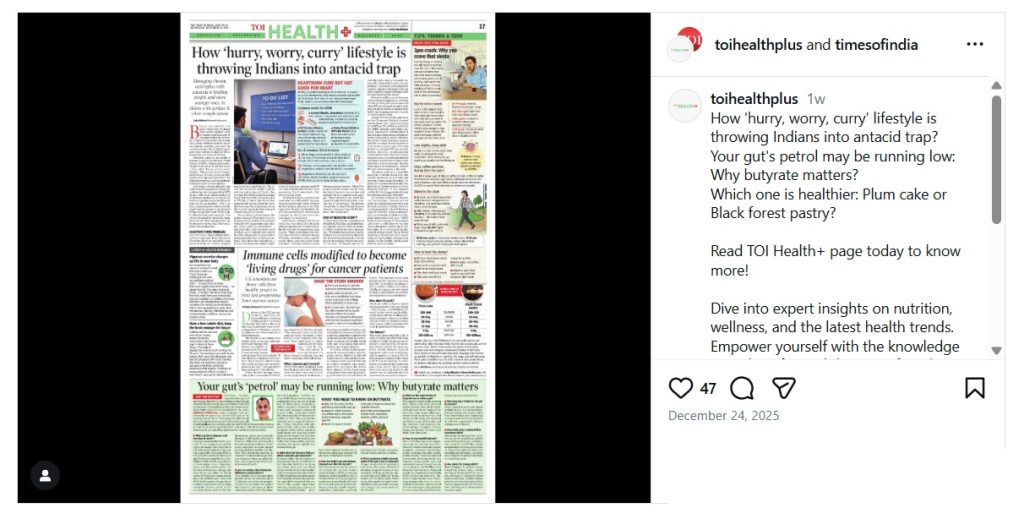
The same outlet, during Deepavali, ran articles warning readers about adulterated sweets and health risks associated with traditional festive food.
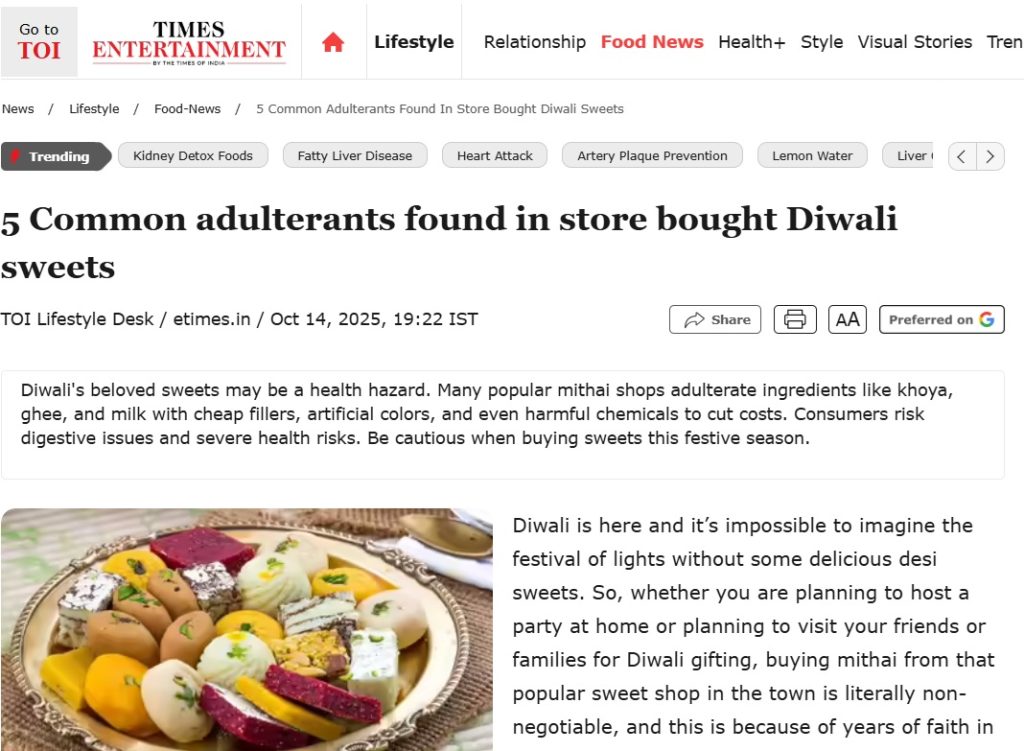
While Deepavali sweets were framed as unsafe and harmful, Christmas desserts were discussed in a positive nutritional comparison format, without similar cautionary language.
Instance 2
Mint’s coverage during 2025 presented Christmas primarily through greetings, images, social media messages, and celebratory content designed for sharing.
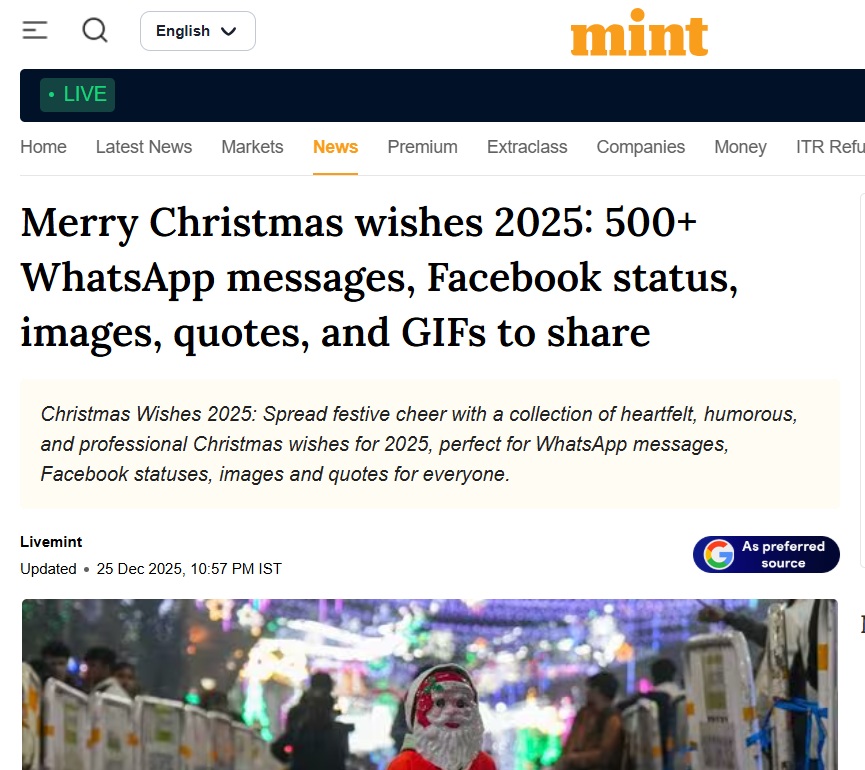
In contrast, its Deepavali-related reporting focused on air pollution, fireworks data, and environmental impact, often using charts and alarming statistics.
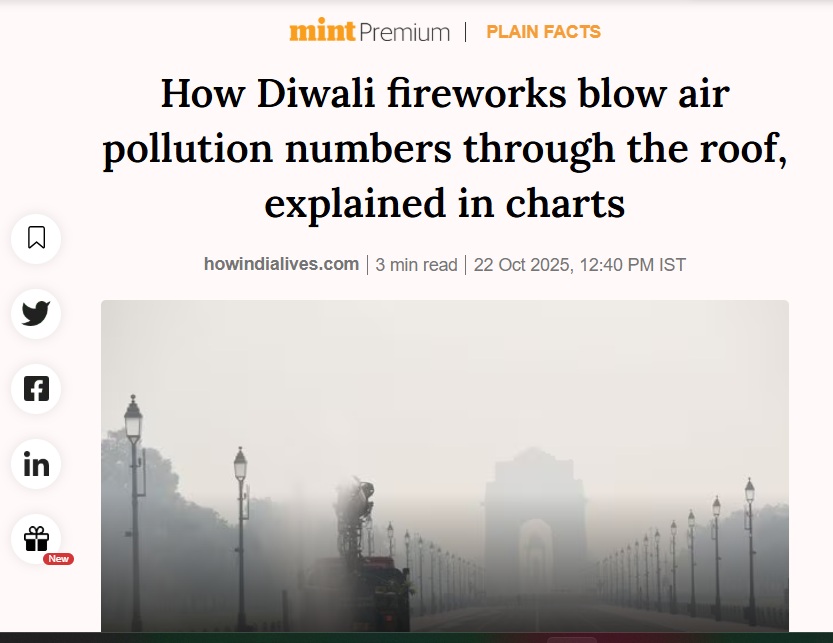
Deepavali was framed largely as an environmental problem, while Christmas was treated as a festive and cultural occasion without parallel scrutiny of environmental or public health aspects.
Instance 3
The New Indian Express published Christmas-related articles in December 2025 that described sweets and baked goods as enjoyable seasonal indulgences.
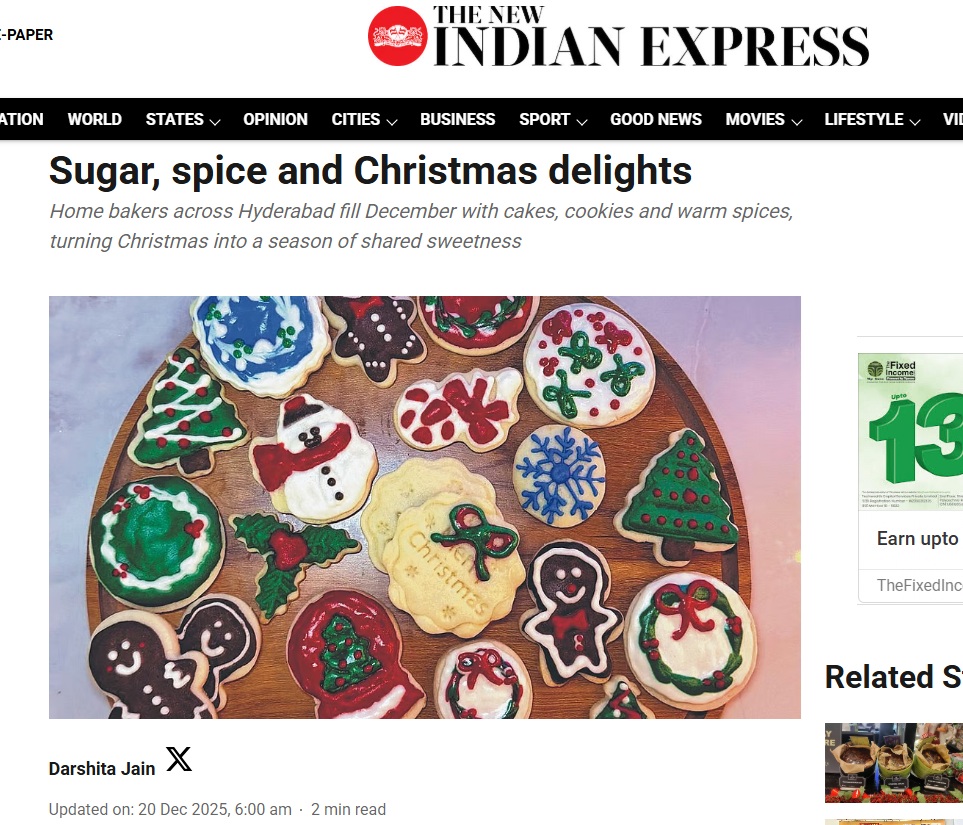
However, Deepavali coverage from the same outlet focused on expert warnings about excessive sugar consumption and associated health risks. Headlines during Deepavali emphasised alarm and medical concern, whereas Christmas food was framed as part of festive enjoyment.

Instance 4
The Indian Express portrayed Christmas baking as easy, fun, and desirable through lifestyle-focused articles published in December.
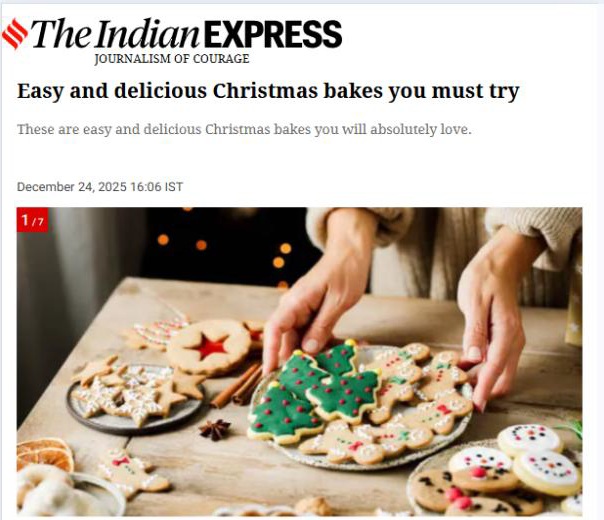
In contrast, Deepavali-related articles from earlier years associated sweet consumption with guilt, high calorie intake, and the need for detox or corrective measures.
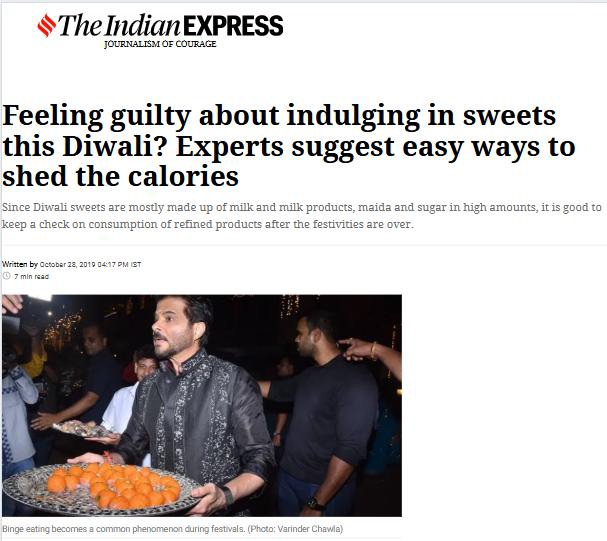
Deepavali was framed as nutritionally problematic, while Christmas baking was positioned as a wholesome seasonal activity without comparable warnings.
Instance 5
ABP Live’s Deepavali coverage in 2025 included articles cautioning readers about the health risks of consuming sweets, particularly linking them to diabetes and excessive sugar intake.
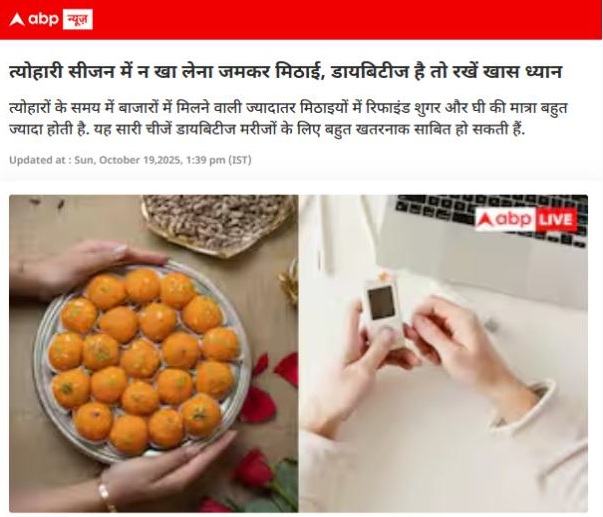
During Christmas, however, ABP Live published articles celebrating plum cake, panettone, and other traditional cakes as cultural and global festive foods.
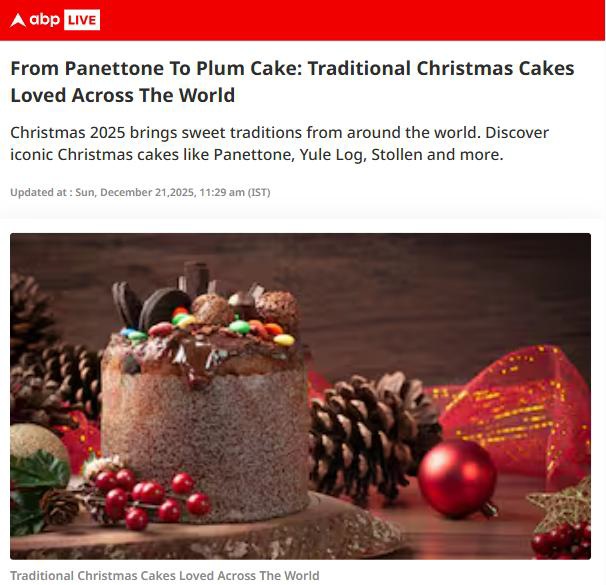
One can see how there is a start absence of health warnings in Christmas coverage, despite similar sugar and calorie content.
Instance 6
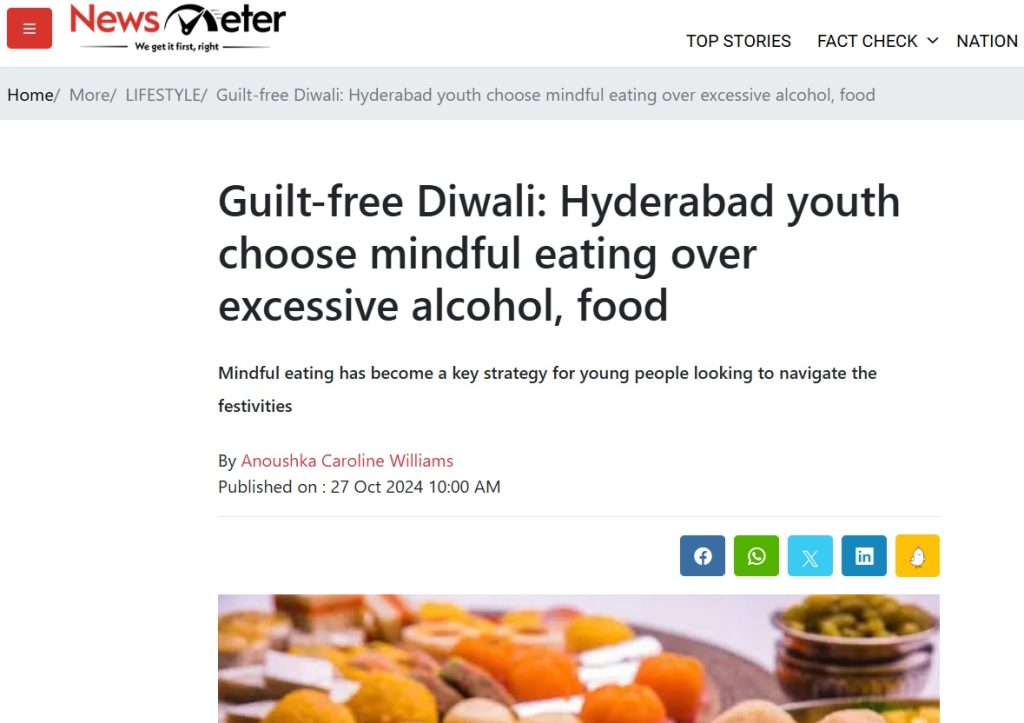
NewsMeter’s lifestyle framing differed sharply between the two festivals. Deepavali-related posts in 2024 focused on guilt-free eating, restraint, and avoidance of excess, presenting the festival in a corrective tone.
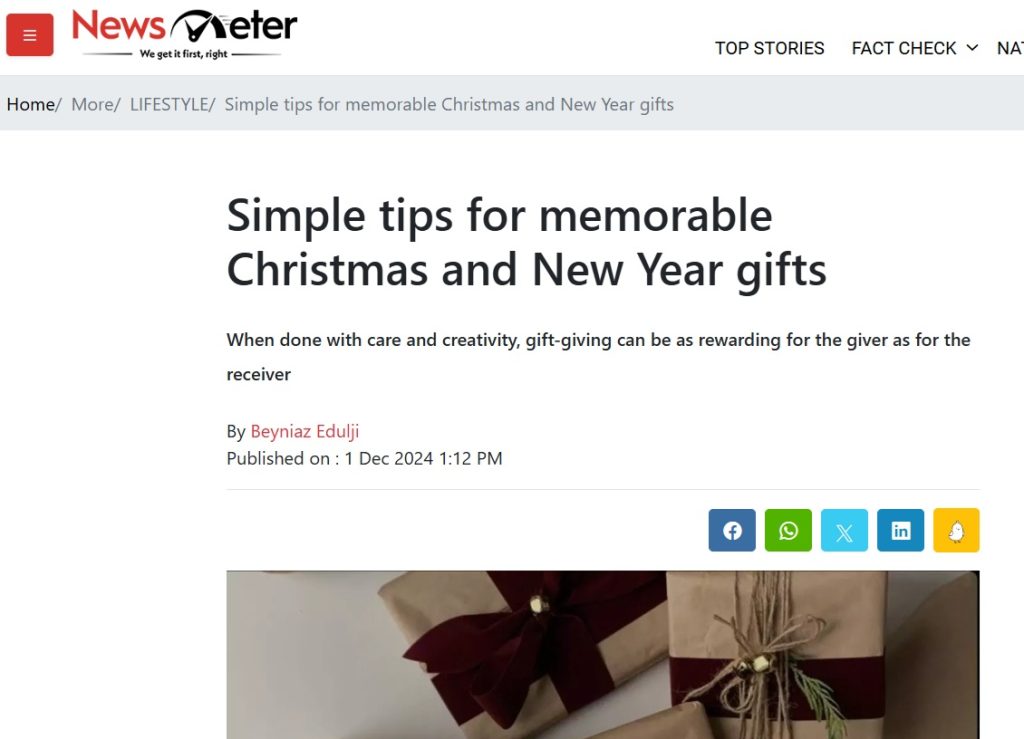
Christmas content from the same outlet promoted gifting ideas, celebration, and inspiration without cautionary messaging.
Instance 7
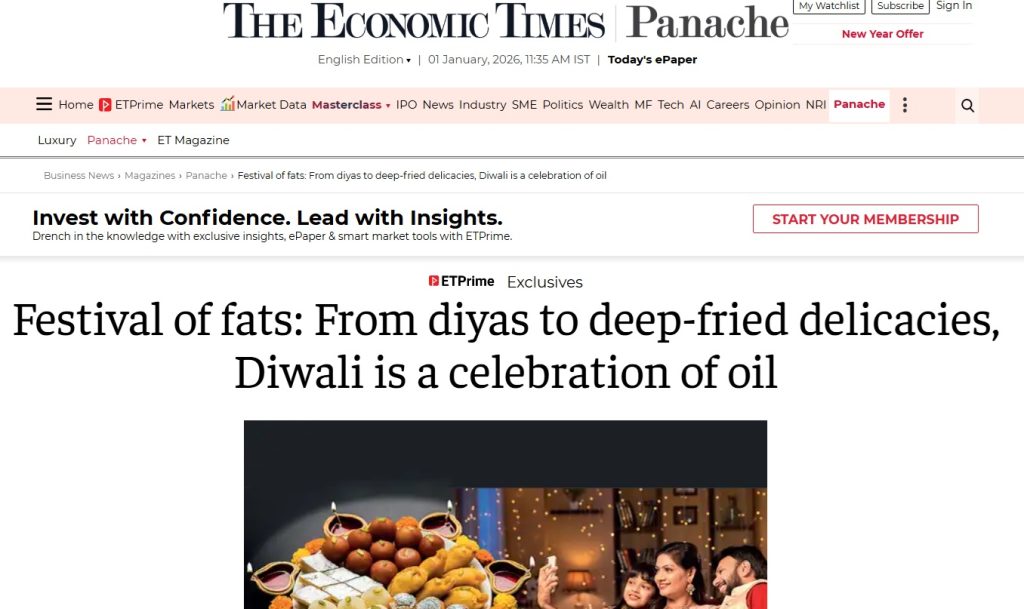
The Economic Times described Deepavali as a festival centred on oil, fat, and fried foods in its 2025 coverage, emphasising unhealthy overeating.
In contrast, its Christmas articles highlighted rich desserts and drinks as “mouth-watering delicacies” enjoyed across regions.
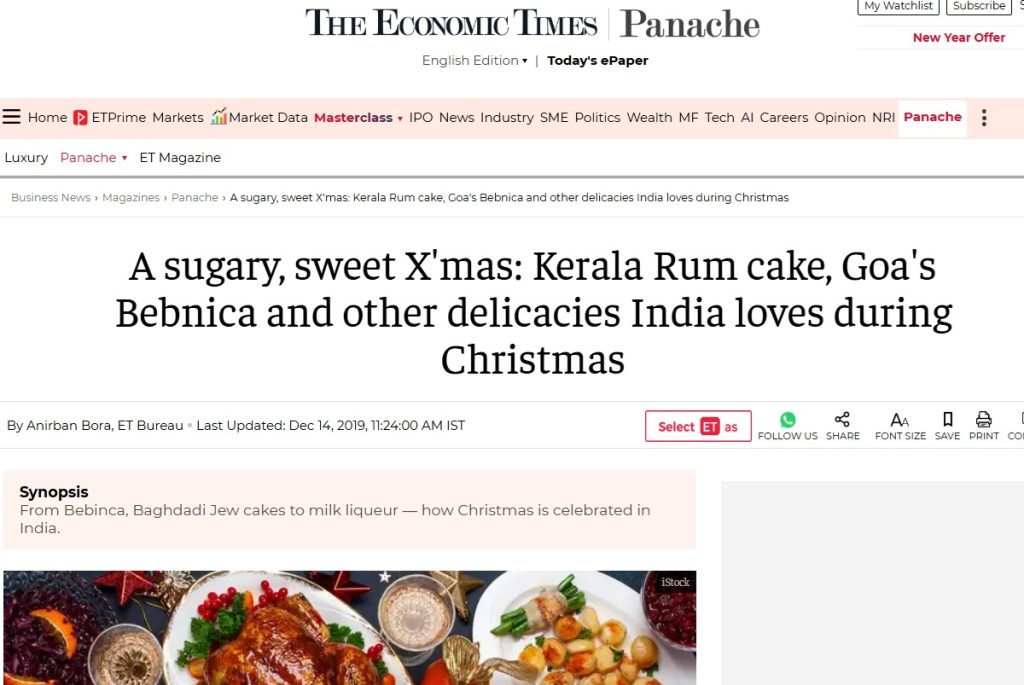
While both festivals involve indulgent food, only Deepavali was framed negatively, while Christmas indulgence was presented positively and aesthetically.
Instance 8
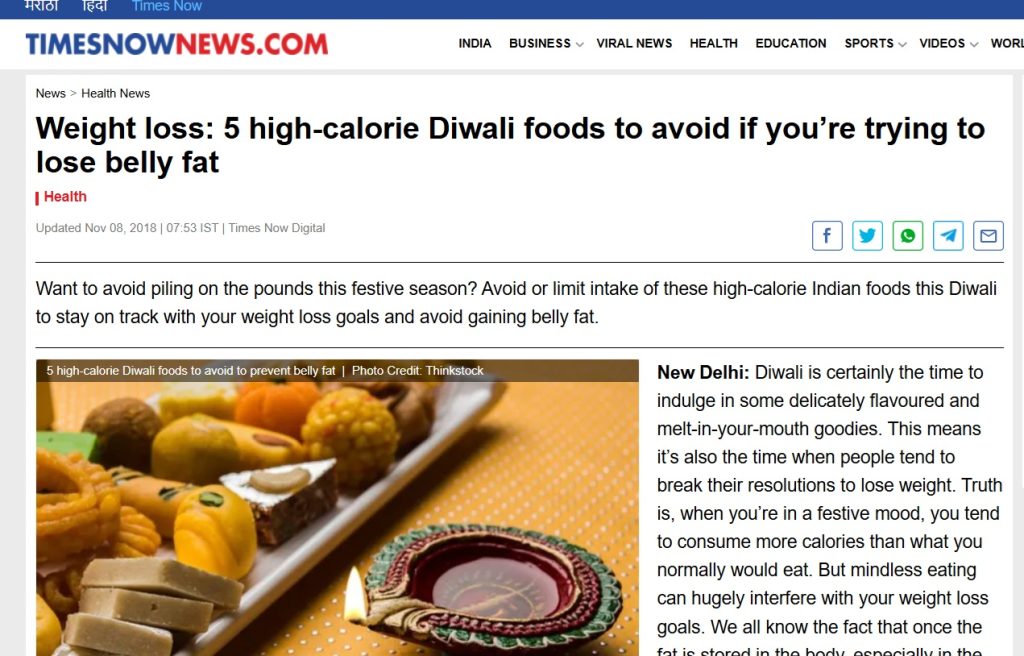
Times Now published social media content in 2018 advising audiences to avoid or limit Deepavali sweets due to high calories and the risk of weight gain.
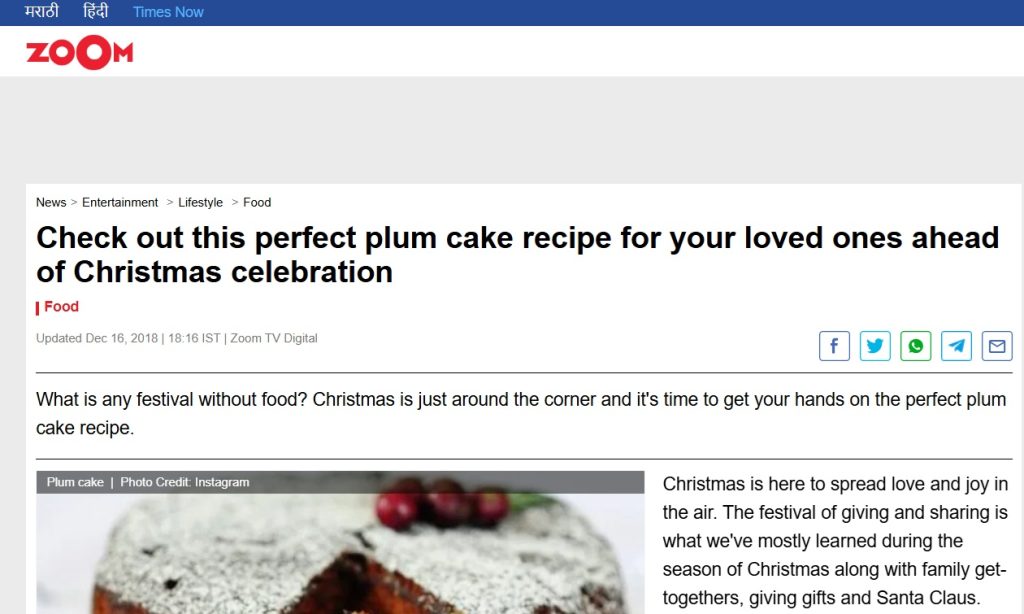
Around the same time, Christmas-related posts from the channel promoted plum cake as an essential festive item and even described it in positive nutritional terms.
This is a direct contrast in health messaging applied within the same media platform.
Instance 9
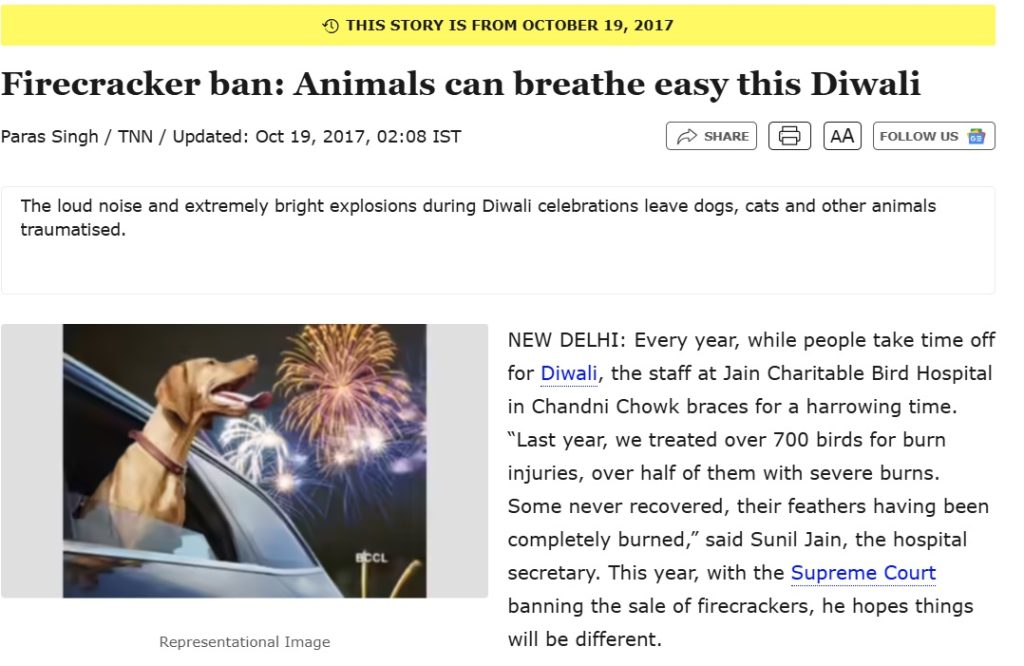
The Times of India’s Deepavali coverage in 2017 and 2021 focused on firecracker bans, animal suffering, and restrictions, framing the festival through loss and limitation.
Its Christmas coverage during the same period promoted recipes, brunch ideas, and festive cheer.

Instance 10
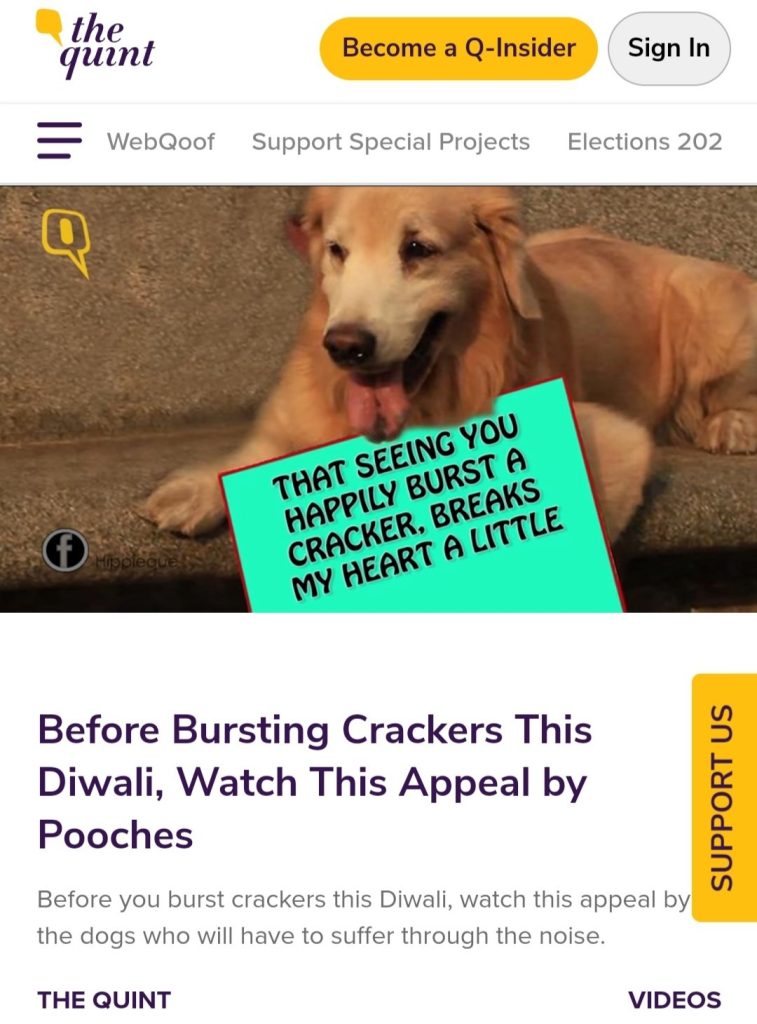
The Quint’s Deepavali coverage from 2015 used emotional appeals to discourage firecracker use, featuring animal suffering and ethical responsibility narratives.
In contrast, its Christmas coverage in 2021 focused on recipes, festive joy, and lifestyle content.
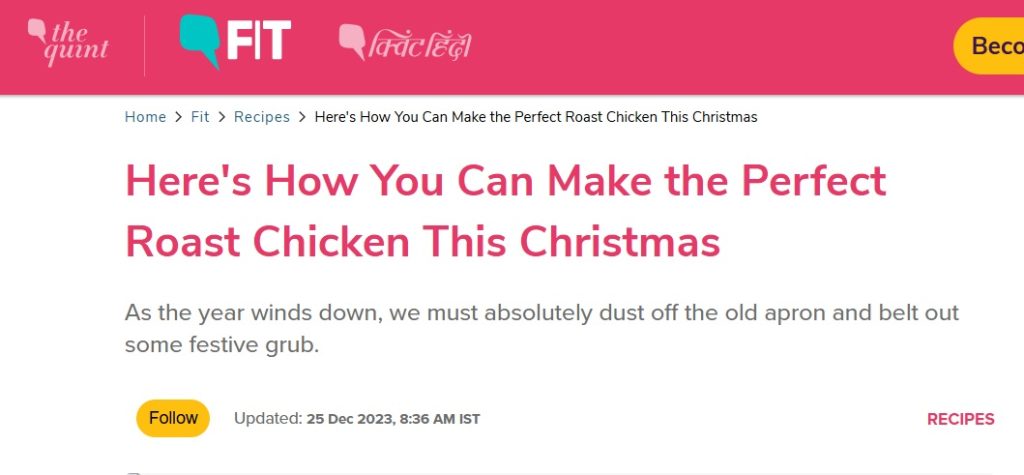
Christmas articles avoided environmental or ethical scrutiny that was central to Deepavali reporting.
Instance 11
The Wire presented Christmas in spiritual and reflective terms in 2019, emphasising inclusivity and religious sentiment.
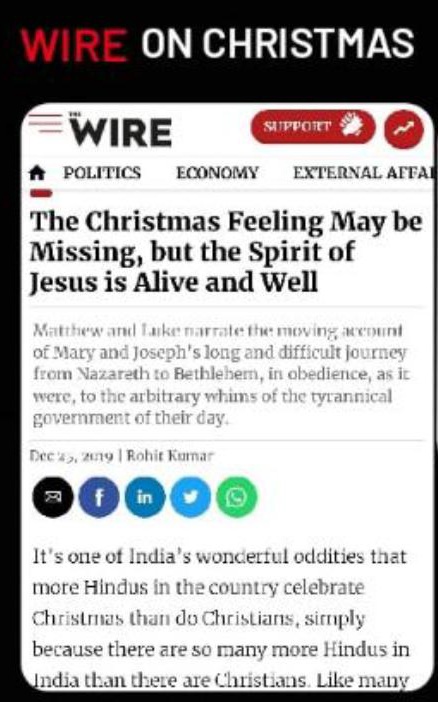
Deepavali coverage from the same outlet focused on air pollution, noise, and civic inconvenience, portraying the festival as a public problem.
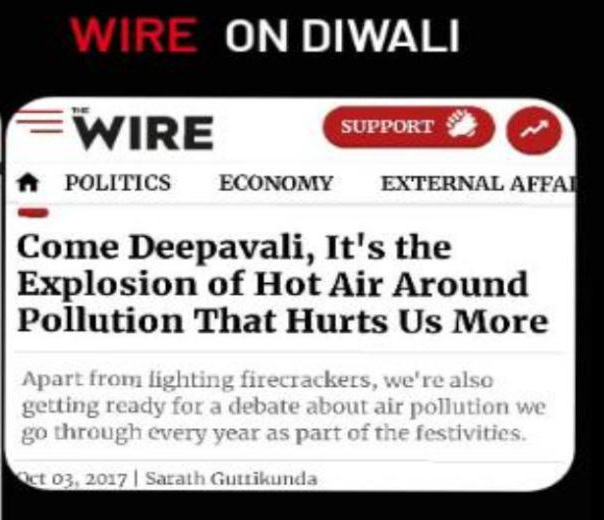
This is an example of philosophical framing for Christmas versus regulatory framing for Deepavali.
Instance 12
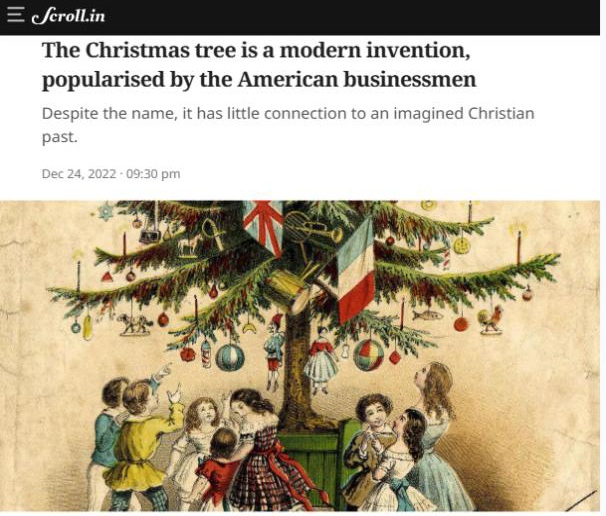
Scroll.in published Deepavali-related articles linking the festival to smog, health damage, and legal restrictions, often using strong medical warnings.
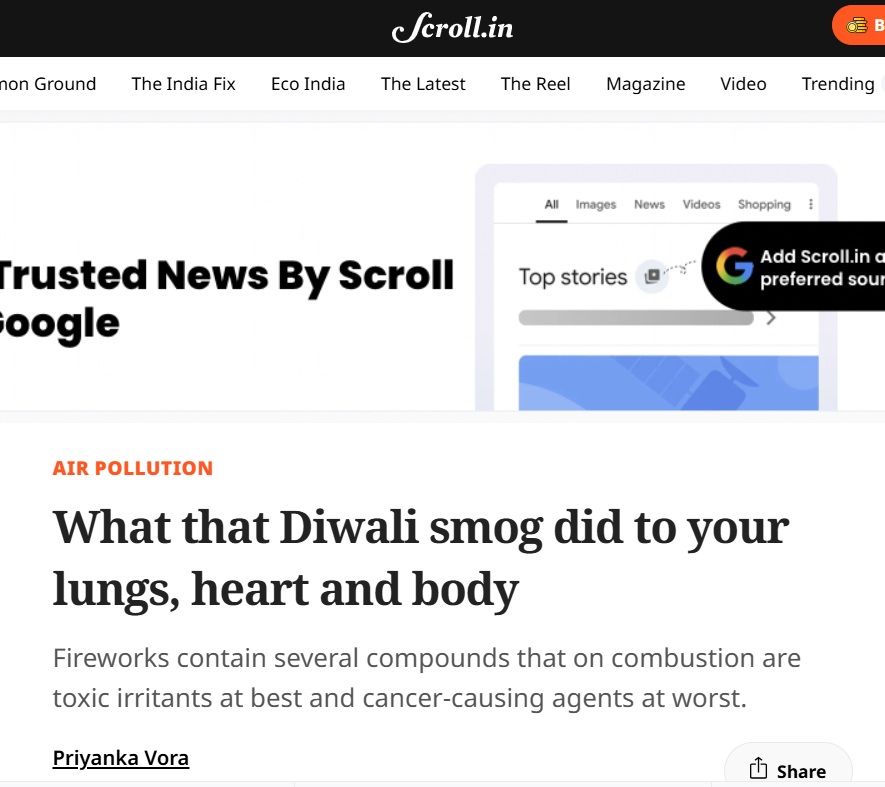
Christmas coverage, however, focused on cultural history and lifestyle aspects, such as the origins of the Christmas tree.
Instance 13
Dainik Bhaskar’s Christmas articles in 2022 described cakes as immunity-boosting and highlighted increased demand and nutritional benefits.
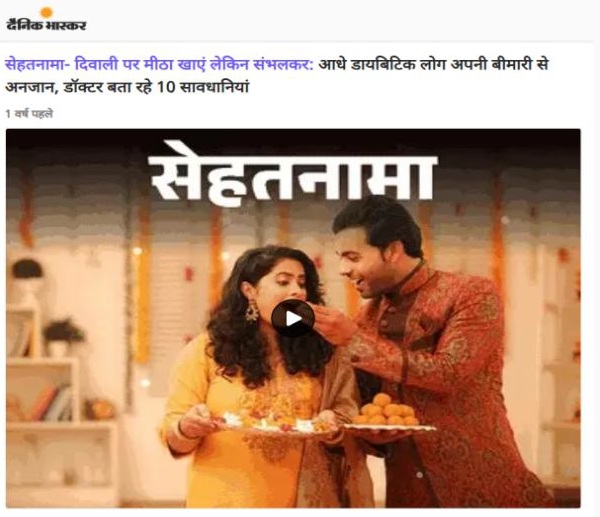
Deepavali articles from 2024, however, focused on health risks of sweets, especially for diabetic patients, and stressed medical precautions.
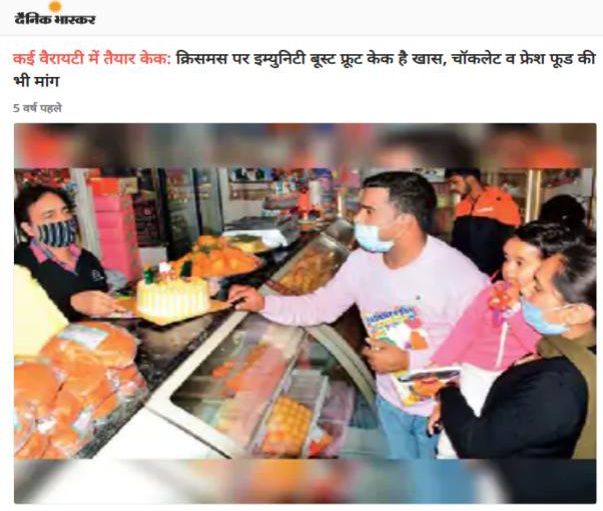
This is yet another example of positive health framing for Christmas and cautionary framing for Deepavali.
Corporate Messaging
Instance 14
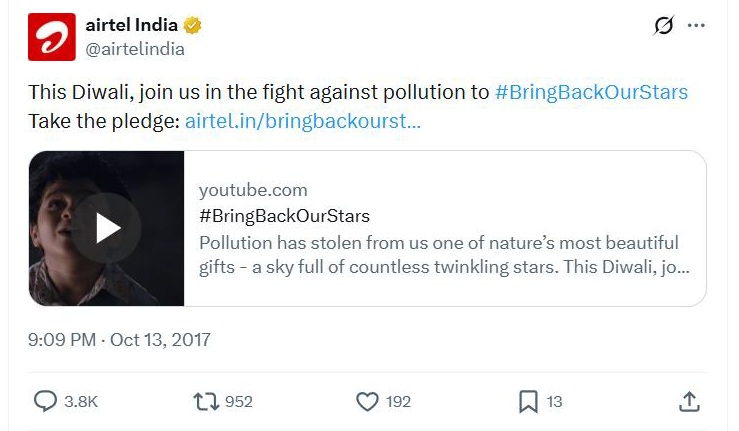
Corporate messaging by Airtel showed a similar contrast. In 2017, Airtel’s Deepavali posts urged people to reduce pollution and noise and take environmental pledges.
Its Christmas messages in 2019 offered unconditional festive greetings focused on celebration and goodwill.

The cautionary themes were applied only to Deepavali.
How Politicians Greeted During Deepavali & Christmas
Instance 15
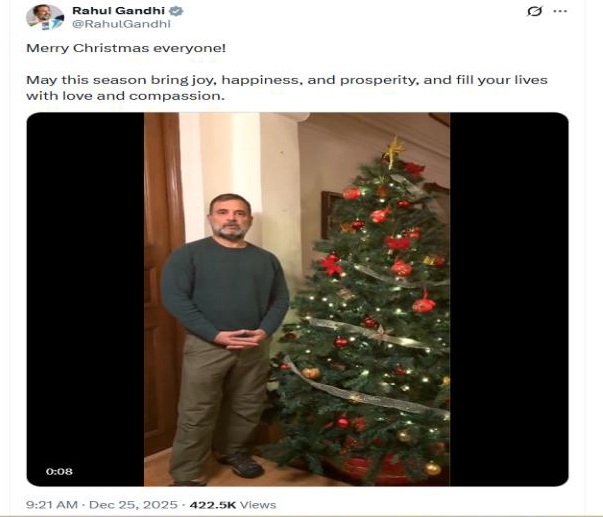
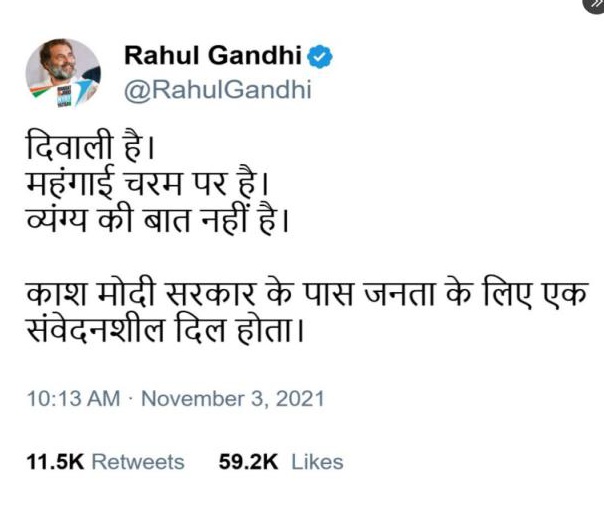
Let’s take a look at Rahul Gandhi’s festival greetings. His Christmas message in 2025 conveyed joy, compassion, and goodwill without political commentary.
His Deepavali post in 2021, however, criticised the central government over inflation and governance, rather than offering neutral festive wishes.
Instance 16
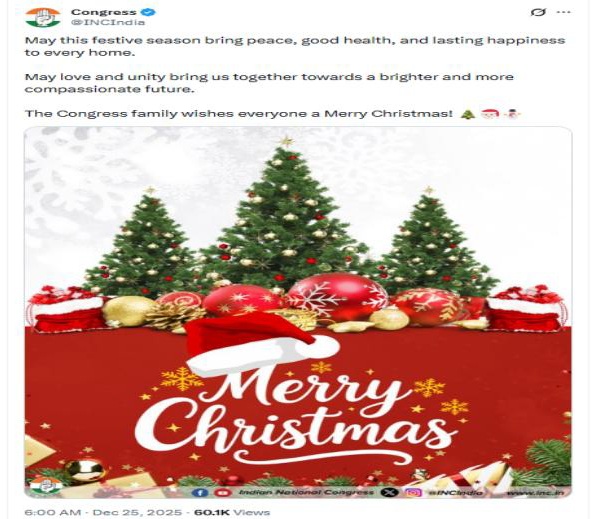
Indian National Congress social media posts are also examined. Christmas messages consistently emphasised peace, happiness, unity, and prosperity.
Deepavali posts, particularly in 2021, highlighted crime, safety risks, and suggested there was “nothing to celebrate.”
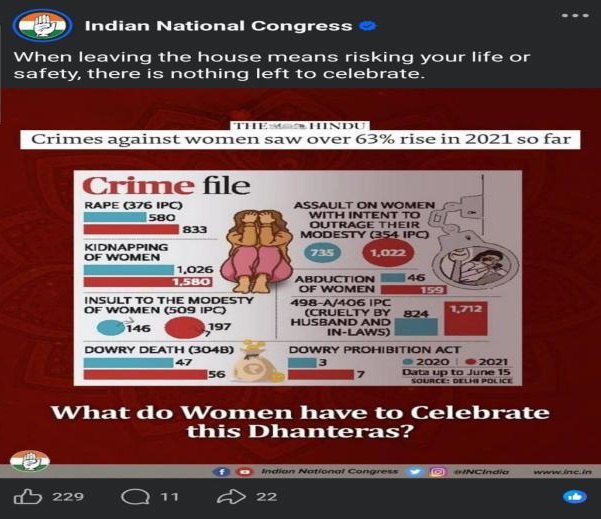
Deepavali was framed negatively, while Christmas messaging remained uniformly positive.
Instance 17
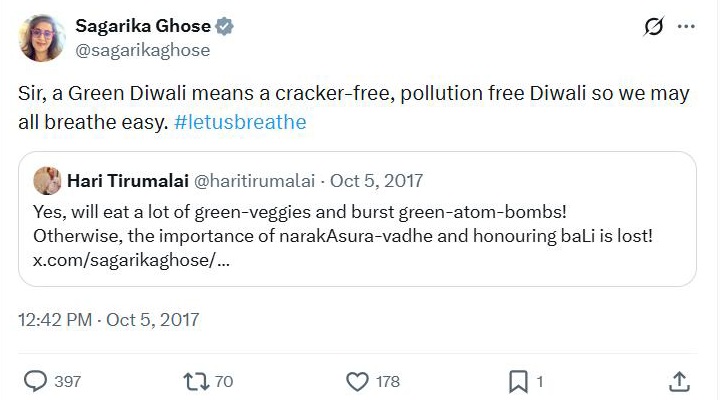
Journalist Sagarika Ghose’s social media posts are yet another example. Her Christmas posts were limited to simple festive greetings.

In contrast, her Deepavali posts focused on pollution, firecrackers, and breathing difficulties, advocating for a “green Deepavali.”
Instance 18
Let us compare the statements/greetings by Samajwadi Party chief Akhilesh Yadav. He advised against spending on lamps during Deepavali while praising Christmas lighting practices globally as an example to learn from.
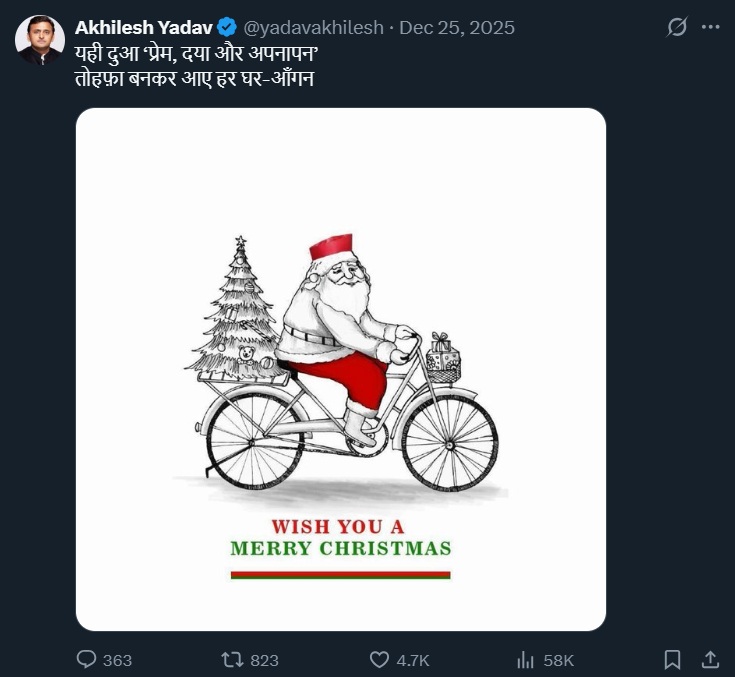
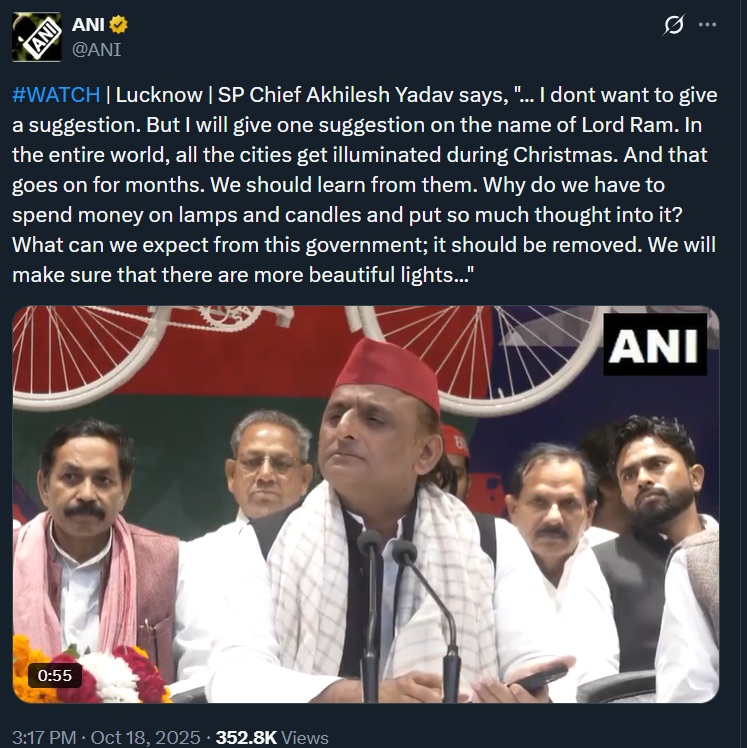
This is yet another instance where Deepavali was discouraged while Christmas was upheld as an ideal celebration.
Subscribe to our channels on Telegram, WhatsApp, and Instagram and get the best stories of the day delivered to you personally.