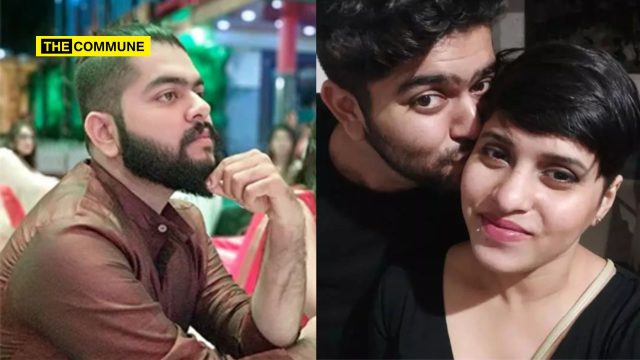
Nearly four years after the brutal murder of Shraddha Walkar, the trial against accused Aaftab Amin Poonawala continues to crawl through the courts, with yet another hearing postponed, not because of a legal hurdle, but to accommodate the accused’s university examination.
A Delhi court cancelled the 20 July 2026 hearing after Poonawala sought exemption from physical production to write his final M.A. Sociology examination conducted by IGNOU inside Tihar Jail. The court accepted the request and rescheduled the recording of prosecution evidence to 21 July 2026.
This comes despite the same court having directed just weeks earlier that the matter would proceed on a day-to-day basis from July 20 onwards to expedite a trial that has already dragged on for years.
A Pattern of Privilege
This is not an isolated incident. An NDTV investigation has revealed a disturbing pattern where the trial has been repeatedly adjusted to accommodate the accused’s personal requirements:
Dental Appointment Delay: Approximately 10 months ago, court proceedings were postponed because Poonawala sought time for a dental appointment. A man who allegedly dismembered a human body needed his teeth checked, and the court obliged.
Psychiatric Consultation Privilege: On another occasion, the court accommodated a request for a psychiatric consultation. The same court has shown no such consideration for the mental trauma of Shraddha’s family, who travel from Mumbai to Delhi for hearings only to be told the case has been postponed.
Cross-Examination Stalling: One prosecution witness, a head constable, has already spent eight separate hearings under cross-examination, and the process is still continuing. This is not justice; this is systematic obstruction facilitated by judicial leniency.
A Family Destroyed by Delay
The human cost of this judicial procrastination is staggering:
Vikas Walkar – Died Waiting
Shraddha’s father, Vikas Walkar, died in February 2025 without seeing justice for his daughter. His last months were spent traveling to courts, hoping for closure that never came. He went to his grave waiting for a justice system that prioritized an accused murderer’s dental appointment over his daughter’s murder trial.
Grandmother – Died Waiting
Shraddha’s grandmother also passed away while the case remained pending. She never got to see the man who allegedly murdered her granddaughter face consequences.
Last Rites – Still Not Performed
Shraddha’s last rites have not been performed because the remains recovered during the investigation continue to be preserved as evidence – four years after her murder.
The family cannot even give her a proper burial because the court and investigating agencies are still “processing” evidence.
The Grieving Aunt’s Lament
Rajal Naik, Shraddha’s aunt, continues to travel from Mumbai to Delhi for every court hearing. Her words should haunt every judge involved in this case:
“Why is he being given concessions? We are awaiting justice. Shraddha’s father died waiting for justice for his daughter. It’s been over four years.”
“We have not even got Shraddha’s body for last rites.”
“What’s the point of a fast-track trial if hearings are delayed for his convenience?”
“We travel from Mumbai to Delhi for dates but are told that it’s postponed. Why?”
“He enters the court smiling and leaves smiling. We suspect that he is being treated like a VIP inside the jail too.”
The Accused’s Disgraceful Demeanor
According to Naik, Poonawala shows absolutely no remorse. He enters the courtroom smiling and leaves smiling—a man who allegedly murdered his partner, chopped her into pieces, and disposed of her like garbage, now grinning at the judicial system that coddles him.
She was preparing to travel to Delhi for the July 20 hearing when she was informed it had been postponed—because the accused needed to take an exam.
Fast-Track in Name Only?
The case was expected to move faster once the court ordered daily hearings beginning July 20. Instead, the very first scheduled hearing under that direction now stands cancelled.
For the victim’s family, the question is no longer merely about delay. It is about whether a fast-track trial can retain any meaning when hearings are repeatedly deferred for reasons unrelated to the adjudication of the case.
Every adjournment may have a legal justification. Taken together, however, they paint a troubling picture: a trial where the accused continues his academic pursuits uninterrupted, while the family of the deceased continues its fourth year of waiting for closure.
A Stain on the Judiciary
The Indian judiciary’s handling of the Shraddha Walkar murder case is a disgrace to the very concept of justice. When a court prioritizes an accused murderer’s examination schedule over the victim’s right to justice, it signals that the system has lost its moral compass.
Judge Hargurvarinder Singh Jaggi and every judge who accommodated Poonawala’s requests should reflect on their actions. They have presided over a case where a woman was butchered, her father died waiting for justice, and her body still lies uncremated while her alleged killer studies sociology and grins at his own trial.
This is not justice. This is judicial negligence. This is a betrayal of every victim who looks to the courts for protection.
#IndiaMatters with @ShivAroor | Court Cancels Shraddha Walkar Murder Case Hearing For Accused Aaftab’s Exam pic.twitter.com/BF6EWCkFj3
— NDTV (@ndtv) July 13, 2026
Subscribe to our channels on WhatsApp, Telegram, Instagram and YouTube to get the best stories of the day delivered to you personally.