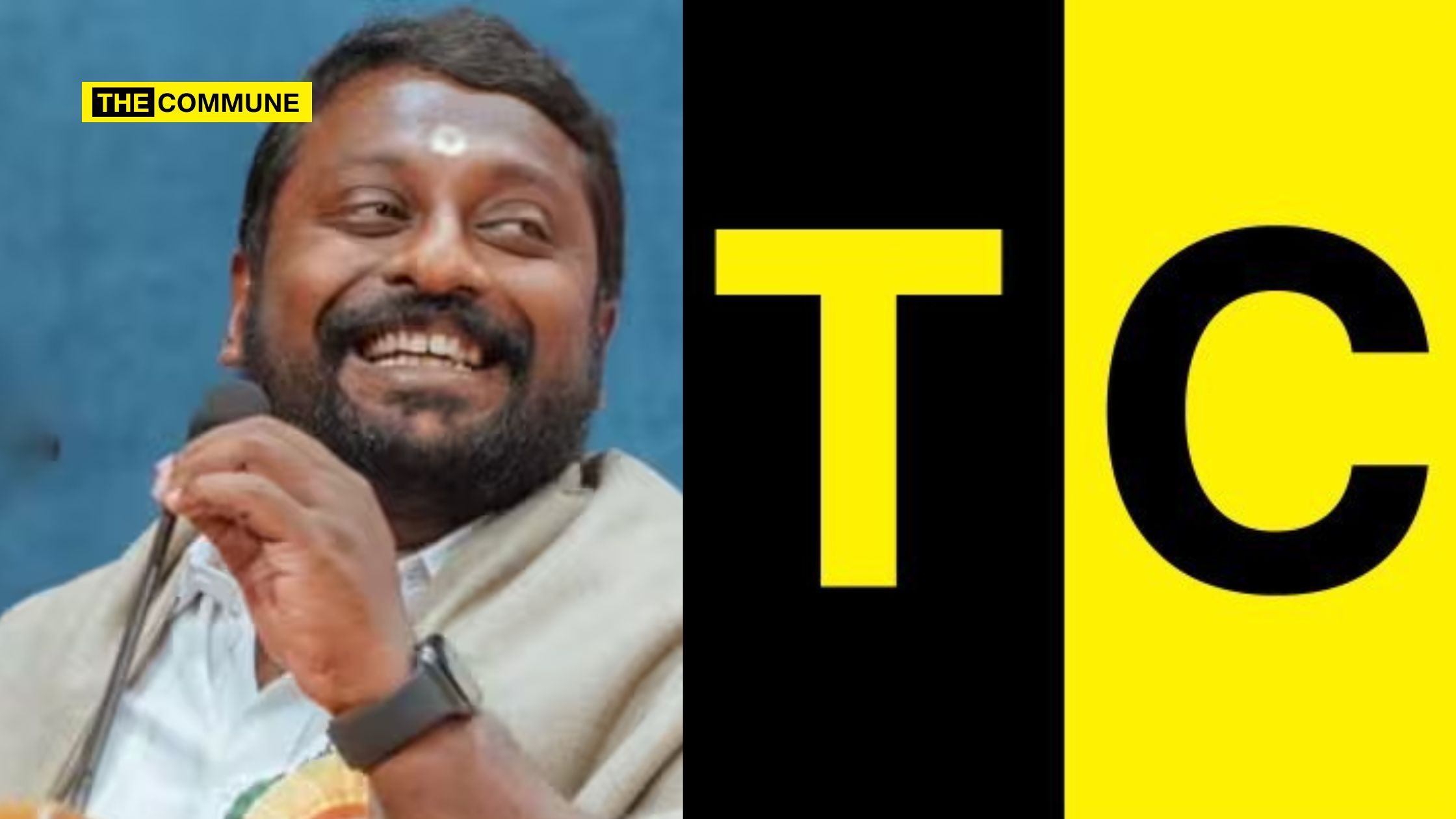
The Madras High Court has granted anticipatory bail to SG Suryah, member of the Bharatiya Janata Party (BJP) in Tamil Nadu who also functions as the party’s State Secretary. The case was related to a report published on the online portal The Commune, where Suryah served as a Director. The report discussed the actions of the Hindu Religious and Charitable Endowments Department in the Chidambaram Dikshitars issue.
— PuthiyathalaimuraiTV (@PTTVOnlineNews) July 17, 2023
SG Suryah was granted bail by Justice G. Chandrasekharan with the condition that he must appear before the investigating officer twice daily until further instructions are given.
Anticipatory Bail Issued
Chidambaram Town police issued a summons to SG Suryah earlier this month in connection to an FIR registered over the publication of the report in The Commune Mag regarding the events that took place during the Aani Thirumanjanam festival at the Nataraja Temple in Chidambaram. Kaushik Subramanian, also associated with The Commune, was also issued summons to participate in the investigation on 4 July 2023.
It has been revealed that the complaint against The Commune was lodged by Sheikh Sirajuddin, a local staff member of the revenue department and the Village Administrative Officer (VAO) of Chidambaram. Sirajuddin stated in his complaint that he overheard discussions at two different bus stands regarding the news of alleged misconduct towards the Dikshitars by officials of the Hindu Religious and Charitable Endowments (HR&CE) department. He expressed concerns that The Commune’s reports could lead to law and order issues in the Chidambaram area.
Sirajuddin further alleged that The Commune’s reports, which supported the Dikshitars and opposed the state government, were aimed at instigating law and order problems and spreading rumors against the government. The complaint by Sirajuddin was filed on 29 June 2023.
Click here to subscribe to The Commune on Telegram and get the best stories of the day delivered to you personally.
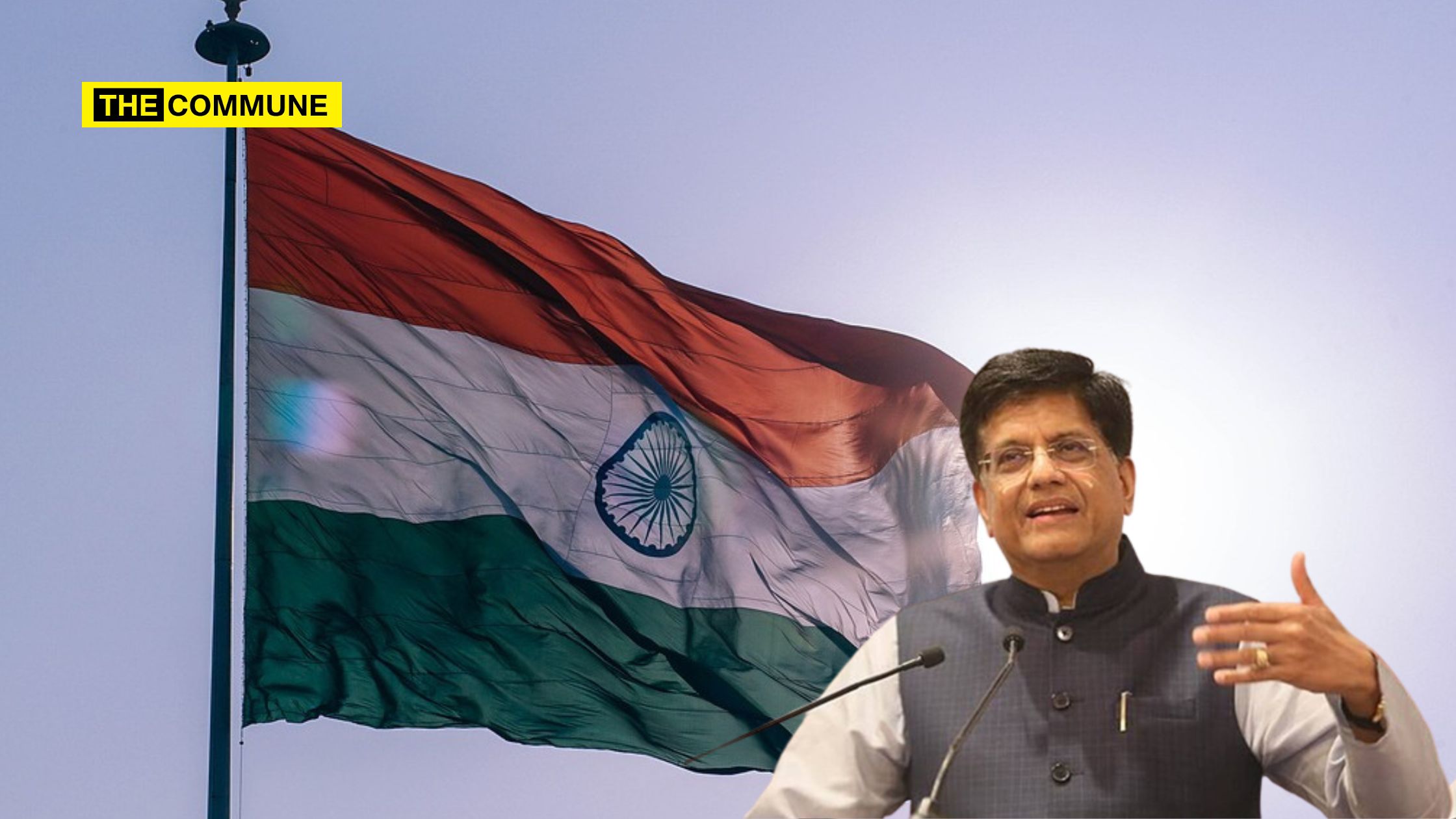
Shri Piyush Goyal, Union Minister of Commerce and Industry, Consumer Affairs, Food & Public Distribution, and Textiles, commended the contribution of Indian industries and stakeholders in establishing India as a significant participant in the global economy and resilient supply chains. Speaking at the 187th Annual General Meeting of the Bombay Chamber of Commerce and Industry, he emphasised that the objective of ‘Aatmanirbhar Bharat’ (Self-Reliant India) is not to isolate the country but rather to foster greater international trade and integration into global value chains.
India is now a part of resilient supply chains amongst trusted partners due to efforts of industry: Union Minister @PiyushGoyal
Shri Goyal highlighted the importance of leveraging India’s competitive and comparative advantages to integrate with the global economy, which is a key focus in ongoing Free Trade Agreement negotiations. The Minister acknowledged the initiatives taken to attract investments and enhance the ease of doing business, such as the implementation of Production Linked Incentive schemes, emphasis on research and development (R&D) and innovation, decriminalisation of corporate offenses, reduction of compliance burdens, and improvements in logistics and last-mile connectivity.
Referring to a recent study, Shri Goyal mentioned that India has been identified as the top choice for investors by 85 Sovereign Wealth Funds and 57 Central Banks. He emphasised the need to capitalise on India’s advantages, including economies of scale, demographic dividend, government-industry partnership, focus on quality and efficiency, sustainability, and innovation. The government’s focus, according to Shri Goyal, is on the “4L” – Land, Labour, Liquidity, and Laws, as well as the “Five pillars” – Economy, Infrastructure, System, Vibrant Demography, and Demand, to propel India’s development towards becoming a developed country.
Shri Goyal highlighted that India is now recognised as an emerging superpower by the world. He expressed pride in the successful launch of Chandrayaan-3, emphasising that its successful landing on the Moon will position India as the fourth country to achieve this feat. The Minister also commended the participation of the private sector in space exploration, as it signifies the potential for rapid and substantial advancements in the future.
Shri Piyush Goyal emphasised the positive outcomes of Prime Minister Narendra Modi’s recent foreign visits to countries like the USA, Egypt, France, and the UAE, as they have contributed to India’s global positioning. The Minister highlighted the recognition bestowed upon the Prime Minister, such as the prestigious Grand Cross of the Legion of Honour, France’s highest accolade, which serves as evidence of the Prime Minister’s increasing stature and his representation of the 140 crore Indians on the global stage.
Shri Goyal referenced a quote from the Prime Minister, stating that just as the third decade of the last century brought momentum to India’s struggle for independence, the third decade of the new century will propel India’s development journey. The Minister attributed India’s global recognition to the government’s significant efforts in addressing the basic needs of every Indian, serving the underprivileged, promoting transparency, and working towards a corruption-free India.
The Minister highlighted the government’s commitment to ensuring welfare for all, irrespective of discrimination. Shri Goyal provided examples of various initiatives aimed at uplifting underprivileged sections of society, including the provision of housing to approximately 4 crore poor families, free food grains for 80 crore beneficiaries monthly, piped gas and water supply, Ayushman Bharat for free healthcare, installation of toilets in every household, and digital connectivity. These efforts, according to the Minister, aim to enhance the living standards of marginalised communities and empower them to aspire towards a better future.
Shri Goyal acknowledged that the past two years have seen remarkable growth in exports. However, he also recognised the current global economic challenges, including the possibility of a recession, stress on developed economies, softening commodity prices, lukewarm discretionary spending, and reduced demand. The Minister emphasised the collective responsibility of everyone to collaborate and present India’s narrative as a compelling story to the world in order to overcome these challenges.
The Minister expressed his appreciation for the theme of the Annual General Meeting (AGM), “What we are and what we want to be,” as it resonates with the aspirations of the country. Shri Goyal predicted that India in 2047 will surpass the India of 2023, highlighting the transformative nature of the previous decade, which witnessed remarkable achievements under the visionary leadership of the Prime Minister. He commended the commitment and dedication of India’s 140 crore citizens, who are wholeheartedly working towards the vision of a new, developed, and prosperous India by 2047.
The New Integrated Terminal Building of Veer Savarkar International Airport in Port Blair is set to be inaugurated by Prime Minister Shri Narendra Modi on 18 July 2023 at 10:30 AM through a video conference.
PM @narendramodi to inaugurate New Integrated Terminal Building of Veer Savarkar International Airport, Port Blair on 18th July
Inspired from nature, the architectural design resembles a shell shaped structure depicting sea & islands
Improving connectivity infrastructure has been a major priority for the government, and the inauguration of the New Integrated Terminal Building is a significant step towards enhancing connectivity in the island-union territory. The terminal, constructed at a cost of approximately ₹ 710 crore, will have a total built-up area of around 40,800 sqm and will have the capacity to handle approximately 50 lakh passengers annually. A dedicated apron has also been built at Port Blair Airport, costing ₹80 crore, which can accommodate two Boeing-767-400 and two Airbus-321 aircraft simultaneously, allowing for the parking of up to ten aircraft at a time.
The airport terminal’s architectural design takes inspiration from nature and resembles a shell-shaped structure that represents the sea and islands. The new terminal building incorporates various sustainable features to minimize its impact on the environment. These include a Double Insulated Roofing System to reduce heat gain, skylights that maximize natural sunlight to reduce the need for artificial lighting, LED lighting, and low heat gain glazing.
The terminal also features an underground water tank for rainwater catchment, an on-site sewage treatment plant that reuses 100% of treated wastewater for landscaping purposes, and a 500 KW capacity solar power plant. These elements collectively ensure a minimal negative impact on the environment of the islands. Port Blair serves as the entry point to the pristine islands of Andaman and Nicobar, making it a sought-after destination for tourists.
The expansive New Integrated Terminal Building is expected to increase air traffic and significantly contribute to the growth of tourism in the area. Moreover, it will create new employment prospects for the local community and stimulate the regional economy.
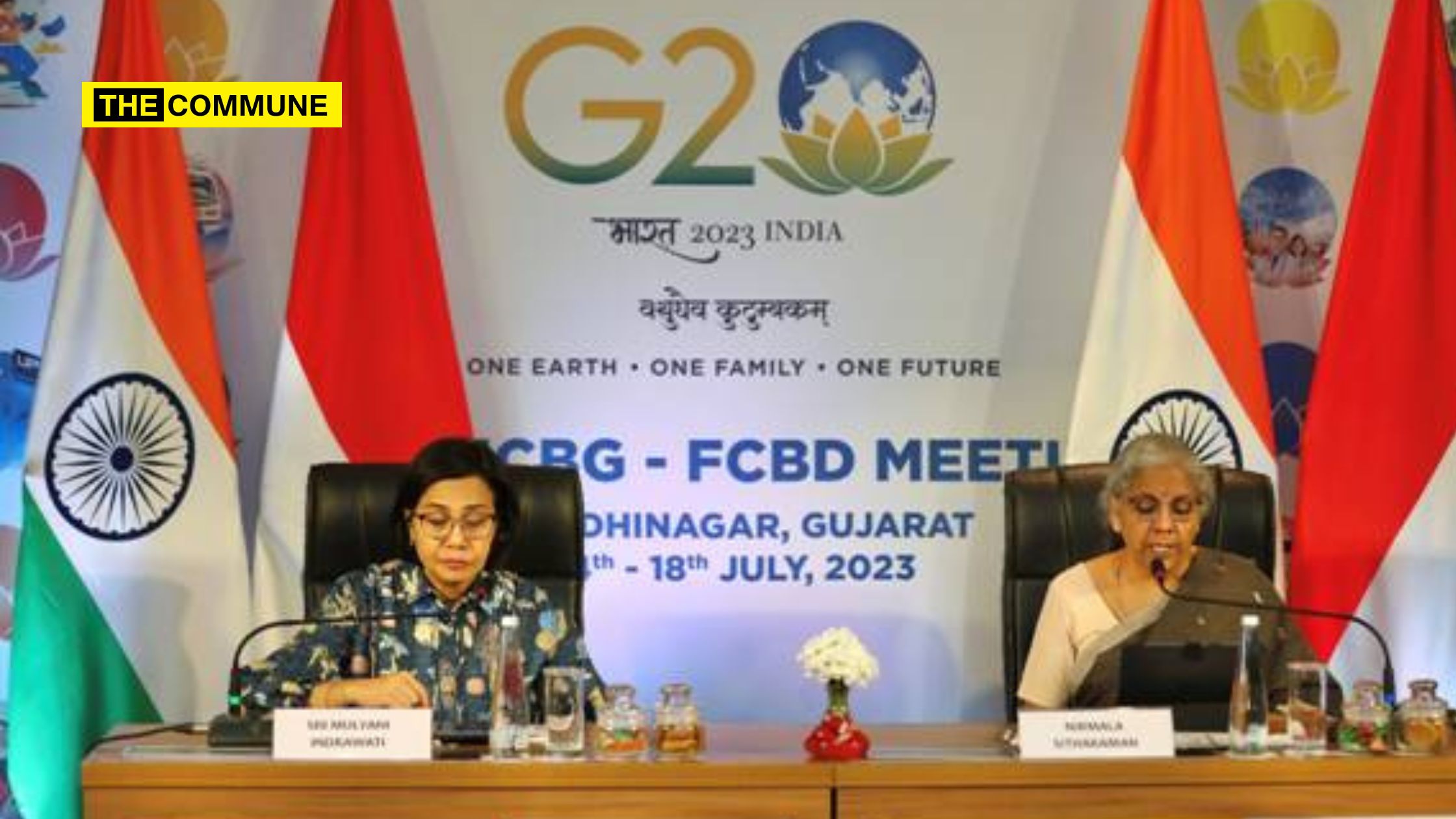
India and Indonesia have announced the launch of the “India-Indonesia Economic and Financial Dialogue” (EFD Dialogue) during the G20 Finance Ministers and Central Bank Governors meeting in Gujarat. The purpose of this platform is to strengthen cooperation between the two nations and promote a shared understanding of global issues.
On 16 July 2023, Ms. Sri Mulyani Indrawati, the Minister of Finance of Indonesia, and Smt. Nirmala Sitharaman, the Union Minister for Finance and Corporate Affairs of India, jointly announced the introduction of the “India-Indonesia Economic and Financial Dialogue.” This initiative was unveiled during the G20 Finance Ministers and Central Bank Governors meeting and aims to enhance cooperation between the two countries while fostering a mutual understanding of global matters.
India and Indonesia announce launch of the “India – Indonesia Economic and Financial Dialogue” (EFD Dialogue) on sidelines of #G20 Finance Ministers and Central Bank Governors meeting in Gujarat
EFD Dialogue to strengthen cooperation between the two nations and foster shared… pic.twitter.com/OWR0rdYBxx
Union Finance Minister Smt. Nirmala Sitharaman highlighted the positive impact of India’s “Look East Policy” in 1991, followed by the “Act East Policy,” on the bilateral relations between India and Indonesia. These policies have led to significant growth in various areas, particularly in the commercial and cultural domains.
Indonesia has emerged as India’s primary trading partner in the ASEAN region, with trade between the two countries witnessing an impressive eightfold increase since 2005, reaching a noteworthy $38 billion in the fiscal year 2022-23. The EFD Dialogue aims to strengthen collaboration between India and Indonesia on various bilateral and international economic and financial issues.
This platform brings together economic policymakers and financial regulators from both nations. Areas of cooperation include addressing macroeconomic challenges, assessing global economic prospects, fostering bilateral investment relations, and promoting cooperation in G20 and ASEAN affairs.
The Finance Ministers also acknowledged the significance of the digital economy and highlighted the potential for collaboration in fintech to promote financial inclusion. With both India and Indonesia being fast-growing economies and active participants in international organizations such as the G-20, WTO, and East Asia Summit, the EFD Dialogue offers a unique opportunity for mutual learning and policy coordination.
Ms Sitharaman and Ms Indrawati expressed optimism that the EFD Dialogue will not only deepen the bilateral relationship between India and Indonesia but also contribute to the economic and financial stability of Southeast Asia and the world as a whole.
Christian associations continue to protest alleged mistreatment in India, and the United States has frequently reprimanded and lectured India on minorities’ rights in its numerous human rights reports. India, on the other hand, has constantly disputed their charges and replied in kind. Now, a 10-month-old video of a priest has surfaced, in which he declares that India is the top destination for conversions and that, despite Prime Minister Narendra Modi and the RSS’s efforts, they have succeeded in their mission. Father Chris Hodges of the Church of Highlands, said that his organization’s missionaries had already converted over 1 lakh Hindus in a single week. In this context, let us examine this claim and understand whether we should be worried about this disturbing news.
Controversial Claim
Pastor Chris Hodges stated that his organization’s missionaries converted over 100,000 Hindus in a single week. The preacher made the claims during a roughly 39-minute lecture. Chris Hodges is the senior pastor of the Highlands congregation, which advertises itself as a life-giving church gathering in numerous sites around Alabama and West Georgia on its official website. Chris Hodges serves as the founder and senior pastor of the Church of the Highlands, as mentioned on the website. He co-founded ARC (Association of Related Churches) in 2001, which has assisted in the establishment of hundreds of churches across the United States. He also launched Grow, a company that specialises in training and supporting clergy and congregations to help them overcome obstacles and realise their full potential. Chris Hodges, in addition to his role as the founder and senior pastor of the Church of the Highlands, is also the founder and Chancellor of Highlands College. This educational institution focuses on providing ministry training to students, equipping them for full-time employment in various areas of ministry. Referring to the Hindu majority of India as “lost people” in a film titled ‘Signs of the Times’ that was published on August 22, last year. According to Chris Hodges, one of the regions on the earth with the highest number of lost individuals who are both detached and unreached is the northern India region. The Pastor also expressed his disappointment that the RSS and Prime Minister Modi had made conversion harder in India. The missionary informed the pastor that they sponsor a group in north India, according to the preacher. And they organised into 3,931 outreach teams, which scattered over 15 northern Indian states to perform evangelism. He detailed how missionaries use the idea of demon possession to prey on the gullible. The pastor stated unequivocally that missionaries send ‘demon-possessed’ people to disturb villages, followed by the pastors coming into the villages as messiahs and casting out the demons.
Is Conversion Tougher Under Modi-Shah?
Among the troubling revelations, one of the intriguing things he said was how conversion has gotten more difficult in North India under the Modi-Shah BJP leadership. He asserted that it is in northern India, although the southern region was substantially Christianized. Over the last 10 years, India has taken a disastrous turn. Notably, the Bharatiya Janata Party-led National Democratic Alliance has been in office since 2014 and has cancelled the licences of various organisations, including Christian ones, for violating the 2010 Foreign Contribution Regulation Act (FCRA). Pastor Chris Hodges expressed his dissatisfaction with recent events, saying, “Their Prime Minister has literally kicked out a lot of Christian agencies, and their entire organisation is set on making India 100% Hindu.” And it’s become extremely dark there. Most crucially, he failed to present any proof to support his fabricated charge. The Union Home Ministry has informed the Supreme Court that the right to religious freedom does not include the right to convert. Fraudulent or induced conversion violated an individual’s right to freedom of conscience while also jeopardising public order, according to the government, and therefore the state is fully within its rights to regulate/restrict it. The Supreme Court bench, consisting of Justices M R Shah and Him Kohli, expressed that while freedom of religion exists, it does not extend to forced conversions. This is a significant matter, and everyone has the freedom to choose their faith, but not through forced conversion or by providing temptation, according to the Bench. Home Minister Amit Shah stated that the Centre has regulated the operation of non-governmental organisations (NGOs) involved in religious conversions and anti-national activities. He also stated that the administration has made changes to the Foreign Contribution Regulation Act (FCRA). Some NGOs had engaged in anti-national crimes and religious conversions while abusing the FCRA, according to Home Minister Shah. The government’s dedicated initiatives and stringent implementation of legal regulations have made conversion by coercion and seduction much more difficult for these groups.
UP As A Sample State
Since the Prohibition of Illegal Religious Conversions Act was passed in Uttar Pradesh in 2020, 507 people have been detained as a result of 291 complaints being filed. 59 of the 291 incidents included children being converted. In 150 of these incidents, the victims claimed that they were compelled to go underground. The government of Yogi Adityanath has been particularly tough on the issue. CM Yogi Adityanath has often instructed officials that this situation must be closely monitored. During a review meeting last week, the CM stated that Christmas must be celebrated cheerfully. He did, however, emphasise that there should be no religious conversions in the state. Thus, the Yogi government in Uttar Pradesh has set a precedent for other Indian states to follow in order to avert this troubling trend.
Conversion from one faith to another is not an issue because it is based on an individual’s right to freedom and choice. However, such blatant declarations of conversion and finance in order to persuade and violently convert would do more harm than good to Indian society’s secular fabric. We, as responsible Indian citizens, will be concerned about this tendency and will be watchful enough to defend the nation’s secularism and integrity by resisting attempts to forcefully distort religious makeup.
(Anand Krishna is a Kerala-based lawyer and a columnist.)
Click here to subscribe to The Commune on Telegram and get the best stories of the day delivered to you personally.
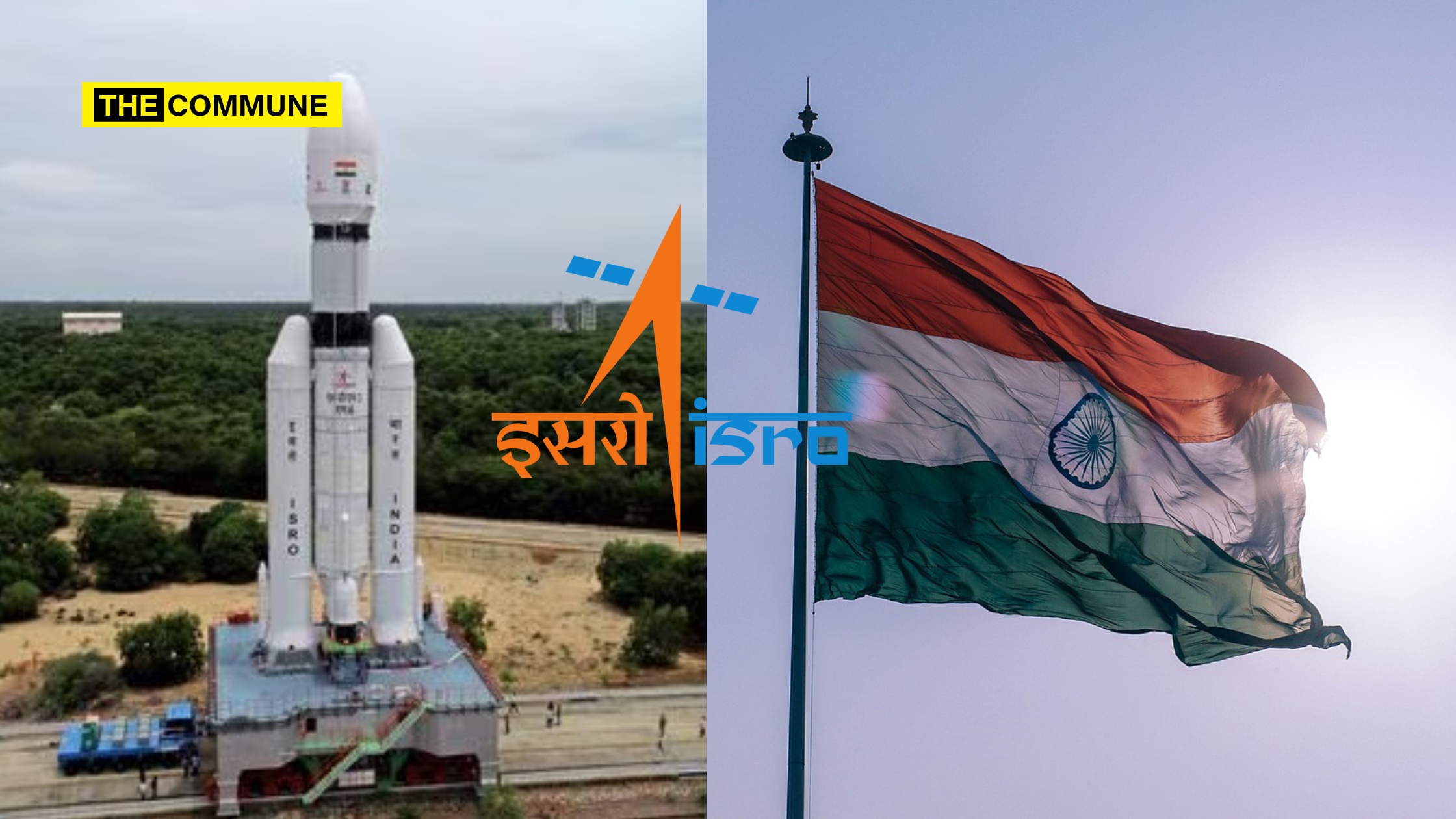
India’s upcoming lunar mission, scheduled for Friday, 14 July 2023, at 2:35 PM, marks the country’s third endeavour to reach the moon. The primary objective of this mission is to accomplish what the previous mission could not: a gentle landing on the lunar surface, followed by the exploration of the moon using a rover.
LVM3 M4/Chandrayaan-3 Mission: Mission Readiness Review is completed. The board has authorised the launch. The countdown begins tomorrow.
If the soft landing of India’s lunar mission proves successful, it will position India as the fourth nation, following the United States, Russia, and China, to accomplish this remarkable achievement. This distinction is currently unclaimed since both Israel and India experienced crash-landings during their missions in 2019, while a Japanese spacecraft carrying a lander-rover and a UAE rover failed in 2022.
Although the mission’s goals remain unchanged, scientists at the Indian Space Research Organisation (ISRO) have incorporated valuable lessons from the previous mission. By conducting a series of tests, they have enhanced the design of the lander to ensure its performance in different scenarios. These tests simulated conditions such as an inability to reach the designated landing site, electronic or sensor failures, and excessive velocity. The insights gained from these experiments have informed improvements in the lander’s design and functionality.
What Is The Mission About?
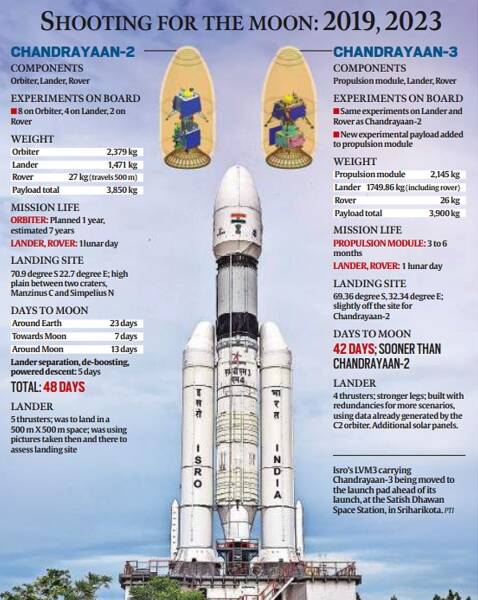
Following its launch on 14 July 2023, the spacecraft will enter into an initial orbit around the Earth at an altitude of 179 km. Through a sequence of manoeuvers, the spacecraft will gradually elevate its orbit, enabling it to overcome Earth’s gravitational pull and set course for the moon. As the spacecraft approaches the moon, it will need to be captured by the moon’s gravity. Subsequently, a series of manoeuvers will be executed to reduce the spacecraft’s orbit to a circular path with dimensions of 100×100 km. At this stage, the lander, which houses the rover, will detach from the propulsion module and initiate its powered descent.
Image Courtesy: Indian Express
The entire process is estimated to span approximately 42 days, with the landing planned for 23 August 2023 during the lunar dawn. In lunar terms, a day and night each last for 14 Earth days. Considering the limitations of the lander and rover, which are designed to operate for only one lunar day, they are unable to withstand the extremely low temperatures experienced during lunar nights. Therefore, it is crucial for the landing to occur precisely at dawn to maximise the operational lifespan of the lander and rover.
The landing site for the mission has been adjusted slightly from its previous location on a plateau situated between two craters. The new site, positioned near the Southern pole of the moon at approximately 70 degrees S, was chosen due to the presence of several permanently shaded craters. It is believed that these craters harbour valuable minerals and potentially contain reserves of water ice. The decision to modify the landing site was influenced by the detailed mapping of the moon provided by the Chandrayaan-2 orbiter, which captured high-resolution images and supplied a clear understanding of the lunar surface.
While the current mission does not include an orbiter, it will utilise data from the Chandrayaan-2 orbiter. However, compared to the previous mission, the payload weight of the current mission has slightly increased, primarily due to the added weight of the lander. This additional weight is likely a result of modifications implemented to ensure a safe landing on the lunar surface.
What Are The Changes In Chandrayaan-3?
According to ISRO Chairperson S Somanath, the modifications made for the current mission were based on a “failure-based” approach. Rather than relying solely on a success-oriented design as in Chandrayaan-2, the focus for Chandrayaan-3 has been on anticipating potential failures and developing strategies to address them effectively. The mission has been structured to identify potential challenges and devise solutions to overcome them.
During the Chandrayaan-2 mission, the lander and rover encountered a crash landing on the moon instead of achieving a soft landing. ISRO Chairperson S Somanath explained that the primary issue stemmed from the lander’s five engines generating slightly higher thrust than anticipated. The lander’s task involved capturing images to determine the landing site while maintaining stability, which led to accumulated errors. As the spacecraft initiated course corrections, it needed to execute rapid turns; however, its ability to do so was constrained by its software. The spacecraft also faced conflicting requirements of reducing its descent velocity while accelerating forward to reach the intended landing site. Consequently, when it finally landed, it impacted the lunar surface with a higher velocity. The modifications to the current mission have been implemented with these past challenges in mind.
As a response to the previous mission’s landing challenges, the current mission has introduced an expanded landing area. Instead of aiming for a specific 500m x 500m patch as targeted in Chandrayaan-2, the instructions for the current mission allow for a broader landing zone of 4km x 2.4km. This adjustment provides greater flexibility, enabling the spacecraft to safely land in a wider area.
The lander has been equipped with a greater fuel capacity as part of the mission improvements. This enhancement allows the lander to cover longer distances to reach the intended landing site or, if required, an alternative landing site. By providing the lander with additional fuel, it ensures increased manoeuverability and the ability to adapt to different landing scenarios during the mission.
A notable change in the current mission is that the lander will not solely rely on images captured during descent to determine the landing site. Instead, high-resolution images obtained from the Chandrayaan-2 orbiter have been incorporated into the lander’s systems. The lander will utilise these images to verify its position and confirm that it has reached the correct landing location. This updated approach reduces the dependence on real-time imagery during descent and utilises pre-existing data for more accurate location confirmation.
Further modifications have been implemented in the physical design of the lander. These changes include the removal of the central thruster, resulting in a reduction from five to four thrusters. Additionally, the legs of the lander have been strengthened to enable safe landings even at higher velocities. To enhance power generation capabilities, additional solar panels have been incorporated into the lander’s body. These structural adjustments aim to improve the overall performance and resilience of the lander during the mission.
Experiments To Be Carried Out Onboard
The scientific payloads carried by the lander and rover for the current mission are unchanged from the previous mission. The lander will accommodate four scientific payloads dedicated to studying lunar quakes, thermal characteristics of the lunar surface, alterations in the plasma surrounding the moon’s surface, and a passive experiment aimed at precise measurements of the Earth-moon distance. One of the payloads is contributed by NASA thereby enhancing the collaborative nature of the mission’s scientific objectives.
The rover is equipped with two payloads dedicated to analysing the chemical and mineral composition of the lunar surface. These payloads aim to identify and study elements such as magnesium, aluminum, and iron in the lunar soil and rocks. Through these analyses, scientists hope to gain a deeper understanding of the lunar surface’s composition and its geological history.
A newly added experiment has been included in the propulsion module, which will remain in lunar orbit for a period of three to six months. Known as the Spectro-polarimetry of Habitable Planet Earth (SHAPE), this experiment aims to detect potentially habitable smaller planets by analysing the reflected light. By examining the characteristics of the reflected light, the experiment seeks to identify and study planets that may possess conditions suitable for sustaining life.
Indian Prime Minister Narendra Modi has been honoured with the Grand Cross of the Legion of Honour, France’s highest award, during his official visit to France. The award, presented by French President Emmanuel Macron, symbolizes the strong partnership between India and France.
"A warm gesture embodying the spirit of the India-France partnership. PM Narendra Modi conferred with the Grand Cross of the Legion of Honour, the highest award in France by President Emmanuel Macron," tweets MEA spokesperson Arindam Bagchi
The Legion of Honour is bestowed upon individuals who have demonstrated exceptional achievements in service to their nation, whether in civilian or military capacities. This prestigious recognition can also be granted to foreigners who have contributed to France’s causes, such as human rights, freedom of the press, or humanitarian efforts. This is the 14th such award conferred upon Prime Minister Modi.
Some of the other prestigious awards conferred on Prime Minister Modi include:
The ‘Order of the Nile’ Award by Egyptian President Abdel Fattah al-Sisi in May 2023
Companion of the Order of Logohu: Papua New Guinea conferred the highest civilian award for championing the cause of unity of Pacific Island countries and spearheading the cause of Global South in May 2023
Companion of the Order of Fiji: Highest honour of Fiji in recognition of PM Modi’s global leadership in May 2023
Ebakl Award by the Republic of Palau: PM Modi was conferred with Ebakl Award by President Surangel S. Whipps, Jr. of the Republic of Palau in May 2023
Order of the Druk Gyalpo: PM Modi was honoured with the highest civilian decoration of Bhutan, the Order of the Druk Gyalpo in December 2021
Legion of Merit by the US Government in 2020
King Hamad Order of the Renaissance: This Bahrain Order – First Class is a top honour by the Gulf country – was conferred in 2019
Order of the Distinguished Rule of Nishan Izzuddin (the highest honour of the Maldives awarded to foreign dignitaries) in 2019
Order of St. Andrew Award (highest civilian honour of Russia) in 2019
Order of Zayed Award (highest civilian honour of the United Arab Emirates) in 2019
Grand Collar of the State of Palestine Award (the highest honour of Palestine awarded to foreign dignitaries) in 2018
State Order of Ghazi Amir Amanullah Khan (highest civilian honour of Afghanistan) in 2016
Order of Abdulaziz Al Saud (the highest honour of Saudi Arabia awarded to non-muslim dignitaries) in 2016
Awards conferred by organisations/foundations:
Global Energy and Environment Leadership Award by the Cambridge Energy Research Associates CERA (award recognizes the commitment of leadership towards the future of global energy and environment) in 2021
Global Goalkeeper Award by Bill and Melinda Gates Foundation for Swachh Bharat Abhiyan in 2019
Champions of The Earth Award (UN’s highest environmental honour) in 2018
Seoul Peace Prize (awarded biennially to those individuals by Seoul Peace Prize Cultural Foundation who have made their mark through contributions to the harmony of mankind, reconciliation between nations, and to world peace) in 2018.
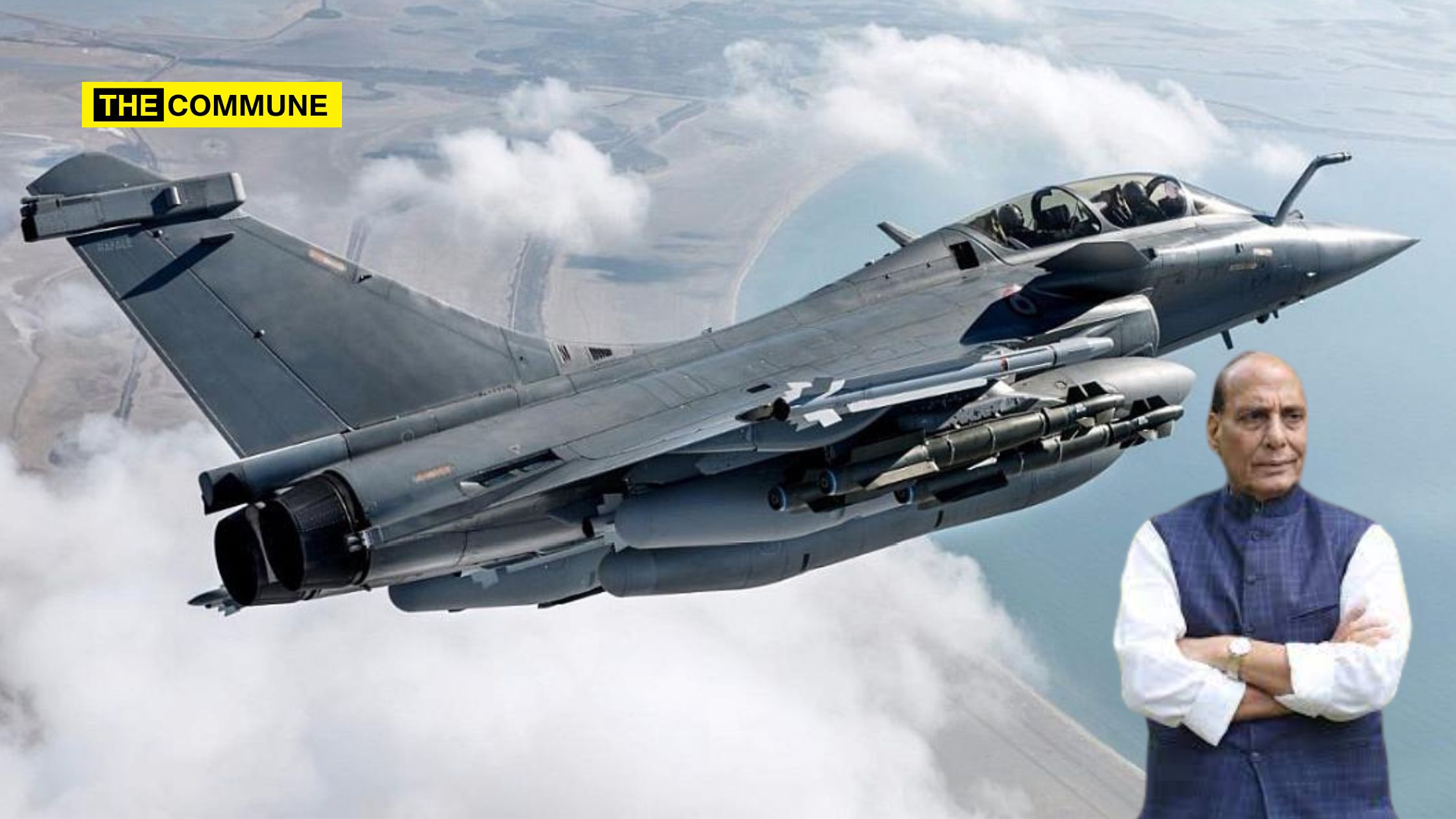
India’s Defence Ministry has granted approval for the acquisition of 26 Rafale fighter aircraft and three Scorpene class submarines from France.
A meeting of the Defence Acquisition Council (DAC), held under the chairmanship of Raksha Mantri Shri Rajnath Singh, approved three proposals on July 13, 2023. The DAC granted Acceptance of Necessity (AoN) for procurement of 26 Rafale Marine aircraft along with associated… pic.twitter.com/7M1ajs8VFa
The decision was made during a meeting of the Defence Acquisition Council (DAC) attended by Defence Minister Rajnath Singh, Chief of Defence Staff Gen Anil Chauhan, service chiefs, and senior officials.
The deals, which have received the Acceptance of Necessity by DAC, are expected to be announced during Prime Minister Narendra Modi’s visit to France.
The Indian Navy is set to acquire 22 single-seated Rafale Marine aircraft and four trainer aircraft. The acquisition of these fighter aircraft and submarines is urgent due to security challenges faced by the Navy.
The INS Vikramaditya and Vikrant aircraft carriers require Rafales for operations. The Scorpene class submarines will be built at the Mazagon Dockyards Limited in Mumbai under Project 75.
Although the initial estimate of the deals exceeds Rs 90,000 crore, the final cost will be established through contract negotiations. India is likely to negotiate for price concessions and increased ‘Make-in-India’ content.
Joint negotiations are expected to take place between India and France, similar to the previous Rafale deal. The finalization and implementation of the deals will occur after negotiations between the two sides.
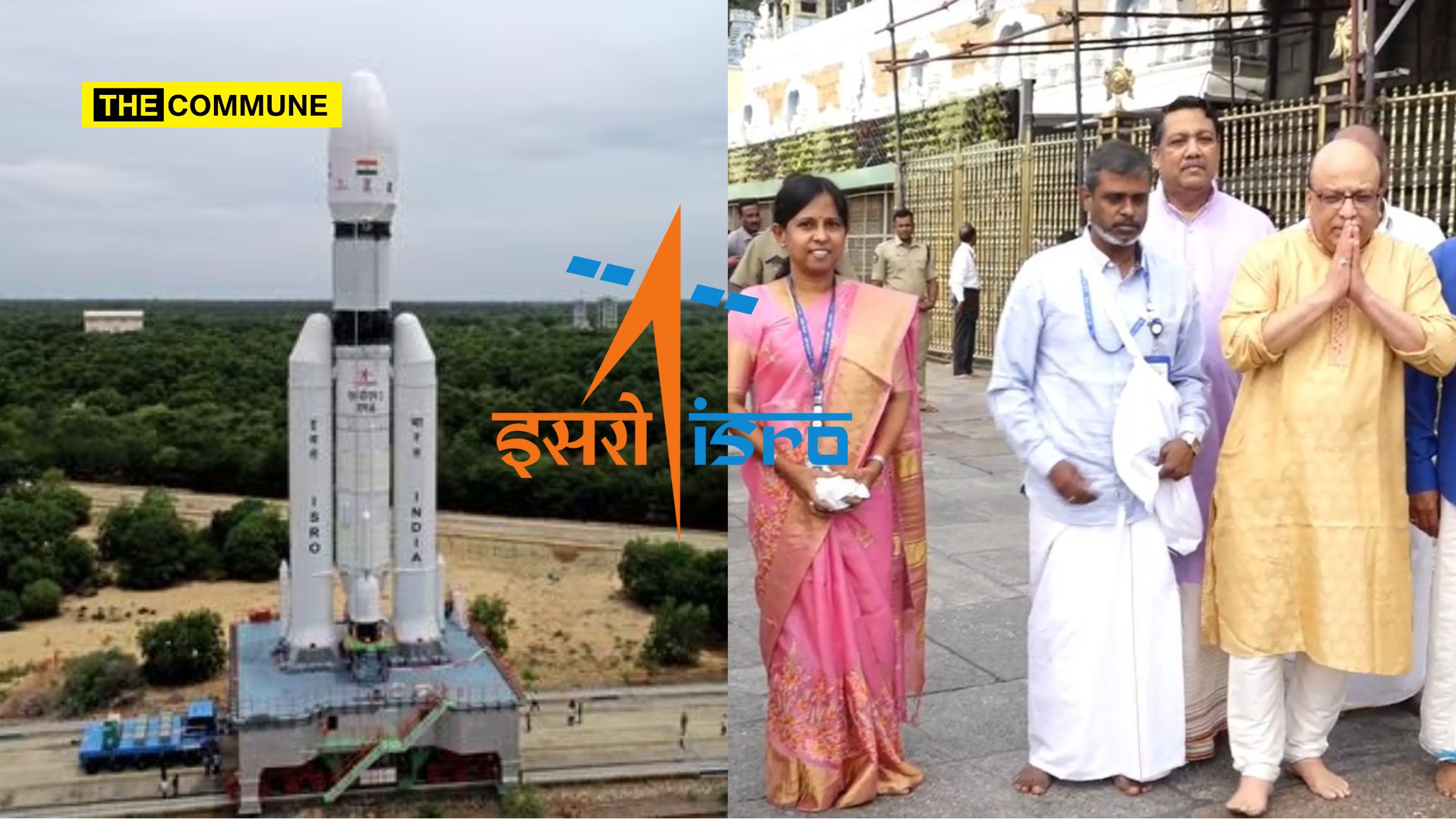
The Indian Space Research Organization (ISRO) is preparing to launch Chandrayaan-3 on July 14, 2023. On July 13, 2023, a group of ISRO scientists brought a miniature replica of Chandrayaan-3 to the Tirupati Venkatachalapathi temple to seek blessings for a prosperous mission ahead of its launch.
#WATCH | Andhra Pradesh | A team of ISRO scientists team arrive at Tirupati Venkatachalapathy Temple, with a miniature model of Chandrayaan-3 to offer prayers.
Chandrayaan-3 will be launched on July 14, at 2:35 pm IST from Satish Dhawan Space Centre, Sriharikota, ISRO had… pic.twitter.com/2ZRefjrzA5
Chandrayaan-3’s primary objective is to achieve a secure touchdown on the moon’s surface. Previous missions, Chandrayaan-1 and Chandrayaan-2, were unable to achieve a successful landing. The upcoming mission will consist of a propulsion module, lander, and rover.
The launch is scheduled to take place from the Satish Dhawan Space Center in Sriharikota, Andhra Pradesh. If all goes according to plan, Chandrayaan-3 will reach the moon on 23 or 24 August 2023. Upon a successful landing, India will become the fourth country to achieve a soft landing on the moon, following the USA, Russia, and China.
Nambi Narayanan says successful Chandrayaan-3 landing will make India fourth country to achieve the feat Edited video is available in video section on https://t.co/lFLnN4oaDVpic.twitter.com/m7MfRH46PU
The visit to the Tirumala Venkateswara temple and prayers at the Chengalamma temple in Sullurpeta are considered essential for ISRO scientists, as Chengalamma is believed to be the protector of the local lands around Sriharikota.
This has been a tradition for decades. A visit to the Tirumala Venkateswara temple along with prayers at the Chengalamma temple in Sullurpeta is a must for the ISRO scientists before any launch.
Chandrayaan-3 comes four years after the partial failure of Chandrayaan-2, which saw its lander and rover crash on the moon’s surface on September 7, 2019. The upcoming mission aims to rectify the shortcomings and achieve a successful landing.
Chandrayaan-3 is a significant improvement, ISRO has been exceptionally cautious after earlier missions: Space expert Edited video is available in video section on https://t.co/lFLnN4oaDVpic.twitter.com/t0yfc5GOS8
According to the UNDP’s Multidimensional Poverty Index (MPI), around 415 million people in India have been pulled out of poverty in the past 15 years. The United Nations Development Programme called the poverty reduction “remarkable,” emphasising that India is on track to meet long-term development goals. “The reduction in Multidimensional Poverty Index (MPI) value in India was swift across the two most recent periods,” according to the report.
According to MPI estimates based on the country’s recently released 2019-2021 Demographic and Health Survey, 415 million people exited poverty between 2005-2006 and 2019-2021 — including approximately 140 million since 2015-2016 — and the country’s MPI value and incidence of poverty were both more than halved.”
Latest update of the global Multidimensional Poverty Index (MPI) with estimates for 110 countries by the UNDP says, "..India saw a remarkable reduction in poverty, with 415 million people exiting poverty within a span of just 15 years (2005/6–19/21). Large numbers of people were… pic.twitter.com/x52UE9cnnU
The 2022 paper, titled “Unpacking Deprivation Bundle to Reduce Multidimensional Poverty,” is supported by a recent statistics analysis, titled “Unstacking Global Poverty: Data for High Impact Action.” According to the 2023 figures, poverty in India reduced from 55.1% to 16.4%, with deprivation decreasing across all poverty measures. Furthermore, the poorest nations and groups, particularly children and those from disadvantaged castes, saw the greatest absolute development.
According to the research, Uttar Pradesh, Bihar, and Jharkhand, which were initially among the poorest in the country, decreased poverty quicker in absolute terms than the national average, therefore closing the poverty gap. Rural communities were the poorest and had the greatest decrease in MPI value. Poverty prevalence in rural areas reduced from 36.6% in 2015-2016 to 21.2% in 2019-2021, while it fell from 9% to 5.5% in urban areas.
Children, the poorest age group, saw the greatest decrease in MPI value. Poverty among children fell from 34.7% to 21.8%, while it fell from 24% to 13.9% among adults. Similarly, the lowest castes and religious groups have seen the greatest absolute decline in recent years.
Notably, SDG target 1.2 is to reduce by half the number of men, women, and children of all ages living in poverty in all of its aspects. According to the UNDP study, India’s achievement demonstrates that this aim is achievable even on a big scale.
Sanitation, cooking fuel, and housing deprivation reduced the greatest from 2015-2016 to 2019-2021. The share of people living in poverty and without access to sanitation declined from 24.4% in 2015-2016 to 11.3% in 2019-2021. The proportion of the population that cooked primarily with wood, dung, charcoal, or another solid fuel was nearly halved — from 26% in 2015-2016 to 13.9% in 2019-2021, with a large decrease in the share of the population that is impoverished and without power, from 8.6% to 2.1%.