Home Blog Page 695

Organised Gangs Hijack Chennai Beach Spaces: Illegal Stalls And Parallel Governance Thrives

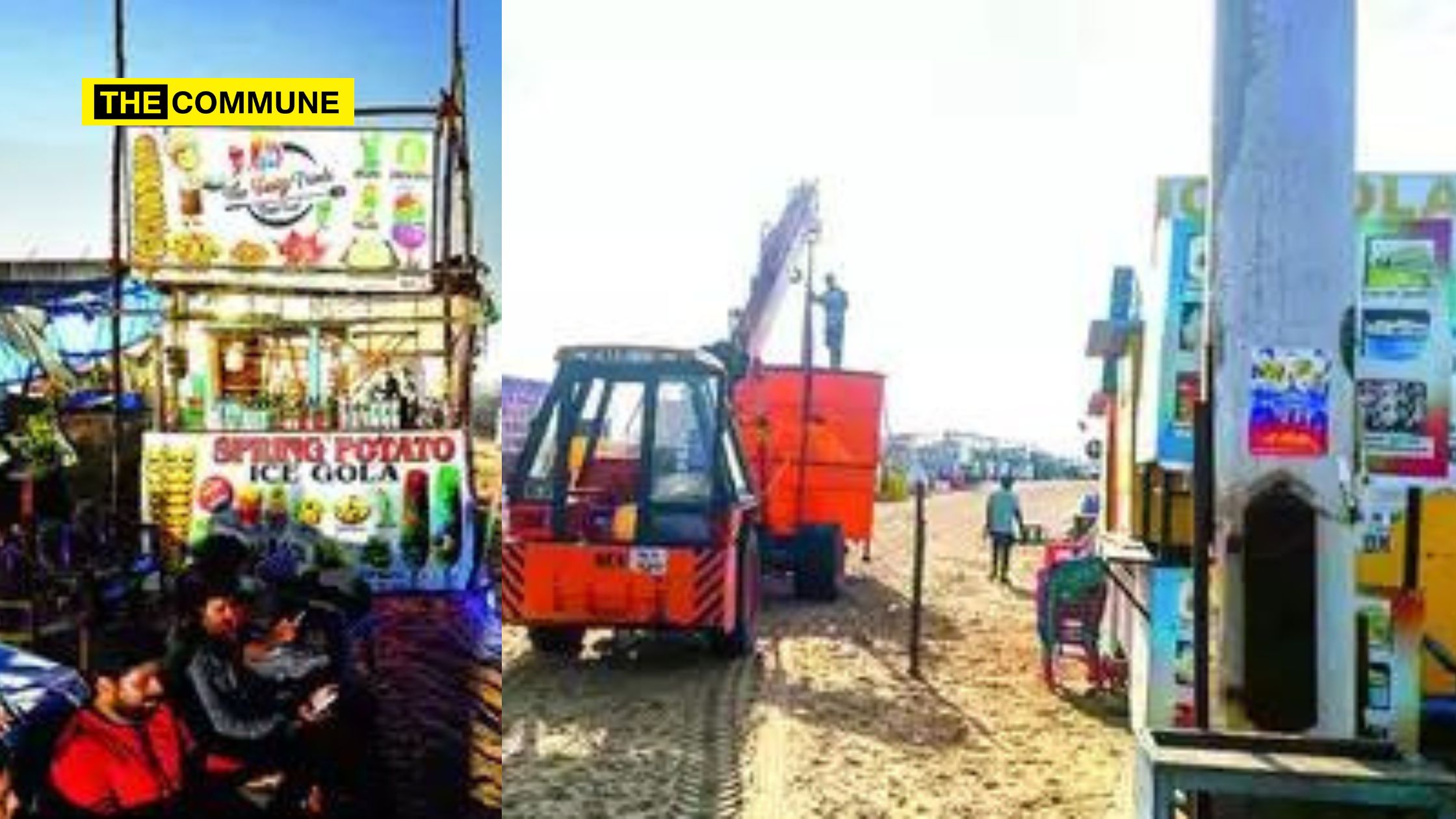
Organized gangs are setting up rows of makeshift stalls that serve unhygienic snacks and clutter the Besant Nagar beach.

Organised gangs freely encroach on public spaces managed by the Greater Chennai Corporation (GCC), setting up rows of makeshift stalls on Chennai’s beaches. These organised gangs generate substantial revenue through their sales while operating a parallel governance system in Tamil Nadu’s capital.

The rows of makeshift stalls marring Besant Nagar beach serve unhygienic snacks and clutter the area. A well-organized network of encroachers sets them up. Anti-social elements from Urur, Olcott Kuppam, and Besant Nagar Kuppams support these gangs. These stalls pay daily ‘rent’ of up to ₹5,000, depending on their size and location.

The situation regarding the beach encroachment by organised gangs has become increasingly brazen. On 31 July 2024, a large crane relocated these stalls onto the beach. After footage of the moving tin-sheet stalls went viral at 8 a.m., the GCC removed five stalls by 12:30 p.m. However, both officials and councillors expressed their frustration and helplessness, particularly due to the lack of police support in clearing the beachfront.

According to R. Durairaj, GCC zonal chairman for Adyar and ward 172 councillors, “One household in the lower-income areas can have up to five stalls on the beach. During Gagandeep Singh Bedi’s term as corporation commissioner, discussions were held with the villagers, including former Deputy Commissioner (revenue) Vishu Mahajan. Still, the locals insisted that the beach belonged to them. Taking harsh action is challenging because the villagers unite in their resistance. Using earthmovers to clear multiple stalls at once seems inhumane, so we continue to negotiate for now.”

Local criminals lease stalls to residents, who then sublet them to non-local workers. Durairaj explained, “In 2013, there were only 130 stalls, but by 2022, the number increased to 620. We issued licenses to all existing vendors then, but now there are nearly 1,000 stalls. Locals hope the new town vending committee will regularize these stalls, but we do not plan to do so.” He said a new survey would identify legitimate beneficiaries. Then, the officials would remove excess stalls after dealing with local strongmen.

Reportedly, each stall pays up to 5,000 rupees daily in bribes to local strongmen. These amounts vary depending on the type of stall.

Regarding Wednesday’s beach grab by organized gangs, regional deputy commissioner (south) M. P. Amith stated that they removed the new stalls within hours of their setup after receiving complaints. He said, “There is usually resistance from locals, but we continue to remove the stalls. By Thursday, all shops within 25 meters of the shoreline will be cleared.” The area near Annai Velankanni Church has nearly 200 meters of beach crowded with stalls. Each stall has up to 20 chairs on both sides, perpendicular to the beach. Some hawkers ignore the wooden barricades installed by the corporation to prevent encroachment. Elliot’s Beach and promenade remain overwhelmed with hawkers, even though it is a non-vending zone.

Besant Nagar resident T. D. Babu called for stringent enforcement on the beach, stating, “The beach has disappeared, replaced by food carts, cylinders, stoves, and uncertified food. It’s a daily catastrophe.” Civic activist David Manohar from Arappor Iyakkam suggested establishing a dedicated police unit to protect the beaches. He said, “This would provide the corporation with a ready force to assist in clearing encroachments.”

GCC commissioner J. Kumaragurubaran announced plans for night-time encroachment removal drives. He stated, “We are organizing systematic beach clean-ups and removing encroachments during the night. We are currently counting vendor numbers and will remove the stalls soon.”

(With inputs from TOI)

Subscribe to our channels on TelegramWhatsApp, and Instagram and get the best stories of the day delivered to you personally.

From Crime Reporting To Campus: Prof. KG Suresh’s Vision For Grounded Journalism In A Digital Age

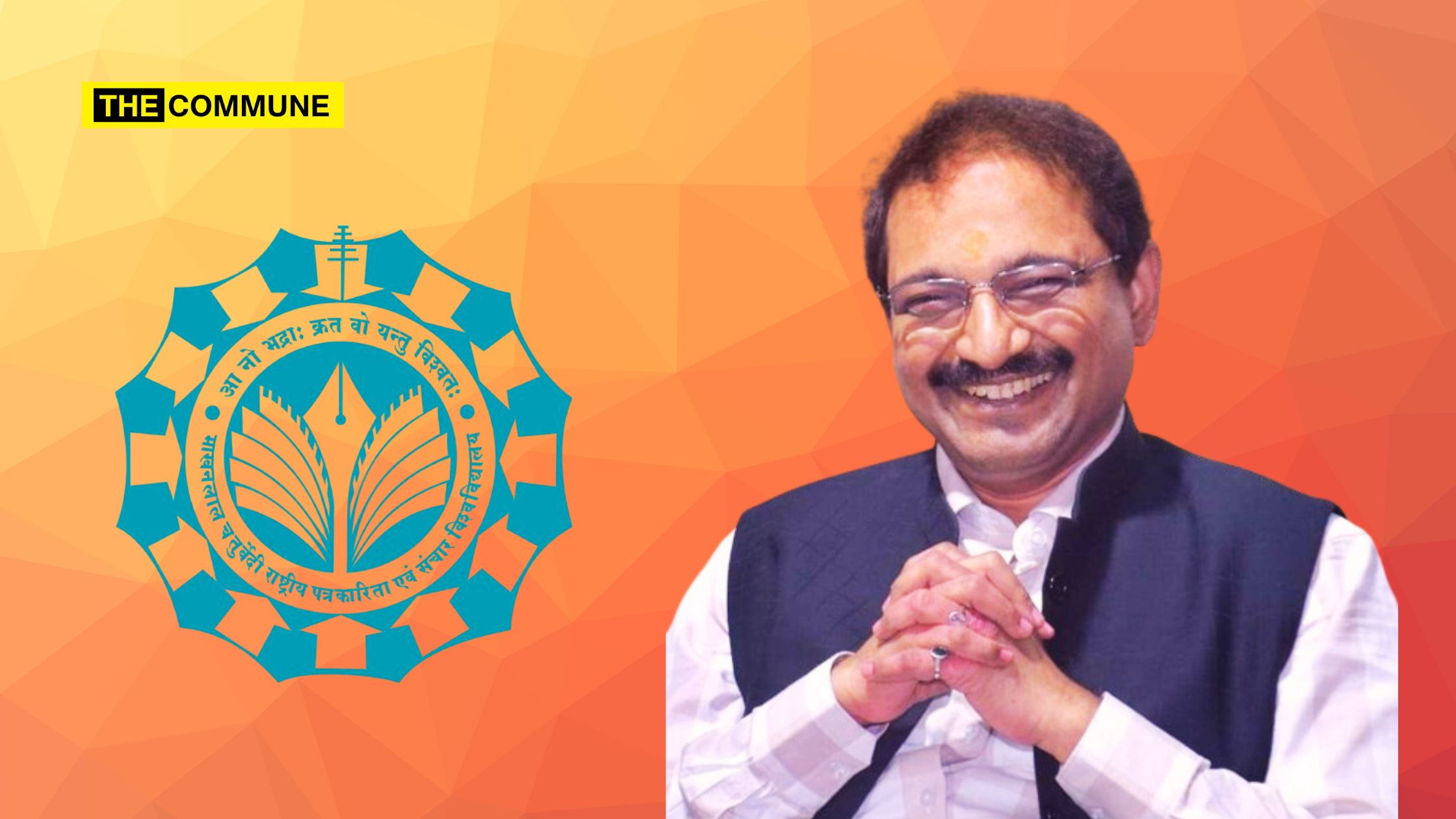
The Commune Mag met Prof. KG Suresh and explored his journey from a passionate young journalist to a revered academic leader.

The Commune first met Professor KG Suresh at the Narada Jayanti Awards function in Chennai in June 2024. His smiling demeanour caught everyone’s attention, and his insightful address at the event made it compelling for us to interview him. Prof Suresh’s warm and approachable nature is evident in how he engages with people, whether they are students, colleagues, or interviewers. His work profile will show you how highly qualified Prof. Suresh is and why he deserves to be where he is today. 

Professor KG Suresh, the current Vice Chancellor of Makhanlal Chaturvedi National University of Journalism and Communication, India’s largest media university, boasts a career spanning nearly four decades in journalism and media education. We are grateful to him for sharing his journey, his inspirations, and his vision for the future of media education.

Early Inspirations

“I had always wanted to be a journalist since childhood,” Prof. Suresh began nostalgically. “My father was a voracious newspaper reader, and I found myself drawn to the stories and events unfolding in the pages. I pursued my degree in English Literature at Delhi University. I started writing letters to the editor, further cementing my interest in the profession.”

Prof. Suresh’s passion for journalism was not driven by the influence of famous editors or journalists but by the everyday reporters whose investigative stories and socially relevant reporting brought about change. “Journalism, at its core, is about bringing behavioural, societal, and attitudinal changes,” he asserts. 

Rising Through the Ranks

Starting as a city crime reporter in Delhi, Prof.Suresh’s career took him through various pivotal roles. As the chief political correspondent at Press Trust of India, he covered the Prime Minister’s Office and the President’s Office. Later, he served as the Senior Consulting Editor with Doordarshan News. His transition into academia began in 1998 when he started teaching at the Indian Institute of Mass Communication (IIMC) as a visiting faculty member.

“I found a lot of positive responses from the students who wanted to understand the practical aspects of journalism rather than just the theoretical,” he recalls. “My classes would have 100% attendance, which was encouraging.”

Accomplishments and Awards

A recipient of the prestigious Ganesh Shankar Vidyarthi Award, Prof. Suresh has been instrumental in expanding media education in India, implementing the National Education Policy 2020, instrumental in obtaining Deemed University Status for IIMC and establishing four new campuses, and fostering community engagement through initiatives like Radio Karmaveer. His expertise is widely recognised, as evidenced by his participation in numerous expert panels, academic councils, and award juries.

As the Founder and President of the Global Media Education Council, he continues to shape the future of media education both in India and internationally. He completed an Experiential Course in Public Health Communication from the University of Oxford, UK. He is also a member of the University Grants Commission Expert Panel and on the Academic Councils of several universities. Additionally, Prof Suresh was a jury member for prestigious awards, including the UNAOC National Film Awards, Ramnath Goenka Awards for Excellence in Media, and the Election Commission of India awards.

Challenges in Modern Journalism

As our conversation turned to journalism’s evolution over the past four decades, Prof. Suresh highlighted two significant challenges today: Corporatization and a Credibility Crisis. He said, “Journalism used to be a mission, especially during the independence struggle. Now, it has become commercialised and corporatised.”

Profit has taken precedence, and integrity often goes for a toss. The Fourth Estate used to be very credible. The media’s credibility has suffered, with people doubting the veracity of reports and attributing biases to various publications.”

Prof. Suresh emphasised the importance of fact-based reporting. “Truth is a perspective, but facts are immutable. Journalism should focus on reporting facts, allowing the audience to form their own opinions.”

Embracing Indian Knowledge Systems

Under Prof. Suresh’s leadership, Makhanlal Chaturvedi National University of Journalism and Communication has taken significant steps to integrate Indian knowledge systems (IKS) into its curriculum. “We are incorporating IKS into all our programs, from communication theories to practical applications,” he says. “We want our students to be globally exposed but locally rooted.”

He describes various initiatives such as the Bharat Muni Shodh Peeth (chair), the establishment of the Devarishi Narad Indian Knowledge System division in the university’s library, which is the largest media library in India with over 45,000 books, the creation of an IKS Task Force, including Bharatiya festivals like Guru Purnima, Narada Jayanti, Nava Varsha Pratipada in the academic calendar, and dedicated PhD seats for research in IKS. He added, “IKS cannot be established by rhetoric. It has to be established through in-depth, thorough research. We aim to generate substantive literature on IKS through in-depth research, moving beyond rhetoric to create a solid foundation for Indian communication models. Additionally, the university’s Media Mimansa research now includes dedicated articles on IKS research.”

Adapting to Technological Changes

With the advent of AI and other technologies, Prof. Suresh is optimistic about the future. “Any technology is welcome. You cannot run away from it. AI is a tool that can make our tasks easier, but it cannot replace human intelligence and emotions,” he asserts. “The nature of jobs will change, but new opportunities will arise. We need to adapt and embrace these changes,” he further added.

Why Choose Makhanlal Chaturvedi University?

As our conversation drew to a close, when asked why students should choose Makhanlal Chaturvedi University, Prof. Suresh listed several compelling reasons he had for prospective students considering a career in journalism. With enthusiasm in his voice, he enumerated Makhanlal University’s unique offerings. “We offer a wide variety of programs under one roof with reasonable fees, state-of-the-art infrastructure, and a beautiful, eco-friendly campus in Bhopal. Our interdisciplinary approach allows students to interact with experts from various fields, enhancing their learning experience.”

For our readers’ understanding, it is noteworthy that Makhanlal Chaturvedi Rashtriya Patrakarita Vishwavidyalaya, Bhopal (Makhanlal Chaturvedi National University of Journalism and Communication) is India’s and Asia’s first and most prominent media university offering over 28 programs. Since it is a government university, the fees are affordable.

The university, set up in 1990, boasts state-of-the-art infrastructure on a 50-acre campus with students from 23 states. It offers bilingual instruction with a dedicated English journalism programme.  It is named after the renowned freedom fighter and journalist Makhanlal Chaturvedi. The university has various journalism, mass communication, computer applications, and media management programs. It has campuses in Bhopal, Rewa, and Khandwa.

Message to Aspiring Journalists

He encourages aspiring journalists to follow their passion. “Media is a platform to express yourself and facilitate positive societal change. It offers respect and recognition. Whether hardcore journalism, public relations, cinema, or event management, media provides a unique space to showcase your talent and make a difference.

To conclude, Prof. Suresh’s journey from a passionate young journalist to a revered academic leader is inspiring. It is also a testament to his dedication to the profession. His efforts to blend traditional Indian knowledge with modern media practices are paving the way for a new generation of journalists who are globally aware and locally grounded.

Subscribe to our channels on TelegramWhatsApp, and Instagram and get the best stories of the day delivered to you personally.
Tirunelveli: Caste-Based Violence Escalates In Govt Schools; Two Students Injured In Recent Altercation At Valliyoor

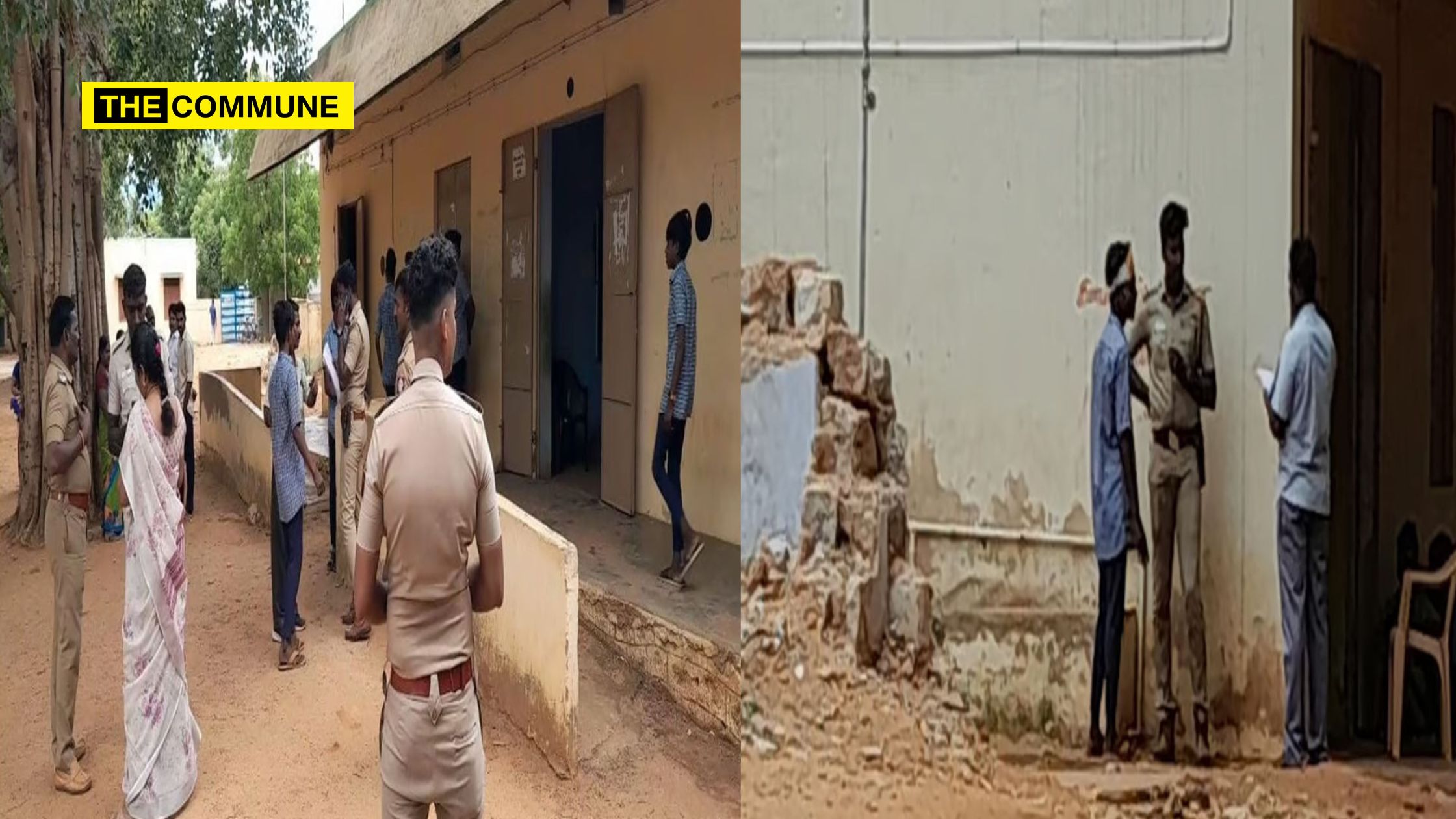
Caste clash amid students after derogatory casteist remarks were on a toilet wall in the Valliyoor government school.
At the Government Higher Secondary School in Valliyoor, caste-related clash left two students injured. The trigger? Derogatory remarks scrawled on a toilet wall.

On 30 July 2024, two students at the Government Higher Secondary School in Valliyoor, Tirunelveli, were injured in a caste-related altercation. The conflict was sparked by derogatory remarks about a specific caste that were found written on a toilet wall at the school.

According to reports, the clash involved students from the Backward Class and Scheduled Caste communities in the Valliyoor school. Members of one group made offensive comments about the other group by scrawling caste names on the toilet walls. This act provoked a heated argument, which escalated into physical violence between students from Classes 11th and 12th. The police, led by Deputy Superintendent of Police R Yogesh Kumar, swiftly arrived at the scene and began an investigation.

Investigations noted that ten students from each group involved in the clash would be presented to the Juvenile Justice Board for counselling and guidance.

This incident follows a previous case in which SC students from Nanguneri, enrolled in a government-aided school in Valliyoor, were attacked by students from a dominant caste last year after they reported caste-based discrimination to the school headmaster.

At least five government schools have experienced similar caste-related conflicts since the beginning of this academic year. In response, District Collector K P Karthikeyan recommended transferring teachers with casteist attitudes or criminal records. However, this recommendation was reportedly delayed after members of the All-Teachers Federation Organisation met with Assembly Speaker M Appavu, who intervened with School Education Minister Anbil Mahesh Poyyamozhi to oppose the transfers.

CPM district secretary K Sriram has called on the state government to establish district, taluk, and school-level committees involving activists, students, teachers, and parents to foster student social harmony. He also emphasised the need to implement the recommendations of the K Chandru committee and enforce strict penalties against casteist teachers, urging immediate action on Karthikeyan’s recommendations.

Previously, at the end of the academic year in 2023, Periyar Government Higher Secondary School students in Cheranmahadevi, Tirunelveli District, attacked students from a nearby private polytechnic college over caste issues. This conflict at Kalakadu school saw one student being stabbed and requiring medical attention. Additionally, the death of a prominent student at Pallakal Pudukkudi Government School near Pappakkudi left a profound impact. The ongoing caste-based violence at Gangai Kondan Government Higher Secondary School highlights the deep-rooted influence of caste prejudices among students.

This incident followed a tragic attack in August 2023, where three students from a dominant caste assaulted a Scheduled Caste teenager and his sister in Nanguneri. The recent violence has resulted in injuries and hospitalisations, further shocking the community.

Further, on 1 July 2024, another instance of caste-based pride sparked a clash among 12th-grade students at Rosalind Chelliah Government Higher Secondary School in Maruthakulam village, Nanguneri, Tirunelveli.

(With inputs from TNIE)

Subscribe to our channels on TelegramWhatsApp, and Instagram and get the best stories of the day delivered to you personally.
Wayanad Landslides: 256 Dead, Ignored 2011 And 2013 Warnings Come True

Wayanad Landslides: 256 Dead
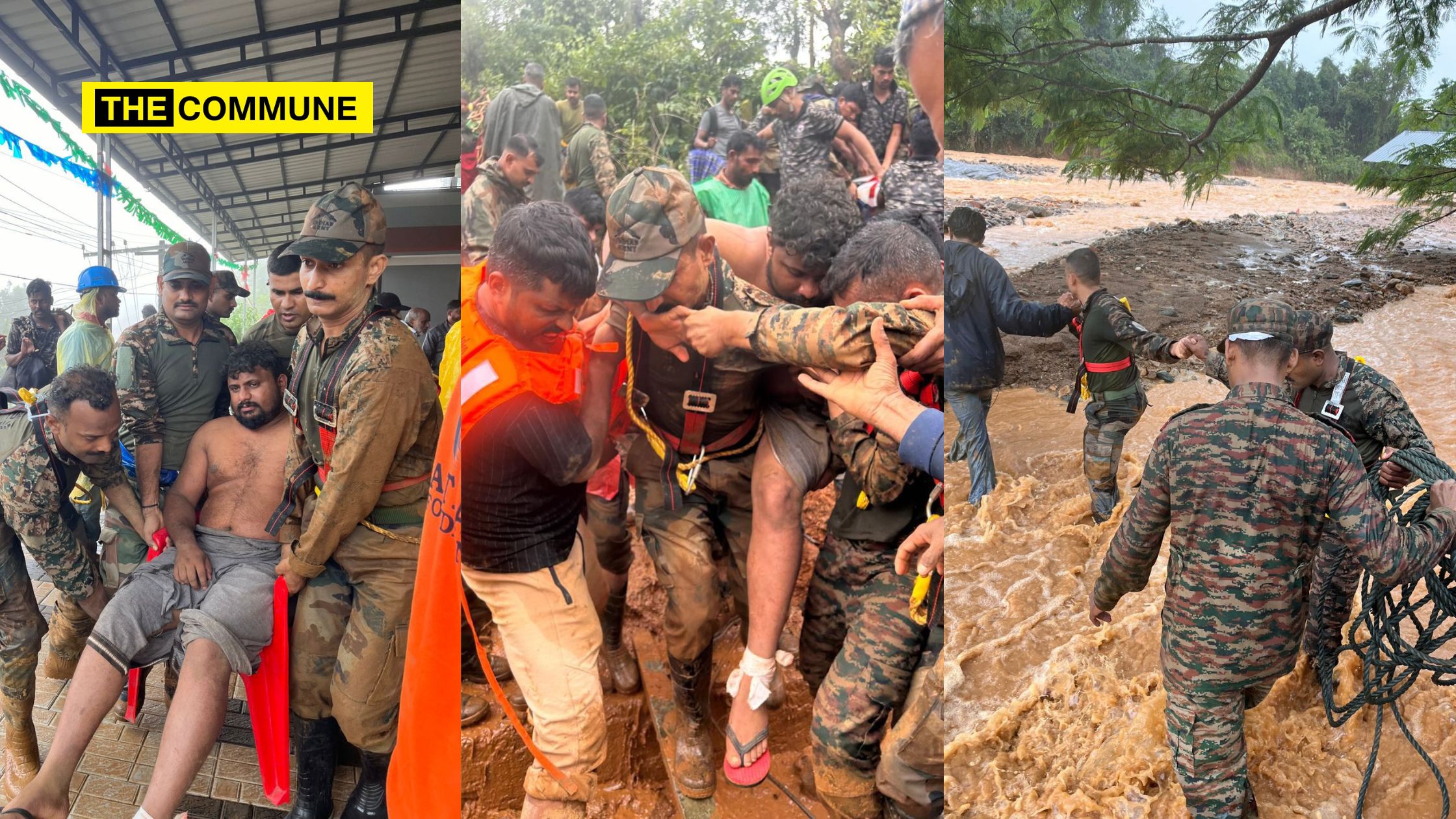
Army-Navy operations in Wayanad landslides.

At least 256 people died, and over 200 were injured after massive landslides hit the hilly areas near Meppadi in Kerala’s Wayanad district, according to Health Minister Veena George. The Army has rescued approximately 1,000 people, with 220 still missing, as rescue operations continue into the third day.

Three landslides occurred in Wayanad on Tuesday following heavy rainfall. The worst-affected villages include Mundakkai, Chooralmala, Attamala, and Noolpuzha.

The PMO announced a compensation package of ₹2 lakh for the families of the deceased and ₹50,000 for those injured.

However, amidst this tragedy, political figures are trading barbs, with accusations of negligence and evasion of responsibility.

The Chief Minister of Kerala stated that the area affected by the landslide was not previously identified as vulnerable. Rahul Gandhi urged the Central Government to map landslide-prone areas immediately to prevent future tragedies.

Here are some fact-checks:

  • Panel Reports (2011 & 2013): Both reports recommended including the affected area in the list of eco-sensitive zones to be regulated by stringent laws. These recommendations were ignored.
  • Rejection of Recommendations: The panel report suggestions from 2011 and 2013 were vehemently opposed and never implemented.
  • Opposition by State Government: Since 2011, the Congress-led UDF government in Kerala has protested against the panel findings, citing potential negative impacts on business interests.
  • UPA Government’s Stance: The UPA government at the Centre, under ministers Jairam Ramesh and later Jayanthi Natarajan, rejected an order to make the 2011 report public for societal benefit.

Current Status

A panel appointed by the NDA government is now examining the issue to finalize a draft notification regarding the eco-sensitive zones.

The situation in Wayanad highlights the urgent need to address environmental concerns and implement recommendations from expert panels to prevent future tragedies.

(This article is based on an X post by Rahul Shivshankar)

Subscribe to our channels on TelegramWhatsApp, and Instagram and get the best stories of the day delivered to you personally.
Greater Chennai Corporation Hikes Trade License Fees, 75000 Business Establishments Affected; Will Consumers Be Impacted?

The Greater Chennai Corporation (GCC) has significantly increased trade license fees for approximately 200 types of businesses, affecting small and large enterprises. This decision, made by the GCC council on 30 July 2024, is projected to boost the corporation’s revenue by about ₹100 crore. The fee hikes will impact around 75,000 establishments across various sectors in the city, categorized into four groups: micro, small, medium, and large.

For example, the annual license fee for marriage halls and banquet halls with a minimum area of 5,000 square feet has surged from ₹10,000 to ₹30,000. Lodging houses, guest houses, and service apartments, which previously did not incur a license fee, will now be required to pay ₹25,000 annually. The fees for manufacturing aluminium and brass vessels have been raised from ₹600 and ₹250, respectively, to ₹15,000 each. Saloons will now pay up to ₹10,000, up from ₹200, depending on their size. Beauty parlours, previously paying ₹500 annually, will see their fees increase to ₹6,000.

Significant changes also affect the hospitality sector. Guest houses, service apartments, mansions, and resorts will be charged ₹25,000 for spaces of 5,000 square feet, a notable increase from the previous zero-fee policy. For areas up to 1,000 square feet, the fee is set at ₹5,000 per year. Marriage halls will now pay ₹30,000 for spaces exceeding 5,000 square feet, up from ₹4,000. Small-scale eateries, including tea stalls and coffee shops, will see their fees rise from ₹2,500 to ₹5,000 for up to 1,000 square feet. For spaces larger than 5,000 square feet, the fee will be ₹15,000, up from ₹10,000. Restaurants will pay ₹15,000 regardless of space size.

Industry sources believe the new trade license fees won’t adversely affect customers but call for enhanced benefits from the corporation. M Ravi, owner of a major hotel chain and president of the Chennai Hotels Association, suggested that the fees could be collected every three years to ease the administrative burden. He also mentioned that while a new vehicle parking license fee is introduced, there was no relief from the police clearance requirement for hotel parking.

In the grooming sector, spas will face a license fee of ₹25,000, while salons will see increases ranging from ₹200 to ₹10,000. Beauty parlours will now pay between ₹500 and ₹6,000. C K Kumaravel, CEO of Natural Salons, welcomed the fee increase but requested clearer definitions for spas to avoid legal and police issues.

The GCC has categorized businesses based on turnover or land area, with small-scale shops now facing a minimum annual license fee of ₹3,000. Deputy Commissioner R. Laitha noted that enforcing 75,000 bills could be a substantial revenue source and emphasized the importance of timely renewals. The GCC has also introduced new rules for various types of businesses, with the commissioner now empowered to approve and cancel licenses. K R Shanmugam from the Madras School of Economics stated that the fee hikes are manageable compared to inflation and suggested further study of the impact on consumers.

Subscribe to our channels on TelegramWhatsApp, and Instagram and get the best stories of the day delivered to you personally.
Mayiladuthurai Sessions Court Issues Non-Bailable Warrant Against VCK Chief Thirumavalavan In 2003 Rioting Case

Mayiladuthurai Sessions Court Issues Warrant Against VCK Chief & MP Thirumavalavan Over 2003 Rioting Case

The Mayiladuthurai Sessions Court has issued a non-bailable warrant for Thirumavalan, the Viduthalai Chiruthaigal Katchi (VCK) leader and Chidambaram Member of Parliament. This action follows his repeated failure to attend court hearings in a rioting case in 2003.

The case stems from an event that occurred in 2003 when Thirumavalavan led a rally in Mayiladuthurai to protest against the Prohibition of Religious Conversion Act. Although the rally was permitted on No. 1 Kamaraj Road, participants attempted to march through No. 2 Gandhiji Road. This led to a clash with the police and resulted in chaos led damage to public property.

Based on a complaint filed by then-Mayiladuthurai police inspector Mohanavel, the police registered a case under various sections, including 147, 148, 337, 307, and for causing damage to public property. Despite several summons, Thirumavalavan has not appeared in court. During today’s hearing before Judge R. Vijayakumari, Thirumavalavan’s continued absence led to the issuance of a warrant.

Justice R. Vijayakumari ordered the warrant due to Thirumavalavan’s non-appearance and the failure of VCK’s legal team to file a counter-petition, which was impeded by a strike related to the new criminal laws enacted by the Central Government. The case has been rescheduled for 27 August 2024.

VCK is an I.N.D.I ally. A few weeks ago, Thirumvalavan referred to the subscribers of Hindutva ideology as ‘Sanatana Terrorists’ while presenting the so-called ‘VCK Awards 2024’ in Chennai.

Speaking at the event, Thirumavalavan said, “Sanatana terrorists will take any position. They will take any decision. Those belonging to the ML movement (referring to the Communist Party of India – Marxist Leninist Liberation) carry weapons, hide in forests and live a life of clandestine. Sanatana terrorists are living within our house and roaming around with weapons. They’ve created a convenience where Sanatana terrorists can come to your house and kill you. A Marxist-Leninist person has to keep changing his name to remain absconding. He’ll be hiding in forests. Things are not conducive for him to ‘finish a job’. But Sanatana terrorists bear weapons and roam on stage in India. That’s important.”


Subscribe to our channels on TelegramWhatsApp, and Instagram and get the best stories of the day delivered to you personally.
What Is Rahul Gandhi’s Caste? Is He A ‘Dattatreya Kaul Brahmin’ As He Claims? Here Are Some Shocking Details About Nehru Family Origins!

An X thread debunks the claim that Rahul Gandhi's caste lineage claims. Jawahar's grandfather wasn't Delhi's last Kotwal.

A few days ago, LoP Rahul Gandhi emphasized the INDIA bloc’s commitment to conducting the caste census. Following this, a clash erupted between the Opposition and Treasury benches over the issue of a nationwide caste census. BJP MP Anurag Thakur questioned Congress’s commitment to OBC reservations, leading to a heated exchange. Thakur had commented that those “whose caste is unknown” talk about the caste census, implying criticism towards Gandhi. The caste census is one of the main promises of Congress for the 2024 elections, aimed at ‘understanding’ the population distribution of various caste groups.

What Is Rahul Gandhi’s Caste?

Some time ago, Rahul Gandhi stated that he belonged to the “Dattatreya Kaul Brahmin” family. However, new evidence tells us something else. Let us understand this better.

If you check the Wikipedia page of the Nehru Gandhi family, you will find Nehru’s autobiography as an origin source in almost all references. For example, their first reference is the blog “The Story of the Nehru Surname,” which is based on Nehru’s biography.

Almost all historians have written history based on Nehru and his other family members’ statements. No one seems to have cared to verify their claims. Let’s fact-check the history with third-party references.

According to popular history, Gangadhar Nehru was the last Kotwal (Police chief) of Delhi. The Delhi Police website provided this information. However, upon checking the website, it was discovered that they had not mentioned the source of their claim!


To verify this claim, further searches were conducted to uncover official government documents. It was shocking to learn that, according to declassified secret documents from the National Archives of India, the last Kotwal of Delhi was Saiyid Mubarak Shah Khan.

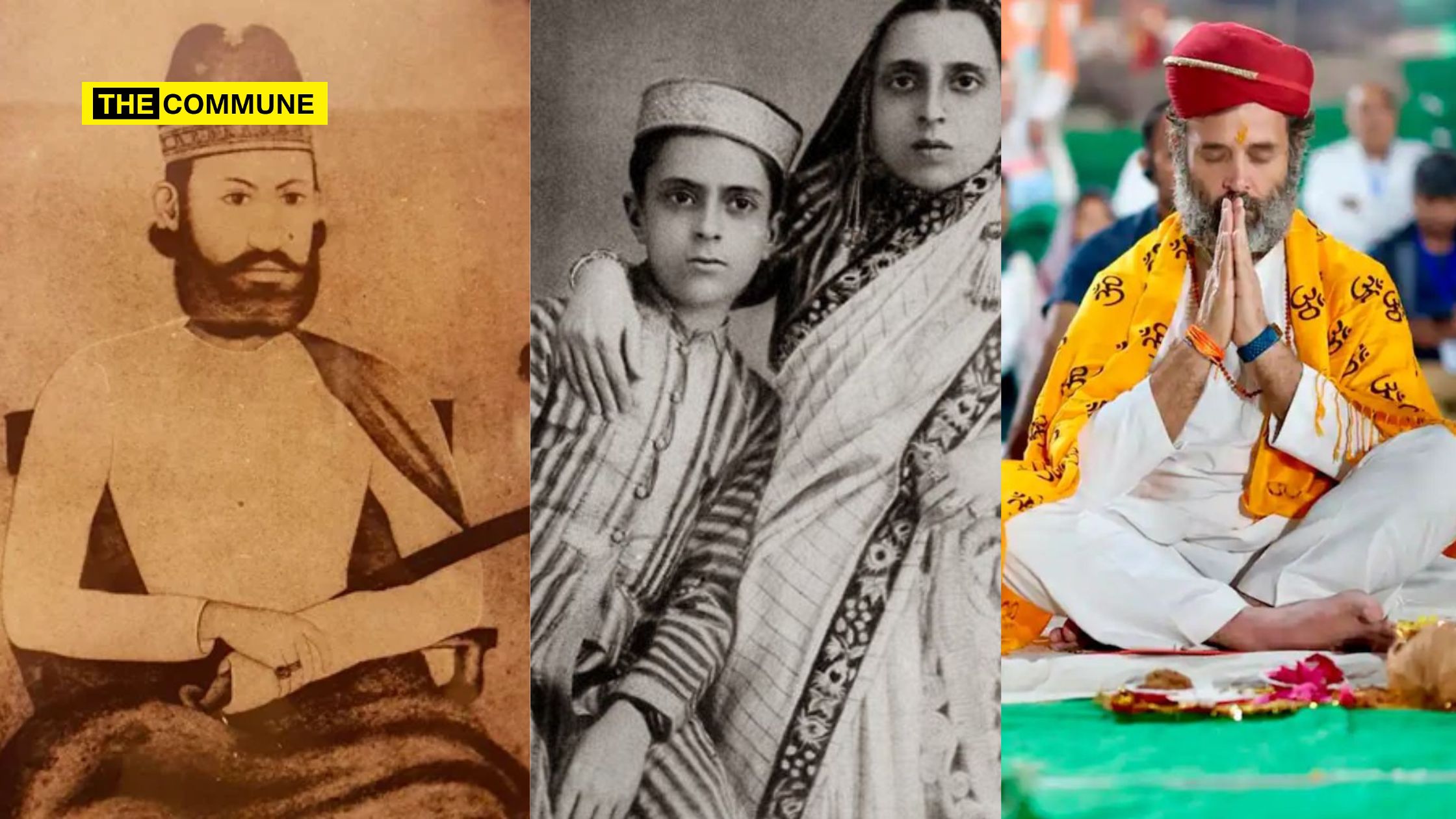
Below is the original order (in Urdu) given by Saiyid Mubarak Shah Khan, the last Kotwal of Delhi.

Another document from June 1857 was found during the process. In this document, Saiyid Mubarak Shah Khan, Kotwal of Delhi, wrote an order. This document is available with declassified secret documents from the National Archives of India.

According to the official documents of June 1857 and August 1857, Saiyid Mubarak Shah Khan was the Kotwal of Delhi. The war lasted from 10 May 1857 to 1 November 1858.

This debunks the claim that Gangadhar Nehru, the grandfather of Jawaharlal Nehru, was appointed as the Kotwal of Delhi just before the events of 1857 and was the last Kotwal of Delhi. To verify this further, the book ‘The Last Mughal’, written by William Dalrymple, was researched. This book has written accounts and all the records of the last Mughal, Bahadur Shah, his officers, and their role in the 1857 rebellion.

This book also confirms that Saiyid Mubarak Shah Khan was the last Kotwal of Delhi. He was appointed as Kotwal after replacing Muin ud-Din Husain Khan!

Interestingly, Muin ud-Din Husain Khan belonged to some ‘Loharu’ family! It sounds similar to ‘Nehru.’

Here’s another interesting fact: While Britishers had killed almost all Mughal officials, these two former Kotwal of Delhi managed to flee from Delhi, just like how Gangadhar Nehru fled, as per current history. Even after going through thousands of 1857 papers and multiple books on the First War of Independence, the name of Gangadhar Nehru was not found anywhere.  

Forget Gangadhar; there is not even a single Hindu name mentioned, such as Kotwal of Delhi!

Here is the painting of Gangadhar Nehru, in which he is dressed and looks like a Mughal, not a Hindu Pandit!

Another interesting fact is that Motilal Nehru, son of Gangadhar and father of Jawaharlal Nehru, completed his primary education in a Madrasa! Yes, you read it right. The son of a Pandit got his primary education in the Madrasa!

Gangadhar Nehru was not the Kotwal of Delhi; instead, a Muslim Saiyid Mubarak Shah Khan was the last Kotwal of Delhi. So why is the Nehru family lying, and what do they want to hide?

(This article is based on an X thread by Vijay Gajera)

Subscribe to our channels on TelegramWhatsApp, and Instagram and get the best stories of the day delivered to you personally.
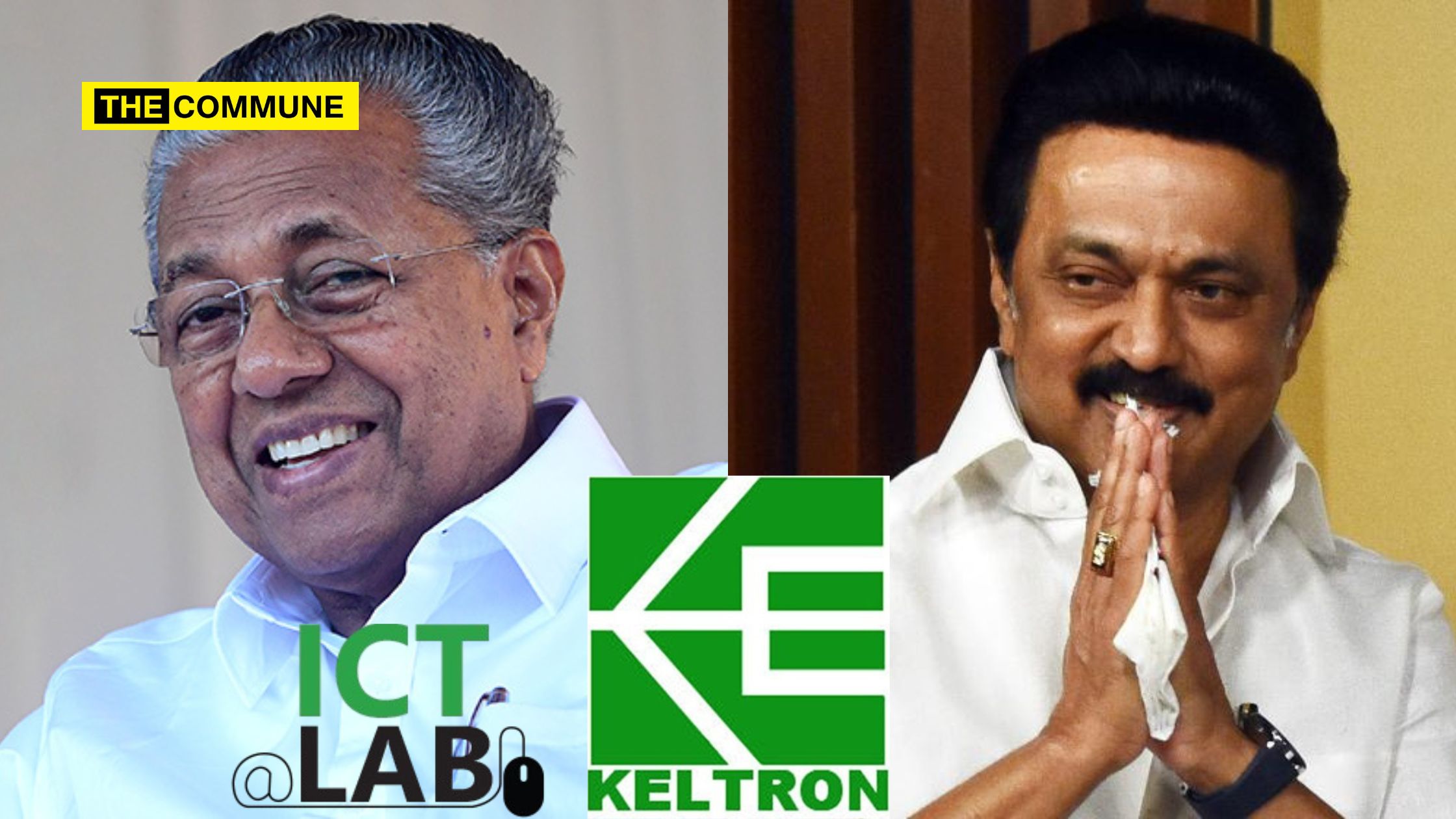
Allegations Raised Against DMK Govt Over ICT Instructors Recruitment & Central Govt Funds Misuse For Samagra Shiksha Scheme Implementation

DMK accused of tampering with educatioal recruitments and misusing central funds.

Recent allegations have intensified against the ruling DMK government, with the latest concerns focusing on the mismanagement of central government funds intended for enhancing IT infrastructure in government-run schools. Reports suggest that these funds have been diverted to unintended expenses, raising questions about adherence to central guidelines and potential fraud in the recruitment of ICT instructors and the establishment of ICT labs.

Tamil Nadu boasts many teacher training graduates who remain unemployed despite available teaching positions in government schools. The state government has not taken steps to fill these vacancies or provide postings for candidates who have completed the requisite exams. Graduates struggling with unemployment are further distressed by deceptive recruitment scams masquerading as legitimate hiring processes. These schemes create the illusion of formal employment opportunities but ultimately benefit only those who engage in informal, under-the-table arrangements, often at the applicants’ expense.

Samagra Shiksha ICT Labs Recruitment Scam

The Samagra Shiksha program, designed to enhance school education from preschool through class 12, aims to improve school effectiveness by ensuring equal opportunities and equitable learning outcomes. This comprehensive program seeks to streamline implementation mechanisms and reduce transaction costs at state, district, and sub-district levels. It emphasizes improving system-level performance and schooling outcomes, focusing on Universal Access, Equity, and Quality. The initiative also aims to promote vocational education and strengthen Teacher Education Institutions (TEIs). However, there are growing concerns about potential mismanagement and corruption within this framework by the states.

Under the UDISE scheme, on 30 September 2022, the Ministry of Education issued a notification to fill positions in schools equipped with ICT labs, which receive recurring grants. The notification outlined a one-time non-recurring grant of up to ₹6.40 lakh per school and a recurring grant of up to ₹2.40 lakh annually for five years. Additionally, a one-time non-recurring grant of ₹2.40 lakh and a recurring grant of ₹0.38 lakh (covering E-content, digital resources, and electricity charges) were allocated for up to two smart classrooms per school for the same period.

Unfortunately, graduates were only informed about the ICT lab recruitment after the Kerala-based Kerala State Electronics Development Corporation (Keltron) conducted a screening test. Keltron, a Government of Kerala entity, was awarded the contract to set up 22,932 smart boards and 8,209 high-tech labs in Tamil Nadu under the Samagra Shiksha scheme. They conducted a computer-based examination on 5 June 2024 to select 8,209 administrators and instructors.

Ground reports from TNIE indicate that the entire recruitment process was conducted in secrecy, with volunteers allegedly handpicked, showing favouritism, and suggesting clear signs of fraud. A district-level official from Samagra Shiksha stated, “Qualified volunteers from Illam Thedi Kalvi with computer skills were contacted directly for screening tests. Those who passed will take the computer-based test and will be recruited upon passing.” In Tiruchy alone, the exam took place in 15 schools.

However, S. Prabhakaran, the State President of the Tamil Nadu Postgraduate Teachers’ Association, has criticized the recruitment process, alleging it was conducted secretly. “Neither Samagra Shiksha, the School Education Department, nor Keltron issued any public notifications regarding the recruitment. The lack of transparency means that local influential individuals could fill the positions,” he said.

Tamil Nadu received funding approvals from the Ministry of Education for 2020, 2021, and 2022, totalling ₹104.3 crores, ₹54.3 crores, and ₹149.9 crores, respectively. In January 2024, the Union Education Ministry’s Project Approval Board sanctioned ₹3,585 crore funds for the State’s Sarva Shiksha Abhiyan (SSA) program for 2024-25. This allocation includes ₹2,151 crore from the central government (60%) and ₹1,434 crore from the state government (40%).

Political commentators have alleged that the newly recruited instructors were instead assigned data entry tasks, violating central guidelines and misusing allocated funds. Previously, the Supreme Court of India criticized the Tamil Nadu government for its lack of transparency in recruitment. It issued specific directives: The State Government must conduct the recruitment test through an advertised application process and allow candidates to participate through Employment Exchanges, adhering to all appointment rules and reservation policies. In the case of Tamil Nadu Computer SC B.Ed. G.T. Welf. Society v. Higher Sec. Scl. Computer Tech. Assn. & Ors. (2009), the current government’s actions appear to be in violation of these Supreme Court directives.

In June 2024, TN BJP state president K Annamalai criticized Chief Minister MK Stalin for awarding a ₹1,000 crore tender to Kerala’s Keltron instead of Tamil Nadu’s ELCOT. He accused him of failing to implement development schemes, unfulfilled election promises, and attempting to take credit for Union government initiatives.

(With inputs from Maridhas)

Subscribe to our channels on TelegramWhatsApp, and Instagram and get the best stories of the day delivered to you personally.
Dravidian Model Tamil Nadu’s Escalating Drug Trafficking Problem: Here Are Recent Instances Of Drugs Getting Confiscated

Tamil Nadu's Escalating Drug Trafficking: Are Coastal Districts Becoming Safe Havens for Drug Smuggling?

The recent drug seizure in Chennai’s Kilambakkam has reignited concerns about whether the state continues to suffer due to drug smuggling activities it struggled to contain before. This anxiety is reminiscent of the period leading up to the elections when Tamil Nadu experienced a series of high-profile drug busts. During that time, there were widespread fears that the state was slipping into a drug-prevalent culture.

Now, a new seizure valued at ₹70 crore has surfaced, involving a prominent figure— the Vice President of the Minority Welfare Wing in the ruling DMK party. Additionally, it’s worth noting that an international drug peddler, Jaffer Sadiq, who was also an NRI wing head of the DMK, was recently arrested by the NCB and is currently under investigation for running a drug cartel.

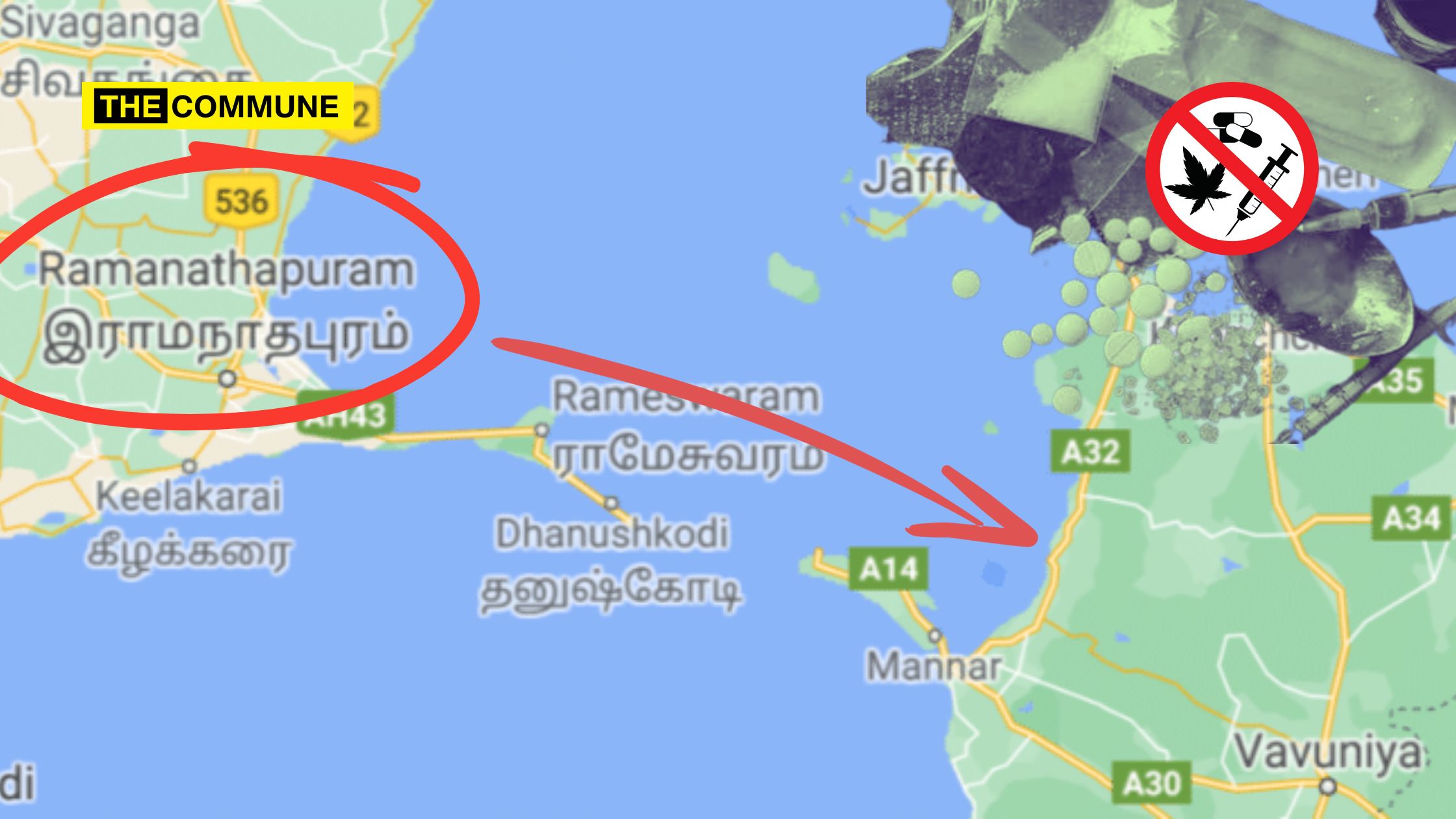
This is a grave issue, as drug traffickers are openly smuggling drugs through international waters to neighbouring countries like Sri Lanka, which threatens national security. It’s particularly alarming whether Ramanathapuram has become a hub for these activities. Despite a series of significant drug busts in the area over the past few months, trafficking continues unabated. The latest case involves Syed Ibrahim, who was recently expelled from the DMK party and had plans to traffic methamphetamine to Ramanathapuram to facilitate smuggling operations to Sri Lanka.

In light of this situation, it is important to review previous drug seizures, particularly those in Ramanathapuram.

Drug Bust 1

Ex-DMK functionary Syed Ibrahim‘s operation to smuggle ₹70 crore worth of methamphetamine to Ramanathapuram and subsequently to Sri Lanka was thwarted, and the drugs were seized by the Narcotics Control Bureau (NCB) based on intelligence on 24 July 2024. Three individuals have been arrested after the seizure. The arrested include Bysul Rahman and Ibrahim from Ramanathapuram and Mansoor from Chennai. It should be noted that Syed Ibrahim, who holds the Vice President post of the DMK Minority Welfare Wing, was expelled from the party on 30 July 2024.

The NCB had intensified their surveillance across various locations, including bus stands, railway stations, and airports in Chennai, following a tip-off about drug trafficking. On 24 July 2024, at the Kilambakkam bus stand, a passenger from Ramanathapuram was intercepted and found to own 5.970 kg of methamphetamine. His confession led to the arrest of two additional suspects and the discovery of a godown near Redhills, where 954 grams of methamphetamine and ₹7 lakh in cash were found.

In total, 6.920 kg of methamphetamine was seized, with an estimated market value of around ₹70 crore. Additionally, ₹7 lakh in cash was confiscated. The accused were reportedly planning to smuggle the drugs to Sri Lanka through Ramanathapuram, according to P Aravindhan, Zonal Director of the NCB in Chennai.

Drug Bust 2

On 11 March 2024, Customs Preventive in Trichy successfully thwarted a drug smuggling attempt, seizing 100 kilograms of hashish valued at ₹110 crore and 876 kilograms of ganja worth ₹1.05 crore in Mimisal in Tamil Nadu’s Pudukottai district. 

Responding to a tip-off, Trichy Central Intelligence Division Customs officers confiscated 400 bags of drugs concealed in a shrimp farm near Mimisal, intended for smuggling to Sri Lanka using a country boat through the Tondi Sea. Authorities are actively pursuing Sultan from SP Pattinam, suspected of being involved in drug smuggling. Acting on details provided to the Customs Department of Trichy Central Intelligence Division, investigators examined a fish trading company and shrimp farms along the Ramanathapuram district border last night.

In the course of the searches, authorities seized 876 kg of ganja that was unlawfully stored in a shrimp farm for illicit transportation to Sri Lanka. The confiscated ganja was transported to the Ramanathapuram Customs Office for further inquiry. Preliminary investigations disclosed that the ganja bundles originated from a shrimp farm owned by the Sultan of SP Pattinam. It was also discovered that a trio had orchestrated a plan to smuggle the ganja to Sri Lanka using a country boat on the ensuing Sunday night.

Drug Bust 3

On 5 March 2024, in a collaborative operation, the Indian Coast Guard (ICG) and the Directorate of Revenue Intelligence (DRI) successfully thwarted a drug smuggling attempt near Mandapam, Ramanathapuram district. Four individuals were detained, and narcotics valued at ₹108 crore were confiscated.

Acting on a tip-off, the DRI Chennai Zonal Unit, in conjunction with the Indian Coast Guard, received information about the trafficking of illicit substances from India to Sri Lanka along the coastal route near Mandapam. The joint team used a Coast Guard ship to conduct surveillance over the Gulf of Mannar on the nights of 4 and 5 March 2024.

During the deep-sea surveillance, the team observed a country boat heading towards Sri Lanka and promptly intercepted it following a brief pursuit. Upon inspection, five concealed sacks were discovered on board. The country boat, along with the contraband and its three occupants, was brought to the Coast Guard Station Mandapam for further investigation. Upon questioning, the accused individuals admitted that the bags contained narcotics received from an individual in Pamban. According to their statements, the team learned that the contraband was intended for handover to someone from Sri Lanka at sea.

In a rapid follow-up, DRI officials apprehended the individual who supplied the contraband to the three-member group from his residence. Interrogations revealed that he was the mastermind behind the organized smuggling of narcotics from India to Sri Lanka via the coastal route. Preliminary investigations disclosed that the seized drugs had been transported from various parts of the country for subsequent shipment to Sri Lanka using country boats. A total of 111 packets weighing 99 kg were confiscated from the boats. Upon testing, the contents were identified as hashish, with an international market value of approximately ₹108 crore, and seized under the NDPS Act.

Drug Bust 4

The Central Intelligence Agency alerted local authorities about a drug smuggling operation involving methamphetamine being transported to Sri Lanka via Vedalai Beach near Mandapam in the Ramanathapuram district. Acting on this tip, the Mandapam police raided a residence in Vedalai MGR Nagar. They discovered and seized 6 kg of methamphetamine hidden within the property.

In connection with this seizure, two individuals—Nagakumar, 20, the son of Sethuraja, and Sakthivel, 23, the son of Nagu—both from the Soodai Vela Kuchu area and the house owner, have been arrested and are currently under interrogation. The methamphetamine, also known asice,is estimated to have an international market value of ₹20 crore, according to police reports.

Drug Bust 5

Police seized cocaine worth ₹30 lakh near Ramanathapuram and arrested a Sri Lankan teenager, Mohammed Fazil, along with Ganesh. Mohammad Fazil, originally from Sri Lanka and the son of Mohammed Faisar, had returned from working in Malaysia and entered Tamil Nadu on a tourist visa in 2019.

After staying and working in the region for some time, he married a woman from Nambuthalai in Ramanathapuram district. Subsequently, he lived in the area without a passport and became involved in drug trafficking. Ramanathapuram S.P. Thangadurai received confidential information about his activities.

The Special Branch (S.B.) police closely monitored Mohammad Fazil and confirmed his involvement in drug trafficking. The operation was set up to intercept Fasil, who was attempting to transport drugs worth approximately ₹30 lakh from Nambuthalai to Sri Lanka. Acting on this information, the Special Branch police arrested Mohammad Fasil and his accomplice Ganesh.

Authorities seized 302 grams of white cocaine, 56 grams of brown sugar, and counterfeit ₹500 notes from the two suspects. The total value of the seized items is estimated at ₹30 lakh. Both individuals were arrested, brought before the court, and remanded to jail. The police continue to investigate for any additional involvement in the trafficking network.

Subscribe to our channels on TelegramWhatsApp, and Instagram and get the best stories of the day delivered to you personally.

Petition To Declare INC As Terrorist Organization For Alleged Collusion With Pak & Supporting Anti-National Activities

MHA receives petition to declare INC terrorist organization

A legal petition asking for the Indian National Congress (INC) to be declared a terrorist organization under the Unlawful Activities Prevention Act (UAPA) has been sent to the Ministry of Home Affairs (MHA). The petition, addressed to Union Home Minister Amit Shah, outlines serious allegations against the Congress party, claiming its involvement in anti-national activities and collaboration with Pakistani entities.

The following key points were mentioned in the petition:

Allegations of Collusion with Pakistan

The petition, submitted by Vibhor Anand, a Supreme Court advocate, draws on statements from former MHA official R.V.S. Mani’s access to sensitive information, according to the petition revealed that INC allegedly colluded with Pakistan during the UPA government era. This petition includes accusations against the INC of facilitating terrorist attacks and the smuggling of fake currency.

The petition lists several instances where Congress is accused of supporting or enabling terror activities:

  • 15 June 2004: The petition references a Fidayeen attack on Gujarat Chief Minister Narendra Modi, with Congress allegedly targeting Modi in the aftermath.
  • Sohrabuddin Case: Allegations are made that arms trafficking for the assassination of Modi was facilitated, with Congress spreading ISI narratives regarding fake encounters.
  • Samjhauta Express Blast (2007): The Congress government is accused of allowing Pakistani operatives to escape while falsely implicating Indian Hindus.
  • Mecca Masjid Blast (2007): Similar claims are made about the escape of ISI operatives and the wrongful implication of Hindus.
  • Other Attacks: The petition also cites attacks in Gokul Chat, Ajmer Sharif, and District Courts, as well as the CRPF Rampur attack (1 January 2008) and the Malegaon blast (29 August 2008).
  • Mumbai Terror Attack (2008): The petition criticizes then Home Minister P. Chidambaram for his handling of the Mumbai attacks, alleging that the Congress-led UPA government ignored actionable intelligence.
  • Fake Currency Operations: It claims there is evidence of Congress-ISI cooperation in circulating fake Indian currency notes and mentions suspicious activities surrounding Javed Khanini, a major FICN printer.
  • Alleged Mismanagement of Kashmir Funds: The petition accuses Congress of misappropriating funds intended for Kashmir, which allegedly ended up in the hands of separatists.

The petitioner urges Home Minister Amit Shah to declare the Indian National Congress a terrorist organization under Section 35 of the UAPA and invoke Chapter 4 of the Act and Section 51A. The petition further requests that R.V.S. Mani be recorded as a prime witness in the investigation.

In light of these allegations, the petition stresses the necessity for a thorough investigation into the Indian National Congress’s purported involvement in activities deemed unlawful under Indian law.

Subscribe to our channels on TelegramWhatsApp, and Instagram and get the best stories of the day delivered to you personally.