Home Blog Page 607

Part-Time Politician Vijay Absent For Party’s First Conference Pooja But Present For Last Film Pooja

Part-Time Politician Vijay Absent For Party's First Conference Pooja But Present For Last Film Pooja

Actor Vijay is being tagged as a part-time politician as he participated in the inaugural pooja of his last film while skipping the ground-breaking ceremony of his party Tamizhaga Vettri Kazhagam’s first-ever state-level conference scheduled to happen in Vikravandi in Vizhupuram district of Tamil Nadu.

The much-anticipated shooting for actor Vijay’s final film, tentatively titled Thalapathy 69, is about to begin. The cast and crew recently gathered for an elaborate muhurtham pooja, with filming scheduled for 5 October 2024. Directed by H Vinoth, the film will also star Bobby Deol and Pooja Hegde in key roles, along with Gautham Vasudev Menon, Priyamani, Prakash Raj, and Mamitha Baiju.

Thalapathy 69 is set to be a fitting tribute to Vijay’s illustrious three-decade-long career. The movie is expected to be a grand finale celebrating his remarkable journey in the film industry. It will be released in Tamil, Telugu, and Hindi, with a planned release date of October 2025. KVN Productions produces the film.

The inaugural state conclave of Kollywood actor Thalapathy Vijay’s political party, Tamilaga Vettri Kazhagam (TVK), is set to take place on October 27 in V Salai village, near Vikravandi in Viluppuram district. This event is a significant milestone for the party, with preparations well underway to ensure its success.

On October 4, a Bhoomi Puja ceremony was conducted at the conclave site. The ritual, which began at 4 am, was led by TVK General Secretary Bussy N Anand and saw the participation of over a thousand enthusiastic volunteers.

Bhoomi Puja, a traditional Hindu ritual, was held to seek divine blessings and ensure the event’s success. A planting ceremony followed, symbolizing growth and prosperity for the party.

Party officials from various districts, along with local volunteers, actively participated in the event. They brought holy water from temples, churches, and mosques in the Chengalpattu area to pour on the Pandakal (tent) at the conference venue, infusing the space with spiritual significance ahead of the conclave.

However, Vijay was not present for this significant pooja.

Subscribe to our TelegramWhatsApp, and Instagram channels and get the best stories of the day delivered to you personally.

BJP TN Leader Ashvathaman Slams VCK Chief Thirumavalavan Over Comments On BJP Leader Tamilisai Soundararajan; Calls For Public Apology

BJP TN Leader Ashvathaman Slams VCK Chief Thirumavalavan Over Comments On BJP Leader Tamilisai Soundararajany

In a recent statement, BJP Tamil Nadu State Secretary Ashvathaman strongly criticized Viduthalai Chiruthaigal Katchi (VCK) leader Thol Thirumavalavan for his remarks about former Tamil Nadu Governor and present BJP TN leader Tamilisai Soundararajan and his party’s alleged behaviour towards women.

Soundararajan had pointed out that Thirumavalavan paid tribute to Kamaraj at a memorial instead of Mahatma Gandhi on the latter’s birth anniversary. She remarked, Thirumavalavan went to pay tribute to Kamaraj instead of Gandhi. Perhaps he avoided it due to a guilty conscience that his party’s policies don’t align with Gandhi’s principles.”

In response, Thirumavalavan fired back during his speech at the conference, explaining that he had intended to pay tribute to Gandhi but could not due to the Governor’s visit. The police informed me that I could only pay my respects to Gandhi after the Governor had done so. Since the conference was about to start, I placed the garland meant for Gandhi on Kamaraj’s statue and left, Thirumavalavan clarified.

However, he didn’t stop there, accusing Soundararajan of insinuating about his habits. What Tamilisai is trying to say is that Thirumavalavan is a man who can open a bottle every day. Sister Tamilisai, I hope you don’t drink. I hope you don’t have a drinking habit. Like you, I don’t have that habit, he added pointedly.

Ashvathaman stated that Thirumavalavan misrepresented Soundararajan’s comments about alcohol prohibition policies. He stated that while Soundararajan had questioned the difference between Thirumavalavan’s and Mahatma Gandhi’s stance on prohibition, she never made personal allegations about Thirumavalavan’s drinking habits.

The BJP leader accused Thirumavalavan of crude speech unbefitting of a political leader, particularly in his treatment of women. Ashvathaman cited recent incidents, including the alleged mistreatment of a female police inspector at a VCK conference in Ulundurpettai, Kallakurichi district, and an attack on a BJP member’s family in Bhuvangiri, Pondicherry, allegedly by VCK members.

Ashvathaman also referenced a controversial statement previously made by Thirumavalavan about women, which had sparked outrage in Tamil Nadu.

The BJP secretary called on Thirumavalavan to publicly apologize to the women of Tamil Nadu for his recent comments, which Ashvathaman deemed disrespectful and unbecoming of Tamil culture.

Subscribe to our TelegramWhatsApp, and Instagram channels and get the best stories of the day delivered to you personally.

More Than 50% New Mutual Fund Investors From Small Cities: Zerodha Report

Thematic Funds In India See 488% Growth In Net Collections As Manufacturing, Energy Lead

A Zerodha report said on Friday that the participation of investors from small cities in the stock market has rapidly increased in recent months. The mutual fund industry added 2.3 crore investor folios from April to August 2024, more than 50 percent of which came from such areas.

“The number of new investor folios coming from smaller cities has been rising on a monthly basis. Such trends can foster a culture of saving and investing, ultimately contributing to long-term industry growth,” a Zerodha Fund House report said.

The Zerodha report further said that smaller cities still account for only 19 percent of the mutual fund industry’s overall assets under management (AUM). This indicates that while more individuals from these regions are participating in investments, their average investment size may still be lower compared to those from urban areas.

The Association of Mutual Funds of India (AMFI) classifies these smaller cities and towns as B-30 cities (beyond the top 30 cities). As of August 2024, about 54 percent of all SIP accounts in the mutual fund industry are contributed by SIPs from smaller cities.

Smaller cities have a larger number of SIP accounts, reflecting greater penetration in less urbanised areas. From April to August 2024, the growth rate in the SIP accounts in smaller cities for index funds (18.7 percent) was higher than the growth rate of any other category in the industry.

Overall, growth/equity-oriented schemes contribute about 79 percent of the SIP accounts from smaller cities.

Vishal Jain, CEO of Zerodha Fund House, said: “I strongly believe that simple, transparent and affordable investment products will help individual small investors design better financial futures. Index-based funds exhibit all these qualities, and I’m heartened to see their growing trend in smaller cities and towns.” “The average ticket size of the retail segment in smaller cities is about Rs 1.13 lakh, while the combined average ticket size of the retail segment for (T30+B30) cities is about Rs 2.04 lakh,” he added.

–IANS

Subscribe to our TelegramWhatsApp, and Instagram channels and get the best stories of the day delivered to you personally.
Communist-Backed Labour Organizations Turning TN Into Bengal & Kerala To Disrupt India’s Manufacturing Ambitions At The Behest Of China?

CITU Samsung Protests: A Trojan Horse For China's Manufacturing Dominance?

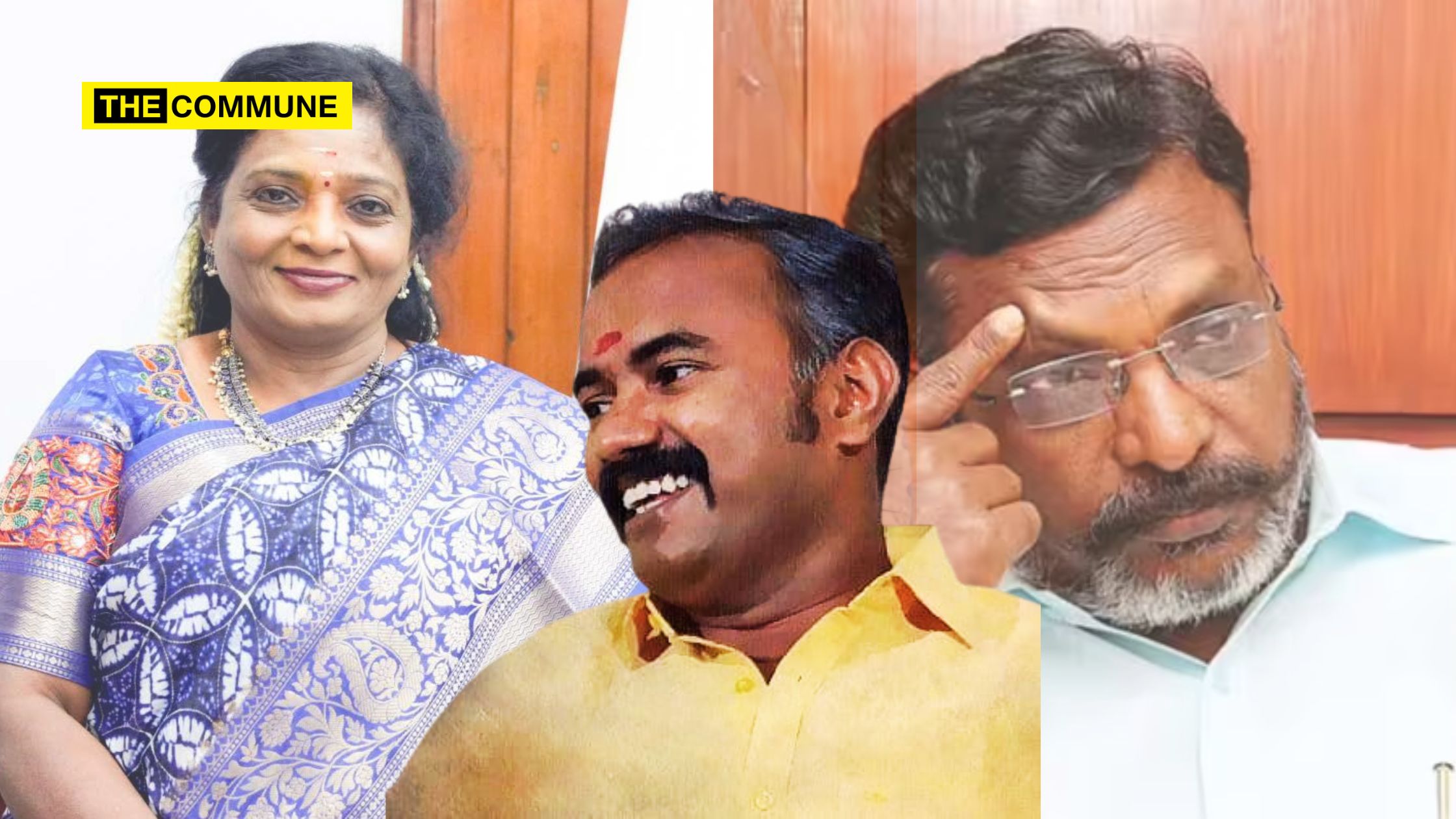
The ongoing strike at Samsung’s factory in Tamil Nadu is yet another example of how union-backed protests, especially those supported by Communist parties, can disrupt industrial operations in India. About 1,500 workers from the South Korean tech giant’s Chennai plant, one of Samsung’s two major factories in India, have halted production for weeks. The workers, represented by the newly formed Samsung India Labour Welfare Union (SILWU), are demanding better wages, improved working conditions, and, most importantly, formal recognition of their union.

This protest, which has seen daily gatherings of workers in Samsung uniforms, has led to significant production slowdowns, impacting the company’s ability to meet demand for consumer goods like air conditioners, refrigerators, and televisions. The Chennai plant contributes a substantial portion of Samsung’s $12 billion annual revenue in India, making the disruptions a costly affair.

The striking workers, supported by the Centre of Indian Trade Unions (CITU) – the labour wing of the Communist Party of India (Marxist) – are pushing for wage hikes, improved conditions, and union recognition. They argue that Samsung’s current wage of approximately ₹25,000 per month ($298) does not account for rising living costs. CITU has been vocal in accusing Samsung of mistreating workers by forcing them to meet unrealistic production targets and providing unsafe working conditions. While Samsung denies these allegations, the protests have escalated to the point where the company has had to rely on temporary workers to maintain minimal operations.

This isn’t the first time Communist-backed unions have disrupted international companies operating in India. These strikes raise concerns about India’s ability to retain foreign investment, particularly in manufacturing. Prime Minister Narendra Modi’s efforts to attract foreign manufacturers—positioning India as an alternative to China—are now at risk as these protests continue to generate negative publicity and disrupt business operations.

Fire Accidents At Factories In India

A fire at Tata Group’s Apple iPhone component plant in Hosur, Tamil Nadu, caused a production halt, affecting the supply of iPhone back panels and other parts for Foxconn and Tata’s iPhone assembly lines. The damage comes at a critical time, ahead of India’s festive season, potentially disrupting 10-15% of iPhone 14 and 15 sales in the country. Tata is the only Indian supplier of these components, and Apple may need to source parts from China to meet demand. Tata exported over $250 million worth of iPhones and components in the year leading up to August 2024. Although Apple reportedly has stock for eight weeks, the prolonged suspension could lead to shifting production back to China.

Some of the other incidents at factories in India in the recent past include:

  • Fire incidents at Foxlink and Pegatron plants in India – led to brief operational halts in the past, with Foxlink’s facility lacking functional fire safety equipment.
  • Labour unrest at the Wistron and Foxconn plants has affected production in India in recent years.

Impact Of Communist Labour Unions: Driving Business Away?

The strike at Samsung’s Chennai plant is reminiscent of the violent protests at the Wistron iPhone factory near Bengaluru in 2020. In that instance, employees protested against poor working conditions and wage delays. The disruption caused significant damage to the factory, leading to a temporary shutdown and production delays. In 2023, Wistron exited Apple India’s business.

Communist-backed unions justified these protests, which were costly not just for the company but also for India’s image as a stable manufacturing hub.

These events have raised alarms for multinational corporations looking to shift their production from China to India. Apple, one of the companies planning a large-scale move to India, experienced significant setbacks due to these protests. The Chinese government, alongside its state-run media, used the unrest as a propaganda tool to deter other businesses from leaving China. Reports from Chinese outlets highlighted how “unstable” labour conditions in India make it an unreliable destination for companies looking to diversify their supply chains away from China.

Could CITU’s Role Push Factories Back To China Or Other Countries?

CITU’s involvement in these labour disputes is part of a broader trend where Communist-backed unions seek dominance over factory operations, often leading to aggressive tactics that disrupt production. These disruptions don’t only hurt the companies involved but also damage India’s broader efforts to become a global manufacturing powerhouse.

Multinational corporations, including Apple and Samsung, have been moving some of their production lines to India to diversify away from China. However, the instability caused by union-backed protests might push these companies to reconsider their choices. Chinese propaganda channels have already leveraged these strikes to their advantage, portraying India as an unstable option for global manufacturing. Such narratives and the real financial losses caused by these strikes could deter companies from investing further in India or even prompt them to scale back their operations.

The Broader Picture: India’s Challenge

As India seeks to present itself as a viable alternative to China for global manufacturers, it faces significant challenges from within. The Samsung protests highlight a critical issue: the influence of politically backed unions, particularly those with Communist affiliations, which can cause long-term disruptions to foreign investment. While India offers a large, cost-effective workforce, protests such as these send mixed signals to foreign investors about the country’s ability to maintain stable industrial relations.

The Tamil Nadu government has attempted to mediate talks between the workers and Samsung, but progress has been slow. Meanwhile, CITU’s hardline stance suggests that the protest will continue until the union’s demands are met, adding further strain to the situation.

For foreign companies operating in India, the risk of strikes and labour disputes—exacerbated by the growing influence of Communist-backed unions—remains a significant concern. Without proper intervention and resolution, India could see more multinational corporations reconsider their plans to shift operations from China, undermining the country’s potential as a global manufacturing hub.

As the Samsung strike enters its fourth week, it’s clear that India faces an uphill battle in balancing the interests of foreign investors with the demands of local workers. If the country fails to address these labour issues swiftly, it may lose out on the foreign investment it has been courting so aggressively in recent years. Ultimately, the biggest beneficiaries of this unrest could be China (or other countries), which are watching India’s struggles with keen interest.

Subscribe to our TelegramWhatsApp, and Instagram channels and get the best stories of the day delivered to you personally.

All ‘Thieves’ Have Got Together: MUDA Petitioner On JD-S Leader Supporting Siddaramaiah

MUDA Scam By CM Siddaramaiah and petitioning Activist Krishna

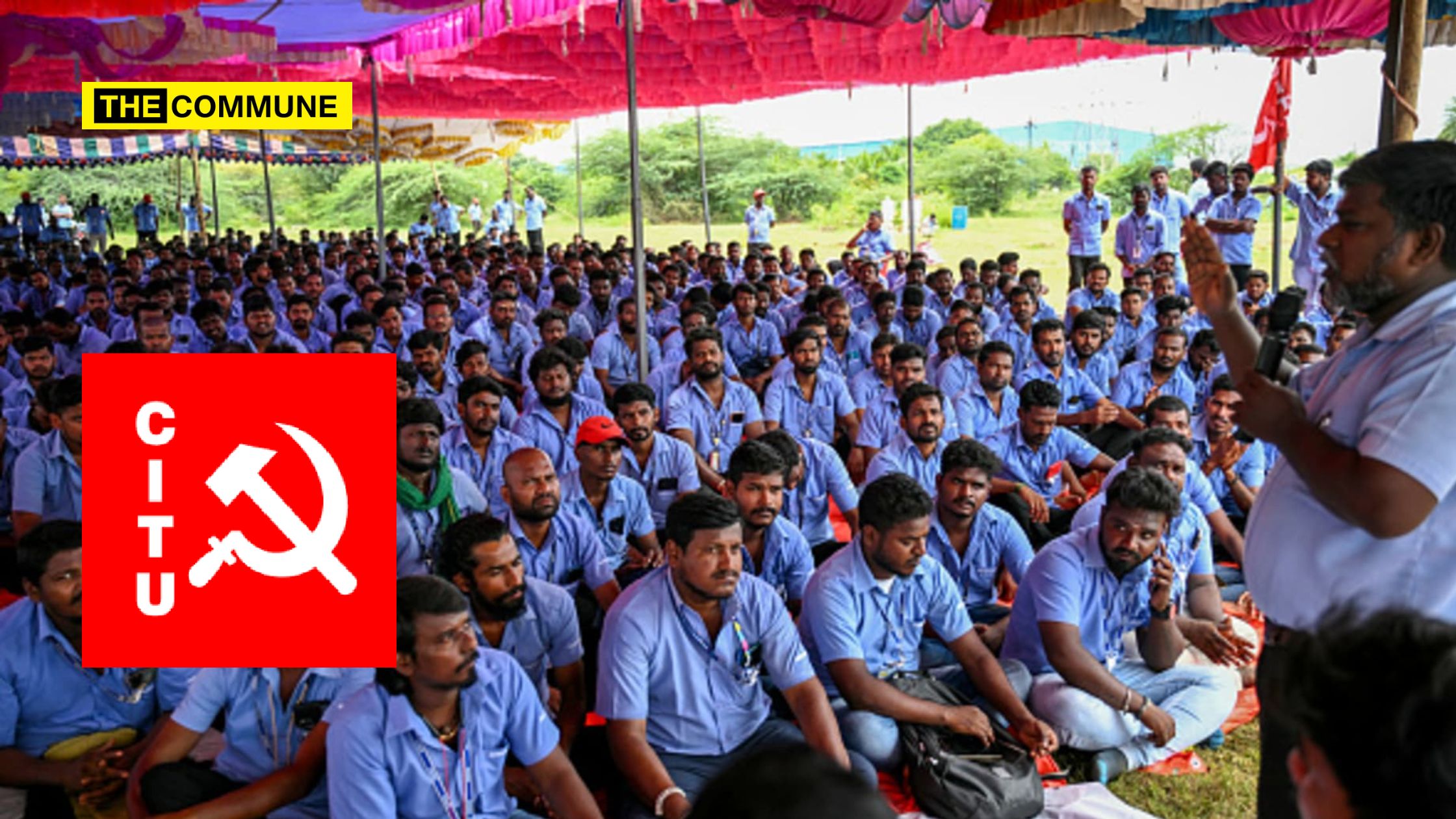
After senior JD-S legislator GT Deve Gowda extended support to Karnataka Chief Minister Siddaramaiah, Snehamayi Krishna, one of the petitioners in the Mysuru Urban Development Authority (MUDA) case, said that “all thieves have got together”.

Speaking to media persons at the Lokayukta office, Snehamayi Krishna stated on Friday, “JD-S MLA Gowda is a beneficiary of the 50:50 ratio scheme in the MUDA which is a matter of investigation.

“Gowda is making such a statement fearing action. It is expected that thieves will make more statements on these lines in the coming days,” he said. “All the thieves have formed a gang to protect their interests,” the MUDA petitioner said.

Krishna questioned what Gowda did for three months and why he had come out after the inauguration of the Dussehra festival.

“There is information that a site was allotted to the son of Social Welfare Minister H.C. Mahadevappa’s brother. Another close associate of CM Siddaramaiah Mari Gowda had got the plot for his brother through the sale deed. The information in this regard has also been given to officers,” he stated.

In a surprising development, Gowda on Thursday lashed out at his party leader and Union Minister for Heavy Industries and Steel, H.D. Kumaraswamy, and advised him to focus on getting central grants for Karnataka instead of CM Siddaramaiah’s resignation.

“We are all living in glass houses. Has the court sought his resignation? If the people against whom FIRs have been lodged have to tender their resignations, will those in the JD-S be ready to tender resignations from their posts?” Gowda questioned taking a swipe at the Union Minister.

“If Kumaraswamy is asked to resign, will he submit his resignation? Is it possible for CM Siddaramaiah who became CM after winning 136 seats to resign? Is it possible to tender a resignation, if asked?” Gowda stated.

Praising the Chief Minister, Gowda stated, “Siddaramaiah is the blessed son of goddess Chamundeshwari. He started his political career from the Chamundeshwari constituency and has grown to become a Chief Minister twice.” Reacting to the development, Kumaraswamy stated that he had sought the resignation of the CM not due to the filing of an FIR against him but for “misuse” of power.

“Gowda is no one to vouch for CM Siddaramaiah,” the Union Minister maintained. “The evidence was destroyed by officers in the CM Siddaramaiah case and that is why his resignation is being demanded. Let G. T. Deve Gowda speak in favour of CM Siddaramaiah. They are up to something against me,” he claimed.

–IANS

Subscribe to our TelegramWhatsApp, and Instagram channels and get the best stories of the day delivered to you personally.
SC Refuses To Stay Gujarat’s Anti-Encroachment Drive Near Somnath Temple

SC Refuses To Stay Gujarat's Anti-Encroachment Drive Near Somnath Temple

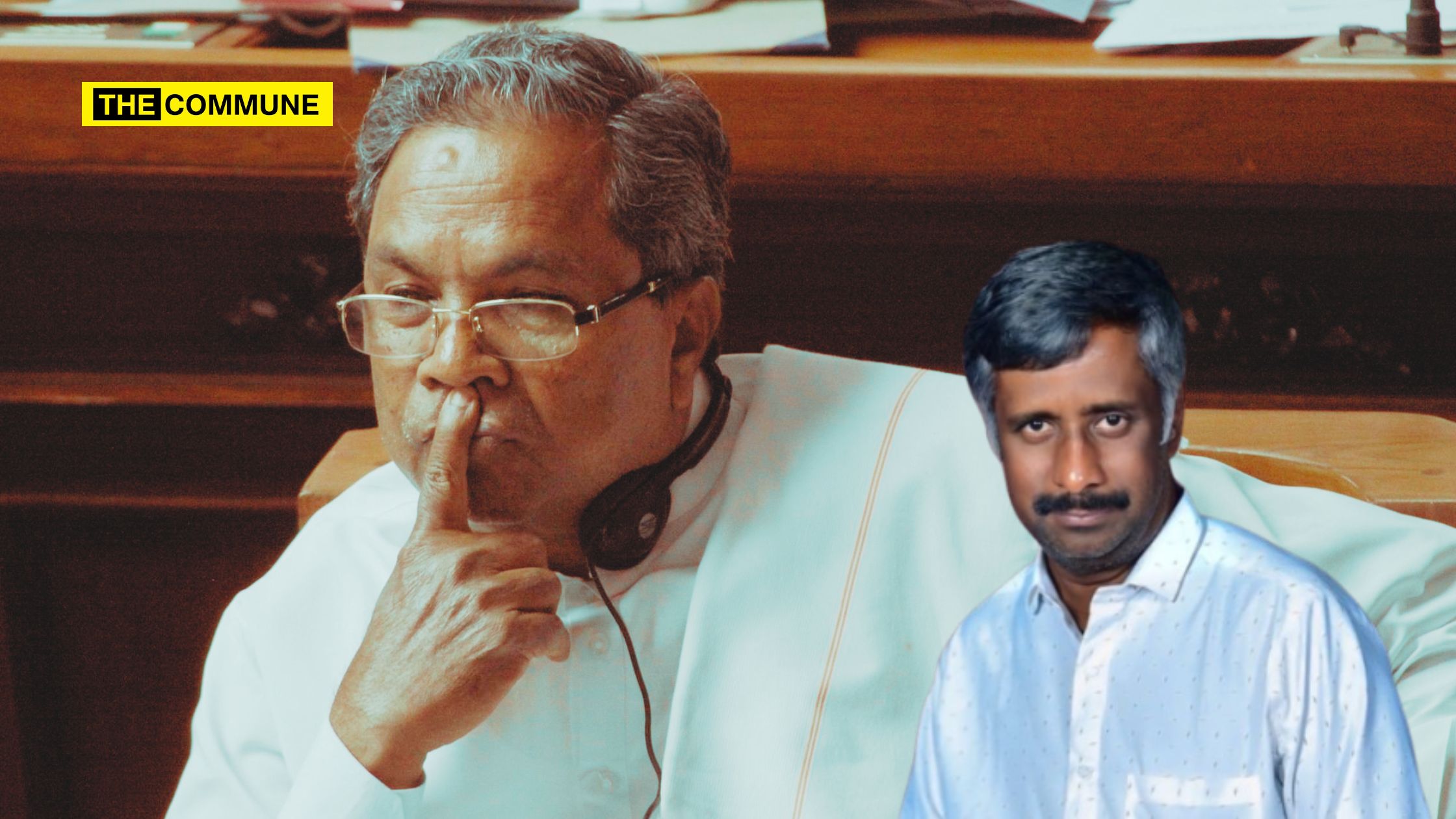
The Supreme Court on Friday declined to pass any order staying the demolition drive initiated by the Gujarat administration in the state’s Gir-Somnath district.

Solicitor General Tushar Mehta apprised a bench of Justices BR Gavai and KV Viswanathan that although several authorities were approached for an interim injunction, no relief was ever granted.

SG Mehta added that the Gujarat High Court, in a detailed hearing held on Thursday, declined to pass any status quo order, after a petition was “heard at length” in which “dictation of order continued till 4 o’clock”.

The apex court was dealing with a plea filed by the Samast Patni Muslim Jamat seeking contempt action against state authorities for carrying out a demolition drive in utter disrespect to the SC order that had paused all demolition actions across the country, except with its permission.

“We will not issue notice; you only file your reply,” the bench told SG Mehta, who appeared on behalf of the Gujarat government. The Supreme Court said it will not pass any status quo order at the present stage, but if it is later found that demolitions were carried out in violation of its order, it will “send authorities to jail and ask them to restore the position as it was.”

The matter will be heard next on October 16. The plea, filed through advocate Anas Tanwir, said that the demolition of centuries-old Muslim places of worship, including mosques, Edgars, dargahs, mausoleums, and residential places of Mutawallis, was carried out on September 28 without “issuing any notices for such demolition and without granting any opportunity of hearing.”

It contended that “Haji Mangroli Shah Baba’s tomb and surrounding graveyards have existed since the time of the State of Junagadh, with the matter of their ownership and usage being resolved as early as 1903 by a legal resolution passed under the supervision of the Colonel J. M. Hunter Commission. This land, measuring 57 acres and 01 gunthas, was allotted to the Muslim community with legal sanction, recognising its sanctity as a burial ground and religious site”.

The state action, which began on September 27, targeted unauthorised structures near the famous Somnath temple, with the aim of paving the way for the proposed Somnath Development Project.

According to the district administration, illegal structures had been constructed without permission on land owned by the Shree Somnath Trust, which oversees the temple’s operations and the Gujarat government.

In January this year, Gujarat authorities initiated a large-scale anti-encroachment operation targeting approximately three hectares (7.4 acres) of illegally occupied land behind the Somnath temple in the district.

Somnath temple, located in Prabhas Patan near Veraval town on the Arabian Sea coast, is of immense religious and cultural importance.

It is believed to be the foremost among the 12 jyotirlinga shrines dedicated to Lord Shiva and serves as a primary pilgrimage site and tourist attraction.

–IANS

Subscribe to our TelegramWhatsApp, and Instagram channels and get the best stories of the day delivered to you personally.
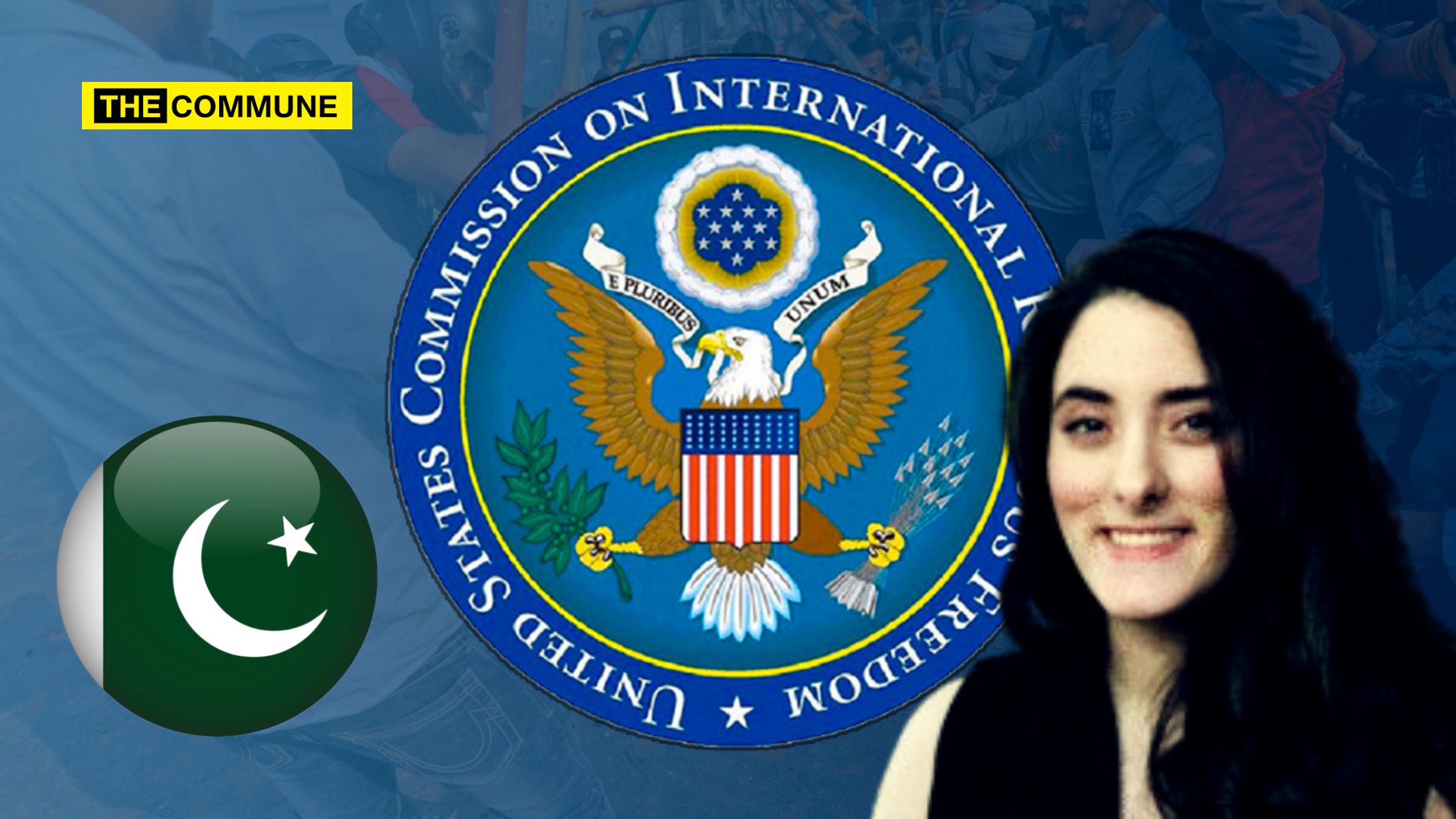
The Pakistani Influence In USCIRF Report On India Exposed

The Pakistani Influence In USCIRF Report On India Exposed

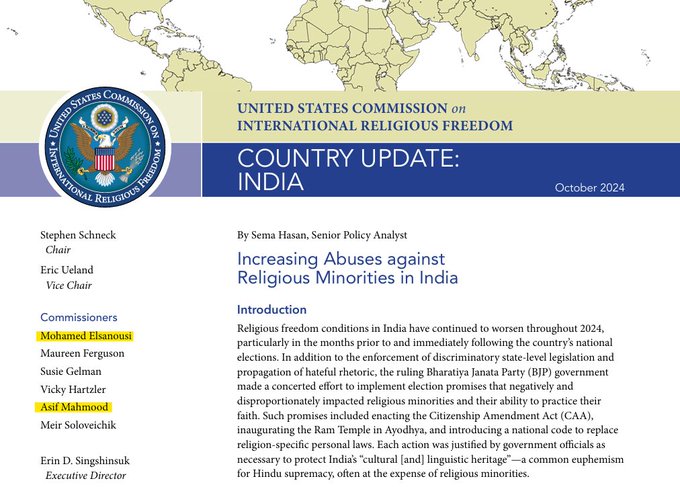
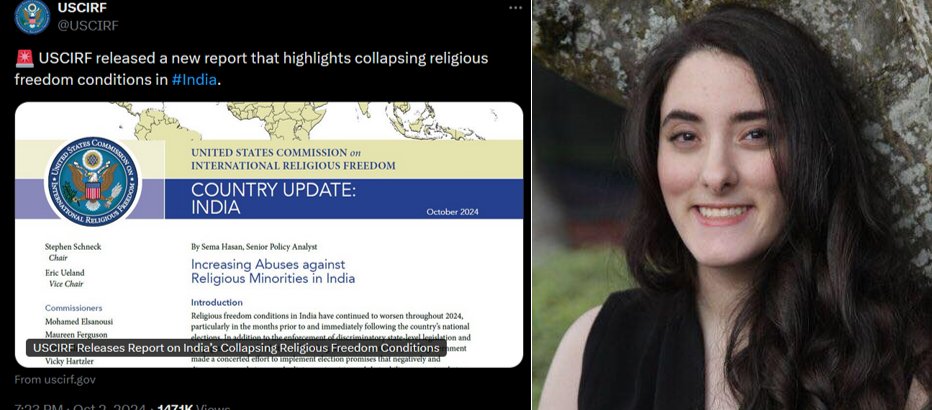
In its annual report, the USCIRF has recommended designating India as a “Country of Particular Concern” due to “severe violations of religious freedom.” The report points to incidents of violence against religious minorities and the demolition of homes and places of worship, claiming that India’s legal framework—particularly laws like the Citizenship Amendment Act (CAA) and various state-level anti-conversion regulations—disenfranchises these communities.

The USCIRF stated, “Throughout 2024, individuals have been killed, beaten, and lynched by vigilante groups; religious leaders have faced arbitrary arrests; and homes and places of worship have been demolished. These incidents represent severe violations of religious freedom.” The report also noted that India has consistently denied visas to USCIRF members since the tenure of the previous Manmohan Singh-led government, citing concerns over “interference” in its internal affairs.

India has firmly rejected a report from the US Commission on International Religious Freedom (USCIRF) that highlighted “increasing abuses” against religious minorities in the country. The Ministry of External Affairs (MEA) labeled the report as biased and accused the USCIRF of promoting a motivated narrative.

MEA spokesperson Randhir Jaiswal stated, “Our stance on the United States Commission on International Religious Freedom (USCIRF) is well established. It is a biased organization with a political agenda.” He added, “We reject this malicious report, which only serves to further discredit the USCIRF.”

Who Wrote The Report?

As always, factory of lies, USCIRF came up with another dog & pony show-country update report on India. While it is laced with usual anti-India tropes such as CAA & Islamophobia, what is important is to take a good look at the person drafting it.

Meet Sema G Hasan & USCIRF’s Pakistani pool ofexpertson India

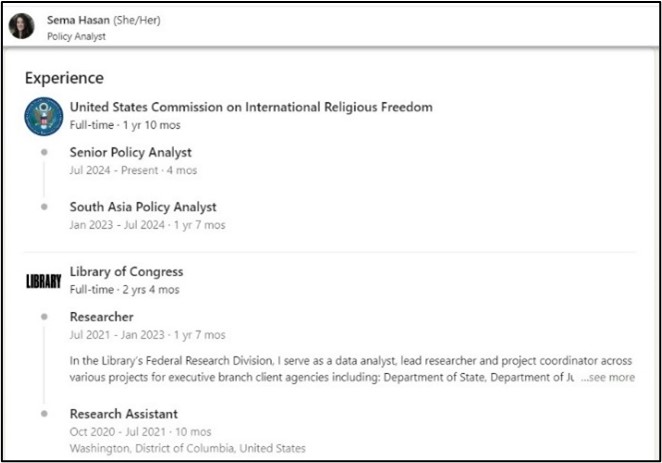
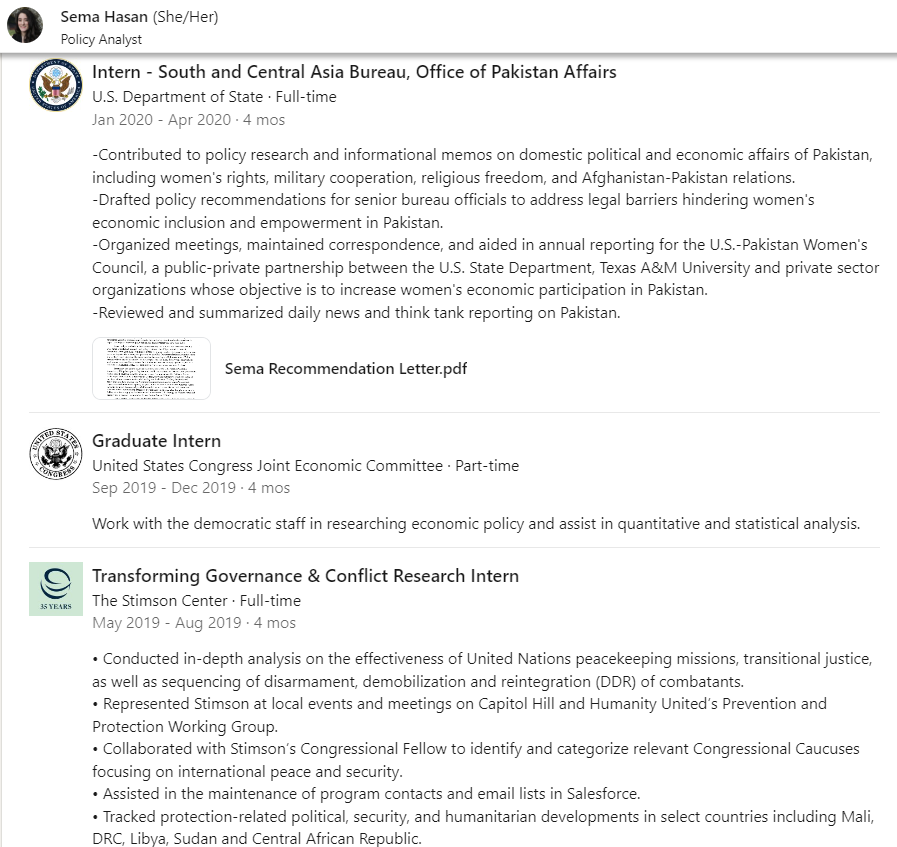
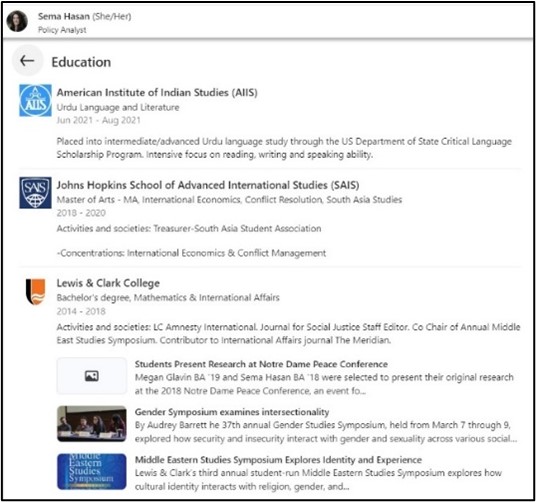
The report is curated by Sema Gabriela Hasan, a Pakistani American appointed as South Asia Policy Analyst first in 2023, then promoted to senior analyst in 2024. Before this, she served as an intern at South and Central Asia Bureau, Office of Pakistan Affairs, US State Department.

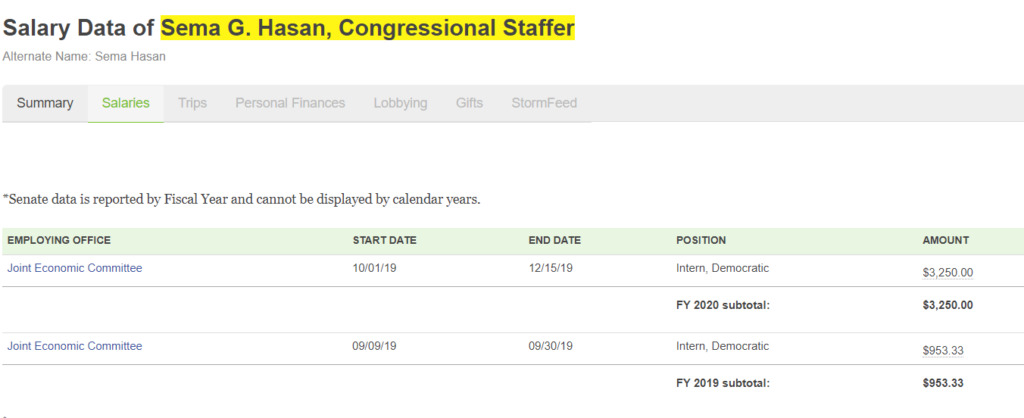
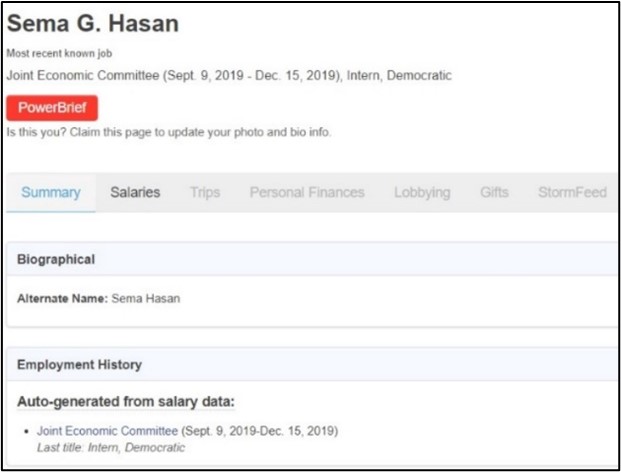
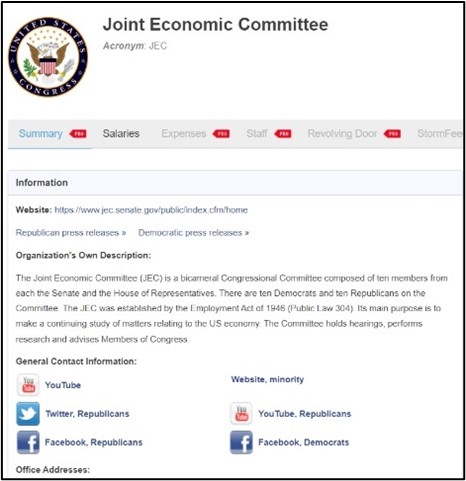
She has been closely linked to the US State Department, having previously served as a Congressional Staffer at the Joint Economic Committee as a Democratic Representative in 2019.

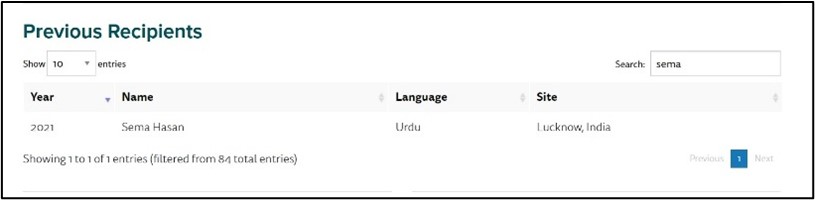
More importantly in 2021, she was granted the Critical Language Scholarship (CLS), a program of the US State Department, pursuing which she came to the American Institute of Indian Studies to learn Urdu. A year & a half later, she was appointed as South Asia Policy Analyst at USCIRF.

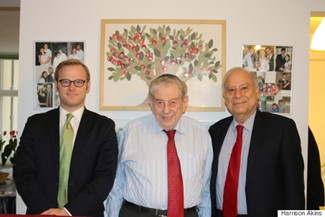
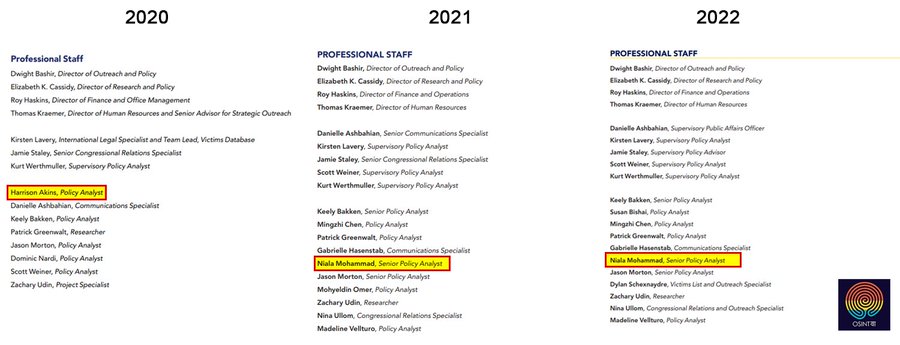
But where have we seen this before? Sema G Hasan was groomed following the same blueprint before being appointed at the USCIRF as anexperton India. USCIRF’s 2020 policy analyst Harrison Akins covered a similar journey before bullshitting on India.

Like Sema, he’s also a graduate of Johns Hopkins & came to India in 2016 under the same CLS program. Another commonality- both their trips aligned with visa denials to USCIRF officials

Cherry on top, while Akins isn’t Pakistani, he was groomed by former Pak diplomat Akbar Ahmed.

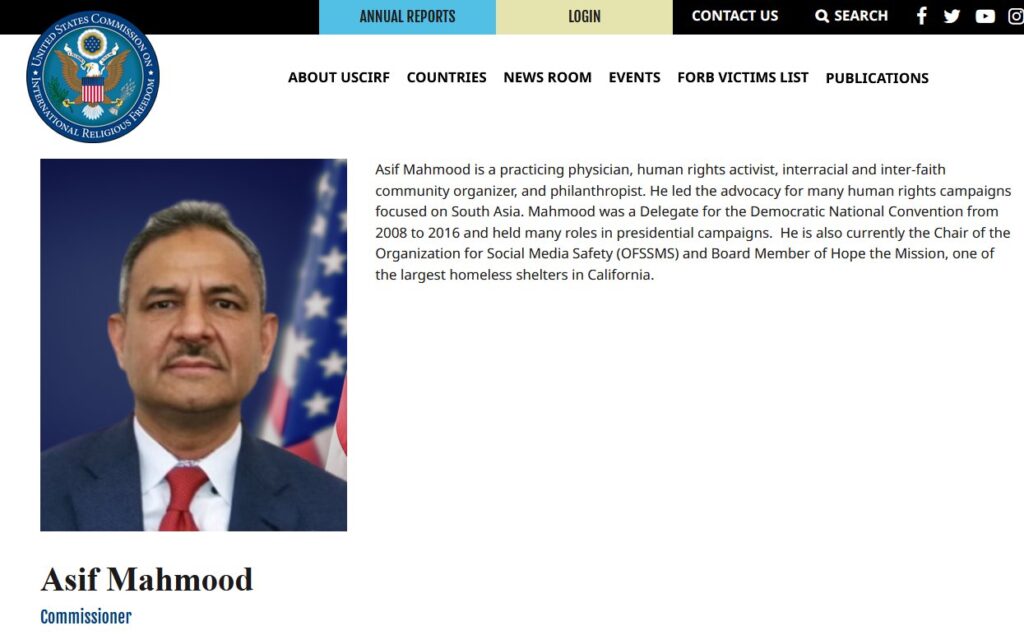
That’s not it. USCIRF’s affair with Pakistanis and terror-linked Islamists isn’t new. Two other names in this special report on India also have roots in Pakistan and incidentally, they happen to hold brazen anti-India views.

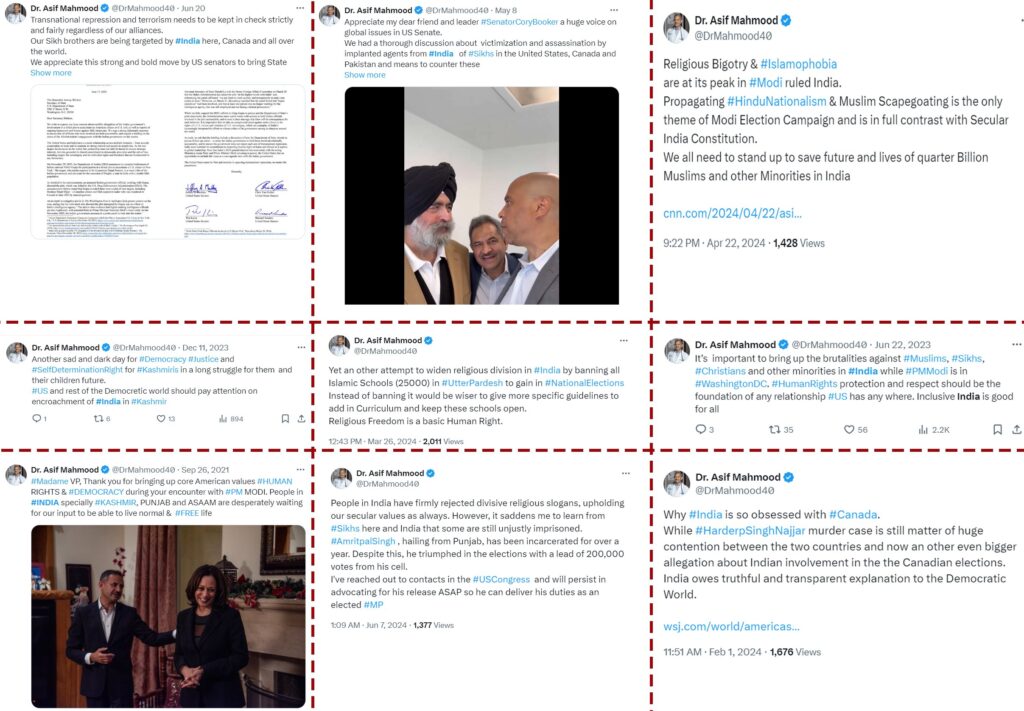
Asif Mahmood is a Pakistani national appointed as a Commissioner at USCIRF in May 2024. Perhaps the USCIRF is trying to make us believe that a Pakistani would be anything but biased when it comes to India. His views say otherwise.

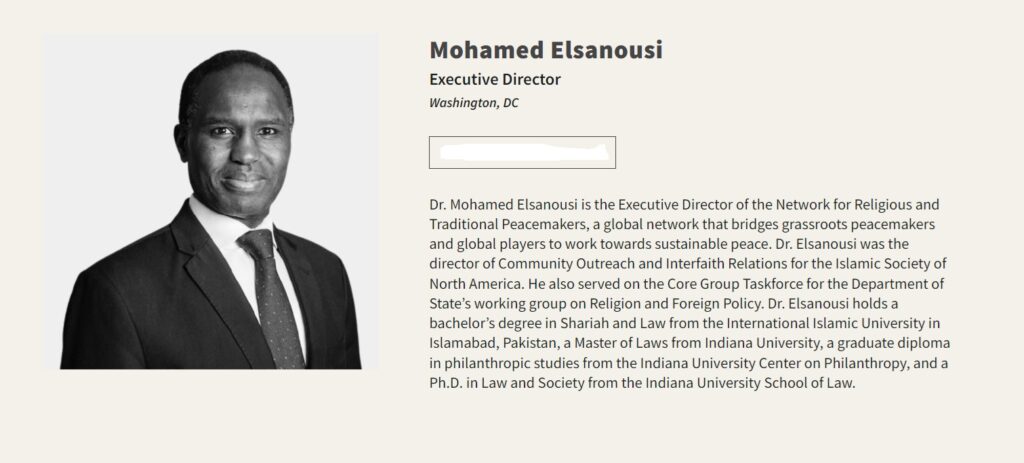
Next is Mohamed Elsanousi, appointed as commissioner in June 2024. He’s a graduate of Shariah & Law from International Islamic University, Pakistan & has served as director of Community Outreach & Interfaith Relations of the MB offshoot Islamic Society of North America (ISNA).

USCIRF’s best picks for opining on India’s religious freedom are either of Pakistani descent, trained in Pakistan or by a Pakistani national, or have spent years in the country for some project. In 2021, it was another Pakistani national Niala Mohammed, who crapped on India. It is noteworthy that the 2020 Report was written by Harrisson Akins and the 2021 & 2022 reports on India were drafted by Pakistani national Niala Mohammed who is a critic of India.

USCIRF had sold its soul to Islamists to publish bullshit reports on India when they fed USCIRF with some dimes to lobby against India, as exposed multiple times.

Years of this charade and the USCIRF isn’t even trying to hide it anymore. At this point, they are carelessly operating on zero ounce of credibility.

This article is based on an X thread by OSINTWa.

Subscribe to our TelegramWhatsApp, and Instagram channels and get the best stories of the day delivered to you personally.
When PM Modi Fulfilled Last Wishes Of Freedom Fighter Shyamji Krishna Varma, 56 Years After Independence

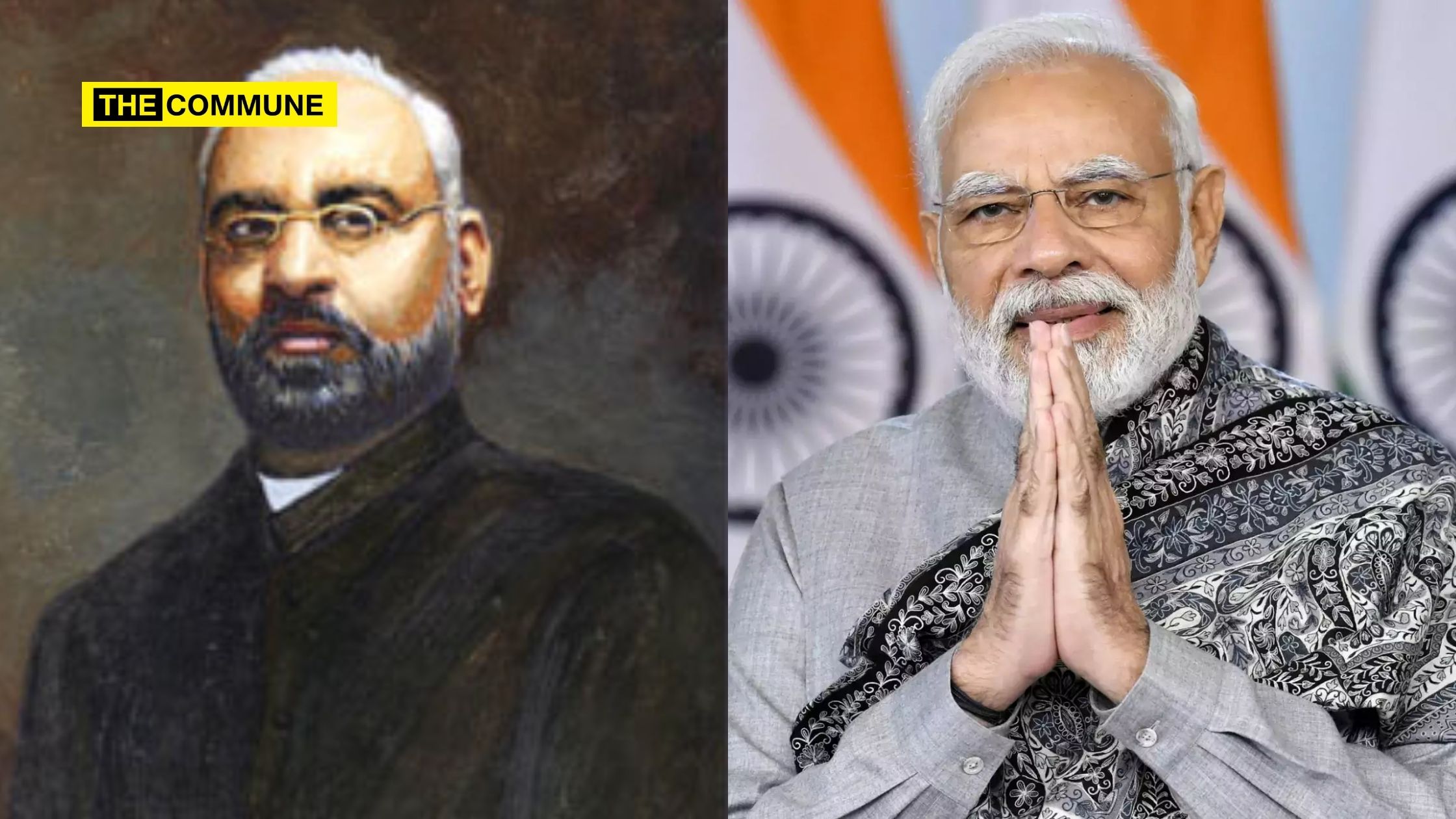
Shyamji Krishna Varma and PM Modi

As the nation observes the birth anniversary of great freedom fighter Shyamji Krishna Varma, here is a story on how Prime Minister Narendra Modi paid an emotional and memorable tribute to the great patriot and revolutionary.

Shyamji Krishna Varma, a Gujarat-born freedom fighter played pivotal role in India’s struggle for Independence. Besides being a noted scholar in Sanskrit and other Indian languages, he founded the India House in London, which served as a leading centre of Indian nationalism outside the country, before Independence.

Shyamji Krishna Varma passed away in 1930, holding on to the hope that his ashes would return to a free and Independent India. However, his ‘last wish’ was realized only after five decades of India attaining freedom from colonial rule.

The dream was realized in August 2003, after Narendra Modi took over as Gujarat Chief Minister. The then Gujarat CM brought his ashes back from Geneva, honouring the freedom fighter’s final request.

On 22nd August 2003, PM Modi reached St. George’s cemetery in Geneva, Switzerland, to collect Shyamji Krishna Varma’s ashes from the Ville de Genève and the Swiss government, fulfilling this patriot’s long-held wish.

Few years later, in 2010, PM Modi also inaugurated the Kranti Peeth memorial in Mandvi, replicating the India House in London, housing statues of Shyam ji and his wife, alongside their ashes.

Earlier in the day, PM Modi paid tributes to the revolutionary freedom fighter Shyamji Krishna Varma on his birth anniversary today. In a social media post, PM Modi also highlighted Shyamji Krishna Varma’s unwavering spirit and dedication to the nation, emphasising that his legacy will continue to inspire generations.

He said that Shyamji Krishna Varma’s revolutionary actions infused remarkable strength into the resolve for the country’s independence.

“Hundreds of salutations to the great freedom fighter and brave son of Mother India, Shyamji Krishna Verma, on his birth anniversary. With his revolutionary steps, he infused amazing power in the resolve for the independence of the country. His dedication and spirit of service towards the nation will continue to inspire every generation,” PM Modi said in a post on X.

–IANS

Subscribe to our TelegramWhatsApp, and Instagram channels and get the best stories of the day delivered to you personally.
Andhra Pradesh Dy CM Pawan Kalyan Advocates For Sanatana Dharma With Varahi Declaration

Pawan Kalyan Advocates For Sanatana Dharma With Varahi Declaration

Andhra Pradesh Deputy Chief Minister Pawan Kalyan has positioned himself as a strong proponent of Sanatana Dharma during a recent gathering in Tirupati, Andhra Pradesh. Addressing a large audience after performing rituals at the Sri Venkateswara Temple, Kalyan vehemently criticized pseudo-secular critics, declaring himself an unapologetic Sanatani Hindu. He made a pointed remark against Tamil Nadu Deputy Chief Minister Udhayanidhi Stalin, who had compared Sanatana Dharma to a virus, asserting, “You cannot wipe out Sanatana Dharma. If anyone tries, they will be wiped out.”

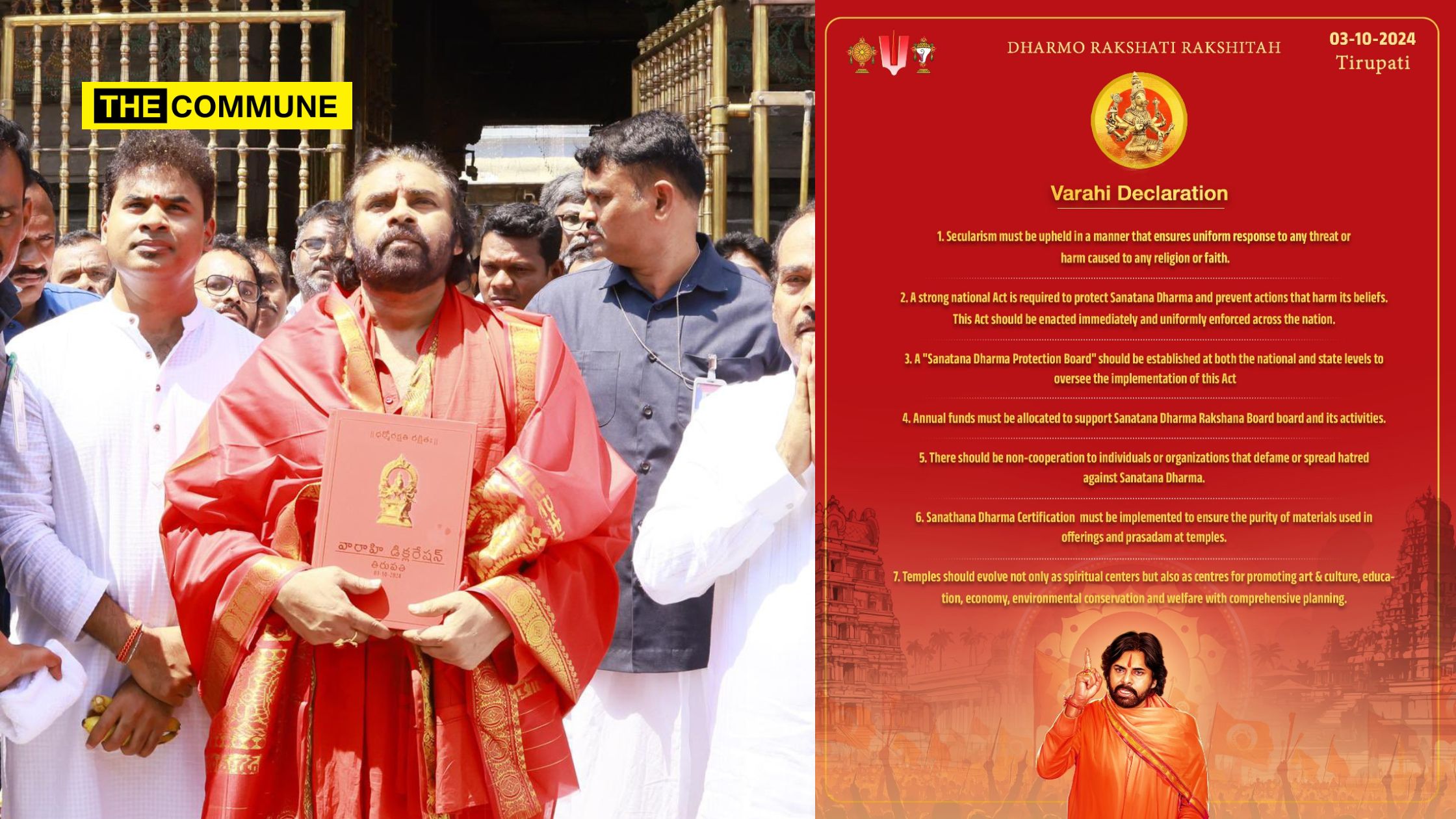
On 3 October 2024, Kalyan unveiled the Varahi Declaration, which he described as more than a political initiative; it is a mission aimed at defending the cultural and religious heritage of Andhra Pradesh. He stated that the Varahi campaign began 14 months ago and represents a call to action for millions who wish to establish a “Sanatana Dharma Raksha Board” to protect their beliefs.

Key Proposals Of the Varahi Declaration

  • Uniform Application of Secularism: The declaration stresses that secularism should be applied uniformly to ensure equal protection for all religions.
  • National Legislation: A call for a national act that specifically defends Sanatana Dharma against actions or statements that harm its core beliefs, ensuring uniform enforcement throughout India.
  • Sanatana Dharma Protection Boards: Establishment of these boards at both national and state levels to implement the act and safeguard the faith’s interests.
  • Budget Allocations: Annual budgets should be allocated to support these boards and their activities, ensuring they have adequate resources.
  • Disengagement from Hate: The declaration advocates for disengagement from individuals or groups that promote hatred or defame Sanatana Dharma.
  • Sanatana Dharma Certification: Introduction of certification to ensure the purity and authenticity of materials used in temple rituals, such as offerings and prasadam.
  • Broader Role of Temples: Kalyan envisions temples evolving into centers of art, education, economy, and environmental conservation, contributing to the broader cultural and social welfare of society.

Kalyan’s speech reflects a call to action for the protection of Sanatana Dharma, urging Hindus to unite against perceived attacks while also advocating for respect for all faiths. This declaration comes in the wake of rising controversies surrounding Sanatana Dharma and aims to foster a collective voice among its adherents.

(With inputs from ABPLive)

Subscribe to our TelegramWhatsApp, and Instagram channels and get the best stories of the day delivered to you personally.
Two Arrested For Stealing And Selling Cows For Meat In Kodaikanal

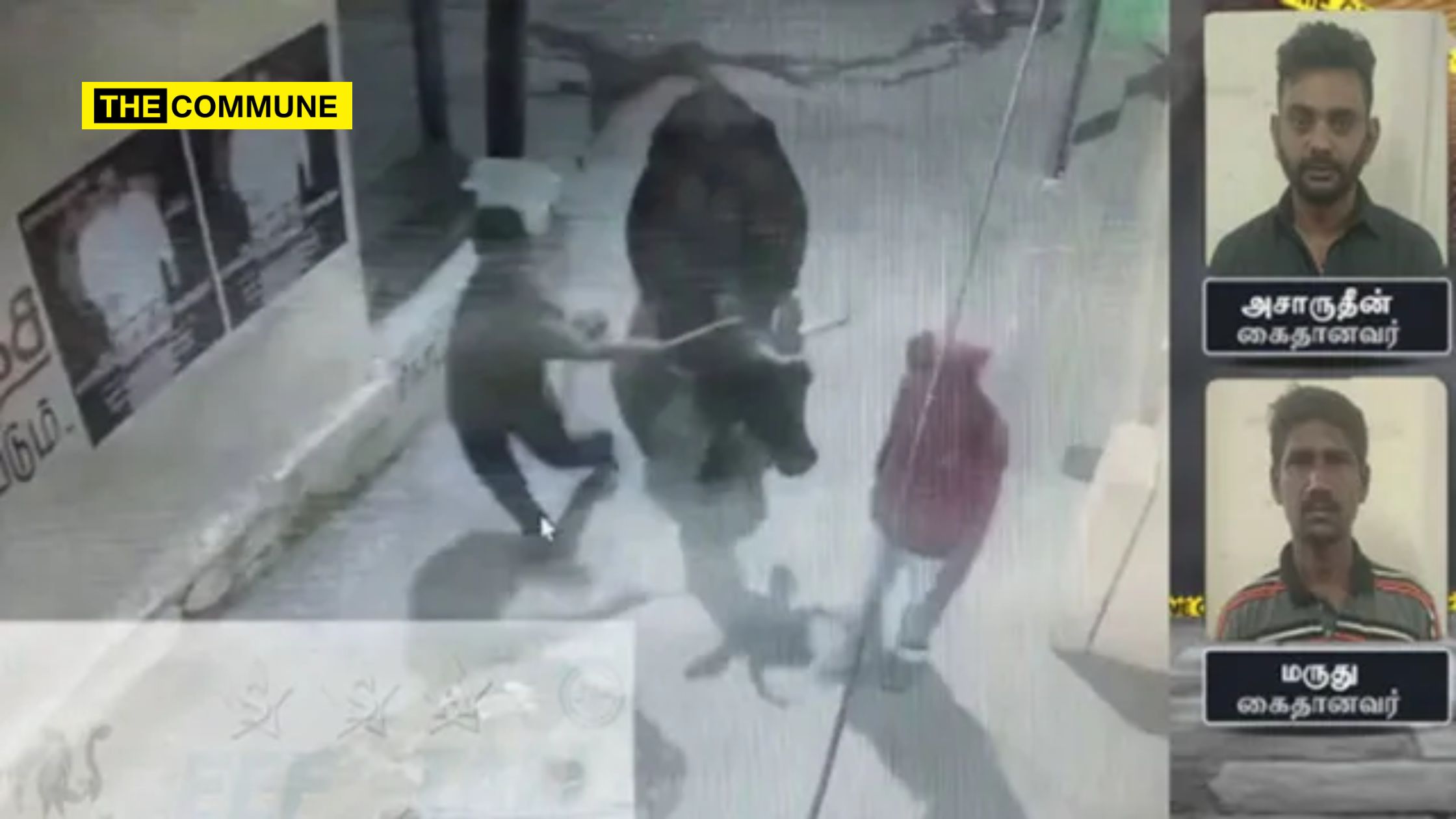
Mohammad Azharuddin (36) and Marudupandi (35) arrested for selling Cows for Meat in Kodaikanal

Kodaikanal police have arrested two individuals, Mohammad Azharuddin (36) and Marudupandi (35), for allegedly stealing cows from a residence and selling them for meat in the Kodaikanal area of Dindigul district. The arrests were made following a complaint from a local resident, Chelladurai, who reported the disappearance of his cow.

Residents in and around Kodaikanal had expressed concerns over the frequent theft of cows they had been bringing up as domestic animals, prompting multiple complaints to the police. In response, a special police team was formed to investigate the matter. Utilizing CCTV footage, authorities discovered Azharuddin and Marudupandi leading the stolen cow by its rope.

Further investigation revealed that both suspects, who own beef shops, had been involved in smuggling and slaughtering the stolen cows for meat in the surrounding areas. The police have launched an ongoing investigation into the case, focusing on uncovering the full extent of their operations.

Subscribe to our TelegramWhatsApp, and Instagram channels and get the best stories of the day delivered to you personally.