Home Blog Page 500

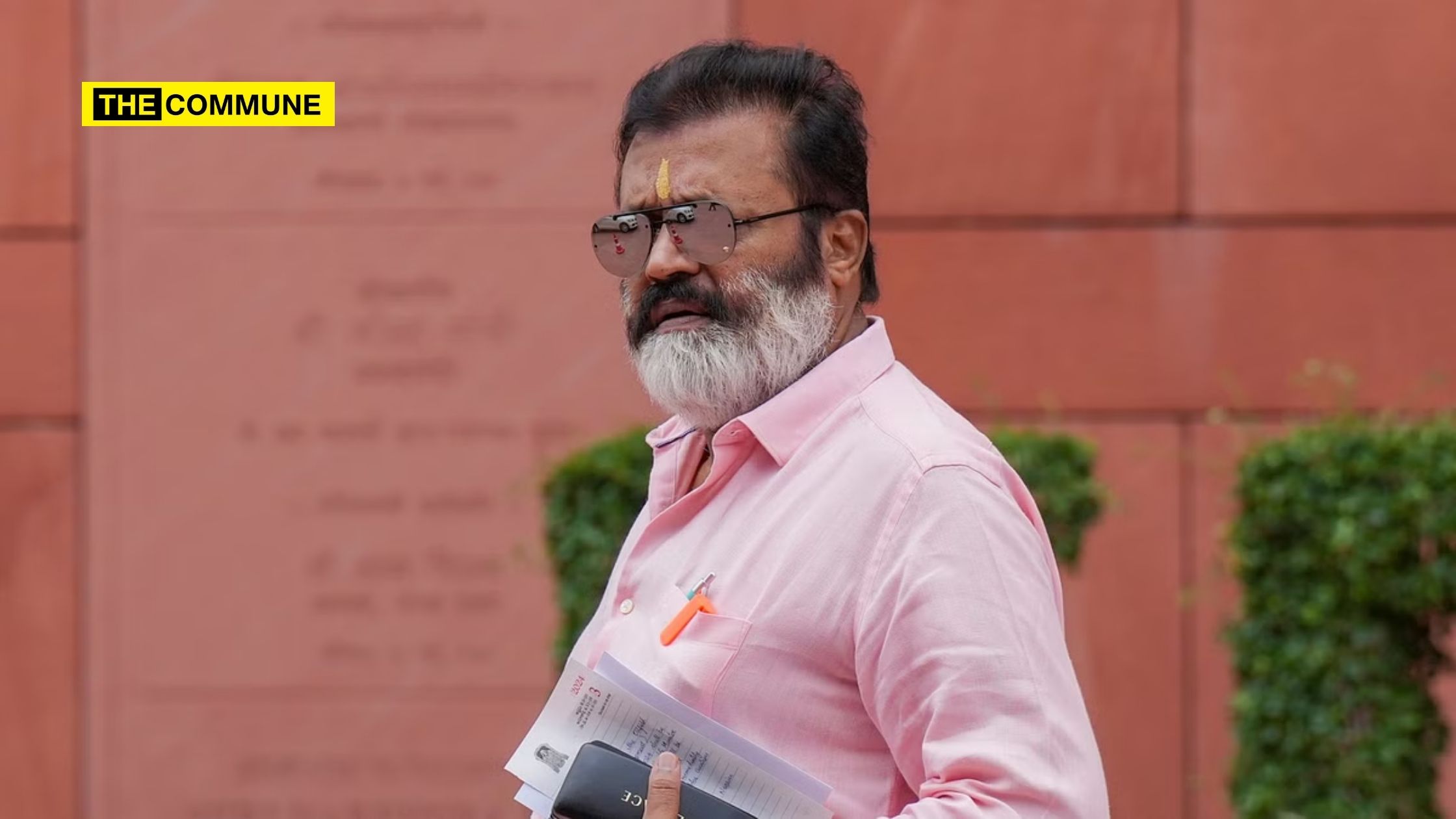
2 Held For Robbing MoS Suresh Gopi’s Ancestral Home

2 Held For Robbing MoS Suresh Gopi’s Ancestral Home.

The Kerala Police on Wednesday arrested two young men, both of whom are history sheeters, for robbing actor-turned-politician and Union Minister of State Suresh Gopi’s ancestral home located within the Eravipuram police station limits.

An official from the Kerala Police said on Wednesday that the arrested people, identified as Shiminas and Arun, who are in the 18-20 age group, have previous cases of robberies registered against them.

The two criminals fell into the Kerala Police net after a relative of Minister of State Suresh Gopi arrived at the house to check on it and found the outhouse doors left wide open. Upon checking, the relative found that someone had stolen certain old materials kept in the outhouse of the minister’s home.

The minister’s relative alerted the police, who rushed to the crime scene. After a thorough probe of the area, the cops were able to zero in on the two miscreants after they were spotted in the CCTV footage of the neighbouring house. The minister’s ancestral home is locked, and Suresh Gopi’s relatives visit it at times to ensure its safety.

During the interrogation of the two young men, police found out that they had also decamped with old materials kept at the outhouse as they realised that no one lived there and found it an easy target.

However, it is not clear yet if they realised that they were robbing the house of the Minister of State, Suresh Gopi. Their arrests have been formally recorded, a police officer said, adding that the two criminals will be produced before a local magistrate soon. Suresh Gopi and his family reside in the state capital city of Thiruvananthapuram and rarely come down to the house.

–IANS

Subscribe to our channels on TelegramWhatsApp, and Instagram and get the best stories of the day delivered to you personally.

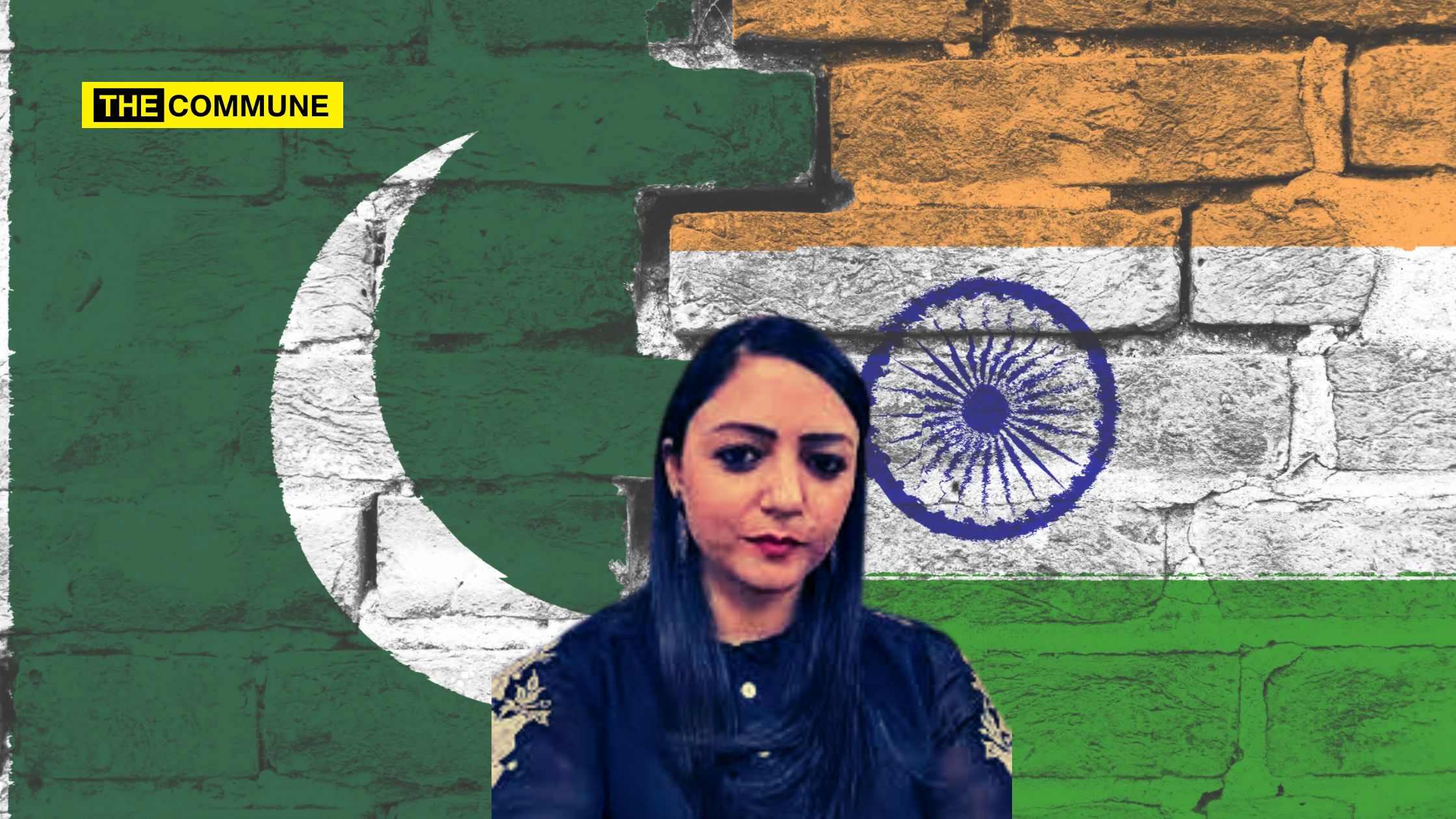
Shehla Rashid Slams ‘Narrative Builders’ On Indian Army’s Actions In J&K In Pre-Article 370 Era

"Partition Was Along Islamic Lines, Not Religious Lines", Says Activist Shehla Rashid

Former Jawaharlal Nehru University (JNU) student and Kashmir-based activist Shehla Rashid shared on Wednesday how her views on the Indian Army underwent a significant transformation after the abrogation of Article 370 on August 5, 2019, in Jammu and Kashmir (J&K).

Speaking to IANS, Rashid, known for her vocal opposition to the Indian government and its policies, reflected on how her perspective of the Army had evolved over time, particularly after the controversial revocation of Article 370, which had granted Jammu and Kashmir special autonomous status.

“Earlier, I used to be a strong opponent of the Army, but my views have changed,” Rashid said. She further stated, “Before 2019, we would see the Army entering homes, interrogating people. This created a negative image of the Army among the local population, and I was among those who never questioned it. But after the abrogation of Article 370, we began to question, ‘Where is all this starting from?’ It became clear that much of the unrest in Kashmir was being fueled from across the border, with Pakistan sending terrorists into the region.”

Rashid emphasised that the lack of a critical understanding of the broader geopolitical situation had contributed to the initial negative sentiment towards the Indian Army in Kashmir. “We never asked, nor were we allowed to ask, about the root causes of this tension,” she said, reflecting on the long-standing conflict and the role of external factors. Drawing attention to the plight of local soldiers, Rashid acknowledged the risks and sacrifices made by the Indian Army in the volatile region. “We have seen the death of many soldiers and even today, we witness brave young soldiers posted in difficult territories in J&K.

The Army has had to enter homes and pick up people for interrogation, but this is not out of malice. It’s a result of the larger geopolitical dynamics and the need to secure our borders from terrorism,” she said. She also pointed out that while the Indian Army is often associated with militarised actions, it is crucial to understand the context that leads to such measures. Rashid, who has also written about her experiences and perceptions in her book, reiterated the importance of questioning the root causes of the Kashmir conflict, especially as it relates to Pakistan’s role in promoting anti-India sentiments through terrorism. “Pakistan has been promoting hatred against India by orchestrating terrorist activities in J&K,” she added.

Shehla Rashid further reacted to the ongoing issue of atrocities against Hindus in Bangladesh. “This is not just an issue for the Opposition to address,” Rashid stated when asked about the silence of political leaders regarding the atrocities in Bangladesh.

“If you ask me specifically, I can’t speak for the entire Opposition parties. However, the Gandhi family should definitely speak up on this issue, as it is part of their legacy.”

She said it was former Prime Minister Indira Gandhi who played a pivotal role in the liberation of Bangladesh, a moment that led to the martyrdom of many Indians and Bangladeshis. “It is my expectation that the Gandhi family will take a stand on this matter,” Rashid said, adding that the legacy of the 1971 war and the creation of Bangladesh should not be forgotten when discussing the current plight of Hindus in the region.

–IANS

Subscribe to our channels on TelegramWhatsApp, and Instagram and get the best stories of the day delivered to you personally.

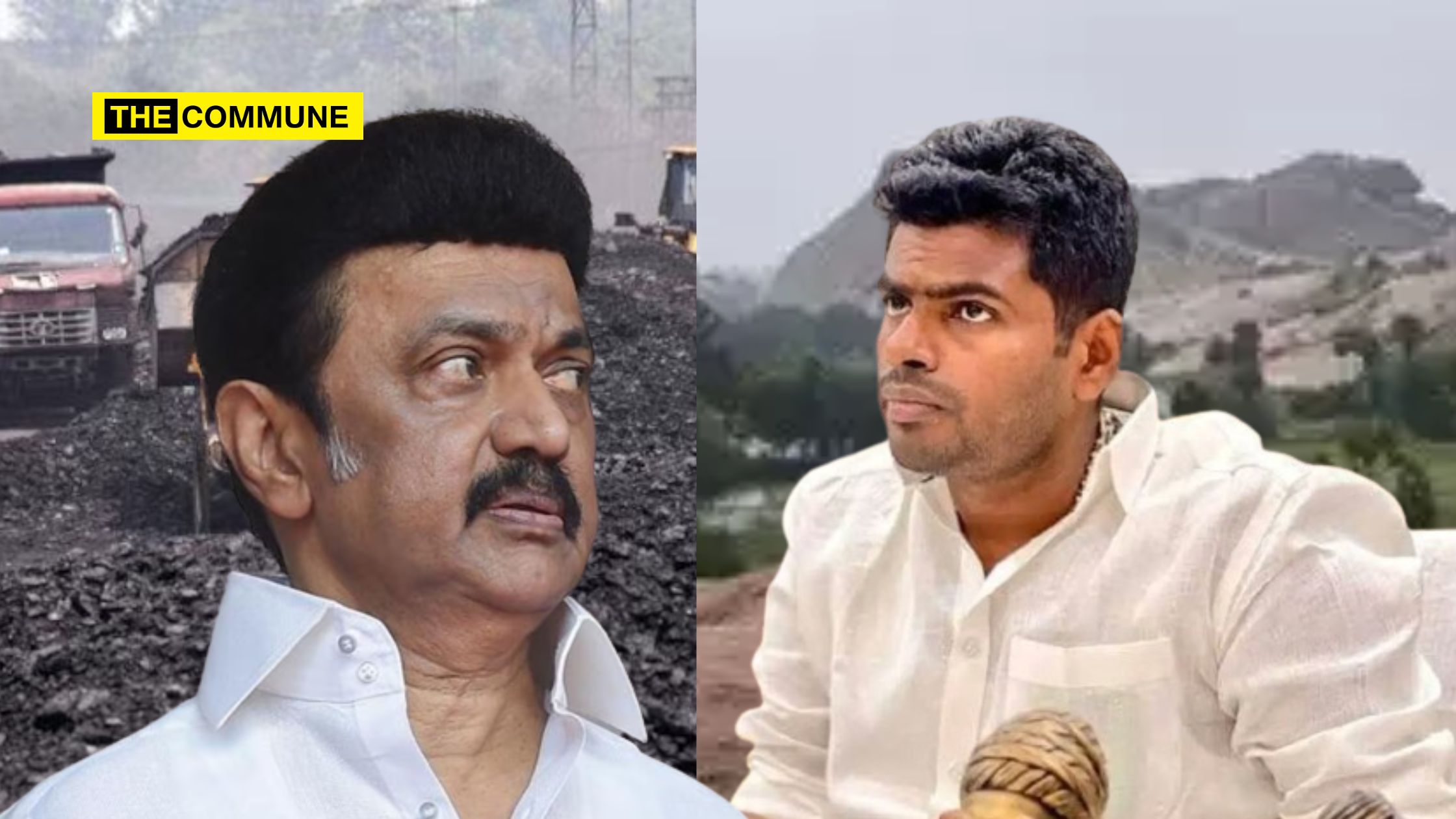
BJP TN Chief Annamalai Accuses DMK Of Hiding Archaeological Sites In Tungsten Mining Dispute

BJP TN Chief Annamalai Accuses DMK Of Hiding Archaeological Sites In Tungsten Mining Dispute.

The ongoing dispute over the proposed tungsten mining project near Madurai has sparked a war of words between the BJP and the ruling DMK government, focusing on protecting archaeological sites. Tamil Nadu BJP Chief Annamalai has accused the DMK of playingcheap politicsover the issue, claiming that the state government failed to inform the central authorities about the presence of ancient burial sites near the tungsten mining area.

Controversy erupted when it was revealed that the government had selected a region near Alagar Malai, home to several 2,000-year-old burial sites and is renowned for its rich cultural and archaeological heritage, for tungsten mining. Local villagers raised concerns about the potential impact of the mining activities on these ancient sites, leading to protests.

Annamalai criticized the DMK for not addressing the concerns earlier and for playing political games by suddenly raising the issue months after the project was approved. “Only in February did the central government announce the auction for critical minerals like tungsten. For the past 10 months, nobody raised concerns about the project, despite the proximity of significant archaeological sites. The DMK, however, decided to make this a major issue only after the protests began in December,he said.

Annamalai also claimed that the Tamil Nadu government had initially given input to the central government, encouraging the mining project. The state government actively supported the project earlier in the year, but now they’re trying to create an issue by politicizing it. This is pure drama by the DMK,he said.

In response to the protests, the central government has pledged to investigate the issue, with Union Minister of State for Mines, Kishan Reddy, assuring that the concerns of the local villagers and the preservation of cultural heritage would be prioritized. Annamalai further emphasized that the BJP government under Prime Minister Narendra Modi would never allow projects that harm the interests of the people of Tamil Nadu.

Archaeological Sites at Risk

The Alagar Malai region, where the mining project is planned, is home to significant archaeological sites, including burial mounds believed to date back to over 2,000 years. These burial sites are part of the region’s rich history and have been of interest to historians and archaeologists for their unique cultural significance. The presence of such sites raises concerns over the impact of large-scale mining on the preservation of these historical artifacts.

Archaeologists have warned that mining activities could disturb the integrity of the burial sites and the surrounding areas. The local community has voiced their concerns, citing the potential destruction of these ancient structures. TN BJP chief Annamalai has urged the DMK government to clarify why these concerns were not communicated to the central government earlier, and why the preservation of these sites was not a priority when the project was first discussed.

Subscribe to our channels on Telegram, WhatsApp, and Instagram and get the best stories of the day delivered to you personally.

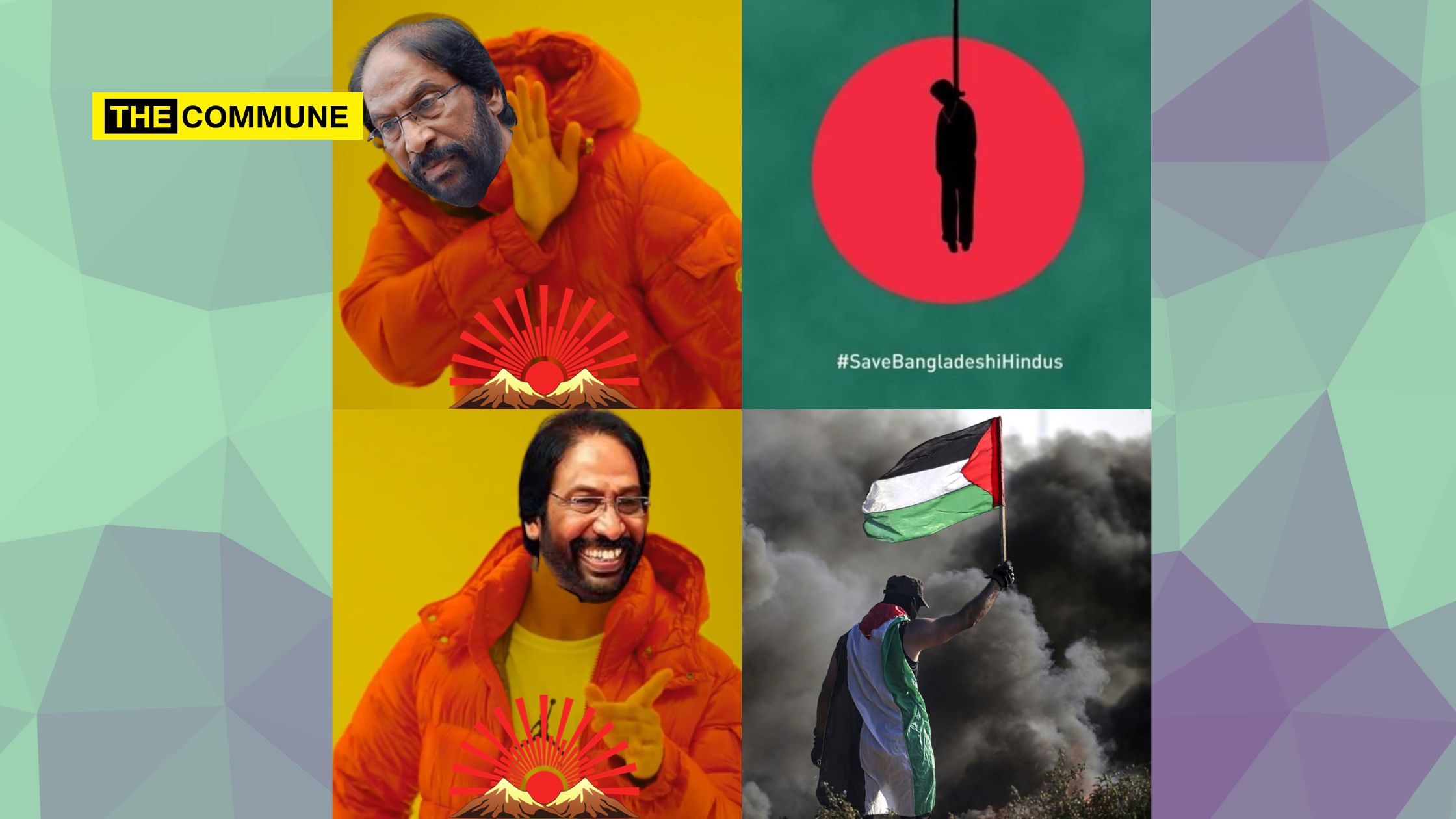
DMK MP Tiruchi Siva Raises Issue Of Gaza In Parliament, Nothing For Bangladeshi Hindus

DMK MP Tiruchi Siva Raises Issue Of Gaza In Parliament, Nothing For Bangladeshi Hindus

The ongoing conflict between Israel and Hamas has captured global attention, with humanitarian concerns and political posturing taking centre stage. In India, the debate has also reached Parliament, where DMK MP Tiruchi Siva recently questioned the government’s abstention from a UN resolution aimed at protecting Palestinian civilians.

While the MP’s concerns about international humanitarian issues are valid, the glaring silence of the DMK on the atrocities faced by Hindus in neighboring Bangladesh reveals a troubling hypocrisy.

DMK’s Vocal Support for Palestine

During the winter session of Parliament, Tiruchi Siva raised the issue of India’s abstention from a UN resolution in October 2023 that called for the protection of Palestinian civilians. The resolution, tabled amidst the ongoing Israel-Hamas war, aimed at upholding legal and humanitarian obligations in conflict zones. Siva’s pointed question about India’s stance was accompanied by criticism of the central government’s policies. External Affairs Minister S. Jaishankar responded, highlighting India’s significant humanitarian aid to Palestine, including thousands of tons of food and medical supplies sent in 2023.

Deafening Silence on Bangladeshi Hindus

While the DMK has been vocal on international issues, it has remained conspicuously silent on the plight of Bangladeshi Hindus. Since the political upheaval and coup in Bangladesh in August 2024, there have been several reports of targeted violence, persecution, and displacement of Hindus every single day. Temples have been desecrated, homes torched, Hindu families blackmailed, teachers forced to resign, Hindu women forced to wear burkha in public, etc. Despite the gravity of the situation, DMK leaders, who often position themselves as defenders of minority rights, have refrained from addressing these atrocities.

This silence extends to local media channels in Tamil Nadu, many of which are believed to be influenced by the DMK. Allegations of a deliberate blackout of news about Bangladeshi Hindus have raised questions about the party’s commitment to justice and human rights.

Double Standards on Human Rights

The DMK’s selective outrage exposes a troubling double standard. On one hand, it champions the cause of Palestinian civilians, aligning itself with global humanitarian concerns. On the other, it turns a blind eye to the systematic persecution of Hindus in a neighboring country. This inconsistency undermines the party’s credibility and raises suspicions about its political motivations.

The plight of Bangladeshi Hindus is not just a local or regional issue; it is a humanitarian crisis that demands international attention. By ignoring these atrocities, the DMK not only fails its constituents but also diminishes its moral authority to critique the central government’s foreign policy.

Subscribe to our channels on Telegram, WhatsApp, and Instagram and get the best stories of the day delivered to you personally.
Egmore Govt Hospital Staff Allegedly Demand Bribes To See Newborns, Family Alleges Newborn’s Death Due To Negligence

Egmore Govt Hospital Staff Allegedly Demand Bribes To See Newborns, Family Alleges Newborn's Death Due To Negligence

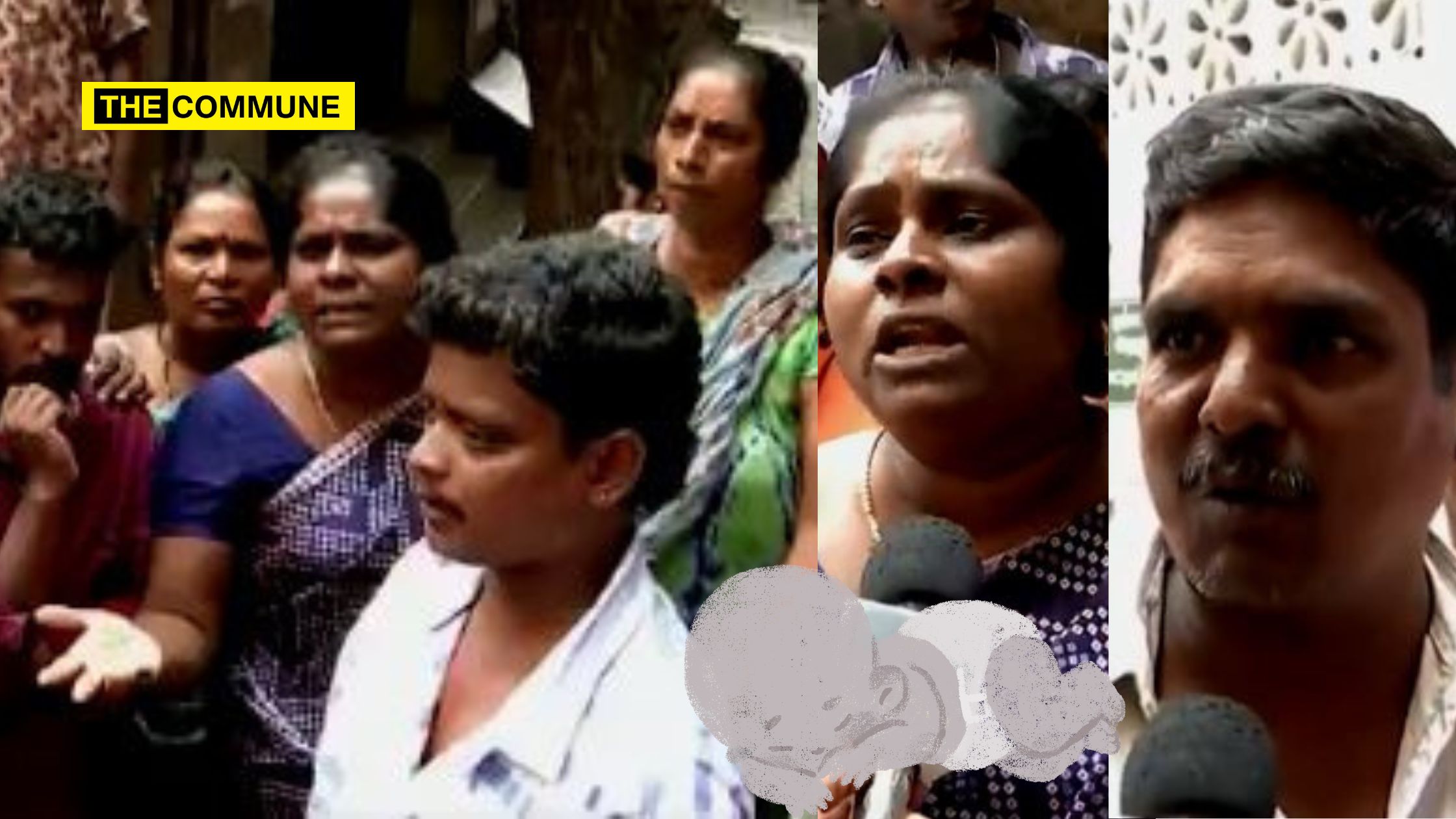
Chaos broke out at the Institute of Obstetrics and Gynaecology, a government-run Hospital for Women and Children in Egmore, as relatives of a newborn girl staged a protest, accusing the hospital of negligence that led to the baby’s death. The family claimed the child was born healthy but tragically passed away due to improper care by medical staff.

The grieving relatives also alleged that hospital staff demanded bribes to allow parents to see their newborns, charging ₹1,500 for male babies and ₹1,000 for female babies. These serious accusations have fueled public outrage and raised concerns about unethical practices at the hospital.

Speaking to the media, the relatives of a grieving couple, Sabeena and Jeevanantham from Kanikapuram, recounted their tragic experience at the Egmore Government Children’s Hospital. The couple had arrived at the hospital last 7 December when Sabeena began experiencing labour pains. She was admitted, and the staff manually broke the amniotic fluid. However, the relatives alleged that there was no response or follow-up care from the staff after this procedure until Sabeena herself called for assistance.

The baby, a girl weighing 3 kilograms, was delivered without complications, and multiple tests, including checks on her heartbeat, indicated that she was healthy. Relatives claimed that all test results showed no issues, and they blamed the negligence of the doctors and hospital staff for the child’s sudden and unexplained death.

Another relative also made serious accusations of bribery by hospital staff. He stated, “When we enter the hospital, they demand ₹50 for admission. Immediately after the baby born, they say, ‘If you give ₹1,000, we’ll let you see the child.’ When I offered ₹500, they refused and sent me out, saying, ‘Pay ₹1,000, or wait outside.’”

The staff brazenly pointed to the complaint box, daring anyone to file a grievance. A relative added, “If we have to pay money and see our child, wouldn’t we do that elsewhere? Why are we coming to government hospital then? They are quoting rates the moment we enter—₹1,500 for a male baby and ₹1,000 for a female baby.”

The allegations of medical negligence and unethical practices at the hospital have sparked outrage, with calls for immediate investigations and accountability for the actions of the staff involved.

Subscribe to our channels on Telegram, WhatsApp, and Instagram and get the best stories of the day delivered to you personally.
‘Healthcare Neglected Outside Chennai’, BJP TN Chief Annamalai Slams DMK Government, After Newborn’s Death In Chengalpattu

‘Healthcare Neglected Outside Chennai’, BJP TN Chief Annamalai Slams DMK Government, After Newborn's Death In Chengalpattu

Tension erupted at the Sathurangapattinam Primary Health Centre in Chengalpattu district following the death of a newborn baby.

According to reports, the child’s mother was admitted to the hospital at approximately 9 pm on 8 December 2024. Due to the absence of a doctor, the delivery was managed by a nurse. Shortly after birth, the newborn developed severe breathing difficulties.

At around 3 am on 9 December 2024, the baby was transferred to Chengalpattu Government Hospital for advanced care. However, doctors at Chengalpattu GH declared the baby dead upon arrival.

The family, devastated by the incident and angered by the absence of a doctor during the delivery, staged a protest outside the Sathurangapattinam Primary Health Centre, demanding accountability for the events leading to the baby’s death.

Speaking to reporters the victim said, “My wife was admitted here on December 9th because of delivery pain, but there were no doctors. There were only two nurses, a helper lady, and an attendant. My wife had immense pain from 3 o’clock and started screaming. She couldn’t bear the pain. They pressed her stomach. A nurse was pressing my wife’s stomach and a helper lady who was cleaning the bathrooms was helping the nurse by wearing gloves and leaving her fist inside. I went inside to see what was happening and the helper lady was attending the labor. How can a helper lady attend to a baby? They shouted at me and I came out. They called for an ambulance at about 6:45 to shift my wife to Chengalpet Hospital. The nurse asked if there was any baby movement inside the stomach. She said there was no movement. I questioned the nurse why there was no movement and was pushed out of the ambulance and the door was closed. I even said I would sit in the front seat of the ambulance but permission was denied. They took her to Chengalpet. My baby was born at 8:21. I don’t know how they took out the baby, they did not even reveal the gender. The two nurses who went inside were there until the evening, they did not come out and escaped through the back door. The ambulance driver also left soon. They insisted on the ambulance driver to flee quickly. The baby died there itself, but another nurse said the baby would be delivered on the way. They said to my daughter before leaving, ‘Is your mother going to die? Can’t she bear the small pain?'”

Tamil Nadu BJP President K. Annamalai strongly criticized the ruling DMK government, accusing it of focusing on health infrastructure primarily in Chennai while neglecting other parts of the state. Annamalai stated, “The news that a baby died after nurses and assistants delivered a baby at the Chathurangapattinam Primary Health Center in Chengalpattu district is shocking and saddening. There are no words to comfort the parents of the baby. Recently, such unfortunate incidents have increased in the Tamil Nadu health sector. Only in some areas like Chennai, the medical infrastructure and the ratio of doctors to population are as recommended by the World Health Organization, but it is not widespread throughout Tamil Nadu. Even in cities with high population, there are not enough government doctors. The DMK government is boasting that it is at the top in medical infrastructure, citing Chennai alone, and acting as if its work is done. I urge the DMK government to expand medical facilities and the number of doctors so that there is sufficient infrastructure for all people in all districts throughout Tamil Nadu, and to reform the Tamil Nadu health sector, which continues to affect the public.” 

Subscribe to our channels on Telegram, WhatsApp, and Instagram and get the best stories of the day delivered to you personally.
Rising Deficits, Wasteful Spending: CAG Reveals Alarming Fiscal Missteps In Tamil Nadu

Rising Deficits, Wasteful Spending: CAG Reveals Alarming Fiscal Missteps In Tamil Nadu

India’s Comptroller and Auditor General (CAG) has raised concerns about the growing fiscal stress in Tamil Nadu, pointing to a persistent mismatch between the state’s receipts and expenditures. The CAG’s audit report on state finances for the year ending March 2023, tabled in the Tamil Nadu Legislative Assembly on Tuesday, highlights a significant rise in the state’s revenue deficit and fiscal deficit.

According to the report, Tamil Nadu’s revenue deficit increased to ₹36,215 crore in 2022-23, up from ₹23,459 crore in 2018-19. While the deficit had decreased from ₹46,538 crore in 2021-22, primarily due to a 17% increase in revenue receipts, it remains a significant fiscal challenge.

The report also noted that the state government spent ₹39,530 crore on the capital account in 2022-23, accounting for just 12.1% of the total expenditure. Capital expenditure made up 39% of the total borrowings, meaning that borrowed funds were predominantly used for current consumption and repaying existing loans rather than investing in capital creation or development activities.

The fiscal deficit for the state rose to ₹81,886 crore in 2022-23, representing 3.46% of the Gross State Domestic Product (GSDP), compared to ₹47,335 crore (2.9% of GSDP) in 2018-19. However, the outstanding liability to GSDP stood at 28.64%, which is within the permissible limit of 29.3%. While the state met all targets set under the Tamil Nadu Fiscal Responsibility Act (TNFR Act), except for the revenue deficit, the overall financial situation remains concerning.

Principal Accountant General (Audit I) for Tamil Nadu, D. Jaisankar, emphasized that the state government must prioritize expenditure reduction and eliminate wasteful spending. He stressed that controlling revenue expenditure and reducing the revenue deficit cannot be achieved immediately and will require careful planning over the next three to five years.

The report also pointed out large unspent provisions in several key departments during 2022-23, including Adi Dravidar and tribal welfare, housing and urban development, municipal administration and water supply, and rural development and panchayat raj, with unspent amounts exceeding ₹1,000 crore. Jaisankar noted that these provisions remained unutilized, further contributing to the fiscal challenges.

The CAG’s report underscores the need for urgent fiscal reforms to address the state’s growing deficits and ensure sustainable financial management in the coming years.

(With inputs from Times Of India)

Subscribe to our channels on Telegram, WhatsApp, and Instagram and get the best stories of the day delivered to you personally.
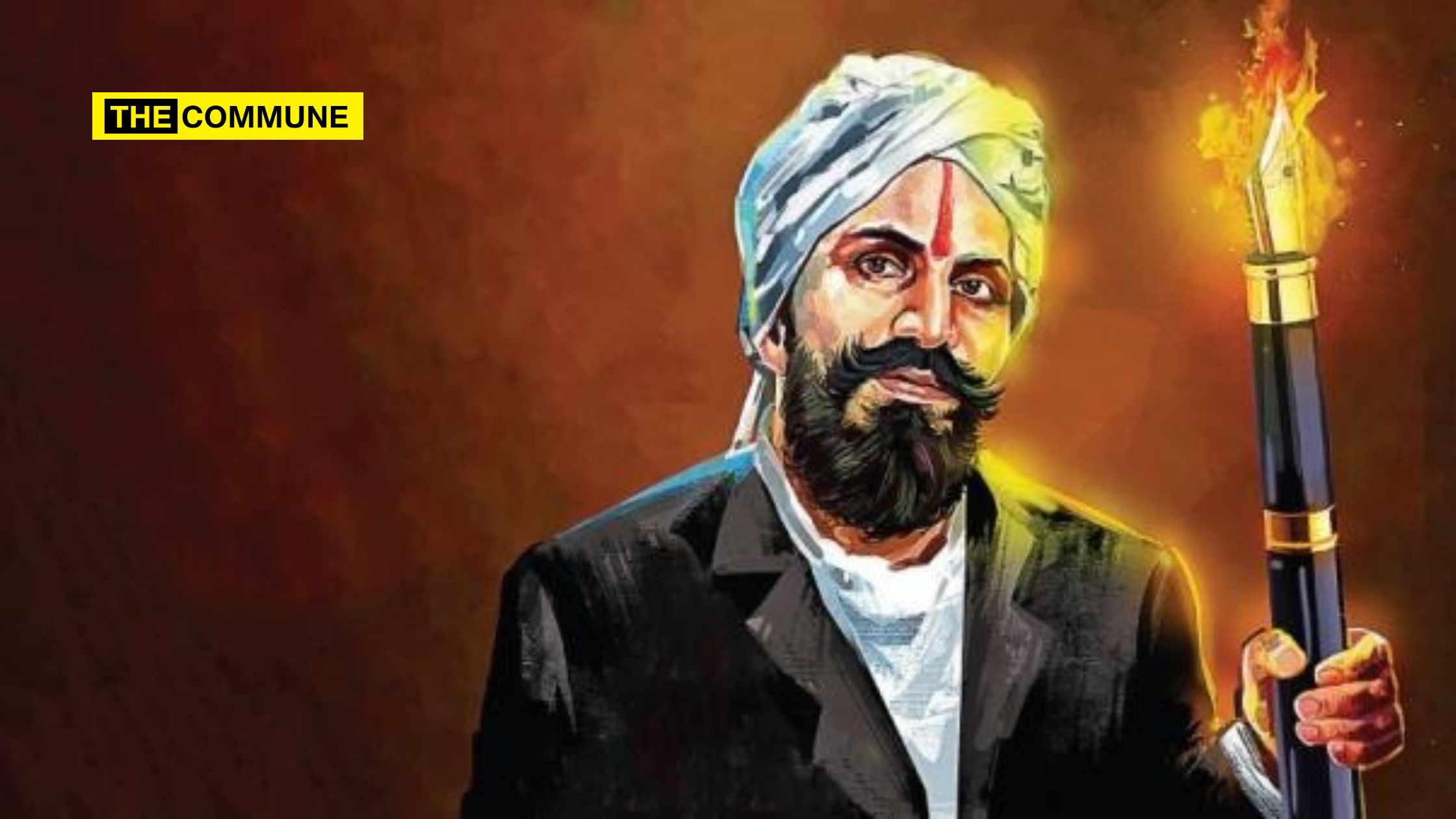
Remembering Bharathiyar: The Journalist Who Weaponized Words Against British Imperialism

Mahakavi Subramaniya Bharathiyar: The Universal Poet Who Ignited India's Soul.

Bharathiyar was well-known as a revolutionary freedom fighter and a great poet, but his contribution as a journalist is no less significant. As his life history tells us, he worked in various magazines in multiple roles and excelled in each of them.

His first job as a journalist was in ‘Sudesamithiran’, a magazine founded by G Subramanya Iyer. Though he had no prior experience, he quickly learnt the ‘tricks of the trade’. He was given the job of translating the news published in English newspapers. Bharathiyar used to concisely translate the news items into simple Tamil, which made readers understand the contents easily. This caught the attention of G Subramanya Iyer (GS), who appreciated the good work done by Bharathi. However, this also meant more work as GS gave him more items to translate and asked him even to do that at home. Bharathi didn’t mind extra work, but he struggled to make ends meet with the salary in Sudesamithirian. GS used to say, ‘”Bharathi, you are a Kalidasa. But I am not Bhoja to give you ‘Akshara Laksham'”

In one year, Bharathi’s Tamil went through a significant change with a simplified style. In 1905, within a year, he was promoted to the post of deputy editor in Sudesamithiran. He was also allowed to edit another magazine, Chakravarthini, run by B Vaithyanatha Iyer. This magazine was modelled like the English women’s journal ‘Queen’. Bharathi got the opportunity to write about women’s liberation in Chakravarthini. He wrote articles about the status of women in society, women in Buddhist religion, etc. He asked, ‘How can men be free if women are enslaved?’ in one of the articles. His thoughts on women’s liberation underwent a sea change during his tenure in Chakravarthini. He lamented that his style was not suited for women to read him easily. So he changed his writing style so that womenfolk could also read his articles easily.

With the freedom struggle getting steam and Bharathi starting to participate in the freedom movement in a big way, he wanted to write editorials covering the key issues facing the nation, like the partition of Bengal and the Swarajya movement. However, he couldn’t do that in Sudesamithiran as he was only a deputy editor. Hence, Bharathi was looking for an opportunity to unleash his thoughts on the Indian freedom movement. Luckily, he met S N Thirumalacharyar who was searching for an editor for his newly started magazine ‘India’. Bharathi readily agreed to join India and quit his post from Sudesamithiran.

India started as an eight-pager, a weekly magazine. Bharathi started writing political articles, songs, and stories for the magazine. India flourished under his editorship, quickly reaching 4000 copies per week in circulation. During this time, he was also asked to edit another magazine named’ Bala Bharatha or Young India’. This was run by a famous doctor in Chennai named M.C. Nanjunda Rao. Bharathi wrote in the magazine as a pseudonym. Apart from politics, he covered philosophy, Vedanta, and nationalism in the articles he wrote for Bala Bharatha.

In 1908, the British started arresting freedom fighters indiscriminately. Tilak was sent for six years imprisonment. V.O. Chidambaram Pillai and Subramanya Siva were arrested in Tamil Nadu. A warrant was issued to arrest Bharathi too. However, the information reached Bharathi through some of his friends before the police reached his place. His friends told him to go to Puducherry, which was a French colony, and continue the work of ‘India’ from there. Bharathi initially hesitated but agreed as he could continue his nationalist work from there.

After reaching Puducherry, he immediately started the work to publish India from there. The printing press was secretly brought from Chennai to Puducherry. After a gap of one month, India started again. Bharathi personally drew cartoons for the magazine and wrote a number of articles. He even covered international news items through Reuter news feeds. Bharathi’s editorials during this time were absolute gems, bringing several key issues before the public.

Interestingly, he could get a number of advertisers, and about four pages were filled with advertisements. This helped him to continue to publish the magazine. Bharathi also introduced the concept of local reporting and gave remuneration to those who wrote local news from various places in Tamil Nadu in ‘India’.

There was another magazine named Vijaya, which started in Chennai after India moved to Puducherry. Vijaya was founded by S Thirumalacharya, the brother of Bharathiyar’s friend Mandayam Srinivasa Iyangar. However, as there were troubles running Vijaya, it was also moved to Puducherry. It started coming as a newspaper in 1909 from Puducherry, and Bharathi was the editor of the paper, too.

In addition to these two, Bharathi and his friends brought a monthly magazine, Karmayogi.

It was advertised that only a thousand copies of the magazine would be printed well in advance. Such was the confidence of Bharathiyar. Karmayogi was a cultural magazine, and the very first issue had Krishna’s Geetopadesam picture on the cover. Bharathi wrote articles on the Hindu religion and Cultural aspects of Karmayogi.

With the circulation increasing, many readers demanded that India be changed to a twice-weekly magazine. Agreeing to the demand, Bharathi started publishing in India two times a week. This irked the British, and they banned India from entering the areas they administered. Similarly, Vijaya was also banned by the British administration. As most of the readers of these magazines are based out of Tamil Nadu, there was no other option but to stop both magazines. By 1910, Bharathiyar’s journalist life came to a standstill as he moved from Puducherry to Kadayam.

Bharathi started his career as a teacher. However, he quickly learnt the power of journalism and used it as a tool to ignite the freedom struggle among the masses. His editorials, articles, poems, and cartoons—not to mention the cartoons—are a benchmark even today for any journalist. Despite continuous struggle against a hostile government, he continued to publish magazines and write articles which are relevant even in the current context. He not only wrote on politics but covered a number of subjects including Hindu culturalism. His innovations, like local reporting, go a long way in the history of Indian journalism.

TS Krishnan is a Tamil scholar and author.

Subscribe to our channels on Telegram, WhatsApp, and Instagram and get the best stories of the day delivered to you personally.
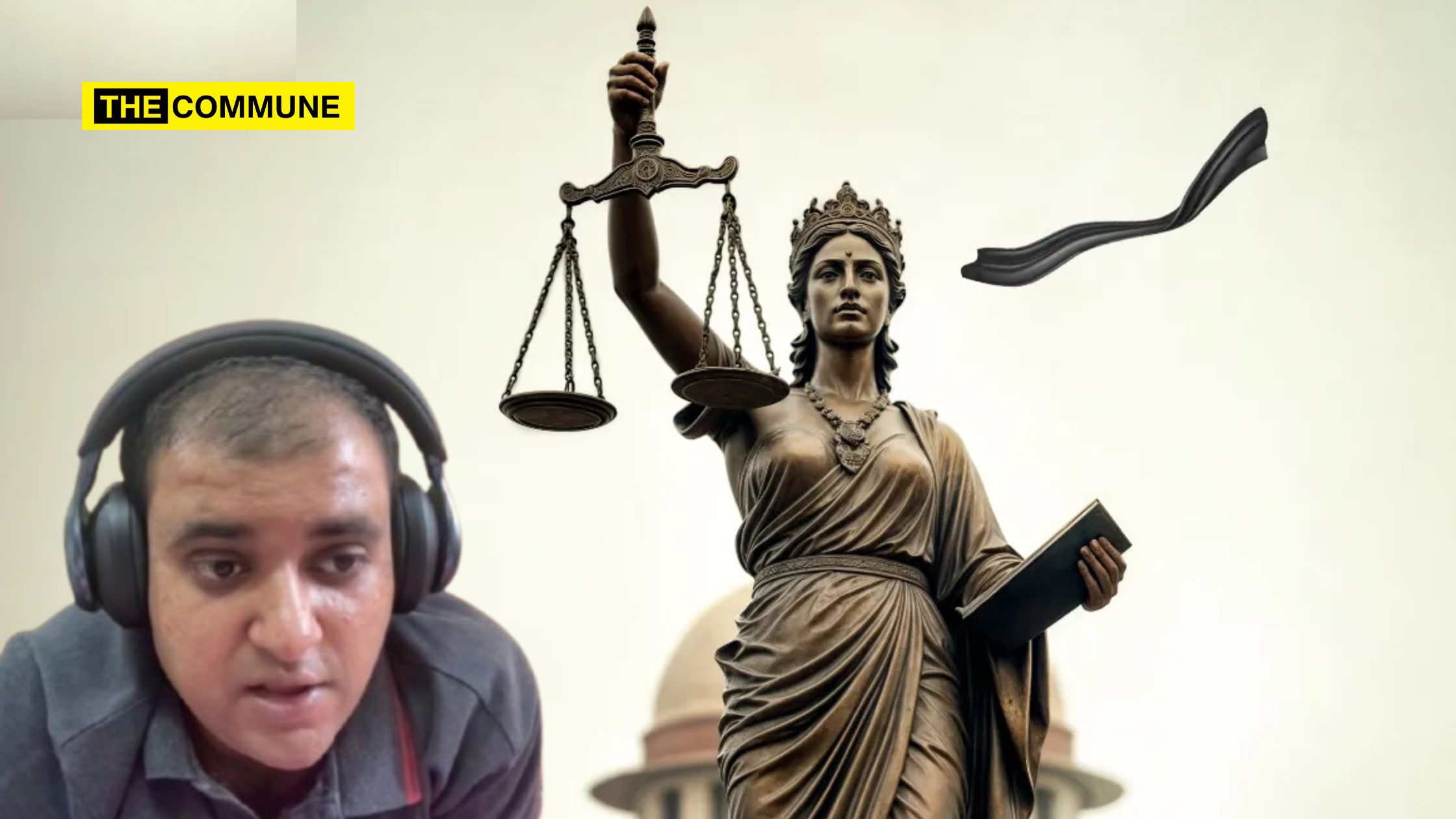
Atul’s Suicide Is A Stark Warning To Kick And Wake Up The System

Atul's Suicide Is A Stark Warning To Kick And Wake Up The System

The suicide of Atul Subhash, a Bengaluru-based engineer, has ignited widespread outrage across India, bringing attention to the issue of men’s rights and alleged systemic biases in the legal system. Atul’s tragic death has prompted his family to demand justice, highlighting the challenges faced by men in the face of false allegations and what they perceive as laws that favor women.

Atul, originally from Uttar Pradesh, was found hanging in his Bengaluru residence, leaving behind a 24-page suicide note and a 90-minute video. In the video, he claimed his estranged wife falsely accused him of various charges and harassed him with multiple court cases. Atul’s message detailed the immense frustration he felt, expressing that his efforts to fight back were futile. He blamed the system for his distress and called for justice before his death.

In the video, Atul said, “My name is Atul Subash. I am 34 years old and live in Bangalore. Today, I am contemplating suicide because I believe it is best for me to end my life. The money I earn only seems to empower my enemies and this vicious cycle will continue to escalate. The whole tax system harms both me and others, so it is best to end the supply value. In any case, they gave me suggestion to commit suicide. I believe this is the right solution, so I ask that no one come near my dead body after I am gone. Furthermore, I do not want to be resurrected until my harassers are punished. Without justice, there can be no true resurrection. Even if all the evidence is presented and everything is brought to light, if the court fails to punish the judge and other harassers, justice will not be served. Therefore, my ashes should be disposed of in a gutter so that I can understand the true value of life in this country. This is something I must do. I will speak with my parents separately. Please forgive me father and mother for burdening you all with my sorrows at this age. To those who are watching, may God bless you all.”

The Family’s Grief And Allegations

Atul’s father, Pawan Kumar, shared the family’s heartbreak, describing how Atul had never let his suffering show. He revealed that Atul had been repeatedly harassed by his wife, who filed multiple cases against him. According to his father, Atul had expressed frustration with the legal system, which he felt worked against him.

“He told us that the mediation courts do not follow the law or even the Supreme Court’s guidelines. He had to travel to Jaunpur from Bengaluru over 40 times. She kept filing charge after charge. He must have been frustrated but never let us feel that,” Pawan Kumar said.

The family learned about Atul’s death when he sent an email to his younger brother at around 1 a.m., confirming his intentions. His father added, *”It’s 100% true that what my son said about his wife and her family is correct. The system failed us, and that is why our son killed himself.”*

Atul’s Brother Speaks Out

Atul’s brother, Bikas Kumar, also spoke about the injustice, claiming that Indian laws favor women over men. He stated, “My brother’s wife filed a divorce case and framed multiple charges against him and our entire family. Every law in India is for women and not for men. My brother fought for this, but he left us.”

He urged President Droupadi Murmu and Prime Minister Narendra Modi to provide justice for Atul, stating, “If my brother is in the right, justice must be done. If not, show us the proof. There should be an investigation into the judge named in his suicide note.”

Friend Reveals Atul’s Struggles

Jackson, a close friend of Atul, revealed the immense stress his friend had been under due to the nine cases filed against him by his wife. Jackson explained that while Atul didn’t appear overtly depressed in the video, it was clear that he felt harassed by both his wife and the legal system.

He also shared details about how Atul had been supportive during his wife’s illness, going out of his way to care for her and their child when she contracted COVID-19. Jackson said, “His wife wasn’t taking her medication on time, which caused friction. Eventually, she left him with the baby, and he couldn’t even see his son.”

Jackson mentioned that Atul had recently learned about a court order requiring him to pay ₹40,000 per month in maintenance for his son, adding to his stress and feelings of helplessness.

The suicide has led to widespread public debate over men’s rights and the legal system’s treatment of men in India. Many people are demanding a thorough investigation into the allegations of bias, legal harassment, and the actions of those involved in Atul’s case. The incident has raised critical questions about the protection of men’s rights and the need for a more balanced and fair legal system for all.

UP Police File FIR Against Atul Subhash’s Wife And Family for Abetment of Suicide

In this regard, on 10 December 2024, the Uttar Pradesh police registered a case against the wife of Atul Subhash and family members for abetment of suicide. An FIR has been filed against four individuals, including Atul’s wife, Nikita Singhania; her mother, Nisha Singhania; her brother, Anurag Singhania; and her uncle, Sushil Singhania. The FIR, based on a complaint by Atul’s brother, Bikas Kumar, was lodged at the Marathahalli police station in Bengaluru. The charges include Section 108 (abetment of suicide) and Section 3(5) (joint criminal liability) of the BNS.

According to the complaint, Atul married Nikita Singhania in 2019, and the couple had a child. It is alleged that after their separation, the four accused filed false charges against Atul and demanded Rs 3 crore as a settlement. Furthermore, the complaint claims that Nikita demanded Rs 30 lakh from Atul to allow him to see their four-year-old son. The family alleges that Atul’s suicide was the result of ongoing mental and physical harassment by his wife, her relatives, and others involved in the case.

Atul Subhash, who worked for a private firm in Bengaluru, left behind a 24-page suicide note, detailing the emotional and psychological distress he endured due to marital issues, multiple cases filed against him, and harassment by his wife and her family. Police found Atul’s body hanging in his residence in the Manjunath Layout area, within the Marathahalli police jurisdiction. A placard reading “Justice is due” was discovered in the room where he ended his life. Investigations are ongoing.

Critics suggest that the tragic death of Atul Subhash highlights a broader systemic issue within India’s legal and judicial framework, particularly regarding gender biases. They argue that the laws, often perceived as favoring women, are passed by Parliament and legislatures, which perpetuate gender imbalances.

Additionally, there is concern over the shift from the Anglo-Saxon principle of “presumption of innocence” to the Napoleonic “presumption of guilt,” which has become ingrained in Indian jurisprudence, particularly in cases involving financial fraud, terrorism, and tax laws.

While the judiciary has made efforts to mitigate these issues, critics contend that existing laws limit judges and cannot fully address the underlying biases. Another major issue highlighted is the lack of accountability for individuals who make false accusations, as there are rarely prosecutions for perjury.

This failure to penalize false accusers, along with the police’s reluctance to act on such cases, discourages deterrence. Critics argue that there should be mandatory perjury prosecutions and stronger penalties for lawyers who facilitate such actions. Furthermore, the endemic corruption in police forces and the lack of critical thinking in society have contributed to the abuse of legal processes.

They also criticize the state of jurisprudence in India, where repeated violations of legal principles often go unpunished, though some judges manage to protect men from unjust prosecution. Ultimately, critics maintain that merely tinkering with laws won’t resolve these issues; instead, comprehensive reforms—clearer laws, better judicial education, improved accountability, and significant police reforms—are necessary to address the root causes of these systemic failures.

Subscribe to our channels on Telegram, WhatsApp, and Instagram and get the best stories of the day delivered to you personally.
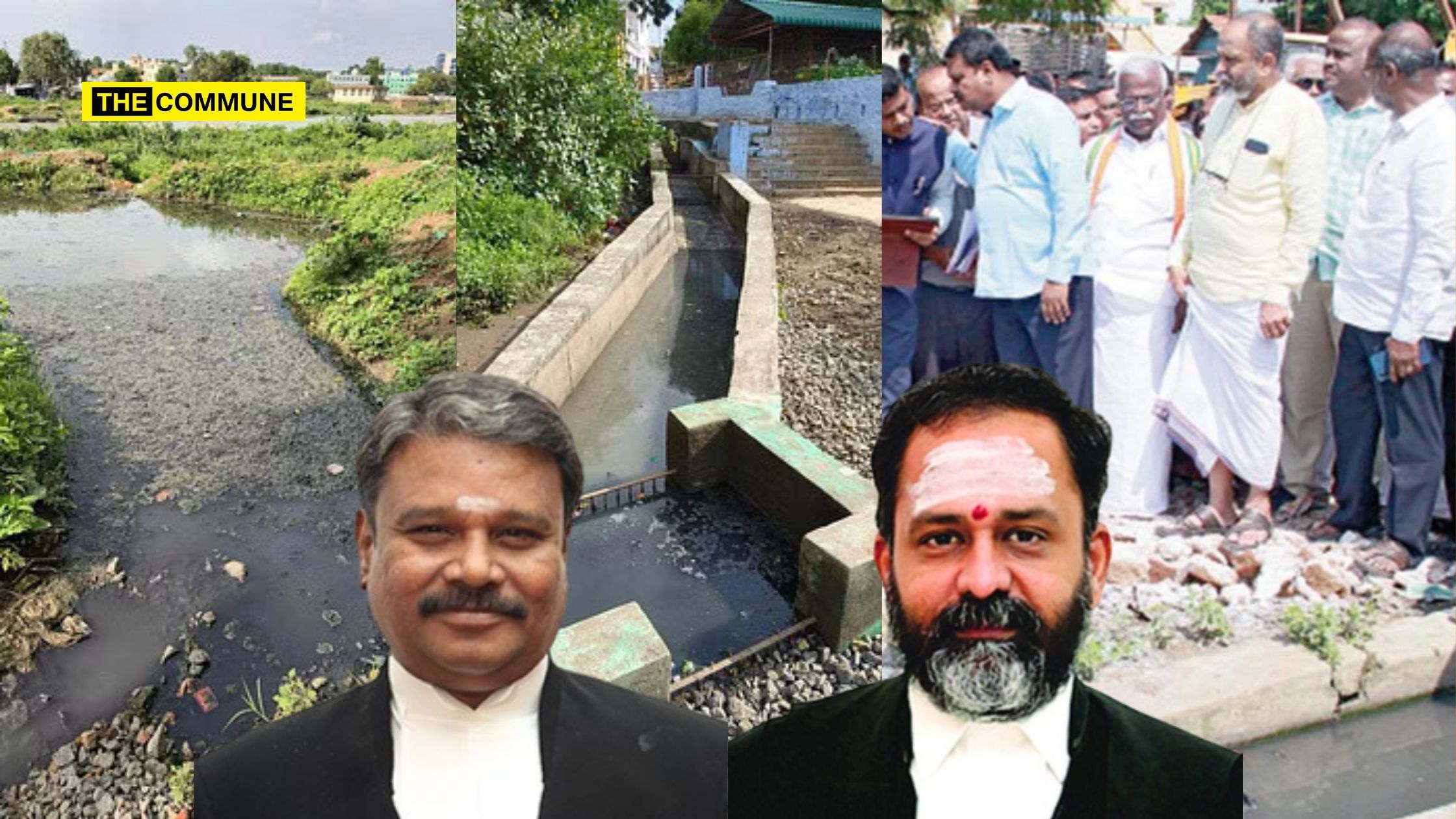
Madurai Bench Of Madras High Court Demands Urgent Probe Into Devastating Pollution Of Thamirabarani River

"Who Are We Cheating Sir?" Madras HC Judges Slam Tirunelveli Corporation For Wasting Public Money On Shoddy Thamirabarani River Cleanup Project

The Madurai Bench of the Madras High Court has expressed shock over the pollution found even at the source of the Thamirabarani River at Agasthiyar Falls. On 9 December 2024, the court directed officials to conduct a thorough inspection and file a report on the causes of the pollution. Additionally, the court requested an action plan to address and prevent further contamination of the river.

The court’s directions were given to the deputy director of forests at the Kalakkad Mundanthurai Tiger Reserve, the joint chief environmental engineer of the Tamil Nadu Pollution Control Board (TNPCB), and the collector of Tirunelveli. A special bench consisting of Justices GR Swaminathan and B Pugalendhi also instructed Additional Advocate General Veera Kathiravan to seek information from the state government on whether there are plans to approach the Ministry of Jal Shakti for financial assistance in rejuvenating the Thamirabarani.

The court’s order came in response to a series of petitions, including a contempt petition filed by S Kamaraj (also known as Muthalakurichi Kamaraj), who alleged that sewage water was being discharged into the river. The main petition, disposed of in March 2024, had already led to a series of directions issued to various authorities. The court has been periodically reviewing the case to ensure compliance.

In the previous hearing, the judges had mentioned the findings of their inspection of the river on 10 November 2024 and sought updates from the Tirunelveli collector and the corporation commissioner on funds allocated and spent on the conservation of the Thamirabarani. The collector reported that, aside from ₹271 crores received under the AMRUT Scheme for an underground drainage system and smaller sums of ₹45 lakhs and ₹40 lakh allocated for the removal of invasive seemai karuvelam trees and choke pits, respectively, no specific funds had been earmarked for the river’s restoration. The Tirunelveli corporation commissioner confirmed this, adding that a proposal for a ₹40 crore allocation for the river’s restoration is under consideration as part of the Pollution Abatement and Riverfront Development Project.

The bench expressed concern over the lack of dedicated funding for the river’s restoration and instructed the AAG to determine whether the state plans to seek financial support from the Ministry of Jal Shakti for the river’s rejuvenation.

(With inputs from The New Indian Express)

Subscribe to our channels on Telegram, WhatsApp, and Instagram and get the best stories of the day delivered to you personally.