Home Blog Page 496

Atul Subhash Suicide Case: Wife Absconds, Karnataka Police Arrest Her Mother And Brother
Atul Subhash Suicide Case: Wife Absconds, Karnataka Police Arrest Her Mother And Brother

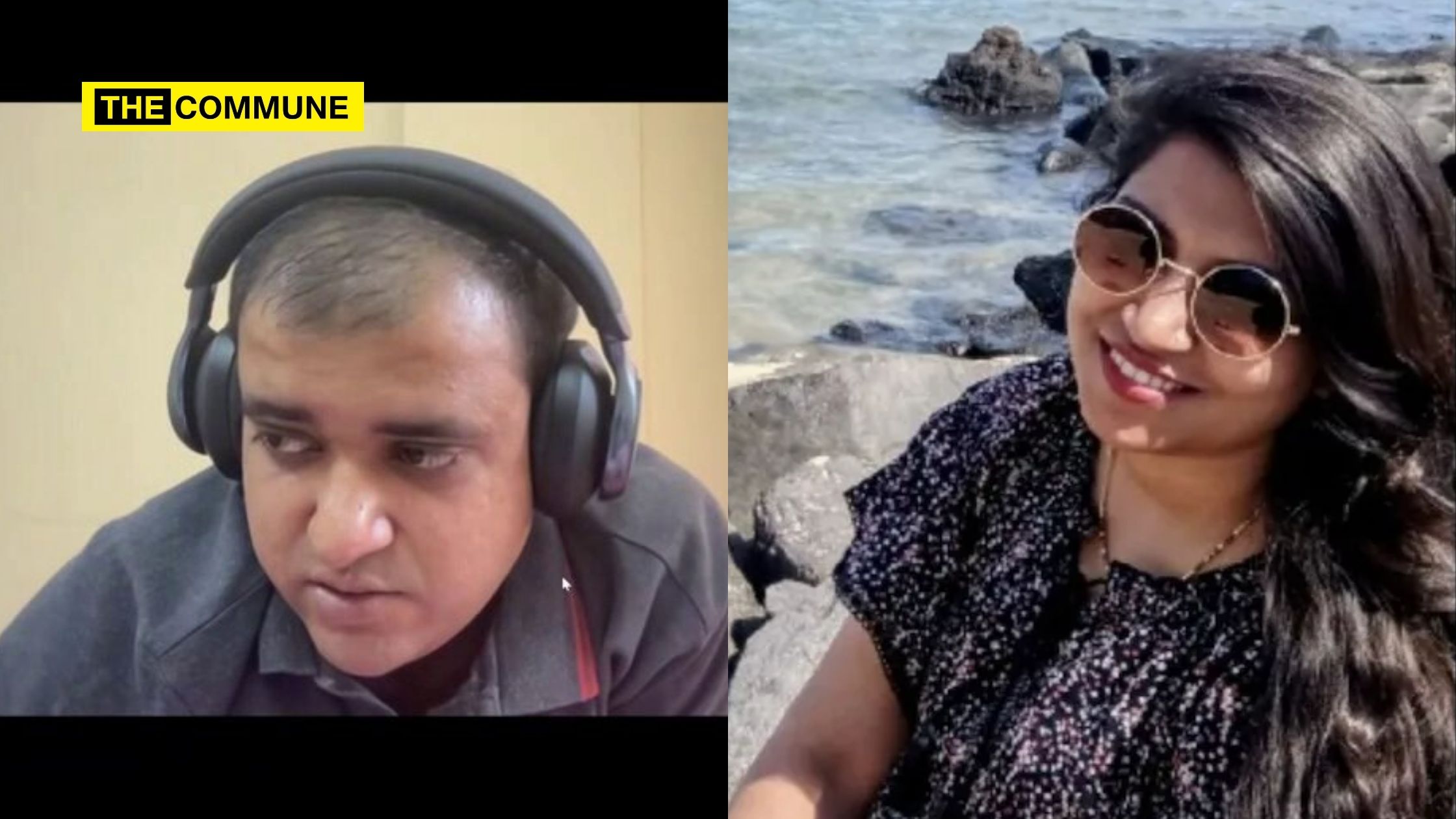
Karnataka Police have arrested the mother-in-law and brother-in-law of late Atul Subhash, who committed suicide on December 9 over alleged demand by his wife and her family for Rs 3 crore as settlement.

The sensational case has triggered debate over harassment of married men and misuse of dowry provisions in the country. Atul Subhash ended his life on Monday, leaving behind a 40-page death note and a 90-minute video explaining how his wife allegedly tortured him.

The Karnataka Police arrested Nisha Singhania, Atul’s mother-in-law, and her brother-in-law, Anurag Singhania, on Thursday night. Sources stated on Friday that Atul’s wife, Nikita Singhania, is absconding, and police have launched a hunt for her.

The accused were arrested in the Jaunpur police station limits in Uttar Pradesh. They are now being questioned at the Jaunpur police station, and the Karnataka Police will bring them to Bengaluru on Friday after obtaining permission from the court.

Police sources stated that the accused, after getting to know that Karnataka Police were arriving to take their custody, accused Nisha Singhania and Anurag Singhania tried to escape from their residence after locking their house. However, the police gathered information about the accused and arrested them from the vicinity.

Marathahalli police in Bengaluru have filed an FIR against deceased Atul’s wife’s family over abetment of suicide charge. Atul Subhash had sent mail to President Droupadi Murmu and the Supreme Court urging them to rescue harassed husbands and arrest the accused persons, his wife, mother-in-law and others in his case.

A part of the suicide note left behind by 34-year-old Atul Subhash, besides disclosing shocking details, revealed his wish to get ashes poured into a gutter outside the court if those who harassed him were not found guilty.

Atul Subhash, who was working with an automobile company here, allegedly committed suicide as a demand of Rs 3 crore was made for a divorce settlement. Subhash ended his life at his apartment in the early hours of Tuesday, leaving behind a 90-minute video and a 40-page-long death note explaining how harassment by his wife, Nikita Singhania and her family compelled him to take the extreme step.

The note left by him read: “If the court decides that the corrupt judge and my wife and other harassers are not guilty, then pour my ashes into some gutter outside the court. Don’t do my ‘asthi visarjan’ till my harassers get punished.”

However, the family collected the ‘asthis’ from the Bengaluru crematorium on Wednesday, where Atul’s final rites were conducted. The family stated that the ashes would be taken to Patna, from where the family originally hails from and immersed into the river as per the traditions.

The suicide note, under the headline “Justice is Due”, addressing his 2-year-old child, read: “Now with me gone, there will not be any money to loot and I hope that they might start to look at the facts of the cases. Someday, you shall know the real face of your mother and her greedy family. “I pray that they don’t devour you and your soul. I often laugh when I remember that I started saving money for a car when you go to college. Silly me. Remember this always that you don’t owe anything to anyone. Don’t trust the system.” Atul Subhash further listed out his last wishes in the note. “All my case hearings should happen live and people of this country should know about my case and learn the terrible state of the legal system and misuse of law these women are doing.”

He also requested to allow the suicide note and videos as his statement and evidence. “I fear that the judge might tamper with the documents, put pressure on witnesses and can adversely affect other cases. Based on my experience, the Bengaluru courts are relatively more law-abiding than Uttar Pradesh courts. I request to run the cases in Karnataka in the interest of justice and keep her in the judicial and police custody in Bengaluru till the trial goes on,” the note read.

He further wrote: “Give the custody of my child to my parents who can raise him with better values. Don’t let my wife or her family come near my dead body. Give maximum punishment to my harassers though I don’t trust our legal system too much. If people like my wife are not put behind jail, they would be more emboldened and will put more false cases on other sons of society in the future.

“To wake up the judiciary and urge them to stop harassment of my parents and my brother in false cases. There shall be no negotiations, settlements and mediation with these evil people and the culprits must be punished,” the letter read. He had also shared a link on X, tagging his video to CEO Elon Musk and US President-elect Donald Trump. ”

A dead man is requesting Elon Musk and Donald Trump to save millions of lives from woke ideologies, abortion, DEI (diversity, equity, and inclusion) and restore freedom of speech in India. I will be dead when you read this. A legal genocide of men happening in India currently,” the suicide note read.

–IANS

Subscribe to our TelegramWhatsApp, and Instagram channels and get the best stories of the day delivered to you personally.

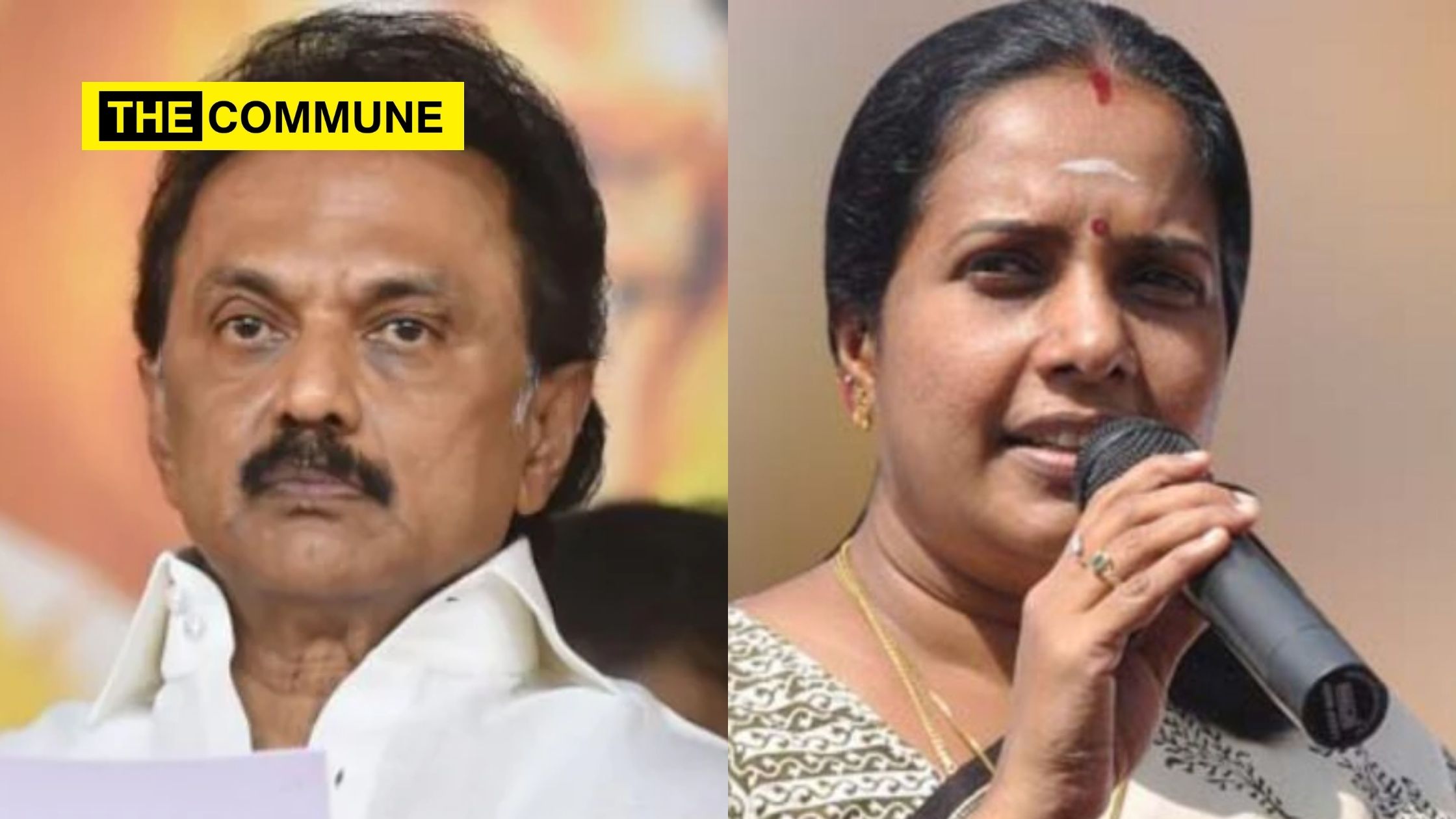
“If You Can’t Appoint Trustees In 23,500 temples, What Is The Purpose Of HR&CE Dept?” BJP MLA Vanathi Srinivasan Slams DMK Govt

BJP MLA Vanathi Srinivasan Slams DMK Govt for not appointing trustee boards in temples

BJP National Mahila Morcha leader and Tamil Nadu Assembly MLA Vanathi Srinivasan criticized the DMK government for its failure to appoint trustee boards in thousands of Hindu temples under the Hindu Religious and Charitable Endowments (HR&CE) Department, questioning the department’s purpose if it cannot fulfil this fundamental responsibility.

In a strongly worded statement, Vanathi highlighted that the HR&CE Department oversees 43,631 temples, 45 sub-temples, 69 temple-affiliated shrines, 2,392 trusts, and 22 Jain temples across Tamil Nadu. She noted that trustee boards are essential for properly managing and preserving these institutions but alleged that the state government had neglected this duty.

Over 23,500 Temples Without Trustee Boards

According to the HR&CE Department’s response to a case pending in the Supreme Court, applications were invited to form trustee boards in 31,000 temples across the state. However, the department admitted that insufficient applications led to 23,500 temples without trustee boards.

In November 2021, the Hindu Dharma Parishad requested the formation of boards, including diverse members such as a former judge, a social activist, a devotee, and representatives from the SC/ST communities and women. Despite the government’s response citing the Hindu Religious and Endowments Act, the Parishad filed a case in the Madras High Court, which was dismissed in December 2021. The Parishad then appealed to the Supreme Court, highlighting the mismanagement of over 40,000 temples in Tamil Nadu. During a recent hearing, the Tamil Nadu government stated that trustee boards had been formed for 7,500 temples, while applications were sought for 31,000 temples. The court has directed the government to submit a report within four weeks on steps to appoint trustees for the remaining temples. The next hearing is scheduled for February 2025.

Vanathi Srinivasan Statement

Vanathi criticized the department for prioritizing temples with substantial income and large assets while neglecting smaller temples. Speaking to Dinamalar, she said,If we cannot appoint committees of guardians in 23,500 temples, what is the purpose of the Hindu Religious and Charitable Endowments Department? The Department of Endowments focuses only on temples that generate high income. Those who do not believe in Hindu gods and have a strong hatred for Hinduism are keeping the DMK in check, so we can see that the party is engaging in anti-Hindu activities even in its rule. The DMK government is not willing to appoint such people who are devoted to Hinduism as trustees. In many temples, only those requested by the DMK are appointed as trustees. Even those who do not believe in God and who spew hatred towards Hinduism on social media have been appointed as trustees. The DMK government, which is unable to appoint trustees in 23,500 Hindu temples, is interfering in the Chidambaram Nataraja temple, which is being appointed by Dikshitars in the best possible way, and is creating unnecessary crises. The DMK government is not doing what should be done and is creating unnecessary problems in temples that are managed well by others. During the DMK regime, Chief Minister Stalin does not even greet the people during Hindu festivals. Even on the Tamil Nadu government’s website, there is no mention of the Hindu Religious Charitable Endowment Department it is just the Religious Charitable Endowment Department. The DMK government should immediately appoint security teams in all Hindu temples under its control, repair dilapidated temples, and conduct Kumbabhishekam. If all this cannot be done, the government should withdraw from the responsibility of managing Hindu temples.”

The lack of trustee boards, according to Vanathi, risks the deterioration of temples and underscores the urgent need for reforms in temple management.

(With inputs from Dinamalar)

Subscribe to our channels on Telegram, WhatsApp, and Instagram and get the best stories of the day delivered to you personally.

How Indic Knowledge Systems Can Revolutionize Education And Spark A Civilizational Renaissance

How Indic Knowledge Systems Can Revolutionize Education And Spark A Civilizational Renaissance

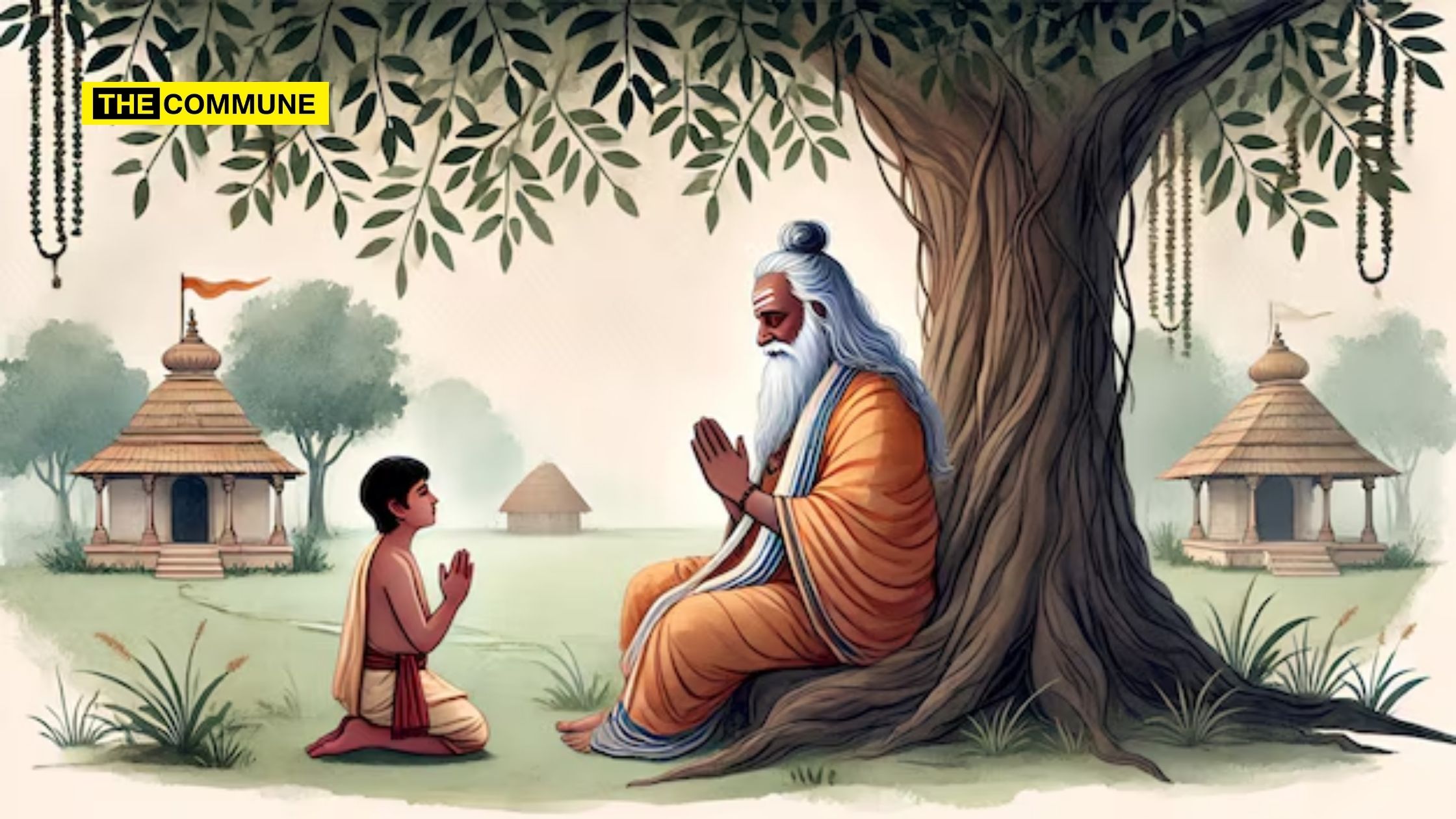
India’s education system stands at a crossroads, as calls grow for a civilizational shift to integrate the Indic Knowledge Systems (IKS) and redefine the nation as Bhārat, aligning education with its cultural roots and dharmic heritage.

There is little doubt that the time is ripe for an educational revolution in India. For too long, we have struggled with a system that had its roots in the Macaulay dictum, and was then further corrupted after independence by a situation where a very limited amount of funding was available to educate a population that was just around 12-18% literate. This number has risen to 77% today but let us remember that being technically literate does not mean that one is educated. We still limp along and there is little connection between formal education as expressed by a school or college degree and employability.

The economic problem more or less spontaneously led to a social problem with the limited funding available for education being cornered by special interest groups with political influence—an educational jati system. This was formalised in the institutionalisation of reservations, initially for the SC ST communities but later going up to a minimum of 49.5% across the country with the inclusion of the OBC group, and further delinking merit from outcomes (in Tamil Nadu this number is an absurd 69%). Realising these almost insurmountable contradictions between aspirations and abilities, the governments of the day sporadically instituted various commissions to look into the education system and make recommendations, specifically in 1948, 1964, 1986 and most recently in 2020, the National Educational Policy (NEP 2020). Most of the recommendations of these committees never saw the light of day.

It is in this disappointing context that one must look at the Indic Knowledge Systems (IKS) initiative, which attempts in its own way, a reversal of the education pattern to a system that is more reminiscent of what prevailed in this country before Macaulay, in other words to go back to a cognitive system that relied on holism, inductive logic and intuitive thinking. Holism is the essence of IKS and embodies ancient India’s holistic and integrative wisdom, covering diverse domains like science, art, medicine, philosophy, and spirituality. Unlike modern Indian education, which often focuses on rote memorization and standardised testing, IKS nurtures critical thinking, contextual knowledge and values-based education.

Rooted in texts like the Vedas and Upanishads, Indic Knowledge Systems emphasises experiential learning, ethics, interconnectedness, and lifelong inquiry. There is no doubt that IKS is derived from Sanatana Dharma and no one should artificially try to conflate it with woke ideas of Nehruvian secularism or try to integrate it with concepts that are unique to the Abrahamic faiths. The twain do not intersect, and IKS is and will only be a part of the Hindu Rashtra that is eagerly awaited by an overwhelmingly large section of our population, namely the 80% Hindus. IKS is based in the Hindu religion and as such it cannot be interpreted within the rubric of Abrahamic faiths.

IKS is intimately connected with our ancient scriptures. The Nyaya darshana, or school of thought, centres on logic and epistemology, emphasising rational inquiry to attain knowledge and truth. Key features include methods of debate, valid sources of knowledge (perception, inference, comparison, and testimony), and techniques to distinguish valid reasoning from fallacies. Its foundation is in Indian philosophy for developing rigorous logical methods. IKS is similarly based on a methodology of rigorous questioning and rejection of fallacies that fail the tests of logic. In the context of the scientific disciplines, the Vaiseshika darshana focuses on categorising reality into fundamental elements or dravyas. It emphasises atomism, proposing that all physical substances are composed of indivisible atoms. Key features include exploring six categories or padarthas: substance, quality, action, generality, particularity, and inherence, aiming for liberation or moksha through knowledge of these universal principles. The strong influence of holism is again shared with IKS which should be imparted with the goal of being able to solve advanced scientific problems of the modern age.

India’s NEP 2020 suggests integrating the Indic Knowledge Systems into the educational curriculum to promote a deeper understanding of the country’s traditional wisdom, sciences, languages, and cultural heritage. This includes learning about ancient sciences, arts, linguistics, philosophy, and environmental conservation practices, along with modern subjects. The goal is to foster holistic education, instil pride in India’s diverse heritage, and bridge the gap between traditional knowledge and contemporary learning methods. Now, all this is very well but it simply restates what is known about the nature of IKS. How exactly do schools and colleges go about in this business and is it really possible to integrate IKS within a Macaulay system that is fundamentally different, in that the very cognitive processes in the two systems are diametrically opposite?

For IKS to be a practical reality in India, we need a civilizational reworking, in other words integrating India’s re-awakening with respect to its identity. IKS cannot be treated as a purely educational exercise, nor even as a sub part of the overall educational policy of the country as most recently articulated in NEP 2020. IKS can only have viability and relevance when a nation state, namely India, remakes itself as a civilisational state, namely Bhārat. This is a major exercise that needs reforms in all aspects of governance: the judiciary, the executive and the legislature. The reforms should be directed towards a redefinition of the country as a Hindu Rashtra. For, if Sanātana Dharma lives, Bhārat lives—if Sanātana Dharma dies, Bhārat dies. Education can and must be viewed as a part of a grand design in which a country comes out of a millennium of physical, mental, intellectual and above all, civilisational servitude.

The colonial mindset that has persisted even after 75 years of independence from Britain has been a really serious problem in India partly because the upper echelons of decision makers, the highest level politicians and bureaucrats, were largely Macaulayist in their thinking till the mid-1970s, conservatively speaking. The diplomatic and organisational aspects of governance were, inter alia, gravely impaired. The matter of the rediscovery of India and its remaking as Bhārat its origins in the very nature of Sanātana Dharma.

The civilisational revolution is an immediate and short term priority. The several policy and governmental changes during the past decade can only increase the feelings of self confidence and self pride among vast sections of Indians. We are mostly concerned here with the effects of the civilisational and cultural revolution on bringing in a dharmic educational system, governance institutions, and overall social regulation that mwill give a long-term, resilient thrust to India’s economic expansion. It is in this context that IKS should be considered and its practitioners should ideally be aware that the synergy of IKS with the overall movement towards a Hindu Rashtra can certainly lead to a fundamental change in our educational policies for the better.

Gautam Desiraju is Professor Emeritus in the Indian Institute of Science, Bengaluru.

Subscribe to our TelegramWhatsApp, and Instagram channels and get the best stories of the day delivered to you personally.

Karnataka Quota Stir: Siddaramaiah Is Anti-Lingayat, Says Panchamasali Seer

Karnataka Quota Stir: Siddaramaiah Is Anti-Lingayat, Says Panchamasali Seer

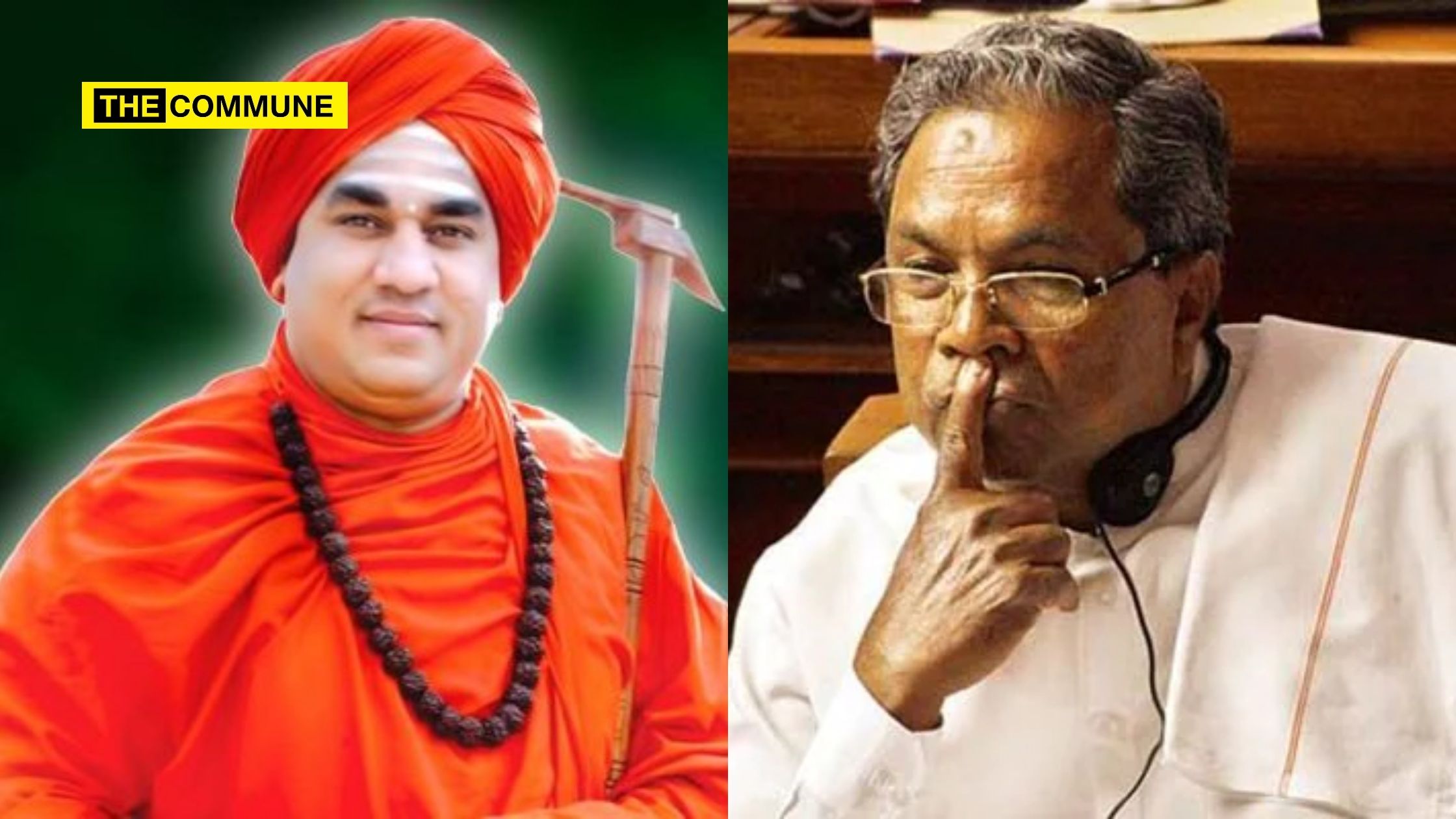
Kudalasangama Panchamasali Peeth seer Basava Jaya Mruthyunjaya Swami leading the protests demanding reservation for the Panchamasali Lingayat sect under the 2A Category, came down heavily on Chief Minister Siddaramaiah on Thursday and stated that he is anti-Lingayat.

Speaking to the media in Belagavi, while staging a protest condemning the police action on the community’s members while they were laying siege to the Belagavi Suvarna Vidhana Soudha on Tuesday, the Panchamasali seer claimed on Thursday, “I repeatedly want to convey that Chief Minister Siddaramaiah is anti-Lingayat.”

There is resentment in the community over the lathi-charge on the protesters after the agitation by the Panchmasali Lingayat community turned violent and a mob pelted stones at the police and attempted to lay siege to the Suvarna Vidhana Soudha in Belagavi on Tuesday. The police had stopped thousands of protesters on their way to the Suvarna Vidhana Soudha, warning them not to march further.

The agitators allegedly threw stones and footwear at the police personnel after which the cops resorted to a lathi-charge to disperse the mob. Basava Jaya Mruthyunjaya Swami warned, “I am trying to be patient. We will pursue a non-violent struggle. You have tried to provoke, assault Panchamasalis who are peaceful.”

“When one of the MLAs belonging to our community went to CM Siddaramaiah and pleaded with him to withdraw the orders of lathi-charge on the protestors, CM Siddaramaiah told him ‘how dare the community offend and oppose’ his government and ‘let them be punished’”, the seer professed.

“I thought CM Siddaramaiah was not there in Belagavi on that day and went to Bengaluru to pay respects to the mortal remains of former CM S.M. Krishna on Tuesday. But he was present in Belagavi. We have not seen such an inhuman CM in the history of the state. We will condemn it,” the seer stressed.

“The FIRs against the protestors will have to be withdrawn and the Chief Minister will have to suspend the police officers who assaulted protestors. I am giving a call to my people to not get provoked under any circumstances. If I give one call, 25 to 50 lakh members of Panchamasali Lingayats are ready to lay siege to the Suvarna Vidhana Soudha in Belagavi,” the seer warned.

Meanwhile, the issue was raised by the BJP members in the Legislative Assembly during the Question Hour. The BJP MLAs, led by Leader of Opposition, R. Ashoka condemned the lathi-charge and demanded action against the police officers who gave the orders for it.

However, Congress MLA Vijayanand Kashappanavar, hailing from the Panchamasali Lingayat sect stated that the protest by the Panchamasali Lingayat was RSS-sponsored. “Chief Minister Siddaramaiah is the one who ordered installation of photos of Basavanna, the founder of the Lingayat sect in all government offices. CM Siddaramaiah took oath on the occasion of Basava Jayanti, he can never be anti-Lingayat,” Kashappanavar said.

Minister for Revenue Krishna Byre Gowda maintained that it was the BJP which gave an undertaking in the Supreme Court regarding non-implementation of reservation to the Linagayats and Vokkaligas. The BJP MLAs got enraged following the statements and started moving towards the Well of the House. At this stage, Speaker of the Legislative Assembly U.T. Khader adjourned the House. The Panchamasali community has been demanding inclusion under the 2A category.

This will help them to move to the bracket of backward communities where 15 per cent reservation is provided for different communities. The community is presently placed under the 3B category, which gets five per cent reservation in government jobs and education institutions. The Panchamasali sect is one of the major sects in the Lingayat community and predominantly settled in the North Karnataka region and mostly engaged in agriculture. The development has taken a serious turn with the BJP pledging total support to the agitation and demands of the Panchamasali Lingayat sect. The Lingayats form the core support for the BJP in Karnataka.

–IANS

Subscribe to our channels on TelegramWhatsApp, and Instagram and get the best stories of the day delivered to you personally.

Dhanush’s Wunderbar Films Blames Nayanthara & Vignesh Sivan’s “Unprofessional Conduct” For Budget Escalation, Reduced Profits In Naanum Rowdy Dhaan

Dhanush's Wunderbar Films Blames Nayanthara & Vignesh Sivan's "Unprofessional Conduct" For Budget Escalation, Reduced Profits In Naanum Rowdy Dhaan

The Madras High Court on 12 December 2024 granted time until 8 January 2025 for actor Nayanthara, her director husband Vignesh Shivan, and Netflix to respond to a lawsuit filed by Wunderbar Films, owned by actor Dhanush K Raja. The production house has sought to restrain the defendants from using any visuals related to the 2015 film Naanum Rowdy Dhaan in a Netflix docu-drama titled Nayanthara: Beyond the Fairytale.

Justice Abdul Quddhose directed the Registry to hear Wunderbar’s application for an interim injunction alongside Netflix’s application to dismiss the lawsuit after the Christmas vacation. Preliminary submissions were made by senior counsel PS Raman for Wunderbar Films and Rahul Balaji for Netflix during the hearing.

The civil suit, filed through counsels Gautam S. Raman and Maithreyi Canthaswamy Sharma, seeks a permanent injunction to prevent copyright infringement and ₹1 crore in damages. Wunderbar contends that using behind-the-scenes (BTS) footage or any other material connected to Naanum Rowdy Dhaan in the Netflix docu-drama constitutes a violation of their rights.

The production house cited Clause 4 of the artist agreement signed by Nayanthara in August 2014, asserting that all performances and visuals related to the film are its exclusive intellectual property.

Allegations Of Unprofessional Conduct

The affidavit filed by Wunderbar’s director, Shreya Srinivasan, claimed that during the film’s production, Nayanthara and Shivan exhibited unprofessional behavior, causing delays and exceeding the original budget of ₹4 crore. The production house accused Shivan of prioritizing Nayanthara during filming, including taking multiple retakes of her scenes, which impacted other cast members and increased costs.

Although the film performed well at the box office, Wunderbar stated it barely managed to make a profit due to the inflated budget. The production house attributed the budget overruns to the romantic relationship that developed between Shivan and Nayanthara during the shoot, which allegedly strained their relationship with Wunderbar’s management.

The suit further alleged that in November 2024, Shivan sought a no-objection certificate (NOC) from Srinivasan to use Naanum Rowdy Dhaan footage in the Netflix docu-drama. Shivan reportedly requested that the NOC be issued without informing Dhanush, Wunderbar’s managing director. When Srinivasan refused, Shivan allegedly became abusive and cut the call. Despite this, the defendants proceeded to include the footage in the documentary, which was released on Netflix in November 2024. The court will examine the interim injunction request after the respondents file their replies.

(With inputs from The Hindu)

Subscribe to our channels on Telegram, WhatsApp, and Instagram and get the best stories of the day delivered to you personally.

Nayanthara’s Husband Vignesh Shivan Attempts To Buy Seagulls Hotel Owned By Puducherry Govt, Denied

Nayanthara's Husband Vignesh Shivan Attempts To Buy Seagulls Hotel Owned By Puducherry Govt, Denied

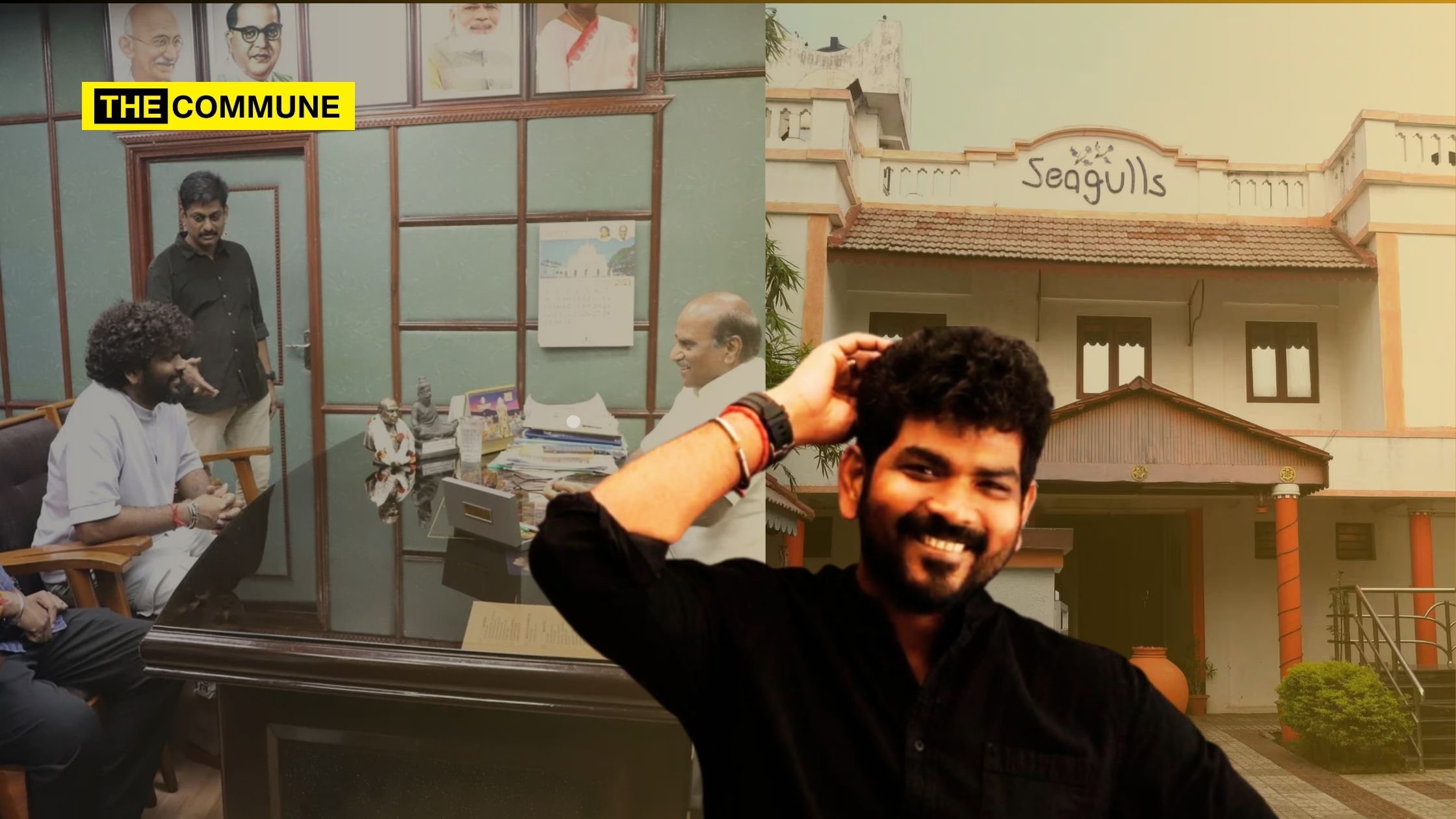
Film director Vignesh Shivan, husband of actress Nayanthara, has sparked widespread discussion after attempting to acquire the government-owned Seagulls Hotel on Puducherry’s scenic Beach Road. Shivan, known for his proximity to the ruling DMK party, reportedly approached Tourism Minister Lakshmi Narayanan during a courtesy visit to the Puducherry Legislative Assembly, requesting the hotel be sold or leased to him.

The Seagulls Hotel, operated by the state’s tourism department, is profitable with over 100 employees. Minister Narayanan categorically rejected the proposal, stating that government-owned properties, especially those generating revenue, cannot be sold or leased to private individuals. This denial has fueled a wave of online trolling and debate, with critics questioning whether Shivan attempted to leverage his political connections for personal gain.

After his proposal for the hotel was turned down, Shivan allegedly sought alternative opportunities, asking if any other coastal properties were available for lease. The minister clarified that such properties were auctioned in 2017 and are currently contracted to private parties. Shivan also inquired about venues for large-scale music concerts to attract tourists.

In response, Minister Narayanan directed him to the entertainment centre at the old port complex adjacent to the Seagulls Hotel. The facility, with a seating capacity of 4,000, is available for private events on a fee basis, including GST. Shivan later visited the venue to assess its potential for hosting concerts.

Tourism Minister Lakshmi Narayanan addressed the controversy, stating that Shivan’s approach was consistent with standard procedures for private companies seeking to host events in Puducherry. The government, he reiterated, does not sell or lease profit-generating assets.

Closeness With DMK

The incident has led to significant online backlash, with critics alleging that Shivan may be attempting to use his political connections to secure government-owned assets. His association with the DMK is under scrutiny, as he has previously helmed high-profile government projects, including directing the opening ceremony of the 44th Chess Olympiad in Chennai in 2022 and the “Road Raja” road safety campaign in collaboration with the Chennai Traffic Police.

The Chess Olympiad, held in Mahabalipuram from 28 July 2022 to 10 August 2022, featured a grand opening ceremony directed by Shivan. Similarly, the “Road Raja” campaign, conceptualized by Additional Commissioner of Police R. Sudhakar, utilized Shivan’s creative direction to deliver a road safety message through videos featuring popular celebrities like Yogi Babu and Shantanu Bhagyaraj.

Subscribe to our Telegram, WhatsApp, and Instagram channels and get the best stories of the day delivered to you personally.
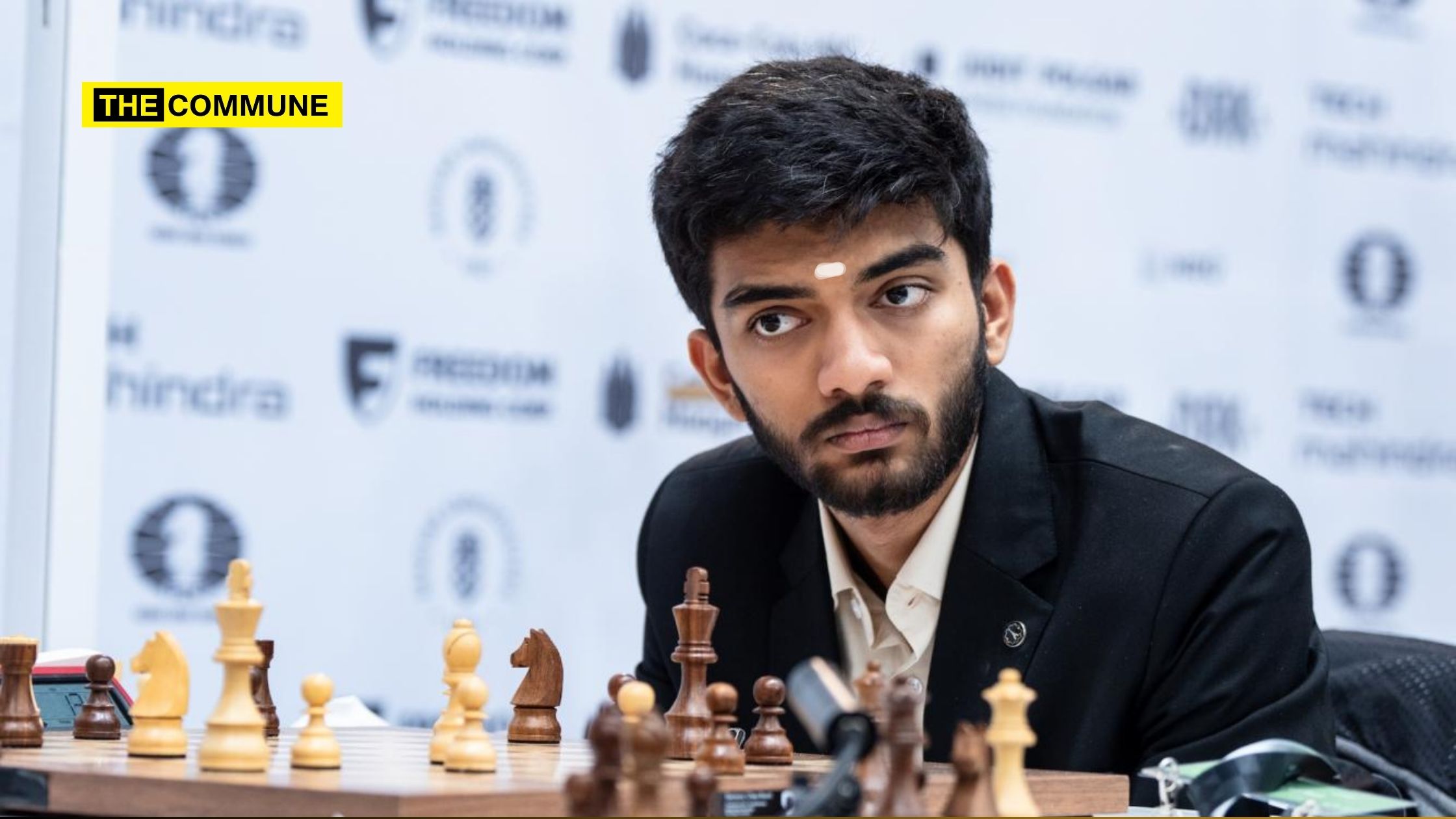
Gukesh: The Rise Of A New King

Gukesh: The Rise Of A New King

In a sport where age is just a number, a nine-year-old can hope to become a Grandmaster and a 50-year-old can aspire to win the biggest title. But the World Champion in the classical format is still a revered deity and usually a player with years behind him. In the history of the World Chess Championship stretching from 1860 till date, chess has had only 17 World Champions in the classical format with Garry Kasparov of Russia being the youngest World Champion at 22 years, four decades back in1985.

On Thursday, 18-year-old Gukesh Dommaraju broke the glass ceiling and became the 18th World Champion and youngest ever, beating China’s Ding Liren of China in a 14-game World Chess Championship final match in Singapore, capitalising on a blunder from a drawish position by his opponent in the 14th and last game to win the 2024 World Chess Championship match 7.5-6.5.

This completes a remarkable and magical journey for Gukesh who watched the Indian chess legend Viswanathan Anand lose the World Chess Championship in their home town Chennai to Magnus Carlsen of Norway in 2013.

He vowed to one day bring back the World Chess Championship title to India. On Thursday, Gukesh fulfilled that dream by beating Ding Liren in the winner-takes-all 14th and final game at the Resort World Sentosa in Singapore, capping an incredible year in which he became the youngest winner of the Candidates Tournament, helped India win the gold medal in the 2024 Chess Olympiad in Budapest and also won a gold medal at the Olympic, finishing with 9 points in 10 rounds.

He had the highest performance rating of 3056 among all players in the tournament. Born in a Telugu-speaking family in Chennai, Tamil Nadu, on May 29, 2006, Gukesh learned chess from his cousins at the age of seven and was soon beating those who taught him the game.

Seeing his potential, his ENT surgeon father Dr. Rajinikanth and mother Dr. Padma, decided to help him pursue his dream of playing chess. One of them started accompanying Gukesh as he started playing the junior and age-group circuit, becoming the World Champion in two categories — U-9 in 2015 and U-12 in 2017.

After initial success as a sub-junior player, Gukesh took up coaching with Grandmaster Vishnu Prassana and his life changed as this student of Velammal Vidyalaya School, Chennai transformed into a champion player and went on to become the second-youngest Grandmaster in the history of the game at the age of 12 years, 7 months, and 17 days.

Abhimanyu Mishra has beaten the record, making Gukesh the third-youngest GM ever. Overshadowed initially by the likes of Nihal Sarin and R Praggnanandhaa, Gukesh made history by winning an individual gold medal for India in the 2022 Olympiad in Chennai, finishing with a score of 9 out of 11 as India-2 won a bronze medal.

Since that day, he has shot up in the FIDE rating, moving into the top five in the World, and now has become the youngest World Champion.

Gukesh qualified for the Candidates Tournament, the qualifying event for the World Championship final, with a miraculous victory in the Chennai Grandmaster Tournament and went on to book his ticket from a hopeless position. A player known for his keen sense of positional play who does not like to depend too much on openings, Gukesh has an incredible ability to calculate moves and tries to gain an advantage over his opponents by finding the right move in the position.

Though in the 2024 World Chess Championship match against Ding Liren, Gukesh did fail to capitalise on a few opportunities and faced a tremendous fightback from the Chinese reigning World Champion. But Gukesh eventually proved that dreams do come true if you are ready to work hard and make the most of your opportunities. Gukesh has proved that one can achieve any dream if one has the talent and is ready to work hard to achieve it.

Mostly short on words, Gukesh lives and breathes chess as he does not have any other interests besides it. Now that he has won the title, he said his aim now is the become a great player like Magnus Carlsen, the five-time World Champion and the highest-ranked player the game has ever seen.

–IANS

Subscribe to our channels on TelegramWhatsApp, and Instagram and get the best stories of the day delivered to you personally.
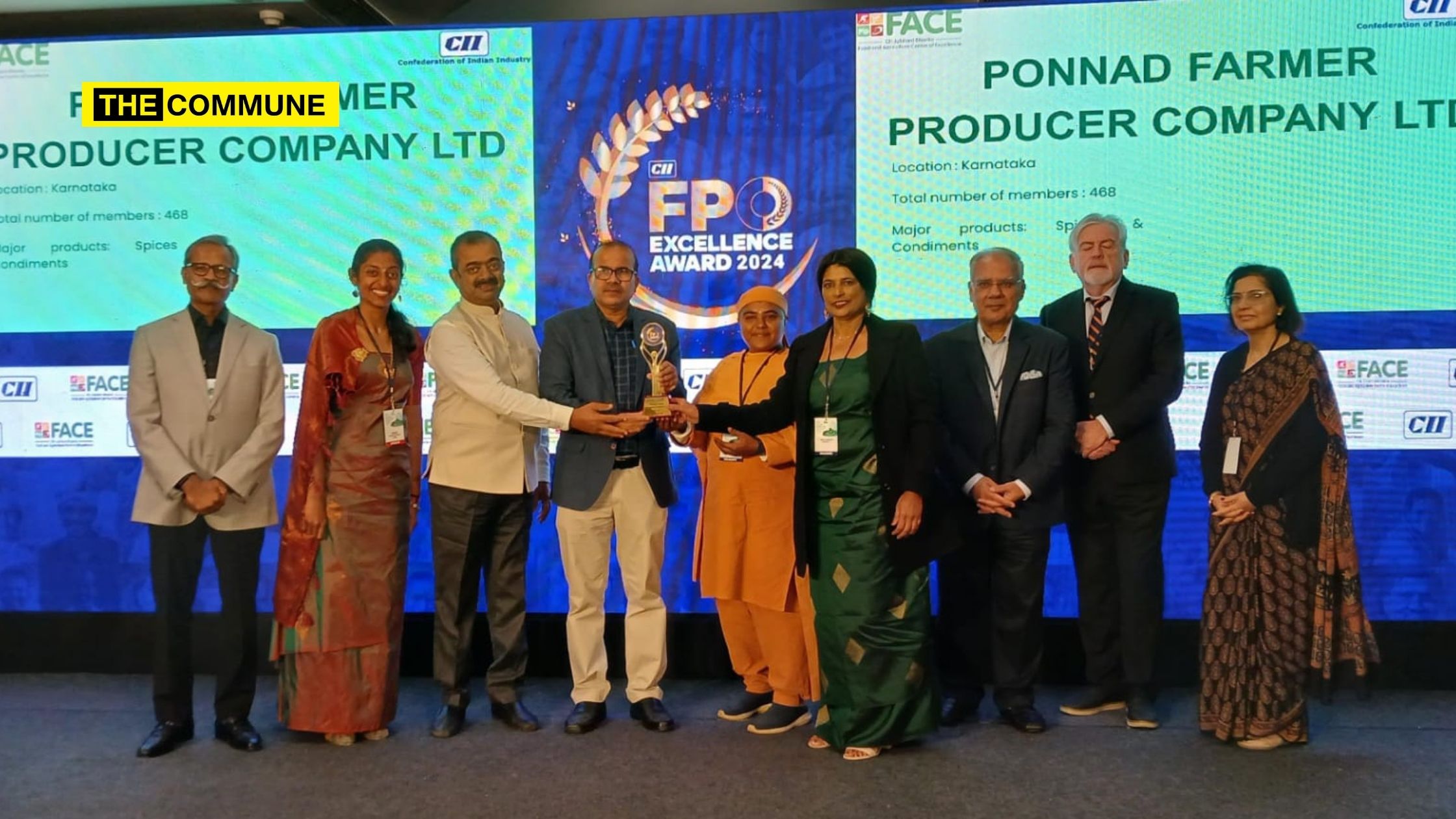
Isha Outreach Supported Ponnad Farmer Producer Company Limited Bags the Prestigious CII FPO Excellence Award

Isha Outreach Supported Ponnad Farmer Producer Company Limited Bags the Prestigious CII FPO Excellence Award.

In the past 6 months, 5 FPOs supported by Isha Outreach have won various national and state awards awards

Five Farmer Producer Organisations (FPOs) supported by Isha Outreach, the social development arm of Isha Foundation, have received prestigious national and state-level awards for their outstanding contributions to agriculture and rural development. The awards won in the past 6 months highlight the power of collective farming to tackle key challenges in Indian agriculture while promoting economic and social upliftment for farmers.

Ponnad Farmer Producer Company Limited from Karnataka received the prestigious CII FPO Excellence Award in the Market Linkage category at the CII FPO Summit 2024 in New Delhi. Ponnad FPCL has emerged as a price leader in the Madikeri region, achieving a turnover of ₹9 crore in FY 2023-24. This recognition stems from its robust partnerships with corporate buyers, transparent quality checks, and initiatives like free transportation and storage facilities for coffee farmers, significantly enhancing their income.

Tiptur Farmer Producer Company Limited in Karnataka was awarded by Karnataka State Agri Produce Processing and Export Corporation Limited (KAPPEC) for its dedication to delivering high-quality, well-packaged agricultural produce directly from farmers to buyers. The FPO has gained the trust of its members through its transparent practices, enabling better prices for copra and empowering its farmer community. Directors of the FPO are personally involved in the sorting & grading of produce to ensure quality.

In Tamil Nadu, Velliangiri Uzhavan Farmer Producer Company Limited was honoured with the prestigious “Millionaire Farmer of India” Award by Krishi Jagran in association with the Indian Council of Agricultural Research (ICAR). Since its inception in 2013, this FPO has grown from a modest turnover of ₹45,000 to ₹17 crore by 2021-22. It has become a benchmark for coconut prices in the Thondamuthur region, offering benefits like access to drip irrigation systems, organic certification, and fair-priced input shops, all of which have significantly improved farmer incomes.

Malanadu Farmer Producer Company Limited, based in the Nilgiris, also received the “Millionaire Farmer of India” Award for its extraordinary performance. Establishing itself as a leader in the coffee market, the FPO achieved a five-fold increase, with a turnover within a year, growing from ₹1 crore in 2022-23 to ₹5.1 crore in 2023-24.

Thencherimalai Farmer Producer Company Limited, located in Sultanpet, Coimbatore, was named the Best FPO for the financial year 2023-24 by the National Bank for Agriculture and Rural Development ( NABARD). This FPO set several benchmarks by becoming the fastest NABARD-promoted organisation to register 750 members, secure a ₹15 lakh equity grant in one year, and achieve a turnover exceeding ₹1.58 crore within its first year of operation.

Taking to social media X on the achievements of the FPOs, Sadhguru said, “Farmer Producer Organizations ( FPO) have proven to be among the best models to significantly enhance farmer economy and ecological sustainability. What a marginal landholder can never hope to achieve as an individual farmer, becomes a possibility because of the strength of the collective and the Power of Scale. To enrich the farmer economy and the Nation’s economy, to establish sustainable farming practices and #SaveSoil, for food and water security, #FPOs are the way forward. Congratulations to all farmers and everyone striving in this direction. Blessings.”

https://x.com/SadhguruJV/status/1866852376667377702 

Mr Yogesh Dwivedi, CEO of Madhya Bharat FPO Consortium, speaking at the CII FPO Summit 2024 in Delhi, congratulated Ponnad FPCL on receiving the award. He remarked that the FPO is an example of how Isha and Sadhguru are making a tangible difference. Beyond their contributions to spirituality, the organisation has actively partnered with farmers, showcasing commendable ground-level efforts that have resulted in remarkable turnover achievements. Their vision is truly inspiring, and we wish them continued success in their work with the farming community.

Venkat Rasa, Project Director at Isha Outreach said, “Under Sadhguru’s guidance, we began with the Velliangiri Uzhavan FPO in 2013. Today, we are proud to see the success of 25 FPOs across Tamil Nadu and Karnataka. These awards affirm the value of collective effort in transforming farmer livelihoods, and we remain committed to scaling these models further.”

Isha Outreach has played a pivotal role as a Cluster-Based Business Organisation (CBBO), providing end-to-end support for these FPOs. From soil testing and farmer training to market linkage and inputs shops for high-quality input materials such as seeds, bio-inputs, fertilizers, its initiatives have empowered nearly 10,000 farmers across Tamil Nadu and Karnataka. 

(This is an official press release from Isha Foundation. The Commune was not involved in creating this content.)

Subscribe to our channels on TelegramWhatsApp, and Instagram and get the best stories of the day delivered to you personally.

Troubled By Pile Of Garbage, Ghazipur Residents Say ‘Kejriwal Made False Promises’

Troubled By Pile Of Garbage, Ghazipur Residents Say 'Kejriwal Made False Promises'

As Delhi gears up for Assembly elections, Ghazipur residents remain mired in unaddressed issues of mounting garbage and worsening living conditions. Despite repeated promises, including a decade-old pledge from CM Arvind Kejriwal to clear the infamous Ghazipur landfill, locals face unchecked pollution, health hazards, and daily struggles. From clogged canals filled with dead cattle to unbreathable air during summer fires, the garbage heap has become a grim symbol of neglect. Residents, disillusioned by years of inaction, vow to hold Kejriwal accountable during his campaign.

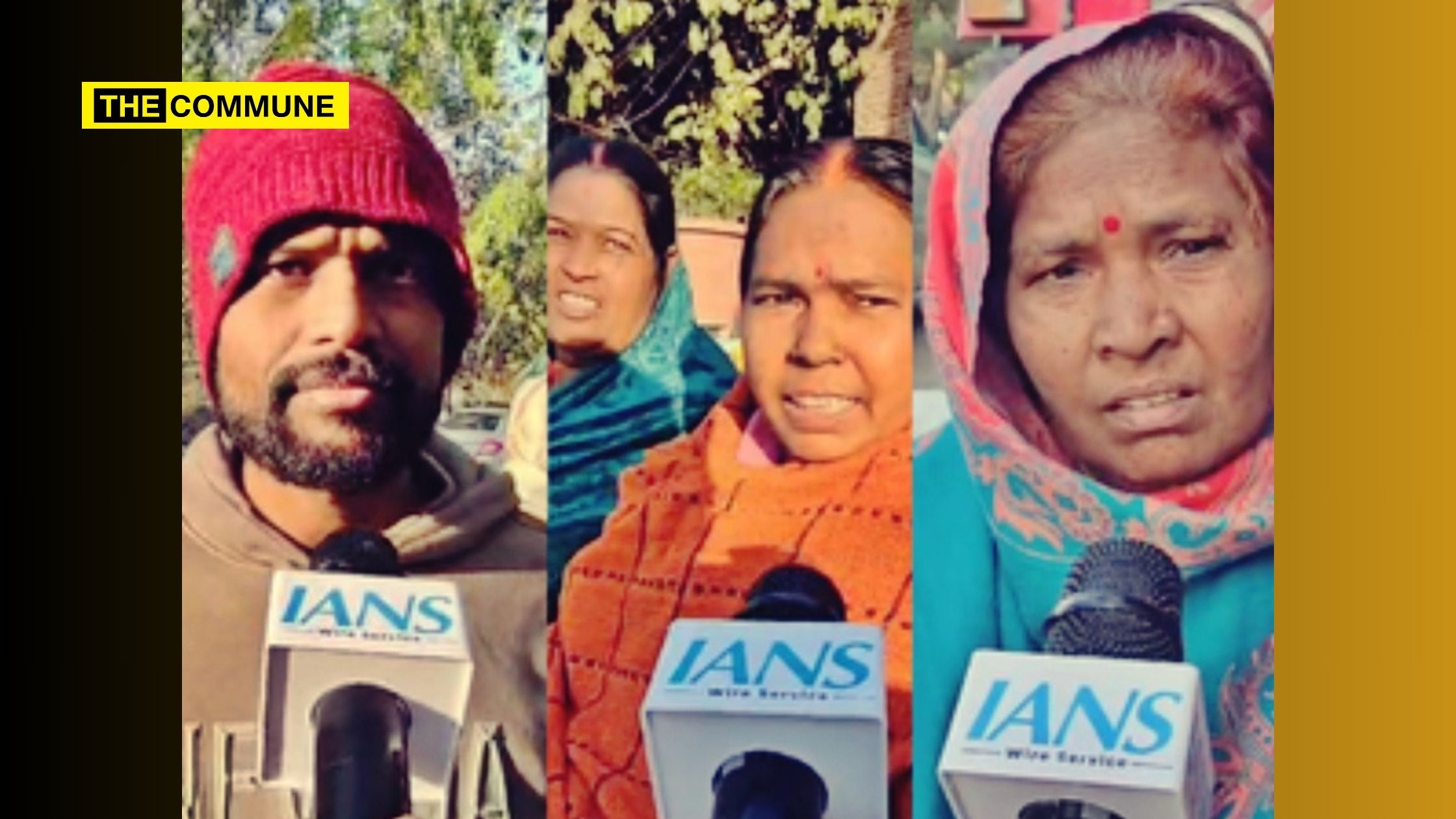
The mound of garbage remains a source of constant worry for the residents here. Despite promises by leaders including former Delhi CM Arvind Kejriwal, their problems have remained unaddressed. Many Ghazipur locals spoke about their problems in an interaction with IANS on Thursday. Munni Devi, a local resident, said: “The situation is getting worse day by day. The pile of garbage is continuously increasing. Wherever you look, only garbage is seen. The water canal has become a garbage dump. Dead cattle are found in the canal. What are the MCD people doing? We have been tolerating the filth for years.”

“Arvind Kejriwal had promised to remove garbage, but the promise has not been fulfilled,” she said. Rajesh, another local, said: “I have been living here for years. The problem regarding the garbage dump has not been solved. Arvind Kejriwal promised that he will remove the garbage but there hasn’t been any progress in the past 10 years. The garbage pile-up has only increased. “For 10 years, we have been living in filth and stink. Problems increase during rainy days,” he added.

Balmitra Devi said she has given up all hopes of any improvement. “No government will solve our problem. I have been living here for 40 years. Pollution has entered our house. As soon as you go out, you have to come face to face with filth. One has to face a lot of difficulties,” she said. Nirmala Devi, a housewife, said: “We cannot eat bread at home. I want to ask Kejriwal what work he has done in 10 years. What work did you do after staying in MCD for two years?” Shafiq said that when Arvind Kejriwal comes for campaign this time, he will definitely ask him about the promise. “The problem has not reduced during Kejriwal’s government. When he comes to ask for votes, we will ask what happened as you had promised,” he said. Khalid, another resident, said that the garbage heap in Ghazipur only makes for political fodder and no solution. Sartaj said: “The pile of garbage will never end. The present government promised but see what happened. There are diseases all around. Fires break out here during summers. People have trouble breathing.”

“Since childhood, I have been seeing the pile of garbage. But, no government has come forward to remove it. We have to face a lot of problems,” said Nitin.

–IANS

Subscribe to our channels on TelegramWhatsApp, and Instagram and get the best stories of the day delivered to you personally.
Telangana ACB questions officer owning ₹100 crore-worth assets

Telangana ACB questions officer owning ₹100 crore-worth assets

Telangana’s Anti-Corruption Bureau (ACB) on Thursday began questioning Nikesh Kumar, Assistant Executive Engineer of the Irrigation Department, who was arrested earlier this month in a disproportionate assets case.

A day after a court granted the ACB custody of the tainted official for four days, the anti-graft agency’s sleuths took him into custody from Chanchalguda prison. He was brought to the ACB office in Nampally, where investigating officers questioned him.

The ACB officials had found assets valued at ₹17.73 crore owned by Nikesh Kumar and his family members, which are disproportionate to his known sources of income. In one bank locker, they found gold jewellery weighing 1.5 kg.

The market value of his assets, including a villa, flat, plots, agricultural land, and gold ornaments, is pegged at over ₹100 crore. The official, who joined the job a decade ago, was said to be earning at least ₹2 lakh a day, allegedly through corrupt means.

The ACB officials were shocked to find the value of the disproportionate assets. Their questioning is likely to reveal more facts about the sensational case.

The agency will also try to find out if Nikesh Kumar was acting as a ‘benami’ of any other person. In May, the ACB team trapped Nikesh when he demanded and accepted a bribe of ₹2 lakh along with three other officials working in the irrigation and revenue department. A major chunk of Nikesh Kumar’s illegal wealth came allegedly through No Objection Certificates (NOCs), which he issued for building permissions through the TG-bPASS portal.

This is the ACB’s second-biggest catch after the apprehensions of the former director of Insurance Medical Services (IMS), Ch Devika Rani, in 2019 and HMDA Director (Town Planning) Shiva Balakrishna earlier this year.

While Devika was seized with disproportionate assets worth ₹30 crore, Balakrishna was seized with unregistered properties worth ₹9 crore.

The value of the two tainted officials’ seized assets was only as per the government record. The market value is estimated to be hundreds of crores.

–IANS

Subscribe to our TelegramWhatsApp, and Instagram channels and get the best stories of the day delivered personally.