Home Blog Page 478

Thoothukudi: INTUC Protests Demanding Reopening Of Sterlite Copper Plant
Thoothukudi: INTUC Protests Demanding Reopening Of Sterlite Copper Plant

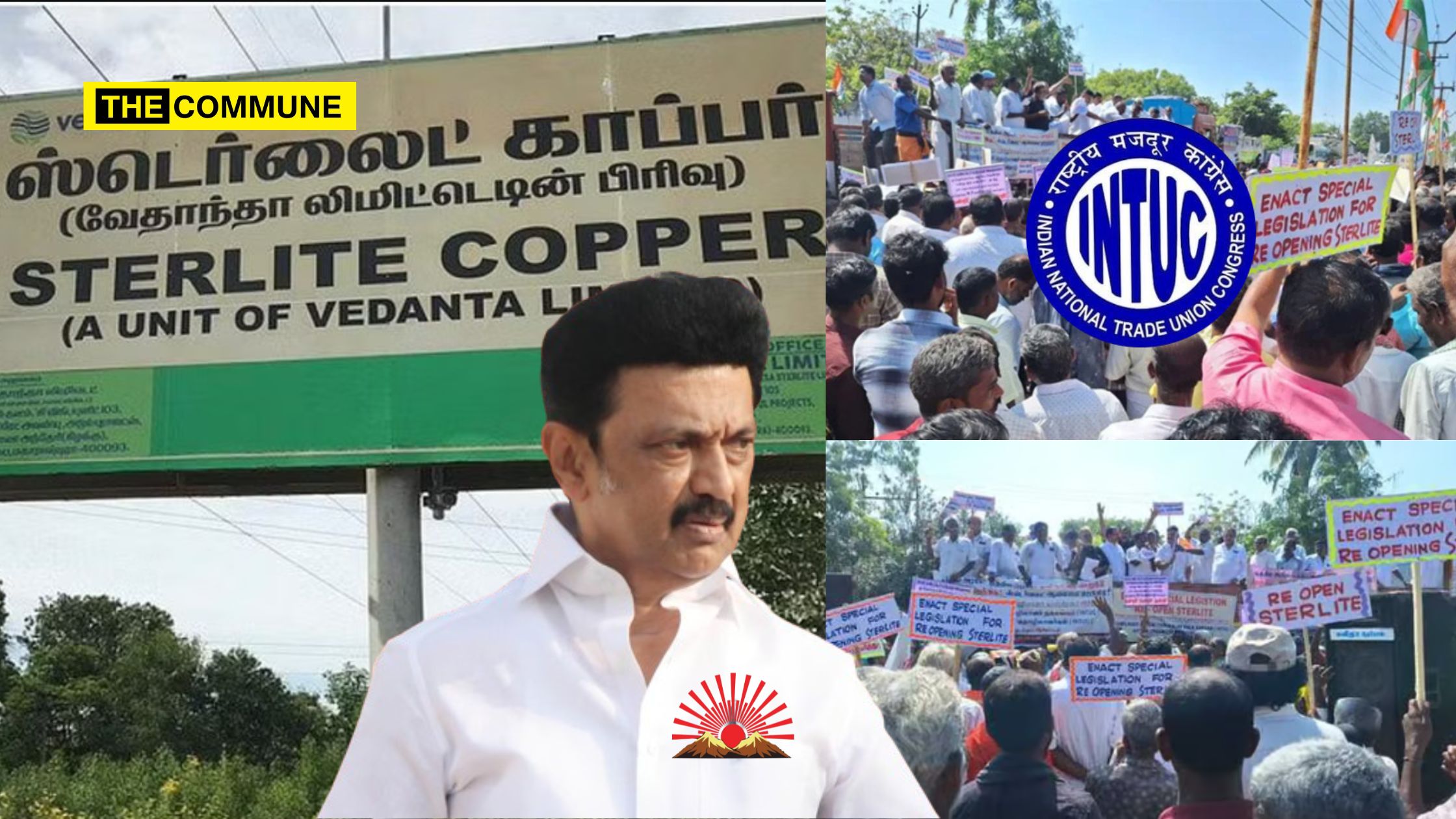
On 20 December 2024, the Indian National Trade Union Congress (INTUC), the age-old workers’ union of Congress, held a protest in Chidambaranagar, calling on the state government to reopen the Sterlite Copper plant in Thoothukudi and to focus on increasing employment opportunities in the region.

Over 500 individuals, led by INTUC Working President Kathirvel, participated in the demonstration, calling for the reopening of the defunct Sterlite Copper plant and highlighting the need for job creation. Protesters held placards demanding the enactment of special legislation to reopen the facility, which was shut down following Supreme Court orders.

Kathirvel, who also serves as the General Secretary of the National Harbour Workers’ Union and a trustee of the VOC Port Trust, stated that the closure of several industries, including Sterlite Copper, has negatively impacted employment prospects and the socio-economic development of Thoothukudi’s residents. He argued that shutting down industries sends a negative signal to investors and harms the local industrial environment.

He further pointed out that the closure of spinning mills, textile mills, ginning factories, thermal power plants, warehouses, and small-scale industries over the past decade has led to a significant loss of jobs for both skilled and unskilled workers. He noted that the automation at VOC Port had replaced the jobs of 7,000 manual laborers, while the reduction in salt pan areas had particularly hurt women’s employment opportunities.

Kathirvel also referenced MP Kanimozhi’s parliamentary appeal to the central government for the establishment of semiconductor manufacturing units in Thoothukudi, which she believes would aid in the region’s economic recovery.

He argued that the permanent closure of the copper smelter had disrupted the livelihoods of 3,000 truck drivers and 4,000 daily wage laborers. The plant had been generating Rs 5,000 crore annually for both the union and state governments, while supplying 40% of the country’s copper. He warned that shutting down the smelter would force India to become a net importer of copper after 18 years.

Kathirvel acknowledged Chief Minister MK Stalin’s efforts toward decentralizing industrial development across the state and supported MP Kanimozhi’s call for new industries in Thoothukudi. He urged the state government to reconsider the reopening of the copper plant.

Impact Of Sterlite Copper Plant Closure On Indian Economy

The closure of the Sterlite Copper plant in Thoothukudi, Tamil Nadu, in May 2018 has had significant economic ramifications, with estimates indicating a loss of over ₹14,000 crore to the Indian economy. According to a report by Consumer Unity & Trust Society (CUTS) International, this figure, which translates to nearly $2 billion, reflects the cumulative losses experienced by various stakeholders, including the government, state, ports, and investors. The loss amounts to approximately 0.72% of Tamil Nadu’s State Gross Domestic Product (SGDP) for the four-year period of the plant’s closure.

The closure did not only affect the company, Sterlite Copper, which reportedly faced a loss of ₹4,777 crore, but also had widespread consequences for the Indian economy. While the precise distribution of the company’s losses is unclear, the closure has also resulted in substantial revenue losses for both central and state governments, particularly in terms of taxes and duties. A separate report commissioned by NITI Aayog examined the broader economic impact, which included significant reductions in tax revenue.

Impact On Copper Production And India’s Trade Balance

Before its closure, Sterlite Copper was responsible for producing 40% of India’s copper. The plant’s shutdown marked a significant shift in India’s copper trade balance, turning the country from a net exporter to a net importer of copper. The closure has had a profound effect on the country’s ability to meet domestic copper demand, with India’s copper exports plummeting by 70% following the plant’s closure. Notably, India, which had been one of the top five copper exporters globally, saw its exports drop dramatically from 378,000 tonnes in 2017–2018 to just 48,000 tonnes in 2018–2019.

China’s Gain And Challenge To India’s Atmanirbhar Bharat

China, a major global player in copper production, emerged as one of the biggest beneficiaries of India’s copper shortage, with its copper exports to India doubling. This shift has been detrimental to India’s Atmanirbhar Bharat initiative, as copper is critical for industries ranging from electricals to automotive manufacturing. With copper demand set to rise due to the growing electric vehicle (EV) market, renewable energy push, and rapid urbanization, India faces significant challenges in meeting its future copper needs.

Rising Copper Demand And India’s Future Needs

As per estimates, copper demand in India is expected to grow by over 9.3% annually, reaching around 2.5–3.5 million metric tons by 2030. This demand will be driven by industries such as renewable energy, electric vehicles, and power grid expansion. For instance, electric vehicles (EVs) require substantial quantities of copper, with each EV car using approximately 83 kg of copper, and EV buses requiring 224 kg. As India aims to achieve 30% EV penetration by 2030, the demand for copper will soar. Additionally, with the government’s focus on increasing solar and wind energy capacity, copper’s role in energy production and transmission will be crucial.

The Shift In Investment: India To Saudi Arabia

The prolonged closure of the Sterlite Copper plant has led Vedanta, the parent company, to reconsider its investment strategy. With repeated denials for reopening the plant, Vedanta has decided to invest in copper projects abroad, particularly in Saudi Arabia. The company has signed a memorandum of understanding (MoU) to invest $2 billion in establishing copper smelting and refining facilities in the country. This shift represents a significant blow to Thoothukudi’s economy and India’s industrial prospects, as Vedanta’s investment in Saudi Arabia is expected to contribute $19 billion to Saudi Arabia’s GDP.

Allegations Of Foreign Influence On Protests

The protests leading to the closure of the Sterlite Copper plant have raised questions about foreign involvement. Allegations have been made that foreign-funded entities, including Chinese companies with vested economic interests in India’s copper imports, played a role in inciting protests against the plant. These protests were reportedly supported by NGOs and other groups that violated the Foreign Contribution Regulation Act (FCRA) by accepting foreign funds, even after their FCRA registrations were canceled. This has further complicated the issue, as it suggests that external influences may have contributed to the economic damage caused by the plant’s shutdown.

Similar to protests seen in other parts of the world, such as the Carmichael coal mine in Australia, opposition to the Sterlite plant was driven by ‘environmental’ concerns. However, the lack of swift resolution by state and national bodies resulted in economic losses for India. The closure of Sterlite Copper, which had been an important part of Thoothukudi’s industrial ecosystem, is seen as a case of missed opportunities for balanced decision-making.

The closure of the Sterlite Copper plant has had far-reaching economic consequences for India, both in terms of lost employment opportunities and reduced copper production. As the country struggles to meet rising copper demand, the closure has shifted the balance of trade, with China and other countries reaping the benefits. Moving forward, India must prioritize the revival of its copper industry to ensure it remains competitive in the global market and meets its growing demand for this essential metal.

(With inputs from TNIE)

Subscribe to our TelegramWhatsApp, and Instagram channels and get the best stories of the day delivered instantly.
When Terrorists Were Mourned: 12 Instances Of Islamist Mobs Attending Funeral Procession & Offering Prayers For Terrorists

When Terrorists Were Mourned: 12 Instances Of Islamist Mobs Attending Funeral Procession & Offering Prayers For Terrorists

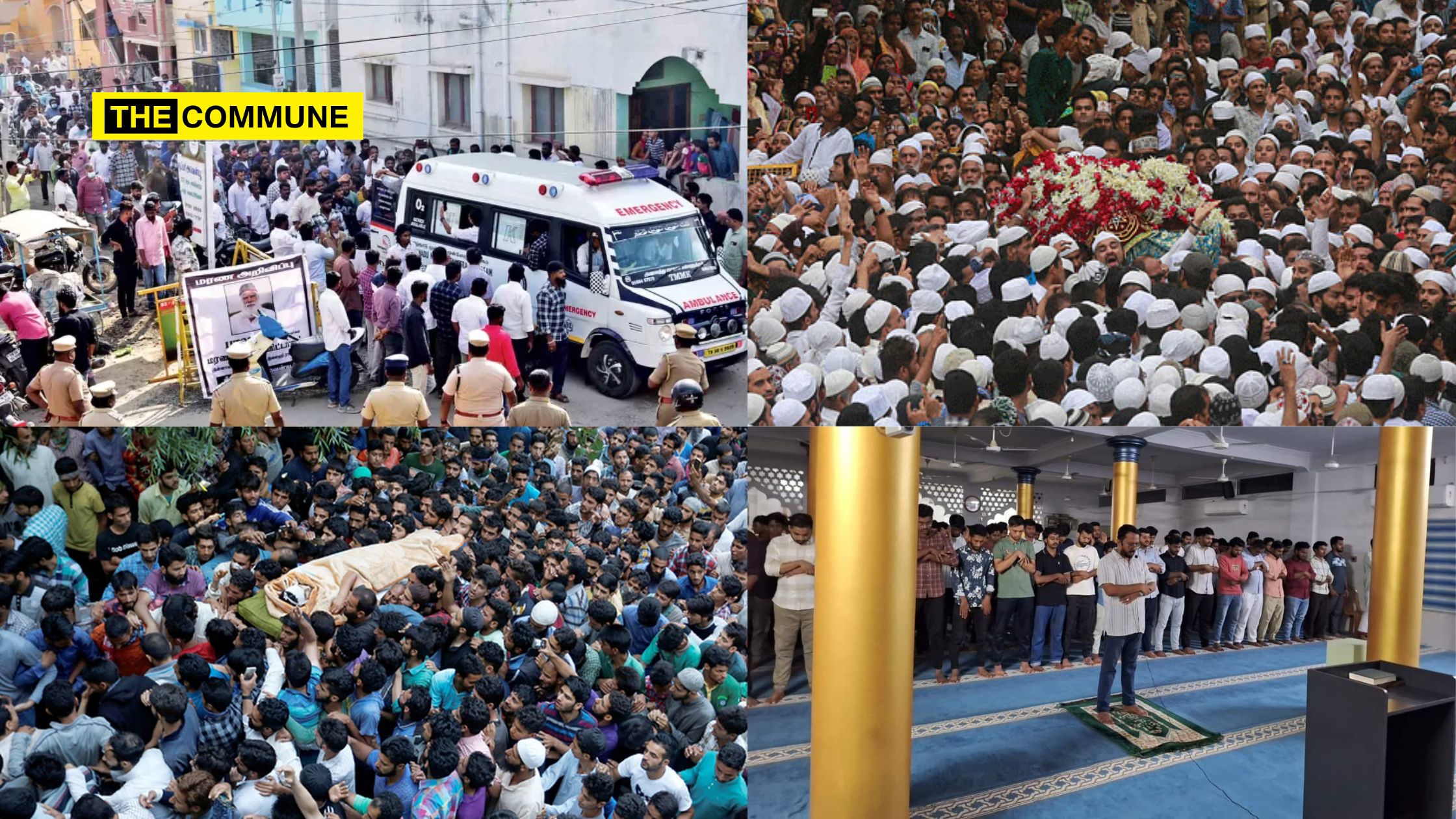
Thousands of Muslims, including Islamist Mobs, gathered in Coimbatore, Tamil Nadu to bid a final farewell to the 84-year-old Syed Abdul Basha, the mastermind of the Coimbatore bomb blasts of 1998, at his funeral after he died on 16 December 2024. On the other hand, Constable Bashir Ahmed was martyred in an encounter with terrorists in Jammu and Kashmir on 28 September 2024. Neither candle/poster marches nor rallies were organised for him nationwide.

Here is a compilation of 12 major incidents of Islamist mobs attending funerals in support of terrorists from the year 2013 to 2024.

#1 – Coimbatore, Tamil Nadu – 16 December 2024

S.A. Basha, the mastermind behind the 1998 Coimbatore serial blasts, passed away at the age of 84 during treatment at PSG Hospital. The blasts, which occurred on 14 February 1998, claimed the lives of 58 people and injured over 231. Basha, who was serving a life sentence for his role in the attacks, received a controversial farewell as thousands of people gathered to pay their respects, sparking debates and protests.

#2 – India – 29 September 2024

Following the death of Hezbollah Chief Hassan Nasrallah in Lebanon on 28 September 2024, various Muslim organizations in India, including those in Jammu and Kashmir, Delhi, and Uttar Pradesh, organized candlelight vigils, poster marches, and rallies. These groups referred to Nasrallah as amartyrwhile paying tributes to the Hezbollah leader, leading to widespread criticism and protests over glorifying a terrorist figure.

A controversial banner outside a Chennai Mosque praised Hezbollah leader Hassan Nasrallah, killed in an Israeli missile strike, calling him aheroandIsrael’s nightmare.Featuring Imam Ali’s quote, it described Nasrallah’s death as martyrdom, sparking outrage over perceived local support for a terrorist organization and challenging internal security.

#3 – Kerala – October 2024

In October 2024, a funeral prayer for Yahya Sinwar, the slain Hamas leader, was organized in Kerala by the Student’s Islamic Organization (SIO), sparking controversy. Sinwar, responsible for the October 7 attack in Israel, was killed by Israeli forces. The prayer, attended by local youth, drew criticism, especially given Kerala’s history of similar events. The SIO’s portrayal of Sinwar as avaliant warriorraised concerns about ideological sentiments in the region.

#4 – Kulgam, Jammu and Kashmir – 25 March 2022

Dawood Ahmed Sheikh, a terrorist affiliated with Lashkar-e-Taiba (LeT), was killed in an encounter with Indian security forces in Kulgam district. Sheikh was involved in multiple attacks on security forces and other terrorist activities in Kashmir.

On 26 March 2022, thousands of people attended his funeral and raised slogans advocating freedom, highlighting continued tensions and deep-rooted challenges in the region.

#5 – Baramulla, Jammu and Kashmir – 30 June 2021

Altaf Ahmad Dar, the divisional commander of Hizbul Mujahideen and one of the top ten most-wanted terrorists in Kashmir, was killed in an encounter with Indian security forces. Dar had been a key figure in numerous terrorist activities in the region.

On 1 July 2021, hundreds gathered at his funeral in Baramulla, raising anti-national slogans and calling for war against the Indian Army, underscoring the charged atmosphere in the valley.

#6 – Pulwama, Jammu and Kashmir – 19 February 2020

Bashir Lashkari, a terrorist affiliated with Lashkar-e-Taiba (LeT), was killed in an encounter with security forces in Pulwama. Lashkari was linked to the 2019 Pulwama attack, which resulted in the martyrdom of 40 CRPF soldiers.

Thousands of people attended his funeral, raising anti-Indian Army and pro-freedom slogans, reflecting the persistent volatility and local support for militancy in the region.

#7 – Pulwama, Jammu and Kashmir – 6 August 2020

Mugees Ahmad Mir, a terrorist and key conspirator of the 2019 Pulwama attack, was killed in an encounter with Indian security forces in Pulwama.

On August 7, 2020, thousands gathered in Jakura for his funeral procession. Supporters raised slogans endorsing the Islamic State (ISIS) and draped Mir’s body in the ISIS flag. He was buried in Pampore amid heightened tensions.

#8 – Adoripora, Pulwama, Jammu and Kashmir – 23 May 2019

Zakir Musa, head of the terrorist organization Ansar Ghazwat-ul-Hind (AGH), was killed in an encounter with Indian security forces. Musa was known for advocating the establishment of Islamic rule in Kashmir.

Following his death, protests erupted in several parts of Kashmir, leading to the closure of schools and colleges. Over 1,000 people attended his funeral, raising slogans of freedom, emphasizing the lingering unrest in the valley.

#9 – Anantnag, Jammu and Kashmir – 8 July 2016

Hizbul Mujahideen commander Burhan Wani was killed in an encounter with Indian security forces in Anantnag. His death sparked widespread protests across the Kashmir Valley, where he was hailed as a martyr and a hero by many.

On 9 July 2016, over 200,000 people attended Wani’s funeral. His body, draped in a Pakistani flag, was buried beside his brother Khalid in Tral, showcasing the intense local support he garnered.

#10 – Bhopal, Madhya Pradesh – 31 October 2016

Five members of the banned Student Islamic Movement of India (SIMI) were killed in a police encounter following their escape from Khandwa Jail. The encounter occurred 30 km north of Bhopal after a crossfire.

A large crowd gathered for their funeral procession in Gulmohar Colony, where thousands hailed the terrorists as heroes. Stone-pelting incidents targeted the police during the procession, reflecting the contentious atmosphere surrounding their deaths.

#11 – Delhi – 30 July 2015

Yakub Memon, convicted for his role in the 1993 Mumbai bomb blasts, was executed in Tihar Jail on 30 July 2015. The blasts claimed 257 lives and injured over 700 people. Memon was sentenced to death by a special court in Mumbai in 2007.

Following his execution, protests and processions were organized in several states, including Mumbai, Delhi, Hyderabad, and Kashmir. Muslim community leaders like Abdul Rashid, Ali Mohammad Sayeed, and Mufti Mohammad Sayeed led these demonstrations, referring to Memon as a martyr, underlining the polarizing nature of his case.

#12 – Delhi – 9 February 2013

On 13 December 2001, the Indian Parliament was attacked by five terrorists, resulting in the deaths of nine security personnel and one civilian. Afzal Guru, accused of masterminding the attack and aiding the terrorists, was convicted and sentenced to death.

After extensive legal proceedings, Afzal Guru was executed in Delhi’s Tihar Jail on 9 February 2013. His execution sparked widespread protests in various cities, including Delhi (Jamia, JNU, and other locations). Several Kashmiri leaders, including Mirwaiz Umar Farooq, Ali Shah Geelani, and Yasin Malik, along with various organizations, labeled Afzal Guru as innocent, adding to the controversy surrounding his case.

Subscribe to our channels on Telegram, WhatsApp, and Instagram and get the best stories of the day delivered to you personally.

DMK & Dravidianist Media’s Hypocrisy In Crying Foul Over Tamil Nadu’s Alleged Republic Day Tableau Exclusion Stands Exposed

DMK & Dravidianist Media’s Hypocrisy In Crying Foul Over Tamil Nadu’s Alleged Republic Day Tableau Exclusion Stands Exposed

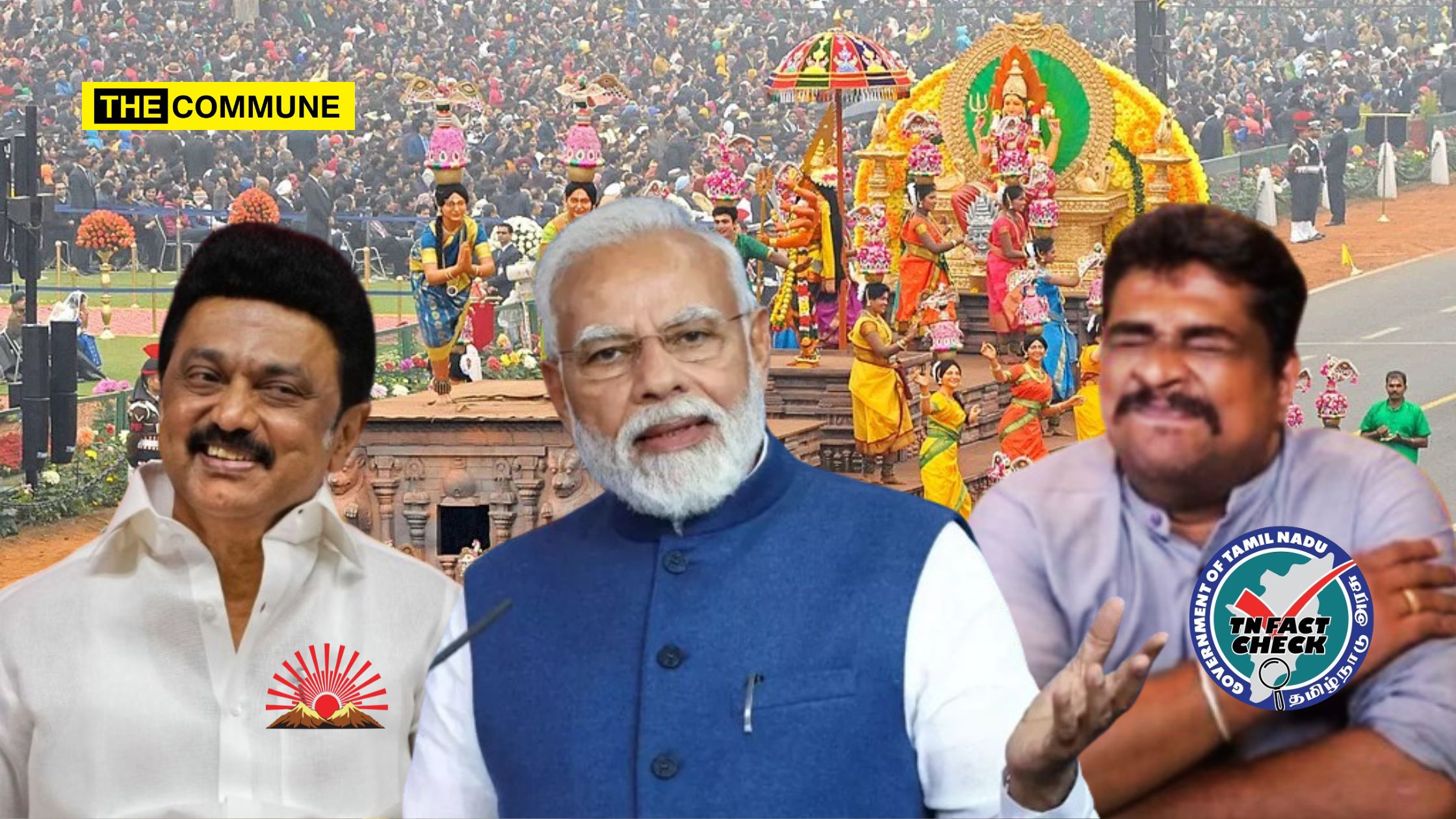
As with every year, when the central government announces the selection process for the Republic Day parade tableau, the Tamil Nadu government led by the DMK creates an uproar, claiming that ‘state rights have been denied’ and sparking a political controversy if their state’s tableau is excluded. Following this, Dravidian-friendly media spends days criticizing the central government, even though the rejection is in line with the established rules.

However, this year is different from all previous ones. This time, the same Dravidian-friendly media outlets are pushing the narrative that “Tamil Nadu was rejected in the Republic Day tableau,” while opposition leaders are accusing the DMK of failing to secure the state’s rightful place. The DMK now finds itself facing the consequences of its own hypocrisy, marked by a stark silence, with the official state fact-checking unit buttressing on behalf of the ruling government that the rejection is simply part of the normal process.

For example the Thanthi TV shared a news card stating, “Tamil Nadu’s float rejected: Tamil Nadu’s float excluded from Republic Day parade. Tamil Nadu not included in the list of selected states for the float parade. Floats from 15 states, including Gujarat, Karnataka, Goa, Punjab, Uttar Pradesh, Madhya Pradesh, and Andhra Pradesh, will participate. For the fourth consecutive year, Delhi’s state float is also excluded. Kejriwal condemns the decision.”

Opposition leaders, including AIADMK General Secretary Edappadi K. Palaniswami and former Chief Minister of Tamil Nadu O. Paneerselvam, have criticized the DMK. In response, the state’s official fact-checking unit, led by Dravidian sympathizer Iyan Karthikeyan, has defended the party.

The unit stated its official X account, stating, “Republic Day: Rumor of Tamil Nadu float being rejected. It is being spread that the Tamil Nadu government float has been rejected from the annual Republic Day parade in the capital Delhi in 2025. This is completely false information. The Tamil Nadu float will not be able to participate in the 2025 parade. The floats of 15 states and union territories will be selected to participate in the Republic Day parade in Delhi. However, it is allowed only on a rotational basis. Not all states can participate in all years. The Tamil Nadu float participated in the 2024 parade. Now it will be able to participate in the next 2026 parade. However, false information is being spread that the Tamil Nadu government float has been rejected. Do not spread rumors!”

The state fact-checking unit, which is currently referencing the eligibility process outlined in a circular sent to all state governments regarding participation and rejection, pointed out that this procedure was not followed in previous years. The DMK, in an apparent attempt to play politics, has deliberately tried to incite regional chauvinism and linguistic passion. Along with alleged journalists from media outlets sympathetic to the party, spread false information claiming that the Modi government at the Centre ‘rejected’ Tamil Nadu’s tableau for the Republic Day Parade due to the absence of ‘prominent freedom fighters.’

Dravidianist Journalists Spreading Narratives on TN Tableau

In the year 2022, The Dravidian-sympathizing journalist from Puthiya Thalaimurai (a mainstream Tamil news channel), tweeted that the Centre had rejected Tamil Nadu’s tableau proposal allegedly for not having ‘prominent freedom fighters’. Tamil Nadu had reportedly proposed having Veera Mangai Velu Nachiyar, V.O. Chidambaram Pillai and Subramania Bharathiyar in the tableau.

This was followed by another Dravidian-sympathizing journalist, Karthigai Selvan, who echoed the same tone.

DMK Narratives

This was amplified by several leaders of the ruling DMK including Chief Minister MK Stalin and his half-sister Thoothukudi MP Kanimozhi.

DMK Allies Amplifying the Narratives

Their alliance partners, Congress and the VCK too, joined the chorus.

Subscribe to our channels on TelegramWhatsApp, and Instagram and get the best stories of the day delivered to you personally.

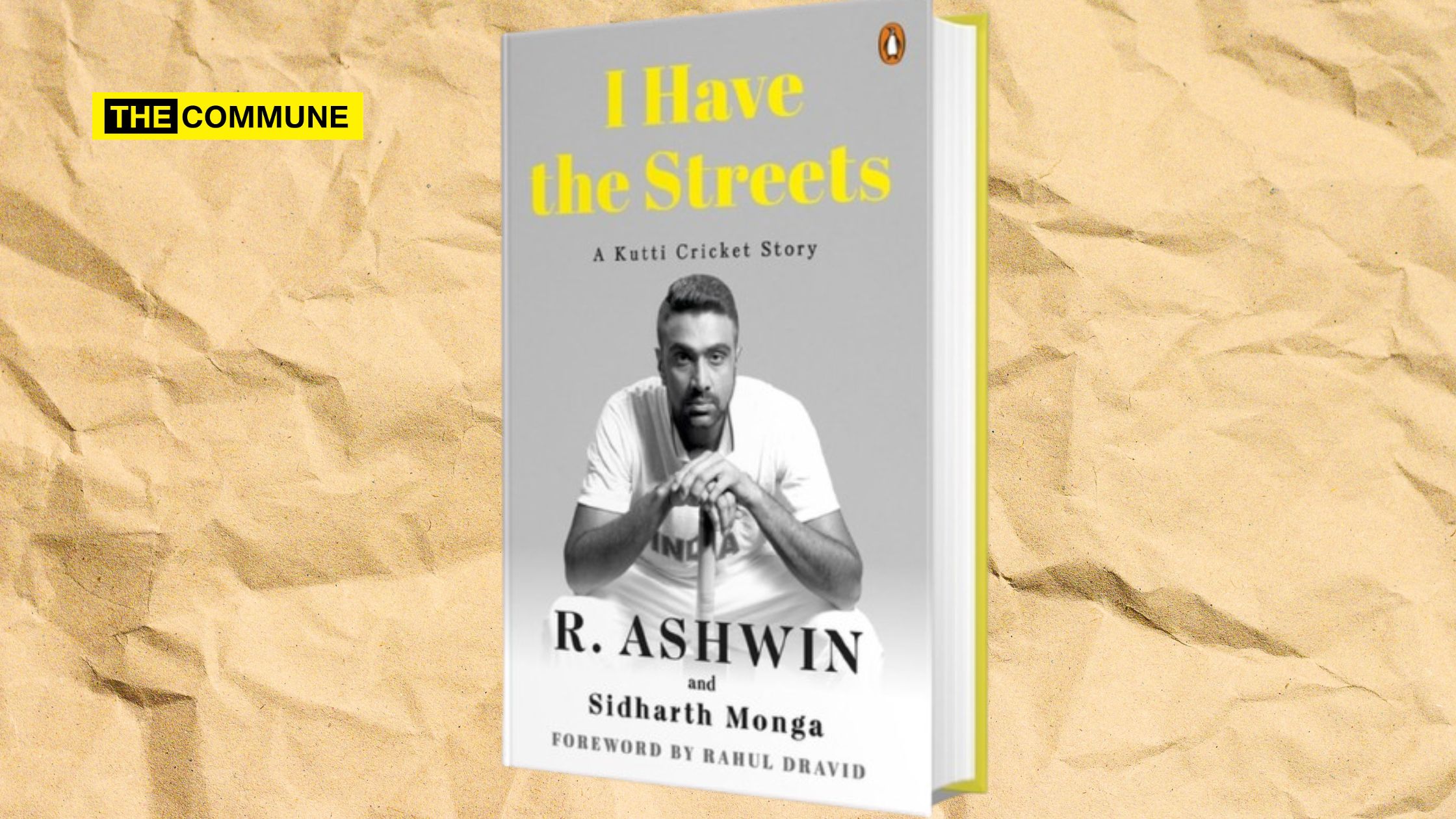
Book Review: I Have The Streets: A Kutti Cricket Story By R Ashwin – The Heart And Mind Behind The Cricket Legend

Book Review: I Have The Streets: A Kutti Cricket Story By R Ashwin - The Heart And Mind Behind The Cricket Legend

When I heard about R Ashwin’s retirement from International Cricket, I instinctively picked up his book “I Have the Streets: A Kutti Cricket Story” instinctively. Known to be a very erudite, thinking cricketer, his retirement came as a complete shocker. It evoked an instantaneous desire to delve into the mind and life of this special cricketer. This book is all about Cricket, Life, and more Cricket. When one reads this book, it is unsurprising that Ashwin has achieved the high echelons of success and etched a name for himself in the annals of Indian and World Cricket history.

The foreword by the legend Rahul Dravid is beautifully penned in “I Have the Streets: A Kutti Cricket Story”. He describes this book as a Cricketing book and a Children’s book. I was perplexed at the use of the term ‘Children’s book, which became apparent towards the end.

Written in straightforward, conversational English, the reader is transported to the bylanes of Madras, where Ashwin starts to hone his skills. One of the book’s most endearing and beautiful aspects is the use of traditional words like Amma, Appa, and Thatha throughout “I Have the Streets: A Kutti Cricket Story”.

Like every middle-class family, Ashwin’s success has a huge string of sacrifices by his family. The roles played by each of his parents and grandfather are so beautifully described that one can’t help but smile at the elusive success and feel the pain of failures at other junctures. Ashwin’s school journey overlaps with many contemporaries who make their mark in domestic and international cricket. A special mention has to be made about Aniruddha Srikanth, whose relationship with Ashwin is sometimes quite amusing.

Ashwin is credited with being a thinking cricketer, and this book provides ample insight into the making of one. When medically down, Ashwin became a left-handed batsman to beat boredom. The book describes the rich and age-old tradition of tennis ball cricket integral to every kid’s life in India. Ashwin’s success and journey through the school cricket scene and transition to club cricket are equally interesting and quite revealing at times. A glimmer of the future is revealed with Ashwin rubbing shoulders with Rohit Sharma & Cheteshwar Pujara in U17 selection trials and Jadeja in the U-19 setup.

Ashwin was originally a batsman who transitioned to become a bowler and off-spinner at one. The trigger to this transition is a casual comment from his Amma. Considering Dinesh Karthik as his hero, Ashwin’s journey under C. K Vijaykumar and Vasu as coaches/mentors shape his initial journey with each predicting his eventual rise to stardom. However, it is the tutelage under W. V. Raman that shapes Ashwin to transcend from a good talent to the eventual greatness he would go on to achieve. Some of the advice is ageless, timeless wisdom: Be fully immersed in the activity that you are engaged in”,If the ego kicks in, I will kick you”.

The book is also a very good window into Ashwin’s personality. Being outspoken to the extent of rubbing the powers in the wrong way to having an ever-inquisitive brain to continue innovating, this book doesn’t provide a glossy picture of the man that he is. This book provides perhaps a more relatable, true human that he is with all his so-perceived imperfections. Ashwin is neither overawed by stars (but believes in carving his own identity) nor backs down from working on his inadequacies. His challenges with his own weight and fielding, especially the work with Gary Kirsten and Paddy Upton, are quite inspirational. Ashwin comes across as a constantly thinking, evolving mind – something that many of his contemporaries and commentators have spoken about.

Ashwin’s special relationship with MSD forms a good portion of his IPL and Indian journey. It is quite interesting to read the insights or ringside view into MSD’s mind and what goes on in the same. MSD employing the age-old management concept of Pygmalion is one of the highlights of the book. One shouldn’t miss the special episode on Sreesanth. Ashwin does speak very highly about Gautam Gambhir as his captain. Personally, I wonder if the perception would remain the same now.

Beyond cricket, Ashwin provides ample view into friendships and relationships. A Kutti love story is blossoming in the book. The book ends with the high of the 2011 World Cup win as well as CSK’s first title in 2010. As the book was published in 2024, I am surprised by the conclusion of the book with the events of more than a decade back.

Hence, I feel this is a children’s book as it captures Ashwin’s childhood journey and his initial rise to stardom. It also captures the beautiful family relationships and his journey with Prithi. I am sure there’s much more to his life, especially his journey outside CSK, his stupendous success in Test Cricket, and his phase of life beyond cricket.

There’s a lot more to come about Ashwin. I presume this is just the beginning. As the famous saying goes A journey of a thousand miles starts with a single step”. This book is definitely the first step into understanding the life and mind of Ravichandran Ashwin.

Brilliantly written. Highly recommended read.

Gee Vee is an engineer and avid fan of itihasas, puranas and books.

Subscribe to our TelegramWhatsApp, and Instagram channels and get the best stories of the day delivered instantly.
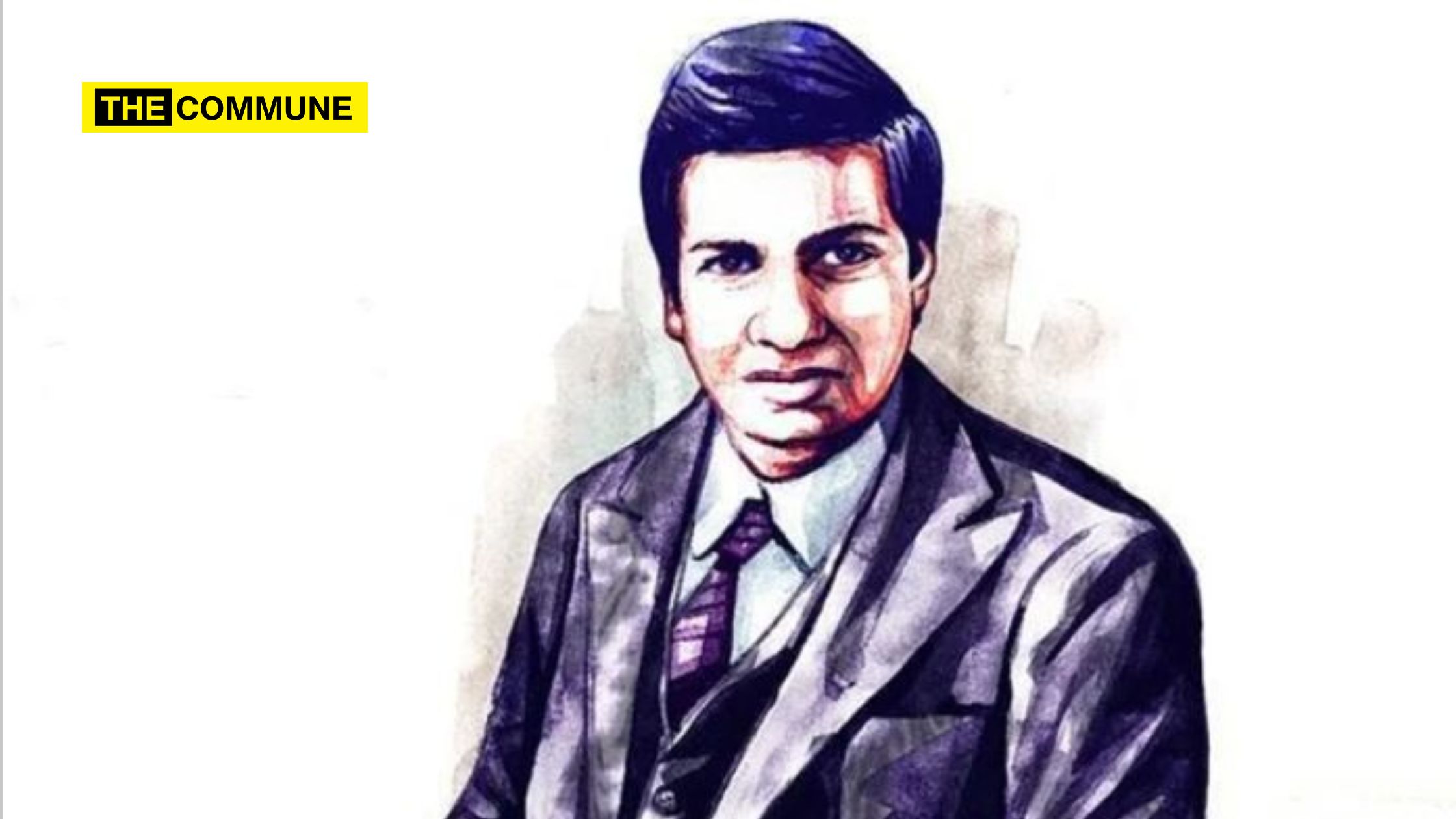
Srinivasa Ramanujan: The Self-Taught Mathematical Genius Who Changed Modern Mathematics

Srinivasa Ramanujan: The Self-Taught Mathematical Genius Who Changed Modern Mathematics

Srinivasa Ramanujan (Born 22 December 1887) was an Indian mathematician and one of the foremost figures in the history of mathematics globally. Though he had a seemingly ordinary education during the early stages of his life, he single-mindedly pursued the subject and rose to become one of the most celebrated mathematicians of his time.

Ramanujan was born in Erode, Tamil Nadu. He showed an early interest in mathematics, developing an exceptional aptitude for solving complex problems. He largely ignored other subjects, tending to focus completely on mathematics. At 16, Ramanujan was already working on advanced concepts and creating original mathematical theories. He mostly studied in isolation and was almost completely self-taught.

Ramanujan’s life significantly turned when some of his mathematical letters reached G.H. Hardy, a prominent British mathematician at Cambridge University in 1913. Despite sending these letters to dozens of other reputed mathematicians in the country, Hardy was the only one who took Ramanujan seriously and responded positively to Ramanujan. He was astounded by the depth and originality of Ramanujan’s work and was surprised that it seemed to emerge from intuition rather than formal logic. Recognizing his extraordinary talent, Hardy moved heaven and earth to bring this mysterious Indian mathematician to Cambridge in 1914, forming what would later be known as one of the most beautiful mathematical collaborations in recent times. Ramanujan’s key contributions were in Number Theory, Infinite Series, and Continued Fractions.

While Ramanujan’s time at Cambridge was fruitful, he faced difficulties due to the vast difference in weather. Also, Ramanujan was a strict vegetarian and struggled to find suitable food there. He often suffered from poor health and eventually returned to India in 1919, where his health continued to decline. Ramanujan died at the young age of 32 in 1920.

Modern mathematicians are still trying to understand and prove many of his theories, theories that Ramanujan formulated purely out of his raw genius and intuition. It is also to be noted that Ramanujan credits most of his discoveries to his family deity – Namagiri Thaayar, and once said – “An equation for me has no meaning unless it expresses a thought of God.” Till the very end, Ramanujan never stopped talking about mathematics, which shows how deep his passion for mathematics was. It should teach us that greatness is not only achieved with talent but, most importantly, with passion.

Uma Venkat is a Montessori-trained teacher, Chinmaya Mission Balavihar Sevika, and a former NGO trustee who educates children in Chennai.

Subscribe to our Telegram, WhatsApp, and Instagram channels and get the best stories of the day delivered to you personally.

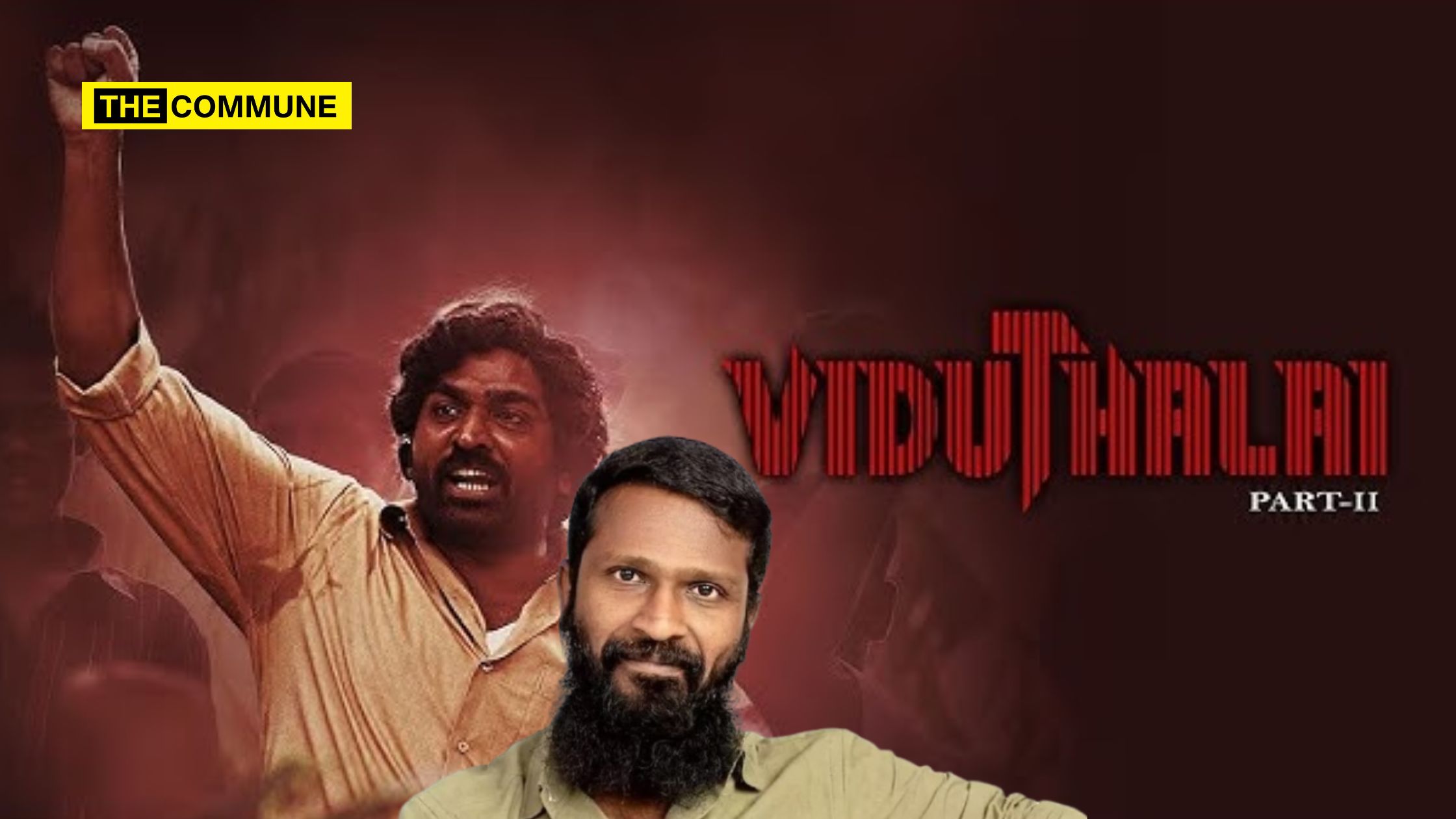
Viduthalai Part 2: An Epic Bore That Glorifies Maoist Violence And Forces Ideological Propaganda Through Lectures

Vetrimaaran's Viduthalai 2: When Political Preaching Overshadows Storytelling

Viduthalai pretty much falls into the territory of the series of movies on politics of downtrodden made by the influential three – Vetrimaaran, Pa Ranjith and Mari Selvaraj. Depending on how a viewer sees this or how the filmmaker sees them, it can fall into the category of Dalit Politics, Victim Politics, Politics of Downtrodden or Caste Politics. After I watched the movie (both the parts), my immediate thought was how this movie wants to match upto phenomenal Asuran and searing Karnan. It neither reaches the content and character depths of Asuran, nor makes you empathise with the rage of Karnan.

The film terribly falls short on multiple counts – the film making, the story, the politics behind the story and what not.

Promoting Maoistic Violence

Significant part of the movie is being spent on showing the central character, Perumal Vaathiyar, taking to violence as a remedy to all social ills – both real and perceived. There are lengthy conversations around whether violence is the righteous path to address the challenges, and you’d find that the dialogues are heavily in favour of the violence. Perumal Vaathiyar character justifies the violence. All his immediate subordinates justify the violence. His wife, Mahalakshmi (played by Manju Warrier), who is shown to be a voice of reason, and have significant influence over Perumal Vaathiyar’s action, and is consistent in backing all the violence.

In a sequence involving retribution over the killing of KK, Perumal Vaathiyar’s mentor, she pushes for the murder and killing of the sugar mill owner and his son. People who have not watched the movie will not understand the gravity of her push, since the sugar mill owner is her father, and his son is her own brother.

Anurag Kashyap does a cameo of a leftist from northern India, and his action and dialogues are pretty much indicative of violence as a means to an end. The only inference that I could get from his presence was that he is a Naxal from Northern India, known for all their violence against their own community.

Frankly, I have never seen a movie which has been this explicit in glorifying violent Maoism.

The Irony of Peacenik Re-incarnation of Perumal Vaathiyar

In the second half, there are again scene after scene, where Perumal Vaathiyar seems to have a change of heart, and dissuading his team from violence. All these scenes seem to be Vetrimaran’s slow realisation that his movie is preaching violence. Remember, lot of these scenes seem to happen before the climax portion of the first part, which in itself had bouts of violence from the Makkal Padai, the organisation of Perumal Vaathiyaar.

Just when I thought irony had died a slow death, the lead up to the climax served yet another display of this contradiction. In a lengthy shoot out in the mist-clad hills, after scores of death on both sides (police and Makkal Padai), another bunch of lengthy dialogues from Perumal Vaathiyar about the need to pursue political solution and not violence, and even as he speaks, we see 5 or 6 guys being shot dead. For the group which not just respects Perumal Vaathiyar, but deifies him, all it would have taken was one firm instruction to stop the shooting. But then, Vetrimaaran probably wanted irony to die twice, since it is a two part movie.

Dravidian Ideology in a Communist Glorification

The constant references to the communist ideology as panacea for all social ills can be understood to a great extent considering the periods in which the film’s story is set (and by extension, I am ignoring its irrelevance in today’s context). I don’t understand the need to refer to “Karuppu Sattai” as an ally of “Sevappu Sattai”. Seriously? Are the film makers betting on people not recollecting Kilvenmani Massacre and EVR’s explicit support for the Gopalakrishna Naidu? Wait? Did Vetrimaaran actually forgot that he made a movie called “Asuran” in that backdrop?

And more importantly, when exactly have the Dravidian ideology have fought for the welfare of the downtrodden and labourers? It was always about opposing “Aryans” (a.k.a. North Indians), more specifically peddling hate against Brahmins.

Another scene right at the beginning involves actor Ilavarasu, portraying a minister, saying that they (Dravidian Politicians) had to lay their heads on railway track to get benefits (education?) for the officers in the room. Upfront, I thought it was a sly attack on the D-Stock, till there were more favourable reference to Karuppu Sattai.

The film’s storyline had no need to build or showcase the Karuppu Sattai in any light, be it good or bad. My personal thought was that it was forcibly pushed inside to suit the present day ruler’s agenda. Considering that this movie could end up becoming a loss making proposition (which, it will, for filmmaking reasons detailed later), and that it is distributed by Red Giant movies.

Freudian Slip Anyone?

In one of the scenes involving KK Thozhar (Actor Kishore), where he explains what is “Left Wing Ideology”, he goes about referring to the French Revolution, saying the obvious historic fact – Left Wing were the political group who sat to the left of the Presiding Member’s chair in the French Parliament, and they had opposed the Monarchy and associated veto privileges, and were by extension for “voting and democratic rights”.

In today’s scenario, the principal political group in Tamil Nadu i.e. DMK has rarely embraced any inner party democracy and runs on one family’s writ, the exact opposite of the original “Left Wing Ideology”. If ever there was a ranking of Freudian slips, this takes the Gold.

Film Making Aspects

Lacking in Character Building & Messaging

There are a bunch of scenes that happen in a certain sequence –

  1. Group of police officers and civil servants discussing bringing in Amudhan as an Officer In Charge of Special Operation, because he is a good guy, who is now in a camp.
  2. A lecture happening in the camp (Major Madan Cameo) detailing among other things, the significance of human life and the need to avoid human rights violation.
  3. Cut to the climax, the same officer, Amudhan, who was considered as good by the powers, and who is being trained on human rights, ends up killing the “accused” (Perumal Vaathiyaar) who raises his hands, unarmed and is surrendering.

What exactly is the messaging here? Amudhan is the good guy or the bad guy? That character was shown to have some conscience in the first part, and shown to be without any remorse in the second one.

Jarring Viewing Experience – Overspeaking and Editing

One of the recurring themes with Vetrimaaran’s movie is the overspeaking i.e. where the actual dialogue mouthed during the shooting is entirely different from the one that comes in the final version after dubbing. You’d notice that the words spoken and the lip movements don’t even sync well. I can understand this jarring experience when you watch a dubbed movie or even when a non-native actor does the role, with a native speakers voice being used to dub his or her portion. Vetrimaaran seems to shoot the movie with one set of dialogues and during dubbing changes the dialogues. I experienced this jarring episode even while watching Asuran, and Viduthalai Part 1 and this movie. In addition, there are additional dialogues are spoken after the re-recording and dubbing is also over which sticks out pretty sore.

The editing which used to be pretty good in ensuring continuity and consistency is also terrible here. Every movie watcher will have the confusion on the timelines. In one scene, KK Thozhar dies, and five scenes later, he comes back alive. It is understandable that all these are from the past, but it does not add to any cohesiveness.

My final conclusion is that Vetrimaaran is the same as he was 10 years back. The deterioration in the film making is telling, and he has lost his filmmaking marbles in chasing politically influential storylines and dialogues. From the crystal clear voice that his movies used to carry, it is more of a drunken slur.

Loose Ends

For the bunch of build up the first part had about Soori’s romance with Bhavani Sre, you don’t get to see her for more than a 30 second scene. The first part pretty much ended with police atrocities on the villagers, including punishing them by making them stand nude, and the second part pretty much no references to that or any closure to that atrocity.

Good Things Any?

There are many – the locations, the acting performances, the background music. And it is not the point of this article, and I’d leave it to the bigger group of people who’d orgasm at the smallest good thing in the movie.

Conclusion

To say that this is Vetrimaaran’s weakest movie is an understatement and does not capture my immediate thoughts on this movie. This is inarguably his worst, in all aspects – story, story telling, character depth and film making.

G Saimukundhan is a Chartered Accountant.

Subscribe to our channels on TelegramWhatsApp, and Instagram and get the best stories of the day delivered to you personally.

Tamil Nadu Chief Minister MK Stalin Confuses ‘One Nation One Election’ As One Day Election, BJP Leader Rajeev Chandrasekhar Takes Jibes

TN CM Stalin Confuses 'One Nation One Election' As One Day Election, BJP Leader Rajeev Chandrasekhar Takes Jibes

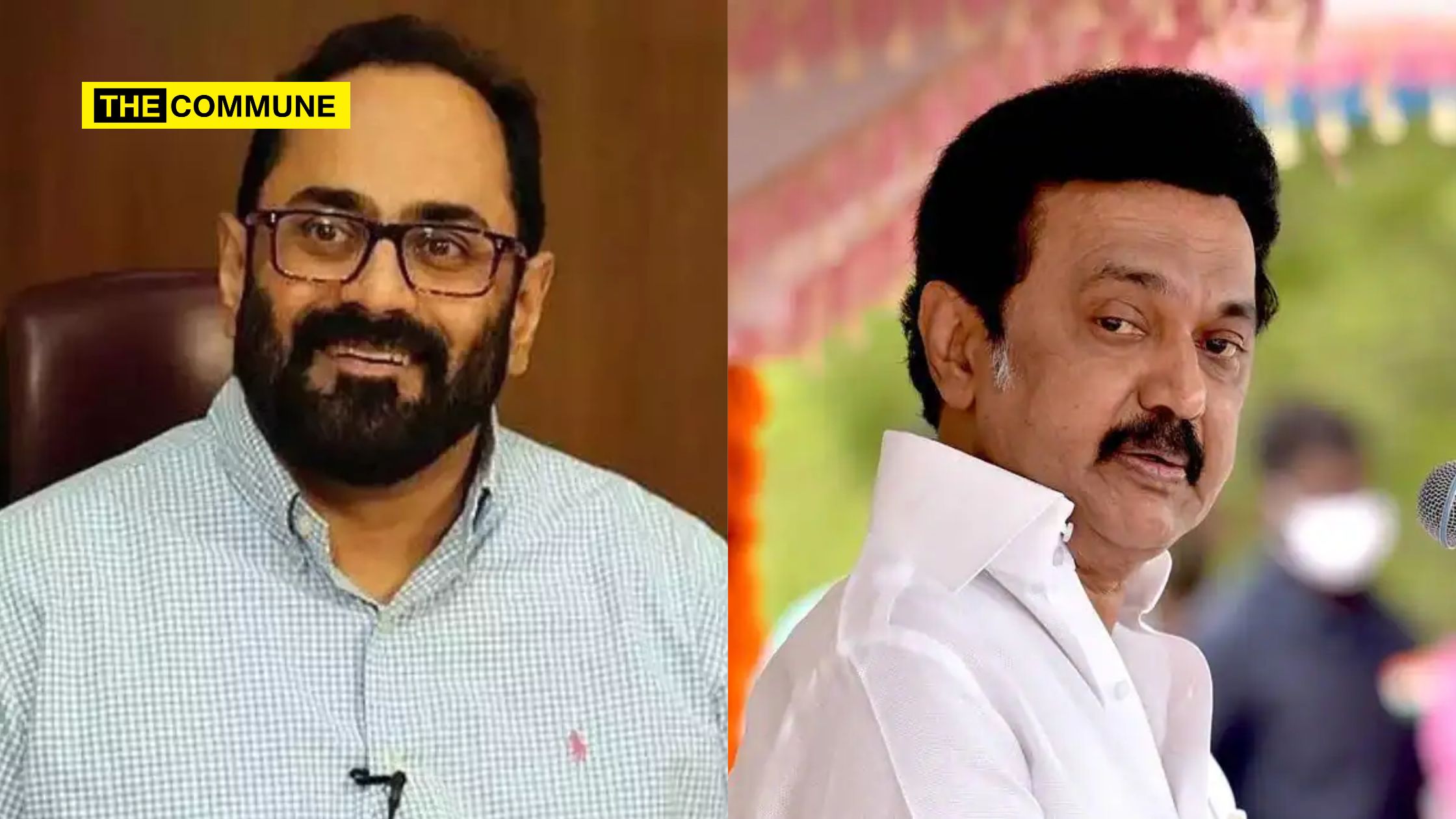
While denouncing the ‘One Nation, One Election’ proposal on December 20, 2024, in Coimbatore, Tamil Nadu Chief Minister MK Stalin inadvertently referred to it as “One Day Election.” Stalin condemned the initiative, branding it “a draconian decision” that would “plunge democracy into a deep pit,”

Stalin visited Coimbatore on 20 December 2024 after participating in government events in Erode. He went to the house of the late Era Mohan, an MP from Coimbatore, and expressed his condolences to the late Era Mohan’s wife, son, daughter, and family.

When reporters asked about his comments on One Nation, One Election MK Stalin had a tongue-slip when he said “I’ve already told many times. It’s a draconian decision. It will plunge democracy into a deep pit. This One Nation, One Election.. One Day Election is surely a decision that will plunge democracy into despair.

Reacting to this, former Union Minister and BJP leader Rajeev Chandrasekhar said “Its NOT One Election, One day – its One Nation, One Election – meaning election cycle will be once every 5 years. Always more sensible to be informed, bfr u give ur “valuable” opinion”.

Subscribe to our TelegramWhatsApp, and Instagram channels and get the best stories of the day delivered instantly.
ISRO’s SpaDeX Mission To Propel India Into Elite “Space Docking” Club With PSLV-C60 Launch

ISRO’s SpaDeX Mission To Propel India Into Elite "Space Docking" Club With PSLV-C60 Launch

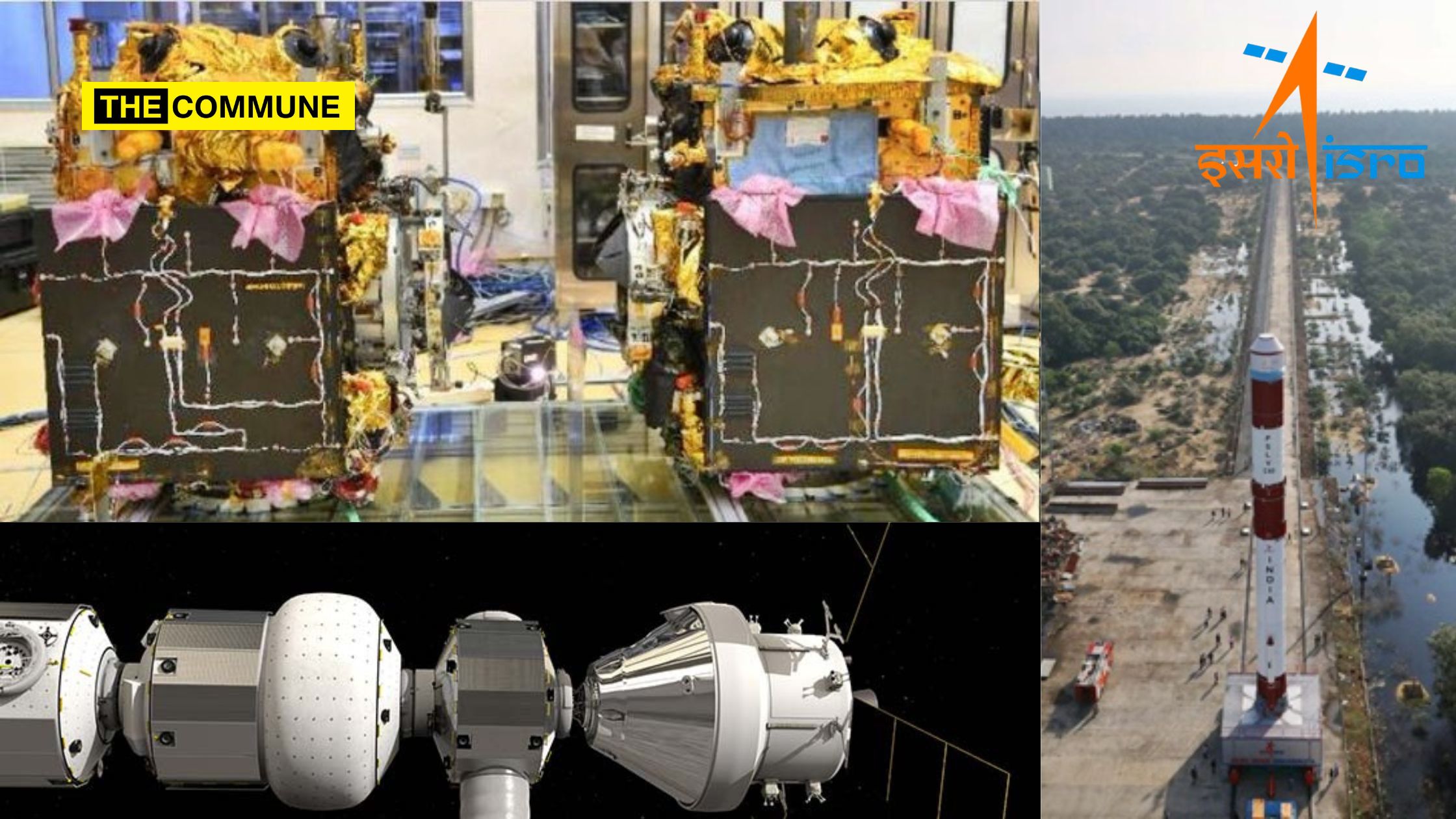
The SpaDeX mission, expected to launch this year aboard the PSLV-C60 rocket, will propel India to the elite club of nations with space docking capabilities, said Indian Space Research Organisation (ISRO) on 21 December 2024. ISRO aims to launch PSLV-C60 on 30 December. However, the launch window is open till 13 January.

The space agency informed that the mission has completed “all tests and clearances”. The integration of the SpaDeX spacecraft is complete, and the spacecraft has been moved to Satish Dhawan Space Centre (SDSC) in Sriharikota, Andhra Pradesh. It is currently “undergoing preparations for launch”. While only a few countries have aced the space docking technology, it is key for India for its impending space missions including the Moon mission, and setting up the Indian space station.

The launch vehicle has been integrated and now moved to the First Launch Pad, for further integration of satellites and launch preparations. ISRO’s SpaDeX mission, launching with PSLV-C60, will demonstrate in-space docking using two small spacecraft. This groundbreaking technology is key to future lunar missions, building Bharatiya Antariksh Station (BAS), and more. India aims to join the elite club of nations with space docking capabilities,” ISRO said in a post on X.

The PSLV will lift off two small spacecraft – SDX01, which is the Chaser, and SDX02, the Target – weighing about 220 kg each. The mission will showcase the docking of the two spacecraft in a low-Earth circular orbit. “In-space docking technology is essential when multiple rocket launches are required to achieve common mission objectives. Through this mission, India is marching towards becoming the fourth country in the world to have space docking technology,” ISRO said.

It will also demonstrate “the transfer of electric power between the docked spacecraft, which is essential for future applications such as in-space robotics — composite spacecraft control, and payload operations after undocking”. ISRO has also developed indigenous technologies to enable this docking mission. This includes a docking mechanism, a suite of four rendezvous and docking sensors, power transfer technology, indigenous novel autonomous rendezvous and docking strategy, inter-satellite communication link (ISL) for autonomous communication between spacecraft, incorporated with inbuilt intelligence to know the states of the other spacecraft, among others. This mission will be a forerunner for autonomous docking needed for future lunar missions like Chandrayaan-4 without the support of GNSS from Earth, ISRO said.

-IANS

Subscribe to our TelegramWhatsApp, and Instagram channels and get the best stories of the day delivered instantly.
Ministry Of Defence Clears Much Awaited Strategic Bhubhu Jot Tunnel Project In Himachal Pradesh

Ministry Of Defence Clears Much Awaited Strategic Bhubhu Jot Tunnel Project In Himachal Pradesh

The construction of the much-awaited strategic Bhubhu Jot tunnel in Himachal Pradesh has been cleared, an official statement by the state government said on 21 December 2024.

The Ministry of Defence has officially recommended to the Ministry of Road Transport and Highways (MoRTH) that the Bhubhu Jot tunnel, along with the Ghatasani-Shilha-Bhubu Jot-Kullu National Highway, be designated as a project of strategic importance. In its communication, the Ministry of Defence highlighted the critical role this highway and tunnel would play as an alternative route to Leh and Ladakh, significantly enhancing the operational readiness of the armed forces in forward areas.

Apart from its strategic significance, the tunnel was expected to bring substantial socio-economic benefits to the region and budgetary provisions for the project will now be made accordingly. Chief Minister Sukhvinder Sukhu reaffirmed the state government’s unwavering commitment to the Bhubhu Jot tunnel project.

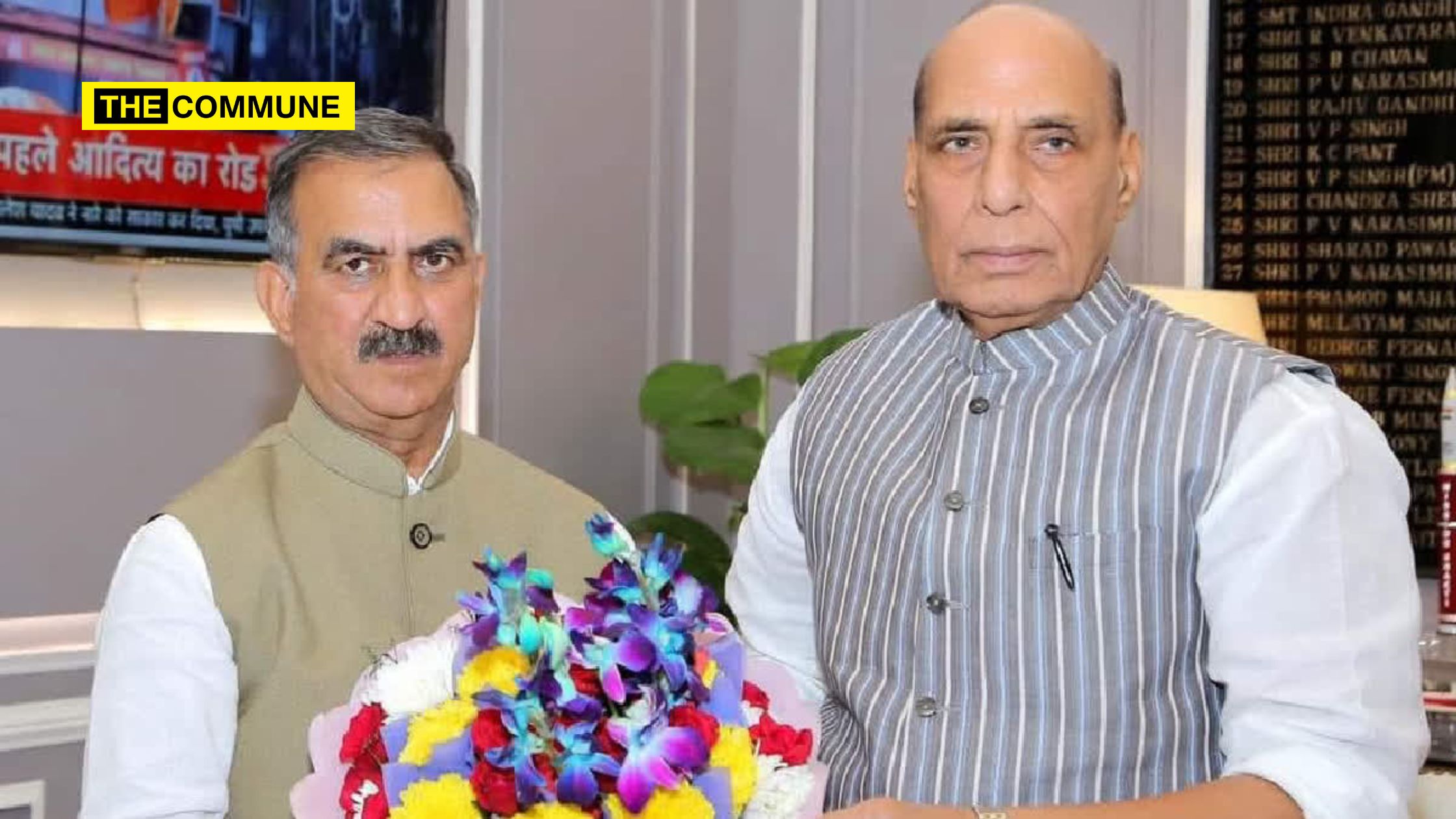
“I personally met the Defence Minister Rajnath Singh on 25 October to request prioritisation of this project while considering its strategic importance. The issue was also raised with Union Transport Minister Nitin Gadkari. The construction of this tunnel would be a milestone for the development of the state,” the official statement quoting Sukhu said.

The proposed Bhubu Jot tunnel would reduce the distance between Kangra and Kullu by over 50 km giving immense benefits to the local population and boosting tourism in the region, strengthening the economy of the people. The state government was prioritising tunnel construction to enhance road connectivity, promote sustainable development and minimise environmental impact.

“The construction of the Bhubhu Jot tunnel would be a transformative step for the development of Himachal Pradesh. This project would not only strengthen strategic infrastructure but also catalyse socio-economic growth in the region,” the Chief Minister added.

-IANS

Subscribe to our TelegramWhatsApp, and Instagram channels and get the best stories of the day delivered instantly.
ISRO-ESA Sign Agreement To Advance Human Spaceflight Mission, Boost Global Collaboration

ISRO-ESA Sign Agreement To Advance Human Spaceflight Mission, Boost Global Collaboration

The Indian Space Research Organisation (ISRO) on Saturday entered an agreement with the European Space Agency (ESA) to advance human spaceflight missions and boost global collaboration.

“ISRO and ESA have signed an agreement to collaborate on astronaut training, mission implementation, and research experiments, including cooperation for the upcoming Axiom-4 mission. This partnership advances India’s human spaceflight capabilities and global collaboration,” the Indian space agency shared in a post on social media platform X.

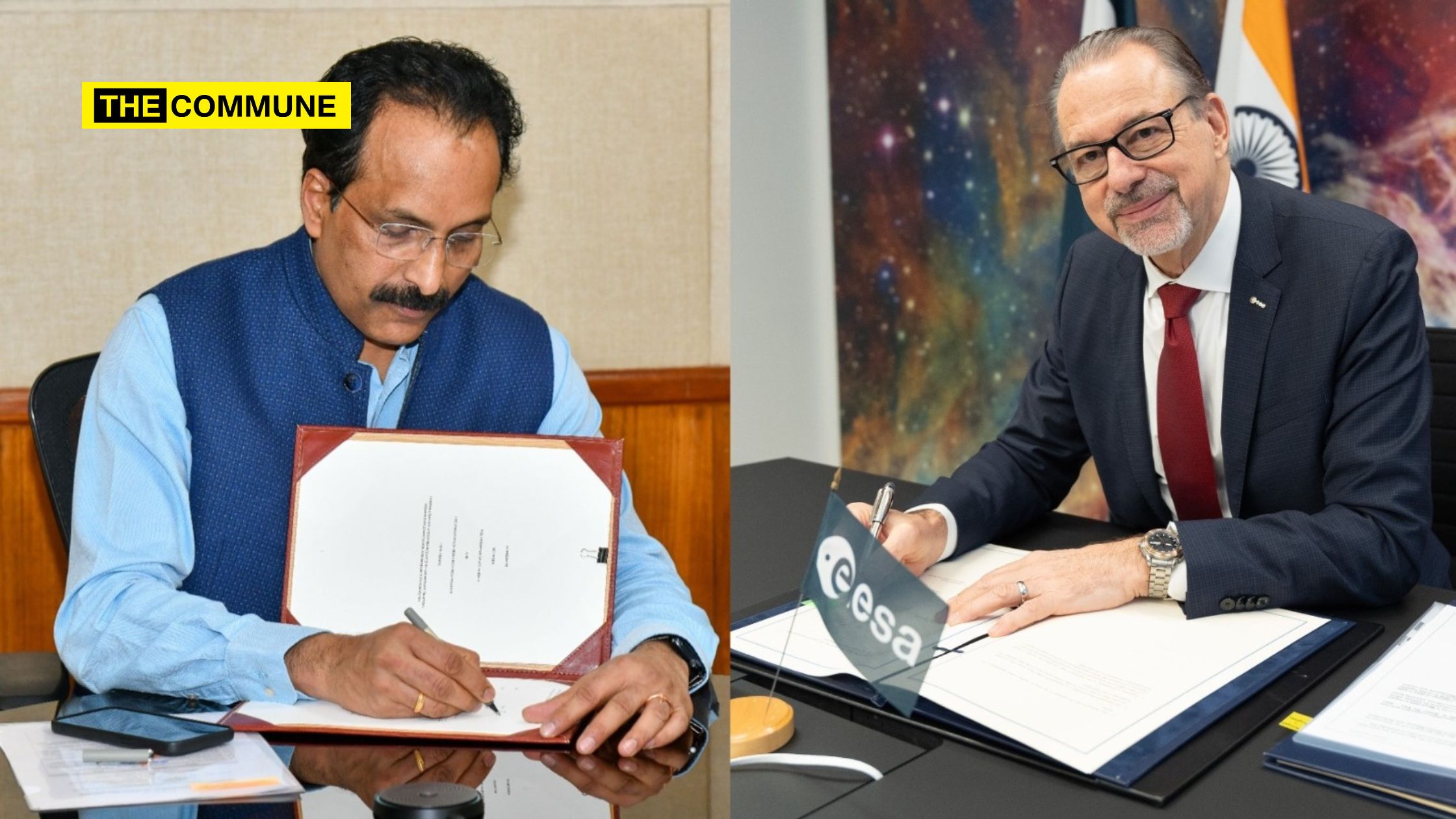
The agreement was signed by Dr. S Somanath, Chairman, ISRO/ Secretary, Department of Space, and Dr. Josef Aschbacher, Director General, ESA. The agreement provides a framework for cooperative activities in human space exploration and research.

This includes areas such as astronaut training, support for experiment development and integration, including the use of ESA facilities on the International Space Station (ISS). Further, the agreement will also enhance human and biomedical research experiment implementation as well as joint education and outreach activities.

“ISRO has defined a roadmap for human space flight activities and the recent approval of Bharatiya Antariksh Station (BAS) presents an opportunity to develop interoperability between human spaceflight platforms,” said Somanath.

“The agreement provides a strong basis of cooperation between the two agencies. The leadership of both agencies expressed satisfaction with the progress of joint activities for the upcoming Axiom-4 mission and underlined the need for continuing cooperative activities in the area of human spaceflight in the future,” Aschbacher added.

Both ISRO and ESA are part of the upcoming Axiom-4 mission, led by the American private space habitat company, Axiom Space. It is expected to launch as soon as spring 2025. Even as ISRO’s Gaganyatri and ESA’s astronaut are crew members, both agencies are collaborating to implement shortlisted experiments by Indian principal investigators on ISS, the ISRO said.

Further, participation in ESA’s human physiological studies, technology demonstration experiments as well as joint educational outreach activities are also being pursued, the agency added.

–IANS

Subscribe to our TelegramWhatsApp, and Instagram channels and get the best stories of the day delivered instantly.