Home Blog Page 477

Bangladeshi Terror Suspect Arrested In Kerala, Found To Have Voting Rights In Two Districts Of West Bengal Districts

Bangladeshi Terror Suspect Arrested In Kerala, Found To Have Voting Rights In Two Districts Of West Bengal Districts

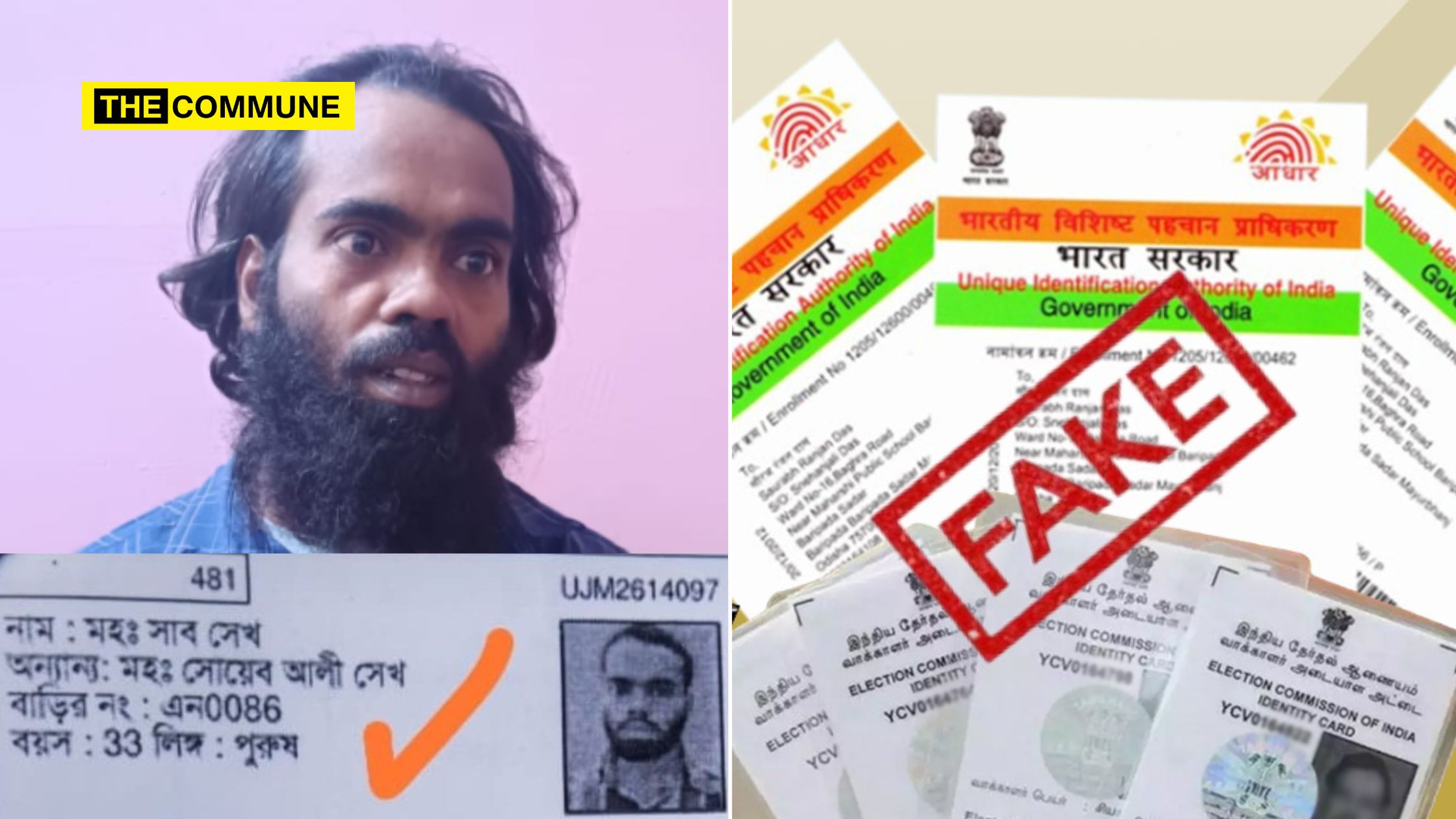
In a startling revelation, Mohammad Sad Radi, a Bangladeshi terrorist linked to the Islamist militant group Ansarullah Bangla Team (ABT), has been found to have his name listed in the electoral rolls and to possess voting rights in two districts of West Bengal. The discovery, along with the possession of Indian identification documents, has ignited a political debate, with accusations directed at the ruling Trinamool Congress (TMC) government under Mamata Banerjee.

Radi, the mastermind behind a sleeper cell affiliated with ABT, a group connected to Al-Qaeda in the Indian Subcontinent (AQIS), was arrested in Kasargod after a coordinated raid by Assam and West Bengal police. Investigations revealed that Radi, who entered Kerala under the guise of a construction worker, acquired forged Indian documents, including an Aadhaar card, voter ID, and a fake passport, raising serious concerns about the ease with which terror networks can infiltrate and exploit India’s identification systems.

This arrest has sparked a wave of political controversy, with opposition parties, particularly the BJP, accusing the TMC government of providing a “safe haven” for terrorist elements.

Following Radi’s arrest, another individual with links to the banned Tehreek-e-Mujahideen was apprehended in South 24 Parganas, West Bengal, following a joint operation between Jammu and Kashmir Police and the West Bengal Special Task Force.

These back-to-back arrests have raised questions about the security measures in West Bengal, with the opposition BJP accusing Chief Minister Mamata Banerjee’s government of offering a “safe sanctuary” to terror modules. BJP state president Sukanata Majumdar stated that the Union government was ready to take full responsibility for the Bangladesh border, provided the state government allocates land for border fencing.

BJP leader Amit Malviya claimed that the arrested ABT members had voter IDs from two different constituencies in Murshidabad, alleging that illegal infiltrators, granted voting rights, have become a significant voter base for the TMC. He called this a “tip of the iceberg” and suggested that it helped the TMC maintain its hold on power.

In response, Firhad Hakim, Kolkata’s mayor and a TMC leader, defended the West Bengal Police’s actions, stating that the arrests demonstrated the government’s “complete lack of tolerance for extremists.” TMC spokesperson Kunal Ghosh argued that the presence of terrorist elements in Bengal was not new, citing the Left Front’s tenure and past attacks, such as the blasts at Lalbazar and the American consulate. He added that, according to the Union Home Ministry, terrorists are active in 14 states, many of which are governed by the BJP. Ghosh emphasized that the responsibility to address cross-border infiltration lies with the Centre and the BSF.

Critics have pointed to a controversial comment made by a TMC leader on 26 November 2023, which has fueled accusations of vote manipulation and illegal voter enrollment. The leader reportedly stated, “Many Bangladeshi people live here. Those who have come from Bangladesh, if they face any issues in enrolling their names in the voter list, Zakir da (Jakir Hossain, a TMC leader in Habra) will assist you. Please contact this office… we don’t want a single voter to be left out.” At the time, Ratna Biswas was the organizational district head of the TMC in Barasat, North 24 Parganas. This remark has stirred controversy, with critics alleging that it hints at the systematic facilitation of illegal voters, particularly from Bangladesh.

(With inputs from News 18)

Subscribe to our channels on TelegramWhatsApp, and Instagram and get the best stories of the day delivered to you personally.

600-Year-Old Pandya Inscription Unearthed, Reveals Shelter Given To Victims Of Malik Kafur’s Invasion

600-Year-Old Pandya Inscription Unearthed, Reveals Shelter Given To Victims Of Malik Kafur's Invasion

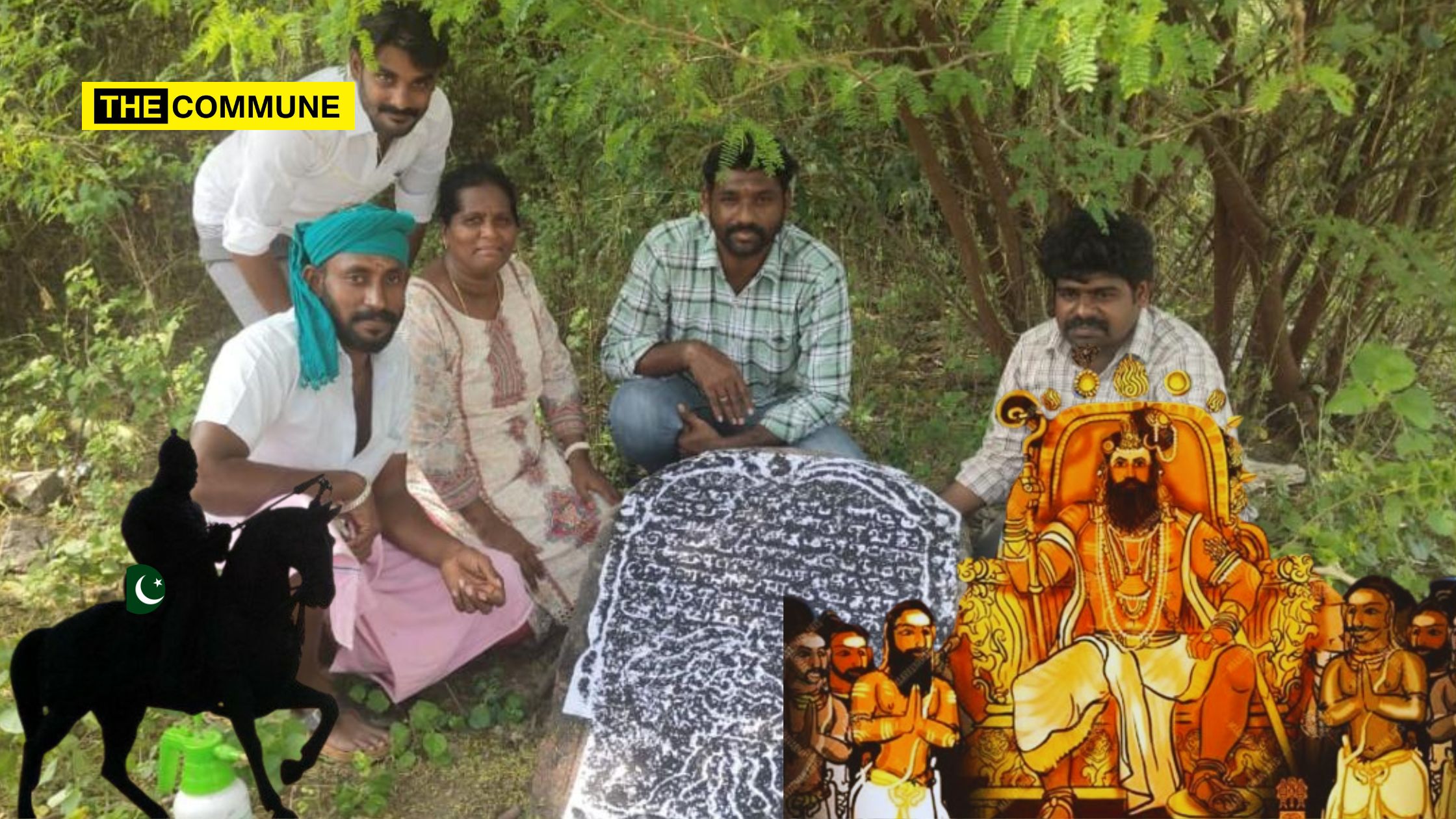
A 600-year-old inscription dating back to the Pandya period has been uncovered, shedding light on the shelter provided to those affected by the invasion of Malik Gafur then.

The discovery was made during a survey led by Devi Arivu Selvam, Kathiresan, Tamil Dasan, Kallanai Sundaram, and others from the Madurai Natural Heritage Trust at Palkudi, located at the foot of the Aruvimalai in Kachirayanpatti panchayat near Kottampatti. The inscription, featuring Tamil characters, was found on a large stone slab measuring four feet in height and three feet in width. Udayakumar and Muthupandi from the Pandya Nadu Centre for Historical Research later copied the inscription, with archaeologist Shanthalingam providing an analysis of its contents.

According to Devi Arivu Selvam from the Madurai Natural Heritage Trust, the inscription includes a carving of a complete Kumbha, one of the Ashtamangalam symbols, at the bottom. The text records the reign of Sundara Pandiyan, who ruled in the 14th century and was responsible for the invasion of Malik Kafur in Madurai, which was part of the Pandya country.

The inscription is dated to the 12th day of the month of Vaikasi in the seventh year of the king’s reign. It references a significant rebellion that occurred during this period. At the time, the chief of the small state in the Melur region was Deiva Shilai Peruman, also known as Veera Parakrama Singhadevan. The inscription notes that Veera Parakrama Singhadevan provided shelter to the Duru kanmiyar, from Surabi Nadu, an area encompassing present-day Thirujunai, Karungalakudi, and Aruvi Malai.

This sheltering act is attributed to those affected by the Turkish invasion. Interestingly, the village now known as Palkudi is referred to as Pakudi in the inscription on Aruzhi Hill. Additionally, Peruman Veera Parakrama Singhadevan is mentioned in another inscription on Aruvi Hill, further linking these historical events.

This inscription stands out as a unique source of information on the historical events in Madurai during the 14th century. The area around the discovery site also holds other archaeological treasures, including stone shelters from the Iron Age and Paleolithic period, an ancient Vinayagar temple, stone beds, red sandalwood, paintings, and remnants of a 13th-century Shiva temple on Aruvi Hill.

This inscription is categorized as an Asiriyam type, which typically details the protection granted to a group of people and features the symbol of a Poorna Kumbha. In this specific case, the inscription records how Veera Parakrama Singadevan offered shelter and security to those who sought refuge from the brutalities inflicted by the Sultanate forces during Malik Kafur’s invasion of Madurai. It serves as a poignant testament to the suffering endured by the people during the violent period of the Sultanate’s invasion.

(With inputs from Kamadenu)

Subscribe to our channels on TelegramWhatsApp, and Instagram and get the best stories of the day delivered to you personally.

“Two Gandhis Won With Strong Backing Of Communal Muslim Alliance”, Says CPI(M) Leader Vijayaraghavan On Congress Wayanad Victory

Two Gandhis Won With Strong Backing Of Communal Muslim Alliance: Says CPI(M) Leader Vijayaraghavan

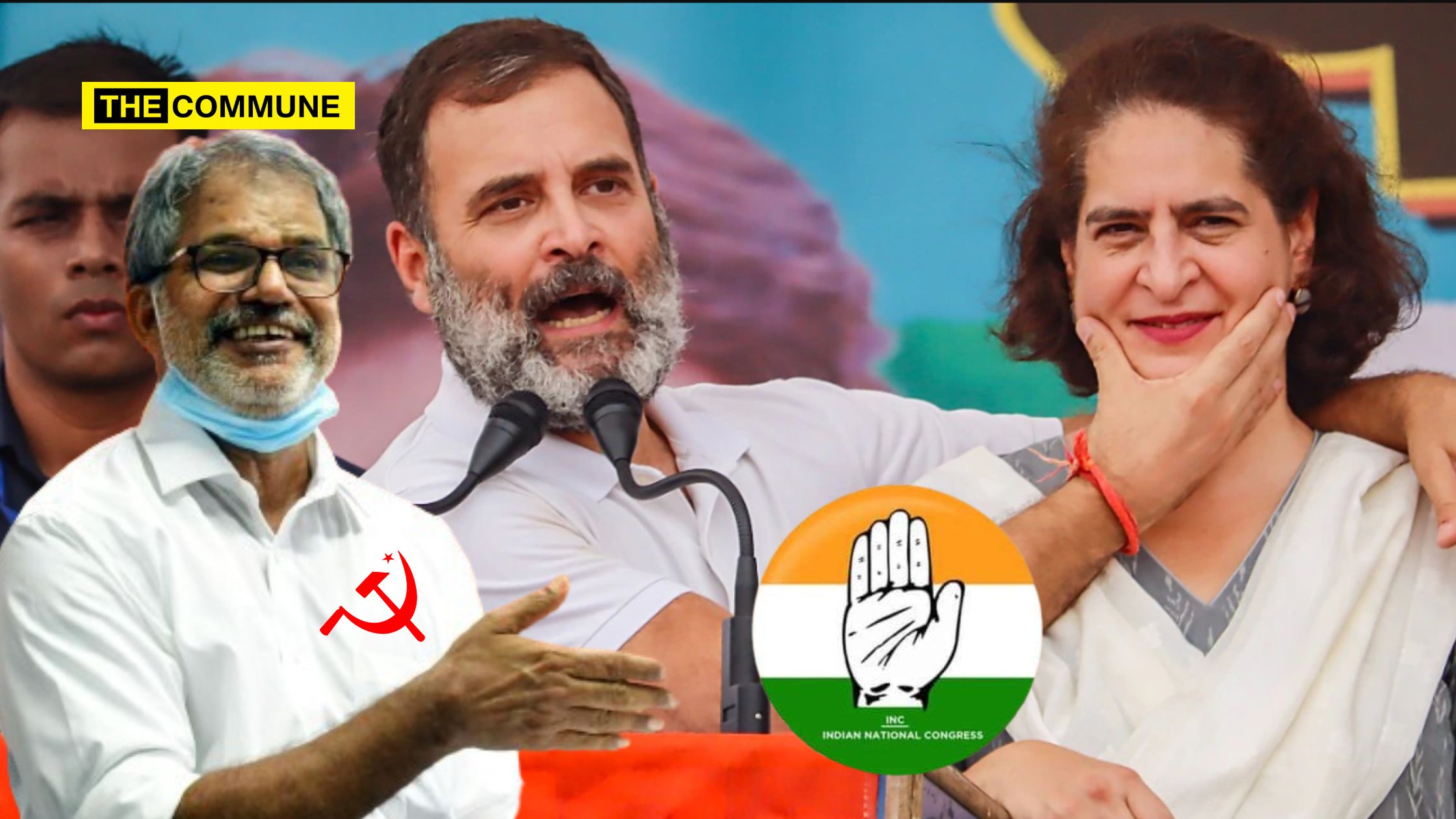
On 21 December 2024, A. Vijayaraghavan, a CPI(M) Kerala Politburo member, accused the victory of Congress leaders Rahul Gandhi and Priyanka Gandhi in the Wayanad Lok Sabha constituency of being secured with the support of a “communal Muslim alliance.”

Speaking at the CPI(M) Wayanad district conference in Sulthan Bathery, Vijayaraghavan claimed, “Two individuals from Wayanad—Rahul Gandhi and Priyanka Gandhi—won with the strong backing of the communal Muslim alliance. Without their support, could Rahul Gandhi have reached Delhi as the Opposition leader? Who were leading the processions supporting Priyanka Gandhi? The most extreme elements among the minorities were there, aligning themselves with the Congress leadership. It is clear that without the support of the communal Muslim alliance, Rahul Gandhi’s victory would not have been possible.”

Vijayaraghavan’s remarks echo a recurring strategy by CPI(M) to link the Congress with Muslim political organizations, a line of attack the party has employed since the 2014 Lok Sabha elections. During this year’s elections in April, CPI(M) attempted to consolidate the Muslim vote in Kerala by emphasizing issues like the Citizenship Amendment Act and Palestine, though the results saw a significant loss of support from Hindu voters towards the CPI(M)-led Left Democratic Front (LDF).

The party has since worked to regain the trust of Hindu voters, a shift that became evident in recent by-elections for assembly seats in Palakkad and Chelakkara, as well as the Wayanad Lok Sabha seat. In these contests, CPI(M) targeted Muslim political groups, with Kerala Chief Minister Pinarayi Vijayan accusing Indian Union Muslim League (IUML) state president Sadiq Ali Shihab Thangal of having ties to Jamaat-e-Islami, a hardline Islamic group. Vijayan argued that Jamaat-e-Islami’s influence within IUML threatened Kerala’s democratic system and posed a danger to the state’s secular fabric. The IUML is part of the Congress-led United Democratic Front (UDF) in Kerala and a constituent of the national INDIA alliance.

Ahead of the Wayanad Lok Sabha by-election, Vijayan had also sought to link Jamaat-e-Islami with Congress, claiming that Priyanka Gandhi’s candidacy was backed by the group, which he described as being “against a democratic system.”

(With Inputs From IE)

Subscribe to our channels on TelegramWhatsApp, and Instagram and get the best stories of the day delivered to you personally.

Pastor Derogates Hinduism While Glorifying Christianity At AIADMK Meeting With Former Minister On Stage, Says ADMK Will Come To Power If It Doesn’t Ally With BJP

Pastor Derogates Hinduism While Glorifying Christianity At AIADMK Meeting With Former Minister On Stage.

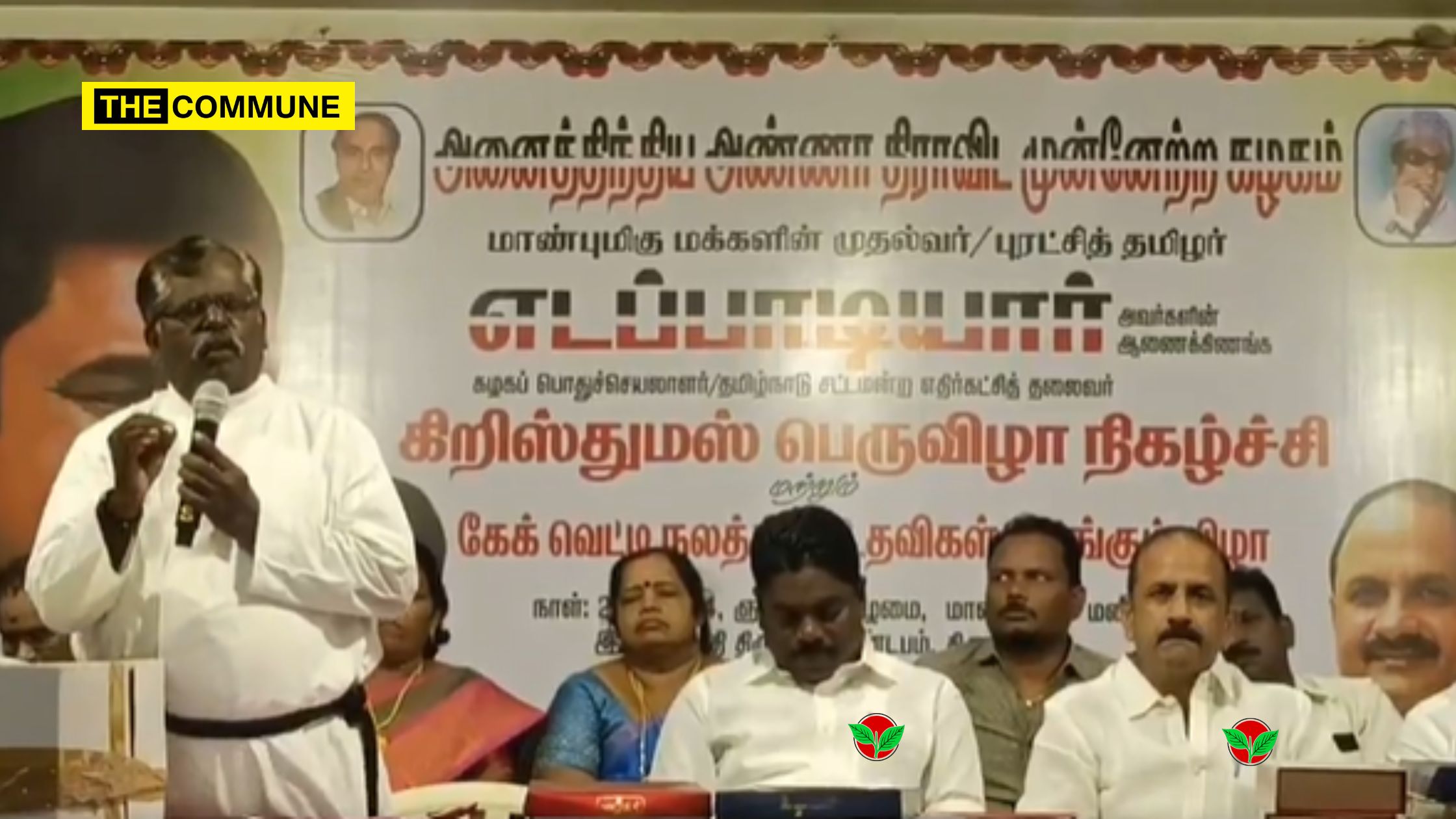
The AIADMK, in its bid to woo minority votes ahead of the 2026 Tamil Nadu assembly elections, organised a Christmas celebration meeting featuring a pastor who delivered a sermon laced with disparaging remarks on Hinduism and veered into overt proselytizing. Among the most inflammatory comments was his mockery of Hindu prayers, deriding them as “Suklam Baradharam this and that,” which was a visible attemt to trivialize Hindu traditions while advocating for Christianity.

The 2026 Tamil Nadu state assembly elections are still more than a year away, but the Dravidian parties are already competing to secure the minority vote. The DMK scion and Deputy CM Udhayanidhi Stalin, who has not shied away from appealing to the Christian community, made headlines recently as he publicly declared, “I’m a Christian,” as the Christmas season approached. This move appears to have set a trend, with the AIADMK now following suit.

In a controversial turn of events, during an AIADMK meeting on 22 December 2024, to celebrate the upcoming Christmas season, a pastor was invited to participate and deliver a sermon. The meeting, organized by former AIADMK minister P Benjamin and Thiruvallur West District Secretary PV Ramana, quickly took an unexpected turn. While addressing the gathering, the pastor went beyond simply preaching Christian values and began advocating for Christian votes in favor of AIADMK.

What raised eyebrows was not just the sermon but the pastor’s remarks that seemed to disparage Hinduism, suggesting it was a religion marked by discrimination while presenting Christianity as the antidote. This attempt at “conversion peddling” in a political context has sparked controversy, significantly as AIADMK has distanced itself from the BJP and is trying to broaden its appeal among minority communities.

https://twitter.com/AdmkTvrlWest/status/1870874048739299466

During the AIADMK meeting, the pastor made several controversial remarks while delivering his sermon, which sparked considerable debate. He began by addressing the idea of religious identity, saying, “Raja is shouting ‘Hindu, Hindu…’ but he was named by a Christian.” He then continued, “First, there was Adam and Eve, that is Christianity, from there Islam, and then Hinduism. All of us are children of one mother! If we understood this, there will be no religious or caste-based violence in India.”

The pastor, continuing his narrative, criticized Hinduism based on the caste system and subtly advocated for embracing Christianity, indirectly hinting at conversion. He said, “In America, we can’t ask, ‘Naidu, how are you?’ In New Zealand, we can’t ask, ‘Mudhaliyar, how are you?’ There, it’s just black and white. But only in India do we see so much difference based on the Varna system.”

He then focused on praising Christianity, saying, “For all this, a God came to Earth to show love, and His name is Jesus Christ. He is Jesus Christ. And what does Jesus Christ say? He says, ‘Whoever comes to me, I will never cast out.’ He won’t cast you out. But if you go elsewhere, he will push you, and you will have to stand there. He will say, ‘Suklam baradharam this and that’ and you should go out. But here, you are welcome. Come till the last, come to the altar, come to the cross. I won’t push you away because I created you, I have love for you. Come to any corner, if you need this love, if you want to survive in this love, stand strong in it.”

The pastor then posed a provocative question to the crowd, asking, “In 2026, will you show this same love? Will you show it?” As he wrapped up his speech, he urged the audience to support Thiruvallur West District Secretary PV Ramana in the upcoming 2026 state assembly elections. The pastor further advised the audience to campaign for the candidate among voters, stating, “If our party’s General Secretary says we won’t have an alliance with the BJP, it is certain that in 2026, AIADMK will come to power under the leadership of Edappadi Palaniswami.”

The remarks, especially the comparison of religions and the call for votes, have led to criticism, with many viewing the pastor’s speech as not only an attempt at religious conversion but also as a political manoeuvre aimed at influencing the upcoming elections supporting the AIADMK sparked controversy.

Subscribe to our channels on TelegramWhatsApp, and Instagram and get the best stories of the day delivered to you personally.

“Is It An Ideology? It Is Just Smelly Garbage,” NTK Chief Seeman On Dravidian Model

Is It An Ideology? It Is Just Smelly Garbage - NTK Chief Seeman On Dravidian Model.

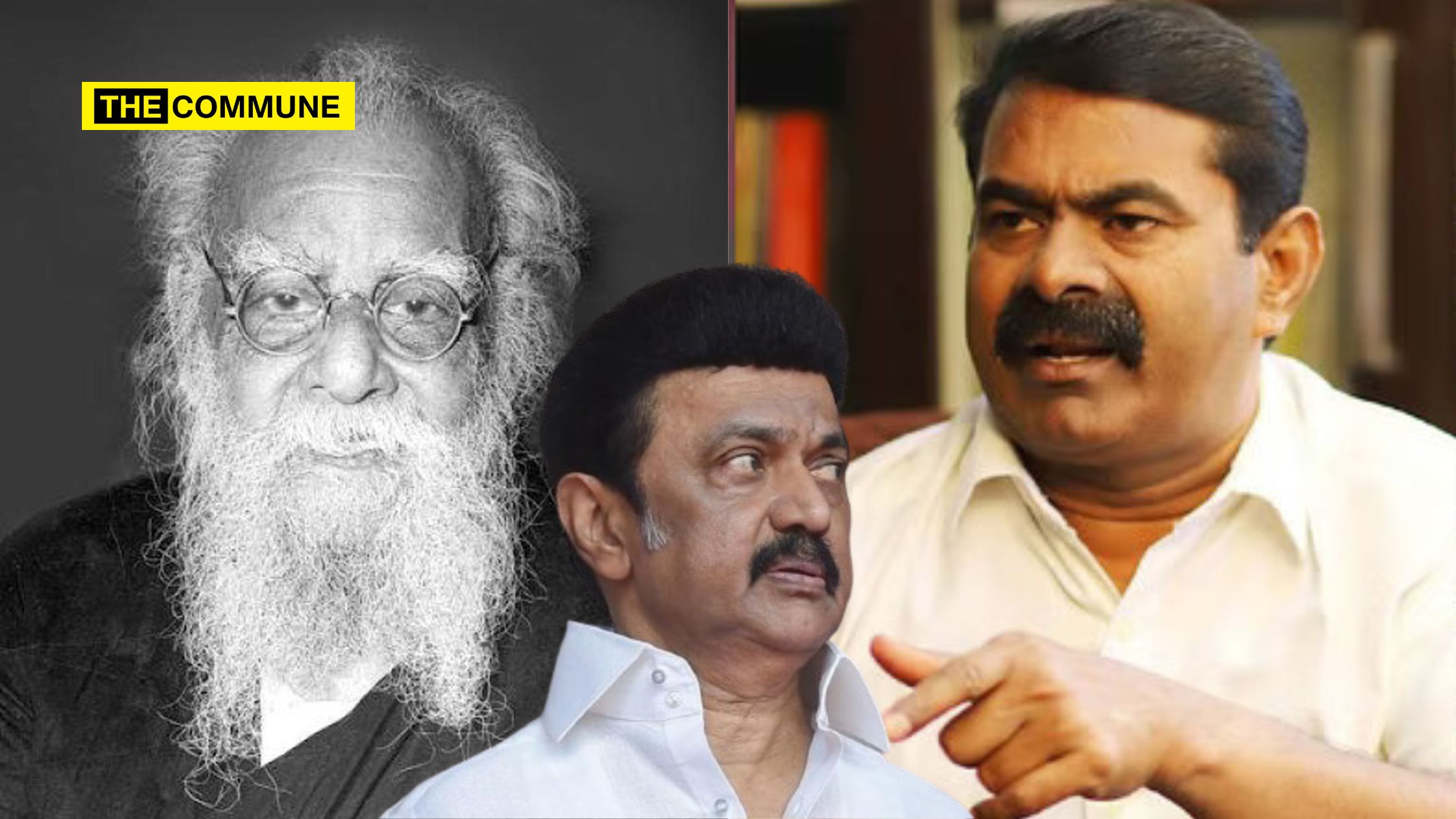
Naam Tamilar Katchi leader Seeman has criticized the ruling DMK, stating that “no one knows what the Dravidian model is,” and compared their ideology to “smelly garbage.” He went on to accuse the party of being ignorant of their own history, claiming that they focus solely on promoting and glorifying their idealogues for political gain.

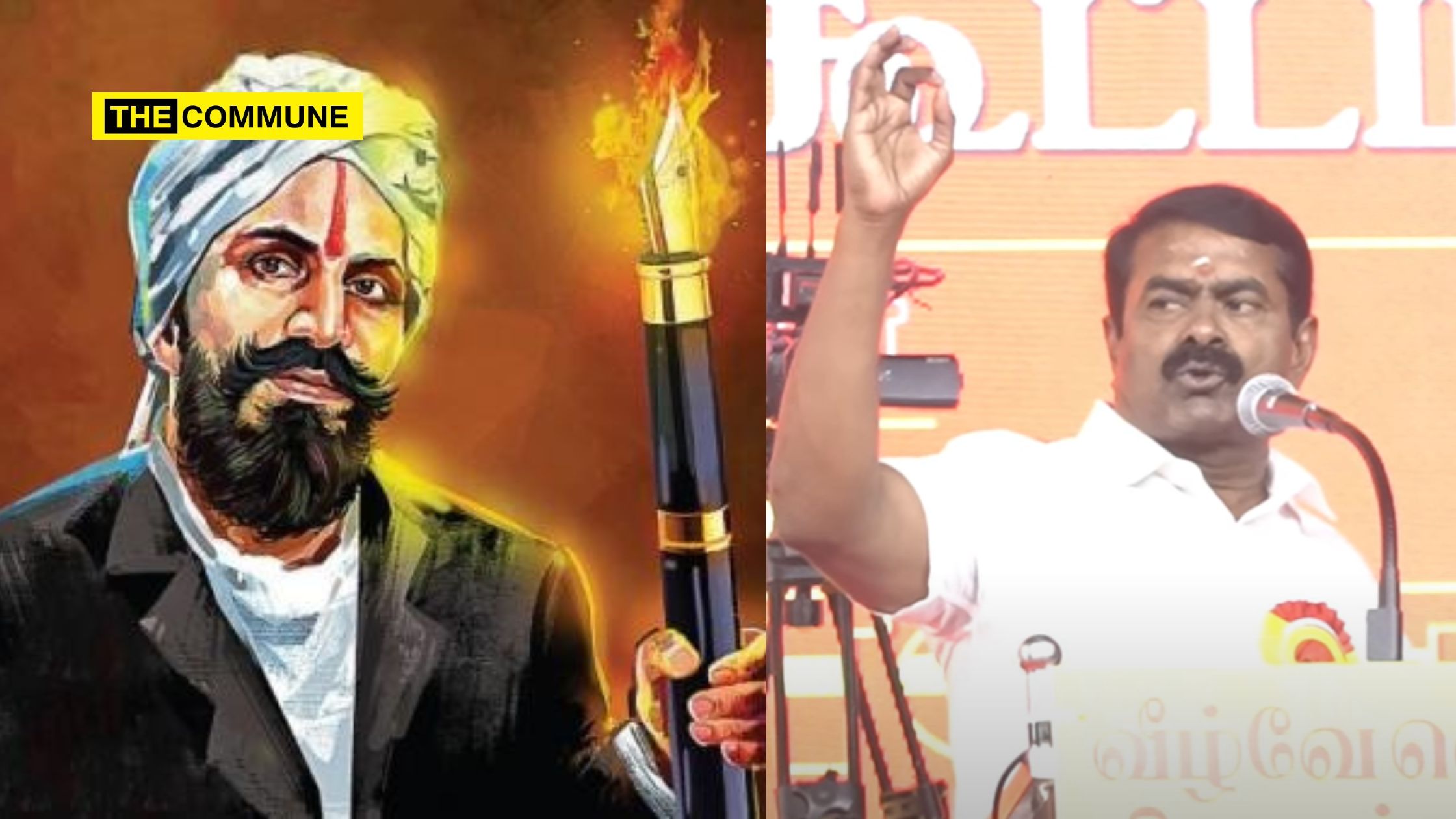
Speaking at a public meeting in Chennai to commemorate the birth anniversary of Mahakavi Bharathi, NTK chief Seeman questioned where those who claim to champion social justice have actually implemented it. Seeman remarked, “They don’t even know what the Dravidian model is, nor do they know which language the word ‘Dravidam’ comes from. Is this really an ideology? It’s just smelly garbage. They are bringing in garbage from Kerala and dumping it here, and they don’t even know how to stop it. This is nothing but degraded rubbish.”

Taking a jibe at the DMK for hiding behind its ideologies, Seeman criticized, saying, “If Dravidam means social justice, then tell us what it is. Tell us, ‘We have established social justice here.’ Tell us, If you can. There are our ancestors far greater than Periyar. You call him the father of rationalism, but I have my grandfather, Pandit Iyothee Thass. You call him a socialist, yet Periyar himself admitted, ‘I learned socialist ideology from Singara Velar.’ We have another grandfather, Singara Velar, and another one named Jeevanandham. What mistakes have you identified in our ancestors? This is our ideology; this is our identity. We won’t oppose and accept (if you say) ‘Periyar also has spoken and struggled,’ but we will not accept ‘only Periyar struggled.’ We will oppose it strongly.”

Subscribe to our channels on TelegramWhatsApp, and Instagram and get the best stories of the day delivered to you personally.

“Here Is A Man Who Taught Us There Is No Caste, But For Them, He’s Just A ‘Paapan'”, NTK Chief Seeman Lauds Mahakavi Subramania Bharati, Takes A Jibe At Dravidianists

NTK Chief Seeman Lauds Mahakavi Subramania Bharati, Takes A Jibe At Dravidianists.

Naam Tamilar Party’s Chief Coordinator Seeman praised Tamil poet Subramania Bharati, highlighting that he was unparalleled in living by his own principles. Seeman commended Bharati for his relentless efforts to create a casteless society and for championing the cause of gender equality. He also criticized Dravidianists for dismissing Bharati solely based on his Brahmin identity, emphasizing that Bharati had transcended all such boundaries.

Speaking at an event in Chennai organized by NTK to commemorate the birth anniversary of Mahakavi Subramania Bharati, Seeman began by lauding Bharati’s spiritual devotion, his connection with the divine, and the unmatched elegance of his language.

Seeman stated, “As far as I know, everyone in the world stands before God and asks, ‘Grant me wisdom.’ No matter who it is in the world. But Bharati was only one in the world asked, ‘Tell me, Sivasakthi, why did you create me with this blazing intellect?’ the only one in the world who posed such a question is our ancestor Bharati, truly lived by the principles.”

Praising Bharati’s advocacy for gender equality, Seeman remarked, “Visit the homes of our ancestors, and you’ll find our grandfathers seated while our grandmothers stand. But in Bharati’s home, Chellamma would be seated while Bharati stood beside her. Chellamma would sit in a chair, and Bharati would stand there like that.”

Praising Bharati’s rationalism and his vision of a casteless society, Seeman drew parallels to saintly figures like Vaikundar and Vallalar. Seeman said, “You will not find a rationalist like him. Who is he? He is another Vaikundar, a Vallalar—a true counter-revolutionary. He sang, ‘I chanced upon a fiery ember of fire—I hid it in the hollow of a tree! The forest was laid waste by this small spark of fire.’ Why didn’t he place the fire at the roots or the branches? Why the hollow? Bharati knew the hollow would emerge only in an old tree, and that’s where he placed the fire. He was setting ablaze conservatism, superstition, and false beliefs. That is Bharati.” Seeman continued, “In Agraharam, donkey was forbidden to enter. Then I will enter by carrying the donkey with me. He is a true counter revolutionary.”

Seeman remarked, “Bharati is the only one in the world who changed the caste. He brought Kanagalingam from the Paraiyar community, shaved off his moustache, adorned him with the sacred thread (poonool), and declared by changing his caste that, ‘From today, you are an Iyer.’ It was him who boldly said, ‘If anyone asks who gave you the sacred thread, tell them it was Subramania Bharati.’ Just look at how he sings: ‘There is no caste, children! It is a sin to speak of caste as inferior or superior! Justice, high morals, education—those who have a lot of love are superior.’”

Taking a jab at Dravidianists and Periyarists, Seeman added, “Here is a man who taught us that ‘there is no caste,’ but for them, he’s just a ‘Paapan’ (a ridiculing word for Brahmin). Bharati said, ‘We shall not look at caste or religion. All human beings in this land—whether they preach the Vedas or belong to other castes—are one.’ He says all are one. Now, who is he to you? A Paapan. Why he is Paapan? Because he sees everyone as equal, and for that, he’s labeled a Paapan.”

Subscribe to our channels on TelegramWhatsApp, and Instagram and get the best stories of the day delivered to you personally.

When Ambedkar Hailed Manusmriti For Championing Women’s Rights

When Ambedkar Hailed Manusmriti For Championing Women's Rights.

In contemporary discourse, especially among certain Dalit activists and progressives, there is often a widespread claim that the Indian Constitution, crafted under Dr BR Ambedkar’s leadership, provides more power and equality to women than Manusmriti, the ancient Hindu text. This narrative, however, is steeped in ignorance, ignoring Dr. Ambedkar’s nuanced views on Manusmriti and its influence on his legal framework for India. It is essential to revisit Ambedkar’s own words and actions to understand the true role of Manusmriti in shaping modern Indian law, particularly on women’s rights.

Ambedkar’s Praise For Manusmriti

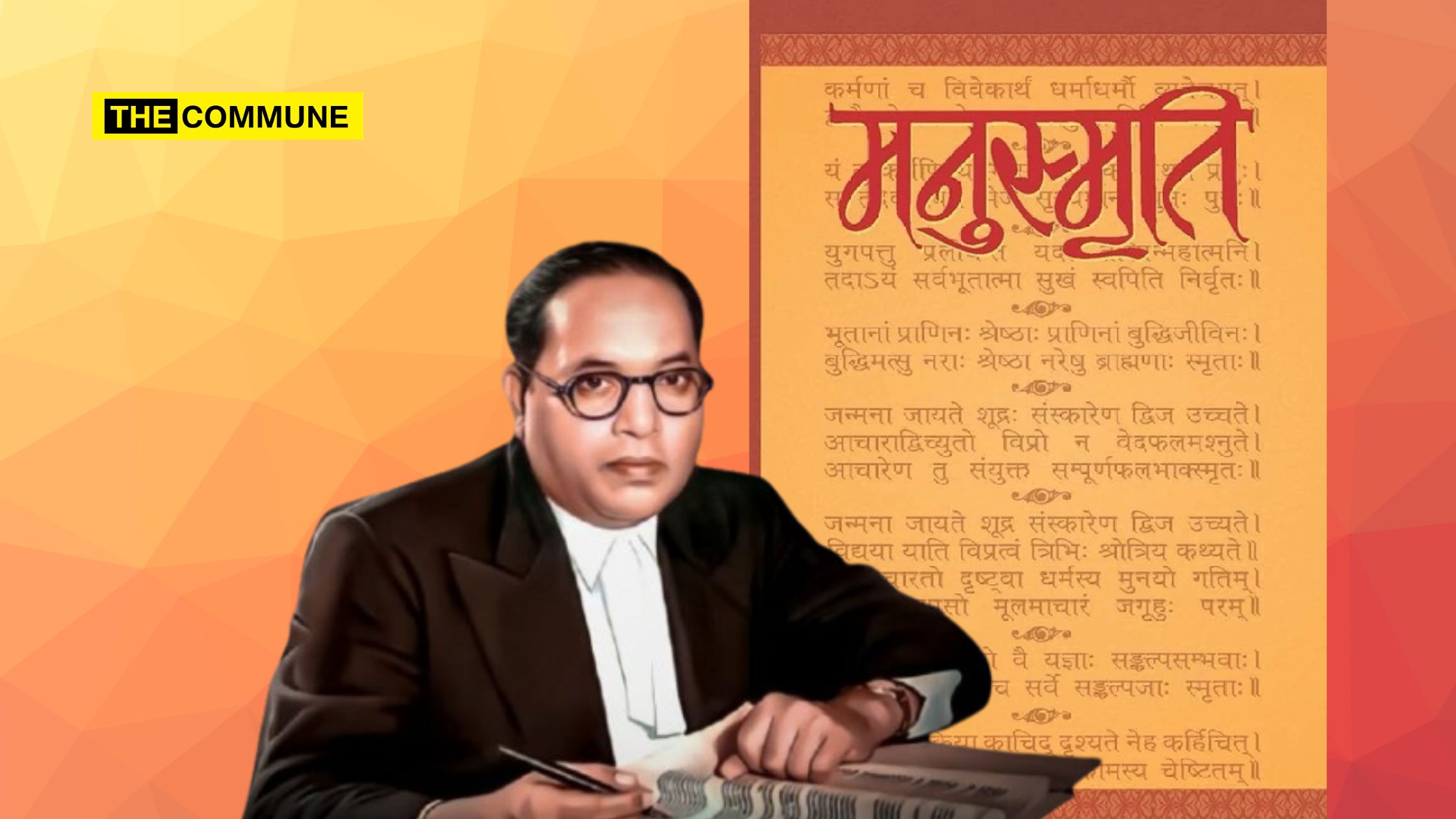
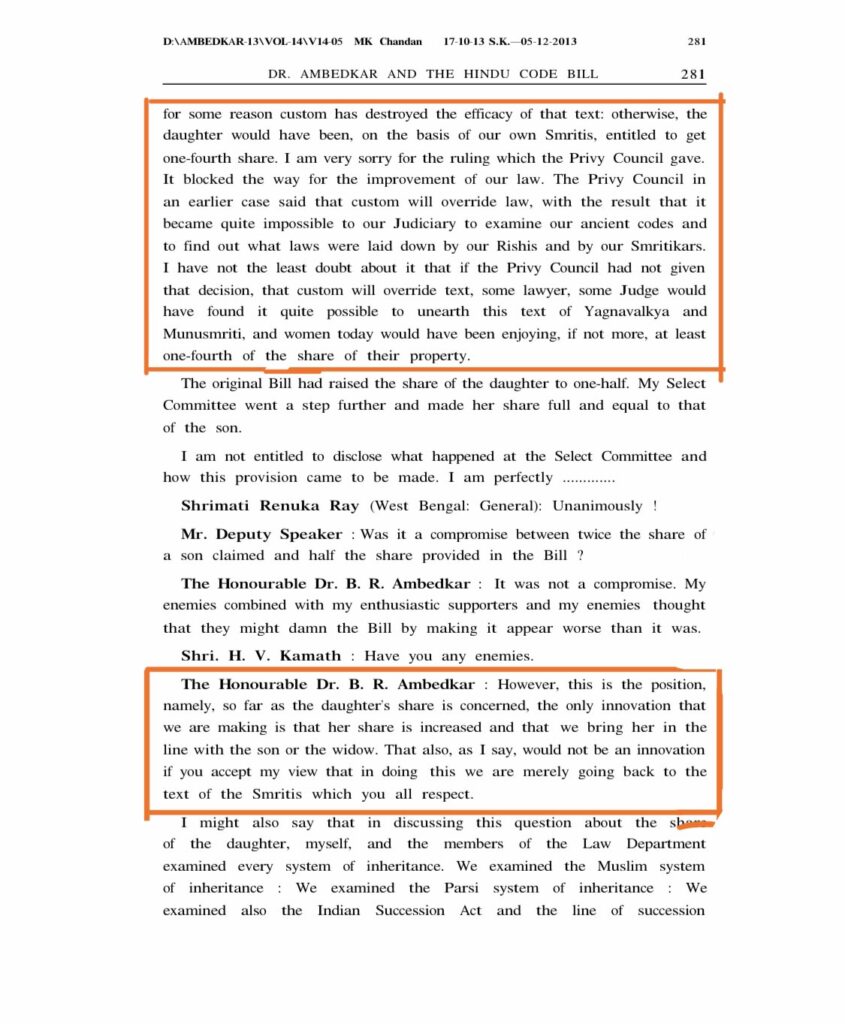
Contrary to the blanket condemnation of Manusmriti by modern critics, including some Dalit activists who argue that it represents the oppression of women and lower castes, Dr. Ambedkar himself recognized the wisdom contained in this ancient text. In his speech to the Constituent Assembly on 24 February 1949, Ambedkar explicitly acknowledged the importance of Manusmriti among other Smritis (texts on Hindu law). He remarked, “Among the 137 Smritis, Yajnavalkya and Manu are of a higher standard.” Ambedkar went on to highlight how Manu’s code provided for women’s inheritance rights, noting that Manu explicitly states that daughters are entitled to one-fourth of the inheritance (Manusmriti, Chapter 9, Shloka 117).

Dr. Ambedkar stressed that the change he was making through the Hindu Code Bill was not an innovation, but rather a return to the original intent of these texts, “We are simply going back to the text of the Smritis which you all respect.” His words were a direct challenge to those who opposed the reforms, particularly critics who claimed the Hindu Code Bill abandoned Hindu scriptures.

Ambedkar’s Use Of Manusmriti In Hindu Code Bill

In fact, Ambedkar used Manusmriti and other Smritis as references when drafting the Hindu Code Bill, which sought to modernize Hindu personal law and grant greater rights to women, including in areas such as marriage, divorce, and inheritance. In his speech at Siddharth College on January 11, 1950, Ambedkar elaborated on his use of ancient texts in his reform work, saying, “I used Manusmriti for caste determination, Parashara Smriti for divorce, Brihaspati Smriti for women’s rights, and Manusmriti for inheritance rights.”

This is critical to understanding Ambedkar’s approach. Rather than dismissing the ancient texts wholesale, he extracted relevant and progressive provisions and used them to shape a more equitable legal framework. This was especially important in the context of women’s rights, as Ambedkar believed that the Manusmriti’s provisions on inheritance, particularly those that recognized daughters’ entitlement to a share of property, were far ahead of their time. It is clear that Ambedkar did not see Manusmriti as a monolithic text of oppression, but rather as a source of ideas that could be adapted to modern needs.

The Manusmriti Myth And Modern Misinterpretations

Critics of Manusmriti, particularly those who have not studied the text in detail, often point to certain sections that they claim reflect the oppression of women and lower castes. However, they ignore the broader context and the teachings of Manusmriti on social equality, respect, and justice. It is important to note that Manu himself was a Kshatriya, not a Brahmin, which discredits the notion of Manusmriti being solely a tool of “Brahminical oppression.”

For example, Manu’s code includes provisions that were more progressive than many critics acknowledge. The text states that an elderly Shudra (a member of the lowest caste) should be respected by kings and Brahmins alike, a principle that upholds the dignity of all individuals, irrespective of caste. Moreover, Manu’s varna system was meritocratic, based on actions and deeds rather than birth. A Shudra’s child, if capable, could study the Vedas and rise to the rank of a Brahmin, exemplifying the idea that societal position was not fixed by birth but by merit.

Additionally, the text provides a vision of justice and fairness, including harsher punishments for Brahmins who commit the same crimes as a Shudra, which counters the common narrative of Manusmriti being solely about caste oppression. The document was a governance framework suited to its time, not an eternal law that should be applied unchanged in modern society.

The Misleading Narrative Of “Manu and Oppression”

The ongoing narrative by some activists that Manusmriti inherently oppressed women and lower castes, and that the Constitution of India did far more for women’s empowerment, is fundamentally flawed. This narrative fails to account for Ambedkar’s own engagement with Manusmriti and its provisions for women, which he regarded as progressive for its time.

Dr. Ambedkar, who had earlier burned a copy of Manusmriti in protest against its oppressive aspects, later recognized its contributions to women’s rights, particularly in the area of inheritance. His stance is clear: the Hindu Code Bill was not an abandonment of Hindu traditions but a reformative step to correct the misapplication of these traditions in the modern world.

In his Rajaram Theater speech on 25 December 1952, Ambedkar directly responded to critics of his Hindu Code Bill, stating: “My bill’s critics claim it abandons Hindu scriptures. I challenge them to find a clause unsupported by Manusmriti. Women’s property should go to daughters after death, just as brothers inherit the father’s.”

Dr. Ambedkar’s views on Manusmriti and his use of it to draft the Hindu Code Bill expose the ignorance of those who claim that the Constitution gave women more power than Manusmriti ever did. Ambedkar recognized the positive aspects of Manusmriti, especially its provisions for women’s inheritance rights, and he used those insights to guide his work on legal reforms. The simplistic narrative that dismisses Manusmriti as a tool of oppression ignores the complexity of Ambedkar’s views and the actual content of the text.

Instead of perpetuating misinterpretations and political propaganda, it is crucial to understand the historical context of Manusmriti and Dr. Ambedkar’s nuanced relationship with it. Ambedkar’s engagement with Manusmriti shows that progress is often built upon revisiting and reinterpreting the past, rather than wholesale rejection of it.

This article is based on an X thread by Neha Das.

Subscribe to our channels on Telegram, WhatsApp, and Instagram and get the best stories of the day delivered to you personally.

DMK Councilor’s Viral Video Demanding Commission Money Exposes Rampant Corruption And Internal Feud In Tenkasi Panchayat Union

DMK Councilor's Viral Video Demanding Commission Money Exposes Rampant Corruption And Internal Feud In Tenkasi Panchayat Union

A video of a DMK councillor demanding commission money and clashing with the president of the Tenkasi Panchayat Union has gone viral, shedding light on the widespread corruption still prevalent at the grassroots level.

The Tenkasi Panchayat Union is made up of 9 wards, with 8 DMK councilors and 1 AIADMK councilor. The president, Sheikh Abdullah, is also from the DMK. The Union meeting was held on 20 December 2024.

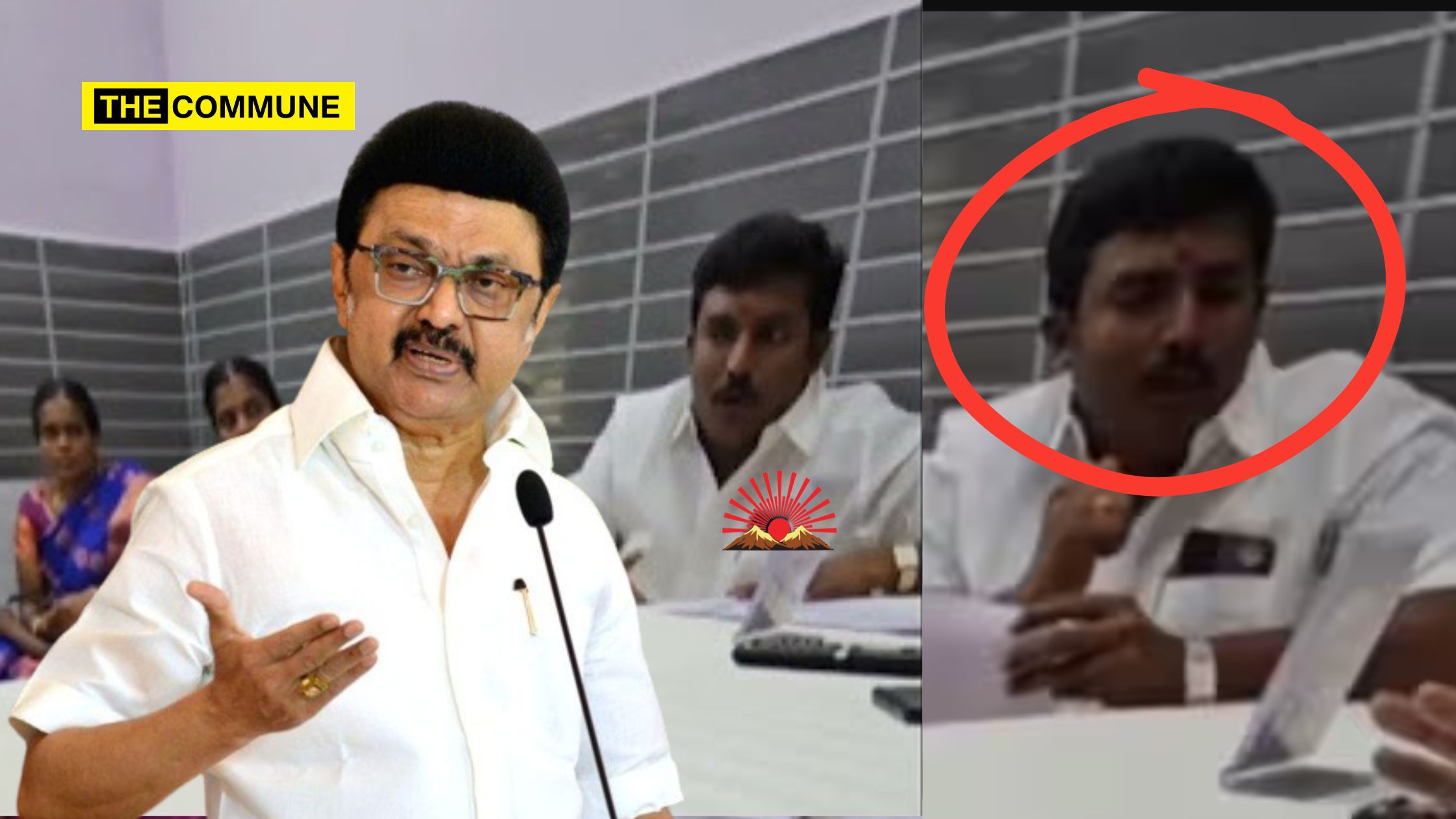
During the meeting, a confrontation occurred between Ward 3 DMK councilor and Tenkasi East Union DMK secretary Azhagusundaram and Union president Sheikh Abdullah over unpaid commission for roads constructed in Tenkasi. A nearby attendee recorded the exchange, and the video quickly spread online. The internal party dispute gained further attention when 8 DMK councilors from the same party filed a no-confidence motion against the DMK vice-president, and the video of the argument between the councilors was also made public.

In the viral video, the DMK councilor is seen asking, “Tell us honestly, what happened to the TRP money? What happened to the 7 lakh rupees? Just say you’ll give only to those who voted, and we will leave. You don’t even need to give it in writing—just say it, and we’ll go. Are we here to beg for alms? What happened to my money?” The other person tries to reassure him that he will receive the payment, but the councilor remains unconvinced, responding, “When will it come? Last time you said the same thing, but when did we actually receive it? You only gave us two bundles of notes.”

(With inputs from Dinamalar)

Subscribe to our TelegramWhatsApp, and Instagram channels and get the best stories of the day delivered instantly.

BJP TN Chief Annamalai Slams DMK Govt Over Financial Mismanagement And Internet Disruption In TN Schools

BJP TN Chief Annamalai Slams DMK Govt Over Financial Mismanagement And Internet Disruption In TN Schools

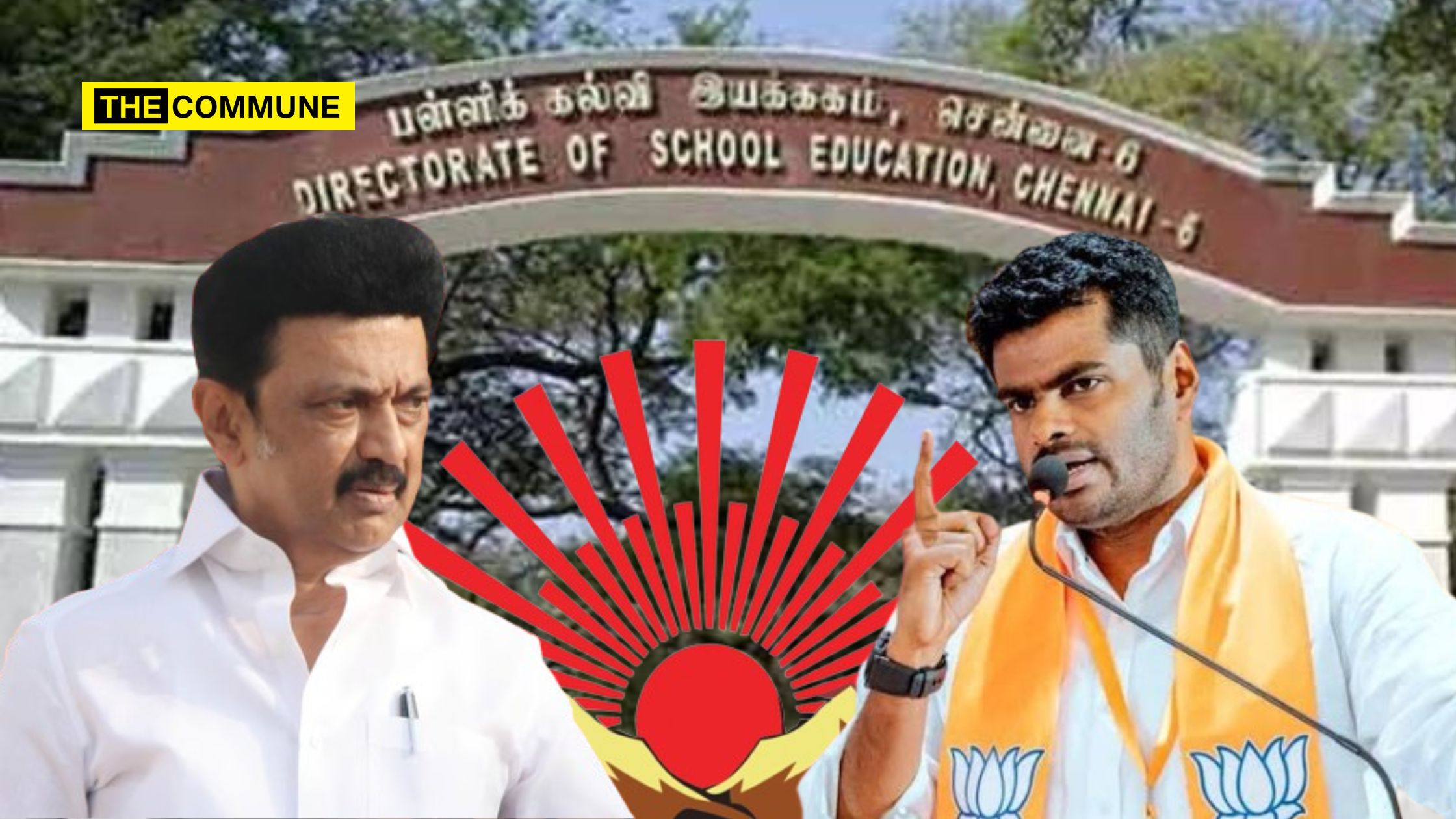
Tamil Nadu BJP president K Annamalai has strongly criticized the ruling DMK government, raising serious questions about its financial mismanagement and governance issues in the state’s education department.

In a statement released on 22 December 2024, via his official X account, Tamil Nadu BJP president K. Annamalai criticized the DMK government, highlighting serious financial mismanagement and governance concerns. He stated, “It has come to light that internet services for 385 district education offices across Tamil Nadu have been disconnected due to several months of unpaid fees. Due to the disconnection, the education of the students has been severely impacted students’ education and there is also delayed the preparation of teachers’ salary lists. Under the DMK regime, Tamil Nadu has turned into a debtor state. Tamil Nadu is in debt to the tune of about ₹8.5 lakh crore. The CAG audit report has stated that the entire loan taken is used only for daily expenses and is not used for their intended purposes. If the district education offices are unable to pay the internet connection fees and the state has to rely on loans for daily expenses, then the question arises how the DMK government is actually spending the direct tax revenue of the Tamil Nadu government and the 70% of the funds that Tamil Nadu gets as its share in GST. Where is all this money going? He also questioned the Chief Minister, asking, “Is the Tamil Nadu government on the brink of bankruptcy? Chief Minister @mkstalin should provide an explanation to the people.”

Government Schools in Tamil Nadu Face Internet Disconnection Amid Outstanding Bills

Recent reports revealed that over 3,700 high and higher secondary government schools in Tamil Nadu are at risk of losing their internet connections due to unpaid bills amounting to ₹1.5 crore owed to BSNL. This comes at a time when the state government is actively promoting smart classrooms and hi-tech labs in schools statewide.

These 3,700 schools, representing nearly 50% of the 6,223 high and higher secondary schools in Tamil Nadu, have reportedly not paid their internet bills for the past two to three months, primarily due to a lack of funds.

A circular issued by the school education department to district chief education officers revealed that the hi-tech labs in these schools operate using Fibre to the Home (FTTH) connections under the Samagra Shiksha Scheme. In a letter, BSNL’s Tamil Nadu Telecom Circle warned of service suspension if the dues were not cleared by Saturday.

Internet Upgrade Efforts Contrasted by Payment Delays

Earlier in May, the state government announced a partnership with BSNL to upgrade internet speeds in schools from 5-6 Mbps to 100 Mbps to meet the increasing demand for faster connectivity. By the end of May, high-speed internet had been installed in 5,907 out of 6,223 schools, with the remaining to follow soon after.

Funding Challenges and Impact on Schools

Headmasters highlighted that reliable internet is critical for the functioning of hi-tech labs, which support multimedia-based learning, career guidance, language classes, and mental health programs. However, funding issues have created significant challenges.

Previously, the government provided internet connections through a private provider with speeds of 3-5 Mbps, allocating ₹20,000 per school annually. Currently, schools receive ₹1,500 per month for internet charges, but the funds are often disbursed only once every three to six months.

“Many headmasters end up paying the bills out of their own pockets or using maintenance grants and seek reimbursement later. However, schools with fewer students find it difficult to manage since their maintenance grants are minimal,” explained a headmaster from Dharmapuri.

Headmasters have urged the department to centralize payments for electricity and internet bills to service providers, alleviating the financial strain on schools and avoiding delays in payments.

Government Response

Officials from the school education department stated that funds for internet charges had been released up to August for high schools and up to September for higher secondary schools. They acknowledged delays in fund disbursal from district offices to schools and announced a meeting with chief education officers (CEOs) to address the issue.

We have also requested internet operators not to suspend services,” an official said. When asked about centralized payments, the official noted that while BSNL provides internet in most schools, others use alternative service providers. The department plans to explore solutions to prevent such issues in the future.

(With Inputs From TNIE)

Subscribe to our TelegramWhatsApp, and Instagram channels and get the best stories of the day delivered instantly.

25 Islamist Terrorists Who Prove Education Doesn’t Prevent Radicalization

25 Islamist Terrorists Who Prove Education Doesn't Prevent Radicalization jihadi terror

The myth that education prevents terrorism, particularly the claim that “If Muslims were educated, they wouldn’t become terrorists,” is a misconception.

On 20 December 2024, Talib A, a psychiatrist, drove a car into a crowded Christmas market in Magdeburg, Germany, killing two people and injuring 68. Talib was previously accused of terrorism in Saudi Arabia and trafficking young girls from the Middle East to European countries.

In the name of religious jihad, Islamic terrorists have displayed their extreme ideologies to the world. This document emphasizes that educated individuals have been involved in terrorist activities, highlighting the fact that education and terrorism (jihad) are separate and distinct factors.

This report focuses on 25 major educated Islamic terrorists responsible for spreading terror.

Mohammad Emwazi – Electrical Engineering, University of Westminster

Mohammed Emwazi, also known as “Jihadi John,” was a British terrorist of Kuwaiti origin. He appeared in several videos produced by the Islamic State (IS), beheading captives in 2014 and 2015. Emwazi was part of a four-man terrorist cell known as ‘The Beatles.’

Ramzi Ahmed Yusuf – Electrical Engineering, Savansey Institute

Ramzi Ahmed Yusuf was a convicted terrorist and one of the masterminds behind the 1993 World Trade Center bombing and the bombing of Philippine Airlines Flight 434. He was also involved in the Bojinka plot. British

Khalid Sheikh Mohammed – Mechanical Engineering, North Carolina Agricultural and Technical State University

Khalid Sheikh Mohammed was a key operational planner for al-Qaeda. He masterminded several high-profile terrorist operations, including the September 11 attacks on the World Trade Center and the Pentagon in 2001.

Talib A – Doctor, Specialist in Psychiatry and Psychotherapy

On 20 December 2024, Talib A. drove a car into a crowded Christmas market in Magdeburg, Germany, killing two people and injuring 68 others. Talib had previously been accused of terrorism in Saudi Arabia and trafficking girls from the Middle East to European countries. Once a Muslim and critic of Islam, he left Saudi Arabia in 2006 and became a resident of Germany.

Abu Bakr al-Baghdadi – PhD in Islamic Studies (B.A. & M.A.)

Abu Bakr al-Baghdadi was the leader of the terrorist organization ISIS. He rose to global prominence in 2014 when he captured large parts of Syria and Iraq, founding ISIS and declaring himself Caliph.

Osama bin Laden – Civil Engineering, King Abdullah Aziz University

Osama bin Laden was the founder of the terrorist group al-Qaeda. He was the mastermind behind the 11 September 2001 attacks on the World Trade Center and the Pentagon in the United States.

Ayman al-Zawahiri – Surgeon (MBBS, Cairo University)

After the death of Osama bin Laden, Ayman al-Zawahiri became the leader of al-Qaeda. He was involved in planning and executing the 9/11 attacks on the United States, further solidifying his role in global terrorism.

Afzal Guru – Doctor (MBBS) & IAS competitive aspirant from Jhelum Valley

Mohammad Afzal Guru was a member of the terrorist organization Jaish-e-Mohammed and was the main accused in the 2001 Indian Parliament attack.

Masood Azhar – Graduate in Journalism, Editor of Sawat-e-Kashmir magazine

Masood Azhar is the founder of Jaish-e-Mohammed, a terrorist group operating in Pakistan-occupied Kashmir. Jaish-e-Mohammed was responsible for the 2001 attack on the Indian Parliament.

Hafiz Saeed – Professor, Two Master’s Degrees (Lahore University)

Hafiz Saeed is the founder of the terrorist organization Lashkar-e-Taiba. He is responsible for orchestrating the 2008 Mumbai attacks, the 2006 Mumbai train bombings, and the 2001 Indian Parliament attack.

Yakub Memon – Chartered Accountant, Postgraduate in Political Science (IGNOU)

Yakub Memon, the brother of Tiger Memon, was involved in the 1993 serial bomb blasts in Mumbai, masterminded by Tiger Memon.

Mansoor Asghar Peerbhoy – Software Engineer, Principal Engineer (Yahoo)

Mansoor Asghar Peerbhoy was the head of the media cell for the terrorist organization Indian Mujahideen. He was arrested in 2008 for his involvement in several bombings across India.

Salim Khan – Professor, PhD

Salim Khan, a leader of Hizb-ut-Tahrir, was arrested by the Madhya Pradesh Anti-Terrorism Squad (ATS) for recruiting and training Muslim youth in terrorist activities. He had expressed intentions to join ISIS in 2010.

Ahmed Murtaza Abbasi – Chemical Engineering (IIT Mumbai)

Ahmed Murtaza Abbasi was convicted and sentenced to death in January 2023 for his attack on the Gorakhnath Temple and security personnel in Gorakhpur on 3 April 2022.

Omar Sheikh – Graduate, London School of Economics

Omar Saeed Sheikh is accused of kidnapping and murdering American journalist Daniel Pearl in 2002. He is also one of India’s most wanted terrorists and was released in the 1999 Kandahar hijack incident.

Mohammad Atta – Architect (Cairo University) & Hamburg University of Technology

Mohammad Atta was the hijacker-pilot of American Airlines Flight 11. He was directly responsible for crashing the North Tower of the World Trade Center on 11 September 2001, killing over 1,600 people.

Faisal Shahzad – Computer Engineer, BA in Computer Applications (University of Bridgeport)

Faisal Shahzad attempted to carry out a bombing in Times Square in May 2010. He was arrested and sentenced to life imprisonment by a Manhattan court.

Naeem Noor Khan – IT Specialist (Al-Qaeda)

Naeem Noor Khan, an Al-Qaeda operative, was arrested in Pakistan on 13 July 2004. Files found on his laptop detailed terrorist plots to attack US buildings and key locations in the UK, including Heathrow Airport.

Ahlam Tamimi – Journalist (Birgit University)

Ahlam Tamimi, a Jordanian national, orchestrated a bomb blast in Jerusalem in 2001, which killed 16 people and injured 145 others.

Riyaz Bhatkal – Engineer

Riyaz Bhatkal is the founder of the terrorist organization Indian Mujahideen. He was involved in several high-profile attacks, including the 2006 Mumbai serial blasts, the 2007 Hyderabad blasts, and the 2008 Delhi blasts.

Mannan Bashir Wani – PhD Scholar (Aligarh Muslim University)

Mannan Bashir Wani, a PhD scholar at Aligarh Muslim University, joined the terrorist organization Hizbul Mujahideen. He was killed in an encounter with the Indian Army in October 2018.

Mohammad Rafiq – Assistant Professor (PhD in Sociology)

Mohammad Rafiq was an assistant professor at Kashmir University and was involved in training youth for Hizbul Mujahideen in Kashmir. He was killed in an encounter with Indian Army forces in Shopian district on 6 May 2018.

Dr. Adnan Ali – Doctor (MBBS, BJ Government Medical College)

Dr. Adnan Ali, an anesthesia specialist, worked for ISIS’ magazine Voice of Hind to radicalize Muslim youth. He was planning to carry out the Ghazwa-e-Hind conspiracy in India under the direction of terrorist groups. On 11 August 2023, Saqib Nachan was arrested as the 6th accused in the Pune ISIS module case.

Riyaz Naiku – Math Teacher (Government Permanent Teacher)

After the death of terrorist Burhan Wani, Riyaz Naiku became the face of terrorism in Kashmir. As a top commander of Hizbul Mujahideen with a bounty of Rs 12 lakh on his head, Riyaz Naiku was killed by security forces in May 2020.

Dr. Ishtiaq – Doctor (Radiologist, Medica Hospital)

Dr. Ishtiaq Ahmed, a radiologist at Medica Hospital in Ranchi, was arrested by Jharkhand ATS and Delhi Police on 22 August 2024. He was the mastermind behind the AQIS (Al-Qaeda in the Indian Subcontinent) terrorist module. In addition to his work at Medica, Dr. Ishtiaq also operated a clinic in Hazaribagh.

Subscribe to our channels on Telegram, WhatsApp, and Instagram and get the best stories of the day delivered to you personally.