Home Blog Page 458

“Don’t Ask Me Political Questions”, Says Rajinikanth To Reporter When Asked About Women’s Safety In TN Amidst Anna University Sexual Assault Case

"Don't Ask Me Political Questions", Says Rajinikanth To Reporter When Asked About Women's Safety In TN Amidst Anna University Sexual Assault Case

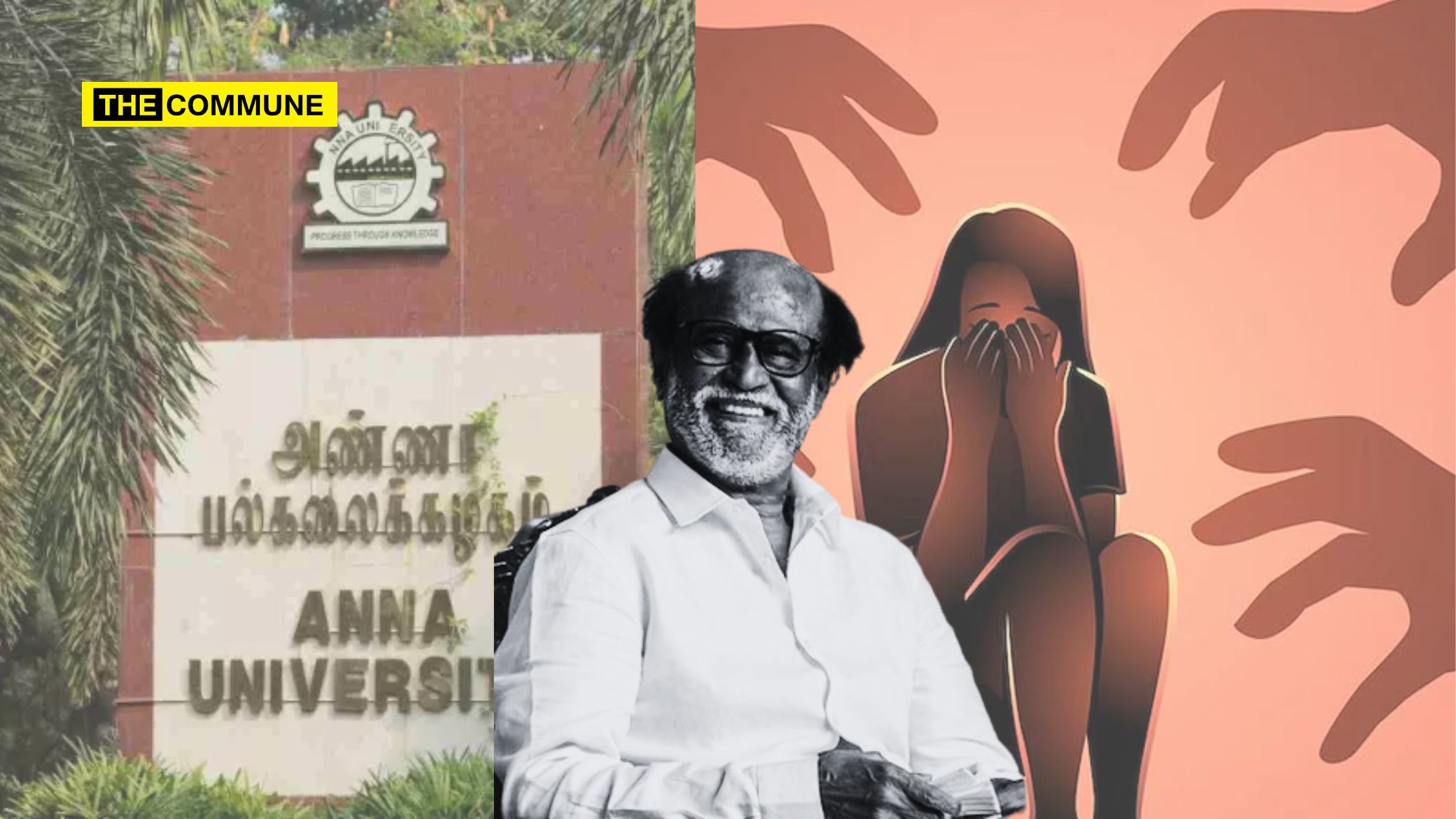
Actor Rajinikanth dismissed a question on women’s safety as “political” in the wake of the Anna University sexual assault case during a press interaction at Chennai airport, drawing criticism for his tone-deaf response. The actor, who is currently working on the much-anticipated film Coolie, departed from Chennai to Bangkok last night for the next phase of the shoot and met with reporters at the Chennai airport before departing for his destination. Rajinikanth’s tryst with reporters continues, and once again, he has made a very insensitive comment about issues plaguing society.

At the Chennai airport, his fans greeted Rajinikanth with cheers of “Thalaiva”. The actor, however, asked them to remain calm. He briefly interacted with the press, confirming the progress of Coolie. When asked about updates regarding the film he was currently shooting, Rajinikanth cheerfully responded. However, when a journalist attempted to ask a question about women’s safety in Tamil Nadu, Rajinikanth’s facial expression changed instantly. He curtly interrupted, reminding them that he had repeatedly requested not to askpolitical questions“.

It is noteworthy to mention that Rajiinikanth had commented on various issues under the AIADMK regime – the notable being the Sathankulam custodial death of Bennix and Jayaraj when Rajinikanth released an angry picture of himself with the caption “Truly, we should not let them (culprits) escape”.

One wonders how a question about the law and order/safety of women in the state where he resides becomes political, especially when the Anna University sexual assault case has been making headlines for more than a week now.

Netizens, mostly fans, who were eagerly awaiting his entry into politics, lashed out at him for making such a statement. Here are some netizen reactions:

In the past few weeks, Rajinikanth has been criticised for his insensitive and ignorant comments to airport reporters.

Actor Rajinikanth faced backlash after a controversial response during a press interaction at Chennai airport. When asked about the first death anniversary of his close friend and fellow actor Vijayakanth, Rajinikanth appeared to misunderstand the question and casually said Congrats.When they clarified that Vijayakanth had passed away a year ago and they were remembering him on his first anniversary, Rajinikanth responded, Oh, is that so? and shifted the conversation to his ongoing film project.

The incident occurred as Vijayakanth’s fans and supporters marked his first death anniversary on 28 December 2024. Rajinikanth’s comment, seen as insensitive given his close relationship with Vijayakanth, drew significant online criticism.

Following the floods that devastated Villupuram and Tiruvannamalai districts, actor Rajinikanth sparked controversy with his response to a question about a landslide in Tiruvannamalai triggered by Cyclone Fengal, which claimed the lives of seven people. His remarks were criticized as tone-deaf and insensitive, given the severity of the tragedy.

Upon being informed about the tragedy at the airport, Rajinikanth appeared momentarily shocked, asking,When?before offering a brief and seemingly indifferent,Oh my god, I am extremely sorry.Moments later, he shifted the conversation to discussing his films with a smile.

(With inputs from ETV Bharat)

Subscribe to our channels on Telegram, WhatsApp, and Instagram and get the best stories of the day delivered to you personally.

Here’s What Official Documents Say About Playing Of National Anthem In TN Assembly

Here's What Official Documents Say About Playing Of National Anthem In TN Assembly

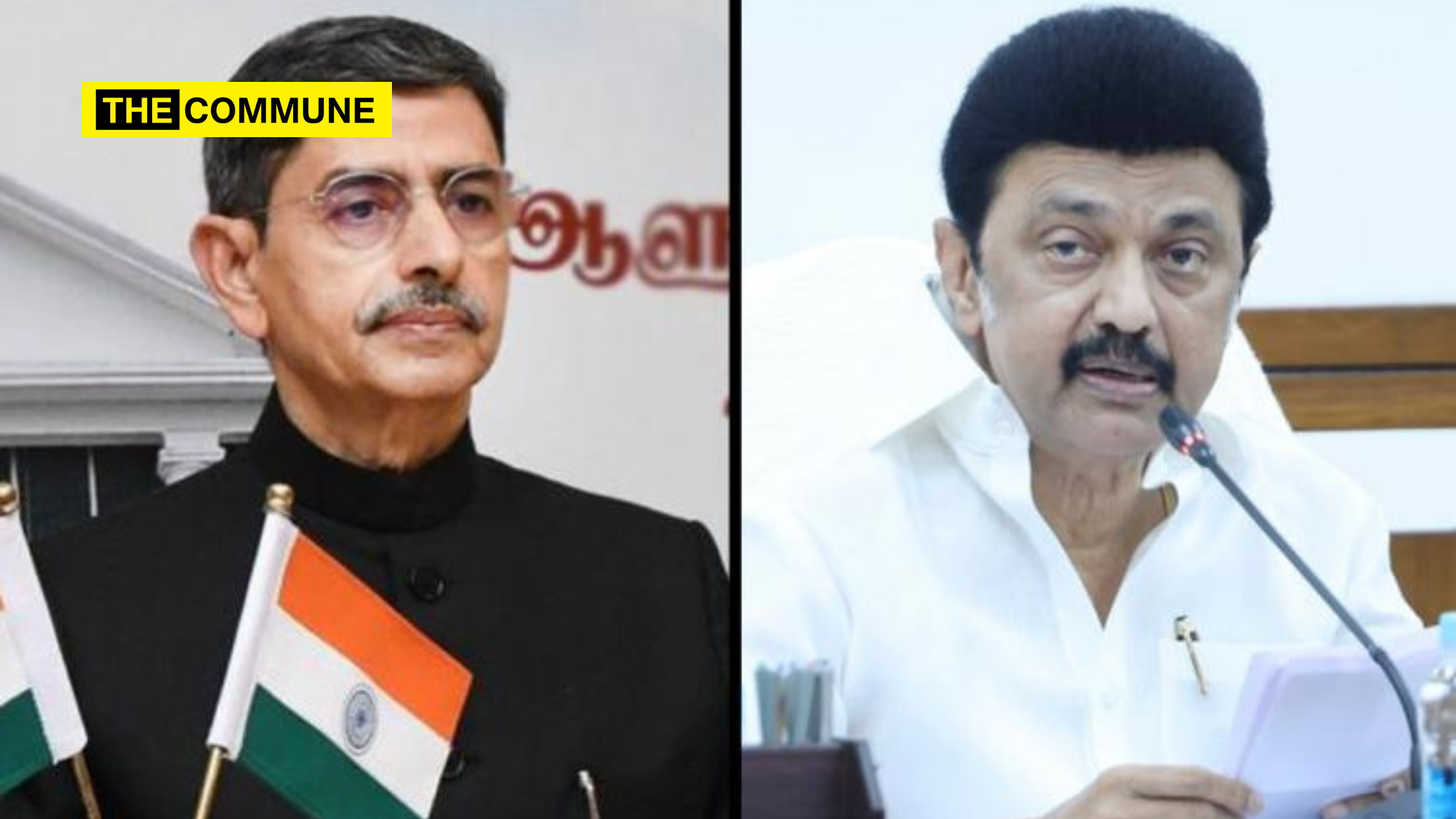
The ruling DMK government is under heavy criticism as it enters the second year in a row of political tensions with the Governor of Tamil Nadu, especially after he walked out of the Assembly for not playing the National Anthem, even though it is a legal requirement under the Standard Operating Procedure (SOP). While the Dravidianist media continues to echo the ruling party’s narrative, political leaders across the state have sharply criticized the government’s actions.

They accuse the DMK of blatant hypocrisy, pointing out that while it boasts itself as the guardian of the constitution and the law, it fails to uphold these very principles. The latest controversy stems from the Governor walking out of the Assembly after the mandated National Anthem was not played at the beginning and end of the session. Critics argue that the DMK’s ongoing political game with the Governor undermines the rule of law and constitutional decorum, exposing their double standards.

While the Dravidianist media focuses on the narrative of the Governor walking out, the Chief Minister’s social media post criticism, and statements from DMK leaders, another crucial reality is being willfully ignored by these outlets. Playing the National Anthem at the beginning and end of an Assembly session is not a mere formality, but a legal requirement under the SOP related to the National Anthem. This important detail is conveniently overlooked in the media’s coverage of the ongoing controversy.

The official orders regarding the National Anthem of India states, “The National Anthem is to be played or sung on various occasions. Instructions have been issued over time about the correct versions of the Anthem, the occasions on which it should be played or sung, and the importance of showing respect through proper decorum during such instances.” Specifically, it is mandatory for the National Anthem to be played “on the arrival of the Governor/Lieutenant Governor at formal state functions within his State/Union Territory, and upon his departure from such functions.” These instructions underline the formal and legal obligation to play the Anthem at designated times, a requirement that cannot be overlooked.

In this context, Tamil Nadu BJP President K. Annamalai has strongly criticized the DMK for playing politics with the National Anthem and the Governor of Tamil Nadu. Taking to his official X account, he called out the hypocrisy of the ruling DMK government, Annamalai pointed out that Tamil Thai Vazhthu was never recited before the Governor’s Address in Tamil Nadu’s State Assembly till 1991. 

From the Assembly records, of July 1991 show that when Jayalalithaa was the Chief Minister of Tamil Nadu, Tamizh Thai Vazthu and the National Anthem were played at the commencement and the end of the Governor’s address respectively, for the first time.

Subscribe to our channels on Telegram, WhatsApp, and Instagram and get the best stories of the day delivered to you personally.
Alleged Journo & DMK Buttresser Arvind Gunasekar Twists Facts To Defend DMK Govt Not Following SOP Of National Anthem, Exposes Constitutional Ignorance

Alleged Journo & DMK Buttresser Arvind Gunasekar Twists Facts To Defend DMK Govt Not Following SOP Of National Anthem, Exposes Constitutional Ignorance

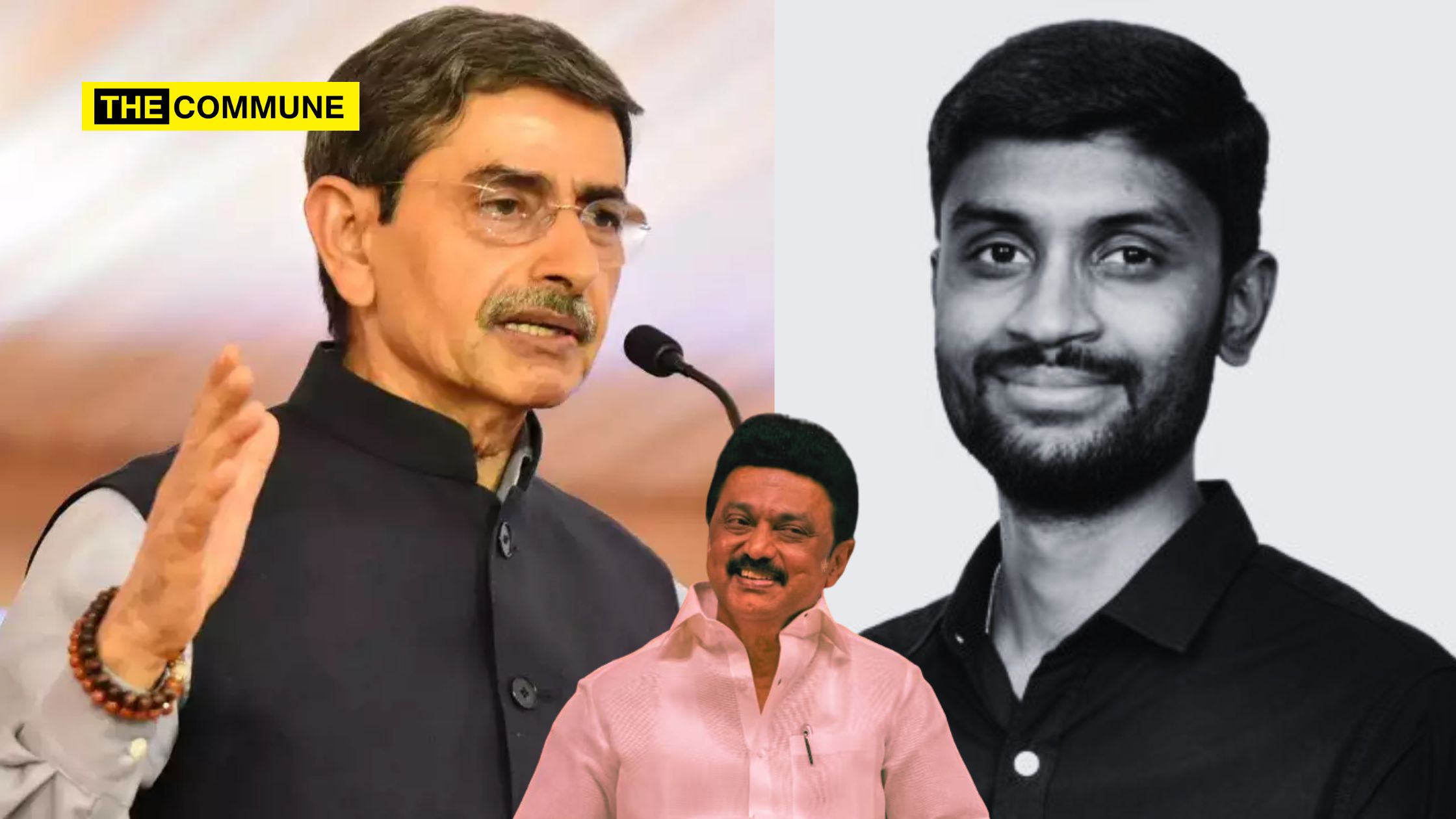
In yet another display of selective outrage and ill-informed commentary, a leftist scribe who is also a DMK-buttressing alleged journalist, Arvind Gunasekar, weighed in on the controversy surrounding Tamil Nadu Governor RN Ravi’s walkout from the Assembly over not playing the national anthem on 6 January 2025. Instead of shedding light on the issue, Gunasekar’s statements reveal a glaring lack of understanding about constitutional hierarchy, protocol, and history. Let’s dissect his claims and expose the underlying ignorance.

What Happened

The controversy began when the Tamil Nadu Assembly, following its usual practice, sang the Tamil Thai Vaazhthu (the Tamil Nadu state song) at the start of the session. However, the National Anthem was conspicuously omitted at the beginning and only scheduled for the end, contrary to established protocol.

Governor RN Ravi, citing this as disrespect to the National Anthem, walked out in protest after his request for adherence to constitutional propriety was ignored.

In a statement on the official X handle, the Governor’s office wrote, “The Constitution of Bharat and the National Anthem were once again insulted in the Tamil Nadu Assembly today. Respecting the National Anthem is among the first Fundamental Duty as enshrined in our Constitution. It is sung in all the state legislatures at the beginning and the end of Governor’s address. Today on arrival of Governor to the House only Tamil Thaai Vaazhthu was sung. Governor respectfully reminded the House of its Constitutional Duty. He fervently appealed to the Hon’ble Chief Minister who is the Leader of the House and the Hon’ble Speaker for singing the National Anthem. However, they cussedly refused. It is a matter of grave concern. Not to be a party to such brazen disrespect to the Constitution and the National Anthem, Governor in deep anguish left the House.”

Rather than addressing this blatant disregard for protocol, Gunasekar attempted to mislead his audience with half-baked arguments and a complete distortion of facts.

Gunasekar’s Absurd Claims

Like a true foot soldier of the ruling DMK, Arvind Gunasekar tried to chime in with his “expertise” stating, “Speaker is the sole custodian of the Assembly, not the Governor. Tamil Nadu Assembly did not say that it will not sing National Anthem, instead, ‘Tamil Thai Vaazhthu’ was sung in the beginning and National Anthem at the end. This has been the usual practice in the State. Both the State song and National Anthem were given due respect. Governor taking exception to the State Song being sung in the beginning is nothing but a ruse, Governor wanted to boycott the customary address prepared by the State Government. Our Constitution rests the power on the elected, not the nominated Governors. Governor cannot prepare his / her own speech to deliver in the Assembly. Another unwarranted confrontation by TN Governor.”

For a “journalist” who is a JNU alum (as per his X bio), we thought we would school him on the facts. Here are the statements made by Arvind Gunasekar and their rebuttals.

“Speaker is the sole custodian of the Assembly, not the Governor.”

Gunasekar conveniently overlooks the fact that the Governor represents the Union and is the constitutional head of the state. While the Speaker presides over Assembly proceedings, it is the Governor who inaugurates sessions with a customary address and ensures adherence to constitutional principles.

By dismissing the Governor’s role, Gunasekar displays his ignorance of the delicate balance of power between elected representatives and constitutional authorities.

“Tamil Nadu Assembly did not say it will not sing the National Anthem; instead, both songs were sung.”

This is a red herring. The issue is not the inclusion of Tamil Thai Vaazhthu but the deliberate omission of the National Anthem at the beginning, as mandated by protocol.

The Governor did not object to the Tamil Thai Vaazhthu but merely reminded the Assembly of its duty to respect the National Anthem. Gunasekar’s attempt to paint this as an attack on Tamil identity is both dishonest and divisive.

“Our Constitution rests the power on the elected, not the nominated Governors.”

While Governors are appointed, their authority stems directly from the Constitution, making them an integral part of the state machinery. Gunasekar’s assertion trivializes the role of Governors, who act as custodians of the Constitution and ensure that state governments do not overstep their bounds.

“The Governor wanted to boycott the customary address.”

Far from boycotting, the Governor was compelled to leave because his repeated requests for protocol adherence were ignored. This walkout was a principled stand against a state government intent on undermining national symbols.

The Historical Context Gunasekar Ignored

In his eagerness to defend the Tamil Nadu government, Gunasekar conveniently omits crucial historical facts:

The National Anthem Protocol

The tradition of singing the National Anthem at both the beginning and end of Assembly sessions is not new. It is a long-standing practice in legislatures across the country, reflecting respect for the nation and its Constitution.

The Introduction of Tamil Thai Vaazhthu

Contrary to Gunasekar’s implication, the Tamil Thai Vaazhthu was not always part of Assembly proceedings. It was introduced in 1991 by the then Chief Minister Jayalalithaa, making it a relatively recent addition. While the state song is a cherished tradition, it cannot replace or supersede the National Anthem.

Repeated Disrespect by the DMK Government

The DMK-led government has consistently ignored the Governor’s requests to include the National Anthem, from 2022 to the present day. This pattern of defiance underscores a deliberate agenda rather than an oversight.

Gunasekar’s Selective Outrage

Gunasekar’s commentary reeks of selective outrage and intellectual dishonesty. His attempt to frame the Governor’s protest as an attack on Tamil identity is not only baseless but also divisive. By conflating respect for the National Anthem with an alleged disdain for Tamil culture, Gunasekar exposes his bias and inability to engage with facts.

Moreover, his silence on the DMK government’s repeated disregard for national symbols is telling. Had a similar incident occurred in another context, one wonders if his response would have been as dismissive.

Arvind Gunasekar’s ill-informed tirade is emblematic of a broader trend among certain commentators who prioritize ideological loyalty over truth. In this case, he has chosen to defend a government that blatantly disrespects national symbols, all while misrepresenting the facts and undermining the constitutional role of the Governor.

The Tamil Nadu Assembly’s repeated disregard for the National Anthem is not a trivial issue. It strikes at the very heart of our constitutional values and national identity. As a journalist, Gunasekar should have upheld these principles instead of pandering to partisan agendas.

Unfortunately, his ignorance and bias only serve to deepen divisions and distract from the real issues at hand. For someone who claims to champion progressive values, it is ironic that Gunasekar’s words betray a fundamental misunderstanding of the Constitution he pretends to defend.

The respect accorded to the National Anthem is not optional—it is a duty enshrined in the Constitution. Any attempt to undermine this principle, whether by state governments or journalists like Arvind Gunasekar, must be called out and condemned unequivocally.

Subscribe to our channels on Telegram, WhatsApp, and Instagram and get the best stories of the day delivered to you personally.
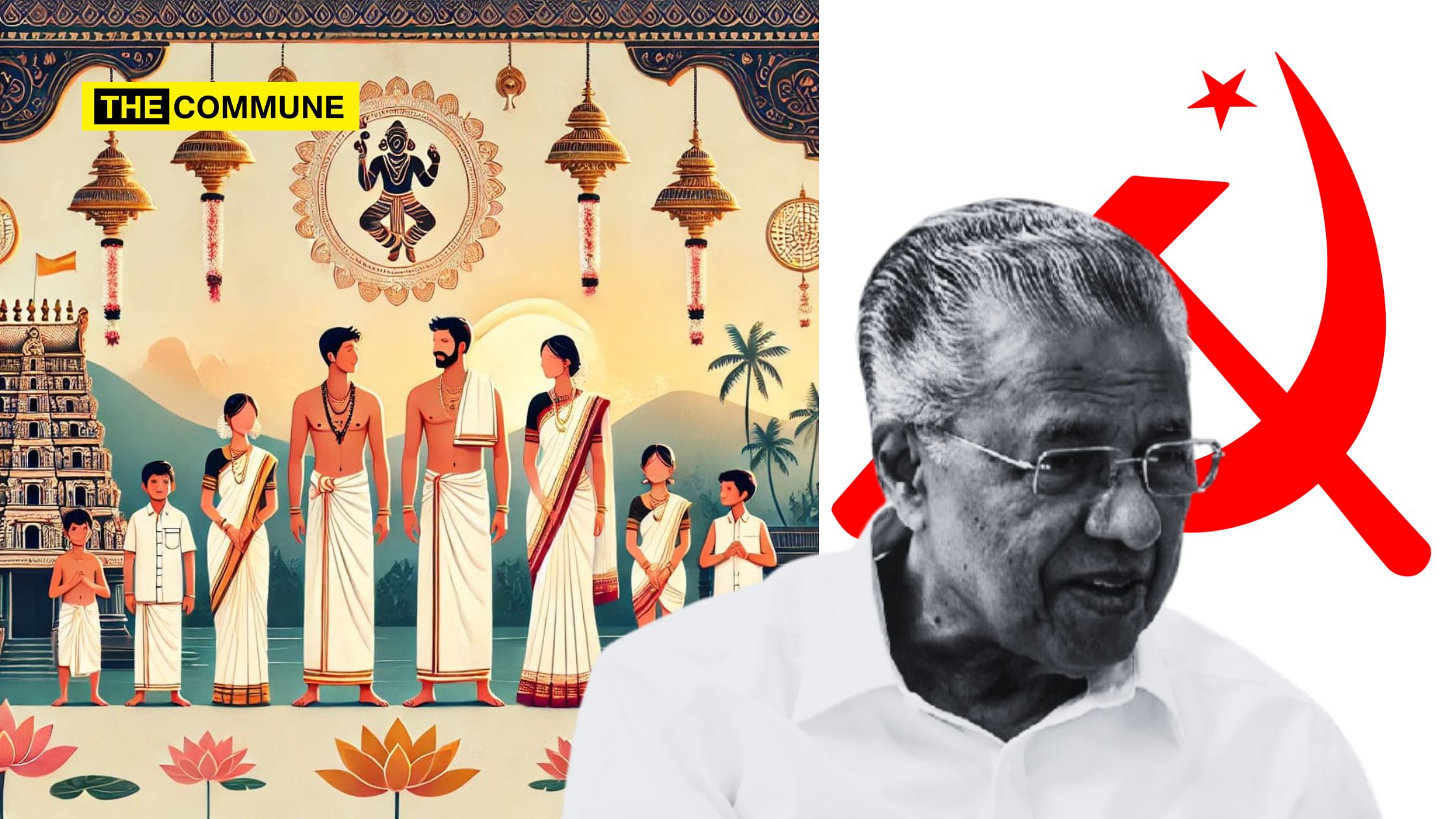
Kerala Communist Leaders Brand Temple Dress Code As “Obscene”, Call For End To Traditional Temple Attire – Here’s What You Must Know

Kerala Communist Leaders Brand Temple Dress Code As "Obscene", Call For End To Traditional Temple Attire - Here's What You Must Know

As Kerala faces a looming financial crisis and soaring unemployment, one might expect its political leaders to focus on economic revival. Instead, the Communist Party has stirred controversy over an age-old temple dress code tradition: the practice of men entering temples shirtless.

This latest assault on Hindu customs has triggered widespread debate, raising questions about whether the Kerala government is genuinely progressive or simply targeting Sanatana Dharma.

The Controversy

The issue arose during the inauguration of the Sivagiri pilgrimage, an event attended by Kerala Chief Minister Pinarayi Vijayan and other political leaders. During his address, Swami Sachidananda, president of the Sri Narayana Dharma Sanghom, remarked on the tradition of shirtless entry in some temples under the Sree Narayana Trust. He suggested that this practice be abolished.

The Chief Minister, speaking after Swami Sachidananda, endorsed the idea, extending it to other temples. Labelling the move as aprogressive measure,Vijayan framed the tradition as outdated, setting the stage for a more significant cultural and political debate.

Swami Sachidananda’s suggestion, originally specific to temples under the Sree Narayana Trust, quickly snowballed into a statewide issue. Leaders from both political spectrums voiced their opinions, but Communist leader M.V. Govindan drew the sharpest criticism.

Govindan branded Sanatana Dharma asobscene,stating, The exact meaning of Sanatana Dharma is the chaturvarnya system based on Manusmriti. In fact, it is obscene in this era.”

This narrative is not new among leftist circles, which frequently blame the Manusmriti for caste discrimination while conflating the Varna system with the rigid caste hierarchies introduced during colonial rule. They conveniently ignore the Bhagavad Gita’s explanation of Varna, where Krishna states,Chaturvarnyam Mayasrishtam(The four categories of occupations were created by me). It is rooted in nature and occupation, not birth.

Selective Activism By Communists

Kerala’s Communist Party has long targeted Hindu traditions under the pretext of modernization while remaining silent on regressive practices in other religions.

For instance, the party raises no objections to practices like the hijab, seen as oppressive by some, or circumcision, performed on young boys without their consent. Nor do they question the attire and rituals of Mecca pilgrims, who wear unstitched garments and often remain bare-chested—practices strikingly similar to the Hindu temple customs they criticize.

This choosy activism points to an agenda that prioritizes deriding Hindu traditions while avoiding controversies in other faiths.

Why Men Enter Temples Shirtless

The tradition of shirtless entry into temples is neither arbitrary nor outdated; it is deeply rooted in the spiritual and scientific principles of Sanatana Dharma.

According to Dr. M.S. Sankaran, a renowned endocrinologist and author on Hindu spirituality, temples are spiritual energy centers. The idols housed within them continuously dissipate energy. Removing stitched garments facilitates the absorption of this energy, akin to recharging a battery.

Additionally, wet clothes serve as excellent conductors of energy, which is why devotees often bathe in temple ponds before entering. This practice ensures that devotees are physically and spiritually attuned to the sanctity of the space.

The tradition also aligns with Agamic principles, where unstitched garments symbolize purity and submission to the deity. Men’s bare chests reflect humility and reverence, while the Panchakaccha (a specific type of unstitched cloth) represents the householder’s effort to stabilize the senses and focus on the divine.

The angavastram (upper garment) and koupeenam (loincloth) are also vital elements of temple attire, emphasizing the importance of maintaining both external and internal sanctity during rituals.

Wearing improper attire—such as stitched garments, torn clothes, or unwashed fabric—during rituals is considered disrespectful in Sanatana Dharma. Even simple acts like eating or bathing in Vedic traditions require adherence to specific dress codes, reflecting the sanctity of daily actions.

This reverence extends beyond temples. The Ramayana describes Sri Rama wearing a single cloth and golden pendant while radiating divine energy, demonstrating how simplicity and sanctity go hand in hand.

Sri Narayana Guru’s Legacy

The Sivagiri Mutt, central to this controversy, was founded by Sri Narayana Guru, a revered spiritual leader and social reformer. Guru propagated the Advaita philosophy, emphasizing the unity of all beings and the divine.

A pioneer of social equality, Guru sought to uplift marginalized communities while respecting Sanatana Dharma’s spiritual essence. His teachings harmonized personal devotion (Saguna) with universal consciousness (Nirguna), embodying the inclusive nature of Hindu philosophy.

It is ironic that an occasion to honor his legacy was overshadowed by political agendas aimed at dismantling the very traditions he revered.

The ongoing debate over shirtless entry into temples is emblematic of a larger pattern of targeting Hindu customs under the guise of modernization. Kerala’s Communist Party has repeatedly undermined Sanatana Dharma, framing its rituals as regressive while ignoring their spiritual significance.

This selective criticism starkly contrasts their silence on practices in other religions that could equally be deemedregressive.Their unwillingness to apply the same standards across faiths raises serious questions about their intentions.

Every ritual in Sanatana Dharma was established by enlightened saints like Agastya, who understood the intricate relationship between body, mind, and divine energy. These traditions are not mere relics of the past but timeless practices that foster spiritual alignment and inner harmony.

In a state grappling with economic challenges, the Communist Party’s preoccupation with deriding Hindu traditions reflects misplaced priorities and a troubling lack of respect for cultural heritage.

Subscribe to our channels on Telegram, WhatsApp, and Instagram and get the best stories of the day delivered to you personally.
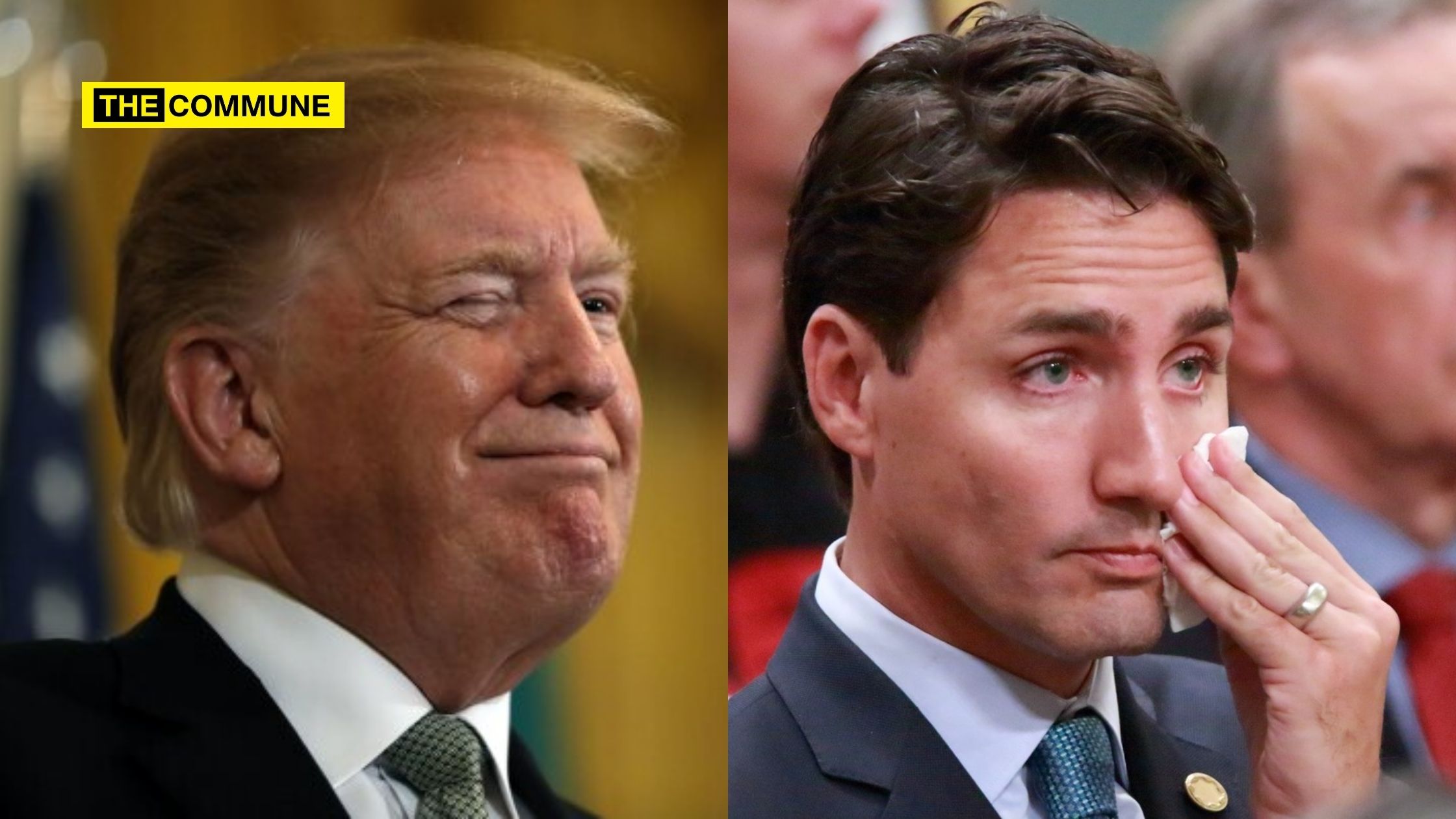
US-Canada Together Would Be ‘Great Nation’ Says Trump As Trudeau Announces Resignation

Trump Trolls Trudeau, Extends Christmas Greetings To 'Governor Justin Trudeau Of Canada'

US President-elect Donald Trump reignited his proposal to make Canada the “51st state of the United States” hours after Canadian Prime Minister Justin Trudeau announced his resignation. In a dramatic turn of events, Trudeau announced the end of his 11-year leadership tenure and nine years as the country’s Prime Minister on Monday.

Trudeau, 53, decided to step down as he was under pressure from his ruling Liberal Party, stemming from his growing unpopularity. However, he confirmed he would remain in office until the party elects a new leader ahead of the upcoming general elections. Amid this political upheaval in Canada, Trump, 78, who has had a fraught relationship with Trudeau since his first term as President (2017-2021), renewed his offer just hours after Trudeau’s announcement.

Taking to Truth Social, Trump said, “Many people in Canada love being the 51st State. The United States can no longer suffer the massive Trade Deficits and Subsidies that Canada needs to stay afloat. Justin Trudeau knew this and resigned.” “If Canada merged with the US, there would be no tariffs, taxes would go way down, and they would be totally secure from the threat of Russian and Chinese ships that are constantly surrounding them. Together, what a great Nation it would be!” Trump further added.

Trump has been vocal about this idea since meeting Trudeau in November 2024 at Mar-a-Lago after his electoral victory. During the meeting, Trump reportedly mocked Trudeau as the “Governor of the Great State of Canada” and has since repeated the sentiment in multiple social media posts.

The Canadian government has yet to issue a formal response to Trump’s remarks. However, the US President-elect’s statements have sparked discussions about strained US-Canada relations.

Trump also accused Trudeau’s administration of failing to curb illegal migration and illicit drug trafficking into the United States. He warned of imposing a 25 per cent tariff on Canadian imports if the issue persists. According to a report from the Canadian Customs and Border Protection Service, 358 individuals on terror watch lists were apprehended attempting to cross into the US from Canada in the 2024 fiscal year. Trump cited this as evidence of what he called Trudeau’s “lax policies” on national security.

The resignation caps off a challenging tenure for Trudeau, whose early years in office were marked by high public approval and a global image as a progressive leader. However, rising living costs, concerns over crime, and dissatisfaction with the quality of life eroded his popularity over time.

Trudeau’s exit leaves the Liberal Party scrambling for new leadership as the country prepares for elections in the midst of economic and political uncertainty.

–IANS

Subscribe to our channels on TelegramWhatsApp, and Instagram and get the best stories of the day delivered to you personally.

Four Bengal Cops Under Scanner In Bangladeshi Fake Passport Racket Case

Four Bengal Cops Under Scanner In Bangladeshi Fake Passport Racket Case

Four more cops are under the scanner of Kolkata Police over their involvement with rackets engaged in arranging fake Indian identity documents, including passports, for the illegal infiltrators coming from neighbouring Bangladesh.

Sources aware of the development said one of the four policemen is attached to the security control office, and another is a police station-level cop. The West Bengal Police have also arrested one constable and nine persons altogether.

The last one arrested has been identified as Abdul Hai (61), who retired as a Sub-Inspector just a year ago. Sources in the state police said that during the last few years of service, he was mainly assigned the task of “police verification” for the new passport applicants.

He was arrested from his residence at Habra under Ashoknagar Police Station in North 24 Parganas district. Recently, both West Bengal and Kolkata Police have started the process of investigation against their colleagues of lackadaisical “police verification” processes, resulting in the issuance of fake Indian passports to Bangladeshi infiltrators.

The investigation started after a city court recently directed investigating officials to probe their colleagues in relevant police stations.

The main charges against a section of cops engaged in the task of “police verification” for new passport applicants are that they did not physically make spot visits to the residences of certain passport applicants before submitting the clearance report on this count.

Since December 15, 2024, nine persons have been arrested for their involvement with rackets engaged in arranging fake Indian identity documents, including Indian passports, for illegal Bangladeshi infiltrators.

Several Public Distribution System (PDS) dealers are also under scanner for helping in the process of getting fake ration cards for such illegal infiltrators. Getting fake ration cards was the foundation for securing other fake Indian documents, with passports being the last step on the count.

The investigating officials have identified a pattern in the operations of such rackets engaged in arranging fake Indian passports for the illegal Bangladeshi infiltrators.

Any infiltrator illegally crossing over to the Indian territory, contacting the local agents and showing willingness to pay out hefty amounts for getting fake Indian identity documents are first provided with safe shelters at the different villages adjacent to the borders with Bangladesh in the state, both land and coastal.

Thereafter, the agents arrange for fake ration cards for them which are the first step for making other identity documents. By virtue of the fake ration cards, other identification documents like EPIC, PAN, and Aadhaar cards are acquired. The last step is getting the fake passports based on these other fake identity documents.

–IANS

Subscribe to our channels on TelegramWhatsApp, and Instagram and get the best stories of the day delivered to you personally.

DMK Man & Anna University Sexual Assault Culprit Gnanasekaran Allegedly Built House Illegally On Temple Land Says Report

Gnanasekaran Allegedly Built House Illegally On Temple Land

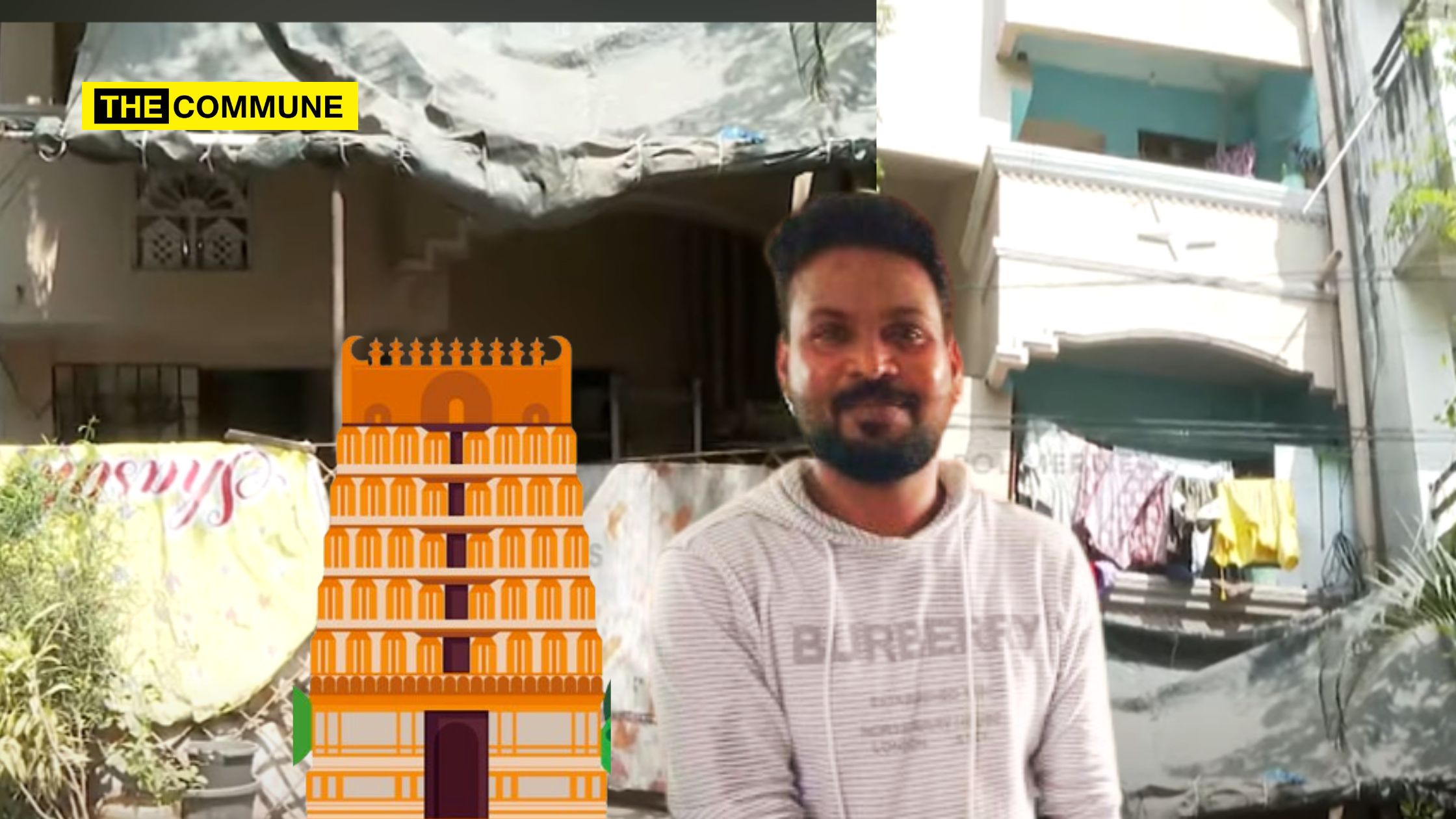
In a startling revelation, Gnanasekaran, the accused in the Anna University on-campus sexual harassment case and reportedly a DMK functionary, has been found to have illegally constructed a two-story building on temple land without any legal permissions.

According to a report by Thanthi TV, revenue department officials have informed that Gnanasekaran had built a two-storeyed house at Kottur Erikarai street in Chennai.

Adding to the shock, he is alleged to have led a double life: committing burglaries at night, engaging in political party activities during the day, running a biryani shop in the afternoon, and sexually harassing students in the evening. Despite these serious allegations, Gnanasekaran had reportedly been moving about freely in the city for years, leaving the public astonished and questioning the lack of oversight by police.  Following a detailed investigation and recommendations from the SIT team, he has now been detained under the stringent Goondas Act.

A three-member Special Investigation Team (SIT) was constituted to investigate the case. On 4 January 2025, the SIT conducted a raid at Gnanasekaran’s residence, recovering crucial documents and a laptop, which investigators suspect was used to upload pornographic material. During their investigation, the team identified four individuals, including women and students, who appear in some of the videos. Although many pornographic videos were found, only a few have been linked to identifiable victims. Authorities have assured that any victims who come forward will have their identities protected. This new development has added complexity to the case, prompting the SIT to broaden its inquiry into potential further illegal activities. Following their findings, the SIT recommended invoking the Goondas Act against Gnanasekaran.

This marks the fourth time Gnanasekaran has been detained under the Goondas Act, with more than 20 cases already pending against him. The use of this stringent preventive detention measure underscores the authorities’ resolve to tackle such grave offenses and ensure public safety. The case has garnered widespread public attention, with opposition parties and activists calling for decisive action and systemic reforms to prevent such incidents in the future.

Previous investigations revealed that Gnanasekaran, the accused in the Anna University sexual assault case and a serial offender involved in numerous thefts and robberies, used the proceeds of his crimes to acquire a 3.5-acre farmhouse near Chennai that served as his hideout after committing crimes.

Gnanasekaran

Gnanasekaran has been implicated in over 20 cases, including a high-profile robbery and kidnapping in 2018. He, along with his brother Suresh, two wives, and mother, kidnapped a businessman in Madurantakam near Kanchipuram and looted jewels and cash worth ₹25 lakh from his home. His brother, two wives, and mother were arrested in this case. Investigations following his arrest, in this case, revealed a pattern of criminal behaviour spanning several years.

Gnanasekaran’s modus operandi targeted unoccupied homes in affluent areas like Mylapore, ECR, and Abhiramapuram between 7 and 9 PM when traffic and movement concealed his actions. To avoid leaving traces, he would sprinkle chilli powder to mislead sniffer dogs. However, in one instance in CIT Colony, he mistakenly used a health drink powder, “Boost,” instead, leading to his capture through sniffer dogs.

Gnanasekaran was recently arrested for sexually assaulting a student within the Anna University campus. The case brought his extensive criminal background to light.

In separate incidents, he looted 37 and 45 sovereigns of gold jewellery from two homes owned by businessmen in the Abhiramapuram locality.
He also stole 40 sovereigns of gold from a businessman’s home in a CIT colony but was caught because he had used “Boost” powder instead of chilli powder.

The police have uncovered that Gnanasekaran used the proceeds of his crimes to purchase a 3.5 farmhouse in Thandaripet, Chengalpattu district, near Madhuranthakam. The property became his hideout after robberies. Another farmhouse near Uttaramerur also bought with stolen money, has been linked to him.

Following his arrest in the Anna University case, CCTV footage from 2018 revealed his involvement in a robbery where he wore a mask. This evidence and subsequent investigations exposed his role in multiple crimes.

According to the police, Gnanasekaran was a habitual offender who meticulously planned his crimes. He operated with his family’s assistance and targeted homes during specific hours to exploit their vulnerability. His criminal activities have shocked residents of Chennai and surrounding areas.

Subscribe to our channels on Telegram, WhatsApp, and Instagram and get the best stories of the day delivered to you personally.
Glad To Know About Microsoft’s Ambitious Expansion, Investment Plans In India: PM Modi

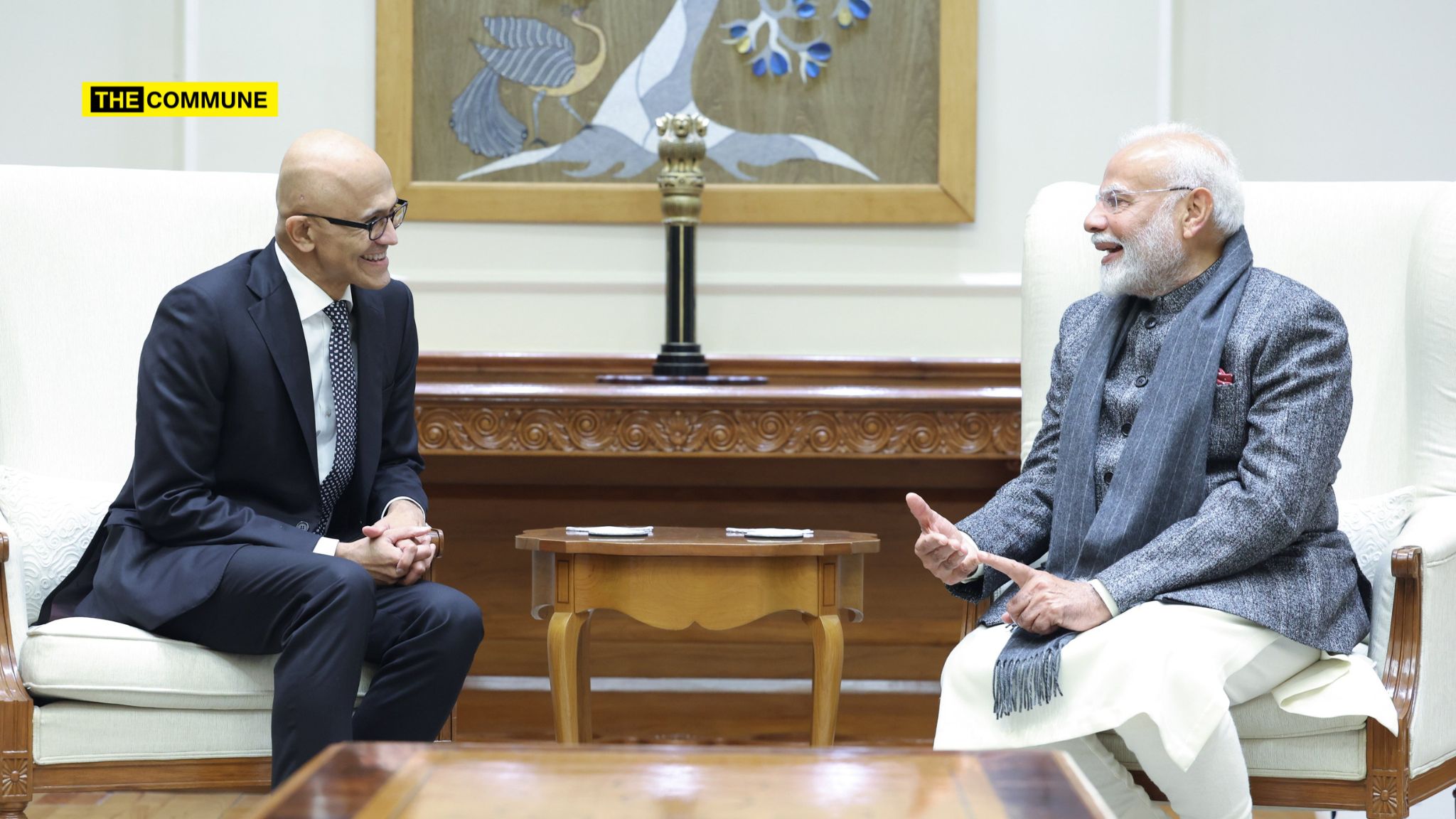
Prime Minister Narendra Modi, who met Microsoft Chairman and CEO Satya Nadella on Monday, said he was glad to know about the tech giant’s ambitious expansion and investment plans in India. In a post on social media platform X, PM Modi said: “It was indeed a delight to meet you, @satyanadella! Glad to know about Microsoft’s ambitious expansion and investment plans in India. It was also wonderful discussing various aspects of tech, innovation and AI in our meeting”. Nadella thanked the Prime Minister for his leadership. “Excited to build on our commitment to making India AI-first and work together on our continued expansion in the country to ensure every Indian benefits from this AI platform shift,” said the Microsoft CEO.

Microsoft is empowering the fast-growing developer community in India to not only build products and services for the country but also for the world. Microsoft, at the end of the day, is a developer company and India holds the biggest promise in creating AI-based products on the company’s AI-powered platform GitHub. “India which is currently second to the US will have the largest developer community on GitHub by 2027. The country is currently second among the top 10 global communities creating the most generative AI projects on GitHub,” Nadella said last year.

He stated that 10 per cent of India’s $5 trillion economy goal by 2025 will be led by AI. Microsoft is going to provide AI skilling opportunities to 2 million people in India by 2025. India launched the IndiaAI mission last year to enhance AI-related developments in the country. The Union Cabinet, chaired by PM Modi, approved an allocation of over Rs 10,300 crore for the IndiaAI Mission, marking a significant step towards bolstering the AI ecosystem in the country.

—IANS

Subscribe to our channels on TelegramWhatsApp, and Instagram and get the best stories of the day delivered to you personally.

Caste Feuds, Revenge Killings, And Alarming Rise Of Toxic Casteist Reels Culture In South TN Fueling Youth Criminalization

Caste Feuds, Revenge Killings, And Alarming Rise Of Toxic Casteist Reels Culture In South TN Fueling Youth Criminalization

Tirunelveli, a district with a rich heritage and a civilization dating back 3,200 years, as revealed by recent carbon dating analysis of the Porunai civilization, was once a beacon of cultural and civilizational ethos. However, it appears to have succumbed to casteism and its associated conflicts. The alarming rise in caste-based violence, particularly revenge killings between dominant castes and Dalits, highlights a grim reality that cannot be overlooked.

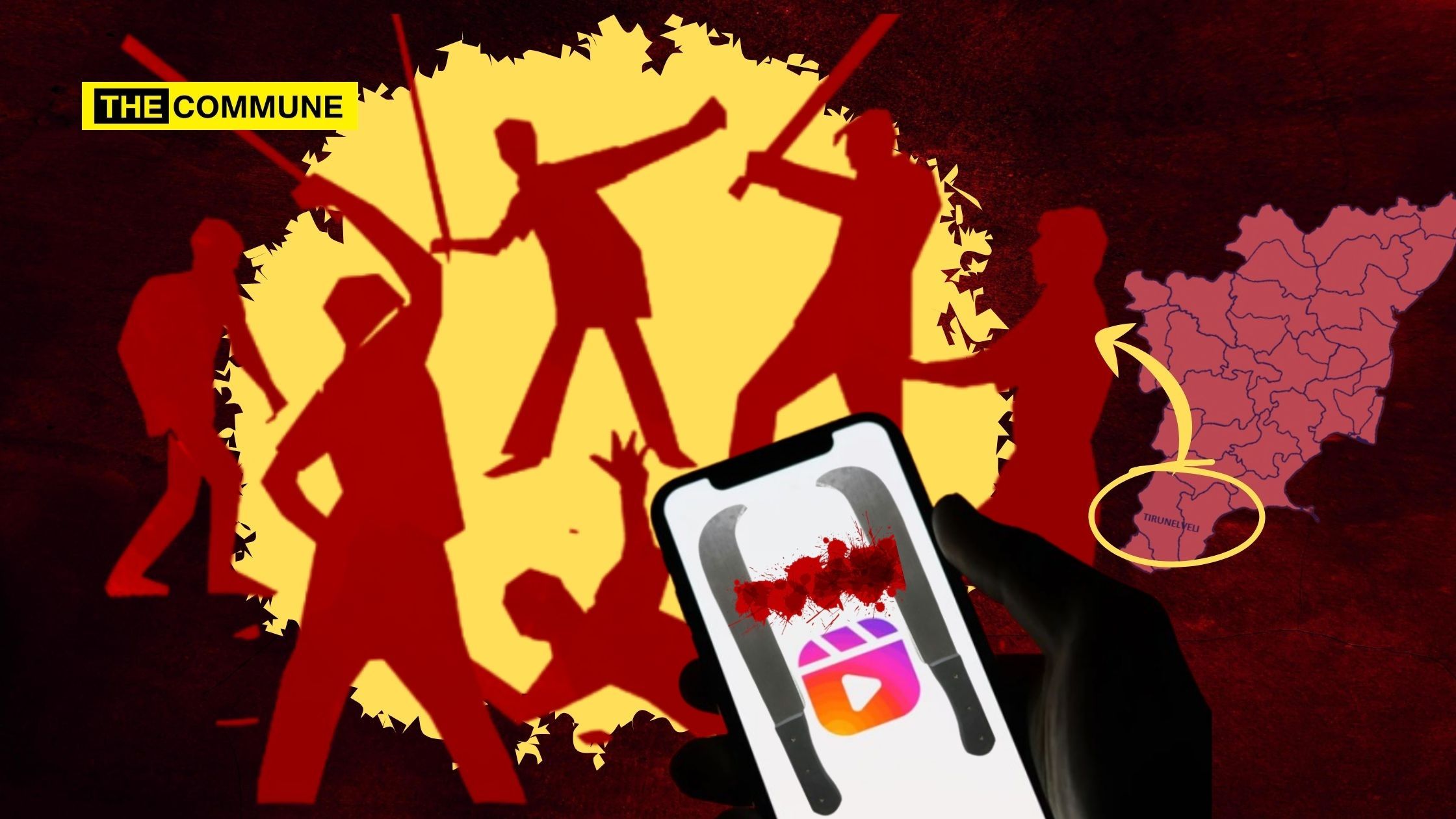
What is even more disheartening is the involvement of students and the younger generation, who are internalizing and glorifying such violence as a form of pride. This troubling trend has been further fueled by the influence of social media and reels culture, where youth idolize rowdies and criminals. Creating reels to celebrate these individuals and identifying themselves as part of their “army” paints a dire picture of the youth’s current state and priorities in the region.

A recent RTI response from the police has revealed a concerning rise in murders across Tirunelveli district. According to the data, a total of 240 murders have been recorded—58 in Tirunelveli city and 182 in the district’s suburban areas. Among these, one was identified as an honor killing, 45 were premeditated murders, and 16 were caste-based killings.

The report also indicates that 887 individuals have been arrested in connection with murder cases across the district, with 335 of them detained under the Goondas Prevention Act. This includes 92 individuals from the metropolitan area and 243 from suburban regions. Notably, only seven suspects remain absconding in cases from the suburban areas, while all suspects in the metropolitan area have been apprehended.

Furthermore, the RTI disclosed that 48 minors have been implicated in murder cases, with 42 of them arrested from suburban areas. Police sources attribute the rising involvement in murders to young individuals, particularly those under the age of 25. This troubling trend underscores the need for urgent interventions to address the root causes of violence and its alarming grip on the region’s youth.

A Grim Cycle Of Violence Pattern Of Revenge Killings In Tirunelveli District

For example, the district of Tirunelveli, particularly the areas around Gopalasamudram near Munneerpallam, has been marred by a disturbing pattern of revenge killings rooted in caste conflicts.

In 2010, tensions escalated between two groups after a flagpole associated with a caste was damaged, leading to clashes. The violence resurfaced in October 2013 when Dharmaraj, a 27-year-old from the Devendra Kula Vellalar community, was brutally hacked to death near Gopalasamudram.

In retaliation, Karthik, a member of another community, was murdered days later, prompting police to make arrests on both sides. However, the cycle of vengeance continued as a gang killed Manthiram in retaliation for Karthik’s murder.

In September 2021, the violence intensified further when 38-year-old Sankara Subramanian was hacked to death in Vazhuvurpatti, and his severed head was placed on the tomb of Manthiram. This act of brutality sparked yet another revenge killing on 15 September 2021, when 35-year-old Mariyappan was murdered and beheaded.

These incidents caused widespread tension in at least eight villages, including Pirancheri, Gopalasamudram, and Kothankulam, with clashes between the two castes fueling ongoing unrest.

The violence continued with the recent murder of Manikandan (28) from Keezhacheval, who was attacked by three men after purchasing liquor at a Tasmac shop near Melapalayam. This killing was also a revenge act tied to the prior caste conflict.

Subsequently, two of the accused murderers, both named Anandaraj, along with their associate Maharajan, surrendered in the Tirunelveli court. Notably, Anandaraj’s father, Manthiram, had been a previous victim in this violent cycle, and his murder prompted his son to seek vengeance by killing Manikandan. With this marks the sixth murder in the ongoing series of retaliatory killings, further exacerbating tensions in Munneerpallam, Gopalasamudram, and the surrounding areas.

Decades Of Caste Feud And Revenge – Pannaiyars Vs Pasupathi Pandian

The feud between the Pannaiyars and Dalit leader Pasupathi Pandian spans over two decades, rooted in caste pride and a cycle of vengeance.

The conflict began in 1993 with the murder of Asupathi Pannaiyar, father of Subash Pannaiyar, from Moolakkarai near Srivaikuntam. Pasupathi Pandian was the prime accused in this killing, allegedly carried out to retaliate against the harassment faced by Dalit workers on Asupathi’s farmlands.

At the time of his father’s murder, Subash was a first-year law student at Salem Law College. He dropped out soon after and joined his cousin, Venkatesh Pannaiyar, to pursue a bloody vendetta. Together, they made numerous unsuccessful attempts to eliminate Pasupathi, only managing to target his associates.

In 2003, Venkatesh was killed in a police encounter in Chennai, leaving Subash to take the reins of the All India Nadar Padhukapu Peravai, a caste-based organization his cousin had founded. Subash and his gang allegedly orchestrated the murder of Pasupathi’s wife, Jacintha, in 2006 and Pasupathi himself in 2012.

Pasupathi Pandian, hailing from Alangarathattu near Thoothukudi, was no stranger to notoriety. Accused in his first murder case while still in high school, he dropped out and gained infamy during the 1990s. Police records link him to eight murder cases and numerous attempts to kill.

Both Subash and Pasupathi had political affiliations that further fueled their influence. While Subash focused on the Nadar outfit established by his cousin, Venkatesh’s widow, Radhika Selvi, became an active member of the DMK. Meanwhile, Pasupathi initially joined the PMK, a Vanniyar-dominated party, where he rose to State Secretary of the youth wing. However, he later left to form the Federation of Devendrakula Vellalars, a Dalit organization. Pasupathi also played a pivotal role in introducing Dr. K. Krishnasamy, founder of Puthiya Tamilagam, to politics. This prolonged feud, deeply intertwined with caste identity and political rivalry, reflects the enduring and destructive impact of caste-based divisions in the region.

Deepak Raja Revenge Killing

The cycle of caste-based revenge killings in Tirunelveli continues with the recent death of Deepak Raja, a Dalit figure and history-sheeter. On 20 May 2024, Deepak Raja was brutally attacked by an unidentified gang in broad daylight near a restaurant in KTC Nagar, Palayamkottai, Tamil Nadu. The 30-year-old was ambushed by six armed individuals and succumbed to his injuries on the spot.

The Palayamkottai police filed a First Information Report (FIR) under multiple sections of the law, including provisions from the Scheduled Castes and Scheduled Tribes (Prevention of Atrocities) Act. Deepak Raja, who had several pending criminal cases against him, was known to be an associate of rowdy Muthu Mano, a fellow history-sheeter who had been beaten to death inside the Palayamkottai Central Prison.

Preliminary investigations suggest that Deepak Raja’s murder may be a retaliatory act linked to the killing of Muthu Mano. City Police Commissioner Pa Moorthy has formed six specialized teams to track down the attackers. So far, eight individuals have been arrested, and efforts are underway to apprehend the remaining suspects.

The incident occurred in a busy area near the KTC Nagar flyover. As Deepak Raja parked his vehicle and approached a nearby restaurant, the armed gang intercepted and hacked him to death on the spot.

This latest killing underscores the persistent violence and deep-rooted caste tensions in the region, further fueling a cycle of vengeance that has gripped the district.

Recent Revenge Killing And The Rise Of Alarming Reels Culture

On 21 December 2024, a 25-year-old man, S. Mayandi, was brutally murdered near the Tirunelveli district court gate by a seven-member gang. This incident was reportedly an act of retaliation, tied to a cycle of caste-based revenge killings that has plagued the region.

Mayandi, a resident of Keezhanatham village and belonging to an intermediate caste, was allegedly killed by seven men from the Scheduled Caste (SC) community in response to the 2023 murder of SC panchayat ward member N. Rajamani, also from Keezhanatham.

According to police, Mayandi had come to the court to attend a hearing related to a criminal case against him. While dining at a nearby Annapoorna Hotel, he was pursued by a gang armed with weapons. Attempting to escape, he ran toward the court campus, but the attackers caught up with him. Special Sub-Inspector (SSI) Uikkattan managed to apprehend one assailant, M. Ramakrishnan (25), but another gang member cornered Mayandi near the court gate and fatally attacked him.

The killing was allegedly in retaliation for Rajamani’s murder on 13 August 2023. Rajamani was attacked and killed by a group from the intermediate caste while tending to his goats. His death led to significant unrest, with SC residents staging protests and demanding justice. Mayandi was arrested in connection with the murder and detained under the Goondas Act on the recommendation of Superintendent of Police N. Silambarasan.

Following Mayandi’s death, police arrested six individuals, including Rajamani’s brother, N. Manoraj (27), and other SC residents of Keezhanatham. Additional police personnel were deployed across the city to prevent further violence.

Social Media Fueling Tensions

The murder has sparked a surge in inflammatory content on social media, particularly Instagram, with youths from both communities glorifying the killings and inciting communal tensions. The Tirunelveli Taluk police have registered multiple cases against individuals posting provocative content, which has only deepened the divide.

Superintendent of Police N. Silambarasan revealed that in 2024 alone, 27 cases were filed for posts inciting communal unrest, with arrests made in connection. In 2023, 49 similar cases were registered. Recently, a 24-year-old named Vallimuthu from Seevalaperi was arrested for posting inflammatory material.

This incident highlights the alarming trend of glorifying violence through social media. The reels culture, which glamorizes acts of revenge and criminal behavior, is exacerbating communal tensions and encouraging younger generations to perpetuate cycles of enmity. Authorities have intensified monitoring efforts, but the persistent rise in such cases reflects deep-seated issues of caste-based conflict and the troubling influence of social media.

Instead of going after old women venting out at the misgovernance of the ruling party, or those who put harmless memes on social media, it would do some good if the Tamil Nadu monitor those who put toxic casteist reels and take action against them.

Subscribe to our channels on Telegram, WhatsApp, and Instagram and get the best stories of the day delivered to you personally.

Man Arrested For Setting Fire Outside Sri Kasi Viswanathar Temple In Tenkasi; Armed Police Guard Deployed For Future Safety

Man Arrested For Setting Fire Outside Sri Kasi Viswanathar Temple In Tenkasi.

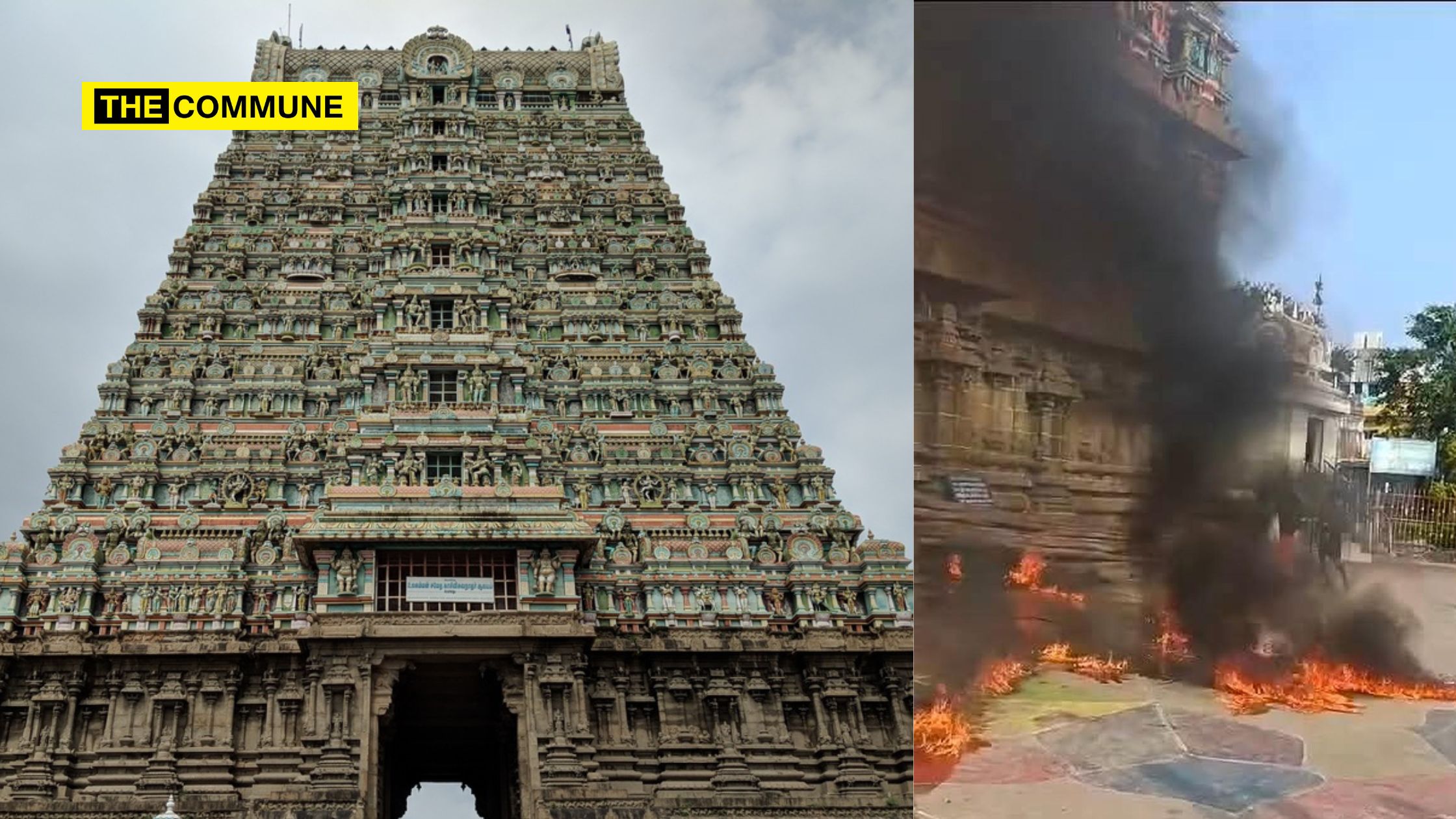
On 4 January 2025, the Tenkasi police arrested a man who allegedly poured petrol outside the entrance of Sri Kasi Viswanathar Temple in Tenkasi and set the area on fire.

According to sources, the man, identified as 31-year-old Anantha Balan from Kaezhaiyapillaiyoor near Kadayam, arrived at the temple around 8 a.m. He wandered briefly near the shrine before pouring approximately 10 liters of petrol, which he had brought in a plastic container, onto the granite floor outside the temple entrance. He then ignited the fuel, causing a fire to erupt.

The police suggested that the man might have been suffering from mental health issues. The fire caused temporary chaos at the temple, where devotees had decorated the ground with ‘kolam’ as part of the ongoing Maargazhi celebrations. Temple workers and nearby devotees immediately alerted the police and Fire and Rescue Services. While some tried to extinguish the flames, others restrained the man, who was eventually handed over to the police.

A team led by Deputy Superintendent of Police, Thamizh Iniyan, responded to the scene, and the man was later interrogated at the Tenkasi police station. During questioning, it was noted that he repeatedly spoke about “retrieving bones,” further suggesting he may have been experiencing a mental health crisis.

The incident caused panic among devotees, especially as renovation work is currently underway at the Sri Kasi Viswanathar temple in preparation for the upcoming ‘kumbabhishekam’. Devotees have since requested the authorities to deploy armed personnel around the temple to prevent similar incidents in the future.

(With Inputs From The Hindu)

Subscribe to our channels on Telegram, WhatsApp, and Instagram and get the best stories of the day delivered to you personally.