Home Blog Page 440

Gautam Adani Attends Maha Kumbh Mela In Prayagraj, Prepares Mahaprasad

Gautam Adani Attends Maha Kumbh Mela In Prayagraj, Prepares Mahaprasad

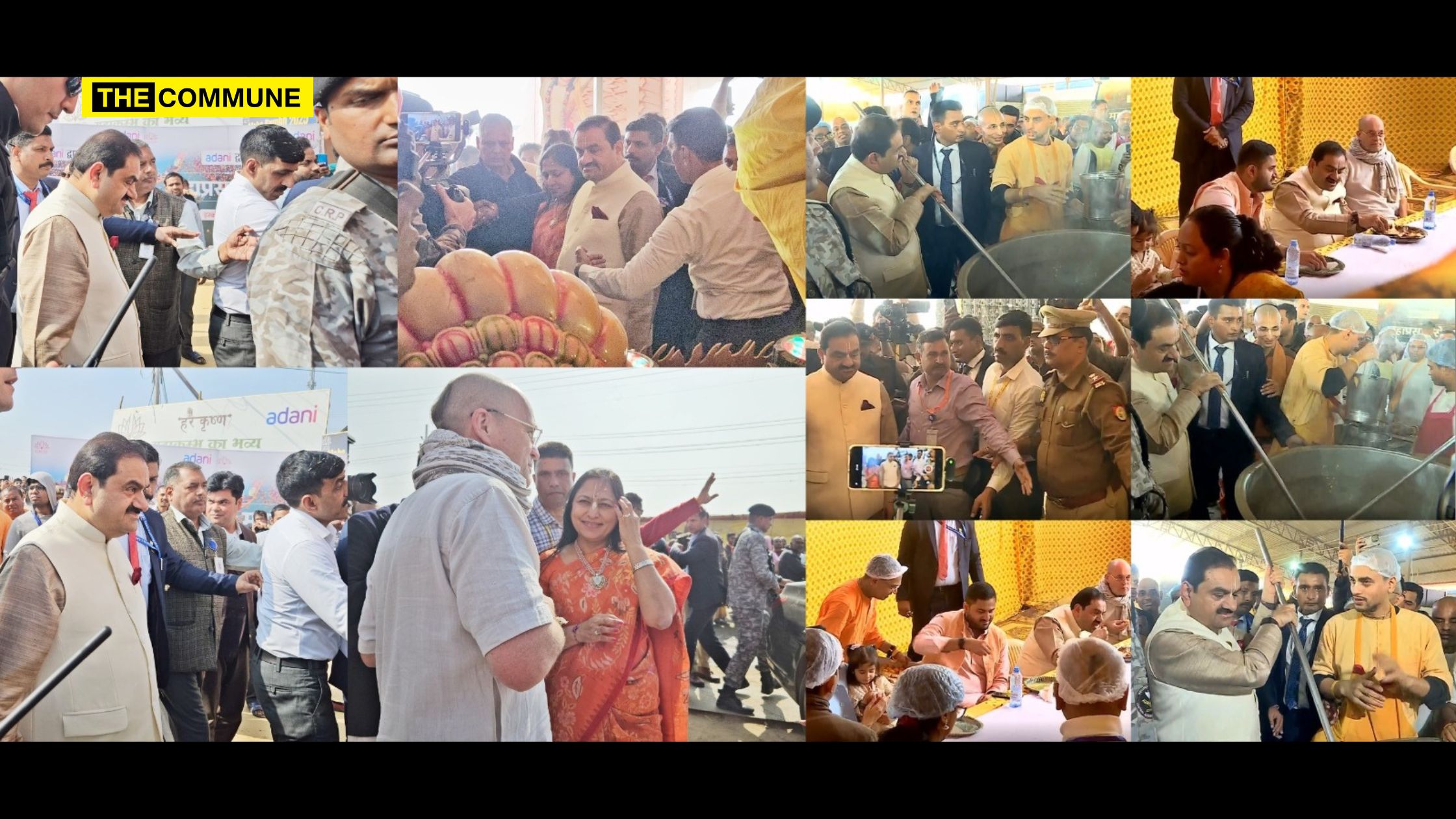
Gautam Adani, the Chairman of the Adani Group along with his wife Priti Adani made a heartfelt visit to the Maha Kumbh Mela in Uttar Pradesh’s Prayagraj on Tuesday, to participate in the ‘Ganga Puja’ and ‘Mahaprasad Seva’.

Gautam Adani immersed himself in the sacred rituals of Maha Kumbh, the world’s largest religious gathering and offered prayers. The billionaire also participated in a host of rituals at the Mela ground, including preparation of the ‘Mahaprasad’ (sacred meal) and distributing it to the Kumbh pilgrims.

After offering prayers, Gautam Adani was also seen eating prasad along with his family members. As Gautam Adani along with his wife reached the ISKCON tent in Sector 18 this morning, they were welcomed with garlands and greeted with the outpouring of warmth from hundreds of devotees. Adani’s visit to Maha Kumbh underscores the deep connection between faith and service, as has been underlined in unique initiatives by the Adani Group like ‘Mahaprasad Seva’ and copies of ‘Aarti Sangrah’ to devotees.

An integral part of the Adani Group’s contribution to the Kumbh Mela is its collaboration with the International Society for Krishna Consciousness (ISKCON) for distributing Mahaprasad to the millions of pilgrims. Devotees at Maha Kumbh are continuously praising Gautam Adani for his role in supporting this monumental event. The overwhelming response to the initiative reflects the spiritual and humanitarian impact of Adani Group’s contribution.

The Mahaprasad will be offered for the entire duration of the fair i.e. till February 26. Adani Group has also collaborated with Gita Press for a free distribution of 1 crore copies of “Aarti Sangraha” among the devotees at Maha Kumbh. Meanwhile, the spirit of devotion remained unshaken at the Mela ground despite the challenges posed by the chilly winter weather and dense fog.

On the ninth day of the Maha Kumbh, over 1.59 million devotees braved the freezing temperatures to bathe at the Triveni Sangam. According to the Uttar Pradesh government, by January 20, more than 88.1 million devotees had already visited the Sangam, making the Kumbh Mela one of the largest gatherings of humanity in the world.

The Maha Kumbh Mela, held once every 12 years at four rotating locations—Prayagraj, Haridwar, Nashik, and Ujjain—continues to be a beacon of faith and devotion for millions of Hindus around the world. The event holds immense significance, offering an opportunity to cleanse one’s sins and seek spiritual renewal.

–IANS

Subscribe to our channels on TelegramWhatsApp, and Instagram and get the best stories of the day delivered to you personally.

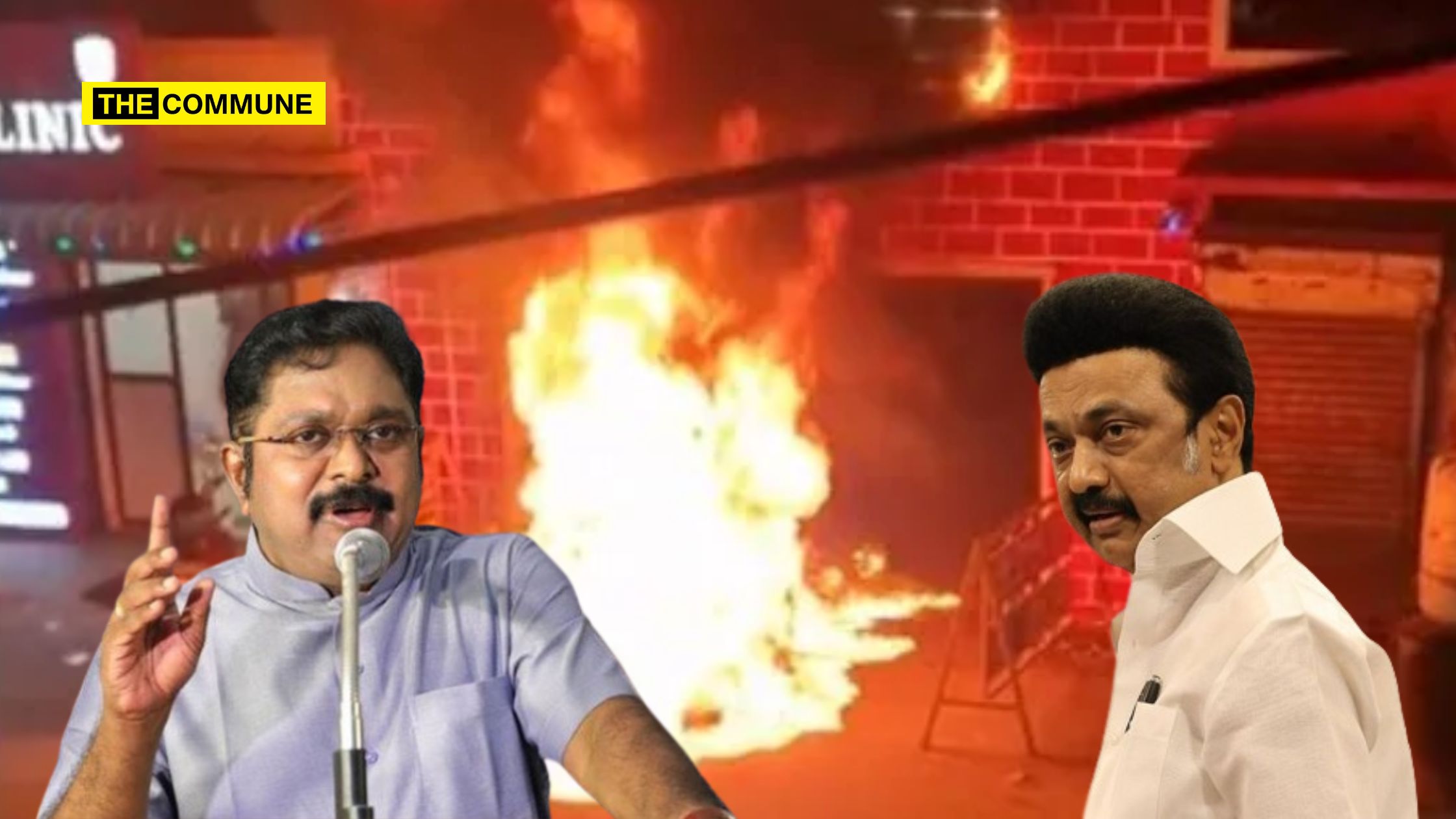
Labourer Self-Immolates Outside RK Nagar Police Station Due To Apathy, TTV Dhinakaran Slams DMK Govt For Turning Police Into Puppets

Labourer Self-Immolates Outside RK Nagar Police Station Due To Apathy, TTV Dhinakaran Slams DMK Govt For Turning Police Into Puppets

AMMK General Secretary TTV Dhinakaran has demanded a thorough investigation into the attempted suicide of a labourer outside the RK Nagar police station. He has called for stringent action against the police if allegations of negligence are substantiated. According to reports, the laborer’s desperate act stemmed from the alleged refusal of police to register his complaint.

The man had sought help, claiming his life was under threat from individuals working at a workshop in the Pulianthope area. Dhinakaran criticized the police for their reported indifference, which he described as emblematic of a larger issue.

Taking to his official X handle to slam the DMK government, TTK Dinakaran wrote, “A laborer attempted suicide by setting himself on fire in front of the police station after the complaint was refused – strict action should be taken against the negligent RK Nagar police station guards. The news that a laborer from Pulianthope area, who attempted suicide by pouring petrol in front of the RK Nagar police station in Chennai, is receiving treatment in a hospital with burns all over his body and is in a life-threatening condition is shocking. It is said that the main reason for the suicide attempt was the refusal to accept the complaint filed by the laborer at the RK Nagar police station, alleging that his life was in danger due to some people working in a workshop in the Pulianthope area, and the poor treatment he received.

The reason why such tragic incidents occur right in front of the police station is that the police, which should be responsible for addressing the grievances and suffering of the people and providing them with appropriate protection, has become the puppet of the ruling party. Already, in a context where police torture and deaths are said to be on the rise in Tamil Nadu since the DMK came to power, a few police officers who continue to treat those who come to file complaints with disrespect and act indifferently have created distrust among the public towards the entire police force. Therefore, I urge Chief Minister Shri. M.K. Stalin to conduct a proper investigation into the incident of a laborer attempting suicide in front of the R.K. Nagar police station and take strict action against the police officers if it is confirmed that they acted negligently. @CMOTamilnadu”

Subscribe to our channels on Telegram, WhatsApp, and Instagram and get the best stories of the day delivered to you personally.

Kumbh Mela: A Pilgrimage of Faith, Purification, And Eternal Bliss

Why Maha Kumbh 2025 Is A Once-In-A-Lifetime Spiritual Experience For Hindus

A reference to the churning of the milky ocean which is responsible for the Kumbh Mela can be found in the Vishnu Purana. A pot of nectar came out when Samudra Mandhan happened.  The Devas ran with the pot of nectar to prevent the Asuras from drinking the nectar. The demons also ran after them. While they ran, the droplets of nectar are spilled out at places like Prayagraj, Haridwar, Ujjain, and Nashik where the Kumbh Mela is performed.

It is mentioned in various ithihasa and Puranas. Adhyaya 103 to 113 in Mathsya Purana has Prayaga Mahathmyam where there are discussions about triveni snan.

In the 16th adhyaya of Srusti kandam from Padma purana, the 35th verse states:
triśu stāleśu yā: snāyata prayāke sa puṣkare|
kurukṣetre sathāramātmā sa yādi paramaṃ padaṃ||

Those who take the holy bath at places like Prayagraj, Kurukshethram, and Pushkar will attain the highest place which is Paramapadham.
The meaning of the above sloka is that they will get Moksha.

In Garuda Puranam, both Theertha Mahathmyam and Snana Mahathmyam mention various theerthams and their glory and the good deeds attained through the holy bath in those rivers.
agniṣṭomasahasrāṇi vājabeyasadāni sā|
kumbasnānasya kalanarahamde śodāsīmābi||

Its supreme glory can be discerned by the fact that even thousands of Agnishtomas and hundreds of Vajpayee yagas are not equal to one-sixteenth of a Kumbha bath and with this verse, we can understand the glory of the holy bath at Kumbh Mela.

Prayagraj is the confluence of the Ganga, Yamuna, and Saraswati rivers, where the Kumbh Mela is celebrated every 12 years. It is a site of spiritual significance. It is believed to remove sins and lead to moksha.

The Brahma Kanda of the Brahma-Vaivartha Purana mentions the importance of various holy places and various rituals at various times and places.
prayāke magmase du snāthvāpārṭivamardana:|
sarvapabāī: pramucyetā pitṛpi: saha modāte | |

That is, bathing in Prayagraj in the month of Magh is freed from all sins and their ancestors are happy.
kumbe kumpotabhava: snādva prāyacati hi manavāna|
dādā parāṇa na bābanī diṣṭantiśubakarmaṇam||

It means bathing in Kumbh leads to freedom from sins and good deeds.
kumbe kumpotabhava: snādva – Bathing during the Kumbh Mela is associated with the amrita that came out of the milky ocean.
prāyacati hi manavān – Provides purifying benefits to humans (devotees).
thādhā parāṇ na pāpanī diṣṭantiśubakarmaṇam – After that, those who do pious deeds will have no sin. This verse emphasizes that bathing during the Kumbh Mela purifies individuals, destroys their sins, and leads them toward virtuous deeds. This is a verse from Agni Purana.

Padma Purana, Uttara Kandam Chapter 112, Sloka 16:

tattarāpi yaha snānakrūta puṇyakale|
gaṃgā jalātirathamādivasaṃ||
puṇyaṃ labetha krūtakrūtya: sa katva|
vaikuṇḍaloka paramaṇ samedhi||

That is, one who takes a bath in the Ganges during the auspicious season attains auspiciousness and goes to Vaikunta Loka.
It is in the Padma Purana that Lord Shiva explains to Parvati the greatness of the Ganges and the spiritual benefits of bathing in its waters, especially during auspicious times, highlighting its power to confer suddhi and mukti.

Bhavishya Purana (Pratisarka Parva, Part 3, Chapter 7, Slokam 37-38):

kumbaraśiṃ mayi prabte gaṃgādvāre mahotsava:|
papuvā pahulairbubāī: karitastīrthātparai:||

When the Sun enters the sign of Aquarius, a great festival is held for the pilgrimage to Haridwar on the Ganges. This verse highlights the astrological significance of the Kumbha Mela in Haridwar, which is celebrated when the Sun moves into the sign of Aquarius.

Vana Parva of Mahabharata has a subsidiary Parva called ‘Tirtha-yatra Parva’. It mentions various Tirtha Yatra benefits.

tripuraṃ tahade yajñaṃ snānaṃ thīrathe du tahade|
sarvapāpaṃ sa tīrthe snāthvasarvaṃ bhavatī śudaye||

Sage Lomasha accompanies the Pandavas during their exile and narrates stories of various holy places (theerthas) to encourage them to undertake the pilgrimage. In this chapter, he describes the power of holy theerthas and the virtues that can be attained by bathing in them.

Through this verse, Lomasha emphasizes the spiritual importance of visiting Tirthas. He compares the suddhi effects of yagas (sacrificial rites) to the simple and equally powerful act of bathing in holy water, which purifies all sins and leads to ultimate purity.

This teaching is intended to inspire Yudhishthira and the Pandavas to undertake their pilgrimage with devotion and faith.

Vishnu Purana, Chapter 16, 6th Sloka:

ayaṃg kumbahaṃ paraṃ puṇyaṃ snānaṃ yena kṛtaṃ subhama|
sarvabāpakṣayasa yadi kacade viṣṇusannidhiṃ||

Bathing in Kumbh Mela is very sacred and one goes to Vishnu Lokam. Sri Vishnu Purana mentions that Vaikunta Loka is the highest loka to be reached by taking this Kumbha Mela bath.

Maha Kumbh Mela is a spiritual event steeped in culture and history. Hidden spiritual aspects enhance the experience of people who gather to participate in this sacred event. From the above slokas, it can be understood that Kumbh Mela helps people for spiritual development and attain moksha.

Let us elevate our spirituality and culture by participating in the once-in-a-lifetime event called Kumbh Mela.

G. Prasanna Venkatesan writes on Bharathiya knowledge, Sri Vaishnavism, Puranic and Ithihasa themes, and stories centered on national and social development.

Subscribe to our channels on Telegram, WhatsApp, and Instagram and get the best stories of the day delivered to you personally.
Mohammad Ansari Throws Kerosene Bomb At Grocery Store In Karur Over Cigarette Dispute; Gets Injured While Fleeing Police

Mohammad Ansari Throws Kerosene Bomb At Grocery Store In Karur Over Cigarette Dispute; Gets Injured While Fleeing Police
Image Source: Hindu Tamil

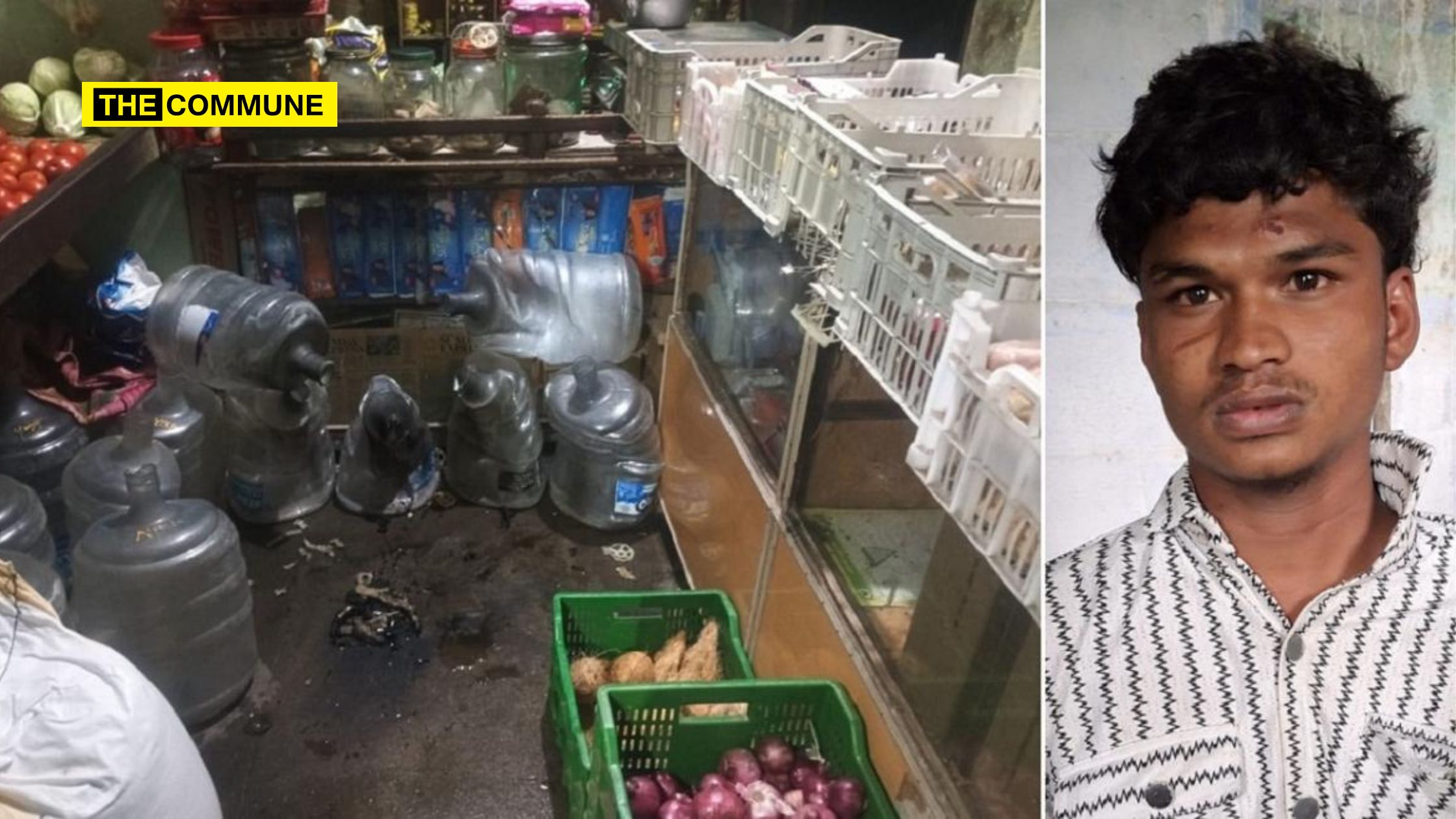
A 21-year-old daily wage worker, Mohammad Ansari, threw a kerosene bomb at a grocery store run by Subramani, after being told there were no cigarettes available. He sustained a broken leg while attempting to evade police and is currently receiving treatment at Karur Government Medical College Hospital.

The incident occurred in Karuppagaundanputhur West Ganga Nagar. Subramani (52), the owner of the grocery store, reported that Ansari, under the influence of alcohol, had come to his shop demanding cigarettes. When Subramani informed him that the store had run out of stock, Ansari left to buy a bidi.

Later, Ansari returned to Subramani’s store with a kerosene-filled quarter-litre bottle. He fashioned a cloth wick, set it alight, and hurled it into the shop before fleeing. Although no one was injured, the fire damaged five empty 20-litre water cans in the shop.

Subramani filed a complaint at the Thanthonimalai police station. Acting on the report, the police launched a search for Ansari, who was found hiding near the Kolandhanur cemetery on 19 January 2025. When officers attempted to apprehend him, he tried to flee, but fell, fracturing his right leg.

Ansari was taken into custody and admitted to Karur Government Medical College Hospital for treatment. Investigations revealed that Ansari has 10 cases registered against him at police stations in Thanthonimalai, Vengamedu, and Modakkurichi in Erode district.

Karur District Superintendent of Police, Lt. Col. Feroz Khan Abdullah, has assured strict action against individuals disturbing public peace or engaging in illegal activities.

The incident has raised concerns among local traders. The Hindu Traders Welfare Association has called on the Tamil Nadu government to ensure the safety of commercial establishments. They have urged authorities to take decisive action under the Prevention of Thugs Act to deter attacks fueled by drunkenness or disputes.

(With inputs from Hindu Tamil)

Subscribe to our channels on Telegram, WhatsApp, and Instagram and get the best stories of the day delivered to you personally.

Petition Filed Seeking Permission For Traditional Piglet Offering Ritual At Kashi Vishwanathar Temple On Sacred Thiruparankundram Hill

Petition Filed Seeking Permission For Traditional Piglet Offering Ritual At Kashi Vishwanathar Temple On Thiruparankundram Hill

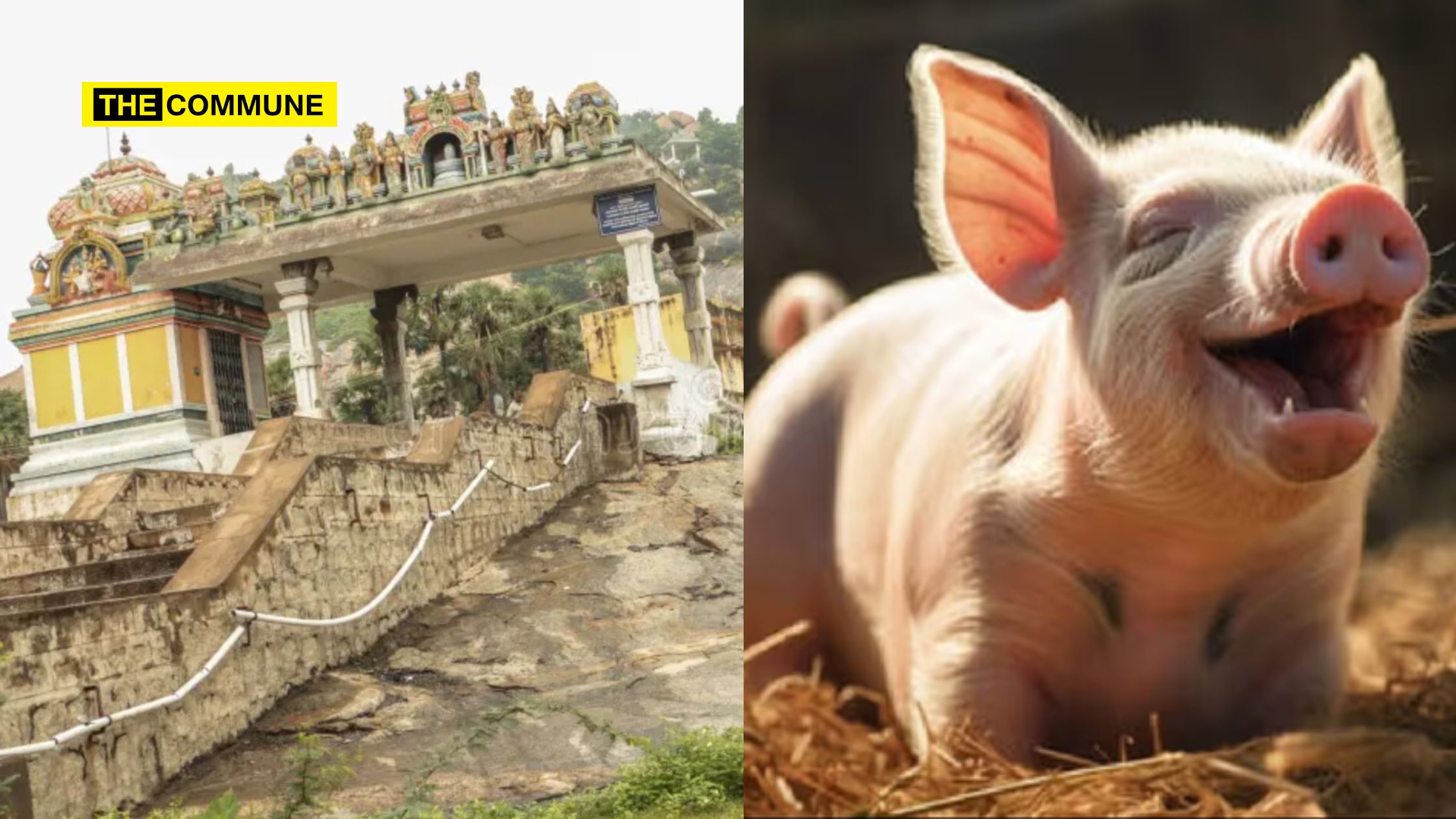
A petition submitted to Madurai district collector by Muthukumar, a Madurai-based lawyer, seeking permission to offer piglets at the Kashi Vishwanathar Temple on Thiruparankundram Hill has sparked controversy. The request comes against the backdrop of protests by Islamist groups, under the banner of banned terror outfit PFI’s affiliate SDPI, attempting to hold a sacrificial ritual involving the slaughter of goats and roosters at a Dargah, located on the sacred Hindu site of Thiruparankundram Hill.

In his petition to the Madurai District Collector, Muthukumar has requested approval for the Hindu Religious and Charitable Endowments (HR&CE) Department to regularly hold a ritual at the Kashi Vishwanathar Temple. The ritual would involve a leela in which Lord Shiva is depicted feeding piglets with milk, with devotees passing through Nellithope to offer piglets as a form of devotion to the temple.

In his petition, Muthukumar stated, the Kashi Vishwanathar Temple is located on Nellithope Road on the Thiruparankundram Murugan Temple Hill. According to the Puranas, twelve Vellalars, who lived here and violated the principles of Shaivism, were cursed by Guru Bhagavan for killing and torturing animals for pleasure. As a result, they were reborn as twelve piglets, orphaned and suffering from hunger on the hills.

The Puranas further mention that to lift the curse, Lord Shiva assumed the form of a mother pig and fed the twelve piglets. However, the Hindu Religious and Charitable Endowments (HR&CE) Department, along with the police, has consistently denied permission to offer these piglets—representing the incarnations of the Supreme Lord—as offerings at the Kashi Vishwanathar Temple. Muthukumar has requested that the Department grant permission to hold the ritual annually on the first new moon day of the month of Thai, allowing Lord Shiva to feed the piglets, and permitting devotees to offer piglets as part of their worship.

In the midst of these events, a protest by Muslims at the Sikandar Auliya Dargah mosque on Thiruparankundram Hill in Madurai has led to a ban and the filing of a case against those involved in the protest.

Amid this context, the lawyer’s petition to the District Collector requests the regular ritual of Lord Shiva feeding piglets at the Kashi Vishwanathar Temple, along with permission for devotees to offer piglets as part of their devotion has sparked controversy.

(With inputs from News7 Tamil)

Subscribe to our channels on TelegramWhatsApp, and Instagram and get the best stories of the day delivered to you personally.

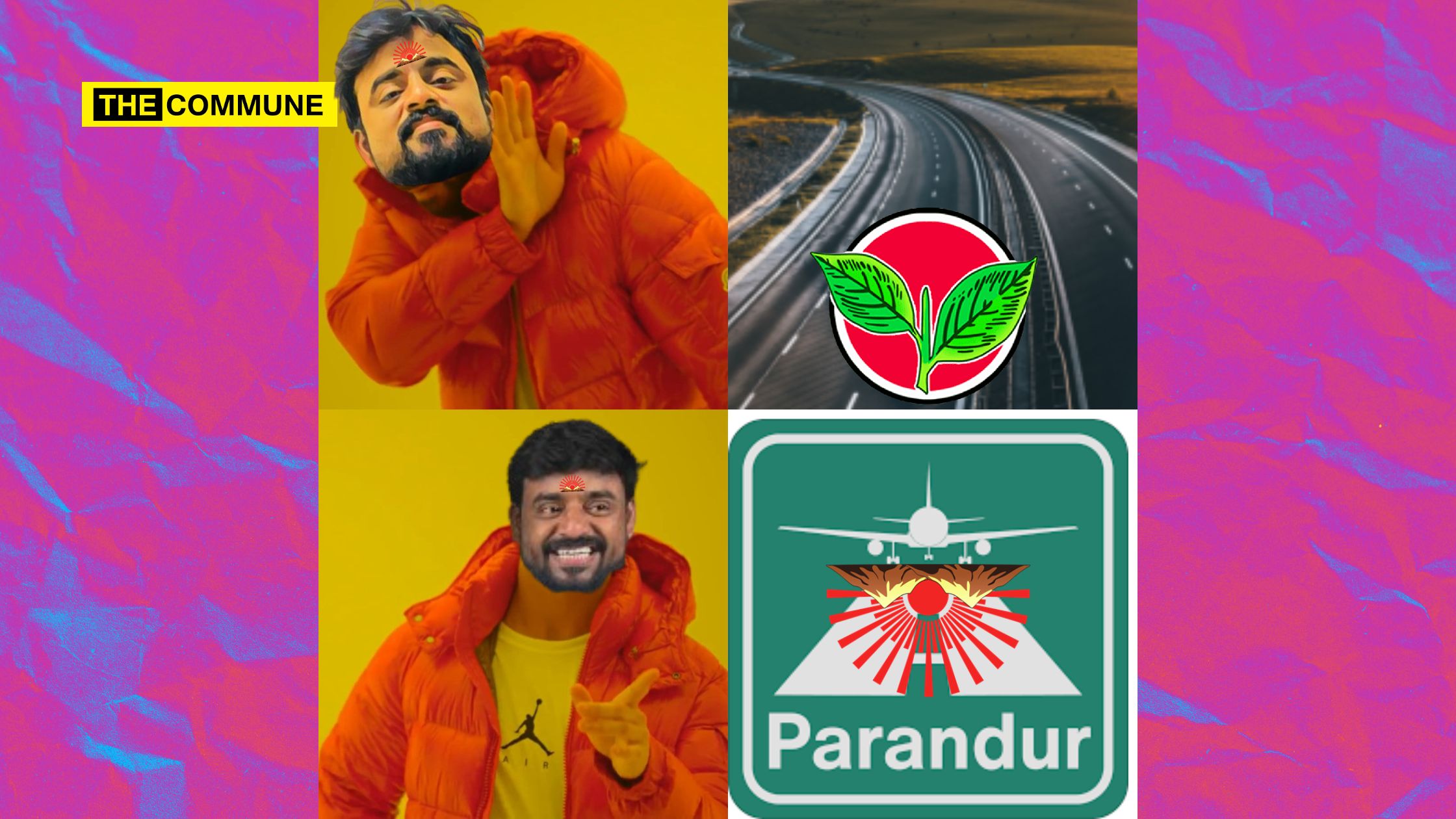
“Ask Him If We Can Build The Airport In Panayur, Gopalapuram Or Poes Garden”, Journalist Rangaraj Pandey Takes A Dig At TVK Vijay For His Ill-Informed Comments On Parandur Aiport

Journalist Rangaraj Pandey Takes A Dig At TVK Vijay For His Ill-Informed Comments On Parandur Aiport

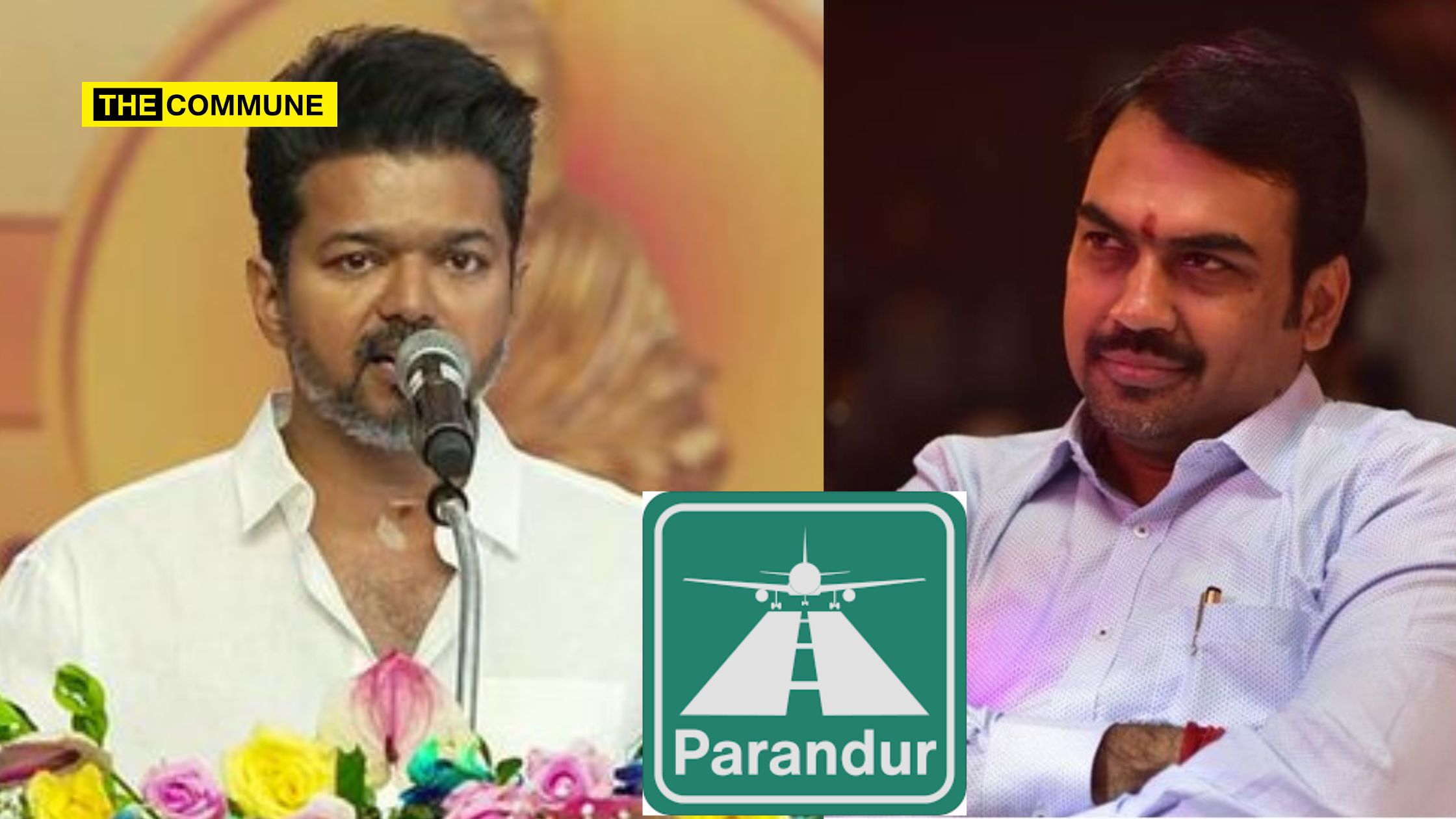
Chanakya TV founder and seasoned journalist Rangaraj Pandey has criticized the Dravidianists and followers of actor-turned-politician Vijay’s Tamilaga Vettri Kazhagam supporters regarding the Parandur airport issue.

Pandey clarified that it was the state government that decides where a specific project must come up within the state when the central government makes a decision – be it building an AIIMS hospital or an airport or any other infrastructure.

Speaking to Galatta media’s Devendran, Pandey said, “Just ask him where he wants it built, whether in Panayur, or Gopalapuram, or Poes Garden. The city is growing. The intent is to expand Chennai Airport. The present Chennai Airport cannot be expanded. They tried two or three nearby like Whitefield/greenfield, but nothing happened. Then they decided to move it to the other side. The idea is to have ​​another airport for Chennai Airport. They may make one international, one local, something like that. That is the idea. Then this should be within Chennai, Kanchipuram, Thiruvallur or Chengalpet. If you look at it technically, if I am not wrong, as per revenue records, the present Chennai airport itself is not in the Chennai district, it may be Kanchipuram district. The name is Chennai International Airport, but it does not have Chennai PIN code in the first place. It could be the Kanchipuram district PIN code. What can be done about that? It will be like that only. You have to build one within Kanchipuram, Thiruvallur, Chengalpattu, or Chennai districts, where else can you do it? You can’t call it Chennai airport and build it in Pudukkottai. “

Taking a dig at TVK leader Vijay, he said, “Secondly, Vijay has developed a habit – no matter what he talks about, he always does this – “one punch in the coconut tree, one punch in the palm tree” – take a dig at both the centre and state and make himself “unique“. He would say the Union government has done this, the State government has done this. In this matter, he must explain what the Union government has done. Tamil Nadu government has indicated that the present Chennai Airport is not enough for the rising footfalls. So the centre asks the state govt to look for a place and build another airport – it is the job of the Airport Authority of India to build an airport, it is the job of the state government to give the required land for that.”

He further explained the process by which the state government is involved in the selection of a specific land parcel/location in the state of a designated project. He said, “Recently, the notification for this land was published in the papers – 5-6 pages. Check out who gave the advertisement – was it Amit Shah or Narendra Modi? The advertisement lists the district collector’s name! Similarly, the central government will only say it will build AIIMS hospital, it is the state government that should decide where it must be built. Earlier since Mr. Anbumani Ramadoss is from Salem, it was planned for that city. Then they said let’s do it at Trichy since it is in the middle, then it was discussed to be in Madurai. Then, it was decided to be built in Kappalur. One must not forget that the land for this project is being given by the Tamil Nadu government. It was the same Tamil Nadu government that also decided that we can build an airport in Enathur and Paranthur.

https://twitter.com/SaffronTwitz/status/1881361737469038781

Subscribe to our channels on Telegram, WhatsApp, and Instagram and get the best stories of the day delivered to you personally.
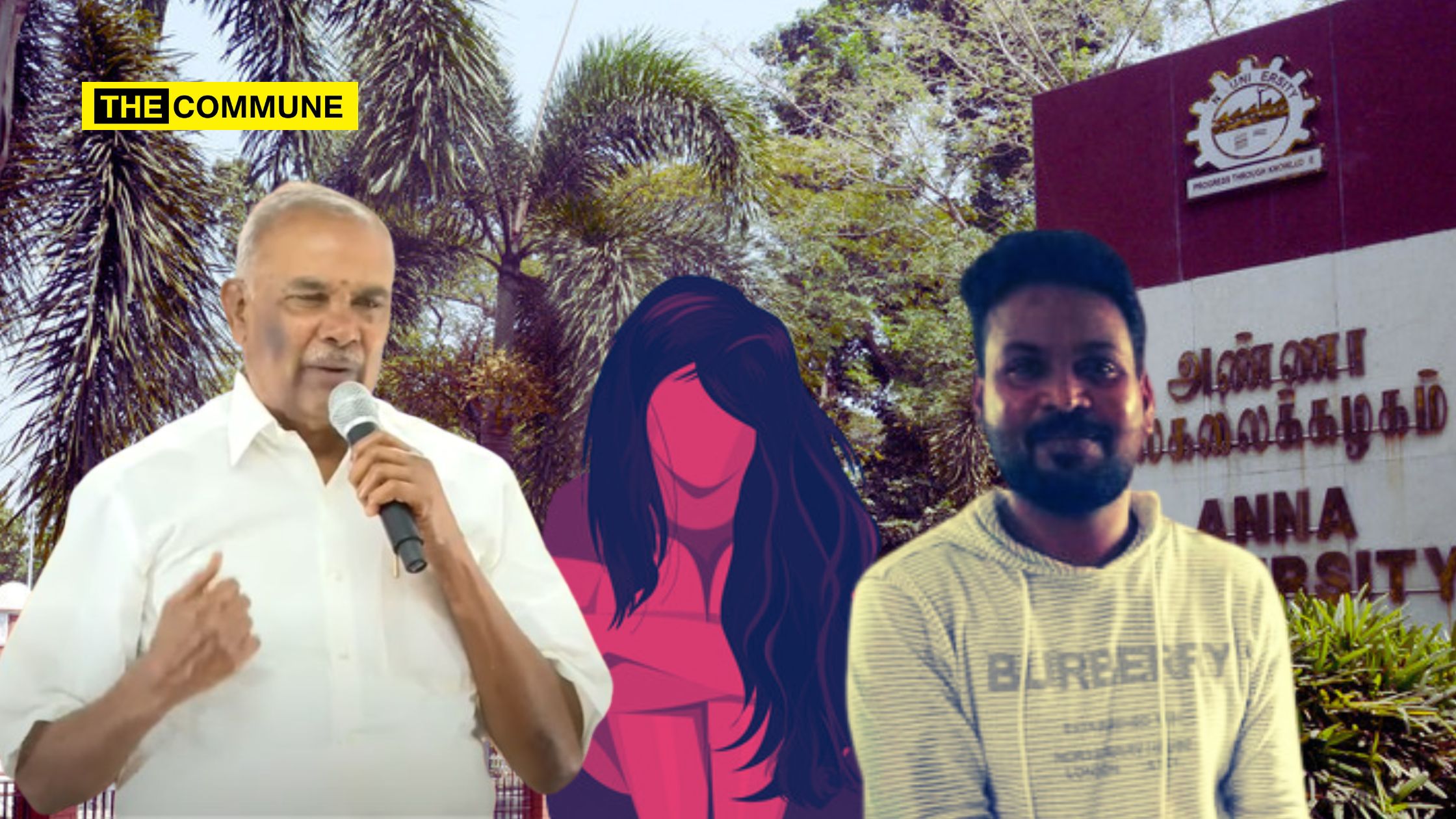
TN Assembly Speaker M Appavu Calls Anna University Sexual Assault Culprit Gnanasekaran His ‘Younger Brother’?

TN Assembly Speaker M Appavu Calls Anna University Sexual Assault Culprit Gnanasekaran His 'Younger Brother'?

Who Is Gnanasekaran

Gnanasekaran has been implicated in over 20 cases, including a high-profile robbery and kidnapping in 2018. He, along with his brother Suresh, two wives, and mother, kidnapped a businessman in Madurantakam near Kanchipuram and looted jewels and cash worth ₹25 lakh from his home. His brother, two wives, and mother were arrested in this case. Investigations following his arrest in this case revealed a pattern of criminal behavior spanning several years.

Gnanasekaran’s modus operandi involved targeting unoccupied homes in affluent areas like Mylapore, ECR, and Abhiramapuram between 7 and 9 PM, when traffic and movement concealed his actions. To avoid leaving traces, he would sprinkle chili powder to mislead tracking dogs. However, in one instance in CIT Colony, he mistakenly used a health drink powder, “Boost,” instead, leading to his capture through sniffer dogs.

Gnanasekaran was recently arrested for sexually assaulting a student within the Anna University campus. The case brought his extensive criminal background to light. In separate incidents, he looted 37 and 45 sovereigns of gold jewelry from two homes owned by businessmen in Abhiramapuram locality.
He also stole 40 sovereigns of gold from a businessman’s home in CIT colony but was caught due to his error in using “Boost” powder instead of chilli powder.

The police have uncovered that Gnanasekaran used the proceeds of his crimes to purchase a 3.5 farmhouse in Thandaripet, Chengalpattu district, near Madhuranthakam. The property became his hideout after robberies. Another farmhouse near Uttaramerur, also bought with stolen money, has been linked to him.

Following his arrest in the Anna University case, CCTV footage from 2018 revealed his involvement in a robbery where he wore a mask. This evidence and subsequent investigations exposed his role in multiple crimes.

According to the police, Gnanasekaran was a habitual offender who meticulously planned his crimes. He operated with his family’s assistance and targeted homes during specific hours to exploit their vulnerability. His criminal activities have shocked residents of Chennai and surrounding areas.

SIT Investigation Reveals the Involvement of Another Person

The Anna University campus sexual harassment case, which has sparked widespread outrage in Tamil Nadu, involves Gnanasekaran, who has already been arrested. In her complaint, the victim revealed that during the assault, the accused spoke to a person on the phone and referred to them as “Sir,” although she didn’t know their identity. With Gnanasekaran being the only individual arrested so far, the person’s identity on the other end of the line remains a critical question. This has led to public demands for answers, with opposition parties asking, “Who is that Sir?” A Special Investigation Team (SIT) has been tasked with unravelling the mystery.

During their investigation, the SIT spoke to the victim, who reiterated that Gnanasekaran had made threats during the call, saying, “I will come after threatening her.” Authorities suspect the individual on the phone might be from Tiruppur and have a criminal background, leading them to plan an interrogation of this person in the coming days.

On 4 January 2025, the SIT conducted a raid at Gnanasekaran’s residence, recovering crucial documents and a laptop, which investigators suspect was used to upload pornographic material. During their investigation, the team identified four individuals, including women and students, who appear in some of the videos. Although many pornographic videos were found, only a few have been linked to identifiable victims. Authorities have assured that any victims who come forward will have their identities protected. This new development has added complexity to the case, prompting the SIT to broaden its inquiry into potential further illegal activities.

Subscribe to our channels on TelegramWhatsApp, and Instagram and get the best stories of the day delivered to you personally.

DMK-Buttressing Dravidianist ‘Journo’ Nelson Xavier Who Opposed Developmental Projects When DMK Was In Opposition Now Becomes Champion Of Development

DMK-Buttressing Dravidianist 'Journo' Nelson Xavier Who Opposed Developmental Projects When DMK Was In Opposition Now Becomes Champion Of Development

The breed of ‘journalists’ in Tamil Nadu, who routinely tailor their agendas and narratives to align with the interests of political parties, has become an all-too-common and disappointing sight. These media personalities, often masquerading as unbiased voices, are more invested in serving their political masters than in upholding the principles of ethical journalism. Depending on which party holds power, their shifting stances reveal a disturbing lack of integrity and a blatant disregard for the public trust. 

Here is an example of the sheer hypocrisy exhibited by DMK-buttressing Dravidianist journalist Nelson Xavier.

Following Tamilaga Vettri Kazhagam leader – actor-turned-politician Vijay’s move to meet the people of Parandur (on 20 January 2025) who are protesting the building of a second airport for Chennai, Xavier wrote on his X handle, “The road that TVK leader Vijay is currently traveling on from Panayur is called Rajiv Gandhi IT Corridor. It is a road that has been planned and prepared for a length of about 45 km. In order to build IT companies that have ensured the future of lakhs of youth/families in Chennai, thousands of people gave up their houses and lands to the government and the road was built. Even though each family received compensation, they were uprooted from the place where they lived. It is on that that the Tamil Nadu IT sector is currently thriving and growing. The same procedure is followed for the 2000-acre IT park set up in Siruseri. Thousands of people have lost their lands for the Chennai-Kanyakumari National Highway. Whatever infrastructure we use today, whether it is roads, educational institutions, industrial parks, special economic zones, universities, we will have to face the social, economic and ecological losses. The Madurai branch of the Madras High Court is now located on a large pond. Tamil Nadu ranks first in India in urbanization. What the Tamil Nadu political parties need to do now is to ensure that the government provides proper compensation when acquiring land and to monitor whether all the rules imposed by the law are followed properly. Doing this without compromise should be the top priority. Our Chennai is already ten years behind the cities of Bangalore and Hyderabad. This second airport of Chennai should have come 15 years ago. When all the efforts to push back the development of Tamil Nadu are in full swing at the national level, do not join hands with them, friends.”

From this post, one might assume that Nelson Xavier has been rooting for development in the state and is very progressive in his thoughts. However, a little digging into his X handle for his old posts gives an entirely different picture – one that confirms that all “journalists” in TN are mere mouthpieces of the DMK, not recently, but for a very long time.

When the DMK was in the opposition, they vehemently opposed the proposed plan for a airport. People like Nelson Xavier also helped amplify a narrative that it would be detrimental for the state and its people. Here’s what he wrote, “Imagine a village with a hundred houses. It is a village with fields, forests, hills, grounds, shops, small mills and water bodies. In a village of a hundred families, the total assets are on an average only 30 families (more likely even fewer) but the remaining 60% depend on the land for their basic livelihood. 30% of the land can be purchased from the families at full cost when acquiring land for some government scheme. That is why we are seeing many news such as protests, low prices, opposition to taking agricultural land. But the landowners get a legal sum at least. The news is also circulating around it.

But the main problem with land acquisition is different. Two-thirds of the people who depended on the land but had no property, such as those who worked as wage laborers, owned grocery stores, worked in small factories and rented houses, were going to move to another place as refugees. The land acquisition laws do not have clear guidelines as to what the government is going to do for the livelihood of these propertyless people taking into account the socio-economic status of the government scheme. Land does not belong only to the owner. It is for society. Land is an investment- trust. Land is power. Expropriation of land is tantamount to expropriation of power. Nothing can be taken away from a landless person, there is life to take away and the self-respecting life he has lived till then.”

The glaring hypocrisy of DMK-buttressing “journalists” like Nelson Xavier exposes the shameless double standards that plague Tamil Nadu’s media landscape. Xavier, who once vehemently opposed the Parandur airport project, painting it as a socio-economic and ecological disaster, now conveniently champions the same project, cloaking his U-turn in the garb of “development” and “progress.” This blatant flip-flop is not just a betrayal of journalistic integrity but a stark reminder of how such individuals function as mere puppets of the DMK, parroting the party’s narrative, whether in opposition or in power. Their so-called principles are as fluid as the political tides, and their credibility is buried under the weight of their opportunism.

Subscribe to our channels on Telegram, WhatsApp, and Instagram and get the best stories of the day delivered to you personally.
India’s Annual Coffee Exports Double To $1.3 Billion In Last 4 Years

India's annual coffee exports double to $1.3 billion in last 4 years

New Delhi, Jan 20 (IANS): India’s coffee exports have almost doubled in the last four years, reaching $1.29 billion in FY 2023-24 from $719.42 million in 2020-21, making the country the seventh-largest coffee producer globally, according to a statement released by the Commerce and Industry Ministry on Monday.

In the first half of January 2025, India exported over 9,300 tonnes of coffee with top buyers including Italy, Belgium, and Russia. The country’s coffee exports have grown significantly due to the increasing global demand for its rich and unique flavours.

Approximately three-fourths of India’s coffee production consists of Arabica and Robusta beans, which are primarily exported unroasted. However, there is a growing demand for value-added products like roasted and instant coffee, further fuelling the export boom.

Due to the rise of the cafe culture, higher disposable incomes and a growing preference for coffee over tea, coffee consumption in India is also steadily increasing.

This trend has been observed mainly in both urban and rural areas.

Domestic consumption has increased from 84,000 tonnes in 2012 to 91,000 tonnes in 2023, the statement said. This surge reflects a broader shift in drinking habits, as coffee becomes a staple in daily life.

India’s coffee is primarily grown in the ecologically rich Western and Eastern Ghats, areas famous for their biodiversity. Karnataka leads in production, contributing 248,020 MT in 2022-23, followed by Kerala and Tamil Nadu.

These areas are home to shaded plantations that not only support the coffee industry but also play a vital role in preserving the natural environment, helping to maintain the ecological balance of these biodiversity hotspots.

The Coffee Board of India has launched several important initiatives to enhance coffee production and meet growing domestic and international demand.

Through the Integrated Coffee Development Project (ICDP) the focus is on improving yields, expanding cultivation in non-traditional regions and ensuring the sustainability of coffee farming.

The statement said these measures are part of a comprehensive strategy to strengthen India’s coffee industry, increase productivity, and improve its global competitiveness.

A prime example of this success is Araku Valley, where nearly 150,000 tribal families, in collaboration with the Coffee Board and the Integrated Tribal Development Agency (ITDA), have increased coffee production by 20 percent.

This achievement is backed by Girijan Co-Operative Corporation (GCC) loans. It shows how coffee farming empowers communities and supports the vision of Aatmanirbhar Bharat.

These initiatives, combined with export incentives and logistical support, are crucial in expanding India’s coffee industry. They help improve both domestic production and global competitiveness, firmly establishing India as a leading player in the global coffee market.

Interestingly, India’s journey with coffee began centuries ago, when the legendary holy saint Baba Budan brought seven Mocha seeds to the hills of Karnataka in the 1600s.

His simple act of planting these seeds in the courtyard of his hermitage in Baba Budan Giri unknowingly set in motion the rise of India as one of the world’s prominent coffee producers.

Over the centuries, coffee cultivation in India has evolved from a humble practice to a thriving industry, and the country’s coffee is now widely loved worldwide.

–IANS

Subscribe to our TelegramWhatsApp, and Instagram channels and get the best stories of the day delivered to you personally.
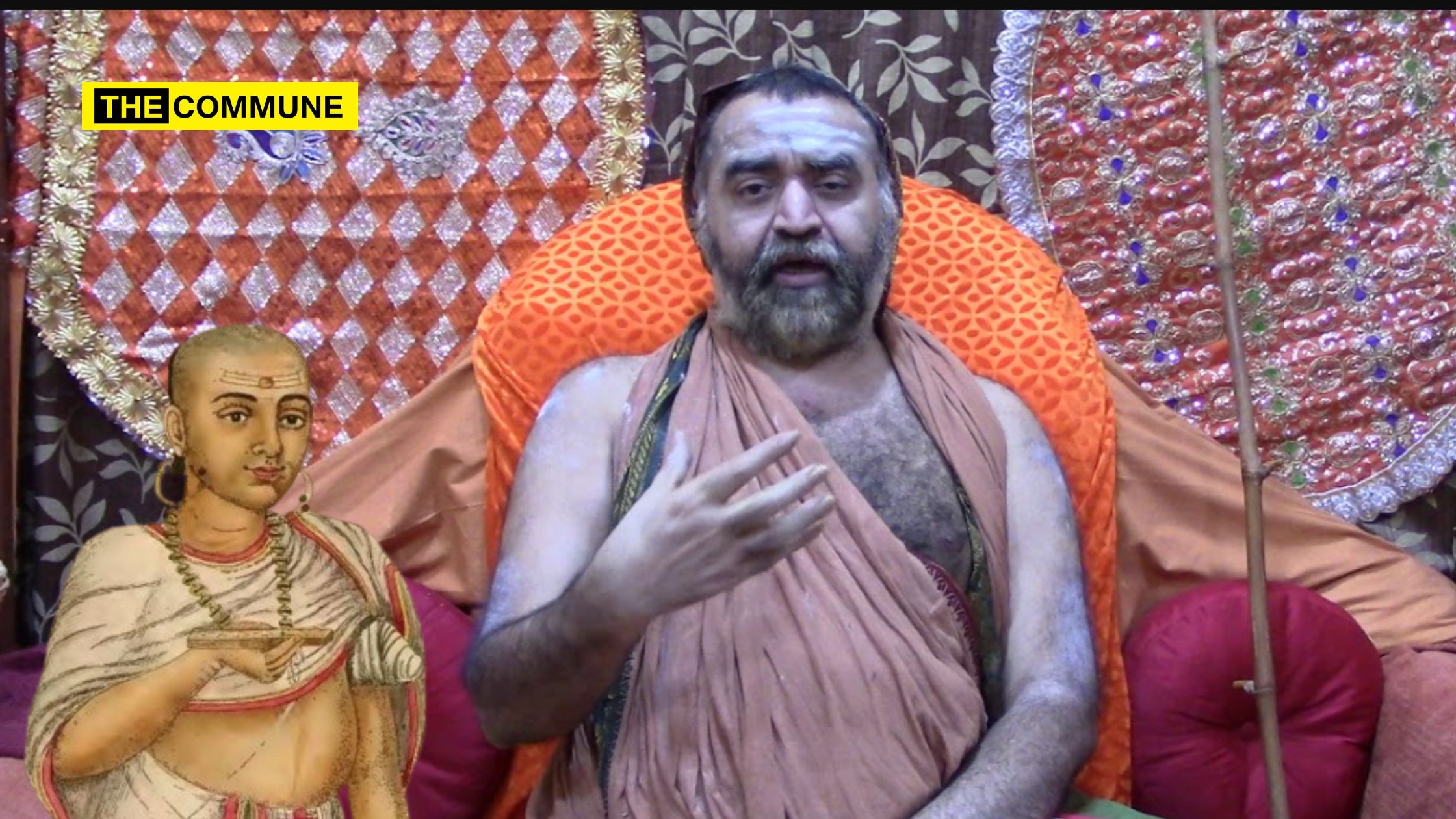
Pontiff Of Kanchi Kamakoti Peetham Calls For Unity And Collective Progress Within Brahmin Community To Promote Vedic Religion And Culture

Pontiff Of Kanchi Kamakoti Peetham Calls For Unity And Collective Progress Within Brahmin Community To Promote Vedic Religion And Culture

On 19 January 2025, Sri Shankara Vijayendra Saraswathi Swamigal, the pontiff of Kanchi Kamakoti Peetham, emphasized the importance of unity within the Brahmin community for both personal and collective progress. He highlighted the significant role Brahmins have played in preserving and promoting Vedic religion and culture.

Speaking to an audience of over 3,000 at the Akhila Karnataka Brahmana Mahasabha event held at Palace Grounds on 19 January 2025, the pontiff noted the economic struggles faced by Brahmins and their diminishing influence in promoting dharma since India’s independence. He called for unity within the community to foster both social and spiritual growth, emphasizing that the strength of Brahmanism is crucial to the stability of Vedic religion.

Brahmins must ensure the continuity of vital religious practices such as sandhya vandana, Gayatri worship, agni puja, hospitality, and home-cooked meals, without outsourcing these rituals, as they are central to the vitality of Sanatana Dharma. These practices should remain an integral part of daily life. Additionally, Brahmins should stay rooted in India, where their contributions are crucial to preserving the nation’s spiritual and cultural legacy. They should prioritize supporting Vedic education and contributing to national progress, including by sponsoring students’ studies in Vedic traditions.

Another important suggestion is the creation of ‘agraharas’ or gated communities, where 50-100 Brahmin families can live together in cooperation, fostering a strong, organized society focused on culture, education, and science while adhering to the Vedic path.

The Kanchi Kamakoti Peetham pontiff said the Brahmin community should also work to counter negative portrayals in media and films by increasing their presence in arts, music, and cinema, ensuring that their contributions to society are dignified. Furthermore, maintaining strong ties with rural communities is essential, especially by serving as teachers and leaders, as their presence in villages provides valuable guidance and leadership.

To preserve cultural heritage, Brahmins must maintain thorough records of their Gotras in every household and temple, while also upholding high standards in dress, behavior, and temple management to safeguard dharma. Lastly, Brahmins should aim to increase their presence in administrative circles, as they historically held significant roles in Indian palaces across regions. Their influence has diminished due to unfavorable policies and propaganda, but regaining a prominent position is vital for protecting and promoting dharma for future generations.

(With Inputs From TOI)

Subscribe to our channels on TelegramWhatsApp, and Instagram and get the best stories of the day delivered to you personally.