Home Blog Page 421

How Vetrimaaran Chickened Out And Yielded To Pressure From Mukkulathor Community To Mute ‘Aanda Parambarai’ Word In Asuran Film

Vetrimaaran hesitates to call out powerful upper-caste groups, as seen in his cautious handling of Asuran.

Vetrimaaran’s handling of caste in films like Asuran and Bad Girl raises questions about whether his storytelling is tailored to please specific audiences rather than calling out social injustices against vulnerable groups. In Asuran, the director carefully avoided naming or directly targeting upper-caste groups despite the film’s focus on Dalit struggles and historical oppression. Faced with pressure from the Mukkulathor community, Vetrimaaran swiftly censored controversial content to avoid backlash. In contrast, with Bad Girl, Vetrimaaran takes a bold stance against the Brahmin community, presenting a Brahmin girl as a rebellious figure breaking free from patriarchal constraints. This shift reveals a selective approach: while he hesitated to critique dominant castes in Asuran due to their power and influence, he feels more comfortable criticizing Brahmins—who have minimal political sway or reservations—presenting them as a convenient target in the Dravidian ideological narrative.

Bad Girl, an upcoming Tamil film produced by Anurag Kashyap and Dravidianist filmmaker Vetrimaaran, is the latest addition to a growing list of anti-Brahmin propaganda films from Kollywood. Based on the trailer, the film seems to tell the story of a Tamil Brahmin girl who seeks to rebel against her family, break free from “Brahminical patriarchy,” and live a more liberated, “high life” by defying her parents and traditional values.

It’s hardly surprising that both the director (Varsha Bharath) and the lead actress of this Brahmin-bashing film belong to the Tamil Brahmin community that is portrayed as regressive in the movie. It is also predictable that these two talented women have fallen into the trap set by the Dravidian ideological ecosystem.

However, what stands out is Vetrimaaran’s selective approach to casting blame. While he is eager to criticize Brahmins, he refuses to specifically name or target dominant castes, especially when backlash is a possibility. He quickly succumbs to pressure, removing controversial elements from his films after receiving opposition—particularly when his caste-based films highlighting Dalit struggles face criticism. A prime example of his reluctance is even seen in an interview, where he avoided using terms like “dominant castes” or “caste Hindus,” preferring instead to say “non-Dalits.”

In a past interview, Vetrimaaran discussed his challenges with Asuran, mentioning that the Dravidian movement’s strong influence in Tamil Nadu has allowed filmmakers the freedom to present their ideologies. He said, “The challenge I had with Asuran was that it’s not just a non-political film, it’s a Dalit film where the protagonist is a Dalit, and he’s not meek—he stands up for what’s right and brings down upper-caste people. This was the most challenging aspect for me, as there was a lot of speculation during pre-production and shooting. We didn’t want to offend anyone because we were simply stating facts, and we wanted people to understand the film. We wanted Dalits to see themselves represented, and for non-Dalits to understand what happened in the past and how their parents or grandparents were responsible. That was the challenge we faced, which is why we refrained from mentioning any specific caste.”

Despite this approach, Vetrimaaran’s portrayal of a Dalit protagonist in Asuran was met with criticism. In 2019, when Vetrimaaran inserted the “Aanda Parambarai” dialogue in Asuran, several community members including actor-politician Karunas personally contacted the director, urging him to remove the line from the theatrical version. The phrase means ‘Ruling Clan’, and the community members felt it referred to their Mukkulathor community.

Audio recordings of these calls surfaced on YouTube, showcasing how respectfully he agreed to mute the dialogue in response to the callers.

In the leaked audio recordings, representatives from the community  like Aapanadu Maravar Sangam, Mukkulathor Munnetra Sangam, among many speak to him about the said phrase and how the scene involves people talking about land and money grabbing portraying their community in negative light. They advise him that films should promote social harmony and said that they were upset with the developments while asking him to make changes to the film. To this, we find Vetrimaaran responding very politely saying he will do what he can to make the changes within a couple of days. A subsequent caller from the community calls once again only to get the response that he was going to remove the phrase in a day’s time. He also adds that it was not his intention to hurt anyone and that it was a mistake. He also explains why it takes the given amount of time to remove the phrase.

He also promises to release a press note and make a public announcement with respect to the same issue. People from the community also mildly warn him not to do anything similar in the future.

As a result, the line was eventually removed in the censored version, which was redistributed across theaters.

However, when one looks at the Bad Girl film, despite the backlash from the Brahmin community, there is no such step taken for Bad Girl film which shows the protagonist in an abominable light. But that seems to be okay since the Tamil Brahmins are a miniscule number in the state and do not exert any political or economic influence whatsoever.

This cowardice is a stark contrast to Vetrimaaran’s shameless attacks on the Brahmin community, revealing the hypocrisy in his filmmaking.

Subscribe to our channels on TelegramWhatsApp, and Instagram and get the best stories of the day delivered to you personally.

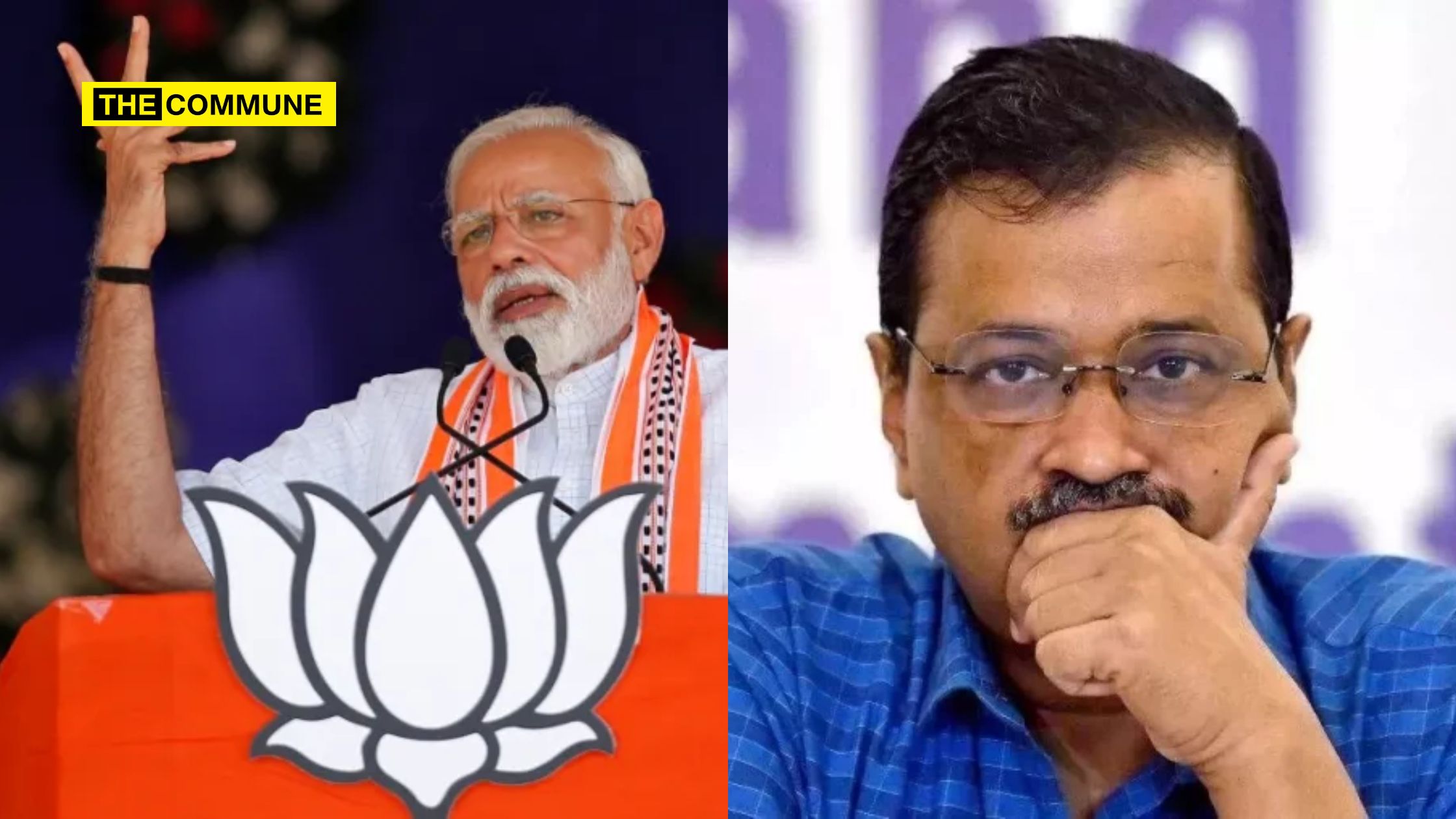
Prime Minister Also Drinks Same Water: PM Modi Blasts AAP Over Yamuna ‘Poisoning’ Claims

Alcohol Is Available, But Clean Water Is Not: PM Modi Slams 'AAPda' In Mera Booth Sabse Majboot

Prime Minister Narendra Modi on Wednesday launched a sharp attack on the Aam Aadmi Party (AAP), dismissing its claims that the Haryana government had “poisoned” the Yamuna River.

He stated that he himself drinks the same Yamuna water. Addressing a public meeting in Delhi’s Kartar Nagar, PM Modi came down heavily on the AAP for misleading the people of Delhi. Referring to AAP national convenor Arvind Kejriwal’s allegations that Haryana was “poisoning” the Yamuna, PM Modi called it a “grave sin” for political gain.

“A former Delhi Chief Minister has made serious allegations against the people of Haryana. Out of fear of defeat, AAPda has lost its mental stability. Are Haryana’s people any different from Delhi? Don’t their families and relatives live here? Can they poison the water that their own families drink?” the Prime Minister questioned.

Taking a direct jibe at the claim, PM Modi said, “This Prime Minister also drinks the same water. Foreign diplomats, ambassadors, and even Delhi’s poor drink the same water. Does AAP think the BJP government in Haryana would poison the water to kill Modi? What kind of absurd claim is this? Was there a conspiracy to poison the judges of this country as well? Delhiites, those who deliberately commit such sins are neither forgiven by Delhi nor by the nation.”

Calling the allegations an insult to the nation, PM Modi said, “This is not just an insult to Haryana; this is an insult to India, to our values, and to our character. In this country, offering water is considered a sacred duty. But these people, fearing electoral defeat, are resorting to such baseless allegations.”

Predicting a political backlash, he said, “This time, Delhi will teach a lesson to those spreading such lies. Their boat will sink in this very Yamuna.”

The Prime Minister also highlighted the achievements of the BJP governments in different states. “There are many people in the country who were still deprived of basic facilities like toilets, roads, gas connections, bank accounts, and electricity. Many people from Uttarakhand live here in Delhi. Uttarakhand, nestled in the lap of the Himalayas, has a difficult mountainous terrain. When we formed a government there, we ensured that every village got roads. Now, the youth are returning to their villages,” he said.

Highlighting his government’s achievements, PM Modi said, “Before I came to power in 2014, only 3 crore rural households had tap connections. In the last five years alone, 12 crore new families have received tap water. This scheme existed during Congress rule, but we expanded it from 3 crore to 12 crore in just five years. We don’t stop schemes; we strengthen them.”

Taking aim at the AAP’s handling of Delhi’s water crisis, he remarked, “If even the remotest villages in India can get clean tap water, why is Delhi’s tap water undrinkable? Forget drinking water, even the water supplied for daily use is dirty. If the BJP can provide tap water to remote villages, we can ensure clean tap water for every household in Delhi too.”

Lashing out at AAP’s unfulfilled promises, PM Modi said, “AAPda has left Delhi at the mercy of the water mafia. They have sought votes in three elections in the name of cleaning the Yamuna, and even today, they continue to make the same false promises. Their shamelessness is shocking. They deliberately want Delhi’s residents to struggle for water. Our Purvanchal friends are forced to worship Chhathi Maiya amid filth every year due to their failures.”

— IANS

Subscribe to our channels on TelegramWhatsApp, and Instagram and get the best stories of the day delivered to you personally.

Goons In Car With DMK Flag Chase And Harass Women In The Middle Of ECR Road

Men in car with DMK harassed, made obscene remarks and chased a woman & family in Chennai. The incident was captured on video.

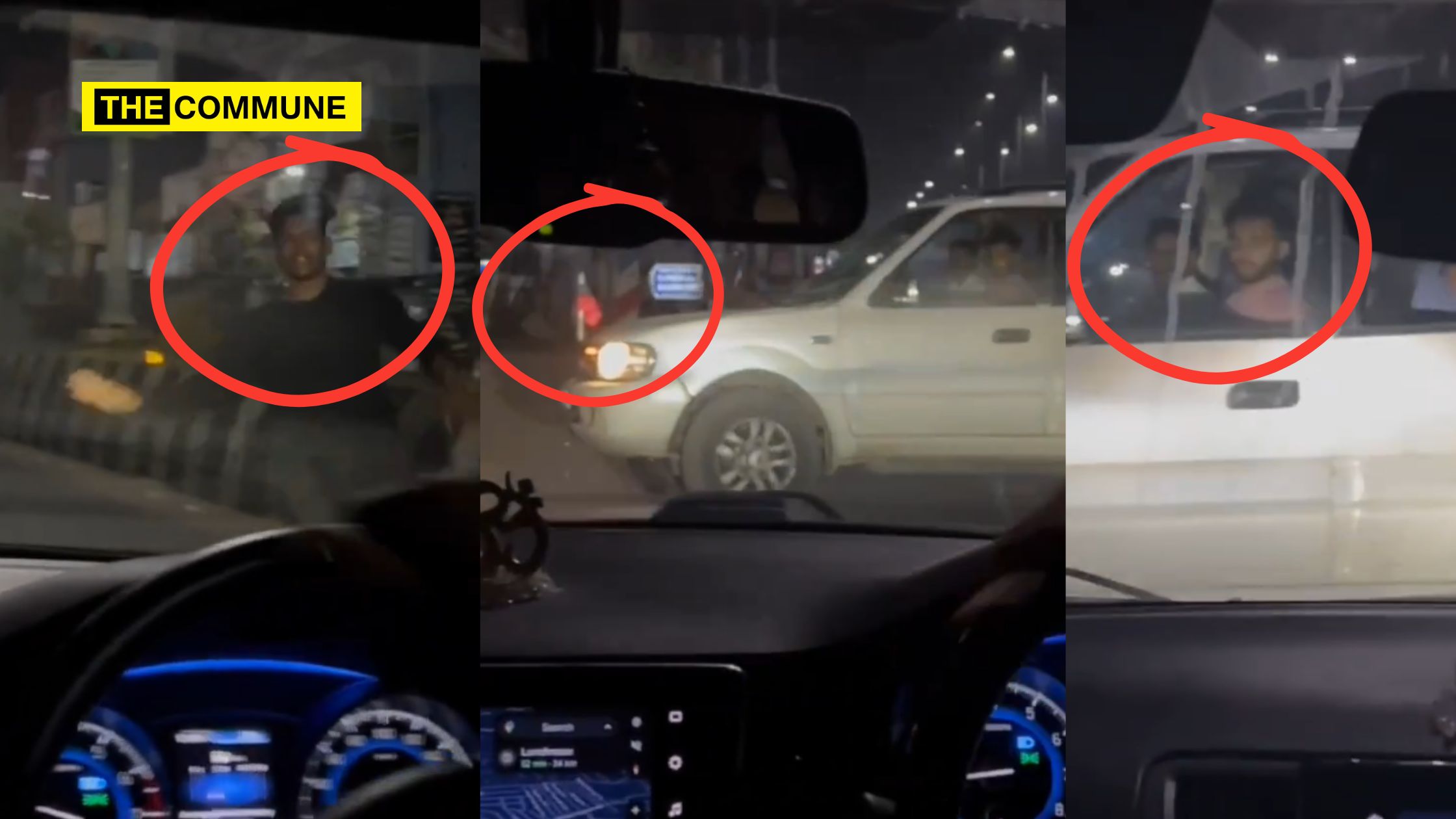
A shocking incident occurred on the night of 25 January 2025, a woman and her three family from Kanathur in Chennai were harassed and chased by a group of young men in a luxury car displaying a DMK flag, when the family was travelling to their home in Muttukadu. While on the East Coast Road, a luxury car displaying a DMK party flag suddenly blocked their path. Over six young men in the car engaged in aggressive behavior, including attacking the women’s car and making obscene remarks. Fearing for their safety, the women nervously reversed their car and drove back for about 4 kilometers to reach their house.

Despite the women’s attempt to escape, the youths continued to chase them in their car. The harrowing ordeal culminated in front of the women’s home, where the youths stopped their car and threatened them further. The entire incident was captured in a video that has since been shared on social media, causing widespread shock and outrage.

The victims filed a complaint at the Kanathur police station, demanding action against the perpetrators. The police are now investigating the incident using the video footage as evidence. They are working to identify the youths involved and determine the reasons behind their aggressive actions.

The video, which lasts about one minute and 28seconds, shows the youths in the luxury car with a DMK flag blocking the road, attacking the women’s car, and chasing them for several kilometers. The police investigation is ongoing as they seek to clarify the motives behind the attack and bring those responsible to justice.

BJP leader SG Suryah slammed the ruling government over the issue. Taking to his X handle, he wrote, “A group of thugs in a car with a DMK flag are chasing women in the middle of the road.  CM MK Stalin who has sold his iron fist for dates, is this the beauty of your regime’s law and order maintenance? Can we commit any violence if we have the DMK flag?”

The AIADMK also criticised the ruling DMK government over the shoddy law and order situation in the state. In a statement on their official X handle, they wrote, “A scene of a car with a DMK flag blocking a car in Chennai ECR, and the drunken thugs trying to brutally attack women in a sexual, murderous, or other manner! In Tamil Nadu, where Stalin is ruling, Is there a law? Is there a police force? The police, who are supposed to arrest those who commit such a heinous crime with a DMK flag, ask the women in the car, “Who told you to go out at night?”, they say. It is shameful that the DMK identity is behind the thugs who commit crimes against women and the police department continues to maintain silence! Will an FIR be registered in this case? Even if it is registered, will the names not be leaked? What are you going to call these thugs @mkstalin? Supporters? Sympathizers?

#SaveOurDaughters
#Let’s_Drive_Out_Sexual_Traffickers

(For the safety of the women affected, their faces and names have been withheld.)”

Subscribe to our channels on Telegram, WhatsApp, and Instagram and get the best stories of the day delivered to you personally.
“Mumbai Offers Plenty Of Opportunities For Us, My Children Are Enrolled In School Here”: Says Virtue-Signaling Dravidianist Hypocrite Actor Suriya Who Opposed NEP’s 3 Language Policy

Suriya Who Opposed NEP For Imposing Hindi Says He Moved With Family To Mumbai For 'Better Education'

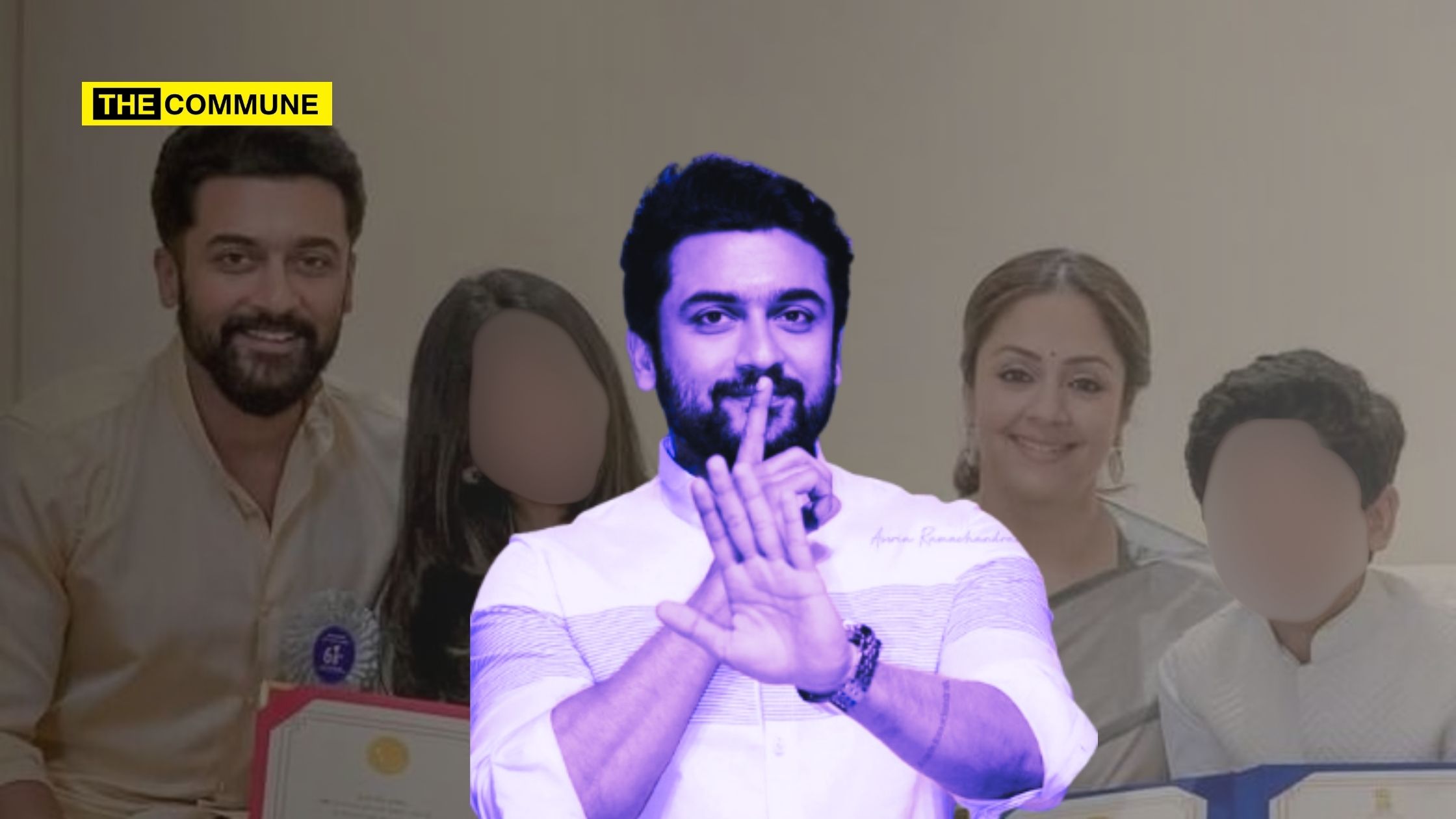
The hypocritic Dravidian actor Suriya, who has often virtue signaled with his Anti-Hindi sentiments and urged Tamil people to avoid learning the language, recently made a surprising statement about Mumbai, a city where Hindi predominates. Suriya, who moved to the city with his wife Jyotika and their children Diya and Dev, expressed his appreciation for the city, saying it is “full of interesting opportunities for my kids, wife, and me.”

In a recent interview with Times of India, Suriya explained his move to Mumbai, mentioning how it has made work-related travel easier. “Earlier, I used to visit Mumbai often, but now that I’ve moved here, it’s more convenient to meet people for work. My wife, Jyotika, is from Mumbai, so we decided to make this move. My children are enrolled in a school here, and they’re quite settled. I wanted Jyotika to spend more time with her family and friends here, and I enjoy driving around the city and taking my kids out for activities,” Suriya shared.

The actor, who has recently purchased an apartment in Mumbai, added, “The city offers plenty of opportunities for all of us, and I enjoy the vibe it has to offer.”

While Mumbai may be home now, Suriya clarified that he would continue to divide his time between Mumbai and Chennai for work commitments. He is currently in talks with filmmaker Rakeysh Omprakash Mehra for a mythological drama, Karnan. “My meeting with Rakeysh went very well, but I can’t reveal much yet,” he said. When asked if he would focus more on Bollywood projects now, he responded, “I will keep working in both Chennai and Mumbai. If interesting offers come from the Hindi film industry, why not? I have a home in Chennai too, so I will continue to shuttle between both cities.”

Hypocrite Suriya

The Dravidianist hypocritic actor, Suriya, who has claimed that there are more opportunities in Mumbai and that he would gladly accept offers from the Hindi film industry, has committed a series of contradictions. While in Chennai, he virtue-signals to the public, opposing “Hindi imposition” and positioning himself as a defender of Tamil culture. Yet, when in Mumbai, he eagerly enjoys panipuri, speaks in Hindi, and participates in Hindi-based programs and YouTube shows. If hypocrisy had a name, it would undoubtedly be Suriya.

Let’s talk about the blatant double standards here. The Kollywood actor who is known for his Dravidianist leanings and along with his wife Jothika would virtue-signal people of Tamil Nadu had opposed teaching Hindi to students in the state. Ironically, he featured a scene in his film Jai Bhim where a North Indian man is slapped for speaking Hindi.

Additionally, this Hindi opposer also moved to Mumbai in search of “better opportunities” for his wife, and better school facilities for his children and also journeyed across Mumbai and Delhi to promote his upcoming movie Kanguva in Hindi.

Even hypocrisy would shy away looking at Suriya and his family, who publicly criticize the language preventing others from benefiting from it in Tamil Nadu, all while lining their own pockets.

In an attempt at what seems like a promotional activity for his film Kanguva, Suriya is seen in conversation with the host of the Curly Tales YouTube channel. He is seen conversing comfortably in Hindi, relishing TN’s most “hated” dish – the panipuri, discusses the differences between Mumbai and Chennai. He accepts that he had not travelled much in the country – explains the shortsightedness of Dravidianism as well. He goes on to praise Mumbai saying he loved the food and the people and that the people are more friendly and open in Mumbai.

As they continue to eat and discuss the film Kanguva, he says, don’t know how to talk numbers but would love to satisfy like know as many as possible know audience across States across language.”

Yet another instance of doing whatever it takes even if it means bending backwards to make money.

He further adds, I saw 12th fail also really moved me, so every time you keep learning from each other’s language be it a Bengali film or a Marathi film or be it a Kannada film, a Malayalam film, we keep learning from every language and try to get better with your craft, right.” 

Then the conversation veers toward Suriya’s entry into Bollywood and he says, There’s been a lot of discussion happening, it takes time before a film comes on floor, it’s a process but that process now started a year back. I would say if I would want to do something like that maybe that will be the first film I don’t want to name it I don’t want to announce it here but when it comes it’ll be nice if the producers announce.”

While this is the extended video, here comes the clincher. In a short 1 minute video on Curly Tales, Suriya is seen meddling with the food on his plate when he is asked in Hindi, How did you like Imlee? Say this in Hindi. Suriya replies, Bahut bahut achcha (very very good)”.

Actor Suriya once expressed concern, saying, “I find it hard to teach a third language to my own kids even, who will teach government school students then? If we are going to be silent about this policy, it’ll be imposed on us”. However, in Mumbai, he responded to the language with enthusiasm, saying, Bahut bahut accha!”

Suriya’s entire persona is a masterclass in hypocrisy. He publicly criticizes the use of Hindi in Tamil Nadu, all while lining his pockets by playing the Bollywood game when the opportunities arise. It’s clear that Tamil pride is just a façade for him, one he pulls out when it serves his agenda. If hypocrisy had a face, it would be Suriya’s.

Subscribe to our channels on Telegram, WhatsApp, and Instagram and get the best stories of the day delivered to you personally.
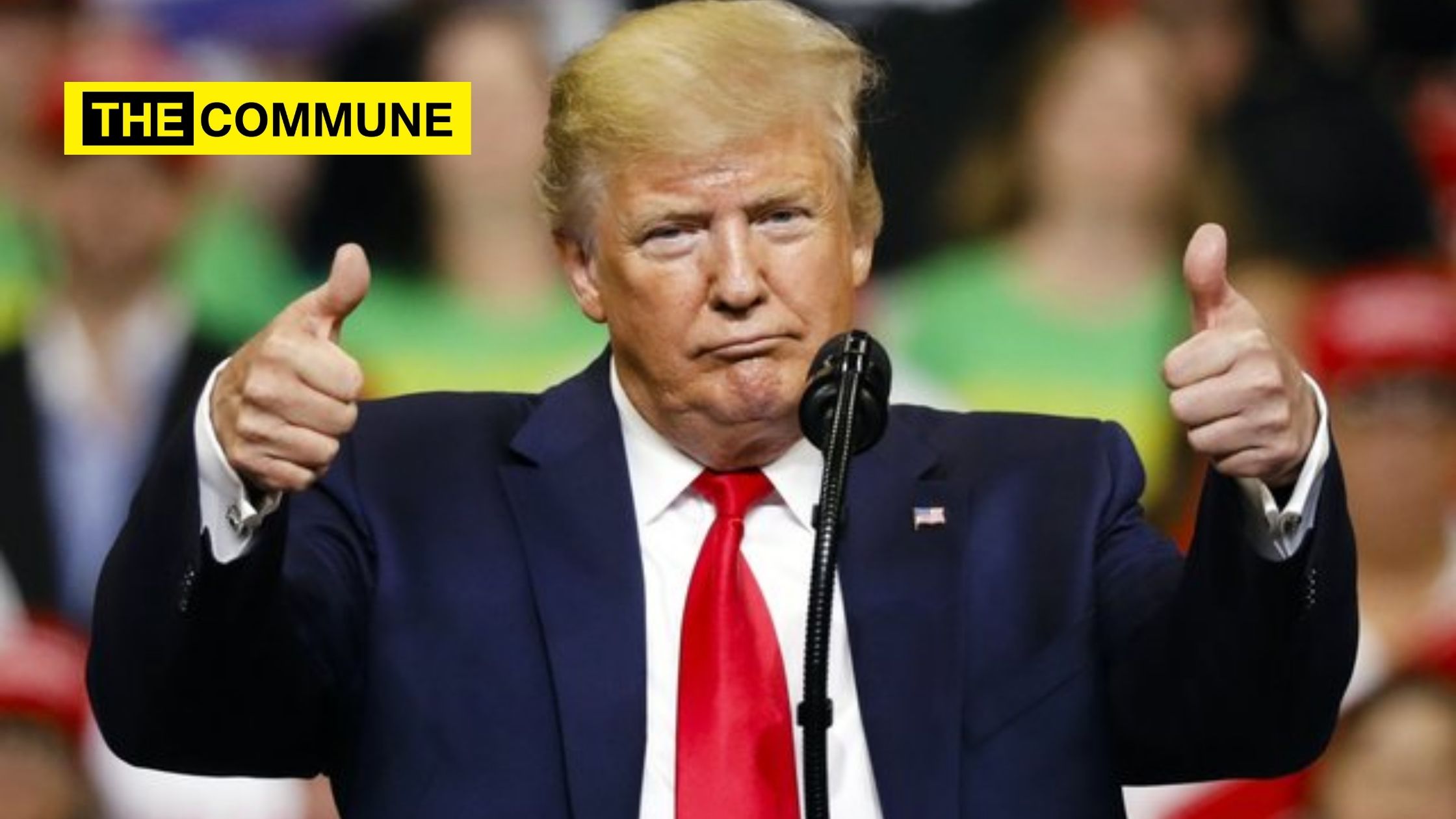
Donald Trump Bans Condom Aid To Gaza, Could This Be The Reason?

The Trump administration has imposed a freeze on all foreign aid, including millions of dollars allocated for contraceptive distribution in Gaza. This decision follows President Donald Trump’s recent executive order,Reevaluating and Realigning United States Foreign Aid, which aims to reassess US financial commitments abroad.

A White House official explained that the Office of Management and Budget (OMB) has temporarily halted grants, loans, and federal assistance programs to ensure alignment with the administration’s priorities.If the activity is not in conflict with the President’s priorities, it will continue with no issues, the official told Fox News.

During her first press briefing, White House Press Secretary Karoline Leavitt highlighted the decision to withdraw funding for contraceptives in Gaza, citing concerns over taxpayer money. The Department of Government Efficiency (DOGE) and OMB found that $50 million in taxpayer dollars was about to be allocated for condoms in Gaza. That is a preposterous waste of taxpayer money, she said.

Leavitt further stated that the administration’s broader foreign aid freeze applies to all nations, including Ukraine, with exceptions made only for Israel and Egypt. Emergency food aid and military assistance for these two countries will continue.

The decision aligns with Trump’s broader policy goals, including eliminating funding for diversity, equity, and inclusion (DEI) initiatives, the Green New Deal, and certain NGOs deemed contrary to U.S. interests.

What Could Be The Reason That Trump Banned The Condom Aid?

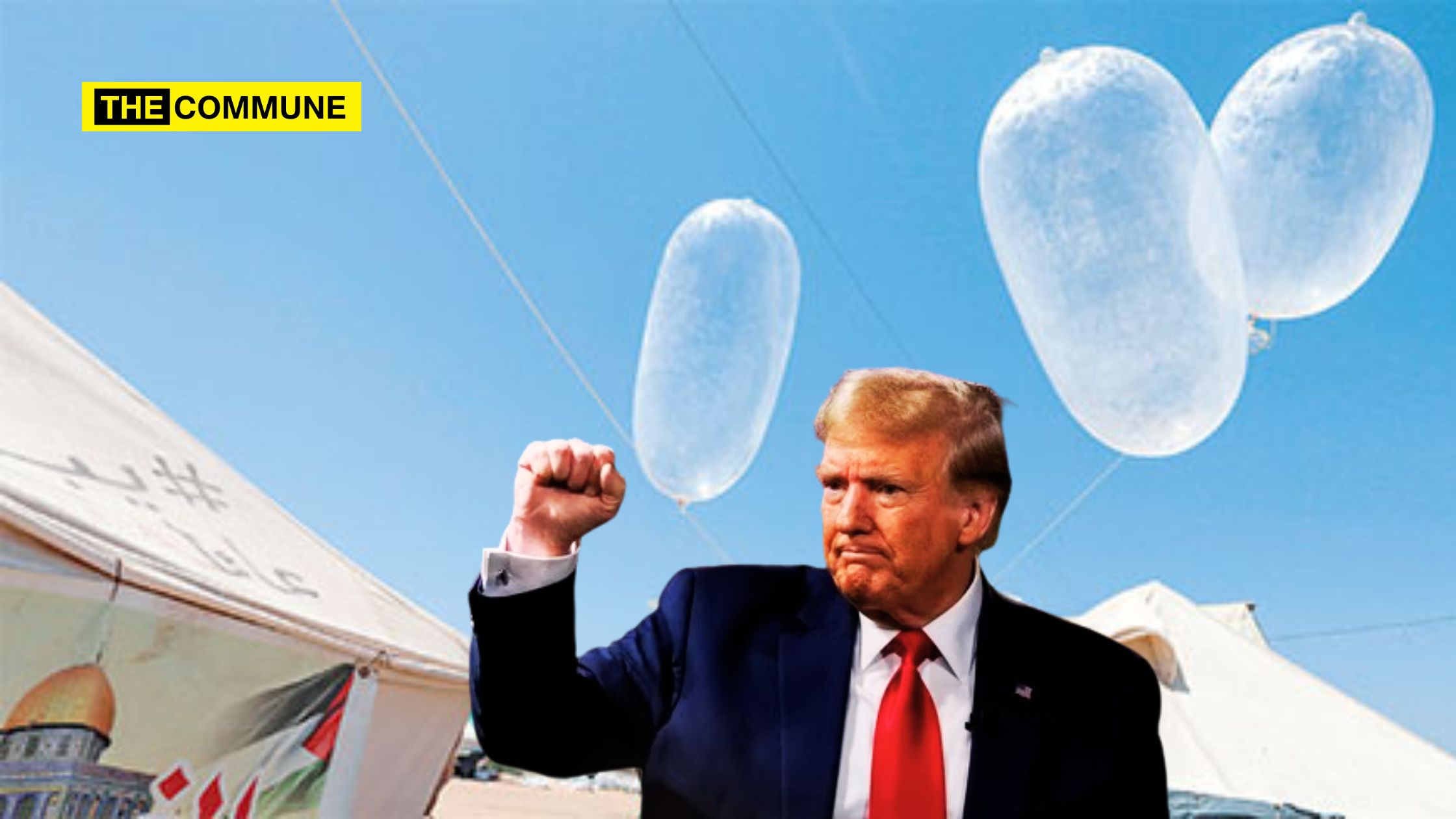
Reports documented that Palestinian militants repurposed condoms and balloons as makeshift airborne incendiary devices, carrying flaming rags and explosives across the border into Israel. These improvised weapons caused widespread damage to farmlands, nature reserves, and infrastructure, destroying thousands of hectares of land and resulting in millions of shekels in damages. The devices also posed risks to civilians, including children.

In response, Israeli authorities imposed restrictions on the import of condoms, helium, and balloons into Gaza to curb these attacks. The Trump administration’s aid freeze aligned with its foreign policy goals of eliminating support for programs it viewed as inefficient or harmful to U.S. and allied interests. A 2020 Jerusalem Post report specifically highlighted damage to southern Israel’s educational institutions, farmlands, and roadways from these devices.

Subscribe to our channels on Telegram, WhatsApp, and Instagram and get the best stories of the day delivered to you personally.
TN BJP Taunts DMK Minister TRB Rajaa, Says TN Got Zero Investments From Davos

BJP criticizes DMK Industries Minister Rajaa for not disclosing investment details from the Davos WEF, unlike other states.

The Tamil Nadu BJP has criticized the DMK government and Industries Minister TRB Rajaa for failing to disclose details about the investments supposedly attracted at the recent World Economic Forum (WEF) annual meeting in Davos, Switzerland. While other states like Uttar Pradesh, Maharashtra, and Telangana have publicly announced the investments they secured, the BJP has pointed out that Tamil Nadu has yet to release any concrete data on the matter, despite the claims that Rajaa attended the event to draw in investment.

On its official X account, the BJP made a sarcastic remark, saying, “Industries Minister @TRBRajaa! The Uttar Pradesh delegation secured investments worth ₹19,400 crore, Maharashtra attracted ₹15.7 lakh crore, and Telangana brought in ₹1.79 lakh crore. But why is Tamil Nadu is boasting about attracting investments without disclosing the actual figures? After Chief Minister @mkstalin came to power, it was claimed that MoUs worth ₹6,100 crore attracted from Dubai in 2022, MoUs worth ₹946.90 crore attracted from Japan in 2023, and in 2024, Spain saw investments worth ₹7,442 crore. But how many of these have been implemented, and how many jobs have actually been created?”

The BJP also raised concerns about the lack of appointment of Director in the state’s investment promotion agency, “Guidance Tamil Nadu,” which has been without an Executive Director for over a month. It questioned, “Why has the government agency responsible for promoting investments, ‘Guidance Tamil Nadu,’ not appointed an Executive Director since the past month? Is this the level of interest your DMK government has in attracting investments to Tamil Nadu? Is the Dravidian model about buttressing with lies responding to simple questions—such as how many crores in investments and new contracts were secured at Davos —with vague statements confusing people like ‘meetings with 50 companies,’ ‘positive discussions with other countries,’ and ‘gaining attention at the Economic Forum’? Stop going on a free tour with people’s tax money and boasting about investment attraction trips without saying a word!” 

The post concluded with a dig at the Deputy Chief Minister, comparing the failure to address flooding issues with the lack of accountability over the ₹4,000 crore Chennai drainage works. It stated, “Do not follow the Deputy Chief Minister’s style of saying that ‘the drained floods are the white paper’ when asked for an account of the ₹4,000 crore Chennai drainage works.”

Subscribe to our channels on Telegram, WhatsApp, and Instagram and get the best stories of the day delivered to you personally.
Is The Proposed DMK Govt’s Kalaignar Convention Centre In Muttukadu An Ecological Disaster In The Making?

TN govt grants CRZ clearance for Kalaignar Convention Centre in Muttukadu, risking further environmental harm.

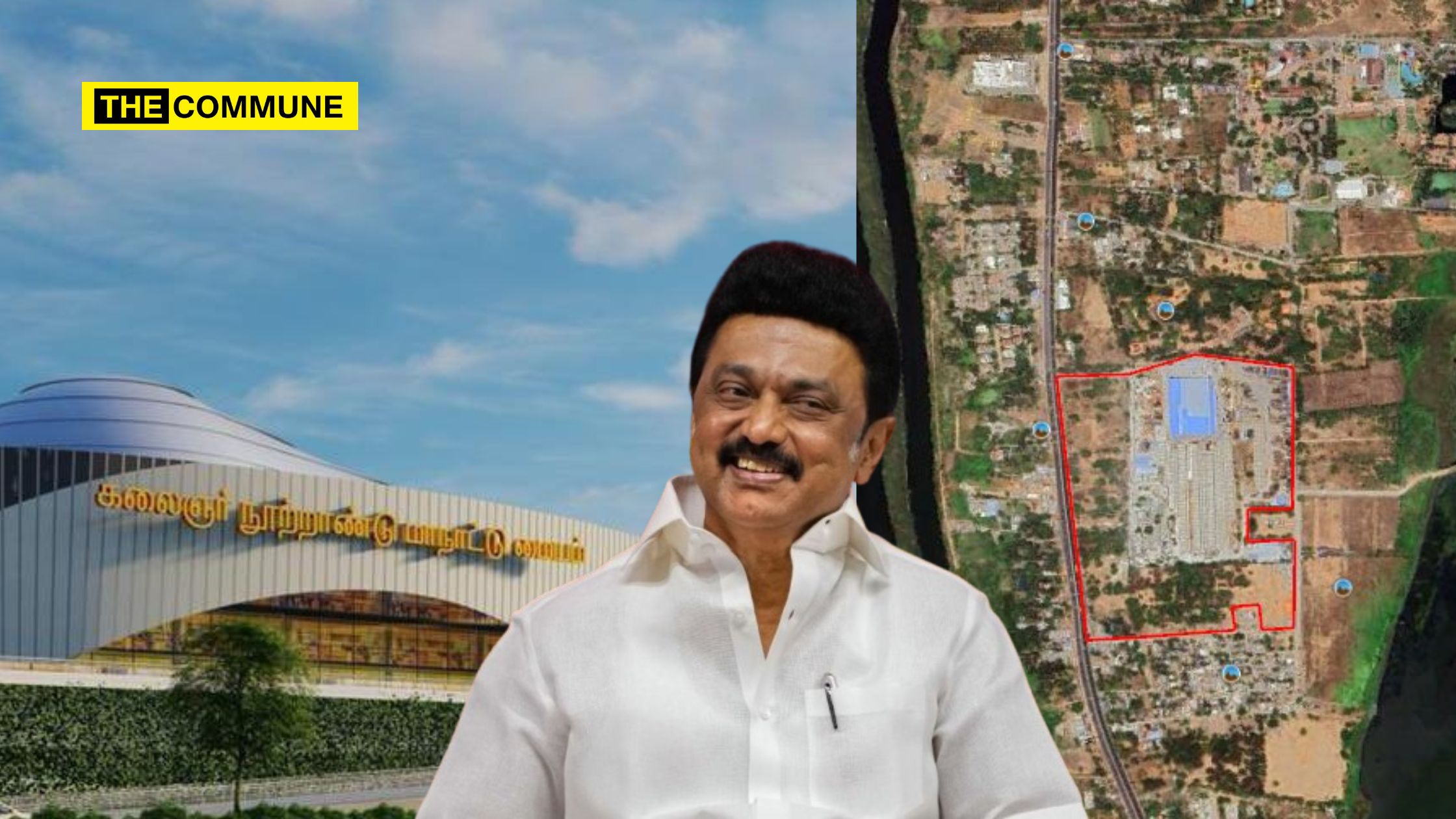
Severe backlash has emerged from concerned citizens of the state following the Tamil Nadu State Coastal Zone Management Authority (TNSCZMA) granting Coastal Regulation Zone (CRZ) clearance for the construction of the Kalaignar Convention Centre in Muttukadu, located along the East Coast Road (ECR).

The Kalaignar Convention Centre project spans 1,48,454 square meters, with 47,658 square meters designated for buildings. The facility will include a 1,500-seat convention hall, a 1,000-seat auditorium, a 4,000-person exhibition hall, landscaped open spaces, dining areas, and parking for 4,000 vehicles. With an estimated cost of ₹525 crore, the project is being led by the Public Works Department. The government has noted that the land is divided into CRZ-III and non-CRZ zones. Of the total area, 24,767 square meters fall within the CRZ-III zone, which is located 200 to 500 meters from the High Tide Line, where development is prohibited. This area will be preserved as a no-development zone for green belt purposes. The remaining 1,23,687 square meters lies outside the CRZ, where construction can take place.

Muttukadu, located along Tamil Nadu’s East Coast Road (ECR), is part of a sensitive ecological zone due to its proximity to the Bay of Bengal. The region boasts diverse coastal ecosystems, including wetlands, mangroves, and estuaries, which play a crucial role in maintaining local biodiversity and providing essential ecosystem services such as water filtration, flood control, and carbon sequestration.

The area is known for its scenic beauty and environmental significance, with the Muttukadu Backwaters being a popular spot for water sports and tourism. Muttukadu has been designated an Eco-Sensitive Zone (ESZ), which places restrictions on development and construction to safeguard the fragile ecosystems, wildlife, and natural resources. The zone is particularly important for migratory birds, with 181 species already identified. The wetlands and mangroves also provide vital habitats for birds, fish, and other wildlife. Furthermore, the lagoon that connects Muttukadu to the sea helps drain floodwaters into the ocean during peak monsoon seasons.

However, the eco-sensitive zone is already suffering from contamination due to industrial, residential, and tourism activities, especially the operation of boathouses. Recent research has highlighted the heavy metal pollution in the coastal sediments of Muttukadu. The study found high levels of metals such as Fe, Mn, Cr, Zn, Cu, Ni, Pb, and Co, with the highest concentrations found at specific locations. Contamination indices indicated moderate levels of pollution, with metals like Cr, Cu, and Pb showing low to moderate anthropogenic influence. Ecological risk assessments also highlighted significant habitat risks due to human activities, with some metals sourced from industrial and other anthropogenic factors.

Against this backdrop, the Tamil Nadu government’s proposed Kalaignar Convention Centre project has been met with severe criticism. It is argued that the construction of this large facility—featuring a 1,500-seat convention hall, a 1,000-seat auditorium, a 4,000-person exhibition hall, and parking for 4,000 vehicles—would further exacerbate the region’s environmental degradation. The project would require extensive infrastructure, including roads and waste management systems, which some believe the government is not adequately prepared to manage. It is also noted that the recent National Green Tribunal (NGT) reprimanded the state for beach littering during Kaanum Pongal celebrations, questioning how the government plans to handle the waste generated by such a large-scale development.

Critics argue that the project is more about boosting the ruling DMK’s image by naming it after the late Karunanidhi, rather than a genuine need for the community. They believe the environmental and financial costs will ultimately be borne by the public and the ecosystem, further straining an already delicate environment.

Subscribe to our channels on Telegram, WhatsApp, and Instagram and get the best stories of the day delivered to you personally.
“4,000 Trucks Leave Daily, Govt Shows No Willingness To Act”, TN Lorry Owners Slam Inaction On Sand Smuggling, Threaten Protest Over Illegal Mining

TN Lorry Owners Slam Inaction On Sand Smuggling, Threaten Protest Over Illegal Mining

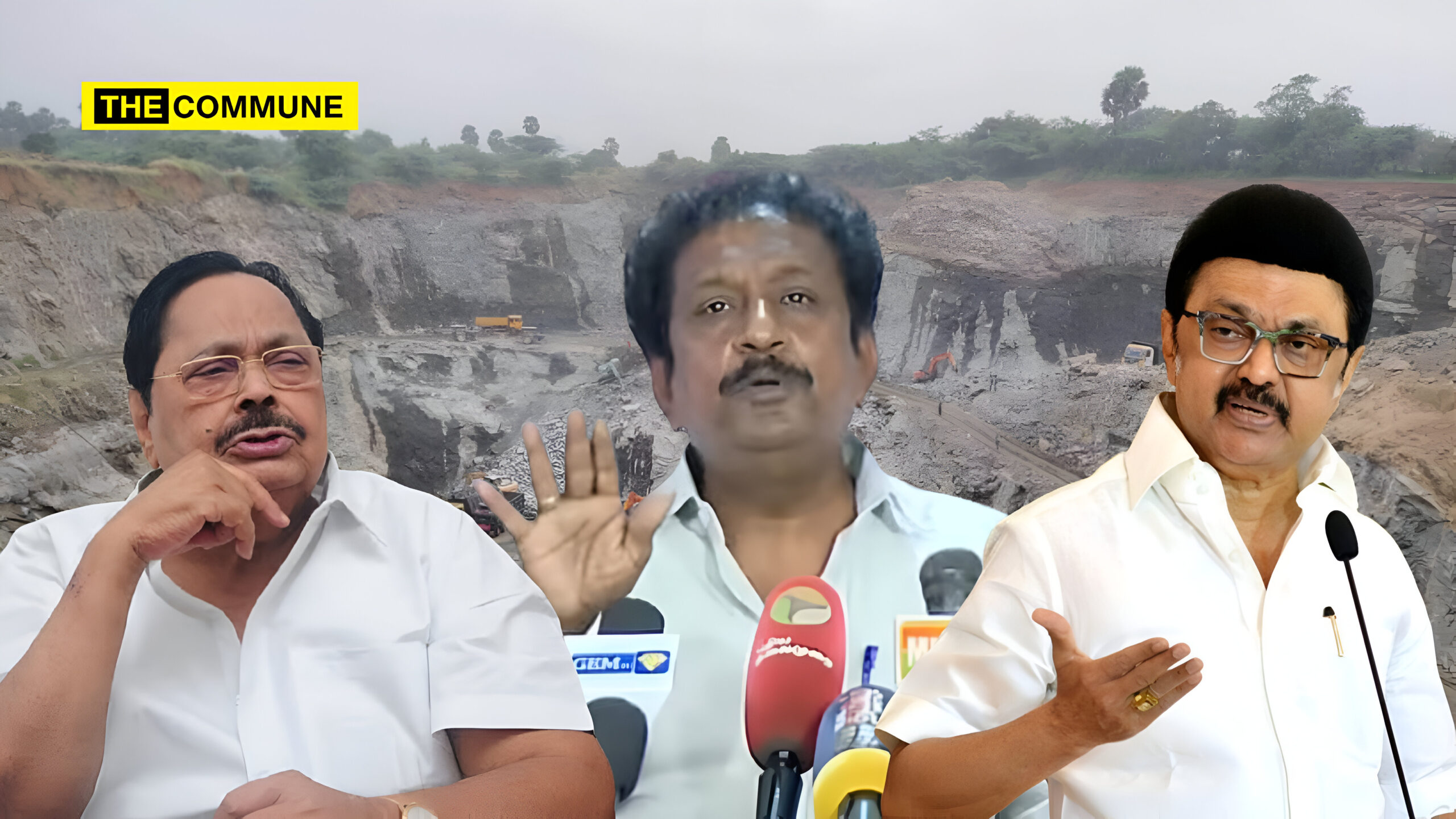
On 27 January 2025, the Tamil Nadu State Sand Lorry Owners’ Federation threatened to organize a procession to meet the Governor if their concerns about the smuggling of minerals to Karnataka through Hosur are not addressed.

S. Yuvaraj, the president of the federation, told reporters that around 80,000 to 100,000 tonnes of resources, including gravel, m-sand, and wet-mix, are being illegally transported to Karnataka every day via Hosur. Despite raising the issue since 2020, he claimed that the government has taken no action. “The government has shown no willingness to intervene,” he said.

Yuvaraj also highlighted that many quarries in Krishnagiri district are owned by individuals from both Tamil Nadu and Karnataka, leading to significant losses for the Tamil Nadu government. “If the government continues to ignore this, the mountains along the Tamil Nadu-Karnataka border could be depleted within a few years,” he warned.

He pointed out that the 38 stone crushers in Krishnagiri produce between 5,000 and 6,000 tons of m-sand daily. He raised concerns over the ease with which illegal transportation continues, questioning how officials from various departments, including police and revenue, can allow the illegal movement of minerals in 4,000 lorries every day.

Yuvaraj also accused the manual issuance of transit passes for enabling widespread corruption, claiming that the 500 transit passes issued daily were being used to facilitate the smuggling operations.

“We have appealed to the Chief Minister to intervene and put an end to the illegal mining and smuggling activities,” Yuvaraj stated. He called for the establishment of Lokayukta in at least 10 districts to hold officials accountable for failing to address the illegal mining complaints. “If the government does not act, we will organize a procession to meet the Governor in February to press for action,” he added.

In a recent report by Vikatan, lorry owners shared the growing challenges they face amidst ongoing mineral smuggling and illegal mining activities. S. Yuvaraj, the president of the federation, expressed frustration over the treatment of quarry owners, stating that while the individuals responsible for mineral theft are not jailed, but lorry drivers and their owners are also being incarcerated. “It was only after Enforcement Directorate raids on sand theft the mining completely stopped. For the past year, the construction industry has mainly relied on M-sand, which is cheaper and preferred by contractors. The issue lies in the production of M-sand,” he explained.

He continued by highlighting the permissions granted to 506 individuals to produce M-sand, with operations running through nearly 4,000 crushers until June 2021. However, these permissions were never renewed, yet many crushers continue to operate, with an additional 1,000 crushers now running without authorization. When questioned, the owners claim to have approval from the Pollution Control Board, but the Board only issues permits related to pollution control, not mining. The lorry owner pointed out that these operations lack proper legal approval, and no one knows the extent of mountain destruction, as only handwritten bills are issued. He further stressed the need for a computerized billing system, similar to other states, to track mining activities and ensure accountability.

Despite repeated requests, the government has ignored calls for a more transparent system. If computerized bills were in place, it would be easier to monitor illegal mining beyond the approved limits,” the lorry owner argued. He added that when honest officials attempt to investigate, they are often transferred. “As soon as this (DMK) government takes office, more mountains are auctioned off, and destruction escalates. Crushers have machines capable of processing 500-1,000 tons of M-sand per hour, which means even more mountains are being mined.

The issue is most severe in regions like Hosur, Krishnagiri, and Tirunelveli. “Across Tamil Nadu, 120-130 hills are being destroyed for M-sand, with 70 located in Hosur alone. This area doesn’t even have enough construction activity to justify such extensive mining,” the federation head lamented. The extracted M-sand is transported to Karnataka, with 4,000 truckloads leaving daily, each carrying 30-50 tons. Despite the widespread illegal activity, lorry owners are still required to pay fees and taxes for their loads.

The report also touched on a legal contradiction regarding ‘Transit Passes’. “The court has stated that a ‘Transit Pass’ isn’t required for transporting finished products. But whenever there’s an issue at the quarry, our trucks are the first to be seized. We are charged with theft and smuggling for not having a ‘Transit Pass,’” the lorry owner federation head said. He cited the case of eight trucks seized after the murder of a social activist in Pudukkottai, where the truck owners were falsely charged with theft and sent to jail, while no action was taken against the quarry owners responsible for the illegal activities.

To alleviate these issues, the lorry owners have requested an electronic tracking system, such as an e-way pass, to document and monitor mineral extraction and transportation. “With a computerized system, we could easily track how much resource is being extracted and exported, but the authorities are not taking action,” they said. The lorry owners also pointed out that many local politicians are involved in illegal mining operations, which explains the lack of progress on the issue. “If nothing is done soon, the resources in Hosur and Krishnagiri will be completely exhausted,” they warned.

(With inputs from DT Next & Vikatan)

Subscribe to our TelegramWhatsApp, and Instagram channels and get the best stories of the day delivered instantly.

Trump’s Tariff Tax Plan: A Game Changer Or Economic Gamble?

Trump proposes replacing income tax with tariffs to boost US manufacturing

Donald Trump, the current and 47th US President, has proposed cutting federal income tax in favour of a tariff-based revenue system. Trump’s vision is to end the reliance on income tax, which he believes unfairly burdens American workers and families, and replace it with tariffs on imports to generate federal revenue.

He argues that this system, modelled after the pre-1913 economic framework, would reinvigorate American manufacturing, reduce dependence on foreign goods, and alleviate the tax burden on citizens.
While the proposal has excited tax reform proponents, it has also drawn significant criticism. Economic experts, policymakers, and global trade analysts have raised concerns about its feasibility, potential inflationary pressures, trade relations, and social consequences. This article explores Trump’s plan in detail, analysing its historical roots, modern-day applicability, and broader economic implications.

Historical Context Of Tariff-Based Revenue

Before the ratification of the 16th Amendment in 1913, which set up federal income tax, the U.S. relied heavily on tariffs to fund government operations. During the late 19th century, tariffs were over 90% of federal revenue. The Tariff Act of 1789, one of the earliest U.S. legislative acts, aimed to both generate revenue and protect fledgling domestic industries from foreign competition.
Between 1870 and 1913, the U.S. economy grew rapidly as industrialization flourished. Advocates for Trump’s plan often point to this period as evidence of the efficacy of a tariff-based system.

However, the economic landscape has changed dramatically since then. At the time, the U.S. economy was largely self-sufficient, global trade was limited, and consumer goods were predominantly domestically produced. Today, the U.S. is a deeply interconnected global economic powerhouse, relying on imports and exports for growth and stability.
The implementation of federal income tax in 1913 marked a pivotal shift in government revenue. Income taxes replaced tariffs as the primary revenue source, allowing the federal government to grow and support more expansive public programs, such as infrastructure development, social security, and defense.

Trump’s Vision: Reviving A Tariff-Based System

Trump’s proposal envisions a return to a tariff-based revenue system. He argues that cutting federal income tax would increase disposable income for American workers, boost consumer spending, and provide relief for families burdened by taxes. According to Trump, tariffs would not only replace lost revenue but also incentivize domestic production by making imported goods more expensive.
A new administrative agency called the External Revenue Service (ERS), would be set up to oversee the collection and management of tariffs.

This agency would replace the Internal Revenue Service (IRS), which Trump has criticized as overly bureaucratic and burdensome.
Trump also highlights that tariffs would ensure foreign nations, particularly those with trade surpluses against the U.S., contribute to American economic growth. He specifically targets nations like China, arguing that the current trade relationship disproportionately helps foreign manufacturers at the expense of American workers.

Current Federal Revenue Structure

Today, federal income tax is the backbone of government revenue:
Individual income taxes contributed approximately $2.2 trillion (50% of total revenue) in Fiscal Year 2023.
Corporate income taxes accounted for $500 billion (12%).
Tariffs, by contrast, generated only $80 billion, or roughly 2% of federal revenue.
To replace income taxes with tariffs, the government would need to drastically increase tariff rates. Based on 2023 total U.S. imports valued at $3.8 trillion, the average tariff rate would need to rise to approximately 70%—a significant leap from the current average effective rate of 2–3%.

Let’s take a look at the economic implications of Trump’s plan

Impact on Consumer Prices: Tariffs are essentially taxes on imported goods, and these costs are typically passed on to consumers. Under Trump’s plan, many goods, including electronics, automobiles, clothing, and food, would become significantly more expensive. For instance:
Electronics: Tariffs on imported smartphones, laptops, and appliances could increase prices by 30–50%.
Automobiles: The cost of imported vehicles and auto parts could rise substantially, affecting both consumers and domestic manufacturers that rely on global supply chains. The Brookings Institution estimates that the average household could face an additional $2,000 to $3,000 in annual expenses due to higher prices on imported goods.

Inflationary Pressures: Higher import costs would likely contribute to inflation. Economists project that a tariff-based system could raise the inflation rate by 1.5% to 2%, eroding the purchasing power of American families and disproportionately affecting low- and middle-income households.

Trade Retaliation: Major U.S. trading partners, including the European Union, Canada, and China, would likely respond with retaliatory tariffs on U.S. exports. This could harm American industries that are heavily reliant on global markets, such as agriculture, aerospace, and technology. For example:
Agriculture: Farmers, already affected by trade disputes, could face reduced demand for products like soybeans, corn, and pork in foreign markets.
Technology Exports: High tariffs on imports could invite countermeasures, disrupting supply chains critical to industries like semiconductors and medical equipment.

Economic Efficiency: Economists warn that high tariffs distort markets by encouraging domestic production in sectors where the U.S. lacks a comparative advantage, such as textiles and basic manufacturing. This could reduce overall economic productivity and growth.

Social and Distributional Effects

Regressive Impact on Low-Income Households: Replacing income tax with tariffs would disproportionately affect lower-income households, which spend a larger share of their income on consumer goods, many of which are imported. A study by the Center for American Progress estimates that the bottom 20% of households would see their incomes decline by 25%, while the top 1% would experience income gains of 20% due to tax elimination.
Wealth Inequality: While eliminating income tax would benefit high-income earners, the increased cost of goods would disproportionately impact low- and middle-income households, exacerbating wealth inequality. This could widen the gap between the richest and poorest Americans.

Challenges In Implementation

Legislative and Political Barriers: Ending federal income tax and replacing it with tariffs would require significant legislative changes. The proposal is likely to face bipartisan opposition in Congress, where lawmakers are wary of the economic risks and public backlash associated with higher consumer prices.
Revenue Deficit: Even with increased tariffs, economists doubt that a tariff-based system could generate enough revenue to sustain federal programs. The U.S. government’s annual expenditures exceed $6 trillion, much of which is funded by income taxes. A shortfall in revenue could result in cuts to critical programs such as Social Security, Medicare, and national defense.
Administrative Complexity: Setting up the External Revenue Service and transitioning from income tax to tariffs would involve significant administrative and logistical challenges. The new system would require extensive infrastructure, including mechanisms for checking imports and enforcing compliance, which could take years to implement.

Policy Alternatives

While Trump’s proposal looks to simplify taxation and reduce the burden on American families, there are alternative approaches to achieve these goals:
Progressive Income Tax Reform: Reforming the current tax system to make it more progressive could reduce the tax burden on low- and middle-income households while ensuring that high-income earners contribute their fair share.
Targeted Tariffs: Instead of across-the-board tariffs, targeted tariffs on specific goods or industries could generate revenue without causing widespread economic disruption. For example, tariffs on luxury goods or non-essential imports could be considered.
Value-Added Tax (VAT): Some economists advocate for implementing a national sales tax or VAT as an alternative to income tax. While regressive, VAT systems can be designed with exemptions for basic necessities to mitigate their impact on low-income households.

Donald Trump’s proposal to abolish federal income tax and replace it with tariffs stands for a bold and unconventional approach to U.S. fiscal policy. While it promises to reduce the tax burden on American families and revitalize domestic manufacturing, the economic, social, and political challenges associated with this plan raise significant concerns.
The potential for higher consumer prices, inflation, trade retaliation, and wealth inequality highlight the risks of such a dramatic shift. Moreover, the practicality of implementing a tariff-based system in today’s globalized economy remains questionable.

As Trump’s vision continues to shape political discourse, policymakers must carefully weigh its long-term implications for economic stability, social equity, and fiscal sustainability. Whether this proposal becomes a transformative policy or a contentious campaign promise, it underscores the ongoing debate over the future of taxation in the United States.

References

  • U.S. Treasury Department, Fiscal Year 2023 Revenue Report.
  • Brookings Institution, Consumer Impact Analysis, 2023.
  • Center for American Progress, Income Distribution Study, 2023.
  • Financial Times, Inflation Forecast, 2025.
  • Econofact, Tariff Revenue Estimates, 2023.
  • Reuters, Trade Policy and Retaliation, 2024.

Ganesh Kumar is a geo-political analyst.

Subscribe to our channels on TelegramWhatsApp, and Instagram and get the best stories of the day delivered to you personally.
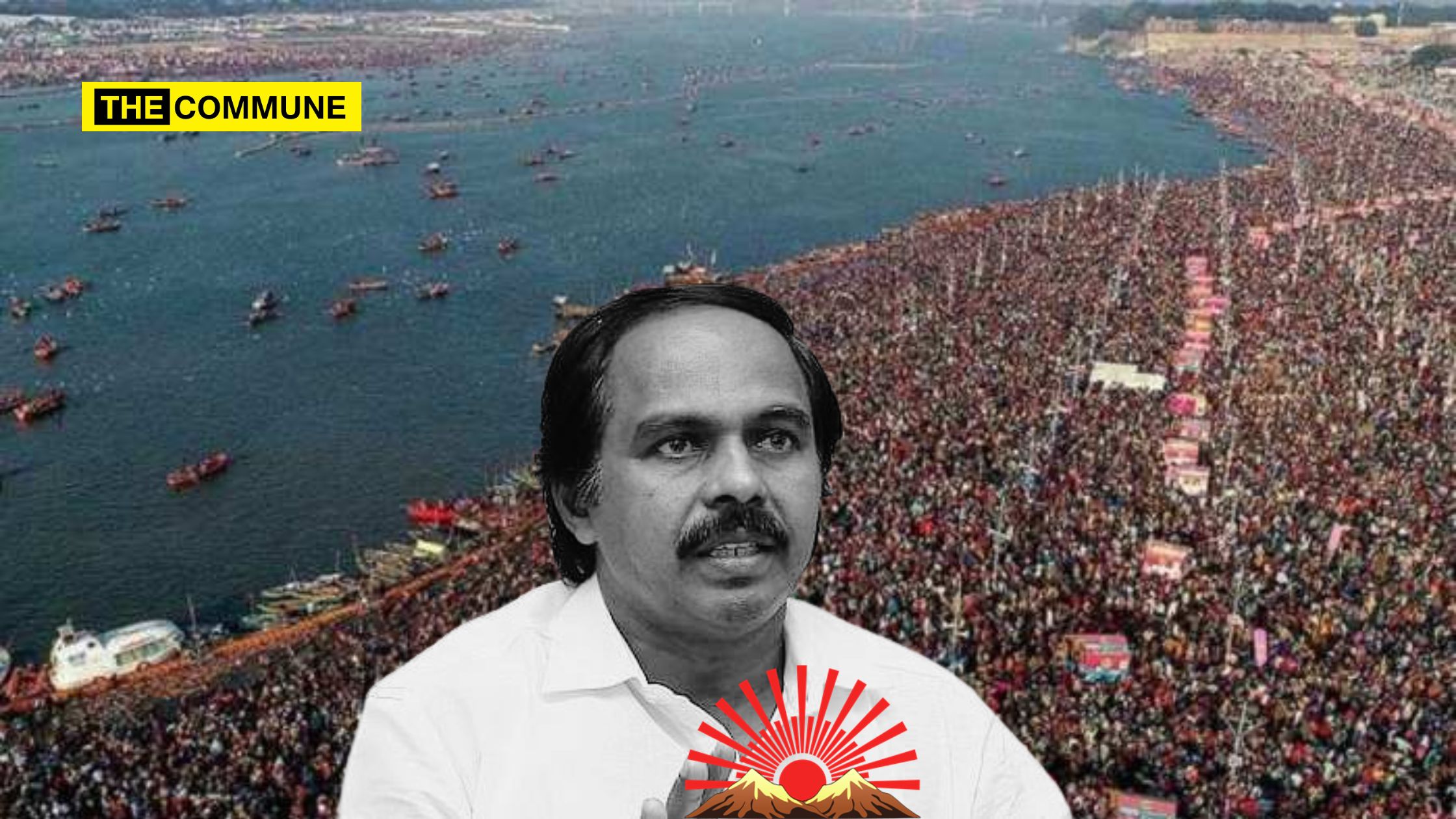
DMK Leader Mano Thangaraj Derogates Mahakumbh And Makes Gaumutra Jibes

DMK Leader Mano Thangaraj Derogates Mahakumbh And Makes Gaumutra Jibes

While praising China and other countries for developing popular AI platforms, DMK MLA Mano Thangaraj mocked India’s AI progress, ridiculing Hindus for cherishing the MahaKumbh Mela and gaumutra. Posting on X, he claimed India was stuck in WhatsApp University under Modi while the US and China led AI innovation. Hashtags #DeepSeekR1 and #CowUrine added to his jibe.

What Is DeepSeek?

DeepSeek, a Chinese AI model, has surged to the top of Apple’s App Store downloads, shaking the tech industry and causing a $600 billion loss in Nvidia’s market value. Released on 20 January 2025, DeepSeek reportedly rivals OpenAI’s o1 model while being developed at a fraction of the cost, using fewer advanced chips. This challenges US efforts to curb China’s AI growth by restricting chip exports.

Founded in 2023 by Liang Wenfeng, DeepSeek has drawn global attention, with Liang advocating for Chinese AI independence. Unlike many Silicon Valley entrepreneurs, Liang has a finance background, leading hedge fund High-Flyer.

DeepSeek operates similarly to ChatGPT but is trained to avoid politically sensitive topics. While celebrated in China as a symbol of tech self-reliance, concerns about data privacy and security have been raised internationally.

The model’s efficiency raises questions about the necessity of expensive high-performance chips, triggering uncertainty in financial markets. Nvidia’s stock fell 17% before partial recovery, and the Nasdaq dropped over 3%.

China sees DeepSeek’s success as proof of its growing technological leadership, while US companies face pressure to stay competitive. The model’s rise underscores China’s ambition to lead in AI, despite Western restrictions.

DMK’s Mano Thangaraj Mocks Mahakumbh

DMK members and politicians alike went gaga on the internet and various social media platforms questioning why India was lagging behind while China is giving stiff competition to the superpowers that be. Not to be left behind, former Milk minister and DMK MLA Mano Thangaraj just had to weigh in on the situation, make comparisons and take digs at Hindus, the Kumbh Mela and make gaumutra jibes. He wrote on his X handle, While America is flying the flag of knowledge development with ChatGPT, Copilot, MetaAI, Grok, Gemini, and China with Deepseek, India is looking to WhatsApp University for an explanation for the comedy and Kumbh Mela under the Modi regime.”

He followed it up with the hashtags #DeepSeekR1 #CowUrine to add on to his derogatory statements.

Netizens slammed him with responses, here are a few:

Some questioned why Tamil Nadu being “Periyar’s soil” was not leading this innovation space.

Some wondered if he even understood what the AI tools he mentioned could do.

Subscribe to our channels on Telegram, WhatsApp, and Instagram and get the best stories of the day delivered to you personally.