Home Blog Page 328

Supreme Court Imposes 3-Month Deadline On President/Governor While Sitting On 30+ Year-Old Cases
In what can be considered as judicial overreach, the Supreme Court recently mandated that the President of India must take a decision within three months on any bills referred by state governors—a move in line with the Ministry of Home Affairs’ existing timeline. This directive while aimed at reducing executive delays and ensuring smoother legislative processes, seems hypocritical. This sense of urgency stands in stark contrast to the Court’s own handling of long-pending cases. While it imposes deadlines on others, the apex court continues to sit on several cases for over decades without resolution.

In an effort to shed light on this paradox, a recent report based on a Right to Information (RTI) request filed by the Supreme Court Observer revealed startling data on cases that have remained pending in the Supreme Court for over 30 years. This was prompted by the Court’s decision to list certain significant constitutional bench matters, involving seven- and nine-judge benches, for preliminary directions in late 2023.

In response, the Supreme Court Registry provided a list of 24 cases—many of which are interconnected. A considerable number are tied to a 1986 amendment in Maharashtra, under which the state government took possession of private properties citing failure by owners to maintain them. This issue has sparked protracted litigation from property owners challenging the law.

Apart from these property-related matters, the list also includes several landmark cases:

  • M.C. Mehta’s Public Interest Litigations (PILs): These environment-related cases are held open by the Court for issuing ongoing directions on matters of public governance.
  • Dawoodi Bohra Excommunication Case: A critical case involving the legality of excommunication within the Dawoodi Bohra community, touching on Essential Religious Practices under Indian constitutional law.

Highlights of Key Cases:

1. Sambalpur Merchants Association v. State of Orissa

Seven-judge bench | Pending for over 30 years
This case questions whether Odisha had the legislative authority to levy an additional surcharge on sales tax. Conflicting earlier rulings in similar matters led to it being referred to a larger bench. A hearing is now scheduled for April 2024.

2. Arjun Flour Mills v. State of Odisha Finance Dept. Secretary

Seven-judge bench | Pending for over 30 years
The lead case in the sales tax surcharge dispute. It examines if such surcharges are state subjects or fall under the Union’s taxation authority. Hearing scheduled for April 2024.

3. Maharana Mahendra Singh Ji v. Maharaja Arvind Singhji

Division Bench | Pending for nearly 31 years
A property dispute among Mewar royalty following the death of Maharaja Bhagwat Singhji. A contempt petition concerning property possession is awaiting Supreme Court resolution.

4. Manju Kacholia v. State of Maharashtra

Nine-judge bench | Pending for nearly 31 years
One of several cases connected to the Property Owners’ Association litigation. It challenges the 1986 state acquisition of dilapidated buildings under the MHADA Act.

5. Abhiram Singh v. C.D. Commachen (Dead)

Five-judge bench | Pending for over 31 years
Relates to the interpretation of “corrupt practice” under the Representation of People Act. After a landmark 2017 ruling clarified the law, the matter awaits final adjudication.

6. Property Owners’ Association v. State of Maharashtra

Nine-judge bench | Pending for over 31 years
Central to a constitutional debate on whether private property qualifies as “material resources” under Article 39(b). The case questions the legality of the Maharashtra government’s acquisition of certain properties for public welfare.

7. Property Owners’ Association v. State of Maharashtra Chief Secretary

Nine-judge bench | Pending for over 31 years
A related case challenging the same amendment, with requests to halt acquisitions and return properties restored by private agreements.

8. Dr. Aspi Framroze Golwalla v. State of Maharashtra

Nine-judge bench | Pending for nearly 32 years
This writ petition contests a 1991 Bombay High Court ruling upholding the constitutional validity of Chapter VIII-A of the MHADA Act.

9–13. Five Related Petitions

All Nine-judge bench | Pending between 31 to 32 years
These include Dharamdas Hargovinddas, Krishanlal Mohanlal Thakar, Vinodray Harkishandas Sanghavi, Pramila Chintamani Mohandas, and Shivram Ramayya Yerala—all connected to the main Property Owners’ Association case and challenging the 1991 Bombay HC ruling.

14. Raichand Korshi Shah v. Malshi Meghji Charla

Nine-judge bench | Pending for over 32 years
Oldest pending criminal case in the SC. Part of the larger Dawoodi Bohra excommunication challenge.

15. All India Judges Association v. Union of India

Division Bench | Pending for nearly 35 years
Concerns service conditions of the lower judiciary. It led to the creation of the Shetty Commission and continues to impact service norms and promotions in the judiciary.

16–17. State of Assam v. Union of India

Division Bench | Pending for 35+ years
Multiple original suits addressing boundary disputes between Assam and neighboring states. A hearing is scheduled for April 2024.

18. Shamrao Bajirao Pawar v. Smt. Housabai (Dead)

Registrar | Pending for almost 36 years
Details are scarce due to the age of the case. Public contributions are invited to fill in missing records.

19. Central Board of Dawoodi Bohra Community v. State of Maharashtra

Nine-judge bench | Pending for over 38 years
Challenges a 1962 SC ruling that struck down a law banning excommunication. Although the original 1949 law has been repealed, the case continues due to its constitutional implications. It has been referred to the nine-judge bench in the context of the Sabarimala review.

Despite announcing a fresh case categorization system effective from 21 April 2025, the Supreme Court must also reflect on its growing backlog. Cases involving major constitutional questions, citizens’ rights, and property disputes continue to await resolution for decades. The gap between judicial urgency in governance matters and judicial delay in self-accountability remains a pressing issue.

(With inputs from the Supreme Court Observer)

Subscribe to our channels on TelegramWhatsApp, and Instagram and get the best stories of the day delivered to you personally.

Judiciary That Tells President & Parliament About How To Do Their Jobs, Allows Accused International Drug Kingpin To Walk Free; Madras HC Grants Bail To Jaffer Sadiq, Brother In PMLA Case

In a move drawing sharp criticism, the Madras High Court on Monday (21 April 2025) granted bail to alleged international drug smuggler Jaffer Sadiq alias “Bezos” and his brother Mohamed Saleem in a high-profile money laundering case.

The case, registered by the Enforcement Directorate (ED) under the Prevention of Money Laundering Act (PMLA), 2002, stems from allegations of a ₹2,000 crore pseudoephedrine drug trafficking operation linked to Australia and New Zealand.

Justice Sunder Mohan granted bail by invoking the precedent set by the Supreme Court in July 2024, where then-Justice B.R. Gavai and Justice K.V. Viswanathan granted bail to former Delhi Deputy CM Manish Sisodia in a PMLA case.

Ironically, the judiciary—which has in recent months aggressively asserted its authority by questioning the roles of Parliament and even issuing directives to the President and the Governor has now released individuals accused of grave transnational crimes. Critics argue that such decisions risk eroding public trust in the system, especially when the accused are allegedly linked to drug cartels and financial crimes of an international scale.

Initially arrested by the Narcotics Control Bureau (NCB), Sadiq was dubbed the mastermind of a major drug syndicate responsible for exporting massive quantities of pseudoephedrine. The ED later registered an Enforcement Case Information Report (ECIR) based on the NCB’s investigation and accused Sadiq and Saleem of laundering drug profits through film production and business fronts.

The High Court’s order is being viewed by many as a glaring example of judicial inconsistency. On one hand the judiciary encroaches on the powers of other institutions of democracy (President and Parliament) by lecturing them on how to do their jobs in a “time bound” manner while on the other hand it gives bail to people involved in international drug smuggling.

(With inputs from The Hindu)

Subscribe to our channels on Telegram, WhatsApp, and Instagram and get the best stories of the day delivered to you personally.
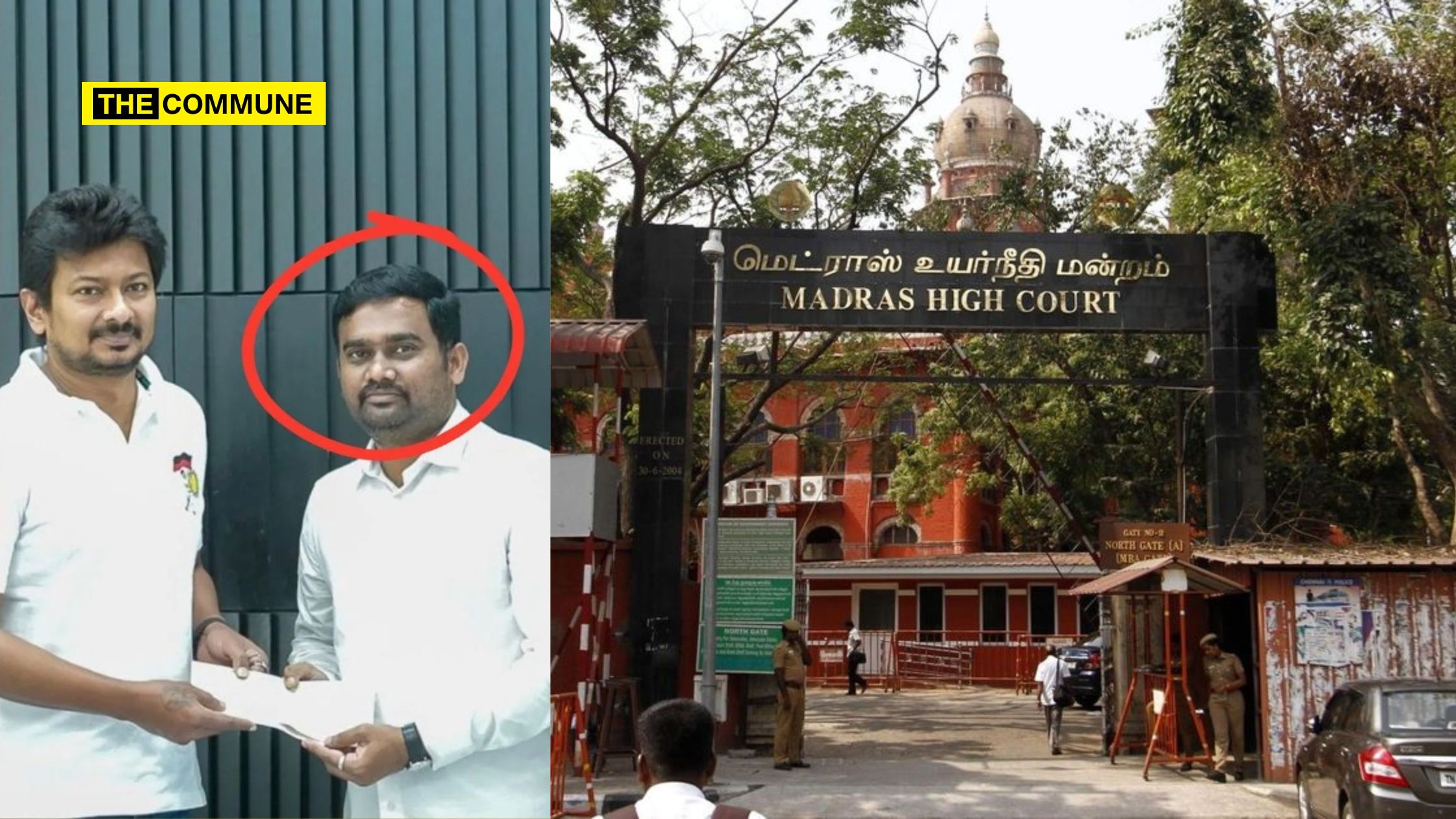
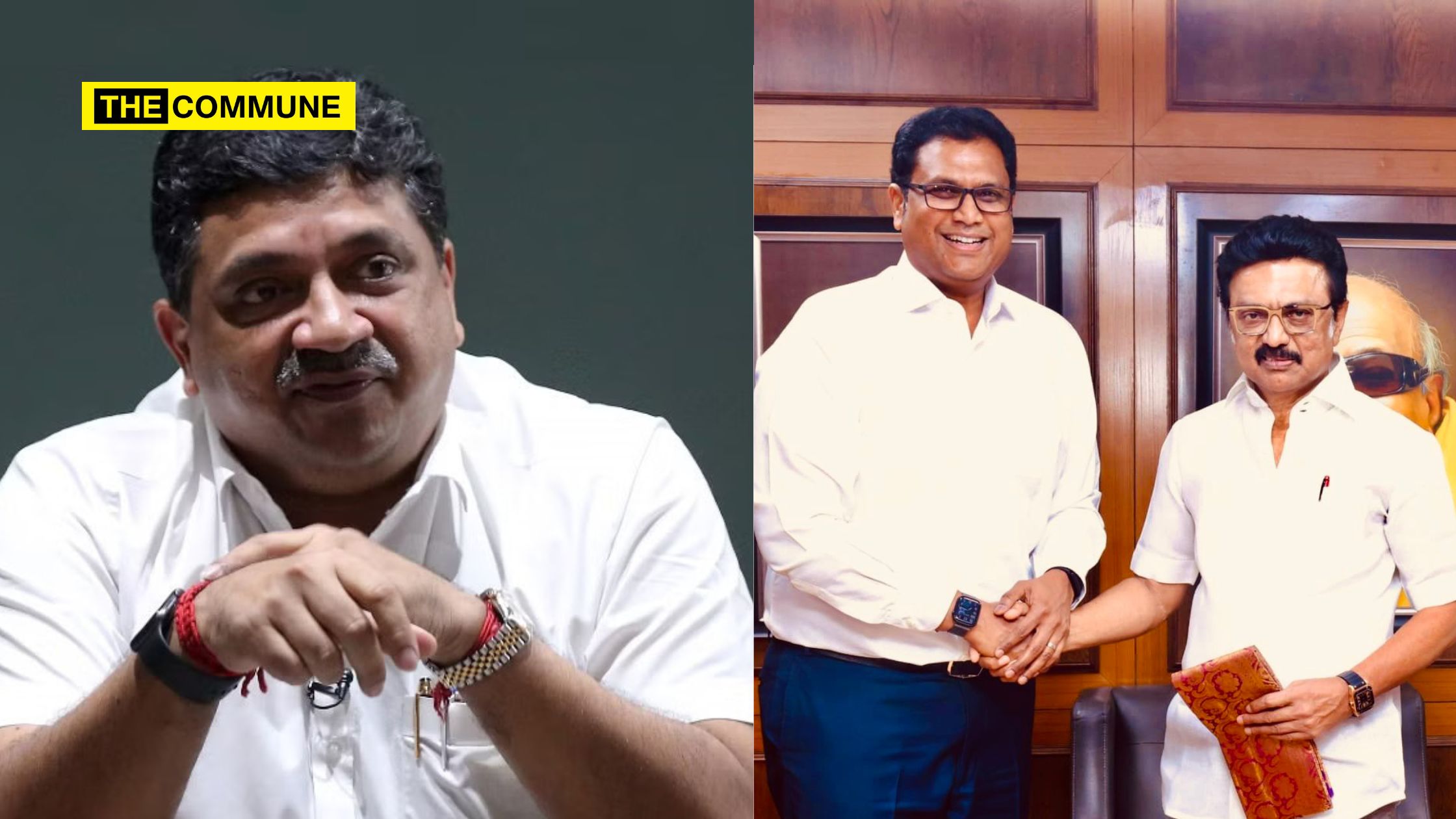
“We Don’t Have The Power”: DMK IT Minister PTR Laments On Fund Crunch, Hints At Inner-Party Power Centers

DMK Minister for Information Technology and Digital Services, Palanivel Thiaga Rajan (PTR), has stirred political controversy after expressing frustration in the state assembly over the limited budget allocated to his department. His comments, made during a legislative session, suggested that those seeking support should approach departments that have the “money, ability, and power“—a statement that has drawn criticism and raised eyebrows in political circles.

The remarks came during the Question and Answer session in the Tamil Nadu Assembly on 21 April 2025, when AIADMK MLA Pon Jayaseelan from Gudalur urged the government to establish an IT park in his constituency to create job opportunities.

Responding to the request, Minister PTR noted, “Honorable Speaker, in this very session, I have mentioned the problems in my department in this House. The funds allocated are very limited. Unlike other states, not all the technology parks are functioning in our sector. Only a small part of ELCOT is operational in our sector, while the rest—TIDAL and NEO TIDAL—are functioning in the industrial sector. Although this is an extraordinary situation, it has persisted in Tamil Nadu for 20 years. Therefore, if you ask who has the money, capacity, and power, I believe he will take action. Unfortunately, we do not possess these.”

Speaker Appavu intervened during the exchange, reminding the minister that inter-departmental issues should be resolved through discussions with the Chief Minister. He further advised that ministers should aim to provide constructive responses to queries raised by fellow legislators.

DMK IT Minister Palanivel Thiaga Rajan’s recent expression of dissatisfaction comes nearly two years after he was removed from the Finance portfolio and reassigned to the Information Technology department in May 2023. This shift followed the leak of an alleged audio recording in which PTR was purportedly heard accusing Chief Minister M.K. Stalin’s son, Udhayanidhi Stalin, and son-in-law, Sabareesan, of amassing wealth worth thousands of crores. The fallout from the leak reportedly led to his demotion to what many perceive as a less influential role within the cabinet.

PTR’s current grievances are viewed not just as complaints over limited departmental power, but also as indicative of deeper issues within the party’s internal dynamics. Critics see the situation as reinforcing the DMK’s pattern of dynastic politics—particularly as T.R.B. Rajaa, the Minister for Industries and son of DMK Treasurer and Sriperumbudur MP T.R. Baalu, continues to hold a key economic portfolio, consolidating influence under party’s spread.

Subscribe to our channels on TelegramWhatsApp, and Instagram and get the best stories of the day delivered to you personally.

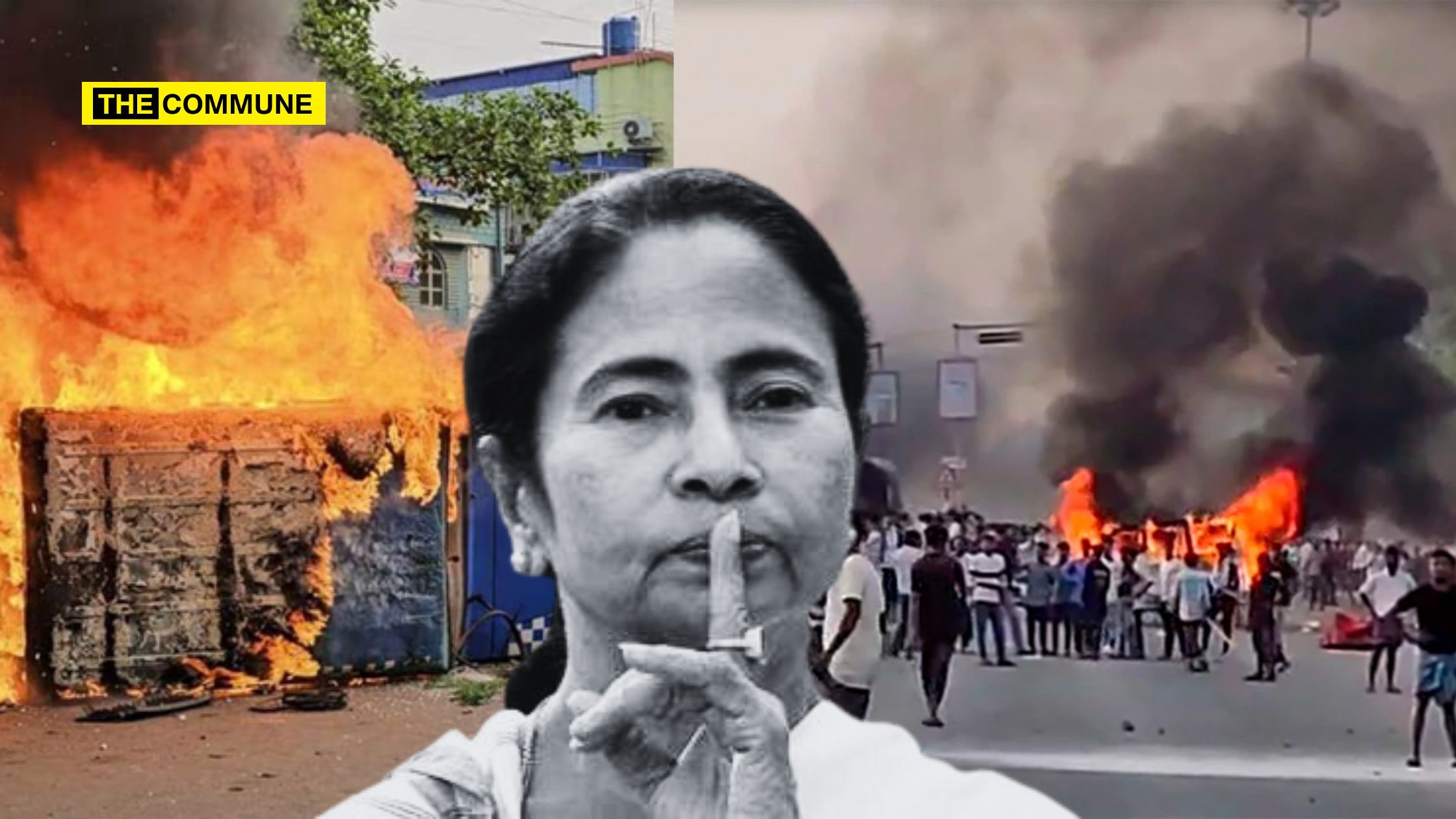
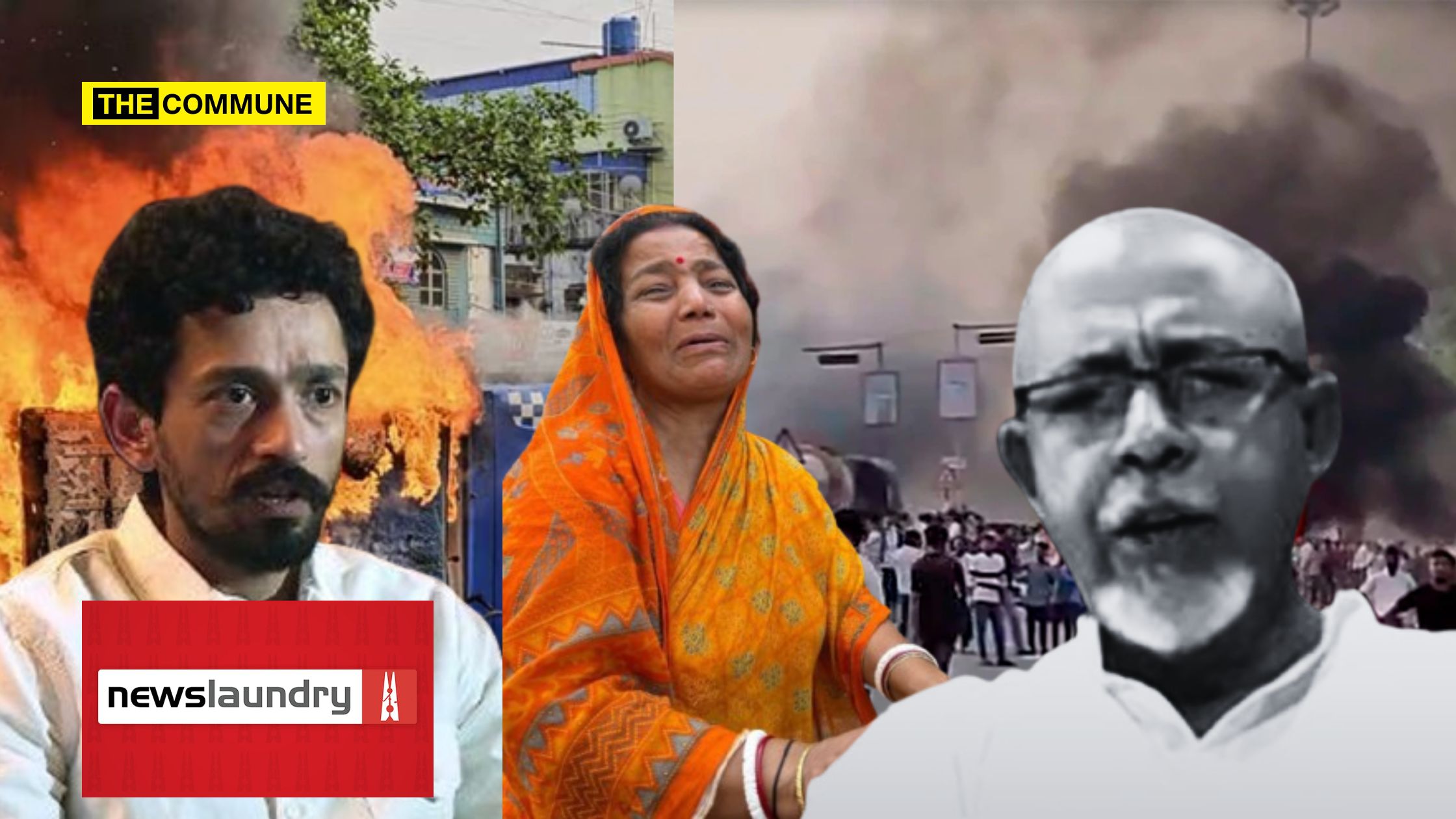
Newslaundry Gives Platform To Justify Islamist Mob, Murshidabad Violence Blamed On Hindu “Provocation”

On a recent episode of Newslaundry’s podcast, journalist Nirmalya, a columnist from Kolkata, stirred controversy with his analysis of the communal violence in Murshidabad. His remarks, which appeared to justify the Islamist-led attacks by framing Hindus as “provocators,” drew sharp criticism from listeners and commentators alike.

Violence In Murshidabad: A Clash Or One-Sided Pogrom?

The discussion began with host Abhinandan Sekhri of leftist portal Newslaundry seeking clarity on the ongoing violence in Murshidabad, where Hindu families have been forced to flee after targeted attacks by Muslim mobs. ‘Legacy media’ reports according to Newslaundry founder Abhinandan Sekhri, along with viral videos, show homes burned, temples vandalized, and ‘at least two Hindu men’ brutally lynched. However, Nirmalya downplayed the severity of the situation, arguing, “Suppose I’m living with you, you live next door to me suddenly one morning I come up and I kill you, so unless there is a provocation this never happens with certain interest and that provocation could be a state provocation, could be an international provocation and that the provocateurs are successful that they have been able to titillate these idiotic foolish political parties who do play religious games for their own benefit.” 

When pressed on whether Hindus were truly the instigators, he avoided direct condemnation of the Islamist violence, instead suggesting that political forces—particularly the BJP—had inflamed tensions. He said, “In Bengal this thing has emerged mostly in Bengal after BJP retained its almost 40% vote in two consecutive elections in 2021 and again in 2024, they were of almost 40% in 2019.”

Mamata Banerjee’s Role: Justification or Diversion?

Nirmalya defended Mamata Banerjee’s handling of the crisis, despite her administration’s failure to prevent the violence and her subsequent attempts to shift blame—first to Congress, then to the BSF, and finally to “Bangladeshi infiltrators.”

“Mamata is a very smart politician,” he said, “she immediately diverts things… she can even go to the moon if required.”

Critics argue that this deflection is a deliberate strategy to avoid accountability. Banerjee’s recent meeting with Muslim clerics, where she focused on attacking the BJP rather than addressing the victims, further reinforced accusations of appeasement politics.

Hindu Exodus: Media Blackout or Political Narrative?

When NL pointed out reports of Hindus fleeing their villages due to threats, Nirmalya dismissed the claims stating, “No, no, no, that’s a wrong view.”

This denial clashes with ground reports and survivor testimonies documenting systematic intimidation. Analysts note that under previous Left and Congress regimes, such incidents were suppressed as “clashes between miscreants,” but the scale of violence in Murshidabad—and its overtly communal nature—has made suppression impossible.

Elections & Polarization: A Deliberate Strategy?

With elections 10 months away, Nirmalya acknowledged that Bengal’s politics is now irrevocably polarized, “BJP is considered a Hindu party, and Mamata does Muslim politics… all four major parties in Bengal are, at their base, religious parties.”

However, his suggestion that Hindu consolidation—a reaction to Islamist aggression—is the “biggest curse” for Bengal drew ire. Critics argue that such framing ignores the reality of Muslim vote-bank politics, where Mamata’s welfare schemes (like Lakshmir Bhandar) and overt minority appeasement have cemented her support base.

A Dangerous Normalization of Violence?

Nirmalya’s remarks reflect a broader media tendency to rationalize Islamist violence by invoking “provocation” while ignoring state complicity. His claim that “Murshidabad is just the tip of the iceberg” suggests more unrest is likely as elections approach—with Hindus potentially facing further scapegoating.

Subscribe to our channels on Telegram, WhatsApp, and Instagram and get the best stories of the day delivered to you personally.
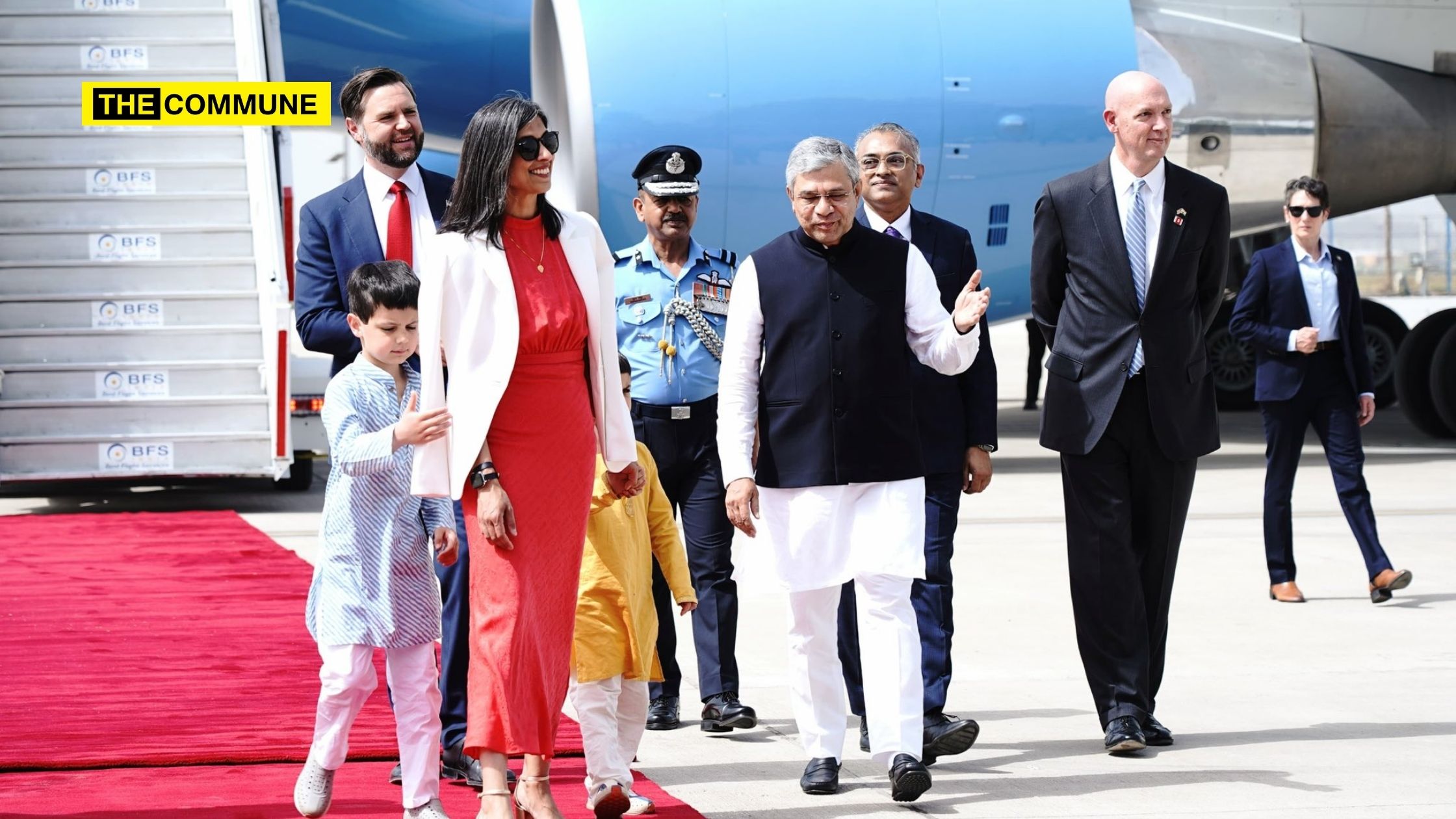
US Vice President JD Vance And Family All Set To Arrive In Jaipur

US Vice President J.D. Vance will be arriving in Jaipur on Monday at around 9 p.m., accompanied by his family during his four-day official visit to India, most of which will be spent in Rajasthan with a brief tour of Agra.

The family will be staying at the Rambagh Palace, where they are expected to arrive by 10 p.m. In view of the high-profile visit, the city is under strict security arrangements. Over 2,000 police personnel have been deployed across key locations. Also, officials, including eight IPS officers, 23 Additional SPs, 40 DSPs, and more than 300 Sub-Inspectors, ASIs, and other personnel, have been deployed to ensure strict security during the high-profile dignitaries’ visit to the Rajasthan capital.

As part of the preparations, a full-scale security rehearsal was conducted on Sunday from 3 p.m. to 6 p.m. across the Vice President’s scheduled route, including OTS, Rambagh Palace, Amer Fort, and the Rajasthan International Center (RIC). Due to the visit, Amer Fort will remain closed to tourists from noon on Monday until the same time on Tuesday.

Entry for visitors will be restricted during this 24-hour period to ensure security. According to officials, Vice President Vance will be welcomed by Rajasthan Chief Minister Bhajan Lal Sharma at Jaleb Chowk in Amer Fort on Tuesday morning.

Vance will then proceed to visit key sections of the fort, including Singh Pol, Diwan-e-Aam, Sattais Kacheri, Ganesh Pol, Sheesh Mahal, and Mansingh Mahal. From April 21 evening to April 24, the Vice President and his family will stay as royal guests in Rajasthan.

Their official schedule begins Tuesday morning, when they will travel to Amer at 9 a.m., accompanied by Chief Minister Sharma and Deputy Chief Minister Diya Kumari. They will visit Amer Fort, Panna Meena Ka Kund, and the Anokhi Museum, before returning to the hotel by noon after lunch. At 2.45 p.m. on Tuesday, Vance is scheduled to speak at the Rajasthan International Center on India-US trade relations.

He will return to the hotel around 4 p.m., where a meeting with VIP dignitaries may take place. On Wednesday at 9 a.m., he will depart Jaipur for Agra by special flight. After visiting the Taj Mahal, he will return to Jaipur by 1.25 p.m.. A visit to the City Palace is tentatively planned for 2 p.m., where Deputy CM Diya Kumari will receive him and host lunch, said officials, adding, “Vice President Vance and his family will conclude their visit and depart for Washington, D.C., at 6.30 a.m. on Thursday via a special aircraft.”

–IANS

Subscribe to our channels on TelegramWhatsApp, and Instagram and get the best stories of the day delivered to you personally.
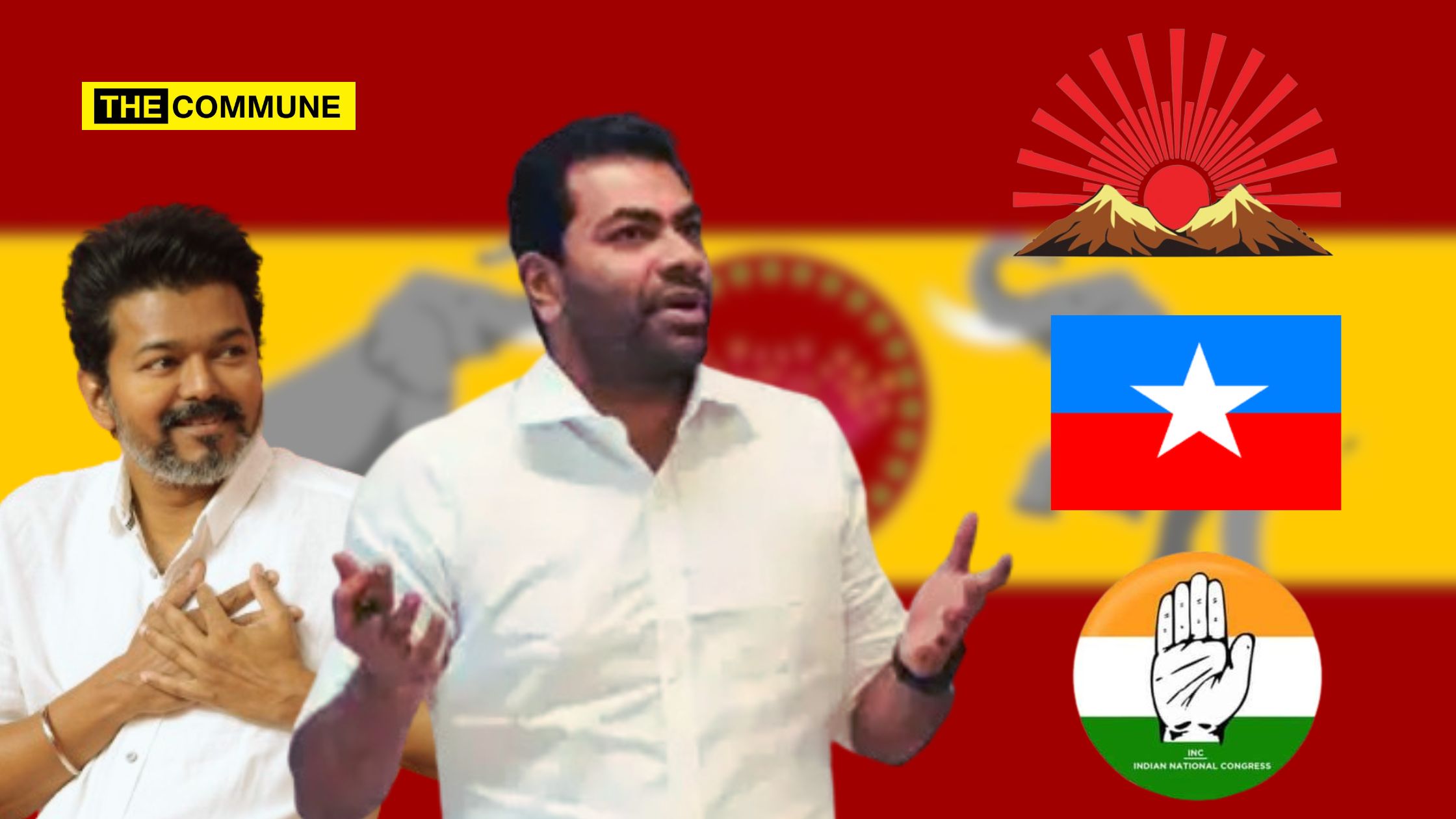
“There’s No Big Difference Between DMK And TVK”: Wannabe Prashant Kishore Of TVK Aadhav Arjuna Reveals

Aadhav Arjuna, the General Secretary of Election Campaign Management for the Tamilaga Vettri Kazhagam (TVK), has stirred controversy by claiming that there is little to no ideological difference between TVK and the DMK—despite the latter being considered a political rival by TVK chief and part-time politician Vijay. He further stated that parties like the Congress and Viduthalai Chiruthaigal Katchi (VCK) also align ideologically with TVK.

These remarks come in the context of the AIADMK reuniting with the BJP, rekindling their strong alliance under the NDA ahead of the 2026 Tamil Nadu Assembly elections. TVK, which had been eyeing a potential alliance with the AIADMK, seems to have missed its chance. Now, the party appears to be turning its focus toward attracting one of the DMK’s key allies in a bid to gain momentum.

In a recent interview with a private news channel, Aadhav Arjuna reiterated his party’s stance, saying that there are no major ideological differences between the DMK, Congress, or VCK, and emphasized that TVK stands firmly against the BJP.

He said, “There is no significant difference between the policies of DMK and TVK. DMK’s policy was established by Anna (C.N. Annadurai), who created it for Tamil Nadu. It is a policy centered on Tamil Nadu and is neutral; it promotes the ideology that everyone is equal and supports state autonomy without a union government in India. This is a policy for Tamil Nadu, not for DMK alone. We cannot claim that this policy belongs solely to DMK; it is also followed by the Tamilaga Vettri Kazhagam. If the policy fails or if there are issues concerning the elected Chief Minister, TVK also voices its concerns. We are not different in any way.”

Later, he said, “There is no significant difference between our policies and those of Congress. Additionally, there is no substantial difference between the policies of the VCK and ours. We have firmly proved that we will not join the BJP under any circumstances. When we approach the Supreme Court regarding the Waqf Act, we want to emphasize the extent of our ideological commitment. Therefore, I want to reiterate that any alliances will not be formed without demonstrating our strength and engaging with the people, and this decision will be made final stages. This is not the right time for that.”

Subscribe to our channels on TelegramWhatsApp, and Instagram and get the best stories of the day delivered to you personally.
Top Maoist Commander Prayag Manjhi With ₹1 Crore Bounty Among 8 Killed In Jharkhand

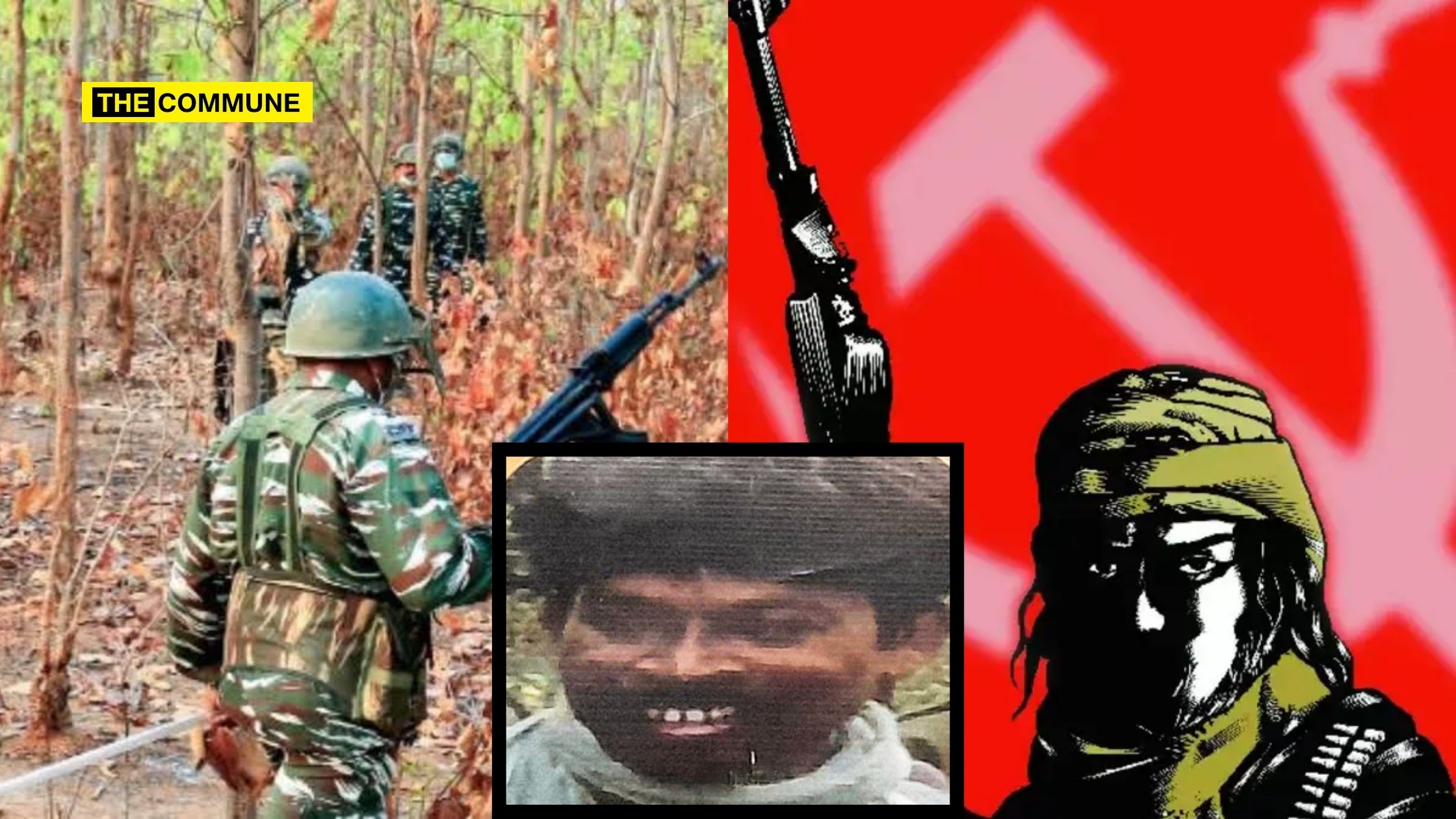
At least eight Maoists, including senior commander Prayag Manjhi — who carried a bounty of Rs 1 crore on his head — were killed in an ongoing encounter with security forces in the Lugu hill area of Lalpania in Bokaro district, officials said. The gun battle began around 5.30 a.m. on Monday and was still underway, with intermittent firing reported from both sides.

Officials said the number of casualties could rise further. One of those killed was identified as Prayag Manjhi, a central committee member of the CPI (Maoist). Known by multiple aliases — Vivek Da, Phuchna, Nago Manjhi, and Karan Da — he was active in the Parasnath hills and surrounding areas of Giridih over the past few months.

Manjhi, originally a resident of Dalbudha in Tundi (Dhanbad district), was a key Maoist figure wanted in over 100 incidents across Jharkhand, Bihar, Chhattisgarh, and Odisha. In Giridih district alone, he was wanted in more than 50 cases. An official statement from the CRPF released on Monday morning initially confirmed the killing of four Maoists.

The number has since increased to eight. The earlier statement said: “The Central Reserve Police Force, in a joint operation with the state police, killed four Maoists in an encounter in the Lugu hills of Bokaro district this morning. One SLR and one INSAS rifle have been recovered. No injuries to security personnel have been reported so far. Intermittent firing continues.”

The joint team, comprising personnel from the CRPF’s 209 Commando Battalion for Resolute Action (CoBRA) and Jharkhand Police, had launched a search operation in the forested foothills of Lalpania police station area when they came under fire from Maoists.

The forces retaliated, leading to the gunfight which is still going on. So far this year, 13 Maoists have been killed in encounters with security forces in Jharkhand.

Police have set a target to make the state completely Maoist-free by the end of 2025. According to Jharkhand Police data, 244 Maoists have been arrested this year, while nine were killed in encounters prior to this operation.

Additionally, 24 Maoists — including four zonal commanders, one sub-general commander, and three area commanders — have surrendered and joined the mainstream of society. –IANS snc/skp

Gems Of Retired Justice Kurian Joseph: A Look Into His Contradictions And Hypocrisy

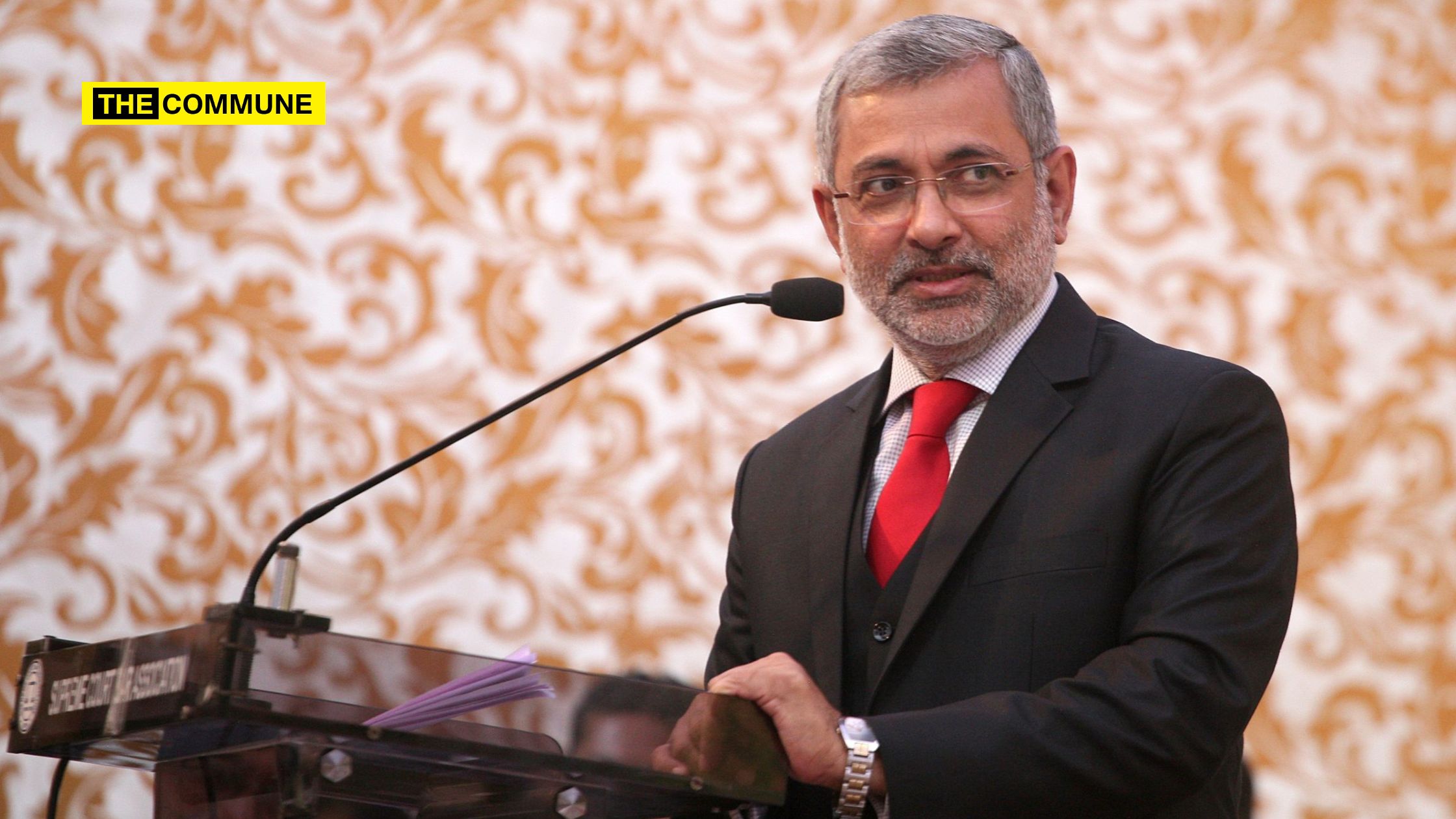
Retired Justice Kurian Joseph’s name was mentioned in the news just as TN Chief Minister MK Stalin announced the formation of a committee to examine state autonomy and center-state relations. Once a prominent figure in India’s judiciary, has often been hailed for his outspoken views and his willingness to challenge the status quo. But a deeper look at his actions, statements, and post-retirement behavior paints a portrait of contradictions and selective morality. This article explores how the judge’s own track record at times undercuts the ideals he claimed to uphold.

Religious Bias Masquerading As Secularism

Triple Talaq Verdict For Applause, Good Friday Boycott For Faith

Justice Kurian Joseph played a pivotal role in the landmark Triple Talaq case, voting to strike down the practice as unconstitutional. He declared it “against the tenets of the Quran”, thereby questioning its religious legitimacy. However, this decision was widely argued progressive, also subtly positions the judiciary as an interpreter of religious texts—a role it is not constitutionally bound to perform. Moreover, Kurian Joseph, a Christian judge, ruling on a sensitive Islamic issue, faced questions about whether his theological interpretation crossed ethical boundaries.

But the same Judge Kurian Joseph refused to attend a conference called by the Chief Justice on Good Friday, stating it was a violation of India’s secular fabric. While this ‘secular’ judge sees no issue in interpreting and ruling on the religious practices of others in the name of secularism, critics questioned why attending a routine meeting on a Christian holiday would suddenly be seen as a threat to India’s secular fabric.

Questions Hindu Roots In Court Motto, Yet Equates Catholic Church And Pope With Constitutional Ideals

At a forum hosted by the left-leaning outlet The Wire, Justice Kurian Joseph took issue with the Supreme Court’s Sanskrit motto — “Yato Dharmastato Jayah”, meaning “Where there is Dharma, there will be Victory.” This phrase appears multiple times in the Mahabharata and reflects a broader philosophical ideal rooted in Indian tradition.

Justice Joseph questioned why the Supreme Court couldn’t adopt a more “secular” phrase like “Satyameva Jayate,” which is used by various High Courts. But this argument falls flat when one considers the actual context, the Supreme Court, as the apex judicial body, has a distinct identity and thus a unique motto — one that symbolizes a higher moral and ethical pursuit of justice (Dharma) that transcends mere legal technicalities.

His discomfort with a motto rooted in Hindu philosophy starkly contrasts with his ease in invoking Christian doctrine in public forums. While he questioned the Supreme Court’s Sanskrit motto drawn from the Mahabharata, he had no hesitation in comparing the Catholic Church to the Indian Constitution, stating, ‘The Catholic Church is one that has always assimilated in itself all the traditions and cultures brought in by the believers from all over the world. This is similar to the preamble of our Constitution, which starts with the word ‘We’.” He even glorified the Pope as a unifying force, portraying him as the symbolic head who binds the Church together as a single entity. Such selective reverence raises questions about consistency in upholding secular principles.

This inconsistency raises a fundamental question, is secularism just a shield to selectively critique Hindu cultural elements while glorifying others? It’s not about Sanskrit, religion, or even the Mahabharata — it’s about consistency and fairness. And in this case, Justice Joseph’s views appear heavily tilted, not toward secularism, but toward a selective, biased narrative.

The “No Retirement Posts for Judge” Pledge – In Letter, Not In Spirit

In 2018, just a day after his retirement from the Supreme Court, Justice Kurian Joseph made a striking public statement: former judges, he said, should not accept post-retirement posts from the government if these are offered as a form of “charity.” The only exception, he clarified, would be when a government “honourably” requests a judge’s service in a way that preserves institutional integrity and independence.

His remarks came at a time of intense scrutiny of judicial-government relations, shortly after he and three other senior judges had held an unprecedented press conference raising concerns about the functioning of the judiciary and its autonomy.

Fast forward to 2025, and Justice Kurian Joseph finds himself at the head of a high-level committee announced by Tamil Nadu Chief Minister M.K. Stalin. The panel has been tasked with examining Centre-State relations and recommending measures to protect the rights of states under India’s federal structure. It includes former IAS officer Ashok Vardhan Shetty and economist M. Naganathan, both with long-standing ties to the DMK government.

The timing and context of the appointment raise questions about how Justice Joseph now interprets his earlier position on post-retirement roles.

The Collegium U-Turn

Similarly, in January 2018, Justice Kurian Joseph, alongside three senior judges, held a historic press conference warning of a judicial crisis and accusing then-Chief Justice Dipak Misra of irregularly allocating sensitive cases. The move was framed as a bold act of institutional conscience, aimed at safeguarding judicial independence.

Yet, in a puzzling turn after retirement, Justice Joseph gave a series of conflicting interviews. He initially denied any political interference, only to later admit that “external influences” and “remote control” had impacted the Chief Justice’s actions. These abrupt flip-flops—just days apart—sparked skepticism: was this genuine concern for the judiciary, or a strategic narrative driven by personal grievance?

This pattern of reversal wasn’t isolated. While on the bench, Justice Joseph staunchly defended the opaque collegium system—where judges appoint judges—and helped strike down the NJAC (National Judicial Appointments Commission), which aimed to bring transparency and public accountability.

Yet once outside the system, he admitted that rejecting the NJAC may have been a mistake. This sudden change of heart, coming only after stepping down, raises a familiar question: was it delayed wisdom, or an opportunistic repositioning free from institutional responsibility?

Other Hypocrisies

The Yakub Memon Case

Much like in the Triple Talaq case, Justice Kurian Joseph drew controversy for siding with death row convict Yakub Memon’s last-minute petition, citing alleged procedural lapses by the Supreme Court. Yakub Memon, convicted for financing the devastating 1993 Bombay bombings, was not only a key figure in the attacks but also the brother of prime accused Tiger Memon. Critics questioned whether Justice Joseph’s intervention reflected a genuine concern for due process—or a selective display of sympathy in a high-stakes terror case

While due process is critical, some viewed his intervention as opportunistic, timed for maximum media attention. It seemed to cater more to the public sentiment around judicial activism than to any consistent principle—especially since he had not made similar procedural protests in other death penalty cases.

Publicly Called Out By National Commission For Minorities

In a rare and scathing indictment, George Kurien, then Vice-Chairman of the National Commission for Minorities, openly branded Justice Kurian Joseph a hypocrite. He questioned the judge’s claim of contributing to minority representation in the judiciary, pointing out that such decisions are collective ones made by the collegium.

Further, the NCM Vice-Chairman criticized Justice Joseph for undermining the dignity of his high office with selective narratives and opportunistic claims. This public rebuke didn’t come from political rivals—but from a fellow Christian and senior minority representative, making it all the more significant.

Subscribe to our channels on TelegramWhatsApp, and Instagram and get the best stories of the day delivered to you personally.
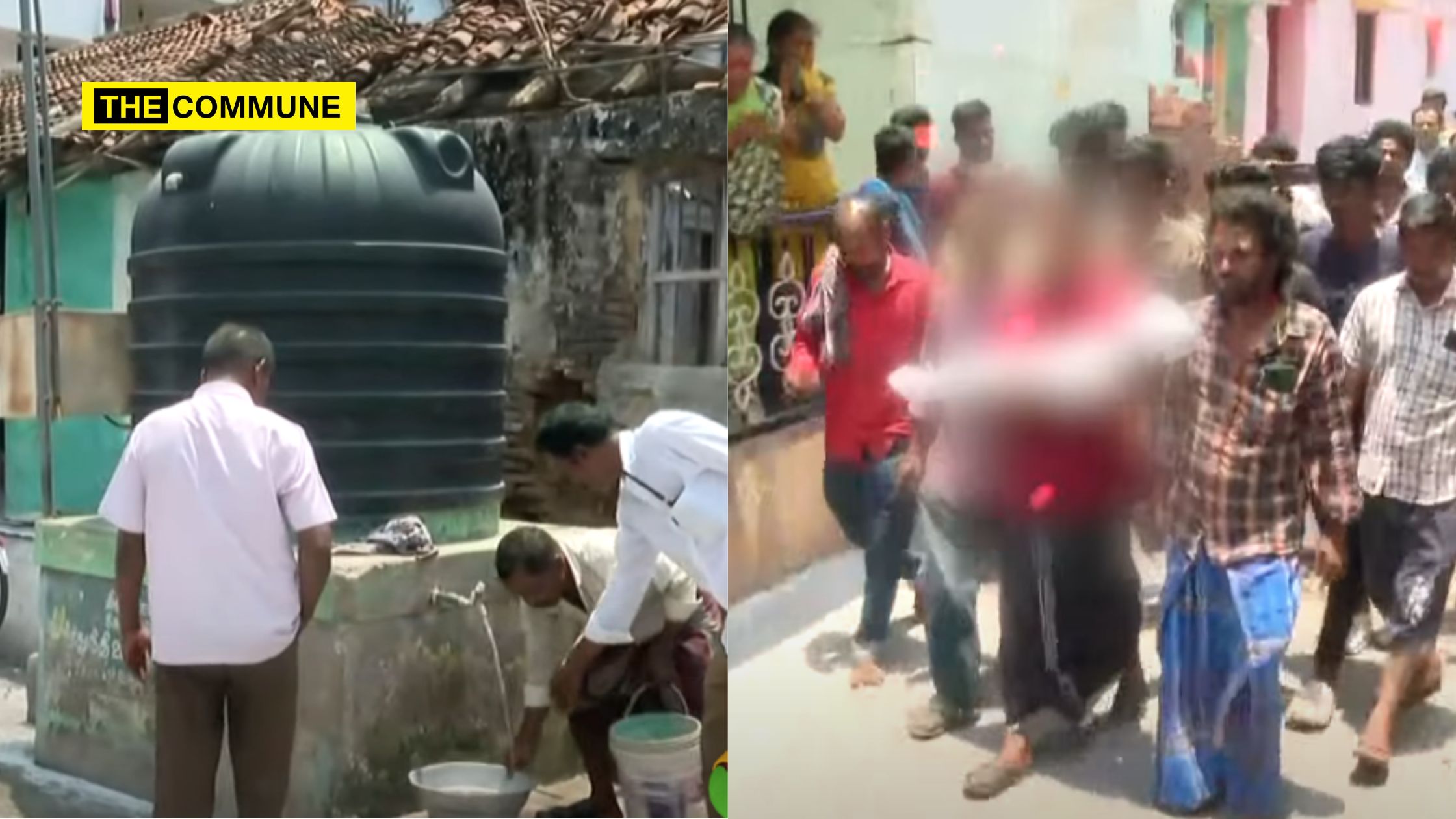
Dravidian Model: Sewage-Contaminated Drinking Water Kills Three, Including Child In Trichy, Residents Blame Civic Negligence

In a deeply distressing incident that has shaken the Tiruchirappalli (Trichy) Corporation in Tamil Nadu, more than 30 residents have been admitted to the hospital following the consumption of drinking water reportedly contaminated with sewage. Tragically, two individuals, including a four-year-old girl, have lost their lives.

According to reports, multiple residents of Panickan Street and Minnappan Street, including a young girl, have recently fallen sick, showing symptoms such as diarrhoea and vomiting. It is believed that the girl’s family initially turned to traditional treatments, but her condition worsened and sadly led to her death.

The incident has sparked widespread anger among residents, who are blaming municipal negligence for the tragedy. Locals claim that they had previously raised concerns about potential sewage contamination in the drinking water but allege that these warnings were repeatedly ignored by the civic authorities.

Trichy Corporation Commissioner V. Saravanan confirmed that a thorough inspection of the primary drinking water pipeline in Woraiyur is currently underway. He also announced that special health camps will be organized on Sunday to address community concerns.

In addition to water contamination, officials are also looking into the possibility that food served during recent festival celebrations may have contributed to the outbreak of illness. The Food Safety Department has been called in to conduct a detailed investigation. Meanwhile, clean drinking water is being distributed to the affected areas in wards 8 and 10 via tanker trucks until further notice.

Reacting strongly to the incident, former BJP Tamil Nadu president K. Annamalai criticized the ruling DMK party through a statement on his official X (formerly Twitter) account. He expressed shock over the loss of lives, particularly the death of the child in Uraiyur, a locality under the Trichy Corporation. He condemned the authorities for their inaction despite repeated public complaints about contaminated water. He said, “It is truly shocking that three lives, including that of a four-year-old girl, have been lost due to sewage-contaminated drinking water supplied by the Corporation in Uraiyur, under the Trichy Corporation.  Many others are reportedly undergoing treatment in hospitals. Residents have been complaining for days about sewage mixing with the drinking water, yet no one, neither the council member nor Corporation officials have taken any action. The DMK government’s ongoing pattern of covering up such incidents without action against the wrongdoers continues.”

Annamalai also referenced a similar tragedy in Pallavaram, Chennai, accusing the DMK-led government of concealing facts and failing to release test results at that time as well. He said, “In Pallavaram, Chennai, three lives were lost due to sewage contamination in the drinking water. Even then, the DMK government denied any contamination of sewage mixed in drinking water and also failed to release the test reports. Even now, the same narrative is being presented. Has the public life become so cheap to you?”

Then strongly criticized the DMK government, stating, “This incompetent DMK administration model, which is unable to provide even the most basic necessity clean drinking water to the public must stop spreading lying and immediately provide appropriate relief to the families of the deceased. Those currently undergoing treatment must receive proper medical care. Medical camps should be set up without delay in the affected areas, and testing must be conducted. I also urge to take adequate measures to ensure such tragic incidents do not happen again.”

(With Inputs From Times Of India)

Subscribe to our channels on TelegramWhatsApp, and Instagram and get the best stories of the day delivered to you personally.
59% West Bengal Residents Support President’s Rule After Murshidabad Violence, 58% Believe Mamata Banerjee’s Image Damaged Among Hindus, Says Survey

A majority of West Bengal residents believe that President’s Rule should be imposed in the state following the recent Islamist-led violence in the name of Waqf Amendment Act in Murshidabad, according to a large-scale IVRS survey conducted by InkInsight. The survey, conducted over phone calls with 8,954 respondents across various districts of Bengal, revealed that 59% support the implementation of President’s Rule. Only 28% opposed the idea, while 13% remained undecided.

The survey comes amid rising political and communal tensions in the state, with Chief Minister Mamata Banerjee facing renewed criticism over her handling of the Murshidabad incident. The violence has shaken the faith of a significant portion of the Hindu population in her leadership.

When asked whether the Murshidabad violence had dented Mamata Banerjee’s image among Hindus, 58% of the respondents answered in the affirmative. Only 22% said her image remained unaffected, while 20% were unsure.

Regional And Gender-Wise Breakdown

The demand for central intervention was particularly strong in North Bengal and the Jangalmahal region:

  • North Bengal:
    • 80.85% said Mamata Banerjee has lost the trust of Hindus.
    • 70.73% supported President’s Rule.
  • Jangalmahal:
    • 57.14% believed CM Banerjee’s image among Hindus has been damaged.
    • 65.52% supported President’s Rule.

In the Presidency region, which includes Kolkata and its surroundings:

  • 54.29% agreed her image among Hindus was affected.
  • 55.29% backed President’s Rule.

In Bardhaman:

  • 55.88% believed the violence affected Hindu trust in Banerjee.
  • 52.38% supported imposing President’s Rule.

Gender-wise, support for President’s Rule and concern over the CM’s image was higher among men:

  • 61.24% of male respondents felt that Mamata Banerjee had hurt Hindu sentiments.
  • Female respondents showed slightly lower but still significant levels of concern and support.

(With inputs from TV9 Kannada)

Subscribe to our channels on Telegram, WhatsApp, and Instagram and get the best stories of the day delivered to you personally.