Home Blog Page 302

After Pahalgam, India Hit Back; After 26/11, UPA Held Back
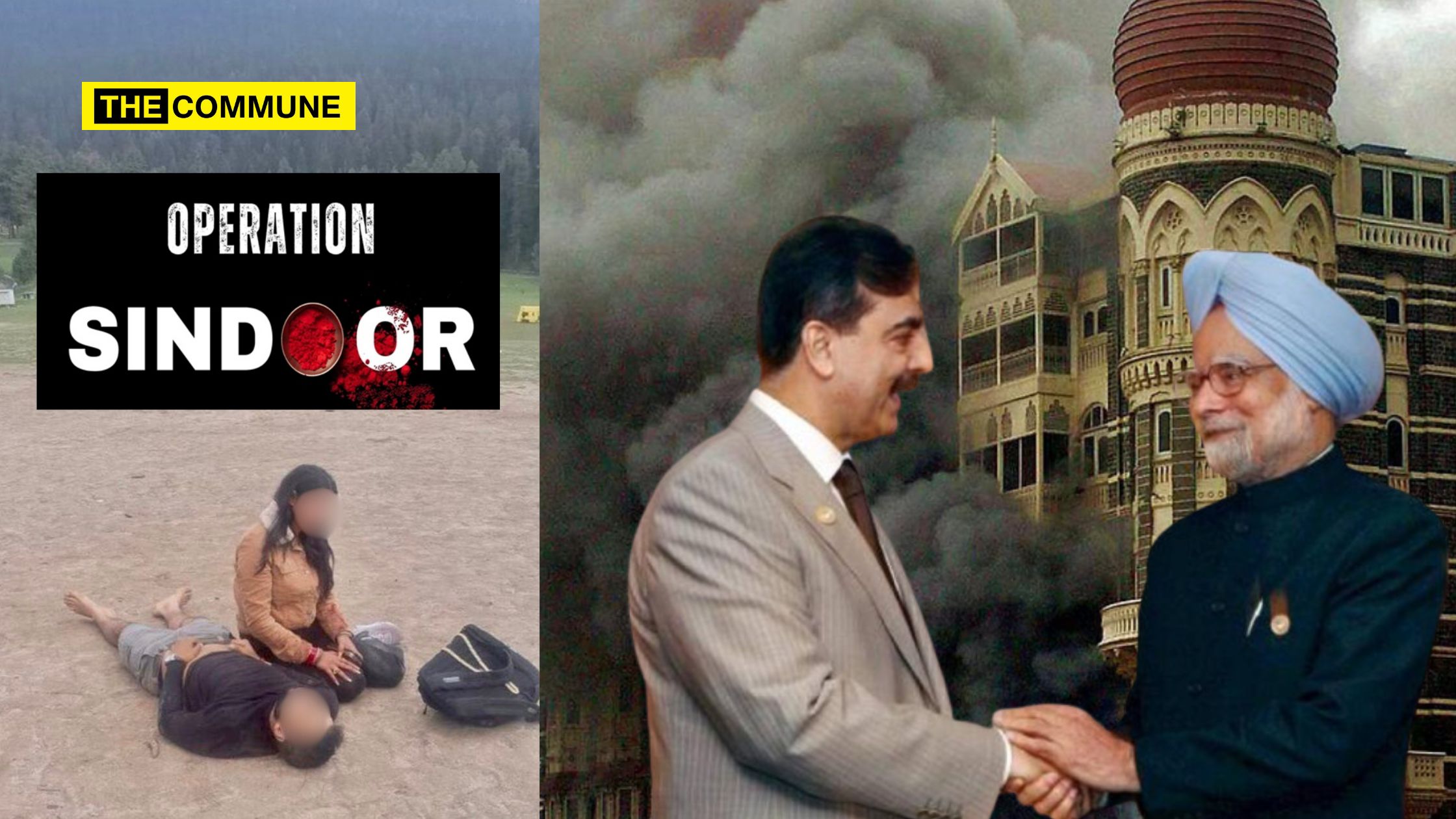
In the immediate aftermath of the horrifying Pahalgam massacre, where dozens of innocent Hindu tourists were brutally killed, the Indian government responded with unprecedented force. Operation Sindoor, a deep-strike campaign launched by the Indian Armed Forces, destroyed key terror launchpads and military installations across Pakistan-administered territory. It wasn’t just retaliation—it was a strategic message to both terrorists and their state sponsors.

But as India mourned its dead and applauded the armed forces for their swift and decisive response, a familiar pattern re-emerged in the Indian political landscape: Congress sympathizers, liberal media and opposition influencers began to downplay the significance of Operation Sindoor.

Instead of standing united in the face of terror, many chose this moment to resurrect nostalgia for the Congress era, particularly invoking Dr. Manmohan Singh’s “measured” diplomacy after the 26/11 Mumbai attacks. They hailed his restraint, his silence, and the now-infamous Sharm el-Sheikh Joint Statement (2009) as examples of “mature leadership.” But is this nostalgia rooted in reality—or a convenient rewriting of history?

What Did the UPA Actually Do After the Mumbai Attacks?

On 26 November 2008, ten heavily armed Pakistani terrorists unleashed three days of carnage in Mumbai, killing 166 people and wounding hundreds more. The evidence of Pakistani involvement was overwhelming. Yet, no military response followed.

Instead, the Congress-led UPA government, under Prime Minister Manmohan Singh, opted for diplomatic engagement. Within eight months of the attacks, Singh signed the Sharm el-Sheikh Joint Statement with Pakistan’s PM Yousaf Raza Gilani. The document delinked dialogue from terrorism, allowing talks to resume even as Pakistan failed to act decisively against perpetrators like Hafiz Saeed.

To make matters worse, for the first time ever in a bilateral document, India acknowledged Pakistan’s mention of Balochistan—a move that gave Islamabad international ammunition to accuse New Delhi of meddling in its internal affairs, despite no credible evidence.

Far from holding Pakistan accountable, the UPA government gave it diplomatic breathing space.

Operation Sindoor vs. UPA’s Inaction: A Stark Contrast

Compare this to the Modi government’s approach post-Pahalgam. Within days of the terror strike, India:

  • Carried out airstrikes and drone attacks on high-value targets in Pakistan.

  • Hit radar sites, ammunition depots, and terrorist training facilities.

  • Reportedly disrupted strategic assets near Kirana Hills—believed to house nuclear infrastructure.

This was not just about retribution—it was a doctrine shift. For the first time, India pre-emptively hit strategic assets and stood its ground internationally, refusing to bow to pressure or diplomatic hedging.

And yet, Congress loyalists continue to question it, calling it “provocative” or “chest-thumping,” all while pointing fingers back to an era where terrorists walked free, and India appeared hesitant to act.

Congress sympathizers argue that diplomacy is strength. But diplomacy without deterrence is just appeasement. The 26/11 aftermath saw zero military pushback, even as Kasab’s confessions were televised and Pakistani links confirmed.

Today, when India demonstrates military precision and resolve, these same voices ask, “But what about civilian casualties?” or “Isn’t this risking war?”

The truth is: peace isn’t maintained by weakness, especially when confronting a state that harbors terrorists. Operation Sindoor was a demonstration that India’s red lines exist—and they will be enforced.

In conclusion, it’s easy to romanticize the past when facts are inconvenient. But let’s not forget: post-26/11, the Congress-led UPA took no military action, signed questionable diplomatic agreements, and ultimately allowed Pakistan to dodge accountability.

Today, the Modi government has not only avenged a brutal massacre but sent a message that terror has a price. Those who choose to overlook this in favor of stale Congress-era talking points may be more interested in political point-scoring than national security.

Subscribe to our channels on TelegramWhatsApp, and Instagram and get the best stories of the day delivered to you personally.
Pakistan Army Defends U.S.-Sanctioned Terrorist Hafiz Abdur Rauf, Cites Him As ‘Family Man’

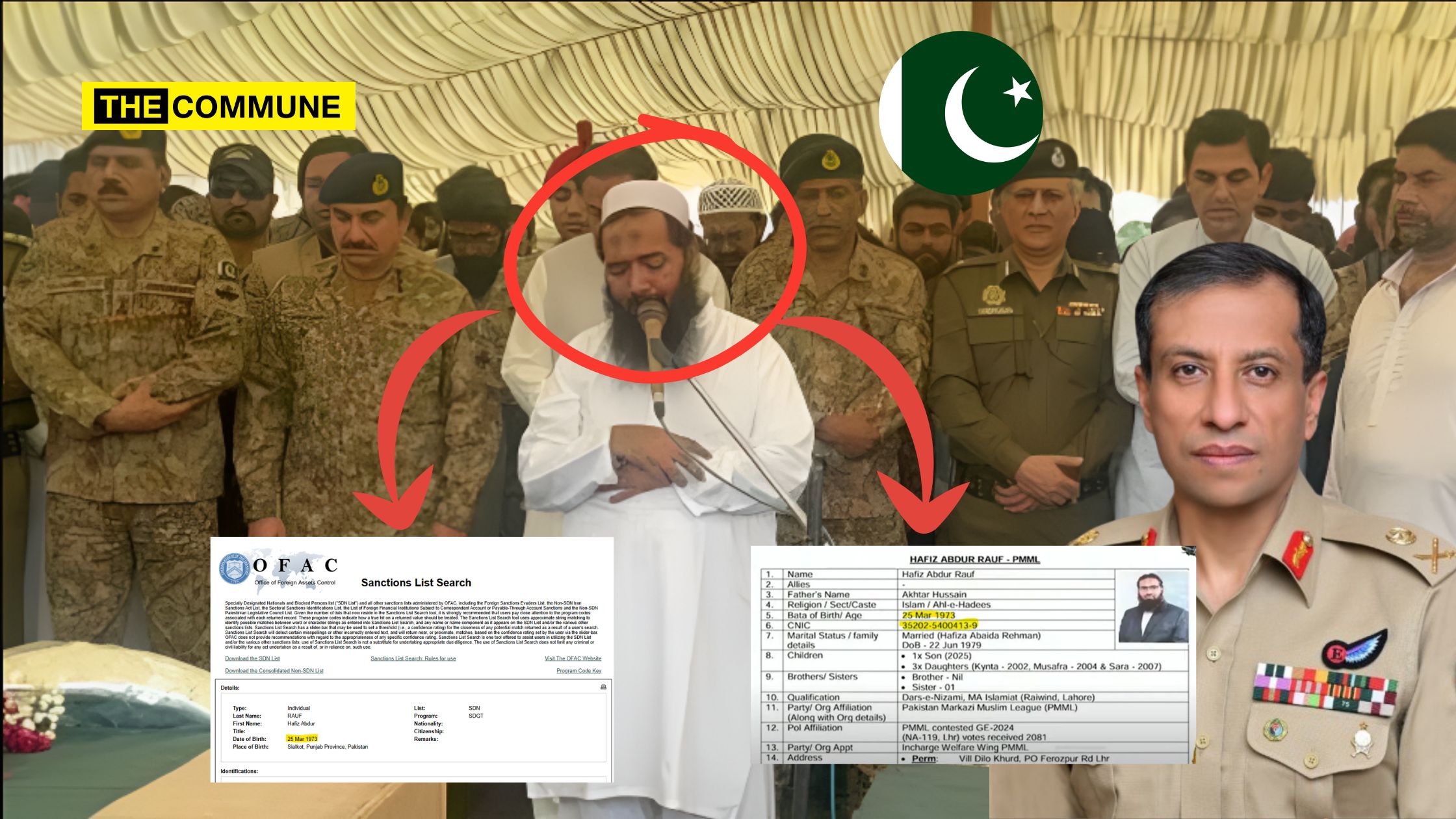
On 10 May 2025, Pakistan’s military spokesperson, Lt Gen Ahmed Sharif Chaudhry, the Director General of Inter-Services Public Relations (DG ISPR), addressed growing international criticism over a viral image showing Hafiz Abdur Rauf—a U.S.-designated terrorist leading funeral prayers attended by uniformed Pakistani military personnel.

During a press briefing, DG ISPR dismissed allegations against Hafiz Rauf, asserting that he was merely a religious preacher and family man, not a terrorist. To support this claim, he presented Hafiz’s national ID and aired a video statement from Hafiz himself.

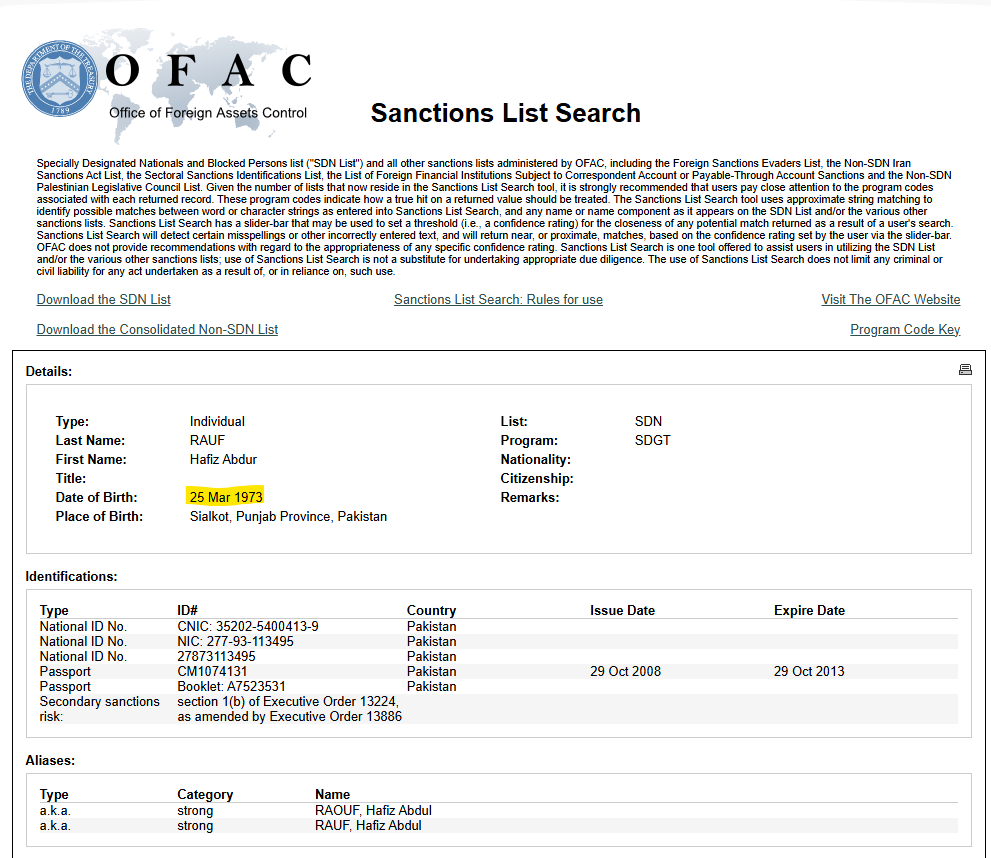
However, these claims conflict directly with international records. Hafiz Abdur Rauf is listed as a Specially Designated Global Terrorist by the U.S. Department of the Treasury, cited for his prominent leadership role within Lashkar-e-Taiba (LeT) and for overseeing major fundraising efforts for the terror group.

The clarification followed a question posed by journalist Khalid Mahmood from Express News, referencing Indian government and media reports that highlighted an image of Hafiz Rauf conducting funeral prayers, flanked by Pakistan Army officials in full uniform. The image quickly became a focal point of diplomatic outrage.

India’s Foreign Secretary Vikram Misri had earlier accused Pakistan of glorifying terrorists, stating that Islamabad continues to maintain close ties with extremist outfits like The Resistance Front (TRF), LeT, and Jaish-e-Mohammed (JeM). Misri referred to the funeral image as a prime example of state-level support for terror networks.

Indian officials also released a list of militants from LeT and JeM reportedly killed in recent operations, while media outlets such as OpIndia identified Hafiz Rauf as the person leading the prayers at their funeral.

India’s High Commissioner to the UK, Vikram Doraiswami, echoed this concern during an interview, pointing to the viral image as evidence that Pakistan continues to harbor and legitimize individuals on global terrorist watchlists.

Identity Card Matches U.S. Sanctions Records

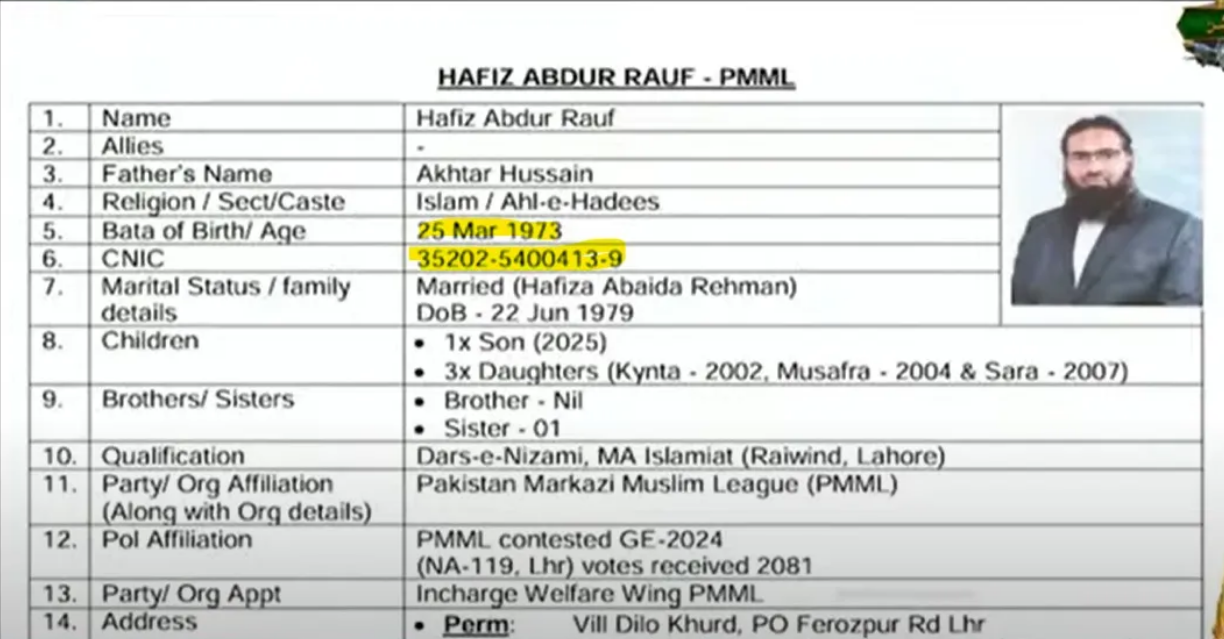
In a move intended to disprove Indian allegations, DG ISPR displayed Hafiz Rauf’s national identity card at the press conference.

However, the information shown—including his date of birth and ID number—matched entries in the U.S. Treasury’s Office of Foreign Assets Control (OFAC) sanctions list.

According to U.S. government documents, Hafiz Rauf has held leadership roles in LeT since at least 1999. He headed the Falah-i-Insaniat Foundation (FIF)—a LeT-linked charity used as a front to bypass international scrutiny after the 26/11 Mumbai attacks. Despite its humanitarian façade, FIF reportedly supported LeT’s financial and operational activities.

In 2008, Hafiz served as LeT’s Director of Humanitarian Relief, and earlier in 2003, he managed its public service initiatives. He has consistently been linked to LeT founder Hafiz Saeed, participating in media outreach and field missions in regions like Bajaur and Peshawar to support LeT’s fundraising and recruitment.

He has also appeared in interviews and publications on LeT’s website, portraying the group’s operations as welfare-driven in an effort to sanitize their terror-related activities. His involvement with LeT’s charitable arms like Idara Khidmat-e-Khalq (IKK) is documented in both media and government reports.

Contradictions Raise More Questions Than Answers

Pakistan’s portrayal of Hafiz Abdur Rauf as a benign cleric is in direct contradiction to his international status as a sanctioned terrorist. While Islamabad aimed to discredit Indian allegations, its defense of Rauf—especially while revealing ID information that corroborates U.S. records—has only intensified global concerns.

This incident has once again spotlighted Pakistan’s complex relationship with terror-designated individuals, fueling accusations that it continues to provide legitimacy and state support to global jihadist figures, despite formal denials.

(With Inputs From OpIndia)

Subscribe to our channels on TelegramWhatsApp, and Instagram and get the best stories of the day delivered to you personally.
What Was The US Nuclear Emergency Aircraft B-350 AMS Really Doing In Pakistani Airspace?

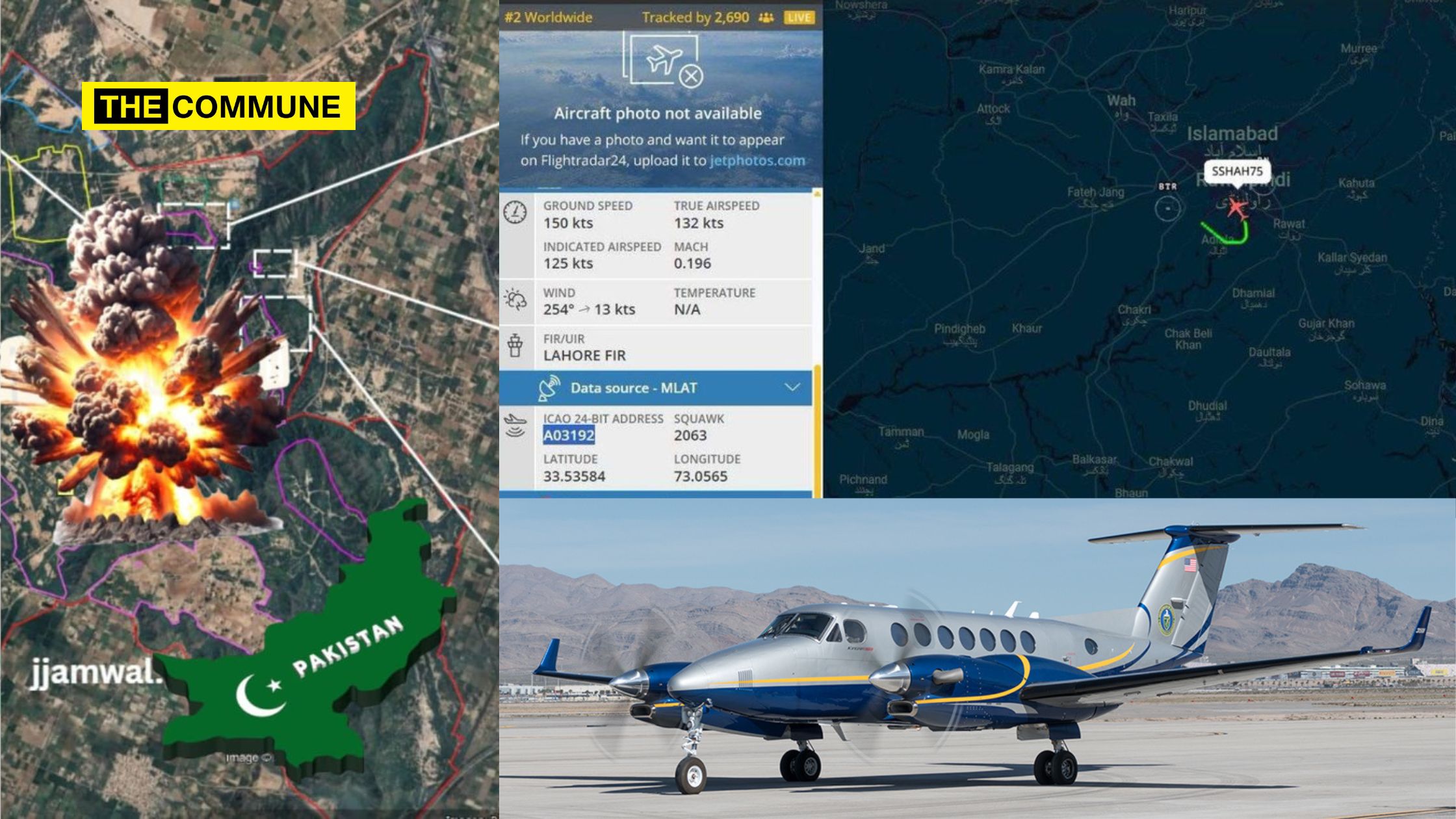
As the ceasefire between India and Pakistan currently holds, social media has been flooded with rumors alleging that a Pakistani nuclear facility may have sustained damage during Indian airstrikes. Adding fuel to the fire, online users pointed to flight tracking data showing the presence of a U.S. nuclear emergency response aircraft — the B-350 AMS — reportedly conducting radiation monitoring over Pakistani territory.

Pakistan operates twelve key airbases distributed across three commands: Northern, Central, and Southern. In addition to these, there are numerous non-flying support stations that handle maintenance, logistics, and administrative tasks. According to a 12 May press briefing, the Indian Air Force (IAF) is said to have carried out targeted strikes on several of these strategic installations.

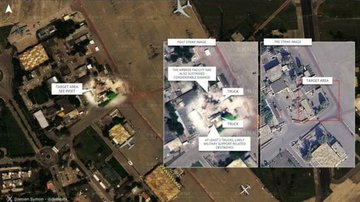
The reported targets included Rafiqui Airbase (Shorkot), Nur Khan Airbase (Rawalpindi), Murid (Chakwal), Rahimyar Khan, Sukkur, Chunian, and radar stations in Pasrur and Sialkot. Satellite imagery also allegedly shows that Malir Cantonment in Karachi was struck — suggesting that IAF operations reached every major Pakistani urban center including Islamabad, Rawalpindi, Lahore, Sialkot, Sargodha, and Karachi.

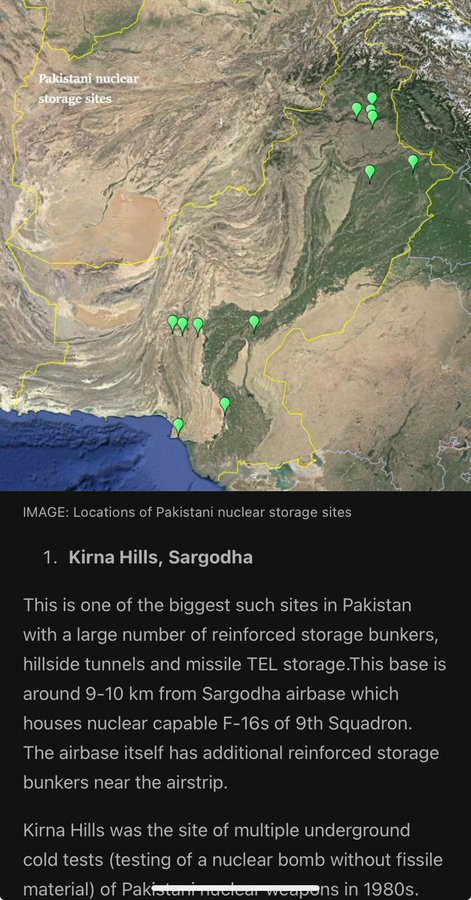
Alongside these confirmed targets, online speculation grew that the IAF had also struck a nuclear storage site at Kirana Hills, near Sargodha. This claim surfaced after damage was reportedly observed at Mushaf Airbase, believed to be connected to underground bunkers storing nuclear warheads.

Flight Tracking Sparks Radiation Concerns

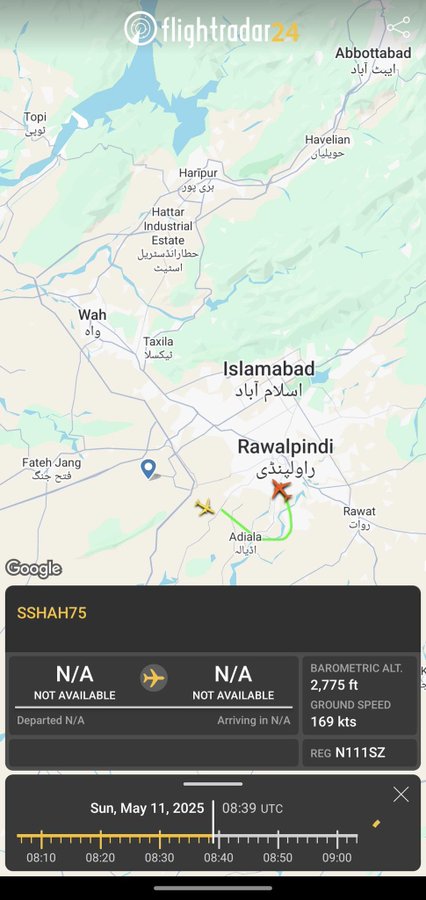
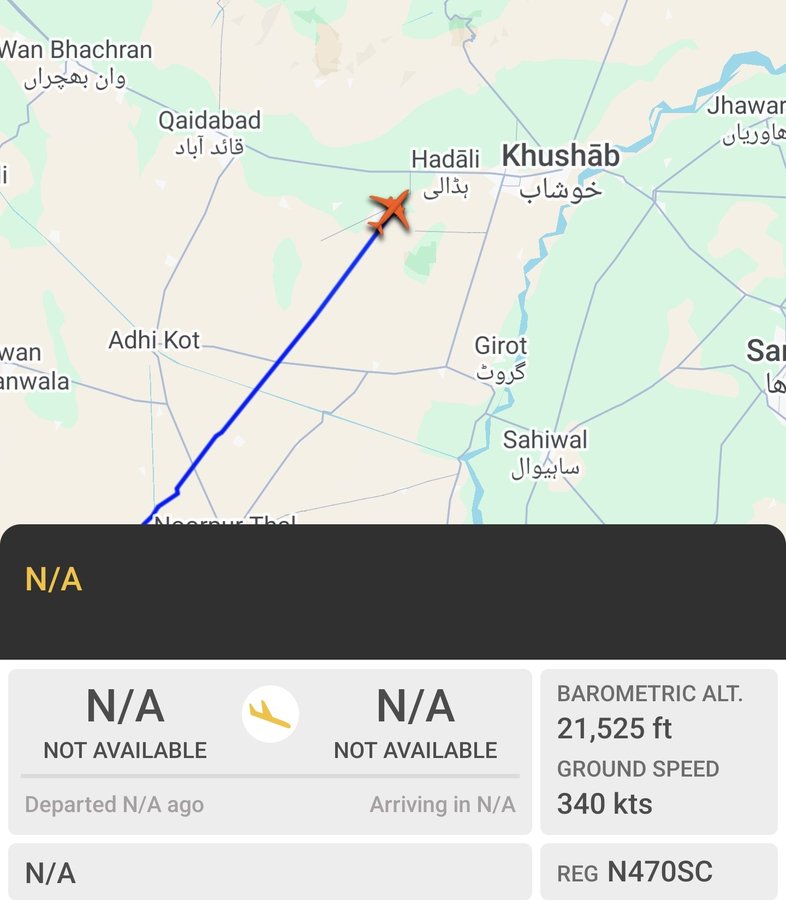
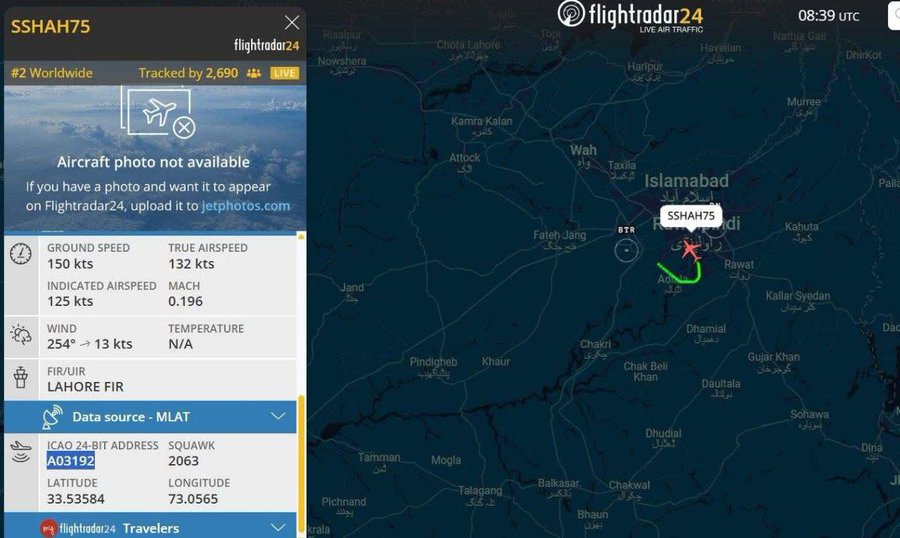
Claims that a U.S. Department of Energy aircraft—specifically the B-350 AMS, used for nuclear emergency response—was spotted flying over Pakistan further intensified public speculation. Users on Flightradar24 tracked the aircraft with registration N111SZ, fueling theories that it had been dispatched to evaluate a potential radiation leak caused by the alleged Indian strike.

Netizens shared detailed tracking data and said, “See who has landed in Pakistan,” linking the aircraft to the U.S. Department of Energy’s Nuclear Emergency Support Team. The user also emphasized the need for patience in times of uncertainty, warning against jumping to conclusions until clear evidence emerged.

As these claims gained momentum, some Indian open-source intelligence (OSINT) communities and social media commentators suggested that Pakistan had urgently sought U.S. intervention to halt further strikes, possibly due to fears over additional attacks on its nuclear assets.

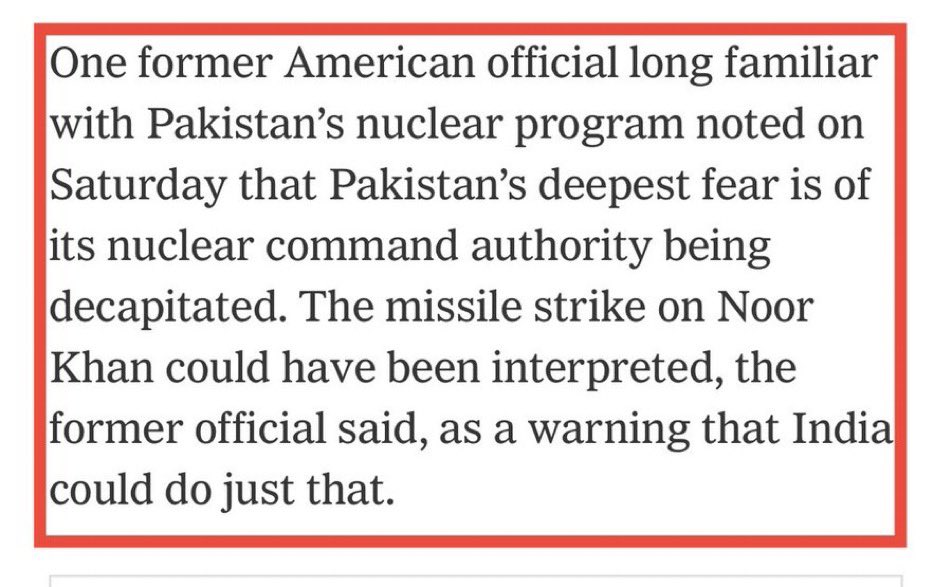
According to a report cited by The New York Times, a former U.S. official familiar with Pakistan’s nuclear command structure suggested that Islamabad’s worst-case scenario is a “decapitation” of its nuclear command authority. The missile strike on Nur Khan Airbase, in this context, was seen by some as a potential signal from India of its capability and intent.

India Denies Targeting Nuclear Sites

In response to the growing speculation, Air Marshal A.K. Bharti, Director General of Air Operations, firmly denied any attacks on nuclear facilities. During the 12  May briefing, he responded sarcastically to the allegations, stating that India was not even aware Kirana Hills housed nuclear storage.

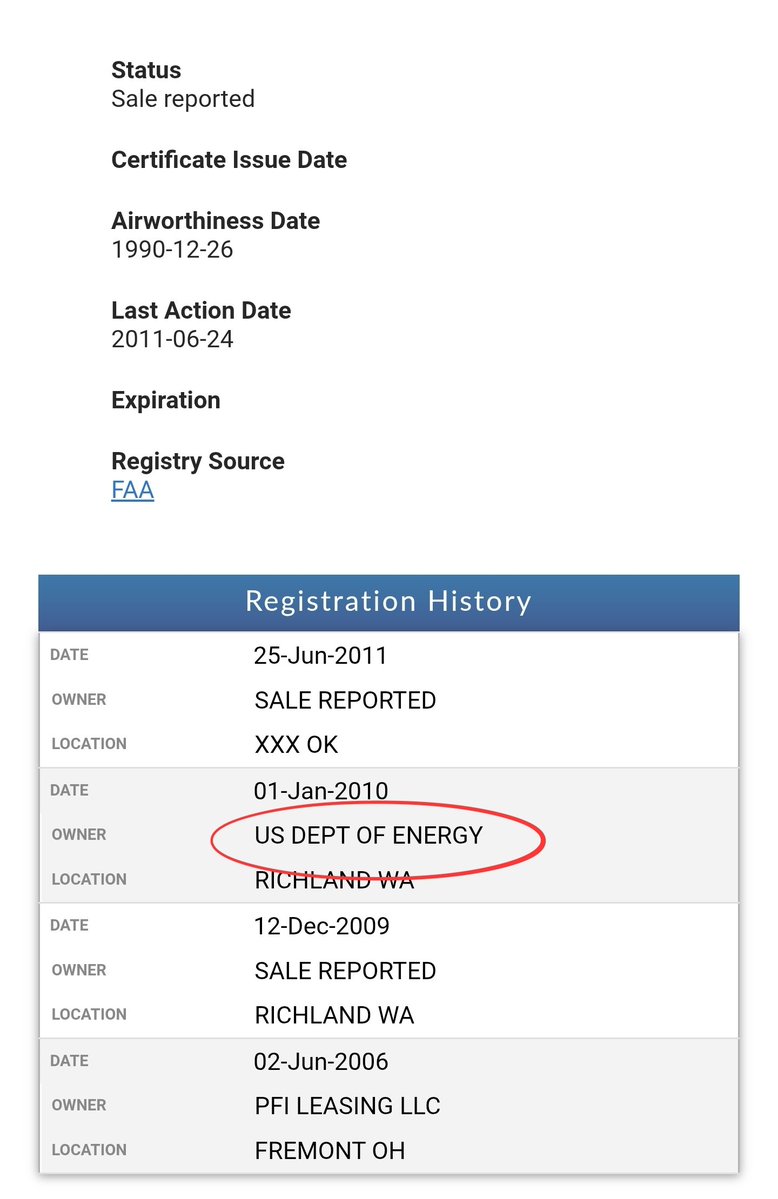
Despite this categorical denial, questions surrounding the B-350 AMS aircraft’s reported flight remain unresolved. Some OSINT researchers claim that the aircraft in question may no longer belong to the U.S. Department of Energy, suggesting that it had been transferred to Pakistan Army Aviation as early as 2010. In fact, photographs of the aircraft labeled 045 under Pakistani ownership date back to 2015.

However, neither this transfer nor the aircraft’s mission has been independently confirmed. The EurAsian Times reported that it could not verify whether the aircraft had actually landed in Pakistan or what its purpose might have been.

Social media, meanwhile, continues to buzz with memes and posts speculating that India may have deliberately avoided acknowledging a strike on a nuclear facility to prevent international condemnation.

What Is the B-350 AMS?

The Beechcraft B350 AMS in question is not your average aircraft. Operated by the U.S. Department of Energy, it serves a highly specialized role under the Aerial Measuring System (AMS)—a premier program for nuclear emergency response. This aircraft is designed specifically to detect radioactive contamination, map the spread of nuclear fallout, and assist during radiological crises. It doesn’t transport passengers, nor does it conduct routine military surveillance. Its sudden emergence in Pakistani airspace—coinciding with Indian precision strikes on multiple military installations, including Mushaf Airbase near the suspected nuclear site at Kirana Hills—has raised significant eyebrows.

Historically, the B350 AMS has only been deployed in major nuclear scenarios: after the Fukushima disaster, during American nuclear drills, and in assessments following nuclear tests. Deployments overseas are exceedingly rare and typically require a diplomatic or strategic justification.

What Is the B350 AMS Capable Of?

This aircraft is equipped with advanced gamma radiation detectors, real-time data relay systems, and detailed geospatial mapping equipment. It is engineered for low-altitude, slow-speed flight to accurately scan and identify radioactive materials both in the atmosphere and on land. Operated by specialized teams trained in nuclear monitoring, the aircraft is capable of detecting specific radioactive isotopes and providing live data to military and emergency authorities.

Past missions involving the B350 AMS have included:

  • Monitoring radiation leaks after nuclear plant accidents

  • Supporting emergency services during radiological incidents

  • Conducting post-strike assessments in nuclear-capable regions

Its appearance over Pakistan therefore suggests something more serious than a conventional conflict. If there was no radiological threat, why deploy a plane designed to respond to one?

The Mystery of Its Presence in Pakistan

Pakistan has not publicly acknowledged the aircraft’s presence. However, flight tracking websites such as Flightradar24 showed activity from an aircraft identified as N111SZ, a B350 AMS variant. Some open-source intelligence (OSINT) analysts noted that this aircraft was reportedly handed over to Pakistan Army Aviation in 2010. But the story doesn’t end there.

Even if the aircraft is now Pakistani-operated, its original design and configuration remain nuclear-focused. If it took to the skies during or immediately after India’s strikes, two interpretations emerge:

  1. Pakistan suspected a radiation leak and deployed the aircraft as a precaution.

  2. The aircraft was sent in collaboration with the U.S. to assess potential damage to nuclear facilities.

Either scenario implies serious internal concern and lends credibility to the theory that a sensitive site—possibly Kirana Hills, rumored to house nuclear assets—might have been affected.

While India has firmly denied targeting any nuclear infrastructure and Pakistan has stayed largely silent, the presence of a nuclear emergency aircraft strongly hints that more occurred behind the scenes than either nation is willing to admit.

(With Inputs From Eurasian Times)

Subscribe to our channels on TelegramWhatsApp, and Instagram and get the best stories of the day delivered to you personally.
‘Operation Sindoor Is Paused, Not Over’: Says Defence Expert Maj Gen (Retd) P.K. Sehgal

As tensions simmer along the India-Pakistan border, Defence Expert Major General (Retired.), P.K. Sehgal has issued a sharp warning to Pakistan, echoing India’s firm stance on cross-border aggression and remarked that ‘Operation Sindoor’ is temporarily paused, not concluded.

He noted that the situation at present remains largely under control, but underlined that the Indian Armed Forces are on full alert and prepared for any provocation. “Our ‘Operation Sindoor’ is temporarily paused, not concluded,” Maj Gen (Retd) Sehgal stressed. “Should Pakistan make the mistake of targeting our civilians, schools, temples, mosques, churches or gurdwaras, the retaliation will be severe, far beyond their expectations.” Commenting on Prime Minister Narendra Modi’s recent address to the nation, Maj Gen Sehgal hailed it as “the strongest speech ever given by an Indian Prime Minister since 1947.”

He emphasised PM Modi’s message about India’s military strength and the superiority of indigenous weapons systems. “The world has now taken note of India’s self-developed missile systems, like the Akash missile and air defence systems, which are not only advanced but also easy to maintain, operate, and sustain,” he said. Maj Gen Sehgal contrasted India’s weaponry with Pakistan’s Chinese imports, asserting, “Indian arms are world-class, and global demand for them is rising.”

He also noted PM Modi’s stern warning to Pakistan: “Those who tried to wipe the vermillion from our mothers’ and daughters’ foreheads had no idea of the response they would provoke. This is the new normal, any such act will invite a swift, punitive, and decisive response.” While no direct attacks have occurred recently, Maj Gen Sehgal confirmed drone sightings in areas like Samba and Jammu on Monday night. “There was no drone strike, but as a precaution, flights from seven airfields have been cancelled today,” he added. Finally, he noted the broader message sent to the international community: “India will no longer accept nuclear blackmail of any kind.

-IANS

Subscribe to our channels on TelegramWhatsApp, and Instagram and get the best stories of the day delivered to you personally.
Man Arrested In Karnataka For Viral Video Calling For Bombing PM Modi’s Residence

A man, who purportedly said that Prime Minister Narendra Modi’s residence should be bombed, has been arrested in Karnataka, police said on Tuesday. According to the police, the accused, identified as Nawaz, made the objectionable statement against Prime Minister Modi in a video and uploaded it on his social media account named ‘Public Servant‘.

In the video, which went viral, Nawaz said, “Today, India and Pakistan are at war. Why hasn’t Prime Minister Narendra Modi’s residence bombed yet? When people were living peacefully, this war like situation was created by PM Modi. His residence should be bombed first.”

Taking cognisance of the matter, the Bandepalya Police registered an FIR and tracked down the accused. He has been remanded to judicial custody and sent to Bengaluru Central jail. Earlier, Karnataka Police registered an FIR against a postgraduate student for allegedly posting a message opposing ‘Operation Sindoor’ launched by the Indian armed forces in retaliation for a terrorist attack in Jammu and Kashmir in which 26 people were killed.

The Konaje Police in Mangaluru city filed the FIR based on a complaint in this regard. According to police, the student, hailing from Mangaluru district, posted an Instagram message criticising ‘Operation Sindoor’. The post opposed the strikes carried out by the Indian armed forces in Pakistan. Reshma N. Bariga, a resident of Belalu near Belthangady town in Mangaluru district and a student of Mangaluru University, made the objectionable post.

“She used the hashtag ‘#dikkaraoperationSindoora’ (Down with Operation Sindoor) after writing poetic lines about the futility of war. In her poem, written in Kannada, she stated that the outcome of war is ‘total darkness’,” police said. The post stirred controversy, prompting Reshma to delete it.

However, she later made another post defending her earlier stance opposing ‘Operation Sindoor‘. Based on the complaint, the police have registered an FIR under Sections 192 (wantonly giving provocation with intent to cause a riot), 196 (promoting enmity between different groups on grounds such as religion, race, place of birth, residence, or language, and acts prejudicial to the maintenance of harmony), 353(1)(b) and 353(2) (statements conducing to public mischief) of the Bharatiya Nyaya Sanhita (BNS). Following the backlash, Reshma issued a new statement expressing her respect and love for her country.

-IANS

Subscribe to our channels on TelegramWhatsApp, and Instagram and get the best stories of the day delivered to you personally.

Nuclear Radiation And Seismic Activity Detected In Pakistan? Did India Strike Pakistan’s Nuclear Centres? What Really Happened?

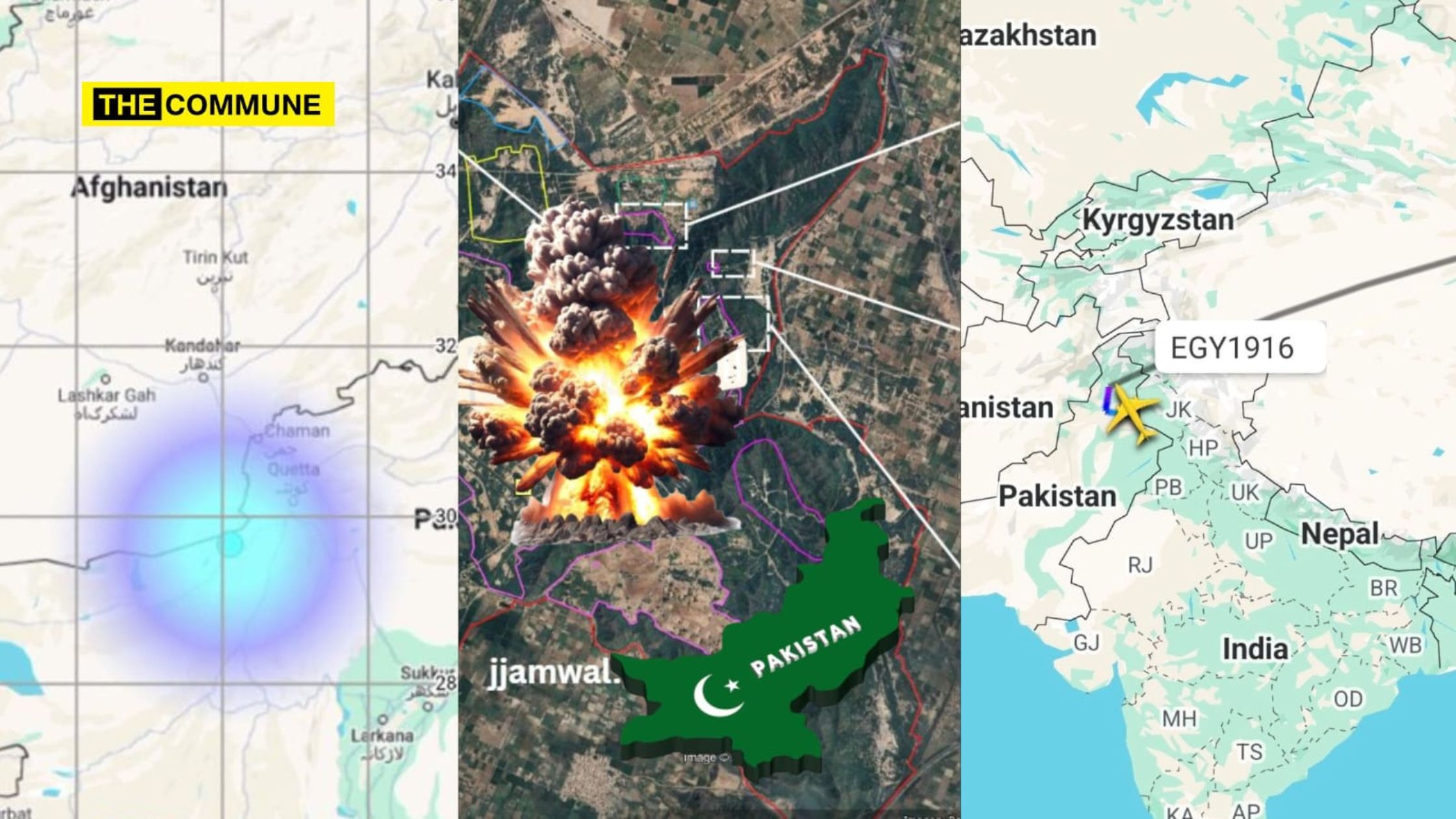
Online platforms have been rife with various indications suggesting that Kirana Hills—a region near Pakistan’s Sargodha Air Base—was struck by India, with some linking recent seismic activity in Pakistan to alleged attacks on nuclear storage sites. The speculation intensified following India’s confirmation of strikes on the Sargodha Air Base and the subsequent ceasefire agreement between the two countries. Conspiracy theories also emerged around sightings of aircraft from the US and Egypt in Pakistani airspace, with claims they were investigating or containing possible nuclear leaks.

Did India Hit Nuclear Centres Of Pakistan?

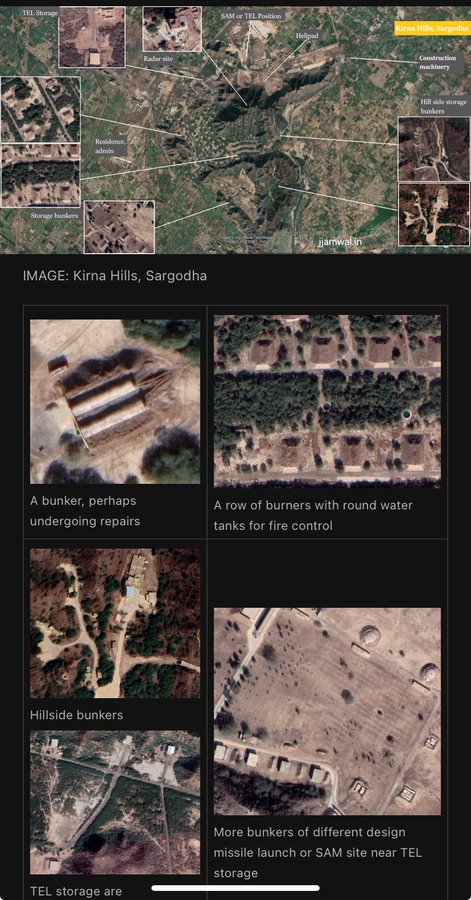
Social media was flooded with a variety of claims and speculation following reports that the Indian Air Force (IAF) may have struck Pakistan’s nuclear storage facility at Kirana Hills, located near the Sargodha Airbase. Kirana Hills is believed to house several underground bunkers, tunnels, and missile storage systems, and lies just 9–10 km from the Sargodha Airbase, which hosts nuclear-capable F-16s from Pakistan’s 9th Squadron.

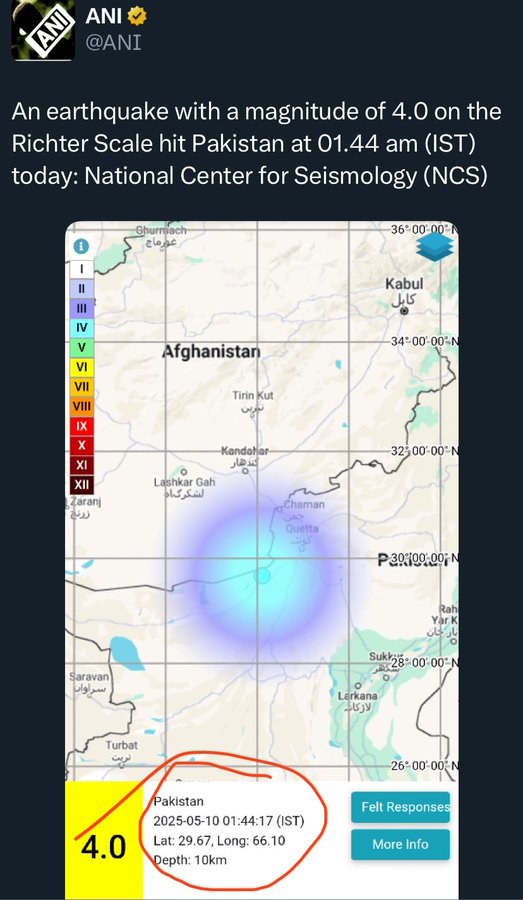
According to conspiracy theories circulating online, the IAF carried out a precision-guided strike on one of the tunnels at Kirana Hills, allegedly resulting in a blast powerful enough to cause a localized earthquake measuring 4.0 on the Richter scale.

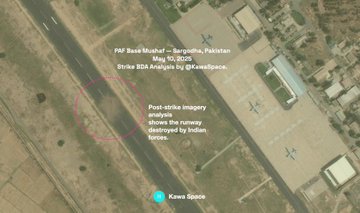
The Indian Air Force’s strike rendered the runway at Sargodha Airbase inoperable, effectively preventing Pakistani forces from launching a counter-response. This has been corroborated by satellite imagery and video evidence.

Claims suggest that the strike penetrated deep into the rocky terrain, collapsing parts of the underground structure and potentially damaging stored nuclear warheads, which may have led to low-level radiation leakage.

These unverified reports were bolstered by geolocation analysis of videos purporting to show the strike, which some claim confirm the hit on a hillside entrance. Satellite imagery and thermal imaging data from global sources, including NASA’s Visible Infrared Imaging Radiometer Suite (VIIRS), were interpreted by some as further evidence. One thermal hotspot, allegedly from the strike on Noor Khan Airbase in Rawalpindi/Islamabad, reportedly persisted for over 24 hours.

The large-scale IAF strike posed a serious threat to Pakistan’s nuclear command infrastructure and inflicted damage on the site. Sources indicate that the attack led to a partial collapse of an underground storage chamber, potentially resulting in the release of low-level nuclear radiation.

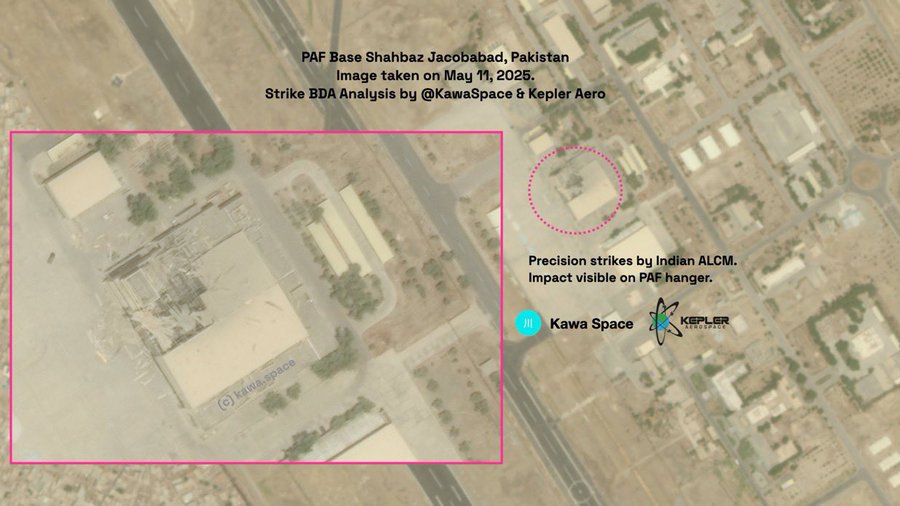
The IAF is also rumored to have struck other strategic locations, including Jacobabad Airbase, Bholari, and Chagai Hills, allegedly causing widespread infrastructure damage.

Why Was the US Nuclear Emergency Aircraft Spotted in Pakistan?

Adding to the confusion was the appearance of a U.S. B-350 AMS aircraft, which is typically used by the National Nuclear Security Administration (NNSA) for nuclear emergency response and radiation detection missions. The aircraft was reportedly seen flying over Pakistani airspace shortly after India and Pakistan agreed to a ceasefire, raising speculation that it was deployed to assess potential radiation leaks following the IAF strikes.

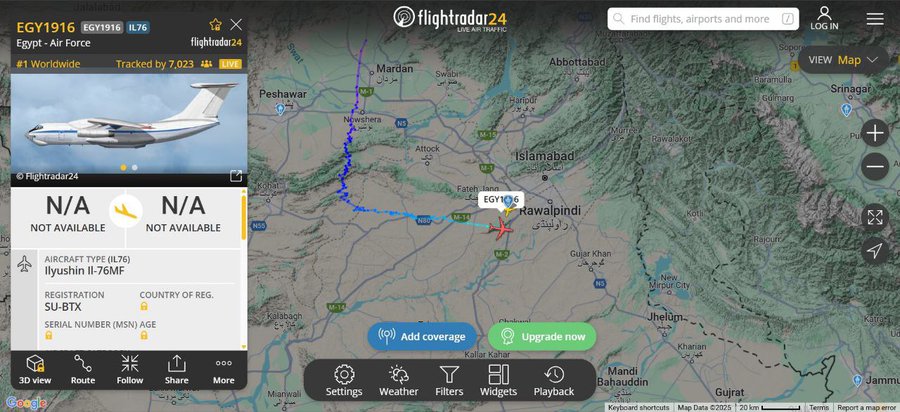
Not long after, an aircraft from Egypt, registered as EGY1916, landed in Rawalpindi. According to netizens, it was potentially carrying emergency supplies of boron, a chemical element used in nuclear shielding due to its neutron-absorbing properties. Egypt is known to have access to boron from the Nile Delta and has equipment for responding to radiological emergencies.

Some suggest that the presence of the U.S. emergency aircraft, coupled with Egypt’s involvement, points to a serious nuclear incident in Pakistan. Further intensifying the claims, a retired U.S. Department of Energy aircraft, responsible for managing American nuclear assets, was reportedly en route to an undisclosed destination—leading some to believe it might be involved in securing or even relocating compromised Pakistani nuclear warheads.

“Pakistan has requested U.S. assistance in facilitating a ceasefire. Meanwhile, the U.S. B-350 AMS aircraft is reportedly carrying out radiation monitoring within Pakistani territory. At the same time, Egypt has deployed an aircraft believed to be transporting boron, and a U.S. Department of Energy plane is en route to an undisclosed destination. These developments appear to be more than just coincidences.

If the claims are to be believed, this would mark the first instance in modern history where a nuclear-armed country’s storage facilities were targeted by conventional military strikes. The idea that India refrained from escalating the situation further, despite reported Pakistani ceasefire violations, has been interpreted by some as an attempt to avoid worsening any potential nuclear fallout.

While none of these allegations have been officially confirmed by any government or international agency, the convergence of these events—airstrikes, thermal imaging data, and the movements of U.S. and Egyptian aircraft—has fueled ongoing conspiracy theories suggesting that Pakistan experienced a radiological emergency as a result of the Indian strikes.

What Did Air Marshal AK Bharti Say?

During a press briefing on Operation Sindoor held on 12 May, Air Marshal AK Bharti firmly refuted widespread speculation that Indian forces had targeted Pakistan’s alleged nuclear facilities at Kirana Hills.

We did not strike Kirana Hills,” he stated, addressing ongoing rumors circulating on social media and in international outlets. Responding to a question about whether India had hit a nuclear weapons storage location, Bharti remarked, “Thank you for telling us that Kirana Hills houses some nuclear installation, we did not know about it. We have not hit Kirana Hills, whatever is there.”

Air Marshal Bharti emphasized that Operation Sindoor was launched strictly in response to terrorism and was not intended to target Pakistan’s military or civilians. He stated that the Indian response came after Pakistan attempted attacks on Indian cities and military posts using Turkish drones, Chinese-made missiles, and fighter jets.

Our operations were directed at terrorist camps and the infrastructure that supports them—not against Pakistan’s armed forces,” he reiterated. “Unfortunately, the Pakistan military chose to protect these elements, which left us with no choice but to respond accordingly.”

During the briefing, Indian forces also presented wreckage from Turkish-made Songar drones and a Chinese-origin PL-15 air-to-air missile, which were reportedly used by Pakistan in the attempted attack.

(With Inputs From News 18)

Subscribe to our channels on TelegramWhatsApp, and Instagram and get the best stories of the day delivered to you personally.
LeT Terrorist In Pakistan Army Uniform: Proof Of Military-Terror Nexus Exposed

let terrorist pakistan army

In a startling revelation that further exposes the nexus between Pakistani terrorists and the country’s military, open source intelligence OSINT TV has released new visuals indicating active collaboration between terror operatives and the Pakistani Army along the India-Pakistan border.

The video features Muzammil Yusuf, a known operative of the UN-designated terrorist group Lashkar-e-Taiba (LeT). Yusuf, who serves as the personal bodyguard of LeT deputy chief Saifullah Kasuri, was seen in full Pakistani Army uniform, handling standard-issue Pakistani military weapons and operating from an army post positioned along the Line of Control (LoC).

Yusuf hails from Godlanwala village in the Gujranwala district of Pakistan’s Punjab province. His presence in an official military setup underscores troubling parallels with the 1999 Kargil War, where Pakistan’s regular troops operated in coordination with militant groups to infiltrate Indian territory.

Additional visuals show several more militants—some not wearing Pakistani military uniforms—actively fighting alongside regular Pak Army personnel at frontline positions against Indian forces. These images offer further proof of the ongoing strategy by Pakistan to blur the lines between its state military and proxy terror groups, despite international scrutiny and repeated denials.

The fresh visuals add weight to long-standing allegations that Pakistan continues to use terrorist organizations as extensions of its military in its covert operations against India.

(This article is based on an X Thread By OsintTV)

Subscribe to our channels on TelegramWhatsApp, and Instagram and get the best stories of the day delivered to you personally.

Kerala Man Mujeeb Rahman Arrested For Impersonating PMO Official, Attempting To Access INS Vikrant Details

In a significant security incident during the heightened vigilance of Operation Sindoor, Kerala Police apprehended a man for falsely claiming to be a Prime Minister’s Office (PMO) official in an attempt to obtain sensitive information regarding India’s indigenous aircraft carrier, INS Vikrant.

The individual, identified as Mujeeb Rahman from Elathur in Kozhikode district, made a deceptive call to the Kochi Naval Base on the night of 9 May. Introducing himself as “Raghavan,” he alleged he was a PMO representative and inquired about the current position of INS Vikrant. Suspecting foul play, naval personnel declined to share any details and quickly alerted law enforcement.

Following this, a First Information Report (FIR) was filed at Harbour Police Station, and an investigation was launched. Kochi City Police Commissioner Putta Vimaladitya confirmed that after media reports began circulating, the accused switched off his mobile phone. However, investigators successfully tracked the number and took Mujeeb into custody on 12 May. He was transported to Kochi for further questioning by senior officials.

Mujeeb’s family stated that he has been receiving treatment for mental illness since 2021 and suggested his actions were influenced by online misinformation. According to them, he acted after reading unverified reports claiming that INS Vikrant had attacked Karachi port—rumours likely linked to disinformation campaigns amidst Operation Sindoor.

Commissioner Vimaladitya said a psychiatric evaluation would be conducted to determine Mujeeb’s mental health. Authorities are also scrutinizing his digital footprint—including phone records, emails, and social media activity—to assess whether the impersonation was an isolated act or connected to a broader agenda. The charges against him include impersonation and potential violations under the Official Secrets Act, given the nature of the information he sought.

The Indian Navy swiftly addressed the situation in an official statement, confirming that its internal security mechanisms flagged the suspicious call and immediately involved intelligence agencies. The Southern Naval Command has since been cooperating fully with the investigation.

“The Indian Navy remains vigilant against any subversive or espionage attempts to access sensitive information,” the Navy reiterated. “Operational security remains our top priority in safeguarding national interests.”

The incident has intensified discussions within the defence and intelligence circles as Operation Sindoor—India’s strategic maritime readiness initiative—progresses amid rising regional tensions. The attempted breach highlights the escalating risks of misinformation and the need for robust cyber and communication security protocols.

Subscribe to our channels on TelegramWhatsApp, and Instagram and get the best stories of the day delivered to you personally.

Woke Influencer Slammed For Praising Pakistani Officer, Fueling Fake News About ‘Captured’ Female Pilot

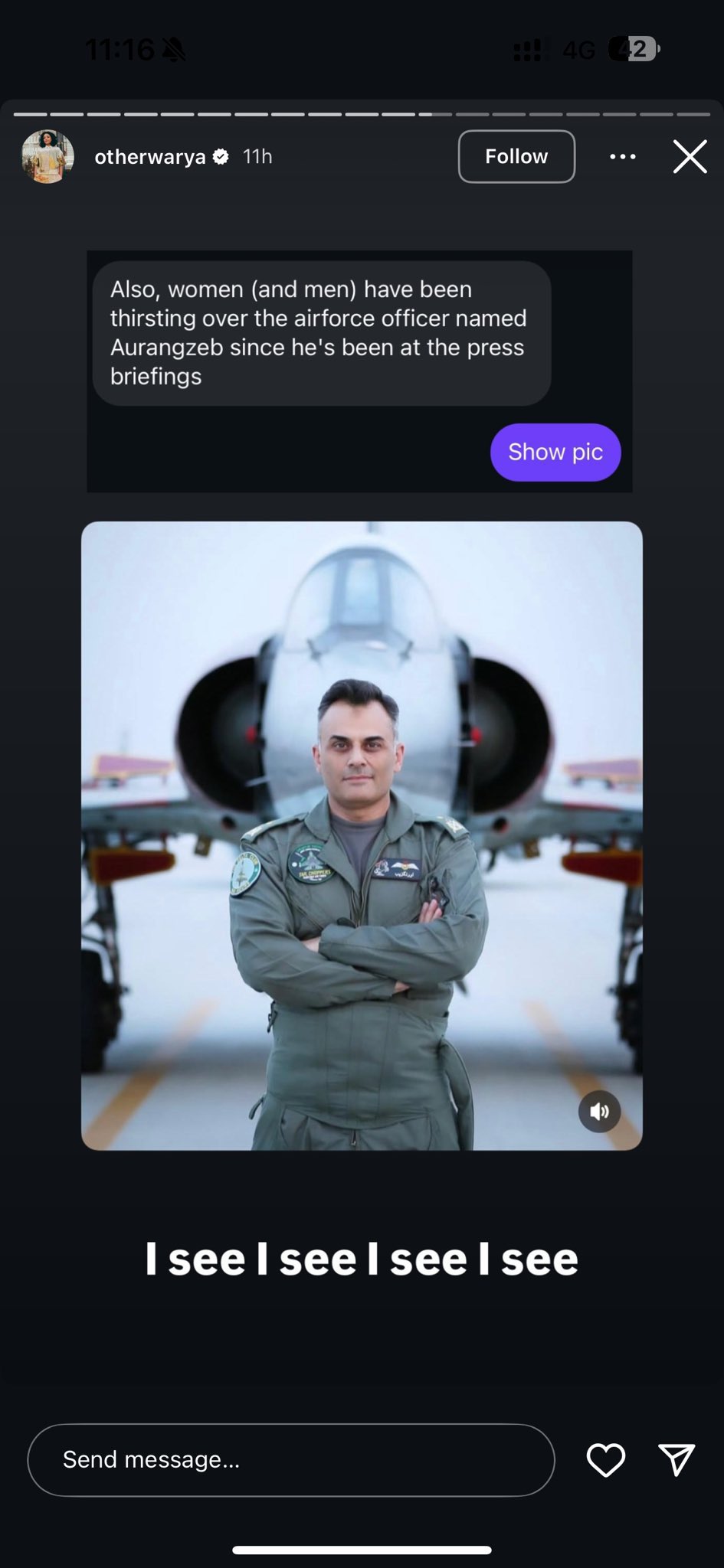
In the midst of rising India–Pakistan tensions following recent skirmishes and a ongoing tension along the borders, a viral Instagram post has ignited a firestorm of nationalist outrage and online vitriol. The post accuses Aishwarya Subramanyam, a woke left simping social media user with the handle @otherwarya on Instagram of glorifying a Pakistani Air Force officer and mocking the Indian armed forces.

The post was viral on X and quickly gained traction for calling out by netizens that the Aishwarya as “average leftist woke,” accusing her of “lusting over a Pakistani soldier while ridiculing our own armed forces.”

The Instagram Stories that Sparked Outrage

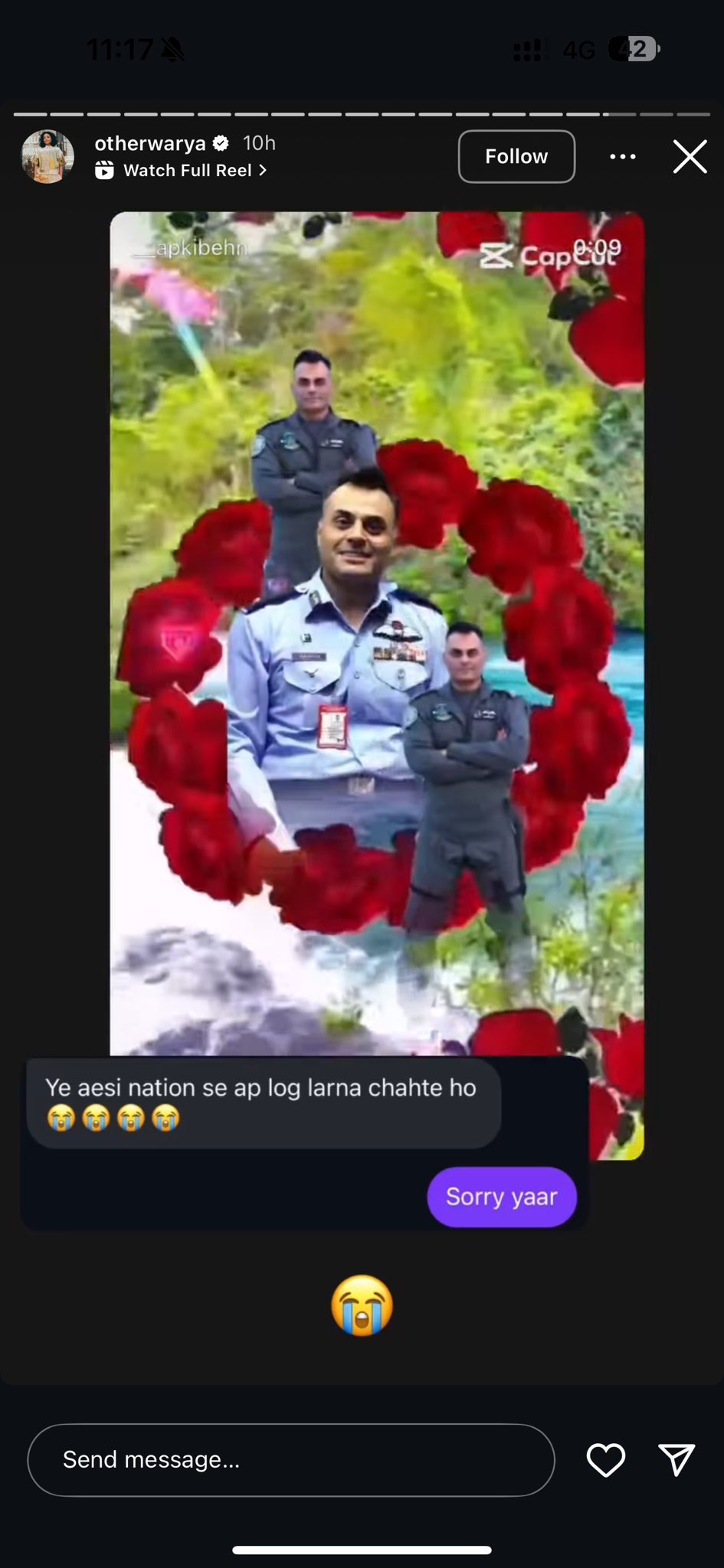
The post included three Instagram story screenshots allegedly shared by @otherwarya:

A Collage of a Pakistani Air Force Officer accompanied with a Love Song:
The central image edited using CapCut with decorative red roses — featured a man in Pakistani Air Force uniform. Overlaying the image was the caption and accompanied by old Hindi love song, “Hum Thumse Pyar Karte”

“Ye aesi nation se ap log larna chahte ho 😭😭😭 Sorry yaar 😭” (Translation: “You guys want to fight a nation like this 😭😭😭 Sorry, yaar😭”) The romantic filter, emojis, and tone were interpreted by many as infatuation or admiration, prompting anger from those who viewed it as disrespectful toward India’s armed forces.

The second story read: “Also, women (and men) have been thirsting over the airforce officer named Aurangazeb since he’s been in the press briefings .” @otherwarya responded with repeated “I SEE” texts, implying agreement with the sentiment.

In her third post, Aishwarya Subramanyam alludes to a claim that a female Indian Air Force officer had been captured by Pakistan. She backs this by referencing a cartoon-style advertisement released by a Pakistani soft drink company, which, according to her, indirectly confirmed the incident.

The advertisement in question draws on the real-life 2019 Balakot airstrike, when Indian pilot Wing Commander Abhinandan Varthaman was captured by Pakistan and famously served tea while in custody—a moment that became symbolic and politically charged. The new ad satirizes this event by replacing tea with the company’s energy drink and featuring a cartoon version of an Indian pilot calmly enjoying the beverage, implying a repeat scenario but with a female figure this time. The ad’s tagline, “No tea this time,” is seen as a deliberate jab, adding a layer of mockery to a deeply sensitive geopolitical issue.

Aishwarya’s caption reads: “Correct info hai. A local energy/color drink company even published a cartoonised ad yesterday of the captured female pilot having their drink instead of tea this time LOL,” followed by, “Wahhh show.” Her seemingly joking tone, combined with the mocking reference, sparked outrage among X users. Many perceived it as disrespectful to the Indian armed forces and inappropriate given the fraught history and current state of India-Pakistan relations.

The reaction to her posts was swift and aggressive. Commenters accused Aishwarya of mocking India’s military while glorifying an officer from Pakistan — a country often viewed as a hostile adversary in India’s political discourse. The Air Vice Marshal in question, Aurangzeb Ahmed, is allegedly known for anti-India statements, heightening the outrage.

Subscribe to our channels on TelegramWhatsApp, and Instagram and get the best stories of the day delivered to you personally.
Kerala University Vice Chancellor Halts Tamil Dept Seminar Based On ‘BJP-Pahalgam Conspiracy’ Theory

A seminar organized by the Tamil Department of Kerala University on the Pahalgam terror attack was abruptly canceled after facing backlash from university authorities. The seminar had sparked controversy due to its proposed basis on an article published in Jananayakam, a Tamil publication. The article claimed that the Bharatiya Janata Party (BJP) was using the Pahalgam attack for political gain, a stance that drew significant criticism.

VC’s Decision To Stop the Seminar

The Vice Chancellor (VC) of Kerala University, Mohanan Kunnummal, intervened and ordered the cancellation of the seminar, labeling it as potentially anti-national. In a formal communication to Dr. Hepsi Rose Mary, the head of the Tamil Department, the VC expressed concerns that the seminar’s content could undermine national unity and conflict with the country’s interests.

The Controversial Article and the Seminar Proposal

The seminar had been proposed by a research student from the Tamil Department, who suggested discussing the controversial article. The article argued that the BJP was exploiting the Pahalgam terror attack for political advantage, which many believed was an attempt to politicize the tragedy. This narrative, suggesting that the central government was using the attack to further its own agenda, was seen by university authorities as divisive and detrimental to national integrity, prompting the intervention.

Once the issue was raised, the VC acted swiftly to prevent any further controversy by banning the event. He requested an explanation from the department head within 24 hours and also informed the state governor of his decision.

Head of Department’s Response

Dr. Hepsi Rose Mary responded to the registrar’s inquiry by submitting a detailed report. In her explanation, she acknowledged that the research student had suggested the seminar based on the article but confirmed that the student had since apologized for proposing the topic. The student recognized that the timing of the discussion was inappropriate, given the sensitive nature of the subject.

Dr. Rose Mary further clarified that after reviewing the article, she had personally advised against proceeding with the seminar, understanding that it could provoke unnecessary controversy. She emphasized that the decision to stop the seminar was made by the VC even before the issue had been raised publicly.

Complaints from Students and VC’s Swift Action

The VC’s decision was partly influenced by complaints from students within the Tamil Department, who expressed concern about the potential for the seminar to divide the student body and promote anti-national sentiments. The sensitive nature of the topic, coupled with these student complaints, led the VC to take immediate action, halting the seminar before it could take place.

The VC also escalated the matter to the state governor, further underlining the seriousness of the situation and the potential repercussions for the university’s reputation. It was made clear that the content of the proposed seminar was not aligned with the university’s values and could harm the institution’s credibility.

Student Apology and Resolution

As part of the resolution, the research student who had proposed the controversial topic issued an apology. The student expressed regret for raising the issue at an inappropriate time and acknowledged that the seminar was not the right platform to discuss sensitive issues like the Pahalgam attack, particularly when India was facing significant national security challenges.

Dr. Rose Mary’s report concluded that the university had taken the right course of action, considering the circumstances. She reiterated that she had already advised the student against proposing such discussions in the future to avoid any further controversies.

While the issue has been resolved within the university, it raises important questions about the balance between academic freedom and national security concerns. The Kerala University’s decision to halt the seminar demonstrates the difficulties that academic institutions face when navigating the complexities of freedom of expression while ensuring that their platforms are not misused to further politically divisive narratives.

(With inputs from Kerala Kaumudi)

Subscribe to our channels on TelegramWhatsApp, and Instagram and get the best stories of the day delivered to you personally.