Home Blog Page 208

Major Crackdown Near SRM University: Tambaram Police Seize Ganja Chocolates And Banned Tobacco Products In Raids

srm university ganja

A major crackdown took place near SRM University in Kattankulathur, where Tambaram police raided hostels, apartments, shops, and hotels, leading to the seizure of a large quantity of ganja-laced chocolates and banned tobacco products.

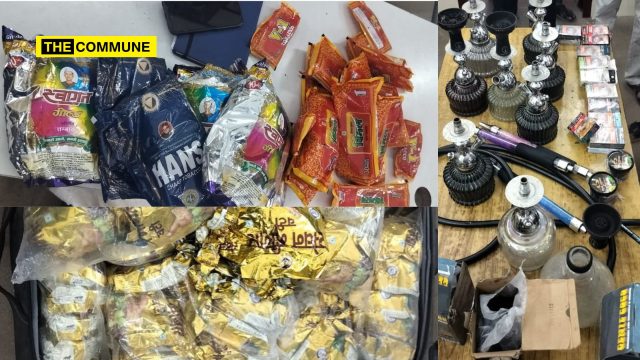
The surprise operation, led by Deputy Commissioner Pavam Kumar Reddy, began at 6 PM and involved around 100 officers. Authorities confiscated 5,250 ganja chocolates, 30 Hans sachets, 80 packets of Swagath Gold tobacco, 270 Vimal pan masala packets, and 270 V‑1 tobacco packets. In another stash, they found 49 ganja chocolates, 18 Hans sachets, and 6 mava packets.

The raids were part of a broader effort to address the sale of narcotics and gutka targeted at students in the area. Police are now investigating to identify the suppliers and distributors behind these illegal sales.

The private university in Potheri attracts students not just from Tamil Nadu, but from across India, and the Tambaram Police Commissionerate had received multiple complaints about cannabis and other narcotics being sold to students in the vicinity.

On the evening of the operation, over 60 officers, led by Deputy Commissioner Pavan Kumar Reddy, were divided into 20 teams to carry out raids on private apartments, pet shops, and tea stalls in the Potheri region.

Among those arrested were Dodan Banga, 37, from West Bengal; Ranjith, 25, from Potheri; Mohammed Fareed, 50, from Maraimalai Nagar; and Praveen Kumar, 37, from Kuduvancheri. Also arrested were Ignas Shankaracharya, 21, a B.Tech student from Uttar Pradesh, and Saurav Kumar, 18, who were both found to be involved in selling narcotics. The six individuals were later presented before the Chengalpattu Criminal Court.

In August 2024, a major drug crackdown took place at SRM Engineering College in Kattankulathur, Tamil Nadu, after reports of ganja circulation among students. Around 500 police officers conducted early morning raids on college hostels and nearby student accommodations, arresting 30 students in possession of ganja and other narcotics. The operation follows prior incidents, including a 2022 clash over drug sales between students from northern states. Police have since extended raids to rented properties linked to students.

(With inputs from Dinamalar)

Subscribe to our channels on TelegramWhatsApp, and Instagram and get the best stories of the day delivered to you personally.

Zohran Mamdani: Radical Islamist & Alleged Socialist, Hosts Lavish 3-Day Wedding With Armed Guards, Phone Jammers At Luxury Family Estate In Uganda

zohran mamdani uganda estate wedding socialist new york nyc mayoral candidate

New York City mayoral frontrunner and Queens Assemblyman Zohran Mamdani recently concluded a three-day wedding celebration at his family’s luxury estate in Uganda, drawing attention and criticism for the event’s extravagance, timing, and high-security measures.

Mamdani, 33, had quietly allegedly eloped in February this year with artist and animator and pro-Hamas activist Rama Duwaji, 27.

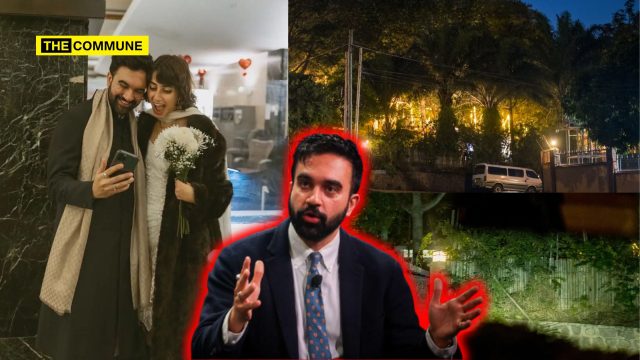
They traveled to Uganda this week to celebrate their nuptials with his parents and extended family. The celebrations took place at the Mamdani family’s secluded, upscale compound on Buziga Hill, an affluent suburb of Kampala overlooking Lake Victoria. The property, owned by Mamdani’s mother, filmmaker Mira Nair, and father, political theorist Mahmood Mamdani, is known for its panoramic views, expansive gardens, and strict privacy.

According to sources in the neighborhood, the residence was transformed into a party venue for the week, with music blaring late into the night, buses and luxury vehicles such as Mercedes and a Range Rover seen arriving at the gates, and the garden decorated with strings of Christmas lights.

The event was tightly secured, with more than 20 guards in military-style uniforms and some masked, stationed at multiple gates. Witnesses said a phone-jamming system was also in place to ensure privacy and restrict external communication. “One gate had around nine guards stationed at it,” said a local source to New York Post, adding that the event was strictly invite-only.

The couple’s wedding festivities included local DJs, Indian-style fruit juice offerings, and speeches by Mamdani himself. According to a witness, his voice could be heard on a microphone addressing guests during one of the nights, and the party extended past midnight. After the event, tents were seen being dismantled, and private security replaced the special forces guarding the entrances.

The event was not publicly announced in advance, and many local residents were unaware of the celebrations. Despite Mamdani’s rising profile in the U.S., locals in the neighborhood were more concerned with everyday survival than celebrity politics. “We’re just trying to win the bread and make sure our families are OK,” one resident remarked.

Some neighbors criticized the event’s timing, citing the death of former Ugandan Supreme Court Justice George Kanyeihamba, who lived nearby and passed away on 14 July 2025. Mourning rituals, known locally as “Okukungubaga,” were ongoing during the time of the wedding. President Yoweri Museveni reportedly visited Kanyeihamba’s residence during the mourning period, temporarily shutting down nearby roads. “It was insensitive to have a wedding celebration in the same week as mourning,” a local resident told reporters.

Mamdani, a native of Kampala who moved to the U.S. at age 7 and became a citizen in 2018, is widely viewed as a progressive voice in New York politics. He and Duwaji, an illustrator, currently reside in a rent-stabilized apartment in Astoria, Queens. The couple met on the dating app Hinge.

Hypocrisy’s Name Is Zohran Mamdani

The contrast between Zohran Mamdani’s public image and private conduct has not gone unnoticed. Despite branding himself as a democratic socialist who advocates for wealth redistribution, housing justice, and public accountability, Mamdani’s lavish overseas wedding, complete with armed guards, privacy jammers, and luxury trappings, has drawn criticism for hypocrisy. Detractors have also pointed out that while Mamdani has vocally supported gun control and police demilitarization in New York, his Ugandan wedding featured a conspicuous security presence, with masked guards in military gear patrolling the gates. Critics argue the spectacle undermines his claims of solidarity with the working class, and casts doubt on the authenticity of his progressive platform.

(With inputs from New York Post)

Subscribe to our channels on Telegram, WhatsApp, and Instagram and get the best stories of the day delivered to you personally.

Congress Leader P. Chidambaram Gives Clean Chit To Pakistan In Pahalgam Terror Attack

Congress has once again demonstrated why its brand of politics is increasingly seen as disconnected, dangerous, and damaging to national interests.

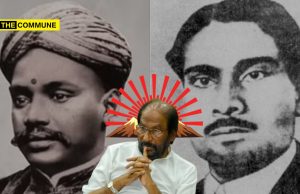
In a shocking statement that has drawn sharp criticism from across the political spectrum, senior Congress leader and Rajya Sabha MP Chidambaram ahead of the Operation Sindoor debate in Parliament gave a clean chit to Pakistan for its role in Pahalgam Terror Attack. He asked, “Why do you assume that the attackers came from Pakistan?” — a question that conveniently aligns with Pakistan’s standard propaganda playbook. His remarks have sparked a massive backlash, with the BJP accusing him of providing rhetorical cover to India’s enemies and trivializing the cross-border nature of jihadist terror.

Have they (NIA) identified the terrorists or where they came from? For all we know, they could be homegrown terrorists. Why do you assume they came from Pakistan? There is no evidence of that.”, he said in an interview to Congress-supporting leftist portal The Quint.

The Pahalgam massacre wasn’t a random act of violence. It was a well-planned attack on Hindu tourists, with militants checking victims’ religion before executing them. The Resistance Front, a proxy of Pakistan-based Lashkar-e-Taiba, claimed responsibility. Indian agencies have pointed to concrete cross-border links, but Chidambaram, ever eager to play contrarian, chose to raise questions — not of the terrorists, but of India’s counter-terror operations and evidence-gathering.

While the Modi government launched a precise and powerful retaliatory strike through Operation Sindoor, demonstrating restraint and resolve, Chidambaram’s remarks effectively provides ammunition to Pakistan to diminish its role in supporting terrorists. By casting doubt on the foreign hand, he not only undermined the sacrifices of the security forces but also echoed the same narrative Pakistan pushes to escape culpability.

Previous Instances Of Chidambaram Peddling Pro-Pakistan Agenda

While 26/11 Mumbai terror attack by Pakistani terroists shocked the nation, Chidambaram was busy targeting Hindus warning of ‘saffron terror.

In December 2016, during a public discussion, Chidambaram insisted that India should not walk away from diplomacy even in the face of provocations. “You have to continue to engage with Pakistan,” he said, adding that eventually, India must find a way to coexist peacefully. His remarks were perceived by many as dangerously naïve and misaligned with ground realities, particularly in light of Pakistan’s repeated ceasefire violations and terror infiltration.

In February 2017, Chidambaram asserted that India must continuously engage with Pakistan, stating, “We are neighbours… we will be neighbours for hundreds of years.” He cautioned against flip-flop foreign policy and argued that dialogue was the only sustainable solution. This statement came at a time of heightened tensions effectively downplaying Pakistan’s continued support for terrorism.

In April 2019, while speaking at an Observer Research Foundation (ORF) symposium, Chidambaram stated that India must “change its behaviour toward Pakistan” in order to bring about a change in Islamabad’s conduct. He emphasized that “war is not an option” and advocated for a more harmonious relationship.

Even as recently as May 2025, during a controversy over an India-Pakistan ceasefire agreement, Chidambaram questioned whether India’s decision was influenced by external pressure, particularly from the United States. He asked whether India’s foreign policy was being dictated from Washington, a remark that was seen as undermining India’s strategic autonomy and feeding into the narrative promoted by Pakistan and its allies.

TCS Fires 12K Mid And Senior Level Employees Due To ‘Skill Mismatch’, Netizens Ask Why They Couldn’t Identify Skill Mismatch All These Years

tcs skill mismatch

In its largest-ever workforce reduction, Tata Consultancy Services (TCS), India’s top IT services firm and the most profitable unit of the Tata Group, is set to lay off 12,261 employees, around 2% of its total workforce. This decision is driven by disruptions brought on by AI advancements and ongoing macroeconomic challenges that have impacted business demand.

As of June 2025, TCS employed over 610,000 people globally. The company has been continuously realigning its workforce in response to shifting business needs. In FY15, it reduced its staff by over 3,000, or about 1% of its total workforce. The upcoming layoffs will largely affect mid-level and senior employees. This move represents a significant strategic pivot for the company, embracing AI while shedding employees who are unable to be redeployed within the organization.

Such workforce reductions, which were once uncommon in the industry, highlight the growing pressure on businesses due to weaker demand, especially with the absence of large contracts like BSNL. Industry experts believe this could signal a wider trend in the sector, where increased automation and the need to protect profit margins are compelling companies to cut down on headcount.

In a statement to Moneycontrol, TCS CEO K. Krithivasan explained, “We anticipate it will be around 2% of our global workforce, mostly in middle and senior management. These employees may need to go because their roles are no longer viable. It’s a tough decision we had to make.” He also emphasized that the layoffs were not driven by margin pressures, adding, “Once it’s clear, CFO Samir Seksaria will address the financial impact, but this is not about margins.” According to Krithivasan, the job cuts are due to skill mismatches and the inability to deploy certain employees effectively, rather than a result of AI-driven productivity gains. He reassured that TCS would continue to recruit and train high-quality talent.

The announcement, however, has been met with criticism, especially on social media, where users have accused the company of hypocrisy, questioning why it was not anticipated sooner and criticizing the attempt to downplay the situation as a necessary cost-saving measure.

One netizen stated, “Politicians telling it is not for power and Executives telling it is not for margin –same:)”

Another netizen commented, “Someone spoke the truth. Every other big tech companies blame AI for taking away jobs. No its not. They just layoff people and save cost.”

Another asked, “Suddenly the mid and senior level talent became Skill mismatch? How did they become Senior Talents without Skills? It is bcoz of changing Tech landscape and AI driven productivity increase. TCS isn’t telling the truth.”

The news of TCS laying off 12,261 employees, or around 2% of its workforce, could lead to a temporary drop in share prices as market sentiment reacts. However, the cost savings from these cuts might boost profit margins in the long run, especially as the company adapts to AI-driven changes.

Phil Fersht, CEO of HfS Research, echoed these sentiments, noting that AI is reshaping the labor-intensive services model, compelling large firms to restructure their workforce in order to stay competitive and meet client demands for significant price reductions—sometimes as much as 20-30%. Other Tata Group companies, like Tata Steel and Tata Motors, have also been periodically trimming their workforce to reduce costs and boost profitability. For example, in 2019, Tata Steel laid off 3,000 workers in its European operations.

(With inputs from Money Control)

Subscribe to our channels on TelegramWhatsApp, and Instagram and get the best stories of the day delivered to you personally.

Drug Mafia Kazhagam: List Of DMK Functionaries Involved In Drug Cases

dmk drug mafia kazhagam dravidian model

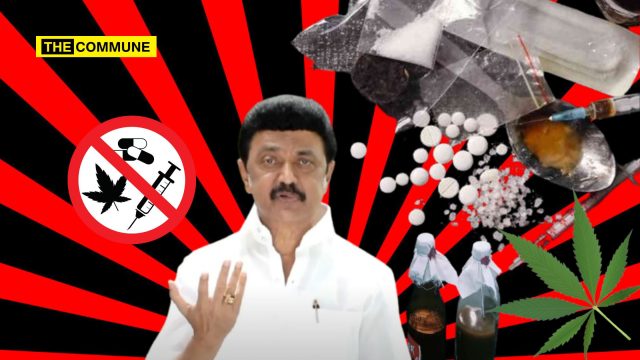
One of the most alarming developments under the DMK’s current administration has been the proliferation of drug-related crimes, not just in the streets, but disturbingly, among the party’s own ranks. While the state claims progress in law and order, what’s evident on the ground is a parallel rise in the visibility, availability, and audacity of narcotics trafficking.

A pattern has emerged where several DMK-linked figures have been directly involved in large-scale smuggling and peddling of banned substances. Below are key cases highlighting how deep this rot has spread and why DMK is constantly referred to as “Drug Mafia Kazhagam”.

Jaffer Sadiq – Former Deputy Organizer, DMK NRI Wing (Chennai West)

Jaffer Sadiq, a Tamil film producer and once a rising DMK figure, was exposed as the kingpin of a transnational drug syndicate trafficking pseudoephedrine to Australia and New Zealand. His arrest followed a multi-agency probe after alerts from international drug enforcement agencies. Authorities uncovered that Sadiq had masterminded the concealment of these substances in food exports such as desiccated coconut powder. Over three years, approximately 3,500 kilograms of pseudoephedrine, valued at over ₹2,000 crore, were smuggled abroad under his watch. Following these revelations, he was expelled from the DMK in February 2024.

Syed Ibrahim – DMK Minority Wing Vice President (Ramanathapuram)

Another high-profile embarrassment for the ruling party came in July 2024 when Syed Ibrahim was arrested by the Narcotics Control Bureau for trafficking nearly ₹70 crore worth of methamphetamine. The drugs, intercepted in Chennai, were allegedly being routed through Ramanathapuram for delivery to Sri Lanka. Acting under pressure, the DMK expelled Ibrahim from the party, but not before public outrage highlighted the growing entanglement of party officials in cross-border narcotics operations.

Subash Chandra Bose – Alangulam DMK Panchayat Union Councillor

In April 2024, Subash Chandra Bose, a local DMK councillor in Tenkasi, was caught during a vehicle check transporting 600 kilograms of gutka, a banned substance in Tamil Nadu. Despite being the husband of a sitting district panchayat president, he was arrested and later removed from all party responsibilities after his actions drew public ire.

Balamurugan – Treasurer, Srivilliputhur DMK City Unit

Authorities in Srivilliputhur arrested Balamurugan, a DMK functionary, for hoarding and distributing banned gutka and pan masala. His arrest followed a crackdown where police seized 42 kilograms of illicit tobacco products from his home. These items were allegedly supplied in bulk to local vendors.

Mahalingam – Panchayat President, Nagapattinam

Mahalingam, known as “Bullet Mahalingam,” was apprehended after a drug shipment linked to his name was intercepted in Delhi. Although no drugs were found at his residence, his name surfaced repeatedly during questioning of couriers connected to a banned synthetic drug racket. He and Alex, a DMK Union Committee member and Mahalingam’s son, were arrested and handed over to the National Narcotics Bureau.

Maniraj – DMK Student Wing Member, Gudalur

In the Nilgiris district, Maniraj, an auto driver and DMK student wing member, was arrested after police found 1.2 kilograms of ganja in his vehicle. His arrest stemmed from an intensive surveillance campaign in areas notorious for cannabis trade.

Sarbraz Nawaz & Jainuddin – Councillor and Former Councillor, Keezhakarai

In a high-stakes operation in 2022, 300 kilograms of ganja bound for Sri Lanka were seized by police, leading to the arrest of Sarbraz Nawaz, a sitting DMK councillor, and his brother Jainuddin. Both were suspected to be part of a broader international drug network using Tamil Nadu’s coast as a transit hub.

Lakshmanan – DMK Functionary, Nagapattinam

In a sweeping anti-narcotics drive, police detained Lakshmanan from Kodiyakkarai for possession of 300 kilograms of cannabis, intended for smuggling to Sri Lanka. He was one of six individuals arrested in connection with this case.

Ramana – Thiruvarur District DMK Youth Wing co-convener

Ramana, the son of DMK councillor Rajini Chinna alias Chinna Veeran, currently serving as the Thiruvarur District DMK Youth Wing co-convener, has been apprehended by the police for his alleged involvement in smuggling cannabis.

The arrest, which took place amid a surge in concerns over the flourishing cannabis trade in Thiruvarur district, has raised eyebrows about the purported connections between the DMK and the illicit drug market. Ramana, hailing from the 24th ward of the municipality, was taken into custody in connection with the illegal transportation and sale of cannabis.

Locals in the region have long been vocal in accusing a gang with purportedly connected to the DMK of actively facilitating the distribution of cannabis throughout Thiruvarur district. Allegations have surfaced indicating that this faction, allegedly led by Ramana’s father, has been instrumental in thwarting police efforts to crack down on cannabis trade. The authorities are intensifying their efforts to dismantle the gang involved in the sale of cannabis.

Despite repeated arrests and subsequent dismissals from the party, critics argue that the sheer number of drug-related scandals involving DMK officials points not to isolated cases, but a deeper structural failure, or worse, silent complicity. While the DMK high command has issued expulsions post-facto, public perception suggests the rot runs far deeper than the party is willing to admit. In an environment where political access and drug networks increasingly overlap, trust in law enforcement, governance, and public safety continues to erode.

Subscribe to our channels on TelegramWhatsApp, and Instagram and get the best stories of the day delivered to you personally.

DMK MLA Family Run Dhanalakshmi Srinivasan Hospital, Mired In Kidney Trafficking Scandal, Was Felicitated Twice By Dravidianist Channel News18 Tamil Nadu

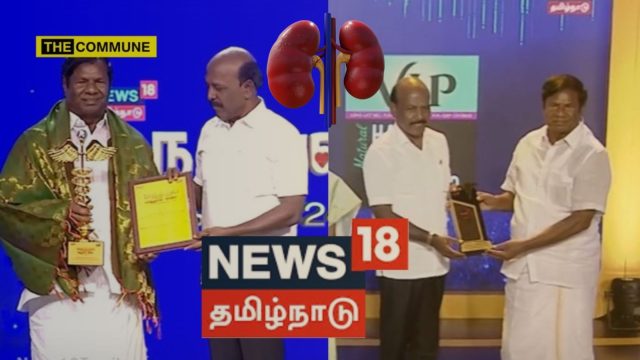
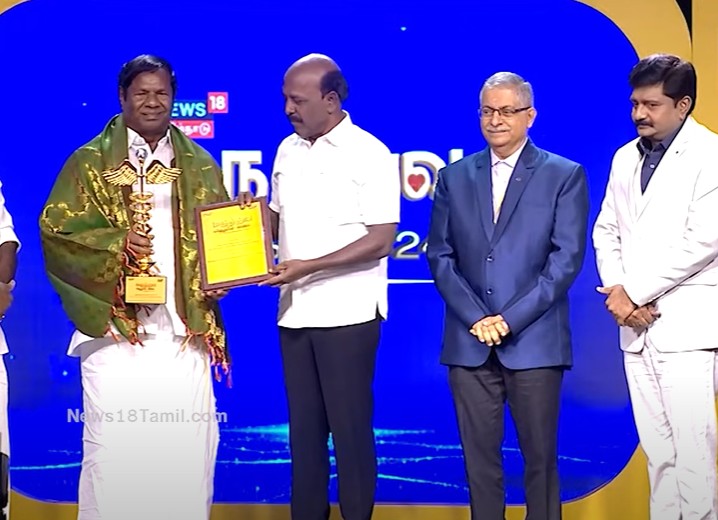
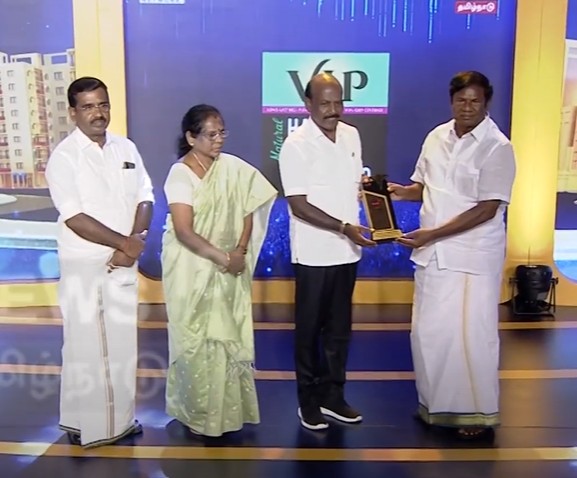
The Dravidianist news outlet News18 Tamil Nadu has come under severe criticism for repeatedly celebrating Dhanalakshmi Srinivasan Hospital, an institution now embroiled in a major kidney trafficking scandal. The channel has honored the hospital twice under its “Maruthuva Viruthugal” (Medical Awards) program. In January 2025, it awarded the hospital the title of “Pioneer in Providing Affordable Healthcare Facilities in Perambalur & Trichy”, and back in 2022, it had named it the “Best Rural Area Medical Service.”

(Credit: News 18 Tamil Nadu Maruthuva Viruthugal 2024)

(Credit: News 18 Tamil Nadu Maruthuva Viruthugal 2022)

These honors have now become a point of public ridicule and anger, especially on social media, as revelations surface about the hospital’s alleged involvement in an illegal kidney transplant network one that reportedly preyed on financially vulnerable women, exploiting them for organ harvesting.

What deepens the controversy is the hospital’s close political nexus. DMK MLA Kathiravan, the son of the hospital group’s founder, has been accused of using his political clout to shield the institution from accountability, raising serious concerns about regulatory interference and political protection.

Reacting to mounting evidence and public outcry, the Tamil Nadu Health Department has now suspended kidney transplant licenses for Dhanalakshmi Srinivasan Medical College and Hospital in Perambalur, as well as Cethar Hospital in Trichy. The suspension, executed under Section 16(2) of the Transplantation of Human Organs Act, 1994, follows a preliminary inquiry by the Directorate of Medical and Rural Health Services, citing urgent concerns in the public interest.

The scandal, which has captured national attention, centers on the exploitation of more than 90 impoverished women, many of whom are daily wage workers. Investigators allege that these women were promised between ₹5 to ₹10 lakh in exchange for their kidneys. The traffickers allegedly used counterfeit Aadhaar cards and fabricated medical documents to facilitate the transplants. In some instances, the women were coerced under financial distress and social pressure into undergoing surgery.

The illicit operations were reportedly carried out at Dhanalakshmi Srinivasan Hospital in Perambalur and Cethar Hospital in Trichy. At the heart of the racket is M. Anandan, a 52-year-old DMK functionary from Anampalayam Perur, known locally as “Dravida Anandan.” He is accused of serving as a middleman, arranging deals, transporting donors, and forging official documents, seals, and even wearing fake government uniforms to aid the operation. Anandan is currently absconding. Authorities recovered forged documents, fake IDs, and official attire during a raid on his home.

Dr. Veeramani, the medical officer at the Pallipalayam Government Hospital, has lodged a formal complaint against Anandan, helping to expose the network.

This scandal has reignited concerns over political interference and selective enforcement. MLA Kathiravan, who represents Mannachanallur, is the son of the founder of the Dhanalakshmi Srinivasan Group, which owns the Perambalur hospital implicated in the case. The group has previously been accused of avoiding accountability in cases of medical negligence, particularly during the COVID-19 crisis. There are also claims that political influence was used to stall the long-promised government medical college in Perambalur, which would have competed with the private hospital chain. Furthermore, so-called free health camps held in Kathiravan’s constituency are now under suspicion, with some fearing they may have served as a front for identifying vulnerable kidney donors.

Despite facing multiple complaints over inadequate care, unsupervised medical interns, and even preventable deaths, the hospital has largely operated without serious regulatory consequences. This has led to widespread allegations of systemic impunity and a failure of oversight mechanisms.

The case continues to fuel questions over media credibility, political influence in healthcare regulation, and the exploitation of marginalized communities in the name of “affordable healthcare.”

Subscribe to our channels on TelegramWhatsApp, and Instagram and get the best stories of the day delivered to you personally.

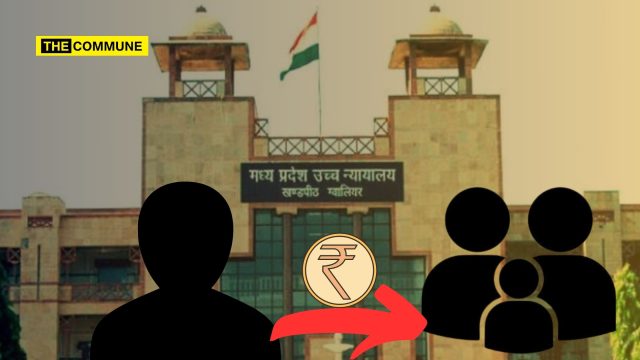
Gems Of Judiciary: Madhya Pradesh High Court Directs Man To Support Child Born Out Of Wife’s Affair With Another Man

A widely circulated video captured at the Madhya Pradesh High Court has ignited severe backlash around the Indian family law. The undated and unverified clip features Justice Devnarayan Mishra deliberating on whether a non-biological father can be legally required to pay maintenance for a child under Section 125 of the Criminal Procedure Code, 1973.

The key question under scrutiny: Can a man who is not the child’s biological father be held liable for maintenance if the child is born within a subsisting marriage? An advocate in the court asked: “Does an illegitimate child have the right to maintenance under Section 125?” The judge’s response albeit curt was: “Yes… yes.”

Legal Backdrop: Section 125 and Supreme Court Precedent

Section 125 explicitly mandates that a man may be ordered to support his “legitimate or illegitimate” minor child, regardless of the marital status or finances.

This interpretation aligns closely with a January 2025 Supreme Court ruling, clarifying that where a marriage continues and access between spouses remains, a husband is presumed the legal father even if not biologically related. In this landmark judgment, a bench led by Justices Surya Kant and Ujjal Bhuyan reaffirmed the presumption of legitimacy under Section 112 of the Indian Evidence Act, which heavily favors the husband’s paternity unless non-access is proven.

As Justice Kant explained, Section 112 aims to avoid intrusive investigations into a child’s parentage requiring anyone contesting legitimacy to prove they had no possible physical access to the spouse during conception.

In the Kerala case at the center of that ruling, the mother admitted the child was fathered by another man. She later divorced, sought to change the child’s surname, and claimed maintenance from the biological father. When a local court ordered DNA testing, the individual resisted on grounds of privacy. Ultimately, the Supreme Court upheld his right to refuse, emphasizing the balance between a person’s privacy rights and a child’s interest in knowing biological lineage. The Court revoked the DNA test order, stressing that forced testing could infringe on dignity and personal reputation.

Social media has erupted over the court’s tone and the perceived unfairness in the video. Critics argue it reflects a gender and class bias, highlighting how the legal system can discount the rights of women and children especially when motherhood falls outside traditional norms.

Subscribe to our channels on TelegramWhatsApp, and Instagram and get the best stories of the day delivered to you personally.

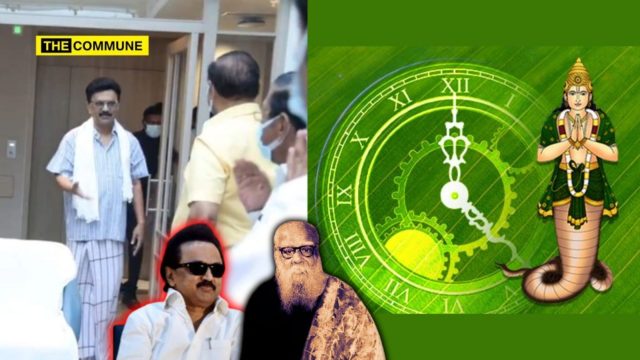
Dravidian Model CM MK Stalin Who Swears By ‘Periyar’ Gets Discharged From Hospital After ‘Rahu Kalam’

Tamil Nadu Chief Minister M.K. Stalin was discharged from Apollo Hospital in Chennai on Sunday (27 July 2025) evening, six days after being admitted following a brief episode of dizziness. The 72-year-old DMK leader had experienced the episode during his morning walk on 21 July 2025 and was admitted to Apollo Hospital in the Thousand Lights area for evaluation.

According to the medical team, initial tests indicated minor irregularities in heartbeat, prompting an angiogram to assess his cardiac health more thoroughly. A medical bulletin issued by the hospital confirmed that the Chief Minister responded well to treatment and had made a full recovery.

“Chief Minister M.K. Stalin has completed his treatment under the supervision of Dr. Senguttuvelu and a team of specialists. He is now completely healthy and will be discharged today evening,” the hospital said in its statement. It also advised a brief period of rest, following which the Chief Minister is expected to resume official duties later this week.

Stalin left the hospital at approximately 6 p.m. on Sunday, drawing relief from DMK cadres and supporters across the state who had been closely following health updates.

However, his timing sparked debate online, with several social media users pointing out that his discharge coincided with the end of Rahukalama period considered inauspicious in traditional Hindu astrology, which on Sundays falls between 4:30 PM and 6 PM.

Critics and netizens questioned the perceived contradiction between the Dravidian movement’s avowed rationalist ideals and the Chief Minister’s exit from the hospital immediately after Rahukalam. Some accused the DMK of symbolic adherence to astrological timing despite publicly promoting scientific temper and rationalism.

(With inputs from IANS)

Subscribe to our channels on Telegram, WhatsApp, and Instagram and get the best stories of the day delivered to you personally.


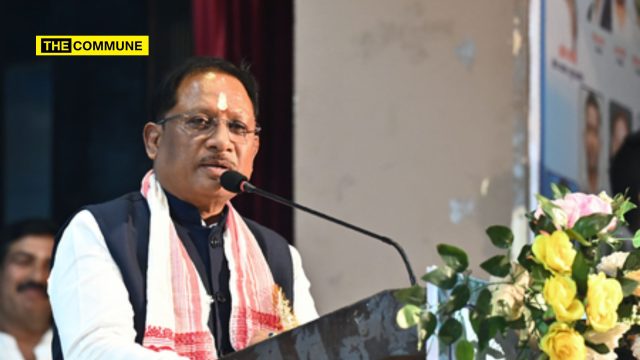
Chhattisgarh CM Vows Stricter Anti-Conversion Law After Controversial Durg Trafficking Case

chhattisgarh anti-conversion law cm christian

As Chhattisgarh grapples with rising communal anxieties, Chief Minister Vishnu Deo Sai has pledged to tighten the state’s religious conversion law, announcing legislative action in the next Assembly session. His remarks, delivered at Raipur’s “Shadani Darbar” during a Hindu Jagran programme – Chhattisgarh Rajya Stariya Hindu Rashtra Adhiveshan” (State Level Hindu Nation Convention) organised on Sunday, 27 July 2025, where over 250 religious, legal, and civic representatives called for statutory measures to curb religious conversion, cow slaughter, and illegal infiltration.

The Bill is likely to be introduced in next session of the Assembly, and it would be an overhauled version of the existing law, the chief minister said. The urgency was underscored just days earlier at Durg railway station, where two Catholic nuns and a male companion were detained for allegedly attempting to traffic three tribal girls to Agra under the pretext of employment.

Bajrang Dal activists intercepted the group, claiming the minors — residents of Narayanpur and Orchha in Bastar — were being misled with false promises of jobs and education. The situation escalated into a communal flashpoint, prompting slogans, crowd mobilisation, and intervention by the Government Railway Police (GRP), who placed all parties under custody.

The girls, “now under protective care at Bhilai Sakhi Center”, stated they were en route to Agra for work but were unclear about the specifics of the arrangement. Following preliminary statements, the GRP registered a case of “human trafficking” against the three accused under Section 143 of the Bharatiya Nyay Sanhita and Section 4 of the Chhattisgarh Freedom of Religion Act.

GRP in-charge Rajkumar Borjha confirmed the seizure of documents including a diary with names of priests and photographs of other girls, Aadhaar cards, and images of minors — deepening investigative scrutiny. Bajrang Dal activists, according to police, alleged the incident was indicative of a broader pattern of religious conversion and trafficking targeting vulnerable tribal populations. They pressed their allegations that the girls’ families were unaware of their travel plans, and accused “the missionaries of withholding key information”. The FIRs were reportedly filed by the girls’ relatives at Orchha police station.

In contrast, Christian missionary representatives have denied wrongdoing, described the case as politically motivated and claimed the girls had parental consent to travel for employment. The community has indicated that legal recourse would be pursued to contest the charges.

The Catholic Bishops’ Conference of India (CBCI) has condemned the arrests, labelling them fabricated and urging intervention from the Prime Minister and Union Home Minister to safeguard minority rights. Independent reports suggest the nuns belong to the Green Garden Sisters of Agra and were employed at Fatima Hospital. They were reportedly escorting the girls to begin work at the hospital, supported by written consent from at least one family member.

The controversy has reignited concerns and debate over the treatment of religious minorities in Chhattisgarh, governed by the Bharatiya Janata Party (BJP), where cases of alleged “forced conversion and communal tension” have surfaced in recent months. The case remains under investigation, with judicial custody granted until August 8. The girls are currently under the supervision of the Women Welfare Committee in Durg.

–IANS

Subscribe to our channels on TelegramWhatsApp, and Instagram and get the best stories of the day delivered to you personally.

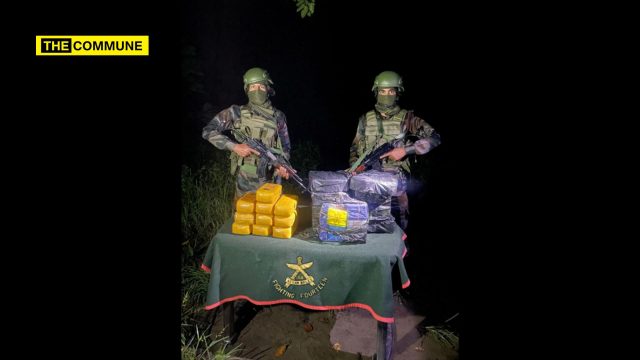
Assam Rifles Seize ₹40 Crore Worth Of Meth And Heroin In Mizoram

assam rifles mizoram meth heroin

The Assam Rifles have seized highly addictive methamphetamine tablets and heroin valued at around ₹40.05 crore in Mizoram, officials said on Sunday, 27 July 2025.

A Defence spokesman said that after getting intelligence inputs, the Assam Rifles troops have launched an operation at Melbuk areas in border town Zokhawthar in eastern Mizoram’s Champhai district on Saturday night. “On conducting a thorough search, the para-military personnel recovered 1.041 kg heroin and 9.381 kg methamphetamine tablets valued approximately 40.05 crores from an abandoned place,” he said. The seized contrabands have been handed over to the Narcotics Control Bureau (NCB). Officials suspect that the Methamphetamine tablets, also known as Yaba or party tablets, and heroin were smuggled from Myanmar. Methamphetamine, which comes in tablet, powder, or crystalline form — commonly called ice or crystal meth — is a stimulant that suppresses the need for sleep and is often used by partygoers and young adults.

Myanmar’s Chin State has emerged as a major hub for drug trafficking, wildlife smuggling, and other illicit activities. The contraband is often routed through six districts in Mizoram — Champhai, Siaha, Lawngtlai, Hnahthial, Saitual, and Serchhip — which share unfenced borders of 510 km with Myanmar.

Meanwhile, Assam Rifles have been conducting awareness campaigns like seminars and group discussions highlighting the bad effects of the drugs and drugs trafficking are a punishable offence under the Narcotics Drugs and Psychotropic Substances (NDPS) Act 1985.

The Defence spokesman said that the aim of these awareness campaigns is to educate the local population, especially the youth, about the harmful effects of drug abuse and the serious legal consequences associated with drug trafficking and peddling.

The speakers in this campaign highlighted the rising threat of narcotics in society and especially in border areas of Mizoram and urged the participants to stay vigilant and not to get entrapped.

–IANS

Subscribe to our channels on TelegramWhatsApp, and Instagram and get the best stories of the day delivered to you personally.