Home Blog Page 1843

Ramayana creates world record, grabs 77 million pairs eyeballs in a single day

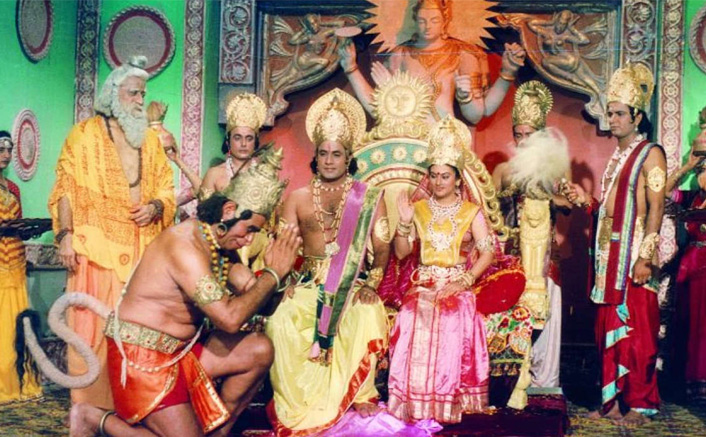
Ramanand Sagar’s popular television show Ramayan that had a wide viewership back then has managed to create a record even in this age of digital OTT platforms. The show became the highest viewed entertainment programme globally. The record was created on April 16, 2020 at 9 PM when 77 million people watched the show.

The show was first aired in Doordarshan between 1987 and 1988 which features Arun Govil, Sunil Lahri, Deepika Chikhalia, Sanjay Jog, Arvind Trivedi, Sameer Rajda, Bal Dhuri and Dara Singh in lead roles. Even back then, the show had a viewership like no other and earned a hefty amount for each episode.

Prasar Bharati under which Doordarshan and All India Radio functions, announced last month about telecasting the show in view of the lockdown due to COVID-19.  The airing of the first episode crashed Doordarshan’s website and became one of the top searched on Google.

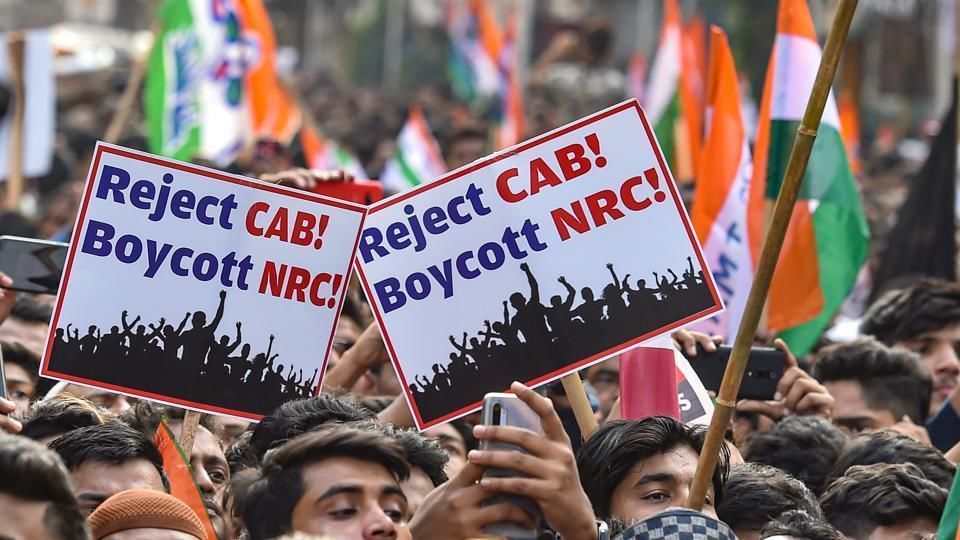
The legislative history of NRC and murder of democracy

The pan-India NRC that is being mooted today traces its origins to the Citizenship (Amendment) Act of 2003.

The National Register of Citizens is a record of all Indian citizens. It was first created in 1951 for the state of Assam. In 2013, two writ petitions were filed by Assam Public Works and Assam Sanmilita Mahasangha & Ors before the Supreme Court to delete the names of illegal immigrants form the voters list. The Supreme Court in 2014, under Justice Ranjan Gogoi and Justice Rohinton Fali Nariman, ordered that the NRC of Assam be updated in accordance with the Citizenship Act 1955 and Citizenship Rules 2003. The process started in 2015 and was monitored directly by the Supreme Court. The updated final NRC was published on August 31, 2019. As of now, the NRC exists only for the state of Assam. However, in November 2019, Home Minister Amit Shah mentioned in the Rajya Sabha that NRC would be carried out across the country. The pan-India NRC that is being mooted today traces its origins to the Citizenship (Amendment) Act of 2003.

Legal Provisions for NRC

Section 14A of the Citizenship Act, 1955 provides for a National Register of India Citizens (NRC) by stating that the Central Government may compulsorily register every citizen of India and issue a national identity card. It states that the “Central Government may maintain a National Register of Indian Citizens and establish a National Registration Authority who shall function as the Registrar General of Citizen Registration”. This provision was inserted through the Citizenship (Amendment) Act 2003.

Prior to the passing of the Act, the Central Government on 10th December 2003, published in the Gazette, The Citizenship (Registration of Citizens and Issue of National Identity Cards) Rules 2003 by exercising its powers conferred by Section 18 of the Citizenship Act 1955. These rules lay down the guidelines for the preparation of a nation wide NRC and a separate provision for NRC in Assam.

Report of the Standing Committee on CAB 2003

The Department-Related Parliamentary Standing Committee on Home Affairs under the chairmanship of Pranab Mukherjee presented its report on the Citizenship Amendment Bill 2003 to the Rajya Sabha on December 12, 2003 and was also laid on the table of the Lok Sabha on the same day. The committee had members comprising of all major political parties – Kapil Sibal (INC), MOH Farook (INC), Hansraj Bhardwaj (INC), Motilal Vora (INC), PH Pandian (AIADMK), Subodh Roy (CPI M), Iqbal Ahmed Saradgi (INC), Abdul Rashid Shaheen (J&K NC), Lalu Prasad (RJD), LM Singhvi (BJP), V Maitreyan (AIADMK), Ambika Soni (INC), Pramod Mahajan (BJP) and legal experts like Ram Jethmalani to name a few.

Interestingly, the committee deliberated on the issue of granting citizenship to religiously persecuted minorities from Bangladesh and Pakistan. The members did not prefer granting them citizenship and mentioned that the problem be tackled as per international law and convention. The committee advocated a two pronged strategy – extend humanitarian assistance and apply pressure on countries from where the refugees were coming. They believed that it would be extremely difficult for India to accommodate such refugees considering that its own citizens were confronting the challenges of growing population, poverty and unemployment. They were of the view that the “commitment made by the national leaders at the time of partition to facilitate the entry of Hindus fleeing due to religious persecution from Pakistan which declared itself as a theocratic nation, was not an unending or open-ended one.” However, the committee expressed that illegal immigrants entering India for economic reasons need to be sternly dealt with as per the law of the land.

Replying to the Committee’s views, the then Deputy Prime Minister and Home Minister Lal Krishna Advani mentioned that citizenship to refugees who entered India on or after 25 March 1971 would not be granted keeping in view the economic and population reasons. He mentioned that those who came to India on or after the said date due to religious and political reasons would be dealt under the relevant provisions of the Foreigners Act 1946. However, he allayed fears of people who fled to India due to civil and political disturbances in the neighbouring countries. He assured that they would not be forcibly sent to their homeland and that in this context each case or a group of cases would be considered on merit.

That apart, the clause that sought to introduce NRC and national identity cards was adopted by the committee after the government proposed changes to enable automatic grant of national identity card as the draft bill made it mandatory for a person to make an application for the same. Thus, the Parliamentary Standing Committee comprising members of both houses belonging to different parties gave a go ahead for the NRC to be implemented across the country.

Discussion and Passing of CAB 2003

In contrast to the views expressed by the committee over the issue of granting citizenship to religiously persecuted minorities from neighbouring countries, Dr. Manmohan Singh made a notable intervention in the Rajya Sabha. On 18 December 2003, when the Citizenship Amendment Bill 2003 was discussed, Dr. Singh said

“…Madam, I would like to say something, about the treatment of refugees. After the partition of our country, the minorities in countries like Bangladesh, have faced persecution, and it is our moral obligation that if circumstances force people, these unfortunate people, to seek refuge in our country, our approach to granting citizenship to these unfortunate persons should be more liberal. I sincerely hope that the hon. Deputy Prime Minister will bear this in mind in charting out the future course of action with regard to the Citizenship Act.”

Najma Heptullah, who was the Deputy Chairman, told Advani that the minorities in Pakistan were also suffering and that they need to be taken care too. To this, Advani replied that he fully endorsed that view. Shankar Roy Chowdhury, the former Chief of Army Staff and a member of the house also urged the government to consider giving citizenship to minorities fleeing Bangladesh to which the Deputy Prime Minister and Home Minister agreed.

Despite the committee members not being in favour of granting citizenship to religiously persecuted minorities, a few members of the house like Dr. Singh and Shankar Roy Chowdhury expressed that they should be given citizenship. It is interesting to see that though the bill did not contain any provision regarding granting of citizenship to religiously persecuted minorities from Pakistan and Bangladesh, it saw a detailed discussion on the same. The provision that sought to introduce a major citizenship project, the NRC, did not face any objection.The bill was passed unanimously by the Rajya Sabha and passed without any acrimony or disruption in the Lok Sabha. It received the President’s assent on January 7, 2004 and came into effect from December 3, 2004.

Who is murdering democracy?

Today, it is both amusing and confusing to see the parties mindlessly opposing both the CAA 2019 and NRC. People who flung papers at the Speaker and apparently ‘resigned’ from their seat in the Parliament over the issue of illegal immigrants from Bangladesh are now positioning themselves as staunch critics of CAA and NRC. Those who requested that religiously persecuted minorities be granted citizenship are now writing editorials about India slipping from being a liberal democracy and becoming a majoritarian state. The amendment to bring in a pan-India NRC which got the nod from all parties in the Parliament under a coalition government is now being portrayed as a threat to Indian democracy.

If this how they make a joke out of the sacrosanct process of law making, if this is how national interests are sabotaged for want of political mileage, if this is how they change their positions based on their whims and fancies and resort to minority appeasement by instigating them, then it is these parties who pose a larger threat to this democracy.

The A-Z of Yes Bank Crisis Explained

What led to the Yes Bank crisis? What will happen to the depositors’ money? What is the RBI’s reconstruction scheme? What is the government doing to tackle this problem? Read to find.

Banks are the backbone of modern day financial systems. They play a major role in driving the economic growth of a country. They are not just holders of deposits but are also creators of wealth. A bank in crisis has the potential to impact everyone. Yes Bank Ltd, one of the largest private sector banks in India, is in bad shape due to its worsening financials. What led to this? Will Yes Bank be able to tide over this? What will happen to the depositor’s money? What is the RBI’s reconstruction scheme? What is the government doing to tackle this problem? This post will explore these questions in detail.

Yes Bank, founded by Rana Kapoor and Ashok Kapur was started in 2004. Its main business include retail banking, corporate banking and asset management. It has 3 subsidiaries – Yes Bank, Yes Capital and Yes Asset Management Services. Today, the bank has deposits of more than Rs. 2 lakh crore and assets including loans given, at Rs.3.5 lakh crore. There are more than 18000 employees working in 1100 branches. The bank was listed in Indian stock exchanges in May 2005 post its IPO. It is to be noted that Yes Bank is one of the few banks that is engaged in high risk lending i.e., lending credit to entities that are not able to raise capital anywhere else.

The crisis at Yes Bank started when the bank’s NPA issue started becoming public. Over the last five years, their advances made (loans) quadrupled. But the money coming in as deposits failed to keep pace with the loan growth. As of September 2019, the loan amount grew to ₹ 2,24,505 crore while the deposits stood at ₹ 2,09,497 crore. To put it in percentage, the bank had gross NPAs amounting to 7.4% of the gross advances made by September 2019. Latest estimates place the NPAs of Yes Bank at 10-11% of the loans given which amounts to around ₹ 17,000 crores. There was an unusual increase in loans given from FY 2014 to FY 2019. Congress MP in the Rajya Sabha P. Chidambaram alleged that Yes Bank’s loan book grew from ₹ 55,000 crore in FY 2014 to ₹ 2,41,000 crore in FY 2019. It seems that Rana Kapoor shared personal connections with some of the big industrialists to whom loans were given which were often not repaid.

Soon, false news started spreading in social media that the bank was on the verge of collapse that resulted in shrinking of deposits, rubbing further salt on the wound. With rising NPAs, the bank needed further capital to run its operations. But its failure to raise capital made it impossible for the bank to revive itself.

Enter RBI

Convinced that Yes Bank would not be able to come out of the mess on its own, the RBI in public interest and in the interest of the bank’s depositors, exercised its powers under Section 45 of the Banking Regulation Act 1949 and kept the bank under moratorium placing a cap on withdrawals effective upto April 3, 2020. The Board of Directors was superseded by the RBI for a period of 30 days. Prashant Kumar, the Chief Finance Officer of the State Bank of India has been given charge as administrator of the bank. The RBI has now come out with the Yes Bank Reconstruction Scheme 2020 and has expressed it eagerness to invest in Yes Bank.

Yes Bank Reconstruction Scheme 2020

These are the salient features of the scheme:

•The authorised capital of the reconstructed bank shall stand at ₹ 5000 crores and number of equity shares will stand altered to ₹ 2400 crores of ₹ 2 each which translates to ₹ 4800 crores.

•The investor bank (SBI), shall invest in the reconstructed bank (Yes Bank) such that it holds upto 49% of the shareholding in the reconstructed bank. The investor bank’s shareholding is not to fall below 26% until 3 years from the date of infusion of capital. (The existing shareholders own around 255 crores which is about 11% of the stakes. The rest 40% will be held by other institutions and investors who will be required to infuse around 9600 crores assuming the cost to be ₹ 10 per share.)

•The investor bank should purchase each share at price not less than Rs.10 (i.e at a premium of Rs.8).

•The office of Administrator of Yes Bank Ltd appointed by the RBI shall be vacated from the appointed date and a new Board of Directors will be constituted. The new board shall consist of a CEO & Managing Director, Non-Executive Chairman, 2 Non-Executive Directors, 2 nominee directors from the investor bank. RBI may appoint additional directors. Members of the board would be in office for 1 year or until an alternate board is constituted by Yes Bank.

•Additional Tier 1 capital (under Basel III framework), issued by Yes Bank, shall stand written down permanently. (Tier 1 capital is a bank’s core capital and includes disclosed reserves i.e., the reserves that appears on the bank’s financial statements, and equity capital. This money is used by the banks for functioning on a regular basis and gauges the financial strength of the bank)

•No account holder shall be entitled to get any compensation from the Reconstructed bank on account of the changes occurred in the Reconstructed bank by virtue of this Scheme.

•All the employees of the Reconstructed bank shall continue in its service with the same remuneration and terms & conditions of service. However, Board of Directors of the Reconstructed Bank will have the freedom to discontinue the services of the Key Managerial Personnel (KMPs) at any point of time after following due process.

SBI’s Investment Options

If SBI decides to go alone, buying 49% of equity would require an investment of more than ₹10,000 crore. This seems unlikely considering that it would be a drain on its resources. So, SBI may invite other co-investors. But the SBI would not seek capital from the government.

Currently, the deal is not a merger deal. However, merging Yes Bank with the SBI could turn out to be beneficial for Yes Bank and its depositors. Depositors’ sentiments will become positive. But this may only seem to be a good option for the short term. State usurpation of a private business not only sets a wrong precedent but could also lead to another NPA bubble. Not long ago, we had the Punjab National Bank involved in the biggest financial scandal of our times. One has to wait and see if the current deal yields results or not. If it doesn’t, Yes Bank should think of merging it with a larger private sector bank like HDFC or Axis Bank.

Has any bank ever failed?

Barring cooperative banks, no Scheduled Commercial Bank (public or private) has ever failed or resulted in loss of depositors’ money. This is the first time the RBI has taken such drastic action like moratorium with respect to a big bank like Yes Bank. The last time the RBI took such measures was in July 2004 when the central bank made state-run Oriental Bank of Commerce take over Global Trust Bank to rescue the private sector lender.

Neither Government of India nor the RBI lets a bank facing financial troubles to fail as it has wide ranging impacts. RBI has always stepped in to bail out ailing institutions by infusing extra capital or merging it with another stronger bank to protect depositors’ money. RBI and government prioritise protecting depositors’ money over anything else. So, there is no need of the depositors to be worried about losing their hard earned money.

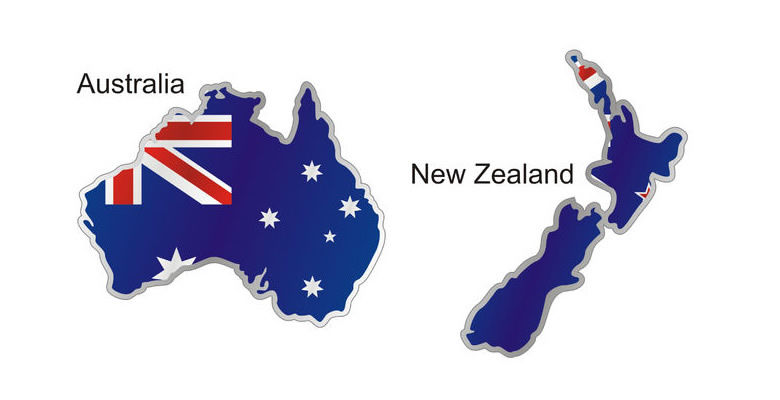
Oz and Nz leading the fight against Chinese virus

The 2 pacific nations had the advantage of time in taking early measures to contain the pandemic. Australian PM Scott Morrison called the situation a pandemic 2 week before WHO did.

While the US and other European countries are overwhelmed with huge number of COVID-19 cases, Australia and New Zealand have been successful in suppressing the outbreak. They have not just managed to flatten the curve but are looking towards eliminating the virus from their countries. On of Friday, New Zealand reported just 5 cases while Australia reported 14. The total number of confirmed cases as of 24th April stands at 1121 in New Zealand and 6703 in Australia.

Australia with its conservative Christian Prime Minister Scott Morrison and New Zealand’s Jacinda Ardern, a darling of the left, has done nothing extraordinary. They have just enforced the norms of social distancing through strict lockdown measures. Mr. Morrison banned travellers from China from February 1 and called the outbreak a pandemic 2 weeks before the World Health Organization (WHO) did. He had formed a special cabinet comprising of federal and state leaders to take measures and guide the response. On the other hand, New Zealand which has a centralised polity, went in for a total lockdown less than a month after the first case emerged in the country. Both countries had the advantage of time as the first case in Australia was reported on January 25 while New Zealand reported its first case on February 28.

The public in both the countries resisted initially against the tough lockdown measures. However, effective communication and information flow at all levels of the government ensured that the people complied.

TN develops app that allows home quarantined corona cases to consult docs

A team of young professionals headed by Kovai Sathyan have come up with a technology driven solution to fight corona. The app is currently under beta testing and is expected to be rolled in the next few days.

A team of professionals from Tamil Nadu have developed an app that allows home quarantined corona cases to stay in touch with doctors.

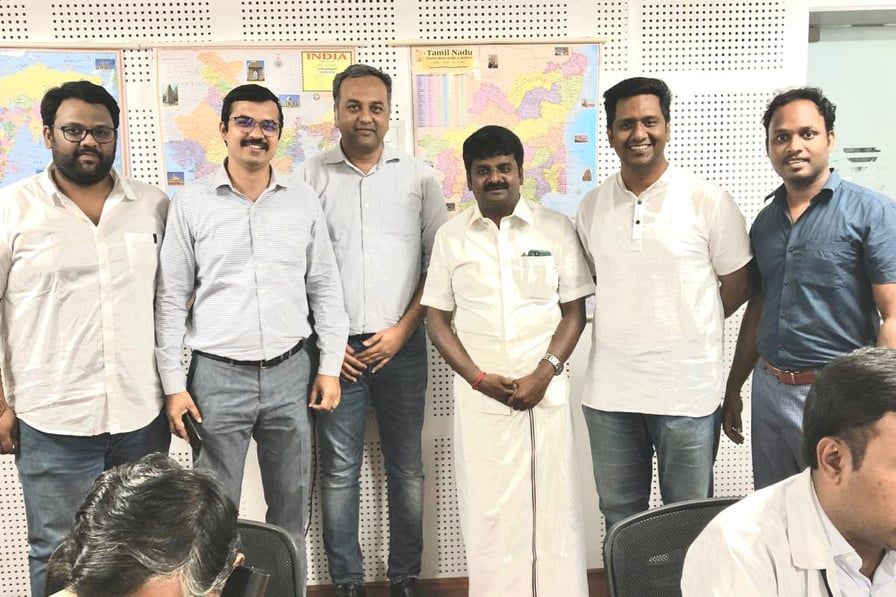
The team headed by AIADMK Spokesperson Mr. Kovai Sathyan and comprising of IT professionals who were earlier part of companies TCS, Cognizant and a few others have been working day and night for the past 8 days to come up with a technology driven solution to address the corona virus crisis in the state.

Mr. Sathyan who was also the former State Joint Secretary of the IT wing of the party mentioned that the app lets the home quarantined corona suspects to fix an appointment for a video call with a nearby doctor. Based on an ‘appointment-based framework’, the app enables a video call button 15 minutes prior to the appointment. There is a chat box that lets the patient to chat with the doctor. The app also has a SOS button that sends an immediate alert to the control centre in the district. Doctors can also prescribe medicines which will be delivered to the nearest pharmacy.

There is a control centre based in Chennai and control centres at all districts of Tamil Nadu has been set up to handle the efforts.

As of 21st March, there are 8950 persons under home quarantine for 28 days and are being monitored by the state government. Details of those under home quarantine have been fed to the app.Those who are kept under home quarantine cannot come outside due to the risk of community spread. It is also a risk for doctors to see them in person at their homes.

When asked why develop an app when there are already platforms that support video calling, Mr. Sathyan says that there are practical difficulties with using existing platforms like Whatsapp or Facebook as it requires maintaining a list of phone numbers and saving the number of the patient/doctor. He said that people in Jammu&Kashmir and Ladakh tried using Whatsapp video calling to contact doctors and encountered this problem. He also adds that tracking their data and analysing it also becomes difficult as such calls go unreported.

The app is currently under beta testing and is expected to be rolled out soon in the next few days. Mission Director K Senthil Raj has been coordinating the efforts between the team and the state government. Health Minister C. Vijayabaskar later in the day, examined the app in the presence of media.

Realizing that those under home quarantine also face psychological stress, Mr. Sathyan said that efforts are on to bring psychological counsellors on board as well.

Mr. Sathyan says that as soon as WHO declared COVID-19 a pandemic, Chief Minister Edappadi K Palaniswami and Health Minister C. Vijayabhaskar started looking for solutions that will contain the spread of the virus in the state. “Tamil Nadu government has been proactive and is working on a war-footing to fight corona”, he says. Mr. Sathyan urged people to stay indoors for the coming days, not panic, and help the government in its efforts to contain the spread.

Prime Minister Narendra Modi on March 16 urged people to share technology-driven solutions to mygov.in to combat corona virus in the country. The government has started the COVID-19 ‘Solution Challenge’ on the mygov.in platform, where individuals and companies can share their ideas for strengthening the fight against coronavirus, Winners stand a chance to win Rs 1 lakh.

As they say, necessity is the mother of invention!

With USFDA approval for generic Indian drugs, Indian pharma companies can now strengthen their presence in the US market

The COVID-19 has come as a blessing in disguise for Indian pharma companies that were earlier prohibited from entering US markets due to the stringent protective stance of US Food and Drug Administration.

In a noteworthy sequence of events, the United States Food and Drug Administration (USFDA) has given the nod to Indian pharmaceutical companies to market their generic versions of essential and life-saving drugs in the United States of America. This comes after India’s decision to ease export restrictions on hydroxychloroquine to the US. Hydroxychloroquine is an antimalarial drug which, in combination with the antibiotic azithromycin, has shown some efficacy in treating the COVID-19 disease.

Cipla, a leading drug manufacturer in the respiratory-illness segment, said that it had received final approval from the USFDA for its product – Albuterol Sulfate inhalation aerosol – on Thursday. The product is the generic version of Merck Sharp & Dohme Corp’s Proventil HFA inhalation aerosol and is used in the treatment of bronchospasm and prevention of asthmatic symptoms. In a statement, Cipla said that it plans on shipping the product to the US in a staggered manner.

Lupin too has a filing for Albuterol pending with the US health regulator, and it is expected that the USFDA might prioritise the approval.

Granules India said, also on Thursday, that its foreign subsidiary had received approval from the USFDA for Butalbital, Acetaminophen and Caffeine capsules used to treat tension headaches. Granules India’s products are the bioequivalents of Butalbital, Acetaminophen and Caffeine capsules of Nexgen Pharma.

Zydus Cadila on Thursday said in a statement that it had received final approval from the US regulatory body to market generic Perphenazine tablets, used in the treatment of schizophrenia, and in controlling severe nausea and vomiting in adults. On Friday, the firm got a tentative approval from the USFDA to market generic Empagliflozin tablets, used along with diet and exercise in controlling Type-2 Diabetes Mellitus and reducing the risk of cardiovascular death among adults. The pharma major is also a manufacturer of hydroxychloroquine.

Aurobindo Pharma also received an approval from the USFDA on Thursday to market Fluoxetine tablets in the US, which are generic versions of Eli Lilly’s Prozac tablets. This anti-depressant medication is also used in the treatment of binge-eating and vomiting behaviours in adult patients with bulimia nervosa and obsessive-compulsive disorder (OCD) among pediatric patients.

US pharma sector dependent on China

The US pharmaceutical industry relies heavily on Chinese suppliers and manufacturers, and there were concerns that in the wake of the pandemic, China might seek to weaponize its dominance in the pharma supply chain.

Indian drug manufacturers now have a unique opportunity to become premier pharmaceutical suppliers to the US, the European Union and other nations. Will China’s chokehold over the world’s pharma sector be loosened? Will India play a part in this? Only Time will tell.

ISRO invites proposals for human space flight missions

Proposals in 17 potential areas of work for the human space flight mission are being invited from national research and academic institutions.

The Directorate of Human Space Programme of Indian Space Reseach Organization has called for proposals to develop indigenous technologies for its human space flight missions to happen in the future. The proposals can belong to any domain that make life easier for astronauts in space like food and medicines, inflatable habitats and other life support systems to robotic interfaces, anti-radiation and thermal protection technologies for space crafts.

There are totally 17 potential areas of work for national research and academic agencies, the announcement of opportunity (AO) issued says. The AO mentioned that there was a need for developing local technologies that will support humans in low earth orbits initially and in bigger missions later. The last date for submitting the proposals is July 15, 2020. The proposals would be scrutinized by a selection committee of Directorate of Human Space Programme.

“This opportunity will enable national and research/academic institutions to harness their expertise and capabilities towards development of technologies for space exploration”, the announcement read.

The ISRO in 2018, announced the Gaganyaan Mission – India’s maiden crewed orbital space craft programme. ₹The project costs 10000 crores. Three members of the Indian Air Force are undergoing their training in Russia for the mission.

Facebook to buy 9.9% stake in Jio Platforms

With Jio having a subscriber base of 388 million and Whatsapp having more than 400 million users in the country, their combined partnership is about to connect small business and consumers

On Wednesday, the social media giant Facebook Inc. agreed to buy 9.9% stake in Mukesh Ambani’s Jio Platforms Limited for ₹43,574 crores. The buying would require regulatory approvals from Competition Commission of India. This deal is being touted as the biggest strategic deal by a technology company anywhere in the world.

With Jio having a subscriber base of 388 million and Whatsapp having more than 400 million users in the country, their combined partnership is about to connect small business and consumers.

The move is also set to give some elbow room for Reliance Industries that has a staggering debt pile.

Facebook’s move at a time when the global economy is under the “Great Lockdown” gives out a message that India is bound to emerge from the crisis and embrace digitization at a never seen before pace.

“At the core of our partnership is the commitment that Mark Zuckerberg and I share for the all-round digital transformation of India”, Mukesh Ambani said in a video message.

“The country is in the middle of a major digital transformation, and organizations like Jio have played a big part in getting hundreds of millions of Indian people and small businesses online,” Zuckerberg wrote in his Facebook post.

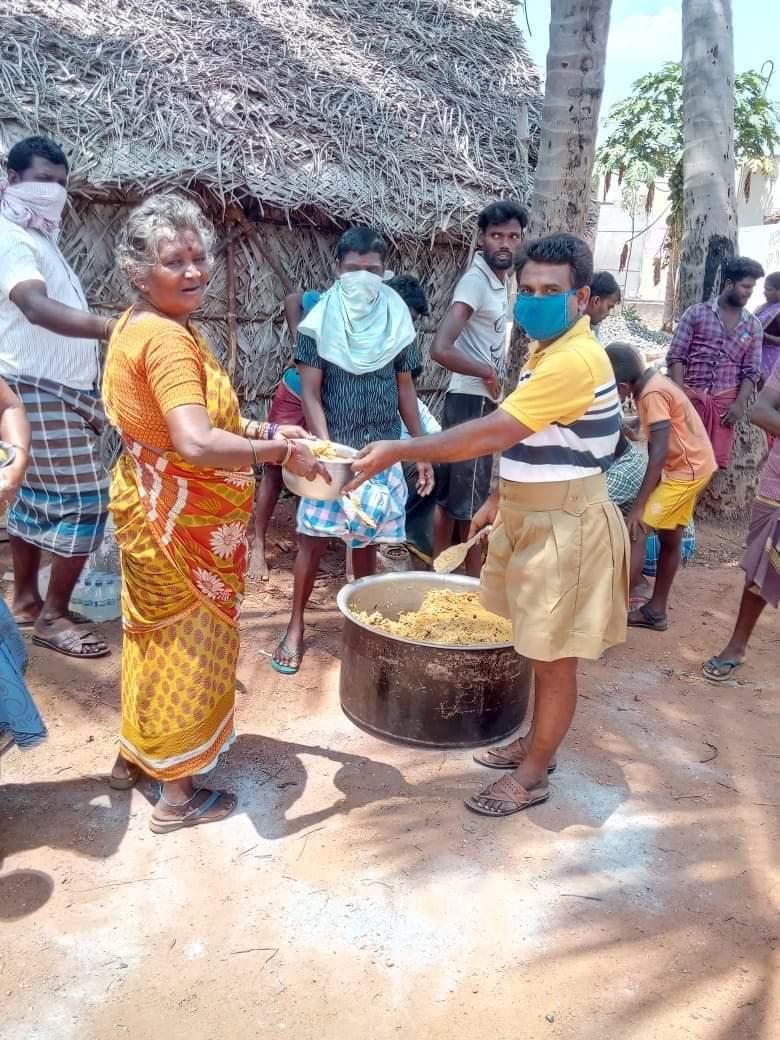
RSS to the rescue: More than 11 lakh food packets delivered so far to poor and vulnerable in Tamilnadu

With Tamil Nadu being affected by the spread of Corona virus, many people including Government, volunteers and philanthropists are doing their best to help the poor. The Rashtriya Swayamsevak Sangh (RSS) too has been extending its support in these tough times across the country and even in Tamil Nadu.

Thousands of Swayamsevaks are doing all kind of needed help in the rural areas of Tamilnadu. A collection of services rendered by RSS till April 24 has been released. Accordingly, 21,070 Swayamsevaks are doing field work in 4,652 locations of Tamil Nadu. So far, 4,26,665 ration kits have been issued. The RSS has provided 11,33,510 food packets for the poor and needy.

2,77,643 masks have been provided so far. Around 13,450 immigrant workers have been provided with various helps. So far 8,03,625 people have been provided with herbal drinks. 950 people have donated their blood. These are all the services done by the RSS and its branch organization in Tamil Nadu alone.

So far 55,725 locations has been served in India. 3,00,809 volunteers are doing field work all over the country. 33,75,664 ration kits have been issued and 2,16,82,540 food packets have been provided to the poor and needy across the country.

UP planning to bring migrant workers back to state in phases

The UP government is making detailed plans to receive and send migrant workers stuck in different parts of the country.

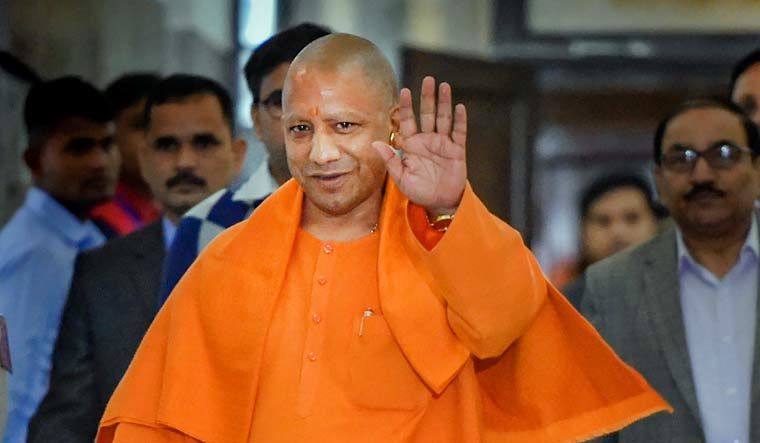
The Uttar Pradesh Government is making plans and arrangements to bring back the migrant workers stuck in other states who have completed the mandatory 14 days quarantined period. CM Yogi Adityanath on Friday ordered his officials to prepare a detailed plan to carry out the exercise in a high level meeting.

The government said that the concerned state government should screen and test such people and start the process of sending them to UP. They will be brought to Uttar Pradesh’s borders from where the state government would transport them to their respective districts. Mr. Adityanath asked his officials to make preparations for quarantining those returning to the districts for 14 days and sanitise their homes as well.

Parallely, the UP government is also making detailed plans to send back migrant workers working in UP to their home states having completed 14 days of quarantine in Uttar Pradesh.