Home Blog Page 1807

The North-South Divide is real and it’s not what you think
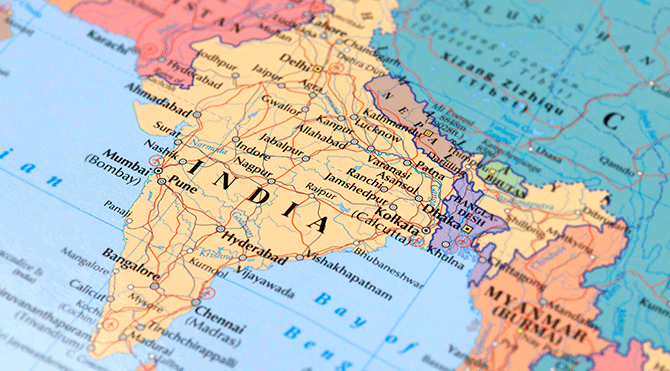
India, as we all know is a diverse country with a plethora of languages, castes, sects and religions. The diversity is so stunning that a tourist is often left astounded, unable to come to terms with the innate diversity of the land. For every 3000 kilometers, we find a new language being spoken, a new cuisine being followed, not to mention the variations in dressing styles and the customs.

On the other hand, we do find an innate one-ness among such seemingly diverse cultures, the unity not being restricted to the Gods we worship, the festivals we celebrate and the pilgrimage sites spread across the length and breadth of the country.

With this being the case, the best which we can expect from such a huge landmass, being inhabited by a diverse populace, is unity, and not absolute uniformity, which can surely be seen as an attempt to homogenize the land mass and its people.

The people of the south are generally referred to as “Madrasis” by those in the north and the south takes jibe at them as ‘cow belt’ or ‘chappati’, thus each other ‘othering’ one another.

I happened to go many restaurants in Rajasthan which classified the food they served as Indian (chappathi/subji etc) and South Indian (Idli/Dosa etc). Just imagine the sense of other-ness which a southie would have felt reading the menu card.

I am not trying to assign motives to the Hotel owners. This is a deep web which we seem to be stuck in. How we got stuck in it is irrelevant. We need to look at ways and means to get out of it.

Amidst this, there is also the fight between which language is superior – Sanskrit or Tamil. Both these languages are rich in literature and are the oldest languages that exist today. While those from south are aware of the uniqueness and the literature in Sanskrit, it is not the case with Tamil and those living in the northern parts of our country. This is very much to be seen with the Indian government, as an institution not acknowledging the uniqueness and antiquity of Tamil.

Ofcourse, Prime Minister Modi has recently started acknowledging the oldness of the Tamil language in all international forums. But, as we all know the historical wrongs cannot be undone in a single gesture.

I do acknowledge that Tamil being spoken by far fewer people than Hindi/Hindustani cannot be accorded the same status as the latter. I am not a linguistic chauvinist to make such unrealistic demands.

What I am calling for, is a mindset change among my fellow sisters and brothers from the Northern part of the country. Just as how the works of Meera Bai/Kabir are popularized and read by people all over the country, we ought to celebrate the works of Tamil saints like Thiruvalluvar, Avvaiyar, Tholkaapiyar, Kamban and Bharathi.

Let the students read the translations of the works of such great poets from the South, just to comprehend the innate oneness and similarities of various Indic cultures, if not for anything else.

Speaking of the long term, just as how there is a Hindi Prachar Sabha in every southern state of the country let there be a Tamil Prachar Sabha as well. If the setting up of such a Sabha needs active assistance from the Government of Tamil Nadu, so be it.

I advocate the reading of Tamil texts by North Indian students, not to get back at them or establishing a kind of one-upmanship. It is an appeal to strengthen the bonds that the North and the South have always had, from time immemorial.

As a country which prides itself in upholding the principles of Unity in Diversity,it is only fair that the great and ancient Tamil language gets its due from the Indian State.

A Sangam Tamil text, Puranaanooru talks about a single landmass from Himalayas to the Indian Oceans, in not one but two poems (6th and 17th).

Poem 6

முதுகுடுமி பெருவழுதி பாண்டியனை பார்த்து காரிக்கிழார் பாடியது. (Kaarikizhaar sings about the king Peruvazhudhi Pandian)


வடாது பனிபடு நெடுவரை வடக்கும்

தெனாது உருகெழு குமரியின் தெற்கும்

குணாஅது கரைபொரு தொடுகடல் குணக்கும்

குடாஅது தொன்றுமுதிர் பெளவத்தின் குடக்கும்


(vadaa adhu panipadu neduvarai vadakkum

Thenaadhu urukozhu kumariyin therkum

Kunaa adhu karaiporu thodukadal gunakkum

Kudaa adhu thondrumudhir bowwathin kudakkum)


(You are the king of the massive country

which has the snow clad Himalayas as the border in the North,

the fearsome Kumari as the border to the south,

the blue seas as the border to the East and the West.)


Poem 17

சேரமான் யானைகட்சேய் மாந்தரஞ்சேரல் இரும்பொறையை பற்றி குறுங்கோழியூர் கிழார் பாடியது (Poet Kurunkozhiyoor Kizhar sings about the king Cheramaan Irumporai)


தென் குமரி வட பெருங்கல்

குண குட கடலா எல்லை

குன்று மலை காடு நாடு

ஒன்று பட்டு வழி மொழியக்

கொடிது கடிந்து கோல் திருத்திப்

பாடுவது உண்டு


(Then kumari vadaperungal

Guna kuda kadalaa ellai

Kundru malai kaadu naadu

Ondrupattu vazhimozhiyak

Kodidhu kadandhu kol thiruthip

Paaduvadhu undu)


(To the south Kumari is the border.

To the North Himalayas is the border.

To the East and West, the seas are the borders.

Interspersed by forests and mountains, the people living in these lands get together to praise you,

the one who rules the kingdom with the Senkol in hand.)


This is much before the Vishnupurana that talks about India being a single landmass, if we were to go by the dates the Western scholars have given to these texts.

The same text has numerous references to the Himalayas in various poems. (Poem numbers:2, 6, 34, 39, 67, 132, 166, 214 and 369).

Similarly the Sangam text Natrinai talks of the origin of the Ganga River in its 369th poem.

If a North Indian student were to read such poems of Puranaanooru or Natrinai, we ought to understand how far it will go in inculcating the feeling of one-ness in her or his mind.

Hence, I advocate that Tamil be made an optional 3rd language which can be read by young minds living in the Northern part of the country. The literature which Tamil has to offer is matchless and far sublime which any European or Arabic language can give us.

Nation building and nurturing a feeling of one-ness doesn’t happen overnight; nor does it happen by mere words. It happens by taking concrete actions.

Tamil, like every other Indian language, is India’s pride. I earnestly appeal to those reading this to atleast try and understand my train of thoughts.

And let’s get the menu cards corrected at the earliest please! We already have enough vultures to exploit and exaggerate the existing linguistic faultlines to their benefit.
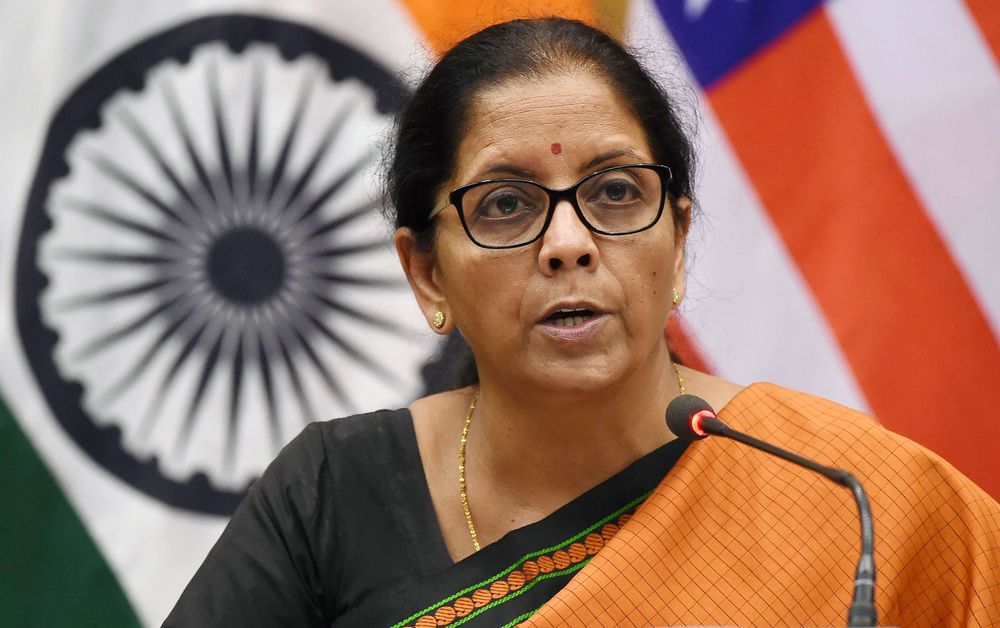
FM comes out with package set to benefit poor, farmers, migrant workers

Following the announcement made for MSMEs, Finance Minister Nirmala Sitharaman announced a slews of measures targeted at farmers and migrant workers as part of the Atmanirbhar Bharat Abhiyan on Thursday. Here is a look at them.

Support to Farmers

  • 3 crore farmers to be given the benefit of 3 months loan moratorium, worth ₹22 lakh crore
  • Interest Subvention and Prompt Repayment Incentive on crop loans deferred till May 31st, 2020
  • 25 lakh new Kisan Credit Cards to be sanctioned with loans worth ₹25,000 crores
  • Refinancing ₹29,500 crores provided by NABARD to cooperative banks and RRBs in March 2020
  • ₹4200 crores for Rural Infrastructure Development Fund to states
  • Working capital limit of Rs. 6,700 crore sanctioned for procurement of agriculture produce to State Government entities since March, 2020

Support for Migrants and Urban Poor

  • States have been permitted to use State Disaster Response Fund to build shelters for migrant workers and provide them with food and water
  • ₹11002 crores released by Centre to augment funds for SDRF
  • Disbursal of Revolving Fund (RF) to Self Help Groups was on-boarded on PAiSA Portal in April 2020 on a pilot basis in Gujarat and is now being rolled out across all the States in May 2020
  • 3 crore masks and 1.2 lakh litres of sanitizers have been produced giving employment opportunities to urban poor
  • 3 meals a day are provided for residents of shelters for urban homeless
  • 7200 new SHGs have been formed from March 15, 2020
  • NREGA support to returning migrants – work offered to 2.33 Crore wage seekers yesterday in 1.87 Lac Gram Panchayats
  • Portability of welfare benefits
  • Definition of inter-state migrant worker changed to include those employed directly under the employer, workers directly coming to destination State of their own besides the migrant workers employed through a contractor
  • Affordable rental housing complexes for migrant workers and urban poor

Support for Workers

  • Universalization of right of minimum wages, presently it is applicable only to 30% workers
  • Appointment letter for all workers – move towards formalization
  • Statutory concept of National Floor Wage introduced, will reduce regional disparity in minimum wages
  • Less number of rates of minimum wages and better compliance
  • Annual health checkup for employees
  • Occupational Hazard and Safety code applicable to establishments engaged in work of hazardous nature even with threshold of less than 10 workers
  • ESIC coverage to be extended to all districts across India
  • Social Security Schemes for gig workers, platform workers and unorganized workers
  • Provision of gratuity on completion of one year service as against 5 years
  • Re-skilling fund introduced for retrenched employees

Support to Poor (including Migrants and Farmers)

  • 5 kg of grains per person and 1 kg Chana per family per month for two months to those who are neither have NFSA or State Card, set to benefit 8 crore migrants, cost to be fully borne by Government of India
  • One Nation One Ration Card – Technology Systems to be used enabling Migrants to access Public Distribution System (Ration) from any Fair Price Shop in India by March 2021

Other Measures

  • ₹1500 crores Interest Subvention for MUDRA-Shishu Loans, set to benefit small traders and businesses
  • ₹5000 crores Special Credit Facility for Street Vendors, set to benefit 50 lakh street vendors
  • ₹70,000 crore boost to housing sector and middle income group through extension of CLSS, 2.5 lakh middle income families to benefit
  • CAMPA funds worth ₹6000 crores for employment push, afforestation and other plantation works
  • ₹30,000 crores Additional Emergency Working Capital Funding for farmers through NABARD, over and above ₹90,000 crore to be provided by NABARD through the normal refinance route, set to benefit 3 crore farmers
  • ₹2 lakh crore concessional credit boost to 2.5 crore farmers through Kisan Credit Cards, will include fishermen and animal husbandry farmers, 2.5 crore farmers to benefit

Antibody test – the way out of this pandemic?

The public health ministry of England has approved the antibody test for COVID-19 screening, and is touted to be a possible way out of this pandemic.

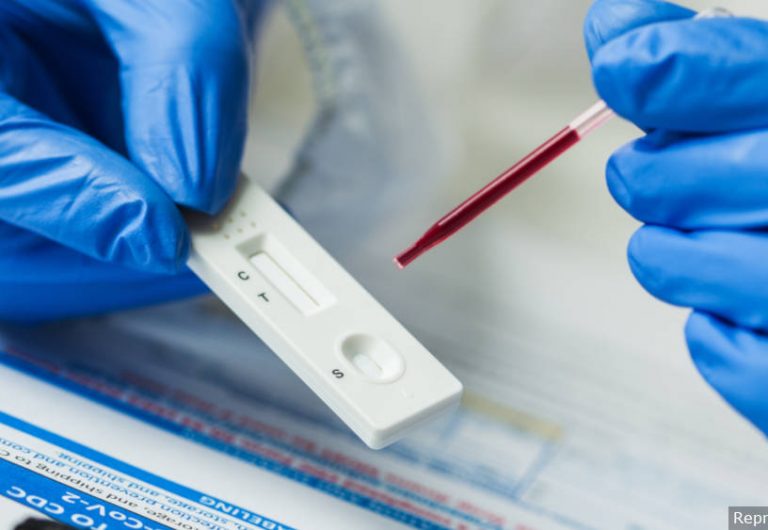
Public Health England (PHE) has approved Elecsys® Anti-Sars-CoV-2 antibody test developed by Swiss company Roche. It is a lab-based test for antibodies in the blood of people who have had Covid-19 and recovered. This is not similar to the rapid tests. A blood sample from a patient thought to have the disease is taken to a lab that has the analyser machines needed to process it. can provide results in about 18 minutes for one single test, with a capability to do 300 tests an hour.

This test does not give conclusive evidence about the immunity of the person. It will merely describe the percentage of population that has contracted the virus and the extent to which it has spread.

Right now, bulk testing by this method has not yet been confirmed as the UK government is still in discussions with Roche about acquiring them.

Japan releases country-wide emergency except for Tokyo and Osaka

Japanese President Shinzo Abe lifted lockdown throughout most parts of the country except for Tokyo and Osaka.

Being the world’s third largest economy, they had declared a nationwide emergency, urging citizens to reduce contact by upto 80%. This was lifted for 39 out of 47 prefectures, leaving it in force in the capital, Tokyo, as well as Osaka, their second largest urban area,  in an attempt to salvage the economy while simultaneously combatting the virus spread.

The effect to restrictions has been varied throughout the country with some non-essential services opening up shop even before the lockdown had been released, with the governors of the respective prefectures taking the call.

Getting back to normalcy would be a gradual process, as estimated by economists after seeing the relapse of cases in countries like South Korea.

In a bid to stimulate the economy, the President has decided to establish a second budget as well as welcome corporate investment to restart ‘ordinary work and daily life’.

Since the greater Tokyo area accounts for a third of the economy, the government has planned to add four more economists to the advisory panel on the path to economic resuscitation. Even as Japan has avoided an explosive outbreak of the virus, their testing rates have also been some of the lowest in the world. The highest number of tests done is in Tokyo, where 5000 were tested positive.

Lawyer representing Sadhus in Palghar Lynching case dies in accident

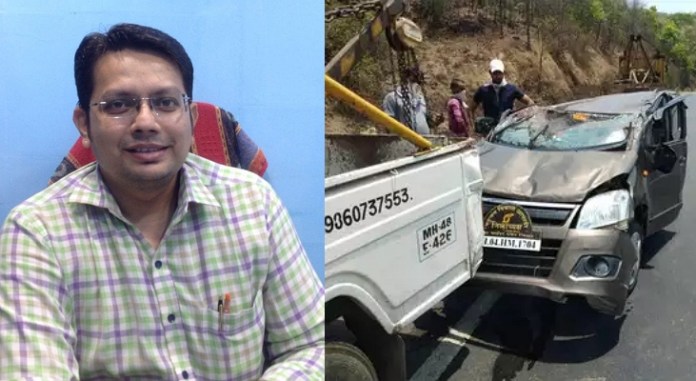
Digvijay Trivedi, who is representing the Hindu saints on behalf of the Vishwa Hindu Parishad in the Palghar lynching case, died in a road accident on Wednesday on the Mumbai-Ahmedabad national highway near Manor. He was on his way to the Dahanu court regarding the case. He was to present his side of the case before the court. Mr. Trivedi is the lawyer representing the 2 Hindu saints who were lynched to death by a mob in Palghar with the police mishandling the situation.

The accident took place on the Gujarat lane of Mendhwan Bridge at Manor at around 9.30 am. The car is said to have skidded off the road and turned upside down with Trivedi dying on the spot. Another woman passenger who was accompanying him was reportedly injured. She was admitted in the hospital.  It is believed that Mr. Trivedi was overspeeding losing control over the wheel.

Trivedi was also incharge of the legal cell in the Bahujan Vikas Aghadi, a political party, in Mira-Bhayander.

On 16th April 2020, 2 Sadhus belonging to the Juna Akhara were lynched to death by a frenzied mob killing  the 70-year-old Kalpavrishka Giri Maharaj, and 35-year-old Sushil Giri Maharaj along with their driver 30-year-old Nilesh.

COVID-19 may be a bottomless pit, WHO warns

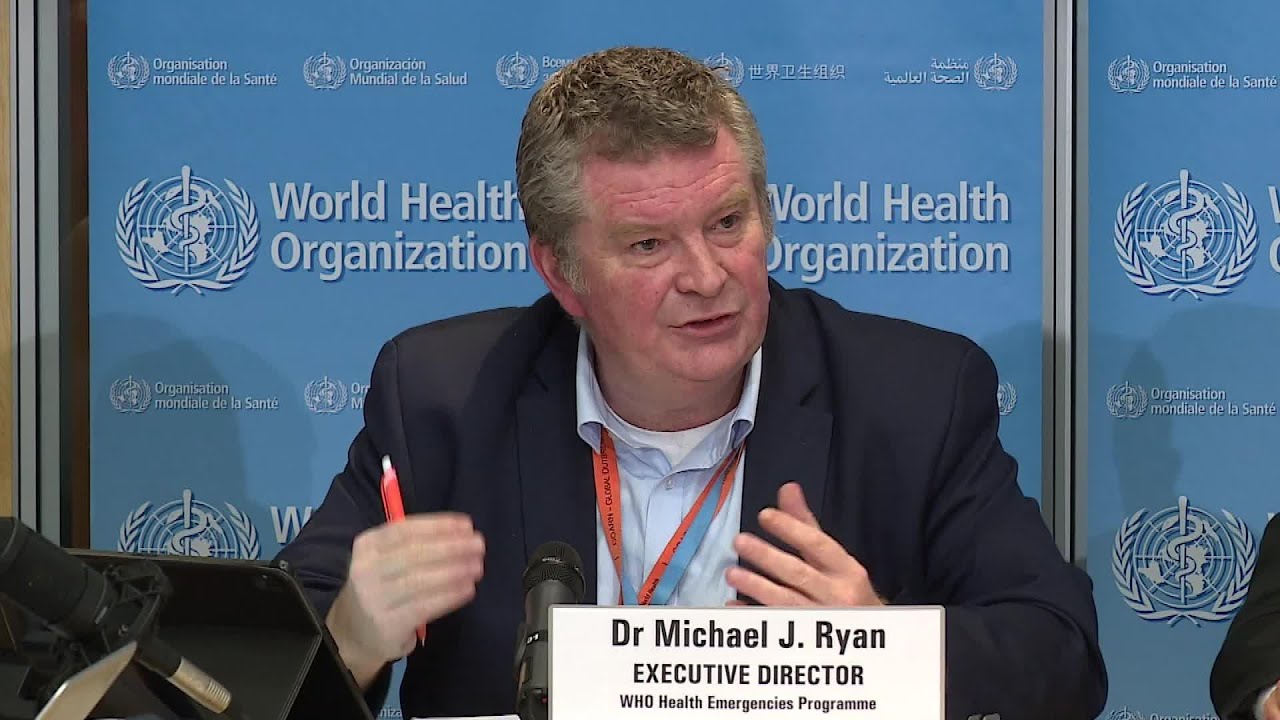
WHO emergencies director Dr Mike Ryan said that efforts to determine the point when the coronavirus might disappear might be a futile attempt while addressing briefly on Wednesday, adding that even in the event of a vaccine being found, it would take a ‘massive effort’ to control the virus. Further, he stated that, much like HIV, the world has to come in terms with the virus, as there is no proof as to when the pandemic will end.

It is to be noted that although close to 100 different vaccines are being developed for COVID-19 all over the world, the possibility of elimination of the virus is undeterminable, stating the example of diseases like measles, which still haven’t been completely eradicated despite the existence of a vaccine.

While talking about this, WHO’s Director-General Tedros Adhanom Ghebreyesus stressed it was still possible to control the virus, with effort.

As more than 4.3 million people have been recorded to be positive all over the world, with the death toll around 300,000, the UN has urged countries to take mental health preservation into consideration as well.

TN HR&CE official suspended for siphoning off ₹5 lakhs meant for priests’ salary

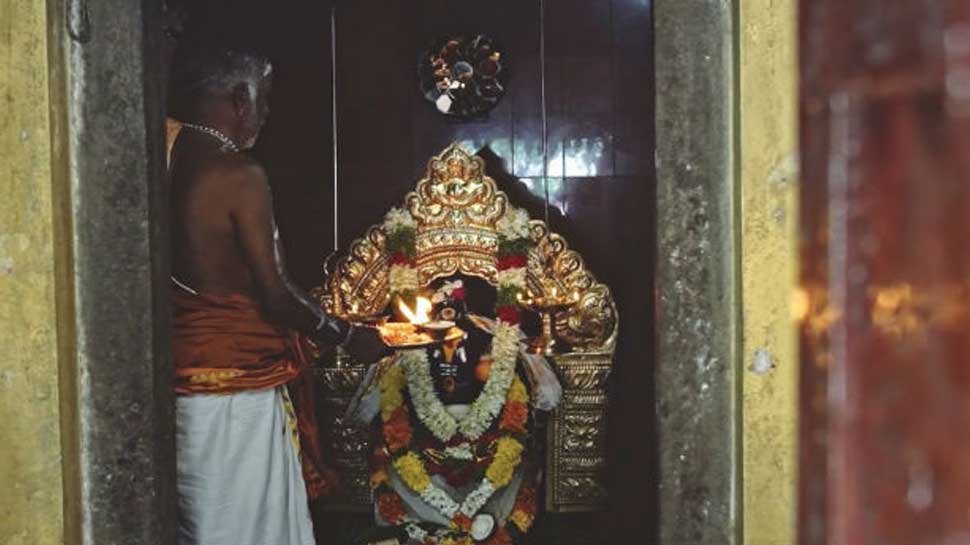
Narasingan (32), of the Tamil Nadu Hindu Religious and Charitable Endowments has been suspended for embezzling funds worth ₹5 lakhs kept to pay the salaries of priests working in village temples. He was working in the department as junior assistant at Kumbakonam.

The crime came to light when the priests who went to encash their cheques for the month of April reported that their cheques bounced. When officials came to know of the matter, it was found that there was no money in the account.

Ilayaraja, the HR&CE assistant commissioner conducted an inquiry which pointed the fingers at Narasingan.

A complaint has been filed at the Kumbakonam East police station against the accused.

Controversial Muslim evangelist Zakir Naik calls for Muslim countries to arrest non-Muslim Indians criticizing Islam

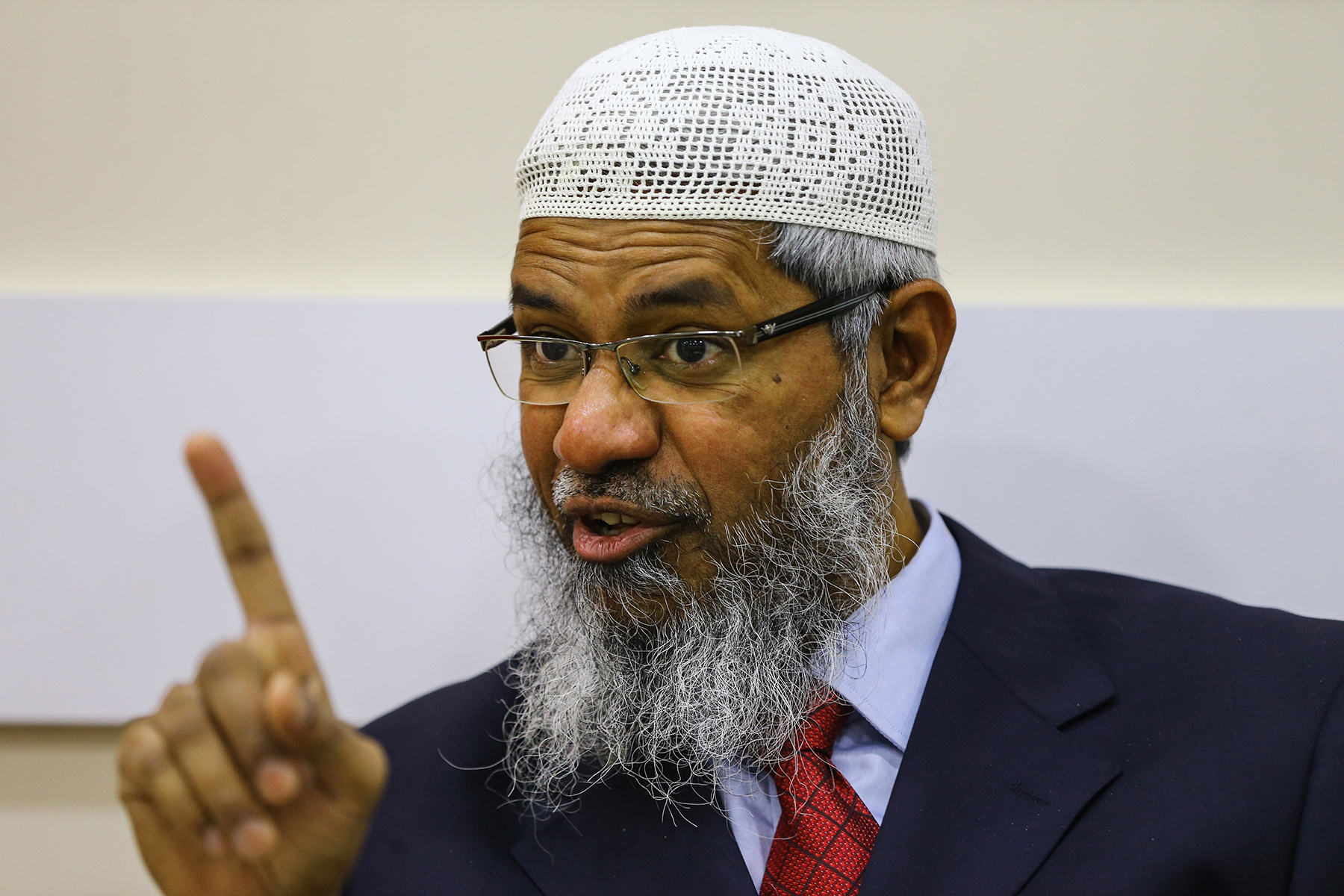
President of the Islamic Research Foundation Zakir Naik delivers a speech at an “Islamaphobia” conference in Istanbul, Turkey, on March 23, 2017. (Salih Zeki Fazlioglu/Anadolu Agency/Getty Images)

Zakir Naik, the radical Muslim preacher has released a video in which he can be heard asking for Islamic countries across the world to create a database of non-Muslims who criticize Islam, arrest them and try them under blasphemy law when they land in their countries.

The video, which is going viral on social media, has the fugitive evangelist asking lawyers in Kuwait to collect a database of non-Muslim Indians who have passed negative remarks or abused or attacked Muslims or Islam and have them in their computer so that when they visit any Islamic country like Indonesia, Dubai, Kuwait, or Saudi Arabia, they can be tried under their laws.

The video was first posted on Pakistani American preacher Yasir Qadhi’s Youtube Channel on April 23, 2020.

Zakir Naik was born in Mumbai and is founder of ‘Peace TV’, a controversial evangelist channel. He is currently hiding in Malaysia after fleeing India. He faces charges of provoking communal disharmony and indulging in incitation of terror activities in the country. The bombings that happened in Holey Artisan Baker y in Dhaka in July 2016 is said to have been carried out by people inspired by his speech. He is also said have inspired the mastermind behind the Easter blasts in Sri Lanka. Zakir Naik had commented that the Indian government’s move to abrogate Article 370 was an act of war. He ‘warned against a Palestine-like situation building up in the state.

Although the current Mahathir administration in Malaysia has banned him from giving public speeches, it is yet to take action on deporting him back to India.

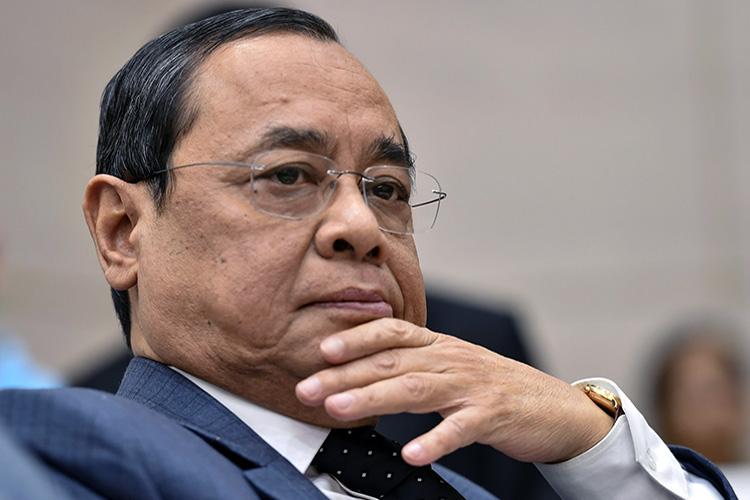
Former CJI Ranjan Gogoi gives rebuttal to critics, asks why “activist judges” are not questioned

Former Chief Justice of India currently serving as Rajya Sabha MP Ranjan Gogoi, while addressing a webinar titled “Ensuring an Independent Judiciary under our Constitution: Confronting the Contemporary Challenges, asked why were the “activist judges” and others taking commercial arbitration not questioned for their post-retirement work.

The former CJI had been subject to criticism for accepting his nomination to the Rajya Sabha.

In his response to a question on judges taking post-retirement assignment he said “there are 3 categories – the ‘activist judges’, those taking commercial arbitrations and those accepting other kind of assignment’.

“Why is it that only the 3rd category draws all the flak? Why no questions are asked about the other two?” he asked.

He noted that the judiciary is not averse to criticism but must be an honest, intellectual and acedmic exercise.

He took a dig at the group of people, ‘activists’, and intellectuals coming from a certain ideological and political viewpoint for listing out criteria as to who is an independent judge and said that according to them, an independent judge must necessarily be anti-establishment.

“He must be anti-authoritarianism… He must be eloquent on issues like rich-poor divide, oppression of the marginalised, issues pertaining to suppression of fundamental rights and he must advocate free speech even to the extent of touching the frontiers of defamation. These are the identification marks of an ‘independent judge’,” Justice Gogoi said. He noted that if a judge doesn’t conform to these criteria, his independence is questioned and attacked instead of criticising the judgement.  He said that such a thing is destructive of the independence of the judiciary.

To a question on why the Ayodhya judgement did not have the name of the author, he said “I can show 32 cases decided by a particular bench in 2015-16 when the author wasn’t named in the judgment. But then no questions were asked. Speaking for myself, I have myself been the author of 13 judgments when the author wasn’t mentioned.”

Speaking on the collegium system Justice Gogoi said that the system was an excellent one and was time-tested.

“Some amount of discipline would improve it further. Some may not be satisfied but the idea is to be true to the law” he said.

He said that the problem is with the individuals running the system and added that the problem may not necessarily be from collegium members but from outside the collegium but within the judiciary.

WHO says COVID may never go away

Michael J Ryan, Executive Director of WHO said that the COVID19 is another endemic virus that may never go away just like the HIV.

“This virus just may become another endemic virus in our communities and this virus may never go away. HIV has not gone away,” said Mr. Michael

He added that although the two are completely different, nobody can predict when or if the deadly virus will disappear.

He further said that easing lockdown restriction could further lead to transmission forcing another lockdown by governments. He noted that the number of cases needs to be reduced to the lowest level possible to life lockdown restrictions and that reopening when the cases are high could lead to accelerated transmission.

When asked about vaccine for COVID he said, “we may have a shot at eliminating this virus but that vaccine will have to be available, it will have to be highly effective, it will have to be made available to everyone and we’ll have to use it.”