Home Blog Page 1780

DRDO comes out with ‘GermiKlean’ to help security forces sanitize uniforms

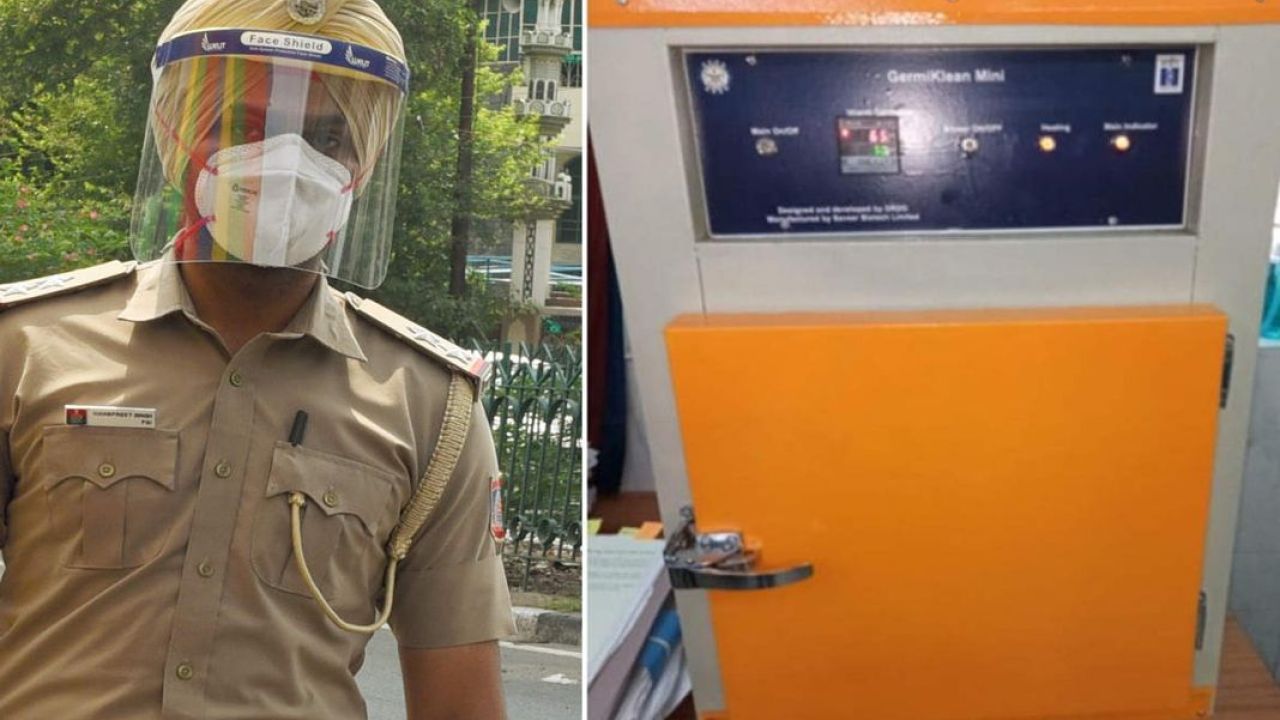
The DRDO (Defence Research and Development Organisation) has taken an initiative towards maintaining the safety of security forces by developing a sanitizing chamber, named ‘GermiKlean’. This dry heat treatment chamber will sanitize the uniforms of the security forces. This chamber is designed in such a way that it sanitizes 25 uniform pairs in 15 minutes.

The GermiKlean has been designed and developed by DRDO and manufactured by Saveer Biotech Limited.

This chamber has been set up at the Parliament Street Police Station. When the Delhi Police insisted on the requirement of sanitization of their uniforms, helmets, cane shields, canes, etc., DRDO thought of and came up with this idea.

Eish Singhal, DCP of the Parliament Street Police Station said “Our uniforms and other items can be kept inside the chamber to get sanitized and this method has proved to be really very beneficial. Thankfully, DRDO considered our request and took an initiative to fulfill it”.

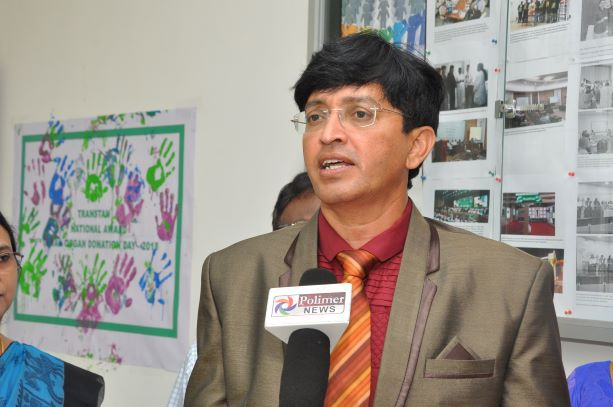
He also added further “DRDO has also developed a sanitization tunnel for our sake and also designed a mat to get us with foot sanitization. We are grateful to the DRDO for making these things available for our safety and health”.

84-year-old woman from Koyampuththoor promotes kitchen garden culture

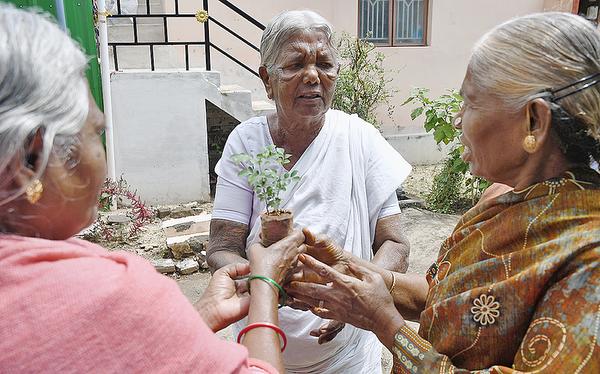
COIMBATORE, TAMIL NADU 20/10/2019. (for MetroPlus) S. Nanjammal from Thoppampatti in Coimbatore, supplies seeds and saplings of vegetables free of cost to families in her village on Sunday October 20, 2019. Photo: M. Periasamy/ The Hindu.

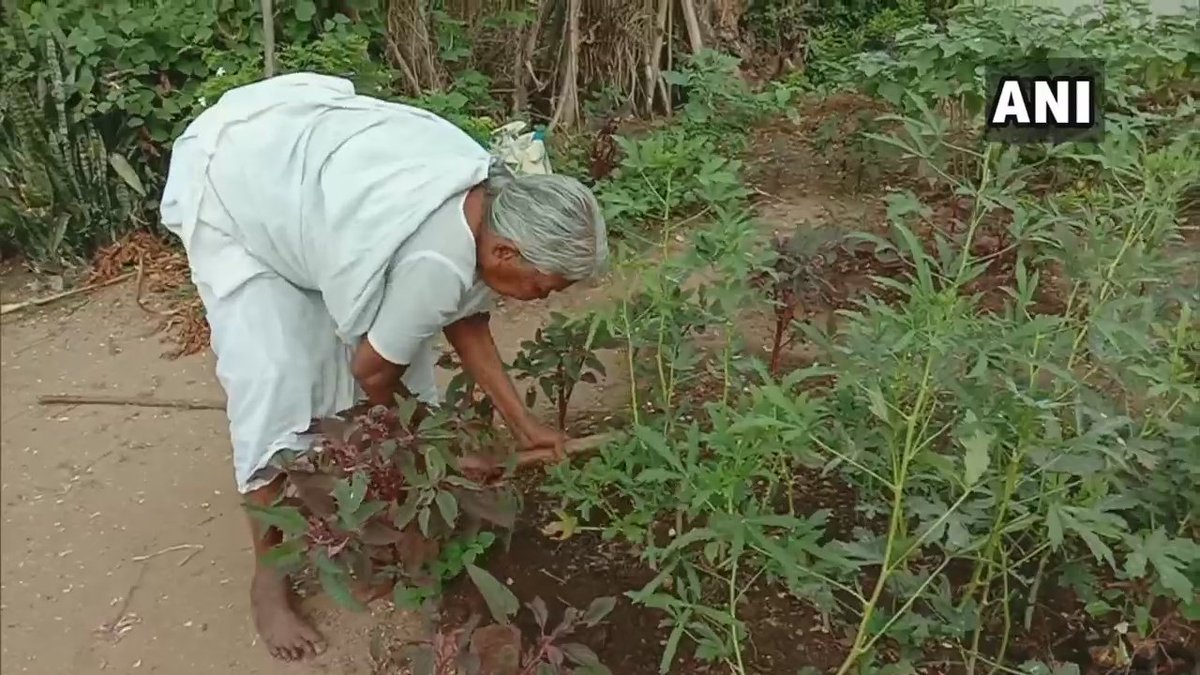
An 84 year-old Nanjammal belonging to Thoppampatti village in Coimbatore (now Koyampuththur), Tamil Nadu, grows vegetables in her kitchen garden and has been distributing vegetable sapling free of cost to promote culture of kitchen gardens.

“I want villages to have their own kitchen gardens and be able to grow organic vegetables on their own. Now more than 100 families are growing vegetables in their own kitchen gardens.” ANI reported quoting Nanjammal.

She further added, “Since the prices of vegetables were rising up, being a farmer I decided to grow vegetable saplings and distribute them to my villagers in Thoppampatti and guide them about growing fresh vegetables at their homes.”

Image Credits: ANI

Bharathi Chinnasamy, a writer and son of Nanjammal, said that the main goal was to create village kitchen gardens in their area.

He further added, “During the COVID-19 period we faced the issue of prices shooting up and it was not possible to afford, so the idea of growing on our own came up. During COVID-19 we are promoting organic kitchen gardens in rural areas free of cost. By this, every family can save Rs 6000 per year. There are around 12 crore Self Help Groups in India and by encouraging them to cultivate Self Help Group garden in open areas, vacant land, and roadsides, they can earn a considerable amount of money.”

Truth behind EWS certificate in TN: PK, DMK, and Ondrinaivom Vaa

On June 4, 2020, a circular was issued by Principal Secretary and Commissioner of Revenue Administration J. Radhakrishnan IAS to all District Collectors of Tamil Nadu asking them to instruct the Tahsildars to not issue income and asset certificate for Economically Weaker Sections (EWS) either through online or manually. This missed grabbing the headlines as the mainstream media didn’t pay much attention. However, it did create a small ripple in social media with many questioning and speculating the intentions behind the move by the AIADMK government. It was seen as an attempt to pander to the OBC vote bank considering that elections are due next year. What is the truth behind this move? To understand, we need to connect some dots.

The dots

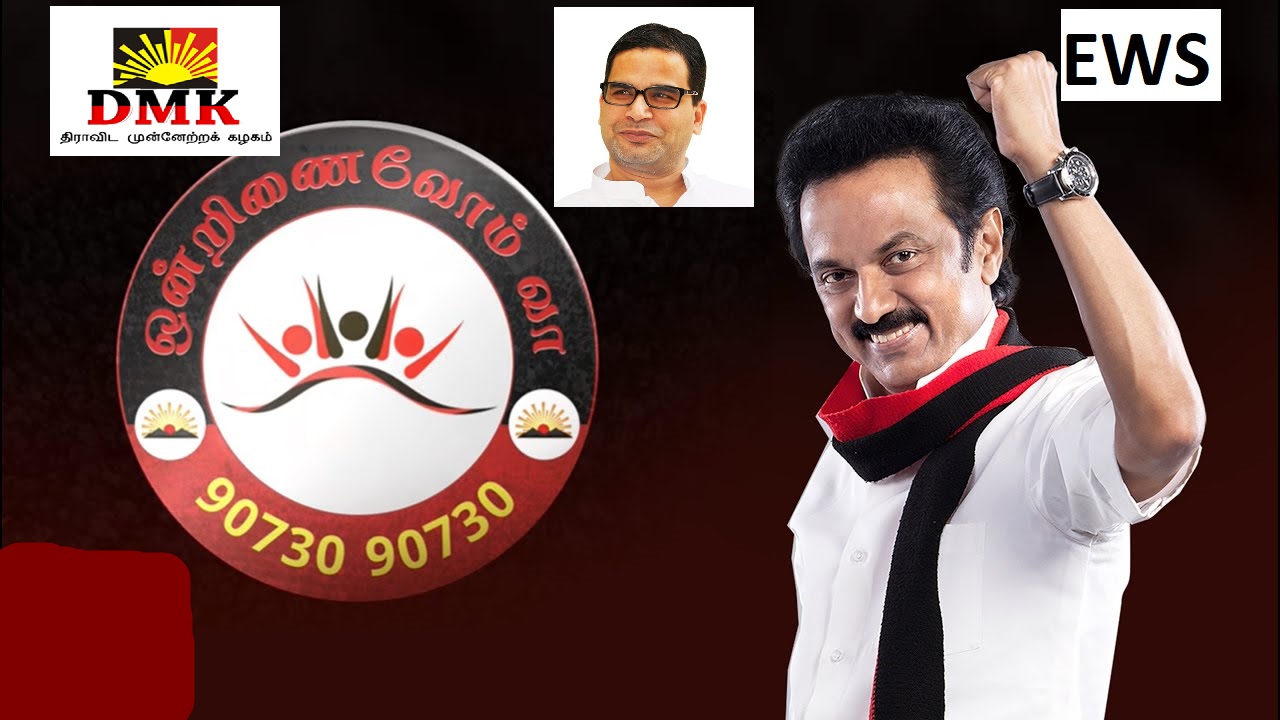
Dot 1: On April 20 of this year as the Wuhan virus was stretching its tentacles leading to a nation-wide lockdown that has been in force since March 24, DMK President under the advice of Prashant Kishor the head of Indian Political Action Committee (IPAC) announced a scheme called ‘Ondrinaivom Vaa’ (Let’s Come Together). Through this propaganda initiative the party was to reach out to the needy and support them with food, essentials and cash.

Dot 2: On May 5, there was an incident reported in Kanyakumari that did not make much noise. Selvakumar, a former English teacher from Osaravillai who served as the Kulasekarapuram village panchayat vice president near Suseendhiram was reportedly going house by house collecting copies of identity documents like Aadhar card, ration card, etc along with photos, phone numbers and other details. Selvakumar is a DMK office bearer.

Dot 3: DMK MPs Dayanidhi Maran and TR Baalu along with Tamizhachi Thangapandian and Kalanidhi Veerasamy had met Tamil Nadu Chief Secretary K. Shanmugam on May 13 to submit the petitions received under DMK’s propaganda banner “Ondrinaivom Vaa”. It was claimed that they had submitted close to a lakh petitions to the Chief Secretary. The Chief Secretary had immediately sent these petitions to the CM Special Cell that was later segregated department wise and sent it to the respective departments and districts. Tamil Nadu Food Minister R Kamaraj had said that most of the petitions submitted under Ondrinaivom Vaa were fake petitions. Some of them turned out to be complaints of civic issues and had nothing to do with COVID or lockdown relief.

Dot 4: On May 29, MK Stalin submitted a second batch of more than 6.2 lakh petitions claimed to have received under Ondrinaivom Vaa to the CM office. He also claimed that 15 lakh distress calls were received on Ondrinaivom Vaa’s number 90730 90730 which were addressed by DMK office bearers at the block and district levels.

Dot 5: Meanwhile, it was observed that across districts, there was an increase in number of people applying and getting income and assets certificate to be listed under EWS.

Connecting the dots

In the name of reaching out to the needy and the economically weaker sections, the DMK and the IPAC went about collecting data like phone number, Aadhar card, address, number of people in a family, number of voters, and other details from lakhs of people. Simultaneously, it was found that there was rising number of income and assets certificate issued across districts. Most of these applications were filed by those who did not qualify for EWS criteria which is – those not belonging to SC/ST/OBC, those families having an annual income of less than 8 lakhs, those having a residential flat area of less than 1000 sq. ft, those now owning more than 5 acres agricultural land, etc). It seems that the DMK had collected details of these families and urged them to apply for EWS certificates as part of developing their vote bank.

Assuming that 1 petition consists of details about an individual and his/her family members, if one were to add up the data – 15 lakh phone calls made to 90730 90730, the 6.2 lakh petitions and the 1 lakh petitions – this would amount to information of 22.2 lakh families of Tamil Nadu. Accounting for duplications, petitions by own party men, etc. we can safely say that details of atleast 15 lakh families and their votes are now with the DMK and IPAC. Assuming that each family has 4 votes, it would mean that the DMK and IPAC now have personal details of 60 lakh voters of Tamil Nadu out of which we can say that 50% (30 lakhs) could be new voters. This data bank is now a plausible vote bank.

Prashant Kishor and his IPAC team are known for playing around with data to chart out election strategies for political parties. It is to be noted that in the 2016 Assembly elections, the difference between valid votes obtained by ADMK and DMK was approximately 39.47 lakhs. The DMK alliance that had put up a stellar performance in the Lok Sabha elections did not fare as expected in the by-elections and the local body elections that followed. Through the Ondrinaivom Vaa banner, they have harvested information of approximately 60 lakh voters (a modest estimate) for targeted political advertising, similar to what Cambridge Analytica did in the 2016 American Presidential elections.

It is in light of this behind-the-screen activities of Ondrinaivom Vaa, that the ADMK government issued a circular on June 4 to stop issuing income and assets certificates.

Inputs taken from Chanakyaa

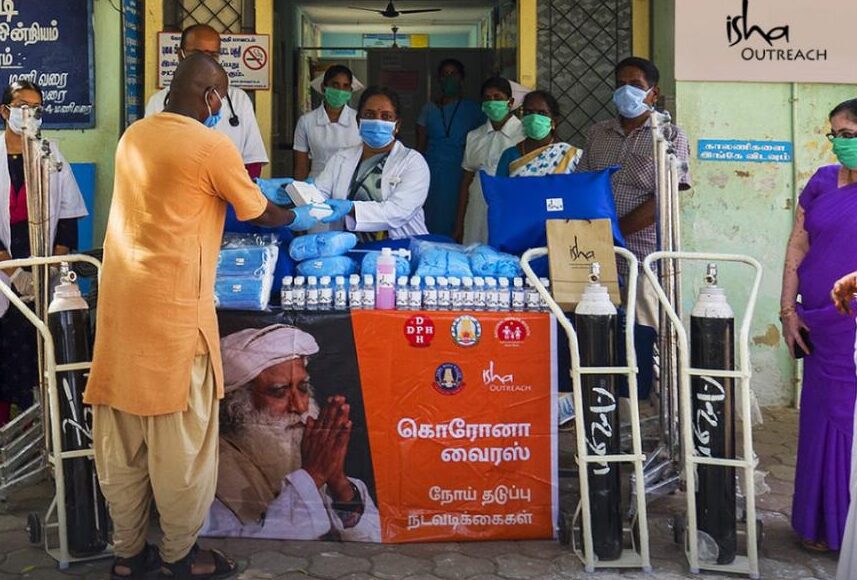
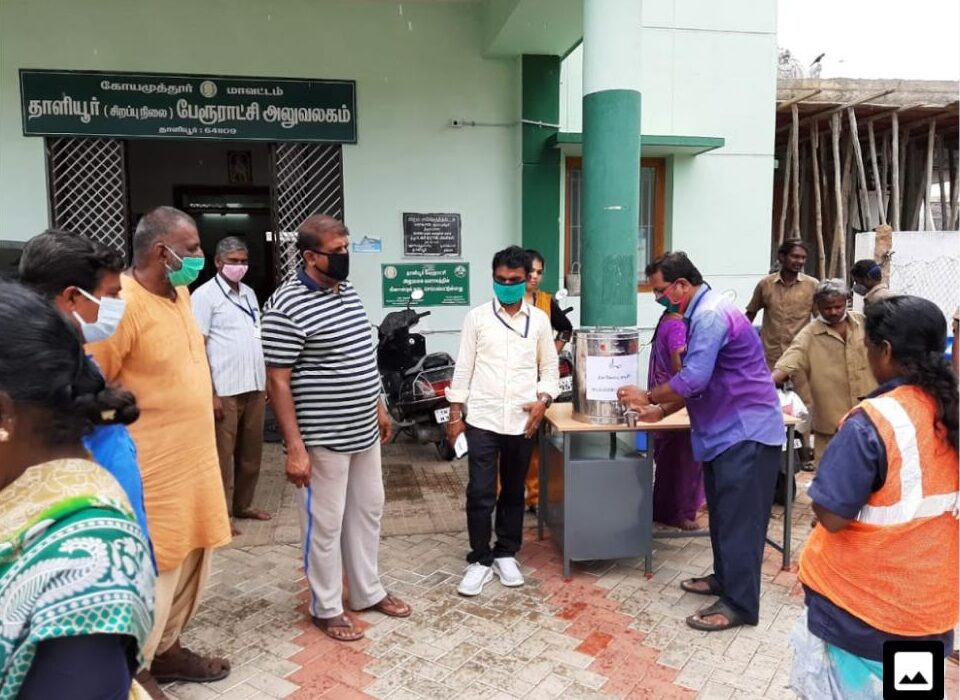
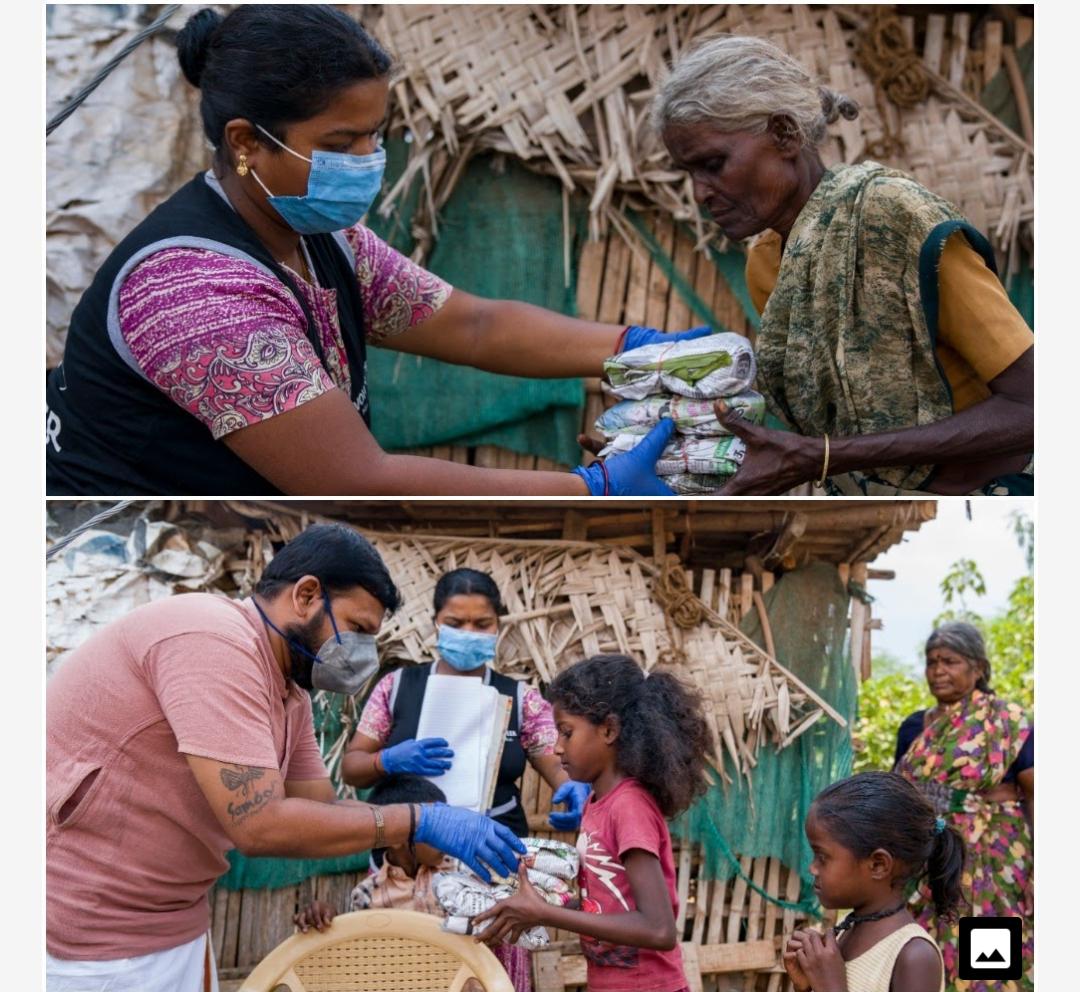
Isha Foundation reaches out to frontliners and poor during COVID lockdown

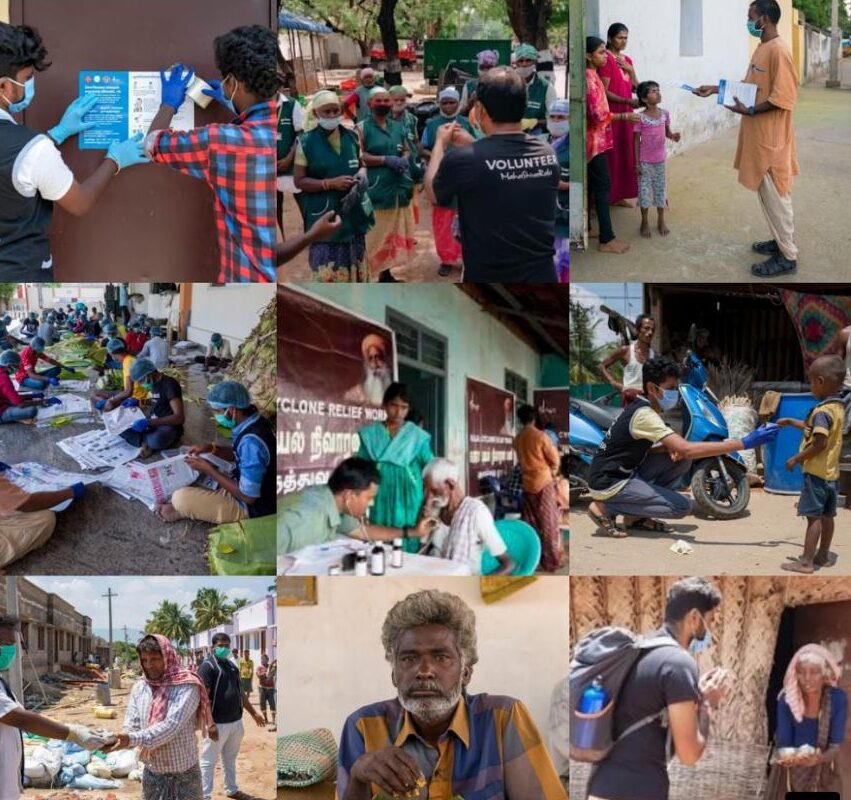
Isha has been carrying out COVID relief activities to poor and needy under their Action for Rural Rejuvenation programme.

As part of their efforts to fight the virus, a new initiative called #BeatTheVirus was launched in April through which Isha has been implementing relief work at several villages in the Thondamuthur block of Coimbatore.

Isha volunteers have been distributed protective gear like masks, gloves and sanitizers to health workers.

They are also providing Nilavembu Kashayam (a siddha medicine used for boosting immunity)  to front line heath workers and panchayat officers.

Food and essentials are being provided to over 50,000 poor and needy in villages.

Isha aims to protect 2 lakh people residing in 90 villages under 17 different panchayats from the looming threat of COVID-19.

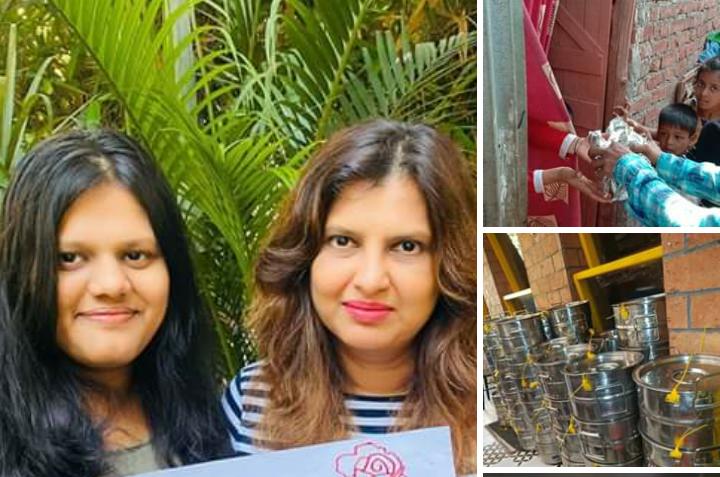
Apart from this Isha volunteers spread across the country have been doing their bit in their own capacity. Recently, the “Khana Chahiye” initiative spearheaded by Neeti Goel, to feed workers travelling to their natives was featured as one of the top 50 initiatives to fight hunger during COVID.

NCP minister Dhananjay Munde tests positive for coronavirus

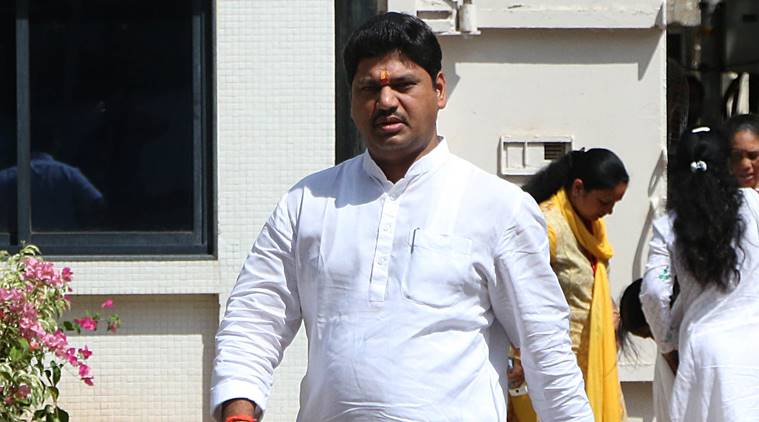
Dhananjay Munde at the Vidhan Bhavan for the second day of Maharashtra Legislature special three-day session to pass the state Goods and Services Tax (SGST) bill. The legislature will pass three bills - the main 116-page SGST Act, a bill related to the Compensation to Local Authorities and a bill on to the existing state laws that are to be repealed when the SGST comes into effect from July 1. This is for the first time that the Legislature will have a sitting on a Sunday that is May 21. Express photo by Amit Chakravarty, 21th May 2017, Mumbai. *** Local Caption *** Dhananjay Munde at the Vidhan Bhavan for the second day of Maharashtra Legislature special three-day session to pass the state Goods and Services Tax (SGST) bill. The legislature will pass three bills - the main 116-page SGST Act, a bill related to the Compensation to Local Authorities and a bill on to the existing state laws that are to be repealed when the SGST comes into effect from July 1. This is for the first time that the Legislature will have a sitting on a Sunday that is May 21. Express photo by Amit Chakravarty, 21th May 2017, Mumbai.

Maharashtra’s cabinet minister Dhananjay Munde has tested positive for COVID-19 infection. He has been admitted for treatments in the hospital, becoming the third minister of Maharashtra to test positive after Ashok Chavan and Jitendra Awhad. Munde had only recently attended the cabinet meeting as well as the party’s foundation day celebrations in Ballard Pier.

Sources report that he had displayed symptoms of COVID-19 infection and was immediately admitted at the Breach Candy hospital on Friday morning. Notably, a few staff members in Munde’s office had also been tested positive, despite being asymptomatic.

With three ministers testing positive already, some senior ones in the government have decided to remain indoors for the next few days.

As a COVID-19 precautionary measure, the Maharashtra cabinet has been avoiding large assemblies. The cabinet meetings are also being held through video conferencing with minimum number of people available at one location.

Animal baby births skyrocket in Palestinian zoo due to complete absence of visitors

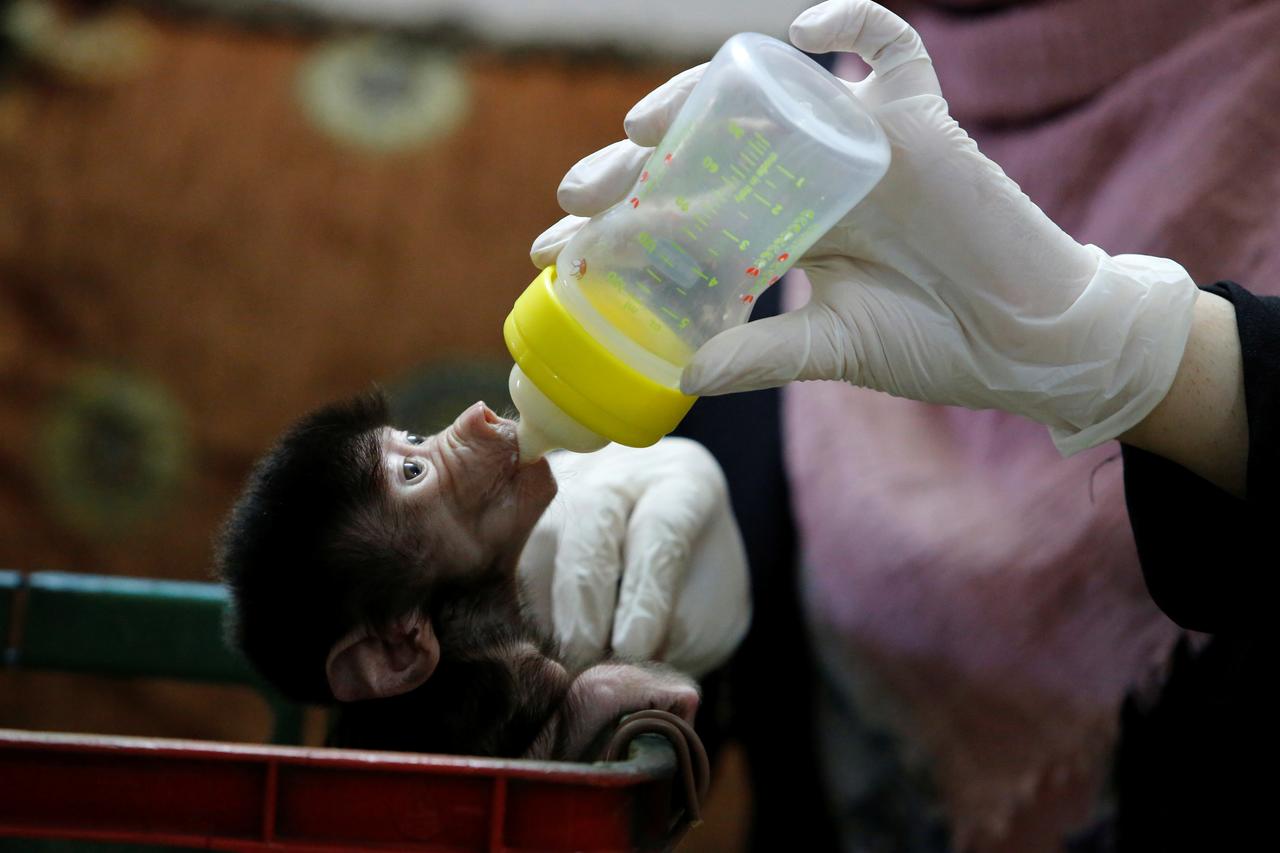
A significant baby boom was witnessed in Palestine’s Qalqilya Zoo, as visitors completely vanished. Fifteen animals were born in the tiny zoo at West Bank, as the zoo was shut down for visitors for the past few months. The officials said that this birth rate was three times more than usual.

Peacocks, ostriches and baboons – these were all the animals that gave birth during this period, as they let nature take its course free from human distractions. It is to be noted that the baboon that gave birth had relatively lesser inclination to nurse it. The zoo doctor had to take it home and feed it.

While talking about it, the zoo veterinarian Sami Khader said, “The coronavirus spread at the same time that trips were expected at the zoo. They were cancelled and therefore the animals started to give birth”.

The zoo reopened in late May as Palestinian officials eased COVID-19 restrictions. Now zoo managers hope the new-born attractions will be enough of a draw to compensate for 200,000 lost visitors.

British PM calls the attack on statues as a “censoring of the past”, says they have been “hijacked by extremists”

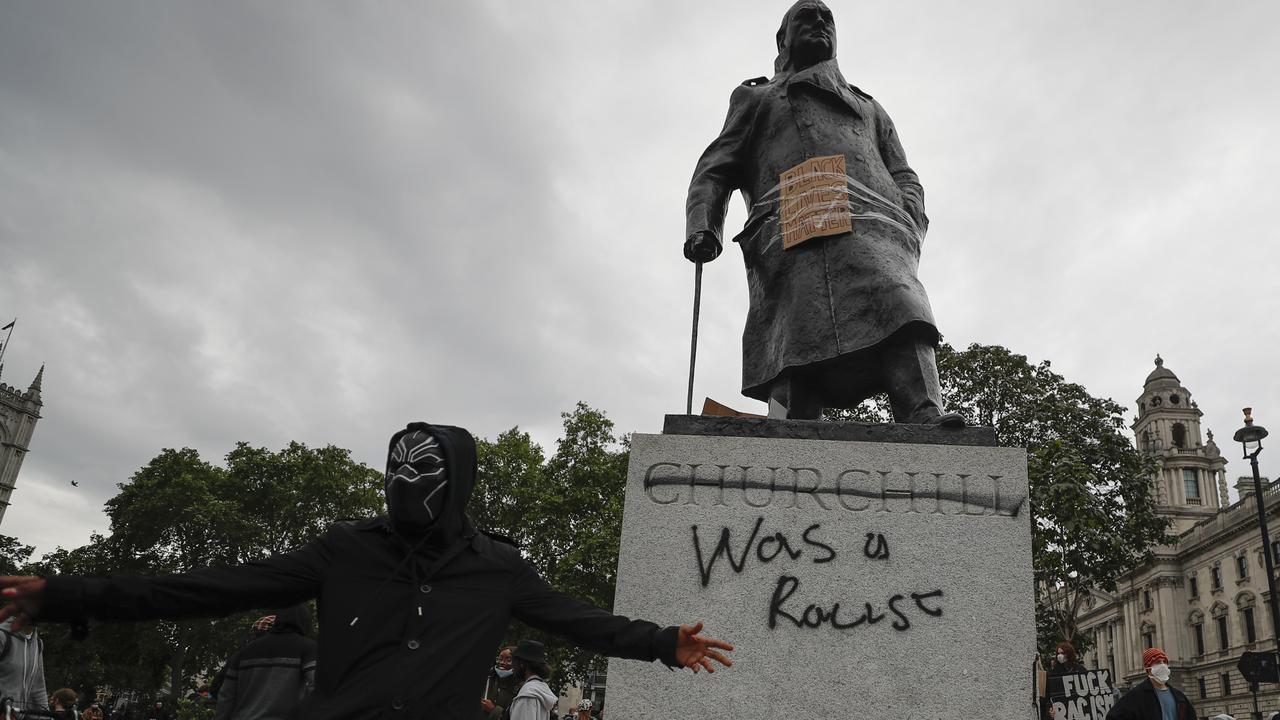
Talking about the vandalism of Churchill’s statue as well as the toppling of Edward Colston’s statue in Bristol, British Prime Minister Boris Johnson has said that the act is highly intolerable and abhorrent.

Coming out in response on Twitter, he wrote that Churchill’s statue is “a permanent reminder of his achievement in saving this country — and the whole of Europe — from a fascist and racist tyranny.” He added that tearing down statues amounts to “lying about our history” and that it is “absurd and shameful” for a monument to be treated with such disrespect.

Edward Colston’s statue in Bristol was toppled earlier this week, following which the statue of wartime hero Winston Churchill’s statue was vandalized with the graffiti “Churchill was a racist”. This came in the wake of the #Blacklivesmatter movement that has gained momentum all over the world.

Following this incident, a box was placed around the statue as a protective measure against further damage to the monument.


France’s coronavirus toll falls as lockdown is eased

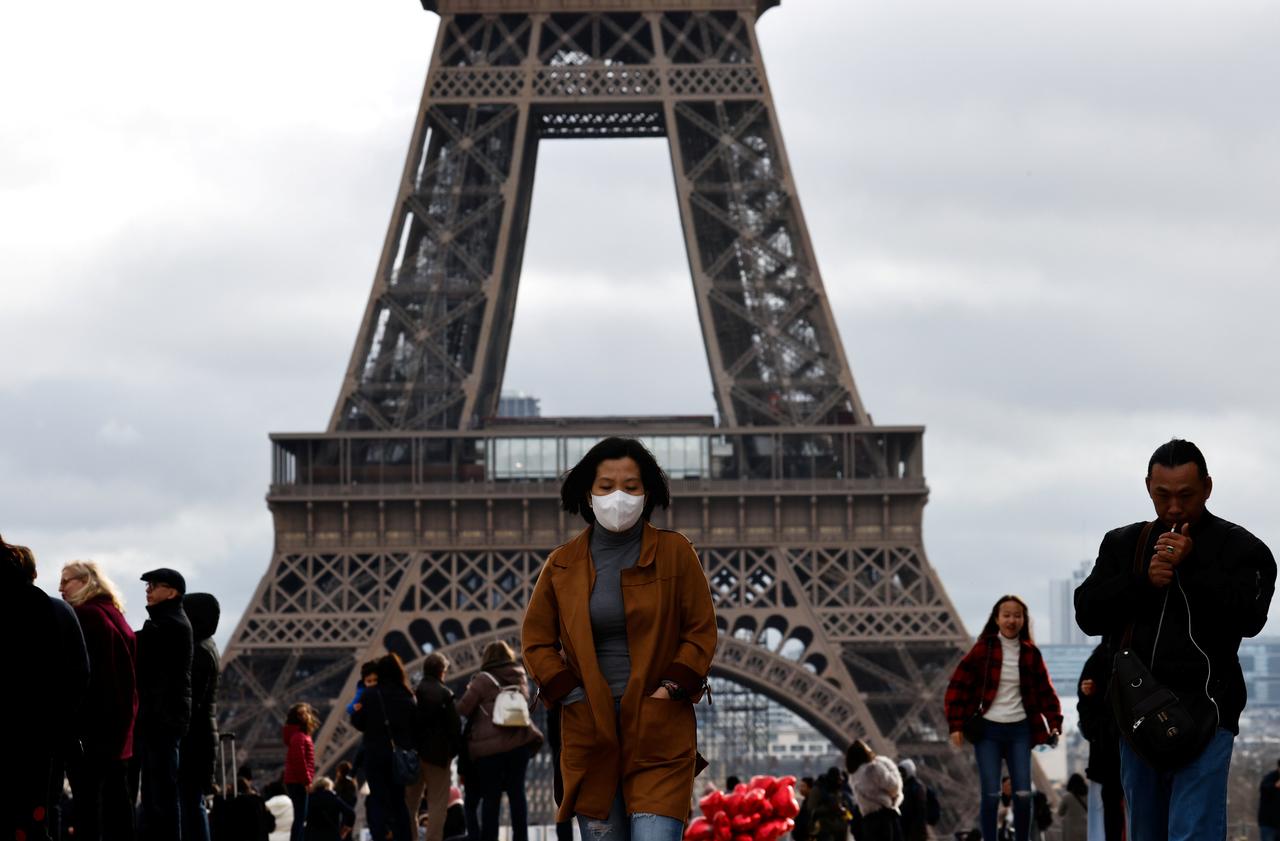
A month after the eight-week lockdown in France ended, life has returned to normalcy. There have been no rise in cases reported in the country, with the number of additional deaths down to its lowest figure since March.

As the country has only just recovered from the pandemic, the fact remains that the forthcoming economic emergency is yet to be addressed with an iron clad plan to put the country back on its feet. Businesses all over France have reopened, holding the social distancing norms strictly in place. France had a huge shortage of masks in the peak of its pandemic effect, although now, there is a surplus supply of cloth masks, which is being unused because of the usage of disposable masks by most corporations.

Announcing the second phase of the lifting of restrictions at the end of last month, three weeks after the end of lockdown, the Prime Minister, Édouard Philippe, said the health figures were better than hoped for. French President Emmanuel Macron is scheduled to address the country on Sunday.

France has had an estimated 29,319 deaths due to Covid-19, while, over 72,000 people who were diagnosed coronavirus positive have been cured and discharged from the hospitals.

Scientists study deep earth taking cue from deep space

The structure of the earth's crust.

The scientists at Johns Hopkins University are digging deep down the Earth using a new technique that was originally designed and used in exploring the cosmos. An unusual team of space and earth scientists have used a new novel algorithm called the Sequencer, which was initially developed to find various interesting trends in the astronomical datasets.

This algorithm is developed by Menard and a graduate student Dalya Baron to be used in the astrophysics and geology department.

The scientists have unveiled structures present deep down the Earth that has paved a new map of the Earth. This map will exactly describe how the interiors of the Earth look like.

These findings, after their completion, will be published in the Science magazine.

Scientists use seismic waves to look deep inside the Earth the same as the doctors use ultrasound to look deep inside the human body. But, these findings will have to wait for the Earth to have an earthquake because, without any disturbance or motion in the Earth’s interior, the scientists will not be able to trace the seismic waves and guess the composition of the earth.

The Sequencer algorithm drifts through thousands of seismograms for echoes and creates a new map of the Earth’s mantle. The map reveals hot and dense regions below the Hawaii and Marquesas Islands in French Polynesia in the Pacific.

Crisis expert back as TN Health Secretary

The Tamil Nadu government on Friday made some key changes at the higher bureaucracy by transferring Beela Rajesh IAS to the Commercial Taxes and Registration Department and bringing back J Radhakrishnan IAS as the Health Secretary.

The transfer order comes at a time when the state has over 38,000 cases with more than 27,000 cases in Chennai.

Dr. Beela Rajesh IAS has been posted as Secretary to Government, Commercial Taxes and Registration Department in the place of N Muruganandam IAS, who was holding the additional charge.

Though Dr. Radhakrishnan has been appointed as the Principal Secretary to the Health and Family Welfare Department, he will continue to hold the post of Principal Secretary/Commissioner of Revenue Administration until further orders.

A 1992 batch IAS officer, Dr. Radhakrishnan is known for his work during the 2004 Tsunami and the Kumbakonam school fire accident that happened in June the same year. Since then, Dr. Radhakrishnan has become the face of disaster management in the state. In November last year during Diwali, he was coordinating the rescue of the child Sujith Wilson who had fallen into a borewell and met with an unfortunate end. Earlier he was appointed as the Special Nodal Officer by the state government to coordinate the efforts against the pandemic.