Home Blog Page 1655

Facebook to take over Swedish mapping start-up

In a big step, Facebook has decided to take over the Swedish street mapping start-up Mapillary. Through this step, Facebook will get a chance to venture into the street mapping games.

Mashable reported on Thursday, that the company in a blog post announced that Facebook has taken it over. Facebook has acquired all the rights of Mapillary and can officially enter into the street maps.

Jan Erik Solem, the CEO of Mapillary did not give any financial details to but made sure that the changes for the Mapillary users, at least for a little time-span, would not be to a great extent.

For the people unknown about Mapillary, its work is to upload images for the normal public to know the streets and its maps. The functions of the Mapillary are almost similar to the Google Maps, except that, user can upload their own photos on it instead of waiting for a Google van with a camera on top to drive around.

Mapillary in its blog post said that the data will be open and free for commercial as well as non-commercial purposes, but people are still left in confusion as to what will Facebook do with the Mapillary platform.

Another Sainik School to admit girls from 2021-2022

The Central Government has approved the admissions of girl children from class (VI) at Sainik School, Niglok in East Siang district, from the academic year 2021-2022 onwards, informed the school Principal Lt Colonel Rajesh Singh, on Saturday.

“Dream of Chief Minister Pema Khandu and Arunachalee girls is going to materialize and all the dedicated staff members of the school are ready.” said Singh.

Sainik schools are well known and stand apart because of its unique vision of making and reshaping of young minds to join premier National Defence Academy.

Singh added that the parents and girls can participate in a survey at a mobile-based link https://forms.gle/WQzkyWwC8jV8noP89 on the online portal from 1st July to 31st July 2020.

He further added that parents and girls who want to join Sainik School would be enquired and reviewed through a survey intending to create interest among young girls to prepare for All India Sainik School Entrance Examination 2021-2022, which is to be held tentatively on 3rd January 2021.

“The incredible emerging possibilities in Arunachalee girls would turn into fact to join the Indian Armed Forces. The school promises to administer in making and moulding young girl cadets profoundly to grab an opportunity of becoming future flag bearers of the state and to wear the most coveted uniform,” he added.

Resilience Preparation for Power Utilities: A Necessity for Coastal Cities

Burdwan: Workers try to restore a power line after a tree fell on it during a storm due Cyclone Amphan, in Burdwan district of West Bengal, Wednesday, May 20, 2020. (PTI Photo) (PTI20-05-2020_000281B)

Asia is no stranger to the damage that can be wreaked by natural disasters. Since 1900, approximately 20 million people on the continent have lost their lives due to droughts, floods, earthquakes, cyclones and tsunamis. Today, the region remains exposed to more of the same. According to the Asian Development Bank, the region’s economic progress will be undermined by the rising number of floods, landslides and other disasters that are exacerbated by global heating. That provides a stark reminder that Asia’s many densely populated and expanding coastal cities will remain vulnerable to weather-related disasters such as storms and floods. According to the Centre for Research on the Epidemiology of Disasters, Asia has lost an estimated $1 trillion over the past century due to natural disasters, and this shows no sign of slowing down.

Cyclones and their impact on India

Studies indicate that natural disaster losses equate to approximately 2% of India’s Gross Domestic Product (GDP) and up to 12% of Central government revenue. With 40% of the total population living within 100 km of the coastline, the Indian sub-continent is one of the most vulnerable in the world to cyclones and floods. And we’ve seen this vulnerability in action: 8 of the worst cyclones of the past decade made landfall on the west coast, including cyclones Fani, Ockhi, Vardah, Hudud, Phailin, Helen, Nilam and Phyan.

COVID-19 and Cyclone Amphan

While COVID-19 has already strained hospitals, data centers, government agencies, public utilities, and food distribution and delivery systems, further disruption from natural disasters threatens communities’ ability to function at all. On May 20, Cyclone Amphan, classed as a category 2 hurricane, caused storm surges and waves of five metres high on the shores of Kolkata. Amphan’s damage has ground the city to a halt. Damage to Kolkata’s fiber-optic networks has also totally disconnected residents, still in lockdown from COVID-19, from the outside world. With most of the city still under darkness, many hospitals, and critical and emergency facilities are facing the biggest threat as roadblocks from debris, damaged vehicles, and flooded medical and testing centers have threatened their operability. Amphan’s infrastructure damage is estimated to be $ 13.2 billion and still counting, and power grids are seeing some of the most severe impacts.

Damage to power infrastructure and the need for resilience

From collapsed overhead electric cables, streetlights and transformers, to partially inundated substations and broken diesel generation systems, the cyclone has revealed just how fragile Kolkata’s power infrastructure was. Wind gusts of 105 mph, coupled with heavy rain, left low-lying areas flooded and caused the failure of power transmission and distribution systems that affect 14 million people.

Building a resilient power infrastructure that can resist, absorb, accommodate to, and recover from the effects of a hazard in a timely and efficient manner is a need for all the buildings that focuses on safety of equipment operation and personnel involved.

Kolkata has provided a clear argument for the adoption of resilience measures for inevitable situations like Cyclone Amphan. The simple strategies listed below, along with advanced power system hardening techniques, can ensure uninterrupted power supply not only to stressed hospitals, community centers, and government offices during future catastrophic events, but to the residents of those communities who rely on these services.

Regional and Global experience

Another coastal city on the Bay of Bengal had a similar experience when Cyclone Vardah hit on December 2016. It downed 10,000 electric poles, damaged 800 transformers and affected 1850 MW of power generation systems leaving seven million people in darkness for more than a week. This response isn’t an isolated incident. In the summer of 2012, a Derecho windstorm left two million people without power in the mid-Atlantic. It gained power so quickly that most of the communities affected had almost no time to prepare, hurrying to use back-up generators that failed or telephone services that were immediately knocked out. The nation’s mostly overhead, analog and radial distribution system is not designed to withstand ice, wind and snowstorms. But it is important to learn from these experiences and prepare for the future, as several campuses and cities have done around the world.

New York University Langone Health is a world-renowned hospital based in New York City, New York. After losing power during Superstorm Sandy in 2012, the hospital experienced significant challenges related to its utility services and operations, forcing an emergency evacuation of patients and the campus’ closure for two months. To ensure that such an event never reoccurred, the hospital began extensive resilience improvements, including working towards PEER Platinum certification. NYU Langone implemented power system hardening strategies such as the installation of flood barriers, and redesigned the walls of their Energy Building with steel-based flood doors to withstand future tidal and storm surge conditions. These implementations gave NYU Langone’s eight building campus the ability to withstand a 500-year flood level and have helped in reducing operational and damage costs of $1.5 billion. Further, NYU Langone Health owns an 11 MW highly efficient cogeneration plant as an alternative electricity source should there be a loss of power supply from their primary source. They implemented remarkable flood plain avoidance, undergrounding 100% of their power lines and employing state-of-the-art operations, management and safety procedures. These comprehensive adaptations have worked: there were zero sustained interruptions in 2017.

Utilities or power distribution companies keep our businesses, homes and communities powered. Their ability to meet our everyday needs means we rely on their services and ability to address challenges as they arise.

The Electric Power Board (EPB) of Chattanooga, Tennessee serves 177,000 homes and businesses across greater Chattanooga and parts of North Georgia. Chattanooga regularly experiences severe thunderstorms and tornadoes, leading to power outages that hinder the livelihood and economic growth of the city. To combat this, the city’s EPB created an innovative fiber optic network by laying the groundwork for an intelligent, redundant and self-healing grid that provides resilient power to residents. EPB’s distribution circuits also have automated restoration capability with intelligent hardware such as smart switches and auto‐reclosers which can automatically test and re‐energize a circuit, isolate a fault and re‐route power without human intervention. Approximately 94% of EPB customers can receive power through two distribution pathways, which means power can take alternative routes from the source to the customer in order to avoid downed or vulnerable sections of the grid. The EPB system was put to the test in 2012 when two major storms knocked out power throughout most of Chattanooga. Thanks to the electricity infrastructure improvements, power was restored to most of the system within hours instead of days.

Moving Forward

Understanding the importance of resilience and the need for reliable grid infrastructure has never been more important. As Kolkata has shown us, natural disasters will continue to hit regardless of whatever other challenges we might be facing. And when that happens, our resilience preparation will make all the difference. By turning our focus to the utilities that allow our communities to function, we can save money, improve our environmental footprint and even save lives.


Missing Ph.D scholar joins Hizbul terrorist group, J&K police confirms

Hilal Ahmad Dar, who went for a trek to Narang in Ganderbal district in central Kashmir on June 14, has reportedly joined Hizbul Mujahideen.

Inspector General Vijay Kumar of Jammu and Kashmir Police while addressing the media confirmed that the Ph.D scholar from Srinagar has joined the terrorist outfit.

The IG had taken part in a wreath laying ceremony of a CRPF jawan who sacrificed his life in a gunfight in Pulwama. One of the reporters asked IG for an update on Hilal to which he replied, “He joined Hizbul Mujahideen.”

Hilal had gone on the trek with four of his friends on June 14. All of them returned on the same evening except Hilal.

On June 22, Hilal’s family members protested in Srinagar urging the police to locate him. They told that he was an orphan and lost his parents when he was 10.

Pregnant student Safoora Zargar of CAA riots fame gets released on bail

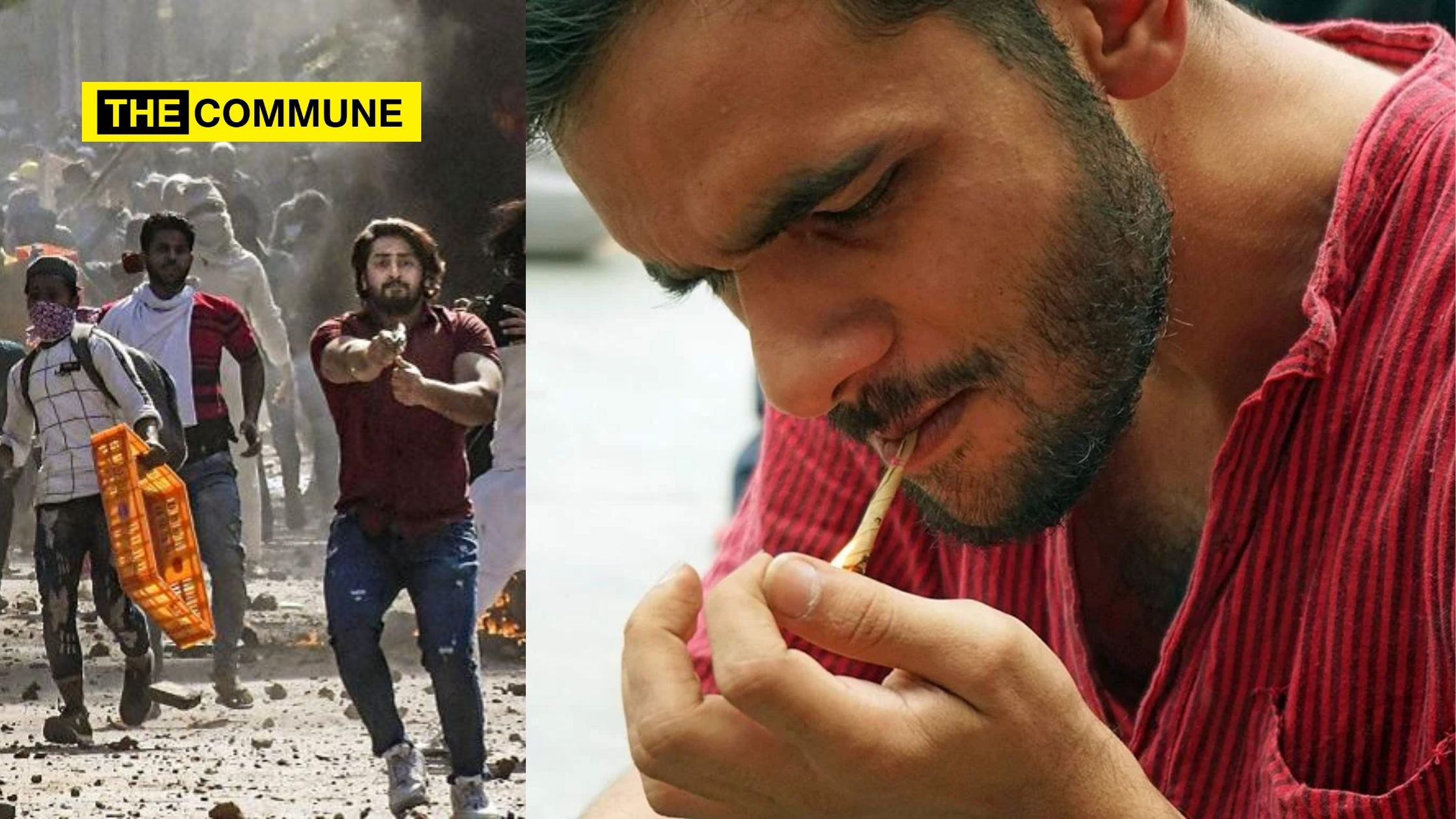
The High Court on Tuesday granted bail to Safoora Zargar, a pregnant student who was arrested for instigating violence in Jamia University during the CAA-NRC riots in December. The verdict was issued stating humanitarian grounds and emphasised on the fact that this should not be set as a precedent for similar issues in the future.

Justice Rajiv Shakder, who issued the verdict, said that she was released on furnishing a personal bond of ₹10,000 as a surety amount and that she should not be indulging in any such activity for which reason she was charged in the first place.

Safoora Zargar, 27, was arrested on April 10 on conspiracy charges over the riots that broke out in February during protests against the Citizenship Amendment Act. She was granted bail but rearrested on more severe charges under the Unlawful Activities (Prevention) Act. Her arrest and incarceration provoked strong condemnation from students and activists and sharply divided social media.

She was let out on humanitarian grounds stating her delicate health due to her stage in pregnancy, although, it further claimed that she was allegedly part of the premeditated conspiracy to incite communal riots in northeast Delhi in February.

Communal clashes had broken out in northeast Delhi on February 24 after violence between citizenship law supporters and protesters spiralled out of control leaving at least 53 people dead and scores injured.

Patanjali comes out with Coronil, AYUSH ministry asks not to advertise until claims examined

Baba Ramdev’s Patanjali has launched a new pill called Coronil, which claims that it can cure coronavirus infection within a 14-day course of taking the medicine.

This medicine has been launched after joint research conducted by the National Institute of Medical Science, Jaipur, and Patanjali’s Research Institute in Haridwar. While talking about this, Baba Ramdev had said that this will be launched in all of their stores in the following week. He added that the medicine was tested in a placebo-controlled clinical trial with COVID-19 patients on a randomized testing basis.

The Indian Council for Medical Research, however, refused to endorse this, saying that that they do not deal with ayurvedic medicines, AYUSH Ministry does.

The Ayush Ministry came out in response to this, saying that Coronil is not to be marketed or advertised until all of the claims put forth by the Patanjali Group were proven to be credible. This comes following a statement issued by the ministry that said that advertisements of drugs including Ayurvedic medicines are regulated under the provisions of Drugs and Magic Remedies (Objectionable Advertisements) Act, 1954 and Rules, and that the company is prohibited from advertisement, marketing, or selling of this medication without proper proof of approval. A Gazette Notification No. L.11011/8/2020/AS dated 21st April, 2020 was also issued probing about the details of the clinical trials and how they were conducted.

Notably, Patanjali claims of having licensed Coronil as a treatment for COVID-19 infections, to which the ministry has refuted requesting Uttarakhand Government’s Licensing Authority to furnish proper product approval details.

Trump extends ban on H1B visas, strikes terror in the hearts of hundreds of Indian immigrants in the USA

The H1B visa is the most popular type of visa that is availed by most immigrant workers to the USA. On Tuesday, the US government announced an extension on the 60-day ban that was previously imposed on this visa. While talking about this the government said that this was an attempt to protect the hundreds of domestic workers and American citizens who had been roughly affected by the pandemic.

President Trump, after assuming office in 2017, had hinted that the low-cost workers were hampering the economy and undercutting the jobs of US citizens. The US had then hinted at reforming the “broken” H-1B visa system.

Trump seized the opportunity provided by the economic contraction due to Covid-19 by first banning the entry of non-immigrant workers till June 23, and then extending it till December 31.

This new ban will not affect those who are present in the USA and are currently expecting a change of visa status, like international students. However, the US government has advised them against moving from the US under the circumstances of the global crisis as they would then have to be subjected to this new rule.

The American Lawyers Association has come out in opposition to this move, saying that under the circumstances of an unprecedented global issue it was necessary to use all the available resources irrespective of whether they were from within the country or around the world. Other big names who have come out in condemnation of this move have been key players in Silicon Valley like Google CEO Sundar Pichai, SpaceX and Tesla’s CEO Elon Musk and Twitter’s CEO Jack Dorsey.

Sadhguru’s insights into depression related deaths

Generally suicide is either attributed to extreme depression or poverty. We hear news of farmer suicides quite often. We also see rise in rich and popular people too taking the extreme step. The suicide of Sushant Singh Rajput sent shockwaves across the country. While farmer suicides have reason of not being able to cope with the economic losses, why do those with all the wealth take their own lives? Sadhguru Jaggi Vasudev provides us some answers.

Sadhguru says that the most important thing to realize is that one is alive and nothing else. Suppose tomorrow one loses half the money and feels depressed and the mind says “I want to die”, try closing the mouth, and block the nose with the fingers for as long as one can hold the breath. The body will say “to hell with your money, I want to live!”

Body and life within wants to live and it is only in our minds that we are held up with such things that we should let go.

So, every time we have suicidal thoughts we should know that the body and the life inside want to live. It is important to realize that the most important thing in life is ‘now’, the present. All the fancy thoughts, the emotions that we go through, the money we earn, the people we meet, are all integral part of life and not life itself. Life means that which is throbbing within oneself, right now. Only because life is ON everything else seems to be meaningful, Sadhguru says.

Sadhguru says that in Yoga helps in handling depression at the level of the body, mind and the energies. If the necessary balance and vibrancy is brought about in the physical, mental and energy state, to be blissful becomes natural.

Yogic process like Pranayama helps an individual with balance both mentally and energy wise. People can use such Indian traditional tools to avoid taking extreme step as a reaction to what is temporary in one’s life.Yoga helps in not just attaining one-ness with the outside world but also helps us stay balanced within.

3 minors held under POCSO for sexual harassment of a 11 year old girl

Three minors from Coimbatore were arrested for sexual harassing a 5th std girl in their locality.

The girl who lost her mother lives in Podanur, Coimbatore with her father. Both lived in a rented house in which the son of the owner who is in 10th std, along with 2 of his friends have been indulging in sexual harassing the girl along with showing porn videos when her father was not at home .

Later when the father found his girl disturbed, he came to know about the whole story and reported the police. Soon police arrested the son of the house owner along with his friends.

TN Police are advising parents to let their children indulge in reading books and playing rather than spoil them with mobile phones.

Yogi Govt dedicates a metro station for employment of members from transgender community

Transgenders of sneha society staged a protest against transgenders rights bill at mini vidhana soudha in kalaburagi on thursday. - Photo/ Prashanth HG

The Uttar Pradesh government under Yogi Adityanath has taken an initiative to provide employment to transgender community by dedicating Noida’s Sector 50 metro station to the community.

The CEO of Noida Authority said that the initiative has been taken to enable transgender community become part of the mainstream section of the society.

The initiative will employ members of the transgender community for activities like ticket issuing and housekeeping.

NGOs working for the welfare of the community have been roped in to carry forward the initiative.

As part of making public spaces transgender friendly, exclusive toilet facilities are also being put in place.

The Noida Metro Rail Corporation has renamed the station to ‘She-Man’ for transgender inclusivity.

Prior to this, Chief Minister Yogi Adityanath had announced the country’s first university for transgender community at Kushinagar district where members of the community can pursue education from class 1 to postgraduation and even do research and get a Ph.D. The university will be located in Fazilnagar block of Kushinagar district and is being built by Akhil Bhartiya Kinnar Siksha Seva Trust (All-India Transgender Education Service Trust.)

Earlier, the NMRC designated two stations – Sector 76 and Pari Chowk on the Aqua Line as ‘Pink Stations’. These two stations would be commanded by all women staff. They will have  baby-feeding room, diaper-changing facilities and a changing room.