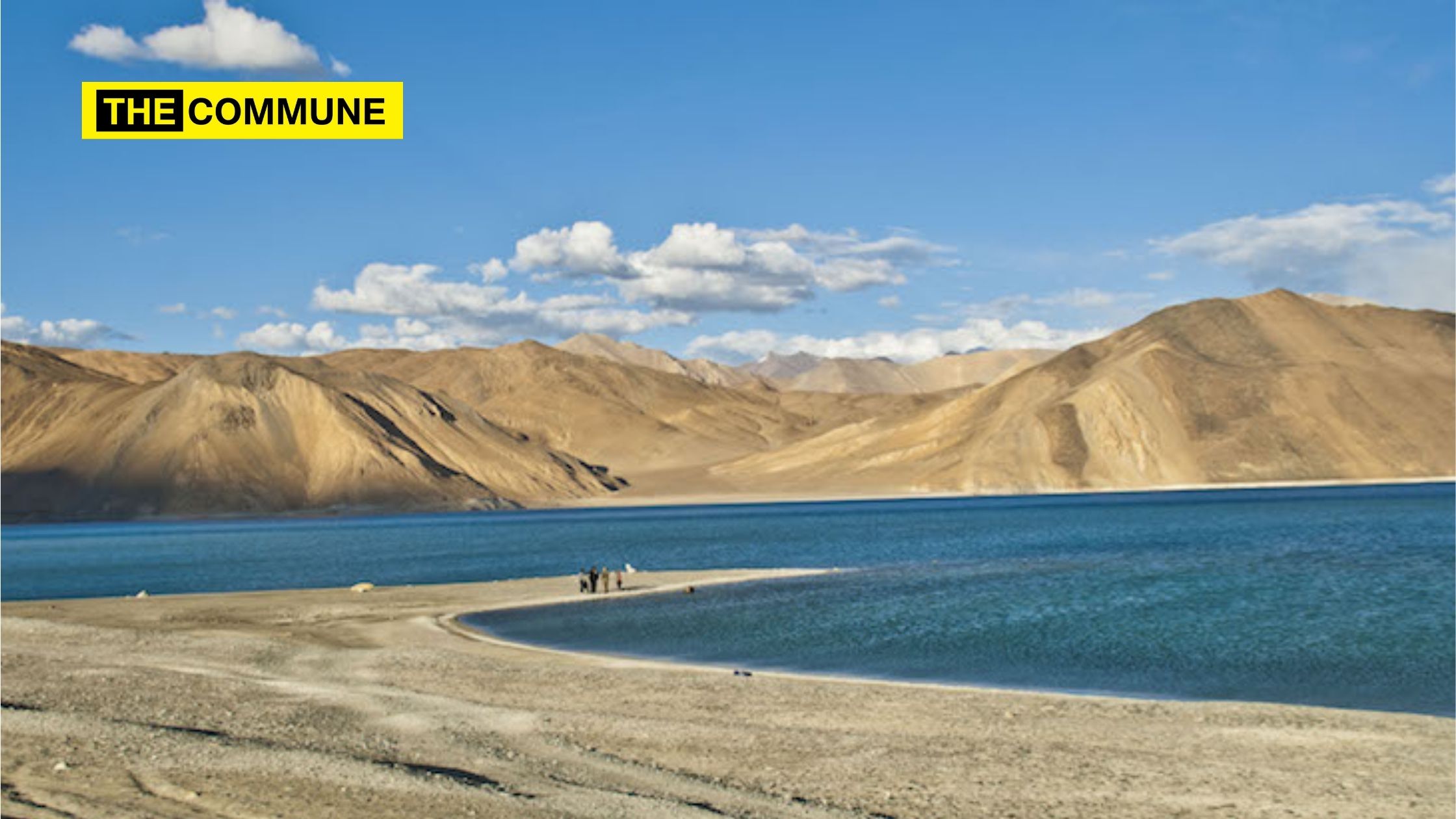
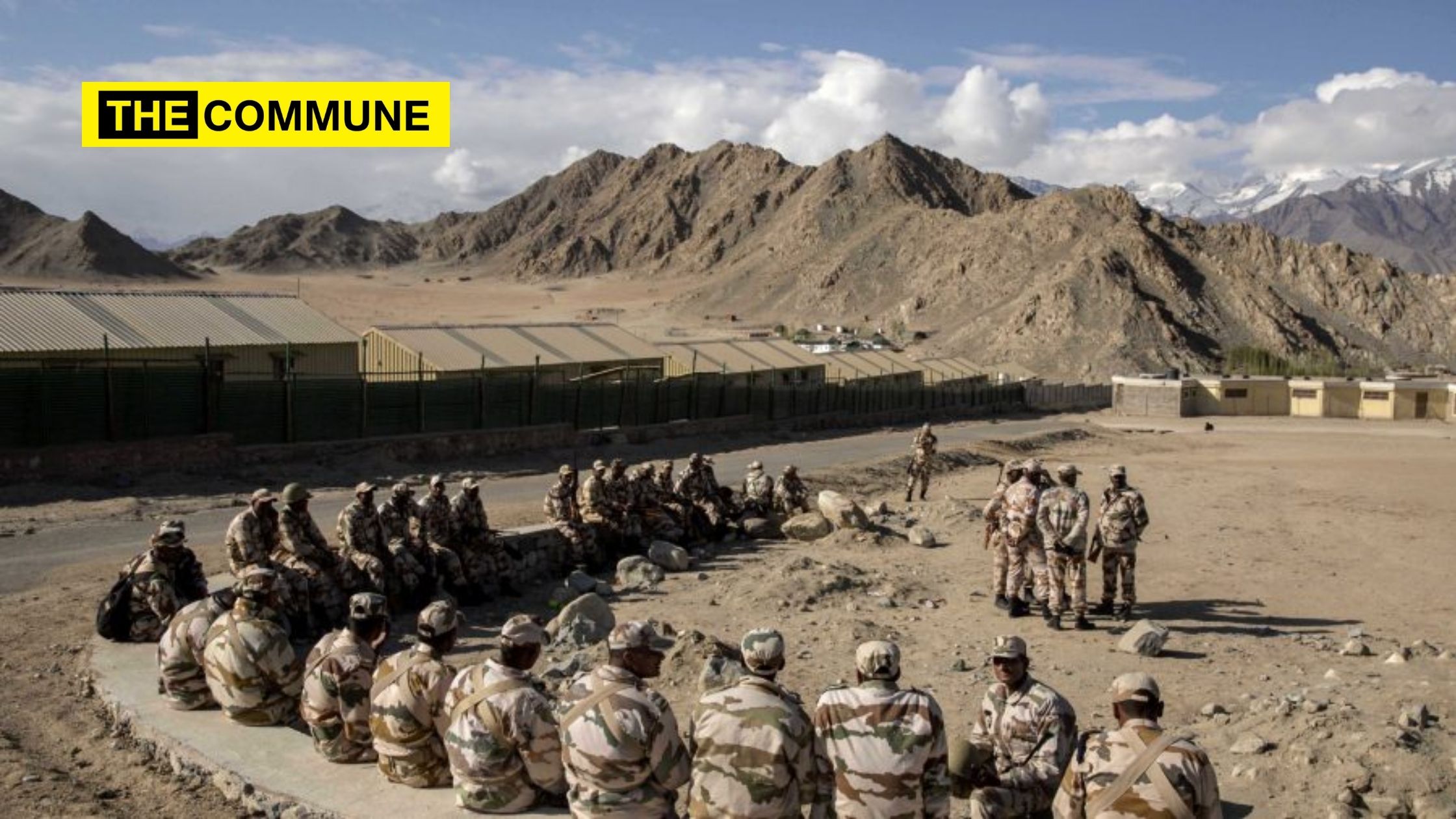
Reports have emerged that the Chinese People’s Liberation Army are laying a network of optical fibre cables south of the Pangong Lake in eastern Ladakh.
Over the last three months, Eastern Ladakh has been the area of a standoff between India and China. According to Reuters news, the Chinese have been laying optical fibre cables in the area south of the Pangong Lake, at “breakneck speed”.
“Our biggest worry is that they [Chinese] have laid optical fibre cables for high-speed communications..They have been laying optical fibre cables on the southern bank at breakneck speed,” Reuters quoted the official as saying.
This important development only means one thing and that is the Chinese Army is getting ready for the winter and it is unlikely de-escalation will happen in the coming weeks.
This is not the first time where reports have emerged China laying optical fibre cables in the territory it has occupied in eastern Ladakh. Last month Indian intelligence agencies had found that China was laying a network of optical fibre cables in areas controlled by the PLA.
This development comes just weeks after Indian Army and troops from India’s Special Frontier Force occupied heights in the area south of the Pangong Lake. The Indian Army along with the Special Frontier Force took control of strategic heights in the LAC at an elevation 5,000 to 6,000 metres, overlook Chinese positions that left China surprised, angry and rattled because it gave India a significant tactical advantage.
According to experts, the laying of optical fibre cables helps China in two ways.
One, it will provide PLA secure lines of communication to their bases in the rear.
Two, it makes Chinese communications robust and secure.
“These lines were judged by Indian experts — and corroborated by foreign intelligence agencies — to be communication cables laid in trenches, he said, including near the Spanggur gap, among hilltops where soldiers fired in the air recently for the first time in decades,” the Reuters report reads.
The advantage of optic fibre cable communication is that is very secure and it will allow the frontline troops the ability to exchange data such as pictures and documents with their bases in the rear without being compromised.
Radios which the Indian military uses for communications are not considered a very secure method of communication. “If you speak on the radio, it can get caught. Communications on optical fibre cables is secure,” the intelligence official is reported to have said.
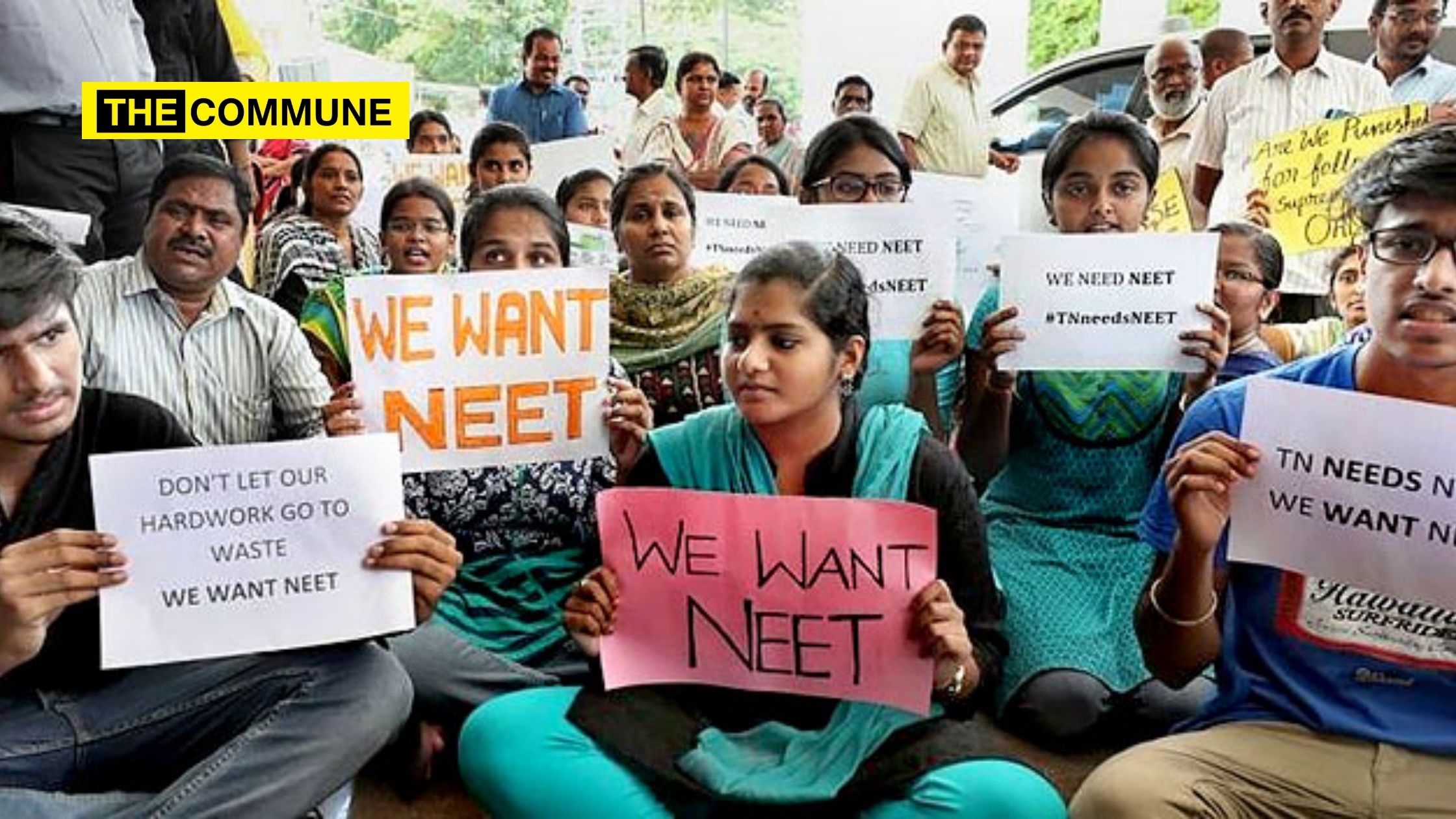
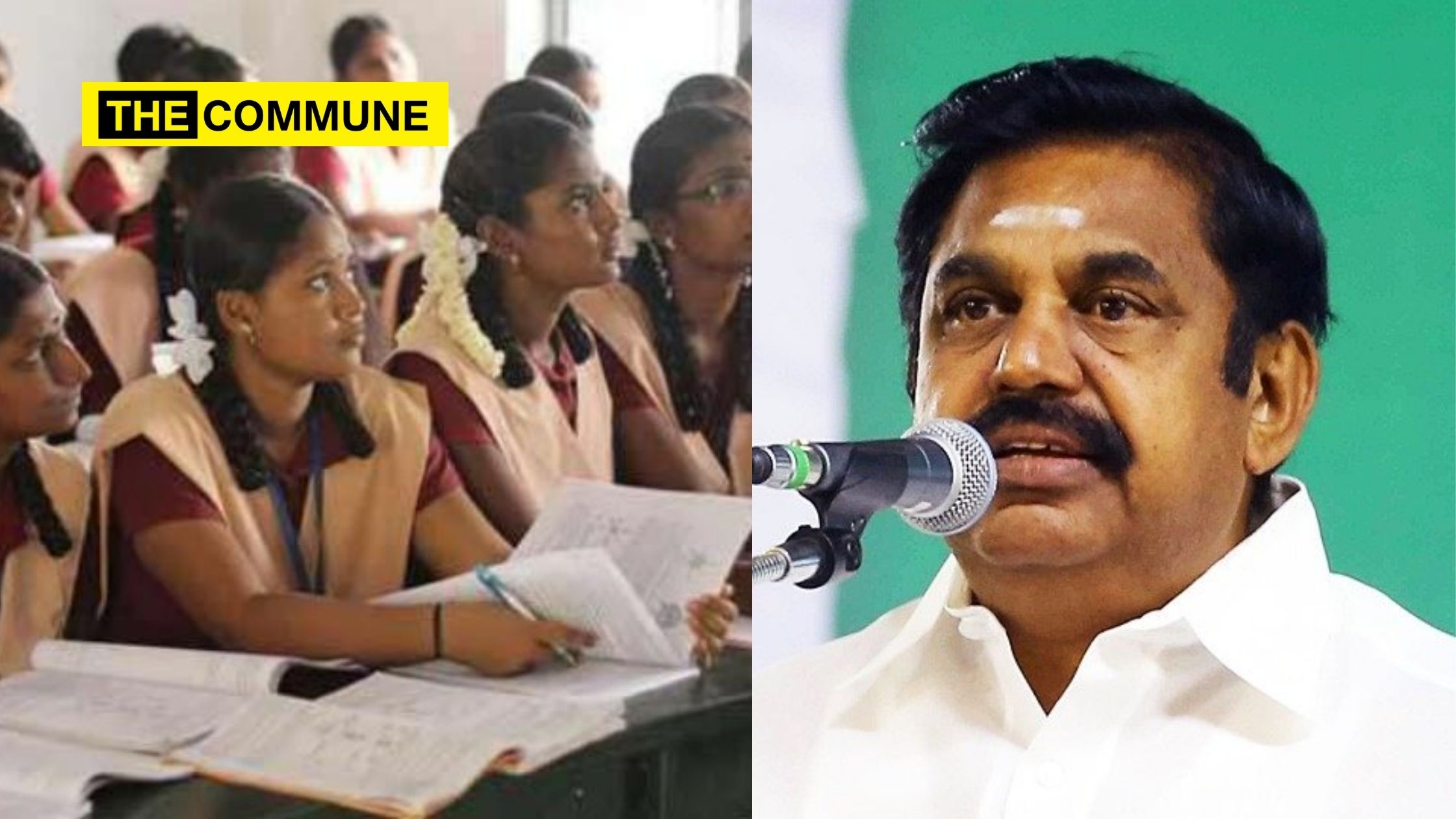
Around 14.37 lakh students across India had appeared for National Eligibility and Entrance Test 2020 that was held on Sunday (September 13).
Professors who were part of the textbook committee of the Tamil Nadu School Education Department have said that, 97% of the questions in biology, chemistry and physics in this year’s NEET were from the textbooks of the Government of Tamil Nadu based on the new syllabus.
They have told that 87 questions (54% from class 11, 46% from class 12) in biology, 43 questions (47% from class 11, 53% from class 12) in chemistry and 44 questions (45% from class 11, 55% from class 12) in physics have been taken from the latest 11th and 12th textbooks brought out by the Tamil Nadu.
In all, 174 questions of the total 180 are said to have been covered in the syllabus brought out by Tamil Nadu government for class 11 and class 12.
Rita John, head of the theoretical physics department at the University of Madras was quoted saying in the Times of India that Tamil Nadu students need not feel that they are inferior to CBSE students and that the new syllabus has bridged the gap establishing a level playing field.
Deputy Director of State Council of Education S Shameem, Research and Training (SCERT) had said that the Tamil Nadu textbooks had covered more questions this year than the NCERT textbooks.
NEET is conducted every year across India for admission into undergraduate and postgraduate medical courses.
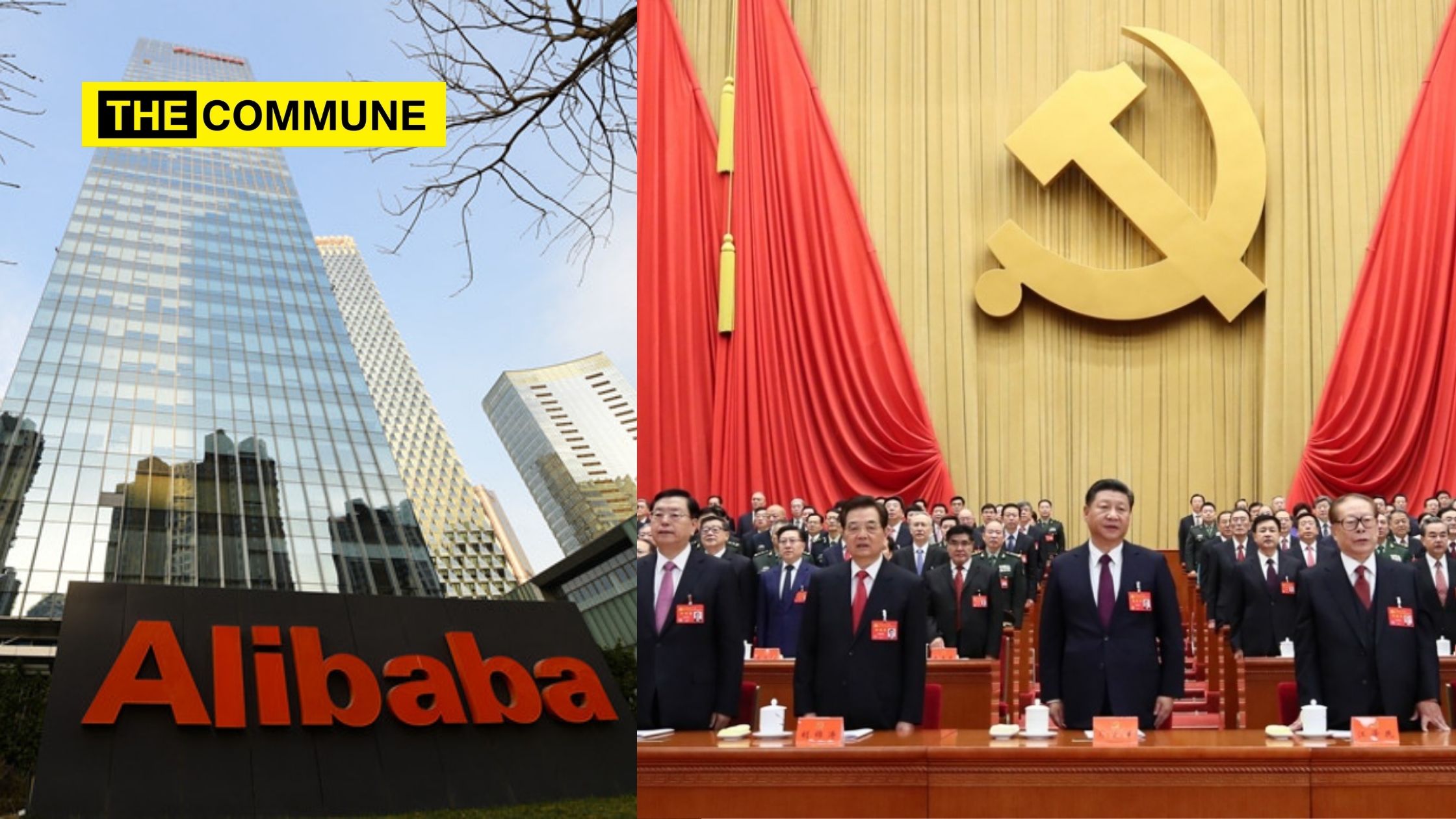
Reports have emerged after top intelligence sources have told media that Chinese e-commerce giant Alibaba data cloud servers are sending data of Indian users to China.
As per the findings, the Chinese technology giant Alibaba’s equipment in India may be involved in this.
A report published in News18 network has reportedly disclosed that ‘all sensitive and ancillary forms of data’ are sent to remote servers in China.
One of the Modus Operandi is to lure Indian companies by offering data servers at very low prices, and for this reason, they are quite popular among Indian businesses.
Also, the other news which is making the rounds is the Chinese’s attempts to track hundreds of Indian leaders and important officials using technology.
It is a known fact that all Chinese companies, particularly tech companies have deep links to the Chinese Communist Party.
A massive probe to find out the level of infiltration by the Chinese tech companies may soon get underway to safeguard India from cyber espionage.
After the Galwan Valley clash, India has banned many Chinese apps and games citing security concerns.
The list of banned apps is the popular and widely used TikTok, UC Browser, ShareIt, CamScanner and the first-person shooting game PUBG.
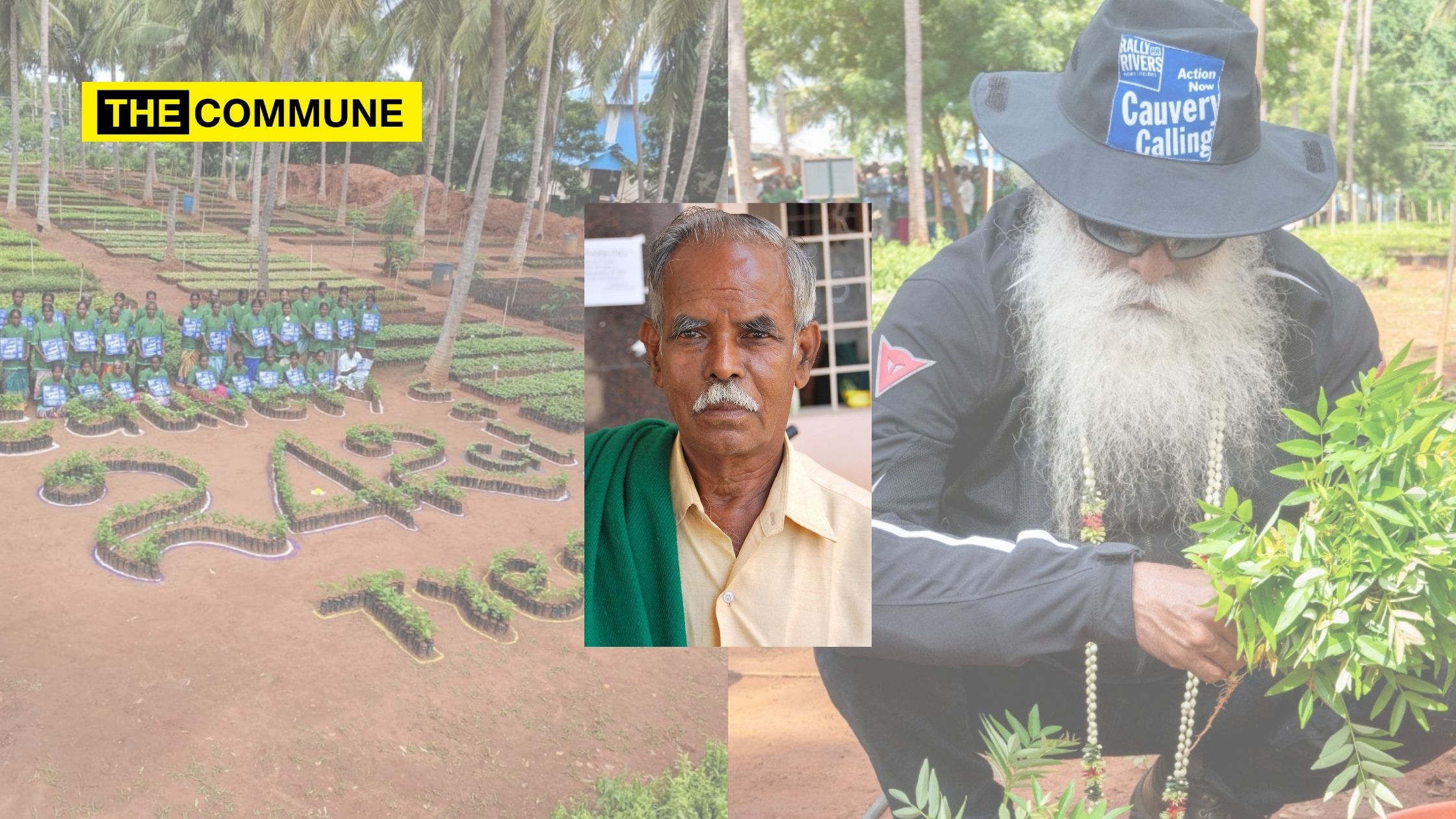
Farmers across 20 districts in Tamil Nadu will plant 1.26 lakh saplings over the next two days in memory of Maram Thangasamy Aiya, a passionate farmer and ardent environmentalist best known for planting lakhs of trees in Tamil Nadu during his lifetime. The planting program is said to be Cauvery Calling’s tribute to one of Tamil Nadu’s most well respected farmers.
An event will be held in his village Pudhukkottai to mark the day where Maram Thangasamy Aiya’s son Shri. Kannan will participate as Chief Guest. Saplings will be planted across 45 locations in a total of 331 acres of land in: Pudhukkottai, Thanjavur, Thiruvarur, Kovai, Salem, Tirupur, Vellore, Madurai, and Kanniyakumari among others.
Farmers will plant a minimum of 450 trees and a maximum of 15,000 trees on their farmlands, mostly high-value timber trees that will improve their economic condition and also enhance soil health and groundwater tables.
Farmers have already lifted the saplings from Isha Nurseries. Volunteers from Cauvery Calling will visit the farmers’ lands and provide technical advice during the tree planting event.
In this first planting season since the launch of Cauvery Calling last year, farmers in Tamil Nadu and Karnataka have planted 83 lakh saplings on their farmlands in the river basin.
Cauvery Calling is said to promote tree-based agriculture and an economically remunerative model of farming by enabling over 5 million farmers located along the Cauvery basin to plant 2.42 billion high-value trees on their farmlands over a 12-year period.
So far, Isha is said to have worked with over 70,000 farmers over the last 15 years to assist them in adopting tree-based agriculture. These farmers have reportedly seen an increase in their income between 3 and 5 times in 5-7 years.
As per reports filed by defence journalist Shiv Aroor, between 29 August and 8 September, the Chinese People’s Liberation Army (PLA) opened fire on Indian positions along the Line of Actual Control (LAC) on four occasions.
First shots fired at LAC Ladakh during this standoff were actually on Pangong south bank on Aug 29 & 31, followed by 🇨🇳 fire on Sep 7 & fire exchange on north bank on Sep 8. All times initiated by PLA as Indian Army ‘readjusted’ positions at heights. Full story on @IndiaToday
The first shots were fired by China at the south bank of Pangong Tso lake on 29 and 31 August. Shots were again fired by Chinese soldiers on 7 and 8 September. And finally, a short exchange of fire also took place on 8 September between the two armies.
On all occasions, the firing was initiated by the PLA to try and prevent the Indian Army from ‘readjusting’ its positions along the LAC.
As per an Indian Express report, 100 to 200 shots were fired in the air by both sides on the North Bank along the ridgeline where Finger 3 and Finger 4. This happened in the first week of September when India took China by surprise by ‘readjusting’ its positions on the North Bank.
As reported earlier, the Indian Army has been victorious in its pursuits, despite the Chinese attempts and it now dominates the heights overlooking the Chinese camps on both the North and South Bank of Pangong Tso lake.
The Indian Army is also matching China man-to-man after reports emerged of the PLA mobilising 50,000 troops near the LAC.
The Catholic Bishops’ Conference of India while commenting on the recent petition filed at the Delhi High Court about the marriage of SOGIESC community under the Hindu Marriage Act said that homosexuality is unnatural and that the Church does not accept homosexuality as it is against nature and what God has taught.
“Indian society and law do not recognize such a concept. Homosexuality is unnatural and the Church does not accept that which is against nature because we follow what God has taught us”, Bishop Joshua Mar Ignathios, Vice President of the Catholic Bishops’ Conference of India was quoted saying in a report by UCA News dated September 15, 2020.
He said that the Church neither promotes nor propagates homosexuality and believes that it is always for men and women and happy families.
“The Church believes in natural activities and it will always stand for that”, he said.
Muhammad Arif, the chairman of Center for Harmony and Peace, was quoted saying in UCA News that same-sex marriage, homosexuality and gay culture are all Western culture.
“Same-sex marriage, homosexuality and gay culture are all Western culture, which some people think is correct, but I don’t think our society is ready to accept them at this moment.”, he had said.
He said that our country has a history of people living peacefully and following the age-old tradition of marriage between men and women and that it will be difficult to accept same sex marriages.
A petition was filed at the Delhi High Court seeking the recognition of the right of SOGIESC (Sexual Orientation, Gender Identity and Expression, and Sex Characteristics) community members to marry under the Hindu Marriage Act, 1955.
The public interest litigation (PIL) has been filed by defence and strategic affairs expert Abhijit Iyer Mitra, intersex activist Gopi Shankar Madurai, transgender activist G Oorvasi and senior women rights and lesbian activist Giti Thadani.
The matter has now been adjourned till October 21.
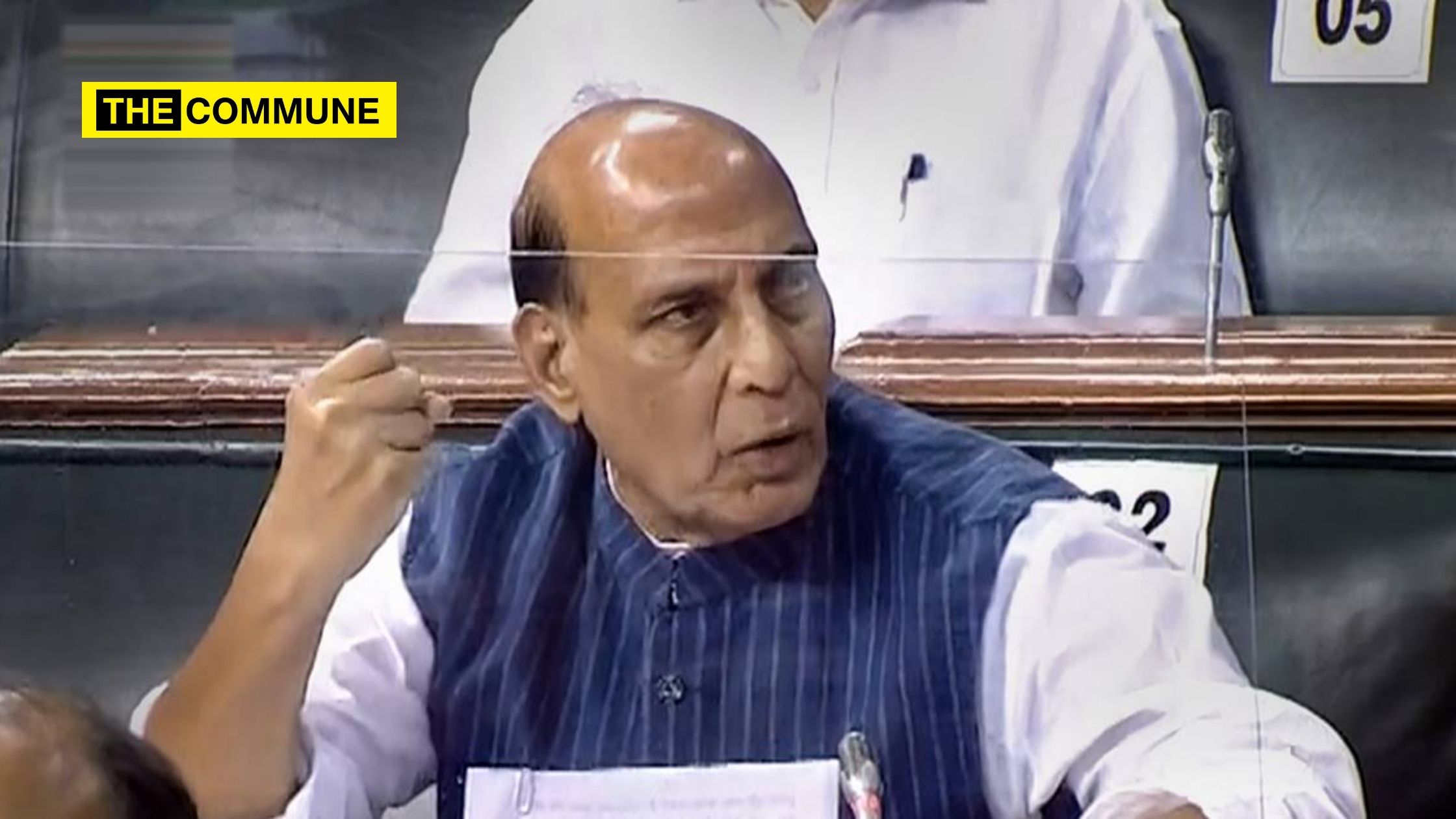
In what is being seen as a significant moment in the Indian Parliament, Union Defence Minister Rajnath Singh said, China has illegally occupied of 38,000 square km of Indian land and it considers another 90,000 square km as its own.
This statement made by the Defence Minister was a clear indication towards Aksai Chin which China took away from India in the 1950s.
India in the last week has taken a very tough stand with China as it refuses to deescalate tension while engaging in talks acting as a smokescreen for its blatant aggression.
For a very long time, India had tried the diplomatic route to ease the tension while remaining firm, however, with this statement that China is illegally occupying Indian territory, the ball is now in the court of China with India now showing its intent and resolve,
Speaking in the Parliament, Singh said, “We have told China that such incidents won’t be acceptable to us,” Rajnath said.
“We believe that this alignment is based on well-established geographical principles confirmed by treaties and agreements, as well as historical usage and practice, well-known for centuries to both sides,” the minister said.
Since April, China had noticed buildup its troops and armaments in the border areas adjacent to eastern Ladakh. Even when senior leaders from both countries were holding a discussion at the Shanghai Cooperation Organisation (SCO) in Russia, the Chinese side again engaged in provocative military manoeuvers on the night of August 29 and August 30 to alter the status quo in the South Bank area of Pangong Lake.
However, the Indian army using all its resourcefulness at the LAC prevented such attempts from succeeding for the PLA.
The Defence Minister said, “As is clear from these events, the Chinese actions reflect a disregard of our various bilateral agreements,”. He went on to add that increase in troops level by China goes against the 1993 and 1996 agreements and to maintain peace and tranquillity in the border, China must respect and abide by the explicitly recognised agreements of both 1993 and 1996.
After establishing an empire setting up businesses in every sector under the sun, the Ambanis have entered the animal business and are now setting up their own animal kingdom. The ‘Greens Zoological, Rescue, and Rehabilitation Kingdom’ is being established in Gujarat’s Jamnagar by Reliance Industries Limited (RIL) as an exotic destination of animals that will function both as a zoo and animal shelter.
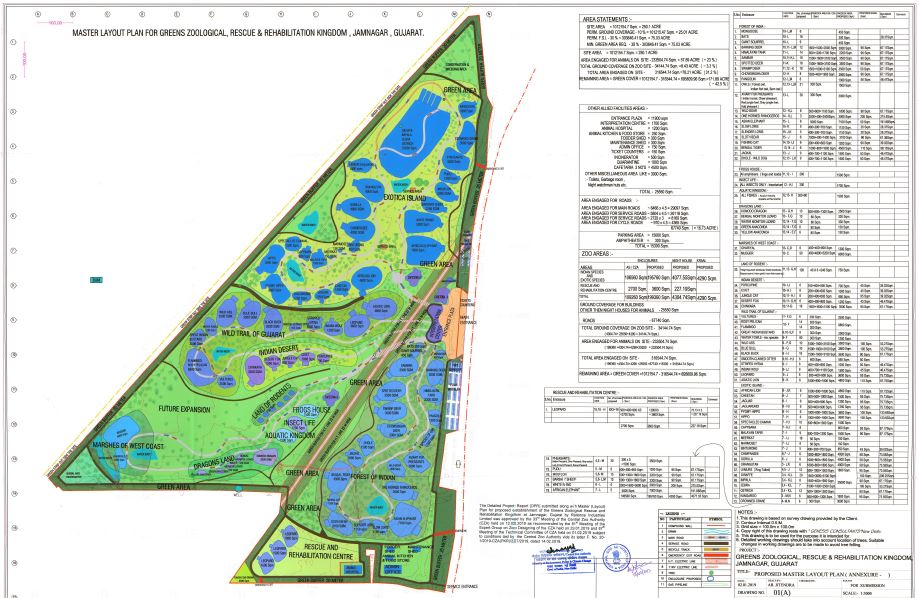
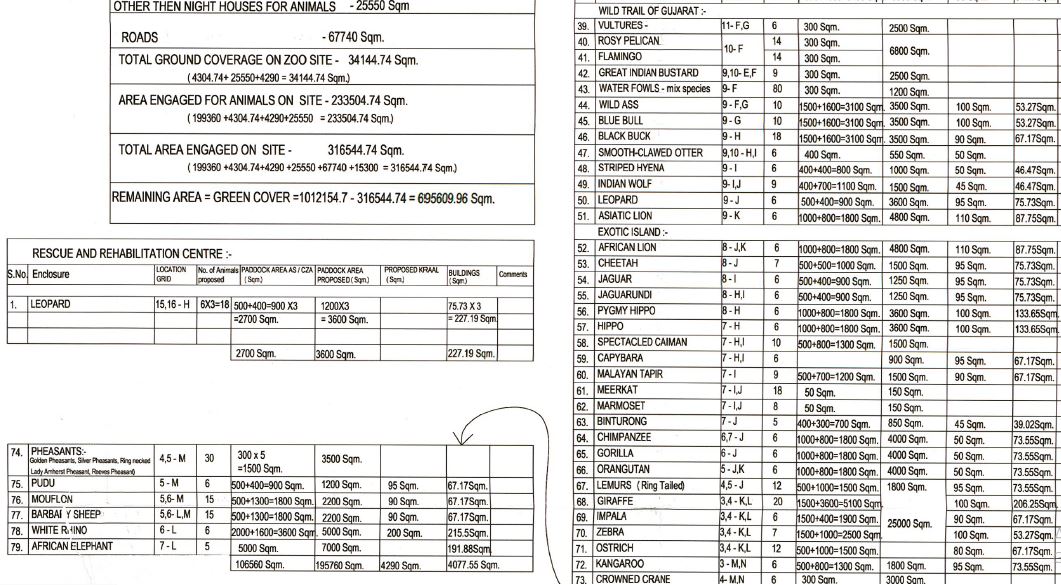
The Central Zoo Authority (CZA) coming under the Ministry of Environment, Forests and Climate Change (MoEFCC) has approved the Master Layout Plan for this mammoth project of Reliance. However, this entire project has remained low-key with access to the area being restricted and information about the project in public domain being minimal.
For this ‘animal kingdom’, creatures are already being sourced from different places. It is being said that exotic species from different countries are being imported. These include – African Lion, African Elephant, Cheetah, Jaguar, Giraffe, Kangaroo, Ostrich, Chimpanzee, Gorilla, Orangutans, Lemurs, White Rhino, Impala, Pheasants, Marmoset, Binturong to name a few. The Master Layout Plan enlists some 79 different species of animals, amphibians and birds that consists of both native (Indian) and exotic species.
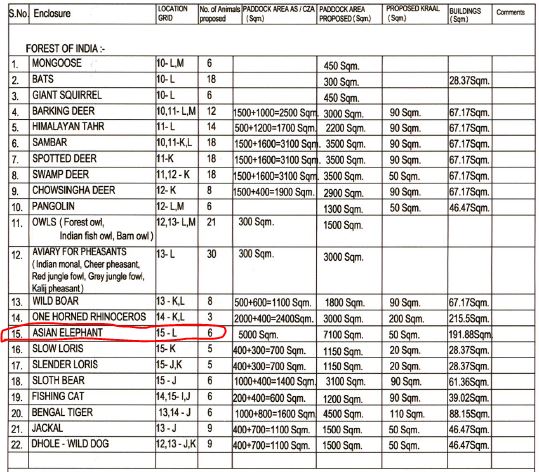
While the master layout plan proposes to house 6 Asian Elephants, it is being said that ‘108 elephants’ are being accumulated by Reliance for this animal kingdom cum rehabilitation centre.
It is also alleged that these elephants are being procured from different parts of the country through dubious means. Videos have also surfaced where elephants can be seen with legs tied closely with ropes and leash and being transported.
Murali, a Chennai based elephant activist says that Reliance is associating themselves with NGOs like Wildlife SOS and going after private elephant owners and poor mahouts by buying their elephants for throw away prices or by slapping cases of animal cruelty against them if they refuse to part with the animal. These elephants are being taken from temples, circus, and other individual elephant owners. In a series of tweets he said that 54 elephants have been accumulated till date.
Most of the elephants are reportedly sourced from Assam, Jaipur, Bihar and Uttar Pradesh.
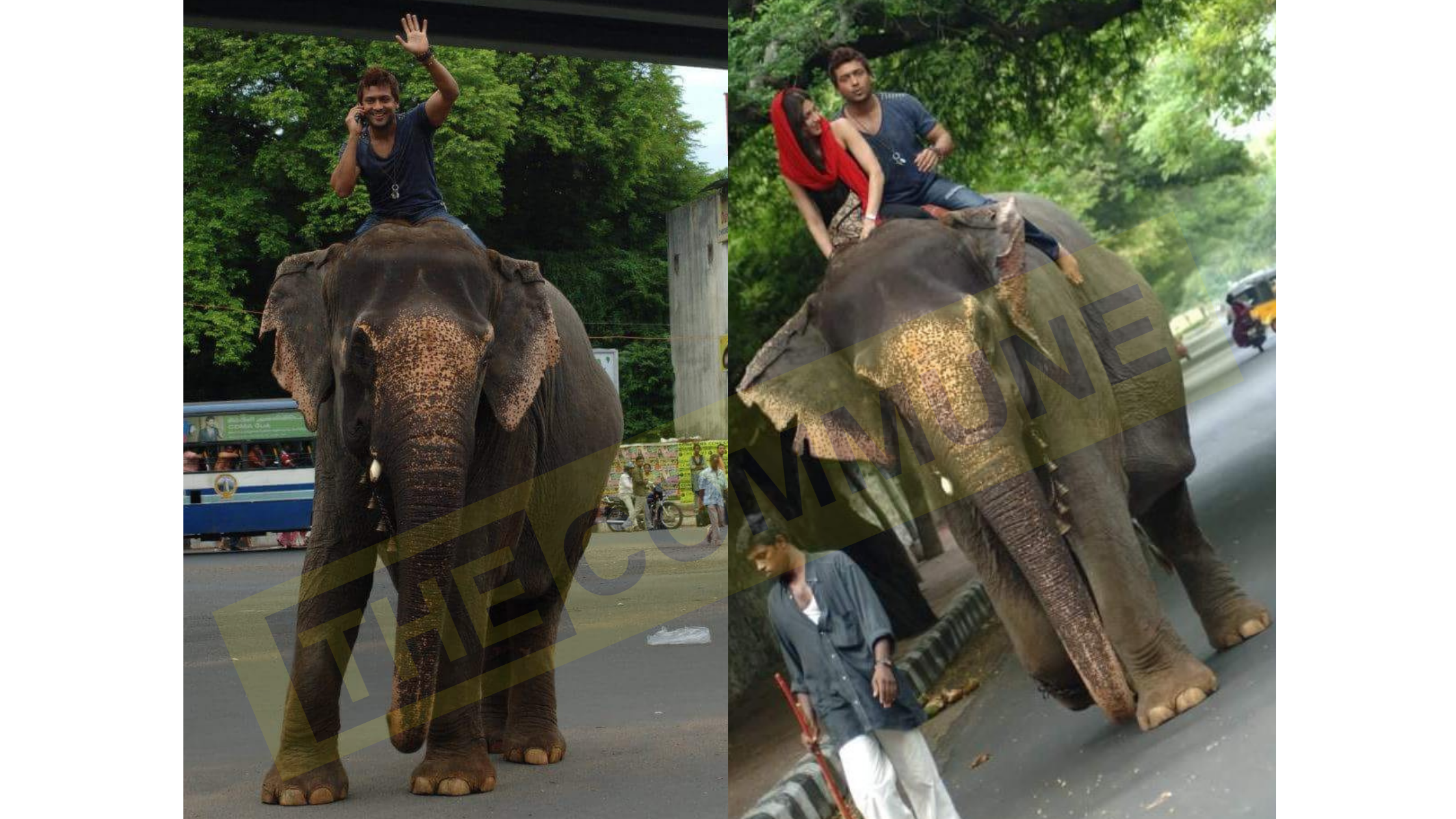
Remember the elephant that Surya and Shruthi Hasan rode in the movie 7-am Arivu? Her name is Gulebagavali, an elephant from Tamil Nadu. She is now in the Jamnagar animal kingdom.
Gulebagavali elephant during the shoot of the film 7am Arivu
Speaking to The Commune, a family member of Gulebagavali’s original owner told that the elephant was raised by their family ever since she was a calf. She was handed over to a relative for taking care post the owner’s demise as the owner’s grandson who was next in line to take care of the elephant had gone to pursue higher studies. But, the relatives had sent Gulebagavali on a 2 year lease period to Jaipur.
The grandson thought of getting back the elephant from Jaipur after the lease period. He had reached out to the custodians of the elephant in Jaipur to get back his elephant and was even willing to shell out ₹15 lakhs if need be. However, he was told that they had sold Gulebagavali to Reliance’s animal kingdom for ₹12 lakhs.
Probing further, The Commune found that 4 elephants from the Rambo Circus have been sent to the Jamnagar animal kingdom four years back. The Indian Express had reported about this on January 2, 2017. The four elephants – Anar, Nitya, Champa and Saraswati bid adieu to the circus and its owner to spend their rest of the lives in Jamnagar. The circus had got in touch with one Ghom Bahadur, a trustee of a temple in Jamnagar. It was agreed that the ownership of the elephant would remain with the circus while elephant’s food, medical, maintenance and other expenses would be taken care by the temple trust. Along with the elephants, 7 mahouts who took care of the elephants were also shifted to Jamnagar. It was also reported that there were 3 additional staffs and a veterinarian to take care of the elephants.
This facility for the elephants in Jamnagar is said to be 160 acres, comprising of trees like teak wood and also has a huge pond to give the elephants the natural environment they need.
The owner of Rambo Circus had come to the decision to part away with his elephants as the circus had spent a lot of time, money and effort in fighting legal battles for the circus animals brought upon them by Animal Welfare Board of India at the behest of NGOs like People for the Ethical Treatment of Animals (PETA), Wildlife SOS and ResQ Animal Coalition. This had resulted in major financial losses that made the maintenance of elephants difficult.
“It is to avoid sending these elephants to the centres run by Wildlife SOS that the circus owner sent it to Jamnagar animal kingdom in the hope that it will lead a better life there, as many elephants taken over by Wildlife SOS had died in their shelter camps”, a source related to Gulebagavali elephant said.
Elephant activist Murali notes that the Ambanis are going after such elephants where the ownership is in question or the ones which are entangled in legal troubles created by NGOs like Wildlife SOS and PETA.
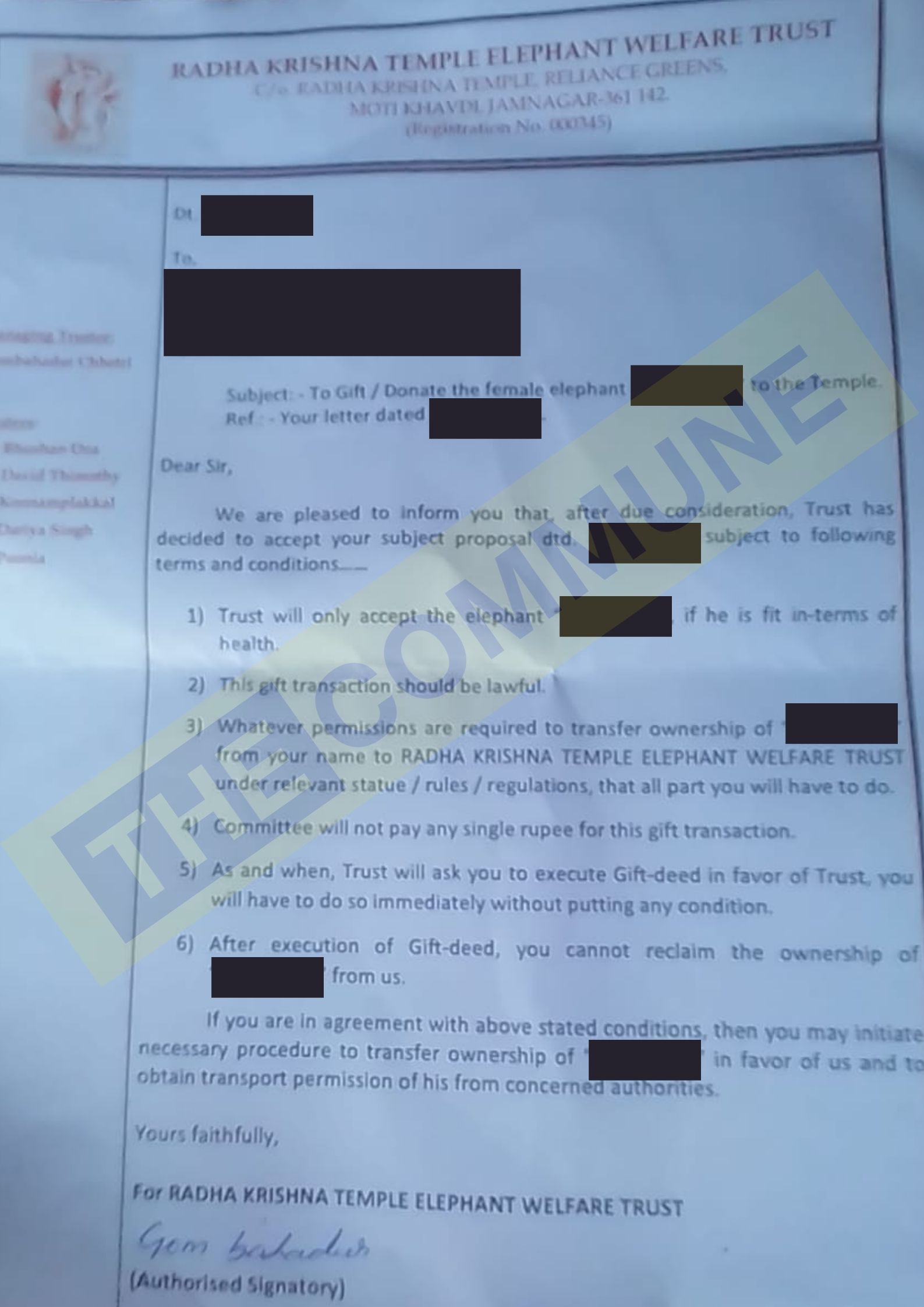
Most of these elephants are being taken by a temple trust called the Radha Krishna Temple Elephant Welfare Trust through gift deeds. These gift deeds are registered on ₹20 stamp paper which is kept a secret. It is to be noted that buying/selling animals through gift deeds are banned.
Although they say that the ownership of the elephant remains with the original owner, a clause is inserted in the gift deeds that states that the original owner is not allowed to ask for the return of the elephants.
A gift deed of one of the elephants given to Radha Krishna Temple Elephant Welfare Trust
A close source related to the development said that the original owners are not even apprised of how their elephants are doing leave alone letting them see their elephants once in a while. “Initially they send pictures and videos of the elephants, but later that also stops”, laments an elephant owner.
Speaking to The Commune, Mr. Sathya Narayanan of the Indu Makkal Katchi who has been aware of these developments told that while the Ambanis may have their intentions right, their associations with NGOs like Wildlife SOS and individuals like Sangita Iyer (a Canadian documentary filmmaker who demonized mahouts and caretakers of temple elephants in Kerala) is questionable.
Mr. Sathya says that foreign NGOs like Wildlife SOS and PETA are influencing and interfering in Indian policy making through their high profile connections in the Central government by making changes to dog breeding rules, aquarium rules, elephant shelter camps, etc.
“They Ambanis have the required facilities to take good care of the animals, and we in fact appreciate them for it, but their modus operandi of going after elephants by associating with dubious NGOs and individuals is disappointing. They are not just hitting on the livelihoods of the persons whose lives are dependent on these animals but are also separating them from these animals from their original owner which is akin to separating a family.”, Mr. Sathya Narayanan said.
“Let the Ambanis have the elephants in their animal kingdom. We don’t have any problem. We just want them to ensure that their original owners are compensated fairly and are allowed access to their elephants.”, said Mr. Sathya.
He added that the IMK is willing to help the Ambanis in their endeavours.
Meanwhile, a source related to Gulebagavali told that they have written to the Tamil Nadu Chief Minister’s Cell, the Madurai division of the Forest Department and also to the Wildlife Crime Control Bureau in the hope of getting their elephant back. He told that since the Forest Department is also hand-in-glove in this, their complaint just does not see any progress.
But one of the Forest Ranger has been proactively taking steps and has assured Gulebagavali’s care takers that their elephant shall be brought back.
“We just hope that someday we get to see our Gulebagavali. We miss her!”, Gulabagavali’s care takers say.
In a historic move, the Tamil Nadu Assembly passed a bill to provide for 7.5% quota within the existing reservation framework for students who had studied in state government schools and clearing the National Eligibility cum Entrance Test (NEET).
This will be implemented from the present academic year.
The decision has been taken following the submission of a report by the one man Commission under Justice P. Kalaiyarasan earlier in June 2020 that pointed out the socio-economic disparities between government and private school students.
This 7.5% quota is considered for implementation in private colleges too.
Of the total 59,785 candidates who took the exam from Tamil Nadu in 2019, only 2557 students from government and government-aided private schools cleared the exam. Only five of them reportedly got admitted under the government quota for the 2019-20 academic year. However, this phenomenon does not seem to be because of NEET as the number of government school students getting medical admission has remained low for a long time.
Between 2009 and 2013, merely 177 Tamil Nadu government school students secured MBBS admissions. In 2014, the number was 32, in 2015 and 2016 it was 35, though considerably above the numbers reported for 2018 and 2019.
Experts point out that the reason that apart from the inability to afford coaching class, is the poor standard of the Samacheer Kalvi syllabus introduced in 2009 by the then Karunanidhi that deteriorated teaching standards and learning outcomes of government school students thereby impacting their critical thinking and problem solving skills.
Back in 2006, the DMK government under Karunanidhi abolished the Tamil Nadu Professional Courses Entrance Examinationexams for professional courses like engineering and medicine. Since then, admissions to these professional courses happened through 12th standard results which were heavily inflated.
The NEET was mandated by the Supreme Court of India in 2016 when it overturned its own judgement delivered in 2013 that declared the exam as unconstitutional.
Since then, NEET has been conducted every year across India for admission into undergraduate and postgraduate medical courses.
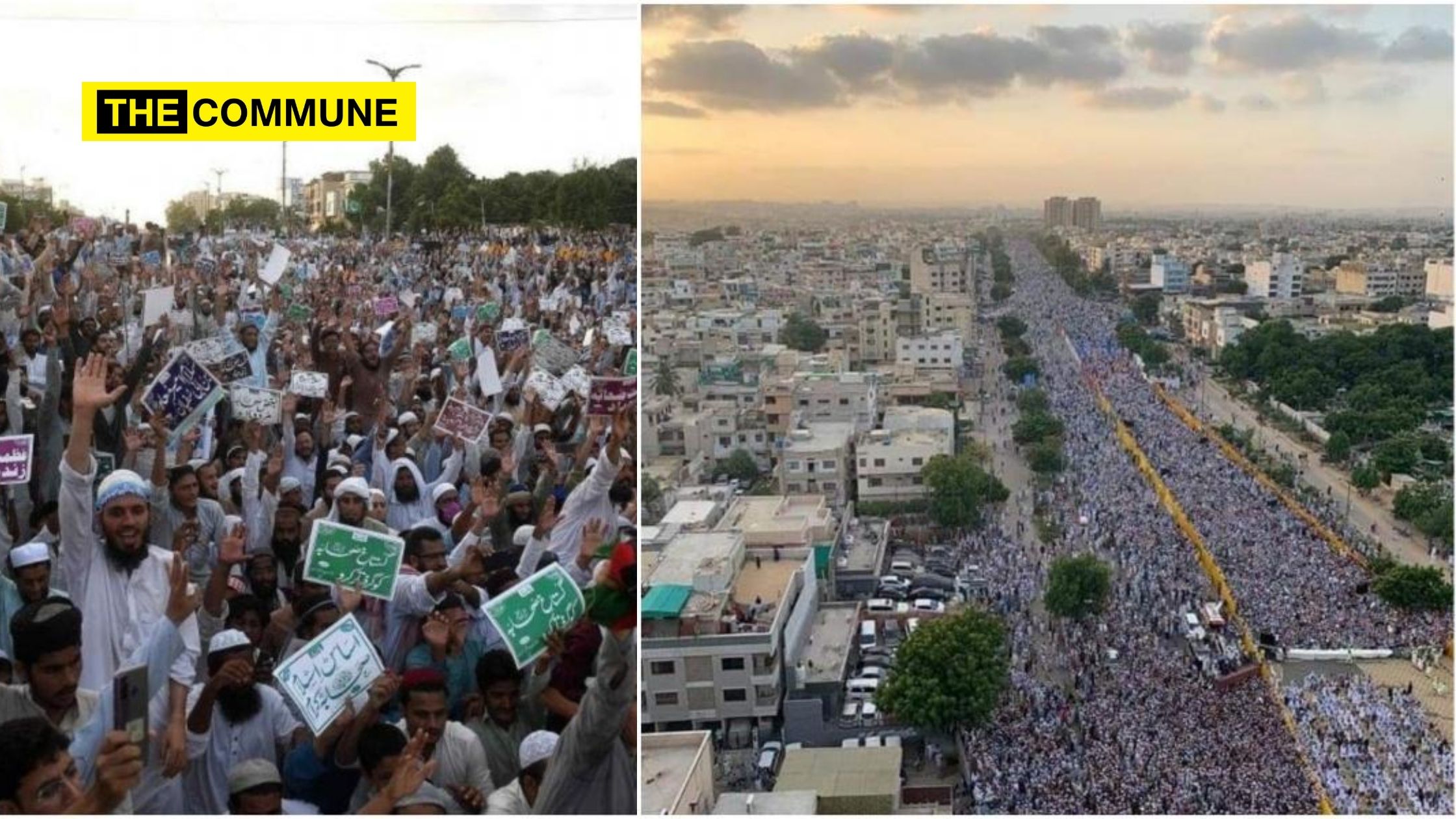
In an unprecedented show of raw hatred, Sunni Muslims who are the majority in Pakistan took out a huge demonstration and participated in a huge anti-Shia protest in Karachi.
Video on social media has emerged where tens of thousands of Sunni extremists can be seen shouting, “Kafir, Kafir Shia Kafir,”.
Kafir in Islam means infidels. Hindus, Christians, Sikhs, Buddhists, Jains and other non-Muslims are called Kafirs in Pakistan and regularly suffer injustices at the hands of Sunni Muslims.
Hindus girls are kidnapped, forcibly converted to Islam to and marry them off to Muslims men.
The protests were held after Sunni community in the country was provoked by a broadcast of an Ashura procession last month that commemorates the killing of Hussein, grandson of Muhammed, at the Battle of Karbala in 680 AD.
Hussein is recognized as the ‘Martyr Of Martyrs’ by both Sunni and Shia as he is a member of the Ahl al-Bayt (the household of Muhammad). In the battle of Karbala that took place just 48 years after the death of Prophet Mohammad, Hussein and many of his blood relatives were killed by Yazid ibn Mu’awiya ibn Abi Sufyan, commonly known as Yazid I, who was the second caliph of the Umayyad caliphate.
On September 6, a brutal video was posted in twitter were Qaisar Abbas, a Shia Muslim in Kohat city in the Khyber Pakhtunkhwa province of Pakistan was gunned down in cold blood by an unidentified man as he tended to his shop.
The Shia Muslims form 20% of the population in Pakistan and the persecution of Shia Muslims in a Sunni-majority Pakistan is not new. They are often targeted during Muharram processions. Even in India, fights have broken out between the two sects during Muharram.
For the Shia Muslims, Ali ibn Abi Talib, cousin and son in law of Mohammad was the rightful person to become the leader of the faithful and after him his direct descendants to take the rightful place.
Other minorities who face constant persecution are the Ahmadiyas who are considered Kaffir, infidel by both Shias and Sunnis, the people of Balochistan, and Pashtuns.