Home Blog Page 1649

India calls Pakistan the epicenter of global terrorism at various UN bodies

India on Monday (September 21) called Pakistan the epicentre of global Islamic terrorism at various United Nations bodies.

This was a multi-pronged attack on Pakistan as India slammed its human rights record. Senthil Kumar, first secretary, Permanent Mission of India in Geneva told the United Nations Human Rights Council (UNHRC) “Yet again, though we are not surprised, Pakistan has twice chosen to divert the attention of the Council with its imposturous political propaganda full of disinformation and gratuitous references about India’s internal matters today,”.

Indian diplomats posted in the various UN bodies  went on the offensive and called Pakistan ‘globally recognised epicentre of terrorism’. They also highlighted the numerous instances of violence against journalists, human rights activists and minorities in that country.

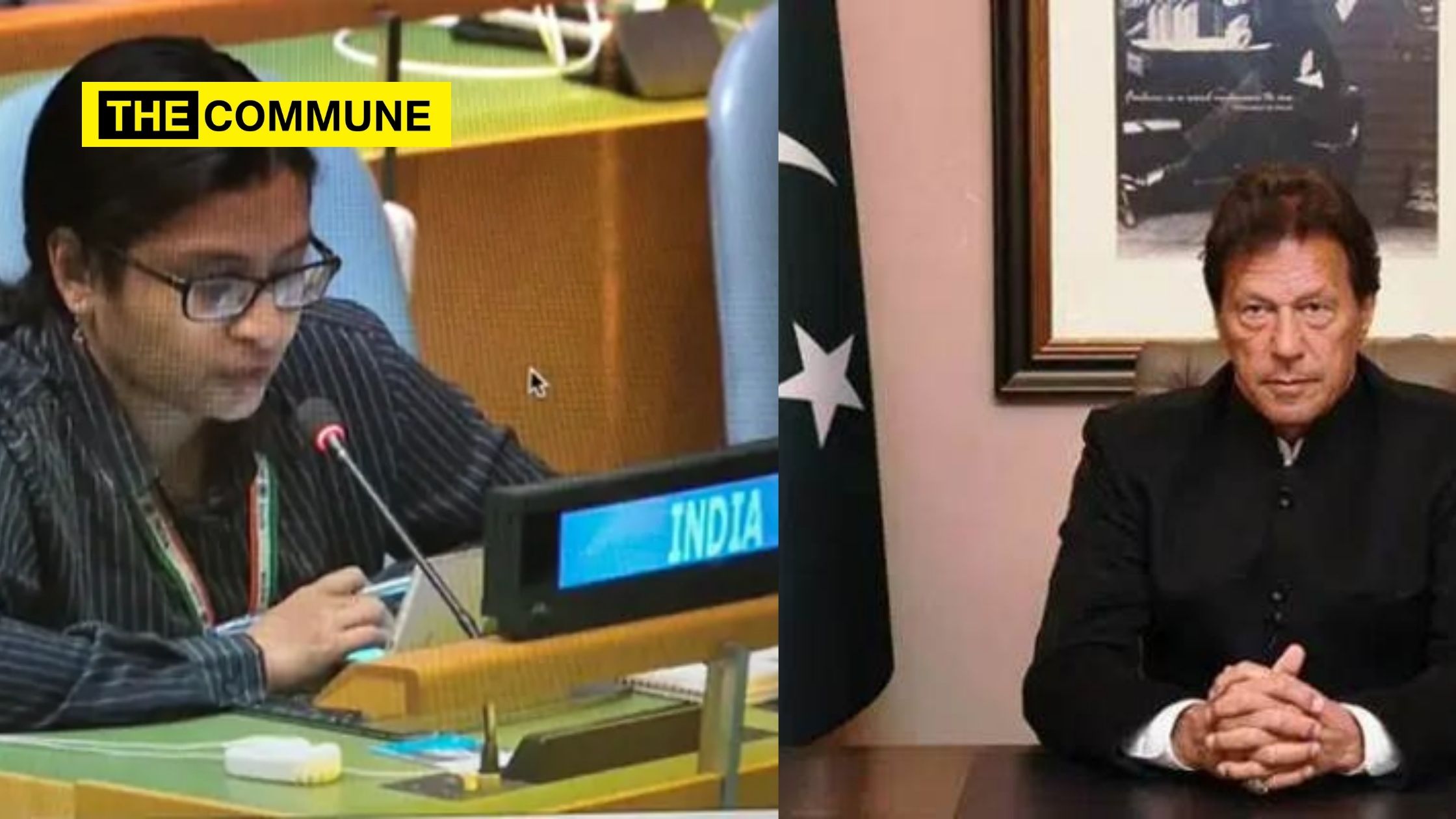
Vidisha Maitra, first secretary in Permanent Mission of India in UN said that Pakistan is a country which is ‘globally recognised epicentre of terrorism’, and has admitted that it ‘harbours and trains terrorists and hails them as martyrs and consistently persecutes its ethnic and religious minorities’.

This strong response was given after Pakistan’s Foreign Minister Shah Mahmood Qureshi again tried to raise the Kahmir issue at the UN.

Maitra said, “We reject the malicious reference made to Jammu & Kashmir, which is an integral part of India. If there is an item that is unfinished on the agenda of the UN, it is that of tackling the scourge of terrorism… What we heard today is the never-ending fabricated narrative presented by Pakistani representative about internal affairs of India,”. 

The Indian World Forum (IWF) has also urged the UNSC to investigate crimes against minorities in Pakistan and in a written communique to the UN, it said, “The minorities living in Pakistan are victims of heinous crimes which is threatening international peace. Atrocities ranging from abduction to forceful conversion into Islam of young girls is a matter of great concern and decrease in demographics of minorities portray lack of compliance of Pakistan to UN Charter,”.

Land grabbers attempt to usurp Thimmarajapuram Perumal Temple land worth 150 crores, VHP comes to the rescue

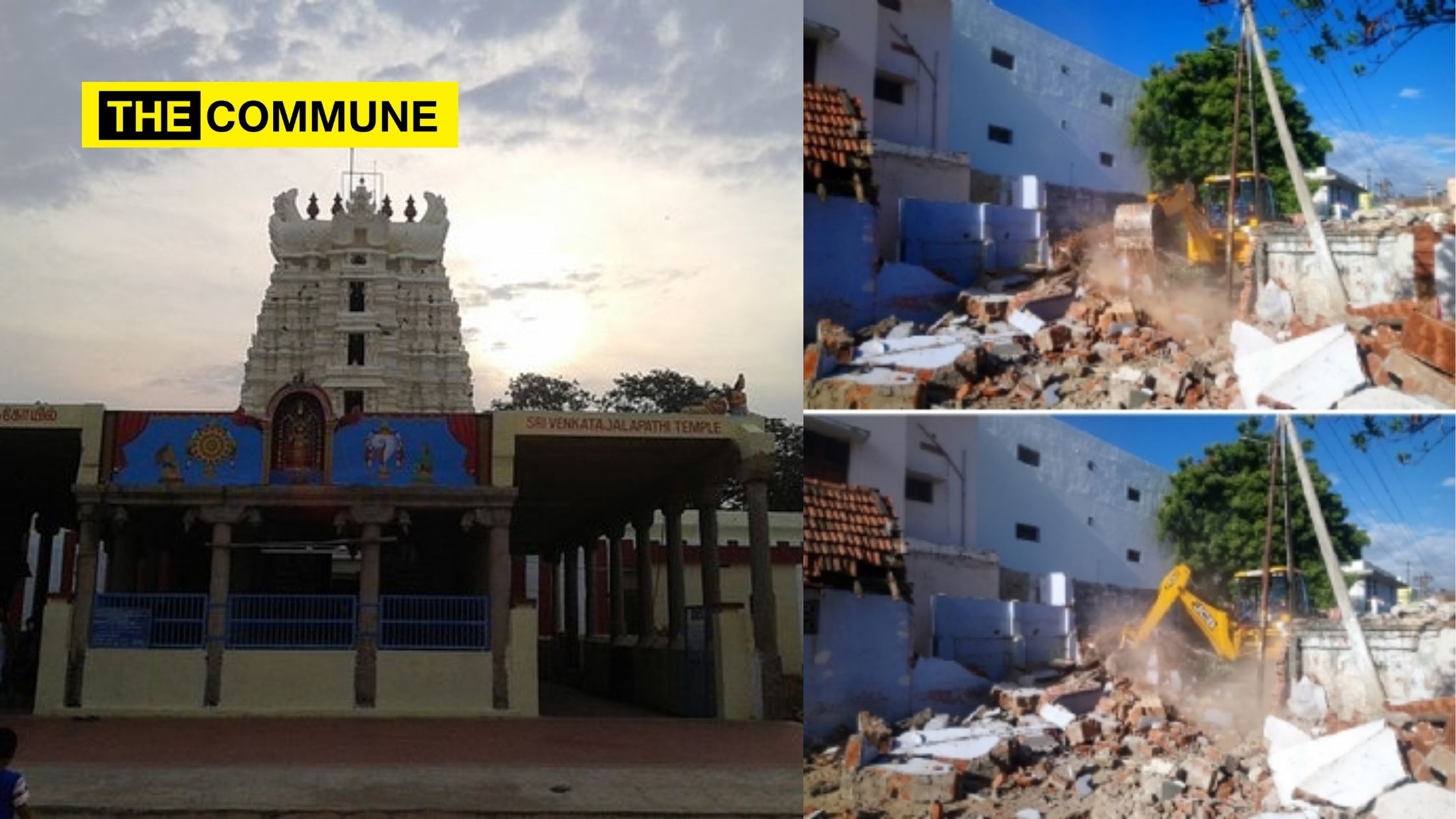
In another instance of grabbing of temple lands of the temples belonging to the Tamil Nadu Hindu Religious and Charitable Endowments (HR&CE) departement, land sharks tried to grab Thimmarajapuram Perumal temple land of over 120 acres in Tirunelveli district.

However, their attempts were thwarted by the Vishwa Hindu Parishad (VHP) and Temple Worshippers Society as they stepped in to clear the land of illegal squatters.

The Venkatachalapathi Perumal temple is located at Palayamkottai Thimmarajapuram village in Tirunelveli. It comes under the administration of of HR&CE department of the Tamil Nadu government.

Concrete buildings and a new township with residential quarters have been raised on the encroached lands. 

E Armuga Kani, VHP Tirunelveli district secretary was quoted saying in the Organiser that some anti-social elements encroached the lands belonging to the temple. It was reported that they had forged the documents to get pattas which has been possible due to the lackadaisical approach of HR&CE department’s in preserving temple properties.

The VHP had earlier lodged complaints with the district police officials but to no avail. Upon coming to know that the illegal squatters were trying to meet the revenue officials to get the documents in their favour, the VHP on September 21 had filed a petition with the District Collector to not issue new pattas to the illegal squatters and cancel the pattas already given to them. They had also said that there were attempts to register the temple properties under their name. These lands are over 120 acres worth over 150 crores as reported by the Organiser. The VHP and Temple Worshippers Society have requested the district administration to free the temple lands from the encroachers. 

It is to be noted that on September 5th, a division bench headed by Justice M M Sundresh and Justice Hemalatha had restrained authorities from registering or issuing fresh pattas to temple lands. “As per the orders of the HC ( 2020-4 MLJ-625) even if in possession of temple lands for over 80 years, none can claim ownership for the same and the squatters have to return the properties to the authorities”, he pointed out.

Arumuga Kani has urged the authorities to take severe action under sections 77(1) 77(1)34, 78(1), 78(2), 78(2)(i) 78(3) and 79(1),79(2),79(3), 79(A)(i), 79(A)(ii), 79(A)(iii), and 79(B) (i), 79 (B) (ii), 79(B) (iii) and 79 (E) , 80(1), 80(2),80(),80(4) and 81,82(1) of the HR&CE act.

The VHP and temple devotees have said that they would start a protest if action was not taken. 

Illegall grabbing of temple lands in Tamil Nadu under has been going on for a long time under the HR&CE department’s watch.  

Recently, the Madras High Court had said that the state is entitled to administer temple despite being secular as Article 25(2) of the Constitution empowers the state to enact laws for regulating or restricting any economic, financial, political or other secular activity associated with religious practice.

TR Ramesh, president of the Temple Worshippers Society, rubbished the observations made by the Court saying that the government itself had conceded in their reply that they misappropriated temple funds.


Banking Regulation Amendment Bill passed in Rajya Sabha, Co-operative Banks to be under RBI supervision

Having passed the two bills related to agriculture sector that led to violent outbursts by the members of the opposition in the Rajya Sabha, the government also managed to pass the important Banking Regulation (Amendment) Bill, 2020 on Tuesday (22 September). 

The bill was passed in the Lok Sabha on September 16.

This bill will now bring the co-operative banks under the Reserve Bank of India (RBI) for monitoring, due-deligence and supervision.

Speaking at the upper house of the Parliament, Union Finance Minister Nirmala Sitharaman, said that many of these co-operative banks had faced crisis amid the Covid-19 pandemic, as reported by the Hindustan Times.

The official handle of the Finance Minister tweeted that “While we acknowledge the important contribution of cooperative banks, it is necessary in the interest of the depositors and banks themselves that we extend some banking laws to the cooperative banking activity.”

The RBI will now monitor their finances and losses and the banks will now be monitored by the central bank like the other scheduled banks.

This supervision by the RBI’s intervention will ensure protection to depositors and ensure less scope for mismanagement. 

In June this year the government had brought in an ordinance to amend the law which was signed by President of India Ram Nath Kovind and now the bill passed by both houses of the parliament stands as a law.

Other bills passed in the Rajya Sabha were: Companies (Amendment) Bill, 2020; Banking Regulation (Amendment) Bill 2020; Essential Commodities (Amendment) Bill, 2020; Indian Institutes of Information Technology Laws (Amendment) Bill, 2020; National Forensic Sciences University Bill, 2020

The amendments to Banking Regulation Act, 1949 will not impact existing powers of the State Registrars of Co-operative Societies under state co-operative laws. It will also not apply to Primary Agricultural Credit Societies (PACS) or co-operative societies.

Have a watch on People’s Watch: Madurai based NGO exposed

Recently, Justice Kirubakaran of the Madras High Court who came down heavily on the Tamil Nadu media and politicians for glorification of NEET suicides, made another significant remark while hearing the bail plea of a member belonging to a banned seditious organization.

Referring to the seditious pamphlets issued by Tamil Nadu Liberation Army, Justice Kirubakaran said that fringe elements wearing the masks of NGOs, Human Rights Organizations and political groups are more active in Tamil Nadu trying to create unrest by inducing fear psychosis, spreading hatred and instigating people to protest by means of continuous propaganda through media especially social media, while also acknowledging the yeomen service rendered by organizations working truly for the people.

In Tamil Nadu, one can find these elements who under the garb of ‘social activists’ raise funds from abroad for their NGOs in the name of working for social causes and use it to incite people to take to the streets.

The Commune had earlier exposed the funding and working of The Other Media, one of the FCRA NGOs that was instrumental in closing down Vedanta’s Sterlite Copper Plant at Thoothukudi.

In the same league is People’s Watch, an NGO based out of Madurai working in the area of ‘human rights’.

People’s Watch, not its original name

People’s Watch was founded by Henri Tiphagne, an advocate and a ‘human rights activist’. He is also the Executive Director of People’s Watch whose full time job is to file public interest litigations (PILs).

But, People’s Watch is not a registered organization. It is a unit of Centre for Promotion of Social Concerns (CPSC). The FCRA license of CPSC through which it raised foreign funds was revoked in 2016. The real name of People’s Watch – CPSC – came to light, after reports of the organization filing a petition in court against its FCRA license revocation appeared in the media.

Still, many people know it only as People’s Watch and not CPSC. Henri Tiphagne is known as the founder of People’s Watch and not CPSC, probably to keep the details of its funding away from light. But, the names of the organizations that funded the CPSC are a testament to the organization’s background.
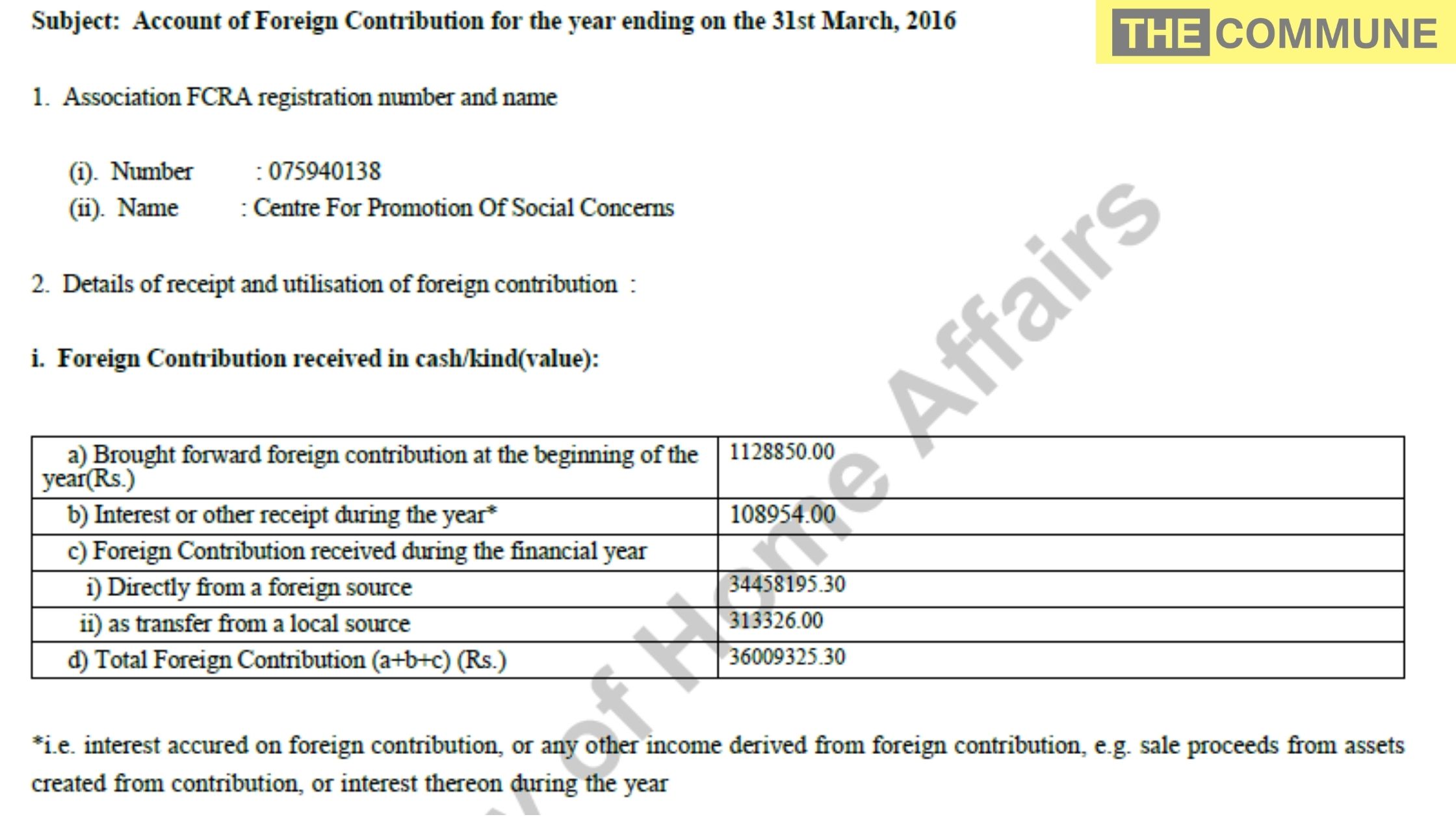
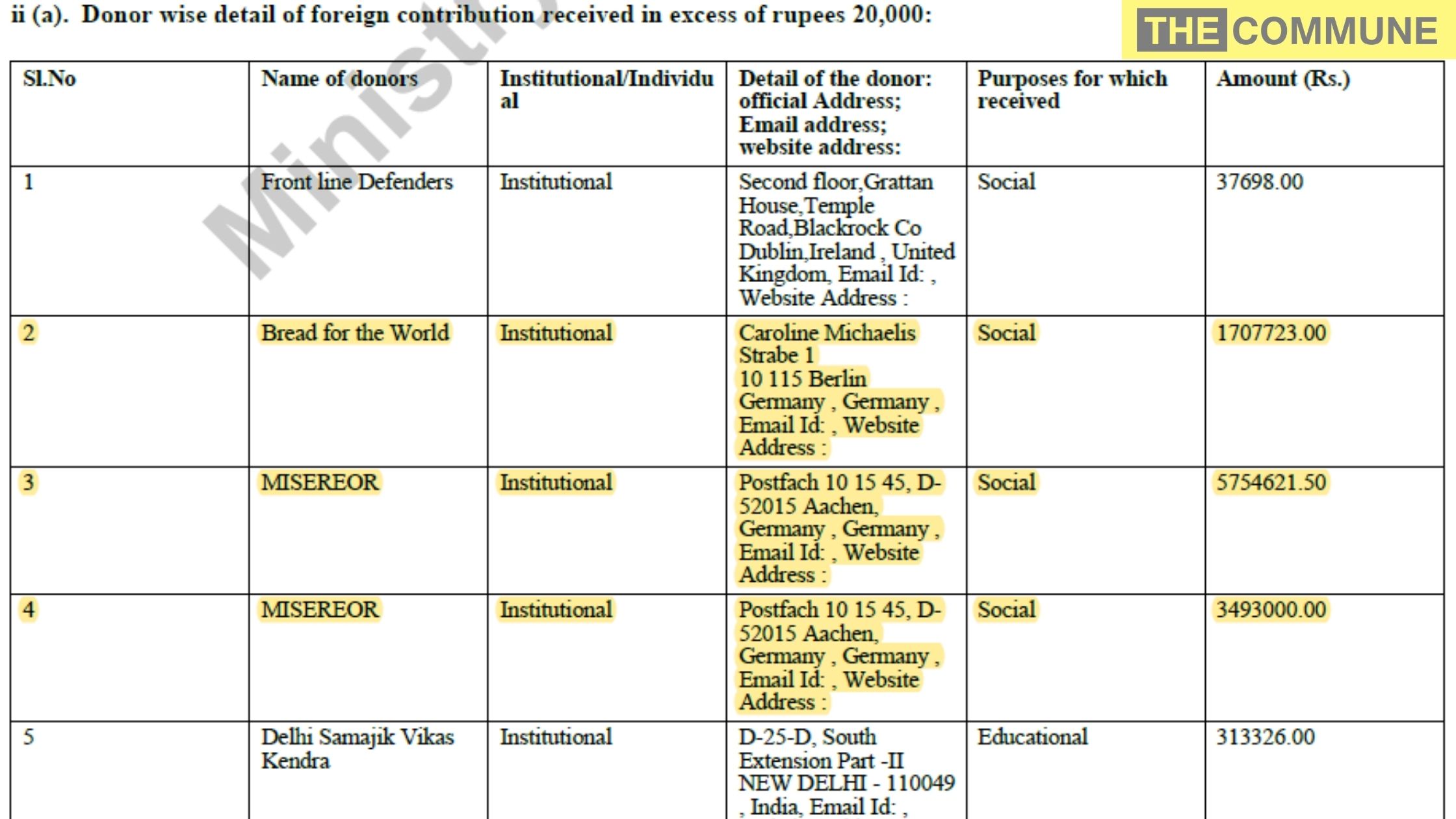
MISEREOR is a German Catholic Bishops’ Organization and is the official aid framework of the Catholic Church in Germany – since 1962. The German government under German law is obligated  to provide financial support for the development work of church-aid organizations.

MISEREOR is a problematic organization. It has funded (still funds) many radical Palestinian NGOs. It had sponsored a 2013 conference, organized by radical Israeli NGO Zochrot calling for the ‘elimination of Israel’.

Bread for the World is a Christian advocacy organization based in the United States. It has ties with many NGOs linked to the church in India. In its website, it says it is a “globally active development and relief agency of the Protestant Churches in Germany”. BfW openly claims to “influence political decisions through lobbying” which it does by funding the thought leaders and members of civil society.
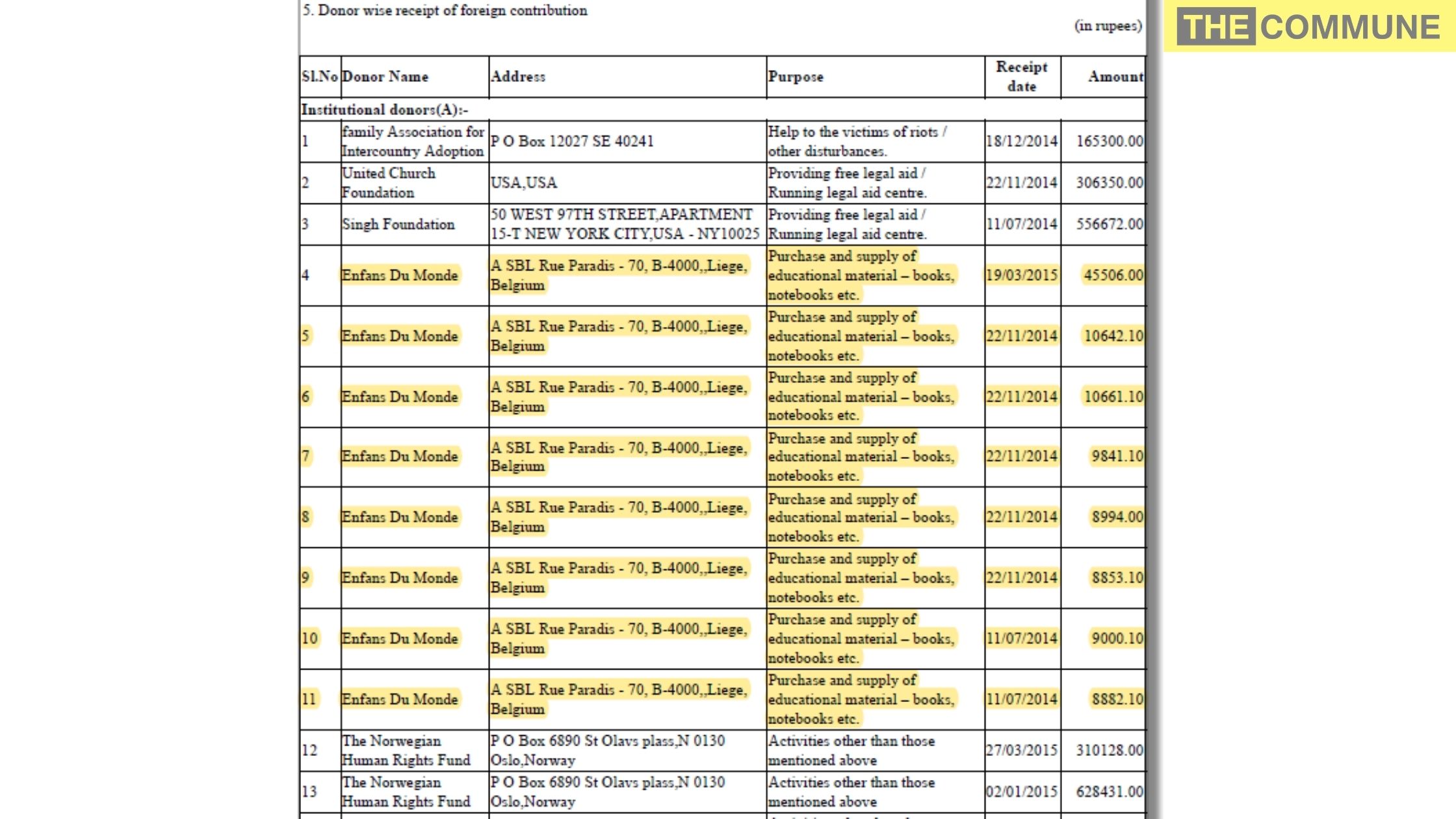
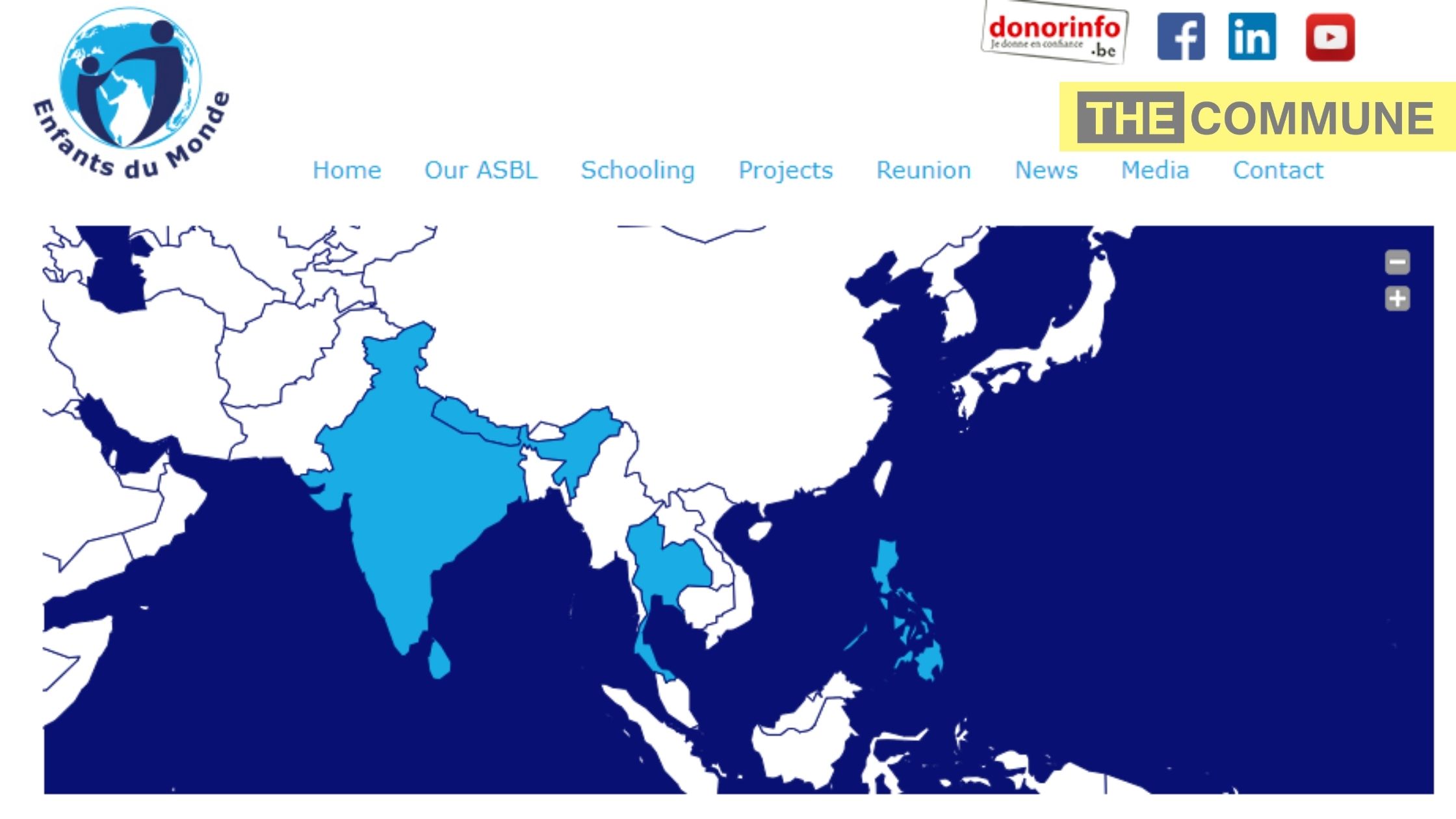
Enfants Du Monde is a Swiss NGO. This is how it shows India in its website.
This is just the tip of the ice berg. The CPSC has received funding from organizations associated with the Danish church, church organizations of the USA like United Church Foundation (New York), Common Global Ministries (Ohio),  Catholic Organization for Relief and Development Aid (CORDAID) of Netherlands to name a few.

In all, the CPSC had received more than ₹45 crores as funding from these organization from 2006-07 to 2016-2017. It was in the year 2008-09 (UPA regime) when it had received the highest funding.

This is just for the period of 10 years. Please note that the CPSC was founded in the year 1995. We do not have the record of the previous 10 years.

Hypocrisy, thy name is Henri

People’s Watch, which claims to be a human rights organization, protested against the Citizenship Amendment Act 2019 that sought to fast track the citizenship process of to Hindu, Christian, Buddhist, Parsi, Sikh and Jain minorities suffering from human rights abuses and oppression in the neighbouring Islamic states.

When the State Commission for Protection of Child Rights ordered that children under the age of 18 should not be involved in these ‘protests’, Henri Tiphagne protested against the order, saying “children have the right to fight.”

This flag bearer of human rights defended and even condemned the arrest of Berlin Jose, Russ Foundation’s founder and John Prabhakar, an employee of the orphanage run by the foundation who were accused by a 10 year old girl of sexual assault. They have been charged under the POCSO Act and were recently released on bail. Henri Tiphagne alleged that he was intentionally arrested under the Goondas Act so that he would not be granted bail.

It is noteworthy to mention that John Prabhakar used to share posts in support of Henri on social media.

Not just that. Henri, the champion of free speech, democracy and civil rights put a defamation case on Tamil daily Dinamalar for just reporting about an incident in which its name had come up. In the article dated November 6, 2003 Dinamalar had reported about the Deputy Superintendent of Police of Sivakasi raiding the premises of People’s Watch  in search of culprits who had attacked a couple and stolen jewellery as the police had received information that they were hiding there. Tiphagne had put a defamation suit of 11 lakhs against Dinamalar for reporting this news. However, the court dismissed the case seeing no merits in Tiphagne’s arguments.

This supposed voice of the downtrodden is also accused of ill discrimination against Dalits working at his office. Vanniyarasu, a Dalit lawyer who had been working with Tiphagne at the People’s Watch left the organization as he was treated badly.

Henri is also accused of operating the People’s Watch as a family property. The employees are reportedly treated like slaves. Uma Rani, who had worked at the organization for six years was dismissed and expelled for taking a day off without even providing an explanation. Another person named Murugappan was harassed and fired without even settling his pay. His certificates were withheld and was demanded money for the return of the same. He is also said to force students who come to stay in the office to engage in the protests organized by the organization.

Recent activities

Back in 2018, he had also participated in a protest for the formation of the Cauvery Management Board organized by various Church denominations. He shared stage with Ezra Sargunam, one of the most powerful evangelists in Tamil Nadu with close ties to the DMK. Ezra Sargunam had called for ‘punching Hindus in the face and make them bleed’ apparently to make the Hindus understand that there is no religion called Hinduism.

https://twitter.com/by2kaafi/status/991912988050362379

In the picture you can also see Jegath Gasper Raj, a Catholic priest who shares close ties with the DMK and someone who is officially referred in US crime records for involving in multiple criminal activities in support of LTTE.

Henri, who has nothing to do with Hinduism, morphed himself into a ‘Tamil activist’ and joined the cabal that advocated for temple consecration of Thanjavur Brihadeeswarar Temple to be conducted in Tamil and not in Sanskrit (as per Agamic traditions). He also commented on “Alagu Kuthardhu”, a Hindu ritual where devotees of Lord Murugan or Goddess Amman pierce Vels or Trishuls in their mouth, tongue or any other body part, saying that it is wrong for parents to ‘torture’ their children for their own purposes.

Henri also organized and participated in protests against the Salem 8 lane highway project. Currently, he is involved with Christian organizations that are opposing the National Education Policy 2020.

Recently, the George Antonysamy, the Archbishop of Madras and Mylapore had issued a circular about an online campaign against the NEP 2020. One of the numbers given in the circular is that of People’s Watch.

Henri Tiphagne had even put out a tweet in support of DMK Kanimozhi’s “Hindi Theriyathu Poda” T-shirt episode.

A mercenary with bosses elsewhere

CPSC is in essence an imperialist mercenary organization. Though its FCRA license has been cancelled and its foreign inflows stopped, it still continues to function.

The US government and Church organizations set up and run ‘human rights’ organizations in every country to peddle its foreign policy agenda and one of the agenda that is on top of these organizations is interfering in the affairs of the host country.

On the outside, these organizations, activists and media seem like they stand for justice. However, these outfits peddle a certain narrative that glorifies certain values and exaggerates half-truths. All their frustration against this government has been due to the fact their money inflow has been stopped that has taken a hit on their mercenary work.

It would be worthy to recall the NAM troika that was discussed in the earlier expose about The Other Media. The NGO-Activist-Media troika is an ecosystem where the three entities scratch each other’s back to help them promote themselves at the cost of lives and livelihood.

The NAM troika not just influences policy making and decisions by nurturing opinion makers and thought leaders to stand against development projects, but also spread anarchy knowingly or unknowingly. We are country that is governed by rule of law and in a country governed by rule of law, institutions upon which power is bestowed by the people and the Constitution should have the right to fulfil the developmental aspirations of the people and deliver justice. Not by those whose source of revenue are questionable.

So, the next time one sees People’s Watch getting cited as an authoritative voice on human rights, remember the wise words of Justice Kirubakaran.

Derek O’Brien of TMC and 7 others belonging to Congress, AAP, CPM suspended for unruly behaviour

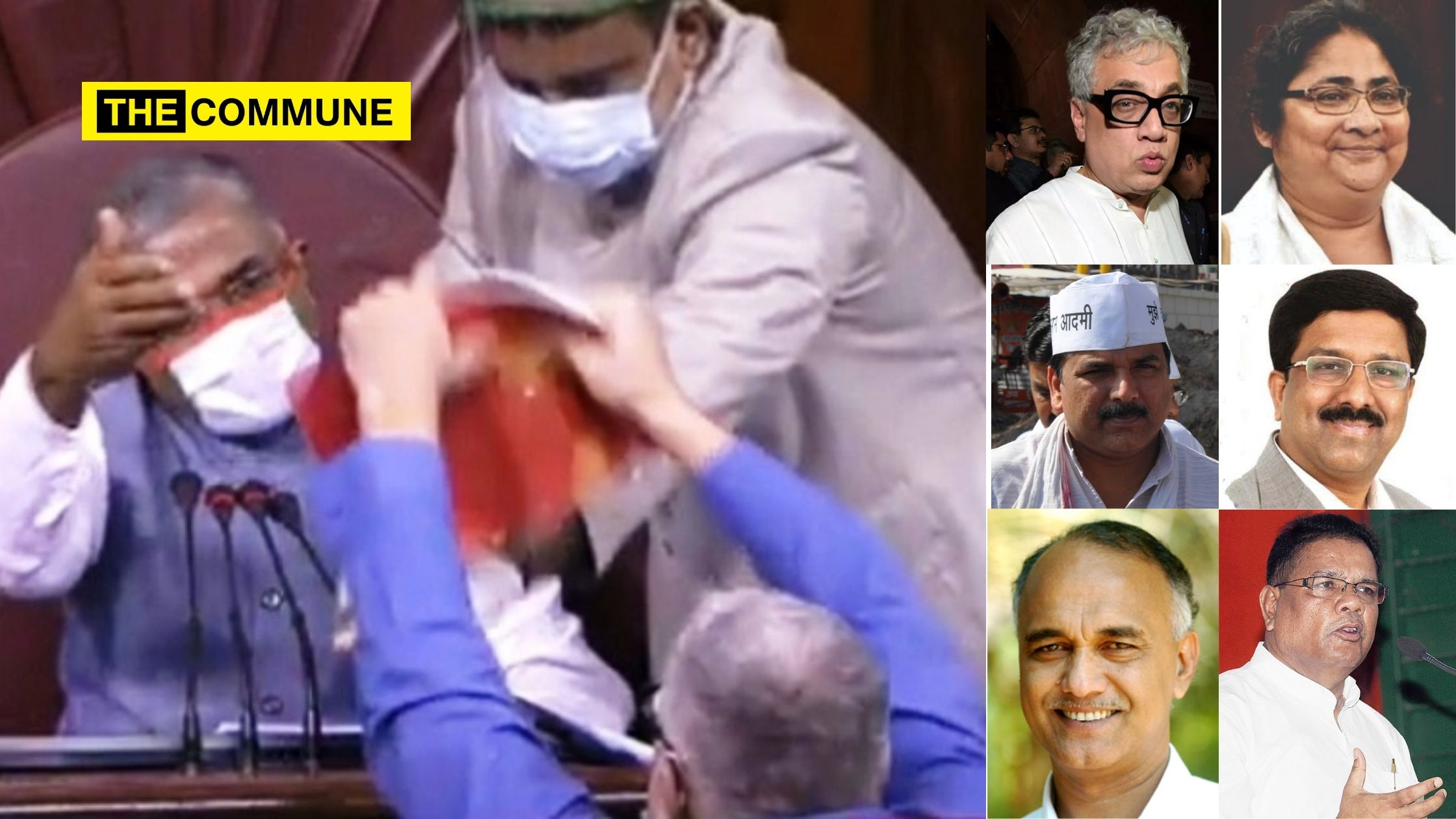
Eight MPs that includes Trinamool Congress’ Derek O’Brien and Dola Sen, Sanjay Singh of Aam Aadmi Party, Rajeev Satav, Ripun Bora and Syed Nasir Hussain of the Congress and CPI(M) leaders KK Ragesh and Elamaram Kareem have been suspended for a week for their “unruly behaviour especially with the Chair and gross disorderly conduct”.

The Rajya Sabha on Sunday witnessed uproar as the opposition MPs created ruckus over the passing of the two farm bills: The Farmers’ Produce Trade and Commerce (Promotion and Facilitation) Bill, 2020 and The Farmers (Empowerment and Protection) Agreement of Price Assurance and Farm Services Bill, 2020.

Derek O’Brien of the TMC jumped into the well and heckled at the Deputy Chairman Harivansh Narayan Singh. The agitated MP also tore the rule book in front of him. Sanjay Singh and Rajiv Satav climbed onto the Secretary General’s table at the centre of the house.

Today, as the suspended MPs refused to leave, the house caused multiple adjournments of the Rajya Sabha.

“I am pained at what happened yesterday. It defies logic. It is a bad day for Rajya Sabha,” said Rajya Sabha chairman Venkaiah Naidu said adding that the members threw papers, wrenched mics away, “physically threatened” Deputy Chairman. While the opposition said that an opportunity should be given to the MPs to explain themselves, the Rajya Sabha refused it saying that the decision was based on government position.

“I am naming Mr Derek O Brien. Please go out of the house,” Mr Naidu said, as he named the suspended members. However none of them budged.

Kerala groups backing terror outfits on social media under Centre’s radar

Intelligence agencies have been monitoring the groups in Kerala that are supporting international Islamic terror outfits. Kerala has many Islamic groups that support the Islamic State and Al Qaeda. Many from the state have escaped to Syria and Afghanistan to join the ISIS.

A sub-branch of Al-Qaeda called Ansar Ghazwar ul-Hind, that is active in Jammu and Kashmir, has considerable presence in social media. It  has accounts registered for carrying out propaganda in Kerala too.

Intelligence agencies have found that apart from Facebook and Instagram, these groups are also active on Riot, Hoop, TamTam, and Rocketchat.

The agencies say that although these accounts and groups have been banned many times, they continue to reappear in different names by creating fake accounts and remain active on social media.

Farm Bills: Rumours Vs. Truth

After receiving the assent of the Lok Sabha, the Rajya Sabha on September 20 passed The  Farmers’ Produce Trade and Commerce (Promotion and Facilitation) Bill, 2020 and The Farmers (Empowerment and Protection) Agreement of Price Assurance and Farm Services Bill, 2020.

The two bills are aimed at transforming agriculture in the country and raising farmers’ incomes.

However, a lot of rumours have been going around about the bill saying that it is anti-farmer with the usual rhetoric of that the bill is an attempt to make Ambani and Adani rich.

In this article, we bust some of the rumours and false rhetorics floating around:

Rumour 1:  MSP will be scrapped

Truth: The government has clarified that procurement through Minimum Support Price (MSP) will continue and  farmers can sell their produce at MSP rate. Mandis will continue to function and trading will continue as before. Under the new system, farmers will have the option to sell their produce at other places in addition to the mandis. Since the coming of Modi government in 2014, the MSP for paddy, wheat and pulses have been increased 24, 177 and 75 times respectively.

Rumour 2: State APMC acts will be diluted

Truth: The two bills that have been passed will not lay a finger on the State Agricultural Produce Market Committee (APMC) Acts as they are state Acts. The Farmers’ Produce Trade and Commerce (Promotion and Facilitation) Bill, 2020 seeks to create more avenues for farmers to sell their produce. It will promote barrier-free inter-state and intra-state trade and commerce outside the physical premises of markets notified under State Agricultural Produce Marketing legislations.

In simple words, it empowers the farmers by giving them the choice to sell their produce where they get a better price.

Rumour 3: Government is conspiring to sell the lands to rich capitalists and industrialists

Truth: The bill provides for contract farming between a buyer and farmers. A contract farming agreement between the farmer and the buyer must provide for a conciliation board as well as a conciliation process for settlement of disputes. The board should have a fair representation of the parties to the agreement.  The bill proposes to create a three-level dispute settlement mechanism: the conciliation board, Sub-Divisional Magistrate and Appellate Authority. At first, all disputes must be referred to the board for resolution. If it remains unresolved for more than 30 days, parties may approach the Sub-divisional Magistrate for resolution. If the parties are not satisfied with the decision of the sub-divisional magistrate, they will have a right to appeal to an Appellate Authority which will be presided by collector or additional collector. Penalty can be levied by the Magistrate or the Appellate Authority on the party contravening the agreement.

However, sale, lease or mortgage of farmers’ land is totally prohibited and farmers’ land is also protected against any recovery.

Rumour 4: Farmers will be disadvantaged in terms of fixing the price

Truth: The farmer will have full power in the contract to fix a sale price of his choice for the produce. They will receive payment within maximum 3 days.

Rumour 5: Buyers will exploits farmers

Truth: The price of farming produce should be mentioned in the agreement.  For items where prices are subjected to fluctuations, a guaranteed price for the produce and a clear reference for any additional amount above the guaranteed price must be specified in the agreement. The process of price determination must also be mentioned in the agreement. Thus, this bill will encourage farmers to engage with processors, wholesalers, aggregators, large retailers, exporters etc., on a level playing field.

Rumour 6: Farmer will be severely hit if there are market fluctuations

Truth: Price will be assured to farmers even before sowing of crops. In case of higher market price, farmers will be entitled to this price over and above the minimum price. It will transfer the risk of market unpredictability from the farmer to the sponsor. Due to prior price determination, farmers will be shielded from the rise and fall of market prices.

If the bills are said to be of benefit to the farmers, why is there opposition to it?

Agricultural produce selling has 3 major stakeholders at play apart from the farmers: commission agents, state mandis and bureaucracy. The local APMC mandis are heavily politicised with the commission agents and middlemen having political influence gulping a major portion of the profit. The existing system leaves the farmer parched with less money. Once these reforms are implemented, those who have been making money at the cost of farmers will stand to lose. The middlemen commission and patronage structure will disappear. It is these middlemen who stand to lose who are against the bill.

Why are these reforms needed?

Agriculture sector though being the biggest employer, does not contribute much in terms of Gross Value Added. This is because the archaic laws and regulations does not provide any incentives for investments in agriculture. Only if there are private investments, farmers will get access to high quality farm inputs. These investments will help the farmer to put use better technology on the farm and increase the productivity. Better productivity will benefit both the businesses and farmer thereby unleashing the potential of the agriculture sector.


India now occupies dominating heights in Eastern Ladakh

According to reports from India Today TV, the Indian Army has occupied six new heights on the China border in the past 20 days., The last three weeks have been an unravelling for the People’s Liberation Army (PLA) which wanted to occupy the dominant heights but were beaten by the Indian Army which is much more used to operating in such conditions.

There are reports that several Chinese soldiers had to be evacuated from the Line of Actual Control (LAC) due to frost bite and problems perculating operating in high altitude and extream cold environment.

As per India Today, “Six new major hill features have been captured by our troops, including the Magar Hill, Gurung Hill, Rezang La, Rachana La, Mokhpari and the biggest peak on the Finger 4 ridgeline,”.

The heights from the southern to the northern bank of Pangong Tso lake occupied by the Indian forces has now given them a significant edge over the Chinese as another Crops Cammnader meeting between senior military officers is underway.

Things got little out of hand when Chinese soldiers fired there guns in the air and Indian soldiers followed suit. This could have led to a serious esclation.

The PLA has fully activated the Moldo garrison and additional troops have also been sent as reinforcement in the past few weeks.

The situation in Ladakh is being closely monitored by the National Security Advisor Ajit Doval, Chief of Defence Staff General Bipin Rawat and Army Chief General Manoj Mukund Naravane.

Here are the winners of the Newsful The NaMo Quiz

As part of the Newsful quiz series, The Commune in association with Chennai-based quizzing entity X Quiz It conducted “The NaMo Quiz” on the occassion of the 70th birthday of Prime Minister Narendra Modi.

More than 300 members had participated in the quiz.

The quiz was conducted online and had a total of 20 MCQ type questions.

6 (2 from each prize) have been declared winners, winning cash prizes worth ₹1000, ₹500 and ₹250.

Mr. Prateek Kumar, a class 10 student from Danapur Cantonment in Bihar studying in Army Public School, Danapur Cantt and Ms. T. Barani from Chennai have been declared joint winners of the first prize winning a cash prize of ₹1000.

Prateek Kumar – 1st prize

Mr. Kundan Kumar, a civil service aspirant from Patna, Bihar and Mr. Anshul Kumar Thakur, another class 10 student from Army Public School, Danapur Cantt came second winning ₹500 as cash prize.

Kundan Kumar – 2nd prize

Anshul Kumar Thakur – 2nd prize

Mr. Hardik Butola, a fan of PM Modi from Delhi studying class 12 at Mount Abu Public School and Ms. MB Tanushri studying class 9 at Zion Matriculation Higher Secondary School, Chennai won the third prize worth ₹250.

Hardik Butola – 3rd prize

B. Tanushri – 3rd prize


The Commune and X Quiz It congratulates all the winners.


Parliament passes 2 farm bills, expected to be a gamechanger for farmers

After receiving the assent of the Lok Sabha, the Rajya Sabha today (September 20) passed The  Farmers’ Produce Trade and Commerce (Promotion and Facilitation) Bill, 2020 and The Farmers (Empowerment and Protection) Agreement of Price Assurance and Farm Services Bill, 2020.

The two bills are aimed at transforming agriculture in the country and raising farmers’ incomes.

Both the bills were introduced in Lok Sabha on 14th September 2020 by Union Minister of Agriculture & Farmers’ Welfare, Rural Development & Panchayati Raj, Shri Narendra Singh Tomar, to replace ordinances that were promulgated on 5th June 2020. Here are the salient features of both the bills:

The Farmers’ Produce Trade and Commerce (Promotion and Facilitation) Bill, 2020

This bill is aimed at creating an ecosystem where the farmers and traders will enjoy freedom of choice of sale and purchase of agri-produce.

It will also promote barrier-free inter-state and intra-state trade and commerce outside the physical premises of markets notified under State Agricultural Produce Marketing legislations.

The farmers will not be charged any cess or levy for sale of their produce and will not have to bear transport costs.

In addition to mandis, freedom to do trading at farmgate, cold storage, warehouse, processing units etc.

The Bill also proposes an electronic trading in transaction platform for ensuring a seamless trade electronically.

Farmers will be able to engage in direct marketing thereby eliminating intermediaries resulting in full realization of price.

The government has clarified that Procurement at Minimum Support Price will continue and  farmers can sell their produce at MSP rate. The MSP for Rabi season will be announced next week.

Mandis will continue to function and trading will continue as before. Under the new system, farmers will have the option to sell their produce at other places in addition to the mandis.

The e-NAM trading system will also continue in the mandis.

Trading in farm produce will increase on electronic platforms. It will result in greater transparency and time saving.

The Farmers (Empowerment and Protection) Agreement of Price Assurance and Farm Services Bill, 2020

This bill will encourage farmers to engage with processors, wholesalers, aggregators, wholesalers, large retailers, exporters etc., on a level playing field. Price will be assured to farmers even before sowing of crops. In case of higher market price, farmers will be entitled to this price over and above the minimum price.

It will also enable the farmer to access modern technology, better seed and other inputs.

It will transfer the risk of market unpredictability from the farmer to the sponsor. Due to prior price determination, farmers will be shielded from the rise and fall of market prices.

Effective dispute resolution mechanism has been provided for with clear time lines for redressal.

Impetus will be given to do research and implement new technology in agriculture sector.

The farmer will have full power in the contract to fix a sale price of his choice for the produce. They will receive payment within maximum 3 days.

10000 Farmer Producer organizations are being formed throughout the country. These FPOs will bring together small farmers and work to ensure remunerative pricing for farm produce

After signing contract, farmer will not have seek out traders. The purchasing consumer will pick up the produce directly from the farm

In case of dispute, there will be no need to go to court repeatedly. There will be local dispute redressal mechanism.

The two bills will now be sent for President’s assent to become an Act.