Home Blog Page 1607

“You have imported a Monster called Islam into our country”: MP slams Dutch PM in Parliament

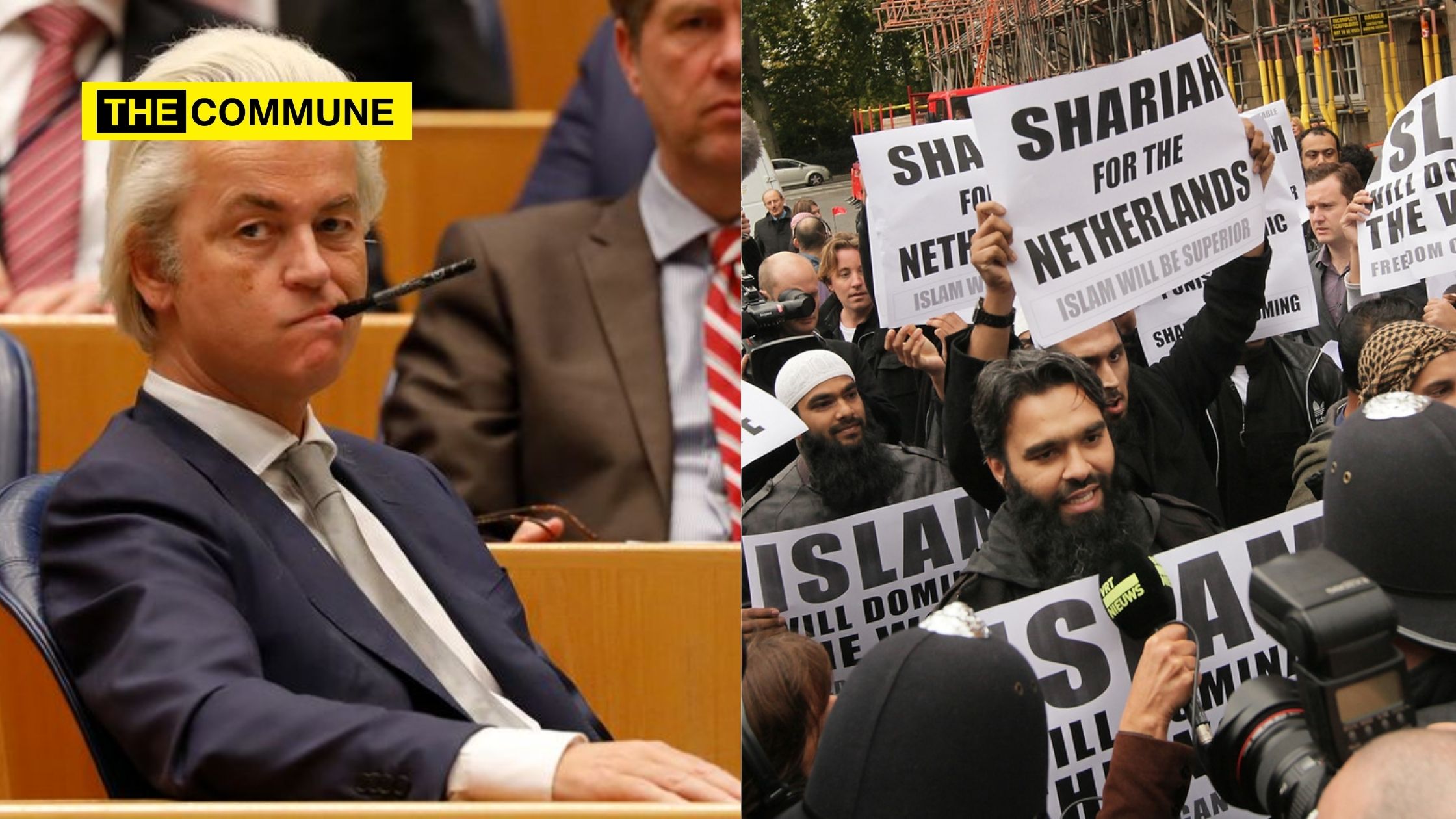
In a no holds bar speech in the Netherlands Parliament, Geert Wilders, the leader of the Populist Party for Freedom (PVV) lashed out at the liberal Prime Minister Mark Rutte during a recent debate over freedom of expression in the Dutch parliament.

In his speech, Wilders said that the Dutch government’s pro-mass migration policies have allowed for the import of a “monster called Islam” into their country. 

The leader’s remarks comes in the wake of recent attacks unleashed by Islamic jihadists in France and Austria, particularly the beheading of French school teacher Samuel Paty who had shown an image of Prophet Mohammad to his students to teach about freedom of expression. 

Wilders in his speech pointed out these recent attacks and also commented on Amsterdam imam Yassin Elforkani, who had made Dutch lawmakers to adopt legislation that would criminalize any insult aimed at the Islamic prophet.

Another Imam, Ismail Abou Soumayyah, a Salafist extremist of the Quba mosque in The Hague, had launched a petition asking for the Dutch government to adopt Sharia blasphemy laws. What was surprising was his petition got 40,000 signatures that would require a debate in the House of Representatives.

Wilders said that he wanted the cartoons of Prophet Mohammad to be published in newspapers and magazine not to offend anyone but to exercise freedom of specch.

He was relentless in his attack of liberal politicians like Dutch Prime Minister Mark Rutte who claims that only a small minority of Muslim immigrants in the Netherlands and Europe support terrorism and reject secular democracy. 

“So it’s not just a few rotten apples who make other Muslims look bad,” Wilders began. “I say to the Prime Minister, stop pushing this nonsense fairy tale. This is large majority of 700,000 [out of 900,000] who reject our free society.”

“And you, mister Prime Minister, have imported a monster called Islam into our country, which has put our country in danger,” Wilders thundered. 

The Dutch MP laid out a five-point plan to remedy the current situation the country finds itself in. He called for recognizing Islam as a violent ideology, closing the borders for immigrants from Islamic countries, dismantling Islamic institutions,  locking up or deporting Islamists who threaten or use violence and other Islamic jihadist sympathizers, and having schools and media companies to show Muhammad cartoons without fear of retaliation.

He went on to say that if Muslims do not want to live in a secular country, they are free to move to any Islamic country that has Sharia.  

“Get out! Leave for an Islamic country. Then you can enjoy Islamic rules. Those are their rules, but not ours. This is our country. Not your country, but our country. This is the Netherlands.”, Wilders said. 

“I want to be the last person to receive COVID vaccine”, says Sadhguru

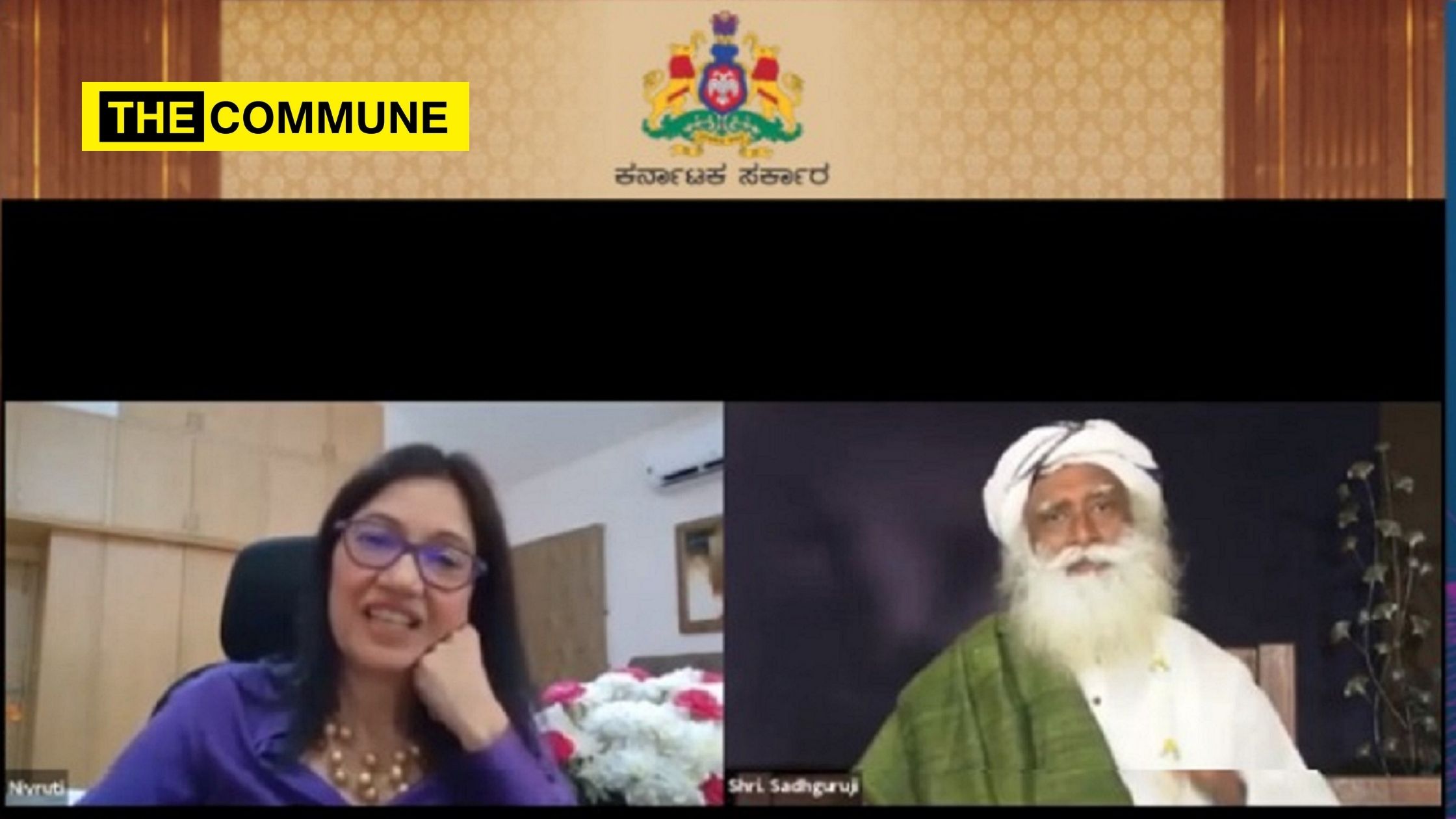
Sadhguru, founder of Isha foundation, on Saturday (November 21) said that high-risk groups including front-line health workers dealing with the COVID-19 pandemic and police should receive the vaccine first, when it becomes available, and mentioned that he wished to be the last person to get vaccinated.

“If you ask me about vaccines, I would be the last person to get vaccinated for any pandemic including COVID-19. I would address the reason why I am saying this later. But, top priority should be accorded to high-risk population groups like policemen, doctors, and marginalized workers among others. They should get the vaccine first to arrest the pandemic in India,” he said at a virtual interaction at the Bengaluru Tech Summit 2020.

Sadhguru added that the vaccine should also be given to vulnerable people who are at a greater risk of developing severe disease because of low immunity and comorbidity.

When the vaccine is launched, it could lead to corruption. Hence, the government should fix suitable pricing for the vaccine for those who can afford, and use those funds to provide it free of cost to low-income groups, he said.

He referred to his remarks that he would be the last person to get vaccinated in a conversation with Chief Scientist at the World Health Organization Dr. Soumya Swaminathan in October 2019, where he had cautioned about the side-effects or negative impacts of vaccinations.

Sadhguru had also said that the World Health Organization should tell parents about what vaccines are a must and what is a choice.

“I feel the World Health Organization should tell parents that “this much is not needed – these vaccines are compulsory, and the rest are by choice. If it is made like that, I think there will be a more healthy proportion,” he said.

However, vaccines have brought power and well-being to people’s lives, he had said. “Most of us are sitting here because we were vaccinated. Otherwise, we would definitely not be here,” he added.

India’s active COVID caseload remains below 5% of total cases, recovery rate sustained above 93%

india corona virus covishield price vaccine

India’s present active caseload (4,43,486) is 4.85% of the total positive cases, and has been sustaining below the 5% mark.

The Recovery Rate continues to be above 93% as 93.68% of all cases have recovered as of date. In the last 24 hours, the country registered 41,024 new recoveries in the last 24 hours taking the total recovered cases to 85,62,641.

The gap between Recovered cases and Active cases is steadily increasing and presently stands at 81,19,155.

In the last 24 hours, 44,059 persons were found infected with Wuhan virus. India has been registering less than 50,000 cases for the last 16 days, since 8th November. This assumes significance as several countries of the Western Hemisphere are witnessing a huge surge of new cases at the onset of winter.

77.44% of the new recoveries are contributed by ten States/UTs.

Kerala saw 6,227 persons recovering from COVID. Delhi reported 6,154 recoveries. Maharashtra reported another 4,060 new recoveries in the last 24 hours.

Ten States/UTs have contributed 78.74%of the new cases. Delhi reported 6,746 cases in the last 24 hours. Maharashtra recorded 5,753 new cases while Kerala reported 5,254 daily cases yesterday.

15 States and UTs are reporting less than the national average of cases per million population(6,623).

74.95% of the 511 case fatalities reported in the past 24 hours are concentrated in Ten States/UTs.

Delhi with 121 reported deaths occupy 23.68% of new fatalities. Maharashtra saw a fatality count of 50 while West Bengal followed closely with 49 new fatalities.

21 States and UTs are reporting lower than the national average of deaths per million (97).

(Source: PIB)

India all set to launch “Deep Ocean Mission”, ISRO and DRDO to develop technology

The secretary at the Union Ministry of Earth Sciences (MoES), M Rajeevan said that India is all set to initiate “Deep Ocean Mission”, to explore minerals, energy and marine diversity in the underwater world. 

https://twitter.com/Defence_360/status/1192079394761629696

Secretary M Rajeevan said that the required approvals for the “futuristic and game-changing” mission are being obtained and the deep sea mission is likely to be launched in next three to four months and will cost around ₹4,000 crore.

This mission will also involve the development of technologies for different deep ocean initiatives which will be led by MoES and other organisations like the Defence Research and Development Organisation, Department of Biotechnology, Indian Space Research Organisation (ISRO), Council for Scientific and Industrial Research (CSIR).

ISRO and DRDO will be developing some of the technologies involved.

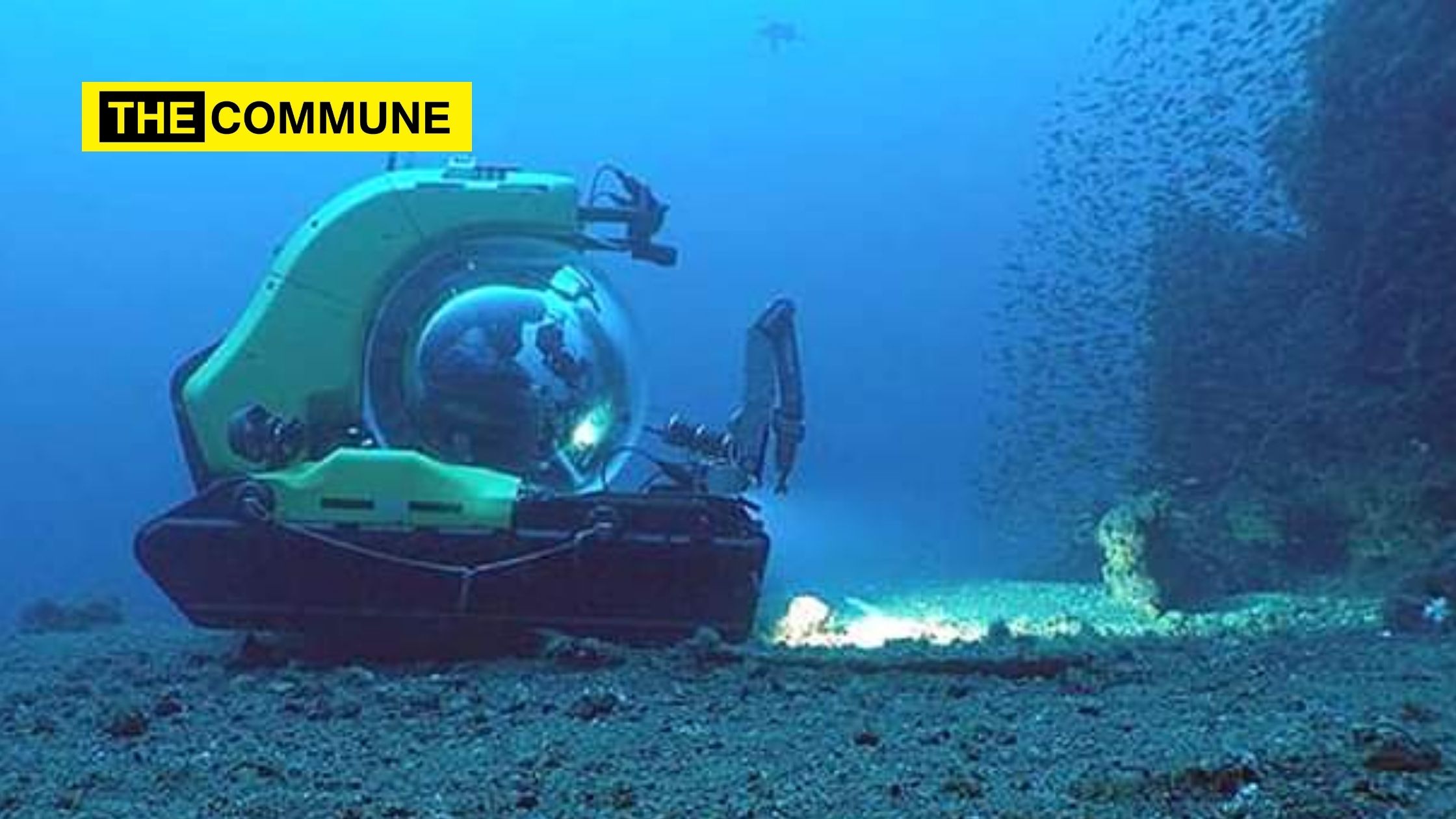
It would involve the design, development and demonstration of human submersibles and also explore the possibility of deep-sea mining and developing the necessary technologies.

ISRO has already completed designs for the Deep Sea Vehicle which can travel to depth of 6,000 metres below the surface. Submarines can reach only about 200 metres.

In 2018, the Narendra Modi government drew a five-year plan with a cost of ₹8,000 crore to mining, researching and studying the ocean floor which can help in decision making in climate change aspects. India has an Exclusive Economic Zone #EEZ of over 2.2 million sq km which lies unexplored and unutilised.

BJP Tamil Nadu’s Asuvathaman rips apart Frontline ‘journalist’ RK Radhakrishnan on live debate

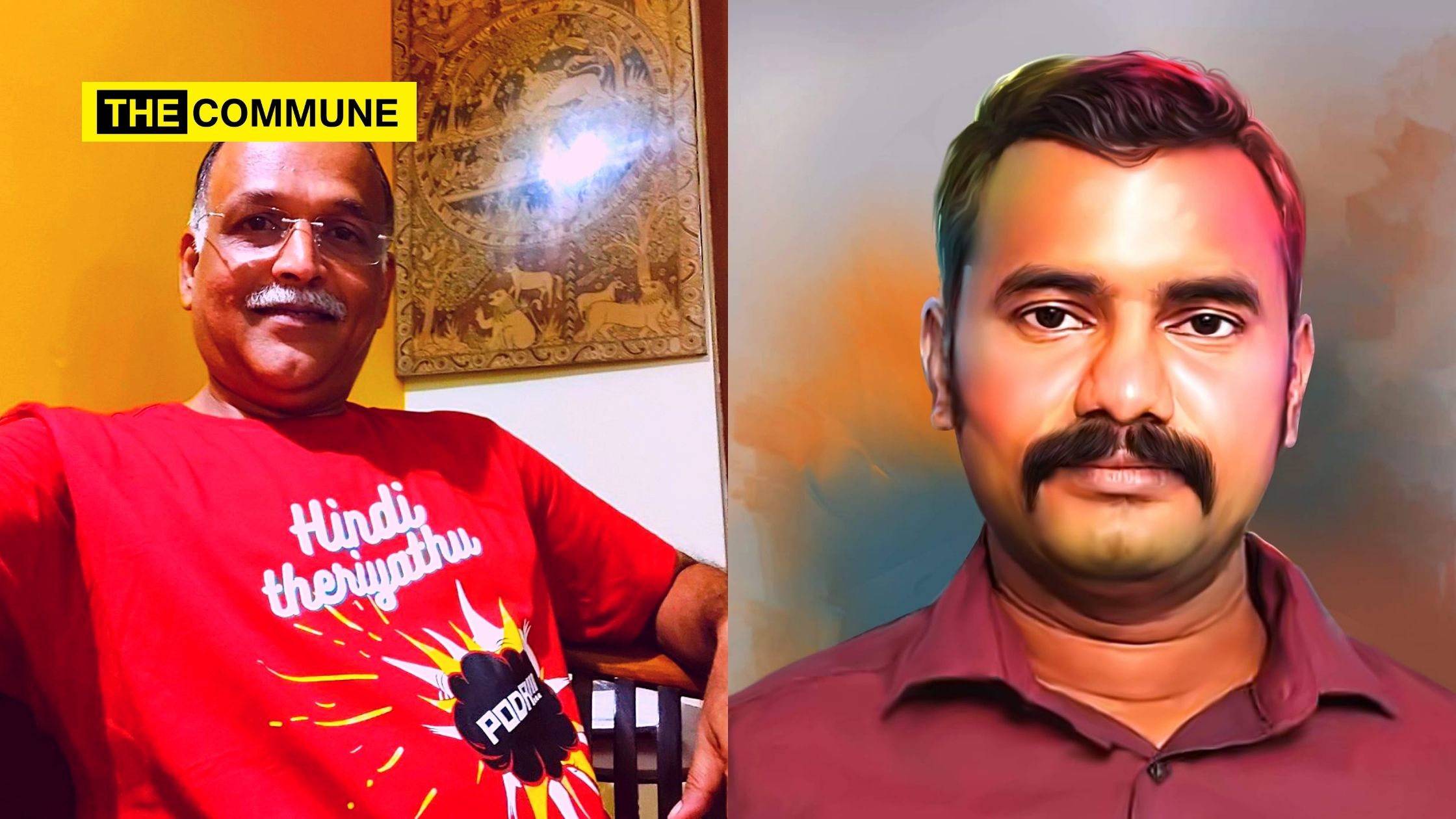
BJP Tamil Nadu spokesperson Asuvathaman Allimuthu, during a live TV debate, tore into the supposedly ‘neutral’ ‘journalist’ RK Radhakrishnan, who is known for being a DMK mouthpiece.

In a live debate show of Thanthi TV aired on November 20, the BJP spokesperson was responding to the anchor’s question if whether the BJP-AIADMK alliance for the 2021 Assembly elections comes in the wake actor Rajinikanth not launching his party.

Asuvathaman said that there was no point in asking this question as the BJP and the AIADMK are currently in alliance which is just going to continue adding that Rajinikanth is yet to launch his party.

He went on to question RK Radhakrishnan who while speaking earlier had put forth points that are peddled by the DMK. Asuvathaman said “Mr. Radhakrishnan is speaking under the tag of a ‘journalist’. These people who are deeply and explicitly associated with the DMK, what is the need for them to portray themselves as neutral?” to which the Frontline ‘journalist’ got agitated and repeatedly kept gagging Asuvathaman.

Asuvathaman came down heavy on the ‘journalist’ saying “You are biased. You are strongly biased with DMK and you are motivated [instigated] by the DMK” as Radhakrishnan kept shouting “I will not allow this.. I will not allow this..” from behind.

A visibly flustered Radhakrishnan went on a rant while Asuvathaman stressed on revealing the former’s biasedness towards the DMK with the anchor attempting to pacify both asking not to make it personal. Asuvathaman asked the anchor as to how can exposing someone’s biasedness towards one party become a personal attack.

“I am not coming into the right or wrong of it. I am just saying he is strongly biased towards DMK. He is coming under the garb of being neutral. I want to expose the politics behind this to the public. How can it be a personal attack on him?”, Asuvathaman questioned the anchor.

Asuvatham later went on to say that the DMK-Congress alliance is an alliance that betrayed the people of Tamil Nadu. He said that there was strong public anger against the DMK-Congress regime in 2009 which was responsible for the death of lakhs of Tamils in Sri Lanka and the daily shooting of Tamil fishermen in Palk Strait, adding that people like Radhakrishnan were planted in the media as ‘neutral journalists’ to peddle a narrative and create an image of BJP being anti-Tamil. To this, Radhakrishnan once again got angry and went on a rant.

The anchor who kept trying to silence Asuvathaman failed as the latter went about listing how the BJP resolved the pressing problems of Tamil Nadu be it  the Cauvery issue, Sri Lankan fishermen issue, building 50,000 houses for Tamils in Jaffna region, or removing ‘fracking’ from Hydracarbon project. He also highlighted how Tamil Nadu has been one of the top beneficiaries of Centre’s schemes like defence industrial corridor, Mudra loans, Jan Dhan Yojana, etc.

Responding to this, Radhakrishnan said that the housing scheme for Jaffna Tamils was first initiated by Dr. Manmohan Singh during the UPA regime. He also questioned why BJP did not protest against NEET or lend its voice for 7.5% reservation for government school students.

It is to be noted that the internal quota for government school students clearing NEET was first mooted in 2017 by current BJP National President JP Nadda when he was the Health Minister. The State Government was advised to pass a legislation in the Assembly to bring in this quota by the then Health Minister.

Asuvathaman asked Radhakrishnan how a problem that was resolved by the BJP and the AIADMK can be appropriated by the DMK.

“The DMK has nothing to do with 7.5%. How can he connect DMK with 7.5% reservation? Is this not bias?”, Asuvathaman rebutted strongly.

“AIADMK brought in the legislation which the BJP had advised to do in 2017. Where is the role of DMK in this? What is the need to credit the DMK with the 7.5% reservation?”, Asuvathaman ripped apart Radhakrishnan as he exposed the latter’s bias towards the DMK

RK Radhakrishnan who is the Associate Editor of The Hindu’s Frontline magazine is known for being a DMK apologist. He participates in debates of Tamil News channels under the garb of a ‘neutral journalist’.

Recently, the ‘neutral journalist’ jumped into the DMK sponsored ‘Hindi Theriyathu Poda’ t-shirt campaign.

Why did #EmptyTwitterTrash trend?

#EmptyTwitterTrash was the top trending trend on Twitter yesterday (November 22), with netizens demanding a social space free of vitriol, abuse and fake news. The trend which started after a tweet by Sadhguru’s Isha Foundation to “reclaim public forums from vested interests”, said, “Twitter has become an important public forum in our society and is vital to our democracies. It’s important to keep it clean of abuse, slander and vitriol. #EmptyTwitterTrash”

The tweet was in the context of fake land grab charges that the Foundation has been facing for years and despite putting all documents and records in public space, the accusations, vitriol against the Founder does not cease. Isha has put up answers to all fake charges – from land grab, encroachment of forests, illegal constructions at the ashram or being present in an elephant corridor, in a publicly available document called “slander sans substance” two years ago, but a band of motivated or misinformed people, continue to throw muck at the globally-recognised non-profit organisation, that’s been working towards people’s well-being and spiritual growth for decades.

“A new set of lies created by the same old Band of Liars. They periodically come up with a fresh twist to a stale plot, But without a shred of truth or sense. Time to debunk these vested interests,” the Foundation tweeted with screenshots of abuse and hate it has been getting on Twitter.

“It is time this Nation reclaims public forums from vested interests who will stoop to any level to spread false narratives and lies. Public platforms @TwitterIndia should assume responsibility for the manner in which they are (ab)used,” the Foundation further wrote, inviting “responsible media to reveal the truth and call out the liars”.

The hashtag #EmptyTwitterTrash soon gathered traction on Twitter after the Foundation’s tweet and was retweeted by notable personalities like Kiran Mazumdar-Shaw, the Chairperson of Biocon and former Infosys director Mohandas Pai, among others.

“Its so obvious ! #EmptyTwitterTrash … lies seemed to always get more traction then the truth… #Ishafoundation #isha,” Suzanne Bernert, a German Indian actress wrote on Twitter.

“Where arm-chair activists are crying hoarse about Isha’s Mahashivratri celebrations, the NGT itself dis a detailed study and cleared it as there were no violations found. Why do people throw so much hatred around,” asked a user.

“With great power comes great responsibility”, Twitter India, it is going to be catastrophic for the society if you don’t #EmptyTwitterTrash,” wrote another user.

The chorus kept growing louder with Twitter users demanding accountability and action against those who peddle lies on public forums and has given a food for thought to create a space for online public dialogue sans slander.

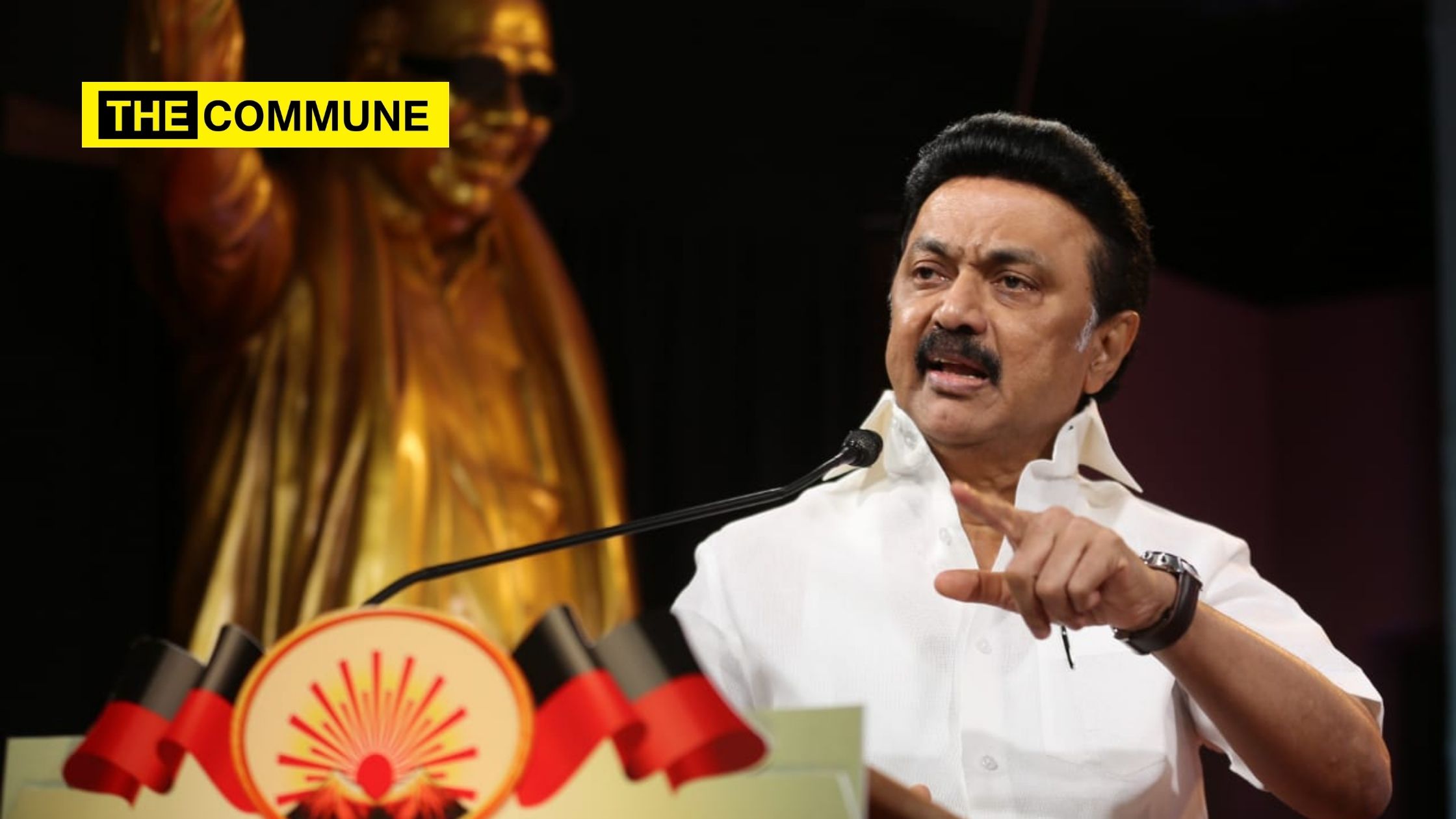
DMK’s comeback dream: Will it become reality in 2021?

Baseless accusations, polarizing people along the lines of religion and caste by targeting one particular faith, and spreading malicious propaganda through its influencers in the film industry and media have been DMK’s methodology to fight elections since the 1970s.

Even Kamarajar and MGR could not escape the malicious propaganda unleashed upon them by the DMK. The Sattanathan Commission had recommended to the DMK government in 1970 in which it had clearly stated that there are close to 24 castes which have to be removed from OBC and to be included in General/Open Category. The commission also gave a recommendation to introduce the concept of creamy layer for OBCs, making those families with annual salary of more than ₹9000 per annum to be shifted to General Category. DMK did not enact either of these recommendations, but only increased the reservation for OBCs from 27% to 31%.

In 1977, after AIADMK was formed under the leadership of M.G. Ramachandran, it won 130 of 200 seats it contested in the Assembly elections. After MGR came to power, he decided to implement the recommendations of the Sattanathan Commission. However, in the 1979 Lok Sabha elections, the AIADMK was routed thanks to DMK and its false propaganda. The DMK had campaigned to victory stating that MGR was depriving the Other Backward Castes (OBC) population of their reservation.

Realizing this, MGR had overturned the OBC reservation amendments and increased the reservation for OBCs to 69%.

This politics of OBC reservation is played by DMK even today without realizing that on a national average only 1% OBC have realized the benefits of reservation and those who have benefited do not wish to pass it on to those who really need it.

In the coming election, the DMK will be resorting to their time tested template: regional chauvinism, OBC victimization, minority appeasement through Hindu hatred in the months before elections and morphing into ‘election’ Hindus in the weeks leading to the elections.

A brief look at elections of the past

AIADMK’s bullish run came to grinding halt in 1996 when DMK came to power after 20 years to govern a full 5 year term. With public sentiment against Jayalalithaa for her extravagant wedding show put up for her ‘adopted son’, an alliance with the Tamil Manila Congress (TMC) headed by GK Moopanar (stitched by Cho Ramaswamy) and actor Rajinikanth giving his voice to the alliance, it was a clean sweep for DMK.

However, TMC opted out of the alliance with DMK and joined AIADMK in the 2001 Assembly elections. The Congress, Pattali Makkal Katchi (PMK), and both the Communist parties CPI & CPIM also joined the AIADMK Alliance. This was the beginning of a new paradigm of alliance politics in Tamil Nadu where parties came together to consolidate vote bank. Even though AIADMK and DMK remained major parties in the state, their victory was decided by the smaller parties in the state. In this election, the AIADMK Alliance won 194 seats with 49.62% electoral votes and DMK + won just 37 seats with 37.03% electoral votes.

Before the 2004 Lok Sabha elections and after GK Moopanar’s death, TMC merged with their parent party INC. In 2006 elections, those who stood with AIADMK in 2001 migrated to DMK. Despite having Congress, PMK and the two communist parties, the DMK Alliance won 163 seats but not exceeding the count registered by AIADMK in 2001 election. DMK had 96 of the 132 seats contested by them giving them a success ratio of 73% but their vote share was 26% in that election. The DMK alliance had a total vote share of 45% and AIADMK alliance 40%.

The 2006 elections had a total of 148 seats which went on close contest. The victory margin was less than 10% of the total votes polled in those constituencies. AIADMK alliance lost to DMK alliance in 75 seats with less than 10% votes. DMDK led by Vijaykanth emerged 3rd in 95% of the 75 seats. They had a vote share of 8.5% in their first election. The DMDK took away the clean sweep chances of DMK and AIADMK in this election. An 8 to 10% vote from a third front is all it takes to make an election difficult for both AIADMK and DMK. AIADMK understood this lesson but DMDK were unapproachable as they wanted to be seen as an alternative to the two Dravidian parties. DMDK continued to maintain this image in 2009 Lok Sabha election in which it registered a 10% vote hampering the chances of AIADMK in most of the seats.

During the 2011 election, the 2G scam had already hit the headlines and numerous corruption charges against the then ‘minority’ DMK government only made that election difficult for them. It was AIADMK alliance all way through from the time the alliance was cemented. DMK put up a shoddy performance despite Congress, PMK and VCK contributing 17% votes of the overall 39% votes bagged by the alliance. DMDK on the other hand continued to maintain the 8% vote share but this time with the alliance with AIADMK ensured them victory in 29 of the 41 seats contested by them. And in the 2011 elections the close contest was in just 36 seats compared to 148 seats in 2006.

Out of the 36 seats, BJP came in either 2nd or 3rd place mostly dampening the chances of DMK’s win in 13 constituencies. MDMK did not participate in this election and despite that DMK could manage just 22% votes. The mistake that DMK did was giving Congress 63 seats in that election. Congress after GK Moopanar in Tamil Nadu is not the same it used to be once. DMK could have gained not more than 25% if Congress contested in 20 seats less than what they did. Having lost the election miserably, DMK lost the opposition party status for the first time and DMDK became the opposition party.

Vijaykanth could have used this opportunity and could have cemented his position in the state. He wanted to take on Jayalalithaa in the assembly and the events post that only defragmented his party. Before the 2016 assembly election DMDK had broken into fragments and 50% of his party leaders joined AIADMK and contested in AIADMK ticket. DMK on the other hand was left only with INC. A new third front emerged in the forefront with the 2 Communist parties, DMDK, VCK and MDMK forming an alliance (Pandavar Ani meaning the five Pandavas). The results of this election shattered the halo of each of the third front parties. The results only indicated that the parties in the 3rd front have meager vote bank if contested without bigwigs like AIADMK and DMK. PMK contested alone with Anbumani as CM candidate and the then new party Naam Tamilar Katchi also contested alone without any alliance. In Tamilnadu, BJP has been contesting alone since 2006 and have been able to retain a consistent 3% vote share till 2016.

Thus the 2016 election saw AIADMK winning 135 seats and DMK alliance 97 seats. But the vote share of both AIADMK and DMK led alliance stood at 40%. There was close contest in 129 seats and the result of this contest hampered chances of DMK.

2016 No. Of Seats Contested No. of Seats Won Deposits Lost Votes Polled % Votes in Seats Contested % Votes – Overall
BJP 188 0 180 1228704 3.57% 2.84%
PMK 232 0 212 2300558 5.41% 5.32%
MDMK 29 0 27 373606 7.13% 0.86%
DMDK 104 0 103 1034384 5.42% 2.39%
CPI 25 0 23 340290 7.25% 0.79%
CPI(M) 25 0 25 307303 6.80% 0.71%
VCK 25 0 22 331849 6.98% 0.77%
NTK 231 0 229 458007 1.08% 1.06%


A striking aspect of the above table is that PMK contested between 20 to 232 seats in the last 4 assembly elections. Immaterial of losses, they continue to retain the 5.32% of 20% Vaniyar vote bank. On the other hand, MDMK which once commanded 10% vote share seems to have lost its ground with less than 1% votes now. CPI and CPIM had contested 17 to 50 seats in the last 4 elections and their best case scenario vote bank has been 4.38% when they contested with AIADMK in the 2011 election. VCK has just about 0.5% to 2%. NTK has grown from 1% to 3% in the 2019 elections. DMDK which had 8% vote bank are left with just 2.4% now.

What will happen in 2021?

Elections in Tamil Nadu have so far been driven by two strong personalities. People if dissatisfied with Jayalalithaa voted Karunanidhi and vice-versa. This is the first election that Tamil Nadu will witness in the absence of Jayalalithaa and Karunanidhi. This is also the first time BJP will be in alliance with a state party for the Assembly election. Needless to mention, even during the time of MGR, people vote differently in Assembly and Lok Sabha elections.

As of today, AIADMK and DMK look to retain their 2019 Lok Sabha alliances. However, what has changed between 2019 Lok Sabha election and the coming Assembly election is the arrival of L Murugan as BJP Tamil Nadu President followed by the induction of former IPS officer Annamalai. Ever since Dr. L. Murugan took over as President of the party’s state unit he has managed to turn tides in his favour by capitalizing on this rising Hindu consciousness. Scores of disgruntled DMK cadres from the lowest to the higher rungs have been coming towards the BJP. This will certainly have its effect. Annamalai is set to draw the youth of the state in large numbers. Khushbu Sundar will be able to pull some women votes.

The DMK has understood that a third front can hamper their chances in this election which is why it is unwilling to let go of Tamil Nadu Congress. But it remains to be seen whether AIMIM make an impact as they hope to pick, choose and contest like how he did in Bihar.

There are the smaller parties Makkal Needhi Mayam and Naam Tamilar Katchi who will be fighting for the same piece of the pie, the confused neither want the DMK nor the AIADMK.

The future of AMMK looks uncertain and clarity of their political discourse will be seen only after Sasikala walks out of prison. In the last election AMMK contested predominantly in southern Tamilnadu and managed to get 10 lakh votes. However AMMK has been maintaining a low profile for a long time and it is difficult to judge if AMMK would maintain similar vote bank in the upcoming election.

Having laid out the status of these parties as of today, let us see what could be the case for 2021.

The AIADMK has been in power for the last 10 years. Despite winning the good governance award and showing the country of how it has effectively handled the Wuhan virus pandemic, the anti-incumbency is not something that can be taken lightly. AIADMK will probably loose anywhere between 10 to 15% votes.

Till 2006, AIADMK incumbent votes are for DMK to take. DMDK proved that with 8% votes in 2 consecutive elections, the damage it could cause to DMK is only in terms of winning seats and not vote share. DMK which is known for minority appeasement will strive hard to bank on the Muslim votes. But Muslim votes will prefer a Muslim party than an appeaser. If AIMIM enters the fray, it will ensure that majority of Muslim votes, which now remains as DMK’s strength, is taken away.

More than AIMIM, it is NTK and MNM who are looking at contesting this election without any alliance in all the 234 constituencies. They together will play the role of DMDK in this election having the potential to play spoilsport. NTK and MNM will gain anywhere between 6 to 8% vote share and 160 to 170 seats will have a close contest between themselves.

With the Vel Yaatrai pulling in crowds, the 3% BJP will emerge as an 8 to 10% vote bank party in the upcoming election. They won 4 seats in the 2001 elections and this time it is expected that they will win atleast 15 to 25 seats. The BJP could be the DMDK of 2011.

If PMK moves out of AIADMK alliance, the DMK will be compelled to allocate seats kept for their party considering Congress would settle for 30, Communist parties for 20 and VCK for 15. DMK will be compelled to contest in fewer seats and this will only take them back to a minority position like that of 2006. This will also play spoil DMK’s chances as Congress’s strike rate have been less although they have the potential to command 5% votes share. But after Amit Shah’s recent Chennai visit, the chances of PMK shifting to the DMK camp is doubtful.

DMK doesn’t perform well if there is a strong or a weak third front. This is evident from the 2006 and 2016 election. That is why the DMK has been trying hard to keep the VCK within its fold to appease the 46 SC/ST constituencies. It is important to take note that DMK has not been successful in these 46 constituencies in the last 2 elections. They have won in just 11 and 12 seats in the last 2 elections. They will use the journalists under their wing and will speak of a nonexistent Dalit oppression until election day. The AIADMK and BJP should ensure that such propaganda are effectively countered and not let it pass to ensure these 46 seats remain in their grip.

Also, people in many constituencies are upset with DMK’s Lok Sabha poll promise which remains a promise. They have understood that these were empty promises and would not vote for DMK again.

Given all these development, if AIADMK contests in 170 seats, giving PMK 25 seats, BJP 30 seats, 6 seats to DMDK and 4 seats to other alliance parties; the AIADMK alliance has the potential to win 135 to 140 seats with a 52% vote share in the upcoming elections.

The day AIADMK and BJP announced that the alliance will continue, most of the DMK leaning journalists seem to be visibly upset with decision as they know the ground reality is different to what it was before the 2019 election.

If the AIADMK led front manages to forge a rainbow coalition and does micromanagement, DMK’s dream will remain a dream.

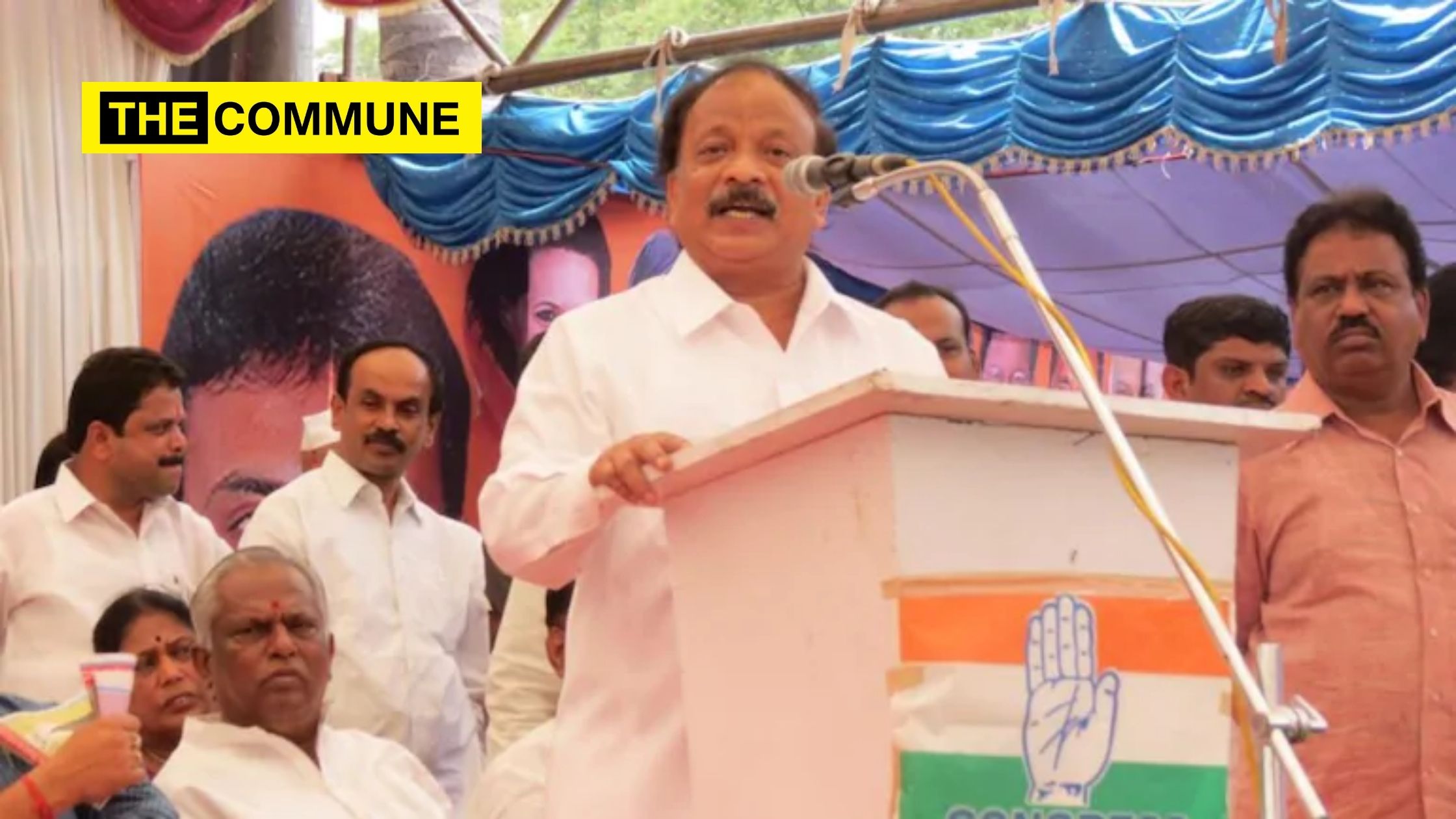
CBI arrests senior Karnataka INC leader Roshan Baig for alleged role in multi-Crore IMA Ponzi Scam

In another blow to Indian National Congress, the Central Bureau of Investigation (CBI) arrested former Karnataka Congress minister Roshan Baig for his alleged involvement in the infamous multi-crore I-Monetary Advisory (IMA) ponzi scam.

CBI spokesman R K Gaur was quoted saying in IANS report that “Baig was arrested after questioning him in the ongoing ponzi chit fund scam investigation and a competent court sent him to judicial custody for further interrogation,”.

Baig is one of the most important political leaders from the Congress in Karnataka and is a former 8-time legislator from the Shivajinagar assembly.

“Baig was summoned for interrogation to our office earlier in the day and taken into custody on the evidence collected against him in the scam that rocked the state in 2018-19,” a CBI source said earlier.

The CBI has also conducted a search and seizure operation in Baig’s house in the city earlier in the day.

When the I-Monetary Advisory (IMA) scam was unearthed, jewellery kingpin Mohammed Mansoor Khan alleged that he gave Baig Rs 400 crore ahead of the state assembly elections in April-May 2018 which Biag has strongly refuted.

The IMA scam is estimated to be Rs 4,000-crore ponzi chit fund scam that ruined the savings of many people when it was uncovered in June 2019.

Trouble began when hundreds of investors complained to city police that the chit fund firm stopped returning their deposits, including gold jewellery, cash and interest.

The then ruling Janata Dal-Secular-Congress government was forced to set up a special investigation team (SIT), however, when the BJP came to power, it initiated a CBI probe into the scam July 2019.

Mansoor Khan is currently lodged in the central jail on the city’s outskirts along with about 30 accused, including seven directors of the company. Khans as been booked by the Enforcement Directorate (ED) under the Prevention of Money Laundering Act (PMLA) for allegedly transferring funds to overseas banks through the hawala route.

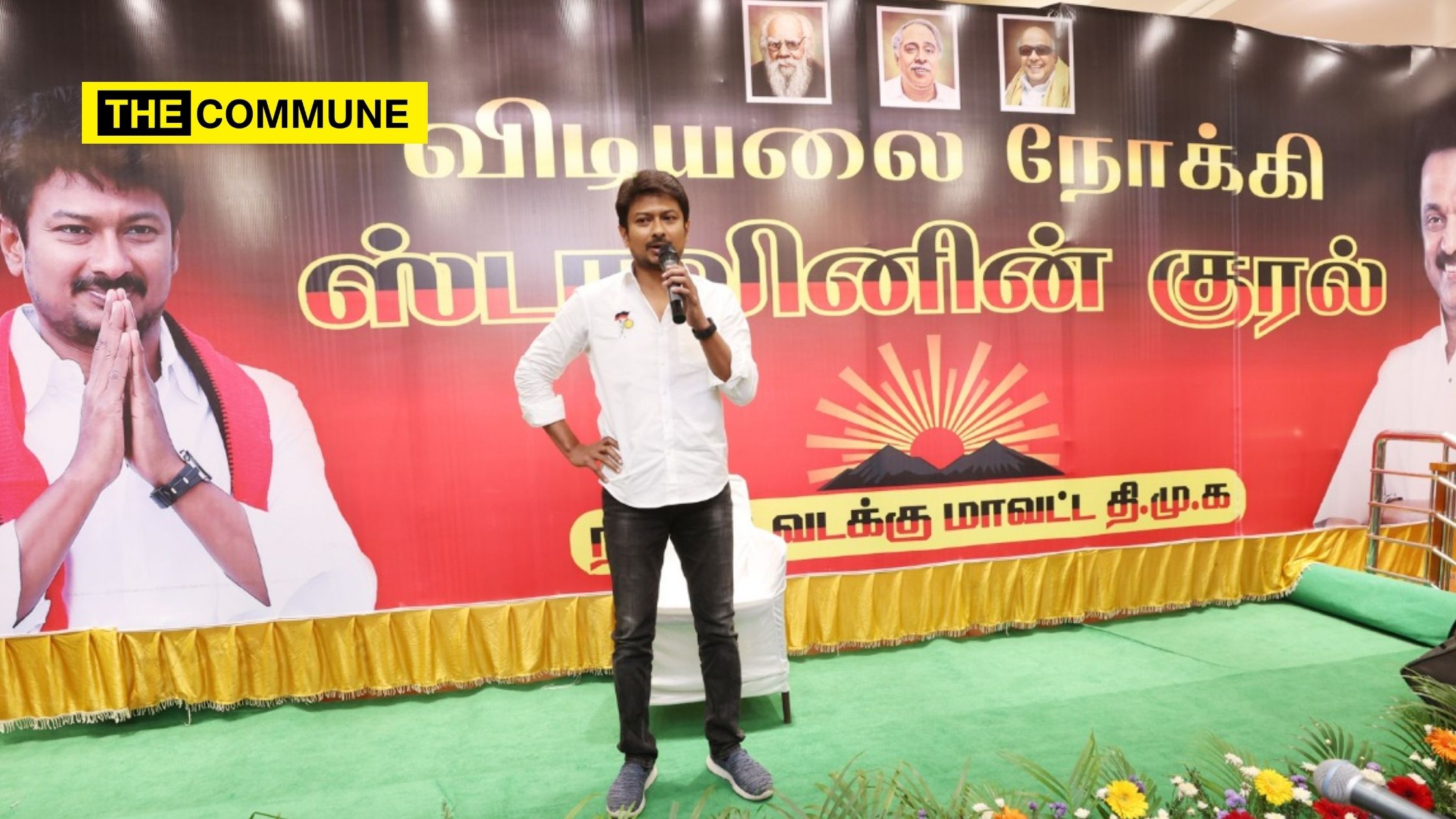
“We remember your name well, only 5 more months to go”: Udhayanidhi Stalin publicly issues threat to police officer who arrested him

DMK chief MK Stalin’s  son and the party’s youth wing secretary ‘actor’ Udhayanidhi Stalin openly issued a threat to the police officer who arrested and prevented him from campaigning as the former did not have legal permission.

Udhayanidhi Stalin on November 21, had gone to Akkaraipettai in Nagapattinam district for campaigning, supposedly upon the invitation of local fishermen. He was stopped by Special DGP (Law & Order) Rajesh Das IPS as there were no prior permission obtained for the campaign.

The police officer in order to prevent crowding had told Udhayanidhi Stalin that he does not have the permission to campaign and that proceeding further would warrant arrest. After a brief altercation between the DMK men and police, the police took Udhayanidhi Stalin, K.N. Nehru and other DMK men into custody and were later released.

Following this, speaking at a meeting, the DMK chief’s son issued a threat publicly to the officer saying that ‘he remembers his name well’ and that ‘there are only 5 months’ implying that the officer would face the heat after the DMK comes to power.

“…. This is being done by Edappadi Palaniswami government, this slave government only.. But there is a person who is doing it.. That man.. Special DGP Mr. Rajesh Das… We remember your name well.. Only 5 more months to go.. ”

This video of Udhayanidhi Stalin issuing threats to the police officer who arrested him is now going viral on social media.

Netizens immediately took to remind about how the police officer who carried out the midnight arrest of Karunanidhi in 2001 was targeted. When the DMK came to power in 2006, Muthukaruppan was suspended for 4 yeas and had to battle several odds before he retired as the DGP (home guard and civil defence) in 2015.

They called DMK a rowdy party

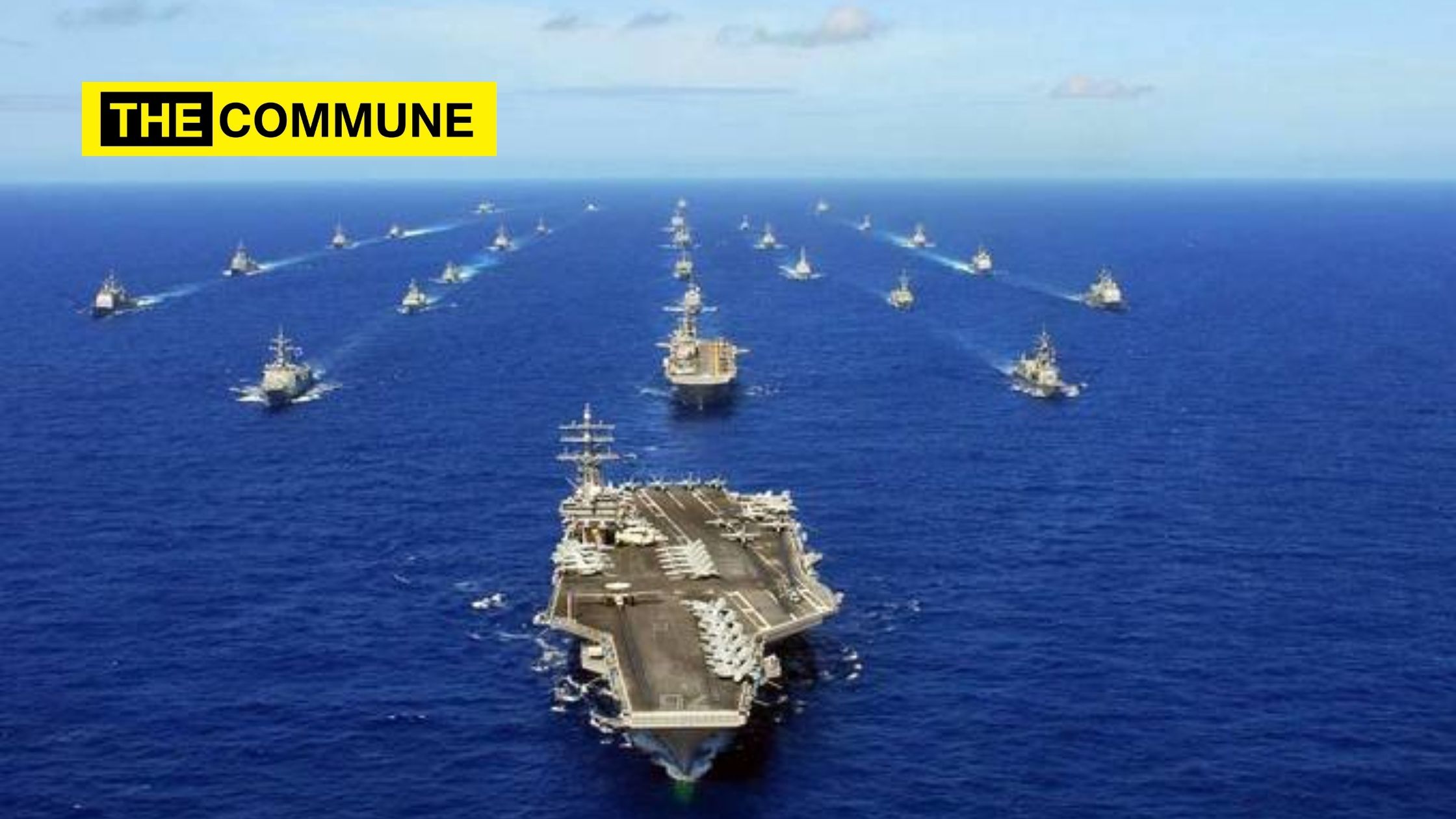
Indian Navy to host SIMBEX-20 in Andaman Sea

Indian Navy is scheduled to host the 27th edition of India – Singapore Bilateral Maritime Exercise SIMBEX-20 from 23 to 25 November 2020 in Andaman Sea.

The SIMBEX exercise between Indian Navy and Republic of Singapore Navy, being conducted annually since 1994, are aimed at enhancing mutual inter-operability and imbibing best practices from each other. The scope and complexity of these exercises has increased steadily over the past two decades to include advanced naval drills covering a wide spectrum of maritime operations.

The 2020 edition of SIMBEX will witness participation by Indian Navy ships including destroyer Rana with integral Chetak helicopter and indigenously built corvettes Kamorta and Karmuk. In addition, IN submarine Sindhuraj and P8I maritime reconnaissance aircraft will also participate in the exercise.

RSN will be represented by the ‘Formidable’ Class frigates ‘Intrepid’ and ‘Steadfast’ with integral S70B helicopter and ‘Endurance’ Class Landing Ship Tank ‘Endeavour’ in the exercise.

The exercise, being conducted as a ‘non-contact, at sea only’ exercise in view of COVID-19 pandemic, highlights the high degree of mutual trust and confidence, synergy and cooperation in the maritime domain between the two friendly navies and maritime neighbours. SIMBEX-20 will witness the two friendly navies participate in advanced surface, anti-air warfare and anti-submarine warfare exercises including weapon firings, over three days of intensive joint operations at sea.

SIMBEX series of exercises exemplify the high level of coordination and convergence of views between India and Singapore, particularly in the maritime domain, towards enhancing the overall maritime security in the region and highlight their commitment to a rules-based international order.

(Published from PIB)