Home Blog Page 1576

MNM chief actor Kamal Haasan derogates Hindu Goddesses
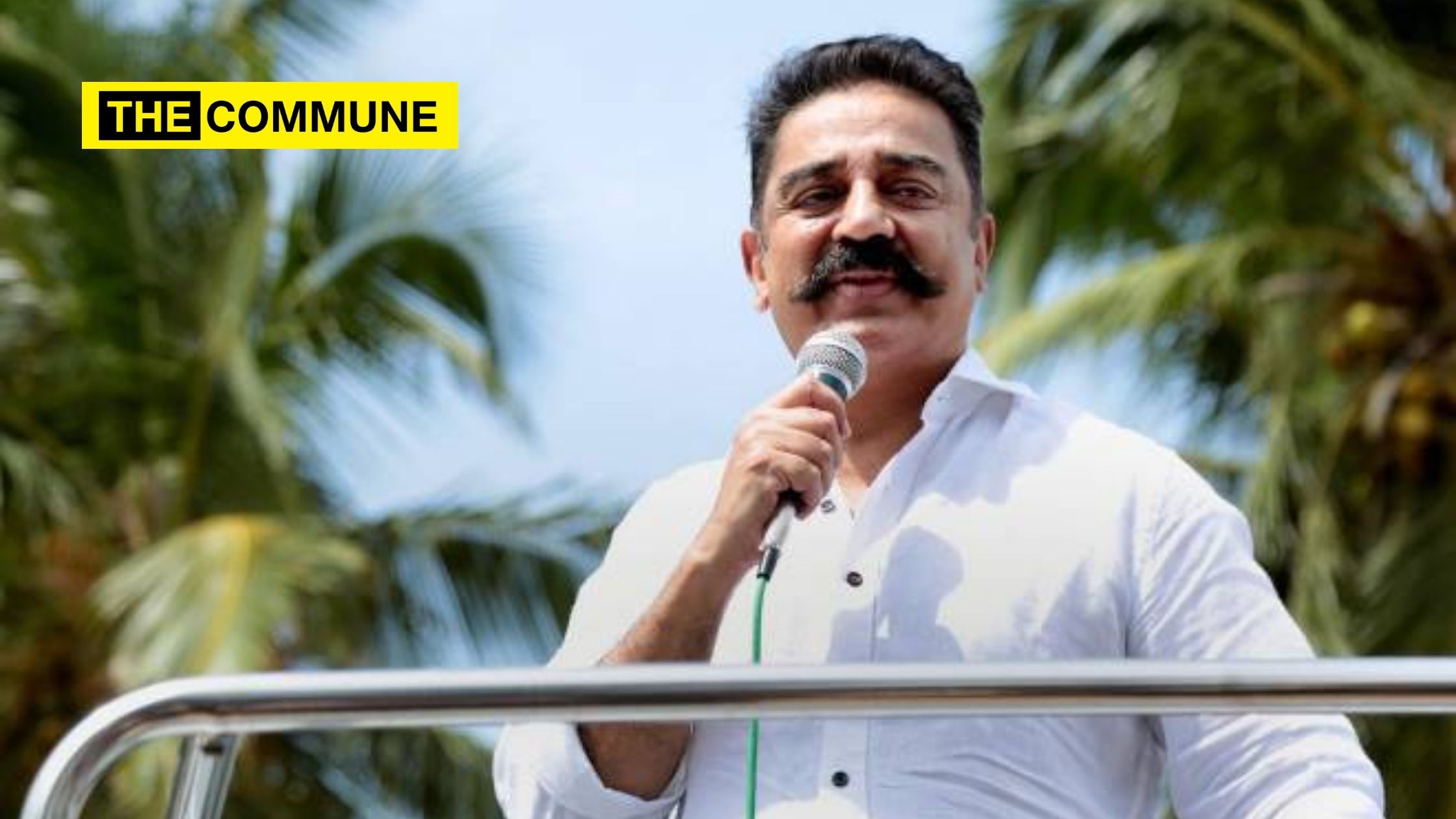
Actor-politician Kamal Haasan, the chief of Makkal Needhi Maiam (MNM) known for his religious hatred remarks against Hindus, has caught into another yet another controversy.

While talking about women’s issues on a stage yesterday he said, “Gods too wear less dress. A few Gods don’t wear any dress. When the mind is not spoiled by seeing those Gods, how come it is spoiled while seeing my sisters”. This statement of the MNM chief has invited severe backlash.

While addressing the women audience Kamal Haasan said, “I have never felt shy to speak in front of women. Because my house was mostly dominated by women. Women play an important role in the transformation of the world. Even before Gandhiji, women took part in the freedom struggle. They say that women wearing less dress is the reason for the rape crimes. Gods too wear less dress. A few Gods don’t wear any dress. When you don’t get the urge on seeing ‘that’, how come you feel the urge while seeing my sisters. It is mutual consent when there is love but when they want to have that without love, then is the problem”, said Kamal Haasan.

He kept adding that, “Women voters are more than men voters. Women voters are 80 lakhs more than men voters. If women think, there will be a political change in Tamilnadu. In 234 constituencies, we have only 20 MLAs and 4 Ministers. Women in the party should work hard and you will get full support from the high command.”

This remark of his comes just within days after he refused the ‘poornakumbham’ honours offered by Hindu priests on behalf of a Murugan Temple in Kanchipuram on December 21.  According to sources, a member belonging to Kamal Haasan’s party and known to one of the Sivachariyars had approached to make arrangements for welcoming Kamal Haasan. Since the person was known to the priest, he had obliged to the request. However, they did not expect that the actor-politician would refuse it.

https://twitter.com/aeshani/status/1341817936625938433
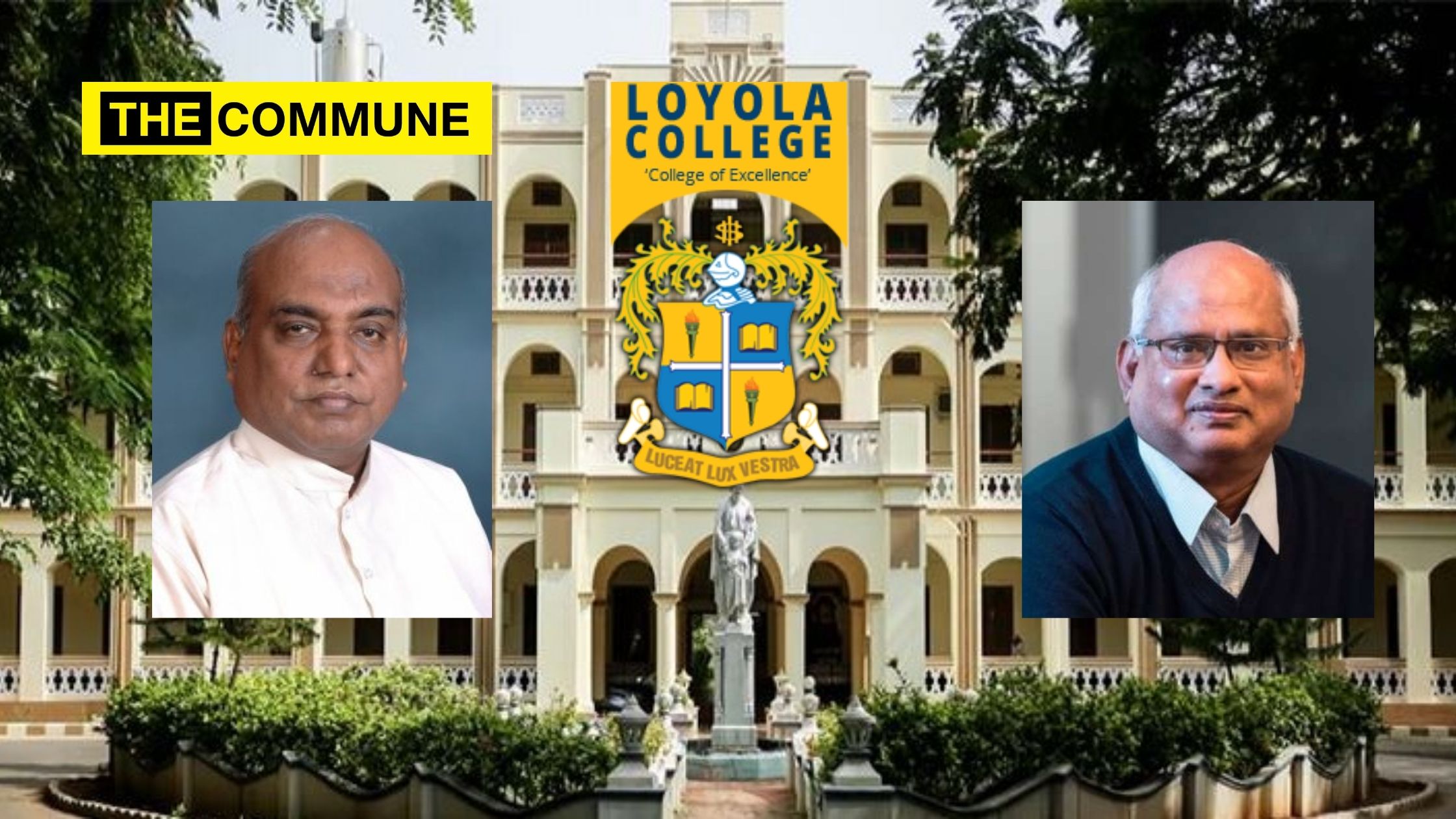
Loyola College Sexual Harassment Case: State Commission for Women orders college administration to pay ₹64.3 lakhs to survivor

Coming as an interim relief, the Tamil Nadu State Commission for Women has ordered the Loyola College administration to immediately compensate (with interest and without delay) a sum of ₹64.30 lakhs to Mary, the survivor in the Loyola College sexual harassment case.

An order issued by the State Commission for Women stated that back wages of ₹30,000 for 81 months starting from April 2014 along with ₹25 lakhs for mental agony and sexual harassment, and ₹15 lakhs as compensation for filing false complaint, be paid with interest as claimed by the survivor.

On 15th December 2020, the State Commission for Women led by its Chairperson Dr. Kannegi Packianathan IAS visited the Loyola College and conducted an enquiry after the college administration failed to turn up despite two summons from the Commission.

The Rector of Loyola College, Rev Dr Francis P. Xavier, SJ., had cited old age and COVID-19 pandemic for not turning up. Following this, the Commission intimated the college administration about their arrival for the enquiry.

During the enquiry, the Commission had raised issue of original certificates of Mary not being returned to her to which the Rector had replied that they ‘may have been’ submitted at the High Court, where the case is pending.

Mary had also raised in her complaint to the Commission that she was not given a relieving order by Loyola College and was orally asked to ‘stay away from work’. As per rules, Loyola College has to inform the Directorate of Collegiate Education whenever a staff is terminated. However, no such letter was sent to the Directorate of Collegiate Education.

It is in light of this that Mary had approached the Commission in the hope of getting relief.

The Commission in its order stated that Mary had a very good track record  to be very good and that there was no reason for terminating her service. It also observed that Loyola College has abruptly stopped her from work deliberately and added that it views the matter to be a distressing case of a senior citizen.

“For the kind of trauma and physical and sexual abuse she has been submitted to, she has to be compensated, expeditiously”, the order noted.

The Commission in its order stated that there were other issues that surfaced during the enquiry. Funds from the old students were kept under Loyola College Society instead of getting accounted for in a separate Alumni Funds account duly registered under the The Societies Act. It also stated that Mary was subjected to intense suffering which must be alleviated immediately.

“The Commission hereby orders to pay back wages and compensation with interest for harassment mentally and sexually.”, the order said.

Mary has also filed a writ petition in the Madras High Court for taking action against the harasser, Father Xavier Alphonse, and has also challenged her abrupt termination of services by Loyola College.

To know more about the Loyola College sexual harassment case, click here.

Cabinet approves Merger of Five Film Media Units through Rationalization of Infrastructure, Manpower and Other Resources

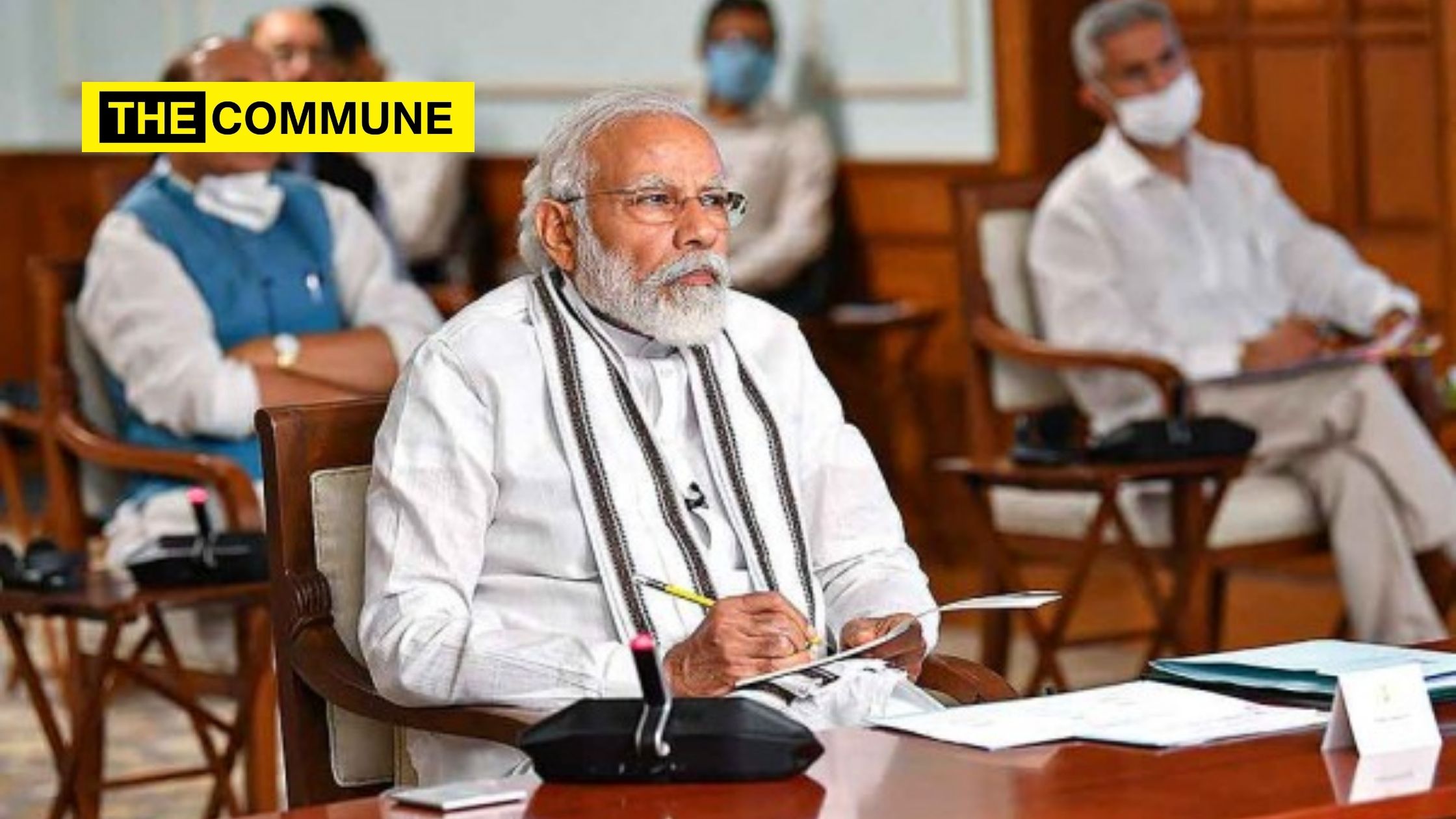
With more than 3000 films produced in a year, India is the largest film producer in the world with an industry led by the private sector. To fulfill the commitment to support the films sector, the Union Cabinet, chaired by Prime Minister Narendra Modi has approved to merge four of its film media units, namely Films Division, Directorate of Film Festivals, National Film Archives of India, and Children’s Film Society, India with the National Film Development Corporation (NFDC) Ltd. by expanding the Memorandum of Articles of Association of NFDC, which will then carry out all the activities hitherto performed by them. The merger of Film Media Units under one corporation will lead to convergence of activities and resources and better coordination, thereby ensuring synergy and efficiency in achieving the mandate of each media unit.

Films Division, a subordinate office of M/o I&B, was established in 1948, primarily to produce documentaries and news magazines for publicity of Government programmes and cinematic record of Indian history.

Children’s Film Society, India, an autonomous organisation, was founded in 1955 under the Societies Act with the specific objective of providing children and young people value-based entertainment through the medium of films.

National Film Archives of India, a subordinate office of M/o I&B, was established as a media unit in 1964 with the primary objective of acquiring and preserving Indian cinematic heritage.

Directorate of Film Festivals, as attached office of M/o I&B was set up in 1973 to promote Indian films and cultural exchange.

NFDC is a Central Public Sector Undertaking, incorporated in the year 1975 with the primary object of planning and promoting an organized, efficient and integrated development of the Indian Film Industry.

The Union Cabinet which approved the merger of these Media Units in its meeting, also approved the appointment of a Transaction Advisor and Legal Advisor to advise on the transfer of assets and employees and to oversee all aspects of operationalization of the merger.

While undertaking this exercise of convergence, interests of the employees of all the concerned Media Units will be fully taken care and no employee will be retrenched.

The umbrella organization, NFDC, consequent upon the merger of Film Media Units will be uniquely placed with regard to promotion, production & preservation of filmic content – all under one management. The vision of the new entity will be to ensure balanced and focused development of Indian cinema in all its genres-feature films, including films/content for the OTT platforms, children’s content, animation, short films and documentaries.

The merger of Film Media Units under a single corporation will lead to synergy amongst the various activities with better and efficient utilization of misting infrastructure and manpower. This will lead to reduction in duplication of activities and direct savings to the exchequer.

(Published from PIB)

Oli ousted as parliamentary leader of Nepal Communist Party, Prachanda appointed

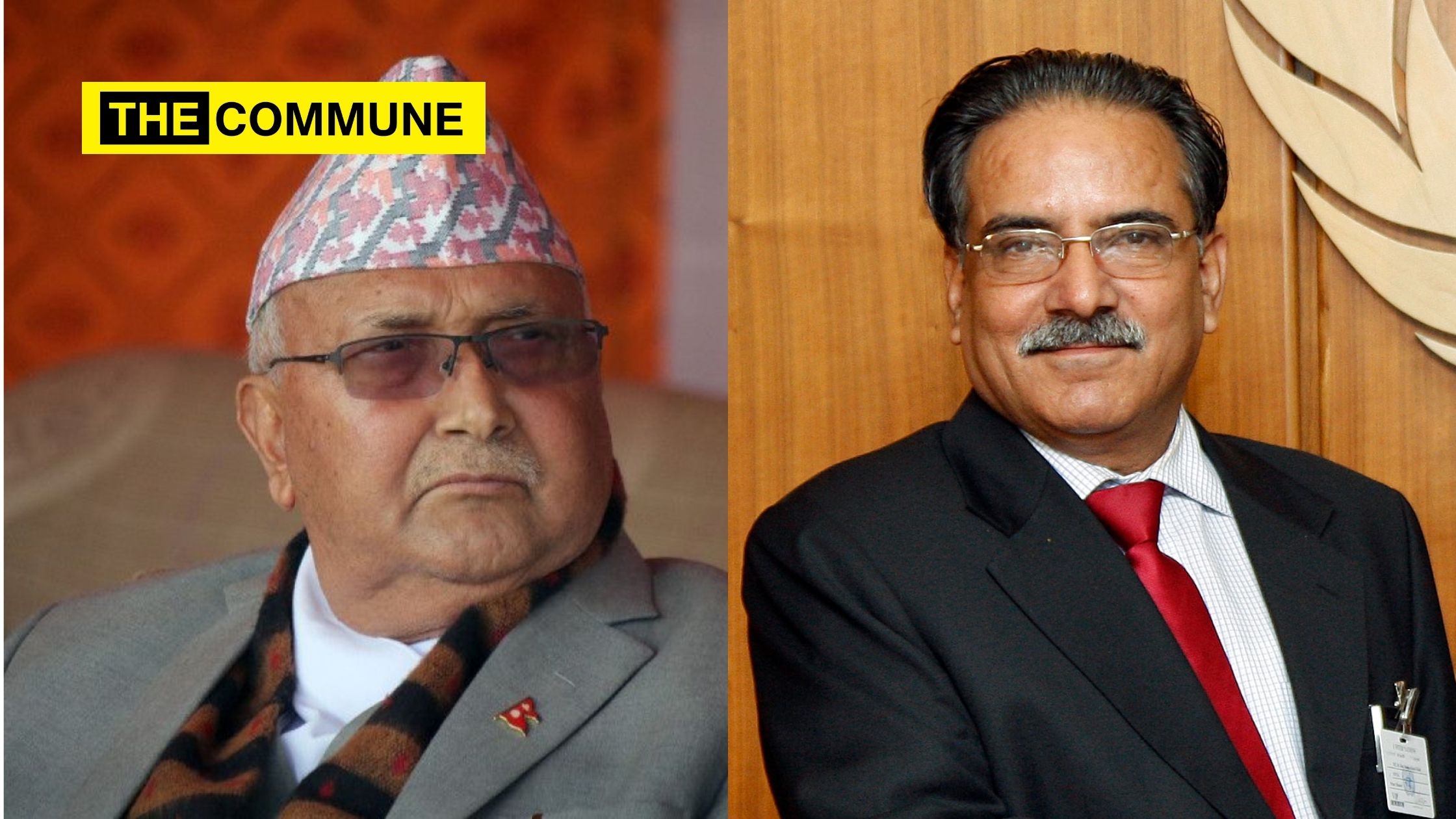
In a major political development in Nepal, Prime Minister K P Sharma Oli has been removed as the parliamentary leader of Nepal Communist Party due to internal turbulence within the party.

The removal of Oli, who is seen by many as China’s proxy has now triggered a fresh political crisis in the land-locked Himalayan nation.

Oli was removed from the position after a meeting took place between Pushpa Kamal Dahal, also known as Prachanda, and Madhav Kumar Nepal. After the meeting, Prachanda has been appointed Prachanda as the new parliamentary party leader.

Madhav Kumar Nepal said, “Oli has made several mistakes… hence we were compelled to remove him from the party chair and parliamentary party leader,”.

“If he admits his mistake and apologises, we can consider him to be welcomed again in the party,” Nepal said.

The development which many had seen in the making happened on Tuesday (December 22), as the central committee meeting chaired by the Dahal-Nepal faction of the party had expelled Oli as the party’s chairperson while picking senior leader Madhav Kumar Nepal as its other chairperson.

To consolidate there position, the Dahal-Nepal faction of the NCP has reached out to the Election Commission to claim that they hold a majority in the party and constitutionally, therefore, should be given official recognition.

To ensure complete dominance over Oli, former Prime Ministers Prachanda and Nepal on Tuesday forwarded a proposal to take disciplinary action against the PM and remove him from the post of party chairman. This rebellion started after intensified after Oli dissolved the House of Representatives on Sunday. 

Oli had chosen to dissolve the House of Representatives after he failed to command a majority in his party, the two sides have been holding parallel party meetings.

For the last few years, Prachanda had been sidelined by Oli because of pressure from China who thought of him as an independent thinker. 

Dialogue is the way forward to resolve farmers’ issues: VP

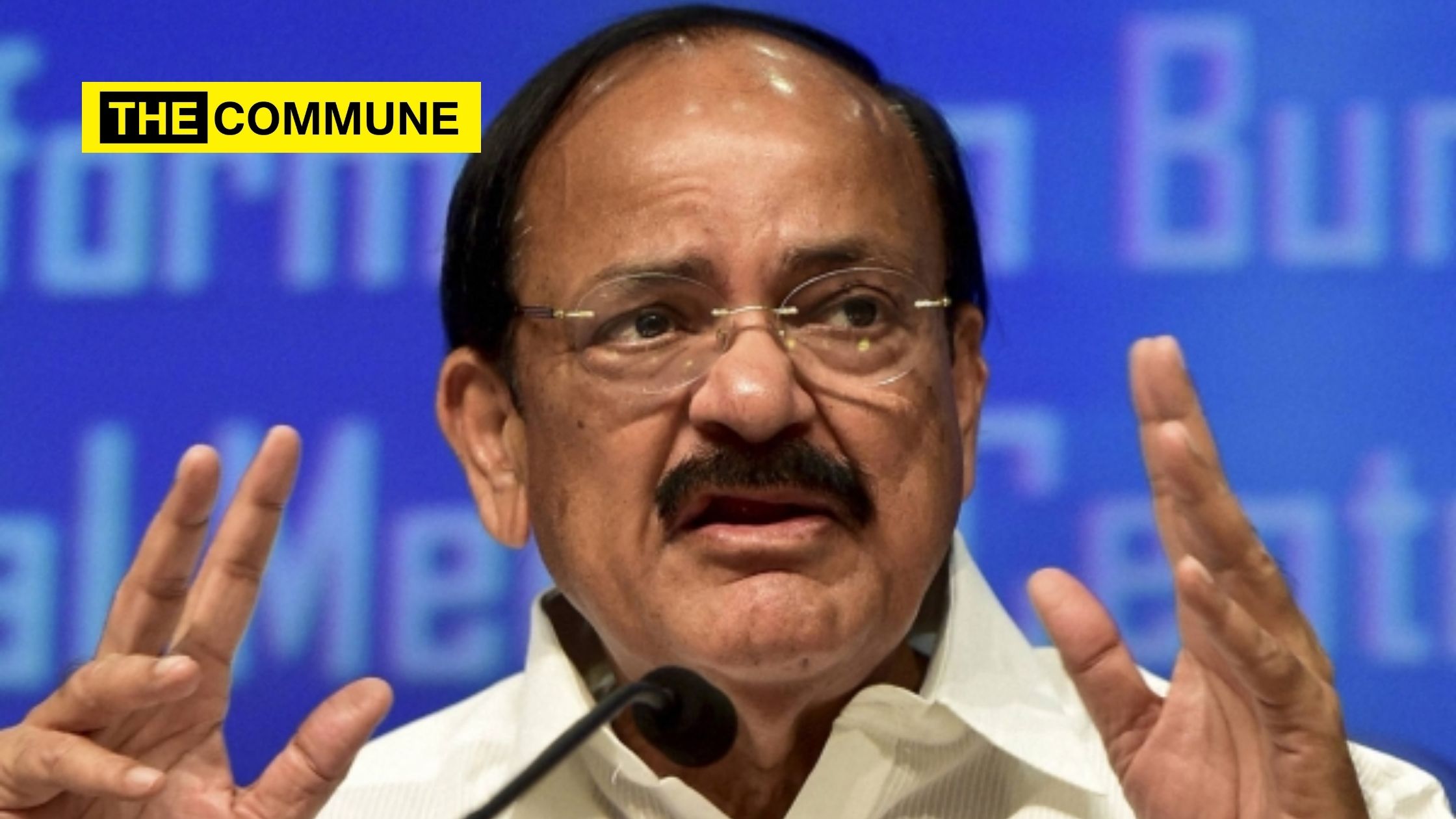
Vice President of India Venkaiah Naidu on December 23, emphasized that dialogue is the way forward to resolve the issues raised by farmers.

Interacting with a group of progressive farmers on the occasion of ‘Kisan Diwas’ at his residence in Hyderabad, Vice President Naidu said that any issue could be resolved through talks and added that the government has already declared that they are always ready to hold a dialogue with the farmers organizations.

Expressing his happiness to interact with the farmers on the occasion of ‘Kisan Diwas’, he said that food security and progress of the nation were closely linked to agriculture, which has to be protected and made sustainable and profitable.

Stating that the government has taken many initiatives with a view to doubling the income of farmers, he stressed the need to increase productivity and make agriculture climate-resilient. There was also a need to promote crop diversification, organic farming and nutrition-rich varieties.

The Vice President said it was equally important to create adequate infrastructure, including cold storage facilities, transport and marketing mechanism for farmers. He said the e-NAM facility would help the farmers to effectively market their produce.

Highlighting the need to supplement the income of farmers, he quoted a study carried out by MANAGE, which revealed that there were no suicides by farmers, who had taken up allied activities and backyard poultry.

The Vice President lauded the country’s farming community for their selfless service in producing record food grains in spite of the hardship caused by COVID-19 pandemic.

The farmers, some of whom came along with their family members, shared their experiences with the Vice President.

All of them informed the Vice President that they were quite happy after switching over to organic and natural farming as they were getting good profits because of diversification and intercrop cultivation.

Although, their families were initially hesitant about organic and natural farming, they changed their attitude on seeing good results and encouraged them to follow traditional farming. The farmers said that with less input costs, they were getting better and higher yields. They were using technology along with traditional methods and getting better results. The farmers said that marketing is the key for the success of agriculture.

In the end, the farmers expressed their happiness that they could interact with the Vice President and share their experiences.

Progressive farmer, G Nagaratnam Naidu, from Chittoor, informed the Vice President that he was implementing integrated farming, bio-diversity and effective water management. He was cultivating a wide variety of crops by using less water.

Devarapalli Harikrishna, from Bhadradri Kothagudem district, a techie-turned farmer said that he was using modern technology to promote organic farming and was getting good results.

Byrapaka Raju, from Nagarkurnool district said that he was a distressed farmer once but has turned into an inspiration to other farmers. He is cultivating 500 types of seeds and was giving advice to farmers through social media groups.

A farmer-couple, Lavanya Reddy and Ramana Reddy, from Nagarkurnool district, said that they were into organic farming and cultivating paddy and pulses. They were also marketing their produce on their own.

Sukhavasi Haribabu from Ranga Reddy district informed that he was into horticulture and was growing a wide variety of fruits and medicinal plants by adopting integrated farming methods.

Yadlapati Venkateswara Rao,  a recipient of Padma Shri and Editor, Rythu Nestham was also present.

Earlier in the day, the Vice President conveyed his greetings to all farmers, who are working relentlessly for the country’s food security.

(Published from PIB)

Hyderabad: BJP MLA rescues truckload of cows from the clutches of smugglers

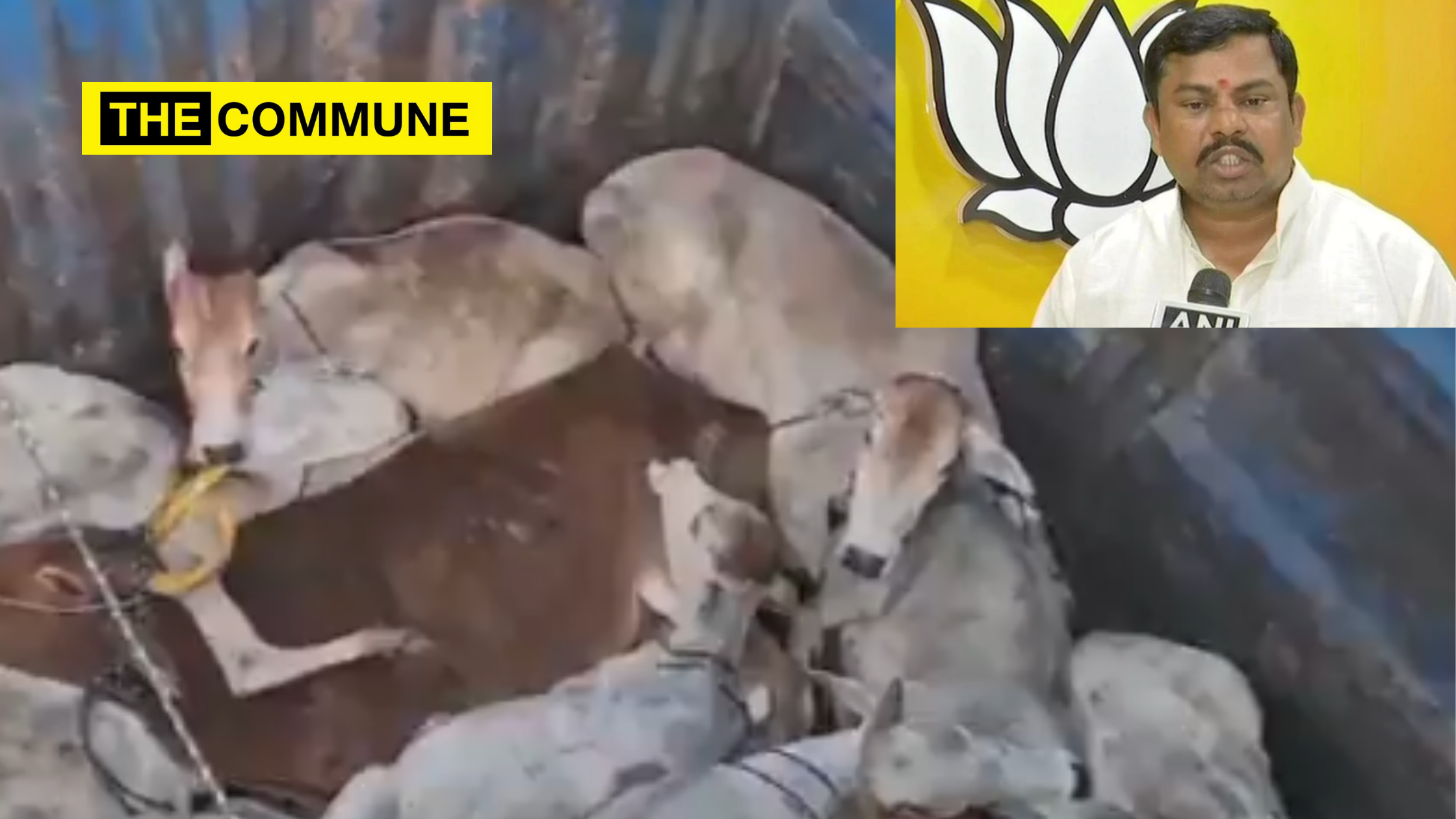
On the morning of December 22, BJP MLA Raja Singh and his team rescued cows being transported in a specially-designed container truck near Shamshabad, a place on the outskirts of Hyderabad, Telangana. The cows were later shifted to a goshala and the truck was handed over to the police.

The MLA also alleged that the police are hand-in-glove with cattle smugglers. Instead of putting a stop to illegal transportation and cow slaughter, the police were endorsing the smuggling and slaughter of cows by harassing karyakartas, he said. Furthermore, Raja Singh alleged that a sub-inspector from Kothur police station in Cyberabad was supplying vehicles to cow-smuggling gangs for easy transportation.

“Why are police working with these people and collecting money from them? If the salary is not sufficient, we will beg and give them the money. But I request them not to commit a sin by supporting cow slaughter,” Raja Singh said.

Raja Singh is the MLA from Goshamahal Constituency in Telangana. He is known for his pro-Hindu stances, especially on the issue of cow protection. In a recent dharna at Indira Park, Raja Singh demanded that the cow be made the national animal and stressed on the need for all Hindus to protect the animal.

https://twitter.com/TigerRajaSingh/status/1341235478956163072

Centre approves ₹59,000 Cr Post-Matric Scholarship scheme, set to benefit for more than 4 Cr SC students in next 5 years

The Cabinet Committee on Economic Affairs chaired by Prime Minister Narendra Modi on Wednesday (December 23) approved major transformatory changes in the Centrally Sponsored Scheme ‘Post Matric Scholarship to students belonging to Scheduled Castes (PMS-SC)’ which will benefit more than 4 Crore SC students in the next 5 years that will enable them to successfully complete their higher education.

The Cabinet has approved a total investment of ₹59,048 crores of which the Central Government would spend ₹35,534 Cr (60%) and the balance would be spent by the respective State Governments. This replaces the existing ‘committed liability’ system and brings greater involvement of the Central Govt in this crucial scheme.

The Post Matric Scholarship Scheme for Scheduled Castes allows students to pursue any post matric course starting from class 11th and onwards, with the state meeting the cost of education.

The Central Govt is committed to give a big push and further impetus to this effort so that the Gross Enrollment Ration in Higher Education of students belonging to Scheduled Castes reach up to the National standards within the 5 year period.

The focus of the scheme would be on enrolling the poorest students, timely payments, comprehensive accountability, continuous monitoring and total transparency.

A campaign will be launched to enroll the students, from the poorest households passing the 10th standard, in the higher education courses of their choice. It is estimated that 1.36 crore such poorest students, who are currently not continuing their education beyond 10th standards would be brought into the higher education system in the next 5 years.

The scheme will be run on an online platform with robust cyber security measures that would assure transparency, accountability, efficiency, and timely delivery of the assistance without any delays.

The States will undertake fool-proof verification of the eligibility, caste status, Aadhar identification and bank account details on the online portal.

Transfer of financial assistance to the students under the scheme shall be on DBT mode, and preferably using the Aadhar Enabled Payment System. Starting from 2021-22, the Central share (60%) in the scheme would be released on DBT mode directly into the bank accounts of the students as per fixed time schedule, after ensuring that the concerned State Government has released their share.

Monitoring mechanism will be further strengthened through conduct of social audits, annual third party evaluation, and half-yearly self-audited reports from each institution.

The Central Assistance which was around ₹1100 crore annually during 2017-18 to 2019-20 would be increased more than 5 times to be around ₹6000 core annually during 2020-21 to 2025-26.

Udhayanidhi Stalin gets slapped on the face with a petition

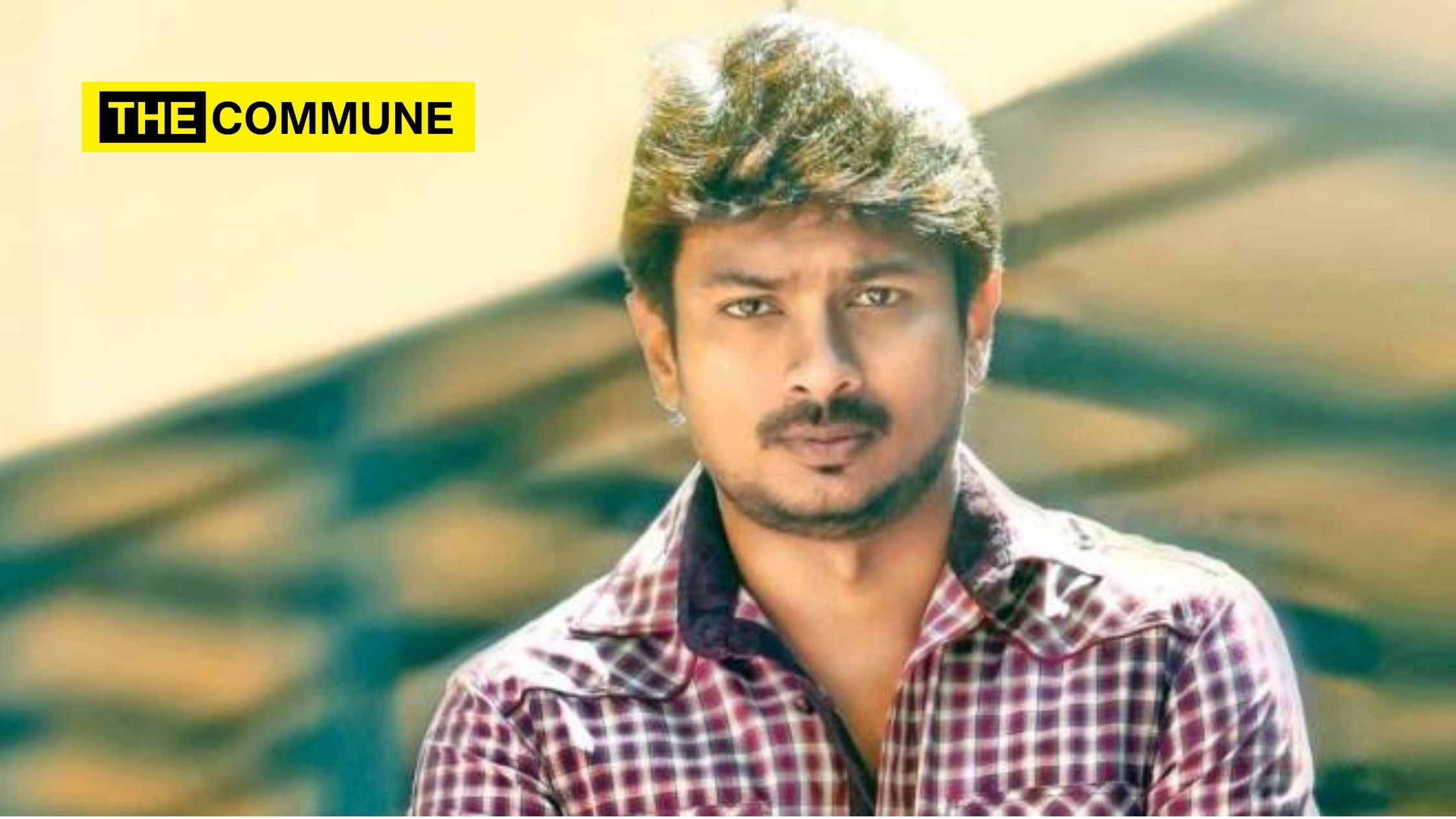
DMK chief M.K. Stalin’s son and the party’s youth wing secretary ‘actor’ Udhayanidhi Stalin who is touring the state as part of the party’s campaign trail ‘Vidiyalai Noki Stalinin Kural’ (Stalin’s Voice Towards Dawn) for the Assembly elections, got slapped on the face with a petition as he was shaking hands with the public after a party meeting.

On December 22, Udhayanidhi Stalin had come to Chidambaram to address a party meeting arranged as part of the campaign. As soon as Udhayanidhi Stalin started speaking, many started leaving the arena. On seeing this, Udhayanidhi Stalin concluded his speech early and went on to shake hands with public who were waiting below the stage. At that time, a man trying to get the Udhayanidhi’s attention to give his petition threw it on the DMK leader’s face.

Shocked and agitated, he was swiftly left the place and proceeded towards his car. The video of this is now going viral on social media.

Mutant COVID-19 strain forces Karnataka government to impose night curfew until Jan 1

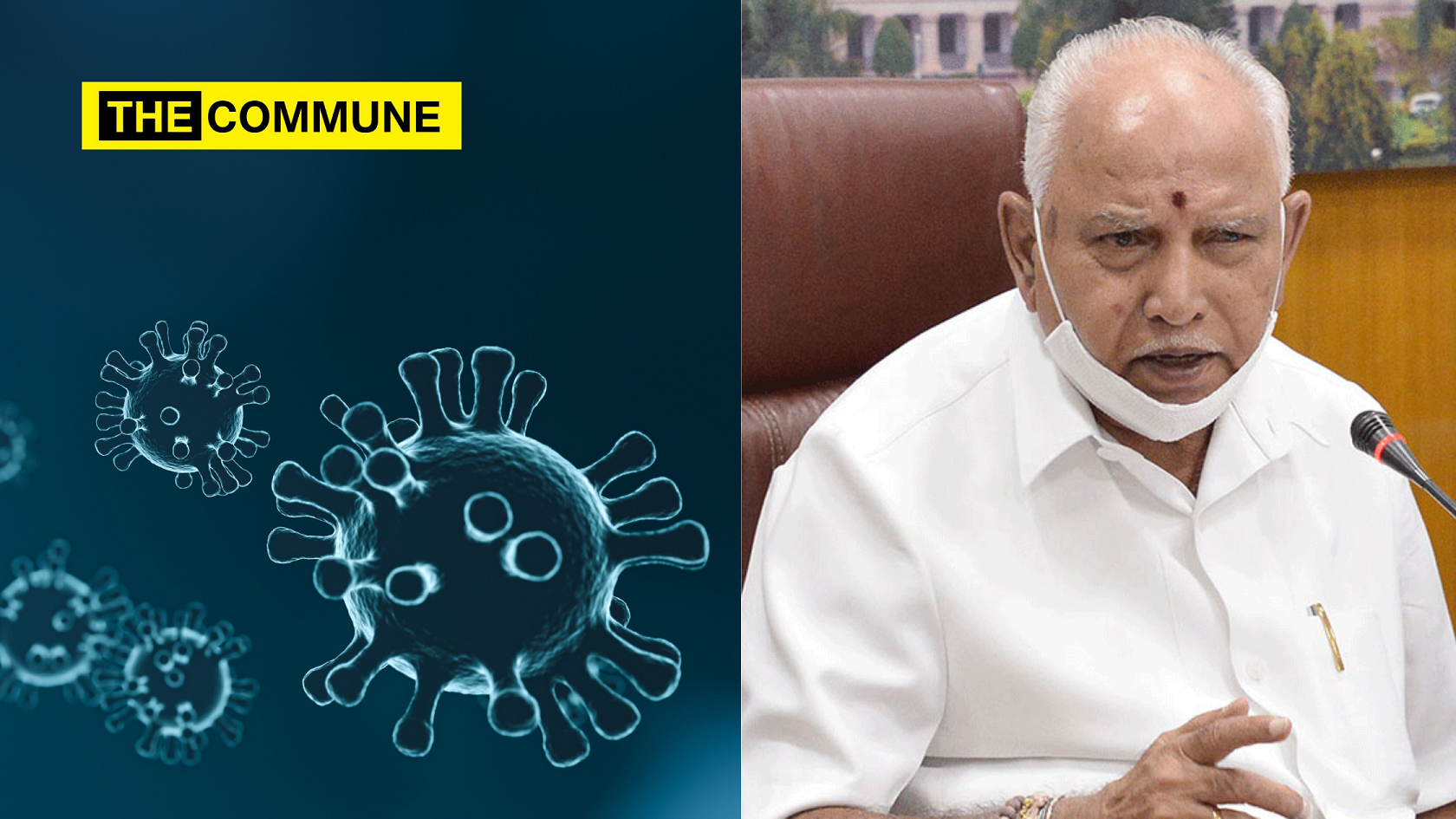
Fears over the mutant coronavirus strain having found its way here from the United Kingdom have forced the Karnataka government to impose a night-time curfew across the state.

Chief Minister BS Yediyurappa announced that the night curfew will be enforced starting today (December 23), from 11 PM to 5 AM, until January 1. (The earlier duration of the night curfew – beginning December 23 until January 2, from 10 PM to 6 AM has been subsequently revised)

The Chief Minister requested the public to cooperate to contain this new coronavirus strain. He said that the decision to impose night curfew was taken after inputs from the Centre and the technical advisory committee. It is also mandatory now for all international passengers travelling to Bengaluru or Mangaluru international airports to secure a RT-PCR negative certificate 72 hours in their host nation prior to departure.

The Health Minister Dr. K. Sudhakar said that no festivities and functions will be allowed after 10 PM. He added that about 2,500 people travelled from the UK to Karnataka from November 25 to December 22, and that they had all been traced.

The Maharashtra government imposed a night curfew in municipal areas in the state on Tuesday. The decision to impose night-time curfew by these states comes despite the NITI Aayog saying that the mutant strain was no cause for panic.


Edu Min says CBSE board exams will not be held in February 2020

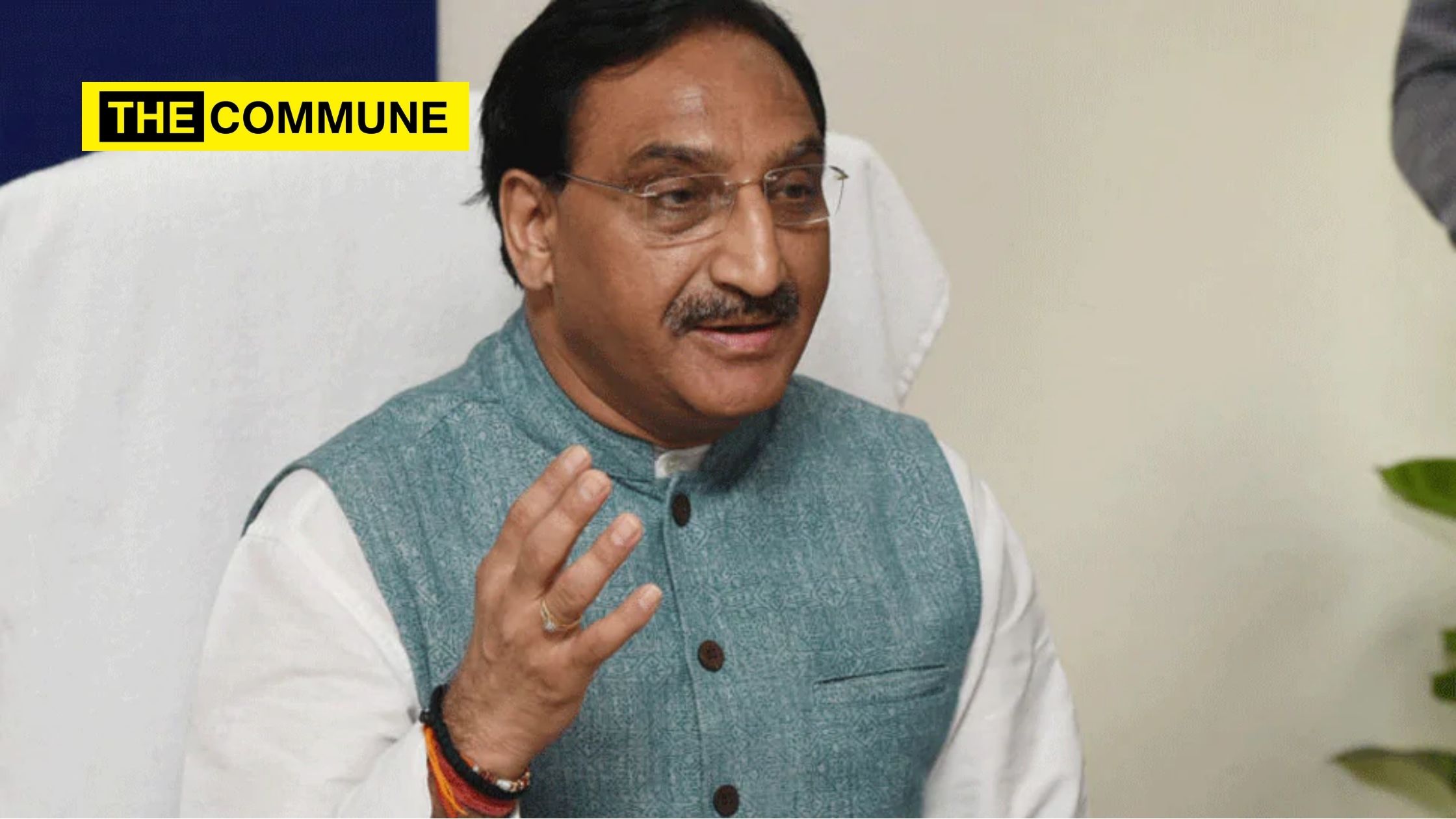
In an important announcement for both students and parents, Union Education Minister Dr Ramesh Pokhriyal Nishank on Tuesday (22 December) said that the Central Board for Secondary Education (CBSE) will not conduct the class 10 and 12 examinations in February.

In a statement released by the Ministry of Education,  final dates for the Board exams will soon be announced after discussion with the stakeholders, Pokhriyal said.

Pokhriyal was in a virtual interaction with teachers from across the country and talked about how the CBSE is making necessary preparations for conducting the 2021 examinations.

The minister also talked about the schedule and syllabus of the entrance examinations and said that the syllabus of JEE (Main) 2021 examination will remain the same as it was last year.

However, in order to overcome the impact of reduction of syllabus undertaken by some Boards, the question papers for JEE (Main) 2021 will have 90 questions (30 questions each in Physics, Chemistry & Mathematics), out of which the candidate will have to answer 75 questions (25 questions each in Physics, Chemistry & Mathematics), he added.