Victor Jesudasan (58), a pastor from Vellore has been arrested for cheating people and swindling money in the name of providing scholarships to children’s education.
Kumar, a resident of Kangeyanallur next to Katpadi in Vellore district, works as a laborer, has two children – a son and a daughter. Struggling to make ends meet, he was in need of money for his children’s education. Kumar was informed that a trust run by Victor Jesudasan of Anthonyar Koil Street in Salavanpet area of Vellore is helping children with scholarship.
He met Victor and asked for his help who said that it would cost ₹20,000. Kumar gave ₹20,000 to Victor, hoping that his children would get scholarship. However, no money came from the pastor even after several days. When Kumar met him to ask for the money, he gave a cheque to Kumar which bounced. Later, when Kumar confronted the pastor and asked for a refund, he insulted and threatened the poor labourer with inappropriate words.
Following this, Kumar has lodged a complaint with the Vellore DIG seeking action against Victor Jesudasan. It was only when the police began their investigation based on the complaint that pastor Victor was involved in many such fraudulent activities. It was learnt that he had similarly taken money from more than ten people in the area around Kangeyanallur claiming to provide assistance for buying house, old age allowance, scholarship, sewing machine and a vehicle for the disabled through a trust he runs.
Local media reports note that the pastor had collected up to ₹2,27,000. Police are investigating whether if he started the foundation to receive funds from Church organizations abroad.
The Ministry of Home Affairs (MHA) has issued an order on December 28 extending the earlier guidelines issued on 25.11.2020 for surveillance to remain in force until 31.01.2021. States and Union Territories have been instructed to strictly enforce containment measures, SOPs on various activities and COVID-appropriate behaviour, and to exercise caution and strict surveillance.
“While there has been a continuous decline in the active and new COVID-19 cases, there is a need to maintain surveillance, containment and caution, keeping in view the surge in cases globally, and emergence of a new variant of the virus in the United Kingdom (UK)”, said the MHA in a press release.
Accordingly, Containment Zones will continue to be demarcated carefully; prescribed containment measures strictly followed within these zones; COVID-appropriate behaviour promoted and strictly enforced; and the Standard Operating Procedures (SOPs) prescribed in respect of various permitted activities are to be followed scrupulously.
“The focused approach on surveillance, containment and strict observance of the guidelines/SOPs issued by MHA and Ministry of Health & Family Welfare (MOHFW), as envisaged in the guidelines issued on 25.11.2020, need to be enforced strictly by States and UTs,” the press release added.
Temples, in their diverse styles and forms, are undoubtedly integral to Hindu traditions. Hindus go to temples to experience darshana of the deity, to take part in rituals (such as puja or aarati) and festivals (such as rathotsava or brahmotsava), and so on. Temples are also tirthasthalas, sacred sites where Hindus come from far and near. Temple grounds are also venues for the singing of bhajans and kirtans and the oration of pravachans and satsangs. Some Hindus get married in temples or commemorate their marriage in temples. Parents often choose to commemorate the birth of their child in temples, or to observe the infant’s first tonsure or first solid meal in the temple premises. Some Hindus also perform rituals to mark the death of a loved one in temples. Why, people also go to temples to mark the purchase of new vehicles!
All in all, Hindu temples are spaces for the Hindu community – spaces that are very much intertwined with daily life.
Given this enormous significance of temples for Hindus even today, it is indeed sad that several temples in India are in a ruinous state, either due to the apathy of the Archaeological Survey of India or the borderline-abusive neglect of the various HRCE departments. Some temples, however, are just lost in the metaphorical (sometimes quite literal, as was in this case) wilderness – away from the “cares” of the concerned government authorities and forgotten by the populace.
One group of youth from Karnataka decided to do something about this.
The “Yuva Brigade”, a group of young enthusiasts with great zeal and a penchant for initiative, took matters into their own hands. They decided to restore dilapidated temples in their native districts of Mysuru and Mandya. They have a history of renovating many temples and ancient monuments.
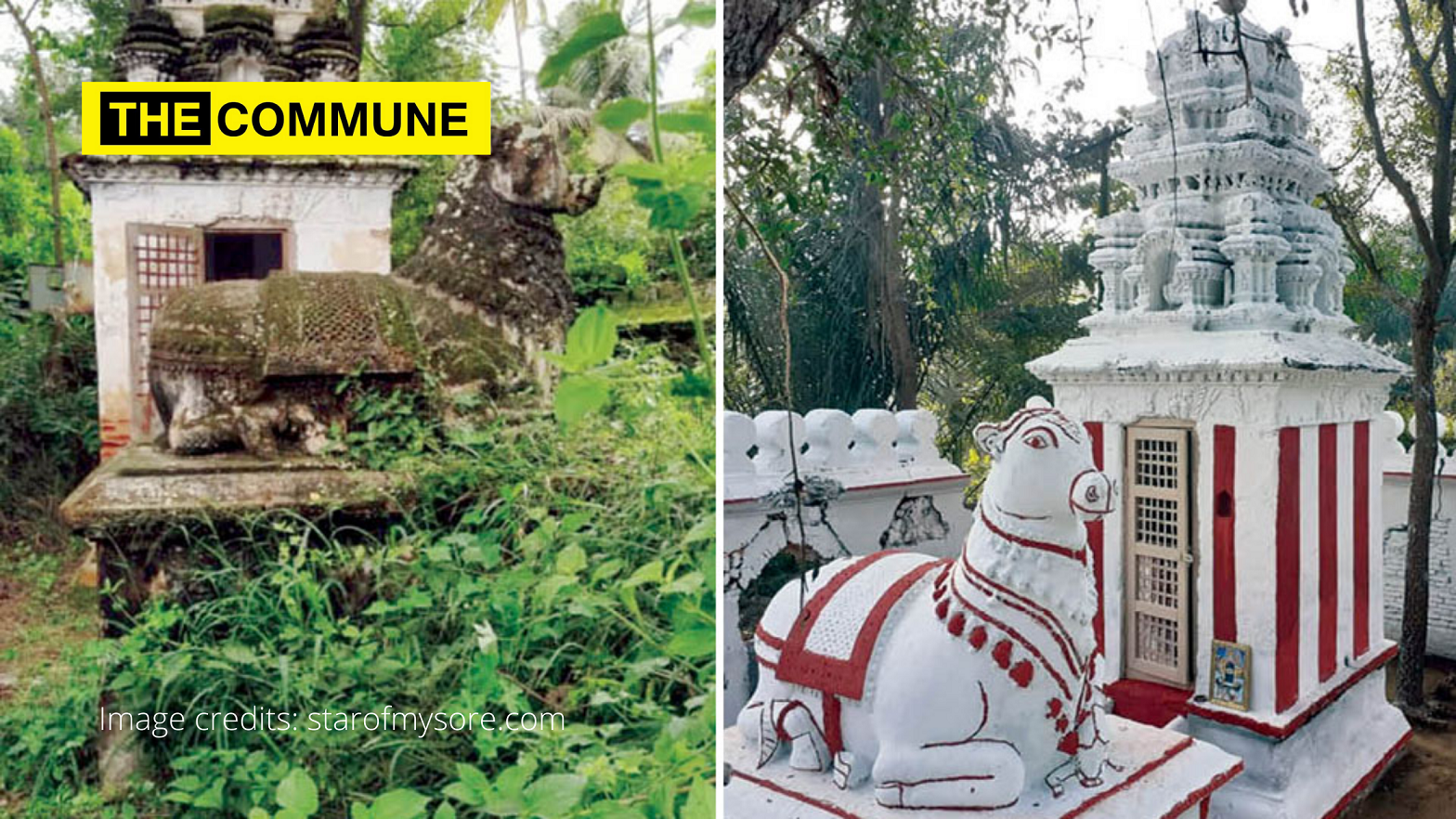
In their latest endeavour, they have restored the Veerabhadraswamy Temple at Ganjam village, near the famed temple-town of Srirangapatna. The temple was in a state of utter disrepair, covered by weeds and brambles. Though located near a major thoroughfare, the temple structure was not even visible due to the thick undergrowth. The “Yuva Brigade” chanced upon this temple when someone posted a video about the temple’s state on social media.
Veerabhadraswamy Temple, Ganjam: Before restoration. Image credits: starofmysore.com
The group sought the permission of the nearby residents, and proceeded to form a team to renovate the temple. They kept the locals informed of their progress. They began clearing the plants and foliage that had sprouted from within the dilapidated structure.
As they regularly posted updates of their work on socia media, many people contributed materials such as cement, limestone and paint. After two months of working on weekends and holidays, the temple was completely transformed.
Veerabhadraswamy Temple, Ganjam: After restoration. Image credits: starofmysore.com
The team had realised that the historic idol had been stolen from the garbhagrha of the temple. After the renovation works were completed, the Yuva Brigade members arranged for a murti to be installed as per traditions and dedicated the temple to the deity. An iron door was also affixed and an electricity connection to the premises was also arranged for.
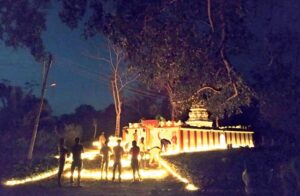
After the restoration, a deepotsava was held on the third Monday of the Kartika month. Locals took part in the utsava, and the keys of the temple were handed over to them.
“Deepotsava” held at Veerabhadraswamy Temple, Ganjam after restoration. Image credits: starofmysore.com
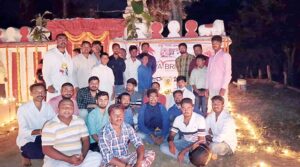
Among those who generously contributed towards the restoration work are Ashwin from Srirangapatna and Lokesh from Krishna Raja Sagar village. S. Sandesh, Kiran, Ravisutha, Sandesh, Manoj, Sharath, Lokesh, Sooraj, Ranjith, Gautham, Lokesh Ganjam, Abhishek, Shreyas, Ravi and Manu of the Yuva Brigade worked actively in the temple restoration.
Members of ‘Yuva Brigade”. Image credits: starofmysore.com
Recently, the group also earned kudos from Prime Minister Modi on his monthly radio program ‘Mann Ki Baat’.
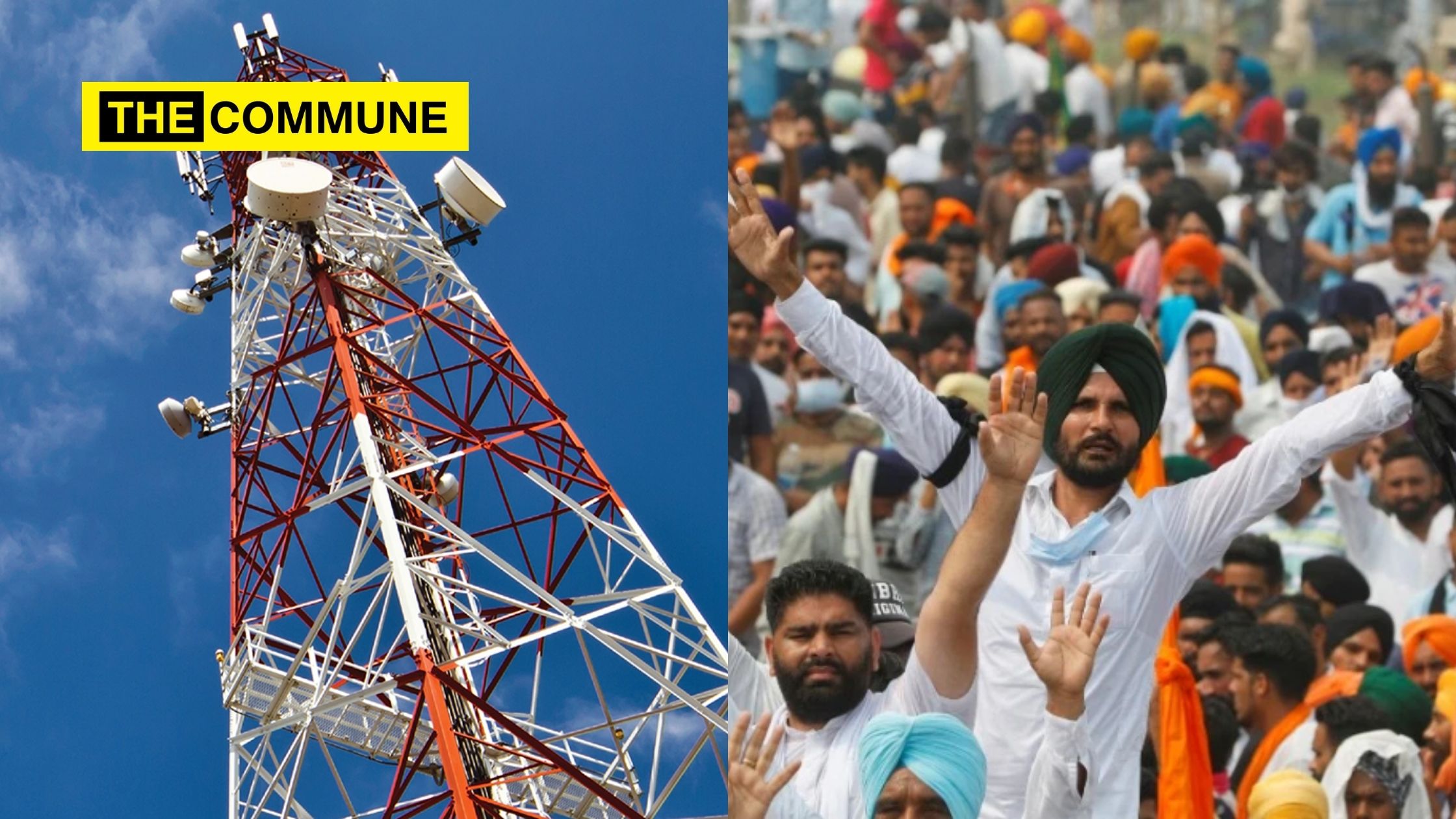
‘Protesters’ from Punjab who are ‘protesting’ against the farm bill have cut off the power supply to around 1,300 mobile towers of telecom carrier Reliance Jio in Punjab.
This has led to a massive outage of mobile and internet services and has caused inconvenience to the users who depend on the company’s network and infrastructure during the time of Covid-19 reports Financial Express.
There almost 9000 Reliance Jio towers in Punjab, of which around 1,300 have been cut off. To add to the woes of the people, the protesters have gone as far as to cut down the fibre itself and it may take days to fix the problem not to mention the problem faced by businesses and lakhs school students who depend on the internet for there education.
Punjab Chief Minister (CM) Amarinder Singh who supports the farm agitation has appealed to the protesters to exercise restraint and to not cause inconvenience to the general public. However, no legal action has yet been taken against the protesters by Punjab Police or Punjab Government which has emboldened them.
Singh had said, “Forceful disruption of telecom services due to snapping of power supply to mobile towers by farmers in several parts of the state is not only adversely affecting the studies and future prospects of students, who are dependent entirely on online education, but also hampering the daily life of people working from home due to the pandemic.”
Singh had also added, “Further, the disruption of telecom services would also seriously affect the state’s already disturbed economy.”
The Tower and Infrastructure Providers Association (TAIPA) have asked the State Government of Punjab to persuade the protesters to not to resort to any unlawful activity.
It must also be noted that it was the same Congress and all the left secular parties who had protested when internet access in the state of Jammu and Kashmir was cut after the abrogation of article 370. However, in the case of the protests against the farm laws they have gone ahead and disrupted telecom services.
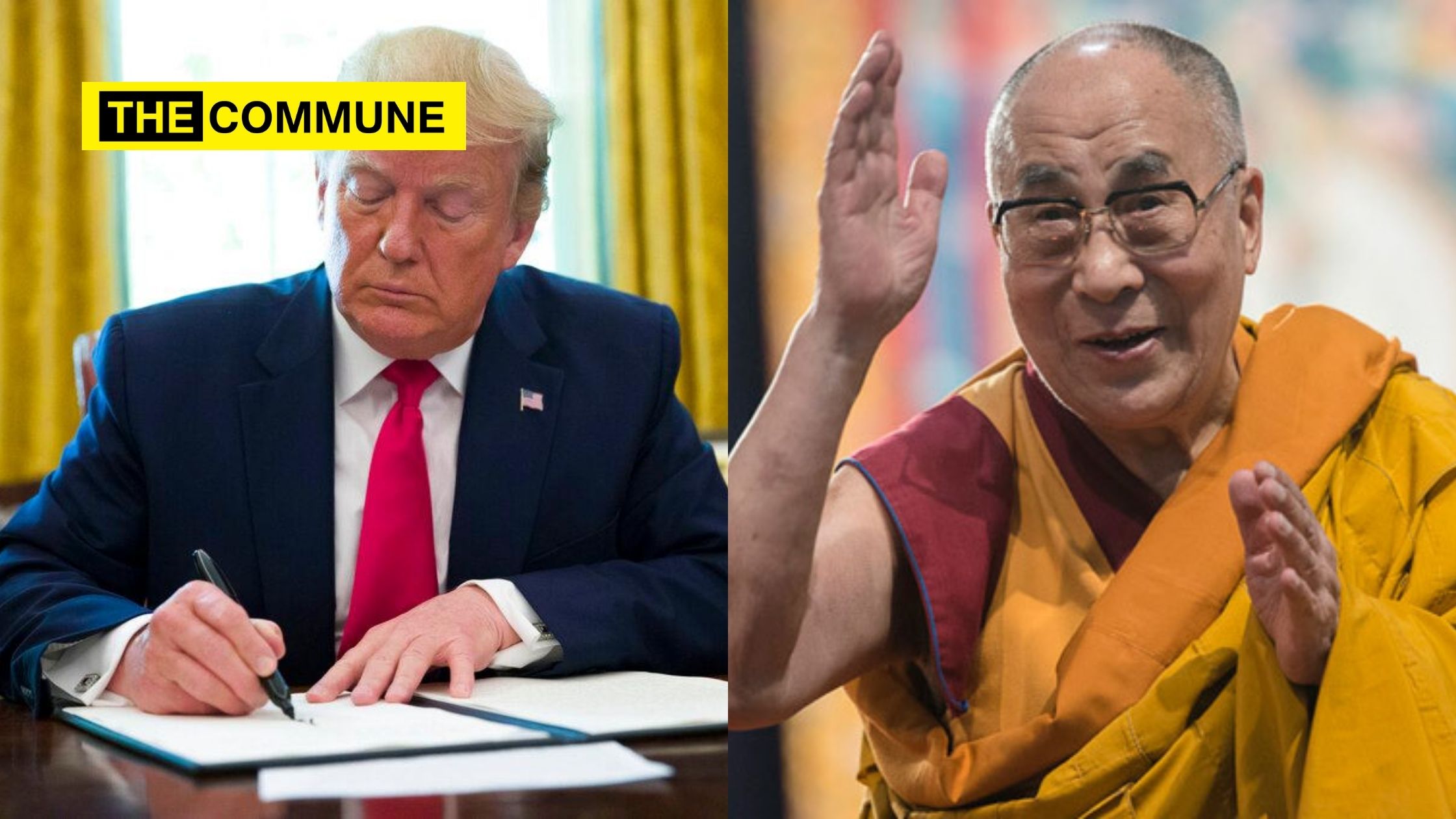
In a move that was expected, US President Donald Trump who will exit office on 20 January 2020, has signed the Tibetan Policy and Support Act of 2020, giving US’ Tibet policy a final push and reiterating America’s commitment to supporting the cause of Tibet and the Tibetan government in exile (Central Tibetan Administration, CTA).
After signing The TPSA any decisions regarding the reincarnation of the Dalai Lama are exclusively within the authority of the current Dalai Lama, Tibetan Buddhist leaders and the Tibetan people and China cannot make any interference.
Reacting to the move, Dr Lobsang Sangay, President of CTA, called it a historic moment and in a tweet said, History made again! President Trump signs the Omnibus bill, which means the Tibetan Policy and Support Act of 2020 is now LAW!,”.
Welcoming the legislation Dr Lobsang Sangay said, “This legislation sends a powerful message of hope and justice to the Tibetans inside Tibet and bolsters US support for the protection of Tibetan people’s religious freedom, human rights, environmental rights and exile Tibetan democracy like never before.”
“On behalf of the CTA and 6 million Tibetans, I extend deepest gratitude to President Trump for signing the profoundly historic bill. I would also like thank once again the US Congress for passing the bill, especially the bill sponsors Senators Marco Rubio and Ben Cardin; and Congressmen Jim McGovern and Chris Smith for introducing in the House and Senate. Thanks to everyone who contributed to making this a reality,” he said.
The new law also formally recognizes the CTA as the legitimate representative of the Tibetan people and the Dr Lobsang Sange (the Sikyong) as the President of the CTA. Also, the TPSA will provide a safe environment of Tibet, which stands at peril because of the actions of the Chinese government.
China over the decades has built many dams that are detrimental to the environment and not much thought is given to by the Communist regime with regards to environmental safety regulations.
This law will give protection to the local environment and water resources on the Tibetan plateau which includes River Brahmaputra and it also calls for greater international cooperation to monitor the environment on the Tibetan plateau.
“With Trump signing the omnibus Bill, Tibet Support and Policy Act is now law. It’s time for India to also follow suit. Declare reincarnation of Lamas is for Tibetans to decide, blacklist companies engaged in environmental damage through indiscriminate mining and river water diversion,” retired Indian official Amitabh Mathur said.
Before Trump leaves office, he can under the powers of executive orders, subject sanctions on China. He has already put sanctions on Chinese state-owned companies, restrictions on “dual-use” civilian-military exports, banning more Chinese apps, blocking all semiconductor sales to Huawei Technologies beyond those for 5G networks.
Trump holds China responsible for the Covid-19 pandemic that has led to massive economic losses to the United States. However, the worst fear for China after Tibet is the possibility of being declared as a currency manipulator during the period of transfer of power.
This new law would give India a lot of relief as China which controls Tibet has announced that it will construct a ‘super dam‘ on the Brahmaputra river which would create a serious problem for India.
The Brahmaputra River originates from the Tibet Autonomous Region (TAR) and it flows into Arunachal Pradesh where it is called Siang and then enters the Indian state of Assam where it is called the Brahmaputra.
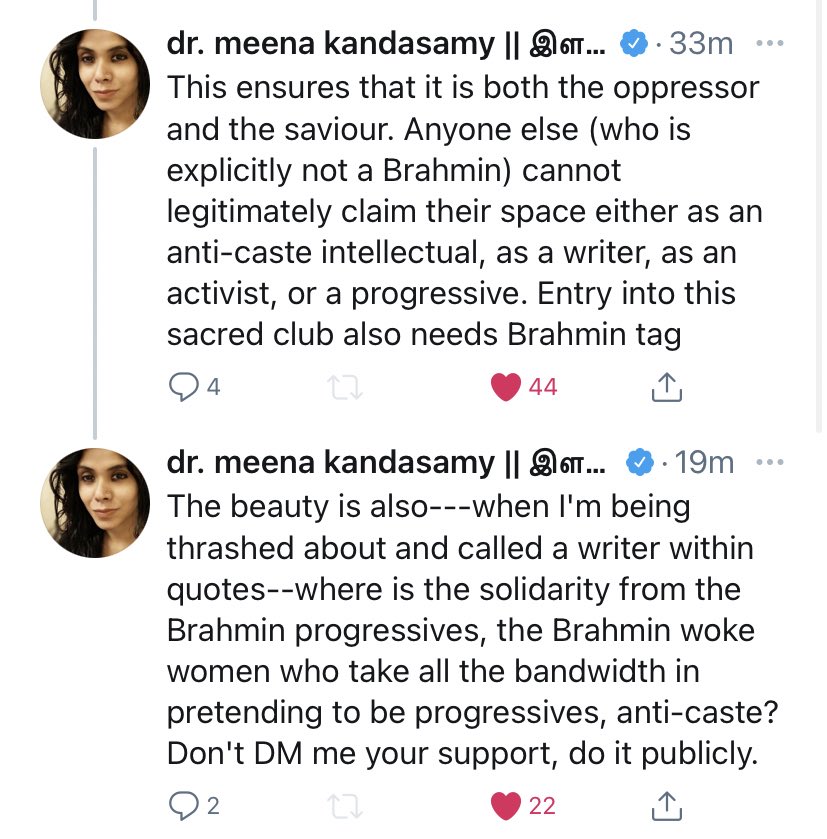
After The Commune published an article about The News Minute’s eulogy piece on E.V. Ramaswamy Naicker (known as ‘Periyar’ by his followers), ‘accomplished poet and writer’ Meena Kandasamy took to Twitter and went on a rant spewing slurs against a particular community.
The News Minute on the occasion of E.V. Ramaswamy Naicker’s 47th death anniversary, published an article in remembrance of the Dravida Kazhagam leader. The article starts as an eulogy quoting ‘writer-activist’ Meena Kandasamy, Viduthalai Chiruthaigal Katchi (VCK) MP D. Ravikumar and DMK functionary Salma, ends up as a propaganda piece for the DMK in view of the coming Assembly elections.
‘Neutral’ political analyst and TV debate panelist Sumanth Raman questioned the claims made in the article and asked if whether the The News Minute does not verify facts before publishing.
It also pointed out how ‘accomplished poet and writer’ Meena Kandasamy called Sumanth Raman a ‘sombu’ (derogatory term denoting a supporter) of the BJP and a ‘mama’ to poke fun at his Brahmin origins. She also went on to addresses him singular in a tweet.
Not going to waste my precious time answering a BJP sombu. But the point that @WriterRavikumar makes in that piece about reservations is true. Only under Modi 10k medical seats for OBCs was denied by non implementation. EWS is upper caste quota. One can go on giving such examples https://t.co/rVXkwFumeY
— Dr Meena Kandasamy மீனா கந்தசாமி (@meenakandasamy) December 25, 2020
— Dr Meena Kandasamy மீனா கந்தசாமி (@meenakandasamy) December 25, 2020
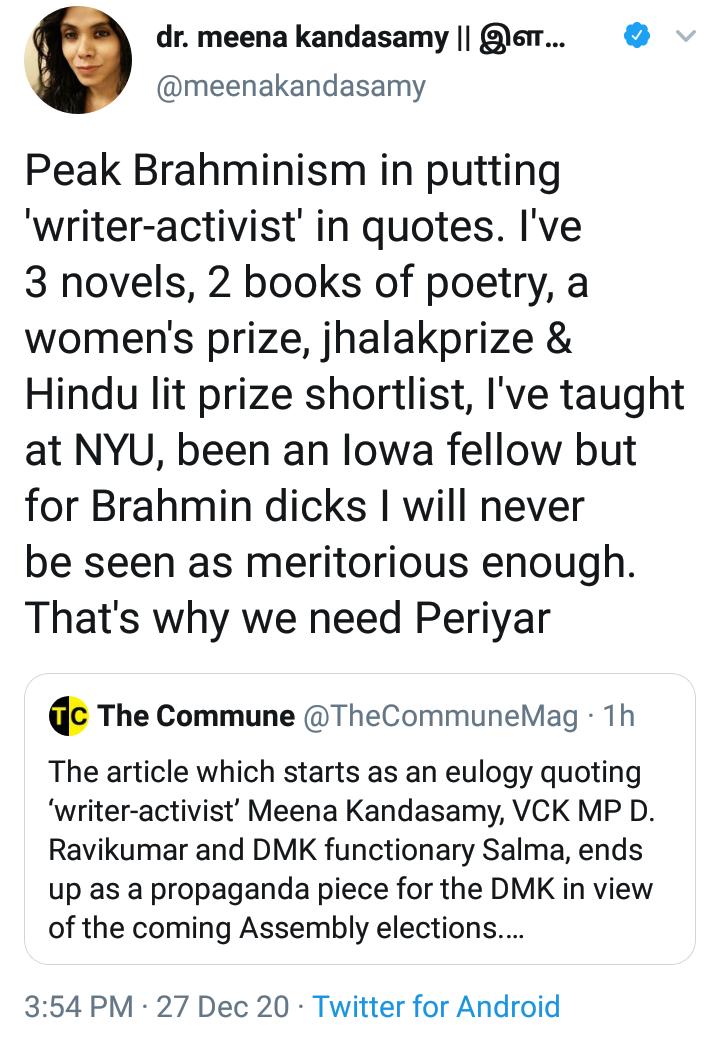
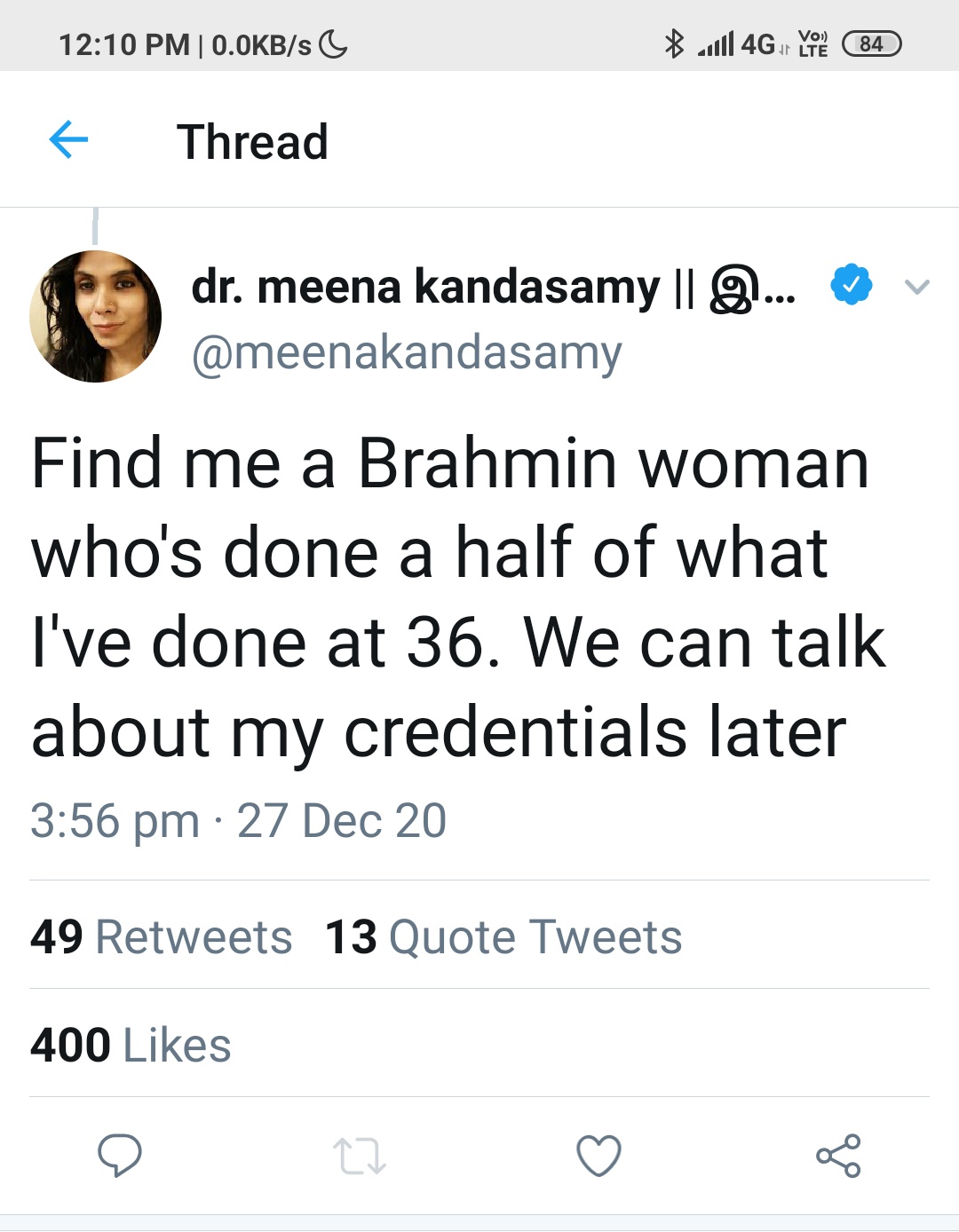
Just moments after The Commune published the article, ‘accomplished poet and writer’ Meena Kandasamy went on a rant flaunting her credentials and also made vitriolic comments against a particular community by calling them ‘di*ks’.
She also went on to ask if there are any Brahmin women who have achieved what she has at 36.
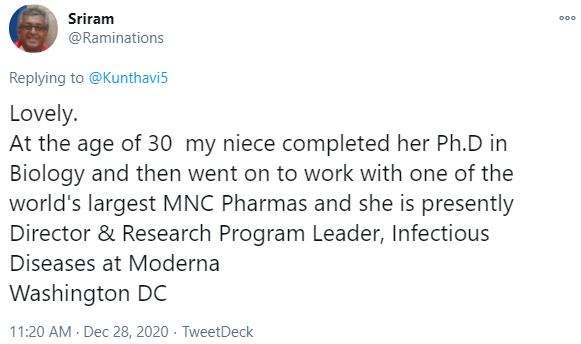
This led to a storm with several Twitteratis condemning the language of the ‘accomplished writer and poet’ while addressing the point she had raised in her tweet.
Meena there are large number of Brahmin Women who have achieved more than what you have done at 36. Example SMT.Sudha Murthy, Simple living & High thinking had written few novels & several books both in English & Kannada apart from her Philanthropic work!
Same here, professional postgraduate, all on merit, didn't take offers outside India, worked at few corporates here for couple of years, started my own firm at 28 and created jobs.
Sivashankari / vasanthy/ Lakshmi / Rajam Krishnan / Mrs YGP / Chudamani / Andal Priyadarshini / Anuradha Ramanan – This is a small list of writers mainly Brahmin women & they have achieved enough . I can send you big list of orators / performing artist/ professionals
With her tweet on Brahmin women drawing the ire of several netizens, the ‘accomplished poet and writer’ locked her account playing victim card only to make it public again after getting called out.
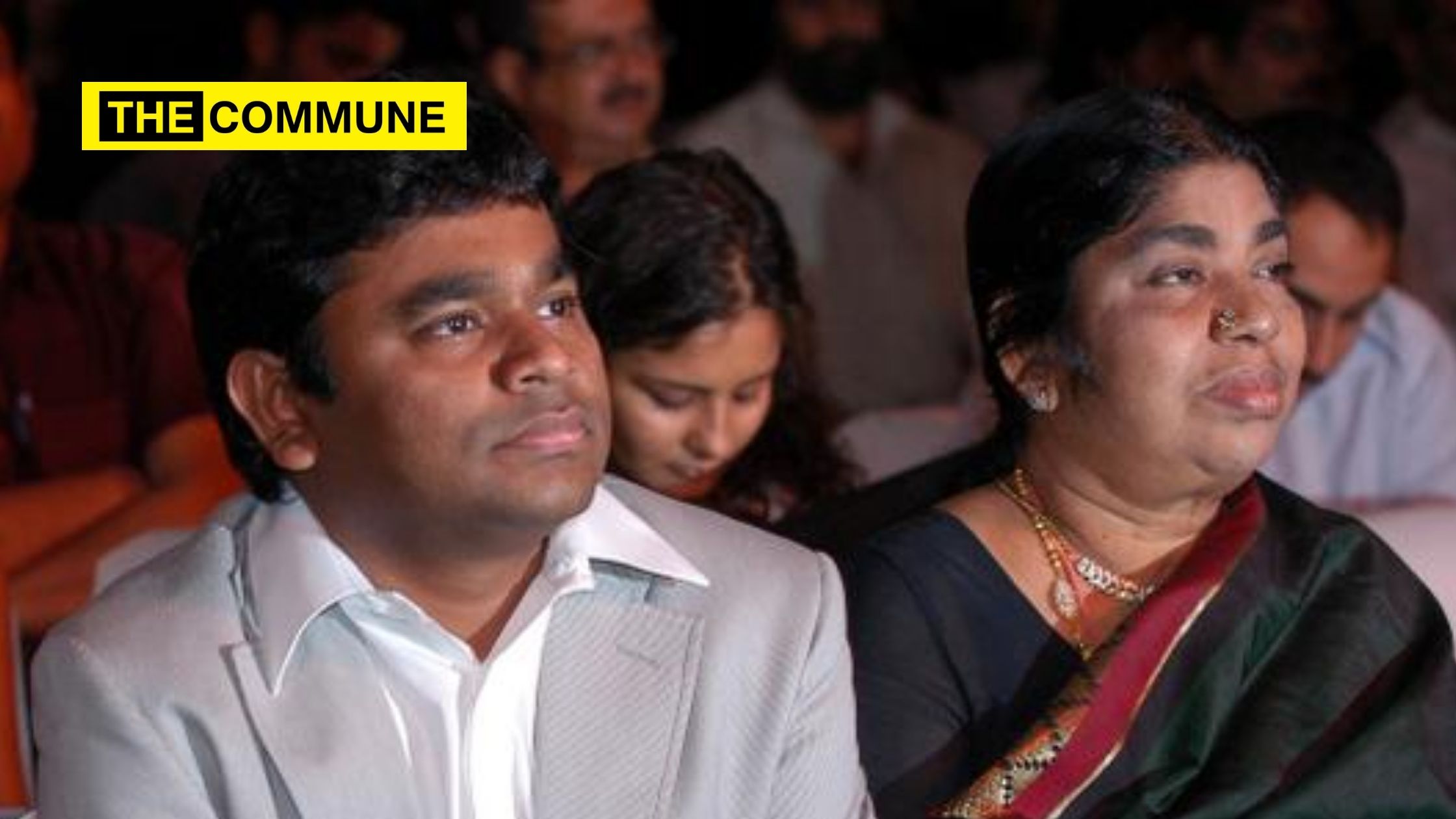
Mrs. Karima Begum, mother of ace music composer A.R. Rahman breathed her last at home on December 28 due to age related illness. The composer took to social media to share a picture of his mother without any caption.
The double Academy Award winner had cut on his work that involved travelling away to stay with his mother and take care of her.
Born Kasthuri, she changed her name to Kareema Begum after her son converted to Islam and changed his name from Dilip Kumar to Allah Rakha Rahman.
Rahman paid tribute to his mother during the 81st Academy Awards ceremony when he said “There is a Hindi dialogue, mere pass ma hai, which means ‘even if I have got nothing I have my mother here’.
Kareema was supportive of A.R. Rahman when he decided to drop out of school to make a career out of music.
Actors G.V. Prakash and Bhavani Sre and musicians Raheema, Khatija and Ameen Rahman are her grandchildren.
Chief Minsiter Edappadi K. Palaniswami conveyed his condolences to A.R. Rahman in a tweet. DMK chief M.K. Stalin too conveyed his condolences.
இசைத்துறையின் ஜாம்பவான் இசையமைப்பாளர் திரு.A.R.ரஹ்மான் அவர்களின் அன்புத்தாயார் திருமதி.கரீமாபேகம் அவர்கள் உடல்நலக் குறைவால் காலமான செய்தி அறிந்து மனவேதனை அடைந்தேன். தாயாரின் பிரிவால் மிகுந்த துயருற்றிருக்கும் @arrahman அவர்களுக்கும், அவரது குடும்பத்தாருக்கும் எனது ஆழ்ந்த இரங்கல்! pic.twitter.com/VqohPx8oN8
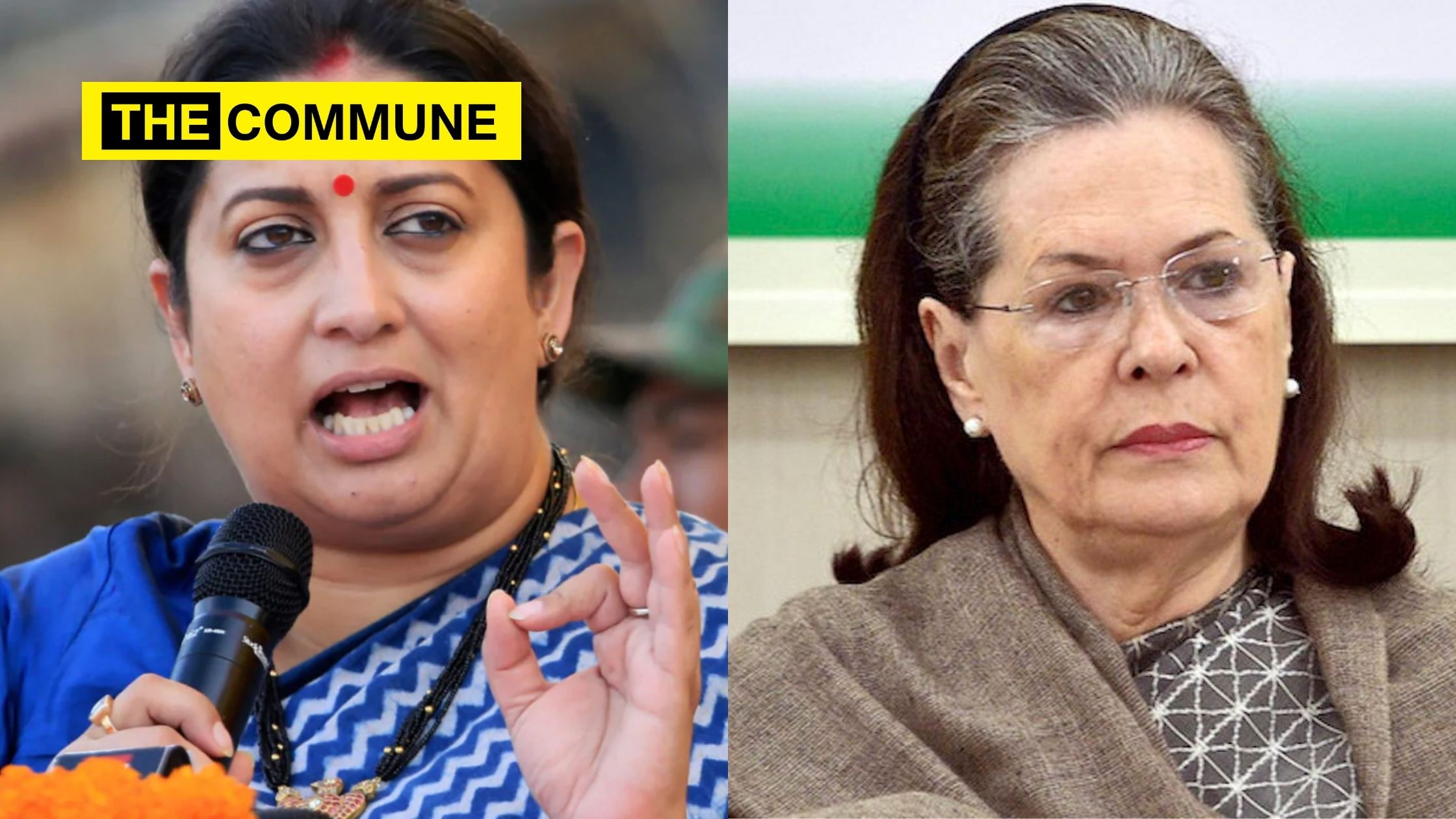
Union Minister for Textiles, Smrithi Irani who was on a three-day Amethi tour on Friday (December 25) has thrown the gauntlet at Sonia Gandhi by saying that in the next Lok Sabha elections, the BJP will snatch Rae Bareli, the Hindustan Times reported.
“Remember, if you continue to harass BJP workers, then in 2024 we will snatch Rae Bareli, too,” the BJP leader said at a public meeting.
The former television superstar in 2019 general elections, did the unthinkable when she dethroned Rahul Gandhi from the Amethi constituency.
This declaration could not have come at the worst time when Rahul Gandhi has again left the country on a foreign visit, reinstating the fact, he is not serious about politics nor is he interested in taking responsibility for his party.
On Friday, December 25), Irani accused Rahul Gandhi of “lying and misleading” farmers over the Centre’s recent farm laws.
Addressing a farmers’ rally in her parliamentary constituency Amethi, Irani said, “Rahul Gandhi is telling lies and misleading farmers. He is shedding crocodile tears for farmers and misleading them, his own jija (brother-in-law) has encroached upon the land of farmers.”
Irani who is known for her determination and never give up attitude called on Rahul Gandhi for a debate on the farmers’ issue and called Congress general secretary for Utter Pradesh Priyanka Gandhi Vadra’s proposed Kisan Yatra in the state as a “stunt”.
The union minister for textiles and women and child development also tagged a tweet by BJP chief JP Nadda to question Rahul Gandhi’s opposition to farm laws.
ये क्या जादू हो रहा है राहुल जी?
पहले आप जिस चीज़ की वकालत कर रहे थे, अब उसका ही विरोध कर रहे है।
देश हित, किसान हित से आपका कुछ लेना-देना नही है।आपको सिर्फ़ राजनीति करनी है।लेकिन आपका दुर्भाग्य है कि अब आपका पाखंड नही चलेगा। देश की जनता और किसान आपका दोहरा चरित्र जान चुके है। pic.twitter.com/Uu2mDfBuIT
She tweeted that Amethi’s farmers, fed up with the Congress, voted for the BJP in the last Lok Sabha polls.
The union minister also spoke of projects that had been started in Amethi since she became the local MP in 2019 and also talked about how the Yogi Adityanath government had also sanctioned big-ticket projects for Rae Bareli, too.
Apart from AIIMS-Rae Bareli, the Ganga Expressway, which would connect Meerut to Prayagraj, will pass through Rae Bareli.
In 2014, when Smrithi Irani lost the election to Rahul Gandhi and after that, she went back there over and over even after Deepak Singh, the Congress MLC had previously described Smriti as a “political tourist” in Amethi.
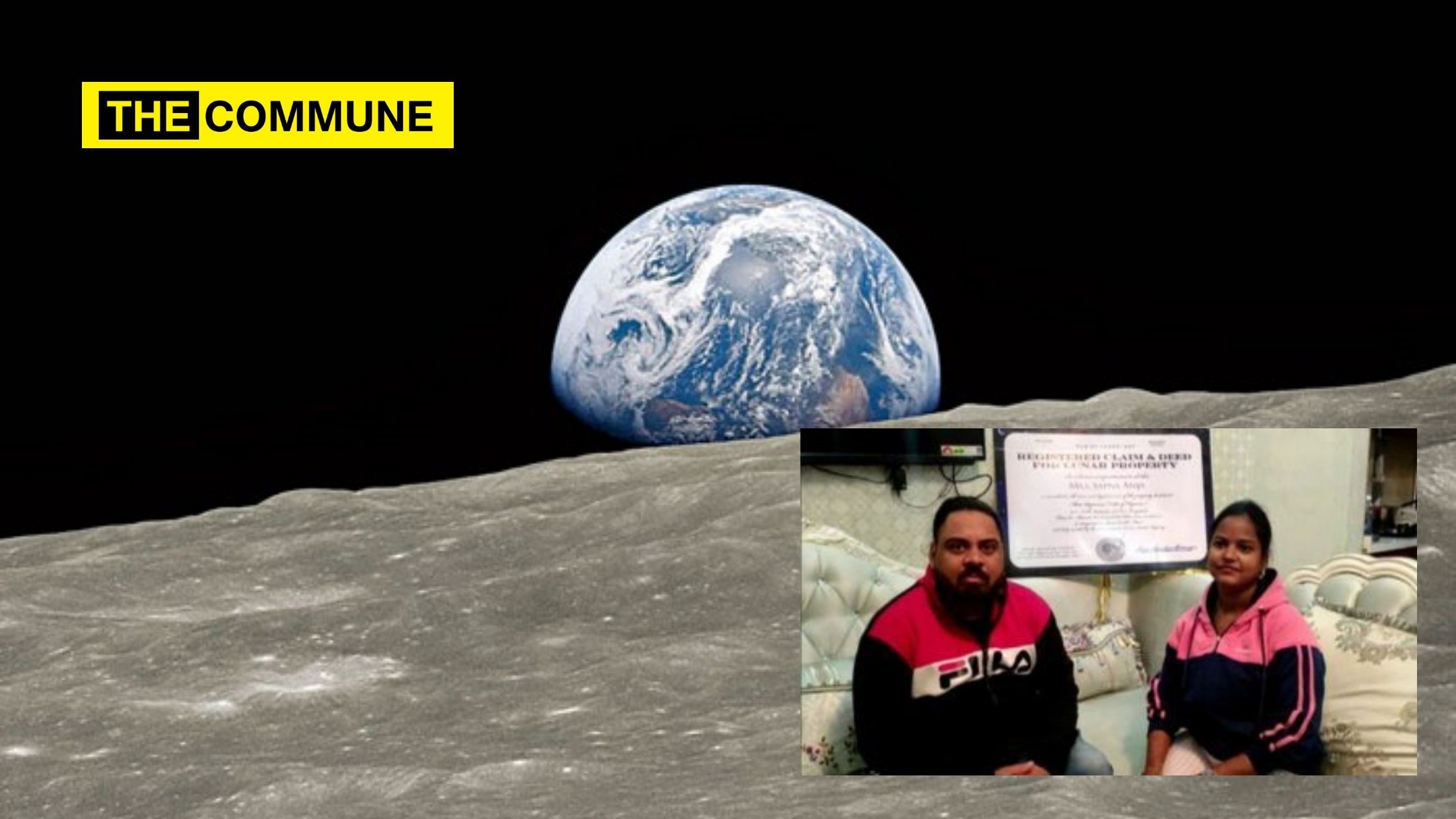
Many people dream of owning a piece of the Moon and that dream became a reality for Ajmer’s Sapna Anija when her husband Dharmendra Anija gifted her three acres of land on the celestial body on their wedding anniversary. “It was our wedding anniversary on December 24. I wanted to do something special for her. Everyone gifts earthly possessions like cars and jewellery, but I wanted to do something different. Therefore, I purchased land on the Moon for her,” Dharmendra Anija was quoted as saying by ANI.
Dharmendra bought the land through Luna Society International, a firm in New York City, USA. He said the process of purchasing it took about a year to complete. “I’m happy. I think I’m the first man in Rajasthan to buy land on the Moon,” he added.
Dharmendra’s wife Sapna said she never expected to receive such a special “out of the world” gift from her husband. “I’m extremely happy. I never expected he would gift me something so special. The party was organised by professional event organisers, and the setting was surreal. It felt like we are literally on the moon. There during the ceremony, he gifted me a framed certificate of the property document,” said Sapna.
A few months ago, Neeraj Kumar, a resident of Bodh Gaya, also bought one-acre land on the moon on his birthday, after getting inspired by actors Shahrukh Khan and late Sushant Singh Rajput.
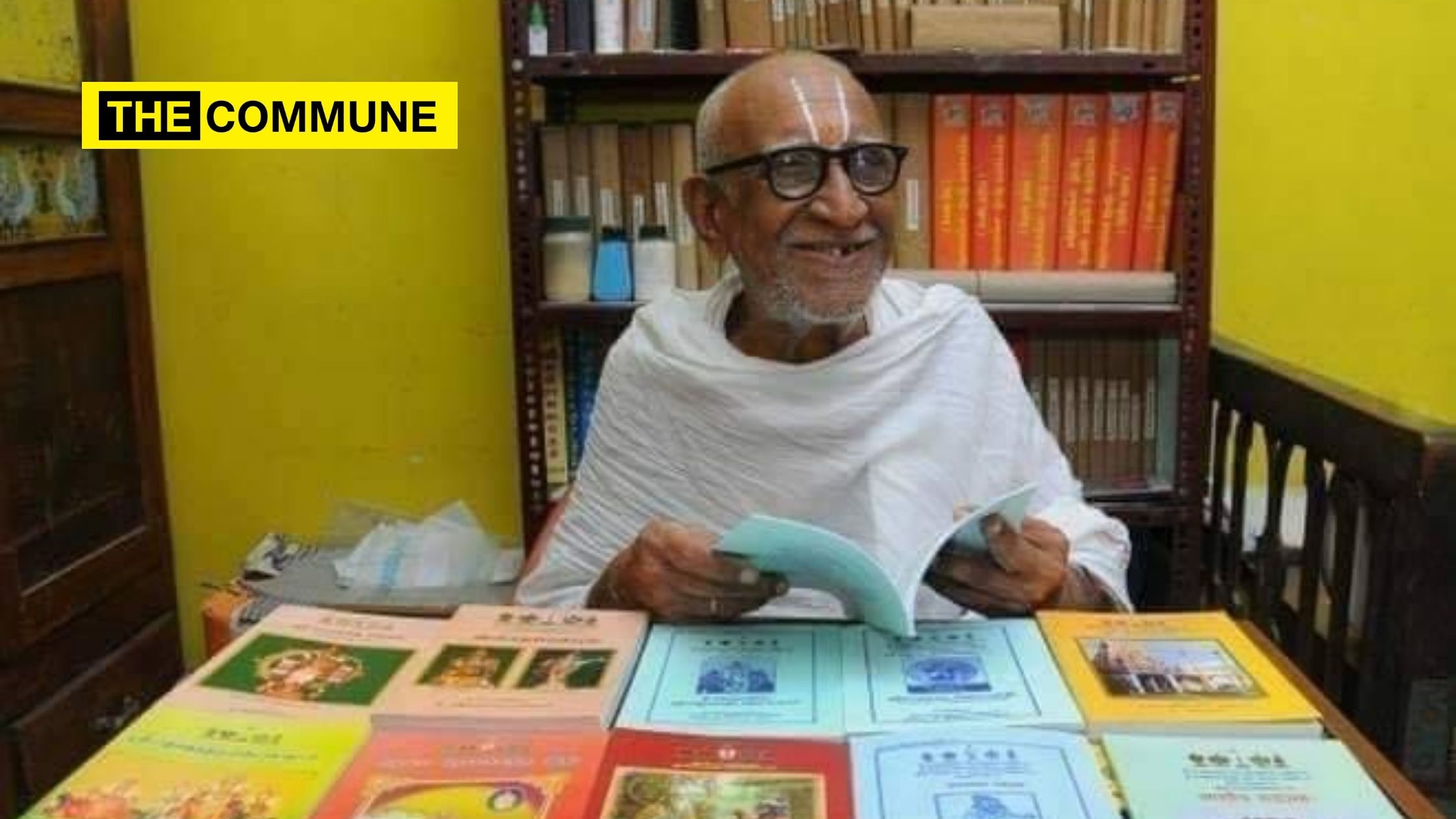
92 year old scholar T Srinivasacharya Swami recently earned praises and adulations after his efforts of writing a book using a computer by himself came to light. The scholar also found himself getting mentioned in Prime Minister Narendra Modi’s Mann Ki Baat on Sunday (December 27).
Speaking about him in the 72nd edition of his radio show, ‘Mann ki baat’, Prime Minister Modi said, “92 years old T Srinivasacharya Swami Ji from Tamil Nadu is writing his book on the computer, that too, by typing himself. His inquisitiveness, self-confidence is still the same as his younger days. A Sanskrit and Tamil Scholar, he has written 16 spiritual books.”
“Realising that the process of writing and printing books has changed, he learned computer and necessary software at age of 86 years. His life is a clear example of the fact that life remains full of energy till the time inquisitiveness and urge to learn does not fade away,” he added. The Prime Minister went on to say that the scholar’s life is a clear example of the fact that life remains full of energy till the time inquisitiveness and urge to learn does not fade away.
Shri T Srinivasacharya Swami is an expert in Agama Shastras (temple rituals/practices). He learnt Adobe Pagemaker at age of 86 and sits in front of the computer everyday typing in both Tamil and Sanskrit.
He studied the Vedas and served as a priest at the Sri Vedantadesikar Temple in Mylapore. He started his own press Sri Raghavasimham Press in the 1980s. His books have also been prescribed by the HR & CE Board for those studying to become priest. He also delivers religious discourses.
His habit of reading the old Sanskrit scripts led him to research further which resulted in his first prose book on the day-to-day temple ritual called Sri Padmatantra Prayogam.
He has been writing and printing his own books for the past few years. So far, he has written 16 books on various subjects based on Ancient Sanskrit texts. Srinivasacharya Swami is also proficient in reading and composing in Grantham. He was hand-composing till 2000, after which he started using the computer and types his books.
🚩At Age of 92,SriT.Srinivasachariar Swami diligently sits on the computer everyday, typing in both Sanskrit & Tamil for his next book. An expert in Agama Shastras(Ancient temple rituals/practices),He learnt Adobe Pagemaker at age of 86 on his own &been working on it since 🚩1/6 pic.twitter.com/lEpqdv6Zbh