Home Blog Page 1545

Precautionary measure or judicial overreach?
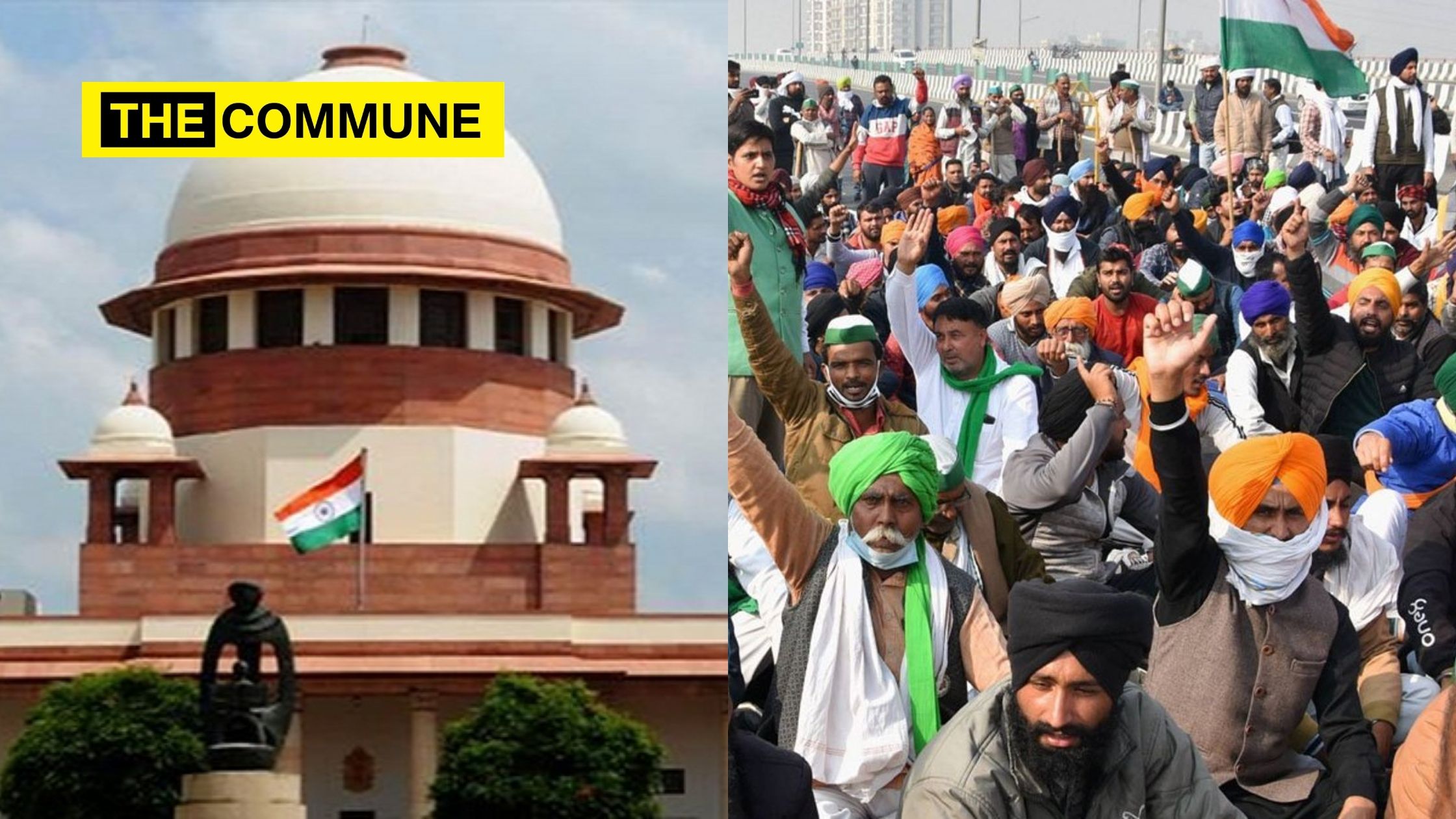
The Supreme Court on 12th January had adjudicated to stay the three farmer empowerment laws – Farmers (Empowerment & Protection) Agreement of Price Assurance & Farm Services Act 2020, Farmers Produce Trade & Commerce (Promotion & Facilitation) Act & Amendment to Essential Commodities – against which the farmers of Punjab and Haryana are protesting near the borders of Delhi for the past two months. Various farm unions and politicians like Tiruchi Siva of the DMK and TN Prathapan of the Congress challenged the constitutionality of the laws under Articles 14 , 15 and 21. However, the court didn’t venture into the merits or demerits of this case nor did it examine the constitutional validity of the laws. The court in turn ordered the setting up of a four-member committee to conduct deliberations with all respective stakeholders and submit a report.

The Committee comprises of Bhupinder Singh Mann (National President of Bharatiya Kisan Union), Dr. Pramod Kumar Joshi, Ashok Gulati (Agricultural Economist) and Anil Ghanwat (President of Shetkari Sanghatana) whose selections have led to some speculations due to their public support for these agricultural reforms. But however this article aims to examine how the court in this case has breached the realm assigned to it in the constitution and how this situation of judicial overreach may have a dangerous impact as a precedent while deciding matters of similar nature in the future.

Montesquieu and Separation of Powers

It is important to touch upon the great French philosopher Montiesquieu before elucidating the case at hand. It was in his 1748 word , “The Spirit of Laws”, where he elaborates on the theory of the separation of powers. He writes in Book XI of this magnum opus treatise:

“In every government there are three sorts of power: the legislative; the executive in respect to things dependent on the law of nations; and the executive in regard to matters that depend on the civil law.

By virtue of the first, the prince or magistrate enacts temporary or perpetual laws, and amends or abrogates those that have been already enacted. By the second, he makes peace or war, sends or receives embassies, establishes the public security, and provides against invasions. By the third, he punishes criminals, or determines the disputes that arise between individuals. The latter we shall call the judiciary power, and the other, simply, the executive power of the state.

When the legislative and executive powers are united in the same person, or in the same body of magistrates, there can be no liberty; because apprehensions may arise, lest the same monarch or senate should enact tyrannical laws, to execute them in a tyrannical manner.

Again, there is no liberty if the judiciary power be not separated from the legislative and executive. Were it joined with the legislative, the life and liberty of the subject would be exposed to arbitrary control; for the judge would be then the legislator. Were it joined to the executive power, the judge might behave with violence and oppression”

The Indian Context

Apart from the directive principles laid down in Part-IV of the Constitution which provides for separation of judiciary from the executive, the Indian constitutional scheme does not provide any formalistic division of powers. Though not explicitly stated , some articles tacitly imply this doctrine. Article 50 lists that the State must ensure the independence of the judiciary. Article 121 and 211 of the Constitution provide for the prevention of the discussion of the judicial proceedings of Supreme and High court in the Parliament or Legislature. Article 122 and 212 also prohibit the judiciary from probing into the procedural functioning of the legislatures. However, we do see an overlap of powers. Article 13 empowers the court to exercise the principle of judicial review wherein the court is constitutionally obligated to declare any law or executive order null and void if is violative of Part III. Similarly, Article 118 and 208 states the legislature is empowered to regulate the rules and procedure framework of the judiciary.

Despite this, the Supreme Court has largely defined the separation of powers idea seen through an Indian constitutional lens through many landmark judgements such as Re Delhi Acts Case and of course in Keshavananda Bharati vs the State of Kerala. In fact ,this principle has been even recently more credence through the Divisional Manager, Aravali Golf Course vs Chander Haas, 2007 case. The Supreme Court in the arbiter of this judgement made the following observations:

“Before parting with this case we would like to make some observations about the limits of the powers of the judiciary. We are compelled to make these observations because we are repeatedly coming across cases where Judges are unjustifiably trying to perform executive or legislative functions. In our opinion this is clearly unconstitutional. In the name of judicial activism Judges cannot cross their limits and try to take over functions which belong to another organ of the State.”

The Supreme Court in fact noted in Indian Drugs & Pharmaceuticals Ltd v Workmen (2007) that:

“the Supreme Court cannot arrogate to itself the powers of the executive or legislature… There is a broad separation of powers under the Constitution of India, and the judiciary, too, must know its limit.”

What is even more interesting in this very delicate system of checks and balances is that the same institution in Supreme Court Advocate-in-Record Association vs Union of India , 2015 struck the NJAC Act, 2014 upholding the archaic collegium system. When the legislature and the executive through the NJAC Act, 2014 wanted to bring an effective mechanism to reform and restructure the working of the judiciary, the same venerable institution prevented these two organs of the state from doing so. The Judges pulled up ranks and the SC spoke up as an institution striking down the NJAC Act in a 5  bench judgement with the dissenting opinion being that of Retd. Justice Chelameshawar. To quote the noted journalist Shekar Gupta (in the context of the farm bills) “It is concerning that Supreme Court zealously guards its own domain but wades freely into legislative , executive issues.

The Stay on Farm Laws: A déjà vu moment for judiciary

It surely has not been the first time that the judiciary has acted in such an arbitrary matter on issues beyond its jurisdiction amounting to the phenomenon of judicial overreach. There is a thin line of difference between judicial activism vs judicial overreach. According to Prof. Chirstopher Wolfe, an American constitutional scholar judicial activism is a judicial philosophy that the courts can and should go beyond the applicable law to consider broader societal implications of its decisions. But when this thin line is crossed by the judiciary entering into domain beyond its constitutional mandate it leads to judicial adventurism leading to judicial overreach. Surely the adjudication has been a clear-cut example of this concept. But this hasn’t been the first instance of such haphazard judicial decision.

The recent case of Dr. Jaishri Laxmanrao Patil vs the Chief Minister of Maharasta and Anr. is another crystal clear example. The petitioner had challenged  the Maharashtra State Reservation for Socially and Educationally Backward Classes (SEBC) Act, which provided for reservation in employment and education to the Maratha community through the SEBC category in the Bombay High Court. The court had ordered to reduce this to 12% and 13% in education and in public employment on an arbitrary and non-legal basis upholding the act. The reason cited in the judgement was “the larger public interest.” However, this case has been pending in appeal in the Supreme Court it stopped the implementation of the law without staying it based on the Article 13 test of judicial review.

The most cited example of course is the BCCI judgement and the implementation of the Lodha Committee Report regulating the working of the aforementioned institution. In this case, the Lodha Committee had no locus standi on taking over the administration of BCCI because of its registration under the Tamil Nadu Societies Registration Act, 1975. Thus the court should have directed the BCCI to operate within the dimensions of this legislation rather imposing the recommendations of the Lodha Committee. There is also no constitutional basis for the Supreme Court to administer the operations of sport bodies.

Let us take the case at hand now. It is worthy to look at the arguments put ahead by the Attorney General who opposed this order on 2 grounds. Firstly he said the Supreme Court could do so if the court had found prima facie evidence that the three bills lacked legislative competence. Secondly, he said the court is constitutionally obliged to only stay the laws only if it finds them violative of Part III or any other provision. But the court clearly in its judgement never invalidated these laws on the above grounds. What is more important is the dangerous precedent this sets for future legislations of such kind. A fundamental question is to ponder about is this: Has the Supreme Court through the suspension of these laws created a feeling that any pressure group through the means of protest can compel this venerable institution to force the executive to rescind the duly passed laws by the legislature? This also makes it significant the importance of judicial restraint and accountability required in this country for a robust justice dispensing mechanism. But a question could arise in this situation: what if the executive refuses to take a decision on matters wherein the judiciary has to later deal with. The solution was expressed by a former solicitor general of India, Dipankar K Gupta who wrote in a 2007 Hindustan Times article:

“The task of the court should be to compel the authorities to act and to pass appropriate executive orders rather than substitute judicial orders for administrative ones. They must be told how their duties are to be properly discharged and then commanded to do so. For this, they must be held accountable to the court.”

This case actually should be one for introspection regarding not only judicial functioning but also the importance of larger judicial reforms thus facilitating the judiciary also to contribute to the narrative of nation building.
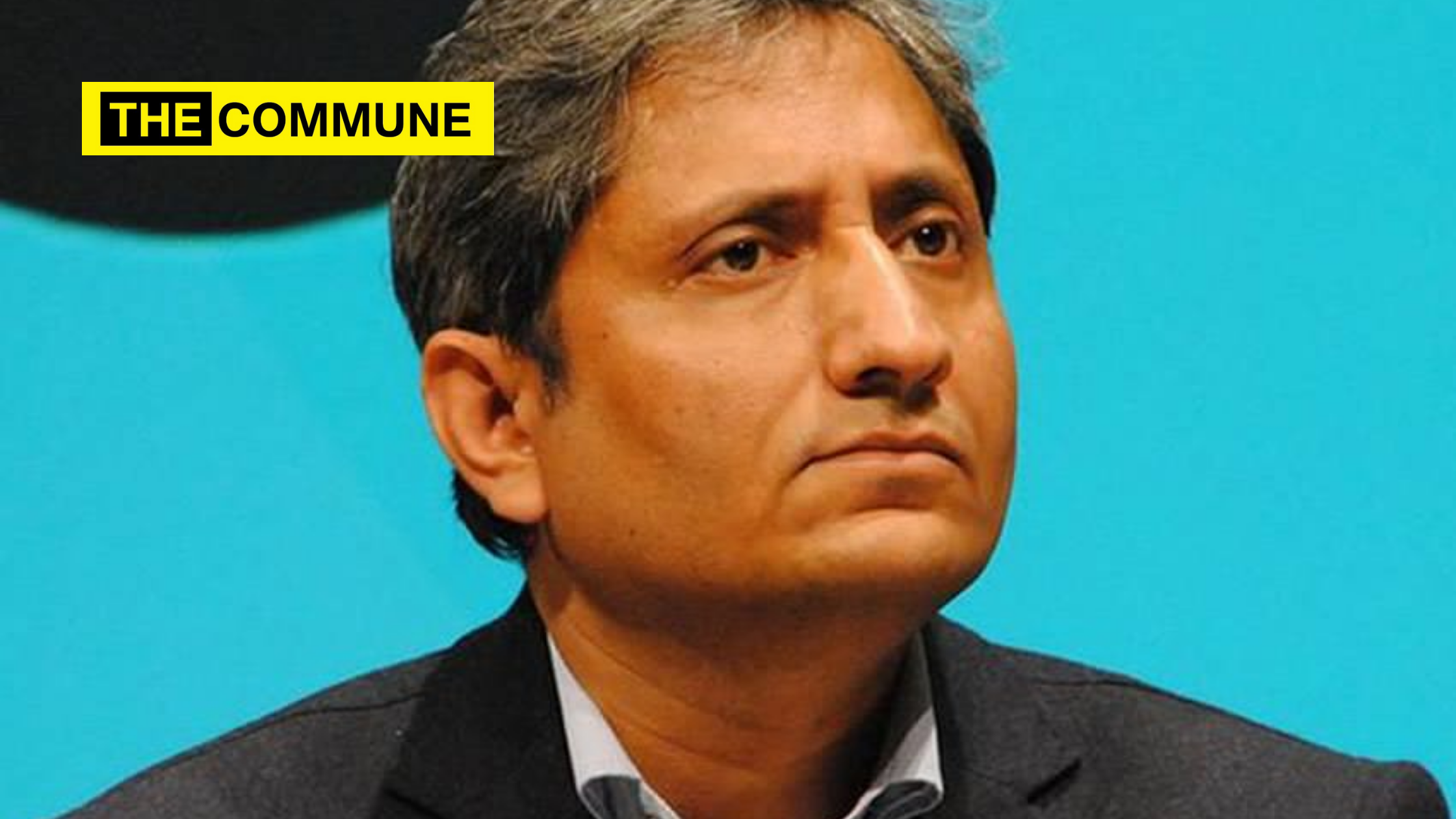
Govt slams NDTV’s Ravish Kumar for “erroneous and malafide” reporting, correct info be broadcasted

The Press Information Bureau (PIB), the nodal agency of the Government of India, on Friday slammed NDTV for broadcasting a highly misleading and erroneous news report regarding the government’s procurement of rice.

In a letter to NDTV’s Editorial Director and President of the NDTV ethics committee Sonia Singh, Alpana Pant Sharma, Additional Director General of the PIB said, “In a shocking display of poor journalism and sheer disregard of actual facts, Shri Ravish Kumar of NDTV has resorted to incorrectly portraying paddy procurement by the Government of India.” She goes on to say that the news was “totally misleading” and that it creates an impression among viewers that the procurement in the current year is lower as compared to last year.

Sharma further said that Ravish Kumar has misrepresented important facts, especially at a “sensitive time” when some farmers are protesting at the borders of the national capital. “This not only misleads our nation’s farmers but also incites negative sentiments in society,” she said.

The PIB official went on to confirm that till January 10 last year of the Kharif Marketing Season (KMS) 2019-20, 423 lakh MT of paddy was procured by the government. “Compared to the same period, 534 lakh MT of paddy was procured till January 10 this year by the central government during the current KMS. This shows that the increase till January 10 is indeed 26 per cent. Shri Kumar’s report on your channel does an unfair comparison of full year procurement of 2019-20 with ongoing procurement of 2020-21,” she said in her letter.

She further stated that the infographic mentioned in the news clipping from the twitter handle of Union Minister Piyush Goyal has been cropped, which amounts to “a malafide act”.

The officer also said that the news report further confused paddy figures and rice figures, although both are different. Since rice is procured from paddy, the figures in lakh MT of rice will always be lower than paddy, she said.

“Strongly” urging NDTV to retract the news report, the Additional Director General requested the channel to broadcast the correct information to the viewers.

BJP IT Cell chief Amit Malviya shared a copy of the letter on his Twitter handle.

Vice President calls upon youth to be at forefront in scripting India’s growth story

Feature Image Credits: Wallpaper Cave, NDTV

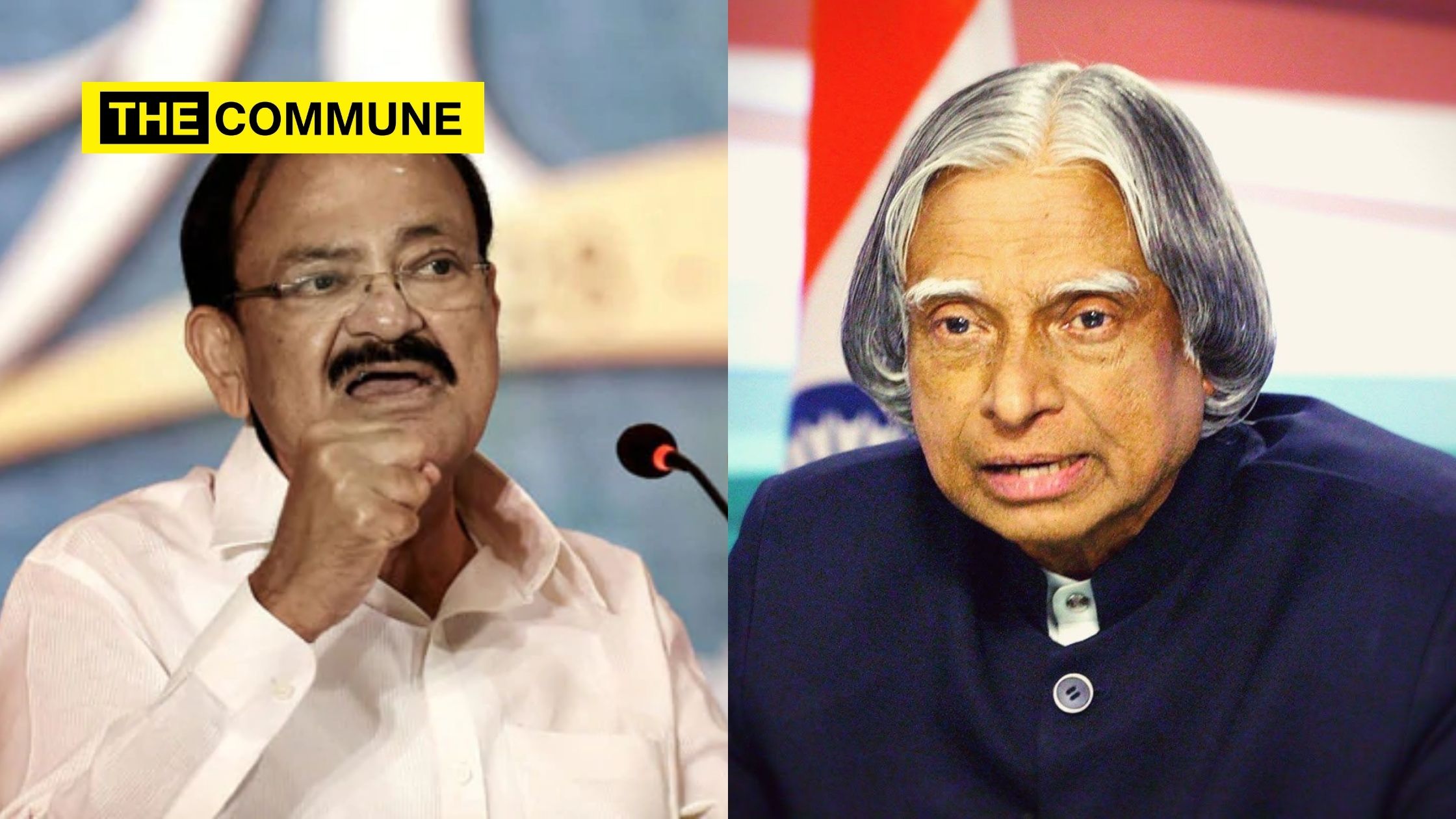
Vice President of India M Venkaiah Naidu on Sunday (January 17) called upon the youth to be at the forefront in scripting India’s growth story.

He was releasing a biography in Tamil on former President, Dr A P J Abdul Kalam at Raj Bhavan in Chennai. The book titled “Abdul Kalam- Ninaivugalukku Maranamillai” is written by Dr. Kalam’s niece, Dr APJM Nazema Maraikayar and well-known space scientist, Dr.Y.S. Rajan. Lauding the authors for bringing out the book in Tamil, he said that writing in the mother tongue was the best way to reach out to the masses.

Observing that one of India’s biggest strengths was its demographic dividend, Vice President Venkaiah Naidu called for fully leveraging it to fast-track progress in different sectors—from agriculture to manufacturing and ensure a sustained growth rate in the coming years. Pointing out that about 65 per cent of the country’s population is below 35 years and 50 per cent is below 25 years, he said this is the time for the youth of the country to be at the forefront in accelerating the progress.

Paying rich tributes to the former President, the Vice President urged the youth to take a leaf out of Dr. Kalam’s book and believe in themselves. “They must aspire to become job-creators rather than job-seekers,” he added.

Stressing the need to overhaul the education system to make learning an enjoyable experience right from primary education, the Vice President said that students must be encouraged to pose questions and think critically. “The New Education Policy is a great leap in this regard. It does away with artificial segregation between curricular and extra-curricular activities and aims at the holistic development of the child”, he added.

Recalling Dr Kalam’s passion to ignite the young minds, the Vice President said that he used to always visit schools and interact with students. “He inspired thousands of students through his unforgettable words, magnetic presence and a warm smile”, he added.

Stating that the former President firmly believed in using technology for the benefit and well-being of the society, the Vice President said “In fact, Dr. Kalam can be credited with laying strong foundations of ‘AtmaNirbharta’ in our space and defence sectors, on which, our scientists and engineers are building today”.

He said the legacy of self-belief left by Dr Kalam left has motivated the scientists in developing our own vaccine today.“Even with medical equipment, having started modestly, we are now exporting PPE kits, N95 masks and ventilators to other countries”, the Vice President said and complimented the government and the scientists for their untiring efforts in bringing out the vaccine for COVID-19.

He said the development of the vaccine in a short span and at an affordable cost was a “remarkable achievement”.

The Vice President also said that Dr.Kalam will alwaysbe remembered for his indomitable spirit and never-say-die attitude even in the face of adversity. He pursued and persisted with discipline, hard work and confidence, he added.

Dr APJM NazemaMaraikayar, co-author and managing trustee, Abdul Kalam International Foundation ( AIKF) ,Dr. Manickam, Chairman, MCET (Dr.Mahalingam College of Engineering and Technology), Dr. SirpiBalasubramaniam, author and poet and Shri A P J M J Sheik Saleem, Co-founder, AKIF were present on the occasion.

(Published from PIB)

PM Modi pays tributes to MGR on his birth anniversary

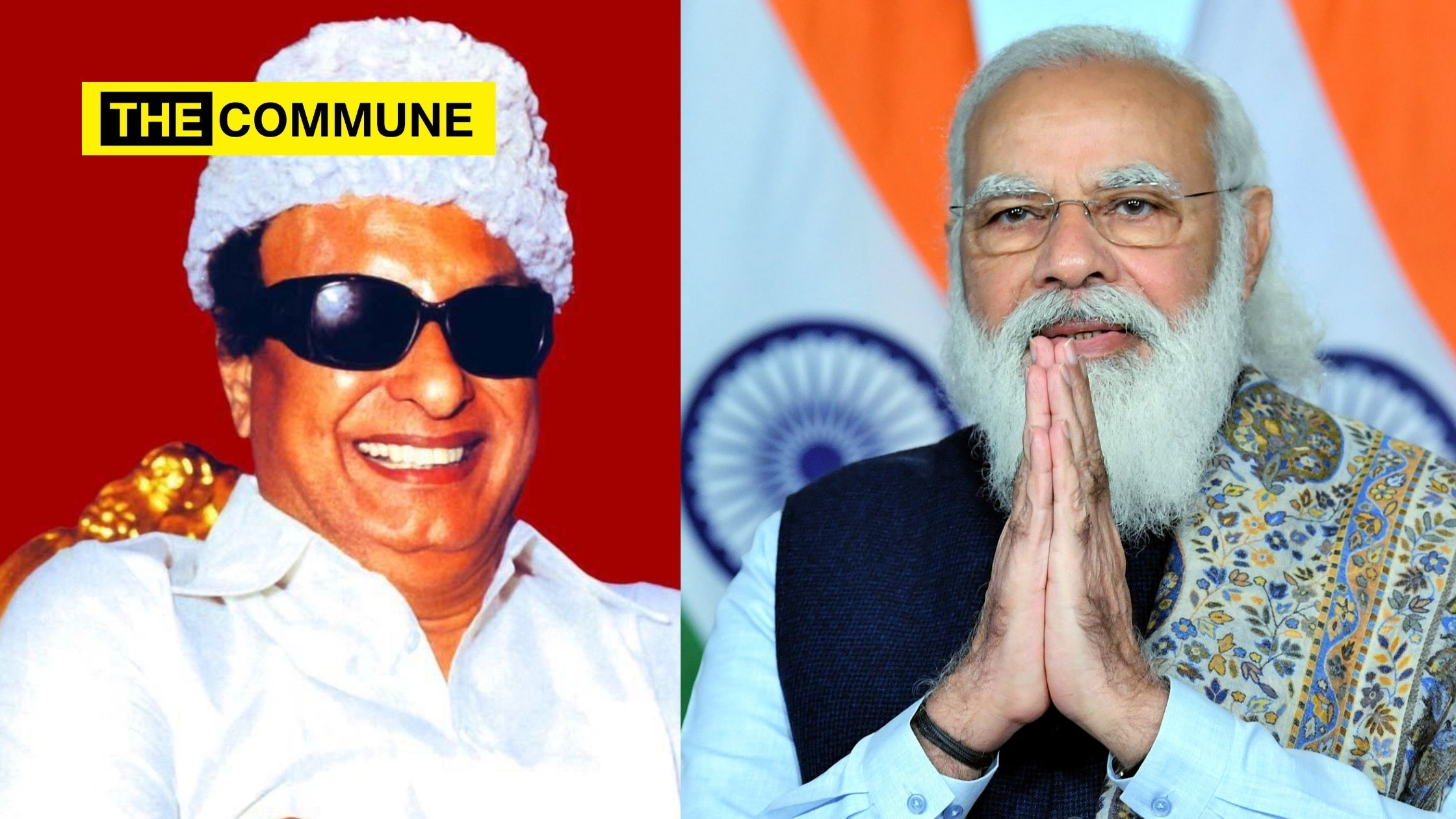
Prime Minister Narendra Modi paid tributes to Bharat Ratna MGR on the occasion of his 104th birth anniversary.

In a tweet, the Prime Minister said, “Bharat Ratna MGR lives in the hearts of several people. Be it the world of films or politics, he was widely respected. During his CM tenures, he initiated numerous efforts towards poverty alleviation and also emphasised on women empowerment. Tributes to MGR on his Jayanti.”

Armin chosen as the new party leader as Angela Merkel prepares to step down

Feature Image Credits: The Conversation, NBC News

Angela Merkel’s continuity candidate, the centrist conservative Armin Laschet, has beaten one of her longest-standing rivals in the contest to lead Germany’s Christian Democratic Union.

In a digitally-held party congress, Laschet beat the conservative hardliner Friedrich Merz by 521 to 466 votes in a run-off vote, following a strong speech that emphasised social cohesion and held up recent scenes from Washington DC as a warning example of divisive leadership. Armin will succeed Angela Merkel, their current chancellor. This will mark the end of an era and a new beginning for the country as well as the relations it has for the rest of Europe.

As the conservative Christian Democratic Union continues to remain the most popular party even despite Merkel stepping down, it is an undeniable truth that Merkel has remained a constant through various crises that the country went through for the past 15 years. It is to be noted that, under Markel, Germany allowed millions of refugees from the Middle East which created a huge law and order problem over the years, as well as imposing a massive burden on the German economy.

Armin Laschet, Friedrich Merz, and Norbert Röttgen were the three contenders who were vying for her place as Angela resigned from her position. All of them hail from North Rhine-Westphalia but have different ideologies politically.

First ever ‘Second Gentleman’ Douglas Emhoff gets a Twitter account

Kamala Harris became the first-ever woman to be elected as the Vice President of the United States. This makes Douglas Emhoff, her husband, the first-ever Second Gentleman.

In response to this new shift in gender dynamics, Twitter welcomed this new change with a new account under the username @SecondGentleman. Ever since Twitter was launched, all the institutional White House accounts were present on Twitter for the heads of the State. There has only ever been a ‘Second Lady’ account since there has been no elected vice president who has been female or belonging to any other gender.

This news was shared by President-elect Joe Biden on his personal Twitter account. He shared the news of Emhoff’s new social media presence with a post from his own account @PresElectBiden, which will become @POTUS on inauguration day.

Emhoff has yet to post on his new account, though perhaps he too is waiting to officially assume the title before he takes on the internet persona. “This concept of access to justice is something that I want to bring to the fore in that role. But I’ll also add, look at where we are right now. It’s gonna be a lot of work for President Biden, Vice President Harris, First Lady Jill Biden and whatever-my-title-will-be Douglas Emhoff,” he said ahead of the 2020 election according to Politico.

Gurugram ends manual scavenging with immediate effect

Feature Image Credits: PIB

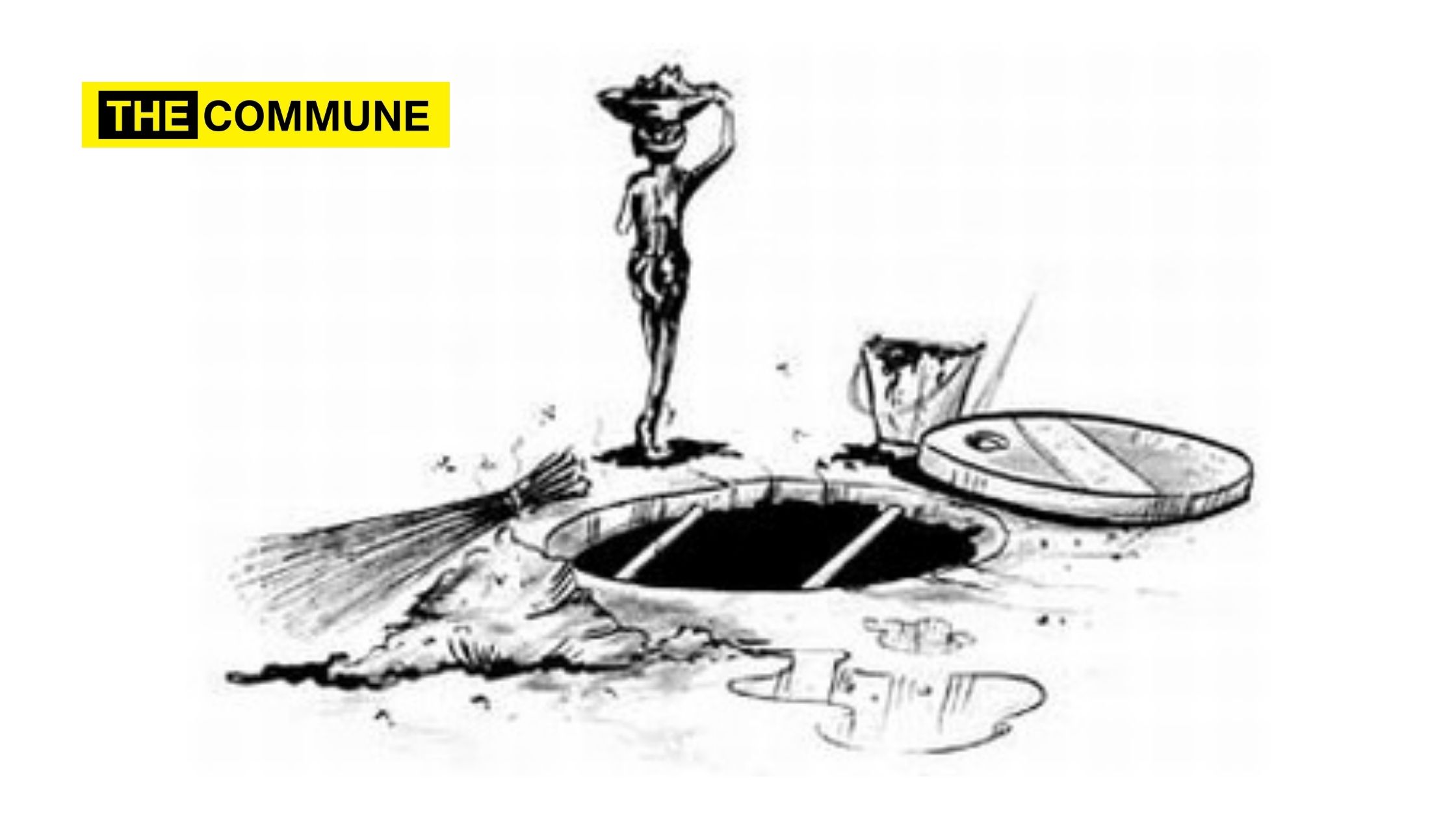
The Municipal Corporation of Gurugram (MCG) has been issued an order to end manual scavenging with immediate effect. This was issued by Yogita Swaroop, joint secretary, ministry of social justice and empowerment, during a loan fair event organised by the MCG. The loan fair was organised under the Safai Mitra Challenge and Swachhta Udyami Yojana launched by the union housing and urban affairs ministry.

This has been issued as a reaction to several pleas that have been sent to the MCG regarding the perils that come with manual scavenging. Over 11 people have died since 2017 due to this uncivil practice.

This issue is particularly concerning because of the fact that the civic body decides to use manual labour for this purpose despite having machinery that could fulfil the same purpose. It has two robots, two super-suction machines, two jetting machines, and nearly 20 suction tankers to do the scavenging, and yet employs its unskilled labourers for this purpose, which is highly demeaning, in addition to posing a high occupational hazard for those that indulge in this practice.

MCG officials also announced that entrepreneurs can obtain loans ranging from 5 lakh to 15 lakh at a 4% interest for a period of 10 years to procure necessary machinery to clean tanks and sewerage lines under the Central government’s sanitation scheme. “Financial assistance is being provided by the Central government for arranging mechanised sanitation equipment under the Swachhta Udyami Yojana to eliminate the practice of manual scavenging. The objective of the government is to protect people and raise their standard of living. The government aims to fully mechanise 100 urban local bodies in this matter. Training will also be provided by the government to sanitation workers regarding the operation of the machines. During the training, a one-time amount of 1,500 stipends will also be given,” Swaroop was quoted saying in the Hindustan Times.

Indian teen from UAE helps recycle 25 tonnes of e-waste

Feature Image Credits: Gulf News

Riva Tulpule, a 15-year old Indian teenager who is living in the UAE with her parents has helped recycle over 25 tonnes of e-waste by means of her campaign ‘WeCareDXB’. This campaign enlists volunteers like students, professionals, the general public to collect the items for recycling e-waste. She then got in touch with a Dubai based e-recycler called ‘EnviroServe’ to hand over the collected items.

She got the idea to start the campaign while clearing out drawers filled with broken devices in 2016, the Gulf News reported. “I had asked my mom why we can’t we just dispose of the items we don’t need. She told me they need to be tacked in a special way but we were not sure exactly how to go about it. So that made me curious and I decided to do some research into it, which led me to this cause,” Tulpule was quoted as saying by the report.

She added, saying that many people simply dump old devices and appliances in the general waste as they are not aware of the options for recycling them.

Recently, the 15-year-old held her latest collection round, rallying friends and the wider community to drop off over 2,000 broken laptops, tabs, mobile phones, printers, keyboards, and other items at a villa next door to her where is enough holding space.

Acres of temple land near Salem being sold illegally through fake patta

Feature Image Credits: Just Dial

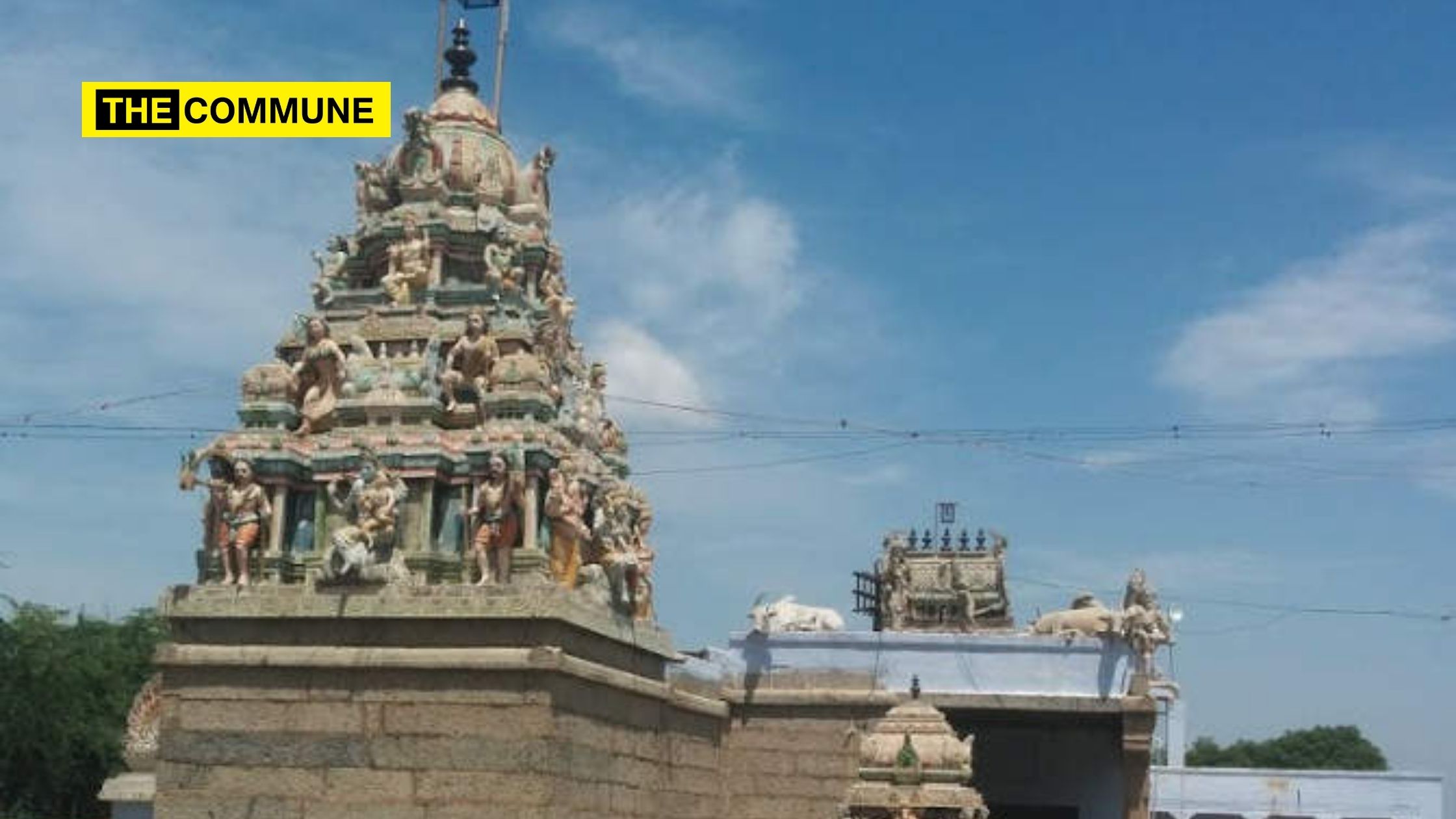
Radhakrishnan, the founder of Tamil Nadu Thiruthondar Sabai, has warned that a land grabbing mafia group is trying to sell land belonging to a temple near Salem using fake patta.

The Tamil Nadu Thiruthondar Sabai is an organization involved in reclaiming encroached temple lands by bringing to light the irregularities happening in temples controlled by Tamil Nadu Hindu Religious & Charitable Endowments department to the government and the courts.

Radhakrishnan, the temple activist leading the organization found that the place surrounding the Kanjamalai Siththar Kovil Murugan Temple were littered with filth. He found that the temple did not have adequate facilities like dress-changing rooms for women devotees’ visiting to take a dip in the temple tank. He also found that the temple authorities had given away the buckets and mugs  to be used for bathing to the cooks.

At that time, he came to know that temple land belonging to the temple were being encroached. It was revealed that some people were trying to sell the lands belonging to the temple by using bogus pattas.

Radhakrishnan had gone to meet the government officials to retrieve the temple land belonging to the Siddeswaraswami Temple in Salem that has been encroached by land sharks and also to bring to the attention of authorities other grievances. He requested for taking appropriate action to prevent the temple property from being swindled.

The Government of Tamil Nadu had earlier announced that the encroachments on the temple lands would be regularized and pattas would be given to the occupants. But many Hindu organizations and social activists have been opposing this. They point out that the government’s move is paving way for land sharks grab these lands.

(With inputs from Kathir News)

Indian Railways goes ‘Vocal For Local’, buys khadi goods worth ₹49 cr in May-Dec 2020

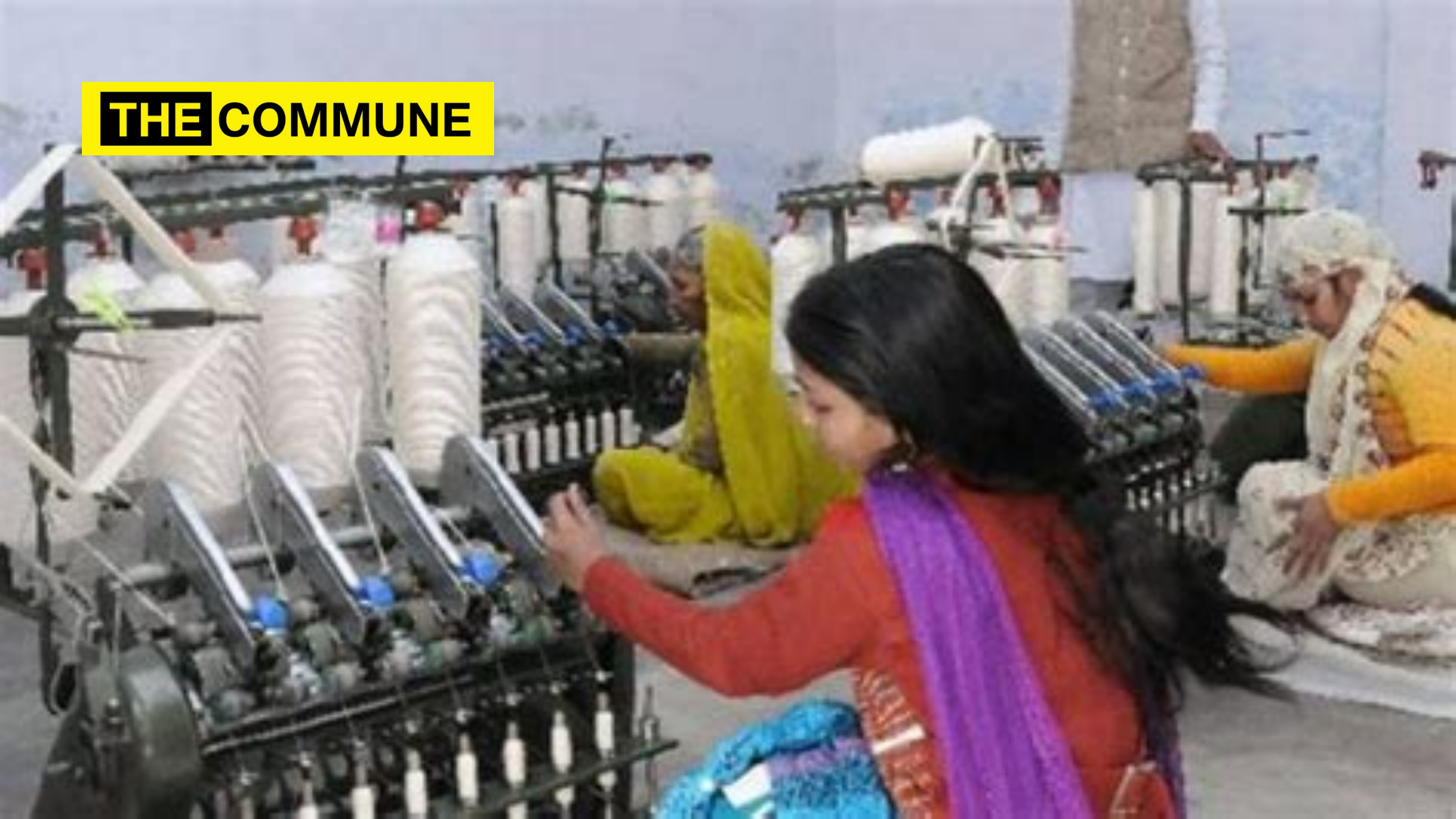
Khadi activities got a major push in the year 2020 – a year that largely remained affected due to the Covid-19 lockdown – thanks to a huge purchase order worth ₹48.90 crore from the Indian Railways. While the railways purchased Khadi goods worth ₹8.48 crore in December 2020 alone, it substantially created employment and income for Khadi artisans during the testing times of Covid-19.

The purchase orders from Indian Railways directly benefited artisans registered with 82 Khadi Institutions across India. These artisans are engaged in the production of sheeting cloth, towels, bedsheets, flag banners, sponge-clothes, Dosuti Cotton Khadi, bunting clothes etc.

In the period from May 2020 to December 2020 (till December 21), Indian Railways procured Khadi material worth ₹48.90 crore, which kept Khadi activities going during the pandemic. Interestingly, Indian Railways purchased goods worth ₹19.80 crore from Khadi institutions in the months of May and June despite the economy having taken a severe hit due to the lockdown. Subsequently, the railways procured Khadi goods worth ₹7.42 crore in July and August, whereas it purchased Khadi products worth ₹13.01 crore in the months of October and November.

Khadi and Village Industries Commission (KVIC) Chairman Vinai Kumar Saxena thanked the Railway Minister Piyush Goyal for supporting Khadi artisans by placing large orders with the KVIC. “During the pandemic, KVIC faced the biggest challenge of sustaining employment and livelihood of the artisans. While KVIC engaged its artisans in making Khadi masks during the pandemic, it simultaneously received bulk orders from the railways too that kept Khadi’s spinning wheel on the move. This meant additional employment and income for the artisans which helped them overcome the financial distress and support the country’s economy,” Saxena said.

Apart from supporting Khadi through direct purchases, Indian Railways has also implemented policy decisions to strengthen Khadi artisans. In one such move, the Railways has designated 400 railway stations where only earthenware is used for selling food and beverages to passengers, thus giving a major employment and earnings boost to the potters trained by KVIC under the Kumhar Sashaktikaran Yojana. The Ministry of Railways is in the process of notifying another 100 railway stations as “Plastic-free Stations”.

(Published from PIB)