Home Blog Page 1533

Construction of mosque in Ayodhya begins with hoisting of the national flag

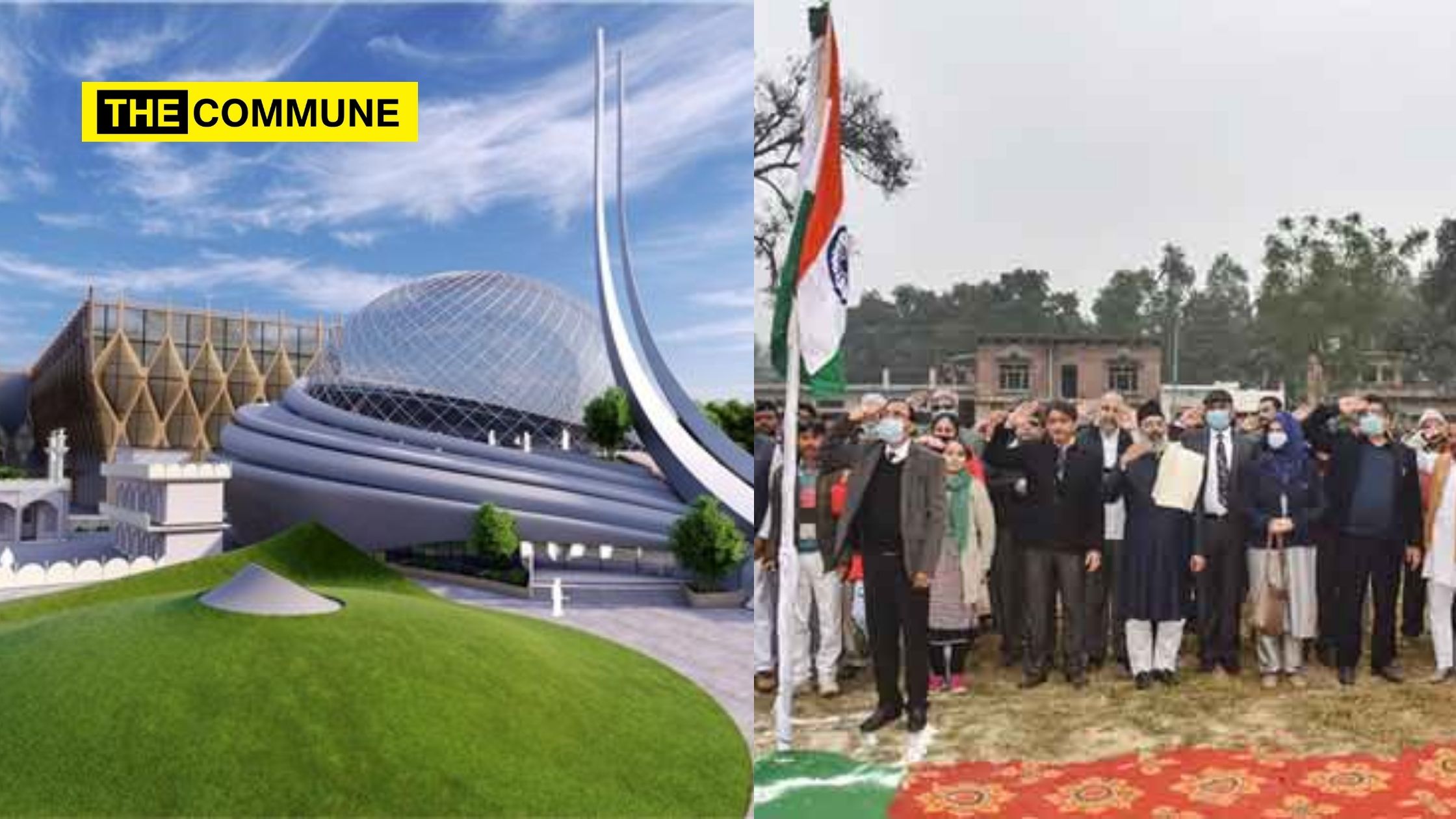
In Ayodhya, the Indo-Islamic Cultural Foundation yesterday (January 26) commenced the work for construction of a mosque by hoisting the national flag.

The Supreme Court in November 2019, paved the for the construction of a grand Ram Temple at the Ram Janmabhoomi in Ayodhya. In the same judgment, it ordered the Uttar Pradesh government to allot five acres of land in Ayodhya to the Sunny Waqf Board for the construction of a mosque.

Subsequently, the government provided five acres of land near Ayodhya. The ‘Indo-Islamic Cultural Foundation’ was set up on behalf of the Sunni Waqf Board to build a mosque on this land, the work for which began yesterday.

Zufar Ahmed Farooqi, President of the Islamic Cultural Foundation of India, hoisted the national flag and planted saplings along with the 12 members of the Foundation to commence the beginning of the construction of the mosque.

“Soil testing is going on in the ground and once the test results come out and the map is approved, construction will start. People are already funding the construction of the mosque,” he said. Last month, the Indo-Islamic Cultural Foundation released a blueprint for the new mosque, which will include a hospital, library, community hall and museum.

“In 2026, BJP will have its CM sitting in Ft. St. George”: BJP TN leader Annamalai

Feature Image: Representational Image

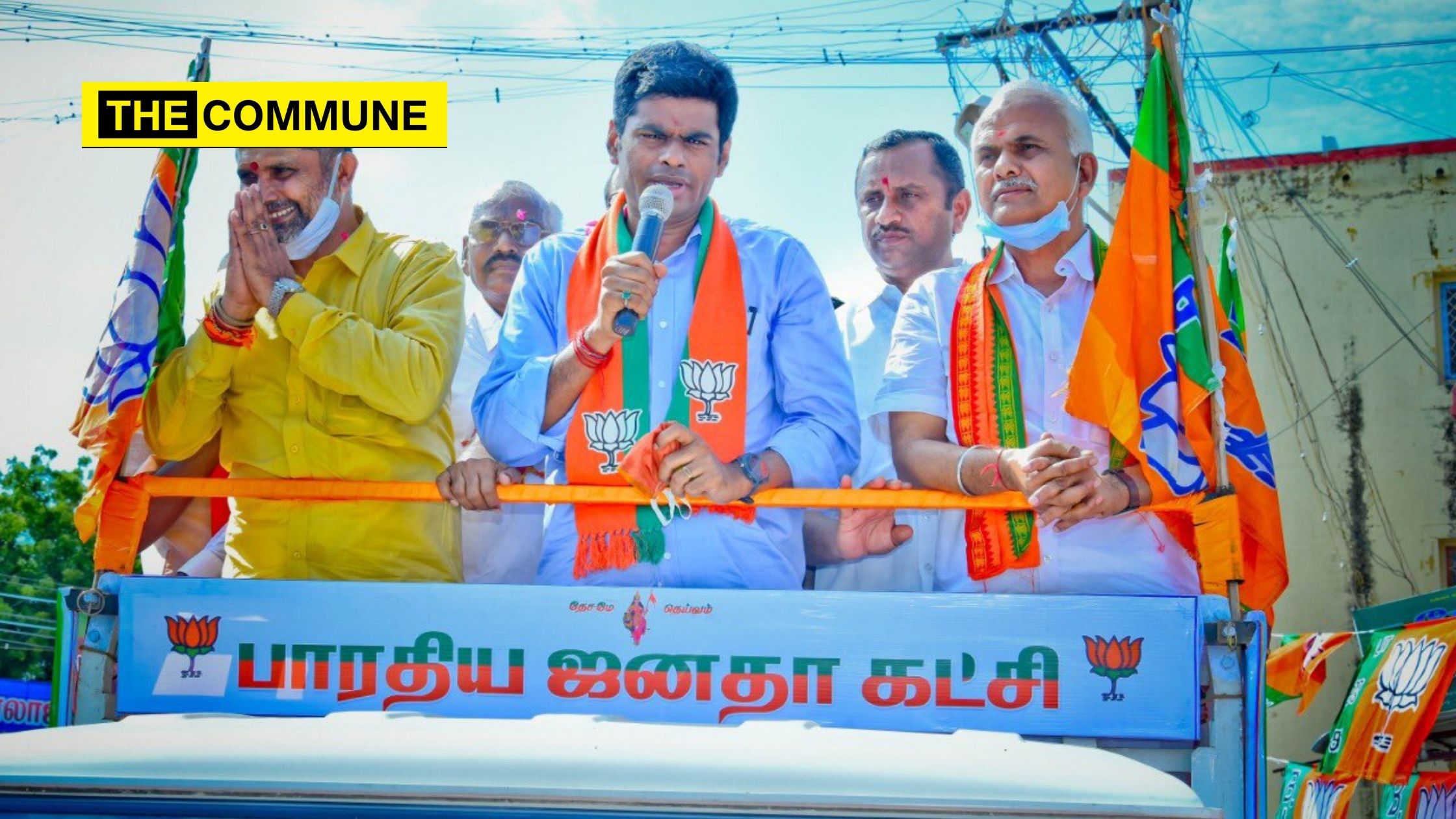
BJP Tamil Nadu Vice President K. Annamalai said that in 2026, the party would storm to power and Tamil Nadu would have its Chief Minister from the BJP. 

“In Tamil Nadu, in 2026, a BJP Chief Minister will be at the fort [Ft. St. George]” Annamalai said.

Speaking at the Kumbabhishekam ceremony at the Badreswari Amman Temple in Mallankodu, near Thingalsandhai, Kumari district, he said: “Here, school curriculums are such that Tamil Nadu was formed only after the birth of E.V.R [known as Periyar by his followers]. There is nothing about the Alwars, Nayanmars, Rajaraja Chozha, Pandyas, etc. During the Congress rule, in the Vidarbha region of Maharashtra alone, 50,000 farmers committed suicide.”

“In Tamil Nadu, under the DMK regime, in 2009 alone, 1,060 farmers committed suicide. On the other hand, Prime Minister Narendra Modi, is giving dignity to farmers and increasing the standard of their living. PM Modi talks about Thirukkural, Kamba Ramayanam, Kaniyin Poongundran, when he goes to the United Nations and Chinese border.”, he said.

“In the coming elections, more BJP MLAs will go to the Assembly. In 2026, a BJP Chief Minister will be sitting in the fort”. Annamalai said.

Click here to subscribe to The Commune on Telegram and get the best stories of the day delivered to you personally. 

Padma Shri conferred on the man who conquered Computers and Vedas alike

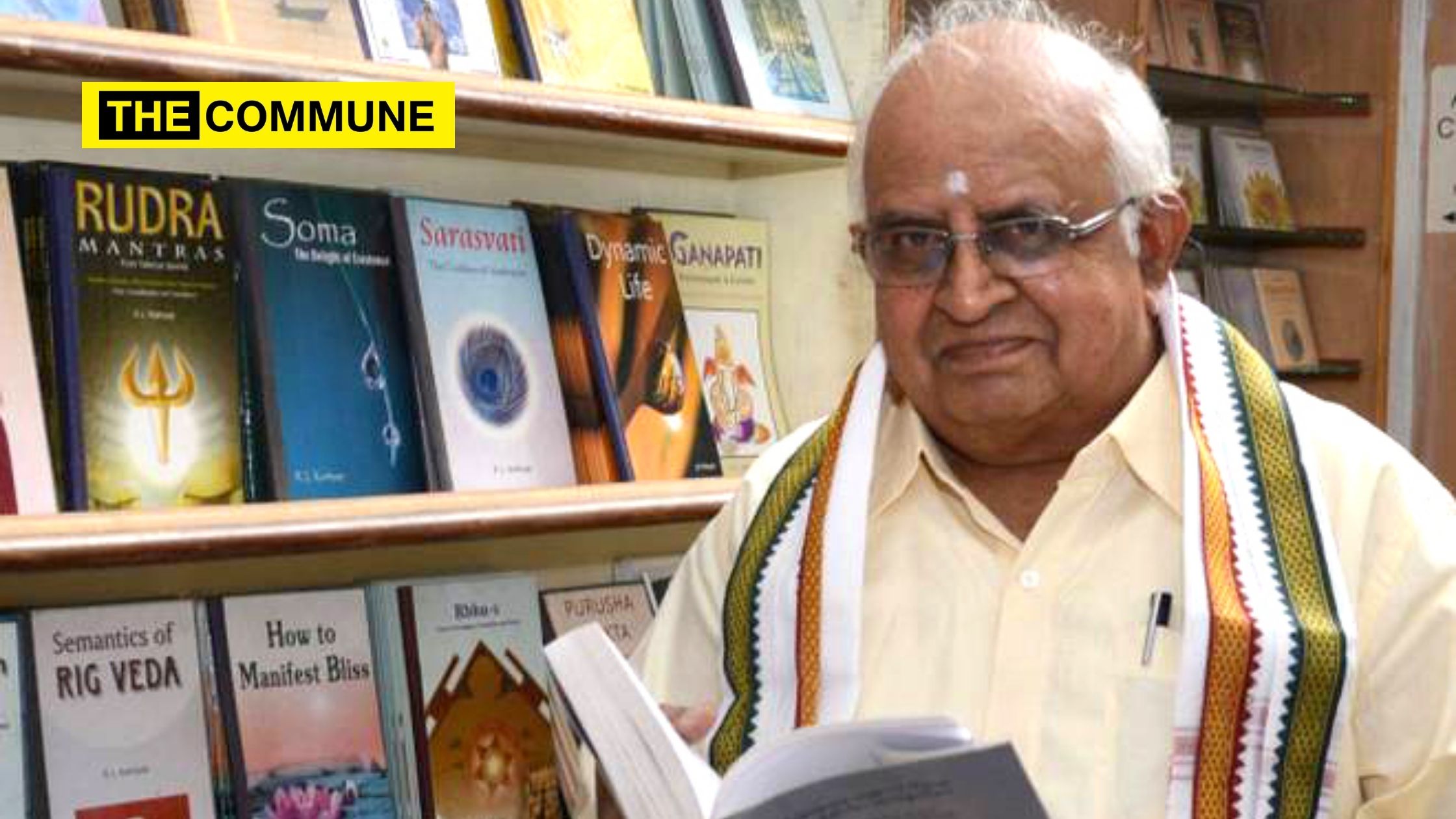
Dr RL Kashyap, the man who conquered the extremes of Computers and Vedas as though it were child’s play, has been conferred with Padma Shri by the Central Government.

He has a Masters degree from IISc Bengaluru and a PhD from Harvard. He is a Professor of Electrical and Computer Engineering, Emeritus at Purdue University, US. He has to his credit a large number of international awards like the King-Sun Fu award, JC Bose Award etc for his contribution to machine intelligence. He has guided over 30 doctoral students at Purdue University. He has published over 250 advanced research papers in international journals. His doctoral work “Ho-Kashyap Algorithms” is studied as text to this day in several universities the world over.

What would a man like him have anything to do with Vedas, which are a world apart? Dr Kashyap is a man who has conquered both ends of the spectrum. He was drawn to the work of Aurobindo and Kapali Sastri, and his translations and interpretations of the Vedas are inspired by their works after a visit by Madhav Pandit while he was in the US, pursuing his masters. He later went on to become the founder of SAKSHI – Sri Aurobindo Kapali Sastry Institute of Vedic Culture, a centre for any enthusiast to learn all about the Vedas.

Dr Kashyap has also translated all the four Vedas – a total of over 25,000 shlokas, into English in over 18 volumes. Along with that he has published over 25 books on various topics, in English and all of them are translated to Kannada, Telugu and Tamil. He has relentlessly carried on the work of Sri Aurobindo and Kapali Sastry.

At 80 years old, Dr Kashyap never ceases to be a source of amazement for the young and old alike, as he is still up and about, researching and writing books. The Central Government has conferred him with the Padma Shri to commend his achievements.

Click here to subscribe to The Commune on Telegram and get the best stories of the day delivered to you personally. 

Who is Pappammal, the centenarian who has been awarded a Padma Shri?

Feature Image Credits: Fusion WeRIndia

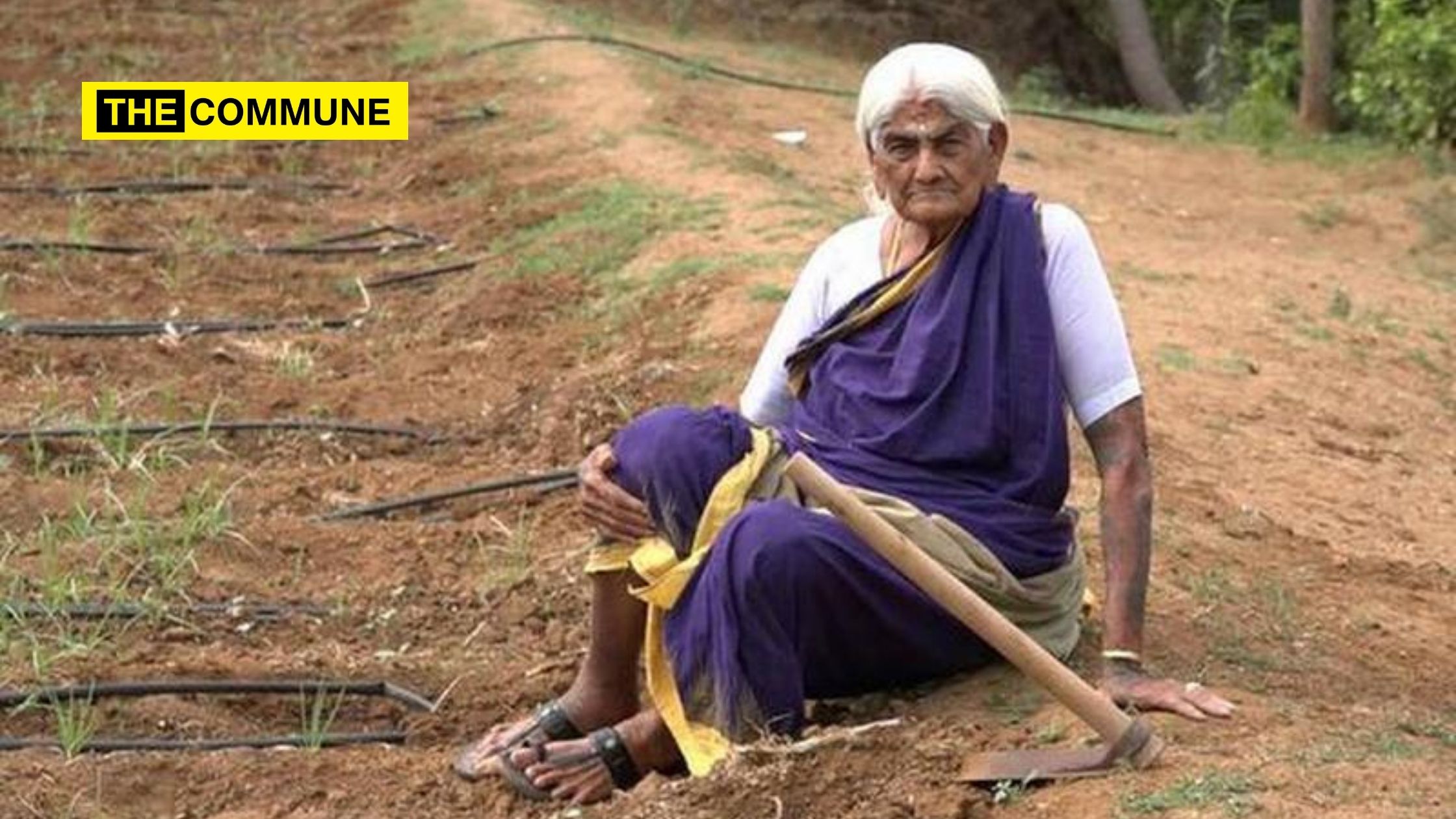
On the list of the Padma Shri awardees was the name Pappammal, a 105-year-old woman who received this prestigious honour for her work in agriculture. This centenarian was a pioneer in the field of agriculture and has lived through two World Wars, and now a global pandemic.

She was born in 1914 in the Devalapuram village of the Mettupalayam district near Coimbatore. She was entirely raised by her paternal grandmother in Thekkampatti, after having lost her parents at a very young age. She started farming when she was an adolescent, on her 10 acres of farmland, which she claimed was ‘everything to her’. She cultivates millets, pulses, vegetables and such in an entirely organic procedure, and runs her own provision store and eatery, where she sells her produce.

In the earlier stages, she used to visit the Tamilnadu Agricultural University to learn about the new agricultural practices and get subsidised pesticides and such. Later, when she realised the harmful effects that it caused, she switched entirely to conventional farming techniques.

She joined the DMK in her thirties, and has been a member of the party for the past 72 years. She has also held various positions. She was elected as the Village Councillor of Thekkampatti after the Tamilnadu Panchayat Act was passed in 1958, and became the first village head after this act in 1959. Despite all of this, it is noteworthy that there were no dirty politics involved by the Central Government run by the NDA while conferring her with the honour, in accordance with the work she has done, and not which party she belongs to.

Click here to subscribe to The Commune on Telegram and get the best stories of the day delivered to you personally. 

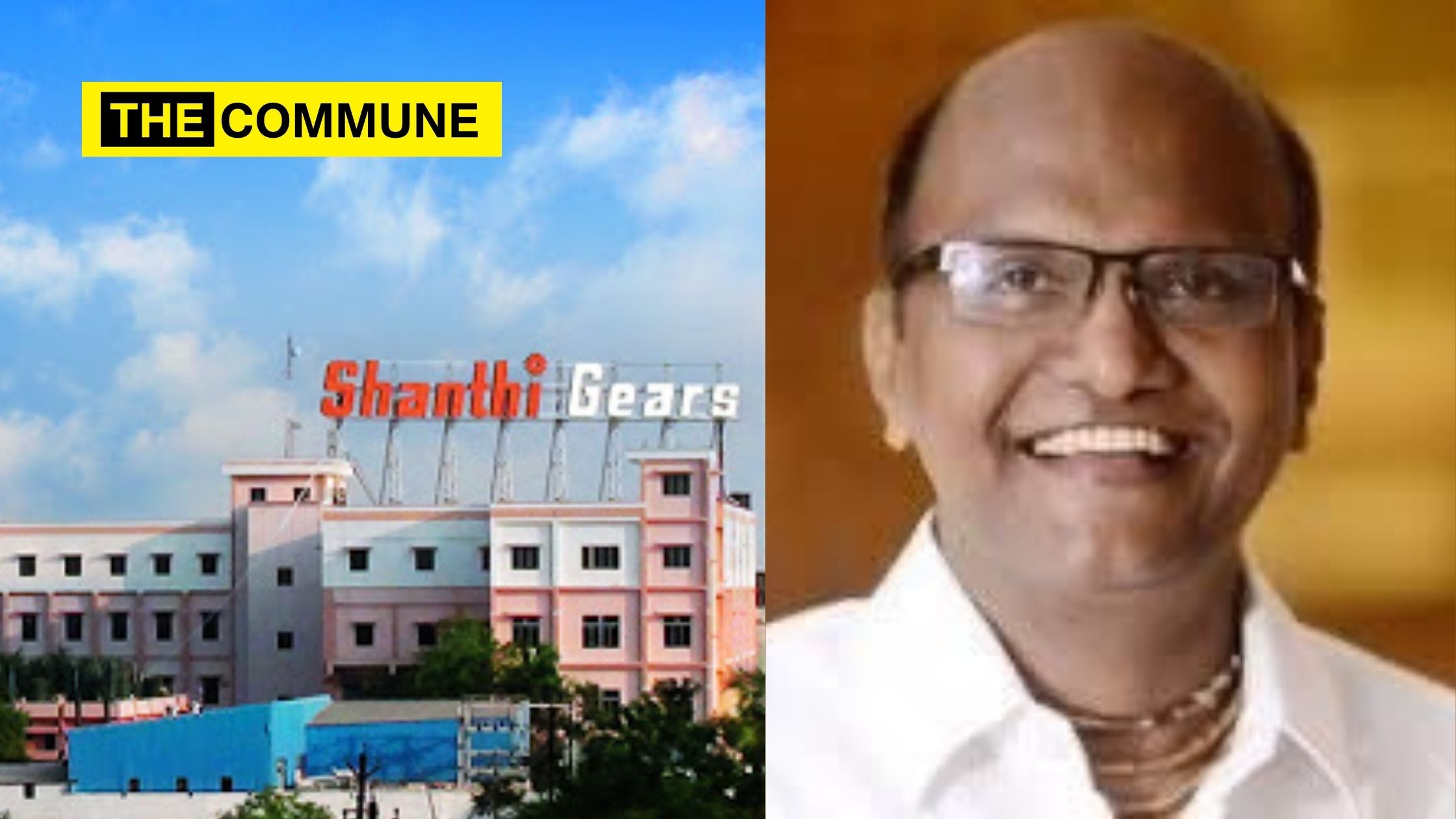
‘Shanthi Gears Subramaniam’ gets awarded the Padma Shri posthumously

Subramanian, the ‘Gear Man of Coimbatore’ as he was affectionately called, and the founder of Shanthi Gears, and Shanti Social Service, a philanthropic trust engaged in free medical services for the needy, has been posthumously conferred with the Padma Shri. He passed away on December 11 last year.

Subramanian, or P Subramani, was a diploma graduate from PSG Polytechnic in the 1960s. He had then joined PSG Polytechnic as a lecturer in the late 1960s. While working there, he started a workshop to pursue his interest in machines. This pushed him to establish Shanthi Engineering and Trading Co in Coimbatore to manufacture small gears in 1969, as the machinery piqued his interest. In 1972, Subramanian converted it into a private company by name of Shanthi Gear Products (Private) Limited, which focussed on manufacturing gears to serve the textile sector. He grew the company into the largest in the gears sector by the 200os. This company went on to produce gears for industries such as power steel, and aviation. It was later acquired by the Murugappa group in 2012.

Following this, Subramanian shifted all of his energy into running Shanthi Social Service, a non-profit, charity trust that he cofounded in 1996. This trust helped in providing quality healthcare services free of cost to those in need, along with medicines, ambulance services and such. Lakhs of people have been benefited by this initiative, and a lot more still are reaping the fruits of this endeavour.

In addition to this, the foundation also runs a canteen which served free food to 300 senior citizens every day, apart from selling food for a nominal price for others. The foundation also runs a diagnostic centre, a blood bank, an eye-care centre, and an LPG crematorium. Subramanian worked tirelessly to keep the ‘gears’ running for this charity organisation, till his last breath in December.

Click here to subscribe to The Commune on Telegram and get the best stories of the day delivered to you personally. 

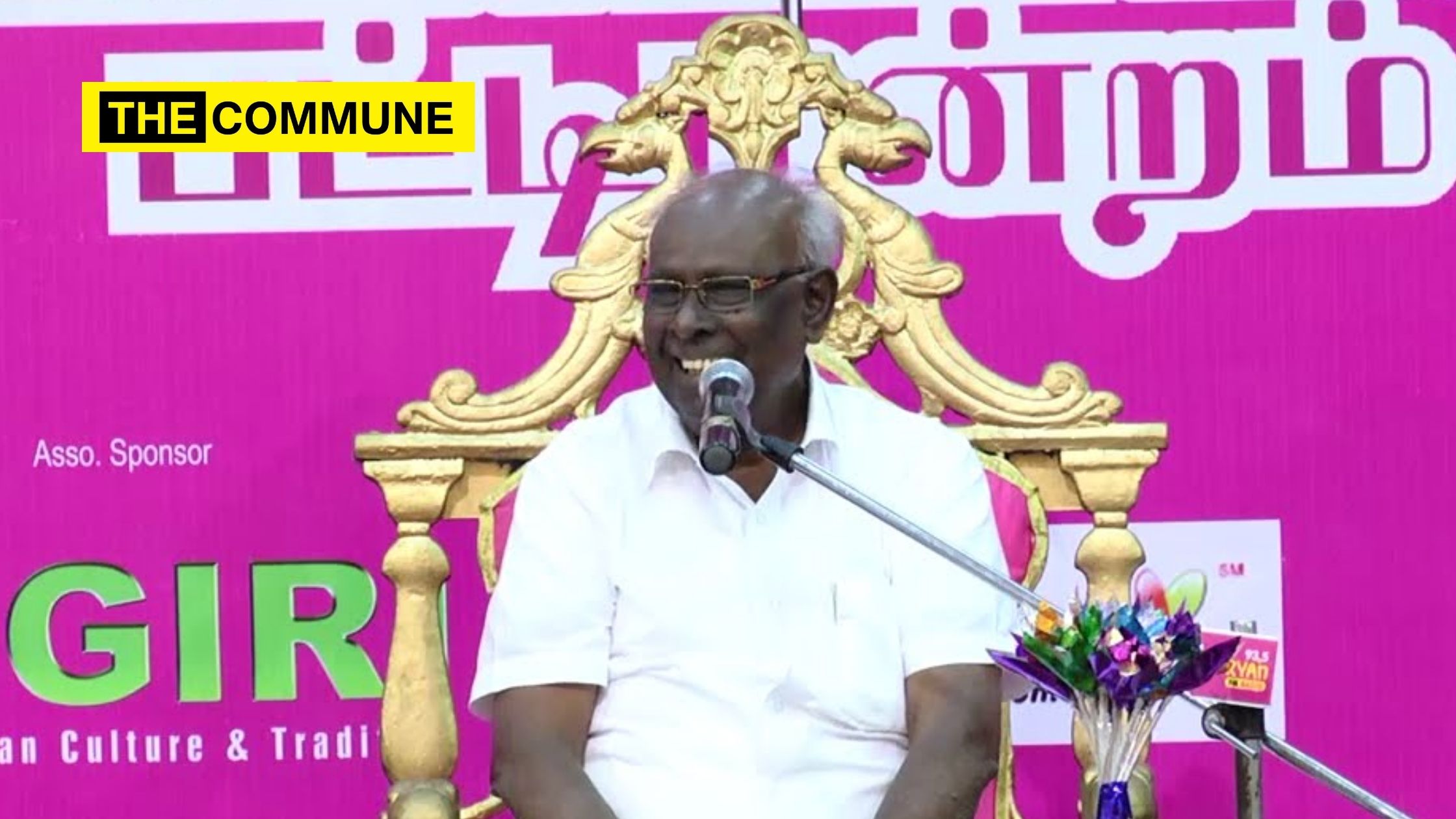
Noted Tamil scholar and beloved debate moderator Solomon Pappaiah conferred with Padma Shri

Solomon Pappaiah, television’s most belove debate moderator, has been enlisted for the prestigious Padma Shri award. The 84-year-old Tamil Scholar was awarded under the Literature and Education (Journalism) field and is a household name for being the moderator of patti mandrams, or Tamil debates, that have been aired in Tamil channels for the past two decades. He has earned a great amount of praise for lacing his observations on patriarchy and equality with humour, so as to deliver a healthy message without provoking offence or hate.

Pappaiah comes from a very humble economic background, where completing graduation in itself was a challenge. But, he was determined to study further, and joined Madurai’s Thiagarajar College to pursue a Post-Graduation in Tamil and became the first batch of M.A Tamil students. He rose to the position of Head of Department for Tamil in American college and extended his Tamil literature knowledge to all people through various forums. Eventually, he created a social awakening in the evolution of Patti Mandrams. He has also written and directed plays at college.

Pappaiah, who is a native of Tirunelveli, is an eminent Tamil scholar and has been known for being a prolific writer. He has written and published several books, and articles in Tamil. He has been serving as a professor of Tamil literature for more than two decades, and is an accomplished orator, in addition to being a moderator. In addition to being a constant presence in Tamil Television debates, he has also been seen in a few Tamil movies and has done quite a few radio shows.

He was awarded the Kalaimamani by the Tamilnadu government, and the Mutthamizh Perarignar award by the Annamalai University in Karaikudi, amongst others.

Click here to subscribe to The Commune on Telegram and get the best stories of the day delivered to you personally. 

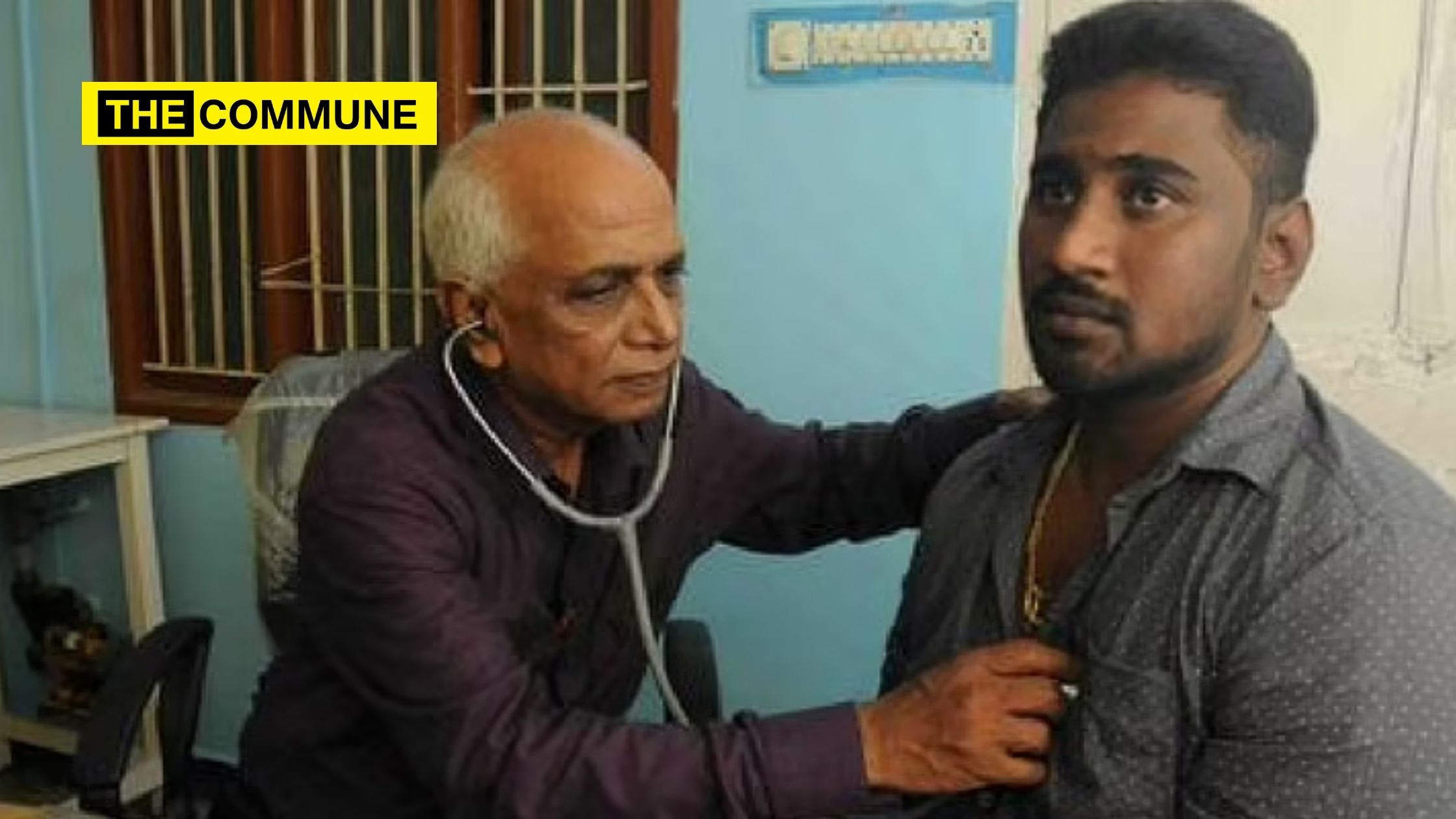
Chennai’s famous ‘2 rupees doctor’ gets conferred with Padma Shri posthumously

Anyone who is from Chennai would easily recognise the name Thiruvengadam Veeraraghavan, or the ‘2 rupees doctor’ as he is affectionately referred to as. He died in August 2020 at the age of 70, catered to patients from north Chennai, has been. Born to Veeraraghavan, a farmer, and Radhabai, he did his schooling in Thyagaraya School and medicine from the Government Stanley Medical College. Hailing from a humble background, he was committed to helping the poor and downtrodden.

A resident of Vyasarpadi in Chennai, he had pursued medicine from a government medical college free of cost and hence intended to serve the poor for free in Vyasarpadi and Erukkancheri areas initially for ₹2 and for ₹5 after many years until his last breath. Every day, from 8 pm to 10 pm, he attended to patients in Erukancherry area, and from 10 pm to beyond midnight in Vyasarpadi area in the city.

Because of his low fees, he soon became very popular. But, this was met with backlash from his peers in the neighbourhood, who got together and protested, demanding he take at least Rs 100 as consultation fee. But, he was unfazed by it, and continued his service. In fact, he stopped accepting a fee from his patients after this incident. They could pay him just about anything — small sums they could afford, eatables, or nothing at all.

His wife Saraswathi worked as a railway officer and retired from service a few years ago. His son T Deepak and daughter T Preethi studied medicine in a college in Mauritius. Veeraraghavan hoped to get all his family members to work with him and fulfil his dream to build a hospital in Vyasarpadi and serve its residents. Unfortunately, he passed away before the realization of his dream last year. He has now been posthumously awarded the Padma Shri by the Central Government.

(Source: YourStory)

Click here to subscribe to The Commune on Telegram and get the best stories of the day delivered to you personally. 

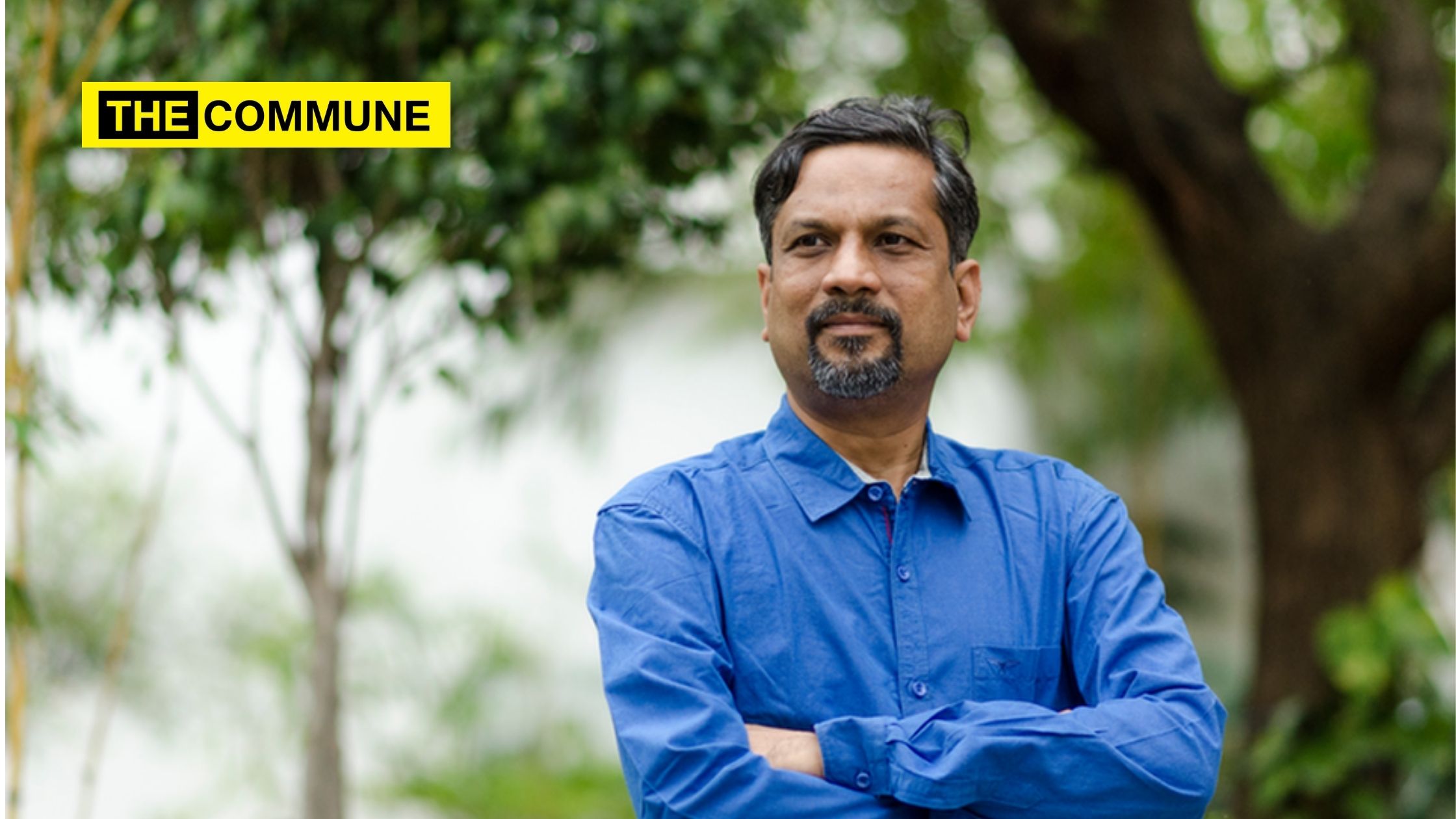
Zoho’s Sridhar Vembu awarded Padma Shri

Sridhar Vembu, the son of a farmer, and the founder of Zoho, one of India’s biggest software firms, was conferred the Padma Shri, a high civilian honour granted by the Government of India. He was born in a village in Thanjavur, to an agricultural family, and is the 59th richest man in the world, according to Forbes’ List 2020.

Coming from a humble background, Vembu started his software corporation called AdventNet in 1996 along with two of his brothers, after graduating from IIT Madras in 1989. He did a PhD from Princeton University and then got a job as a wireless systems engineer at Qualcomm for two years before starting his own company. In 1996, along with two of his brothers and three friends, he co-founded AdventNet. He went on to rebrand the company as Zoho Corporation in 2009. Today, Zoho has 60 million users worldwide and counts Levi’s, Amazon, Philips, Whirlpool, Ola, Xiaomi, and Zomato among its clientele.

He has been credited with having got the distinction of creating a unicorn without the aid of external funding. Zoho, meanwhile, is powering ahead. It was recently in the news for developing an alternative to WhatsApp amid privacy policy concerns surrounding the world’s largest messaging app.

Click here to subscribe to The Commune on Telegram and get the best stories of the day delivered to you personally. 

Delhi protests: Security forces resort to lathi-charge and tear gas shells

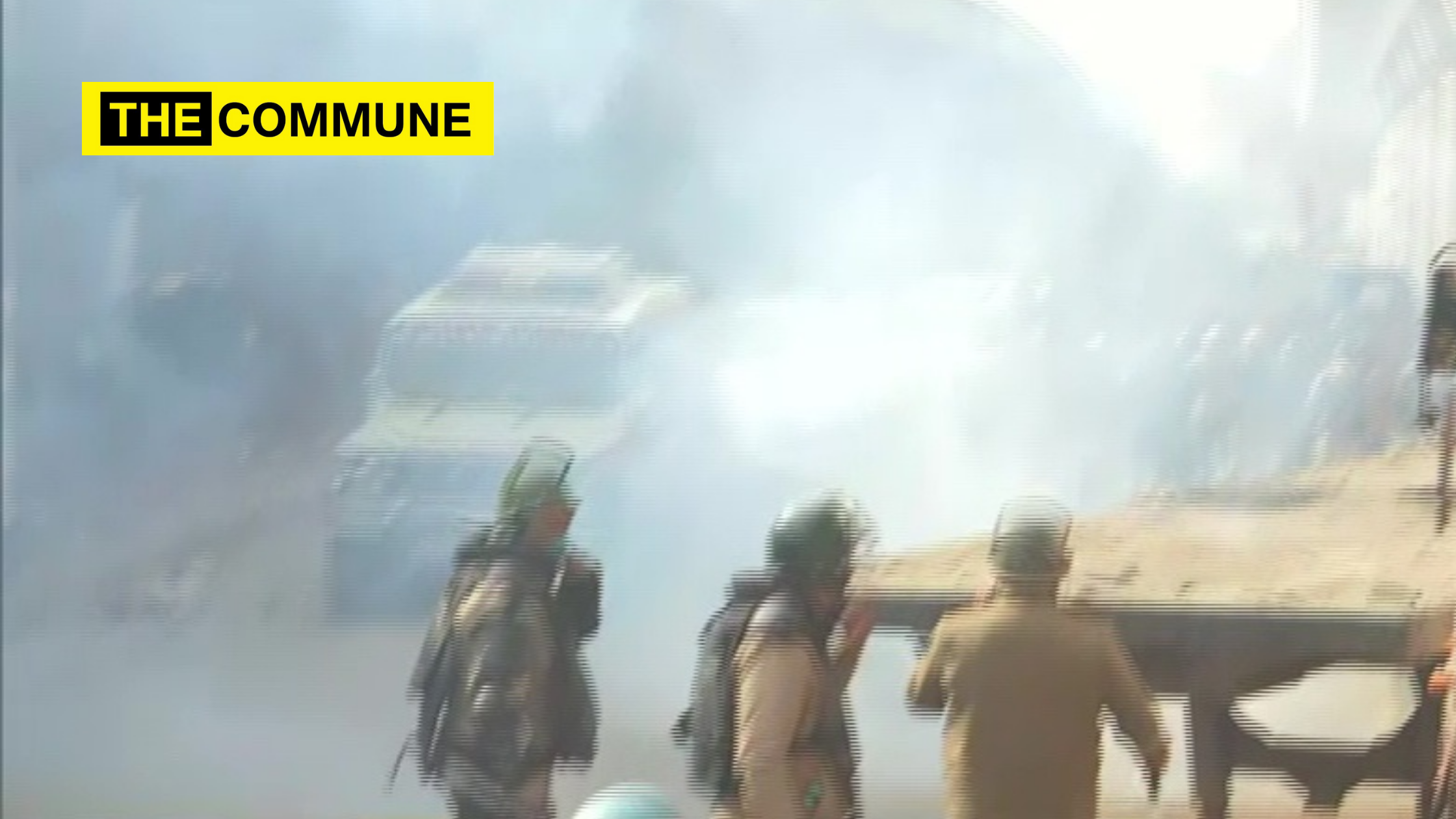
Security personnel have resorted to lathi-charging and lobbing tear gas shells to rein in the farmers rioting in Delhi.

Security forces in riot gear can be seen beating the rampaging rioters in Nangloi area, Delhi.

The “farmer” protestors had earlier gathered in a large mob near the Red Fort where they had removed the Indian tricolour and unfurled the Khalistani flag in its stead. Engaged in protests against the Centre’s farm laws, they had also attacked a woman police officer and tried to injure officers by attempting to run them over with a tractor.

Several police personnel have been injured in riots across the capital.

Connecting People and Building Cultural Bridges: The Netaji Bose Way

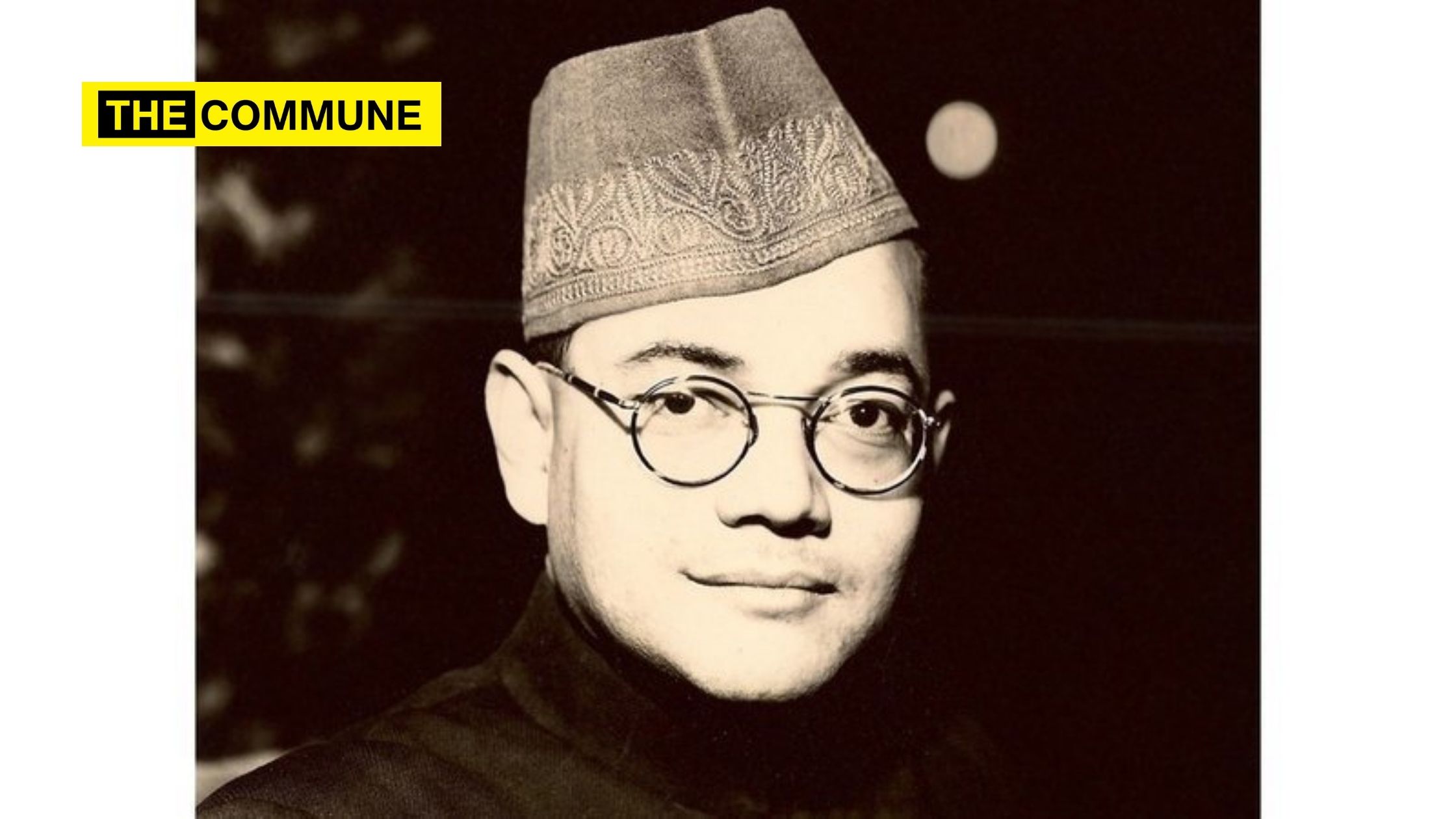
When you think of Netaji Subhas Chandra Bose, various facets of his living and persona come to mind. For me there are at least two significant aspects that have always stood out and perhaps may well be lesser known, amongst his substantial achievements. One was his ability to inspire people and forge key people to people connections in view of the Indian Independence movement. Two, his ideas for building cultural bridges between countries to reaffirm the cultural linkages that unites across geographical boundaries.

As the famous line of the movie, ‘Last Samurai’ goes, when Emperor Meji asks, ‘Tell me how he died’, to which Algren responds, ‘I will tell you how he lived’. As an observer one can learn so much just by merely observing how Bose lived.

It is not easy to forge key people to people partnerships and build an army of more than 83,000 soldiers outside of India all by oneself given the circumstances that Bose faced. If one were to ever achieve this, not only should one be single minded in focus but also necessarily be armed with the soft and subtle touch of being spiritually rooted and firm in one’s purpose. Netaji was full of this and more. He was able to effectively communicate what he stood for, what he sought and what lay ahead. There was never any ambiguity, dishonesty, duplicity in his approach.

I have had the privilege and honour of meeting some of those who worked for him and the cause he espoused in and through the Indian National Army (INA) that he set up.

Tamil Nadu in India has contributed some of the most dedicated workers of the INA, and all of them have had the fortune of meeting him may be just once only in their lifetime. Yet the profound impact he has had on them can be discerned through the sharp and indelible memories they have of him that catapulted their sojourn and resolve in committing themselves to him and his vision.

Words are inadequate to describe Saraswathi Rajamani’s contribution to the Indian Freedom Movement. A living example of Netaji’s words, she was a ninety-two-year-old inspiration who risked her entire life to make India free and survived to experience that free India, every single day, with humility and pride. Saraswati Rajamani hailed from an illustrious family in then Burma, today’s Myanmar, before coming in touch with him. For her his words had an instant impact in the way she decidedly gave up literally everything to be a spy for almost 3 years. She performed her task as a spy by disguising herself as a man. She passed away in 2018, but when I met her in 2017 and asked her what she liked the most about Netaji Subash Chandra Bose, her roaring response was, “He was strong and spiritual. That inspired us.”

Su Pa Narayanaswamy is another incredible example from Malaysia, who is currently a leading Tamil intellectual in Malaysia. He was part of Netaji Subhas Chandra Bose’s INA’s children’s wing. Presently he runs the Netaji Service Centre in Kuala Lumpur, which caters to the veterans of INA. In 2018, when I asked him about his first impression of Netaji Subhas Chandra Bose, he said, “Merely by listening to him, we were inspired. His very presence was contagious. He could single-handedly inspire families to commit to the cause of the Indian freedom struggle.”

Be it those in Burma or Malaysia, Netaji was able to inspire individuals and their families with his words. He was able to forge those instant connections and sow the seeds of a vision which was both uplifting and meaningful for individuals to commit themselves and have their entire soul in it. Bose united people. A rare quality.

A perfect of example of such a quality can be seen in another tall Bengali legend and leader Bangabandhu Sheikh Mujibur Rahman, the founding father of Bangladesh who was tremendously inspired by Bose. Both are icons in both India and Bangladesh, respectively. There are no records as such to suggest Bangabandhu and Bose ever met, but the former was instrumental in giving his brethren an important cause to fight and live for of seeing a fully independent Bangladesh like what Bose championed for India in his lifetime. In fact, Bangabandhu is also popularly referred to as Netaji of Bangladesh by some commentators. Their life and the adversities that they encountered were similar.

In addition to the INA, Netaji was keen on building key cultural bridges between countries. He wanted the Madras Literary Society (MLS) to play a key role in building cultural links with Europe through the Indian Central European Society. As per the MLS, this society aimed to improve ties between the two regions on the cultural front. The Indian Central European Society was started by Netaji himself and it is because he was a member of the MLS in 1932, a letter is evidence to the fact that he had sought stronger cultural and people to people ties between India and Europe through these two organizations.

A visionary who thought ahead of his time, an individual who brought people together for a common cause and a leader who believed that culture is not a one-way street but a two-way phenomenon. His 125th birth anniversary is marked by India and the world this year.

(Views expressed are the author’s own)