Home Blog Page 1480

DMK office bearer sends mercenaries to attack youth who had filed a complaint against him for grabbing land

A youth who had lodged a complaint against a DMK office bearer for encroaching land on the banks of a pond, was attacked by mercenaries sent out by the latter a few days back.

Masanamuthu hails from the Vellalore area of ​​Coimbatore and is engaged in doing fishing business. He had filed a petition against ‘Meenkadai’ Siva, a DMK office bearer from Singanallur, alleging that the latter had occupied about 24 acres of land near a pond in the area worth ₹75 crores and demanded that steps be taken to recover the property from him.

Coming to know of this complaint, the DMK office bearer is said to have sent mercenaries to kill Masanamuthu.

A frightened Masanamuthu fled and took refuge in Palani and is said to have returned to Coimbatore again on Monday (November 23). The DMK office bearer once again knowing of his whereabouts sent his men to attack Masanamuthu.

Masanamuthu, who escaped with serious injuries, lodged a complaint at the Coimbatore Police Commissioner’s Office on Tuesday morning (November 24) as he felt that there was no point in lodging a complaint at the Singanallur police station.

Speaking to media, Masanamuthu said that appropriate action should be taken against the DMK office bearer and his mercenaries for attacking.

‘Meenkadai’ Siva is a regional henchman for the DMK and a close aide of former Animal Husbandry Minister Pongalur N. Palanisamy. He was arrested in 2011 over another land grab case.

India’s installed renewable energy capacity increased by 2.5 times in last 6 Years: PM at RE-Invest 2020

Narendra Modi bureaucrats bureaucracy IAS officers

Prime Minister Shri Narendra Modi inaugurated the 3rd Global Renewable Energy Investment Meeting and Expo (RE-Invest 2020) through video conferencing. The summit organised by the Ministry of New and Renewable Energy was themed ‘Innovations for Sustainable Energy Transition’.

The Prime Minister expressed happiness that within a short time much progress has been achieved from from megawatts to gigawatts in generation capacity in the renewable energy sector. He said that “One Sun, One World, One Grid” are becoming a reality, all of which were discussed in the earlier editions. He added in the last 6 years, India is travelling on an unparalleled journey. He pointed out that India’s generation capacity and network is being expanded to ensure every citizen of India has access to electricity. He said that India’s renewable power capacity today is the 4th largest in the world and is growing at the fastest speed among all major countries. The renewable energy capacity in India is currently 136 Giga Watts, which is about 36% of our total capacity.

The Prime Minister expressed happiness that India’s annual renewable energy capacity addition has been exceeding that of coal based thermal power since 2017. He highlighted that in the last 6 years, India has increased installed renewable energy capacity by two and half times. He said investing in renewable  energy early on even when it was not affordable has helped in achieving the scale, which is bringing costs down. He said we are showing to the world that sound environmental policies can also be sound economics. He said we have ensured energy efficiency is not limited to one ministry or department, instead it has been made a target for the entire government. All our policies have a consideration of achieving energy efficiency.

The Prime Minister said after the success of Performance Linked Incentives (PLI) in electronics manufacturing, we have decided to give similar incentives to high efficiency solar modules. He stressed that ensuring “Ease of doing business” is our utmost priority and dedicated Project Development Cells have been established to facilitate investors. He announced that there are huge renewable energy deployment plans for the next decade and are likely to generate business prospects of the order of around $ 20 billion per year. He invited investors, developers and businesses to join India’s renewable energy journey.

(Published from PIB)

Indian Navy inducts two predator drones on lease from America for surveillance

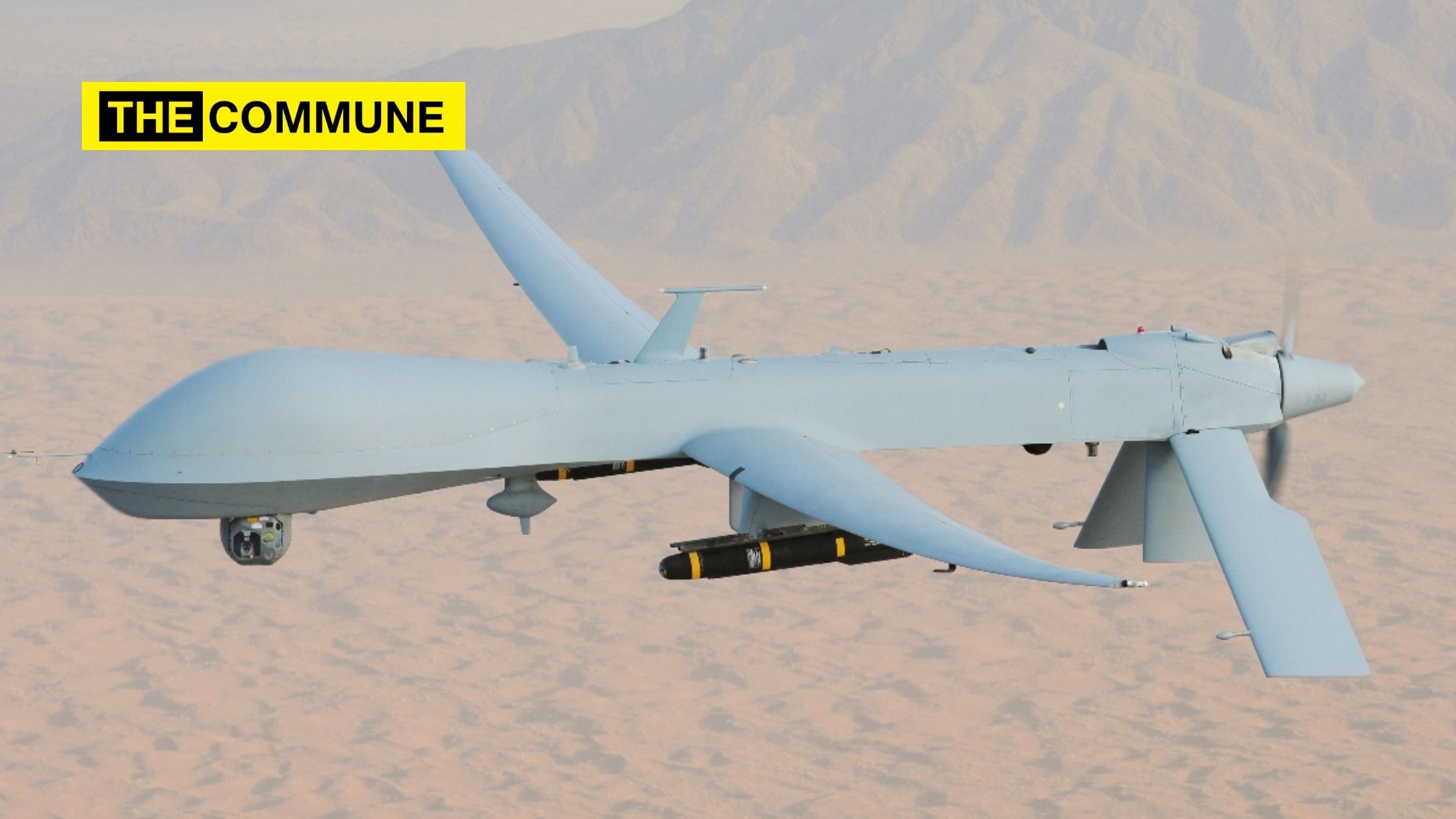
In a major boost to enhance surveillance in the Indian Ocean region and possibly across the Line of Actual Control (LAC), the Indian Navy has inducted two Predator drones from an American firm on a year-long lease, India Today reports.

Under the emergency procurement powers provided by the Ministry of Defence, these drones which are capable of carrying out surveillance for more than 30 hours have been acquired. 

“The drones arrived in India in the second week of November and were inducted into flying operations on 21 November at Indian Navy base at INS Rajali,” the news agency quoted top government sources.

The three military branches plan to obtain 18 more such drones from the US and under the Defence Acquisition Procedure 2020 and the Defence Procurement Manual 2009 the United States can allow for leasing weapon systems cuts down expenditure as the vendor is responsible for the maintenance of the system.

That is why an American crew is accompanying the equipment as well as assist in the maintenance and technical issues. However, the Indian Navy will be handling the control of the joystick and sortie planning.

But the most important point is that the Indian Navy will exclusively hold the rights of the data collected via the drones.

It must also be noted that since the drones will be flown by the Indian navy pilots. they must have gone through extensive training and orientation. Also, there is no information available or not disclosed if these drones will only be used for surveillance or they carry any weapons package like the hellfire missiles.

The MQ-1 Predator drones are capable of carrying more than 1,000 pounds of bombs and missiles capable of striking targets at land, sea and air.

14 year old transsexual boy lured and forced into sex work by transgender persons

Haleema*, a 14 year old transsexual boy belonging to the Muslim Scheduled Caste community, was decoyed by a transgender cartel and forced into sex work on the pretext of getting his sex-change operation done.

Haleema hails from Kalimetupatti near Utthamapalayam in Theni district. Last week he was at the Dindigul bus stand when two transgender persons named Sathya and Aparna working for another transgender named Sona had approached him. They had interacted with him and took his mobile phone number. Two days later, they had called Haleema and enticed him to come to Trichy under the pretext of getting his sex-change operation done earlier.

Haleema started for Trichy on November 25 and had gone to the place where Sathya, Aparna and Sona were living. They had told Haleema that they would get his sex-change operation done in the next six months but he had refused as he came to know that sex-change operation could be done only after one attains 15 years of age. Later, they forced him to drink alcohol and had threatened to attack him if he didn’t. They had called his parents and asked them to file a police complaint through a transgender in Theni stating that Haleema went missing.

At around 7 PM that day, they had taken Haleema to the Samayapuram highway for sex work. They had collected ₹500 from a male ‘customer’ and made Haleema do oral sex to him. When Haleema had questioned them about making him do all this, they had told him that they have an NGO named TGCANE under their control through which they will get be able to get away.

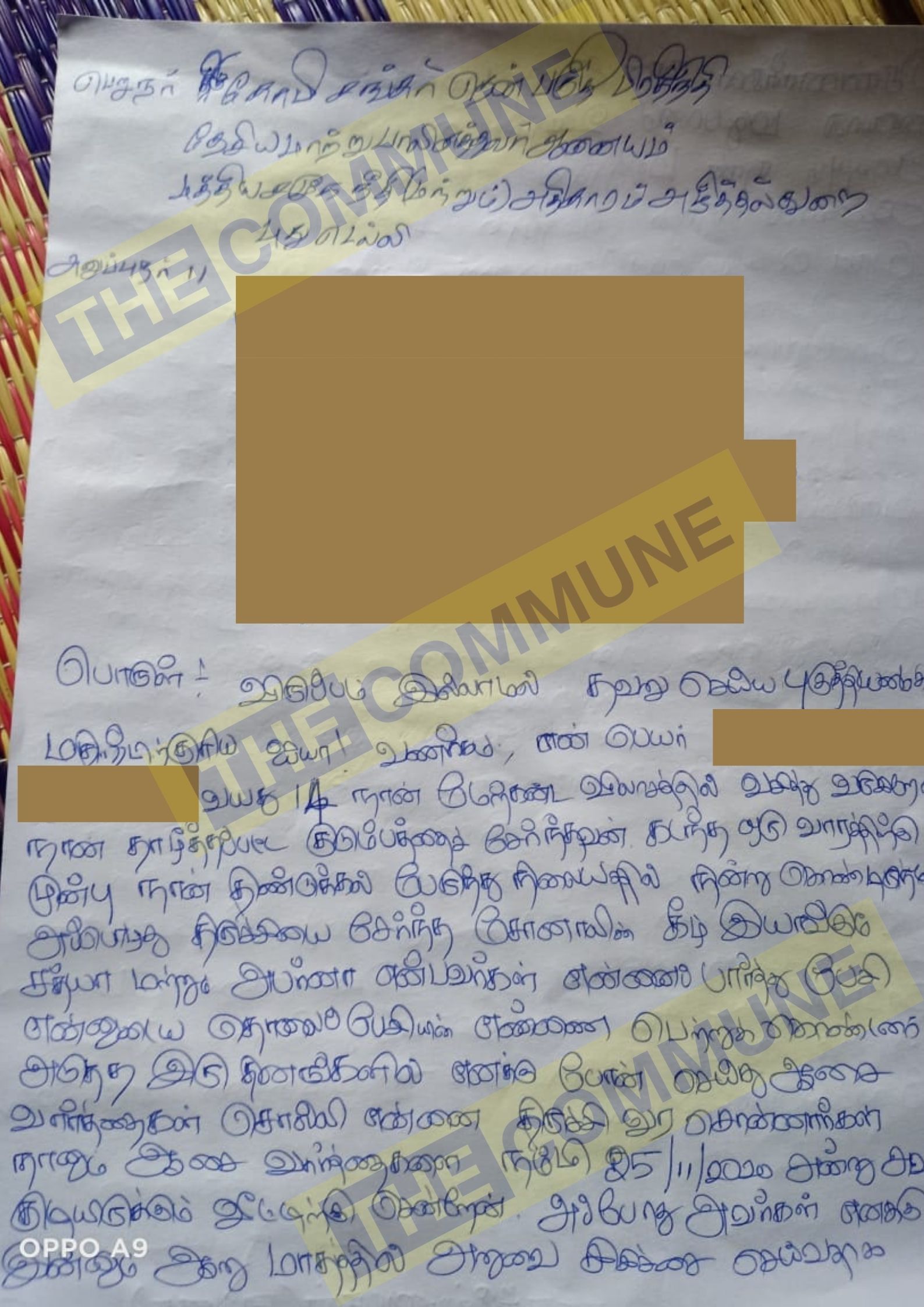
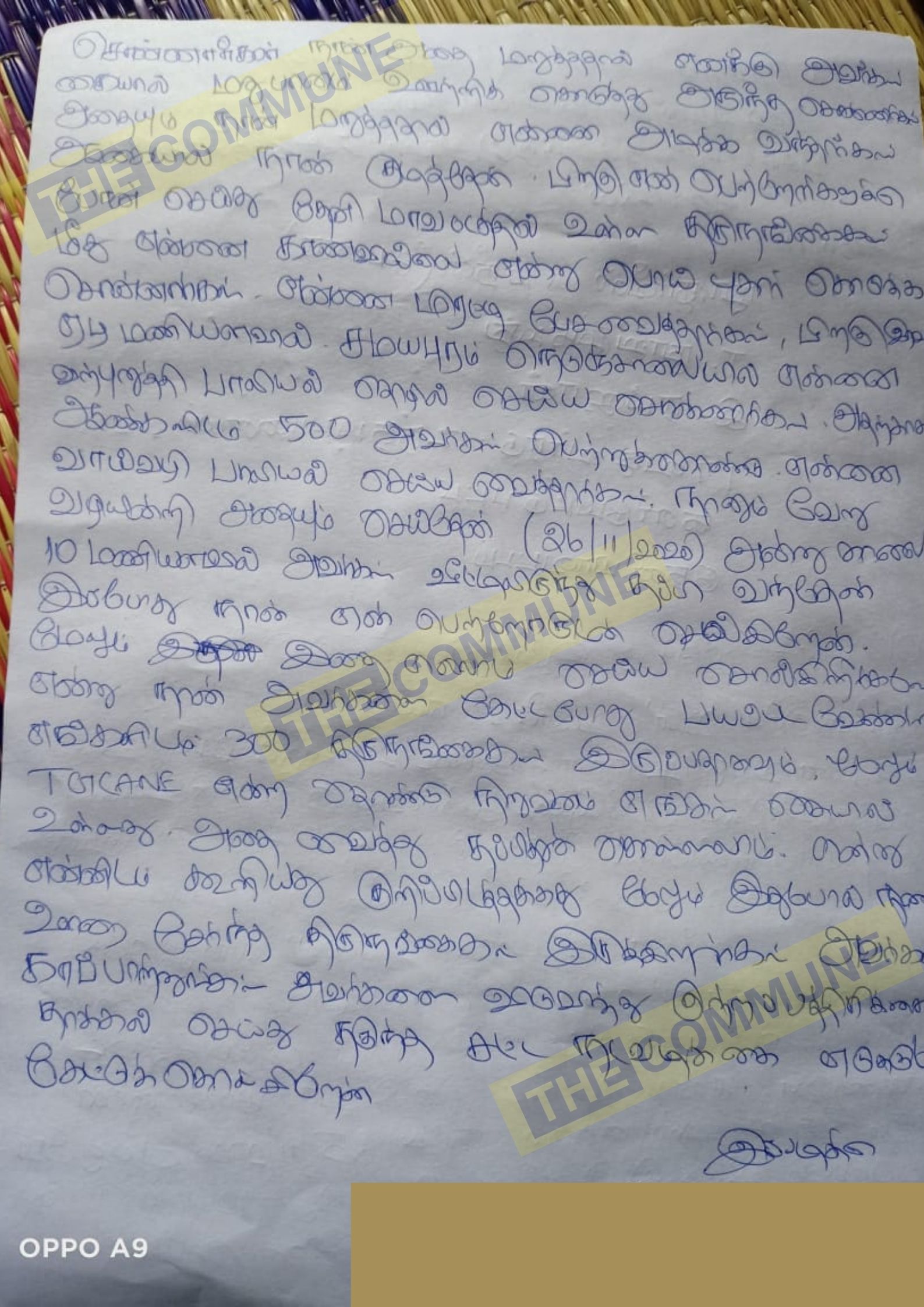
The next day Haleema escaped from their place and managed to back to his parents. He had narrated these details in a letter addressed to the National Council for Transgender Persons, a copy of which The Commune has accessed.

Speaking on the matter, intersex activist Gopi Shankar Madurai who is also the southern region representative in the National Council for Transgender Persons said that the way the Childline handled this complaint was very insensitive. “They need to be more sensitive towards handling the cases related to non-binary, gender non-conforming and transsexual children.”, Gopi said.

He also added that neither the District Collector nor the Trichy Commissioner of Police were responsive towards this issue.

“We have asked the concerned authorities to register a complaint. The Kollidam D4 police station is not registering this sensitive complaint which comes under POCSO. The Commissioner is also not responding.” Gopi said.

(* name changed)

Kerala leads the tally of new daily COVID cases

44,489  new confirmed COVID cases have been registered in the last 24 hours in the country. Of these, 60.72% is contributed by six States/UT i.e. Kerala, Maharashtra, Delhi, West Bengal, Rajasthan and Uttar Pradesh.

Kerala leads the tally with 6,491 new COVID cases. Maharashtra has reported 6,159 new cases, while Delhi registered another 5,246 new cases in the last 24 hours.

60.50% of the 524 case fatalities reported in the past 24 hours are concentrated in six States/UTs- Delhi, Maharashtra, West Bengal, Haryana, Punjab and Uttar Pradesh.

Maharashtra, Delhi, Uttar Pradesh and West Bengal are the common states among the top six states contributing maximum to new cases as well as daily deaths.

Delhi with 99 deaths reported the maximum new fatalities. Maharashtra saw a fatality count of 65 followed by West Bengal with 51 deaths.

India’s present active caseload (4,52,344) is 4.88% of the total Positive Cases, and has been sustained below the 5% mark.

65% of the active cases are in 8 States/UTs which have contributed to the maximum daily new cases and the daily highest deaths.

61% of the total deaths are concentrated in these 8 States/UT.

20 States/UTs have reported Recovery Rate less than the national average.

UNDP and Invest India launch SDG Investor Map for India

UNDP and Invest India have launched the SDG Investor Map for India, laying out 18 Investment Opportunities Areas (IOAs) in six critical SDG enabling sectors, that can help India push the needle forward on Sustainable Development.

“India occupies a key role in determining the success of the SDGs, globally. Invest India is pleased to have partnered with UNDP India to develop the first-ever ‘SDG Investor Map for India’. This initiative is an instrumental stride in India’s development trajectory, and I believe it couldn’t have come at a better time. We hope our data-backed research and insights serve as useful blueprints to understand how best the SDG financing gap can be narrowed in India”, Mr. Deepak Bagla, CEO & MD, Invest India, said on the launch occasion.

Mr Shoko Noda, Resident Representative, UNDP India said on the occasion, “The Map comes at a critical time for India. With the emergence of the COVID-19 pandemic, the financing gap for the SDGs in India has only widened further and decades of development progress is nearly on the verge of reversal. Investing in the SDGs at this point is crucial to ‘Building Back Better’ and making the economy and our societies more resilient and sustainable. Enhanced productivity, technology adoption and increased inclusion are all critical factors that this map uses to identify the most attractive sectors for investors.”

Key highlights of the SDG Investor Map:

  • Of the 18 IOAs identified, 10 are already mature investable areas that have seen robust Private Equity and Venture Capital activity, and feature companies that have been able to unlock scale and demonstrate profitability. The remaining eight IOAs are emerging opportunities, which have seen traction from early-stage investors.
  • The map has also identified eight White Spaces, which have seen investor interest and have the potential to grow into IOAs within a 5-6-year horizon. However, these require further policy support and private sector participation to mature into commercially attractive IOAs.
  • Nearly 50% of the shortlisted IOAs have historical investments that have yielded IRRs in excess of 20%.
  • 84% of the IOAs have investment timeframes ranging from the short term (less than 5 years) to the medium-term (between 5- 15 years).

The observations from the map present a strong case for investing in SDG enabling sectors and IOAs, bridging the gap between high-level development targets and the need for commercially viable returns. Moreover, investing in the SDGs is crucial to ‘Building Back Better’ from COVID-19 and enhancing India’s resilience to future threats. Investing in opportunities that enhance employment and employability, push forward the inclusion of underserved communities and leverage technology will be of essence to India as it grapples with the challenges of a post-COVID economy.

83% of the identified IOAs address job creation and industrialization needs, 70% focus on inclusive business models and 50% leverage digital technologies to deliver commercial returns and impact at scale. Notable IOAs include ‘Online Supplementary Education for K12’ (Education), ‘Tech-Enabled Remote Care Services’ (Healthcare), ‘Digital Platforms to service input/output needs of farmers to enable easy access to markets’ (Agriculture) and ‘Access to credit by Micro, Small and Medium Enterprises and Low-Income Groups especially through digital platforms for Income Generating Purposes’ (Financial Services).

By mapping the overlaps and gaps between public sector priorities and private sector interest, the SDG Investor Map lays out pathways that can bring together private-sector investment and public sector support for 6 SDG-enabling sectors including Education, Healthcare, Agriculture & Allied Activities, Financial Services, Renewable Energy & Alternatives and Sustainable Environment. These sectors and the IOAs within them were selected through a rigorous analytical process that included extensive consultations with a number of major domestic and international investors, government stakeholders and think-tanks. This ensured that the Map’s findings were truly reflective of market sentiment.

(Published from PIB)

LeT’s political front Jamaat-ud-Dawa holds special prayers for 26/11 terrorists in Pakistan

Twelve years after the 26/11 attacks, Jamat-ud-Dawa (JuD), the political and evangelical front of Pakistan-based banned Islamic terrorist group Lashkar-e-Taiba (LeT) is holding special prayers for the 10 terrorists who carried out the terror attacks., reports Hindustan Times

LeT which planned one of the deadliest terror attack post 9/11 held an event in Sahiwal city in Punjab on Thursday (November 26) to commemorate the Mumbai massacre by asking its cadres to pay homage to the 10 jihadists.

Prayers were held in LeT/JuD mosques to remember the ten terrorists who carried out the 2008 strikes in Mumbai that killed 170 people.

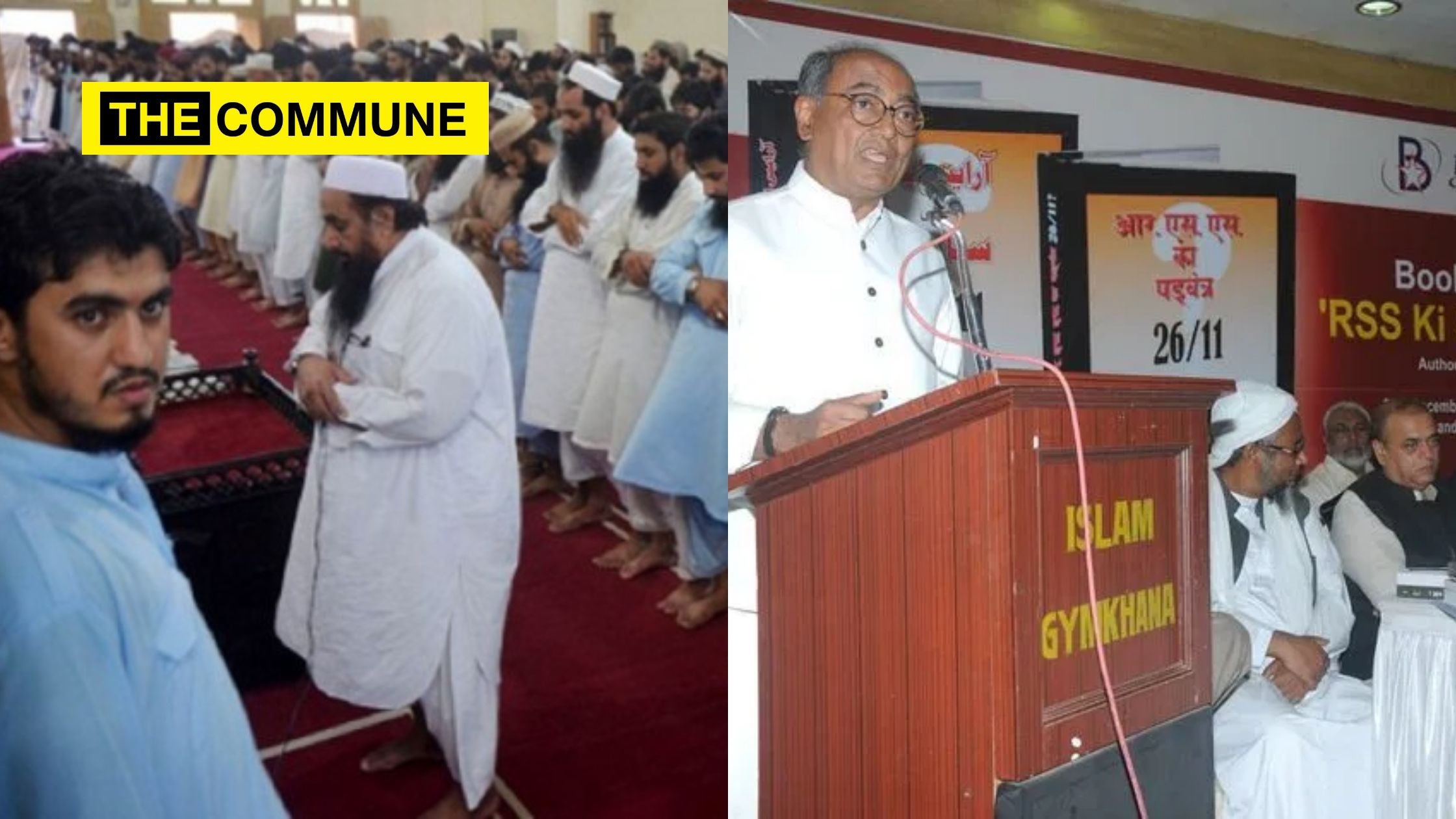
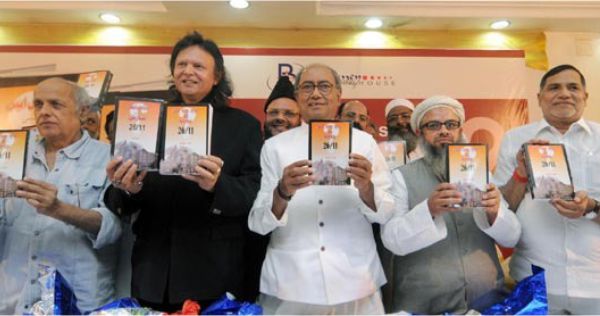
It is to be remembered that Congress leader Digvijay Singh had participated in the release of a book which claimed that the 26/11 attacks was a conspiracy case of the Rashtriya Swayamsevak Sangh (RSS). 

Friends of RSS on Twitter: "In 2010, a book named “26/11 : RSS ki Sazish”  was released by Digvijay Singh. The book claims the RSS & BJP are behind  26/11 attack. Congress

Ajmal Kasab was only one who survived the attack and was later hanged to death after due process of law on November 21, 2012.

The JuD is a non-state asset of Pakistan military and has also floated the JK United Youth Movement (JKYM), a political platform to provide support to separatist activities in Jammu and Kashmir.

On November 19, a Pakistani court sentenced Saeed and two close aides to ten years on two cases of terror financing, a decision seen as cosmetic to please the Financial Action Task Force (FATF). However, the cases in which Saeed was convicted had no connection to the Mumbai attack case.

Pakistan is in a serious economic and political crisis right now and western powers, Saudi Arabia, UAE and the FATF has been putting a lot of pressure on the Imran Khan Niazi government to crack down on terror groups and terror financing.

Most of the LeT leaders have only been arrested in appearance but are in protective-custody with many living in their own accommodations with the complete moment of freedom to operate and run the activities of the outfit, including fundraising.

In fact, Zaki-ur-Rehman Lakhvi, who was one of the masterminds of the 26/11 attacks, fathered a child while being held on terror charges at the high-security Adiala jail in Rawalpindi.

3 new modules launched in online Indian Railways’ Human Resource Management System, will increase accountability and transparency

railways

Indian Railway has launched completely digitized online Human Resource Management System (HRMS). Human Resource Management System (HRMS) is a high thrust project for Indian Railways to leverage improved productivity & employee satisfaction. It is a move to improve efficiency and productivity of Railway system and a step towards realizing the vision of Hon’ble Prime Minister to transform India into a digitally empowered society and knowledge economy. HRMS is expected to create a big impact on the functioning of all the employees and will make them more tech savvy.

Shri Vinod Kumar Yadav, Chairman & CEO, Railway Board has launched following modules of HRMS & User depot useful for railway employees and pensioners today via video conferencing.

Employee Self Service (ESS) module enables railway employees to interact with various modules of HRMS including communication regarding change of data.

Provident Fund (PF) Advance module enables Railway employees to check their PF balance and apply for PF advance online. Advance processing will be online and employees will also be able to see the status of their PF application online.

Settlement module digitizes the entire settlement process of retiring employees. Employees can fill their settlement / pension booklet online. Service details are fetched online and pension is processed online completely. This will eliminate use of paper and it also facilitates monitoring for timely processing of settlement dues of retiring employees.

Prior to these modules, Indian Railways has already launched other modules of HRMS like Employee Master module which stores all basic information details of Railway employee, Electronic Service Record module replacing physical Service Records storing service records of employees in digital format, Annual Performance Appraisal Report (APAR) module digitizing the complete process of writing annual peeformance Appraisal of all 12 lakh non gazetted Railway employees, Electronic Pass module replacing the physical paper pass, Office Order Module meant both for the issue of office Orders and updation of data on joining of new employees, promotion, transfer of employees and retirement of employees in HRMS database.

‘Re-evaluate education system to make it more value-based, holistic and complete’, VP tells universities and educators

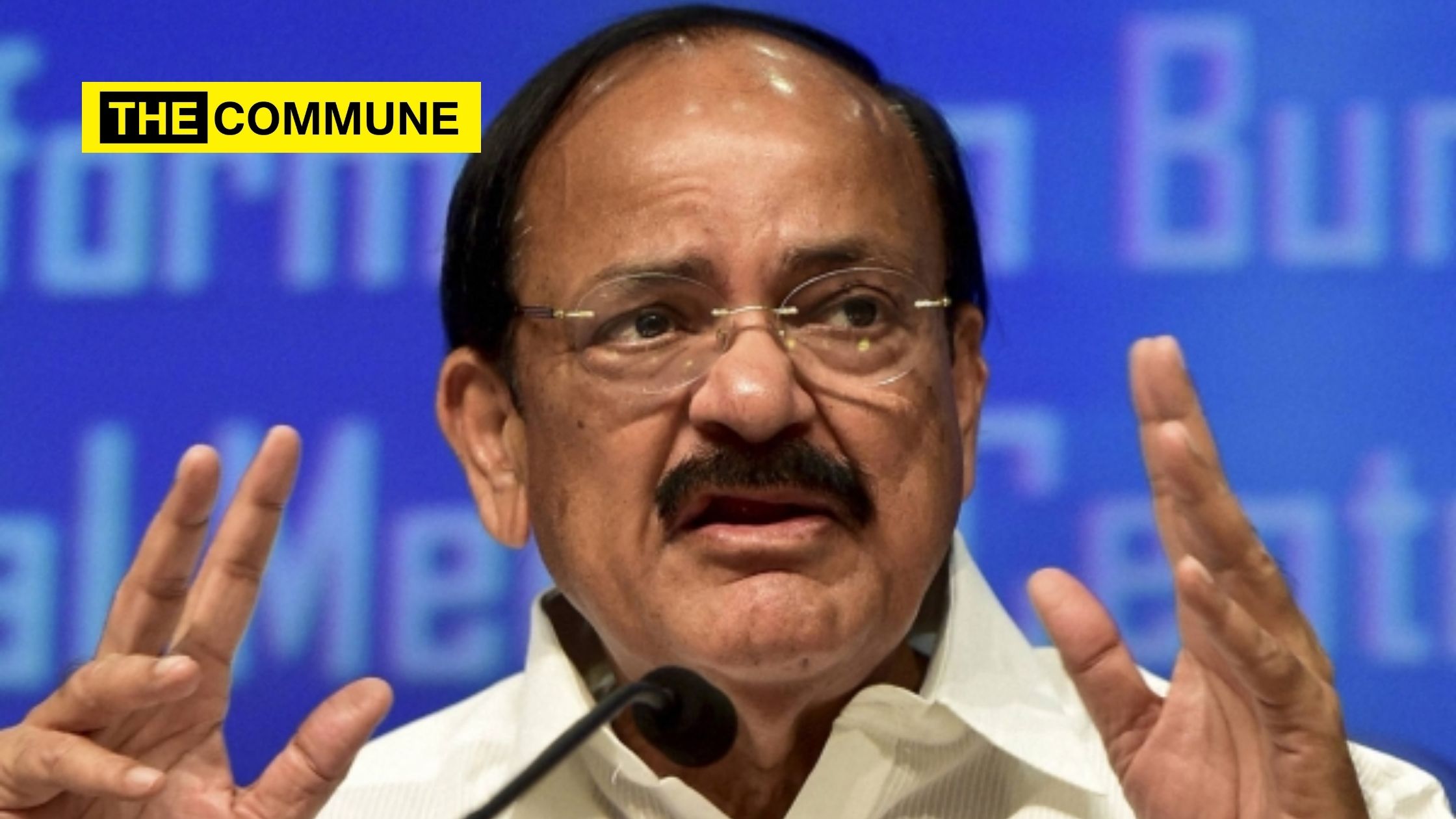
The Vice President, Shri M. Venkaiah Naidu today called upon the universities and educators to re-evaluate India’s education system to make it more value-based, holistic and complete.

Addressing the 13th e-convocation of ICFAI University, Sikkim, through video-conferencing today, the Vice President asked the educators to take inspiration from our holistic Vedic education and understand the vision behind New Education Policy.

Quoting Gurudev Rabindranath Tagore, the Vice President said that education without values is no education at all. “Educational institutions and universities are expected to produce well-rounded and compassionate human beings and not mere degree holders”, he said and rued that often, this aspect gets ignored in the race for paychecks.

Giving the example of climate change, Shri Naidu said the holistic solution to combat this challenge should include a value-based education that respects nature. He stressed the need to equip our engineers and technologists to create new defences and come up with innovative out-of-box solutions to meet the challenges posed by extreme weather events. No human intervention can totally withstand nature’s fury but we have to minimize its impact, he warned.

Highlighting that values had always been emphasized in our ancient systems, the Vice President said that our Vedas and Upanishads mandate our duties towards self, family, society and nature. We were taught to live in harmony with nature, he emphasized.

Stressing the importance of nature and culture in one’s life,  the Vice President asked the students to learn from nature and follow the values enshrined in our ancient culture.

Appreciating the Gurukul system, Shri Naidu said that education was complete in all respects in our ancient times and this is what gave us our title of Vishwa Guru at that time.

He said the New Education Policy also envisages these ideals and aims at making India a “Vishwa guru” once again.

Underlining the paradigm shift envisaged in the New Education Policy (NEP, the Vice President said it tries to do away with a segregated approach to education and replaces it with an integrated approach.

Describing the New Education Policy as “much needed reform”, he lauded it for its focus on multi-disciplinary method and efforts to reorient the research and the regulatory systems.

Stating that value-based education with proper synergy with technology was the need of the hour, Shri Naidu said that we need professionals who are not only well versed with the latest technology, but are also empathetic and understanding.

He stressed that education founded in life values can ensure a long and prosperous career as people with such values will have high emotional intelligence and resilience to fight adversities in life.

The Vice President asked the students to be confident, develop a positive outlook, set clear targets and work with sincerity, discipline and dedication towards realizing whatever goals they set in life. “The fast-changing world requires you to think critically and adapt quickly to the new situation. You need to be pro-active, anticipate the future and be prepared to meet the challenge”, he told them.

Asking the Universities to prepare students to effectively deal with real-world challenges, the Vice President cited the example of COVID-19 pandemic which caught all nations off-guard and unprepared. “We have to learn lessons from this pandemic and experts need to come together and come up with solutions to meet such threats in the future”, he said.

Shri Naidu told students that the COVID pandemic was the first big adversity in front of them. However, he asked them to leverage technology to create opportunities out of it instead of looking at it as a crisis. “For those of you seeking to become job creators, there cannot be a better place to implement your business ideas than India right now as we are following our Prime Minister’s vision of Atmanirbhar Bharat”, he said.

Asking the students to always place the interests of the country above everything else, the Vice President wanted them be at the forefront in eliminating social and other evils that hinder the growth and development of the nation on various fronts.

Appreciating the founder of ICFAI group late Shri N.J. Yasaswy, the Vice President said that the university has been providing quality education to students in the region.

Shri Ganga Prasad, Governor of Sikkim, Shri Prem Singh Tamang, Chief Minister of Sikkim,

Shri Kunga Nima Lepcha, Minister for Education Government of Sikkim, Shri Achyuta Samanta, Member of Parliament, Gurudev Shri Shri Ravi Shankar ji, Shri S C Gupta, Chief Secretary, Government of Sikkim,

Dr. R.P Kaushik, Chancellor of ICFAI University, Sikkim, Dr. Jagannath Patnaik, Vice Chancellor, students, parents and teachers were among those who participated in the e-convocation.

(Published from PIB)

Citing security concerns, UAE halts issuing visas to 13 countries, most of them Muslim majority

The United Arab Emirates (UAE) has stopped issuing new visas to citizens of 13 countries including Pakistan and Afghanistan over security concerns.

The UAE has also stopped issuing visas to citizens from Iran, Turkey, Syria, Algeria, Kenya, Iraq, Lebanon, Yemen, Tunisia and Somalia, among others. It must also be noted that these are countries where Islam is the state religion or the population of the country is predominantly Muslims. 

An immigration document released by the UAE said that applications for new employment and visit visas have been suspended until further notice for nationals outside the UAE from the said countries.

The report said the UAE has temporarily stopped issuing new visas to most of the Muslims majority countries on the list among others over security concerns. But the visa ban is expected to last for a short period.

Pakistan’s foreign ministry last week in its briefing had said that the UAE had stopped processing new visas for its citizens. Islamabad is trying to ascertain if the suspension of new visas is due to the coronavirus pandemic or other reasons.