Home Blog Page 1479

True Indology is back with a bang! Person behind handle reveals identity
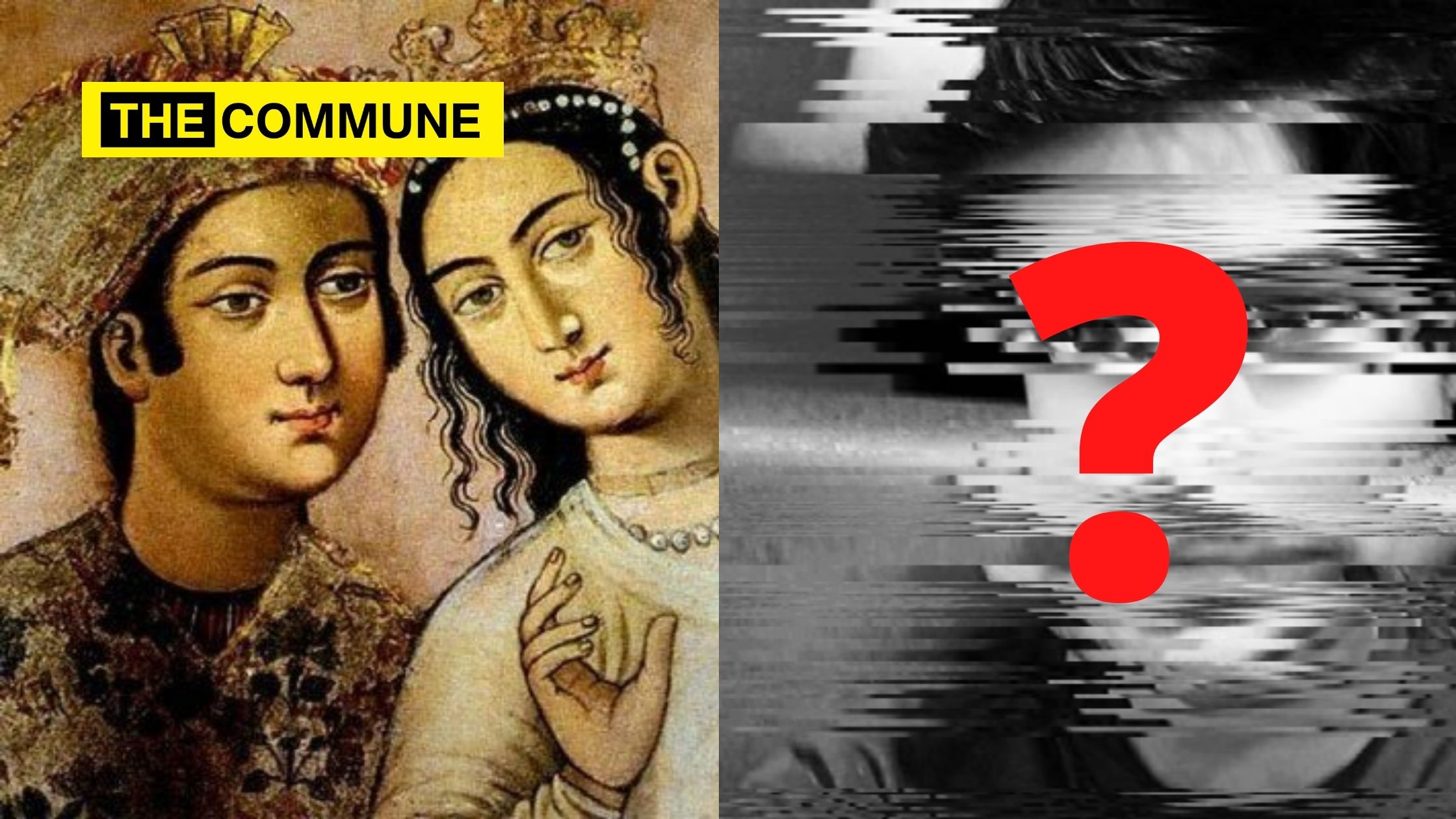
After the episode where True Indology and D Roopa IPS engaged in a spat over the issue of historical references to bursting crackers for Deebavali, and the subsequent suspension of the former’s Twitter account after D Roopa said ‘your time is up’, True Indology is back with a bang and in a brand new avatar.

In this yet another virtual re-birth, the person behind the prominent Twitter handle has revealed his identity in a sly rebuttal to D Roopa IPS who had called him a ‘nameless and faceless troll’.

True Indology is now back on Twitter as ‘Bharadwaj’ (@BharadwajSpeaks) with the bio saying  “Man on a mission. Personal account. Tweeting in personal capacity. Not affiliated with any other account or entity.”
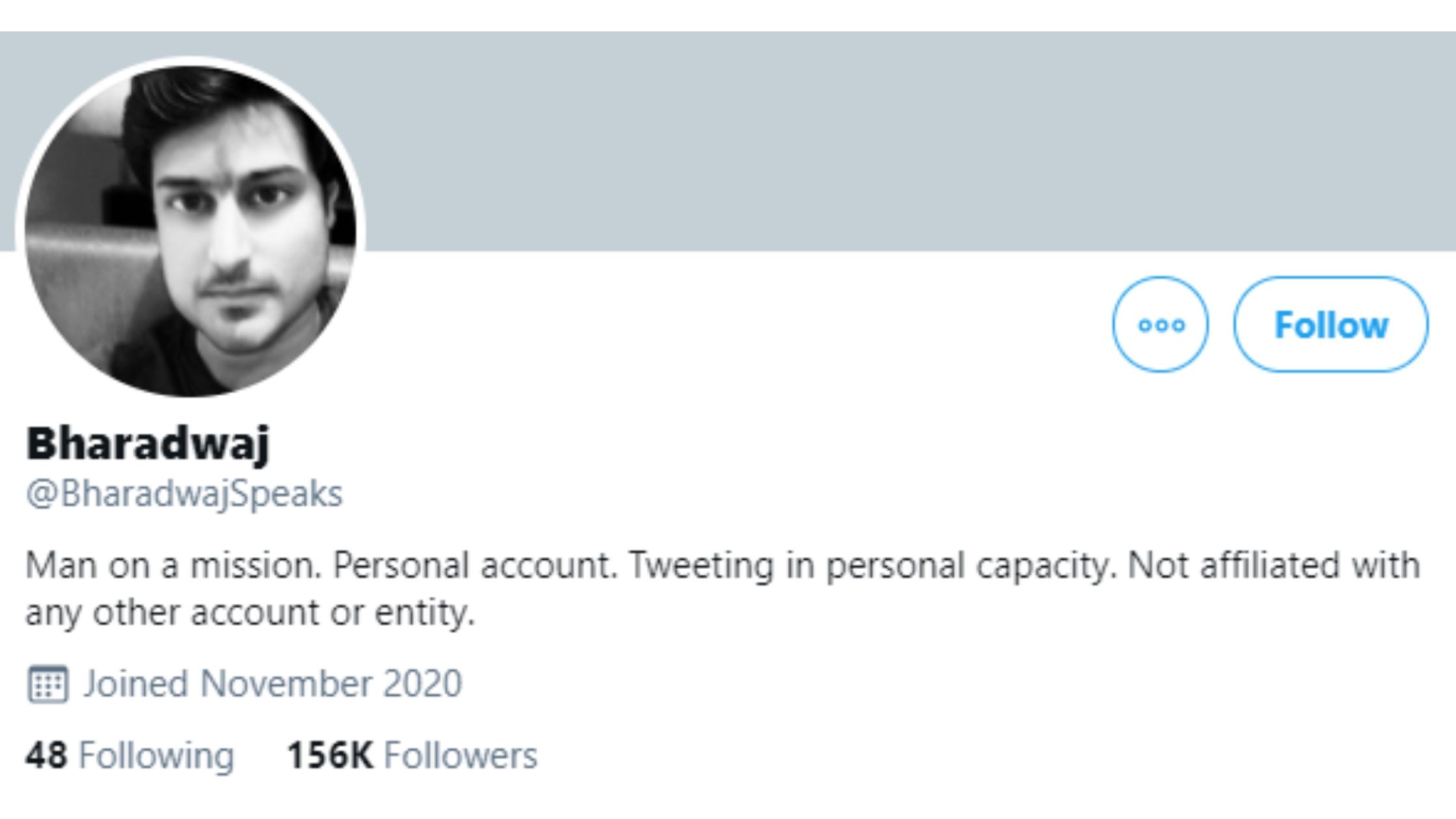
Within a few hours, the account crossed more than a lakh followers without a single tweet put. Netizens on Twitter gave a rousing welcome to True Indology er.. Bharadwaj with the hashtag #TrueIndologyIsBack.

Several noted personalities too took to Twitter to express their delight. Author and Professor at JNU, Anand Ranganathan confirmed that the handle belongs to original person behind True Indology.

https://twitter.com/ARanganathan72/status/1332223820824944642

(Note: Initially, the handle’s ID was @TheTrueIndology which was later changed to @BharadwajSpeaks).

Former IPS officer M Nageswara Rao welcoming Bharadwaj called his return on Twitter as “extraordinary solution in extraordinary situation”.

https://twitter.com/MNageswarRaoIPS/status/1332524825986809856

Following his suspension from Twitter, True Indology received massive support to the extent that a few members of the public filed a case against Twitter India for suppressing freedom of expression and arbitrarily suspending his account. The hashtag #BringBackTrueIndology trended worldwide at number 4 for a day.

During the time he was suspended from Twitter, True Indology remained active on other social media like Facebook where the account has more than 1.3 lakh followers. In a Facebook post on November 27, True Indology mentioned that no reason was given by Twitter for suspension of the account, not even a mail intimating of the suspension. Bharadwaj stated that Twitter has not responded to his appeals despite the fact that #bringbacktrueindology had trended at #4th worldwide

“This is a long drawn out battle and I am not giving up. I am sending a legal notice to twitter and two criminal cases have been filed against them for unfair suspension of my account. This is going to take long. In the meanwhile, please follow @bharadwajspeaks for a lot of insightful posts on Indology and for keeping the battle up with against anti Indic propaganda on that platform. I am thankful for your support.”, Bharadwaj wrote.
Pakistan cricketers violate COVID-19 protocols in New Zealand, gets warned of being sent home

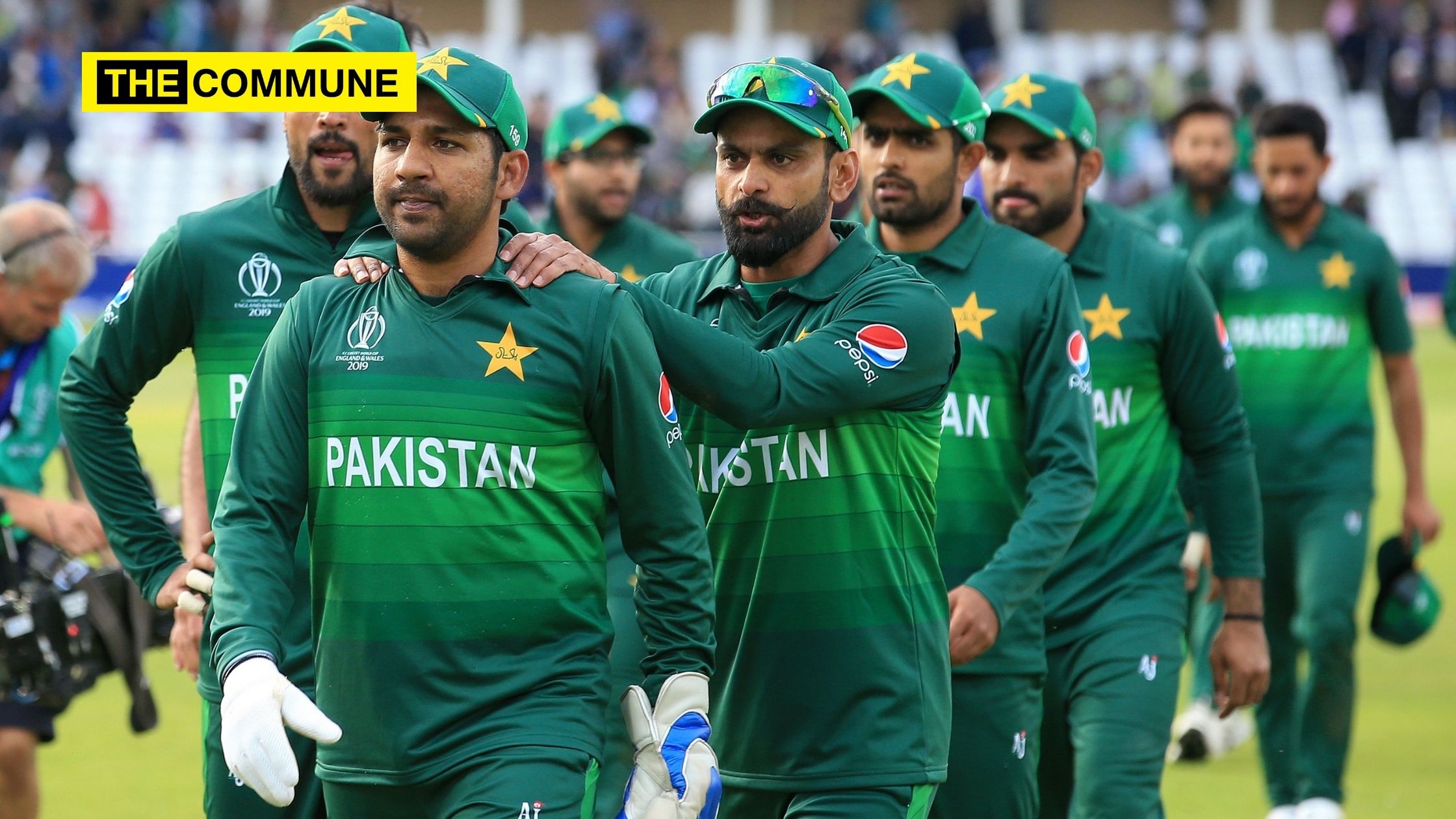
Pakistan’s cricket tour to New Zealand is in jeopardy after many players were found violating the COVID-19 protocols in the country with the Pakistan Cricket Board (PCB) CEO Wasim Khan reportedly warning the players that if rules are not followed the entire team will be sent back home. This could spell more financial trouble for the PCB which already finds itself in losses. 

In a WhatsApp voice note sent by Wasim Khan to Pakistan players on Thursday (November 26),  Khan says that the “final warning” was given by both New Zealand Cricket Board and its government after six Pakistan players tested positive for the coronavirus on arriving in the country and “it will be embarrassing” if anything further happens.

He said, “They have a zero-tolerance policy and they’ve given us a final warning. We understand that this is a difficult time for you, and you went through similar conditions in England. It’s not easy. But this is a matter of the nation’s respect and credibility. Observe these 14 days and then you’ll have the freedom to go to restaurants and roam about freely. They have told me in clear terms that if we commit one more breach, they’ll send us home.”

Under normal circumstances, players are free to go where they choose. In the wake of the Wuhan virus pandemic, special steps have been taken  to ensure that the virus does not spread and the players stay in a bubble. 

However, closed-circuit television footage showed some members of the Pakistan squad violating these strict protocols on the very first day of managed isolation, states the report.

“Please guys, I know it’s difficult, it’s very tough, but do stay disciplined and follow through the protocols … they will not compromise on health and safety in New Zealand, so please adhere to it,” Khan told his players.

India is right now on a long tour to Australia where similar restrictions have been applied. Pakistan cricket team is scheduled to play three T20s and two Tests in New Zealand and before they embarked on this tour, each player was reportedly tested four times and all tested negative.

Hindu Munnani cadres remove mural allegedly drawn to denigrate Hindu faith in Thiruparappu falls

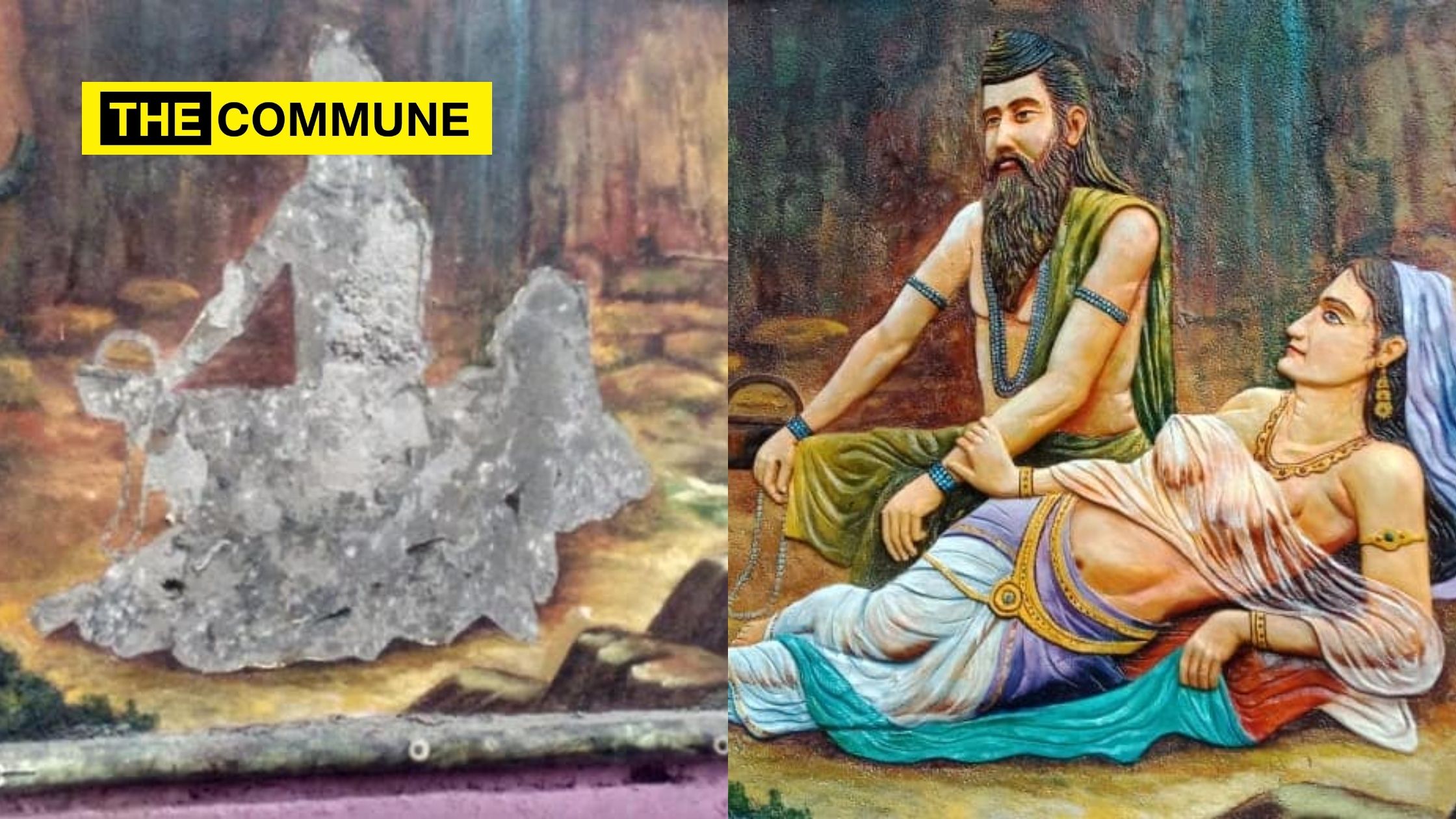
A mural drawn on a wall near the Thiruparappu Falls in Kanyakumari has been taken down after strong opposition from cadres of the Hindu Munnani.

The painting depicts a woman trying to entice the a sage in a carnal and sensual manner.

It is learnt that a complaint was earlier lodged on behalf of the Hindu Munnani with the concerned department but no action was taken. The Hindu Munnani had also announced earlier that they would stage protests if the mural was not removed.

Now, it has been reported that the Hindu Munnai along with few cadres of the BJP have taken down the mural on the wall of the Tirprappu Falls.

Locals and Hindu organizations in the area have demanded an inquiry to find out who drew the mural and action be taken on the them.

Concrete houses put smiles on the faces of Khadi artisans in North East, thanks to KVIC Workshed Scheme

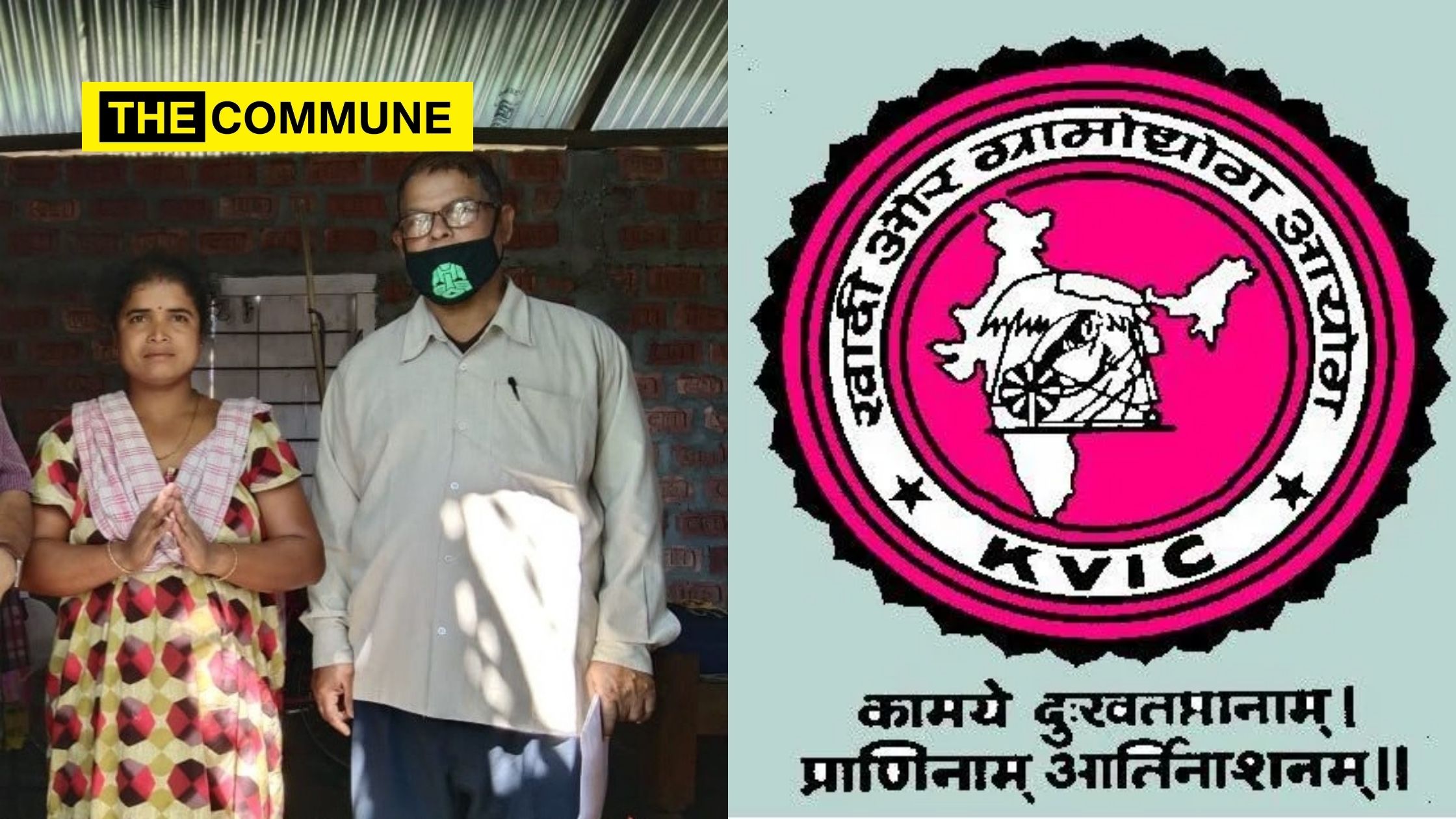
Meet Ms Niru Kalita, a 44 year old Khadi artisan in Nalbari district in Assam. She, along with her family, was driven to the verge of homelessness due to aggressive soil erosion by flooding of River Brahmaputra, until Khadi and Village Industries Commission came to her rescue by granting her a house under Artisans’ Workshed Scheme.

According to KVIC, Ms Kalita, working as a Khadi spinner for the last 15 years, was forced to relocate 14 times along with her three children as her temporary accommodations got submerged in the Brahmaputra River every year. As life became precarious for the distressed family or the victim of Nadi Khohonia, as referred to in the local dialect of Assam, Ms Kalita found shelter at village Tapabori in Nalbari district. This is where the KVIC came to the rescue of the family and she was granted a concrete house.

KVIC Chairman Shri Vinai Kumar Saxena said apart from creating livelihood for the artisans, KVIC also ensured that they worked in a better condition that will ultimately improve their productivity. “This initiative is aligned with Khadi’s core Gandhian principle of “rural resurgence” which also coincides with the Prime Minister’s vision – Sabka Sath, Sabka Vikas,” Saxena said.

Ms Kalita belongs to a poor family of five members that earned livelihood from  Khadi spinning and cultivation on a small chunk of land. Due to constant soil erosion in recent years, her agriculture land is now in the middle of the River Brahmaputra and thus making Khadi spinning the only source of livelihood.

Ms Kalita expressed happiness on receiving the house. “This is for the first time I have lived in a concrete house. Every year we were forced to move to a new location due to flooding of the river but never found any assistance from the government authorities. This house given by the KVIC has eliminated all woes of my family. While I can work in a better condition; my children have finally found safe accommodation,” she said.

It may be noted that the KVIC has provided similar houses to 411 families of Khadi artisans in the North East region in the last three years. Under the Artisans’ Workshed Scheme, a concrete low-cost house is provided to the artisans with financial assistance from KVIC and the concerned Khadi institutions. These houses costing Rs 66,000 each have been designed in consultation with IIT Guwahati. While Rs 60,000 is provided by the KVIC; remaining Rs 6000 is contributed by the Khadi Institutions to which the artisans are registered.

‘Bee-hold bee-keepers!’: Union Agriculture Minister inaugurates Honey Farmer Producer Organizations

Minister of Agriculture and Farmers’ Welfare Narendra Singh Tomar inaugurated the Honey FPO Programme of National Agricultural Cooperative Marketing Federation of India Limited (NAFED) on 26th November 2020. The inauguration programme was hosted online and attended by the new Honey FPOs, farmers and FPOs from various parts of the country.

Inaugurating the programme, the Minister stated that “Beekeeping in India is highly predominant in the unorganized sector among  the rural and tribal population. Despite having a huge potential of honey production in the country, the beekeeping industry is still underdeveloped. The adoption level of beekeeping is also quite less due to various constraints. NAFED will address these issues by acting as an intermediary and filling up the gaps between the elements of the beekeeping supply chain and also ensure price remuneration to the beekeeping farmers. Through these Honey FPOs, NAFED will also work for promotion of beekeeping as an occupation for unemployed women and tribal populations and uplift their livelihood”.

Minister Tomar also said that honey beekeeping will change the lifestyle of small and marginal farmers and help in achieving the goal of increasing farmer’s income.

Government of India is promoting the creation of FPOs in view of their significant role in fulfilling the mission of implementing  agricultural reforms in the country. Promotion & Formation of FPOs is the first step for converting Krishi into Atmanirbhar Krishi. For this purpose new Central Sector Scheme for Formation & Promotion of new 10,000 FPOs was launched.

Implementing Agencies have identified block wise clusters where FPOs will be developed by specialist ‘Cluster Based Business Organizations (CBBOs)’ engaged by the Implementing Agencies. NAFED had already empanelled the CBBOs and other IAs are in the process of empanelment of CBBOs.

The Honey FPOs made by ISAP under the aegis of National Bee Board (NBB) and NAFED will help its members in not only upgrading their skills in Scientific Bee Keeping but will also help in making its members set up state of the art infrastructural facilities for processing honey and allied beekeeping products like bee’s wax, propolis, royal jelly, bee venom, etc., quality control laboratories, collection, storage, bottling and marketing centres. These FPOs will benefit by the schemes of Mini Mission – 1 and Mini Mission – 2 of National Beekeeping and Honey Mission (NBHM) of National Bee Board. The beekeepers / honey collectors of all the 5 states would be helped in branding and collective marketing of their Honey and other allied products of bee keeping through the marketing channels of NAFED. Efforts will also be made to explore the overseas market for improving the returns to the Bee Keepers and Honey collectors.

(Published from PIB)

India, Finland sign MOU for developing cooperation in the field of environmental protection and biodiversity conservation

India and Finland today signed a MOU for developing cooperation between two countries in the field of environment protection and biodiversity conservation.

The MoU is a platform to further advance Indian and Finnish partnership and support, exchange best practices in areas like prevention of Air and water pollution; Waste management; Promotion of circular economy, low-carbon solutions and sustainable management of natural resources including forests; Climate change; Conservation of Marine and Coastal Resources; etc.

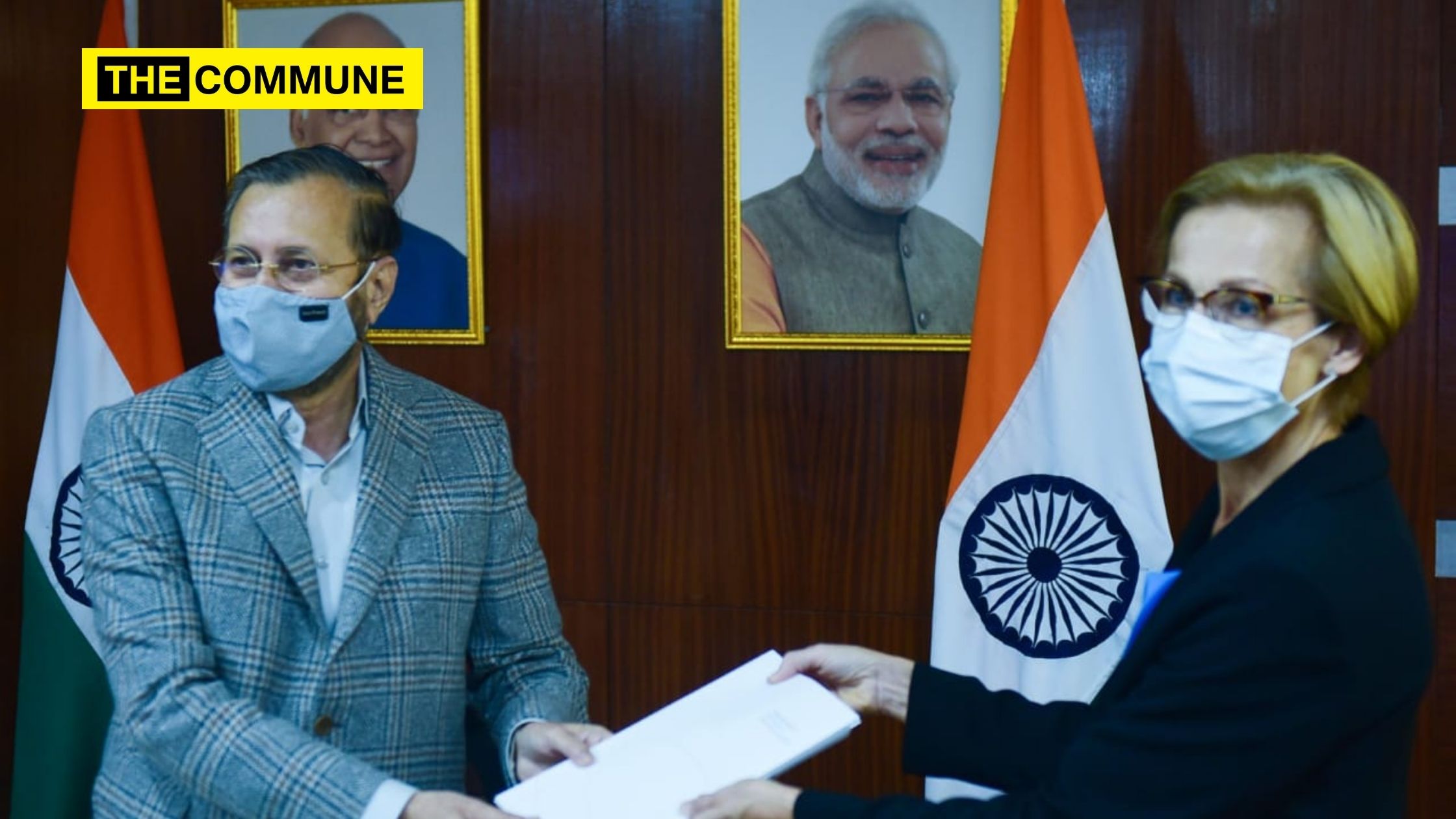
The MoU was signed virtually by Prakash Javadekar, Minister of Environment, Forest and Climate Change from the Indian side and Ms Krista Mikkonen, Minister of the Environment and Climate Change, Government of Finland from the Finnish side.

Speaking at the event Minister Javadekar said that the MoU also provides the possibility to have joint projects in areas of mutual interest. “This MOU will definitely commits us to work together more closely towards on the fulfilment of commitments made under Paris Agreement.”, said the Environment Minister.

Minister Javadekar also informed that India has achieved its voluntary target of reducing emissions intensity of its GDP by 21% over 2005 levels, by 2020 and is poised to achieve 35% reduction well before the target year of 2030.

As part of its Nationally Determined Contributions submitted under the Paris Agreement , India has taken three quantitative climate change goals viz. reduction in the emissions intensity of Gross Domestic Product  by 33 to 35 percent by 2030 from 2005 level, achieving about 40 percent cumulative electric power installed capacity from non-fossil fuel based energy resources by 2030 and creating an additional carbon sink of 2.5 to 3 billion tonnes of carbon dioxide equivalent through additional forest and tree cover by 2030.

The MoU will strengthen technological, scientific and management capabilities and develop bilateral cooperation in the field of environmental protection and biodiversity conservation on the basis of equality, reciprocity and mutual benefit with due respect to promotion of sustainable development.

(Published from PIB)

Modi pitches for “One Nation, One Election” to face the challenges of 21st century

Prime Minister Narendra Modi on Thursday (November 26) again stressed on the “One Nation, One Election” formula to save time and money while accelerating the growth and development of the country.

Elections in India is one of the most arduous tasks that has been universally accepted. Even today historians are writing on how a newly independent India managed to hold free and fair elections back in 1951-52.

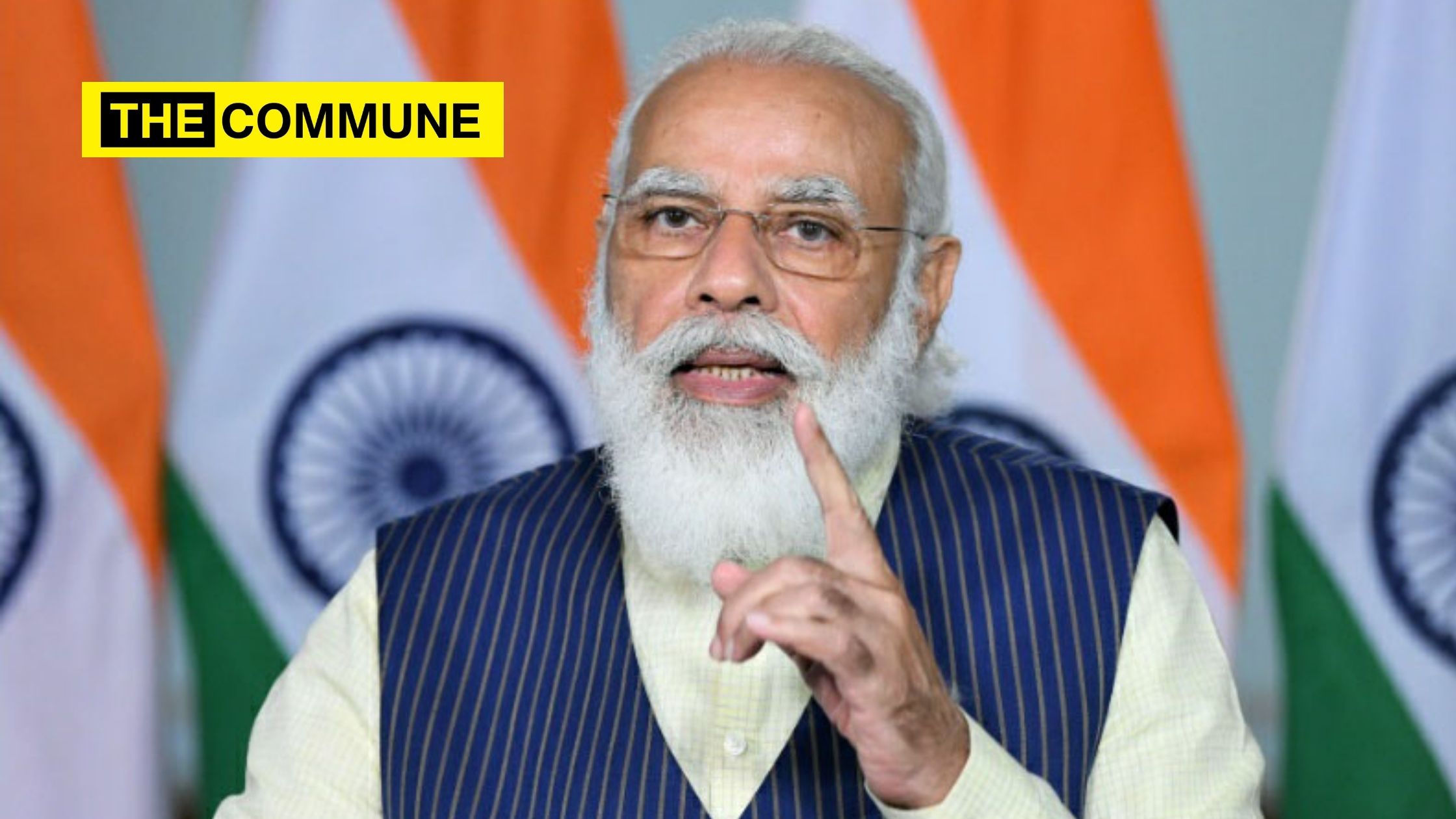
PM Modi said that “One Nation, One Election” is not only a matter of debate, but is also the need of the hour for India while addressing the concluding session of the 80th All India Presiding Officers Conference via video conferencing in Gujarat’s Kevadia on the occasion of the celebrations of Constitution Day.

In his speech Modi said, “Only one voter list should be used for Lok Sabha, Vidhan Sabha and other elections. Why are we wasting time and money on these lists? Friends, One Election isn’t just an issue of deliberation, but is also the need of the country. It hampers the developmental work and all of you know about it. We must think about it seriously and office-holders can lead deliberations on this.”

The Prime Minister was addressing the Officers on Constitution Day and said “I would urge you to take initiatives to make aspects of our Constitution more popular among our youth and that too, through innovative methods,” said the Prime Minister.

The idea “One Nation, One Election” was first mooted when Modi became Prime Minister in 2014 which triggered knee-jerk opposition from not just the political parties but also academicians, policy analysts and opinion makers. 

“One Nation, One Election” would lead to the reduction of cost to the exchequer and more importantlty give governments at the state and at the center more free time to implement welfare schemes.

However, the original idea for holding one election came from former Prime Minister Atal Bihari Vajpayee in 2003, which the Congress President Sonia Gandhi did everything she could to divert. 

In his speech Modi took a swipe at the Congress for its delay tactics and sited the Sardar Sarovar dam project, which the Congress delayed for so long with no regrets.

Modi stressed on the “the importance of duties”, and said Gandhi was very keen on it as he saw a close link between rights and duties.

He said, “Our Constitution shows us the way to fight every challenge in the 21st century. Our Constitution is moving swiftly towards its 75th year. In such a scenario, we have to work in a planned way to turn processes in sync with the new decade.”

Time to set up a National Court of Appeal and let SC be a constitutional court: Attorney General

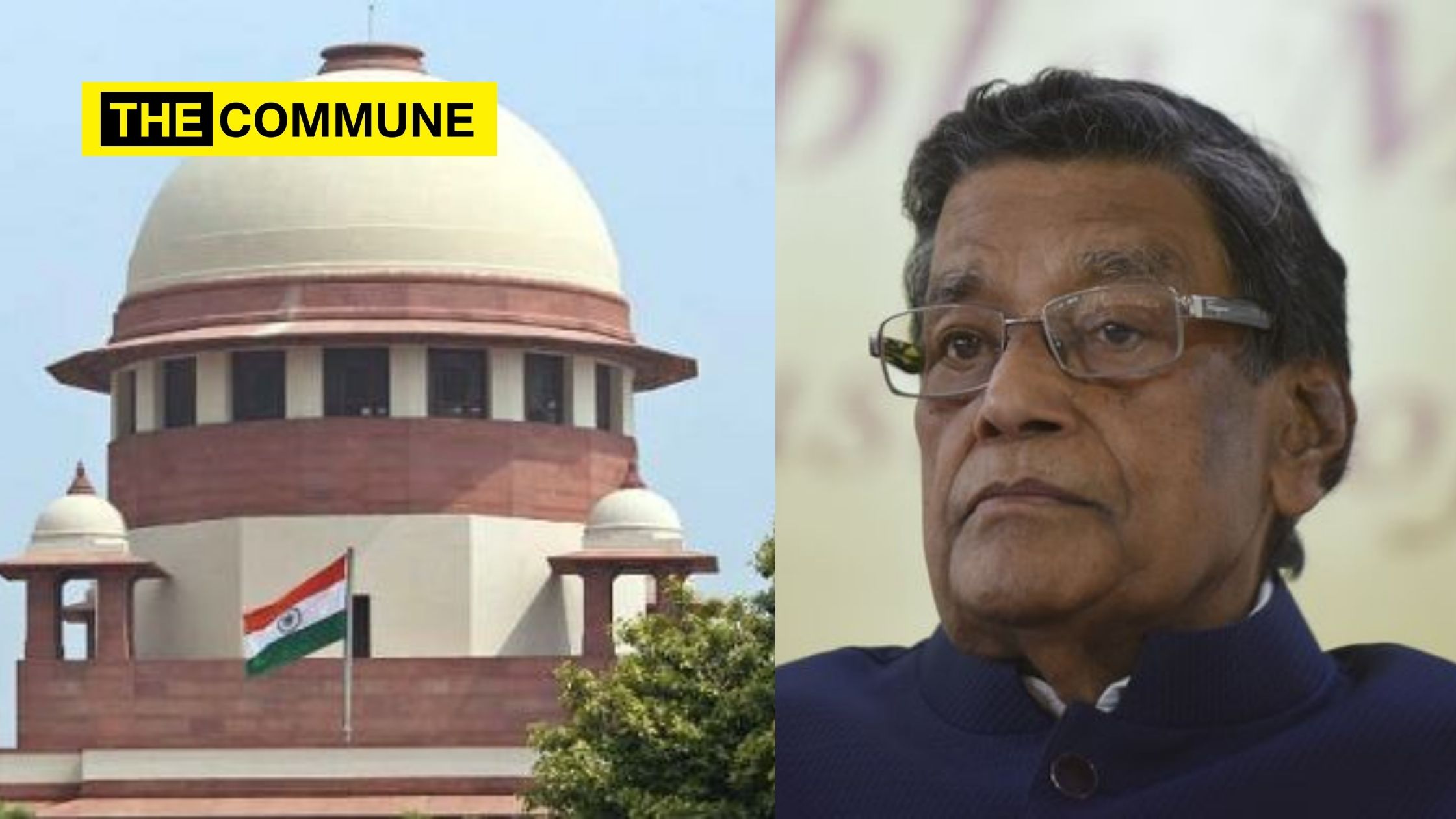
To reduce the burden on the Supreme Court (SC), Attorney General K K Venugopal on Thursday (November 26) recommended setting up a National Court of Appeal, separate from SC, to hear the appeals from the lower courts.

The Attorney General observed that the Supreme Court’s function should that be of a constitutional court, dealing only with the issues of national and constitutional importance.

He was speaking on the occasion of the 71st anniversary of the adoption of the Constitution at an online event organized by the Supreme Court.

Present in the online summit were President Ram Nath Kovind, Chief Justice of India (CJI) SA Bobde and Union law Minister Ravi Shankar Prasad.

November 26, commemorates as our Constitution Day, and in 1949 India adopted its new Constitution.

Venugopal said that the Court of Appeal could have four benches — north, south, east and west — having 15 judges at par with the SC judges.

The suggestion was made due to the prospect of a high burden on the apex court as it resumes normal functioning after the pandemic.

“This will require a constitutional amendment. This will leave Supreme Court with a pendency of only 2,000-3,000 cases a year as compared to present figure of 60-70,000. It will allow top court judges more time to patiently read and write judgments, as currently they sit till midnight reading case files listed for next day,” Venugopal was quoted as saying by HT.

CJI Bobde also acknowledged that huge pendency will arise when the pandemic ceases and talked about the resilience the judiciary displayed in the face of the crisis by not missing a single day.

Kangana has the last laugh, Bombay HC says Maha Govt had malafide intention

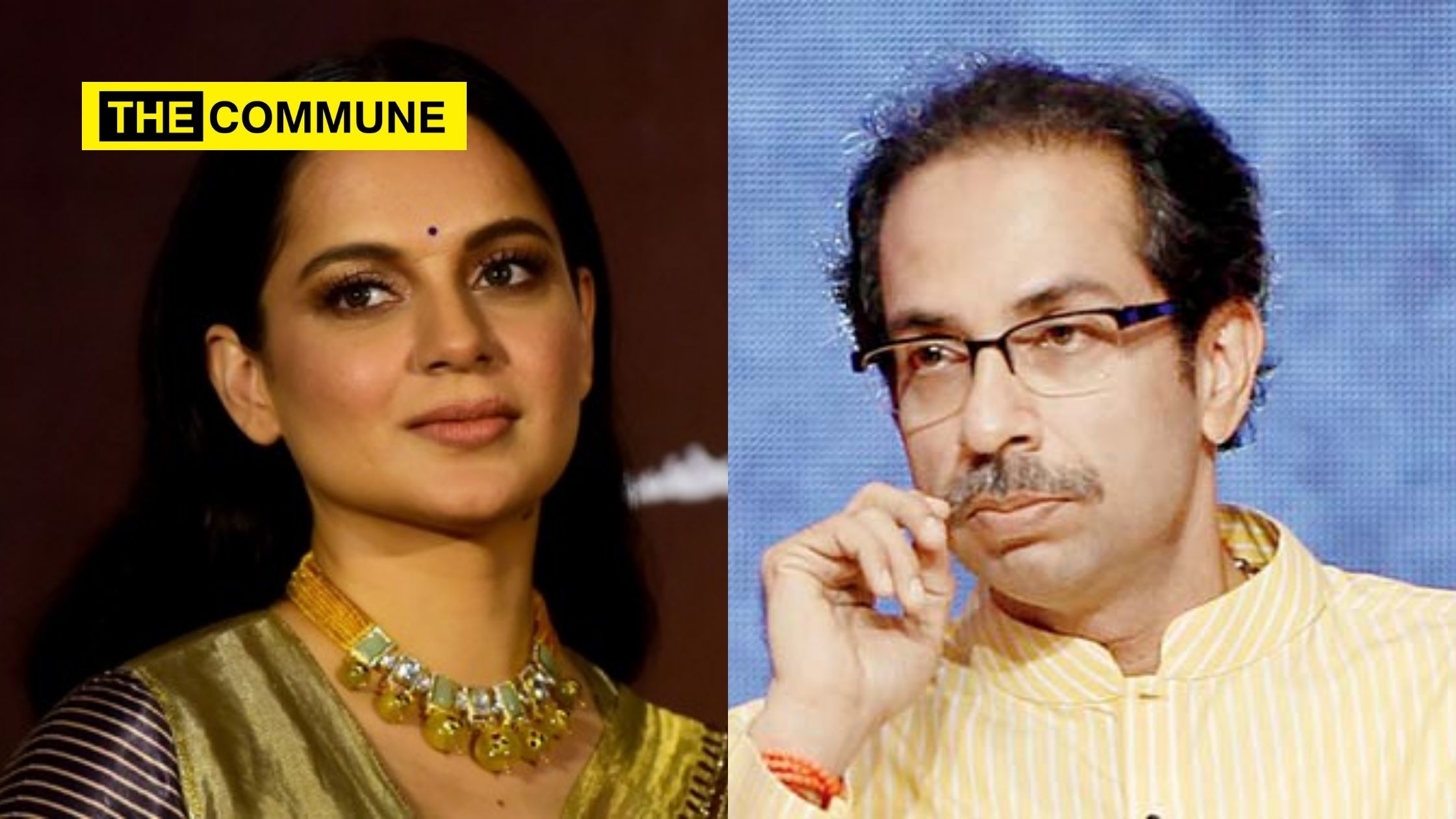
In a huge win for Bollywood actress Kangana Ranaut and a blow to Maharashtra Chief Minister Uddhav Thackeray, the Bombay High Court set aside the BMC notices to Kangana Ranaut issued on 7th and 9th September, and called demolition at her place as action with “malafide intent”.

The ruling was made by Justices SJ Kathawalla and RI Chagla and as per them, there was no unauthorised construction as alleged by the BMC on Ranaut’s property, finding that it was only existing work as opposed to illegal alterations.

To assess the damage, the High Court also ordered that a valuer will be appointed to ascertain damages caused due to the demolition. Once that is complete, the report by the valuer will be submitted to the court and on that basis, the High Court will pass an order on compensation to Kangana Ranaut.

However, the court asked Kangna to show restraint while commenting on other people on social media and otherwise, and that she may take steps to make her property habitable and to regularise the same.

Kangana took to Twitter and said, “When individual stands against the government and wins, it’s not the victory of the individual but it’s the victory of the democracy. Thank you everyone who gave me courage and thanks to those who laughed at my broken dreams. Its only cause you play a villain so I can be a HERO.”

In a clear vindication for Kangana Ranaut the court has found that the demolition of the actor’s property was a reactionary activity, in view of the happenings surrounding the demolition – the insulting remarks made by Shiv Sena leader Sanjay Raut against Ranaut, the ensuing visit of the BMC to Ranaut’s property, the timeline of the demolition activity and the attempts made to delay the High Court hearing in the matter which resulted in 40 per cent of the demolition being carried out.

“We would, however, refrain from giving a verdict on malice.. however.. even if one assumes that the malice does not amount to personal bias and may call for a trial, it does amount to legal malice. The manner in which the action was carried out leaves no doubt that not using Section 354 was more sinister and preventing her from taking a recourse.”


Nisha Rao, Pakistan’s first transgender lawyer hopes to become judge

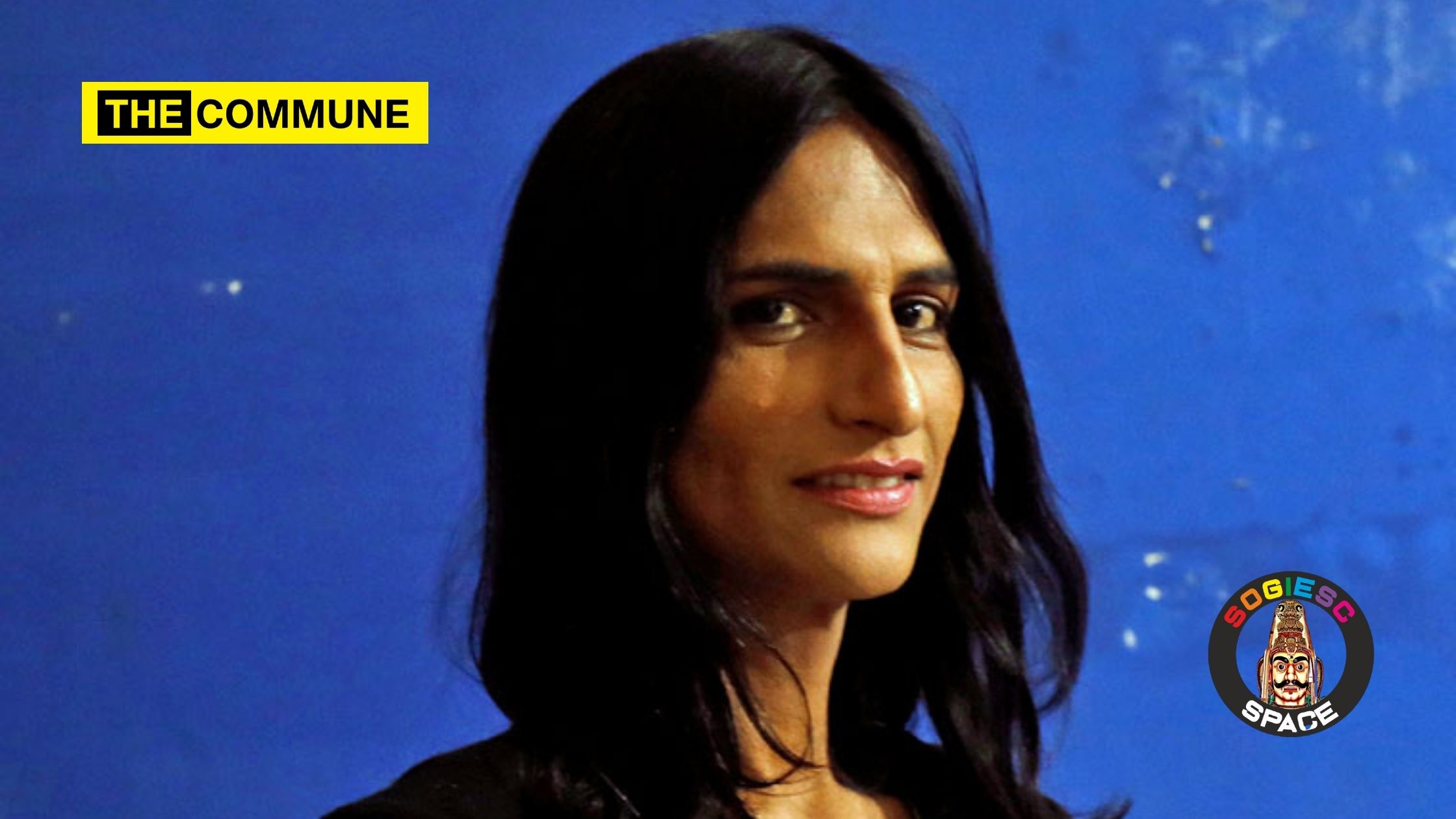
Nisha Rao, a 28-year old transgender lawyer in the southern Pakistani city of Karachi who once begged in the streets is now hoping to become Pakistan’s first transgender judge.

“My goal, my vision, my dream is to become Pakistan’s first transgender judge,” said Nisha to news agency Reuters.

Pakistan, which is an Islamic nation, approved a law in 2018 that recognized transgenders as equal people and legalized punishment for discrimination and violence against them. 

However, the ground reality is quite different and many transgender people in  Pakistan and other South Asian country face discrimination, inequality and injustice.

Nisha Rao used to beg on the streets or dance at weddings to earn a living and now has become a lawyer who aspires to be a judge. 

Rao comes from an educated middle-income family in the eastern city of Lahore from the most populous state of Punjab. She was only 18 when she ran away from her home after realising that she was different from others. 

When she reached Karachi, the elders of the trans community who gave her shelter advised her to either beg or becomer a sex worker to survive in this city. 

In order to survive, Rao started begging at traffic signals and saved enough money to pay for her law classes and now she has the license to practice and became a member of the Karachi Bar Association.

Even before she received her credentials, Rao had fought 50 cases and is associated with a trans-rights non-governmental organization that works for the rights of transgenders.