Home Blog Page 1463

‘Gear man of Coimbatore’ P Subramanian who shifted the gears of many lives no more

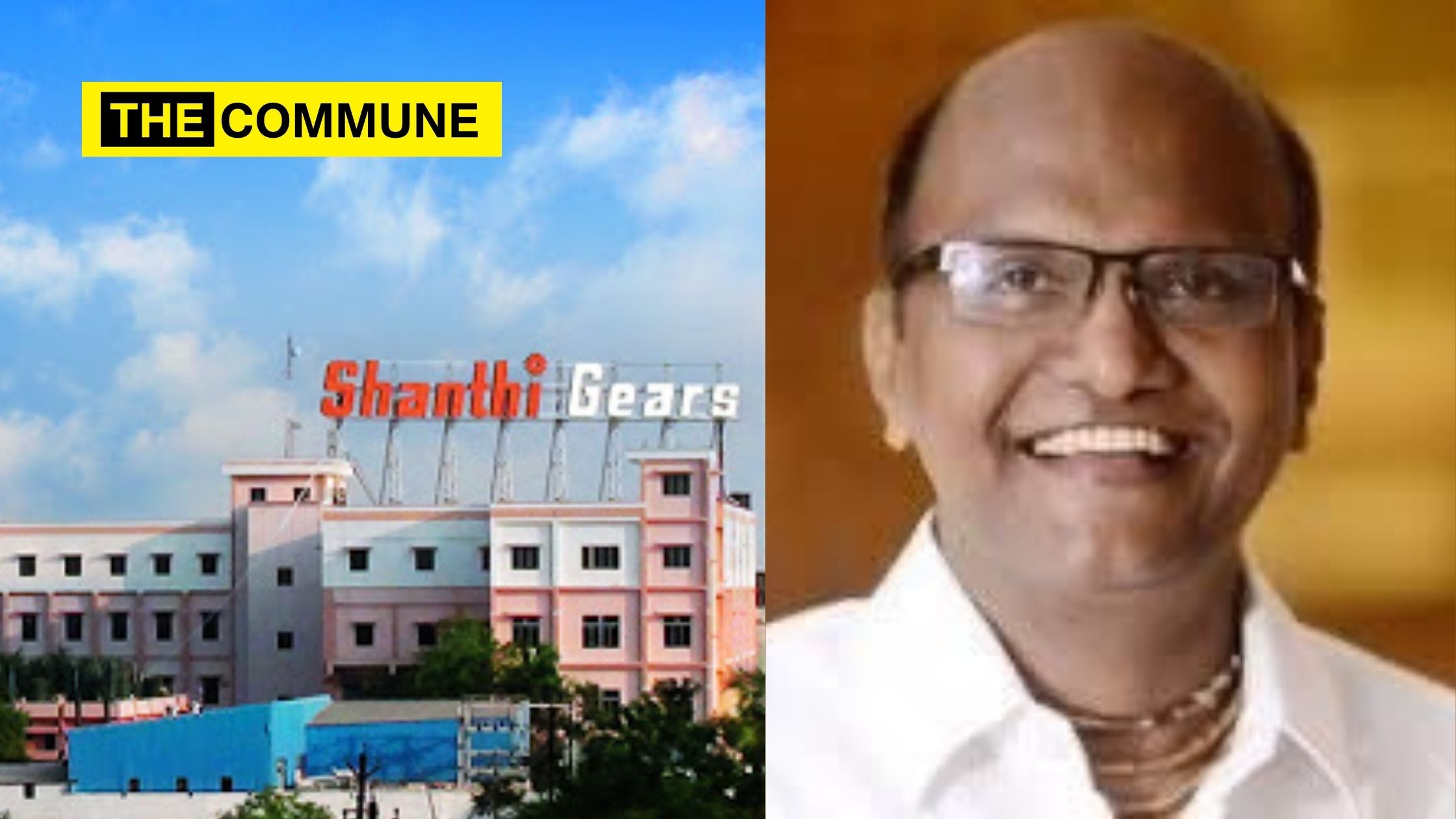
P Subramanian, a successful entrepreneur who founded Shanthi Gears passed away on December 11 at a private hospital in Coimbatore.

He is referred as the ‘gear man’ of Coimbatore and is considered as someone what E. Sridharan was to the Metro.

After completing his polytechnic from PSG college in Coimbatore, Subramanian had set up a small gear manufacturing unit in 1969 in the city, the Shanthi Engineering and Trading Company. He incorporated it into a private limited company named Shanthi Gear Products (P) Limited in 1972.

His company manufactured geared motors that were mainly used in textile machinery units. Over a period of time, the company took to manufacturing and supplying gears to automobile companies too.

The company was acquired by the Murugappa Group for a whopping ₹464 crore in 2012 which by then had become the third biggest manufacturer and supplier of gears in the industry.

Post the acquisition by Murugappa Group, Subramanian engaged himself with philanthropic and social service work. He set up the Shanthi Social Service, which runs a canteen that serves free food to elderly people every day. For other people, lunch is served at ₹10 and tiffin at ₹5.

The foundation also runs a non-profit hospital, pharmacy and a petrol pump that sells fuel at below the market rate. It also runs a diagnostic centre, a blood bank, an eye-care centre and an LPG crematorium apart from providing education for underprivileged sections of the society, building roads, etc.

Subramanian is survived by his three daughters.

2927 Court complexes across country have been connected by a high-speed Wide Area Network (WAN) as against target of 2992 under e-Courts Project

As many as 2927 Court complexes across India have been connected so far by a high-speed Wide Area Network (WAN) under e-Courts Project. It has led to completion of 97.86 % sites out of 2992 sites conceived to be connected with high speed WAN under the project. Department of Justice (DoJ) along with BSNL is working relentlessly on connecting the remaining sites. Under e-Courts Project, one of the largest digital networks of the world was conceived by Department of Justice along with the e-Committee of the Supreme Court of India to connect the 2992 court complexes located all over India by a high-speed Wide Area Network (WAN) via different modes of connectivity such as Optical Fiber Cable (OFC), Radio Frequency (RF), Very Small Aperture Terminal (VSAT) etc. In May 2018 the mandate of providing Managed MPLS VPN services to all these sites was entrusted to the BSNL, which has pan India presence with latest state-of-the-art technology and high-end telecom infrastructure and transmission equipment. The BSNL also has presence at all corners of India, including NE region, J&K, Uttarakhand, A&N Islands, etc.

Many courts under the e-Courts project are located in far flung areas where terrestrial cable cannot be used for providing connectivity. Such areas are termed as Technically Not Feasible (TNF) and in DoJ’sendeavor to bridge the digital divide; connectivity is being established at TNF sites using alternative means like RF, VSAT etc.  With persistent deliberations, meetings and coordination with different stakeholders including BSNL and the Courts, the Department has been able to reduce the total TNF sites from 58 in 2019 to 14 in 2020, thus leading to saving of public money as the cost of providing connectivity through alternative means like VSAT is much higher. Department of Justice has also decided to use the newly inaugurated submarine (under sea) cable for providing connectivity to 5 TNF sites in Andaman and Nicobar Islands.

In the COVID-19 pandemic scenario importance of connectivity becomes greater as suddenly courts are under huge pressure for on-line hearing of cases. The DoJ has therefore constituted a high powered committee with representatives from the BSNL, NIC, e-Committee etc to review the bandwidth requirement in the changed scenario. The Department of Justice, along with the e-Committee of the Supreme Court of India has taken a major leap towards digital transformation and its success in leveraging digital technologies for transforming the Judiciary and providing access to justice to ordinary citizens is being appreciated at all levels.

As part of National e-Governance Plan, e-Courts Project is an Integrated Mission Mode Project under implementation since 2007 for the ICT development of the Indian Judiciary based on the ‘National Policy and Action Plan for Implementation of Information and Communication Technology in Indian Judiciary’.

The Government approved the computerization of 14,249 district & subordinate Courts under the e-Courts Phase I project ( 2007-2015).  The objective of the e-Courts project is to provide designated services to litigants, lawyers and the judiciary by universal computerization of district and subordinate courts in the country by leveraging Information and Communication Technology (ICT) for improved justice delivery. Envisaging further ICT enhancement through universal computerization of all the courts, the Phase II of the project was approved by the Cabinet in July 2015 with a cost of Rs 1670 crore under which 16,845 courts have been computerized.

MOHUA launches socio-economic profiling of PM SVANidhi beneficiaries

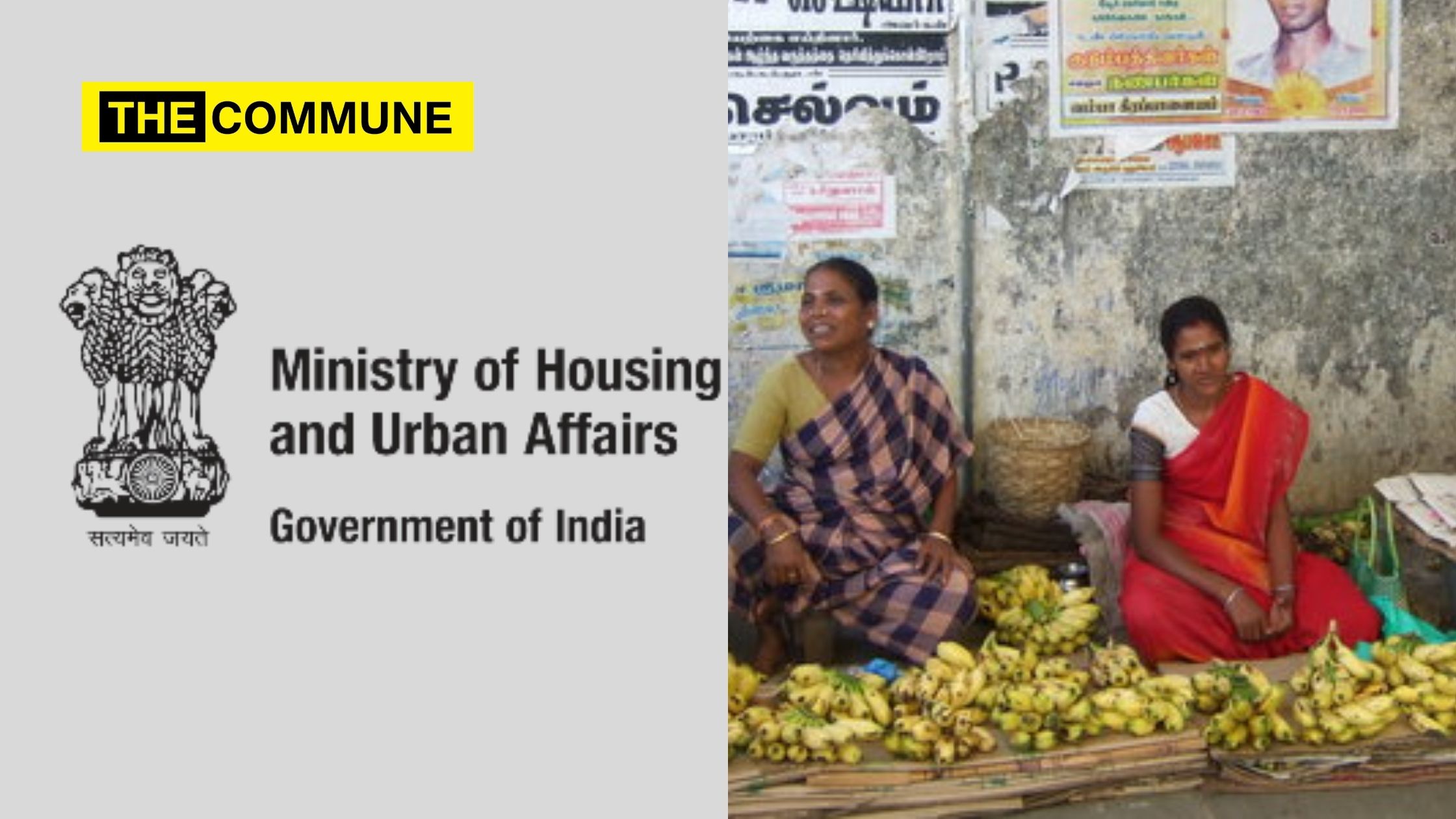
Secretary of Ministry of Housing and Urban Affairs, Durga Shanker Mishra, launched a programme of socio-economic profiling of PM SVANidhi beneficiaries and their families today, as an additional component of PM SVANidhi Scheme, in the presence of representatives of various Central Ministries and State officials. Under this, a complete profile of each PM SVANidhi beneficiary and their family members will be prepared. Based on the profiled data, benefits of the various eligible Central Schemes would be extended to them for their holistic socio-economic upliftment.

The launch has been in the context of the vision of Hon’ble Prime Minister that PM SVANidhi scheme should not be seen merely from the perspective of extending loans to street vendors but should also be seen as an instrument for outreach to street vendors and their families for their holistic development and socio-economic upliftment.

In the first phase, 125 cities have been selected for the programme. The profile will identify potential eligibility of beneficiaries and their family members for select Central Government schemes and facilitate linkages. Besides this, the States/ UTs would also have an option to extend their respective State/ UT specific welfare schemes to them. M/s Quality Council of India (QCI) has been appointed as implementing partner for the programme.

Prior to the complete roll out, MoHUA will run a pilot program in six cities, namely Gaya, Indore, Kakching, Nizamabad, Rajkot, and Varanasi.

Ministry of Housing and Urban Affairs (MoHUA) is implementing Prime Minister Street Vendors AtmaNirbhar Nidhi (PM SVANidhi) Scheme since June 1, 2020, with an objective to provide affordable working capital loan up to ₹10,000 to Street Vendors for facilitating resumption of their livelihoods adversely affected by the COVID-19 pandemic.

Government’s women led empowerment policies are tribute to the vision of Subramanya Bharathi: PM Modi

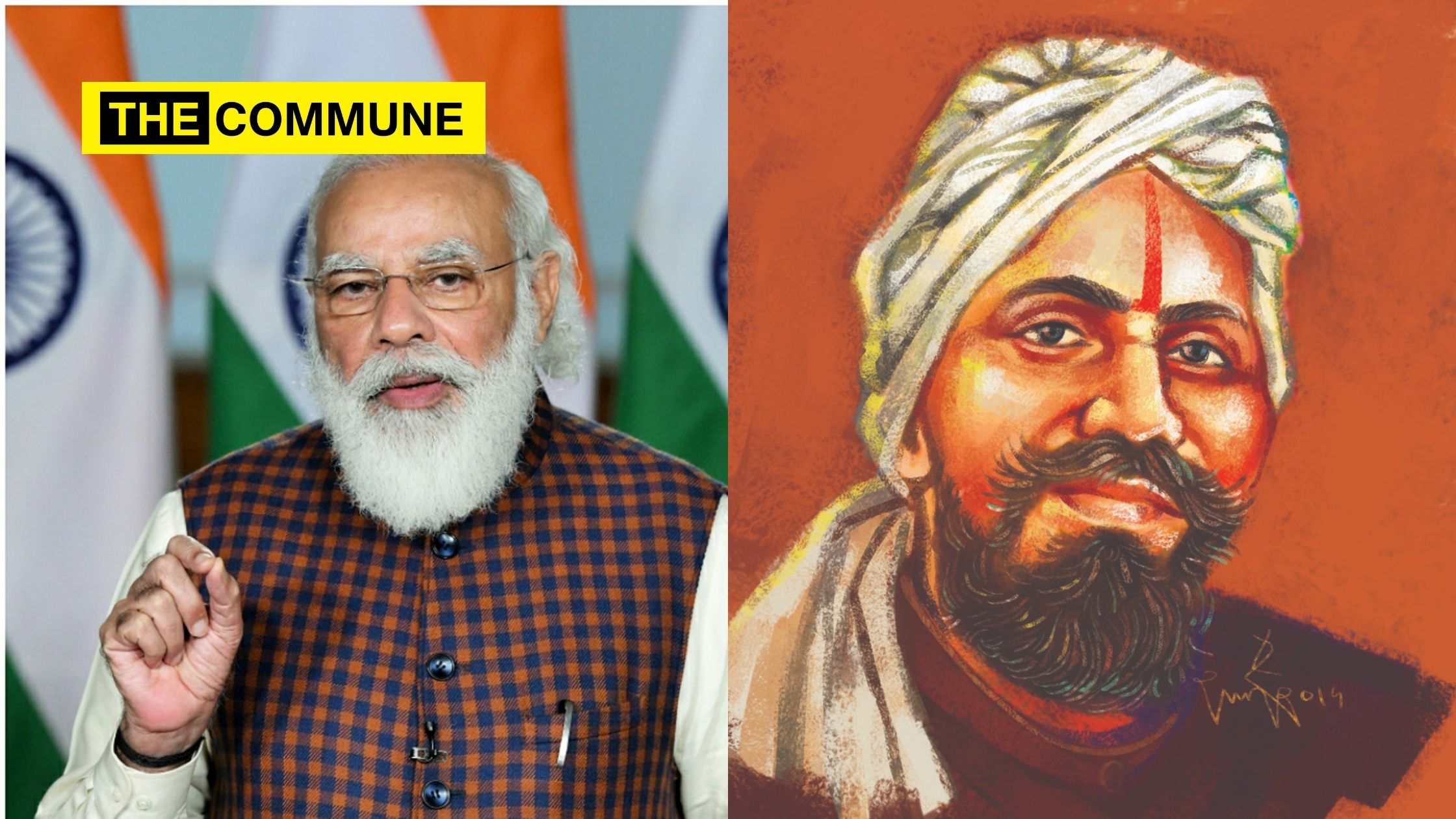
Prime Minister Narendra Modi addressed International Bharathi Festival 2020 through video conferencing and paid tributes to Bharathiyar on his Jayanti. The festival was organised by Vanavil Cultural Centre to celebrate the 138th birth anniversary of Mahakavi Subramanya Bharathi. The Prime Minister Congratulated the Scholar Shri  Seeni Viswanathan, for receiving the  Bharathi  Award for this year who was presented the award during the event.

The Prime Minister said that describing  Subramanya Bharathi is very difficult. “Bharathiyar cannot be linked to any single profession or dimension. He was a  poet,  writer,  editor,  journalist,  social reformer,  freedom fighter,  humanist   and much more”, PM Modi said.

The Prime Minister remarked that one can only marvel at the body of work of the great poet, his poems, his philosophy and his life. PM Modi recalled the Mahakavi’s close link with Varanasi. Praising Bharathi, the Prime Minister said “In a short life of  39 years  he wrote so much, did so much and excelled in so much. His writings are a guiding light to us towards a glorious future.”

The Prime Minister remarked that there is much that our youth today can learn from Subramania Bharathi and most importantly to be courageous adding that fear was unknown to Subramania Bharathi.  Quoting Bharathi “Fear I have not, fear I have not, Even if  all the world  opposes me” the Prime Minister said that he sees this spirit in Young India today when they are at the forefront of innovation and excellence. He added India’s start-up space  is filled with fearless youth who are giving  something new to  humanity.  Such a  ‘can do’ spirit will bring wonder for our nation and our planet, he added.

The Prime Minister said Bharathiyar believed in a healthy mix between the ancient and the modern. He said Bharathi saw wisdom in staying connected with our roots as well as looking towards the future and considered Tamil Language and motherland India as his two eyes. “Bharathi sang songs of the greatness of ancient India, the greatness of the Vedas and  Upanishads, our culture,  tradition  and  our glorious past. But at the same time, he also warned us  that simply living in the past glory  is not enough.”, PM Modi said and urged the need to develop a scientific temper,  a spirit of inquiry  and march towards progress.

The Prime Minister said Mahakavi Bharathiyar’s definition of progress had a central role for  women. “One of the most important visions was that of independent and empowered women.  Mahakavi Bharathiyaar wrote that women should walk with their head held high, while looking people in the eye.” PM Modi said.

“The Prime Minister said the Government is inspired by this vision  and is working to  ensure women-led empowerment. In every sphere of the Government’s working,  there has been importance given to the dignity of women. He said today, over 15 crore women entrepreneurs are funded by schemes  like  MUDRA Yojana. Today, women are becoming part of our  armed forces  with permanent  commissioning. Today, the poorest of the poor women who used to face problems of lack of safe sanitation, are benefited by over 10 crore safe  and hygienic toilets. They do not have  to face problems  any more. This is the era of New India’s Nari Shakti. They are breaking barriers  and making an impact. This is New India’s  tribute to  Subramania Bharathi”, the Prime Minsiter said.

The Prime Minister remarked that Mahakavi Bharathiyaar understood that any society which is divided will not be able to succeed. At the same time, he wrote about the  emptiness of political freedom which does not address the social inequities and does not address social ills. Quoting Bharathi “Now we will make a rule, and enforce it ever, If ever one man faces starvation the world has to atone on pain of  destruction” the Prime Minister said his teachings are a strong reminder to us to remain united and committed to the empowerment of every single individual, especially, the poor and marginalised.

The Prime Minister said there is a lot our youth have to learn from Bharathi wished that everyone  in our country reads his works and is inspired by him. He praised Vanavil Cultural Center for their wonderful work in spreading the message of Bharathiyar and was confident that this festival will have productive deliberations which will help  steer India into a new future.

(Published from PIB)

India reports landmark achievement: Active caseload drops to 3.63 lakh, less than 30,000 daily new cases recorded

india corona virus covishield price vaccine

India’s total Active Caseload has significantly dropped to 3.63 lakh (3,63,749) today. This is the lowest after 146 days. The total active cases were 3,58,692 on 18th July, 2020.

The country has reported a trend of sustained decrease in the number of active cases. India’s present active caseload consists of just 3.71% of India’s Total Positive Cases.

37,528 cases recovered and discharged in the last 24 hours. This has led to a net decline of 8,544 from the total active caseload.

India has registered less than 30,000 daily new cases in the last 24 hours. The number of daily new cases in the last 24 hours is 29,398.

The total recovered cases are nearing 93 lakh (92,90,834). The gap between Recovered Cases and Active Cases, that is steadily increasing, has crossed 89L today and presently stands at 89,27,085.

The difference in the New Recoveries outnumbering New Cases has also improved the Recovery Rate to 94.84% today.

79.90% of the new recovered cases are observed to be concentrated in 10 States/UTs.

Karnataka has reported the maximum number of single day recoveries with 5,076 newly recovered cases. 5,068 people recovered in Maharashtra followed by 4,847 in Kerala.

Kerala reported the highest daily new cases at 4,470. It is followed by Maharashtra with 3,824 new cases.

(Published from PIB)

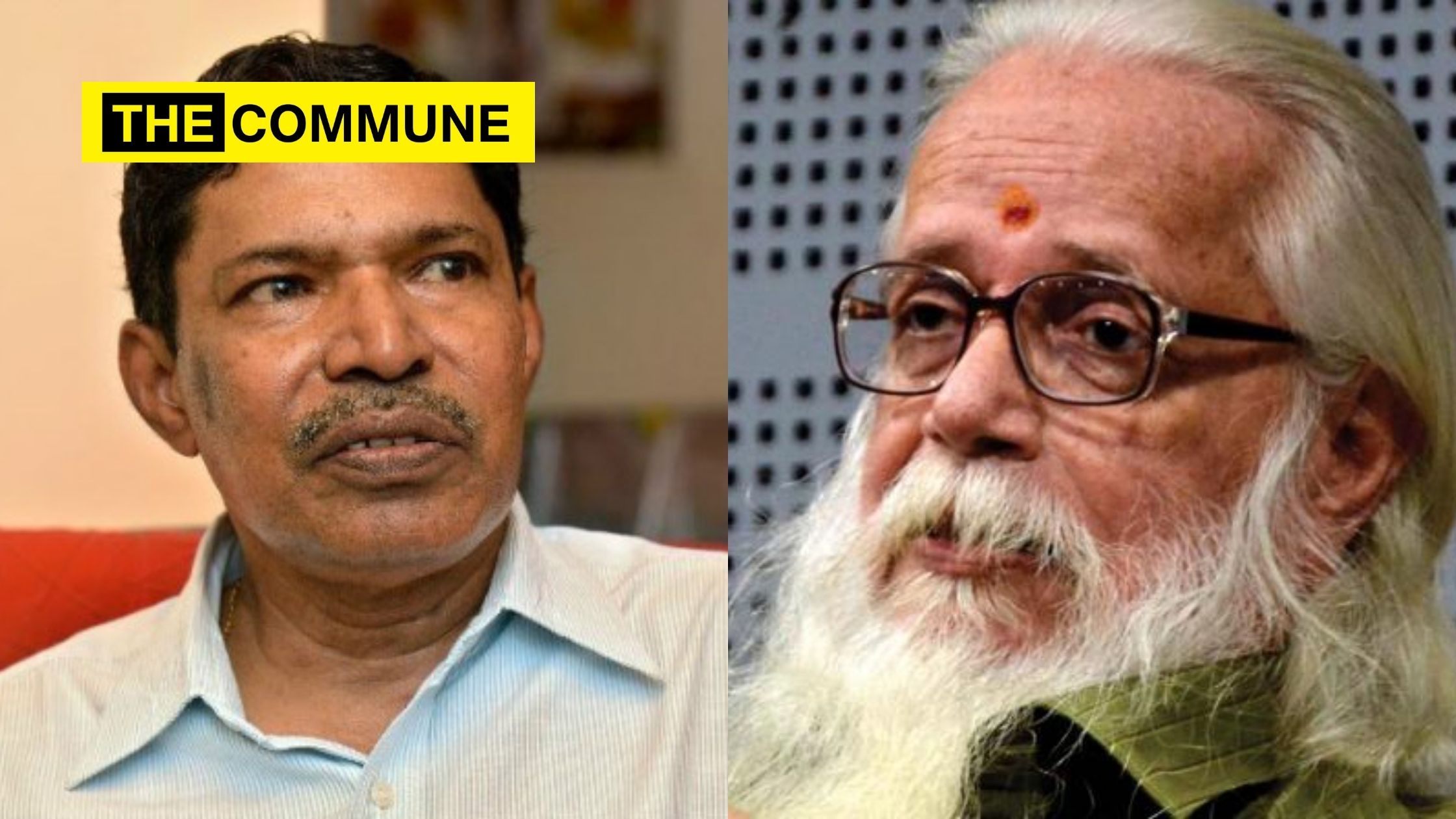
Committee to probe then police officials for framing Nambi Narayan to have its first sitting

After coming down heavy on the Kerala Government for unleashing a witch-hunt on former ISRO scientist Nambi Narayanan, the Supreme Court had directed the formation of a three-member committee under retired SC judge D K Jain to probe if there was a conspiracy among the then police officials to falsely implicate the top ISRO space scientist.

Now the committee will have its first sitting in the state capital on 14 and 15 December.

In 2018, then Chief Justice Dipak Misra, Justice A M Khanwilkar and Justice D Y Chandrachud decided to appoint a committee under judge Jain to inquire into the role of officials of the Kerala police in the arrest of Narayanan.

While the Centre appointed a top official — D K Prasad, the Pinarayi Vijayan government appointed former Additional Chief Secretary V S Senthil.

Reacting to the news Narayanan said “I do not know if I will be contacted as their job is to find out if there was any conspiracy and it’s not just the three former Kerala police officials, as there are others also. Maybe the committee was doing the groundwork to help them go forward in their probe, I do not know,”.

It all started in 1994 when Narayanan was arrested on charges of espionage along with fellow scientist D Sasi Kumaran, two Maldivian women and a businessman.

The CBI cleared Narayanan in 1995, however, he has been fighting a legal battle against the then top police official Siby Mathews who later reached the rank of the Director-General of Police, S Vijayan, and KK Joshua, who probed the case and implicated Narayanan. Another police officer T.P. Senkumar, a former state police chief who was tipped to probe spy charges involving Narayanan had called the Nambi Narayanan a ‘below average scientist’.

When the ISRO spy case came to light, there was a massive factional feud in the Congress party between senior leaders, the late K Karunakaran and the A K Antony who later became India’s Defence Minister.

In the book Spies from Space: The Isro Frame-up written by journalist J Rajasekharan Nair who did detailed and comprehensive reporting on ISRO spy case is worth reading.

DMK chief MK Stalin feels dizzy and faints during party programme

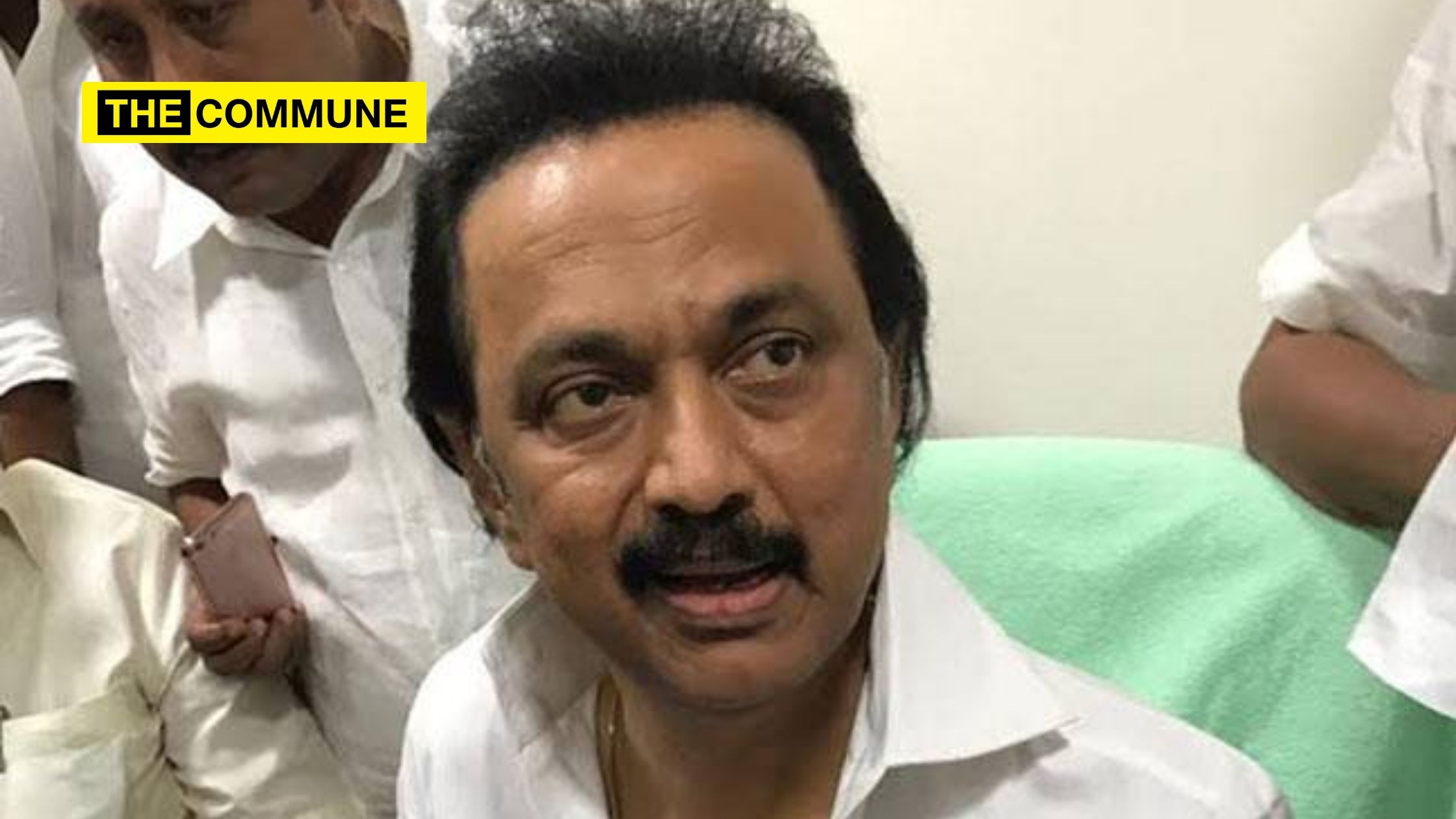
DMK President M.K. Stalin who was participating in a party programme organized to deliver relief aid in Kolathur, fainted after feeling giddy and was later taken to a hospital.

The party had initially denied it to be false and asked people to not believe in rumours. However, the DMK chief who had later met the press in Kolathur, said that he had felt mild dizziness and fatigue. He said that doctors ran a ECG and a blood pressure test and that he was fine now.


Indian Army shoots dead 5 Pakistani soldiers in retaliatory fire

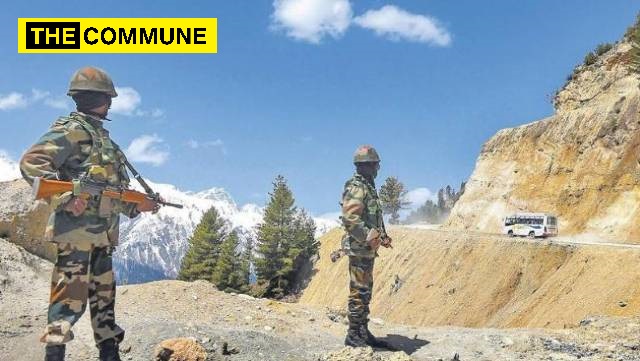
After Pakistani troops initiated unprovoked firing along the Line of Control (LoC), the Indian Army retaliatory action has led to the death of five Pakistani soldiers and three injured in Jammu and Kashmir’s Poonch district, Defence sources said.

“Pakistan initiated unprovoked firing and shelling targeting civilian facilities in Mankote sector of the LoC in Poonch district on Thursday. The damage was caused to civilian properties due to indiscriminate targeting of civilian facilities by the Pakistan army. This necessitated befitting retaliatory action by the Indian army in which five Pakistani soldiers were killed and three injured. Several of their bunkers have also been destroyed”, sources said.

The two sides exchanged fire that lasted for 2 hours after Pakistan again violated the bilateral ceasefire agreement signed by the two countries in 1999.

As per data, 30 civilians have been killed and over 100 injured in over 3200 ceasefire violations by Pakistan on the LoC since January 2020.

Watch: Jamaath in Tamil Nadu asks Muslim shopowners to not open shops in protest against Centre’s farm laws

The middlemen of Punjab and the farmers bonded/instigated by them along with the opposition political parties called for a nation wide bandh on December 8. The bandh received lukewarm response with only the region surrounding the protest witnessing difficulty in movement of goods and people.

The bandh however turned out to be a damp squib in the southern states especially in states like Tamil Nadu where the state government had enacted farm laws modelled along the Centre’s laws even before the the latter enacted.

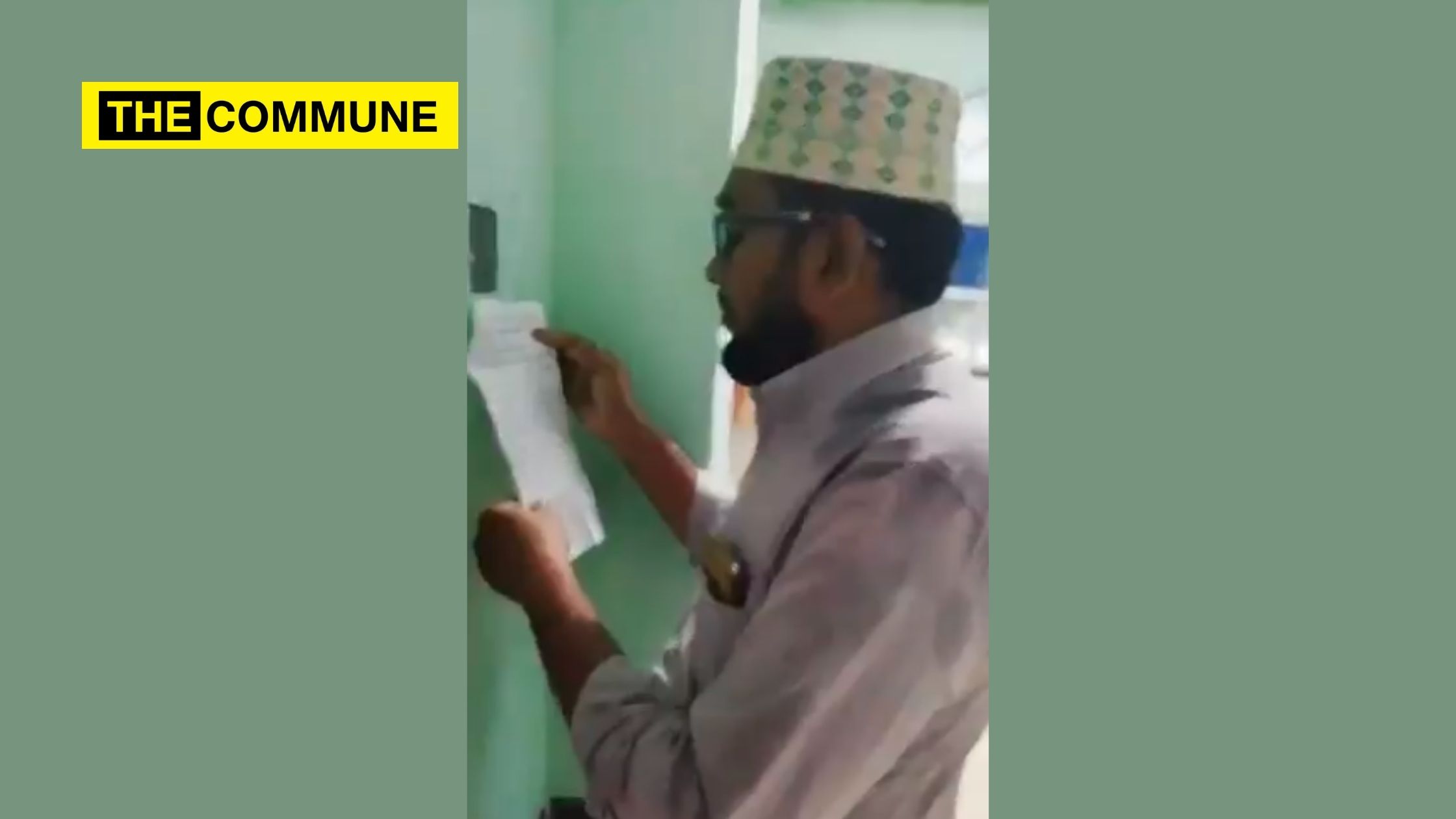
However, Muslim Jamaaths in Tamil Nadu like the Lalpet Muslim Jamaath in Cuddalore district  asked the Muslim shopowners of the region to down their shutters to condemn the Centre’s farm laws.

Muslim Jamaaths in Tamil Nadu often interfere with political affairs and exercise significant control over the voting franchise of Muslims.

They had earlier tried to replicate Shaheenbagh-style protests in Chennai’s Washermanpet area against the CAA 2019.

The Lalpet Muslim Jamaath has been making news for quite some time. Earlier, it tried to instill panic by asking Muslims to take away their deposits and savings from banks.

The National Investigation Agency (NIA) had raided the residences of Sheikh Dawood, Mohammed Riyaz, Sadhik, Mubharis Ahmad, Rizwan and Hameed Akbar in Muthupet, Ramanathapuram, Keelakarai, Devipattinam, Lalpet, Salem and Chidambaram in connection with a case filed against eight people for allegedly supporting Islamic State (IS).

Image may contain: text that says "லால்பேட்டை ுஸ்லிம் மாஅத் DO0OTD LALPET MUSLIM JAMA'ATH Lalpet 608303 அல்பலபாமும 2020 ஓர் முக்கிய அறிவிப்பு அரசுக்கு SAVING) CAA, NRC, NPR சட்டங்களை வாபஸ் பெற வலியுறுத்தி நெருக்கடி தரும் வகையிதும் மோடி ஆட்சியின் தவறான அணுகுமுறையால் தொடர்ந்து வங்கிகள் இவால் ஆவ வருவதால் நம் பணத்தை பாதுகாக்கும் வகையில் தங்களுடைய (DEPOSIT வைப்புத்தொகை ஆகியவற்றை 16-03-2020 தங்கள் கிழமை முதல் தங்களுடைய பணந்தை பேங்கில் இருந்து எடுத்து பாதுகாத்துக்கொள்குமாறு சார்பில் கேட்டுக்கொள்கிறோம் கேட்டு Fualim JaRpy மற்றும் சமிப்பு முஸ்லிம் ஜமாஅத் k. .) செயணானர்"

Concerns raised over ‘children home’ run by controversial NGO head

Persecution Relief and its head Shibu Thomas who were recently exposed for indulging in anti-India activities find themselves in trouble again, this time over another organization named ‘Abundant Life Society’.

Abundant Life Society, a non-governmental organization (NGO) based out of Bhopal in Madhya Pradesh has been found to be running illegal children homes. Mr. Shibu Thomas, who is reportedly an Indian-origin US citizen is the president of this NGO.

According to its official website, ‘Abundant Life Society’, provides shelter, nutrition and education to abandoned children at its facilities in Bhopal.

The NGO is also in partnership with Madhya Pradesh Tourism Development Corporation (MPTDC) for various education-related programmes.

However, Abundant Life Society, an FCRA registered NGO receives funds from Persecution Relief, a US-registered charitable organization (EIN: 47-4628497) which is also run by Shibu Thomas who remains its only President and CEO.

Persecution Relief, an organization claiming to help ‘persecuted’ Christians in India has been working clandestinely and carrying out anti-national activities.

This organization has been gathering details about crimes across the country where the victims are Christians, collating them, and preparing periodical reports which are then shared with various lobbying organizations in the USA and evangelist organizations across the world. They primarily collect data of skirmishes between Christian missionaries who go for proselytization in villages and the locals there, in an attempt to make a case for alleged ‘persecution’ of Christians in India.

Persecution Relief works with several other organizations like the Federation of Indian American Christian Organizations of North America (FIACONA), the members of which justify forced religious conversions. FIACONA, is involved in lobbying against India with U.S lawmakers, Church organizations and the USCIRF to press sanctions against India.

Persecution Relief, in its Annual Report for the year 2019 termed rules set by the National Commission for Protection of Child Rights (NCPCR) to protect the rights of children as ‘a persecution against the Christians in India’.

In page 94 of the report, Persecution Relief came up with this recommendation to the state and central government:

We request the Ministry of Women & Child Development to instruct Child Welfare Committee (CWC), not to harass Christian Institutions and Orphanages maliciously across India. In 2019, we have recorded many instances of false cases booked under POCSO, of whom several are still in jail. Children were evacuated in the middle of the night against the wishes of their parents, with little compassion or understanding.

It is to be noted that there already exists provisions in the Protection of Children from Sexual Offences Act, 2012 and its guideline for non-reporting the incidents of sexual harassment against Children and even for false reporting.

Legal Rights Protection Forum (LRPF) which has brought the matter to light states that through this, ‘Abundant Life Society’ is intentionally demotivating the children who are facing sexual harassment and restricting them from reporting such incidents of sexual harassment.

“If they have any particular incidents in which false cases were filed under POCSO Act, they should have come up with all details.” LRPF in its complaint noted.

Also, in page number 116 of their report, Persecution Relief admitted states that “Christian schools, Children Homes and Orphanages are being attacked by Hindu extremists in India”. It went on to state that if any incident occurs in any part of India, it immediately comes to the notice of the NCPCR and gets covered by media followed by action of law enforcement agencies and added that ‘Attacking against Child Homes in India’ is a false allegation and it should be investigated.

Speaking to The Commune, Working President of LRPF A.S. Santhosh said “Since ‘Abundant Life Society’ is partnering with the Government of Madhya Pradesh and receiving foreign donations from the US registered NGO Persecution Relief, we are very much worried about the legal norms they are following in this procedure and also the security of the children at homes and shelters being maintained by ‘Abundant Life Society’ headed by the notorious person like Shibu Thomas.”

The LRPF has now written to the NCPCR to initiate an enquiry into the matter of Children Homes run by ‘Abundant Life Society’ and the condition of children of those homes.

To read about the expose story of Persecution Relief, click here.