Home Blog Page 1459

Khadi India to launch organic eco-friendly paint made from cow dung with anti-bacterial properties

Khadi India under Khadi & Village Industries Commission, Government of India, will soon launch Vedic Paint made from cow dung.

The announcement was made by Union Minister for Road Transport and Highways, Micro, Small & Medium Enterprises Nitin Gadkari.

In a tweet sent out by Gadkari reads, ”We are soon going to launch a ‘Vedic Paint’ made of cow dung through the Khadi and Village Industries Commission. It will help in strengthening Village economy and provide additional income to the farmers.”

Gadkari further added these paints will be eco-friendly, non-toxic, anti-bacterial, anti-fungal and washable paint would be available in distemper and emulsion. The other main features will be that it will dry in just four hours and it will also provide an additional income of up to Rs.55,000 to the livestock farmers.

The research for using cow dung in paints was started in 2016 by five students of Vellore Institute of Technology under supervision of Mrs. Ghamande Manasi, Assistant Professor in Chemistry.

A paper was also published [PDF] on Manufacturing of Cow Dung Paint and it talks about how cow dung plasters are commonly found in many Indian homes in rural areas and it has anti-bacterial properties and is believed to be one of the best natural disinfectants. 

The paper also talks about how using cow dung paint can improve air quality and it also reduces the need for air conditioning as it acts as an insulator and keeps heat out in summers while holding it inside in winters.

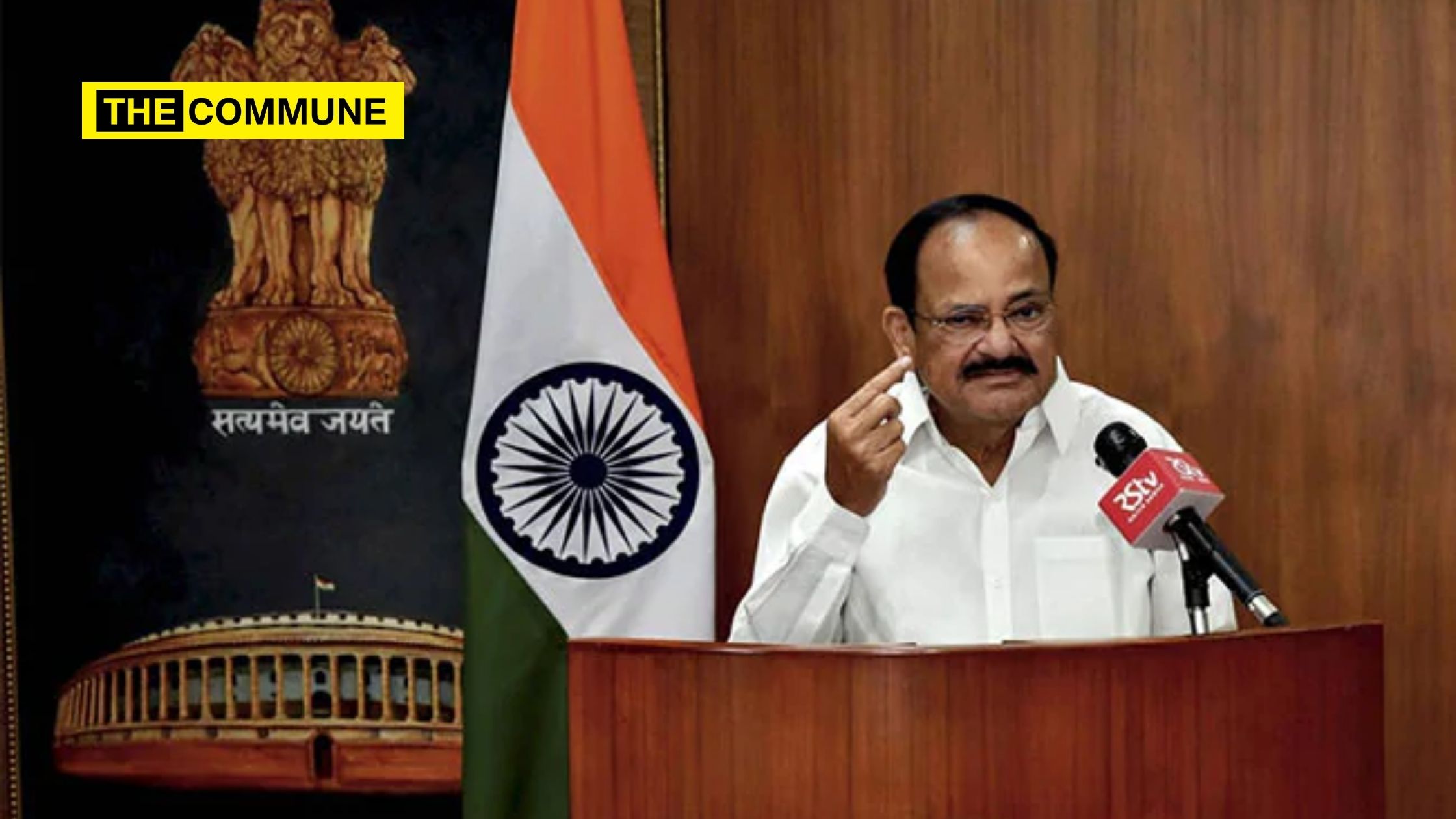
Media in crisis, auto-correction needed to tide over disruptive challenges and uncertain future, says Vice President Shri M. Venkaiah Naidu

​Expressing concern over the future of media and journalism and the sanctity of news in the face of disruptive technological advances, Vice President of India M. Venkaiah Naidu has urged all the stakeholders to ensure credible journalism since media is an effective tool of empowerment of people for informed public discourse.

The Vice President spoke at length on “Journalism: Past, Present and Future’’ while delivering the M.V.Kamat Memorial Endowment Lecture in virtual mode from Hyderabad today.

Vice President Naidu listed the concerns about media and journalism as issues relating to; Freedom of press, censorship, flouting of norms of reporting, social responsibility of journalists, decline in the values and ethics of journalism, yellow journalism, journalism of false crusades, reporting for profit, disinformation in the form of fake and paid news, disruptions caused by the Internet and the future of media amidst these concerns and challenges.

The Vice President said; “Yellow journalism seeks to cloud the facts by resorting to eye-catching headlines and promotes distortion and misinformation. Journalism based on taking up false crusades as witnessed in the case of suicide of a film actor recently, is a fellow traveler. Both are aimed at increasing readership and viewership and should be avoided.”

The Vice President voiced concern over the implications of the growing ‘instant journalism’ triggered by the emergence of Internet and social media expansion in the form of propagation of fake news and erosion of journalistic norms and ethos. He further noted that technology giants have emerged as algorithmic gatekeepers of information and the web emerging as the main distributor of news. Vice President Naidu, in particular, referred to the financial implications for the traditional media like the newspapers with their journalistic products being leveraged by technology giants and not sharing the revenues with the concerned. He noted that the Internet has disrupted the revenue and reporting models with serious implications.

He also stated that “The information and reports generated by the print media at substantial cost is being hijacked by the social media giants. This is unfair. Some countries are taking measures to ensure revenue sharing by the social media giants with the print media. We too need to take a serious look at this problem and come out with appropriate revenue sharing models for the survival of traditional media.”

Referring to the newspapers as the dominant modes of information dissemination and empowerment of people since the 18th century and after the emergence of radio and television in the 20th century, he said that even during the present era of Internet, “There are millions still who like to wake up with a cup of coffee and a newspaper. I shall admit that I am one among them but without coffee.”

Welcoming the democratisation and decentralisation of sharing of information and views enabled by rapid expansion of social media, Vice President Naidu expressed concern over the downsides of it in the form of news getting devalued amidst information saturation and over abundance of news. He said; “There is a certain need to ensure sanity in the use of rapidly expanding social media outlets given the implications for social harmony​,​ ​common good, peace, and national security. Freedom of expression doesn’t mean unfettered outburst of anger and hate against each other that may lead to chaos.”

Referring to the role of media in reporting and analysing the socio-political and economic transformation of the country, he urged the media persons to be consistent in reporting such change instead of using different yardsticks for different periods. He said; “I am not suggesting media to be like a chameleon. Media should use a standard set of reporting and analytical tools that capture the change without imposing respective positions. Media should not be seen by the public as discrediting the change that is happening since such a change is contrary to their long-held positions.”

Elaborating on this, the Vice President said that whatever change has been happening in the country over the last few years, is within the framework of the Constitution and has contextual relevance. “To briefly recall this context, after about 35 years of political stability after independence, there was a certain instability in between before stability was restored. These changes ran parallel to the changes in the perceptions, perspectives and positions of the people with the passage of time. This transformation was founded on the way various issues and challenges have surfaced from time to time, the way they were articulated and dealt with by those in power and media should not be seen as refusing to acknowledge this changing narrative.”

Stressing that nation-building is a work in progress which needs to be pursued with enhanced vigour and missionary zeal collectively, he said that such an effort called for a strong sense of nationalism and nationalist spirit that binds all Indians together. He further said: “It is not correct to weaken this spirit by attributing the non-existent divisive perspectives. Media shall highlight with all the vigour the aberrations if any, so that they are not allowed to recur. Presenting every incident or issue in a divisive perspective does immense harm to the goal of building a strong, resurgent and developed India.”

Referring to the ability of media to shape right public perceptions and perspectives, Vice President Naidu urged the media to be a part of the solution and not part of the problem since like every citizen, government and other stakeholders, media too have a certain responsibility towards the nation.

Referring to the crisis situation being faced by the media and journalism for various reasons and uncertain future amidst disruptive changes, he stressed that an ‘auto-correction’ in needed and in fact, inevitable for a better future. He suggested enabling guidelines and regulations for restoring order while expressing himself against any restrictive regulations.

The Vice President also urged the media to give adequate attention to reporting on developmental efforts and outcomes by examining and analysing the triggers of change, partnerships built and participation of people and other stakeholders, challenges faced and the way they were overcome etc. “This kind of positivity reinforces the trust of the people in the institutions of our body polity” he said.

The Vice President urged the media persons to keep news and views strictly separate without allowing each of them masquerading as the other. He also stressed the need to stem the decline in journalistic values and ethos. He recalled that late Shri Kamat although maintained this distinction between news and views. Paying rich tributes to the multifarious contributions of the veteran journalist, Vice President Naidu said that late Shri Kamat became iconic through his principles and practices during his long career and earned respect both within and outside the country.

Noting that journalism has emerged as a very demanding, challenging and specialised profession,  Vice President Naidu paid tributes to all those who had contributed to the growth of journalism in the country and complimented all those who are choosing journalism as the first professional option. He stressed on the need for creating an enabling working environment for journalism and media persons to give out their best.

The Vice President also complimented the media organisations for standing up to the crisis unleashed by the COVID-19 pandemic and sustaining the cause of empowerment of the people.​

Hon’ble Pro Vice Chancellor of Manipal Academy of Higher Education (MAHE) Dr. H.S. Bhallal, Vice Chancellor Lt. General M.D. Venkatesh, Director of Manipal Institute of Communication Dr. Padma Rani and members of administrative and academic departments were among those who attended the event.


Indian Railways issues draft National Rail Plan, set to become the template of planning for future development

railways

In an endeavour to address the inadequacies of capacity constraints and improve its modal share in total freight eco system of the country, Indian Railways has come up with Draft National Rail Plan.

A long term strategic plan called the National Rail Plan has been developed to plan infrastructural capacity enhancement along with strategies to increase modal share of the Railways. The National Rail Plan will be a common platform for all future infrastructural, business and financial planning of the Railways. This plan is being circulated among various Ministries for their views now. Railways aim to finalise the Final plan by January 2021.

The objective of the Plan is:

•        To create capacity ahead of demand by 2030, which in turn would cater to growth in demand right up to 2050 and also increase the modal share of Railways from 27% currently to 45% in freight by 2030 as part of a national commitment to reduce Carbon emission and to continue to sustain it. Net Zero Carbon emission by 2030.

•        To assess the actual demand in freight and passenger sectors, a yearlong survey was conducted over hundred representative locations by survey teams spread all over the country.

•        Forecast growth of traffic in both freight and passenger year on year up to 2030 and on a decadal basis up to 2050.

•        Formulate strategies based on both operational capacities and commercial policy initiatives to increase modal share of the Railways in freight to 45% by 2030.

•        Reduce transit time of freight substantially by increasing average speed of freight trains from present 22Kmph to 50Kmph.

•        Reduce overall cost of Rail transportation by nearly 30% and pass on the benefits to the customers.

•        Map the growth in demand on the Indian Railway route map and simulate the capacity behaviour of the network in future.

•        Based on above simulation identify infrastructural bottlenecks that would arise in future with growth in demand.

•        Select projects along with appropriate technology in both track work, signalling  and rolling stock to mitigate these bottlenecks well in advance.

As part of the National Rail Plan, Vision 2024 has been launched for accelerated implementation of certain critical projects by 2024 such as 100% electrification, multitracking of congested routes, upgradation of speed to 160 kmph on Delhi-Howrah and Delhi-Mumbai routes, upgradation of speed to 130kmph on all other Golden Quadrilateral-Golden Diagonal (GQ/GD) routes and elimination of all Level Crossings on all GQ/GD route.

•        Future projects for implementation beyond 2024 in both track and signalling have been identified with clear cut timelines for implementation.

•        Three Dedicated Freight Corridors, namely East Coast, East-West & North-South identified along with timelines. PETS survey already underway.

•        Several new High Speed Rail Corridors have also been identified. Survey on Delhi-Varanasi High Speed Rail already under way.

•        Assess rolling stock requirement for passenger traffic as well as wagon requirement for freight.

•        Assess Locomotive requirement to meet twin objectives of 100% electrification (Green Energy) by December 2023 and also the increasing traffic right up to 2030 and beyond up to 2050.

•        Assess the total investment in capital that would be required along with a periodical break up.

•        Identify new streams of finance and models for financing including those based on PPP.

•        For successful implementation of the National Rail Plan ,the Railways will be looking to engage with Private Sector, PSUs,State Governments and Original Equipment Manufacturers(OEM)/Industries.

•        Sustained involvement of the Private Sector in areas like operations and ownership of rolling stock, development of freight and passenger terminals, development/operations of track infrastructure etc.

In effect the National Rail Plan envisages an initial surge in capital investment right up to 2030 to create capacity ahead of demand and increase the modal share of the Railways in freight by 45%.

Post 2030 , the revenue surplus generated would be adequate to finance future capital investment and also take the burden of debt service ratio of the capital already invested. Exchequer funding of Rail projects would not be required.

(Published from PIB)

Subramania Swamy temple in Palakkad allegedly vandalized by Communist goons as part of ‘victory celebrations’

After BJP won the Palakkad Municipality for the 2nd time with a clear majority bagging 28 out of 52 wards, frustrated cadres of the Communist Party of India – Marxist (CPI-M) have taken to vandalizing public property and even targetting BJP cadres in some areas.

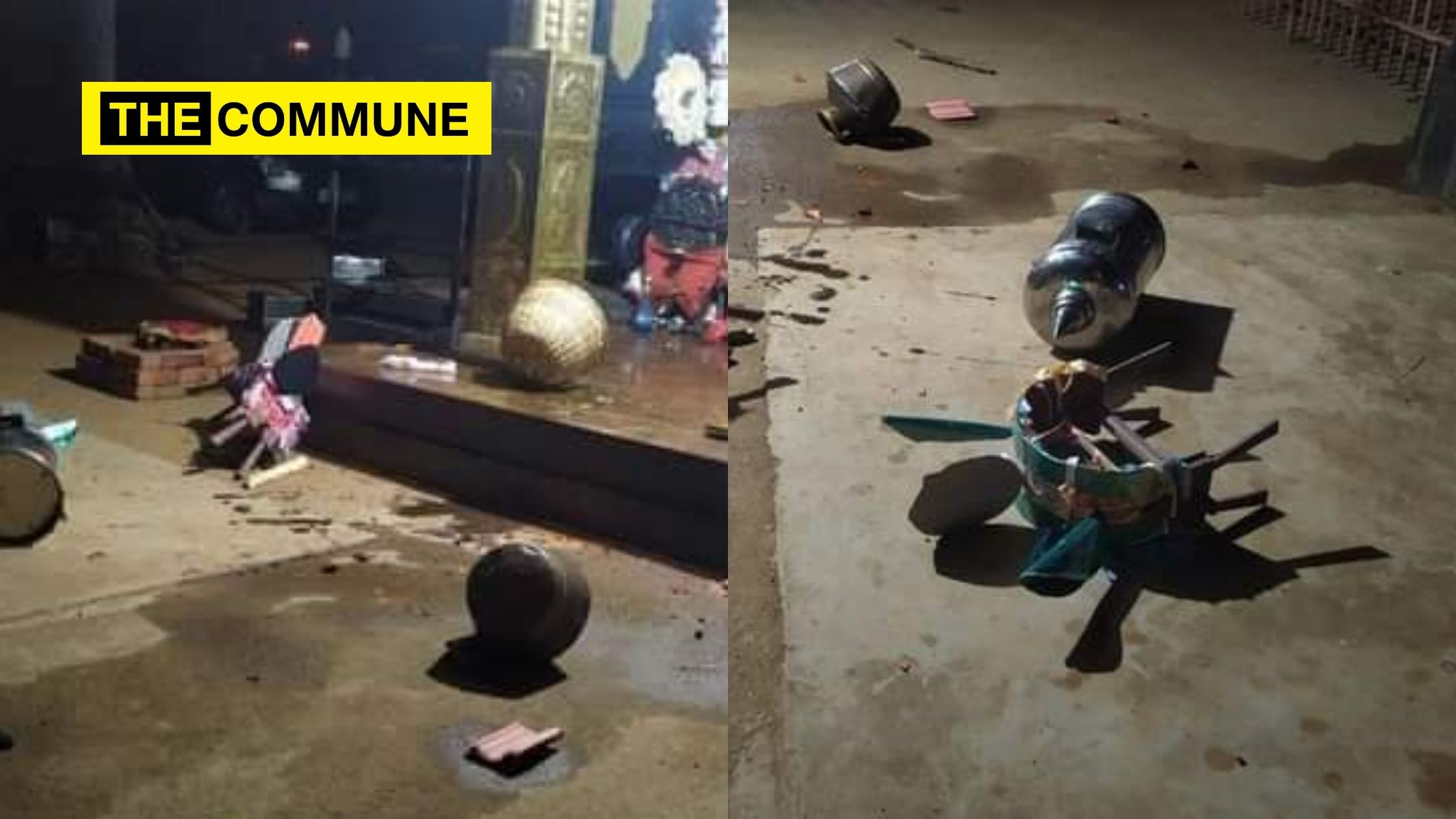
A Subramania Swamy (Lord Murugan) Temple at Thrikadeeri in Palakkad was allegedly vandalized by goons belonging to the CPI(M) Kerala. Pictures from spot show a broken Hundi and several articles used for daily rituals scattered around. A broken idol can also be seen. A CCTV footage showed that the goons who were ‘celebrating victory’ at the Subramanian temple in Palakkad district not only vandalized the temple but also stole the money and damaged the lamps and other temple ritual articles.

This act was apparently part of ‘celebrations’ of the CPM Kerala over their victory in the local body polls. The Left Democratic Front (LDF) won in 514 out of 941 gram panchayats, 5 out of 6 corporations, and 11 out of the 14 district panchayats.

Apart from the vandalization of this temple, Communist goons had also attacked RSS office in Alappuzha and BJP leader Ratheesh’s house in Kureepuzha.

CPI(M) goons travelling in an auto vehicle rammed against the wall of the BJP leader Ratheesh house. They were also seen hurling petrol bombs at the RSS’ office and destroyed the water taps which were constructed by Seva Bharati to provide clean drinking water to the people in the local community.

Jal Jeevan Mission: 100% households in Srinagar and Ganderbal in J&K get tap water connections

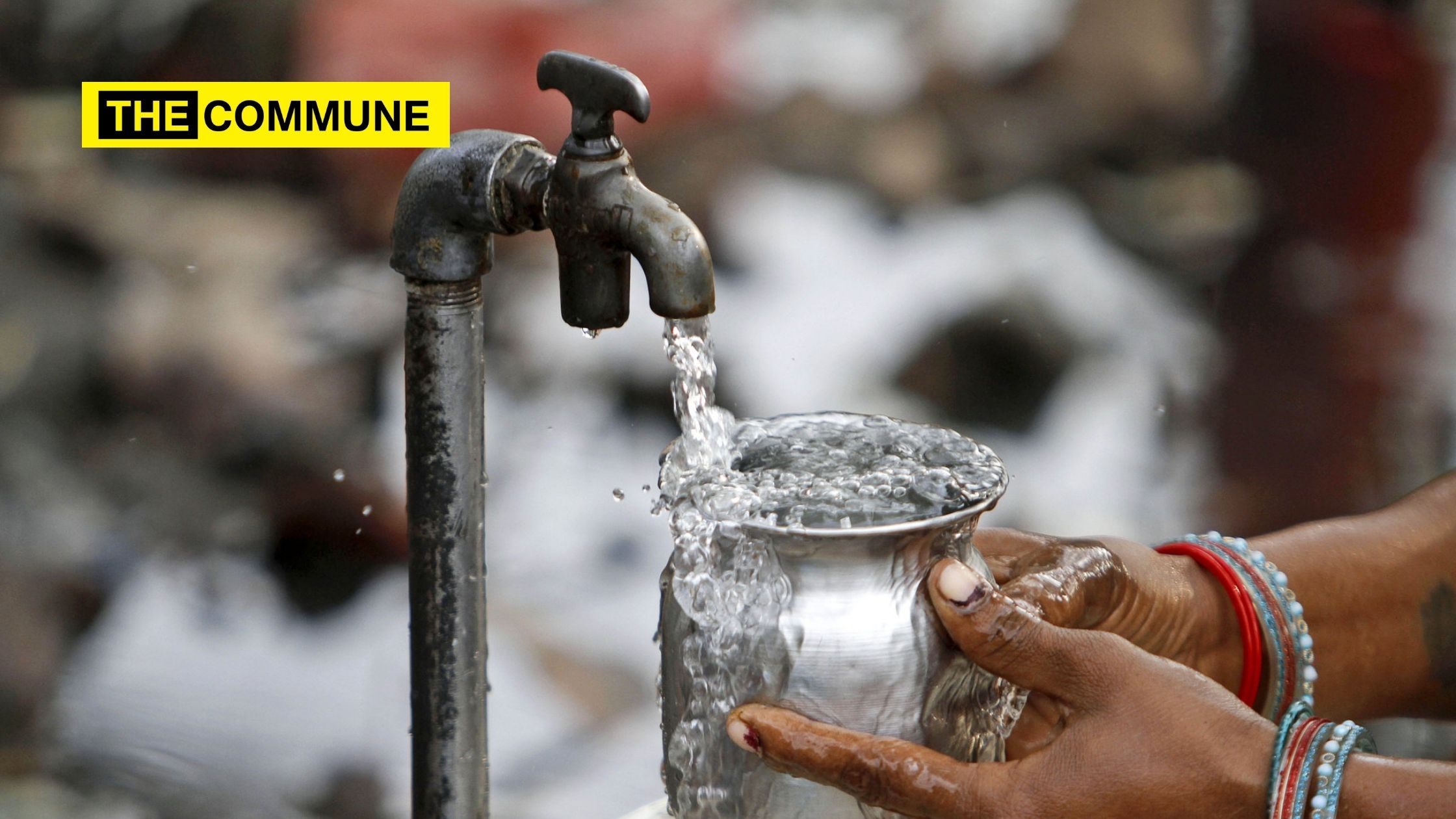
In the UT of Jammu and Kashmir every household in Ganderbal and Srinagar districts has got tap water connections and every family is getting potable piped water in their homes.  The UT is planning 100% coverage by 2022 to accomplish the ambitious target of providing tap water connection to every rural household of J&K. This kind of work in these difficult terrains speak volumes of the commitment of the people and Govt. to provide basic facilities in rural areas. Out of 18.17 lakh rural households in the UT of Jammu & Kashmir, 8.66 lakh (48%) are provided with tap water connections. Jammu & Kashmir plans to provide tap connections in 2.32 lakh households during 2020-21.

Union Government’s flagship programme, Jal Jeevan Mission, being implemented in partnership with States, aims to provide tap water connections to every rural household of the country by 2024. The objective of the mission is to ensure every household in every village/ habitation gets a functional tap connection and ‘none is left behind’. With the undivided focus of the Union Government to provide basic amenities in remote areas, aspirational districts, border areas, etc., this mission strives for provision of the basic amenity of safe drinking water in every rural household.

Since the soul of this decentralized and demand-driven programme is community participation, focus is on the planning of the water supply schemes in the village to its operation and maintenance. Every village is taken up as a unit and Village Action Plan (VAP) for five years is being prepared for each village by participation of local community with mandatory components viz. strengthening of local drinking water sources; in-village water supply infrastructure to provide tap water connections; grey water treatment and reuse; and operation & maintenance of water supply systems so as every family gets assured supply of potable water on regular and long-term basis. Village action plans for all 6,877 villages in the UT have been prepared.

In all villages, IEC campaign along with community mobilization are being taken up to make Jal Jeevan Mission, truly a people’s movement.  Out of 98 water testing laboratories, the UT plans NABL accreditation of 20 labs during current year. Field Testing Kits will be provided at community level for testing of water quality for taking corrective measures.

In less than a year, actual implementation of the mission that started on 25th December, 2019, despite Covid 19 pandemic and lockdown as well as restrictions, about 2.80 crore households in the country have been provided with tap water connections. With this, as of now 6.03 crore households (32%) of the country are getting tap water supply into their homes. Every year, more than 3 crore households are to be given tap water connections. This is the speed and scale on which Jal Jeevan mission is being implemented.

So far, one State i.e. Goa, 18 districts including difficult areas of Srinagar and Ganderbal in Jammu & Kashmir and Lahaul&Spiti in Himachal Pradesh, and more than 423 Blocks, 33 thousand Gram Panchayats, and 60 thousand villages have achieved 100% household coverage. This shows the commitment to all-inclusive development and no one is left out.

(Published from PIB)

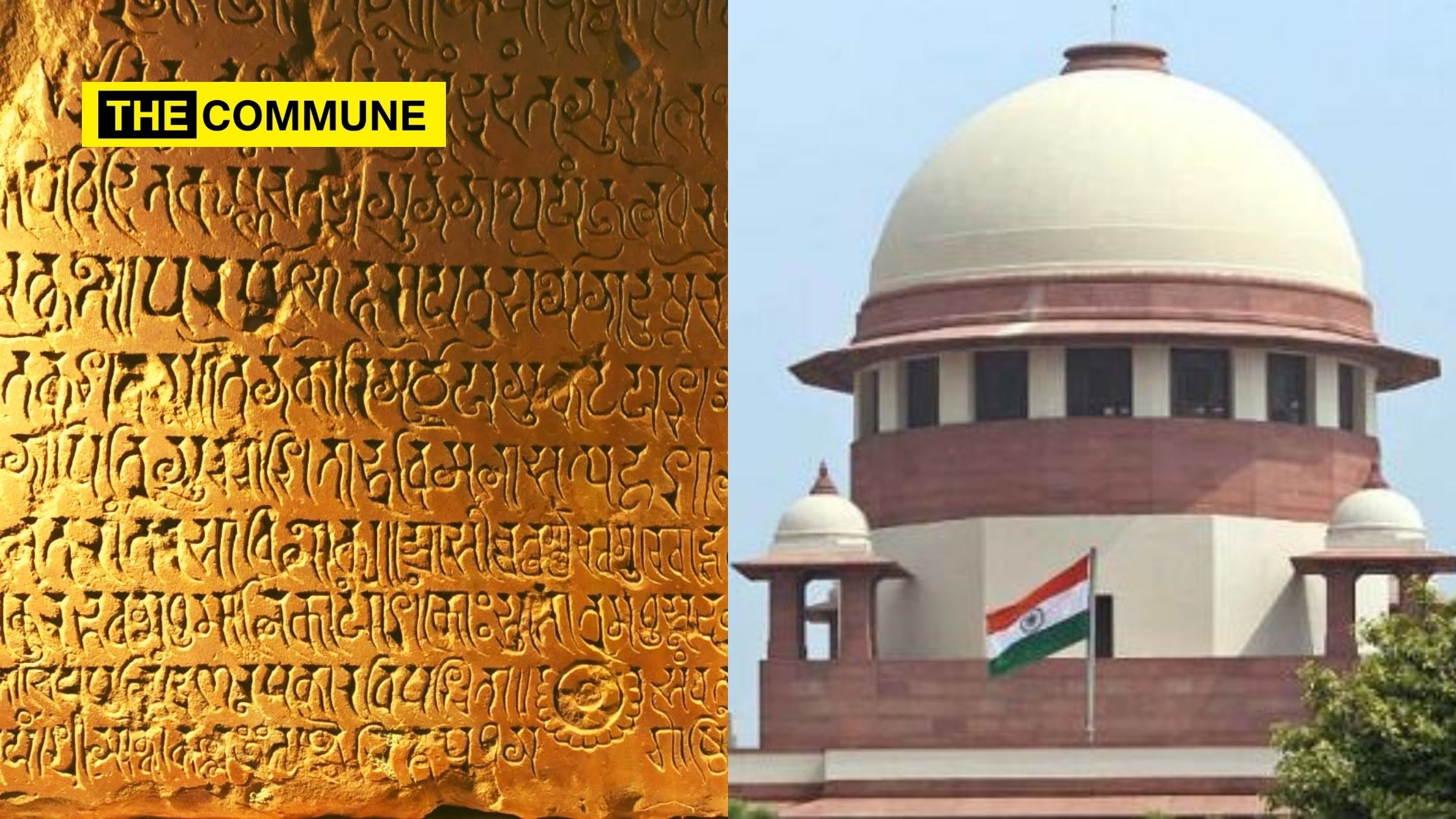
Petition filed in SC to notify Sanskrit as National Language of India

The former Additional Secretary to the Gujarat government, K C Vanzara has filed a petition in Supreme Court seeking to notify Sanskrit as the National Language of India.

The petition wants the Supreme Court to issue a directive to the Union Government to notify Sanskrit as India’s National language while keeping Hindi as its official language.

This can be done simply by an Act or an executive order, without disturbing the present Constitutional frame, said the petition. “Official Language cannot necessarily be equated with National Language. Both definitely can be separate,” Vanzara said.
 
“India should learn from Israel who in 1948, made Hebrew, considered to be a dead Language for the last 2000 years, along with English as the official/national Language of Israel,” the petition said.

The plea said Sanskrit has “the biological scientific phonetic structure of Sanskrit, which develops the brain, rhythmical pronouncing and memorising capacity in children”. Even former PM had said “the greatest treasure that India possesses is and what is her finest heritage, I would answer unhesitatingly that it is the Sanskrit Language literature and all that it contains,” the plea added.
 
It is important to recognise Sanskrit as India’s National Language when European nations are showing keenness to these ancient languages. In Germany, 14 institutes offer courses in Classical Sanskrit literature.

Swami Ayyappa’s lullaby Harivarasanam now hijacked by Christian missionaries

Evangelical Christians, who have been appropriating Hindu religious symbols, practices, traditions and even Hindu Gods in some cases for quite some time are at it again. This time, they have bootlegged ‘Harivarasanam’, a famous lullaby sung for Swami Ayyappan.

‘Harivarasanam’ also known as ‘Hariharatmaja Ashtakam’ is sung every day in Sabarimala temple to put Swami Ayyappan to sleep. The song is not only in popular in Kerala but across south India and wherever Ayyappan devotees are present.

There are many stories about the origin of the song which is written in the style of an ashtapadi (hymn comprising of eight couplets). While Harivarasanam is said to have reached the Sabarimala temple in the 1920s,  it was in 1955 that it gained popularity in the voice of Swami Vimochananda (according to the Travancore Devaswom Board).It has been the urakka paattu (lullaby) for the deity since then.

The song is said to have been written by Kambakudi Kulathur Srinivasa Iyer, who is supposed to have submitted it before the deity after the athazha puja. One Swami Vimochananda is said to have first sung it before the deity.

Another story that goes with the song is that it was penned by Konnakathu Janaki Amma over eight decades back, the descendants of whom came forward with a few handwritten notes to prove it. According Janaki Amma’s daughter Balamani Amma, her mother is said to have given the song to to her father Ananthakrishna Iyer, who served at the temple. He is said to have submitted it before the deity in Sabarimala.

The original version of the song is sung only inside of temple during the daily temple closing ceremony. However, the popular version of the song sung by noted singer K.J. Yesudas is from the original and is sung in the keerthanam format. The song was part of the 1975 film Swami Iyappan, composed by Devarajan and voiced by Yesudas.

Now, this song has been appropriated by one Dr. Francis Nampiaparambil, a Malayali Christian pastor in USA (supposedly a well known singer and composer) who has turned it into a song in praise of Jesus.

The song, which was uploaded on YouTube last November, is currently causing a stir on social media.

This is not just a copyright violation but is also seen as an attempt by Christian missionaries to invade the Hindu faith and convert the followers of the native religion to Christianity.

But there is also a twist. While Hindus especially Ayyappan devotees are angry for misappropriating the song, some of the Christians too are angry for the same reason but with a different emotion. Here is what some of the Christians upset with the song had to say:

The song has earned both bouquets and brickbats from a section of the Hindus and Christians. It is said that the presence of the Sabarimala Temple remains a major hurdle for evangelical Christians to convert the Hindus of the region to Christianity and that such appropriation attempts are undertaken to draw the crowd into their religion.

Paris Mayor fined for appointing ‘too many women’ in the City Hall

The mayor of Paris has been slapped with a whopping €90,000 fine for appointing too many women in managerial positions. About 11 women and 5 men were promoted in 2018 to the City hall. This had apparently breached a 2013 national rule called the “Sauvadet law”, designed to bring about gender parity in employment.

Implemented in 2013, the Sauvadet law imposed a minimum rate of representation for men and women in senior management positions in public service, with neither sex permitted to exceed 60%.

Mayor Anne Hidalgo joked saying that the bureaucracy was suddenly afraid that the panel would become too feminist, and called out on the absurdity of the fine. “11 women, 5 men … The City of Paris was fined 90,000 euros because too many female directors were appointed,” she said on Twitter on Tuesday. “This fine is obviously absurd. Even more, it is unfair, irresponsible, dangerous. Yes, we must promote women with determination and vigour, because the delay everywhere in France is still very great,” she was quoted saying in a report.

“So yes, to promote and one day achieve parity, we must accelerate the tempo and ensure that in the appointments, there are more women than men,” she added. She went on to say that her government was working very hard to make sure that gender parity was being kept at the check, but added that she would take the cheque for the fine to the government in person, along with her deputy mayors and all the women working for her.

‘Ghost boat’ carrying 1400 pounds of cocaine washes ashore on Pacific Islands

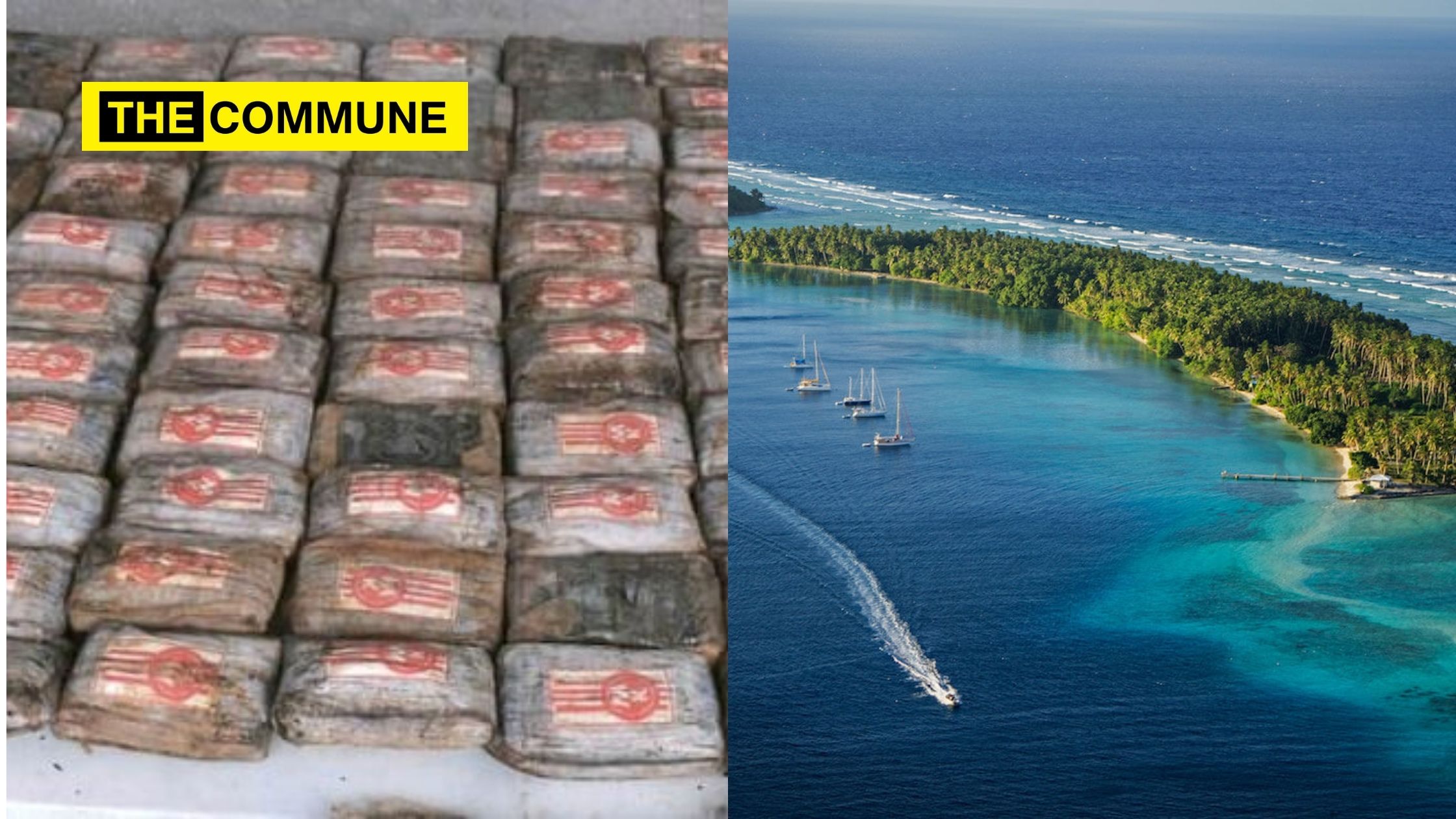
A small ghost boat washed on a desolate island in the Pacific Ocean carrying nothing but close to 650 kg of cocaine. This boat, which was made of fibreglass, was discovered on a beach in the Marshall Islands, situated between the Philippines and Hawaii.

Upon investigation, it was found that the cocaine had come sealed and wrapped in blocks, and was containing a stained yellowish plastic. The initials KW was also found to be present stamped on them. The Marshall Islands police who had discovered this ad destroyed most of them by warning them in an incinerator.

The residents who had noticed this boat notified the authorities and police brought the drugs back to the capital of Majuro, on another island. This week, police brought the cocaine to the incinerator; only 4.4 pounds (2 kg) were saved for the US Drug Enforcement Agency to conduct laboratory analysis, authorities said.

In total, the haul is worth an estimated $80 million, according to RNZ — and is the largest amount of cocaine to ever wash onto the Marshall Islands. Many of the packages that wash up are professionally wrapped. Sometimes residents take the drugs instead of reporting them, fueling widespread drug availability and use.

Wistron plant vandalism: SFI cadre arrested, Indian Communists lend hand to sinister plot of their Chinese masters

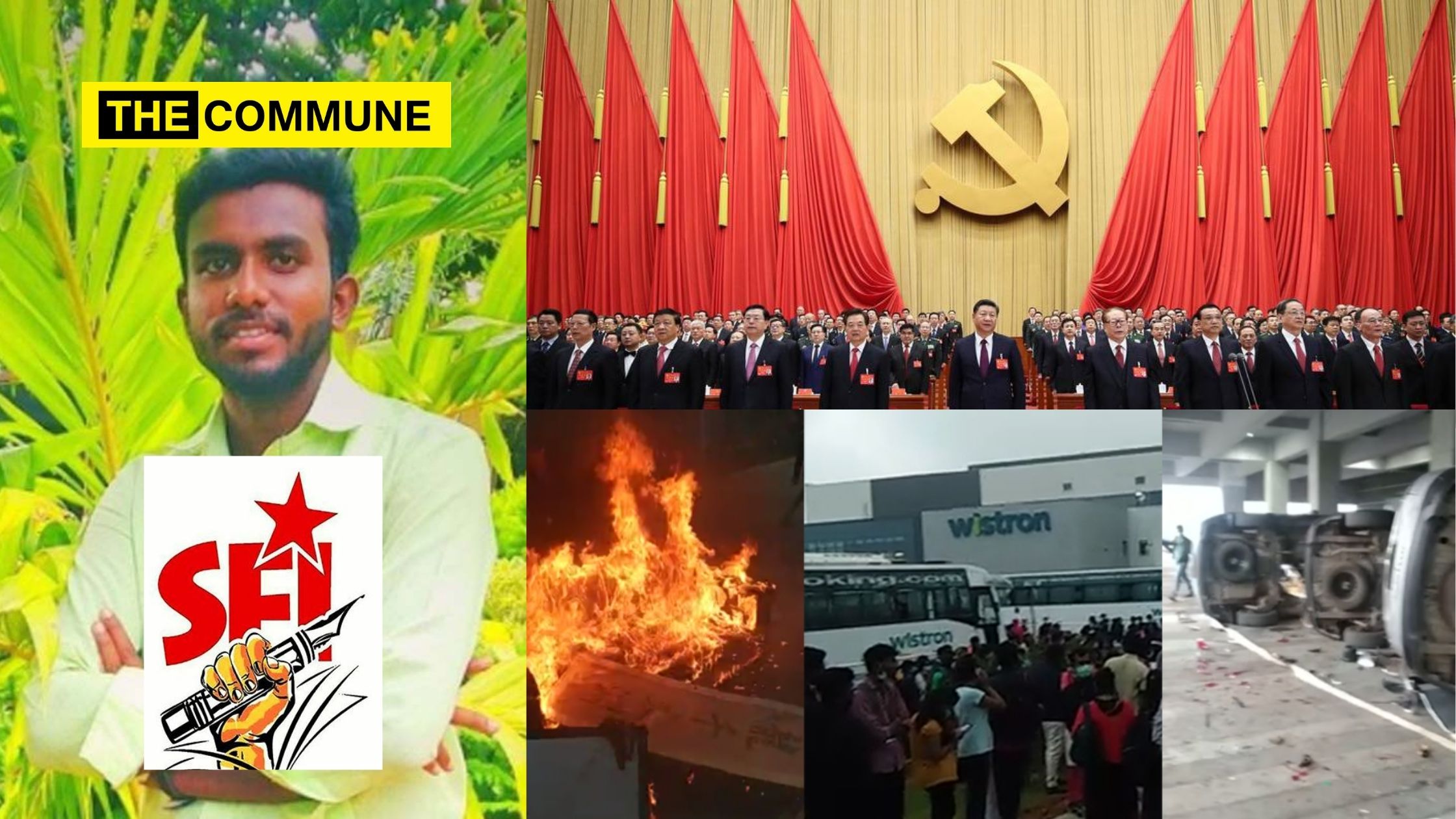
In a disturbing development, the Karnataka police have arrested a local president of Students’ Federation of India (SFI), student body of Communist Party of India, in connection with the violence that took place at the Wistron’s iPhone manufacturing plant in Kolar on Saturday (December 12) morning.

According to the reports, ‘Comrade Srikanth’, who is a taluk president of SFI in Kolar in connection with vandalism, was detained by the Kolar police for the wanton destruction of a mobile manufacturing plant in Narasapura, Kolar.

It has been alledged that employees of Wistron and SFI had planned to hold a protest outside Kolar Collector Sathyabhama’s office at 11 am on December 12.

Using social media, Srikanth sent out the WhatsApp message, calling for the protest and this message was widely circulated among employees that instigated several SFI activists, who allegedly entered Wistron’s premises on the morning of December 12, and carried out acts of vandalism in the plant. 

“Srikanth was arrested for instigating the violence and also bringing in non-employees into the plant which was vandalised,” the police said.

What is even more shocking is that the Communist party-affiliated trade unions defended the attacks and claimed that they were protesting against the non-payment of salaries and extended overtime.

However, the Labour department of Karnataka has refuted such claims and have said that the employees received a regular salary and there was only a 4-day delay this month due to a software bug.

On December 12, hundreds of workers employed at the manufacturing plant went on a rampage that led to the destruction of property, vehicles and equipment in a flash strike. This has resulted in damages in several crores.

It must be noted that the communists in India are closely affiliated with China, and it has been alleged that this attack was carried out at their behest. 

After the spread of the Wuhan virus, many companies decided to leave China and the Communist Party of China and its propagandists has been very busy issuing threats to companies for moving their manufacturing units from China to India.

The powerful communist nation has subtly threatened the other partners of Apple Inc such as Foxconn and asked whether these companies now regret about moving their production facilities to India

The news of this attack on this cell phone manufacturing plant was reported by the Communist Party of China’s mouthpiece The Global Times. Qingqing Chen – a chief reporter of the Global Times, had said that the destruction of Wistron’s plant in India was a potential risk for manufacturers who are moving their production lines out of China.