Home Blog Page 1450

Navy Capt. Amy Bauernschmidt becomes first woman to command US aircraft carrier

Navy Capt. Amy Bauernschmidt became the first woman to command a US Navy aircraft carrier and has been assigned to take command on the USS Abraham Lincoln this summer. Capt. Amy Bauernschmidt is one of six officers recommended to command a nuclear-powered carrier in fiscal 2022. Also selected for the job were Capts. Colin Day, David Duff, Brent Gaut, David-Tavis Pollard and Craig Sicola.

“I am incredibly honoured and humbled to be selected,” Bauernschmidt said in a statement. “I love leading sailors and I take that responsibility extremely seriously.”

Bauernschmidt previously served as the USS Lincoln’s executive officer — another first for a woman — from 2016-2019. After leaving the Lincoln, Bauernschmidt served as the commanding officer of the amphibious transport dock USS San Diego, a command she left in October. In 2016 Bauernschmidt was the first woman to serve as executive officer of a nuclear aircraft carrier, the USS Abraham Lincoln.

Bauernschmidt’s 1994 USNA graduating class was the first whose women were allowed to serve aboard combatant ships and aircraft. A native of Milwaukee, Wisc., she earned her naval aviator wings in 1996, according to her biography. She has tallied more than 3,000 flight hours in naval aircraft.

USS Abraham Lincoln returned to San Diego earlier this year, and she is currently pier side for the long period of routine maintenance and training between carrier deployments.

China’s CRRC Yongji Electric Ltd kicked out from bidding process to manufacture Vande Bharat trains

In a blow to China, the Indian Railways has dismissed a joint bid of Beijing based CRRC Yongji Electric Ltd and India’s Pioneer Fil-Med Ltd for the 1,800 crores worth manufacturing of 44 Vande Bharat trainsets,Times of India reports.

As per the law, companies that have beneficial ownership in countries sharing land borders with India are mandated to get registered before they participate in public procurement contracts.

Though CRRC-Pioneer Electric India had applied for the same and had even submitted their bids earlier this year, the continuing standoff at the Line of Actual Control (LAC) attracted criticism, leading to the tender getting cancelled on “technical ground”.

To ensure such situation do not accor again the ministry altered the conditions for tender and fixed a minimum local content of 75 per cent to convert it into an indigenous tender.

Eventually offers made by BHEL and Medha Servo Drives are the only one that fulfils the criteria.

J&K: 4G ban extended till Jan 8; Udhampur and Ganderbal exempted

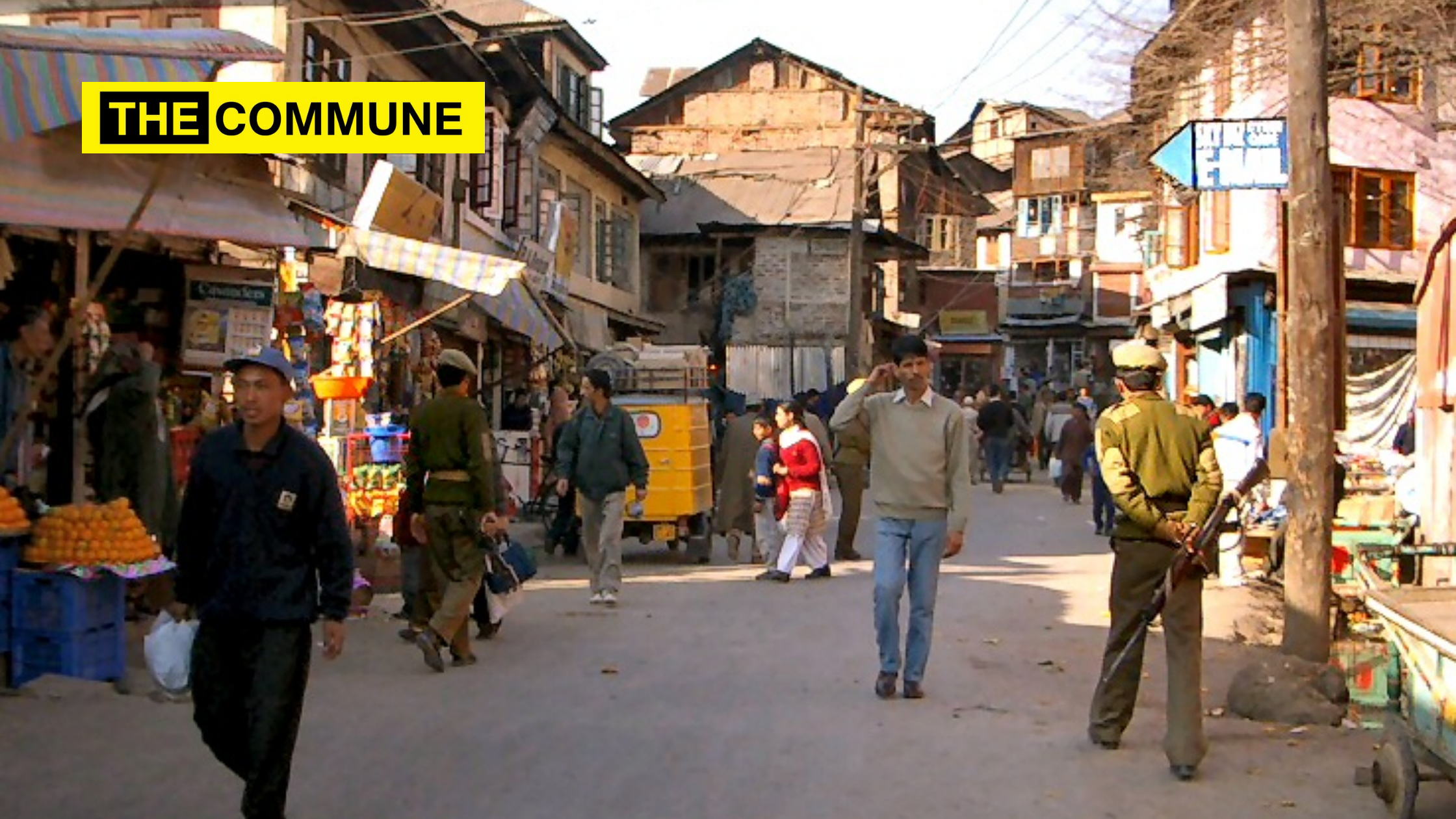
The Jammu and Kashmir administration issued an order on Friday extending the ban on 4G services in Jammu and Kashmir till January 8.

The restriction on high-speed internet services has been in place since August 5, 2019 due to security reasons. This was when the Union Government had scrapped Articles 370 and 35A, and Jammu and Kashmir transitioned from a State to a Union Territory on October 31 of last year.

Earlier, the ban on 4G services was to end after December 25. However, the new order by the administration has extended the ban, except in the districts of Udhampur and Ganderbal, which have been exempted from any internet speed-related restrictions.

The recent order indicated the possibility of a large number of terrorists infiltrating from across the border and said that curbs on high-speed internet has blocked their attempts to do so.

Meanwhile, National Conference (NC) patriarch and People’s Alliance for Gupkar Declaration (PAGD) chief Farooq Abdullah requested the Centre to restore 4G services immediately. He added that the people of Kashmir — especially students and business people — were suffering due to the curbs on internet-speed. “When the Prime Minister is talking about 5G, we do not even have 4G. This should be restored as quickly as possible,” he said.

Madhya Pradesh Cabinet approves ‘anti-Love Jihad’ Bill; to be tabled in Assembly

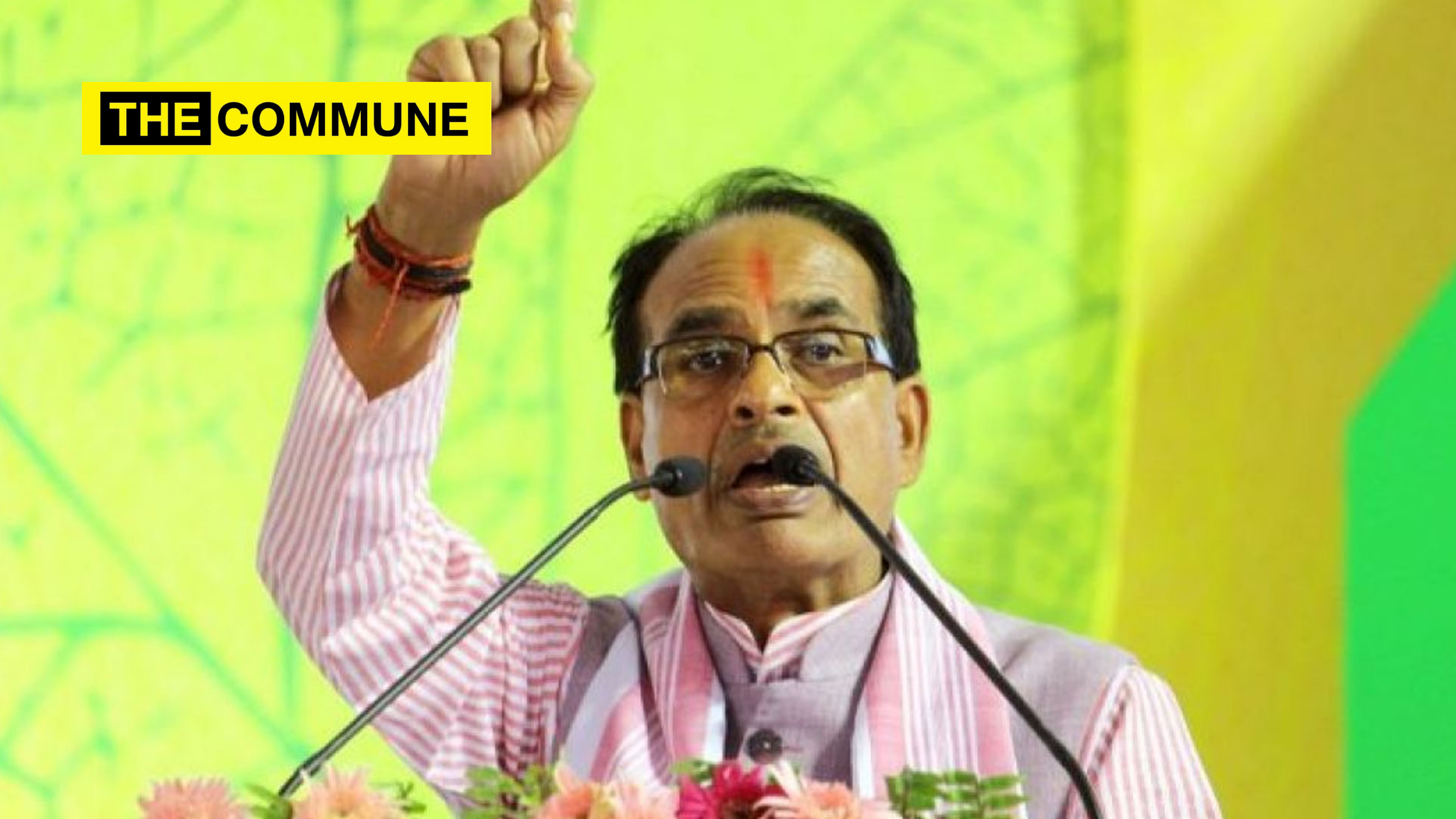
In what is being seen as a big move by Madhya Pradesh Chief Minister Shivraj Singh Chouhan, the MP cabinet has okayed the “Madhya Pradesh Freedom of Religion Bill, 2020” on December 26. This was done in a special cabinet meet chaired by CM Chouhan.

Under this new bill, forced conversion of a minor, woman or a person from Scheduled Caste or Scheduled Tribe, would draw a minimum jail term of 2 to 10 years with a minimum penalty of ₹50,000.

“Under the new Bill, forcing religious conversion on someone will attract 1-5 yrs of imprisonment and a minimum Rs 25,000 fine,” said Madhya Pradesh Home Minister Narottam Mishra.

When passed in the Assembly and approved by the governor, Madhya Pradesh would become the third BJP-ruled state to implement laws against “love jihad”, after Uttar Pradesh and Himachal Pradesh.

Uttar Pradesh Governor Anandiben Patel promulgated the law in November three days after the Uttar Pradesh Cabinet cleared the Prohibition of Unlawful Conversion of Religion Ordinance, 2020. Himachal Pradesh this week implemented acts against conversions by force, inducement or through marriages solemnised for the sole purpose of adopting a new religion. Although the bill had been passed by the Assembly last year, only recently had it received the governor’s assent.

Skill Ministry and Tata launch first batch of Indian Institute of Skills

With the vision of propelling India to the forefront of skill development and job creation under Skill India Mission and to provide an impetus to Skill India programme through private sector participation, the first batch of trainings at the Tata-Indian Institute of Skills, Mumbaiwas launchedat a virtual eventtoday by Dr. MahendraNathPandey, Union Minister of Skill Development and Entrepreneurship. The institute is a joint initiative between Ministry of Skill Development & Entrepreneurship (MSDE), Government of India and Tata Indian Institute of Skills. Formal agreement for setting up institute has been signed between MSDE and TATA IIS on 11th November, 2020.

The first batch at TATA-Indian Institute of Skills will commence training with two courses in Factory Automation, with duration ranging from1 to 4 weeks, depending upon the pre-qualification profile of the trainee.The institute will also offer scholarships to the first 100 students along with attractive fee options during this initial launch phase.  An early bird scholarship scheme of 75% has also been announced for the first 100 students/trainees.

Speaking at the launchevent,Dr. MahendraNathPandey, Union Minister of Skill Development and Entrepreneurshipsaid, “With an aim to provide high-quality technical and vocational learning across various sectors, the foundation for state-of-the-art infrastructure was laid last year and today with the launch of its first set of coursesat IIS Mumbai, I can proudly say that we are inching closer to achieve the vision of our Honorable Prime Minister, Shri NarendraModi of making India the ‘Skill Capital of the World’. Following the footsteps of other prominent centers of education in the country, IIS Mumbai will be instrumental in imparting world-class training to help build a future ready workforce.I extend my gratitude towards the Government of Maharashtra and Tata Group for extending support towards Skill India Mission and I am hopeful that this collaboration will transform the state’s youth from job seekers to job creators.”

The Minister for Skill Development and Entrepreneurship, Maharashtra, Shri Nawab Malik also graced the occasion with his presence and expressed maximum support on behalf of the Maharashtra Government in making this initiative a grand success for the country.

The institute envisages partnerships with multiple private organizations who are leaders in their respective fields, two of which are currently in place, with FESTO, a global leader in industrial automation and SMC Corporation, Japan, world’s largest manufacturer of pneumatic components, for trainings.The two courses launched today will focus on Factory Automation, envisaged to be the foundation for future courses and Smart Manufacturing (Industry 4.0) technology and applications, to prepare youth for emerging job roles of the next five years and beyond. The courses will be offered at Tata-IIS interim campus at the National Skills Training Institute (NSTI), Chembur.  The institute’s permanent campus, currently under construction in the campus of National Skill Trainers’ Institute (NSTI), Mumbai, is likely to be operational by 2022, and will have a capacity of over 5,000 trainings per year.

Mr. Girish Krishnamurthy, Director, Tata IIS, said, “This is a key development in India’s journey to provide skilling and job-readiness to its youth. The institute aspires to become a beacon to other institutions of its kind in the years to come.”

The primary goal behind setting up the institute is to create industry-ready workforce as per the evolving demands of the national and global markets. It aspires to be one of the most premier training institutions in the country and will be equipped withworld-class vocational training facilities. The institute plans to provide trainings in highly specialized areas such as defense, oil & gas, aerospace, and other emerging businesses to meet industry demands.

Training and learning at Tata-IIS Mumbai will be driven through strong industry connect in both public and private sectors. Equipped with modern training methodologies leveraging digital and augmented learning platforms, the institute will also focus on apprenticeship-embedded courses and offering higher order qualifications in conjunction with other universities.

RBI Cautions against unauthorised Digital Lending Platforms/Mobile Apps

In a statement issued today, RBI has cautioned that legitimate public lending activities can be undertaken by Banks, Non-Banking Financial Companies (NBFCs) registered with RBI and other entities who are regulated by the State Governments under statutory provisions, such as the money lending acts of the concerned states. Members of public are hereby cautioned not to fall prey to such unscrupulous activities and verify the antecedents of the company/ firm offering loans online or through mobile apps. Moreover, consumers should never share copies of KYC documents with unidentified persons, unverified/unauthorised Apps. One should report such Apps/Bank Account information associated with the Apps to concerned law enforcement agencies or use Sachet portal  to file an on-line complaint.

There have been reports about individuals/small businesses falling prey to growing number of unauthorised digital lending platforms/Mobile Apps on promises of getting loans in quick and hassle-free manner. These reports also refer to excessive rates of interest and additional hidden charges being demanded from borrowers; adoption of unacceptable and high-handed recovery methods; and misuse of agreements to access data on the mobile phones of the borrowers.

Reserve Bank has also mandated that digital lending platforms which are used on behalf of Banks and NBFCs should disclose name of the Bank(s) or NBFC(s) upfront to the customers. The names and addresses of the NBFCs registered with the Reserve Bank can be accessed here and the portal for filing complaints against the entities regulated by the RBI can be accessed through https://cms.rbi.org.in.

(Published form PIB)

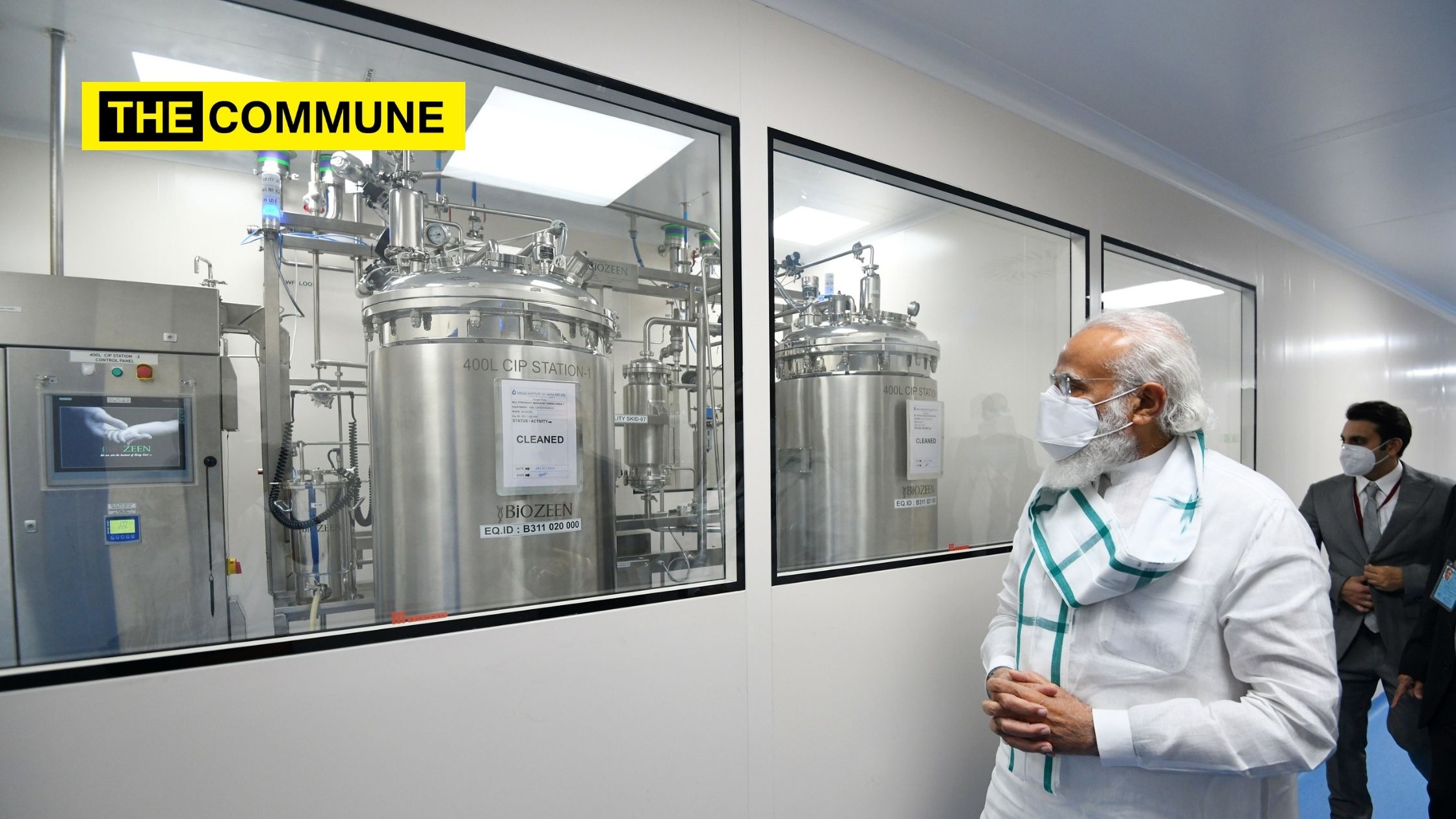
Central Government gears up for roll out of COVID19 Vaccine

The Central Government is gearing up for the roll out of COVID19 vaccine across the country. As the vaccine administrators will play an important role in the vaccination process, training of trainers and those who shall administer the vaccine has been taken up across various States.

To strengthen the capacity of our human resource for COVID-19 vaccine introduction and roll-out, detailed training modules have been developed for different categories of vaccine handlers and administrators including medical officers, vaccinators, alternate vaccinators, cold chain handlers, supervisors, data managers, ASHA coordinators and all others involved in the implementation process at different levels. The training includes all operational aspects of training like organization of vaccination sessions, use of Co-WIN IT platform for management of the entire vaccination process,  deployment of HR  Cold chain preparedness, Management of adverse events,  communications and intersectoral coordination, biomedical waste management,  infection prevention protocols etc.

2,360 participants were trained during national level Training of Trainers which comprised state immunization officers, cold chain officers, IEC officials, development partners etc. As on date, the State level trainings had been completed in all States/UTs with participation of more than 7000 district level trainees, except Lakshadweep which will conduct it soon (29th Dec). Cascading down, 681 districts (49,604 trainees) have completed the training of Medical Officers on operational guidelines. Vaccination team trainings have been completed in 1399 out of 17831 blocks/ planning units. It is on going in the other blocks.

To facilitate redressal of queries on COVID-19 vaccination and Co-WIN portal related queries, national 1075 and state 104 Helpline capacity has also been strengthened to address queries beyond their routine support.

As a step to prep up for administration of COVID-19 vaccine, and to assess the readiness of the planned activities, a dry run has been planned in four states to start with, viz. Andhra Pradesh, Assam, Gujarat, Punjab considering the geographical locations. Each State will plan it in two districts and preferably in different (five) session type settings e.g. district hospital, CHC/PHC, urban site, private health facility, rural outreach etc. This will exercise enable end-to-end mobilisation and testing of COVID-19 vaccination process (except the vaccine) and check the usage of Co-WIN in field environment, the linkages between planning, implementation and reporting mechanisms and identify challenges and guide way forward prior to actual implementation including improvements that may be required in the envisaged process. This will also provide a hands-on experience to programme managers at various levels. This two-day activity is planned on 28th & 29th December 2020, and will include activities from the necessary data entries in Co-WIN to vaccine receipt & allocation to deployment of team members, mock drill of session sites with test beneficiaries to reporting and evening meeting. This will also  include testing for cold storage and transportation arrangements for COVID19 vaccine, management of crowd at the session sites with proper physical distancing.

An important focus of the dry run will be on management of any possible adverse events following immunisation (AEFI). In addition, adherence and management of infection control practices at the session site, to prevent disease transmission. The mock drill will include concurrent monitoring and review at the block and district levels, and preparation of feedback to be shared with the State and Union Health Ministry.

Detailed checklist has been prepared by the Union health Ministry and shared with the four States to guide them in the dry run.

The National Expert Group on Vaccine Administration of COVID-19 (NEGVAC) has recommended three prioritised population groups including  Healthcare Workers (HCWs) (about 1 crore), Frontline Workers (FLWs) (about 2 crore), and Prioritized Age Group (about 27 crore).   As vaccines are temperature sensitive and need to be stored in specific temperature, the present cold chain system consisting of 85,634 equipments for storage of vaccine at about 28,947 cold chain points across the country will be used for the cold chain administration. The current cold chain is capable of storing additional quantity of Covid-19 vaccine required for the first 3 Crore prioritised population i.e Health Care Workers and Front Line Workers.

(Published from PIB)

PM releases next instalment of financial benefit under PM Kisan Samman Nidhi

modi assam west bengal

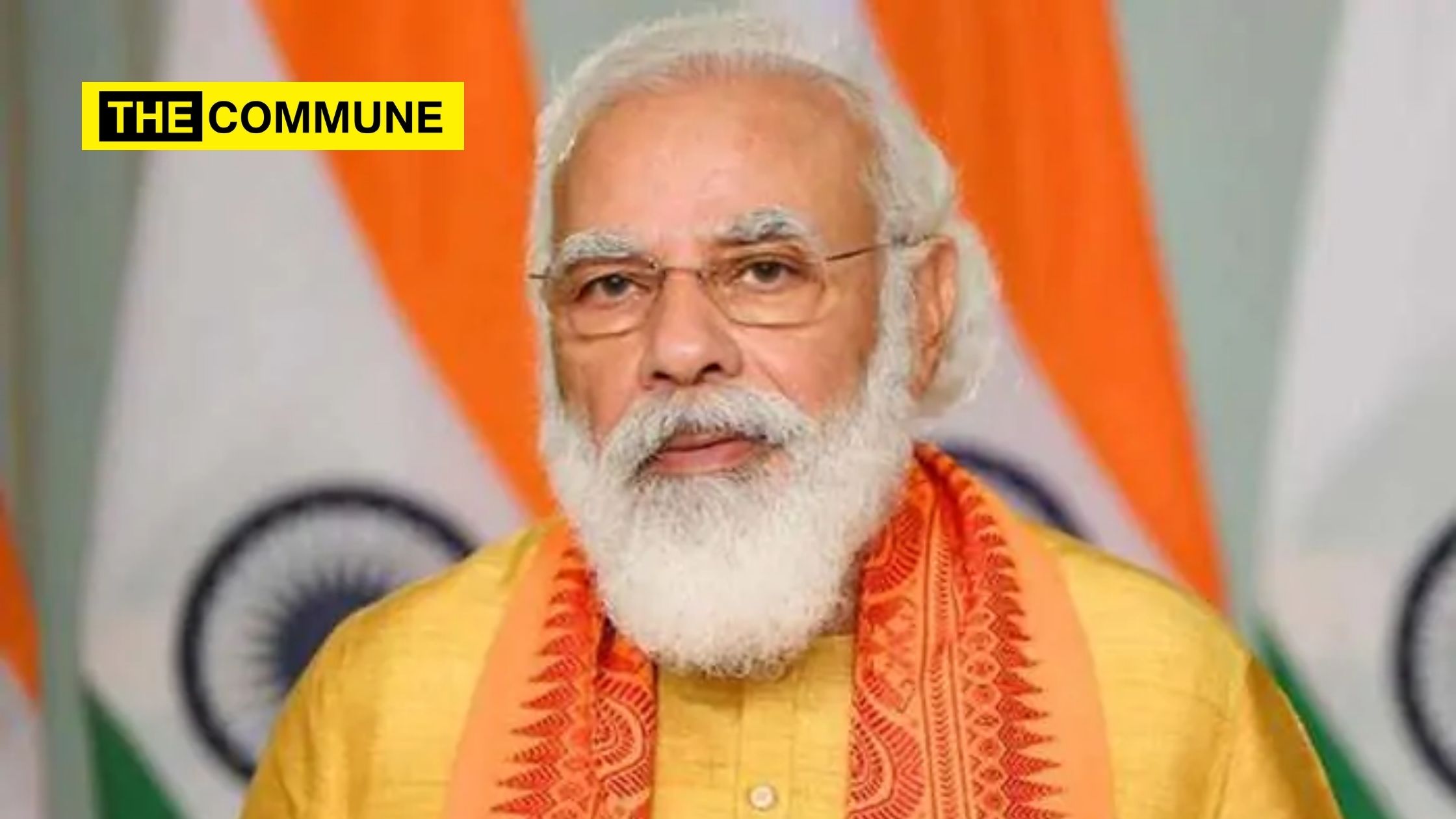
The Prime Minister Narendra Modi today released the next instalment of financial benefit under PM Kisan Samman Nidhi through video conference.

Speaking on the occasion, the Prime Minister said Rs 18000 crore have been deposited directly in the bank account of more than 9 crore farmer families in the country at the click of a button today. He added ever since this scheme started, more than 1 lakh 10 thousand crore rupees have reached the account of farmers.

The Prime Minister expressed regret that more than 70 lakh farmers of West Bengal have not been able to get this benefit. He said over 23 lakh farmers of Bengal have applied online to take advantage of this scheme. But the state government has stopped the verification process for so long. He said the parties which do not speak in the interest of farmers in West Bengal, come here to Delhi and talk about the farmer. He said these parties are missing APMC-mandis nowadays, but these parties repeatedly forget that there are no APMC-mandis in Kerala and these people never agitate in Kerala.

The Prime Minister said the Government worked at aiming to reduce the input cost of the farmers. He listed some farmer-centric initiatives of the Government like Soil Health Card, Neem Coating of Urea, scheme for distribution of Solar Pumps which helped in reducing the input cost for the farmers. He added the government tried to ensure that the farmers have a better crop insurance cover. Today, crores of farmers are getting the benefit of the PM crop insurance scheme.

The Prime Minister said the government tried to ensure that the country’s farmers get a fair price for the crop. He said the Government fixed one and a half times the production cost as MSP for the farmers as per the recommendations of the long-standing Swaminathan Committee report. He added the number of crops for which MSP is available were also increased.

The Prime Minister said that the Government aimed to open new markets for the farmers to sell their crop. He said the Government added more than a thousand agricultural mandis of the country online. Among these, more than Rs. one lakh crore have been traded. He said the Government worked towards forming groups of small farmers so that they can work as a collective force in their region. Today, a campaign is underway to form more than 10000 Farmers Producer Organizations – FPO in the country, they are being given financial help.

The Prime Minister said today, the farmers are getting a pucca house, toilet and clean piped drinking water. They have benefited greatly from the free electricity connection, free gas connection. Free treatment up to Rs. 5 lakh under Ayushman Bharat scheme has reduced the major concern of the lives of farmers.

The Prime Minister said through these agricultural reforms better options were provided to the farmers. After these laws farmers can sell their produce to whomever they want. They can sell their produce wherever they get the right price. He said after the new laws, farmers can sell their produce at MSP or sell it at market or export or sell it to the merchant, or sell it in another state, or sell it through FPO or be part of the value chain of biscuits, chips, jam, other consumer products.

The Prime Minister said investment and innovation has improved in other sectors, the income was enhanced and Brand India was established in that sector. He said now the time has come for Brand India to establish itself in the agricultural markets of the world with equal prestige.

The Prime Minister thanked all the farmers across the country who have fully supported and welcomed the agricultural reforms and assured that he will not let them down. He said people mainly from the rural areas, participated in the recently held local body elections in Assam, Rajasthan, Jammu and Kashmir and in a way, rejected all the parties that misled farmers.

(Published from PIB)

The pandemic taught us an important lesson that we need to be self-reliant:Vice President

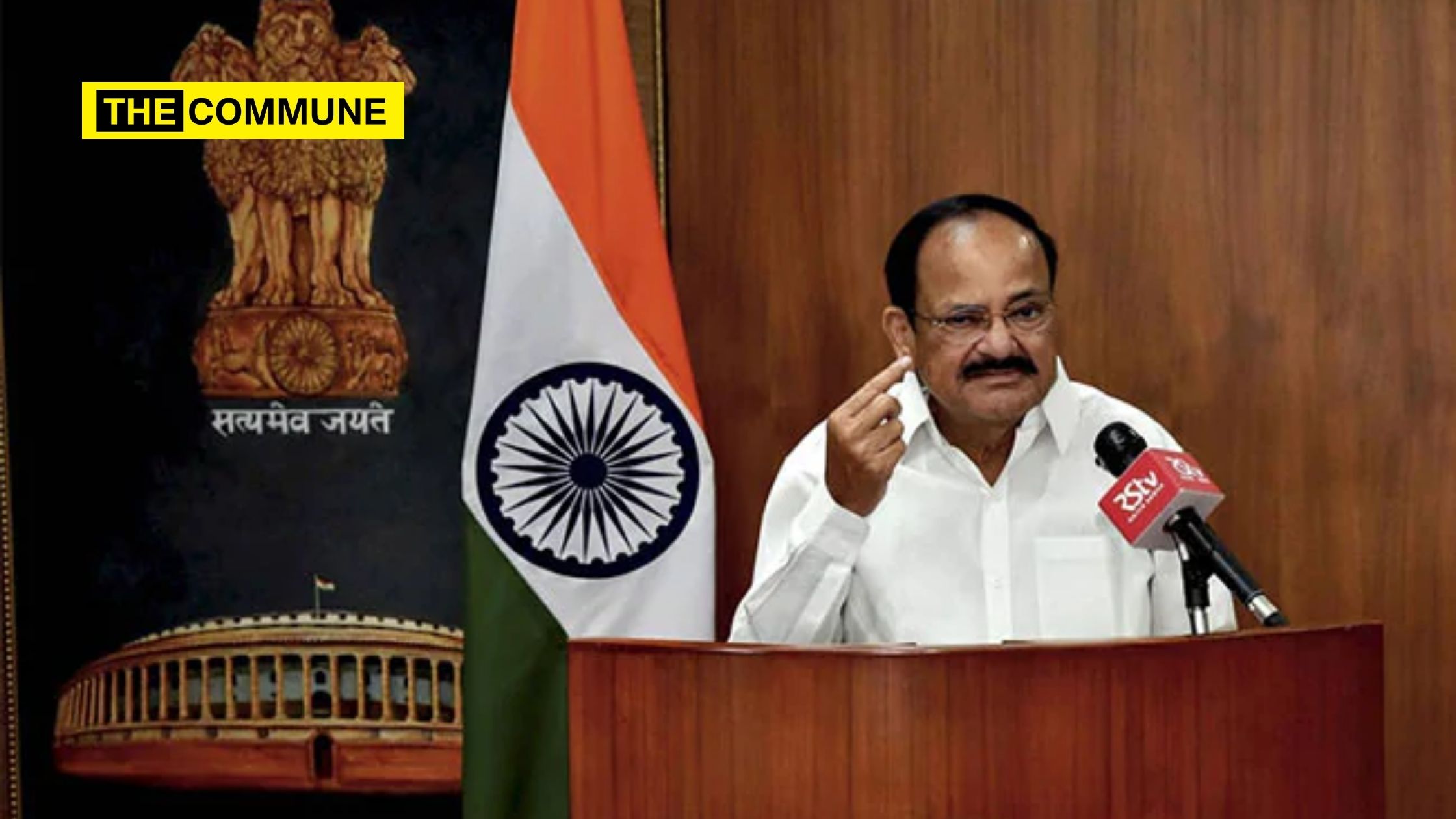
The Vice President M. Venkaiah Naidu today expressed happiness over the fact that India is on the verge of releasing its own indigenous COVID vaccine. He also complimented the hard-working scientists who have made this possible.

Addressing the concluding session of the India International Science Festival from Hyderabad through virtual mode, the Vice President lauded the dedication of Indian scientists in making India self-reliant in the production of PPEs and Covid-19 testing kits. The Vice President said that India had negligible production capacity of PPEs, ventilators and testing kits at the beginning of the pandemic but within a short span we are now able to export PPEs.

Observing that false information on the nature of the coronavirus, medication and the vaccine has caused panic and anxiety among the people the Vice President said that this ‘infodemic’ also reinforces the importance of scientific temper in our lives. Emphasizing that a citizen who thinks critically will be immune to such misinformation or fake news, he called for promoting the spirit of inquiry. “It is not vaccines or drugs that can defeat the ‘infodemic’, but a rational outlook among people’, he said.

Calling science as the lifeline of human progress, the Vice President noted that science is about the spirit of rational inquiry that can guide us in our lives. Mentioning that our Constitution lists the development of scientific temper as one of our Fundamental Duties, he said that if we imbibe this temper, we can apply scientific methodology to every endeavour of life and make informed decisions.

“In our eternal search for truth, let us imbibe the rigour of a scientist, the wisdom of our ancestors, and the inquisitiveness of a child”, the Vice   President added.

Referring to India’s rich background in science the Vice President emphasised that even in the field of science, India’s core philosophy has always been ‘share and care’ and ‘VasudaivaKutumbakam’. Mentioning that the famed scientist JC Bose never filed a single patent despite the many inventions and discoveries he made, the Vice President said that it is in the same spirit that we have not only become the pharmaceutical hub of the world, but we have been extensively sharing these life-saving drugs with the rest of the developing world.

Regretting that most Indians are not even aware of our own rich history in science the Vice President called for celebrating our scientific achievements. He also called for encouraging children to take up careers in science and making India a world leader in scientific research.

Expressing the need to promote science education and inculcate the scientific temper from a young age, the Vice President said that children have an inherent curiosity and how we channelize that curiosity is very important. If we encourage them to ask questions and think critically, they will become confident, self-assured, and fearless for the rest of their lives, he said adding that ‘a confident generation means a confident nation!’

“Don’t push children to give answers.  Instead nudge them to ask questions!”, he appealed to the parents and educators.

Calling for an end to rote learning, he said that students should be encouraged to ‘discover’ rather than be ‘told’. He expressed happiness over an exclusive event on toys and games in the science festival and said that games and puzzles are an important component to nurture inquisitiveness and kindle creativity in children. He called for more research by designers and child psychologists in this area.

The Vice President emphasized that an important lesson taught by this pandemic is that we need to invest and sustain R&D and strive to become self-reliant. Our space programme is a sterling example of how self-reliance can be achieved, he underlined.

He also called upon the private sector to partner with various institutes to promote innovation in the country to make India self-reliant in critical sectors like electronics and defence.

Drawing attention to the imminent fourth industrial revolution the Vice President expressed the need to capitalize on our demographic dividend, skill our youth, and ride this revolution to make our unique mark in the world of science.

On this occasion the Vice President emphasized the need for a holistic and inter-disciplinary approach in science education and called for making environmental sustainability an intrinsic part of scientific research. He also opined that science and technology should address the pressing needs of the common man. In the end, science is all about making people’s lives comfortable and happier, VP added.

Noting that December, 25th is the birth anniversary of former Prime Minister Atal Bihari Vajpayee ji and Pt. Madan Mohan Malviya ji, the Vice President said that we must take inspiration from their lives. Wishing the people a Merry Christmas, he said that Christmas is the festival of peace & love, and the peace as the prerequisite of progress. “We all should work for peace”, Vice President Naidu said and added that advancements in science are very useful in strengthening peace.

The Vice President appreciated the India International Science Festival for furthering the cause of science and scientific thought. He also complimented the organizers for successfully organizing the festival in a virtual format.

This year’s science festival was themed on – “Science for Self-Reliant India and Global Welfare” and was organized by CSIR and Vijnana Bharathi in coordination with various ministries.

Dr. Harsh Vardhan, Union Minister of Science & Technology, Earth Sciences and Health & Family Welfare, Dr. Shekhar C Mande, Chairman, IISF-2020, Director General, CSIR, Prof. Ashutosh Sharma, Secretary, Department of Science & Technology (DST), Dr.Renu Swarup, Secretary, Department of Biotechnology (DBT), Dr. M Rajeevan, Secretary, Ministry of Earth Sciences (MOES), Dr. Vijay P Bhatkar, President, Vijnana Bharati, Shri Jayant Sahastrabuddhe, National Organising Secretary, Vijnana Bharati and Dr. Ranjana Aggarwal, Chief Coordinator, IISF-2020, Director, CSIR-NISTADS and CSIR-NISCAIR were among the dignitaries who attended the virtual event.

(Published from PIB)

Santa comes to International Space Station as astronauts on board receive Christmas presents

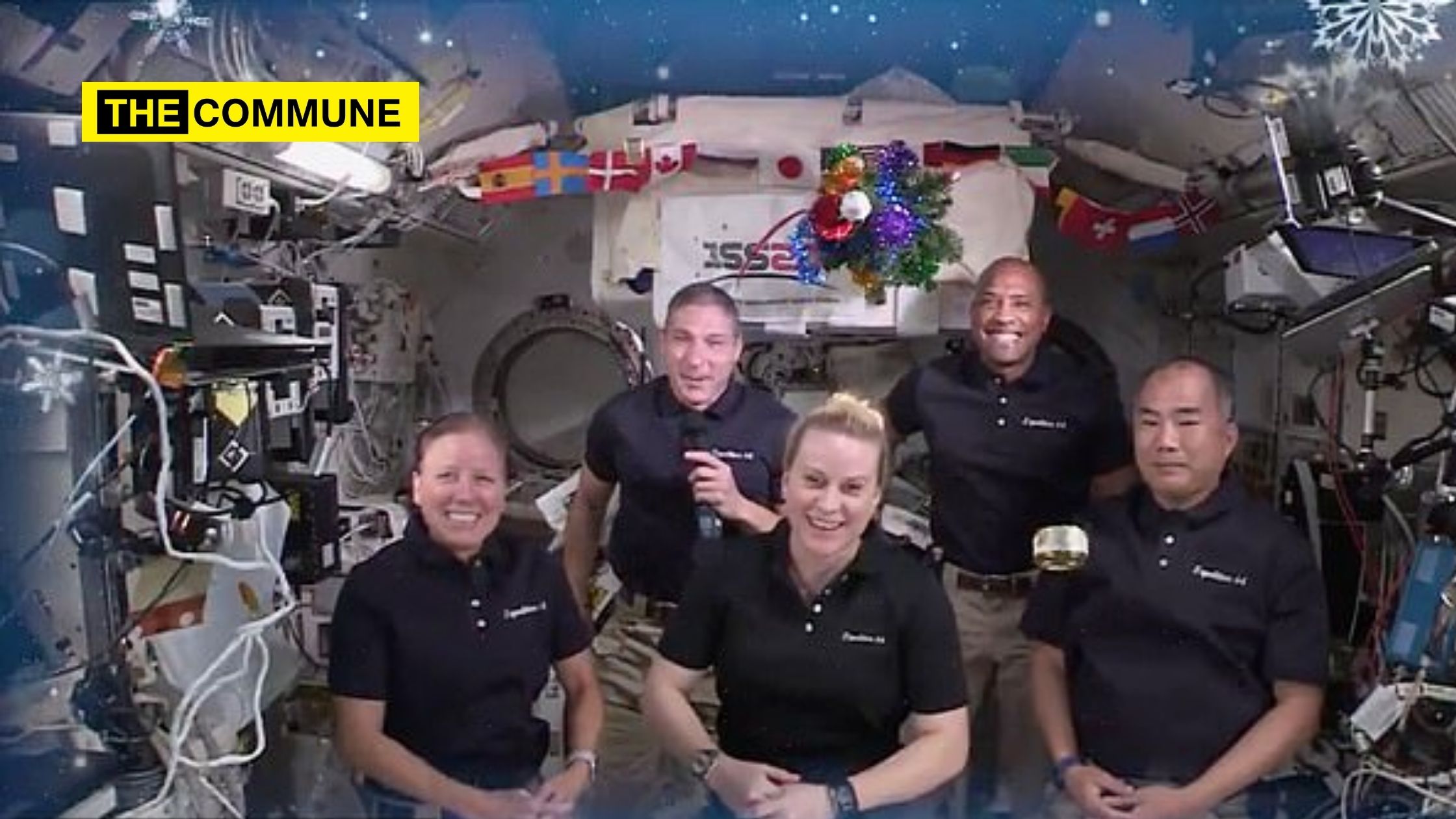
As the astronauts at the International Space Station (ISS) beamed a message to their families back home on earth. they were in for a pleasant surprise, as some holiday levity had swept in. SpaceX Crew Dragon pilot Victor Glover showed off his socks, custom-printed with photos of his family, and Japan Aerospace Exploration Agency engineer Soichi Noguchi shared an early Christmas present for the team – a can of mackerel made by a group of schoolgirls.

The International Space Station will host seven crew members throughout the holiday season, the most ever for the orbiting laboratory in its 20 years of having humans living aboard.

The Expedition 64 crew members are taking the day off, but NASA astronauts Mike Hopkins, Victor Glover, Shannon Walker and Kate Rubins, and Japanese space program astronaut Soichi Noguchi still took some time to send a message of “resilience” back home during a particularly difficult holiday season.

“Resilience” is also the name they gave to the SpaceX Crew Dragon capsule that launched four of the astronauts to the space station last month.

The Expedition 64 crew members are taking the day off, but NASA astronauts Mike Hopkins, Victor Glover, Shannon Walker and Kate Rubins, and Japanese space program astronaut Soichi Noguchi still took some time to send a message of “resilience” back home during a particularly difficult holiday season.

“Resilience” is also the name they gave to the SpaceX Crew Dragon capsule that launched four of the astronauts to the space station last month.